Medispirex Medispirex

Total Hip & Knee Replacement (THR/TKR) Systems

Empowering Global Healthcare Providers and OEM/ODM Partners with Clinical-Grade Joint Reconstruction Implants, Precision Materials, and End-to-End Regulatory Assurance.

Enterprise Capacity & Engineering Excellence

Driving joint reconstruction technology forward through integrated research, precision manufacturing, and clinical-grade compliance.

18,600㎡
Production Facility
USD 18M
Annual Export Revenue
85+ Eng.
R&D Design Team
45 Pro.
QC Assurance Specialist

About Medispirex Orthopedic Technology

Established in 2016, Medispirex Orthopedic Technology Co., Ltd. has evolved into a global leader in spine and orthopedic implant design. From our modern, purpose-built manufacturing facility spanning approximately 18,600㎡, we implement rigorous raw-material selection, multi-axis precision machining, and specialized surface treatment technologies to fulfill the global demand for advanced joint reconstruction implants.

Supported by more than 12 years of industry expertise and 7 years of direct global export experience, Medispirex operates as a trusted supply partner in Europe, North America, the Middle East, and Southeast Asia. We support a robust network of approximately 860 upstream and downstream partners to sustain clinical demands and provide flexible business options including private label manufacturing (OEM), product design adaptation (ODM), and complete surgical system instrumentation configuration.

Our agile R&D team, comprised of approximately 85 dedicated engineers specializing in biomechanics and materials science, successfully engineered and launched 120 new products last year alone, ensuring our portfolio remains at the cutting edge of clinical technology.

Uncompromising Quality Assurance

Patient safety is the absolute foundation of our operation. Our quality assurance architecture features 45 dedicated QC specialists overseeing a rigorous, four-stage validation framework:

  • Incoming Material Inspection: Strict chemical composition audits, phase analysis, and microscopic testing of raw alloys (Ti6Al4V, CoCrMo, and medical-grade UHMWPE).
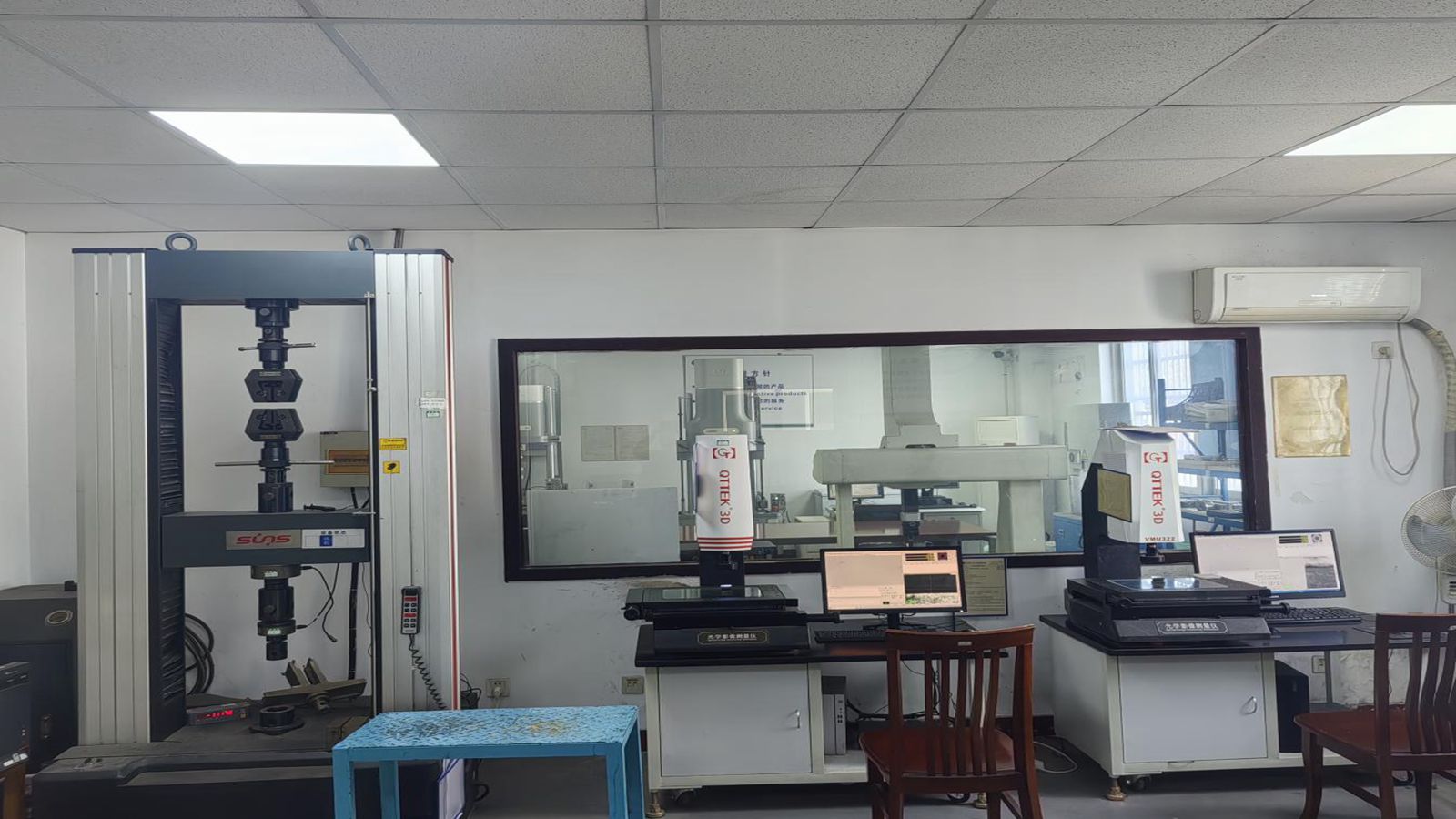
  • In-Process Quality Control (IPQC): Real-time dimensional verification, coordinate-measuring machine (CMM) testing, and strict control of tolerances down to the micron level.
  • Final Product Validation: Fatigue tests under simulated physiological conditions, surface roughness analysis, and sterility evaluations.
  • End-to-End Traceability: Laser-etched unique identifier codes linked to raw material heats, production batches, and sterilization parameters.

Global Clinical Solutions & Industry Frameworks

Addressing the major challenges in joint reconstruction through engineering solutions that mitigate aseptic loosening and osteolysis.

Mitigating Osteolysis & Wear

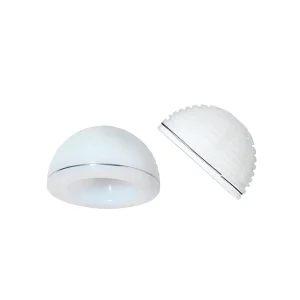
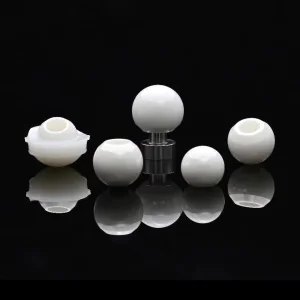
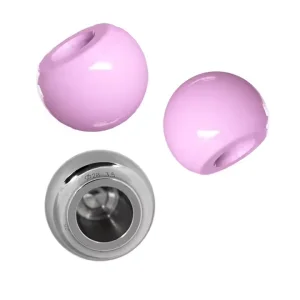
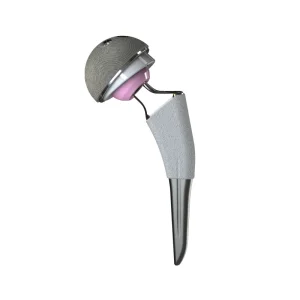
By leveraging ultra-high molecular weight polyethylene (UHMWPE) and premium ceramic-on-ceramic friction interfaces, we drastically reduce particulate wear debris. This reduces the risk of periprosthetic osteolysis and significantly extends implant survivorship in active patient demographics.

Biomimetic Fixation & HA Coating

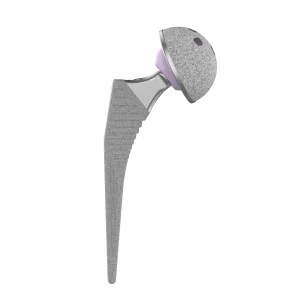
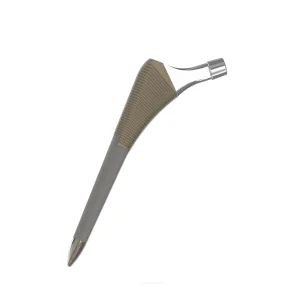
Our femoral stems utilize a plasma-sprayed Titanium (Ti) and Hydroxyapatite (HA) dual-layer coating. This micro-porous topology matches natural bone trabeculae, facilitating rapid secondary biological fixation and preventing stress shielding.

Anatomical Match & Versatility

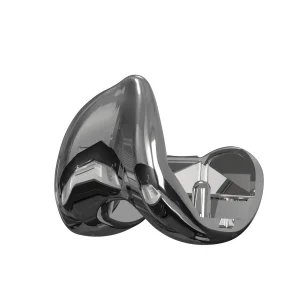
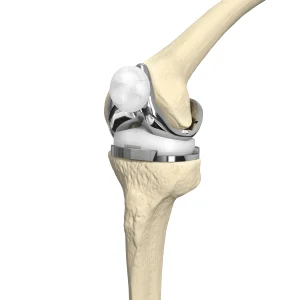
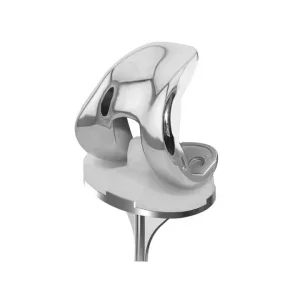
Featuring modular neck designs, diverse femoral stem offsets, and multi-radius knee components, our systems address diverse patient anatomies. This ensures intraoperative flexibility and optimal kinematics for primary joint reconstructions.

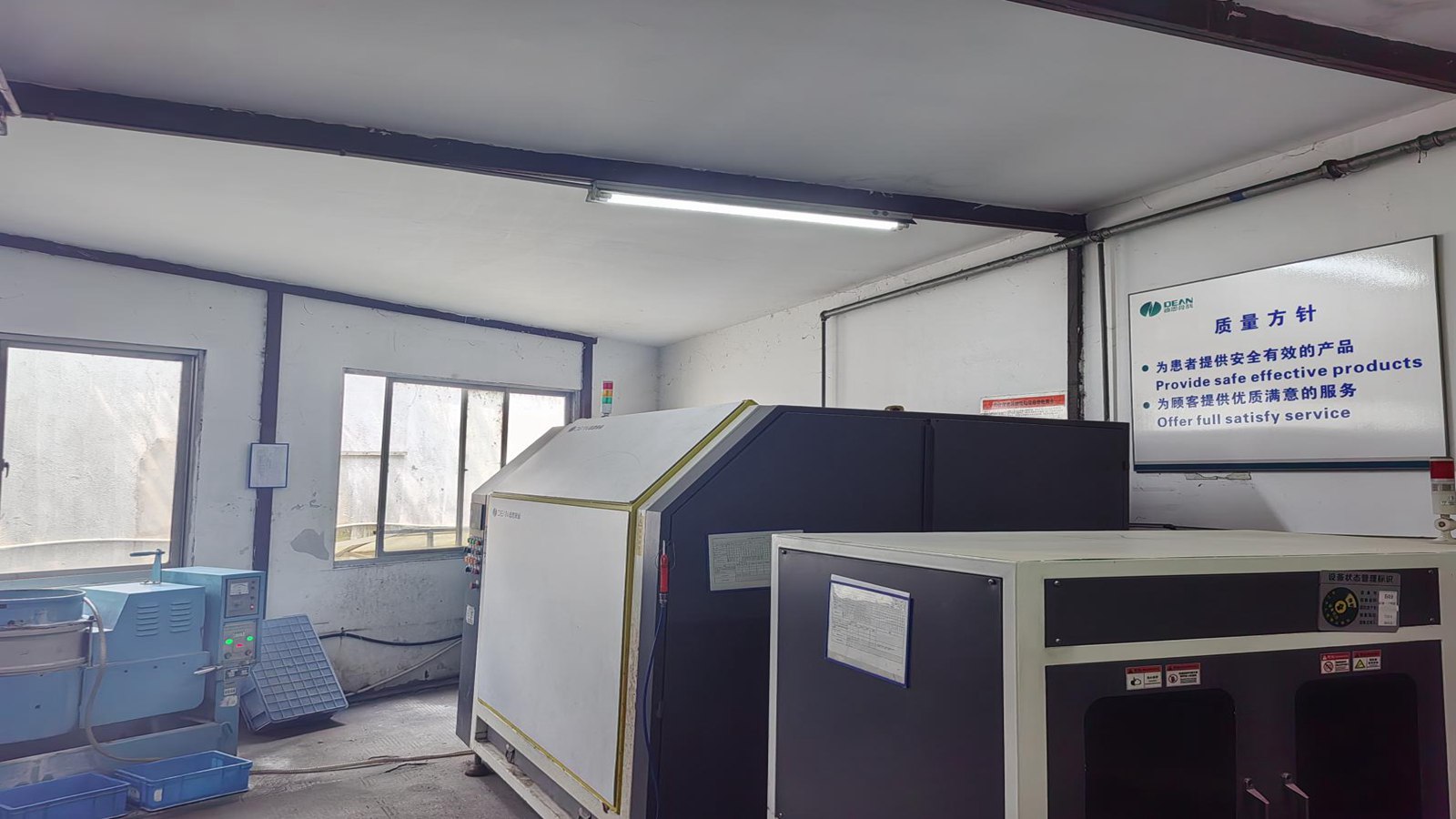
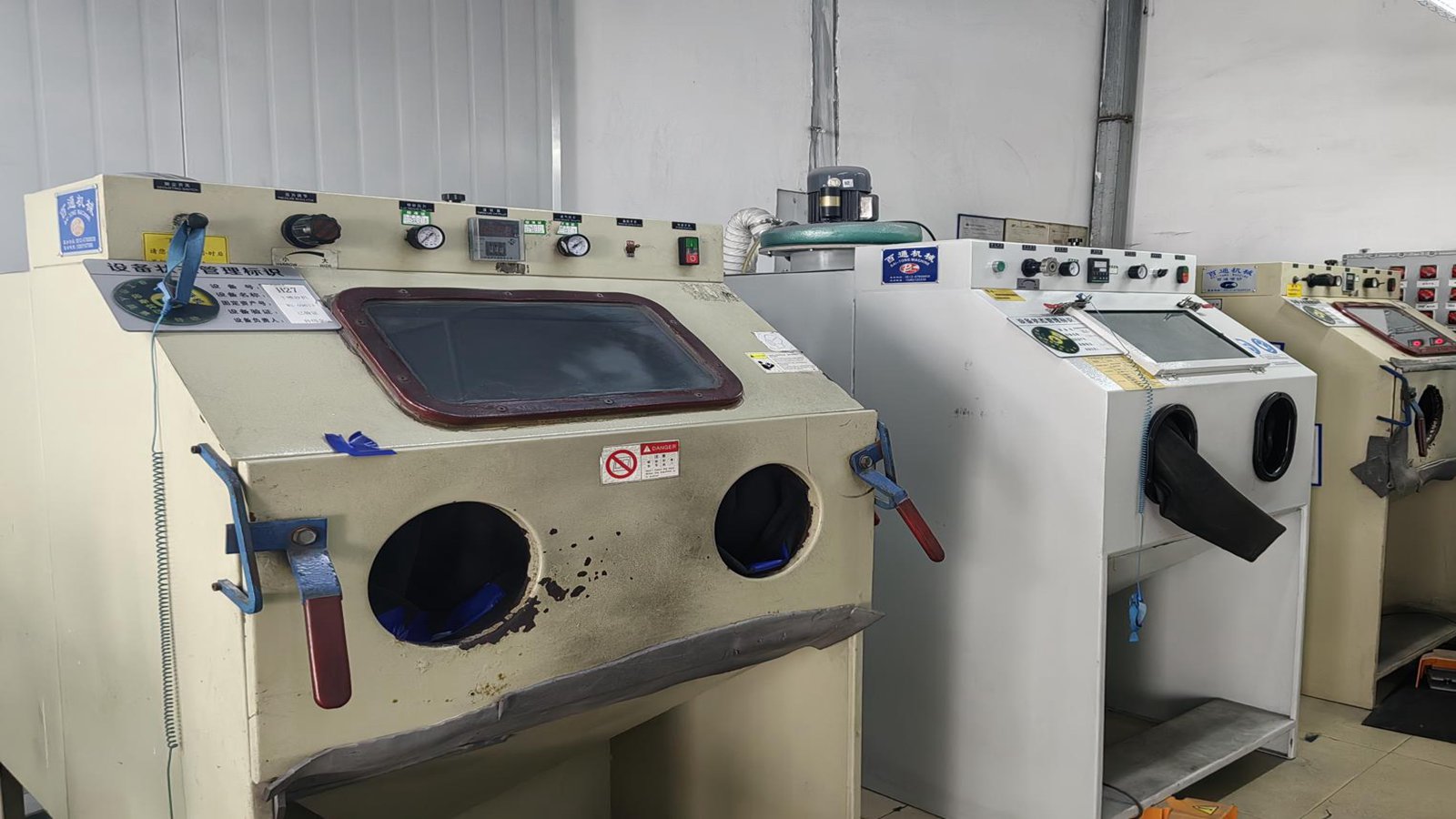
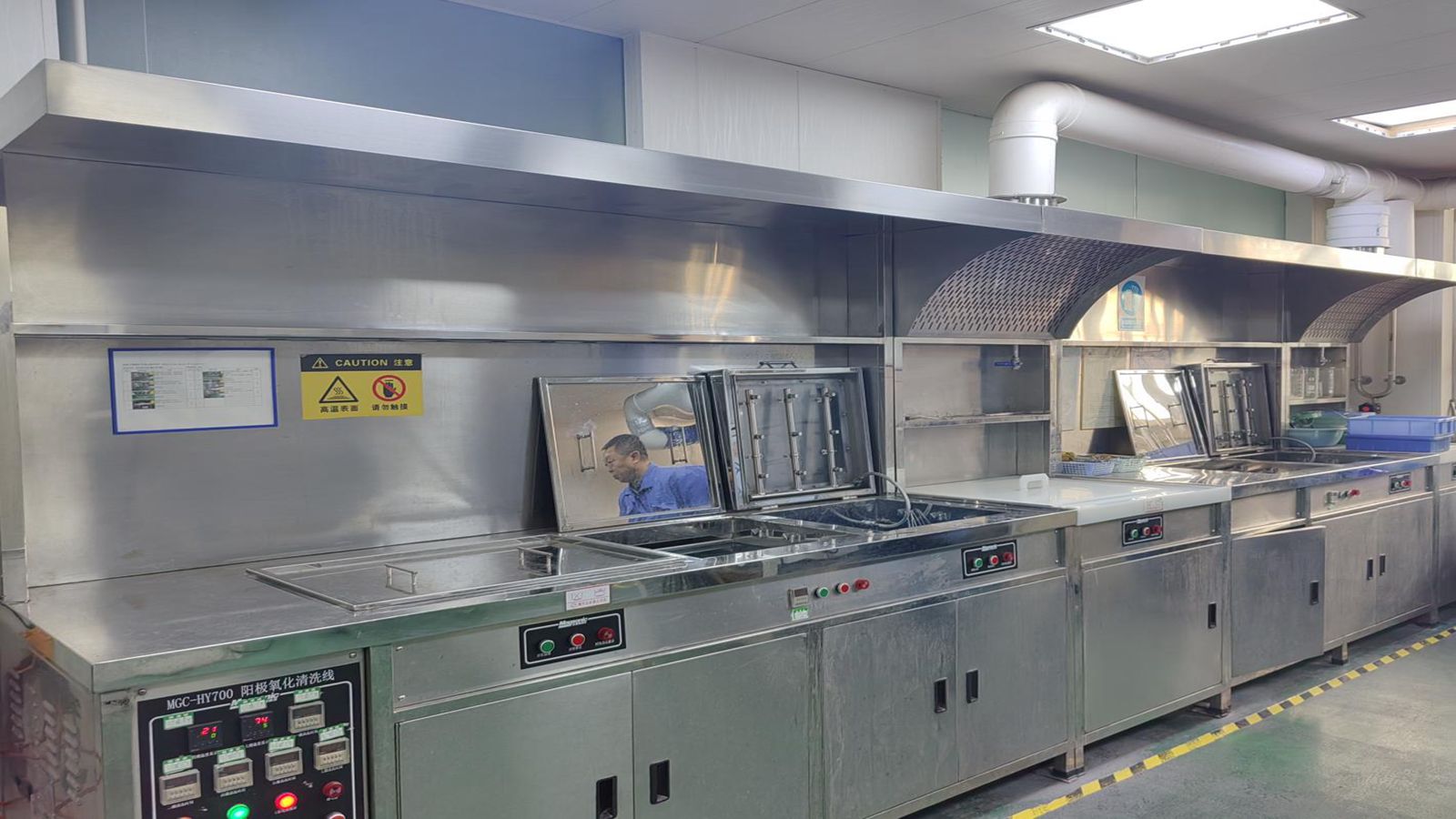
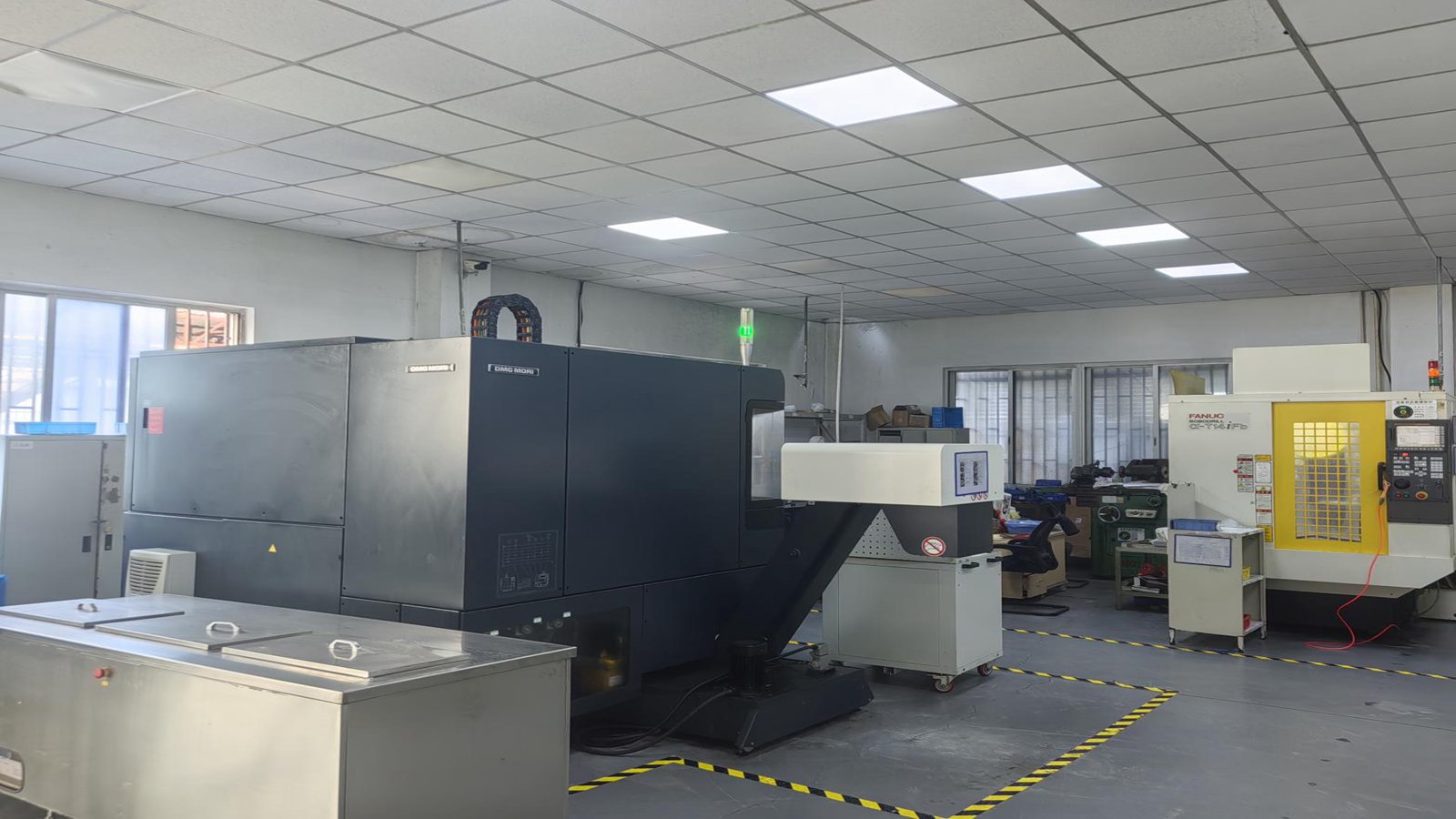
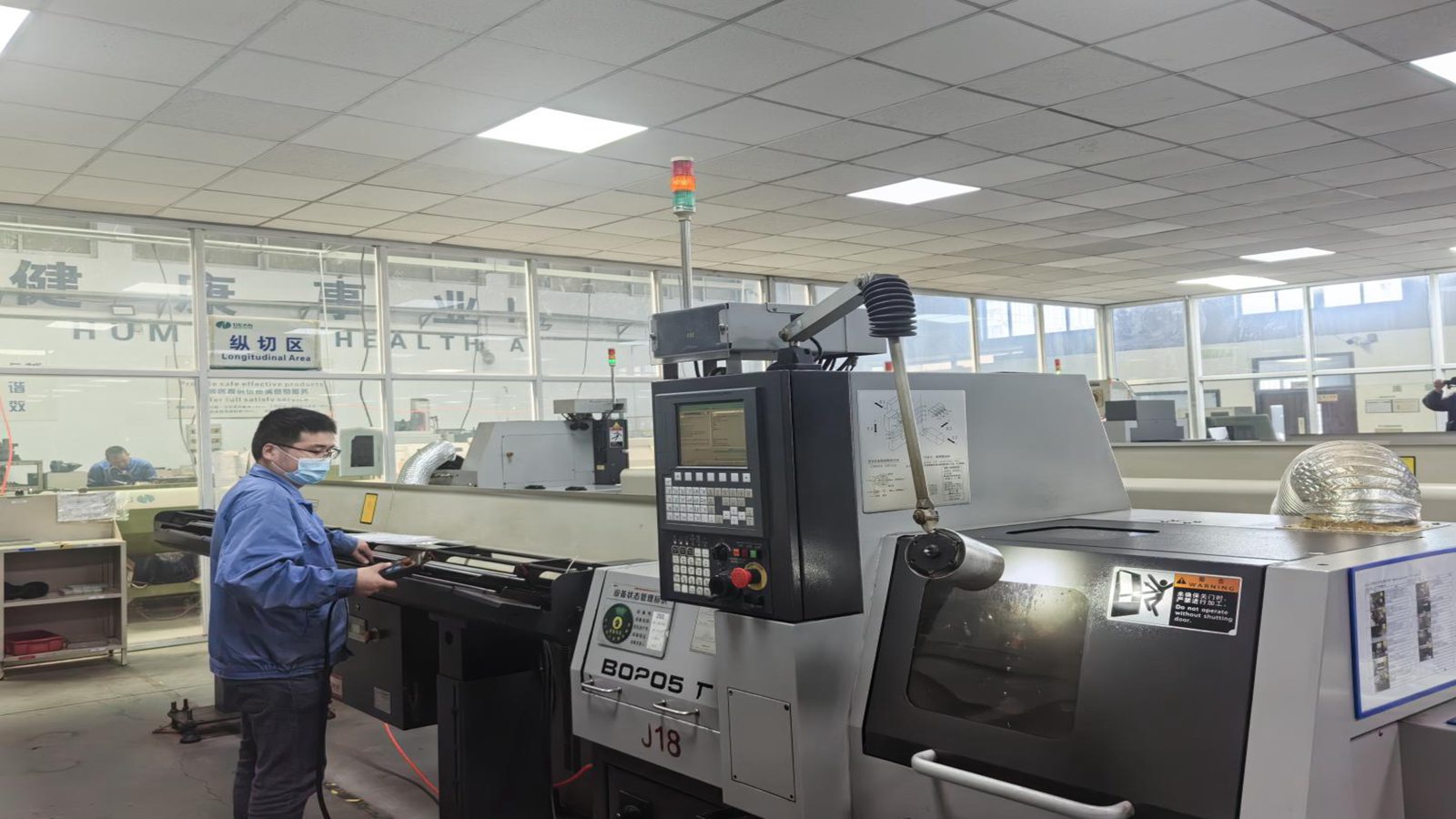
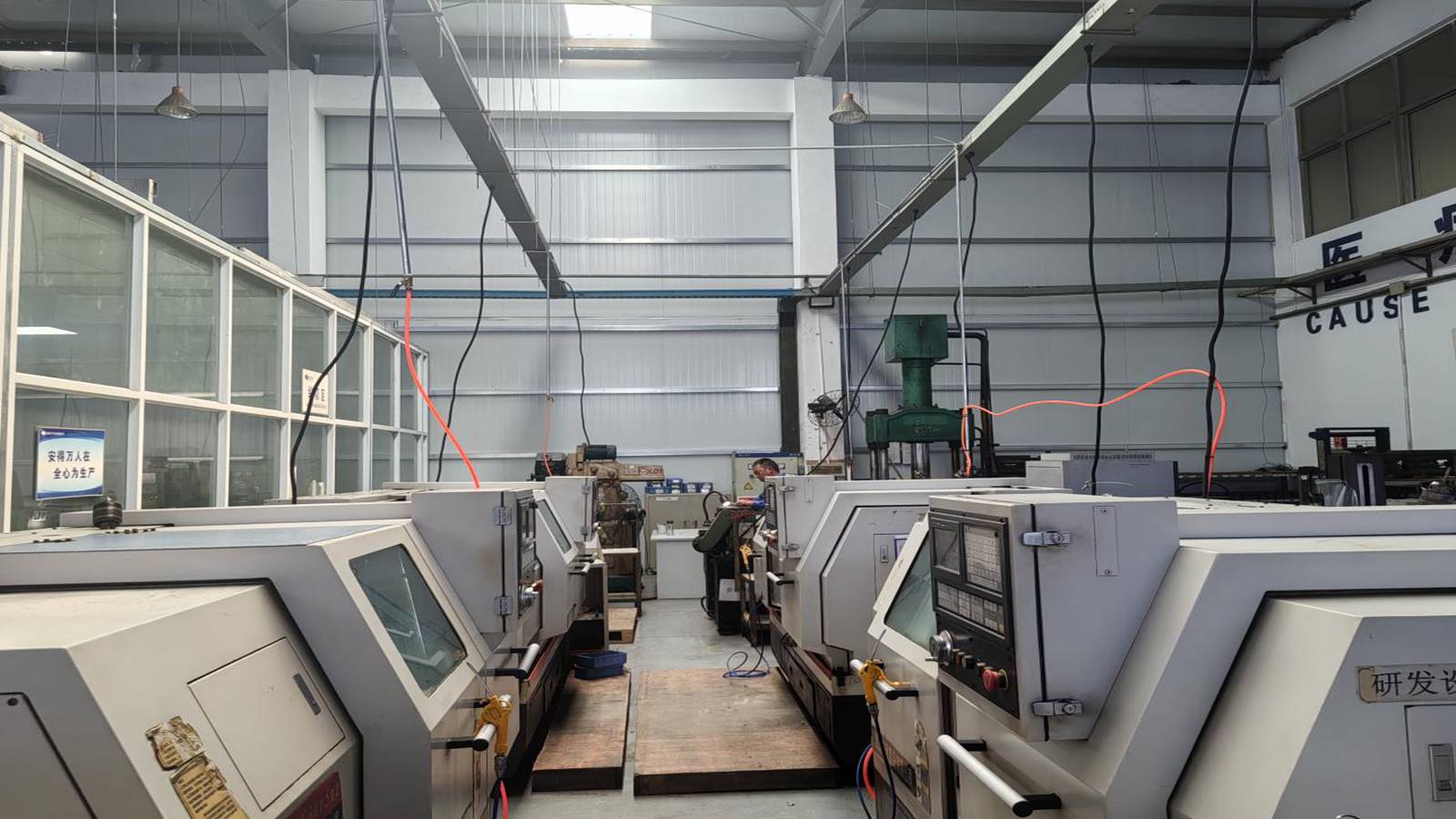
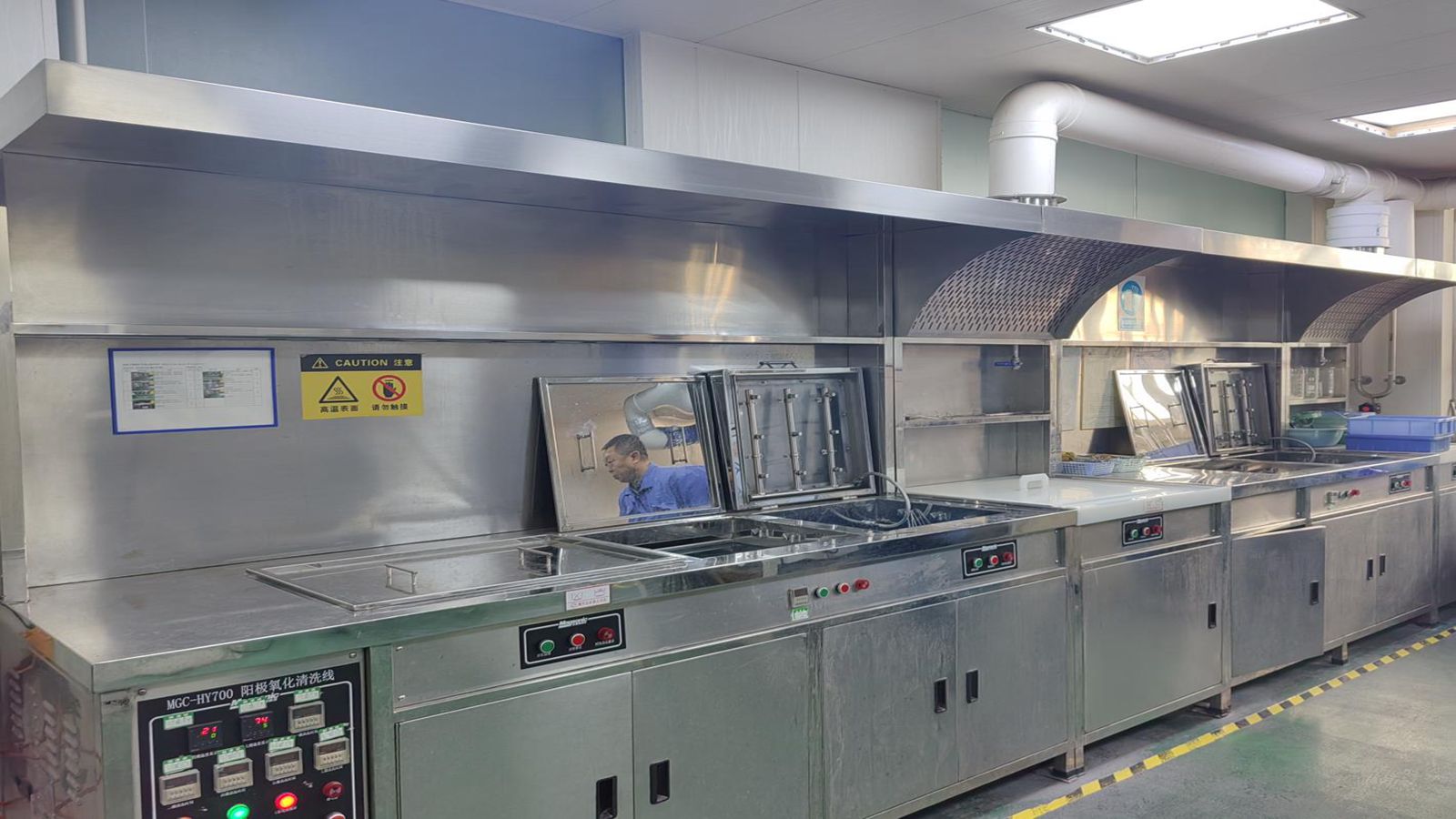
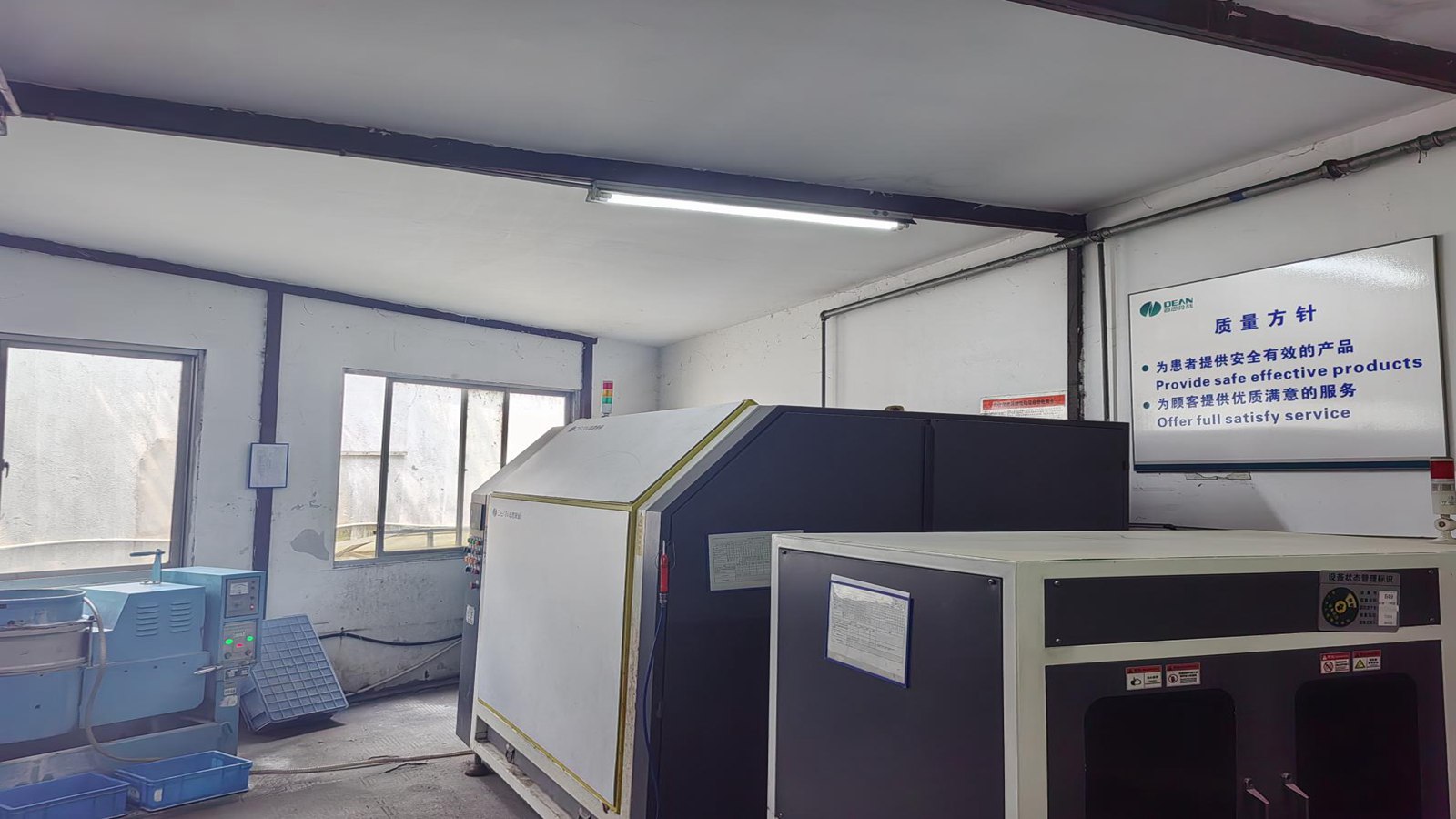
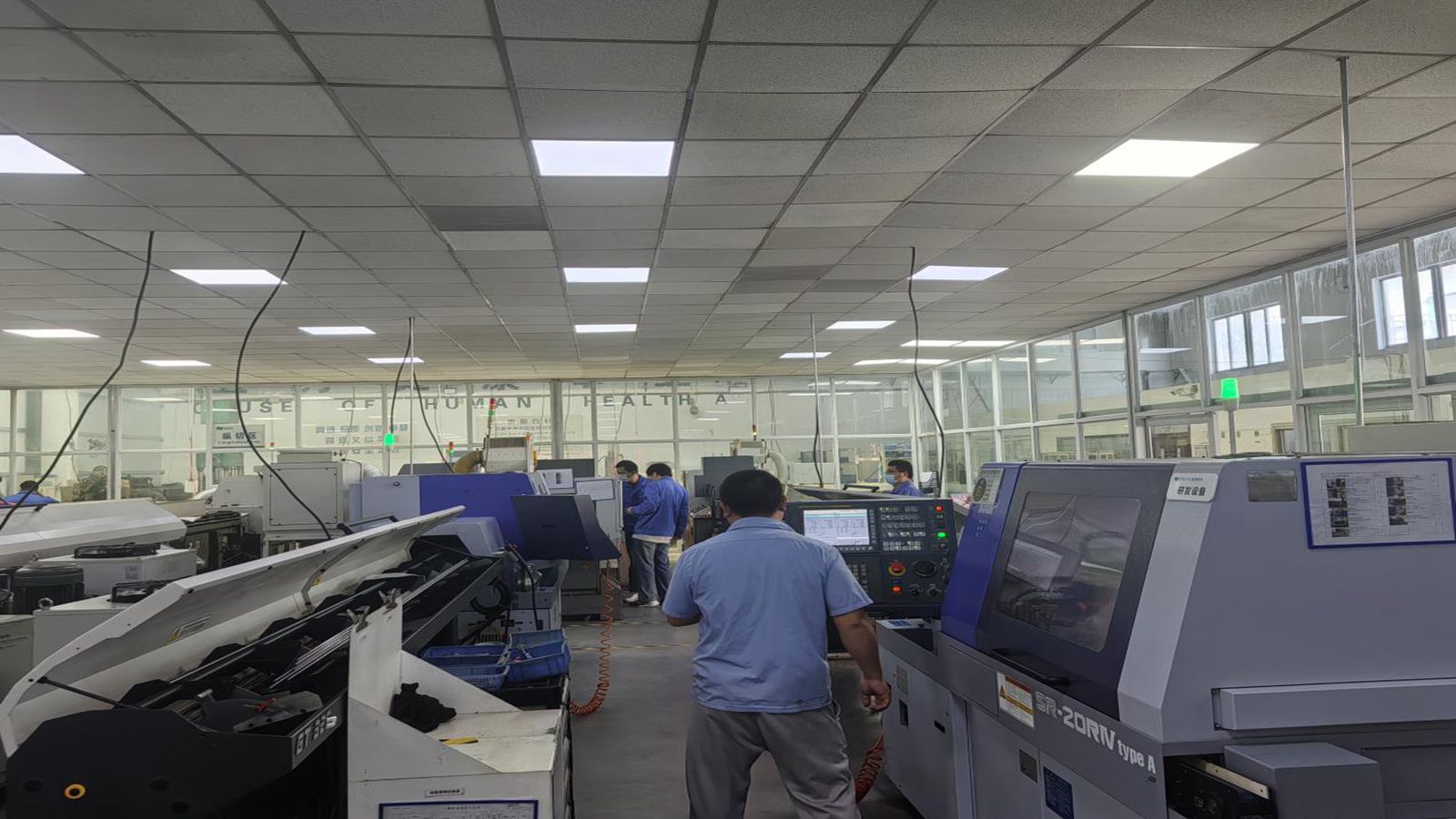
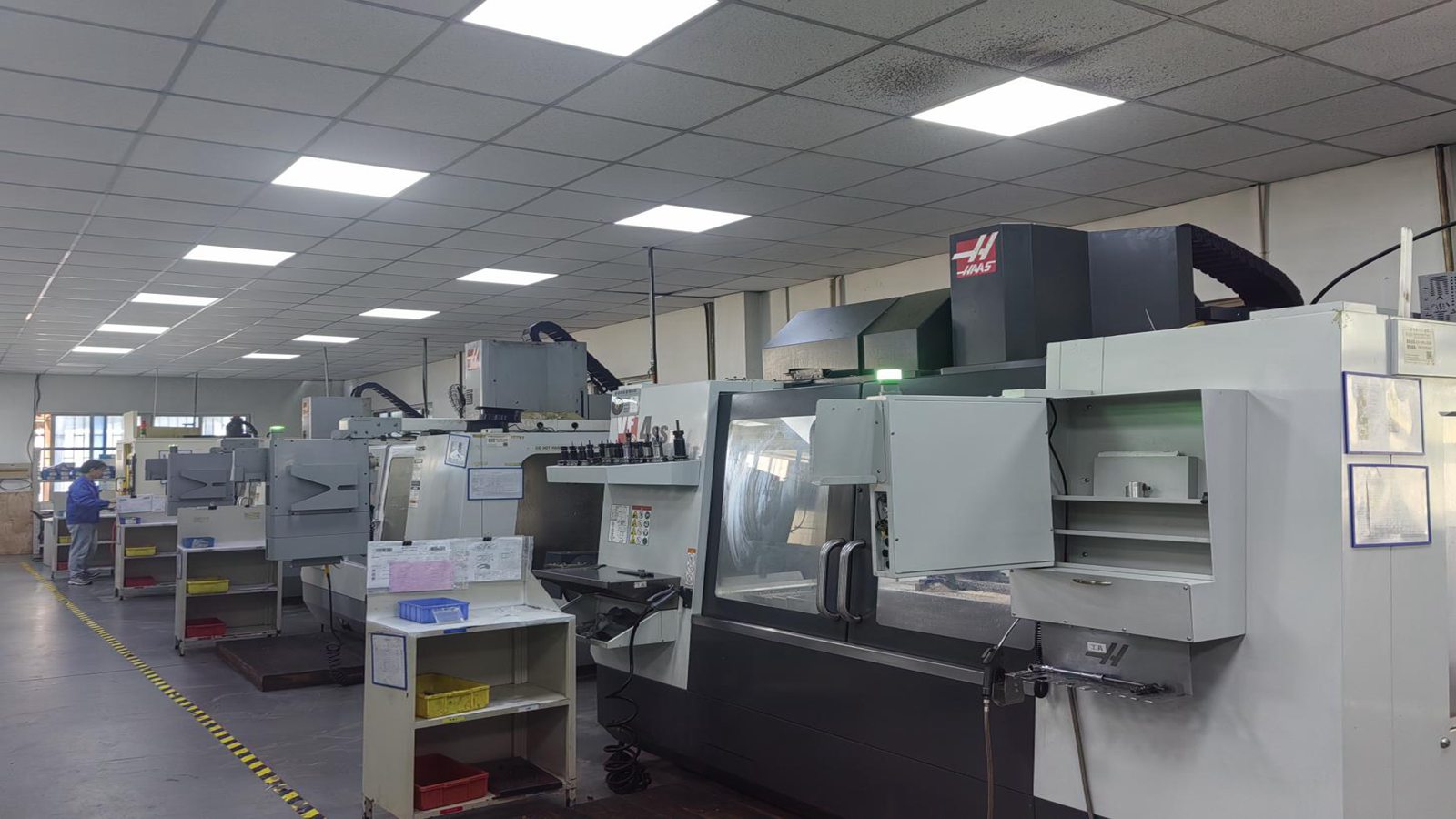
Precision Manufacturing & Laboratory Operations

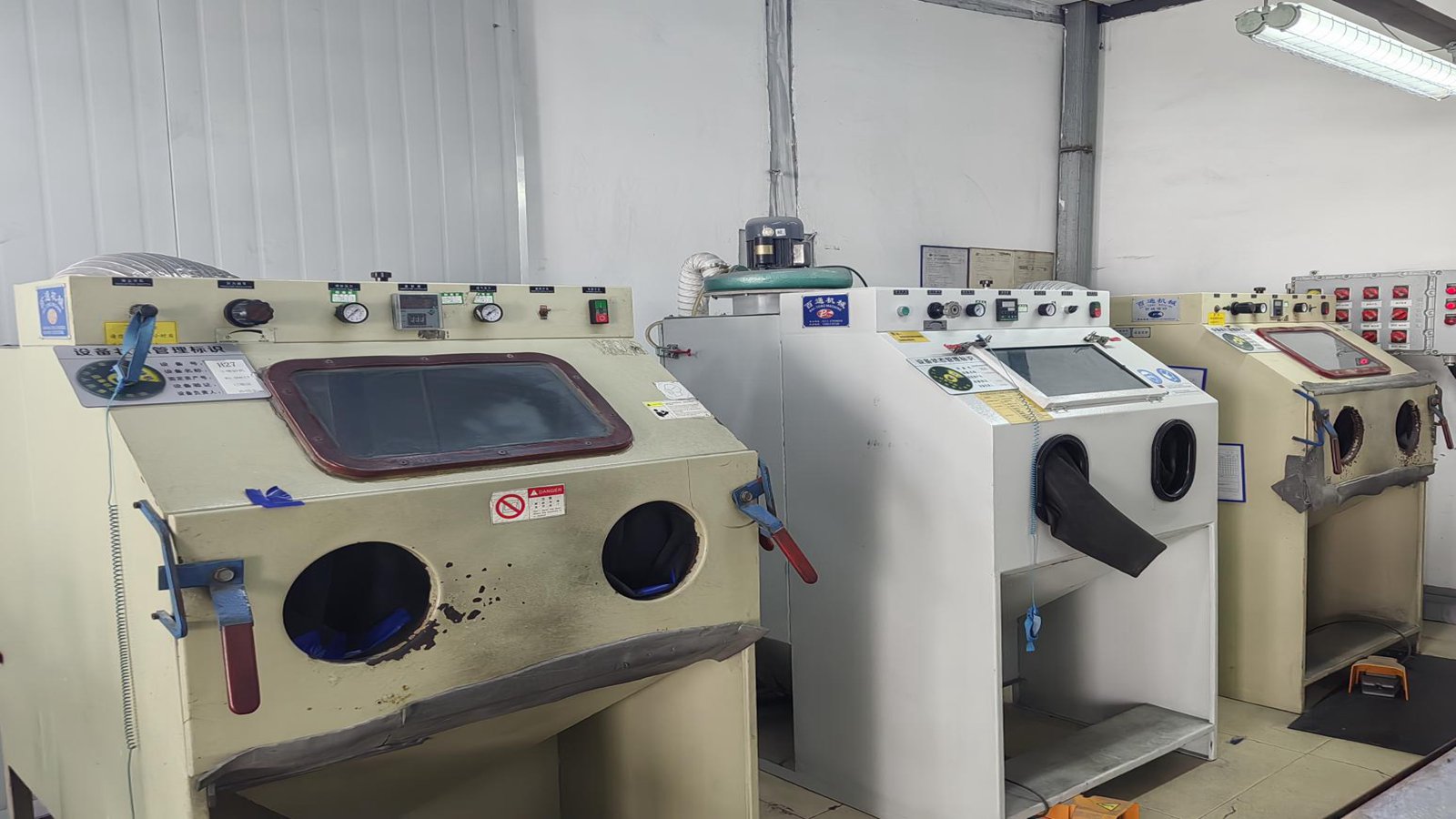
An inside look at our advanced CNC workshops, surface treatment lines, and mechanical verification labs.
Global Compliance & Localized Support Solutions

Ensuring cross-border regulatory alignment, supply-chain resilience, and comprehensive engineering support.

Regulatory Certification & Standards Compliance

Navigating the global healthcare environment requires strict adherence to regulatory standards. Medispirex products comply with key international quality and clinical safety requirements:

  • MDR & CE Class III Registration: Our primary joint systems and instrumentation hold CE Class III certifications, meeting the safety requirements of the European Medical Device Regulation.
  • ISO 13485 Quality Management: Our operations align with the international standard for medical device design and manufacturing quality management systems.
  • ASTM & ISO Metallurgical Compliance: Implants are fabricated exclusively using biocompatible medical alloys conforming to ASTM F136 (Titanium-6Aluminum-4Vanadium ELI) and ASTM F75/F1537 (Cobalt-28Chromium-6Molybdenum).

Localized Supply Chain & Surgical Tooling Support

Medispirex provides regional support designed to simplify international sourcing for orthopedic implant distributors:

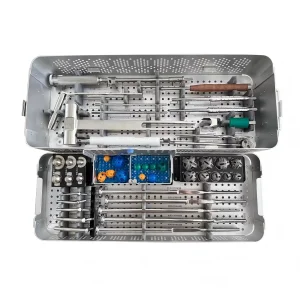
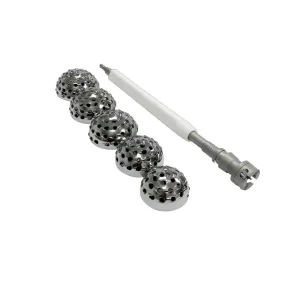
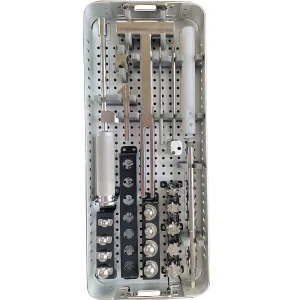
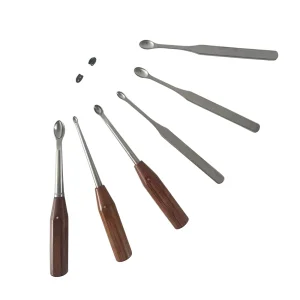
  • Customizable Instrument Kits: We supply reusable, surgical-grade stainless steel and aluminum instrumentation, designed to support specific surgical techniques for both hip and knee systems.
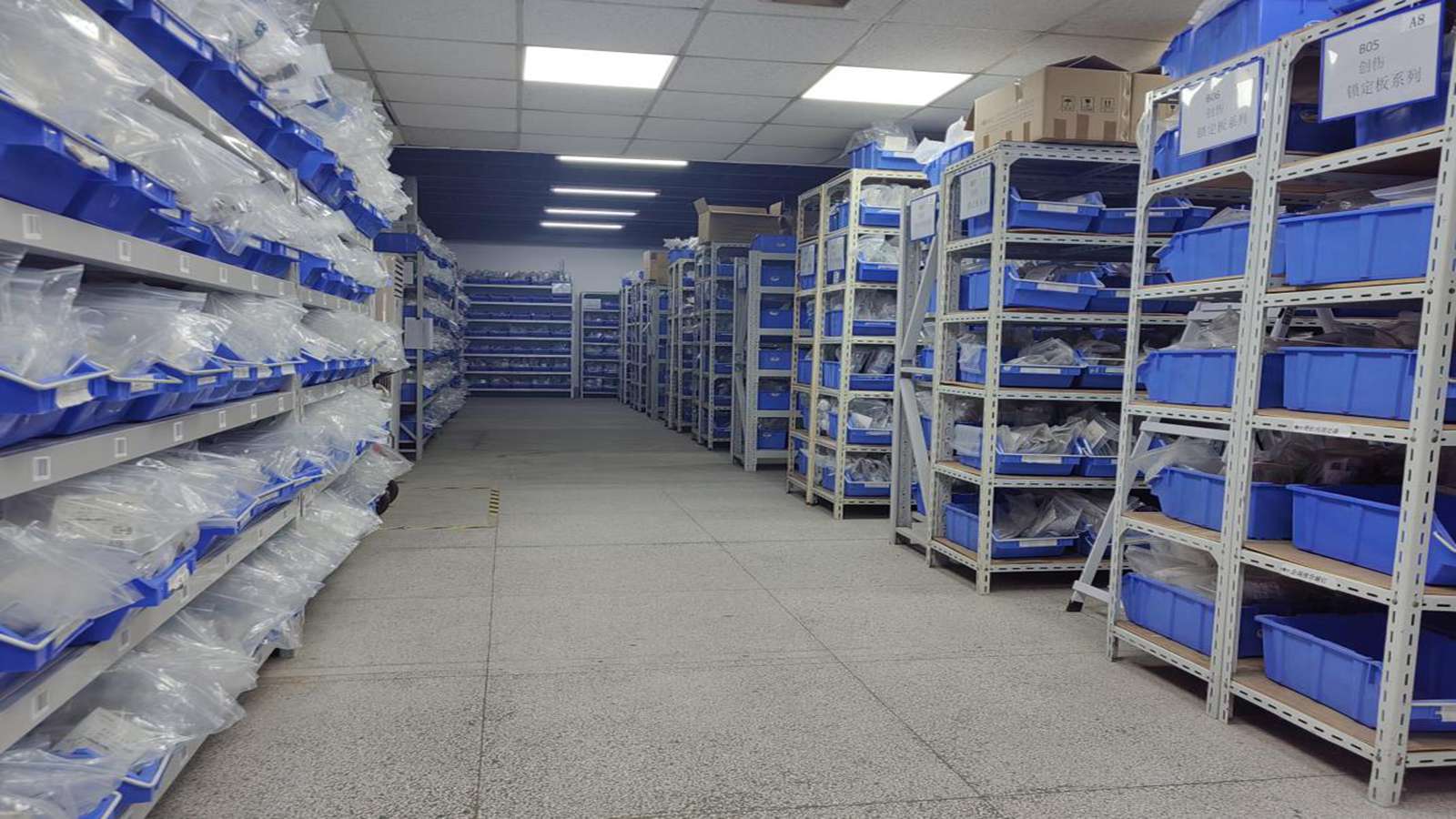
  • Responsive Logistics Support: Utilizing dynamic supply chain management, we maintain safety stock of primary sizes to support quick dispatch to international ports.
  • Comprehensive Technical Support: Our engineering team provides detailed surgical manuals, sterilization validation guides, and regulatory dossier support to facilitate local product registration.

Technical Roadmap & Clinical Evolution

Our commitment to continuous innovation in joint reconstruction engineering.

Medispirex is committed to advancing the performance of joint arthroplasty implants. Our forward-looking development roadmap focuses on translating clinical biomechanics research into functional implant designs:

Additive Manufacturing (3D Printing)

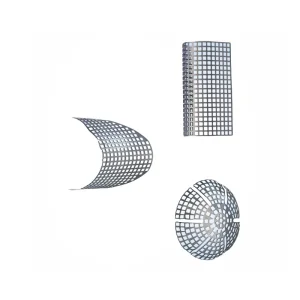
Developing 3D-printed titanium implants featuring structured porous lattices. This technology mimics natural bone density to encourage early osseointegration and reduce the risks associated with stress shielding.

Vitamin E-Infused Cross-linked Polyethylene

Advancing material performance by incorporating Vitamin E (Alpha-Tocopherol) into cross-linked UHMWPE liners. This process improves oxidation resistance and reduces wear rates over long-term clinical use.

Robot-Assisted Surgery Integration

Designing digital implant templates and surgical instrumentation compatible with major robotic platforms. This integration supports precise implant placement and consistent clinical results.

Expert FAQ: Technical & Supply Insights

Addressing the core technical, metallurgical, and logistic inquiries from medical buyers and surgeons.

Q1: What materials are utilized in Medispirex THR Femoral Stems, and how is osseointegration optimized?
Our femoral stems are manufactured from biocompatible Titanium alloy (Ti6Al4V ELI) conforming to ASTM F136 standards. To optimize biological fixation, we use a dual-coating process combining a plasma-sprayed titanium porous layer with a crystalline Hydroxyapatite (HA) top coat. This dual-layer structure provides a micro-porous surface that supports early bone ingrowth, establishing stable secondary fixation.
Q2: How does your UHMWPE acetabular cup liner maintain structural stability and resist wear?
We use medical-grade Ultra-High Molecular Weight Polyethylene (UHMWPE) meeting ISO 5834-2 and ASTM F648 specifications. Our manufacturing process utilizes controlled gamma irradiation to initiate cross-linking, which improves wear resistance. This material is then thermally treated to eliminate free radicals, reducing the risk of oxidative degradation and maintaining long-term physical properties.
Q3: Can Medispirex handle OEM/ODM customizations for specific regional anatomical variations?
Yes, our in-house R&D team of 85 engineers supports custom OEM/ODM modifications. We can adapt sizing scales, modify femoral neck angles, adjust offsets, and refine bone-facing geometries to suit the anatomical requirements of specific patient groups. This process is backed by complete biomechanical testing and documentation support.
Q4: What mechanical verification testing protocols are conducted on joint implants?
Every design undergoes extensive mechanical fatigue testing in line with ISO 7206 standards for hip stems and ISO 14879 for knee tibial trays. Stems are tested to withstand 5 million load cycles under simulated physiological conditions without mechanical failure. In addition, we verify coating adhesion, perform CMM dimensional audits, and conduct surface profile analysis on all articulating surfaces.
Q5: How does Medispirex manage batch traceability for global exports?
Our quality management system tracks each product through every stage of production. Every implant is laser-marked with a unique device identifier (UDI) linked to the raw material heat number, CNC machining batch, surface treatment run, and sterilization cycle details. This system ensures full traceablity from raw material to clinical delivery.
Q6: Do you supply specialized orthopedic implants for veterinary applications?
Yes, we design and manufacture specialized veterinary implants, including canine total hip replacement systems and PGR (Patellar Groove Replacement) kits. These products are engineered to meet the anatomical demands of veterinary patients, using the same medical-grade alloys and quality control standards applied to our human implants.
All Total Hip/Knee Replacement (THR/TKR) Products