Medispirex
Medispirex
Medispirex
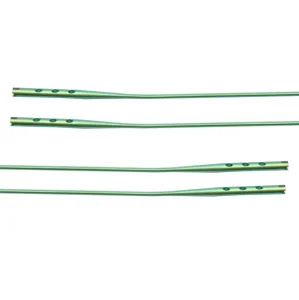
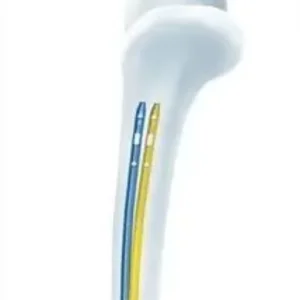
Explore our primary selection of interlocking, elastic, and proximal femoral antirotation intramedullary nailing systems designed for anatomical fixation accuracy.
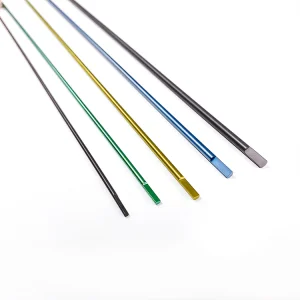
Intramedullary (IM) nailing has solidified its position as the gold standard for the surgical fixation of long bone diaphyseal fractures. By acting as a load-sharing internal splint, intramedullary nails allow for early post-operative weight-bearing and accelerate bone healing through secondary bone healing (callus formation). Unlike traditional open plating, IM nailing preserves the periosteal blood supply, promoting a biological environment conducive to rapid osteosynthesis.
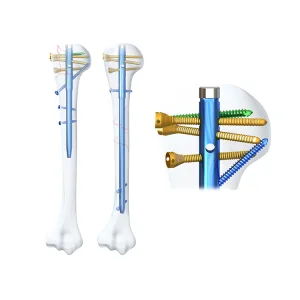
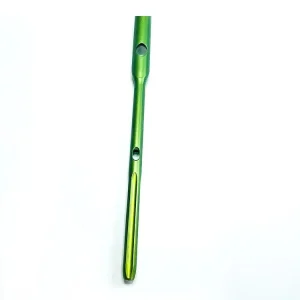
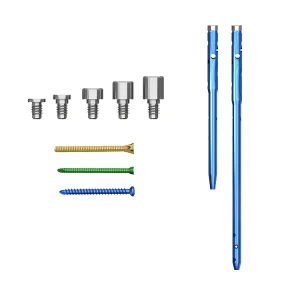
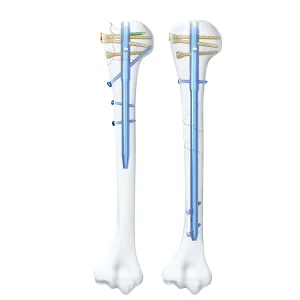
Recent advancements in implant metallurgy and biomechanical design have introduced specialized devices like the Proximal Femoral Nail Antirotation (PFNA) and multi-loc interlocking humeral systems. These modern iterations utilize anatomical bowing, optimized entry points, and helical blades to manage challenging fracture configurations, including osteoporotic bones and complex subtrochanteric patterns.
"The incorporation of titanium alloys (specifically Ti-6Al-4V ELI) has dramatically minimized stress-shielding effects, striking a critical balance between structural rigidity and physiological elasticity."
Dynamic configurations allow axial compression during mobilization, stimulating secondary osteogenesis. Static interlocking prevents rotational and axial displacement in unstable comminuted fractures.
Custom radii of curvature (ROC) for distal, tibial, and femoral shafts minimize the risk of anterior cortex penetration during insertion, matching localized geographic patient anthropometry.
In PFNA designs, helical blades compact osteoporotic bone tissue instead of removing it, maximizing purchase and reducing the risk of cutout compared to traditional lag screws.
Procuring Class III medical implants requires comprehensive due diligence. Hospital groups, orthopedic distributors, and global trauma brand partners evaluate suppliers on four critical performance domains.
Implant-grade Titanium Alloy (Ti-6Al-4V ELI, conformant to ASTM F136 / ISO 5832-3) must show zero trace contamination. Anodization layers must be verified via spectroscopic analysis to guarantee structural uniformity and robust passivated layers that prevent ion release in vivo.
Nails undergo multi-million cycle axial load and torsional fatigue tests (conforming to ISO 14801 or equivalent orthopedic standards) to simulate long-term clinical conditions, preventing catastrophic implant failures within patient weight-bearing regimes.
Every single intramedullary component must have laser-etched UDI (Unique Device Identification) and comprehensive batch records detailing primary raw materials, CNC machining parameters, sterilization validation levels, and QA sign-offs.
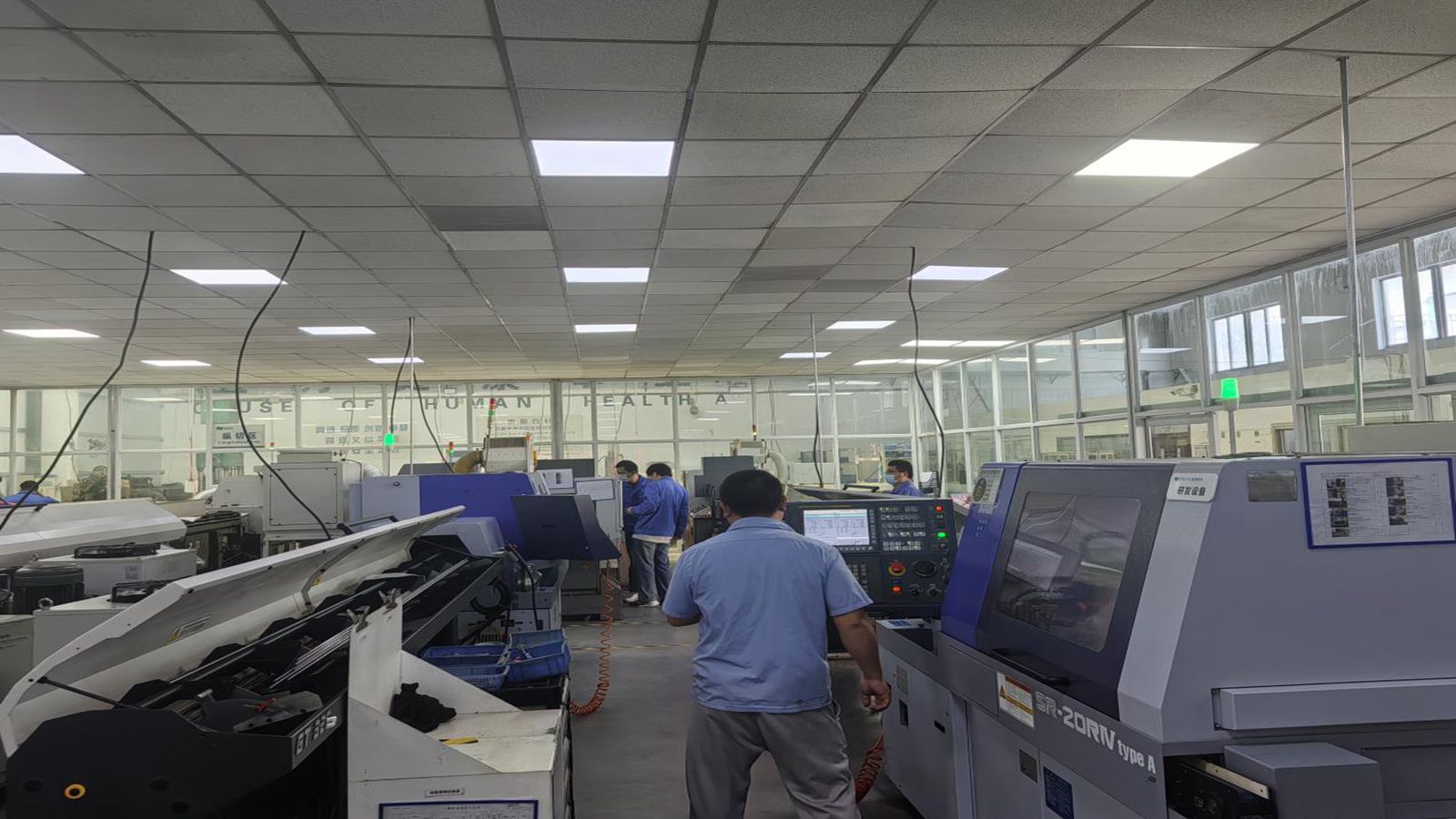
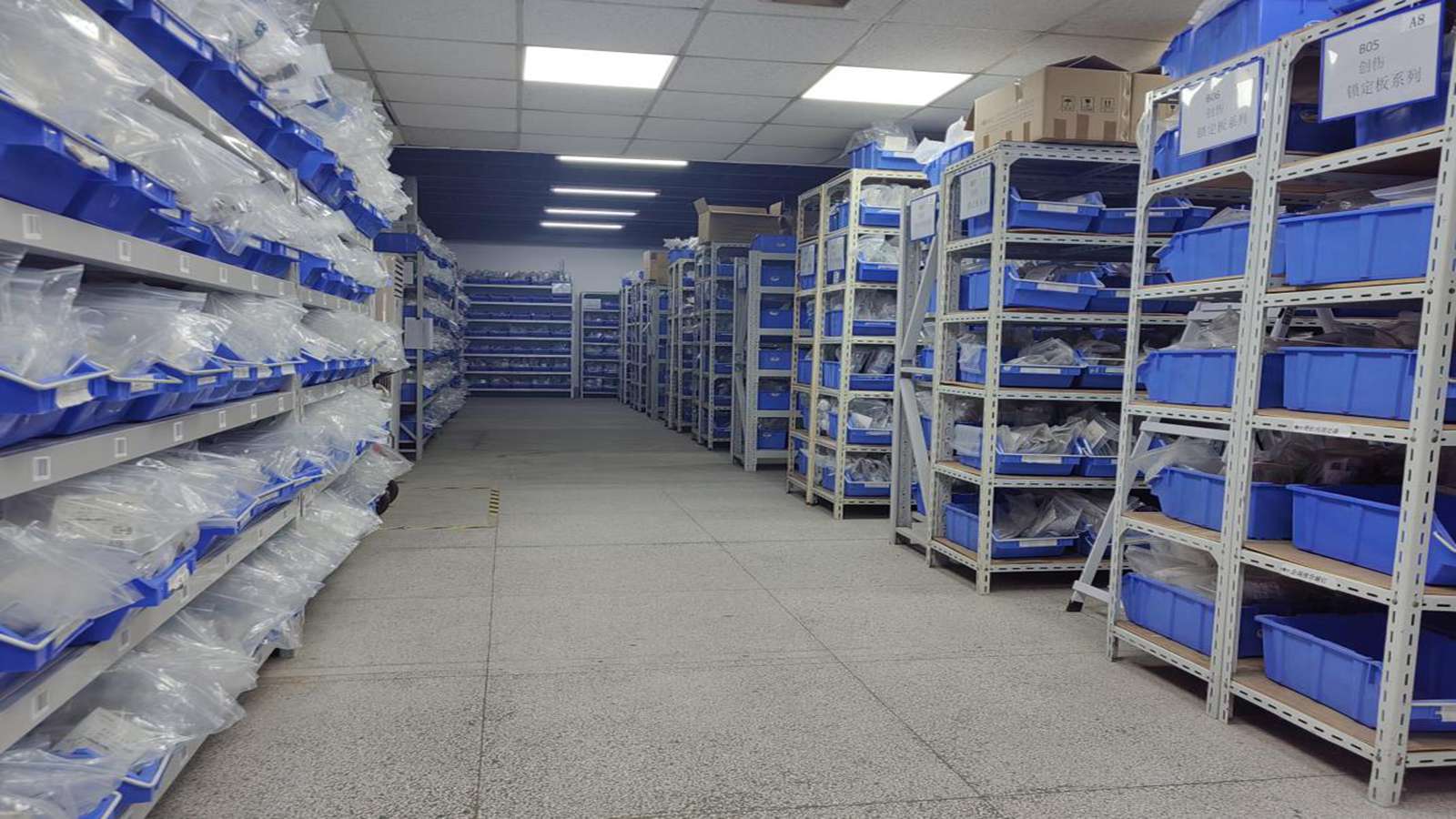
Established in 2016, Medispirex operates a state-of-the-art production complex covering approximately 18,600㎡, structured for high-capacity precision orthopaedic device manufacturing. By aligning cutting-edge biomechanical design with high-volume production capabilities, we service major medical systems and OEM/ODM distributors across Europe, North America, the Middle East, and Southeast Asia.
With a commitment to clinical safety and structural reliability, our operations rely on a massive network of 860 upstream and downstream partners, assuring secure material pipelines and fast global fulfillment.
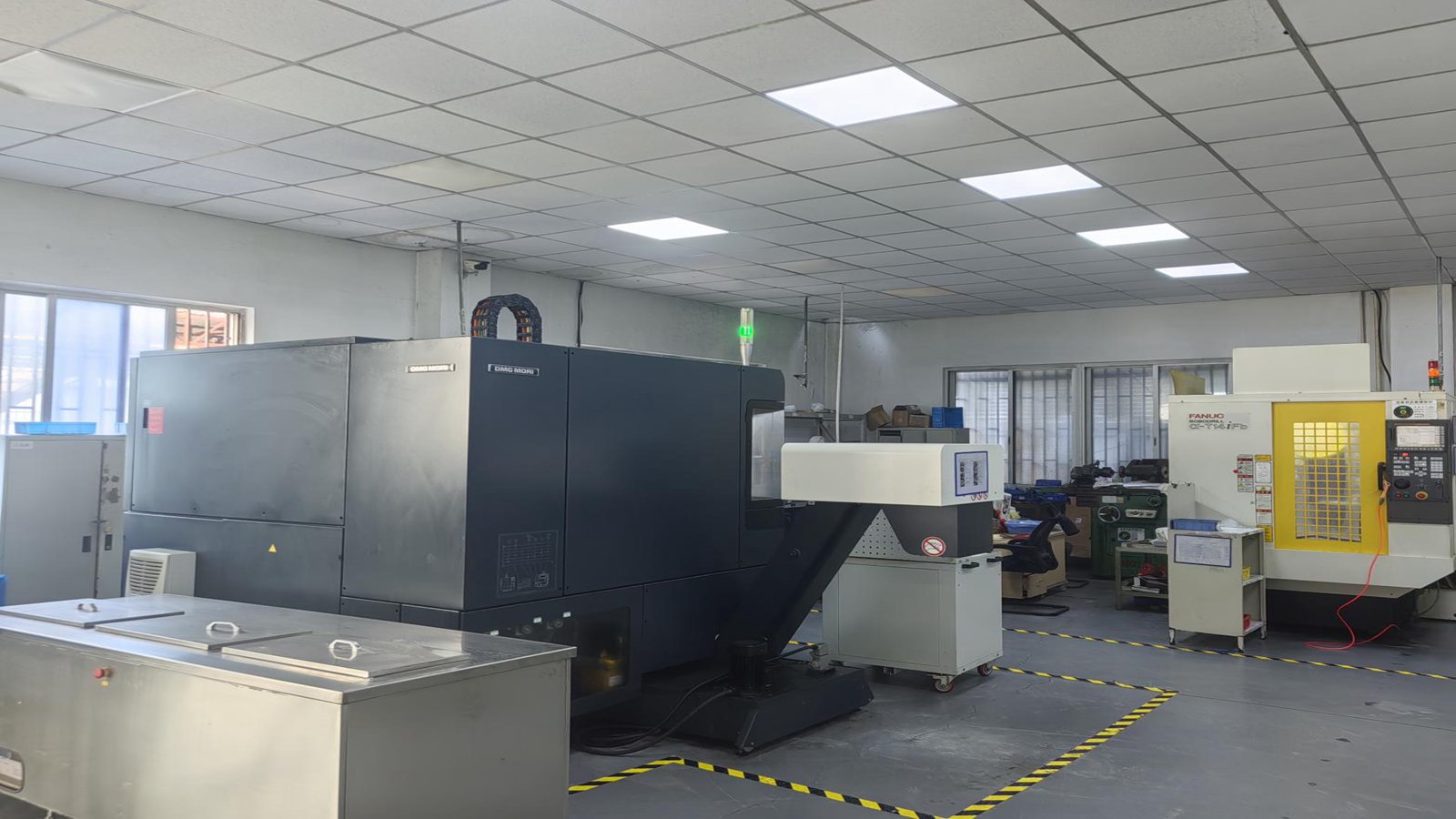
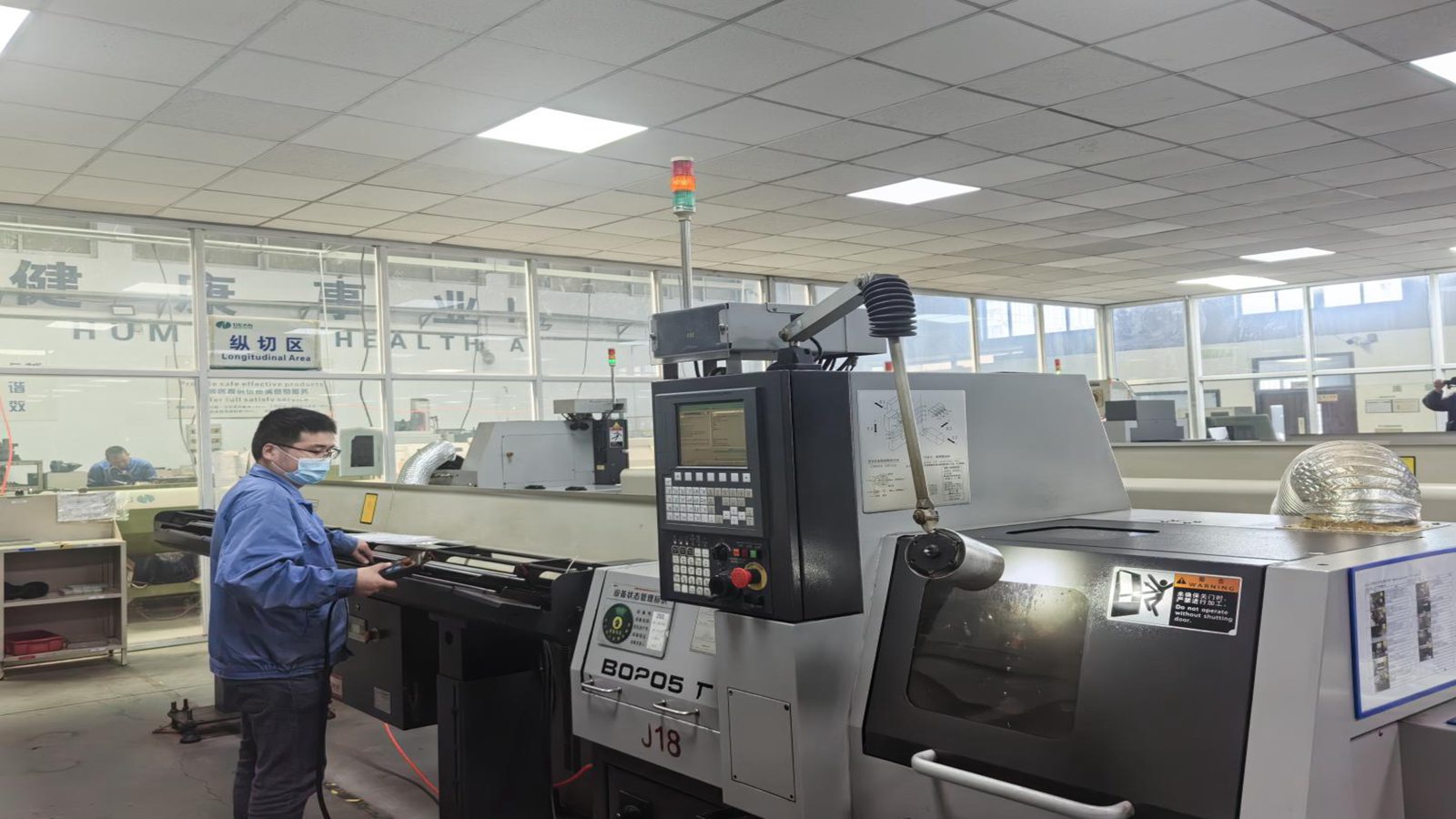
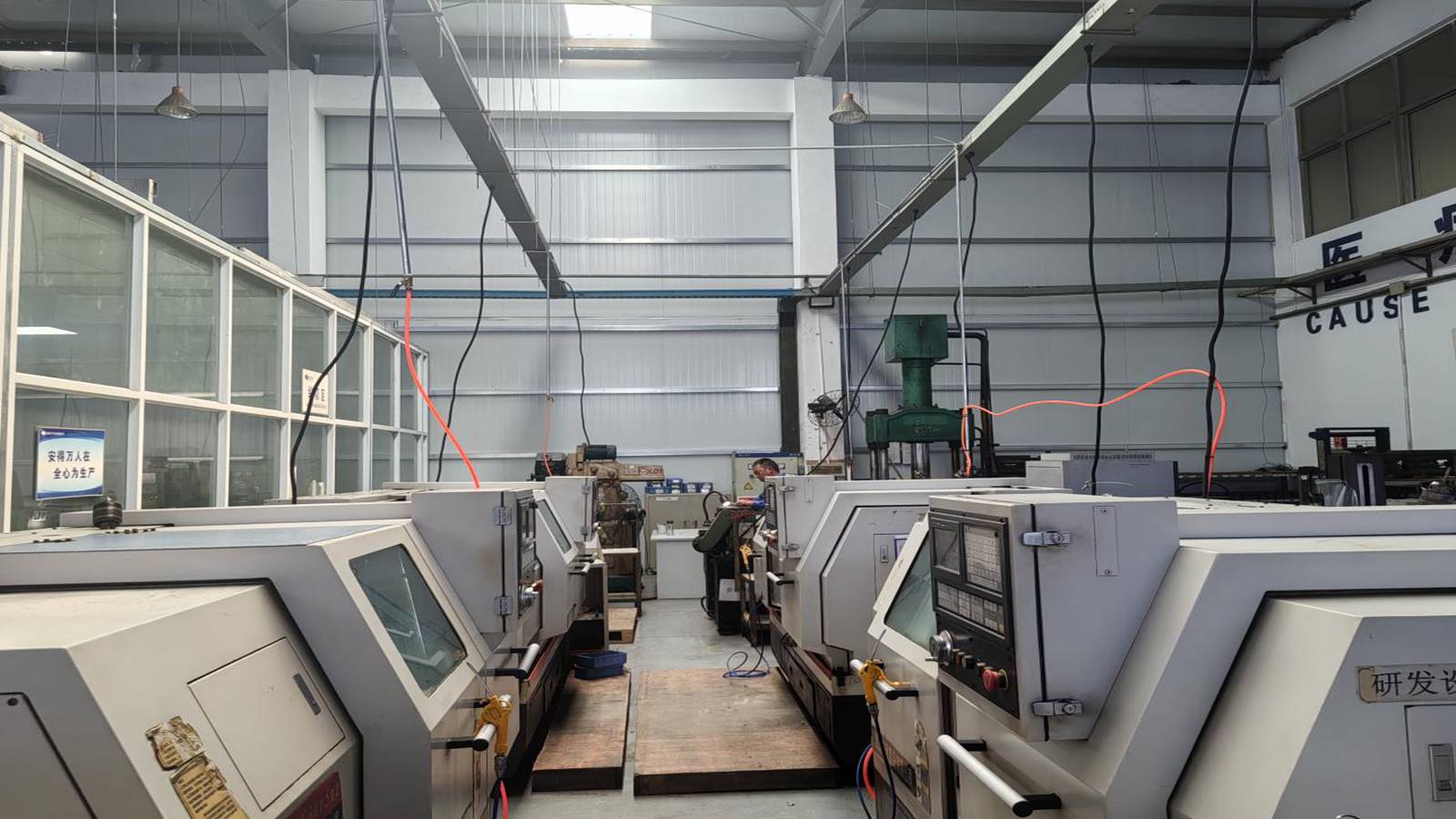
Our facilities utilize advanced CNC automation, advanced electrochemical oxidation lines, and highly specialized laboratory systems to maintain strict Class III medical device standards.
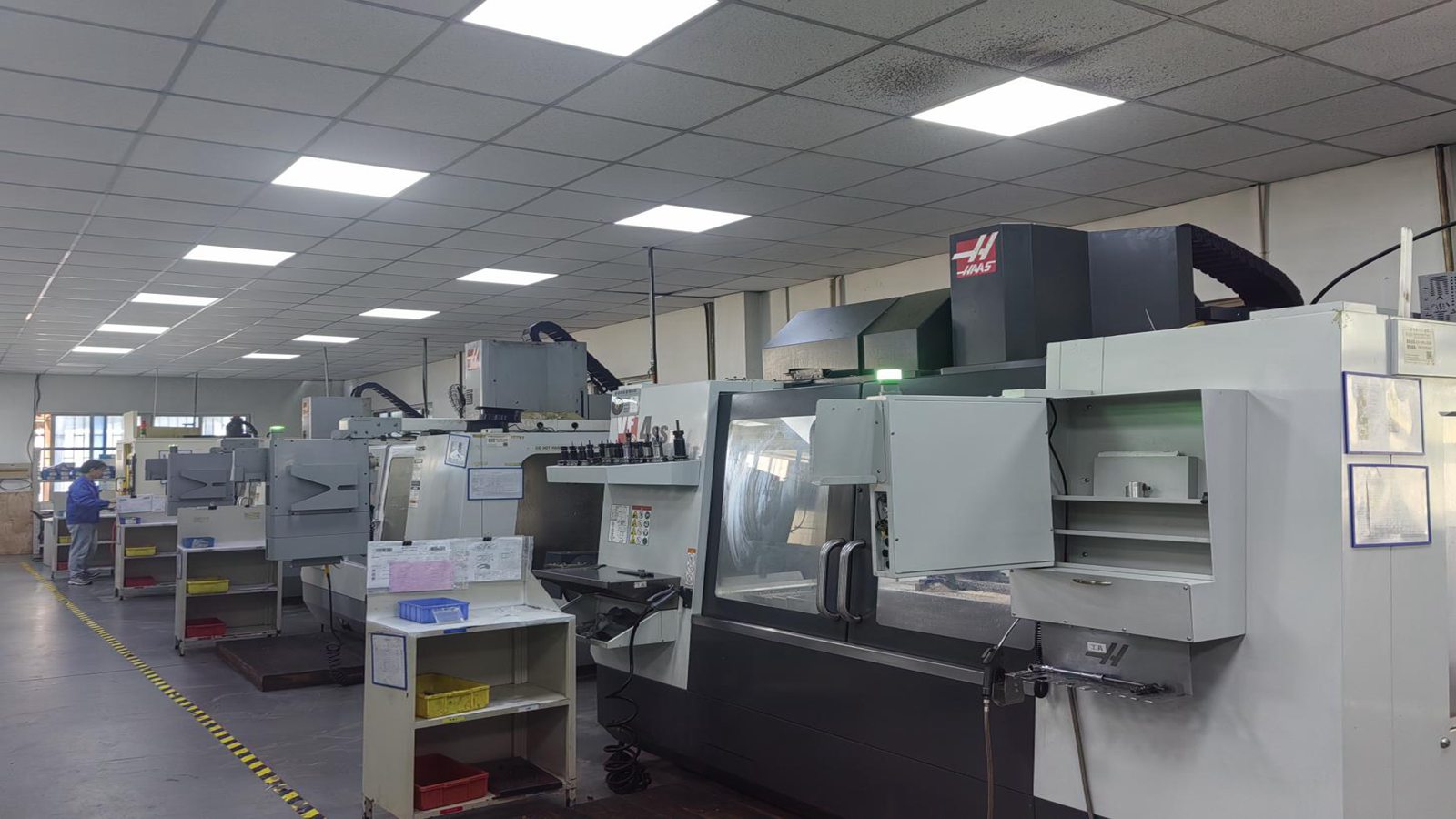
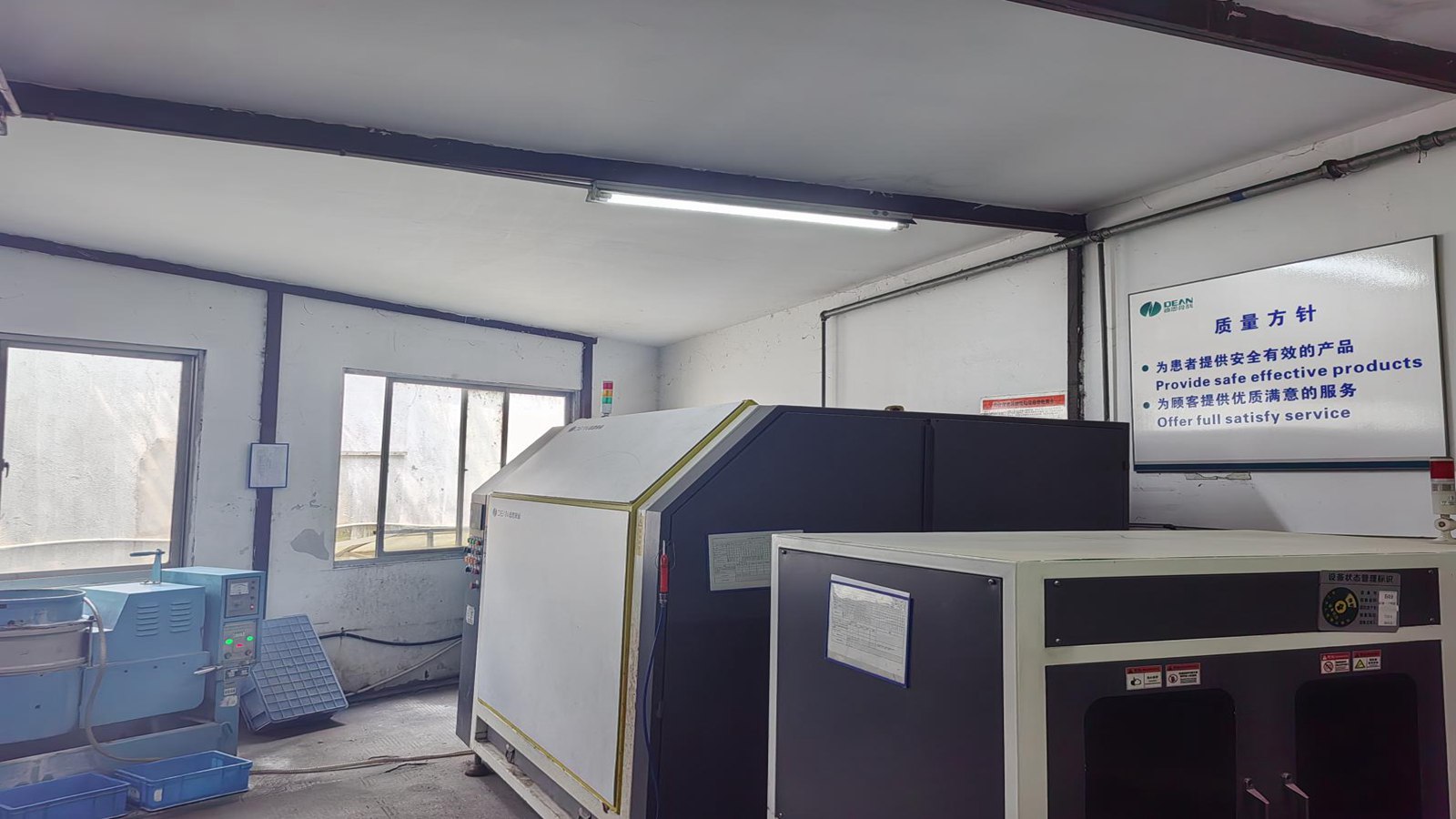
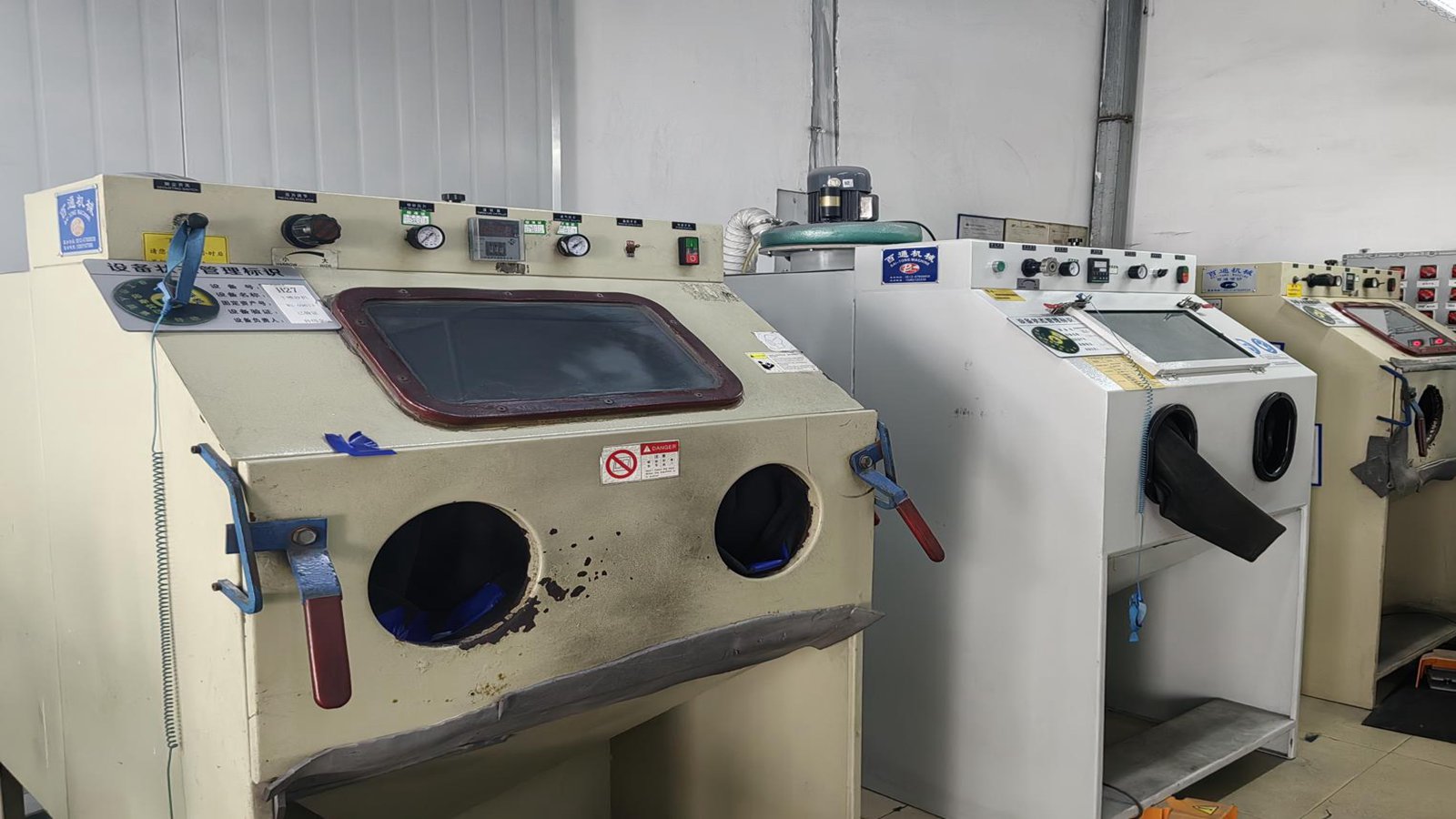
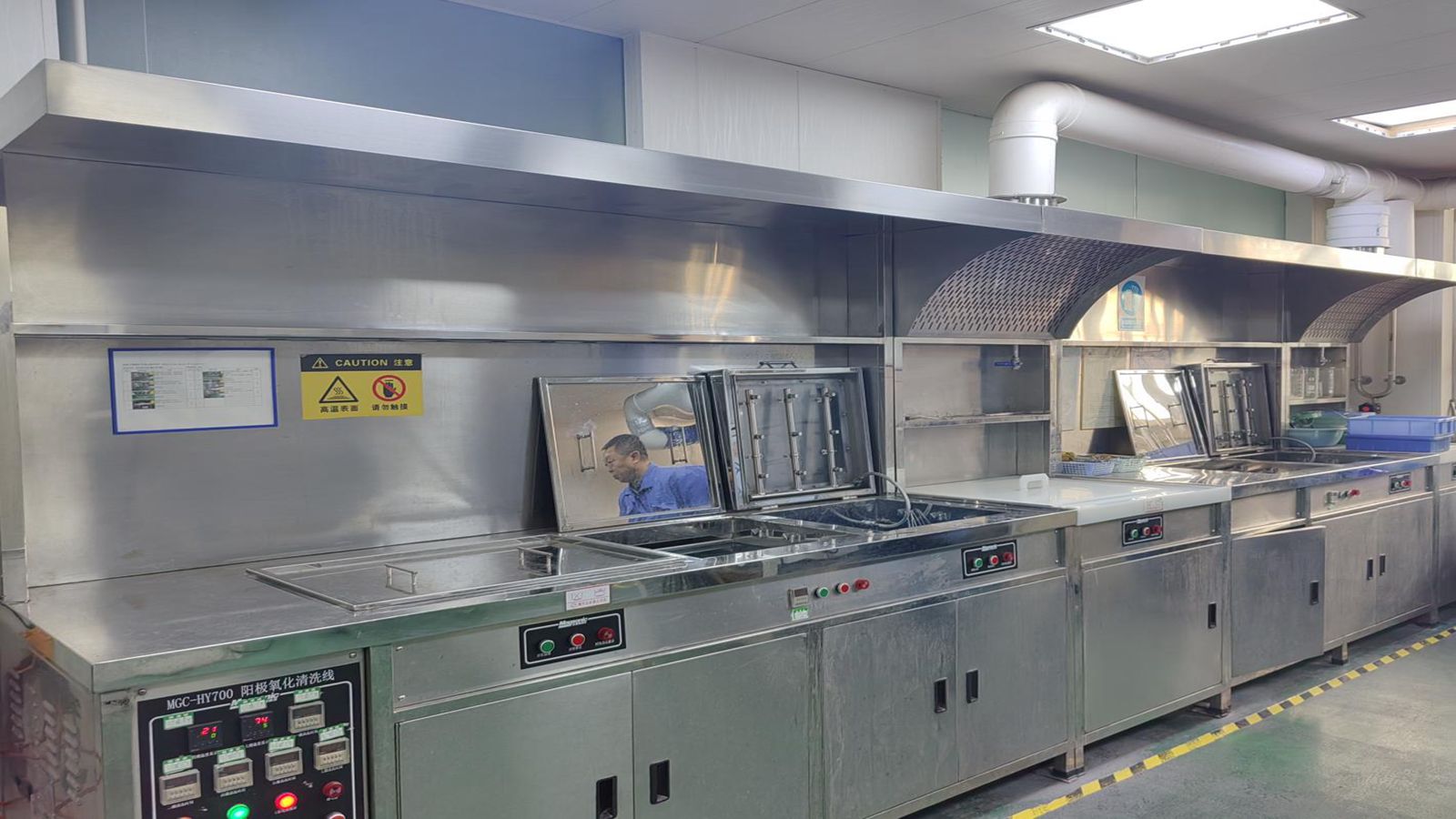
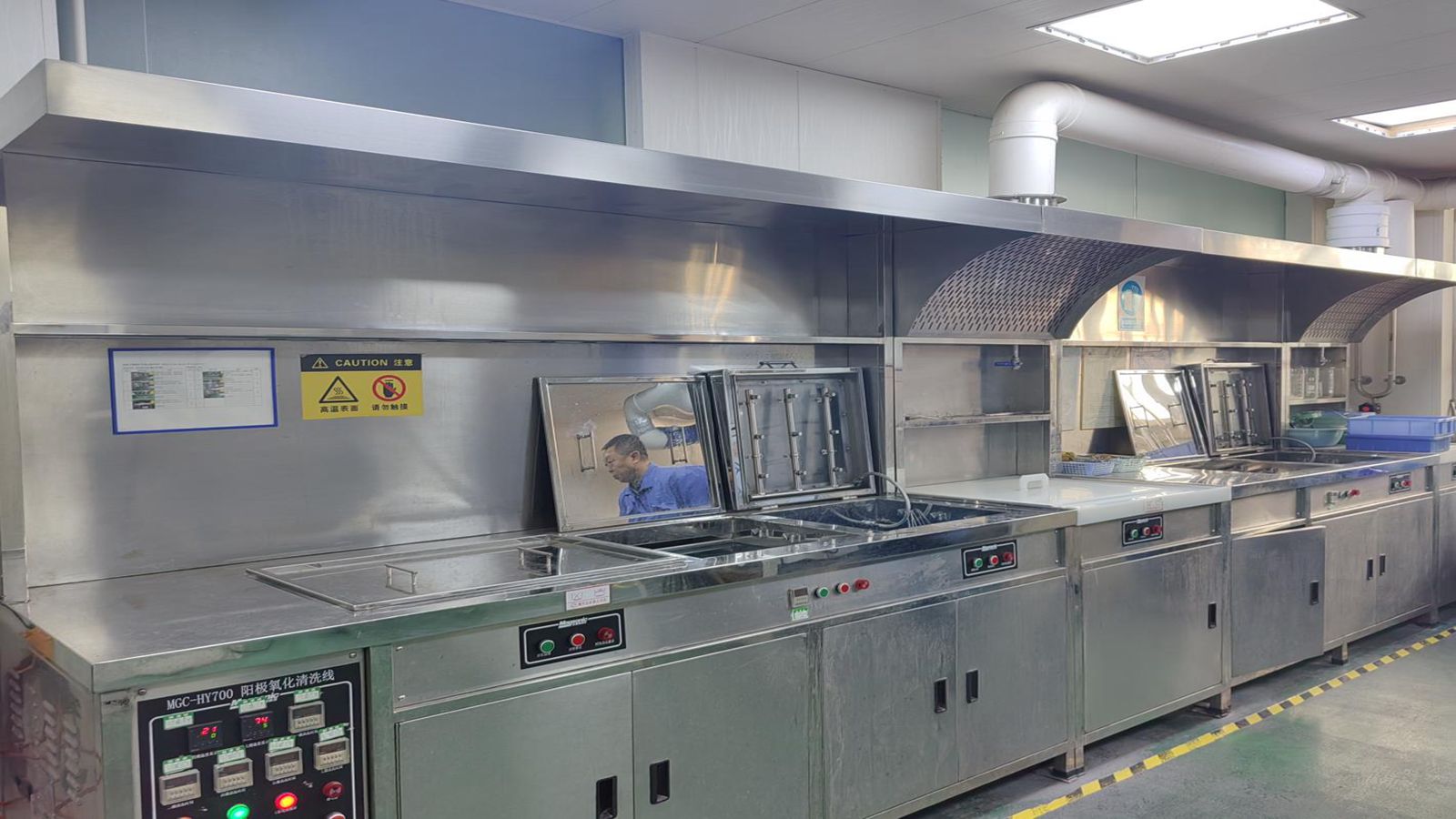
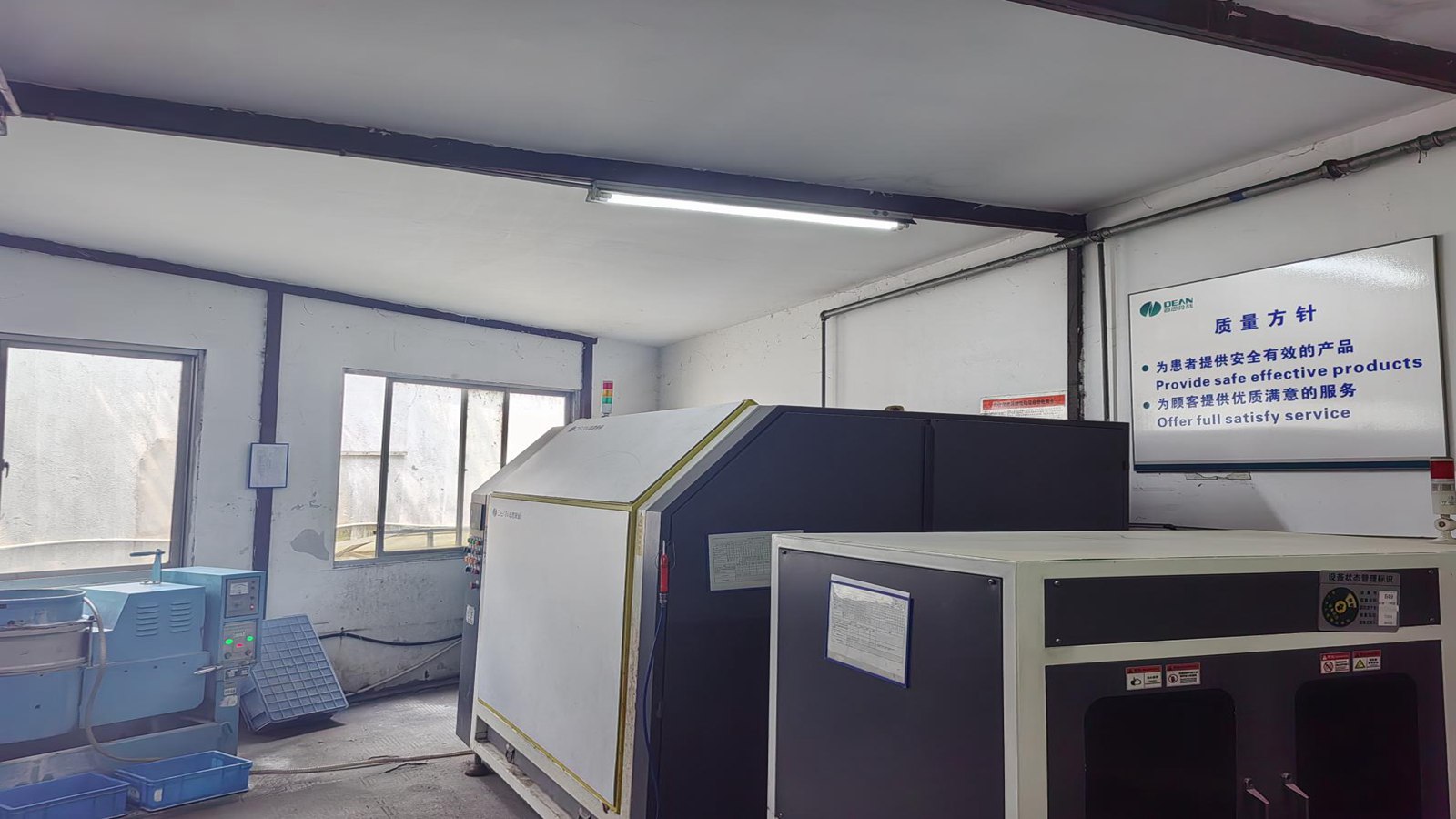
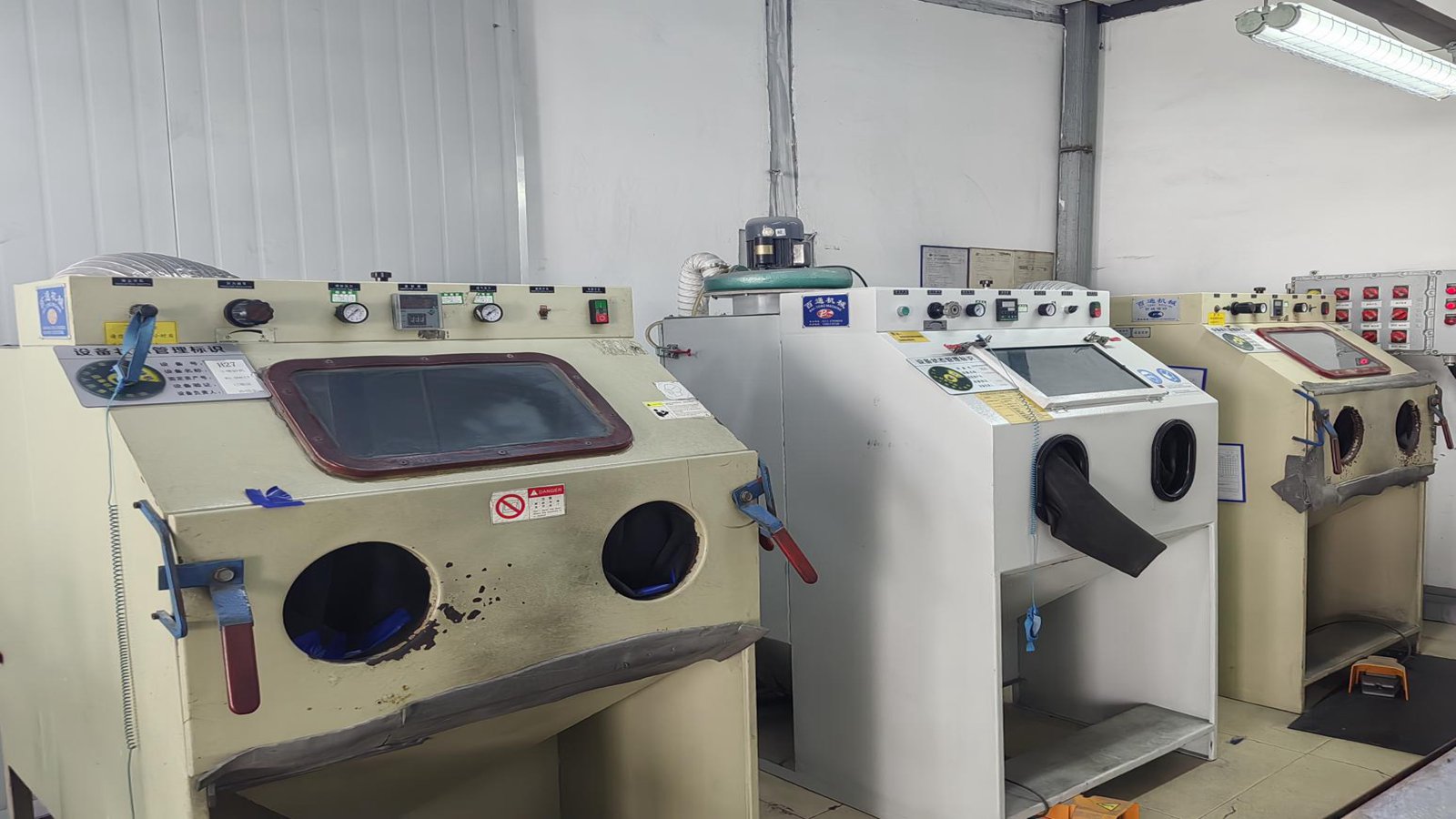
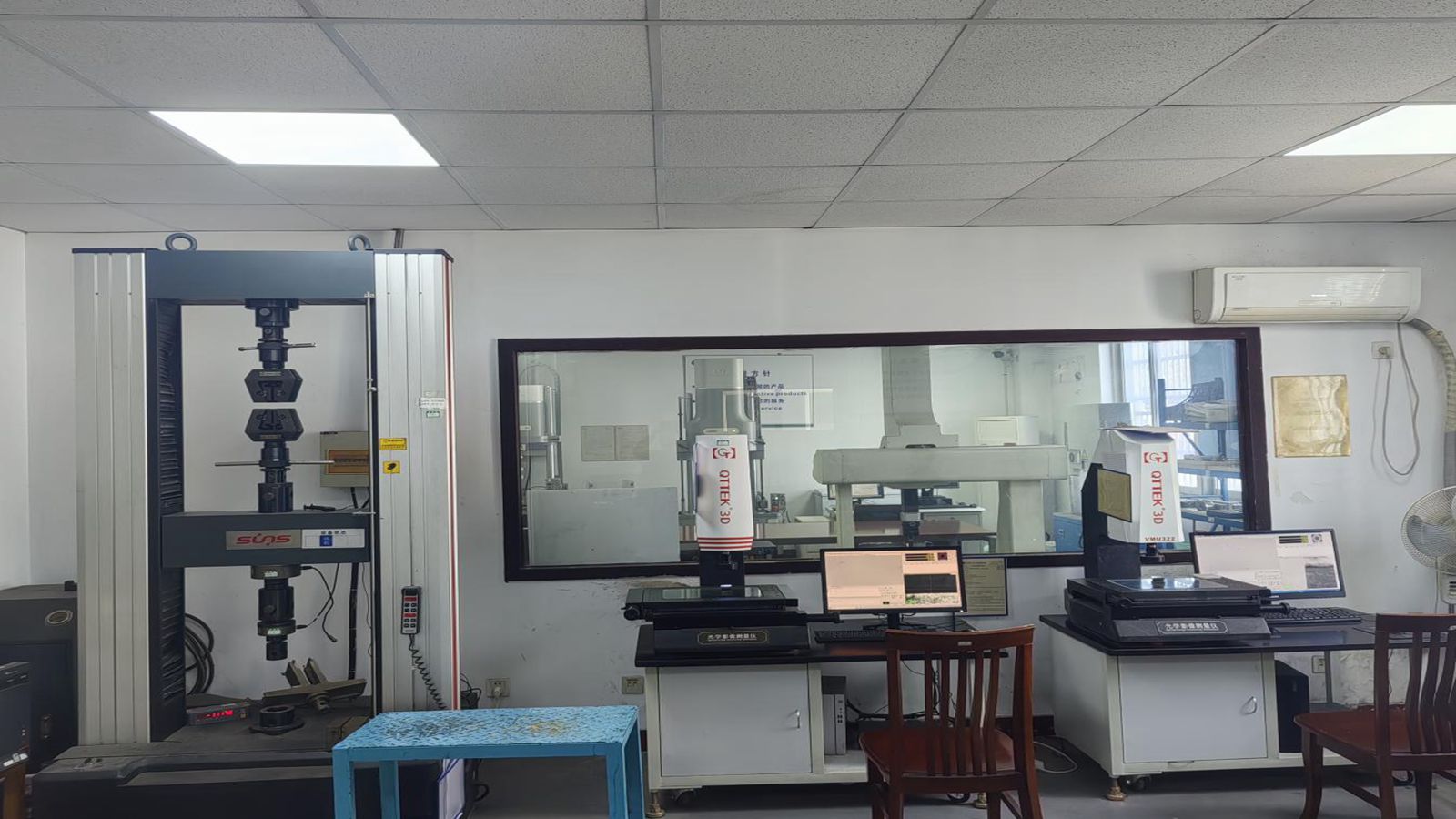
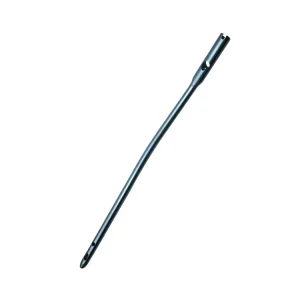
Our intramedullary nail product catalog is carefully engineered to treat specific trauma and reconstruction cases throughout the skeleton.
Primarily used for intertrochanteric, subtrochanteric, and femoral neck fractures. The helical blade provides excellent rotational and angular stability, making it highly effective for osteoporotic patients.
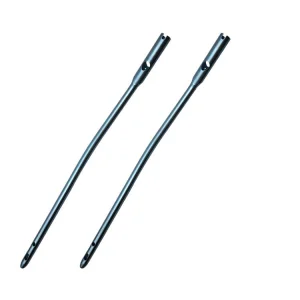
Indication: Trochanteric FracturesDesigned for simple, comminuted, or open tibial fractures. Multi-directional interlocking distal screws ensure stability in short distal segments and reduce the risk of malalignment.
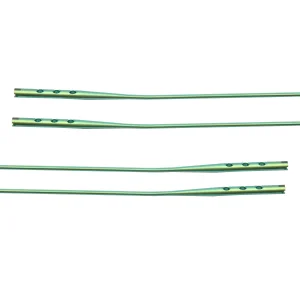
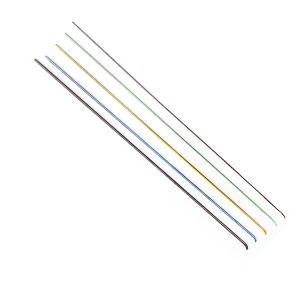
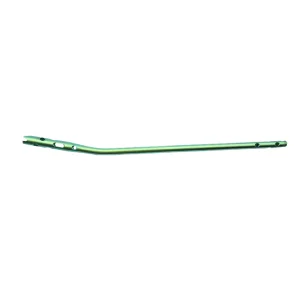
Indication: Diaphyseal Tibial FracturesUtilizes highly flexible titanium elastic nails (TEN) to provide symmetric elastic resistance within the marrow cavity. Designed specifically for pediatric femoral and humeral shaft fractures.
Indication: Pediatric Skeletal TraumaCrucial technical and logistical answers for medical buyers, procurement officers, and international distributors.
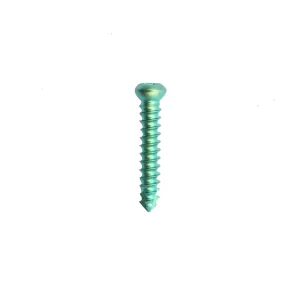
Our clinical-grade specialty implants feature high-precision locking configurations for pediatric, humeral, and osteoporotic segment applications.