Medispirex
Medispirex
Medispirex
Engineered for physiological load distribution and accelerated osteointegration. Featuring high-purity medical titanium alloys and implant-grade biocompatible polymers.
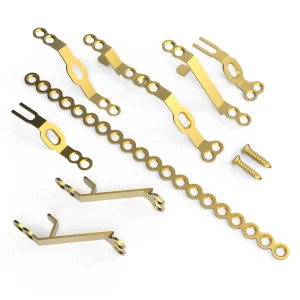
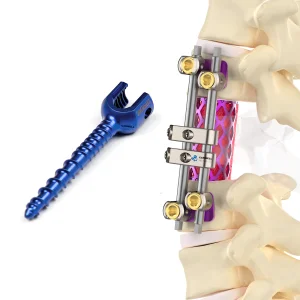
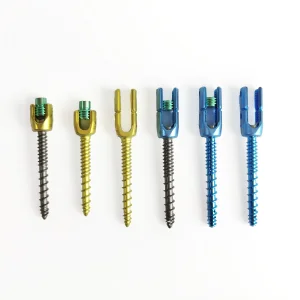
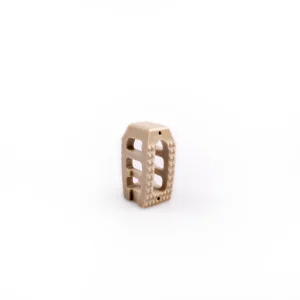
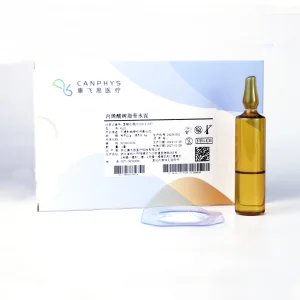
The modern spine surgery field is experiencing a transformation driven by biomaterial innovations and biomechanical modeling. PEEK (Polyetheretherketone) remains a cornerstone material due to its radiolucency and modulus of elasticity, which closely mirrors that of human cortical bone, reducing the risk of stress shielding. Simultaneously, 3D-printed porous titanium implants are redefining osteointegration, enabling direct bone ingrowth throughout the open-pored microarchitectures. Medispirex sits at the intersection of these innovations, optimizing interbody fusion geometries for cervical and lumbar stabilization.
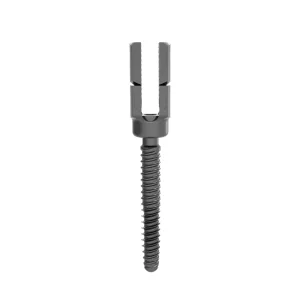
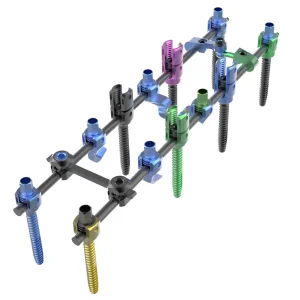
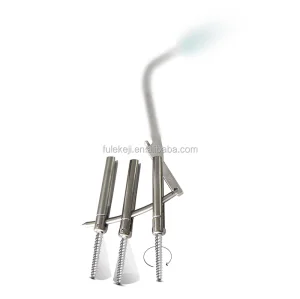
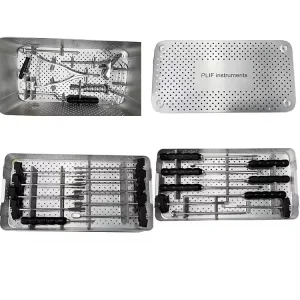
Surgeons worldwide are shifting toward MIS protocols to limit soft-tissue dissection, minimize intraoperative blood loss, and accelerate post-operative recovery. This shift demands highly sophisticated implant systems—such as percutaneous reduction pedicle screws and low-profile spinal fusion cages—supported by tailored, ergonomic surgical instrumentation. Medispirex supplies custom MIS instrumentation sets and low-profile implants designed to match complex anatomies through narrow surgical channels, minimizing mechanical collision risks during instrumentation placement.
Medispirex Orthopedic Technology Co., Ltd. is a professional manufacturer specializing in spine and orthopedic implant solutions, established in 2016 with a modern production facility covering approximately 18,600㎡. The company integrates R&D, manufacturing, and global distribution to deliver high-quality medical devices for trauma, spine, and joint reconstruction applications.
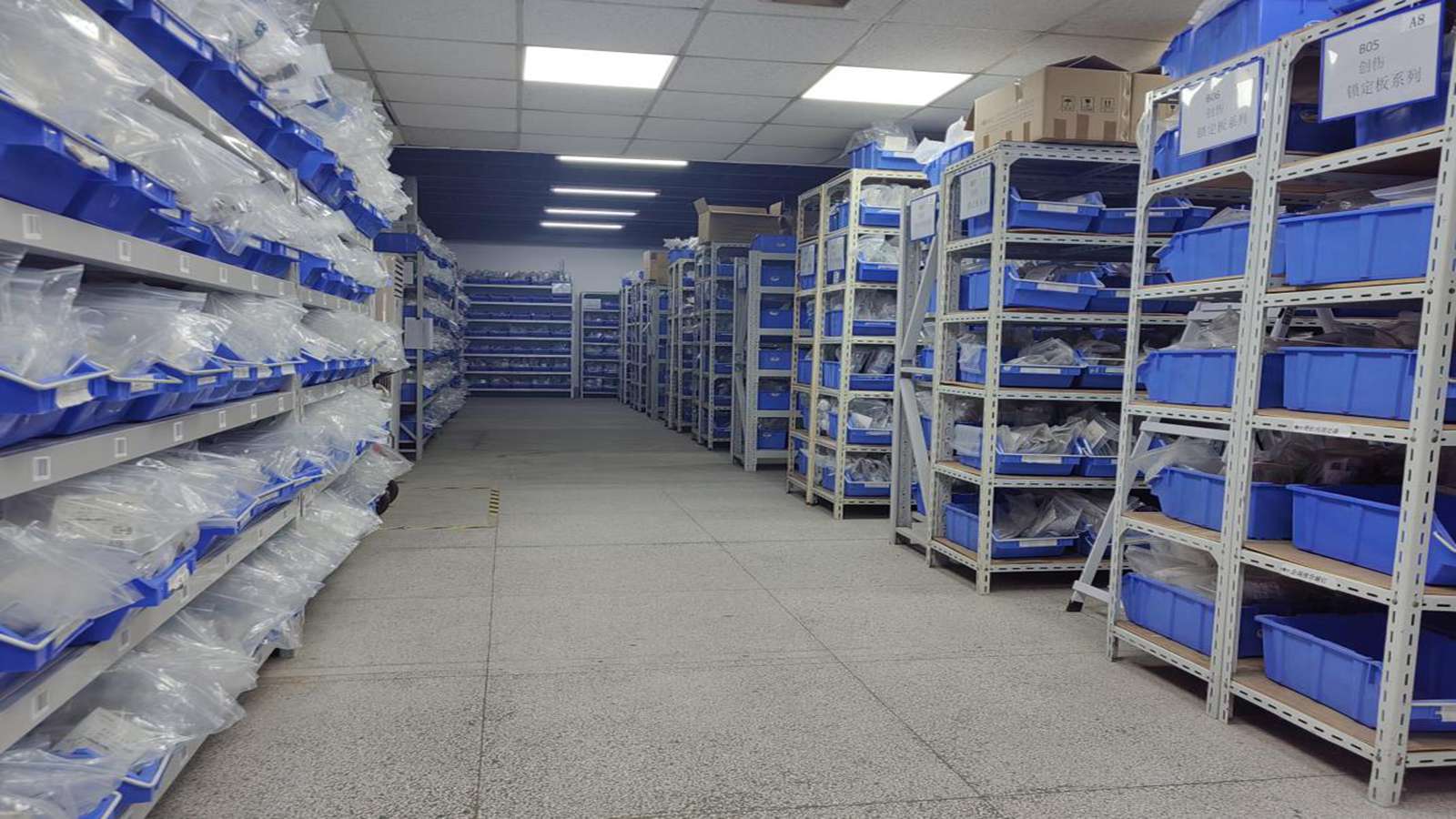
Operating under a strict quality management system, Medispirex ensures comprehensive batch reliability. This is facilitated through complete batch traceability systems, incoming raw material inspections, in-process quality controls, and exhaustive final product verification protocols.
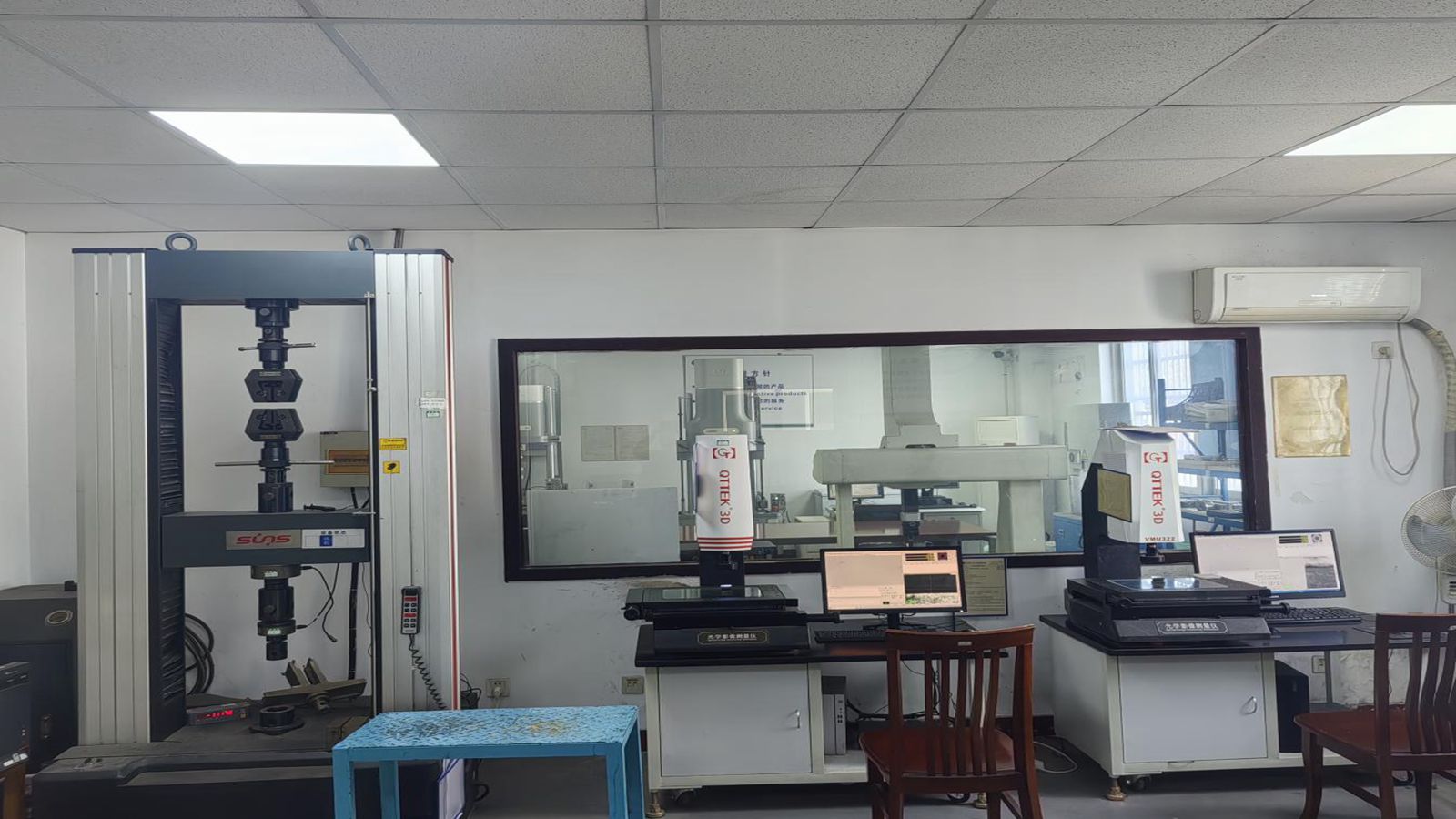
All medical devices are subject to rigorous testing methodologies: detailed dimensional inspection, mechanical fatigue testing (to verify tensile and shear endurance), and material composition analysis, managed by 45 dedicated QC professionals.
We support hospitals, orthopedic surgeons, medical distributors, and global OEM partners. Key options include private label manufacturing, specific biomechanical design adaptation, and customized surgical instrumentation system configuration.
With an annual export revenue of approximately USD 18 million, Medispirex has built a stable international presence supported by 7 years of export experience and over 12 years of industry expertise. Medispirex maintains a strong trade-oriented manufacturing background, serving key markets including Europe, North America, the Middle East, and Southeast Asia. Its supply chain network includes approximately 860 upstream and downstream partners, enabling stable production capacity and efficient global delivery.
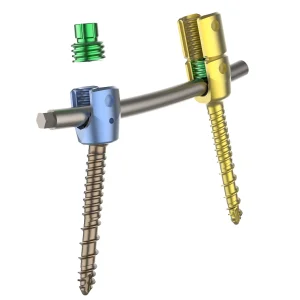
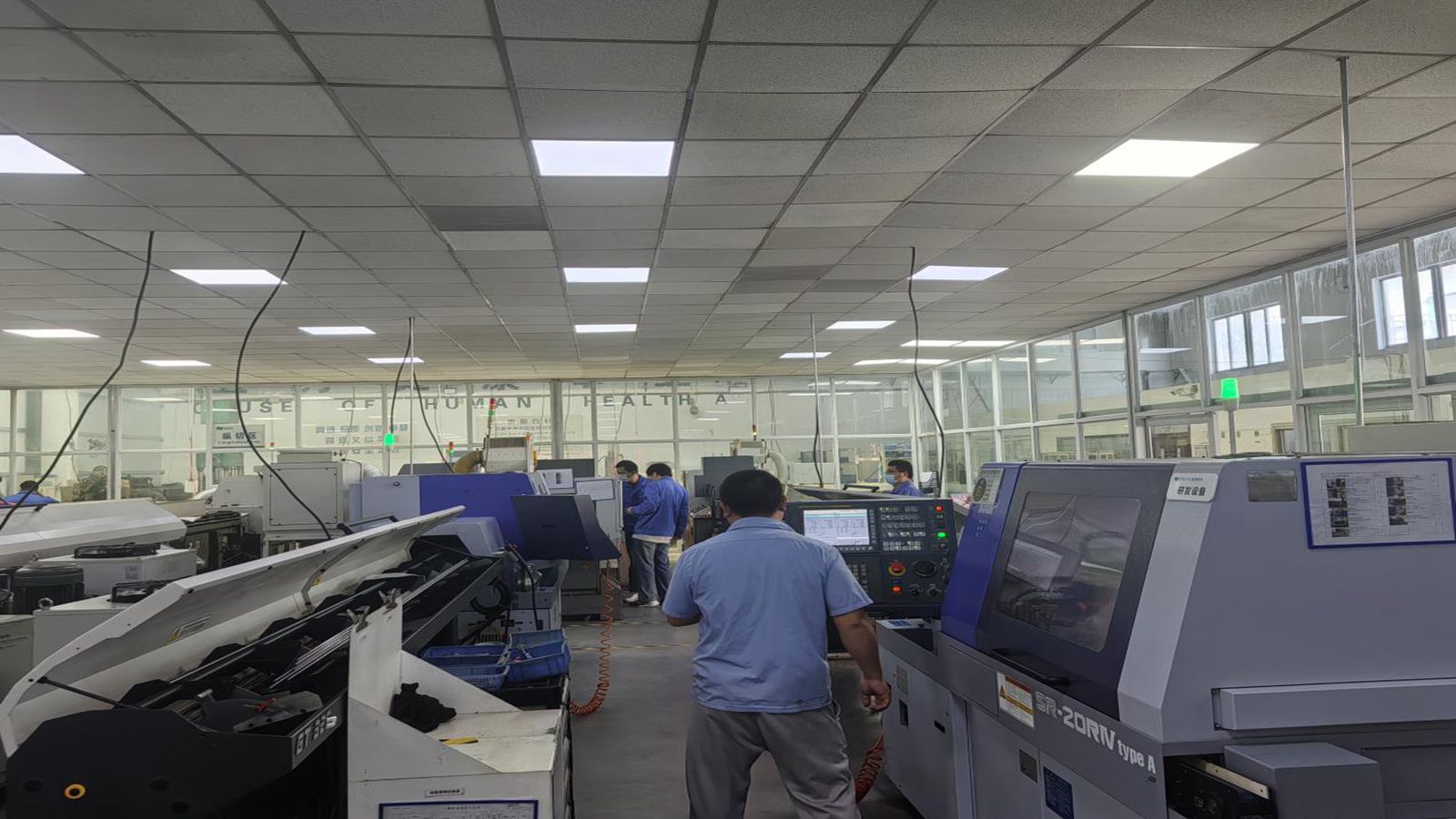
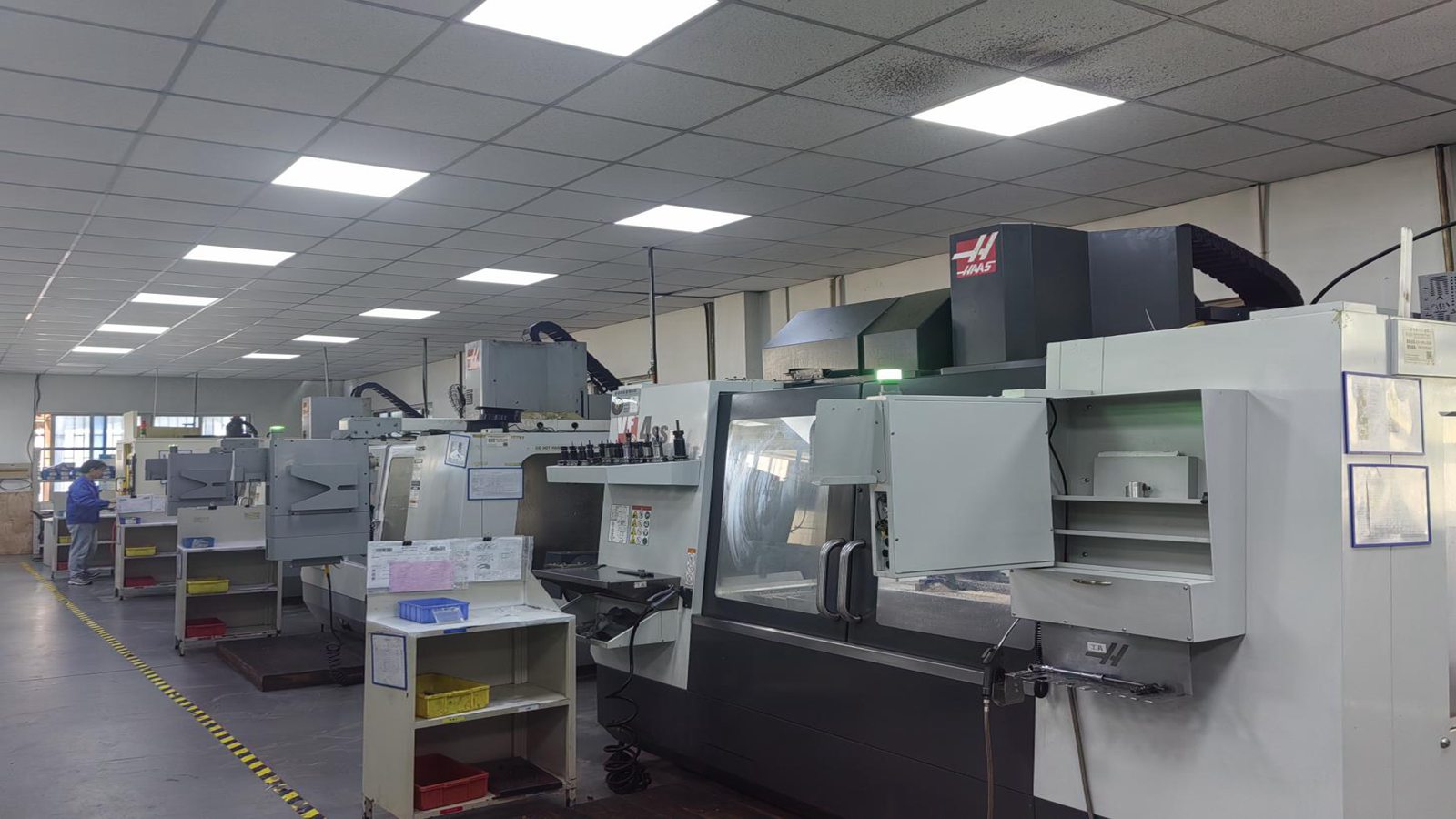
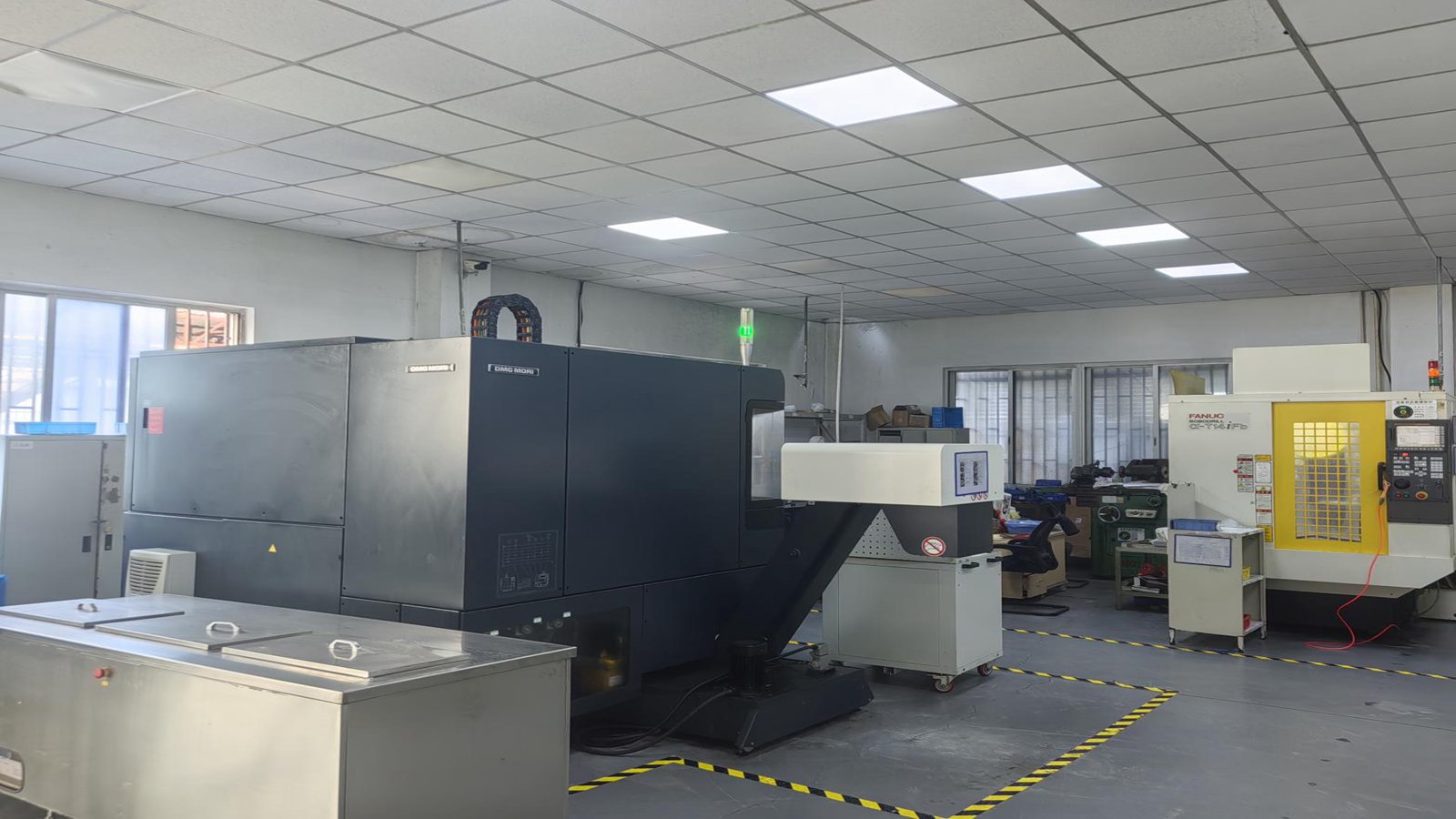
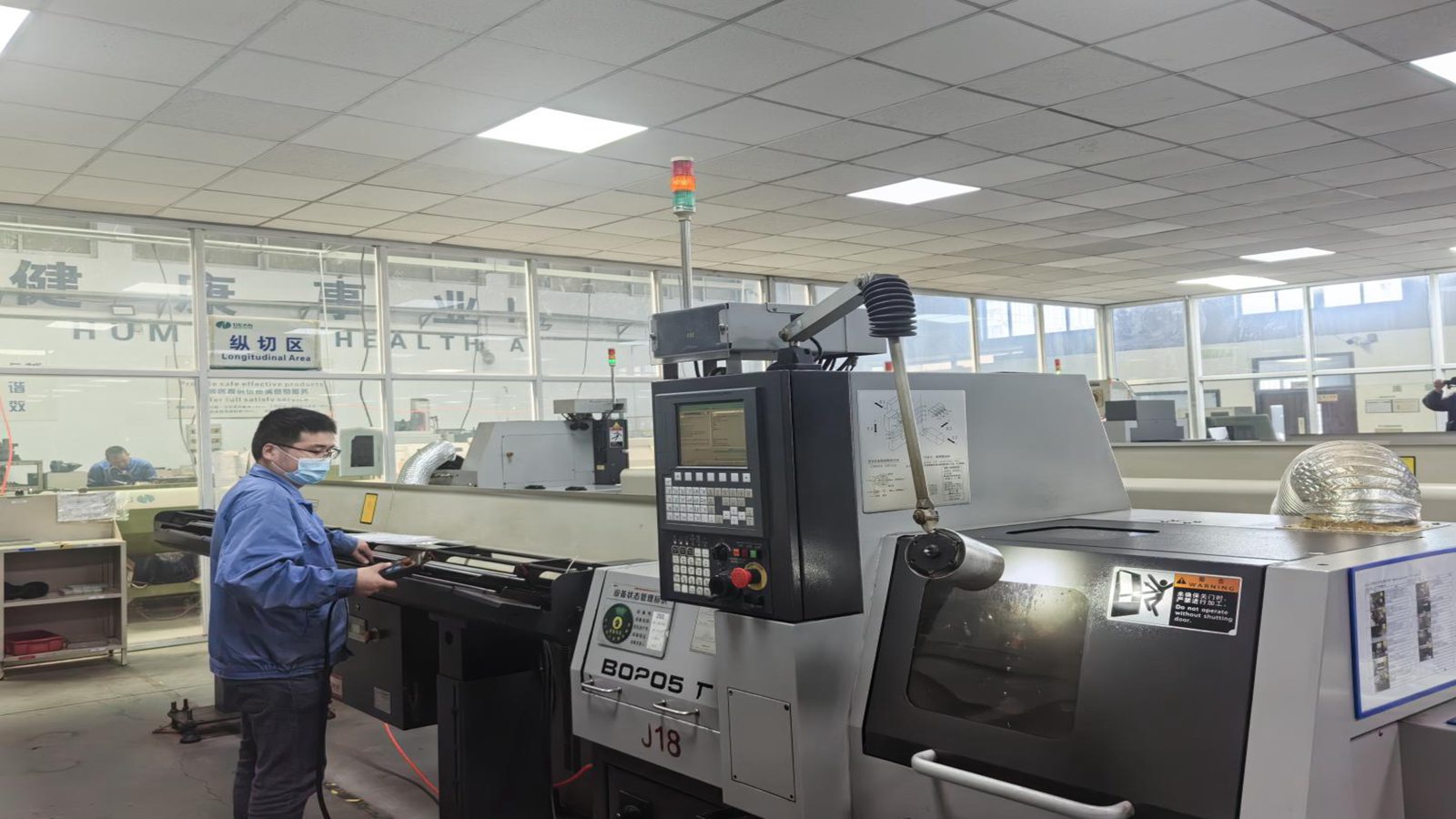
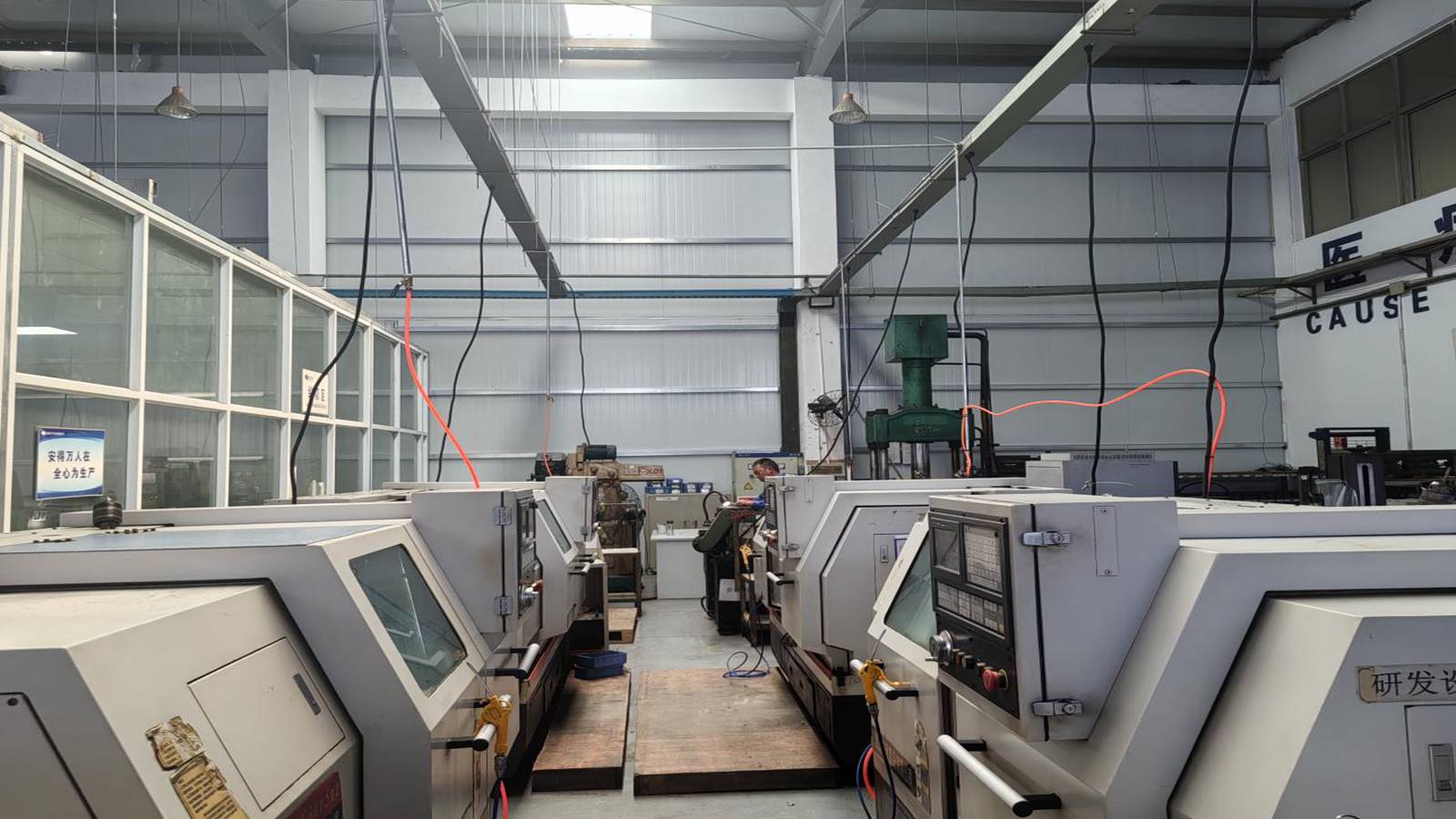
Utilizing multi-axis CNC machines to achieve tolerances below 5 microns, critical for ensuring stable locking interfaces between pedicle screws and rods.
Implant cleaning and primary packaging are conducted in ISO Class 7/Class 8 cleanrooms to minimize bioburden and particulate contamination.
Driven by innovation, Medispirex launched 120 new products in the past year, backed by an R&D team of 85 engineers in biomechanics and materials science.
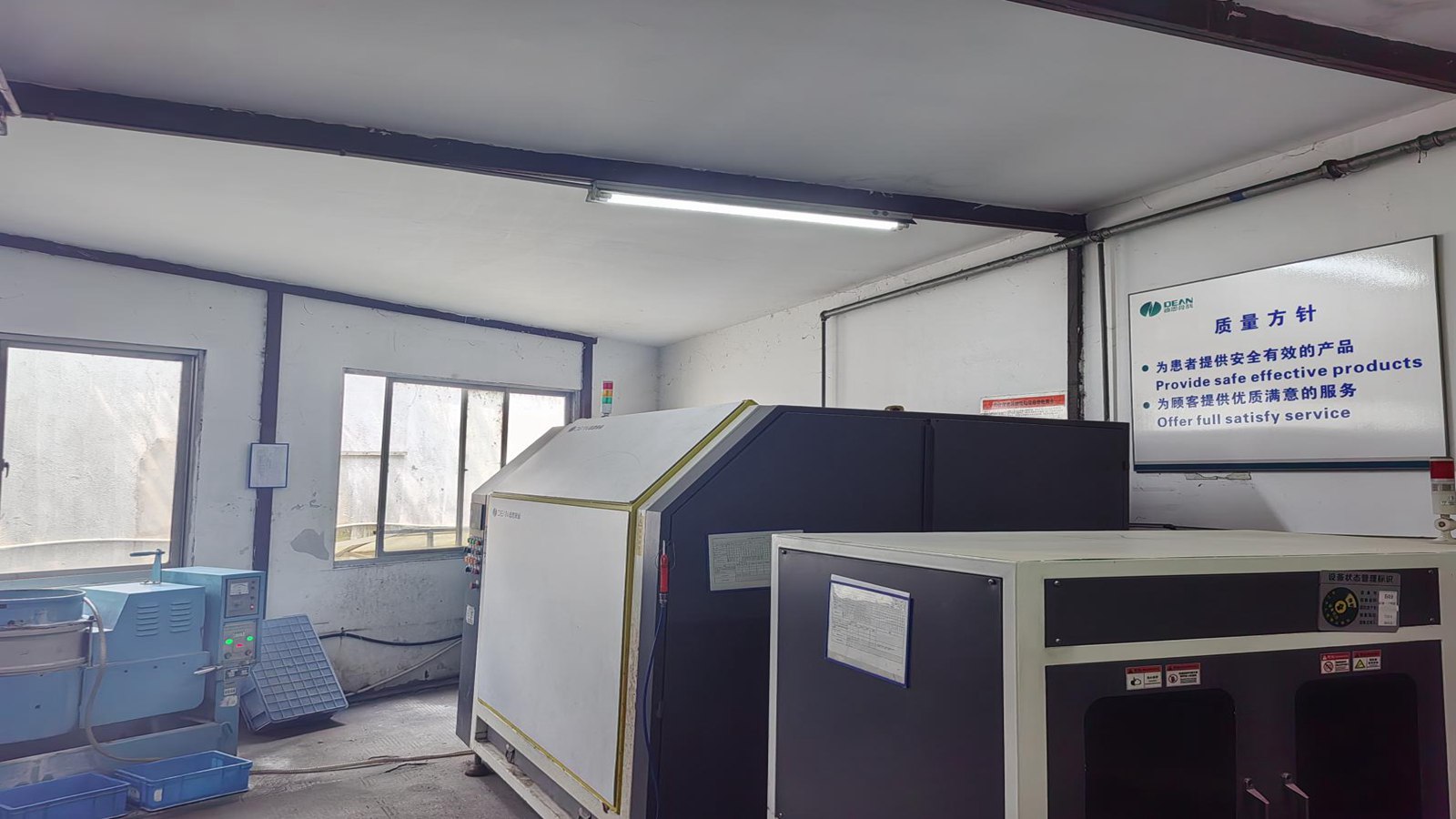
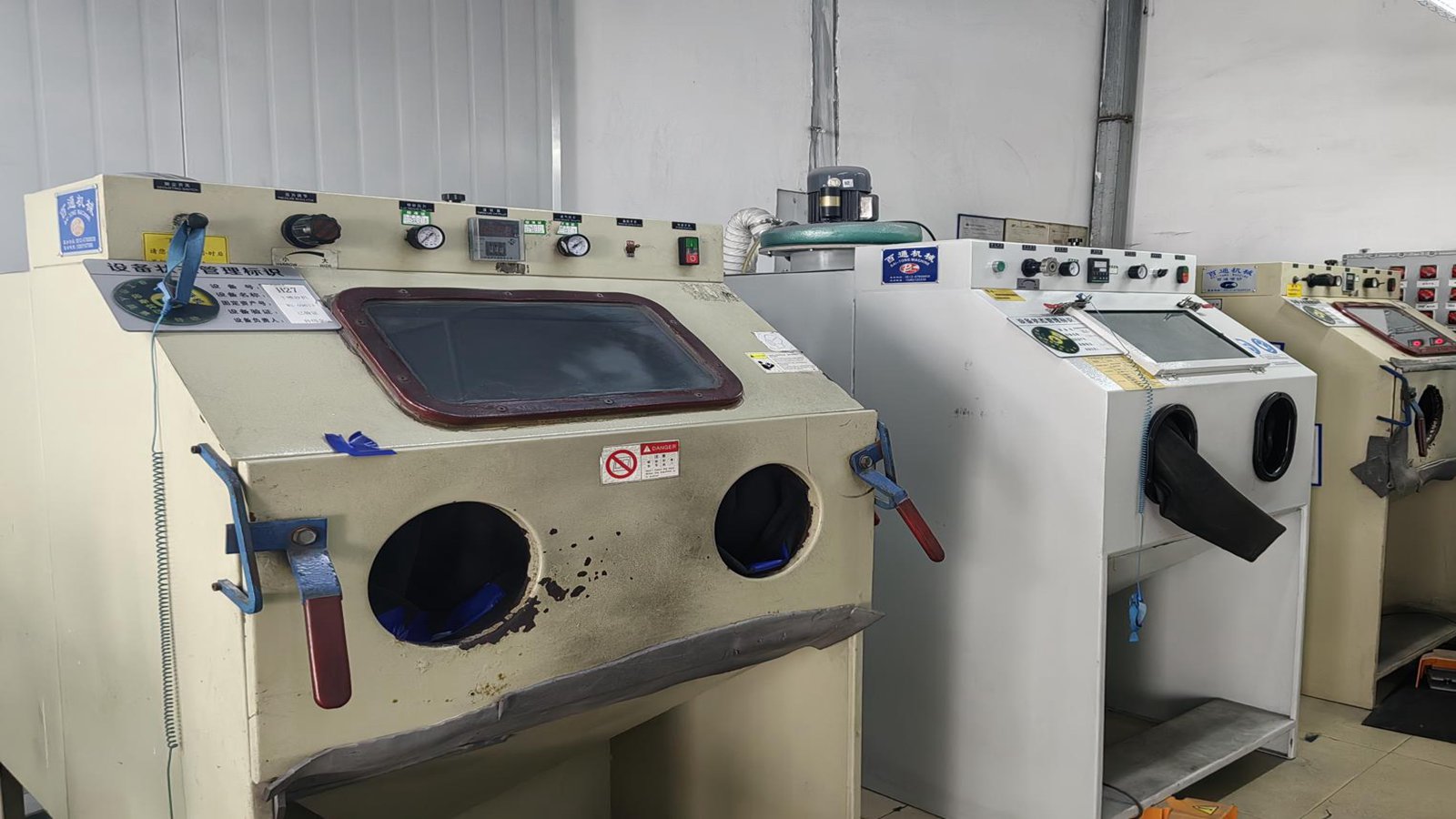
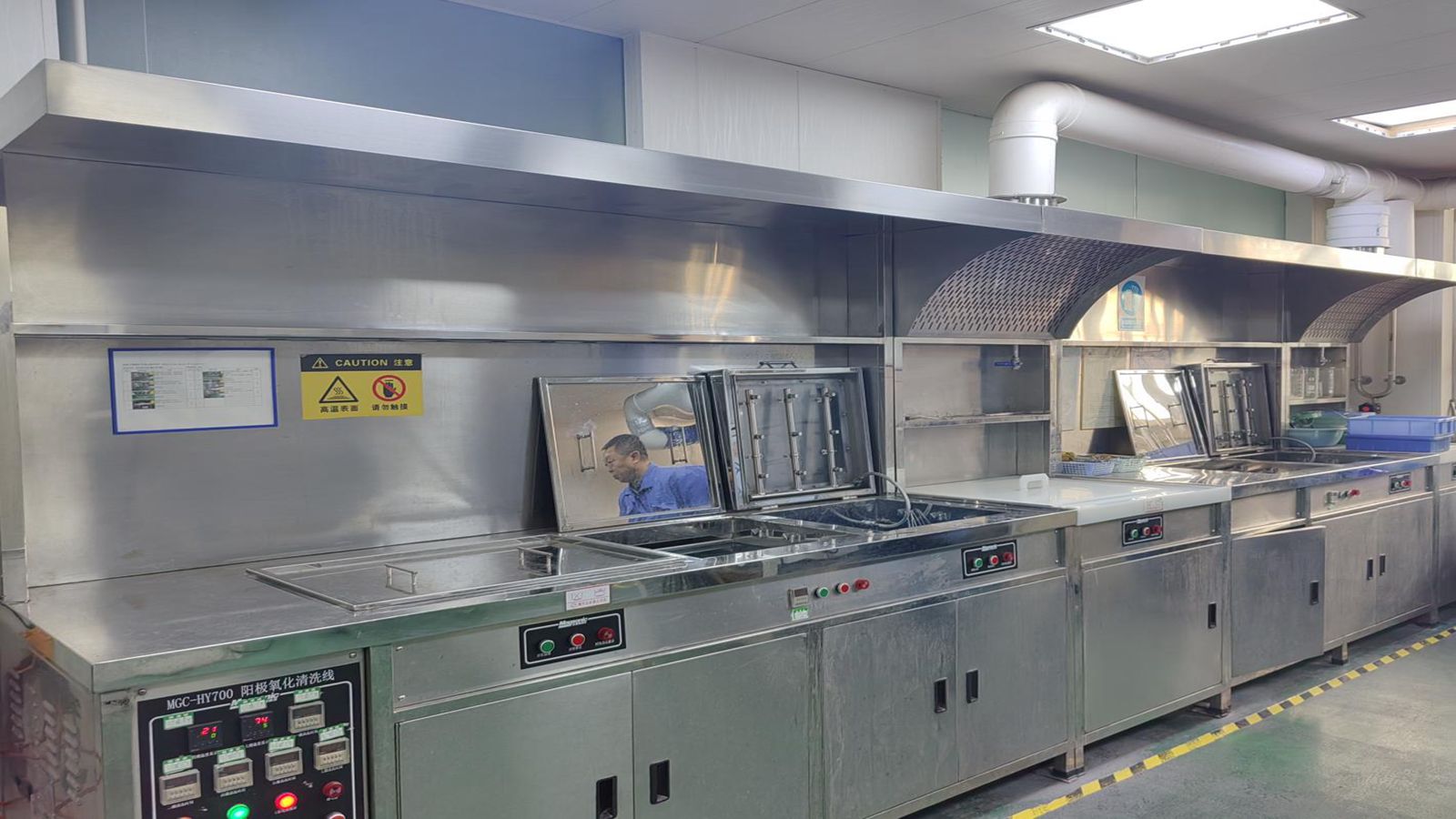
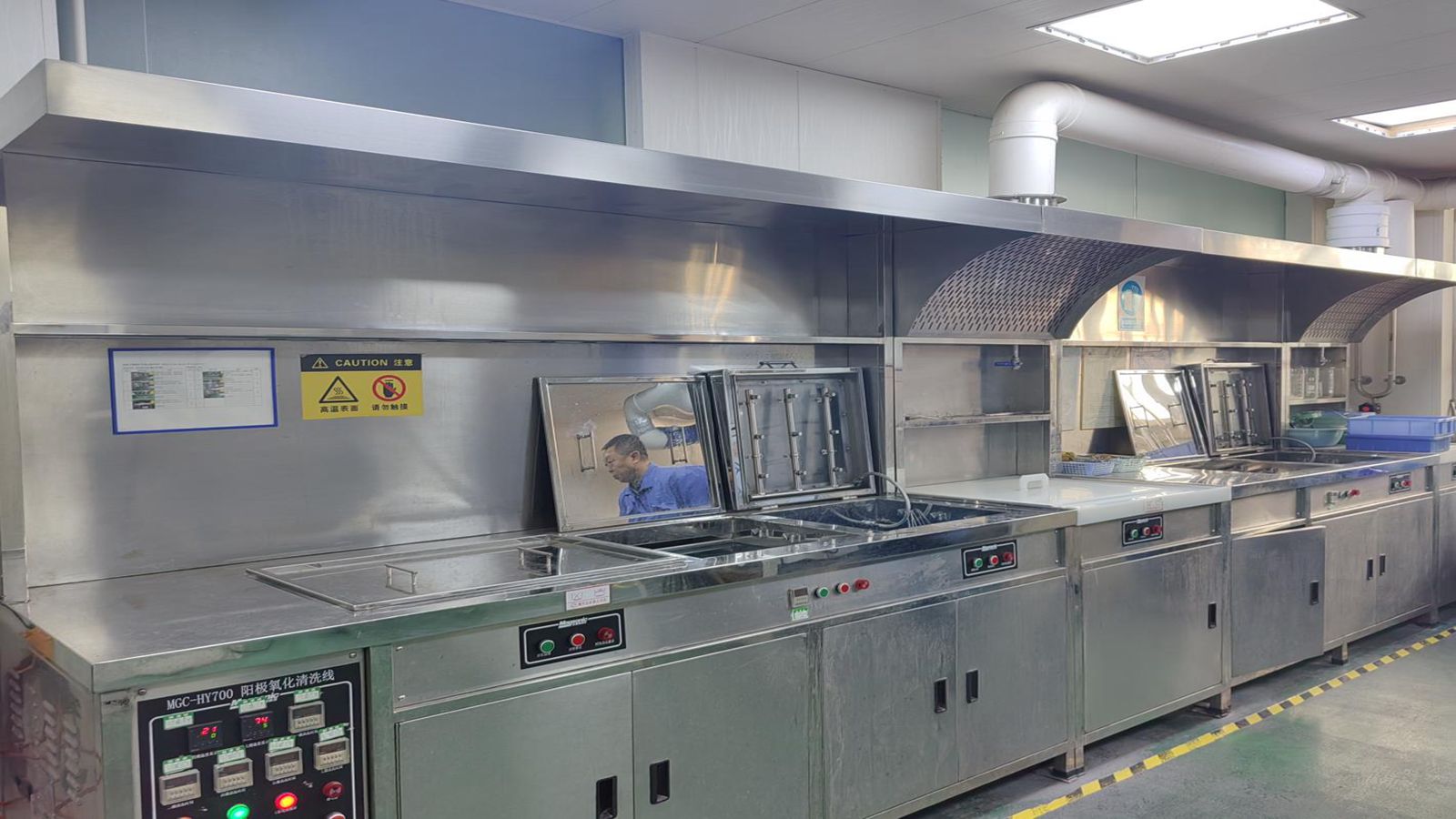
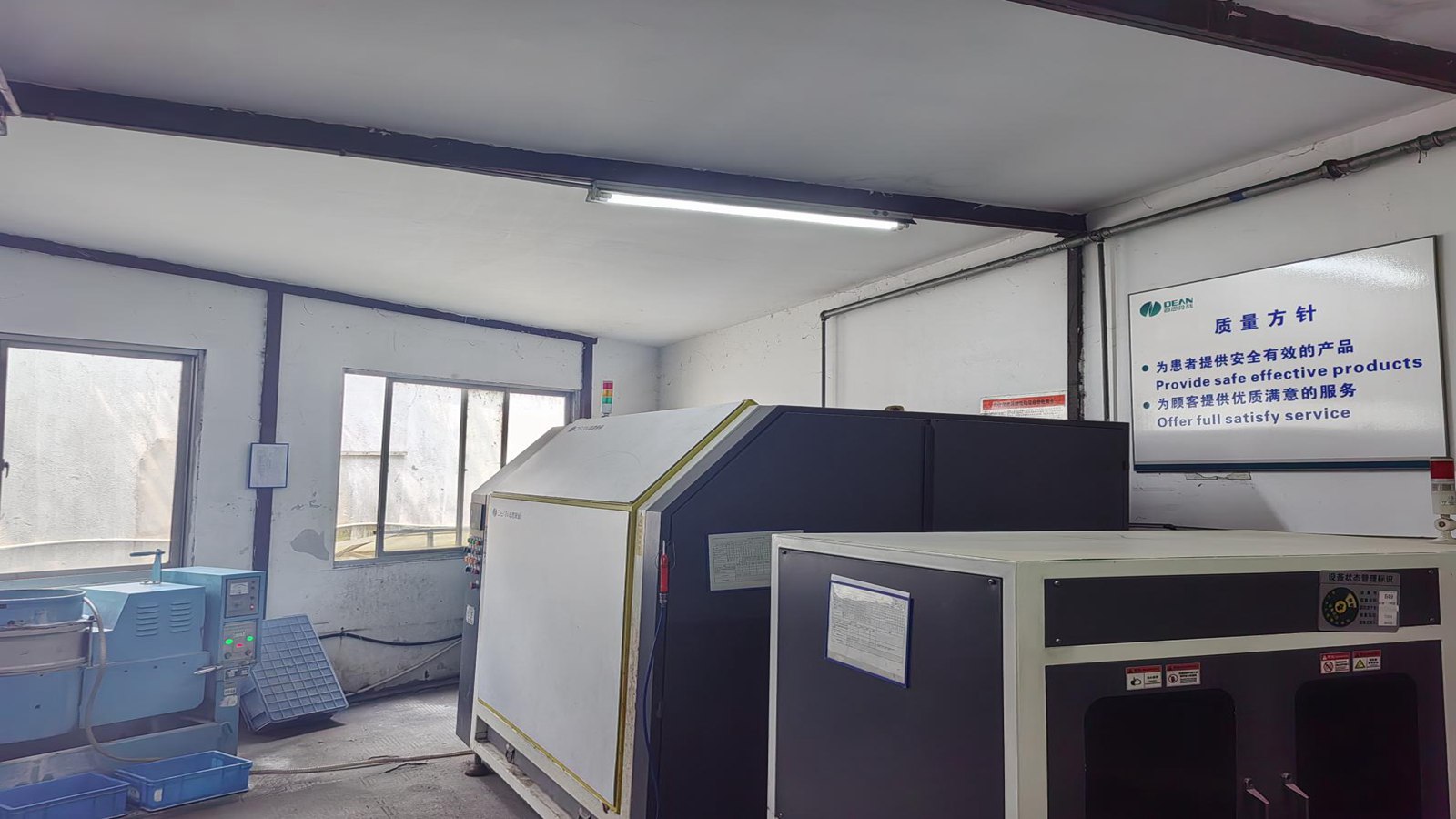
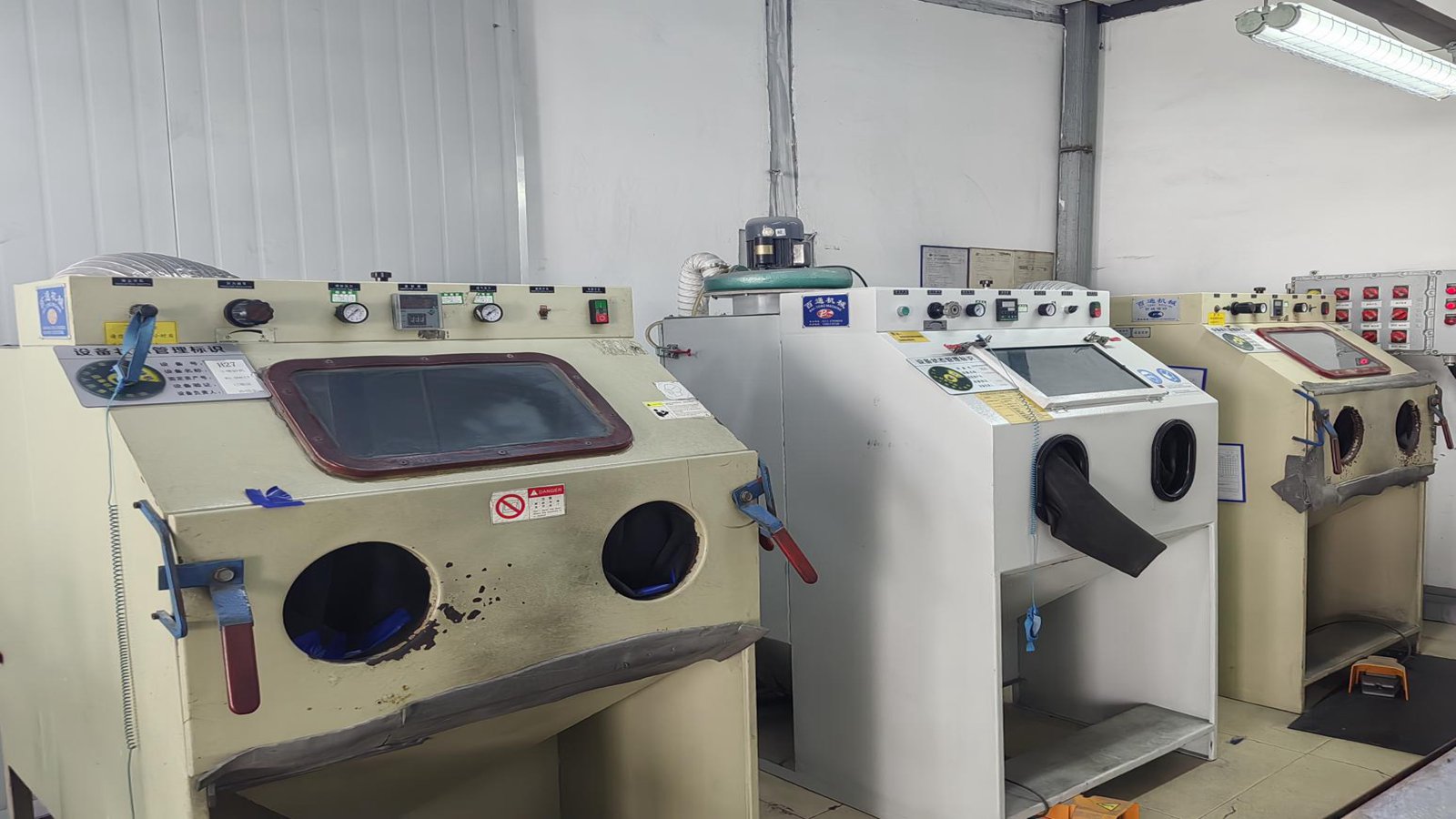
Inspect our advanced workshops demonstrating end-to-end orthopedic production, from raw titanium block cutting to chemical anodization and testing laboratory protocols.
Ensuring precise anatomic reconstruction requires matched stabilization systems. Below are the key surgical interventions supported by Medispirex spinal hardware.
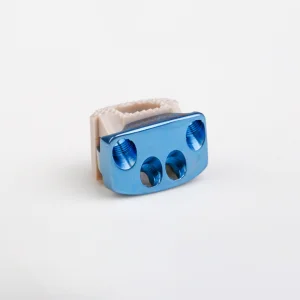
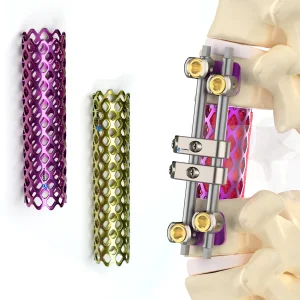
Utilizes bilateral PEEK or titanium mesh cages to re-establish disc height and achieve biomechanical fusion. Indicated for spondylolisthesis, degenerative disc disease (DDD), and spinal canal stenosis.
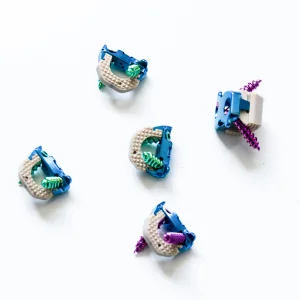
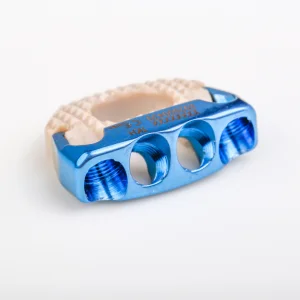
Requires zero-profile stand-alone cervical cages with integrated fixation screws. Minimizes post-operative dysphagia by avoiding bulky anterior plates while maintaining rigid segment fixation.
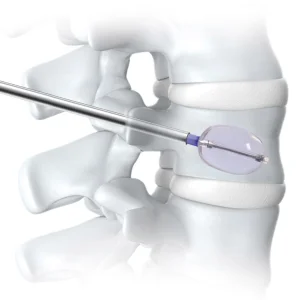
Addresses osteoporotic vertebral compression fractures (VCFs). Medispirex curved vertebral perforator kits and high-pressure balloons restore vertebral height before PMMA cement infusion.
Before launching any pedicle screw system or interbody fusion device, Medispirex conducts rigorous fatigue limit evaluations under simulated in-vivo conditions. According to ASTM F1717 guidelines, spinal constructs undergo dynamic fatigue testing (up to 5 million cycles) to ensure they can withstand physiological cyclic loads without fracture, screw loosening, or rod deformation. Interbody cages are similarly evaluated under ASTM F2077 protocols, assessing static compression, static shear, and dynamic compression to define sub-yield structural margins.
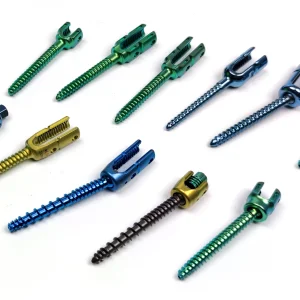
Surface micro-roughness plays a key role in the rate of early-stage bone healing. Our processing facility incorporates advanced sandblasting and acid etching processes to modify the titanium surface topography, establishing a high-energy surface that promotes osteoblast adhesion. Furthermore, our state-of-the-art anode oxidation line forms stable, controlled titanium dioxide (TiO2) layers. This electrochemical treatment reduces titanium ion release in vivo and allows color-coding of component assemblies (e.g., distinguishing monoaxial vs. polyaxial screws), which streamlines instrumentation handling for surgical teams.
Because orthopedic implants interface directly with bone and vascular systems, cleanliness validation is critical for patient safety. Our chemical cleaning lines feature multistage ultrasonic wash cycles utilizing deionized water, followed by vacuum drying. Testing for endotoxin levels (LAL testing) and bioburden assessment are performed regularly to ensure the absolute sterility of all packaged implants, mitigating the risk of post-operative implant-associated infections.
Essential technical and regulatory information for clinical purchasing teams, hospital distributors, and OEM medical device brand managers.
Engineered for stable spine fixation. Click below to access complete technical drawings, material certificates, and instrument parameters.