Medispirex
Medispirex
Medispirex
Explore our CE-marked, titanium-alloy trauma configurations engineered for micro-invasive and specialized clinical reconstructive procedures.
Understanding the clinical imperatives, supply dynamics, and biomechanical parameters driving the orthopedic implant market.
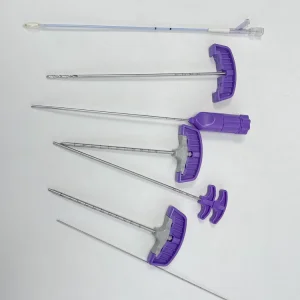
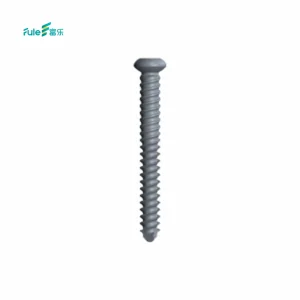
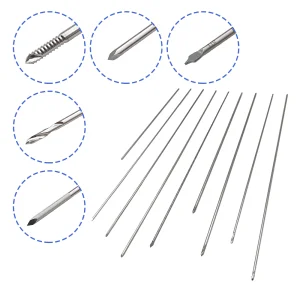
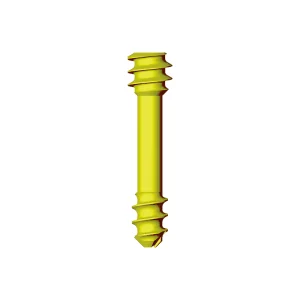
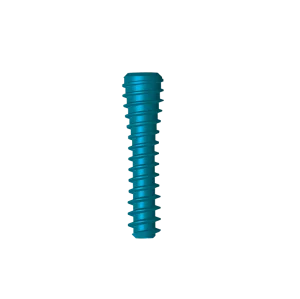
Cannulated screws represent a major innovation in fracture fixation, providing a central channel that allows surgeons to place guide wires precisely under fluoroscopic monitoring before inserting the final implant. This minimally invasive technique reduces soft tissue trauma, improves surgical accuracy, and significantly shortens recovery times for patients suffering from femoral neck fractures, scaphoid nonunions, and calcaneal reconstructions.
For medical distributors, orthopedic groups, and OEM procurement managers, choosing a medical implant manufacturer involves evaluating technical capabilities, production scale, and regulatory compliance. Shifting trade regulations, rising raw material costs (particularly implant-grade Titanium Ti-6Al-4V ELI), and strict quality standards demand that suppliers possess deep domain expertise, extensive production space, and vertically integrated capabilities.
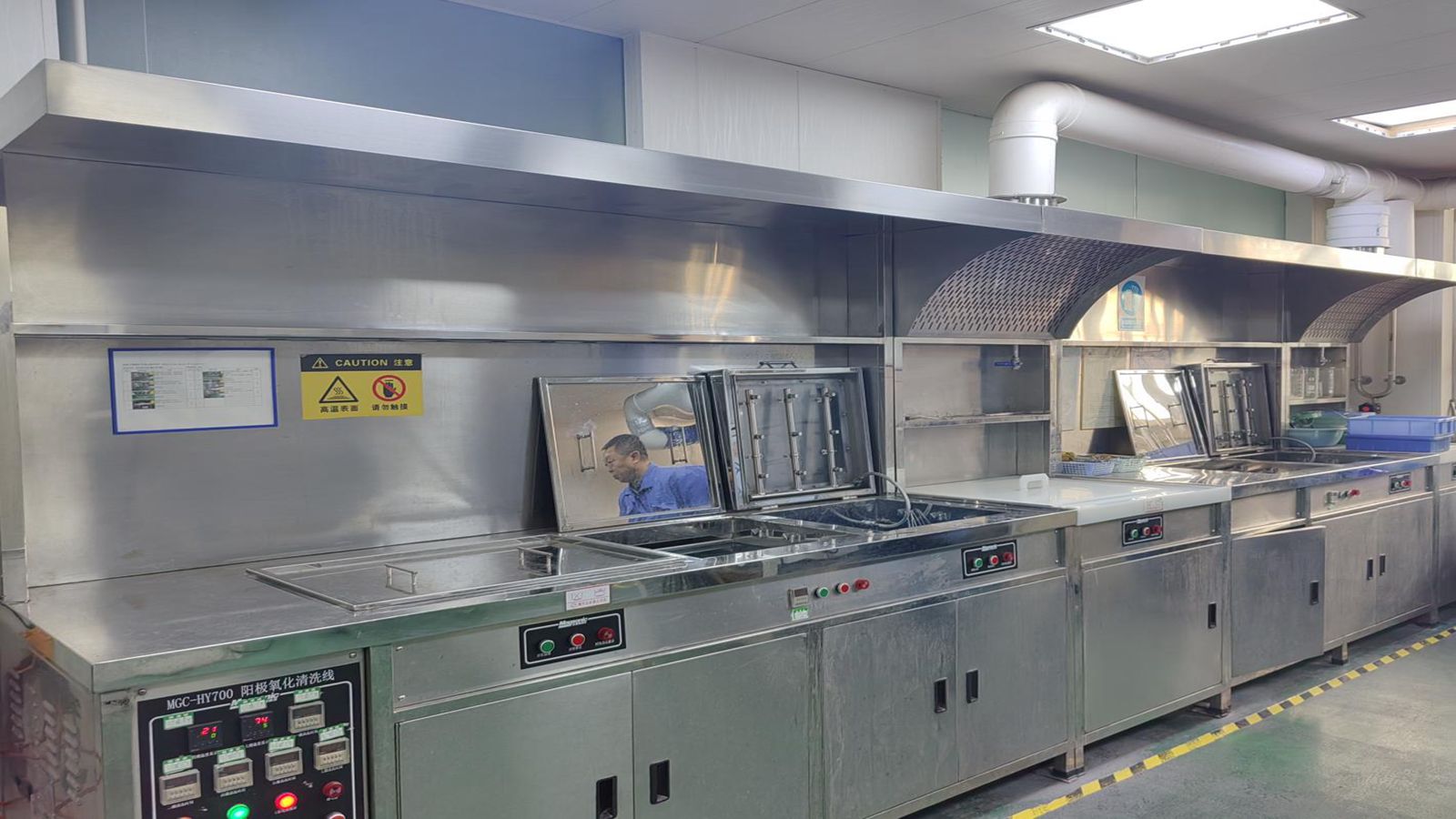
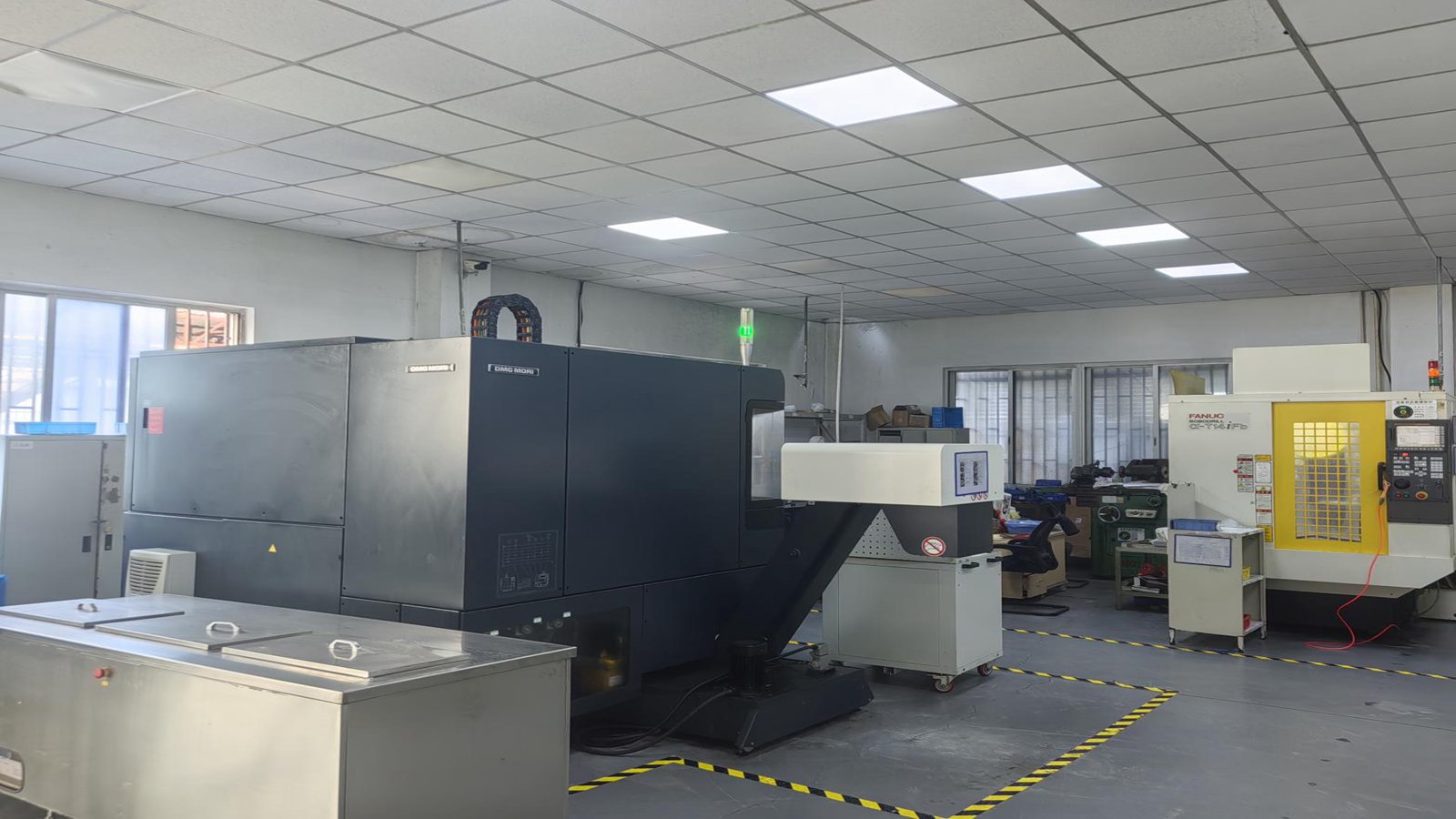
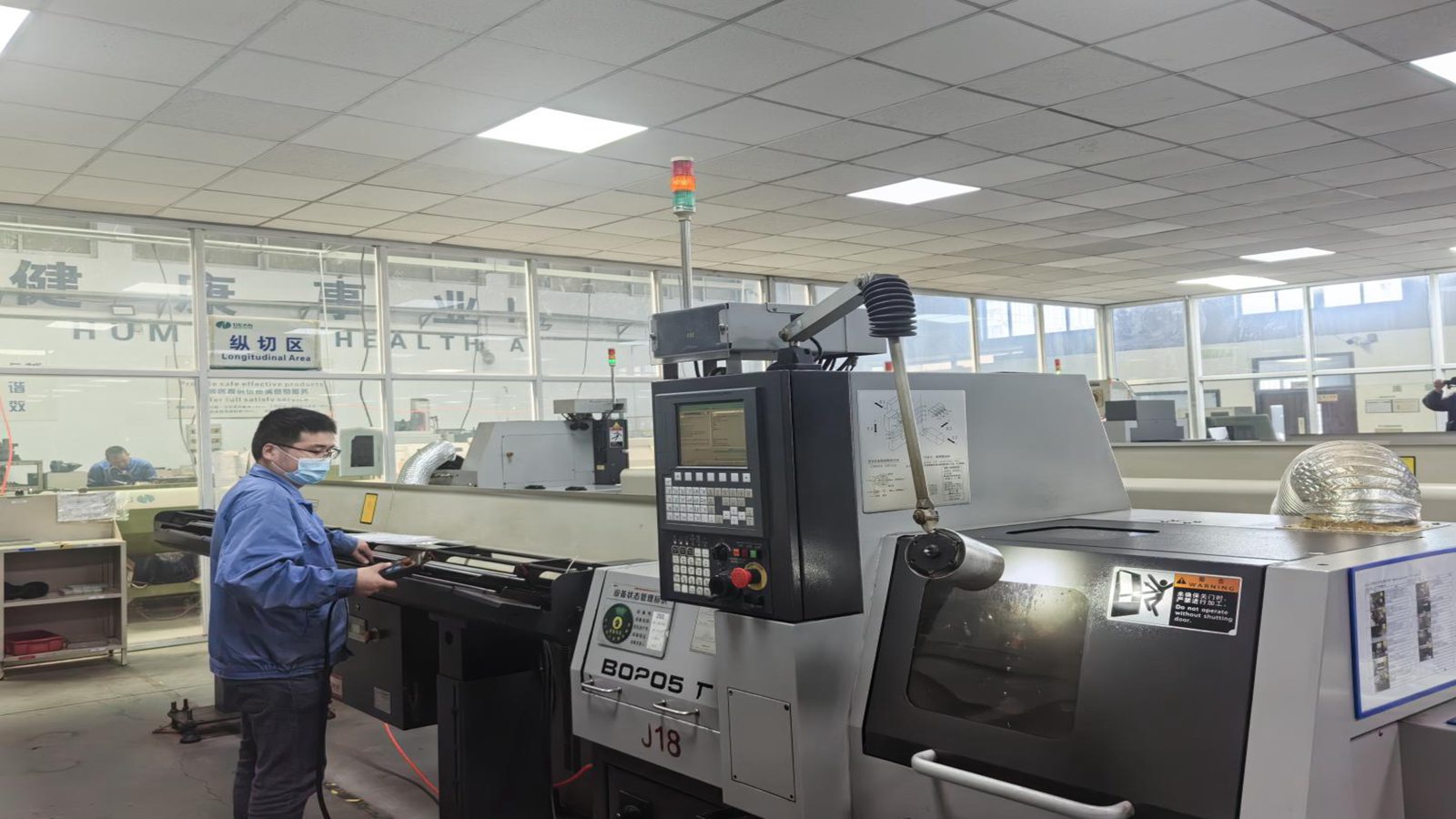
Implantable materials require high fatigue limits, precise thread pitches, and sterile, biocompatible surfaces. Quality failures in the field are not just costly; they directly impact patient health. This makes certified, transparent production processes—from Swiss CNC milling to automated anodization and multi-stage cleanroom processing—the primary baseline for modern global clinical sourcing.
An industry-leading OEM/ODM manufacturer delivering world-class bone implants and orthopedic surgical instruments since 2016.
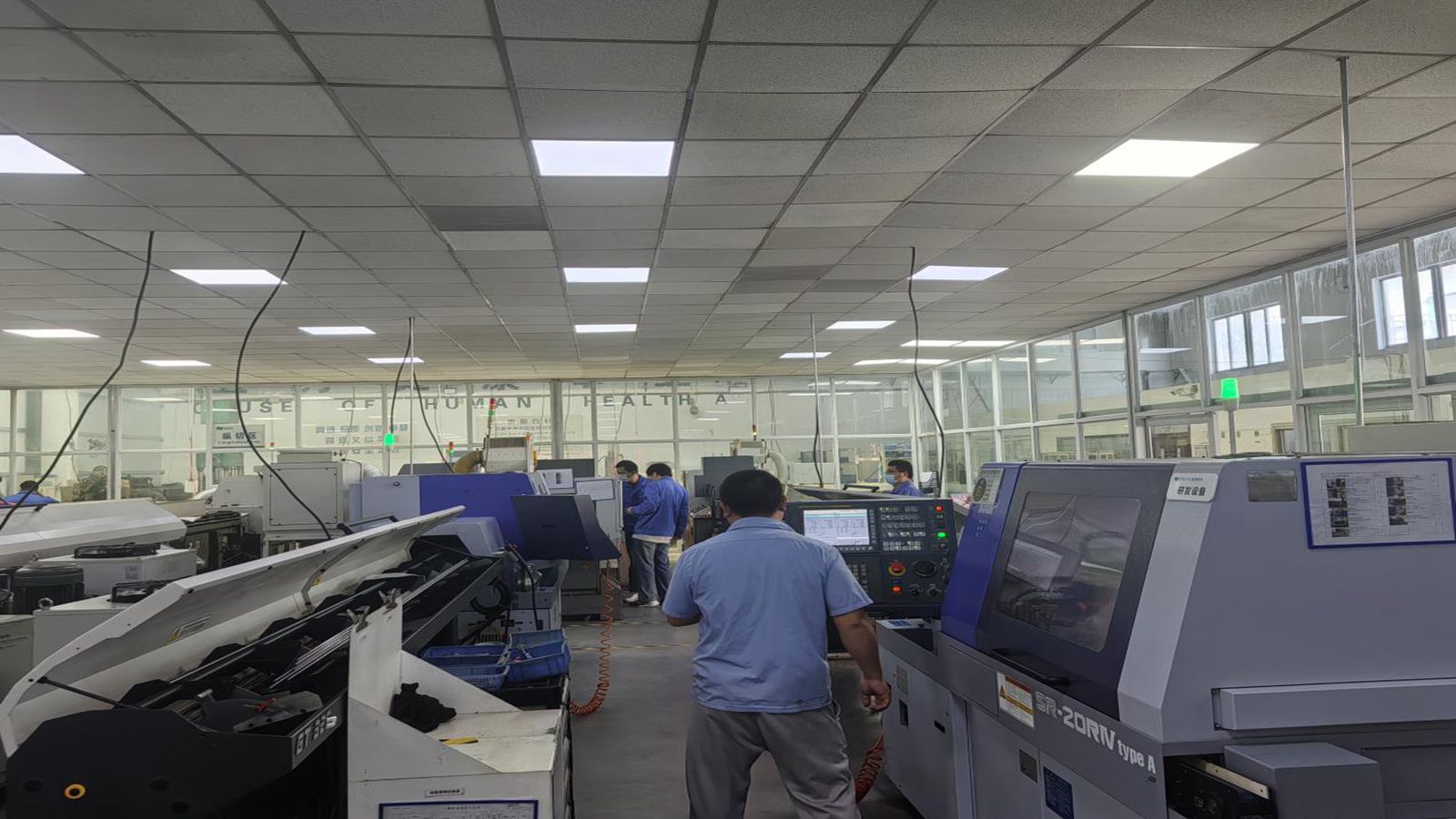
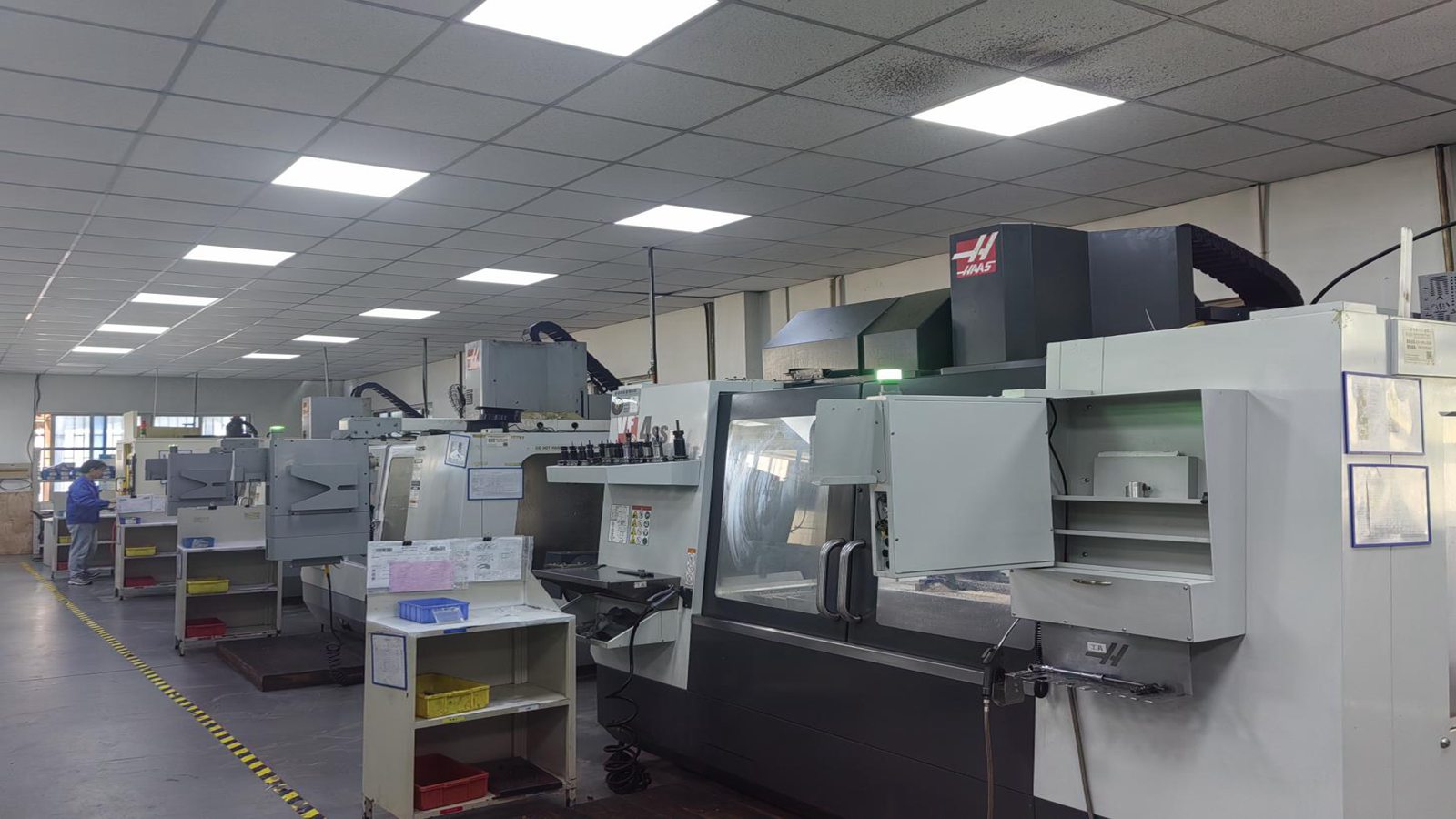
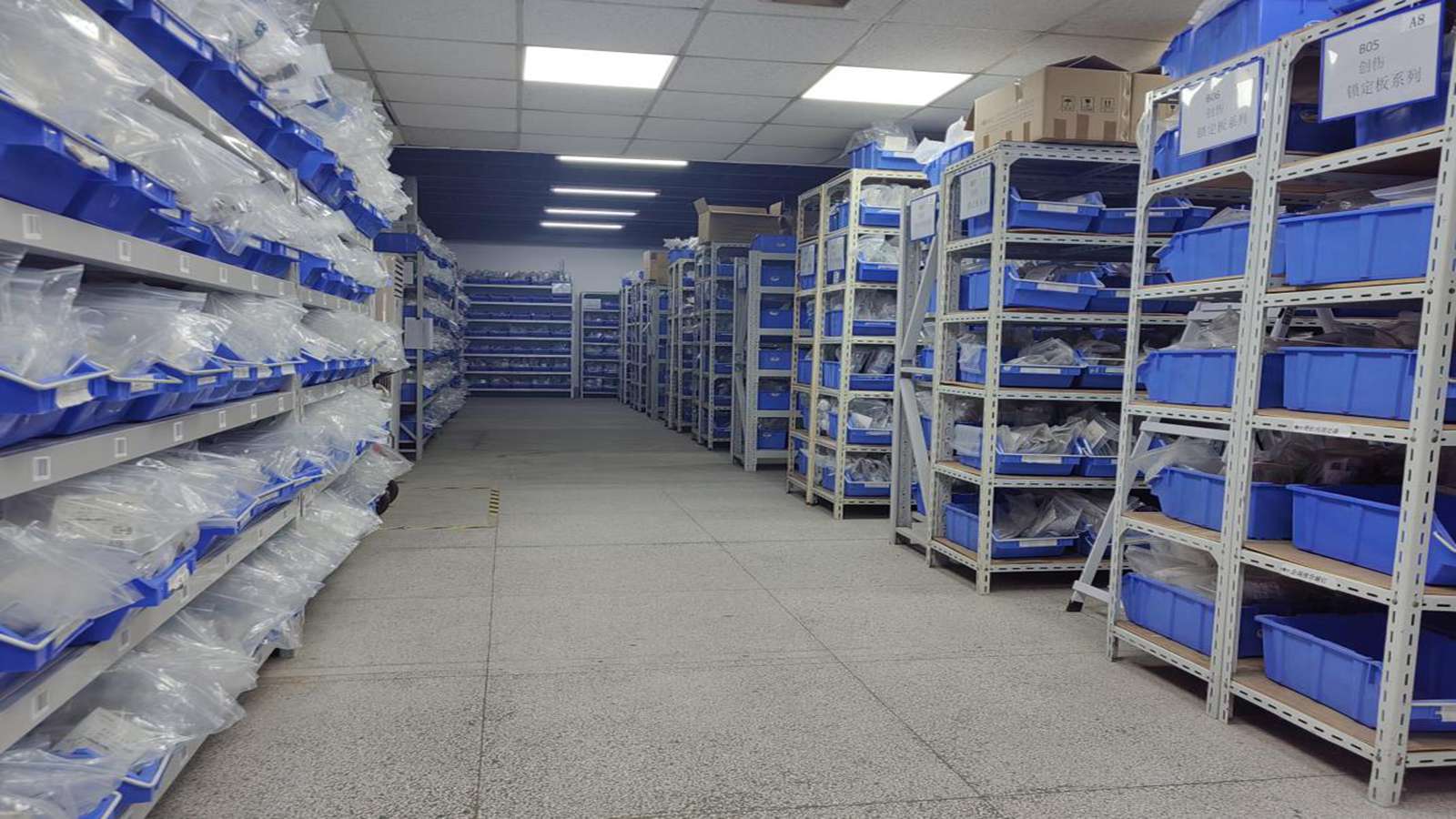
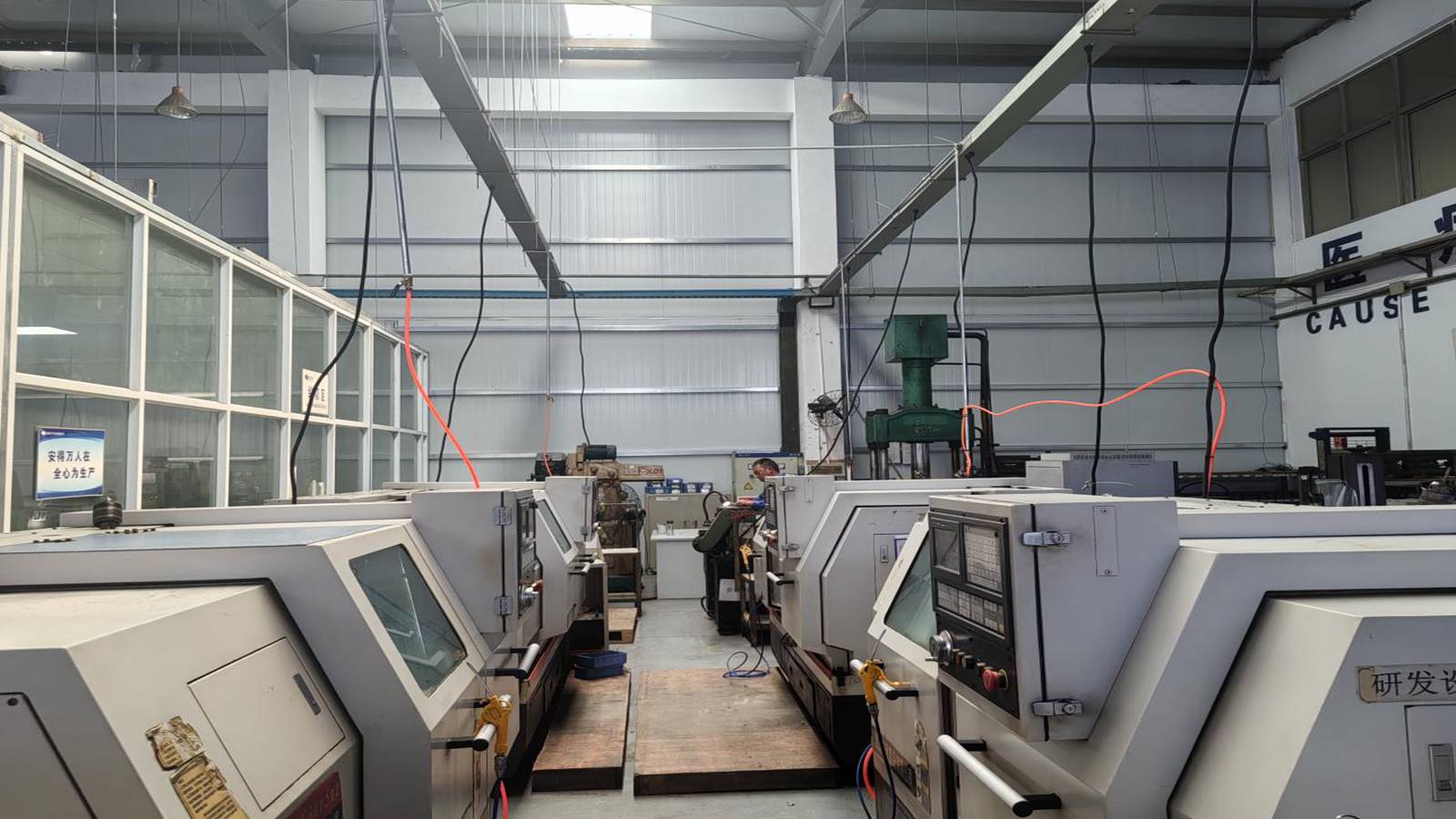
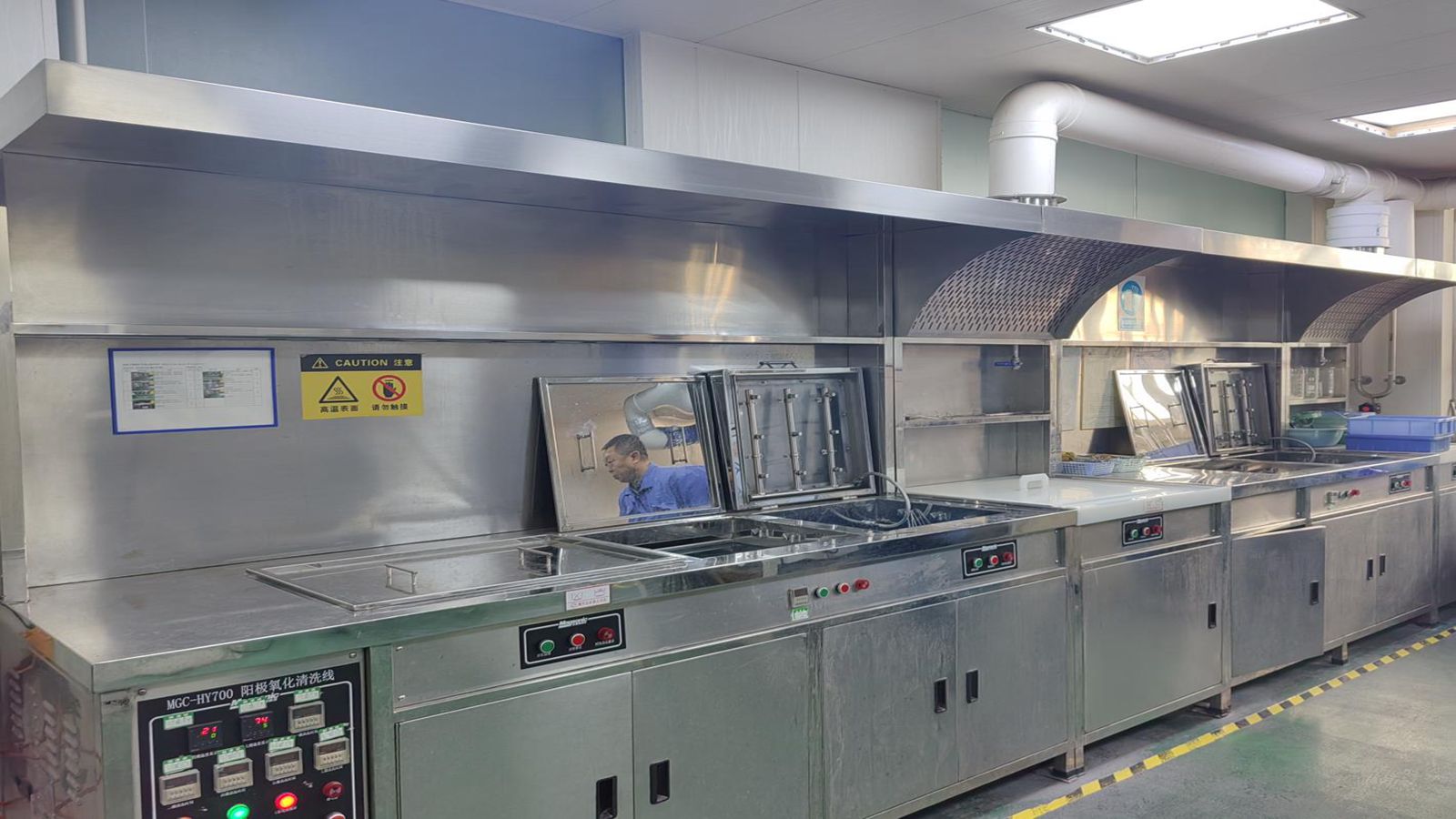
Established in 2016, Medispirex Orthopedic Technology Co., Ltd. has developed into a leading global manufacturer specializing in spine and orthopedic implant solutions. Operating out of a state-of-the-art 18,600㎡ production complex, we integrate research and development, high-precision manufacturing, and global trade distribution. Our comprehensive portfolio serves trauma, spine, joint reconstruction, and veterinary orthopedics worldwide.
With 7 years of dedicated export experience and a robust upstream/downstream network of 860 partners, we ensure stable supply, competitive pricing, and flexible customization (OEM/ODM). We work closely with hospitals, distributors, and device companies to customize everything from private label packing to proprietary screw geometries.
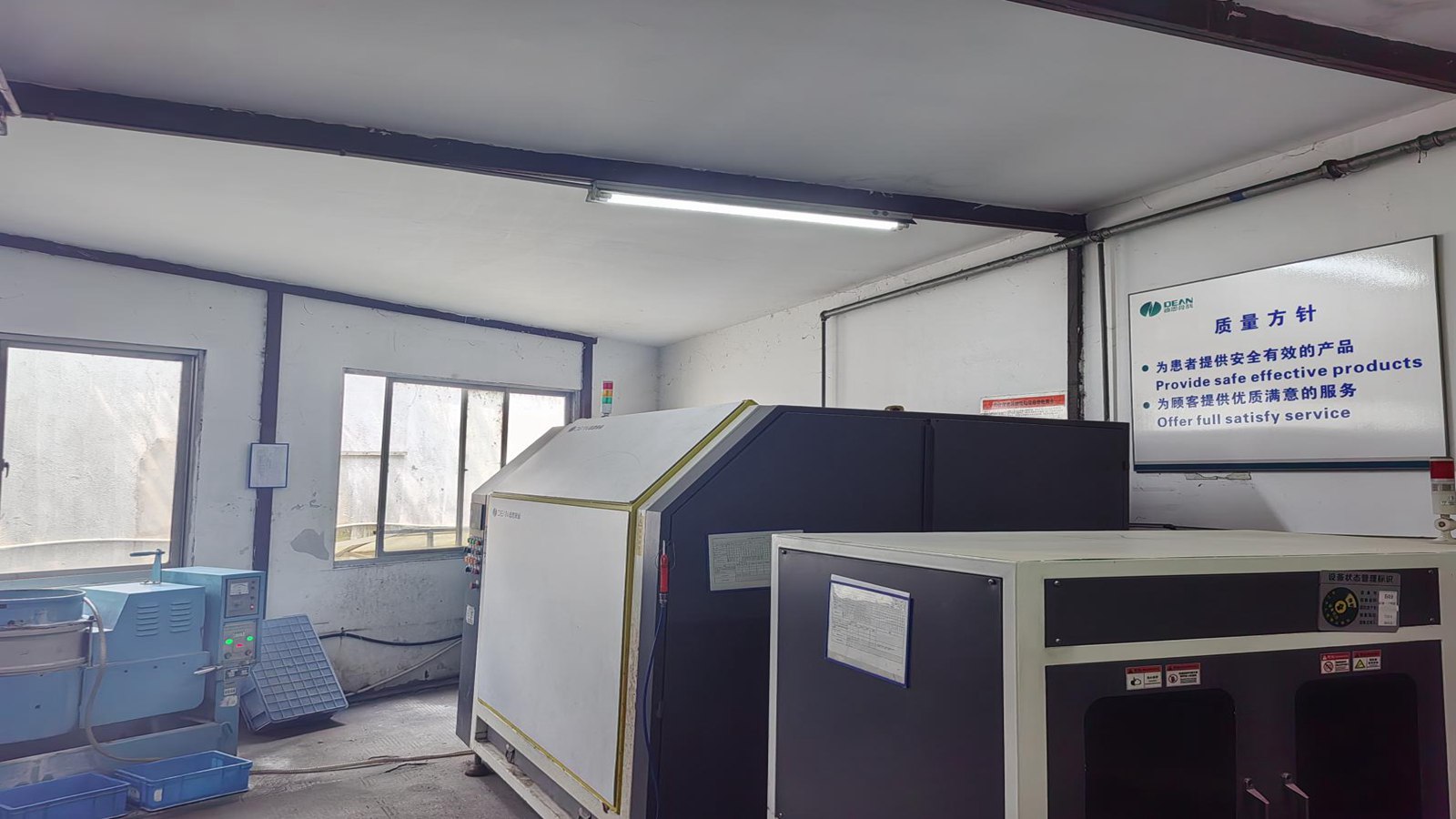
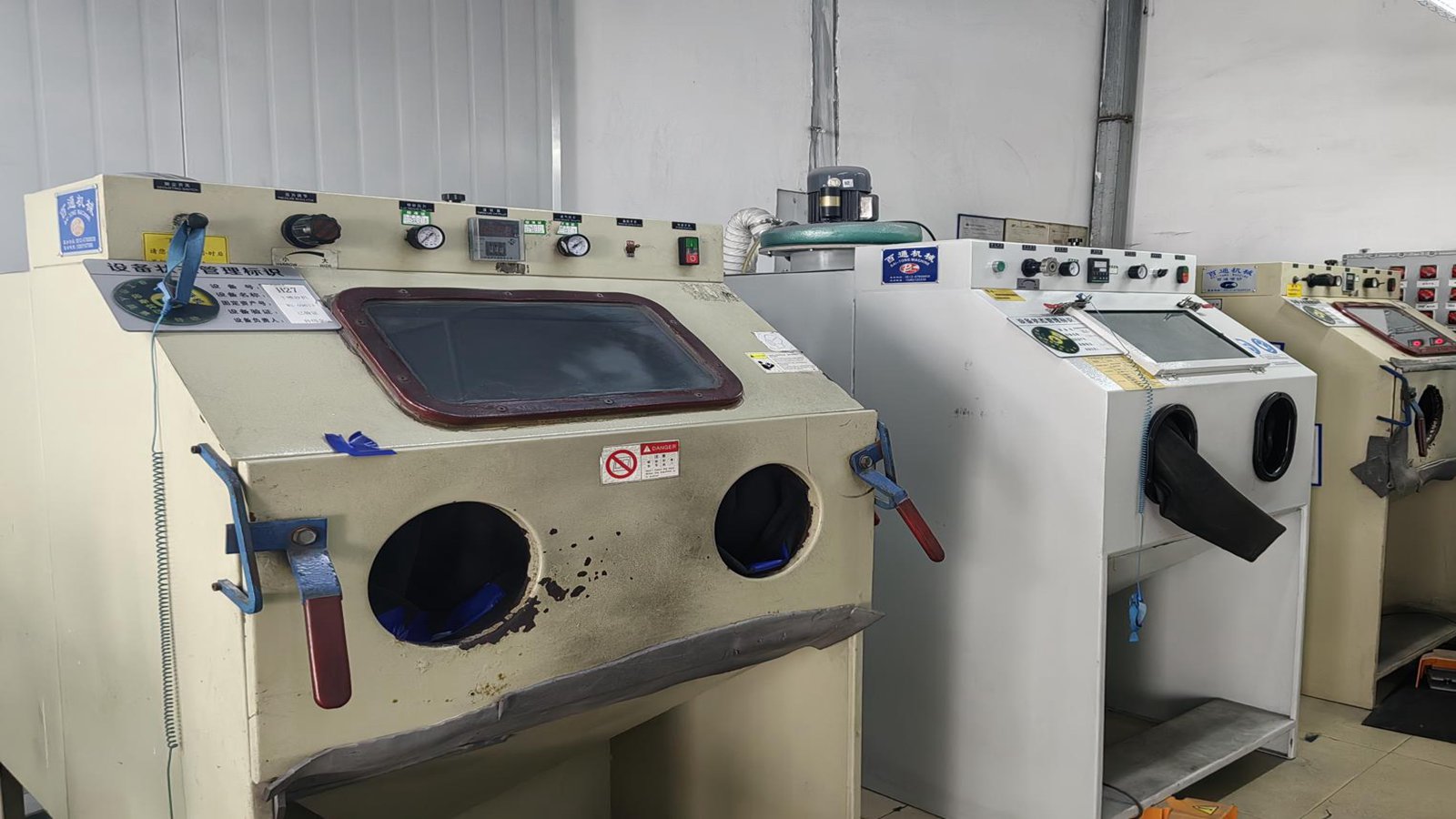
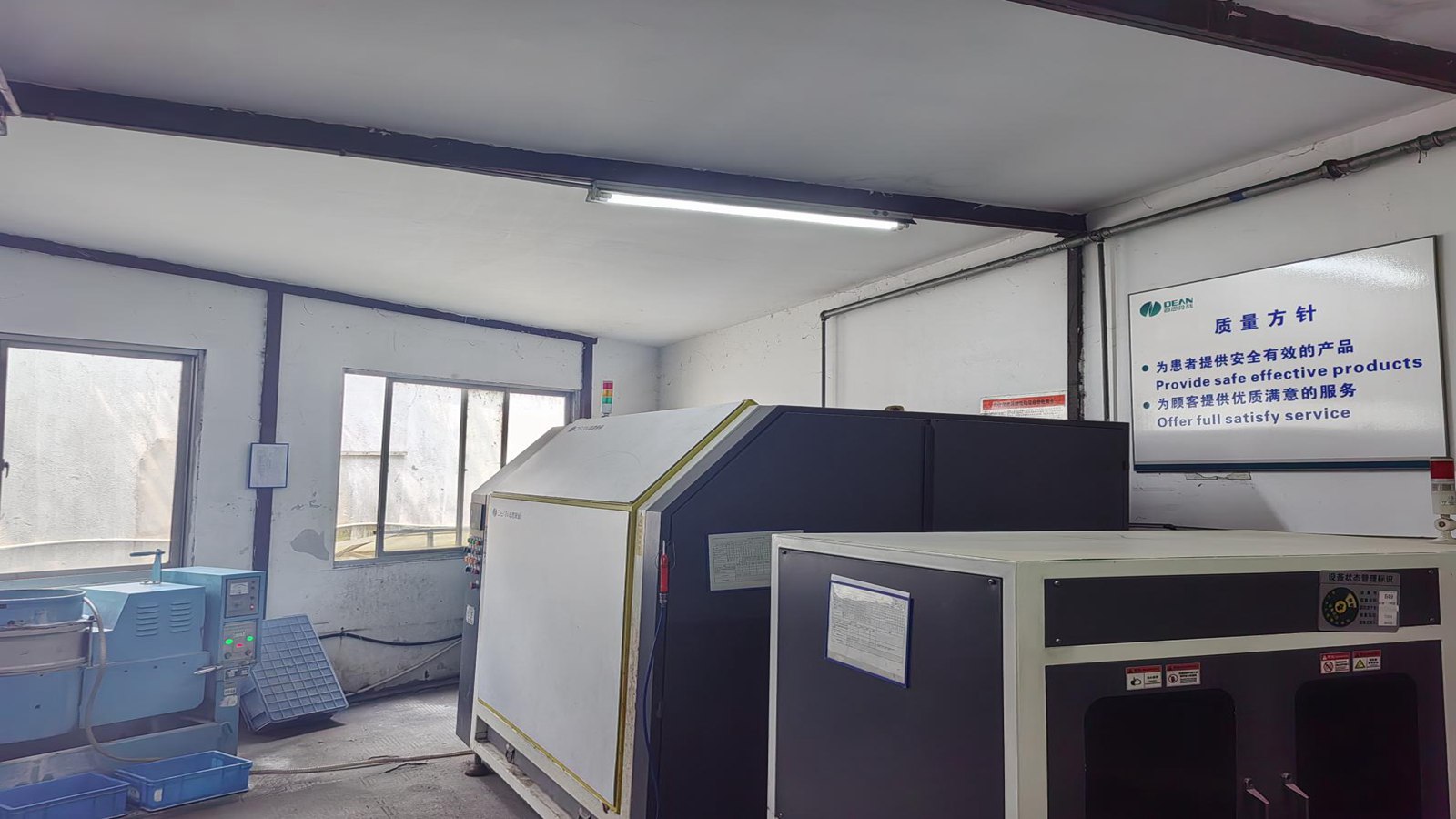
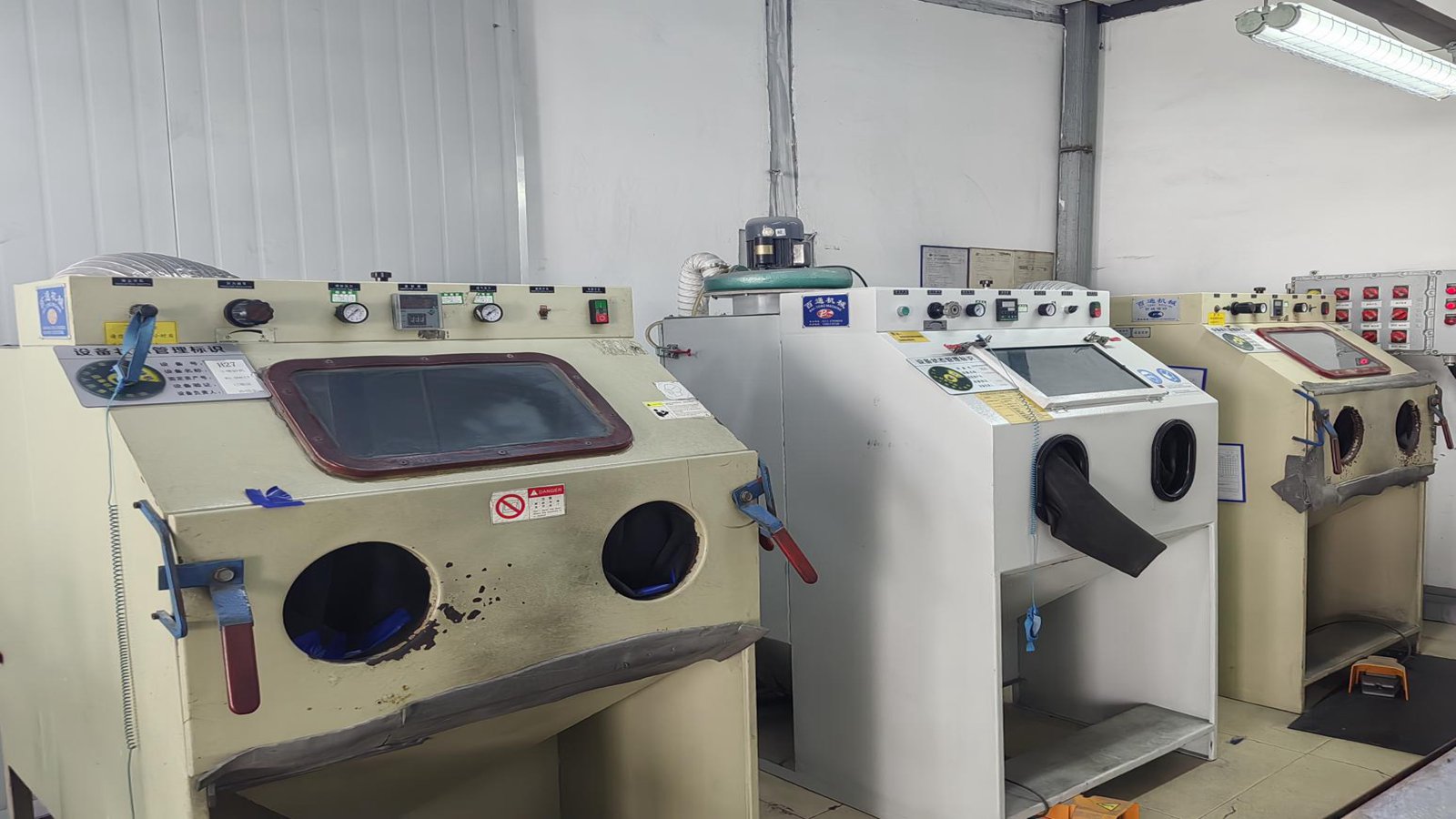
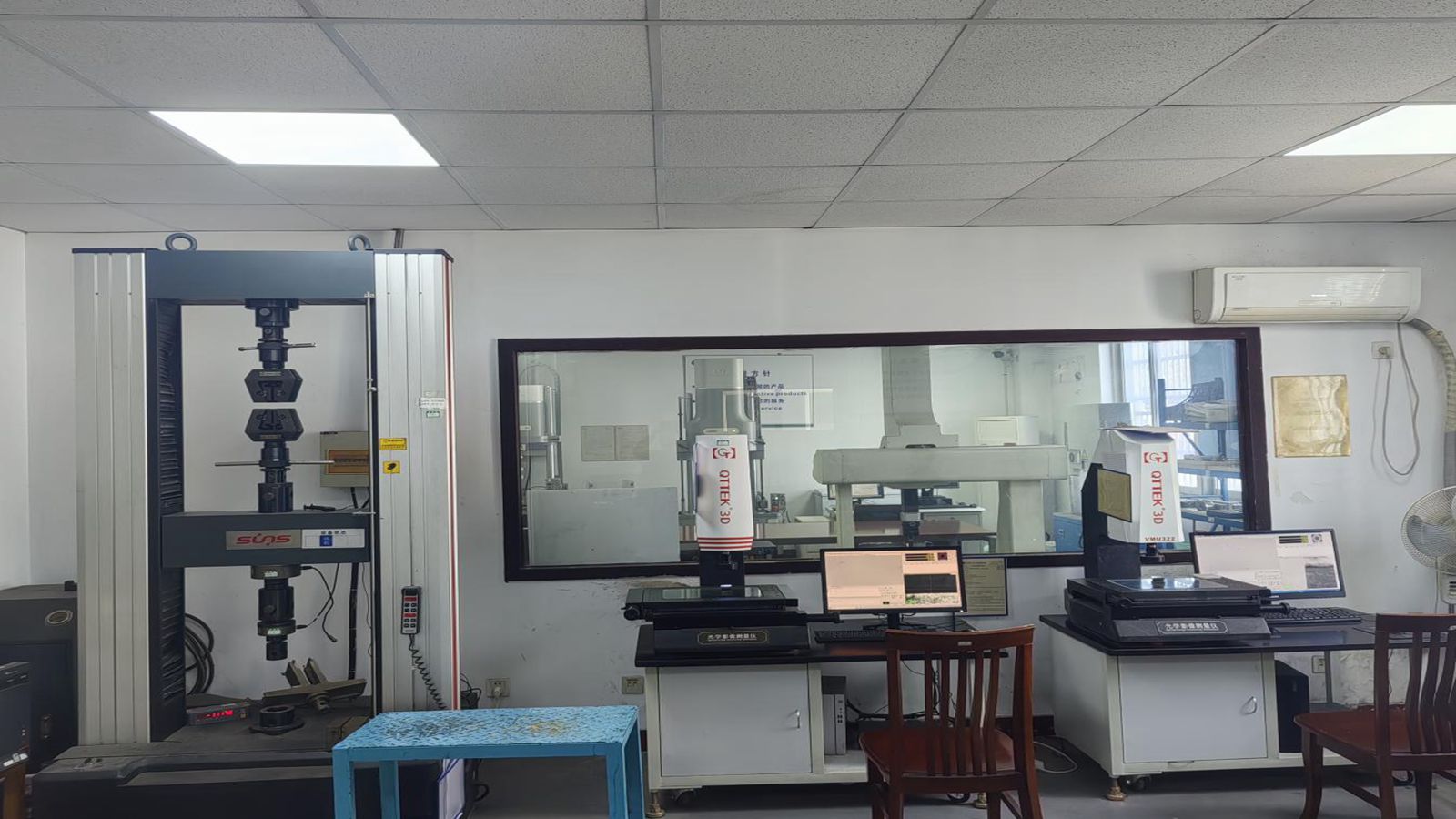
We deploy advanced CNC machinery, surface treatment labs, and rigorous testing setups to guarantee compliance with international medical device standards.
An in-depth look at how thread profiles, hollow channels, and advanced materials impact clinical success.
| Feature Parameter | Technical Specification / Standard | Clinical Advantage & Application |
|---|---|---|
| Implant Material | Ti-6Al-4V ELI (ASTM F136 / ISO 5832-3) | Exceptional biocompatibility, superior fatigue life, and reduced MRI artifacting. |
| Cannulation Diameter | Ø 0.8mm to Ø 3.2mm (Coordinated with guide wires) | Ensures highly accurate placement using minimally invasive surgical (MIS) approaches. |
| Thread Profile | Self-Tapping / Self-Drilling with reverse cutting flutes | Reduces torque requirements and prevents bone splitting during insertion. |
| Sizing Spectrum | Micro (Ø 2.0mm–3.0mm) to Large (Ø 6.5mm–7.5mm) | Covers applications from wrist/foot micro-trauma to femoral neck fixation. |
| Surface Finish | Type II Anodization & Acid Passivation | Enhances wear resistance and optimizes bone-to-implant contact. |
Implantable trauma components require high tensile strength and flexible compliance to match bone biomechanics. Medispirex uses medical-grade titanium alloy (Ti-6Al-4V ELI) to build our cannulated screw systems. This alloy offers excellent fatigue resistance compared to 316L stainless steel, along with a modulus of elasticity that is closer to cortical bone. This helps minimize stress shielding, which can lead to localized bone resorption and implant loosening.
"Our laboratory testing program confirms that every batch of titanium alloy undergoes strict spectral chemical analysis and fatigue limit testing. This process ensures that implants can withstand dynamic loading cycles in active patient recovery."
The mechanical stability of a cannulated screw depends on its thread profile. Medispirex designs screws with varying thread lengths (partially threaded or fully threaded) to match different fracture types. Partially threaded screws generate lag compression across fracture lines by anchoring exclusively in the far cortex. Self-tapping flutes cut precise channels in the bone, facilitating easy insertion, keeping heat buildup low, and preserving the surrounding bone structure.
How Medispirex supports international distributors, hospitals, and surgical groups with customized regulatory compliance.
We ship to markets in Europe, North America, the Middle East, and Southeast Asia. Working with 860 partners allows us to optimize shipping times, manage import tariffs, and guarantee continuous supply lines even during times of tight material availability.
Medispirex maintains an ISO 13485-certified quality management system. Our trauma systems carry CE marks and undergo testing to meet regulatory requirements across various regions. Full documentation, technical files, and material trace reports are provided with every batch.
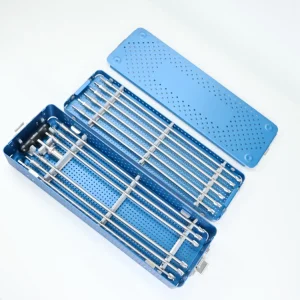
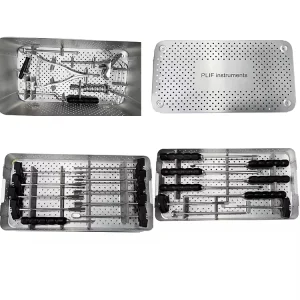
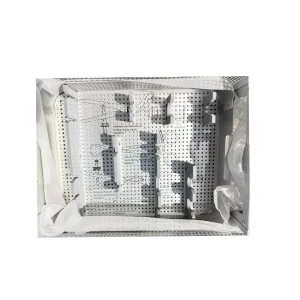
We provide full design services, private label options, custom anodization colors, and specialized instrument sterilization kits to support orthopedic brands. This allows customers to bring customized solutions to market quickly and cost-effectively.
At Medispirex, quality assurance is integrated into every step of our manufacturing pipeline. Our QC team of 45 professionals oversees a comprehensive quality protocol that starts at incoming material receipt and runs through final packaging. Each production batch undergoes three main verification steps:
How next-generation material science and smart manufacturing are shaping the future of osteosynthesis implants.
We are currently researching bioabsorbable materials, such as magnesium alloys and high-purity PLA/PGA polymers. These materials are designed to provide temporary fixation before gradually resorbing, eliminating the need for a second surgery to remove the implants.
Combining traditional CNC milling with metal 3D printing allows for the manufacturing of custom implants with porous, trabecular structures. This design promotes faster bone ingrowth and leads to stronger integration at the interface.
Our research pipeline includes testing active coatings like silver nanoparticles and drug-eluting polymer layers. These surface treatments are designed to release antimicrobial agents locally, reducing the risk of implant-associated infections.
Direct, technical answers to common questions asked by orthopedic surgeons, distributors, and purchasing managers.
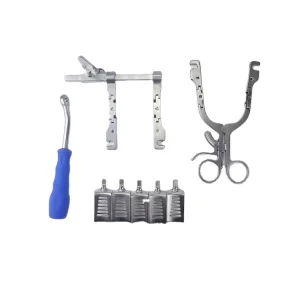
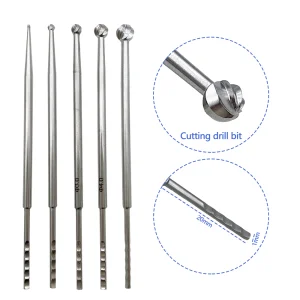
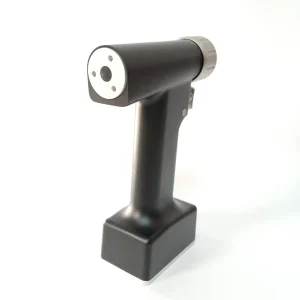
Supporting complex osteosynthesis procedures with high-grade steel, titanium instruments, and veterinary implant options.