Medispirex Medispirex

2026 How to Choose the Best Titanium Locking Plates?

Time:2026-06-30 Author:Liam
0%

Choosing the right Titanium Locking Plates for surgical procedures can be challenging. These implants play a crucial role in bone stabilization and recovery. Proper selection affects patient outcomes and overall satisfaction.

When exploring options, one must consider different factors. Plate design, size, and screw configuration are essential. Each detail has a significant impact on the success of the surgical intervention. Getting it wrong can lead to complications, delayed healing, or even failure.

The market offers numerous Titanium Locking Plates, but not all are created equal. Surgeons need to evaluate products based on solid evidence. Trusted manufacturers typically provide comprehensive data supporting their designs. Personal experiences and peer reviews also contribute to making informed choices. Yet, even with extensive research, uncertainty may linger. Balancing experience and innovative products is crucial for optimal results.
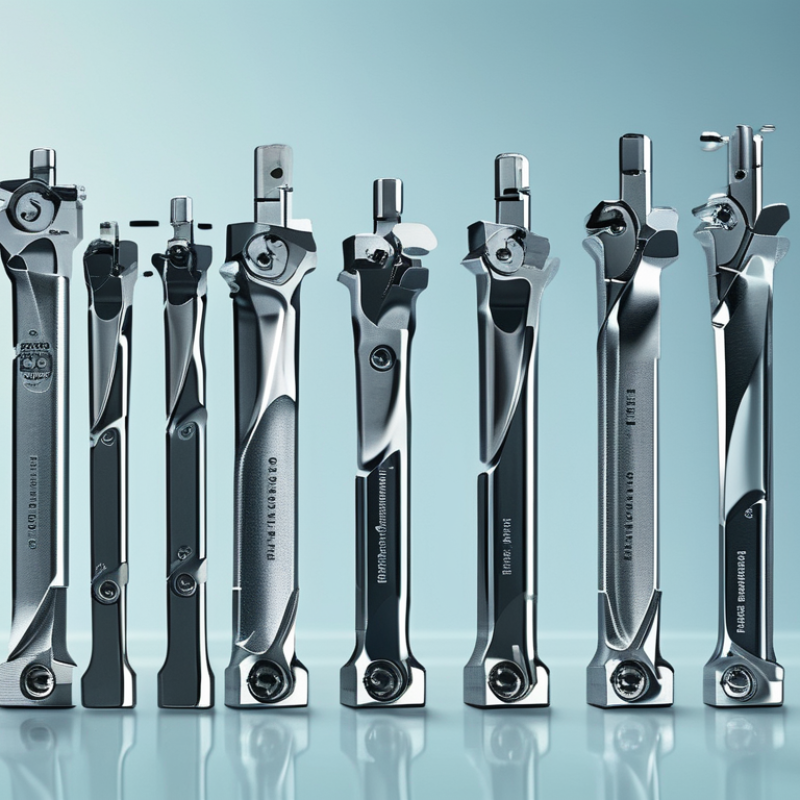
2026 How to Choose the Best Titanium Locking Plates?

Understanding the Basics of Titanium Locking Plates

Titanium locking plates are crucial in modern orthopedic surgery. They offer strength and stability in bone fixation, reducing the risk of complications. The material's biocompatibility ensures minimal rejection by the body. Research shows that titanium has a lower infection rate than stainless steel. In a study published in the Journal of Orthopaedic Research, titanium implants showed a 15% lower rate of infection within the first six months post-surgery.

Understanding the basics of these plates involves knowing their design and functionality. Locking plates feature screws that fit into them at specific angles. This design allows for better load-sharing and increased stability. A study from the International Journal of Orthopedics found that these plates can improve fracture healing times by up to 30%. The versatility of titanium plates aids in complex fractures. However, precision in placement is crucial. Misalignment can lead to complications. Knowledge of anatomy and surgical techniques is vital.

The market for titanium locking plates is projected to grow significantly. A research report indicates a compound annual growth rate (CAGR) of 8% over the next five years. This growth reflects advancements in material science and orthopedic techniques, but it also raises questions. Are all surgeons equipped with the skills needed for optimal use? Observations suggest that continued education on these technologies is necessary. Engaging in discussions and training can ensure better outcomes for patients.

Factors to Consider When Choosing Titanium Locking Plates

When selecting titanium locking plates, several factors must be considered. The material quality is crucial. High-grade titanium ensures strength and promotes healing. Look for plates with the right balance of weight and durability. This will affect the overall performance in various medical applications.

Tips: Always verify the manufacturer's credentials. Look for certifications and quality assurance labels. This adds credibility to the product. Even minor differences in plate design can influence surgical outcomes.

Another vital aspect is the plate's geometry. The contour and screw hole placement must match the specific anatomical area being treated. A well-designed plate can enhance fixation stability. However, choosing the wrong fit can lead to complications.

Tips: Consult with experienced medical professionals. Their insights provide valuable perspectives on which designs work best in practice. Reflect on past surgeries and outcomes to better inform future choices.

2026: Factors to Consider When Choosing Titanium Locking Plates

Comparing Different Designs and Features of Locking Plates

When selecting a titanium locking plate, understanding design and features is crucial. Different designs can significantly impact surgical outcomes. A report by the Journal of Orthopaedic Research showed that plates with multi-directional locking screws reduce the risk of construct failure by 25%. These plates allow for better stability in complex fractures.

The material of the plating also matters. Titanium is favored for its strength-to-weight ratio and biocompatibility. According to the American Academy of Orthopaedic Surgeons, titanium plates have been shown to exhibit lower rates of infection compared to stainless steel alternatives. However, cost can be a limiting factor. Some facilities may find the higher price point challenging.

Another aspect to consider is the design complexity. More sophisticated locking mechanisms may offer enhanced stability but can complicate surgical procedures. Reports suggest surgeons often value simplicity in design for ease of use. Despite advances, not all designs have been extensively tested in clinical settings. As a result, decision-making may still involve uncertainties regarding long-term outcomes. Careful consideration of each feature is vital for optimal patient care.

Evaluating Quality and Sourcing from Reliable Manufacturers

When selecting titanium locking plates, sourcing from reliable manufacturers is crucial. Look for companies that provide transparency in their production processes. This builds trust and ensures you receive a high-quality product. Research each manufacturer’s history and reputation in the industry. Legitimate companies often have certifications and endorsements from professionals.

Tips for evaluating manufacturers: Check their previous projects and client reviews. A strong portfolio can be an indicator of reliability. Don’t hesitate to ask for samples before placing a bulk order. Inspect the materials and finish closely. Are the plates smooth and free from defects? Taking these small steps can make a significant difference.

Quality control processes are essential in manufacturing. Ensure that the manufacturer conducts rigorous testing for durability and strength. Pay attention to the warranty they offer. A solid warranty often reflects confidence in the product’s longevity. It’s essential to ask the right questions. A manufacturer that is unwilling to share details may not be the best choice.

Assessing Cost-Effectiveness and Value for Titanium Locking Plates

When choosing titanium locking plates, cost-effectiveness is a crucial factor. The quality and durability of titanium plates can lead to higher initial costs. However, these costs often translate into long-term savings. They resist corrosion and wear better than alternatives. This durability means fewer replacements and lower overall surgery costs. It is vital to evaluate the lifetime value of these plates rather than just upfront expenses.

In addition to cost, consider the specific needs of patients. Each case presents unique challenges, which may affect the choice of materials. The right plate can make a significant difference in recovery outcomes. However, not all titanium plates are created equal. Variances in design and manufacturing can influence effectiveness. Some may offer lower costs but compromise on safety or longer-term effectiveness. It's essential to balance these aspects when considering value.

Reflecting on overall performance is necessary. Some healthcare providers focus heavily on cost. Yet, immediate savings might sacrifice future reliability. Therefore, ongoing research and reviews of titanium plates are vital. Engaging with medical professionals who have firsthand experience can provide insights into the best options available. Their experiences can guide choices toward sustainable solutions for patient care.

FAQS

: What are titanium locking plates used for?

: They are used in orthopedic surgery for bone fixation and stability.

Why is titanium preferred over other materials?

Titanium has lower infection rates and better biocompatibility than alternatives.

How do locking plates improve fracture healing?

Research shows they can enhance healing times by up to 30% compared to traditional methods.

What factors should be considered when choosing a titanium locking plate?

Material quality, design geometry, and the specific anatomical area are crucial to consider.

How can plate design influence surgical outcomes?

Minor differences in design can significantly affect fixation stability and overall results.

Why is cost-effectiveness important in selecting titanium plates?

While initial costs may be high, their durability can lead to long-term savings in surgeries.

What role does continued education play for surgeons?

Ongoing training is essential for optimal use of titanium locking plates in surgery.

How can past surgical outcomes inform future choices?

Reflecting on previous cases helps in selecting better-fitting plates for patient needs.

What resources can assist in choosing the right locking plate?

Experienced medical professionals and ongoing research provide valuable insights and recommendations.

Are all titanium plates equally effective?

No, variances in design and manufacturing can impact their safety and effectiveness.

Conclusion

When selecting the best titanium locking plates, it's essential to understand their fundamental properties and functions. Titanium locking plates are crucial for orthopedic surgeries as they offer superior strength, corrosion resistance, and biocompatibility. Key factors to consider include the design, material quality, and sourcing from reputable manufacturers, ensuring that the plates meet safety and performance standards.

Additionally, comparing various designs and features can significantly impact the success of surgical outcomes. It's important to evaluate cost-effectiveness and overall value when investing in titanium locking plates, as this can influence both short-term budgets and long-term patient care. By carefully assessing these aspects, medical professionals can make informed decisions that optimize patient results and promote effective healing.

Liam

Liam

Liam is a dedicated marketing professional with a profound expertise in the industry, where he excels at highlighting the unique advantages of our core products. With a keen understanding of market trends and consumer needs, Liam frequently updates our company’s professional blog, providing......