 Medispirex
Medispirex
Medispirex
Engineered to comply with DIGEMID standards and designed for advanced orthopedic trauma procedures across Peru.
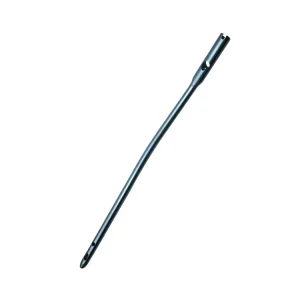
Advanced helical blade lock configuration optimal for osteoporotic hip fractures in elderly demographics.
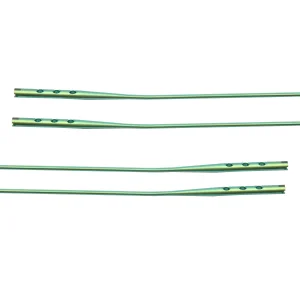
Engineered for precise anatomical alignment of the forearm shaft with low profile design to prevent soft tissue irritation.
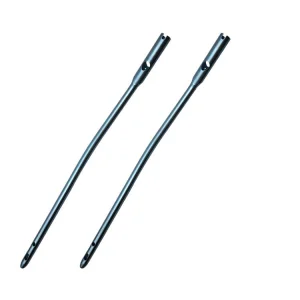
Manufactured from Grade 23 Eli Titanium with excellent biocompatibility and modulus of elasticity closer to cortical bone.
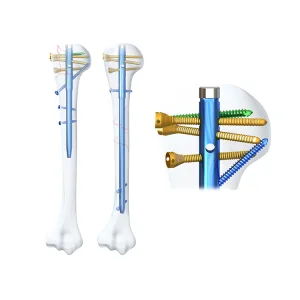
Multiple multi-planar locking options designed for unstable proximal third fractures, preventing rotational dislocation.
The Peruvian orthopedic healthcare infrastructure is undergoing a structural transition. Driven by urbanization in major metropolitan zones such as Lima, Arequipa, and Trujillo, and under the regulatory supervision of DIGEMID (Dirección General de Medicamentos, Insumos y Drogas), clinical demands have shifted from conventional plate-and-screw osteosynthesis to minimally invasive Intramedullary (IM) Nailing systems.
Both public hospital networks, like EsSalud (Seguro Social de Salud) and the MINSA (Ministerio de Salud), alongside the private sector (Clínicas Privadas), demand strict biomechanical standards and comprehensive safety documentation for class III implants. As local distributors seek to secure public tenders, the alignment of high manufacturing precision with cost efficiency is paramount to achieving commercial feasibility.
Contemporary intramedullary devices must offer more than raw load-bearing capacity. Standard compliance requires dynamic compression attributes, proximal multi-planar locking options, and specialized geometry configurations to preserve endosteal blood supply.
By using advanced Ti-6Al-4V ELI (Grade 23) biocompatible titanium alloy, our orthopedic nails achieve optimal fatigue strength and modulus of elasticity values close to human cortical bone. This reduces the stress shielding effect and promotes faster primary union in trauma cases.
A premier global manufacturing standard powering orthopedic trauma networks across the Americas.
Established in 2016, Medispirex Orthopedic Technology Co., Ltd. is a professional manufacturer specializing in spine and orthopedic implant solutions. We integrate state-of-the-art R&D, advanced manufacturing, and global distribution to deliver high-quality medical devices for trauma, spine, and joint reconstruction applications. Backed by 7 years of export experience and over 12 years of industry expertise, Medispirex maintains a stable international presence serving key markets in Europe, North America, the Middle East, Southeast Asia, and South America.
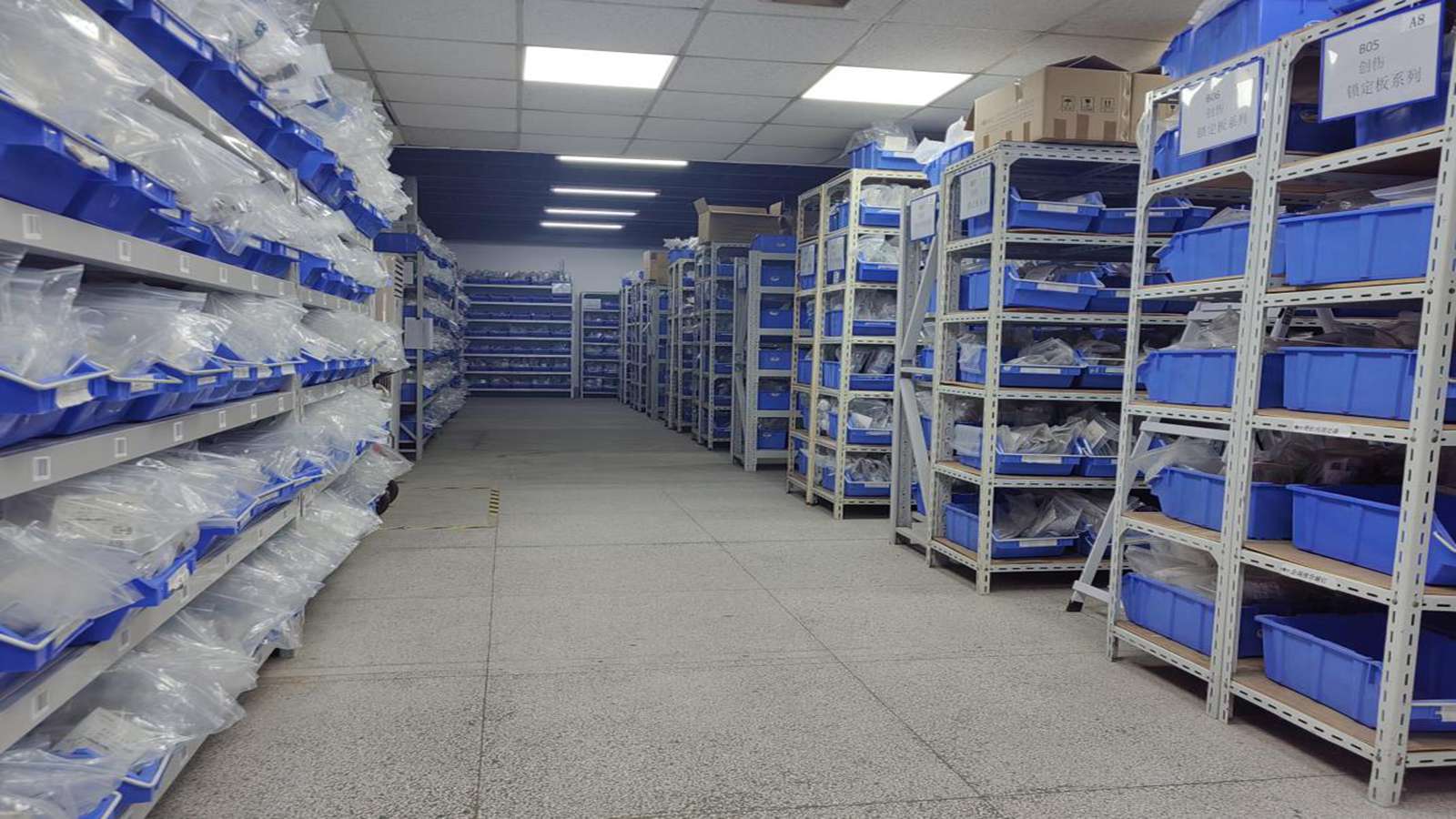
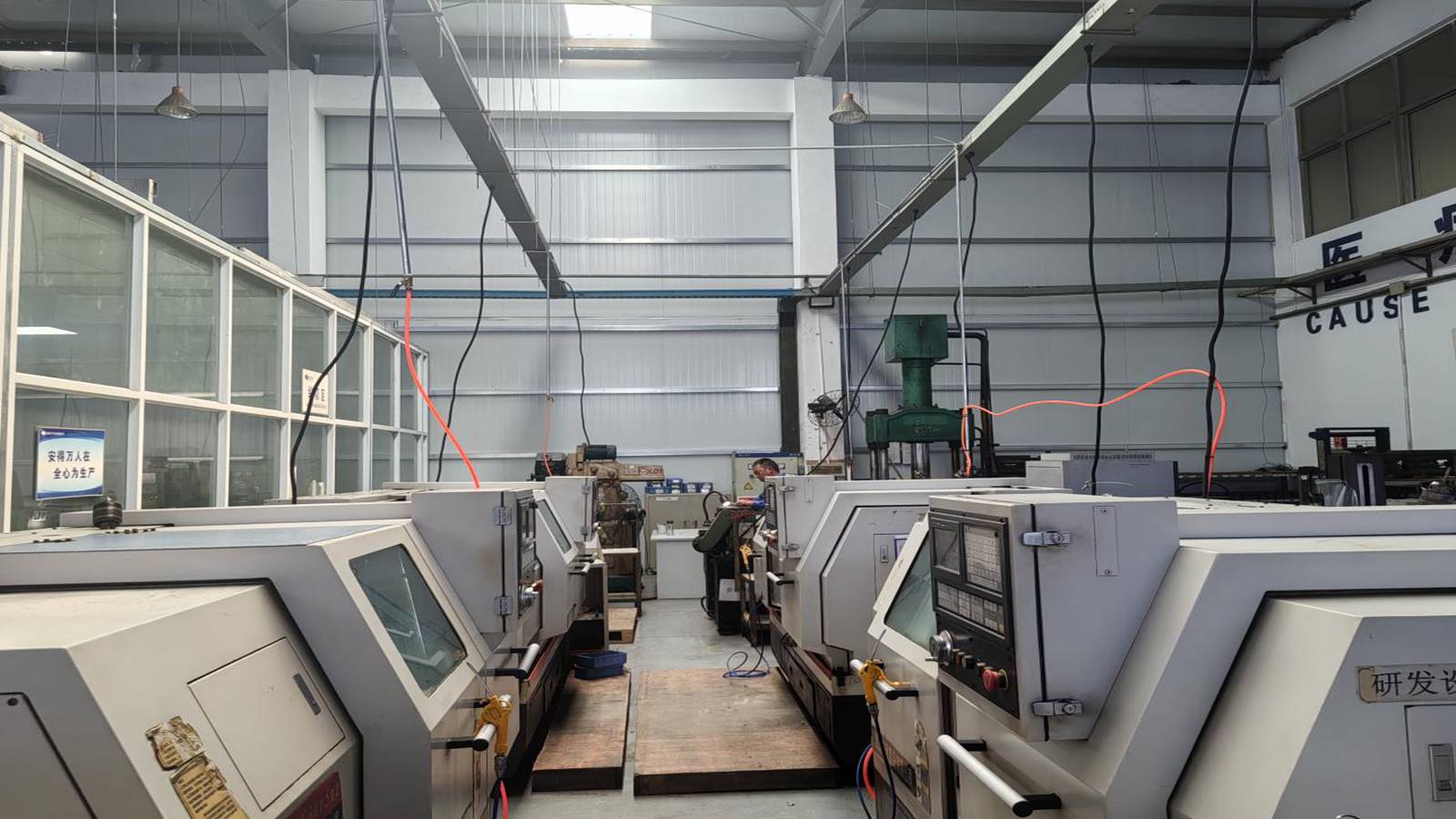
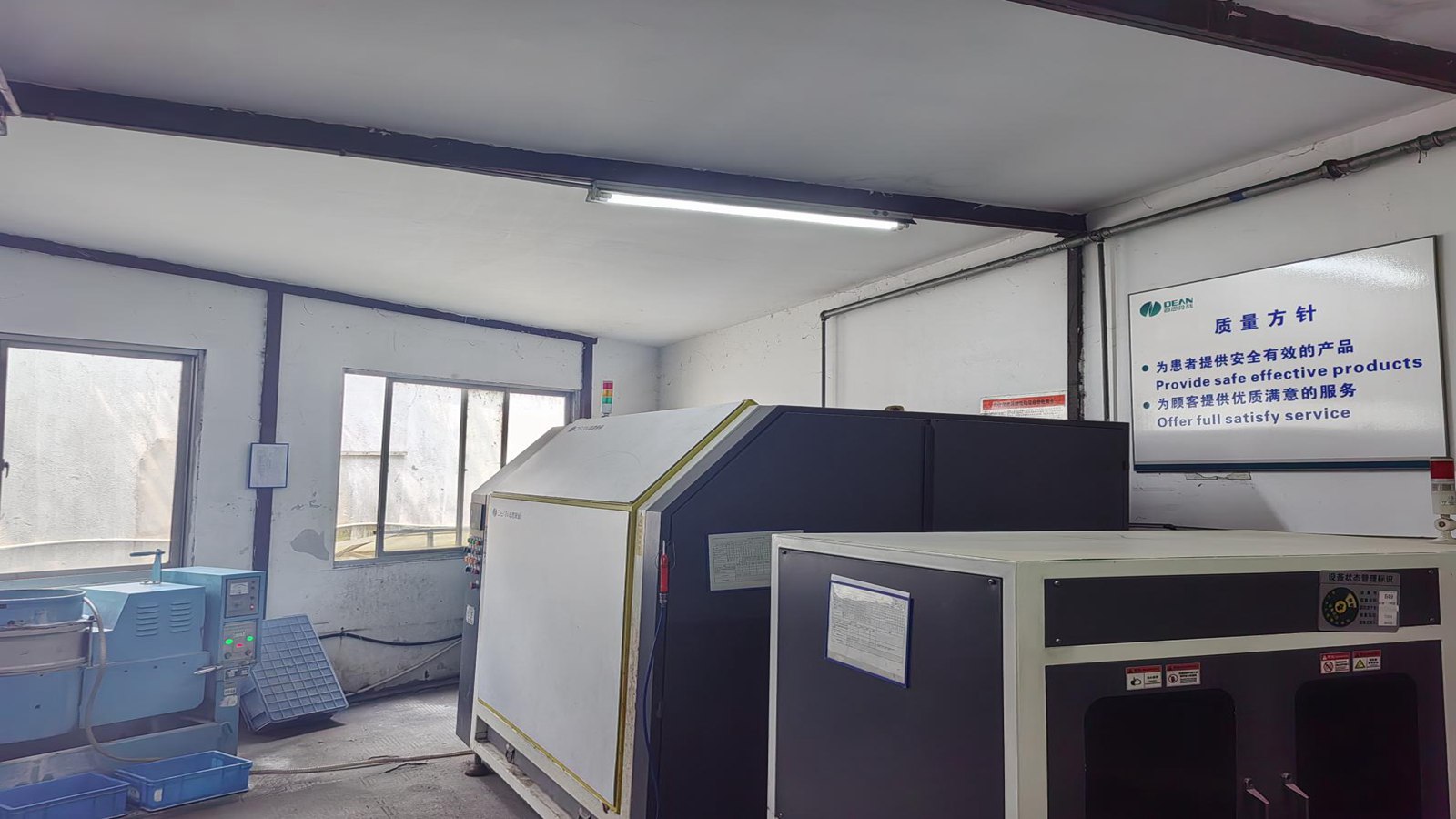
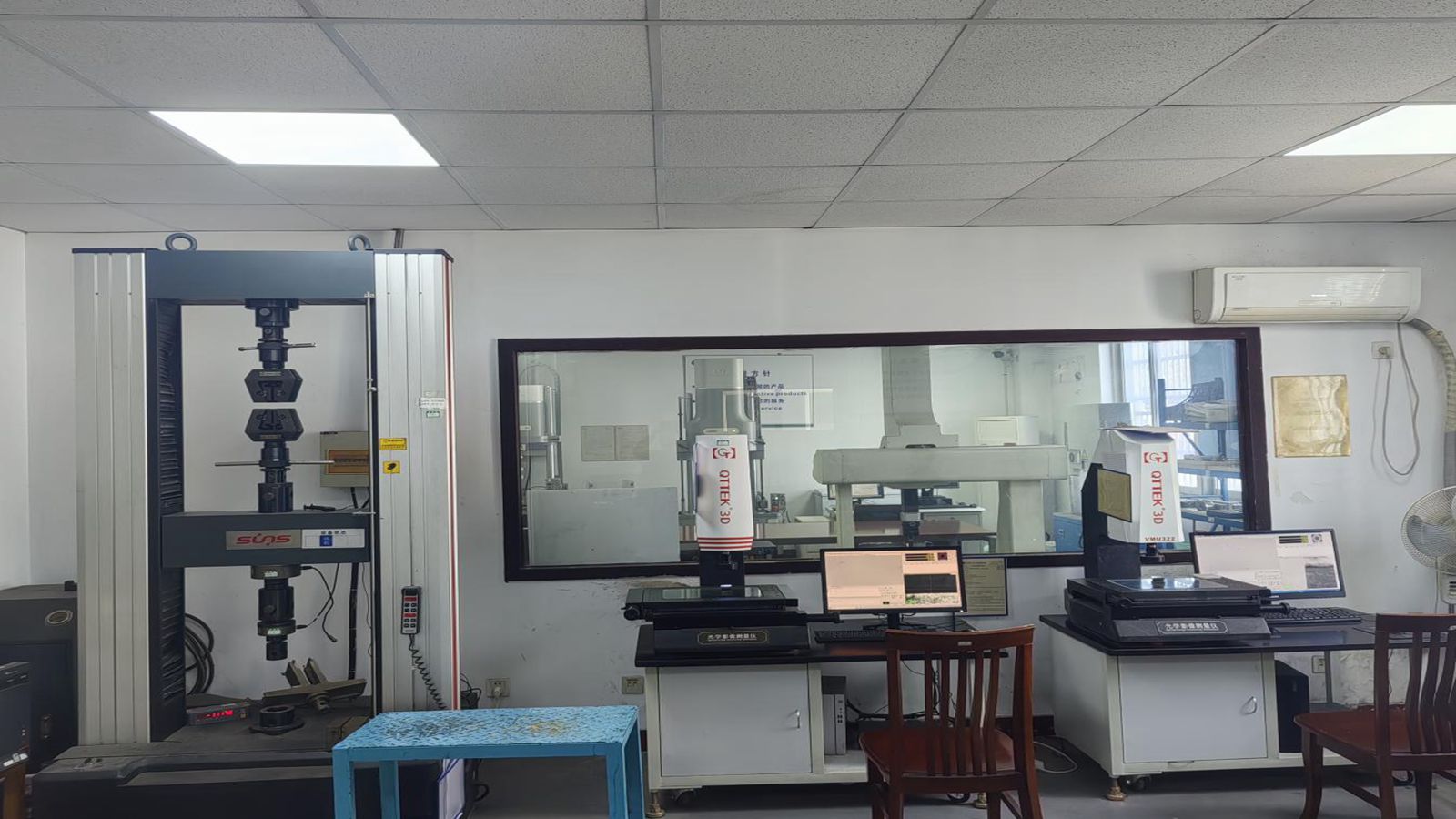
Our quality assurance protocol includes incoming material inspection, in-process quality control, final product testing, and batch traceability systems. Verified using dimensional inspection, mechanical fatigue testing, and material composition analysis, our products meet high global clinical standards. With a supply chain network of approximately 860 partners, we support our clients with flexible customization options, including private label manufacturing, product design adaptation, and surgical system configuration support.
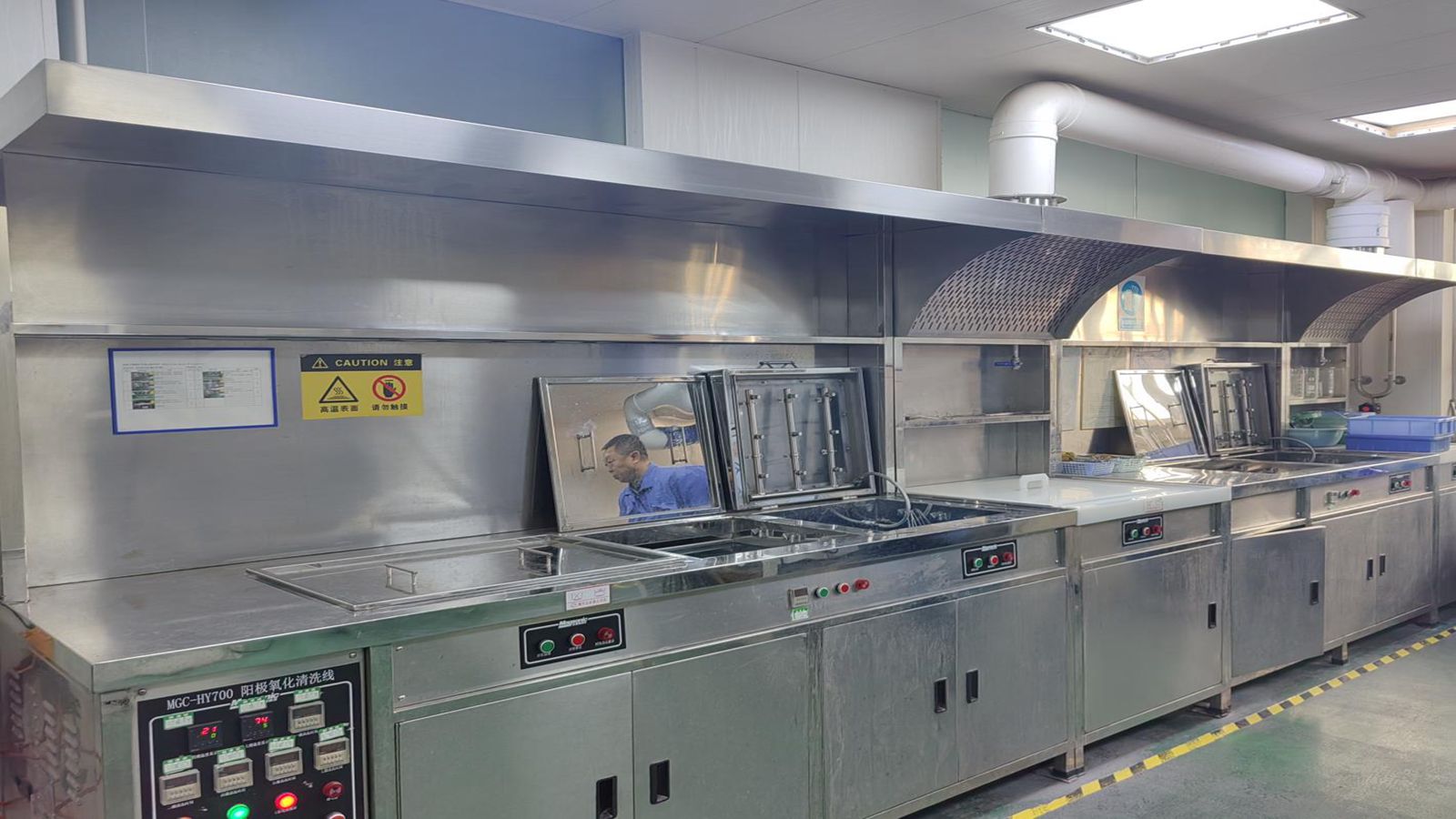
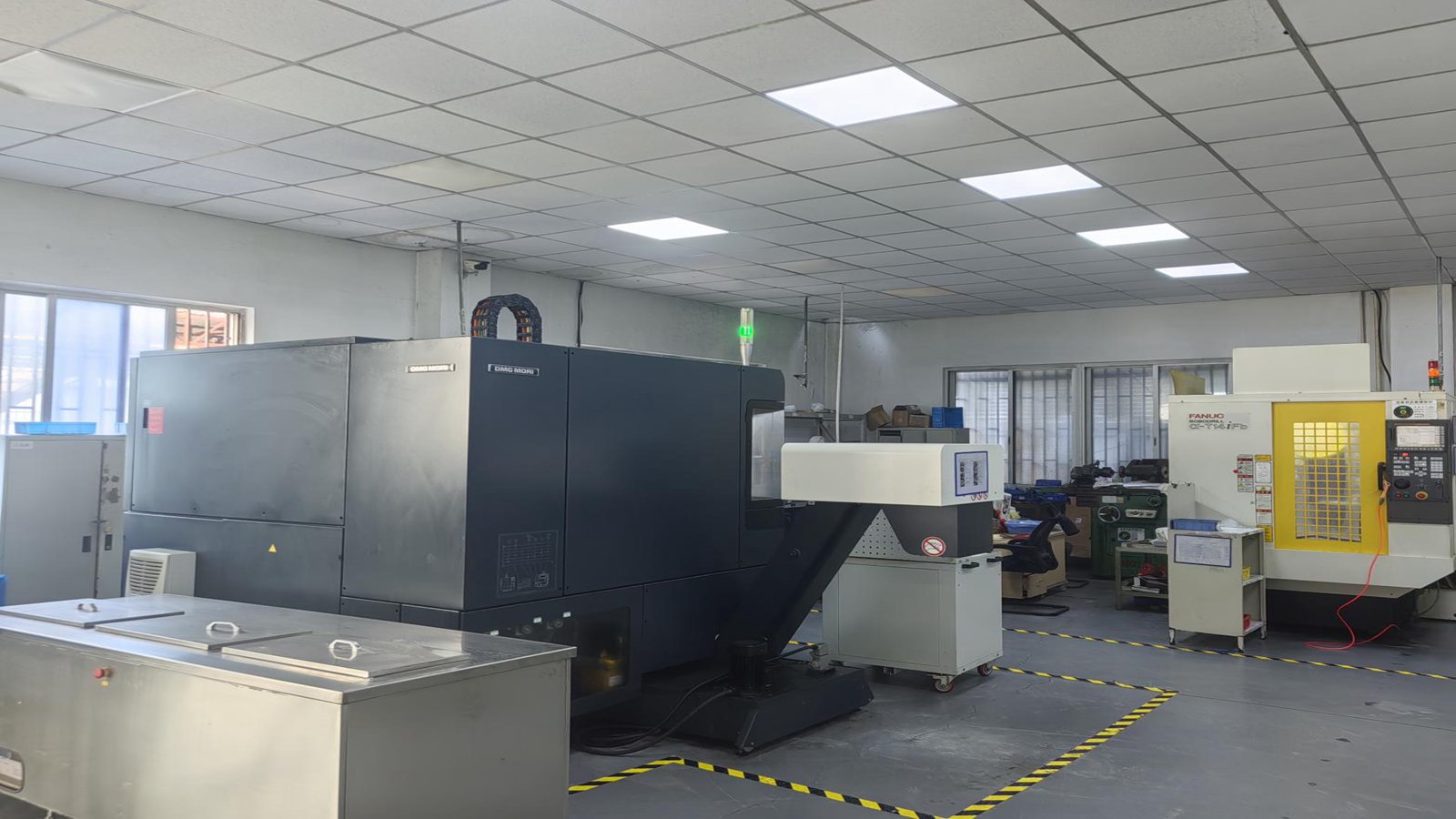
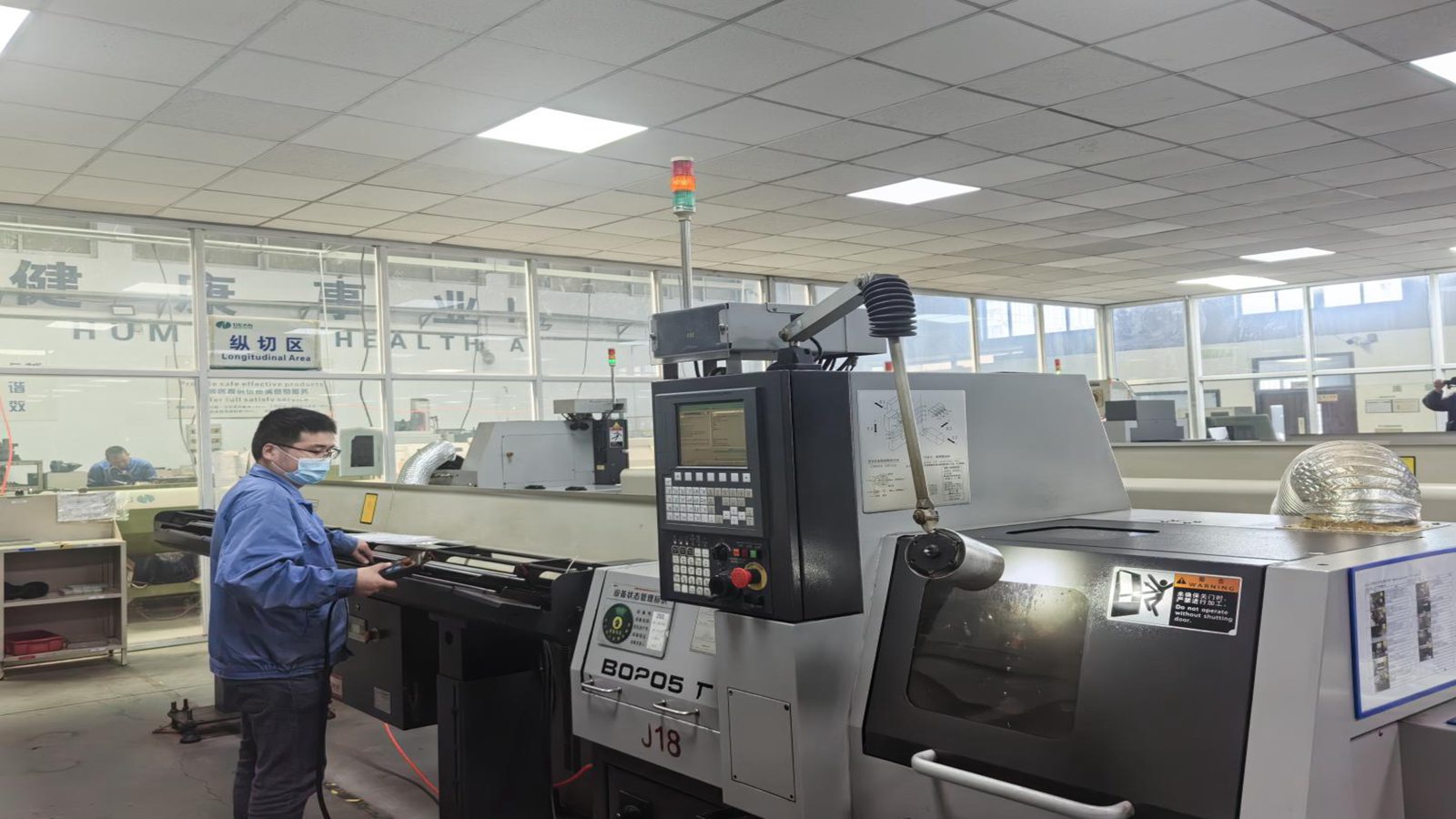
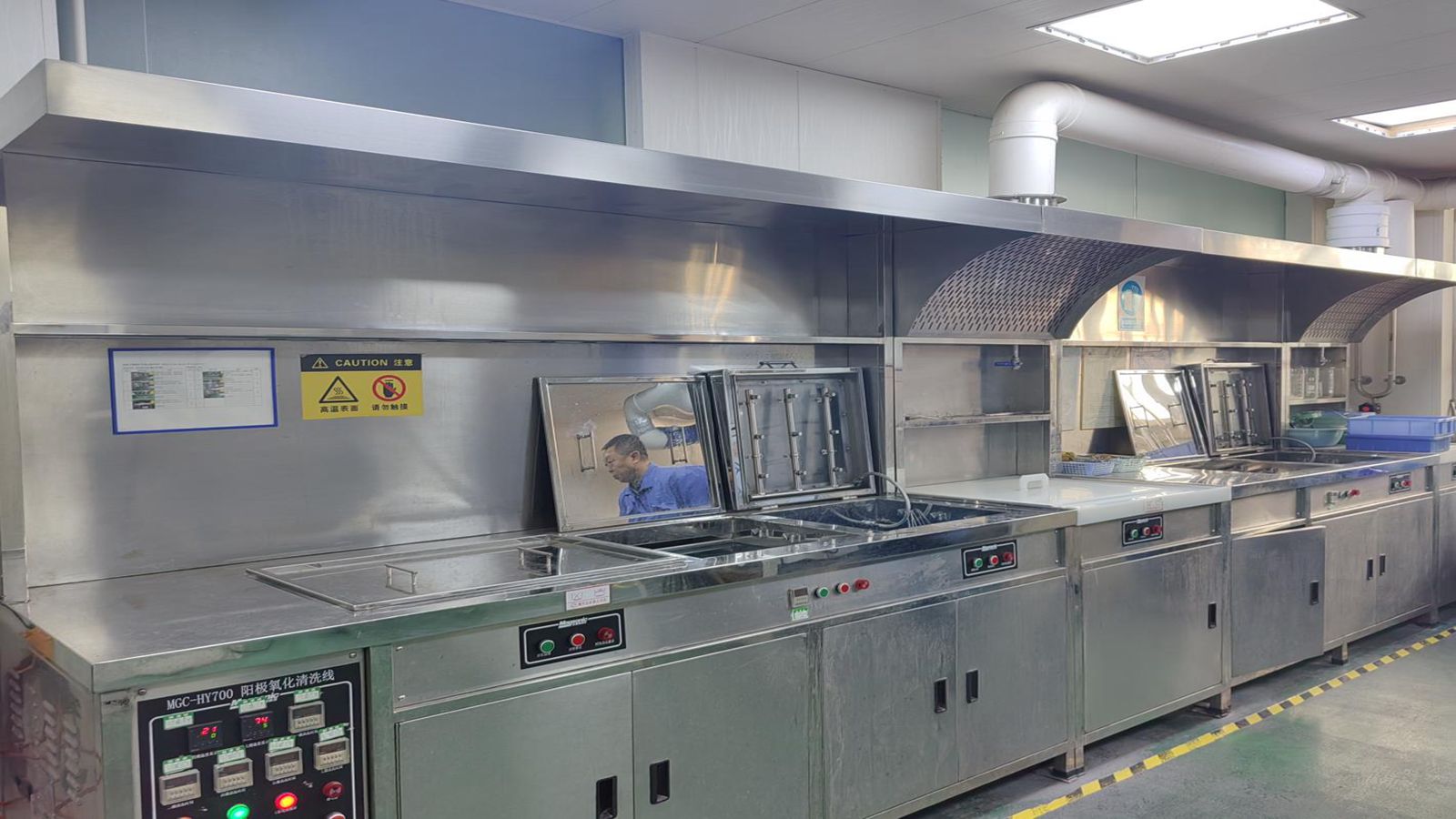
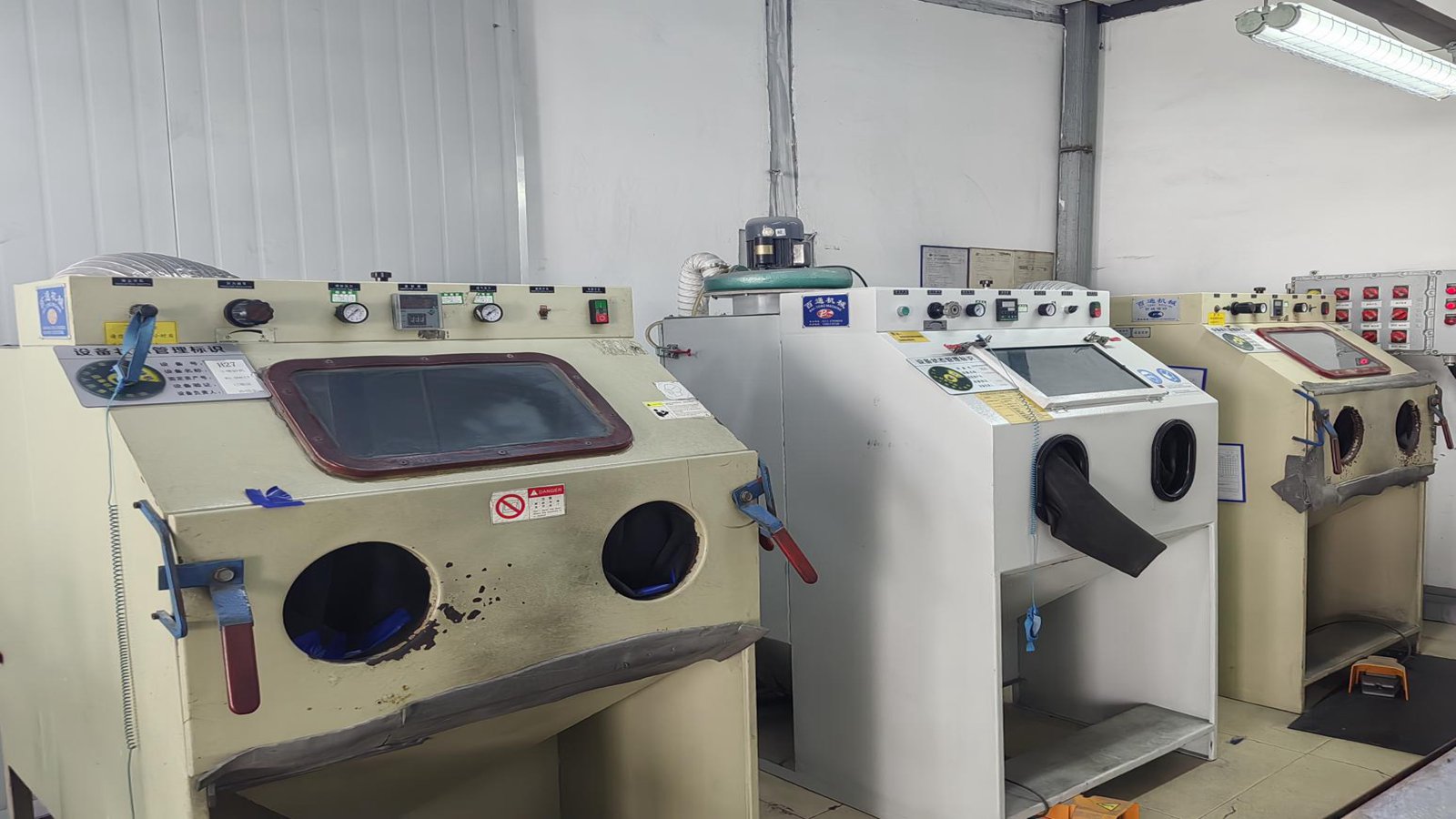
Inside the production line that ensures class III surgical grade reliability.
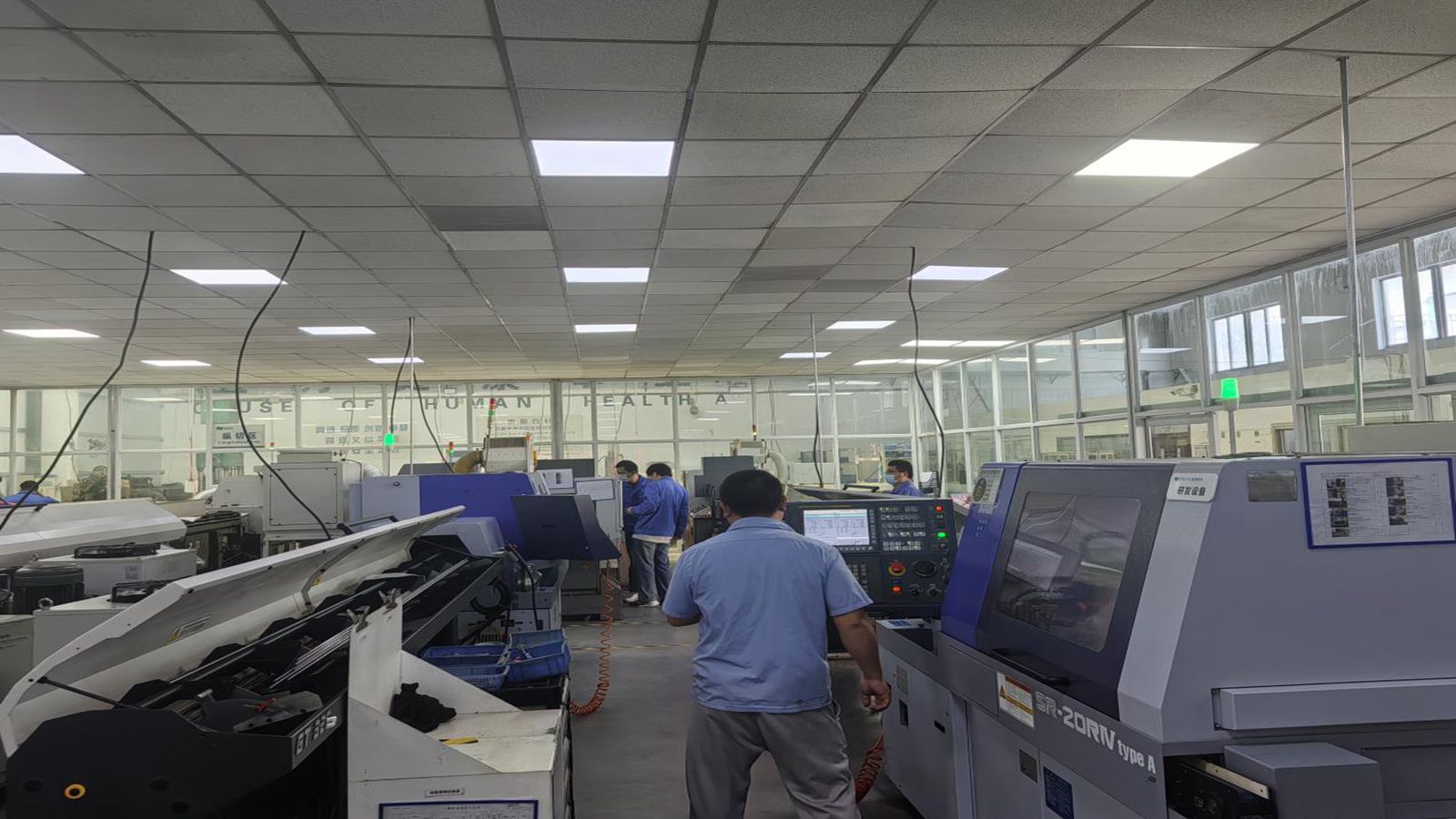
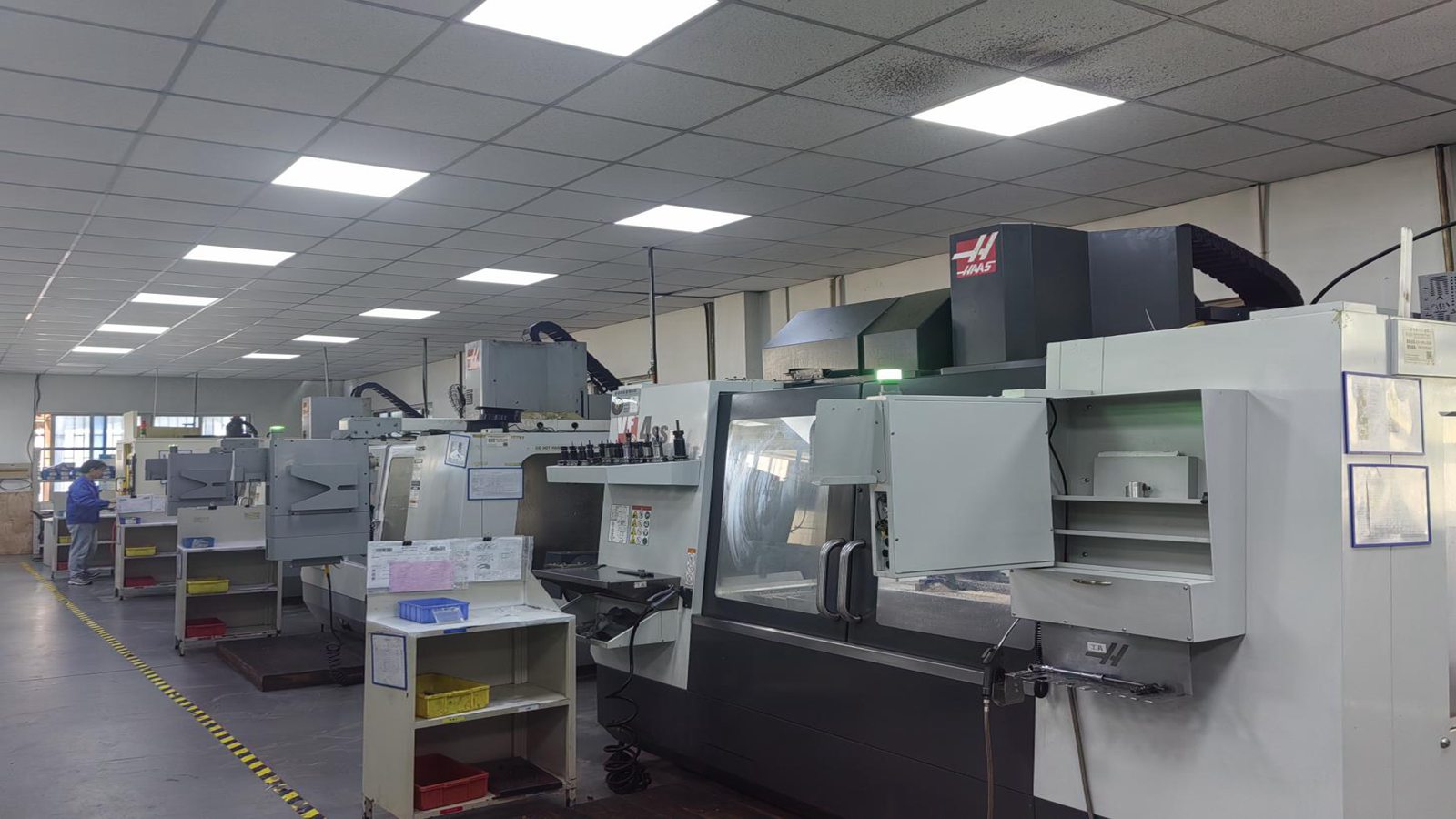
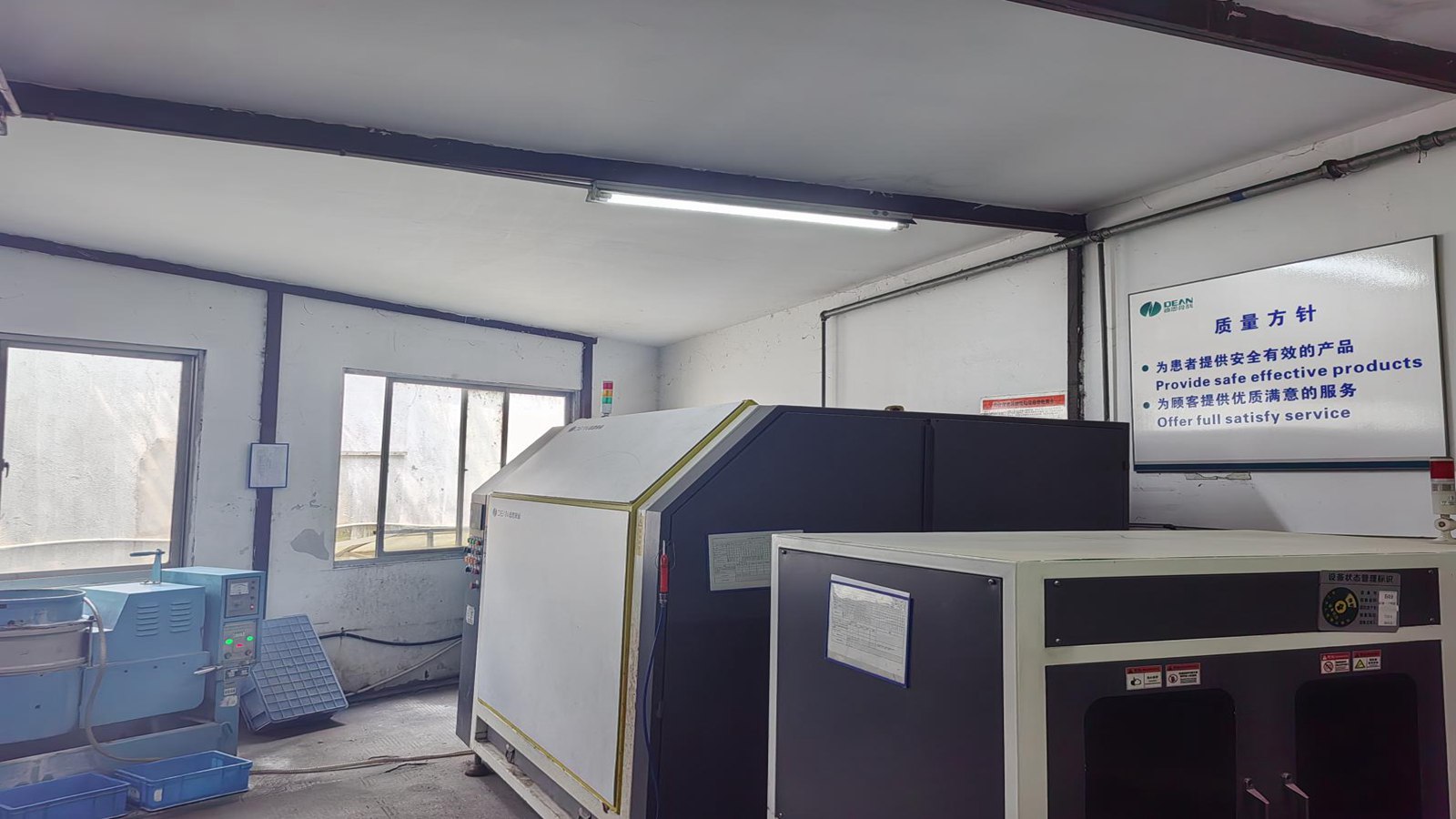
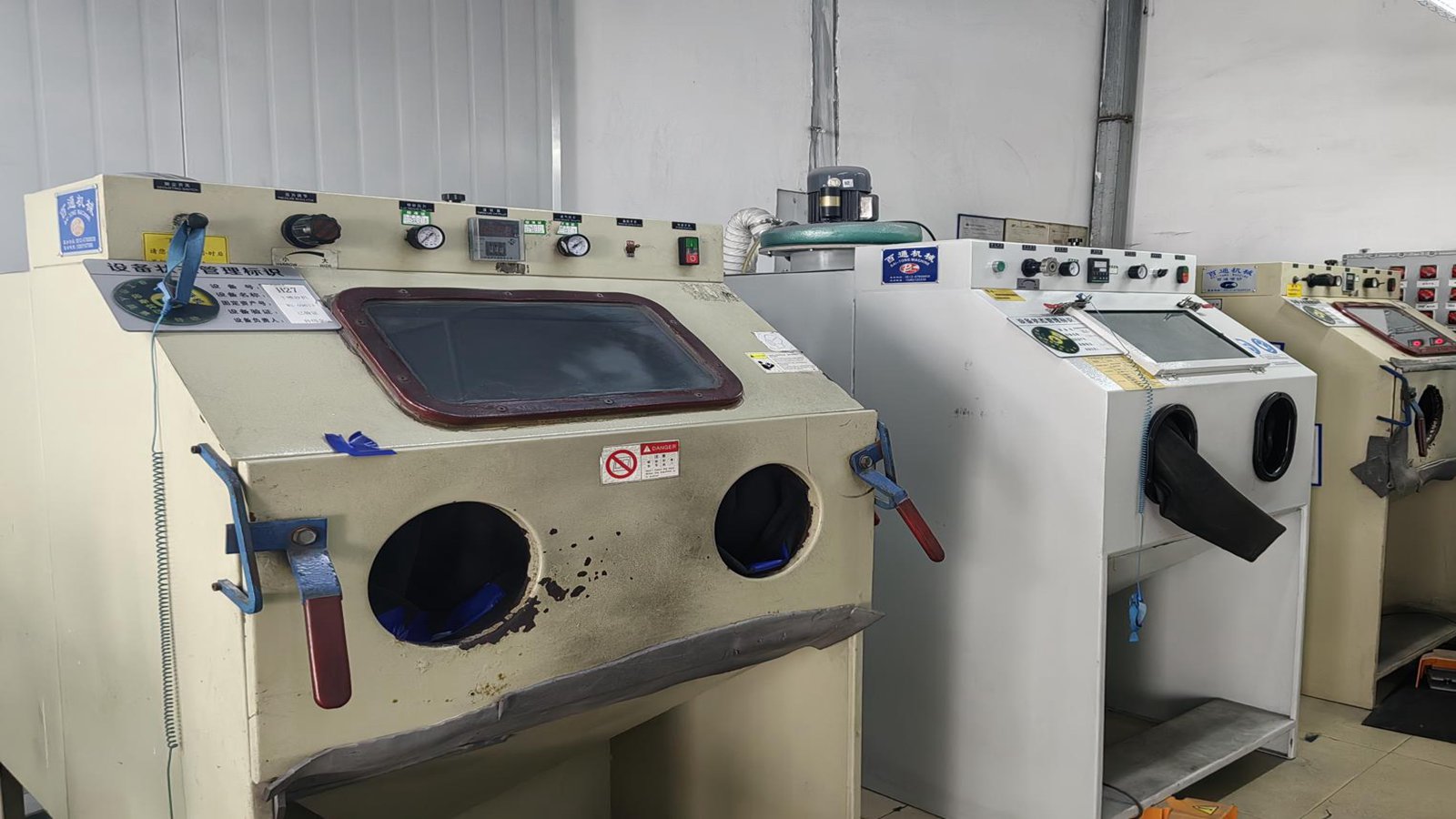
Advancing clinical efficacy and simplifying surgical procedures.
As the orthopedics discipline evolves, surgeons demand devices that facilitate immediate postoperative mobilization while preventing common issues such as screw migration or cut-out. The Medispirex R&D team works closely with biomechanical labs to refine the design of our fixation systems:
Modern nails feature optimized curvature shapes derived from large anthropometric databases. The reduced insertion radius (ROC) minimizes the risk of anterior cortex impingement and iatrogenic fractures during insertion.
Through advanced anodizing processes, we create a stable, clean titanium oxide layer on the implants. This reduces wear debris generation and minimizes risk of local bacterial colonization compared to non-anodized alternatives.
The integration of multiple proximal and distal interlocking options allows for stable fixation of highly complex comminuted fractures or peri-articular segments, ensuring rotational stability.
Carbon fiber targeting guides offer high durability and excellent radiolucency. This decreases intraoperative radiation exposure for the surgical team during distal locking procedures.
Explore our full line of locking systems designed for pediatric, humeral, femoral, and tibial fixation.
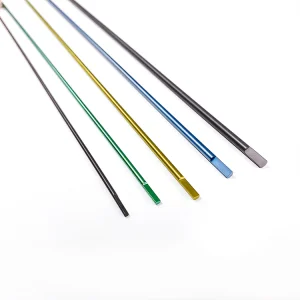
High elasticity limits bone displacement while protecting the growth plate in pediatric long-bone fractures.
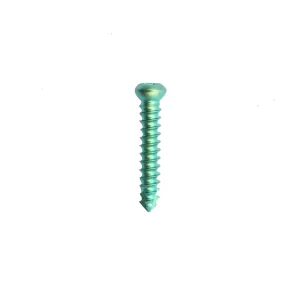
Engineered specifically for minor bones, providing stable interlocking properties in radius/ulna applications.
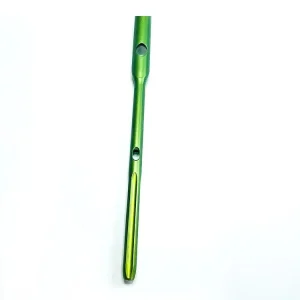
Designed to provide high stability and resistance against rotation and varus collapse in trochanteric fractures.
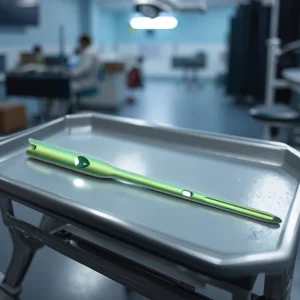
Anatomically optimized geometry reduces intramedullary pressure during insertion, reducing embolism risks.
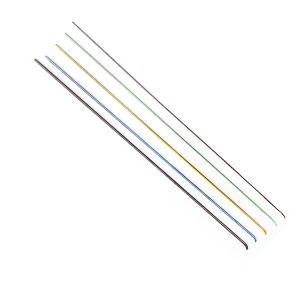
Optimized flexibility allows for stable load-sharing and promotes callus formation in young patients.
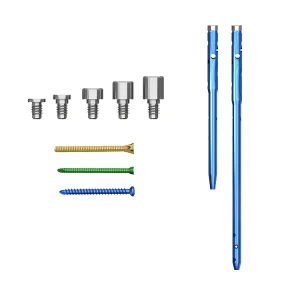
Multiple locking possibilities in proximal section allow optimal fixation of complex humeral head fractures.
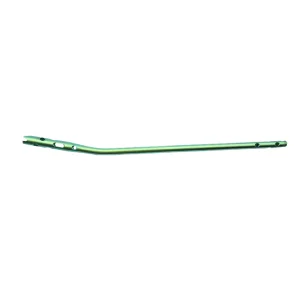
Engineered to match tibia anatomy. Dual proximal locking options provide stability for proximal-third tibia fractures.
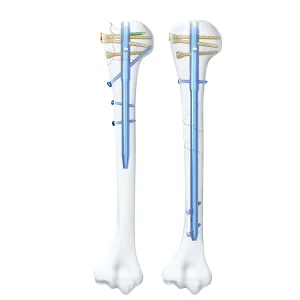
Specialized targeting guide enables stable insertion in osteopenic bones, helping prevent hardware failure.
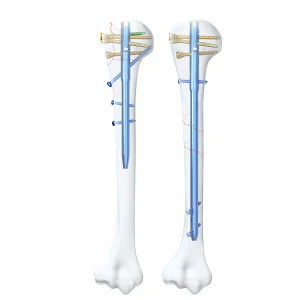
Advanced multi-planar locked configurations designed to support early postoperative rehabilitation.
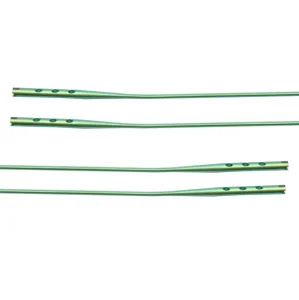
Engineered specifically for ulna diaphyseal fractures, ensuring excellent mechanical axis restoration.
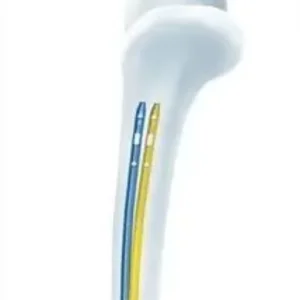
Highly rigid locking design with integrated dynamic telescoping features to minimize cut-out complications.
Engineered to deliver high biocompatibility and balanced mechanical performance for pediatric patients.
Understanding DIGEMID, customs at Callao, and quality requirements.
According to Peruvian medical device regulations, orthopedic implants fall under Class III (High Risk). To import these products into Peru, distributors must obtain a Registro Sanitario (Sanitary Registration) from DIGEMID. Medispirex provides complete registration support documentation:
We understand that tender windows and hospital inventories require reliable scheduling. Through our optimized production planning and logistics network, we offer predictable delivery timelines to Callao port:
| Process Stage | Timeline | Details |
|---|---|---|
| Order Lead Time | 30-45 Days | Manufacturing, CNC Machining, Anodizing |
| Quality Auditing | 3-5 Days | Fatigue tests, dimensional audits by QC team |
| Ocean Freight | 35-42 Days | China Main Port to Callao, Lima |
Essential regulatory and technical answers for importers and distributors in Peru.
Yes, all implants manufactured by Medispirex comply with international standards. We supply our customers with ISO 13485:2016 quality management system documentation, CE certification, raw material composition reports, and Free Sale Certificates (FSC) to assist with your DIGEMID Class III Sanitary Registration (Registro Sanitario) application.
Our interlocking intramedullary nails are primarily manufactured from medical-grade Titanium Alloy (Ti-6Al-4V ELI, conforming to ASTM F136 / ISO 5832-3). This alloy provides excellent biocompatibility, high corrosion resistance, and high fatigue strength compared to traditional stainless steel options.
Yes. For every system of intramedullary nails (PFNA, Tibia, Humeral, Elastic Nails), we offer corresponding surgical instrument sets, including locking drills, guide wires, reamers, sliding hammers, and carbon fiber targeting guides, designed for clean and precise surgical procedures.
Supported by our 18,600㎡ manufacturing facility and 85 R&D engineers, we have a large production capacity. The Minimum Order Quantity (MOQ) depends on the customization level (private labeling, anodized color choices, specific length modifications). Please contact our sales team to discuss your project requirements.
Our quality assurance protocol includes dimensional tolerance verification, tensile and mechanical fatigue testing (simulating physiological gait stress), and material composition analysis using spectrometers. This ensures that every production batch matches strict orthopedic mechanical standards.