Medispirex
Medispirex
Medispirex
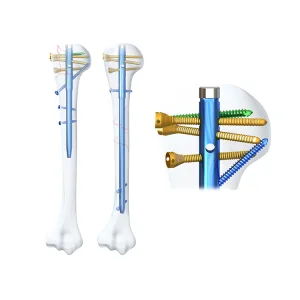
Medispirex designs and manufactures state-of-the-art trauma systems to meet strict biomechanical profiles required by orthopedic teams in Calgary, Alberta, and international acute care centers.
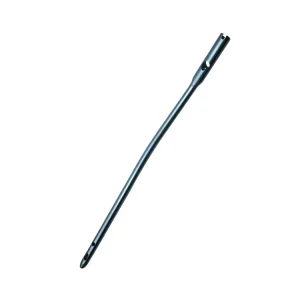
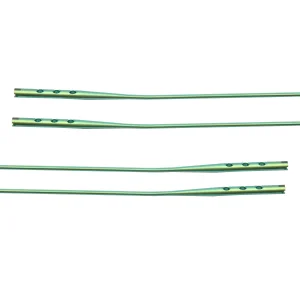
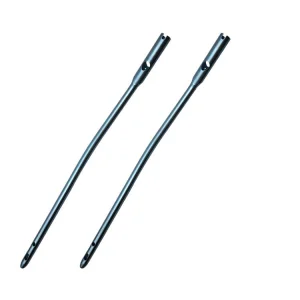
In Calgary and the surrounding southern Alberta region, orthopedic trauma care is highly influenced by seasonal weather extremes and regional recreational patterns. The presence of major Tier-1 trauma facilities like the Foothills Medical Centre, along with key regional hospitals including the Peter Lougheed Centre and the Rockyview General Hospital, creates a consistent demand for advanced osteosynthesis implants.
During Calgary's winter months, rapid chinook-induced temperature shifts cause recurring freeze-thaw cycles. This leads to ice-slicked surfaces that correlate with a surge in geriatric fragility fractures, particularly proximal femur fractures requiring immediate stabilization. Additionally, proximity to the Canadian Rockies generates high-velocity winter sports injuries—such as tibia and femur shaft fractures—where intramedullary locking nails serve as the gold standard for restoration. Medispirex products are manufactured to fulfill the precise anatomical and biomechanical specifications of these regional trauma clinics.
Ensuring clinical efficacy and surgical precision across complex osteological environments.
Modern orthopedic trauma management relies heavily on choosing the optimal stabilization modality based on soft-tissue integrity, fracture morphology, and systemic patient physiology. Both external fixators and intramedullary nails (IMN) have distinct load-sharing profiles.
| Biomechanical Parameters | External Fixation Systems (Damage Control) | Intramedullary Interlocking Nails (Definitive Care) |
|---|---|---|
| Load-Bearing Dynamics | Load-bearing (transfers forces external to soft-tissue envelope via transfixion pins) | Load-sharing (positioned coaxially in intramedullary canal, distributing stress) |
| Soft-Tissue Considerations | Protects severely compromised, degloved, or open Gustilo-Anderson Grade III wounds | Indicated when soft tissue is closed or minimally damaged to prevent infection |
| Mechanical Axis Alignment | Provides multi-planar alignment control using rigid external carbon fiber or steel rods | Maintains rotational and axial length via proximal and distal interlocking screws |
| Callus Formation | Promotes secondary healing via microrotation, highly dependent on frame rigidity | Allows micro-motion under early partial weight-bearing to stimulate periosteal callus |
| Sterilization Protocols | Reusable structural frames; single-use, sterile-packaged bone pins | Sterile or autoclave-ready implants customized for deep internal surgical placement |
In clinical scenarios where high-velocity pelvic or femoral shaft injuries occur, external fixation serves as the primary tool in Damage Control Orthopedics (DCO). Once the patient's physiological markers stabilize, secondary conversion to an internal interlocking intramedullary nail system is performed. This dual approach provides early mobilization while minimizing systemic complications like fat embolism syndrome.
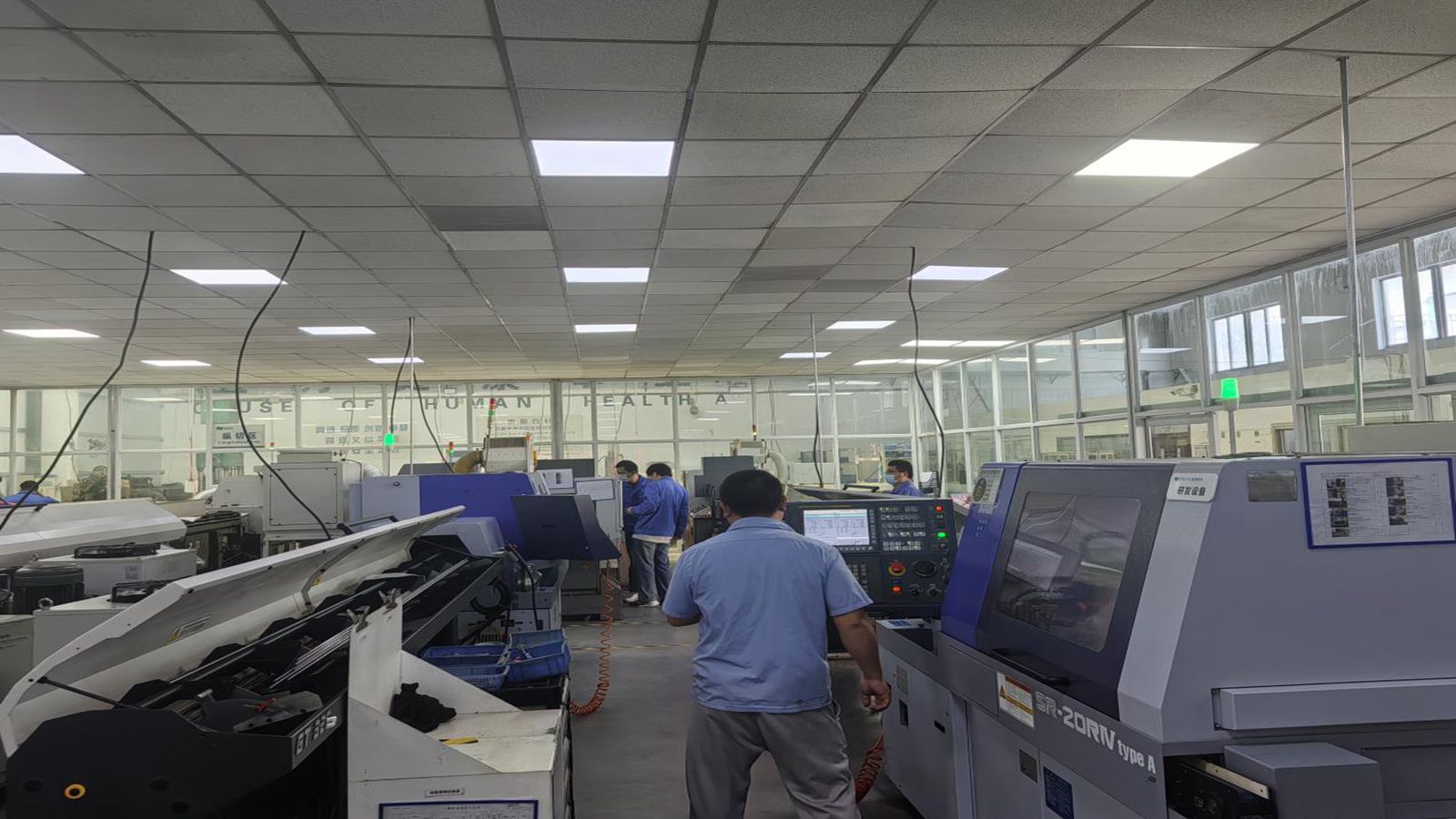
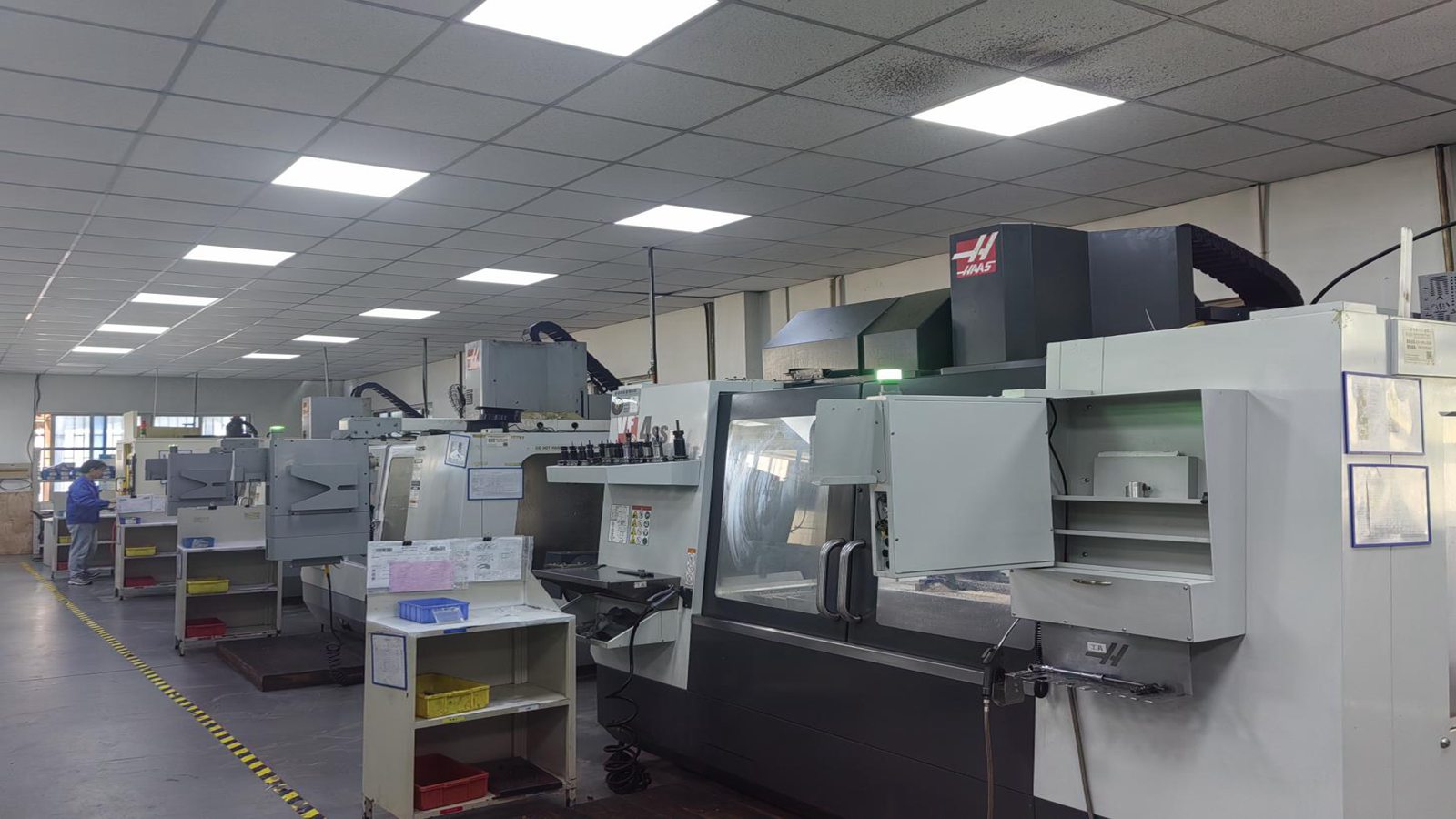
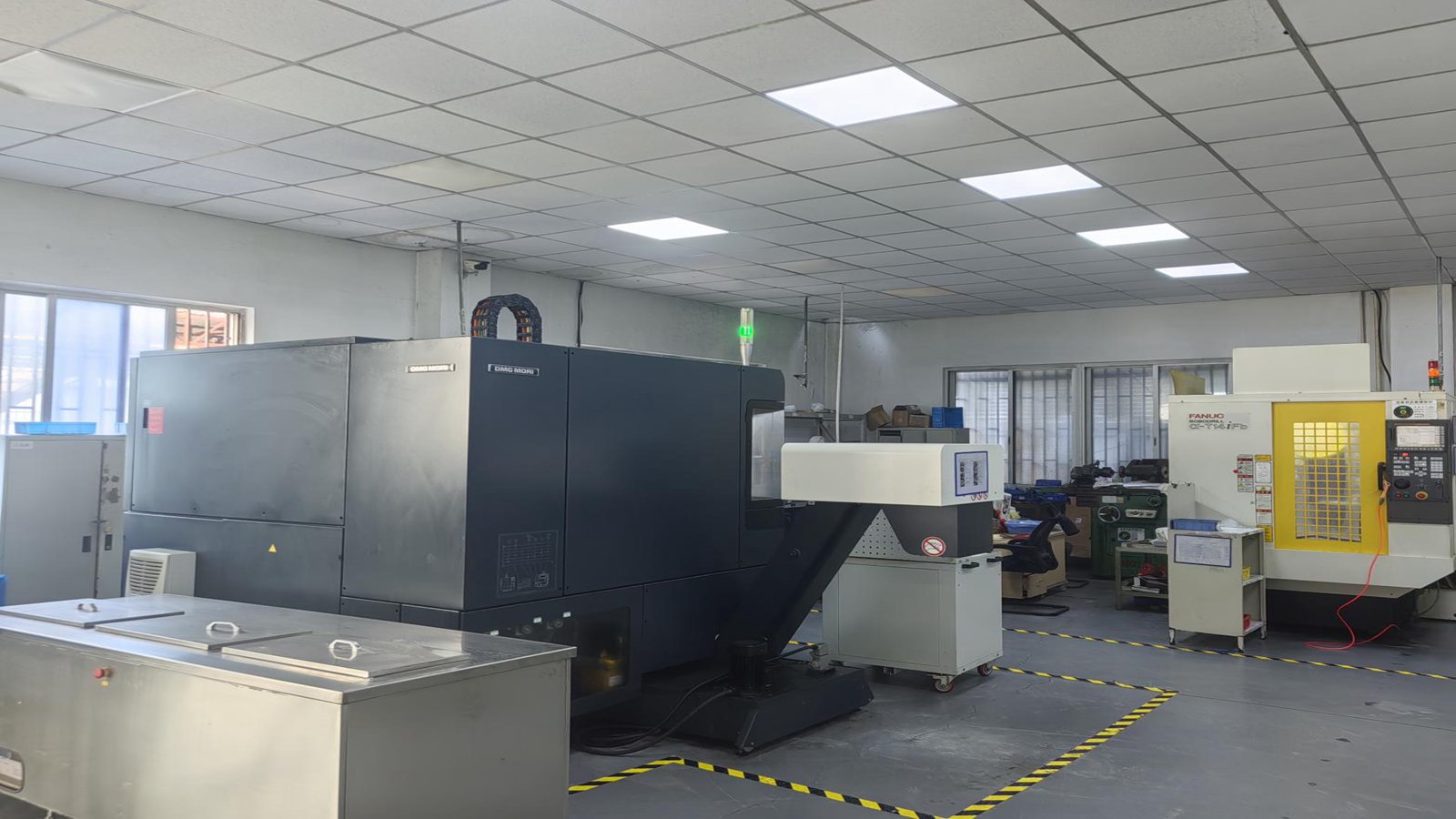
Established in 2016, Medispirex Orthopedic Technology Co., Ltd. operates a modern production facility spanning approximately 18,600㎡. We specialize in spine and orthopedic implant solutions, integrating research, development, and international manufacturing to deliver advanced medical systems for trauma, spine reconstructive surgery, and joint preservation.
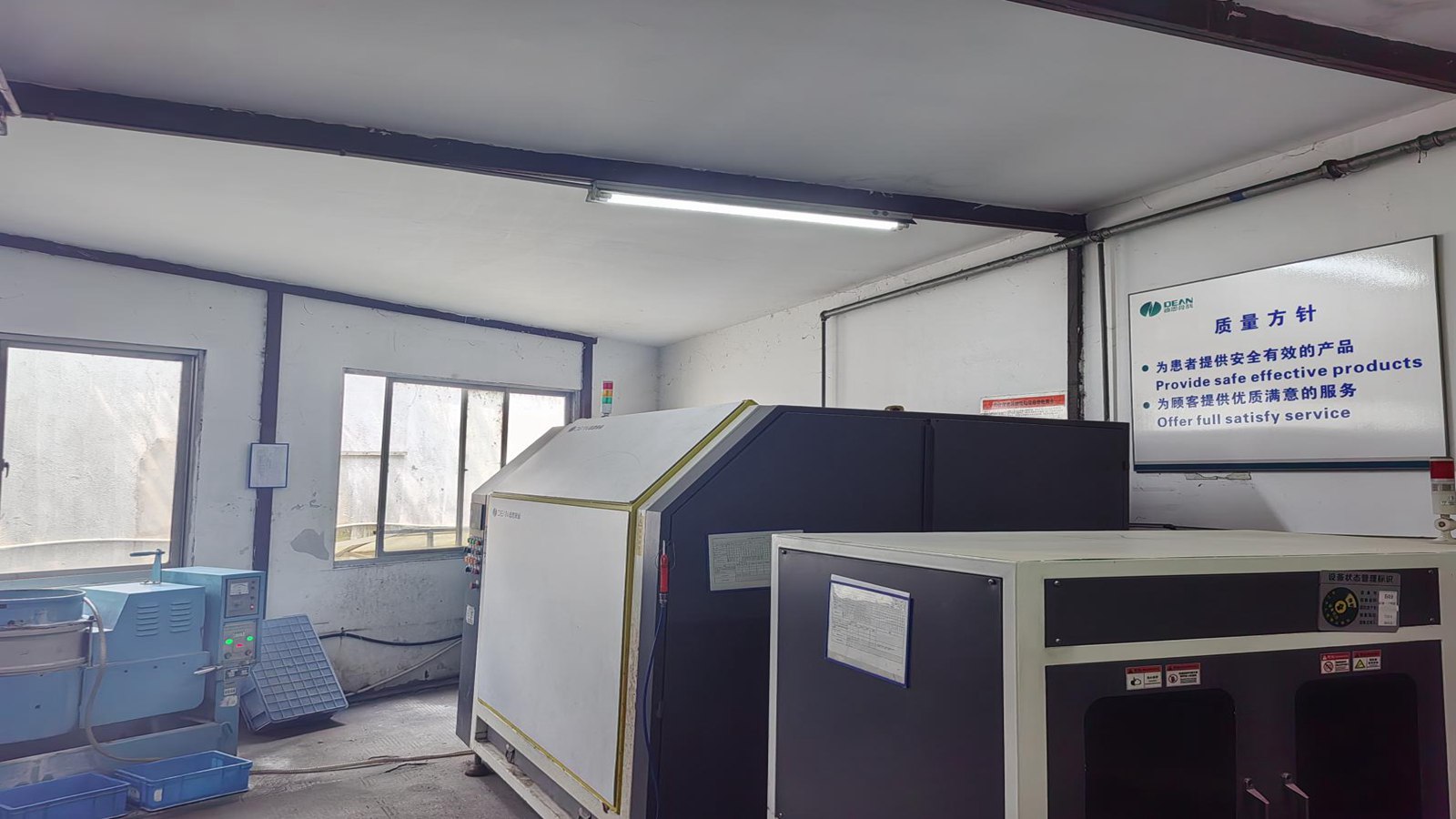
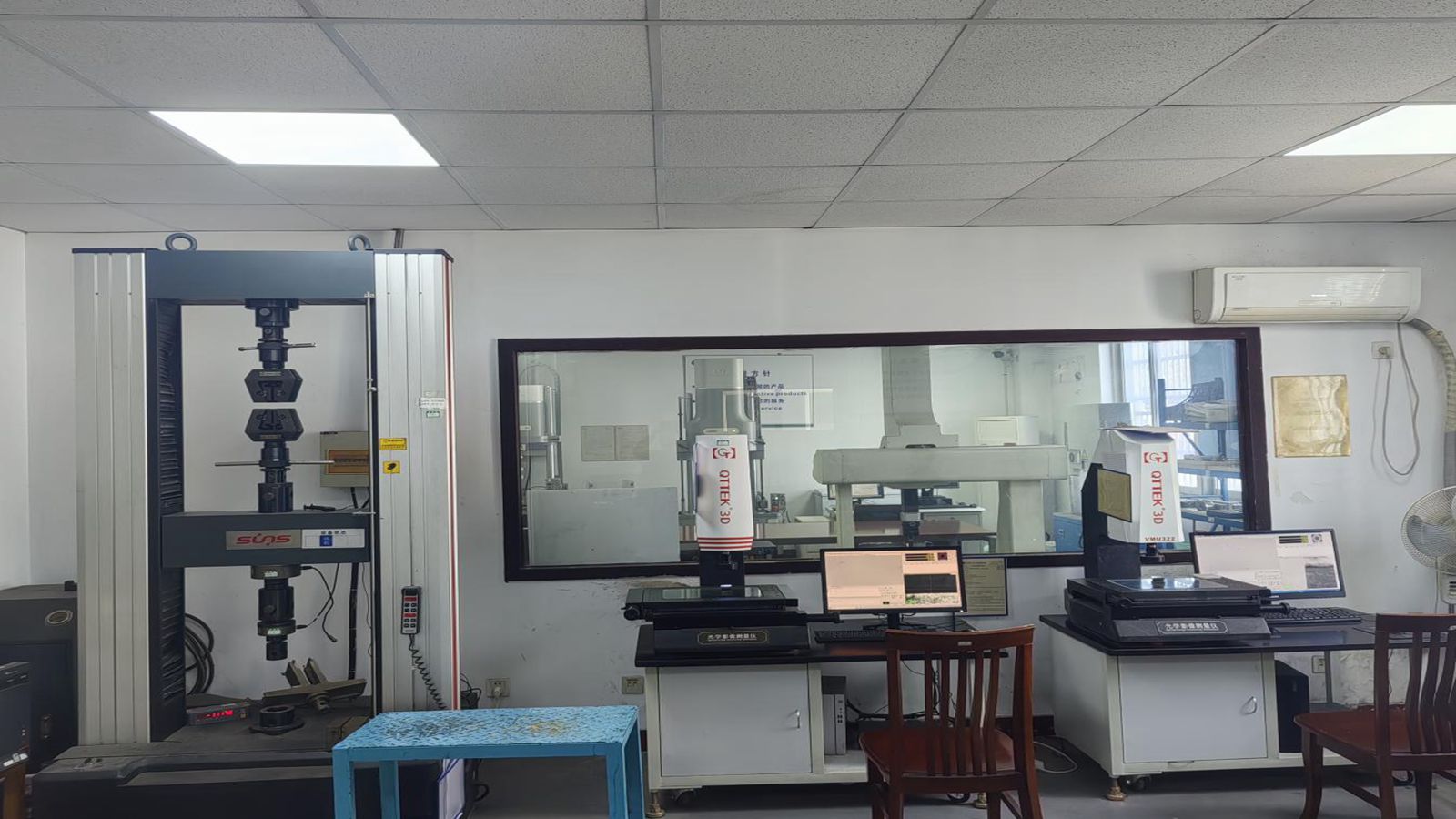
Medispirex employs a dedicated quality control team of approximately 45 QC professionals who oversee every stage of the manufacturing cycle. From incoming raw material verification (spectrographic analysis of titanium bar stock) to in-process dimensional control using high-precision micrometers and coordinate measuring machines (CMM), we ensure consistent manufacturing accuracy.
Our comprehensive batch traceability systems ensure that every intramedullary nail and external fixator pin can be traced back to its raw material heat lot. Product validation includes mechanical fatigue testing, static load test modeling, and chemical composition profiling, ensuring full alignment with ISO 13485 and global orthopedic regulatory requirements.
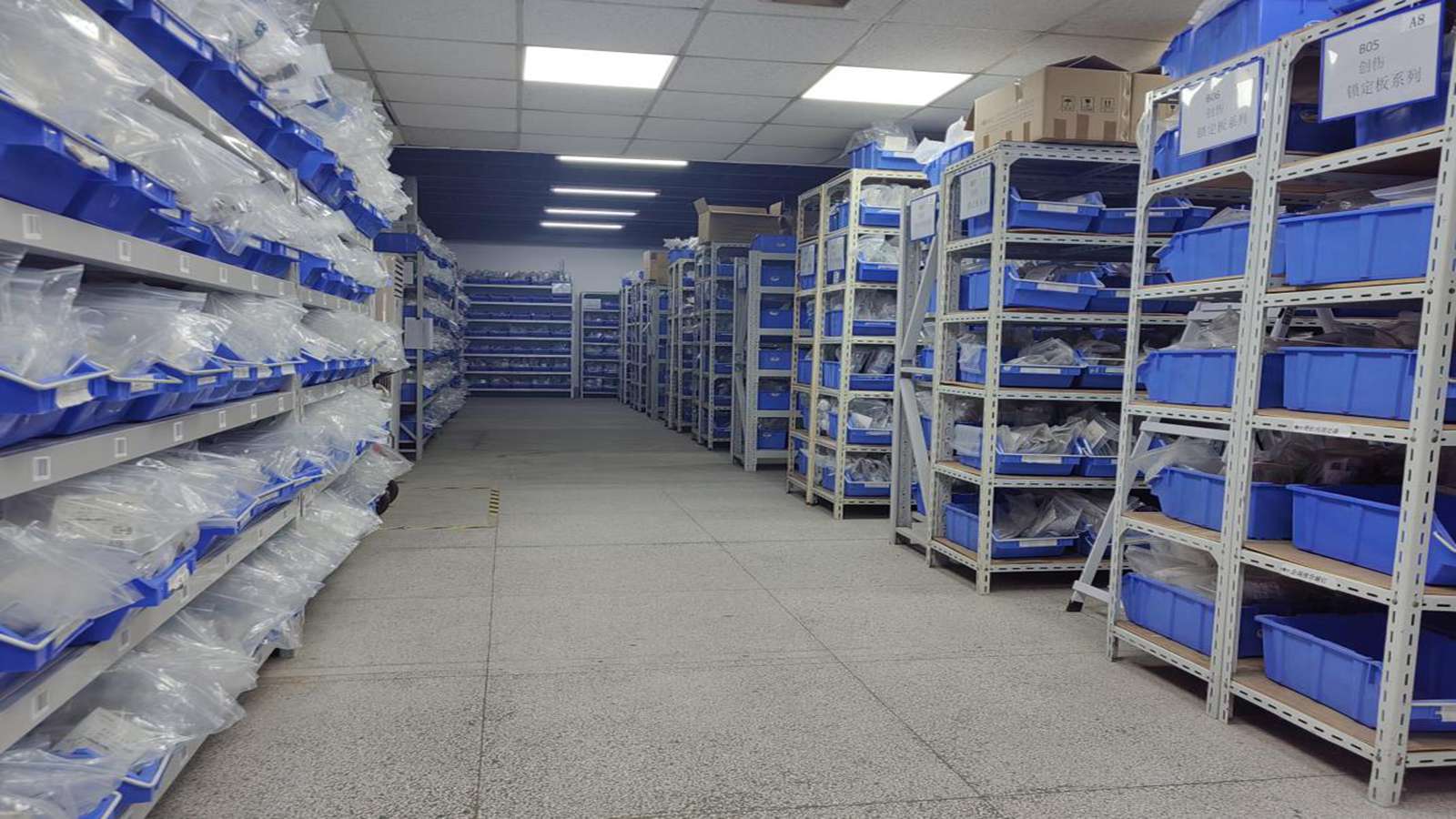
With over 7 years of direct export history, Medispirex serves orthopedic surgeons, medical distributors, and OEM/ODM partners across Europe, North America, the Middle East, and Southeast Asia. Our supply chain includes a network of over 860 upstream and downstream partners, maintaining inventory levels that support prompt international shipping and custom sizing runs.
We offer comprehensive customization packages, including private label manufacturing, orthopedic system configuration adjustments, and structural modification of locking mechanisms to match specific clinical preferences.
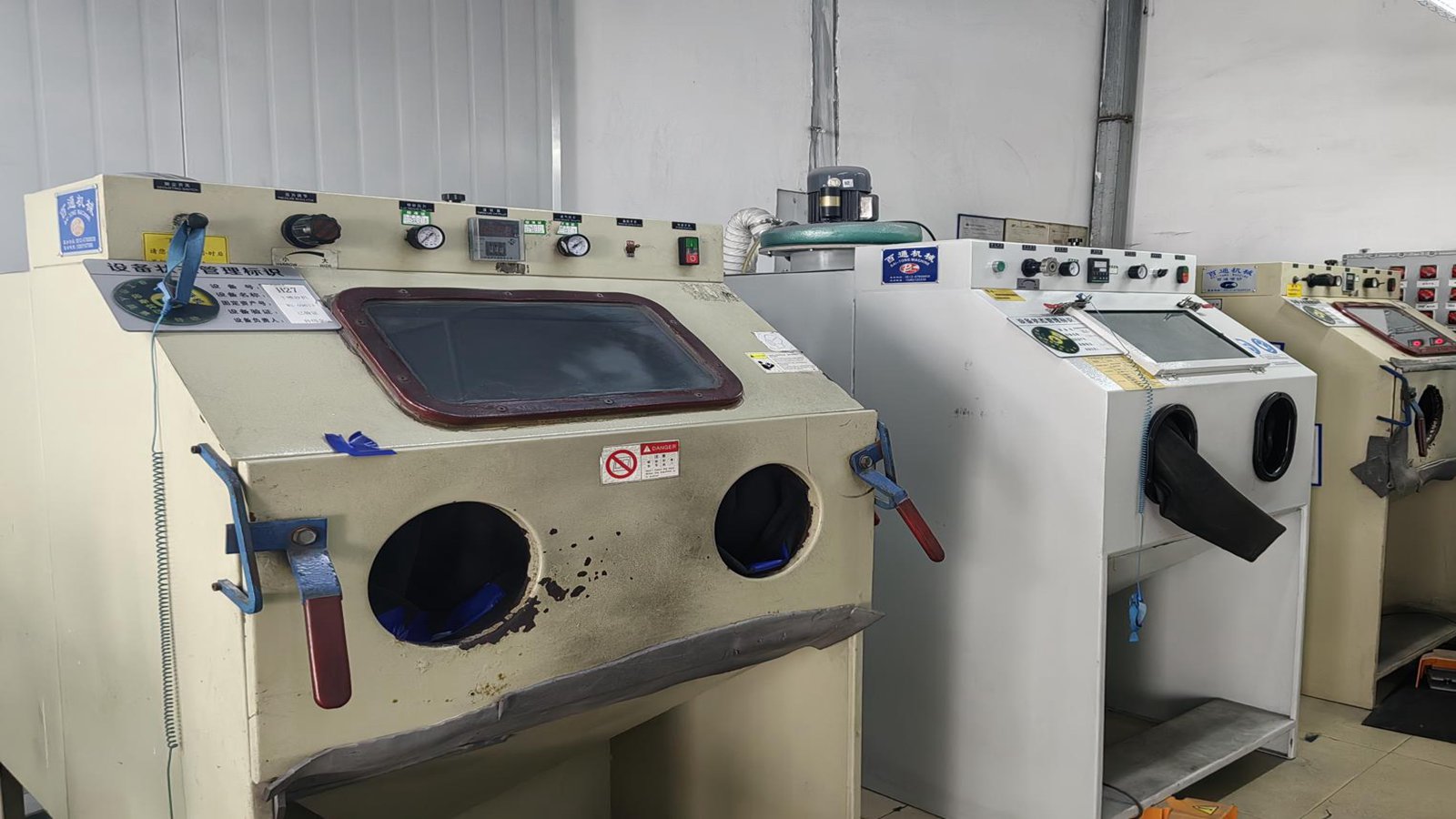
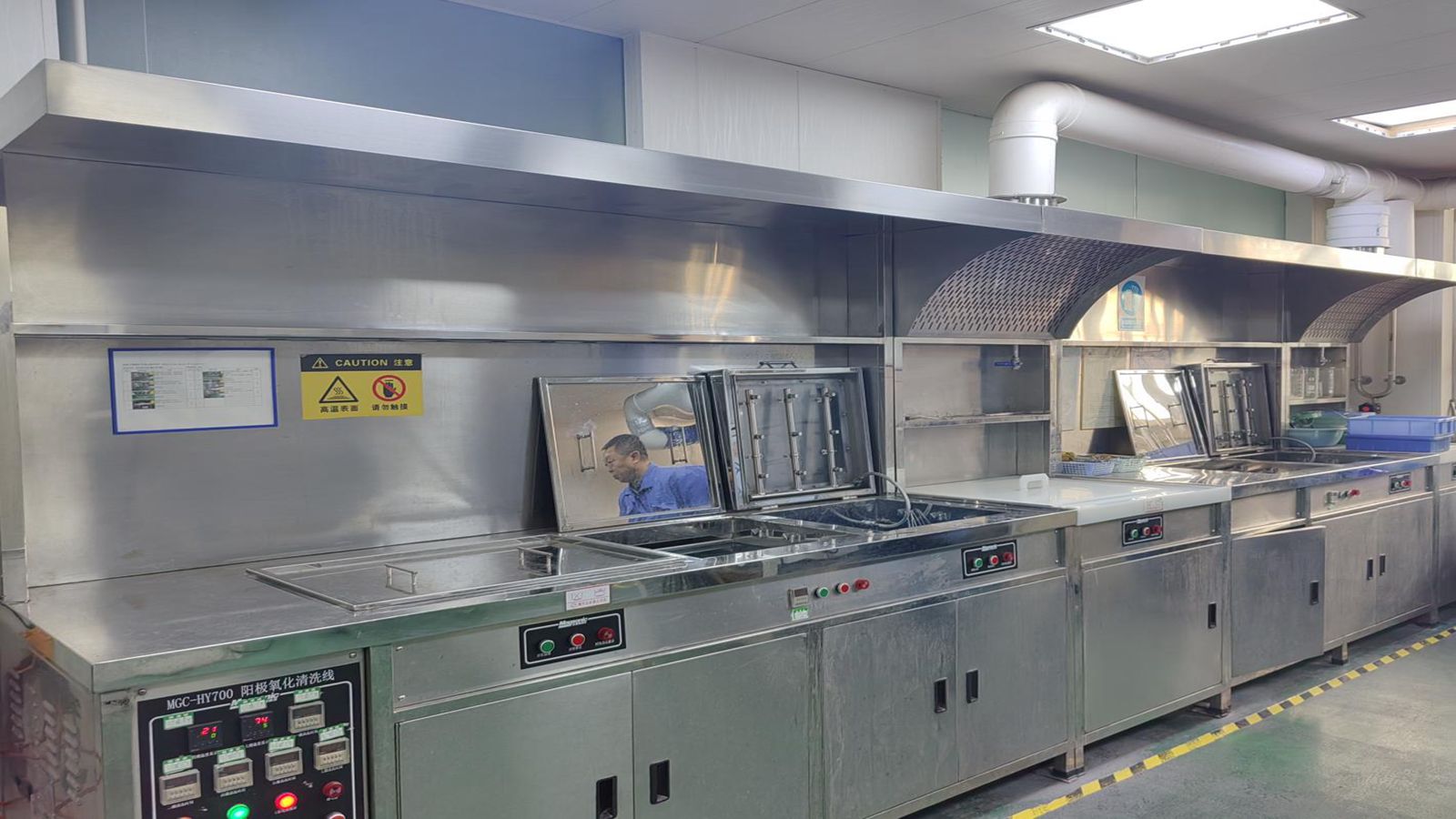
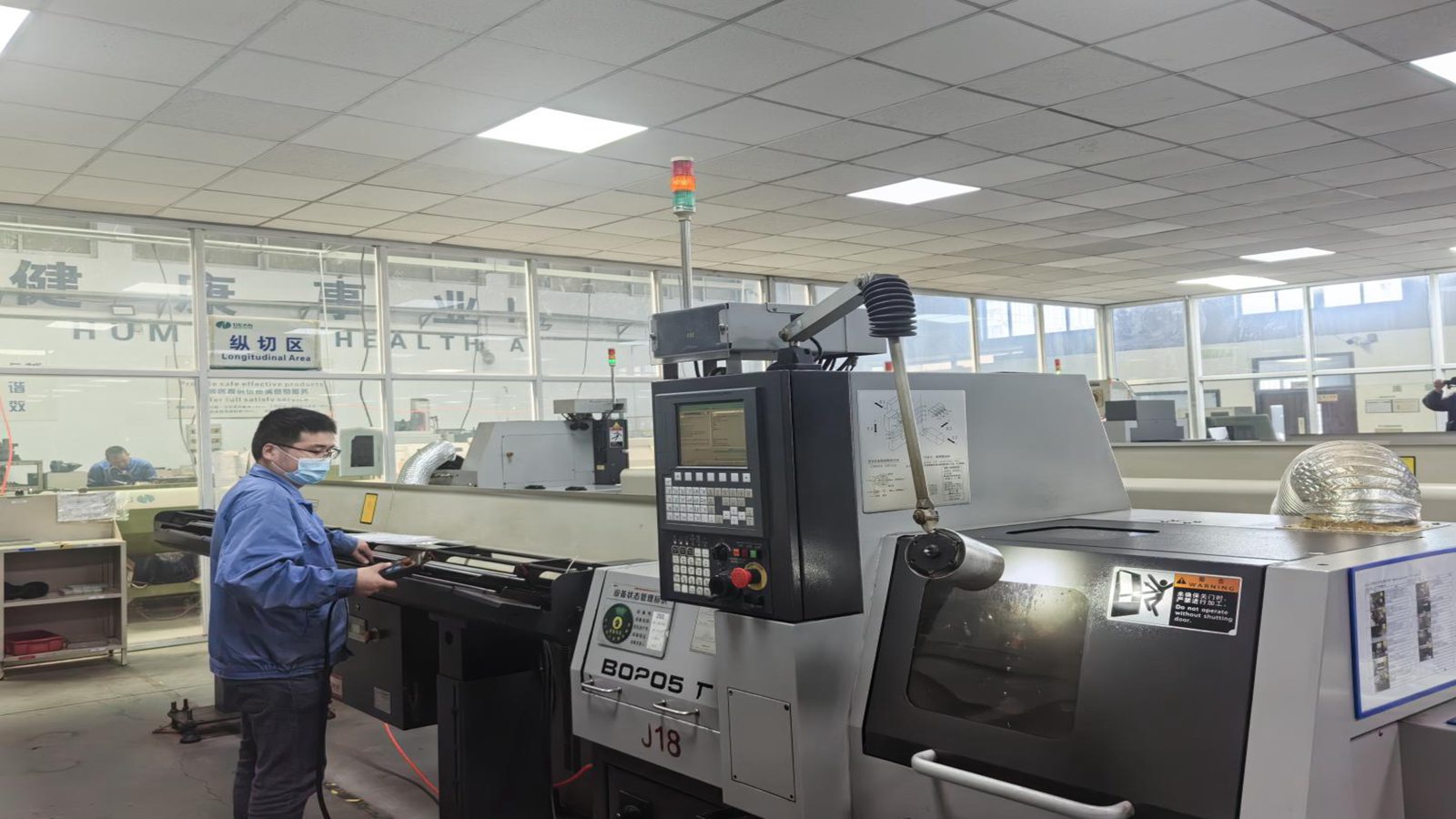
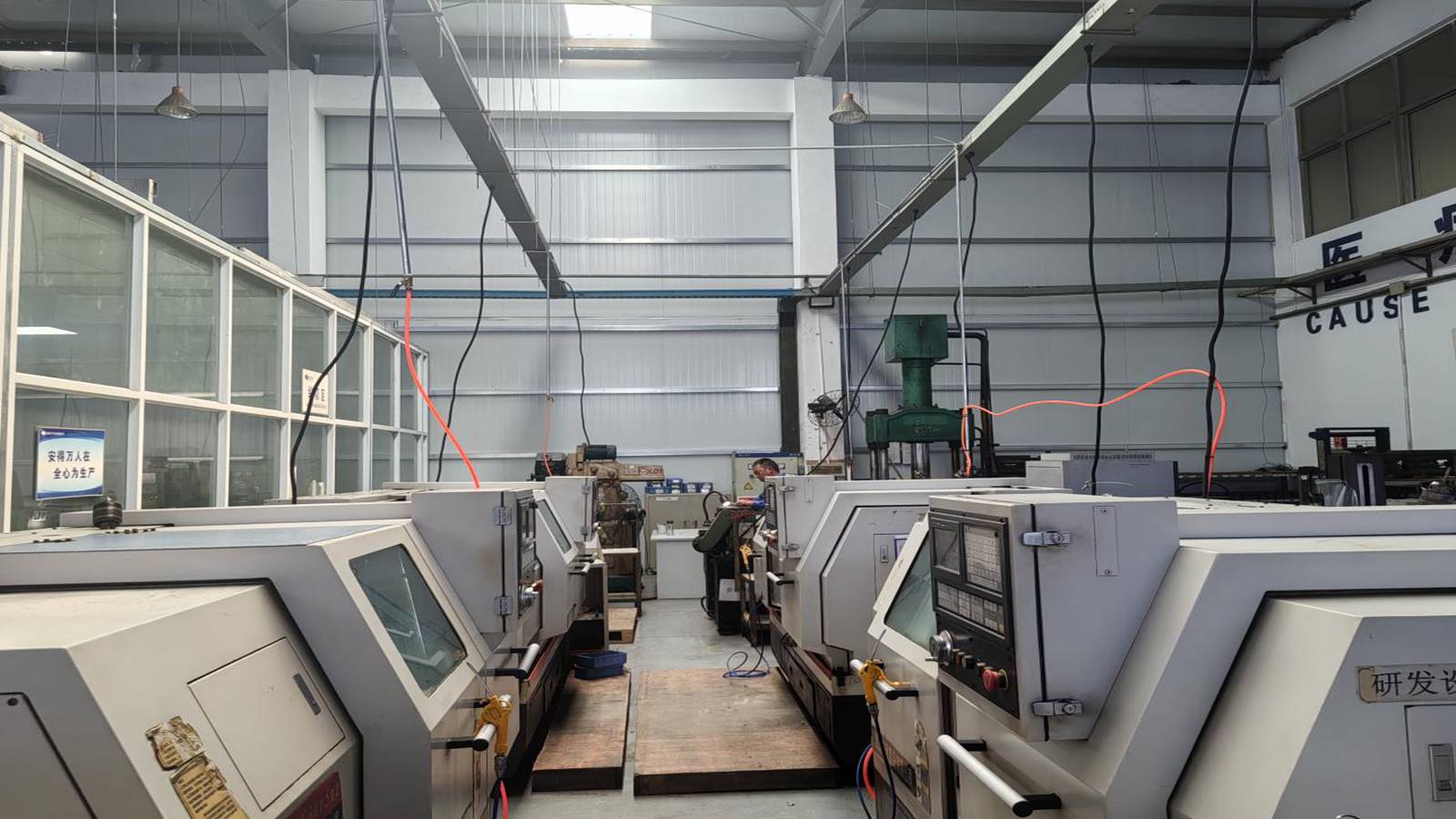
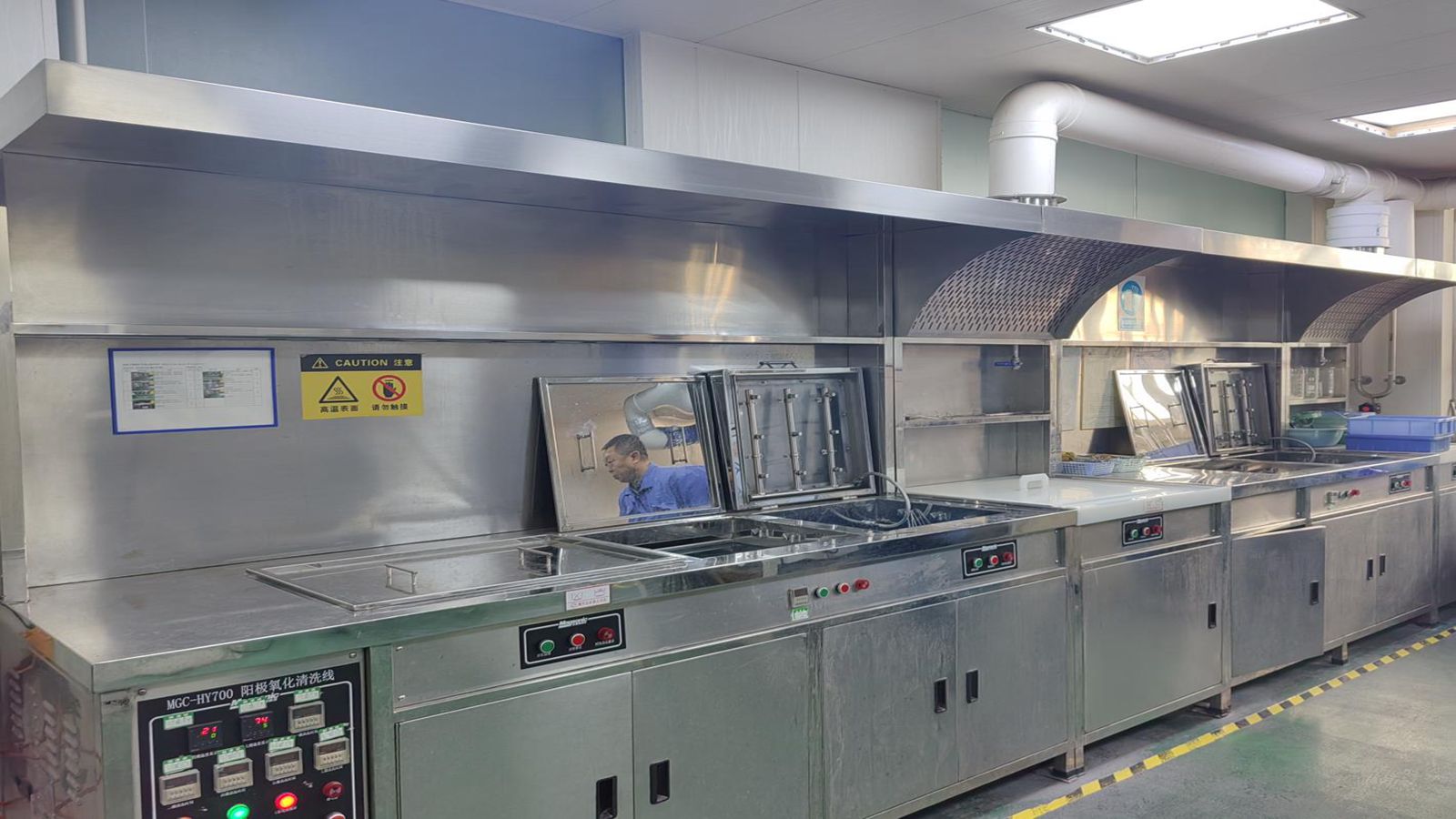
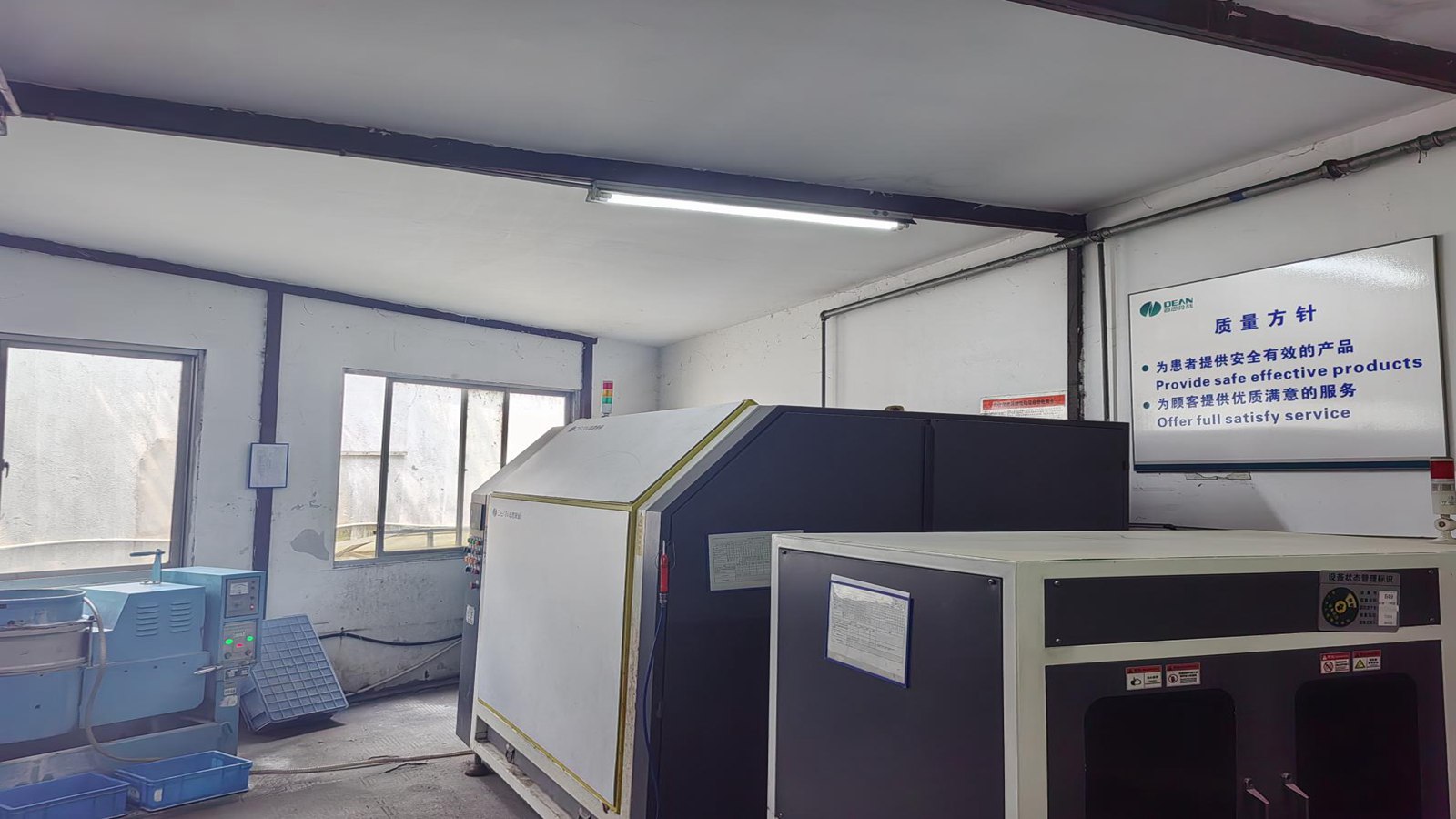
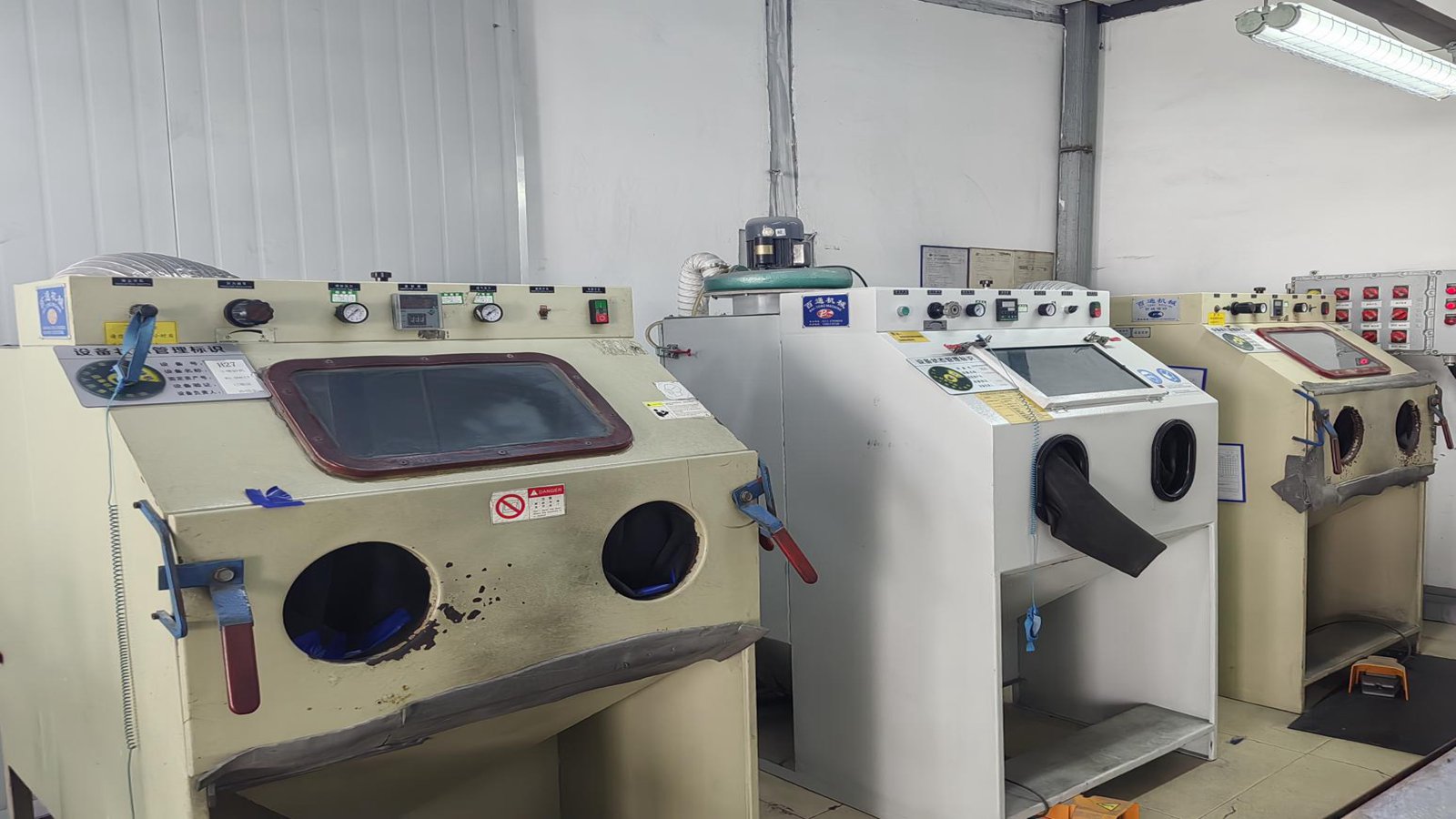
Every implant manufactured at the Medispirex facility undergoes a structured multi-phase production workflow to ensure precise geometry, high fatigue life, and surface biocompatibility.
The global orthopedic implant sector is experiencing rapid technological evolution. As trauma networks shift toward value-based healthcare, medical device manufacturers must innovate to improve patient outcomes while lowering recovery-related complications. Major industry focus areas include:
Surface treatments, such as type II anodic oxidation and hydroxyapatite coatings, are utilized to accelerate osteointegration and establish a robust biological barrier. Research into micro-structured, drug-eluting intramedullary interfaces aims to reduce postoperative osteomyelitis rates in complex compound fractures.
While medical-grade titanium alloys remain the preferred choice, radiolucent PEEK composites with carbon fiber reinforcement are increasingly used in specialized oncology stabilization procedures. This allows trauma surgeons to evaluate fracture callus progression clearly without metal artifact interference under CT and MRI imaging.
The integration of DICOM imaging data with 3D design software enables surgical teams to map nail length and entry points prior to incision. The production of patient-matched guides helps optimize interlocking screw alignment, reducing intraoperative fluoroscopy exposure times.
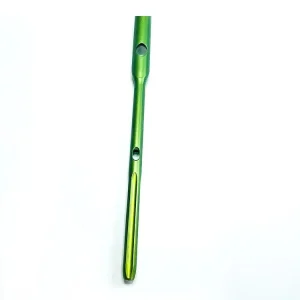
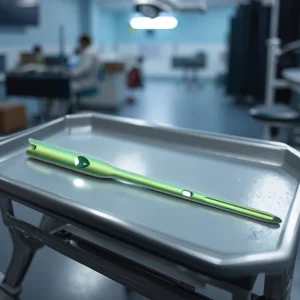
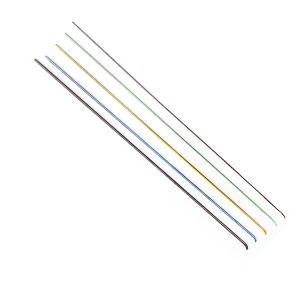
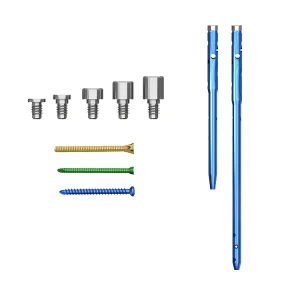
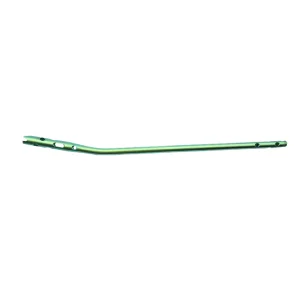
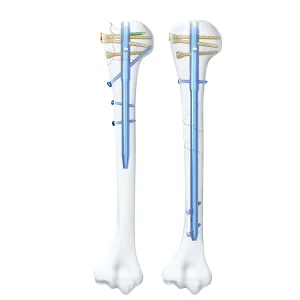
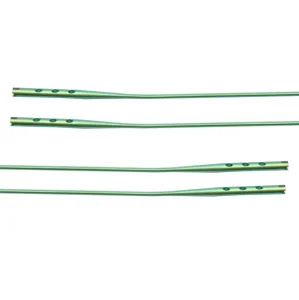
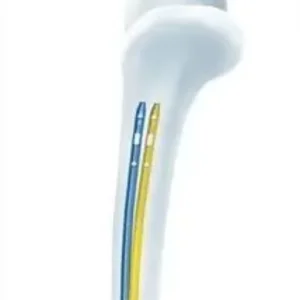
Browse our complete range of intramedullary nails, locking screws, and spinal structural components. Select models are configured for trauma surgical registries throughout the Canadian and global markets.
Key information for clinical directors, procurement specialists, and hospital administrative teams evaluating Medispirex implant options.