Medispirex
Medispirex
Medispirex
Explore our CE & ISO certified surgical hardware engineered for complex spine reconstruction, osteotomies, and orthopedic trauma.
A deep dive into biocompatible materials, biomechanical structural trends, and clinical performance requirements driving global orthopedic standards.
In modern spinal surgery, the demand for high-precision, clinically proven spinal internal fixation systems has surged. Advancements in biomechanical engineering have shifted the industry from simple stabilization to complex, motion-preserving, and load-sharing systems. Surgeons worldwide require implants that minimize intraoperative trauma while ensuring long-term fusion rates and stability. This evolution has heightened the standards for orthopedic manufacturers, necessitating advancements in materials science, precision machining, and strict bio-compatibility validation.
Historically, stainless steel dominated the orthopedic implant landscape. However, modern spinal internal fixation systems rely heavily on Grade 5 Titanium Alloy (Ti-6Al-4V ELI) and high-performance polymers like PEEK (Polyetheretherketone). Titanium offers an optimal elastic modulus closer to human bone, reducing the risk of stress shielding. Concurrently, PEEK’s radiolucency allows for clear radiographic assessment of postoperative fusion progression. For next-generation devices, porous titanium surfaces created via advanced CNC machining or additive manufacturing (3D printing) are becoming the clinical standard to promote direct osseointegration.
Utilization of medical-grade titanium alloys and PEEK compliant with ASTM F136 and ASTM F2026. These materials ensure zero cytotoxicity, minimal magnetic resonance imaging (MRI) distortion, and maximum structural durability under cyclical load profiles.
All load-bearing constructs undergo extensive mechanical fatigue testing in accordance with ASTM F1717 (spinal implant construct guidelines) and ISO 12189, ensuring that implants can withstand millions of loading cycles without failure.
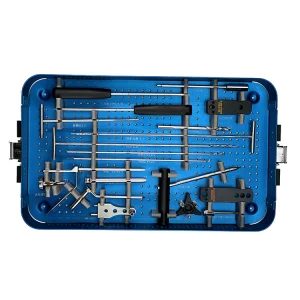
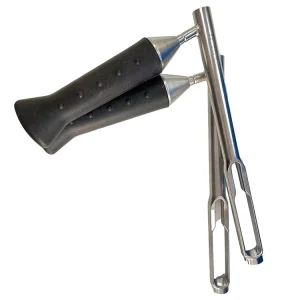
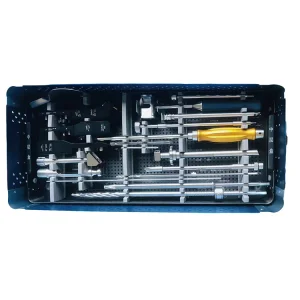
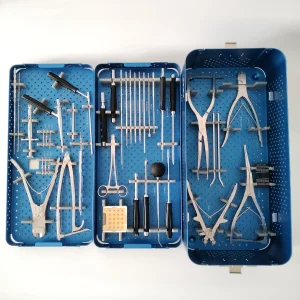
Surgical success depends equally on the implant and the instrument set. Our modular, zero-profile instruments are engineered to reduce surgical steps, minimize incision sizes, and improve ergonomic feel for orthopedic surgeons.
Understanding the clinical and commercial priorities of hospital networks, medical distributors, and OEM/ODM brands.
For international buyers—including healthcare systems, regional medical device distributors, and OEM brands—sourcing spinal implants requires balancing cost-efficiency with uncompromising quality. Standardizing on a spinal internal fixation system requires verification of strict regulatory certificates (such as CE, FDA, and ISO 13485) and audit trails for raw materials. In high-demand markets across Europe, North America, the Middle East, and Southeast Asia, procurement managers focus heavily on the stability of supply chain channels to mitigate lead-time risks.
To cater to these localized demands, modern manufacturers must offer robust customization capabilities. Whether customizing pedicle screw threads for osteoporotic bone, adapting spinal plates for anterior cervical approaches, or providing private-label sterile packaging, customization is key. Medispirex addresses these requirements by integrating design adaptation, mechanical evaluation, and high-volume sterile/non-sterile manufacturing lines under one roof.
Empowering healthcare providers worldwide with high-performance orthopedic and spinal trauma systems.
Medispirex Orthopedic Technology Co., Ltd. is a professional manufacturer specializing in spine and orthopedic implant solutions. Established in 2016 with a modern production facility covering approximately 18,600㎡, the company integrates R&D, manufacturing, and global distribution to deliver high-quality medical devices for trauma, spine, and joint reconstruction applications.
With an annual export revenue of approximately USD 18 million, Medispirex has built a stable international presence supported by 7 years of export experience and over 12 years of industry expertise. The company operates under a strict quality management system, ensuring product reliability through incoming material inspection, in-process quality control, final product testing, and batch traceability systems. Product verification methods include dimensional inspection, mechanical fatigue testing, and material composition analysis. The quality assurance team consists of around 45 dedicated QC professionals.
Medispirex maintains a strong trade-oriented manufacturing background, serving key markets including Europe, North America, the Middle East, and Southeast Asia. Its supply chain network includes approximately 860 upstream and downstream partners, enabling stable production capacity and efficient global delivery.
The company primarily serves hospitals, orthopedic surgeons, medical distributors, and OEM/ODM partners, offering flexible customization options such as private label manufacturing, product design adaptation, and surgical system configuration support.
Driven by strong innovation capability, Medispirex has launched approximately 120 new products in the past year, supported by a R&D team of around 85 engineers specializing in biomechanics, materials science, and orthopedic device design.
Inside the Medispirex production ecosystem, where advanced automated equipment meets strict Class III medical device protocols.
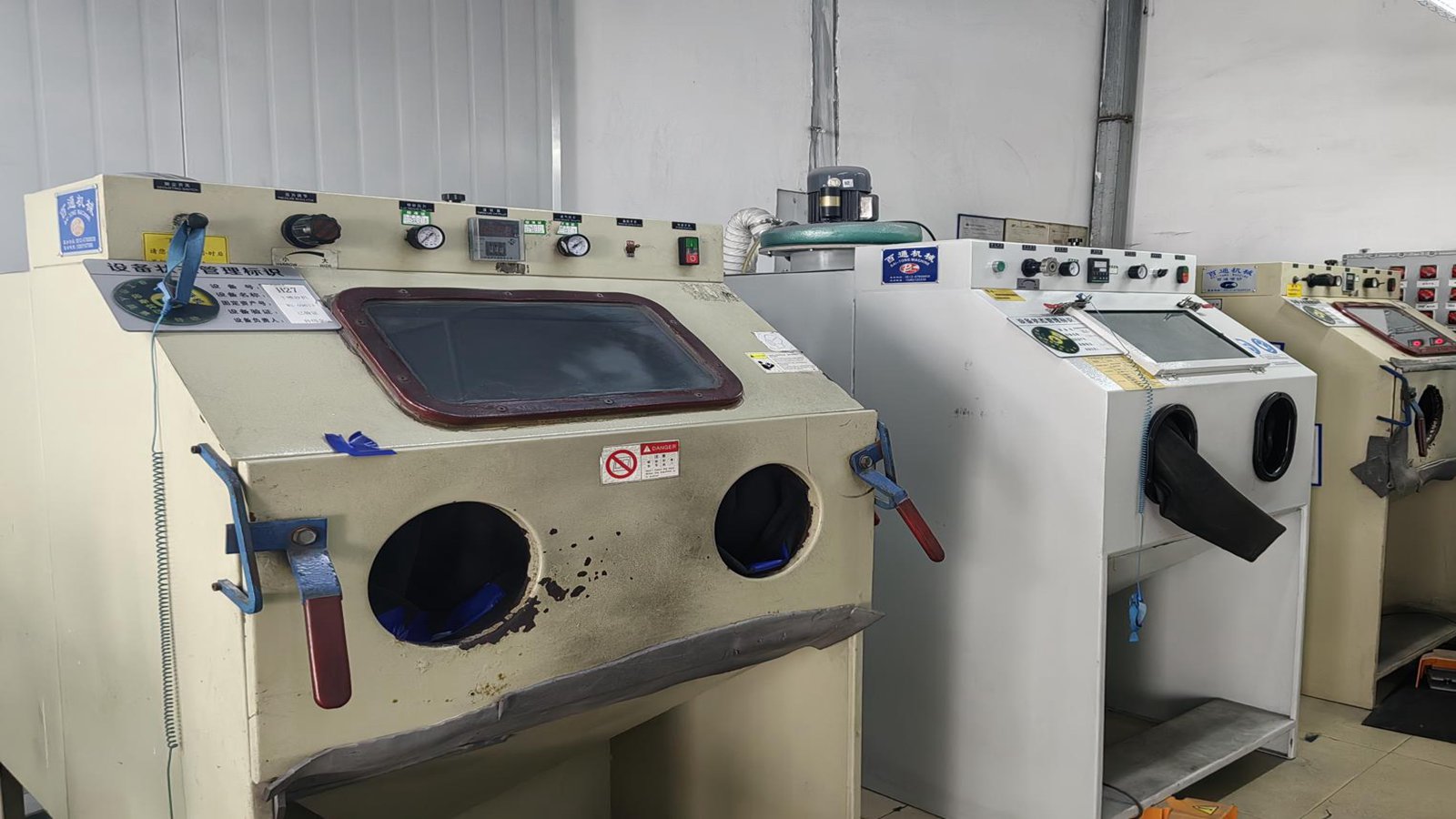
Precision manufacturing is paramount for spinal implants. A deviation of just a few microns in the thread of a pedicle screw or the locking mechanism of a cervical rod can compromise mechanical integrity within the human body. To eliminate these risks, our facility employs automated CNC machining centers, high-tolerance cutting systems, and cleanroom environments designed for sterile processing.
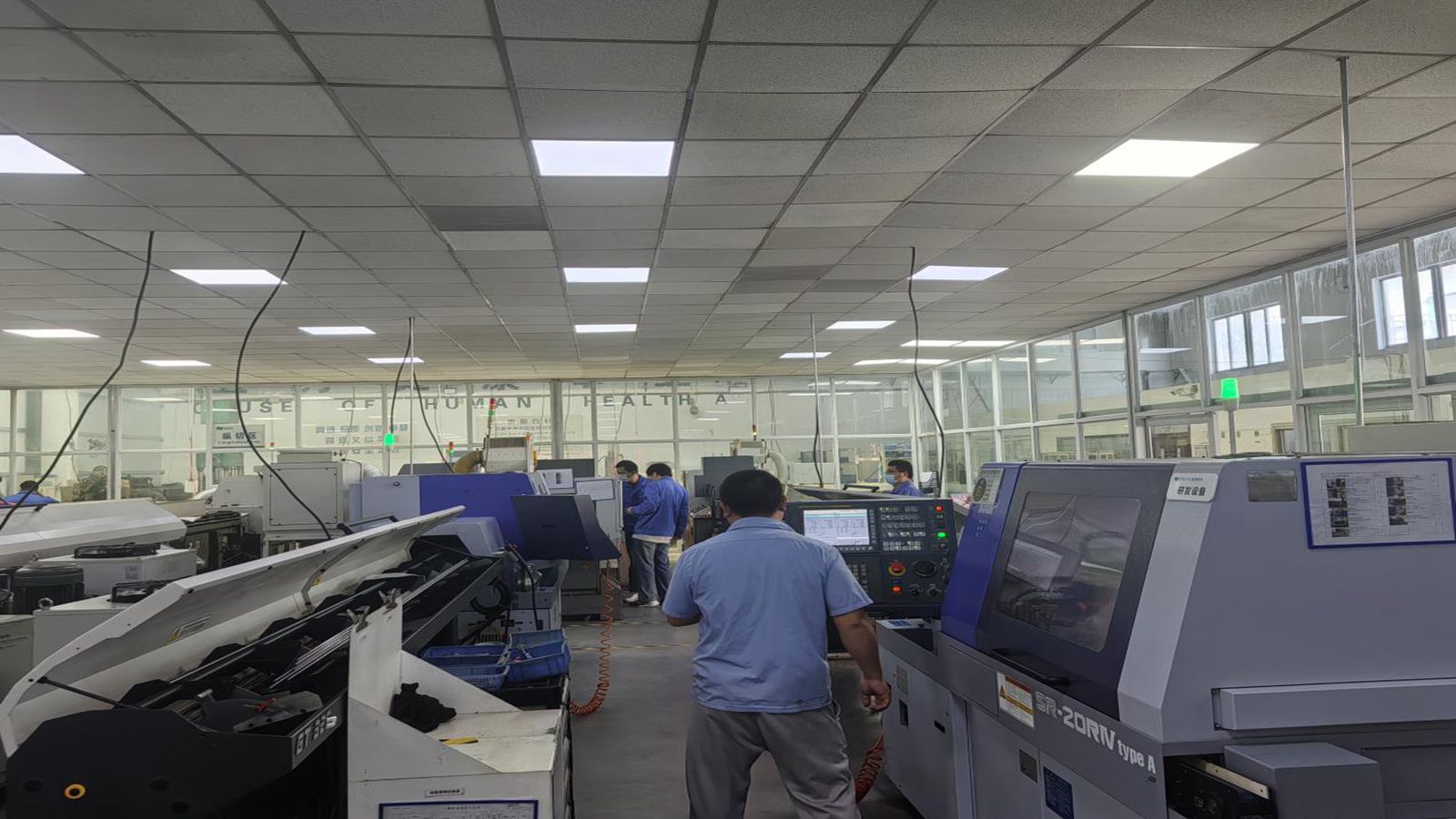
CNC Cutting
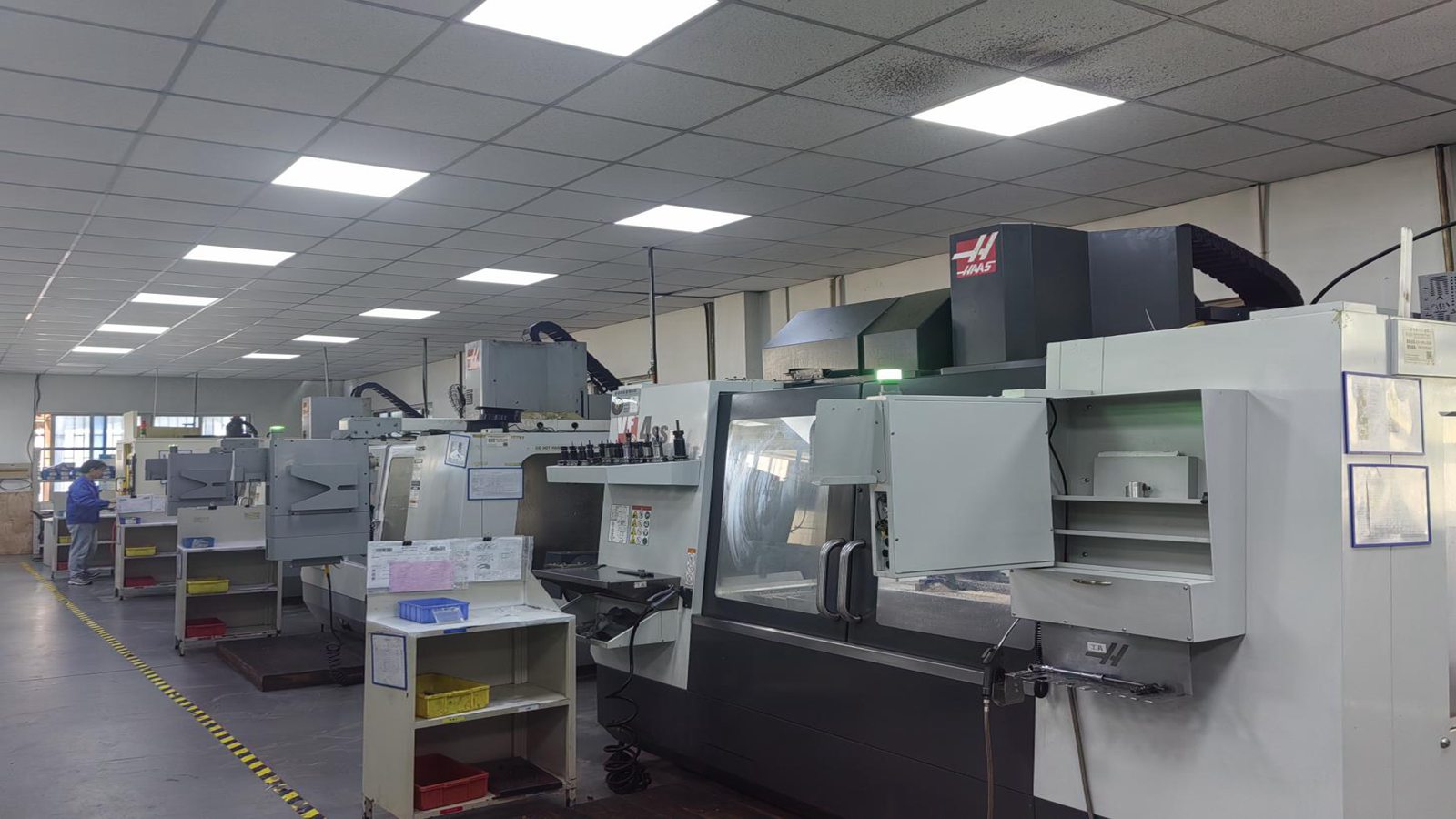
CNC Machining
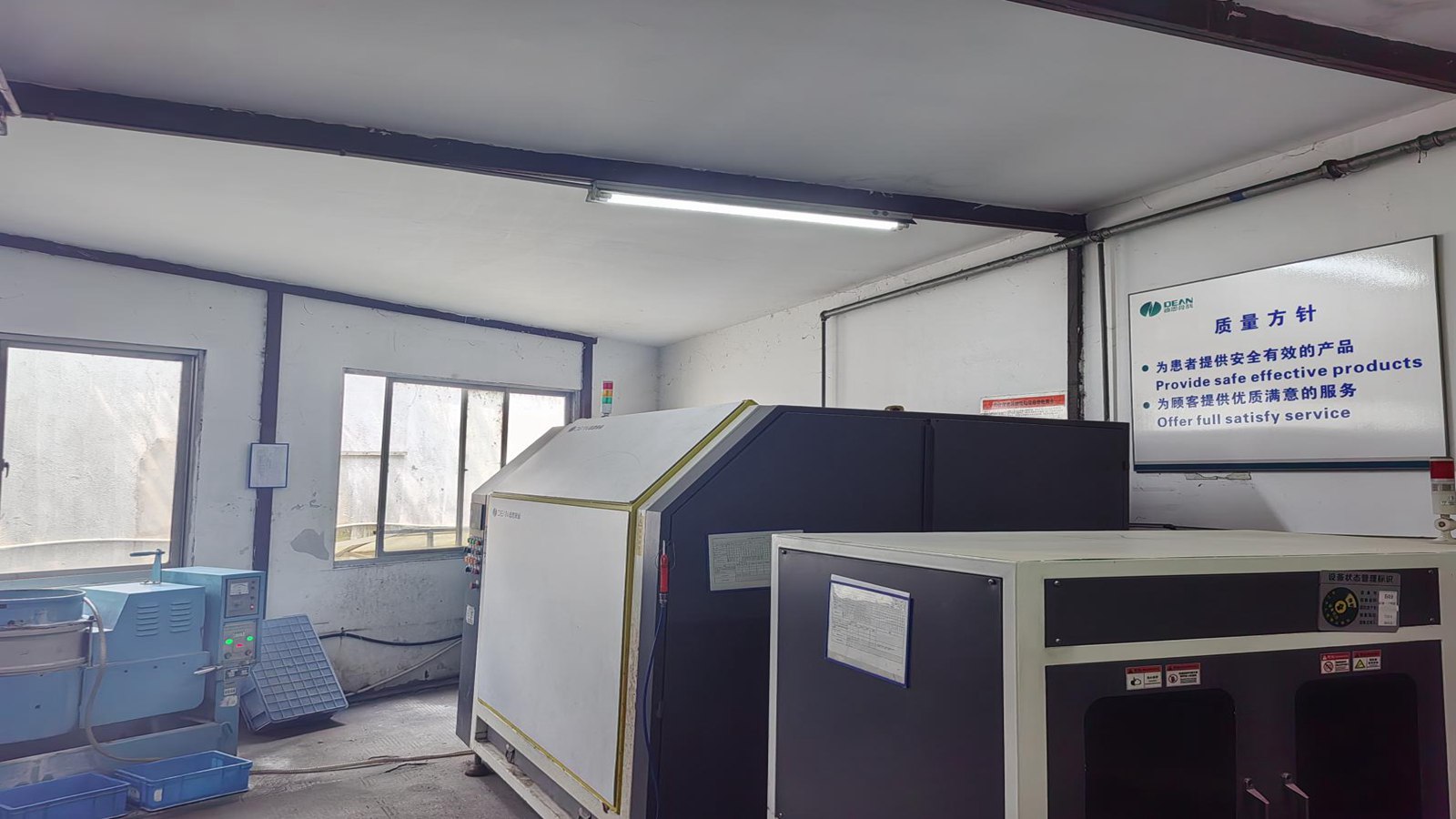
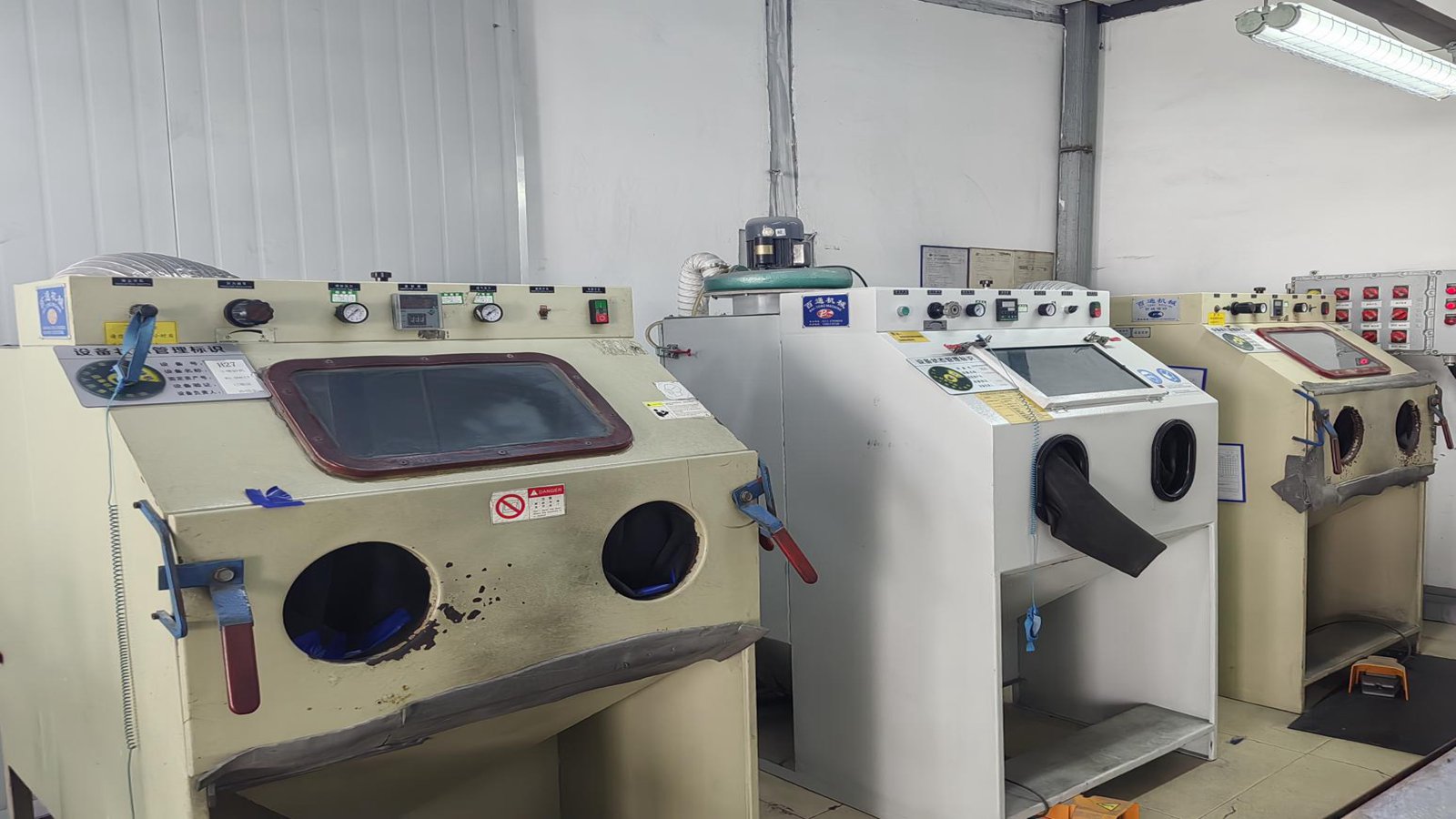
Sand Blasting and Grinding
Polishing
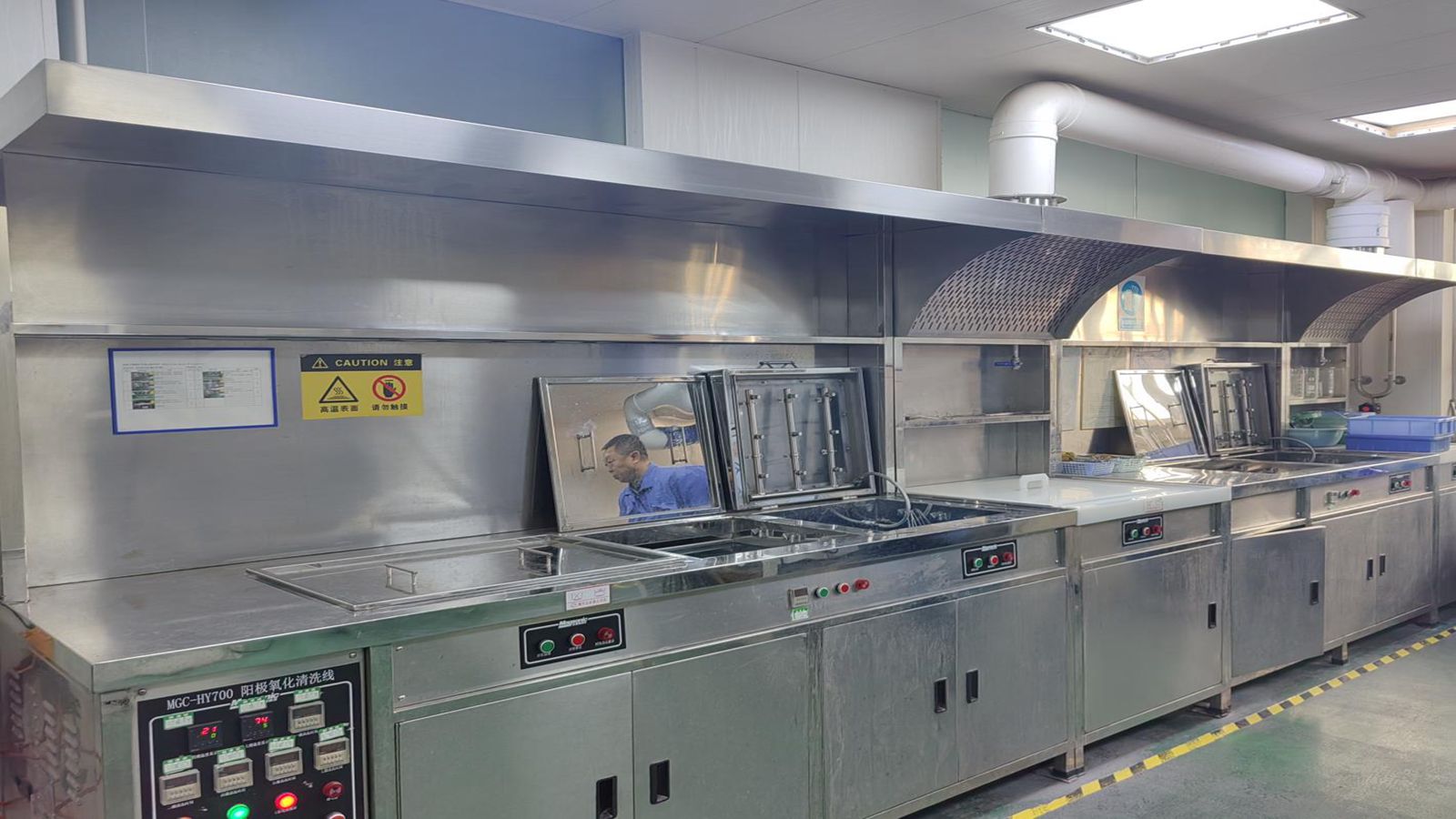
Anode Oxidation Cleaning
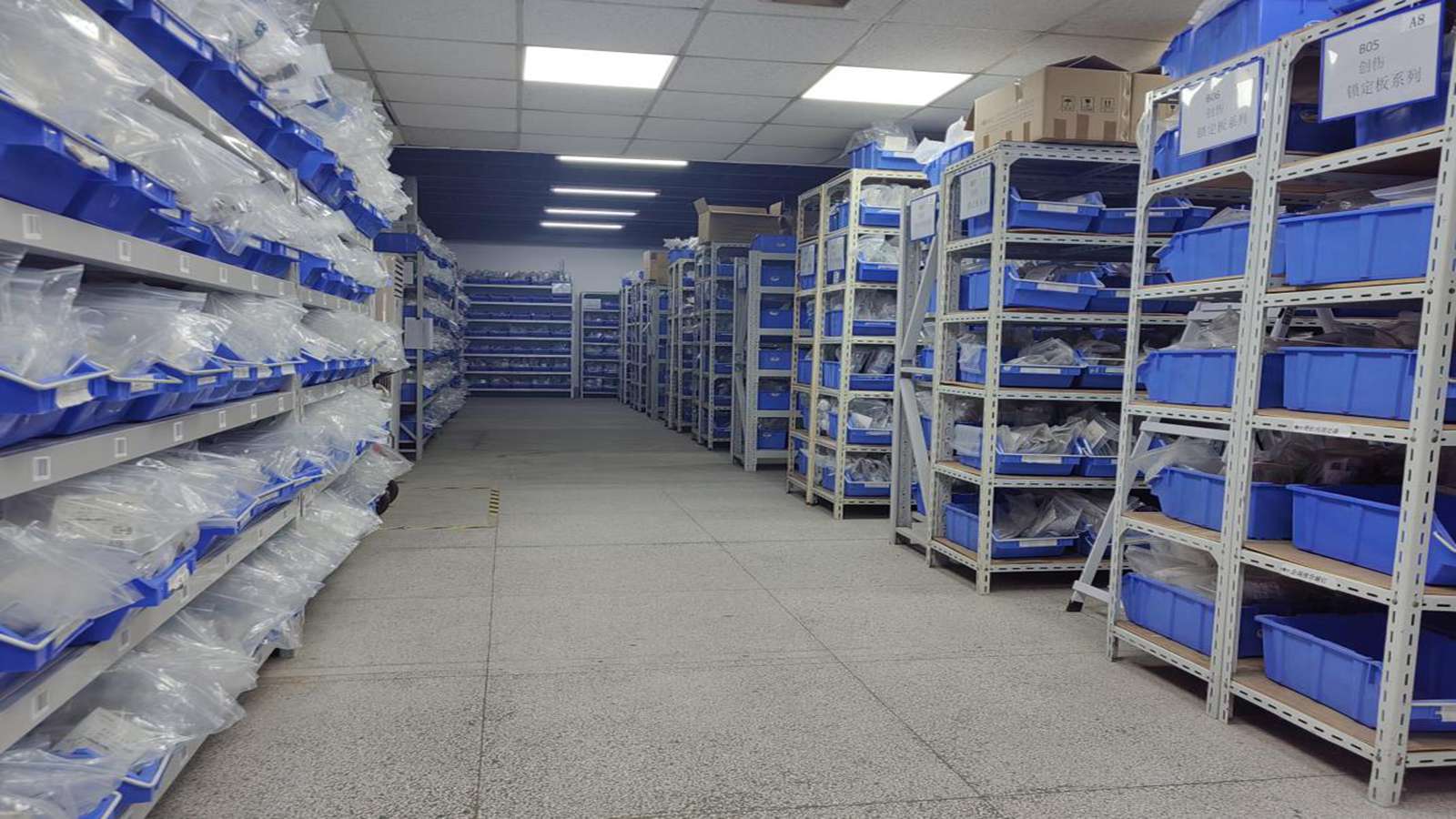
Warehouse
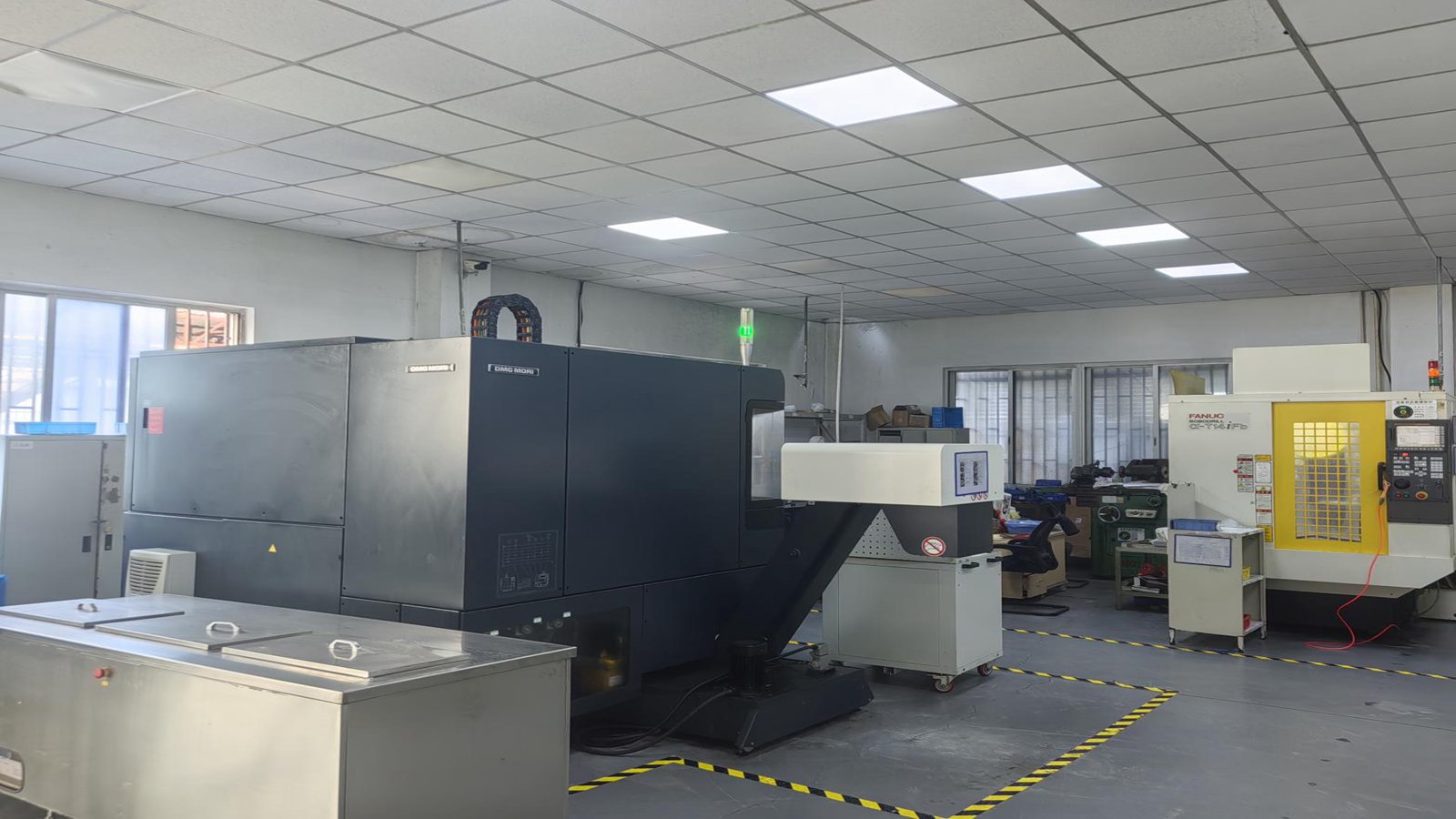
CNC Machining Center
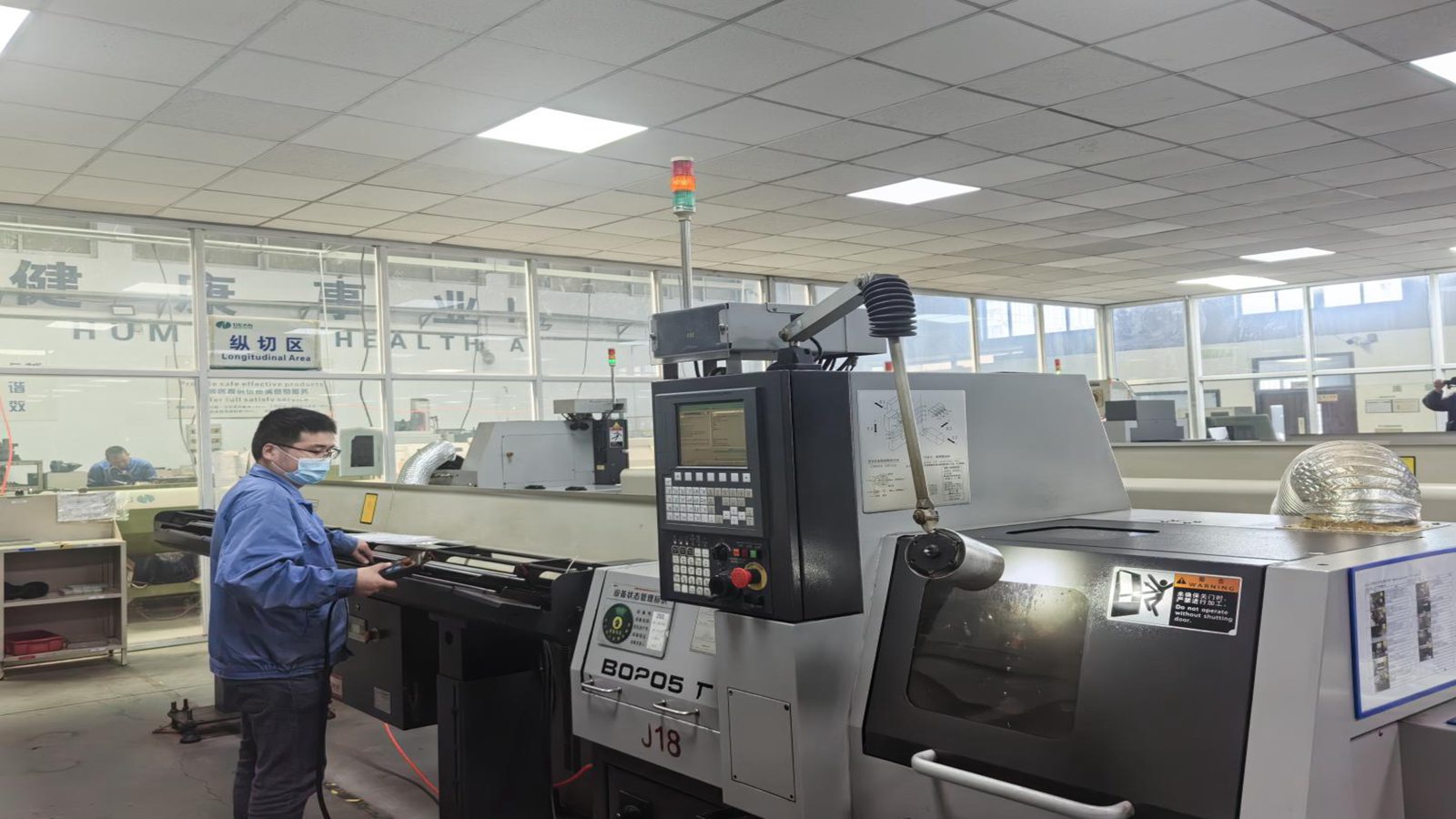
CNC Cutting Machine
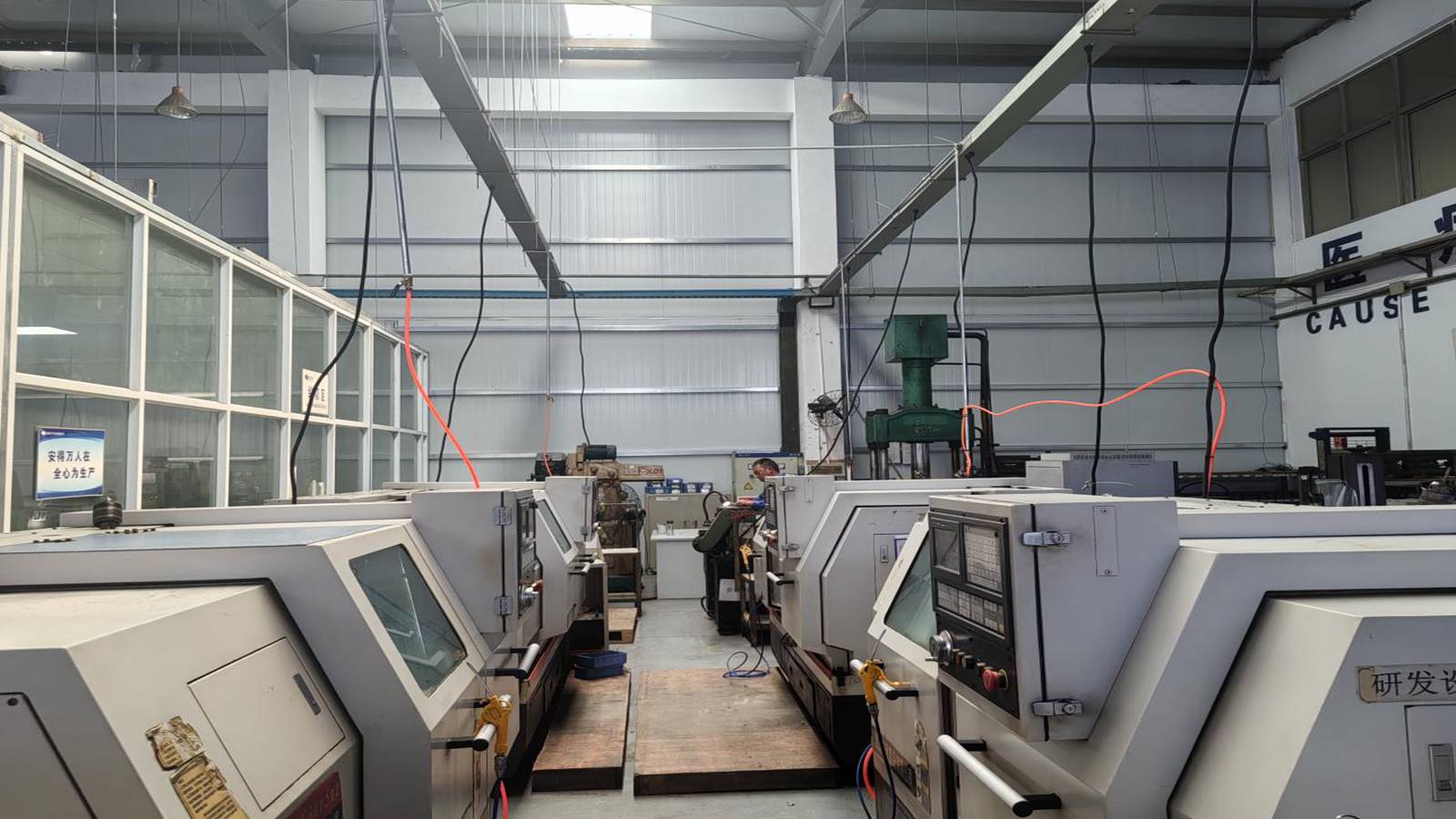
CNC Lathe
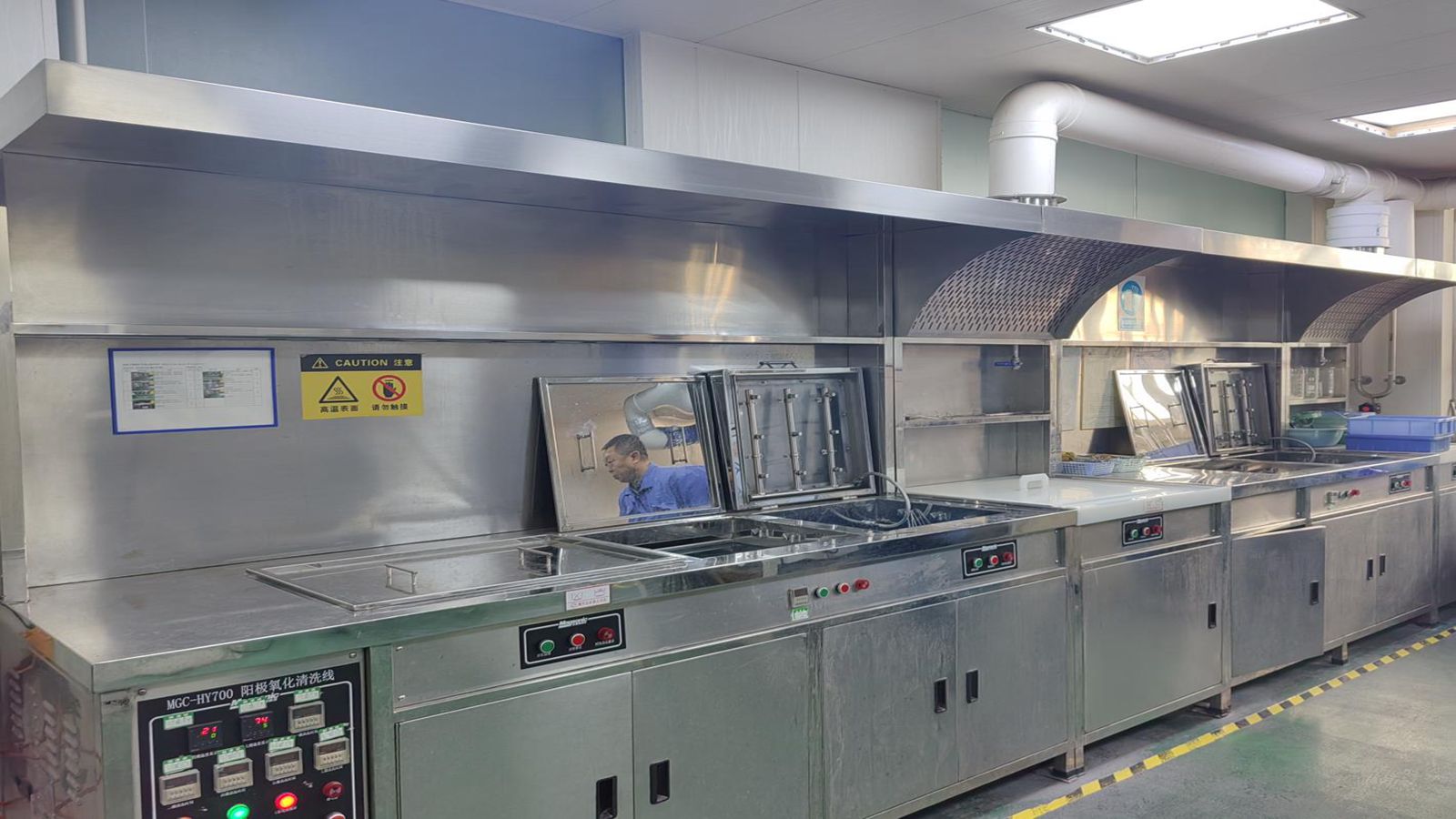
Anode Oxidation Cleaning Line
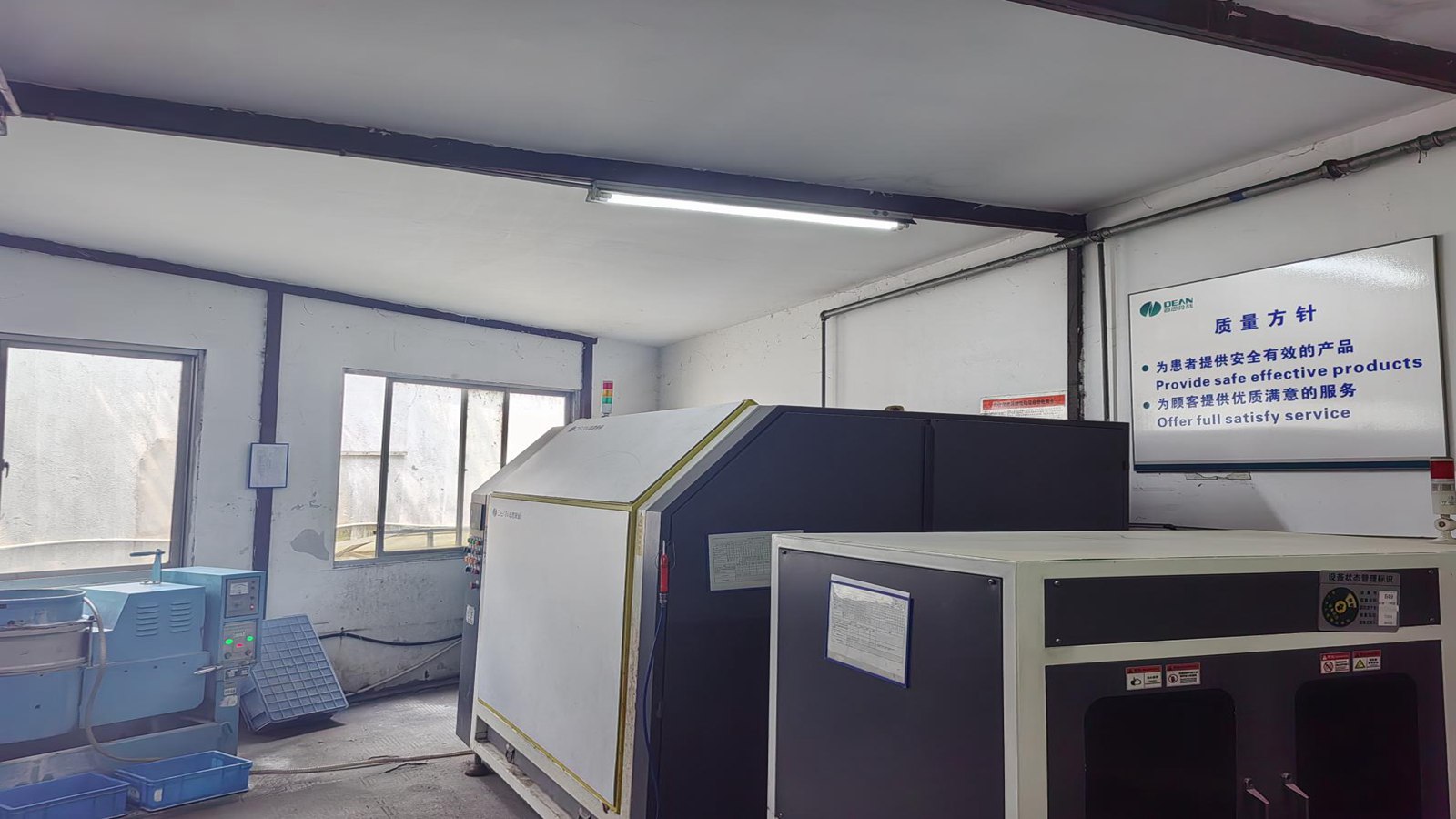
Sand Blasting & Grinding Room
Polishing Workshop
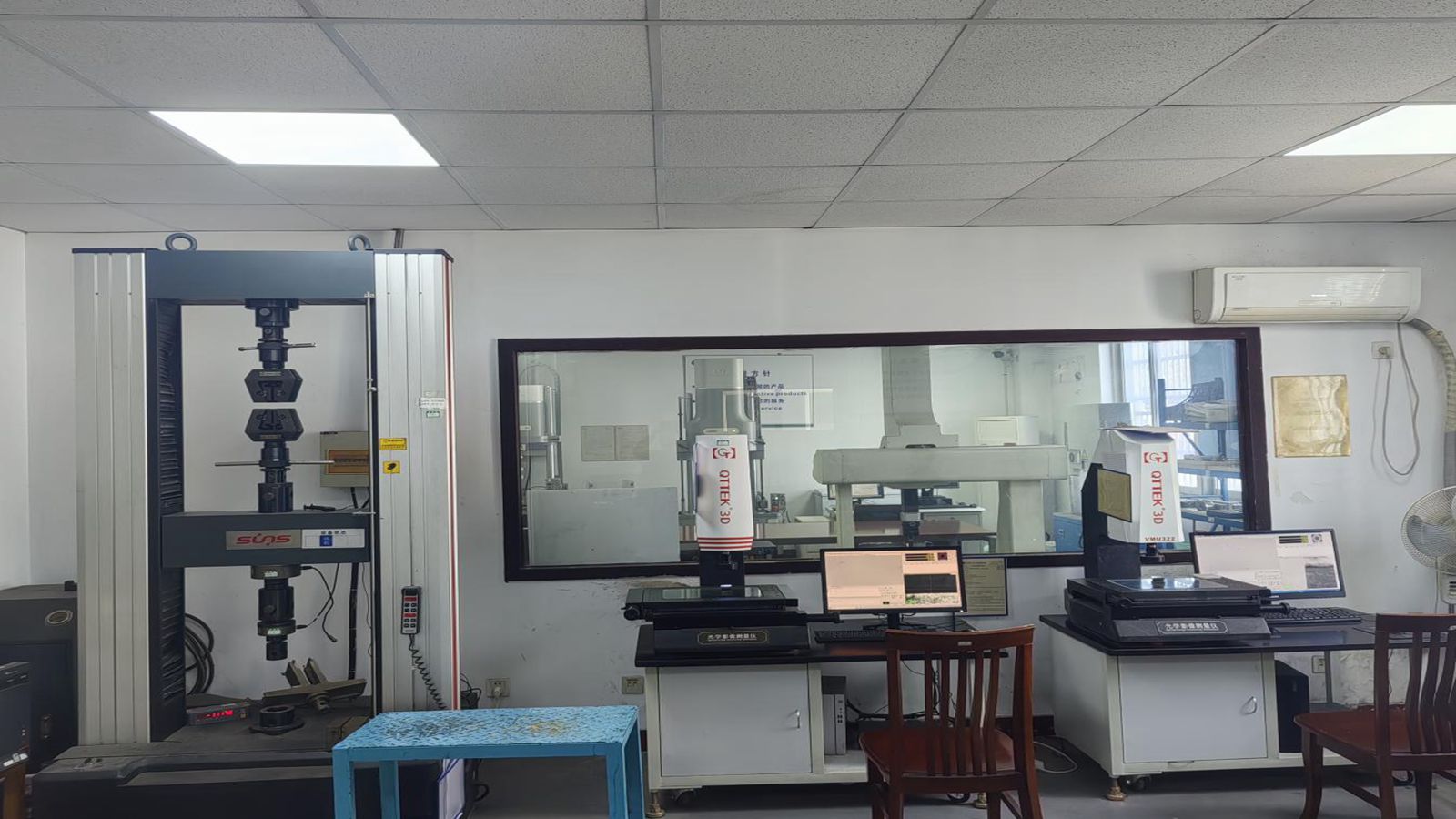
R&D Quality Laboratory
Every production batch undergoes strict verification methods to guarantee mechanical stability and clinical efficacy.
| Testing Category | Specific Test Protocol | Standards Followed | Acceptance Criteria |
|---|---|---|---|
| Mechanical Fatigue Testing | Dynamic axial, torsional, and bending fatigue loading under simulated physiological environment. | ASTM F1717 / ISO 12189 | No structural fatigue or crack generation after 5 million loading cycles at specified forces. |
| Materials Characterization | ICP-AES elemental composition analysis, microstructure examination, and grain size verification. | ASTM F136 (Titanium) / ASTM F2026 (PEEK) | 100% compliance with chemistry and grain microstructure standards for surgical implant applications. |
| Surface Characterization | Roughness measurements, anodization coating thickness analysis, and particulate cleanliness checks. | ISO 13485 cleanroom protocols | Ra ≤ 0.8 µm for non-porous contact zones; complete bio-contamination mitigation. |
| Sterility & Biocompatibility | In vitro cytotoxicity testing, skin sensitization tests, pyrogen levels, and EO sterilization validation. | ISO 10993 Series / ISO 11135 | Non-toxic, non-irritant, pyrogen-free; Sterility Assurance Level (SAL) of 10^-6. |
Engineered to support precise surgical interventions in various specialized orthopedic fields.
For complex cases such as idiopathic scoliosis, kyphosis, or severe vertebral translation, our pedicle screw constructs offer the necessary rotational stability and correction forces. Ergonomic reduction tabs and contoured rods allow surgeons to achieve three-dimensional spine alignment with optimal pullout resistance.
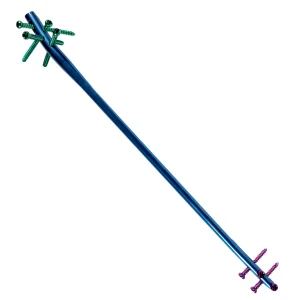
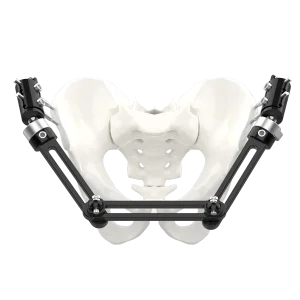
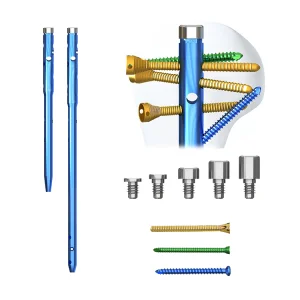
In high-energy pelvic trauma, unstable thoracolumbar fractures, or multi-fragmented long bone breaks, our external pelvic frames and intramedullary interlocking nails provide rapid stabilization. These systems are designed to limit soft-tissue damage and promote early weight-bearing recovery.
Our anterior and posterior cervical and lumbar cages (including zero-profile configurations) address segmental instability, spinal stenosis, and degenerative disc disease. These devices restore disc height and provide immediate stability to facilitate high arthrodesis success rates.
Answers to key regulatory, metallurgical, and distribution questions frequently raised by global orthopedic buyers.
We utilize high-grade Ti-6Al-4V ELI (Extra Low Interstitial) Titanium Alloy compliant with ASTM F136 specifications. This alloy features lower carbon, oxygen, nitrogen, and iron contents, providing enhanced mechanical toughness and fatigue resistance compared to standard titanium grades, which is essential for load-bearing spinal constructs.
Every single raw material delivery is assigned a unique material trace code linked to its original steel mill certificate. Throughout the manufacturing process—from CNC cutting to polishing, cleaning, and sterilization—every implant maintains a strict batch production record. An individual laser-etched UDI (Unique Device Identification) code ensures complete traceability throughout the device life cycle.
Our manufacturing systems operate under international quality standards, holding full ISO 13485 certifications for medical device manufacturing. Many of our spinal stabilization systems, trauma nails, and external frames are CE certified, ensuring adherence to safety, health, and environmental requirements in European markets and globally.
Yes, we provide extensive OEM/ODM support. Backed by our R&D team of 85 biomechanical engineers, we can customize pedicle screw thread profiles, design anatomy-conforming plates, optimize surgical instrument ergonomics, and manufacture specialized components. We also offer private label branding and custom sterile packaging services.
Implant designs must undergo dynamic testing before clinical release. We perform mechanical fatigue testing based on ASTM F1717 and ISO 12189. These evaluations include dynamic axial compression-bending, static compression-bending, and torsional testing to ensure our implants withstand the long-term biological loads encountered in clinical applications.
High-precision instrumentation, maxillofacial systems, and specialized animal health orthopedic solutions.