Medispirex
Medispirex
Medispirex
Explore our cutting-edge orthopedic solutions engineered with sub-micron surgical tolerances, certified to match international Class III clinical standards.
An in-depth look at global clinical demand, supply-chain configurations, and technological paradigms of modern patellar components.
The global orthopedics market has witnessed a major paradigm shift toward preserving physiological kinematics during total knee arthroplasty (TKA). As part of this trajectory, Patellar Components (or patellar buttons) have evolved from simple planar polyethylene inserts to highly complex, asymmetric anatomical devices designed to reduce patellofemoral complication rates—which historically accounted for up to 30% of TKA post-operative complaints.
Modern clinical data highlights that optimizing the patellofemoral interface requires customized materials capable of enduring dynamic loads exceeding 3.5 times body weight during deep flexion. Consequently, purchasing departments, surgical centers, and OEM distributors are focusing on sourcing manufacturers capable of processing ultra-high-molecular-weight polyethylene (UHMWPE) and premium titanium alloys with uncompromising quality controls.
Why international medical brands choose Medispirex Orthopedic Technology Co., Ltd. for scalable, high-precision orthopedic manufacturing.
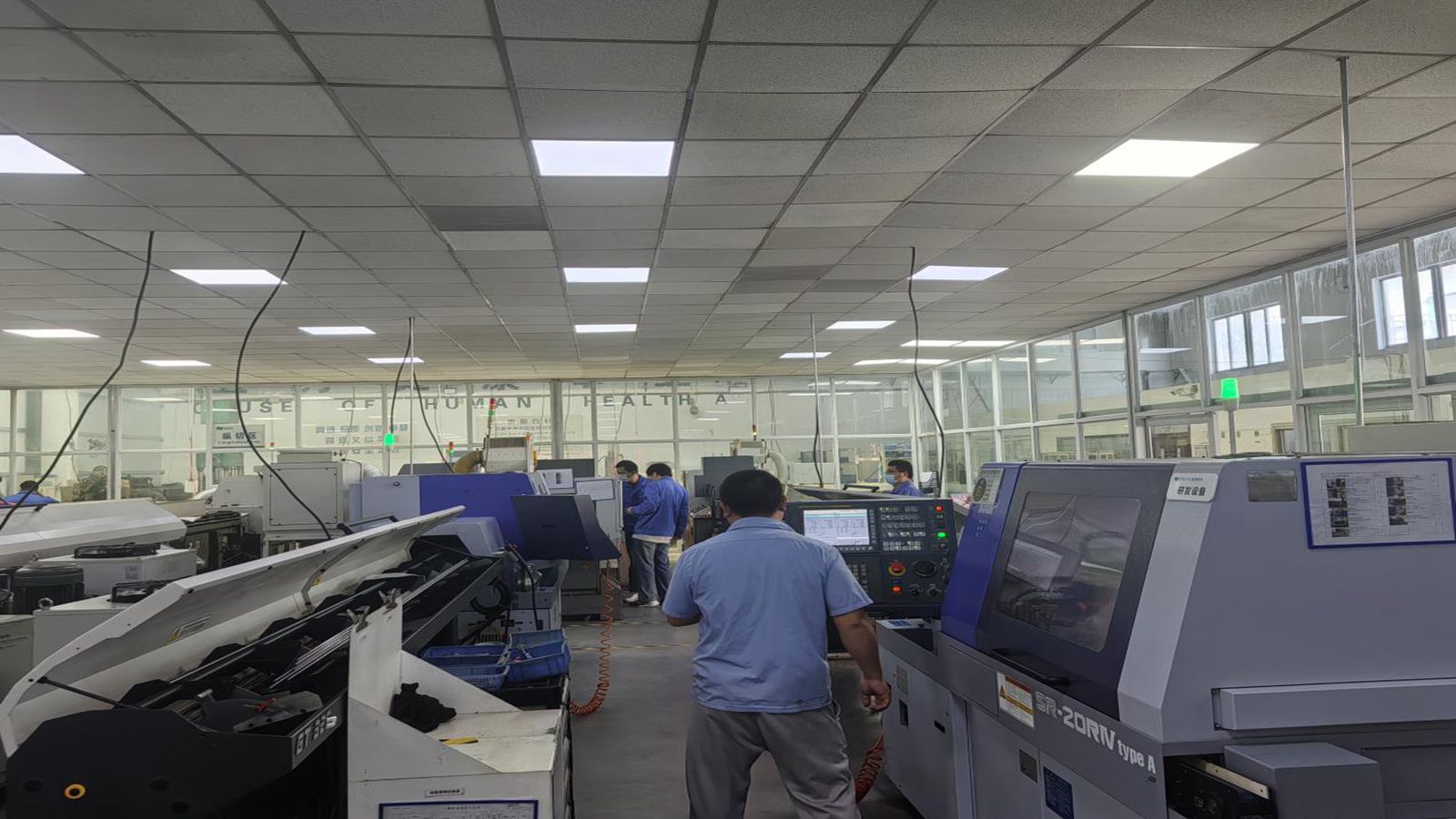
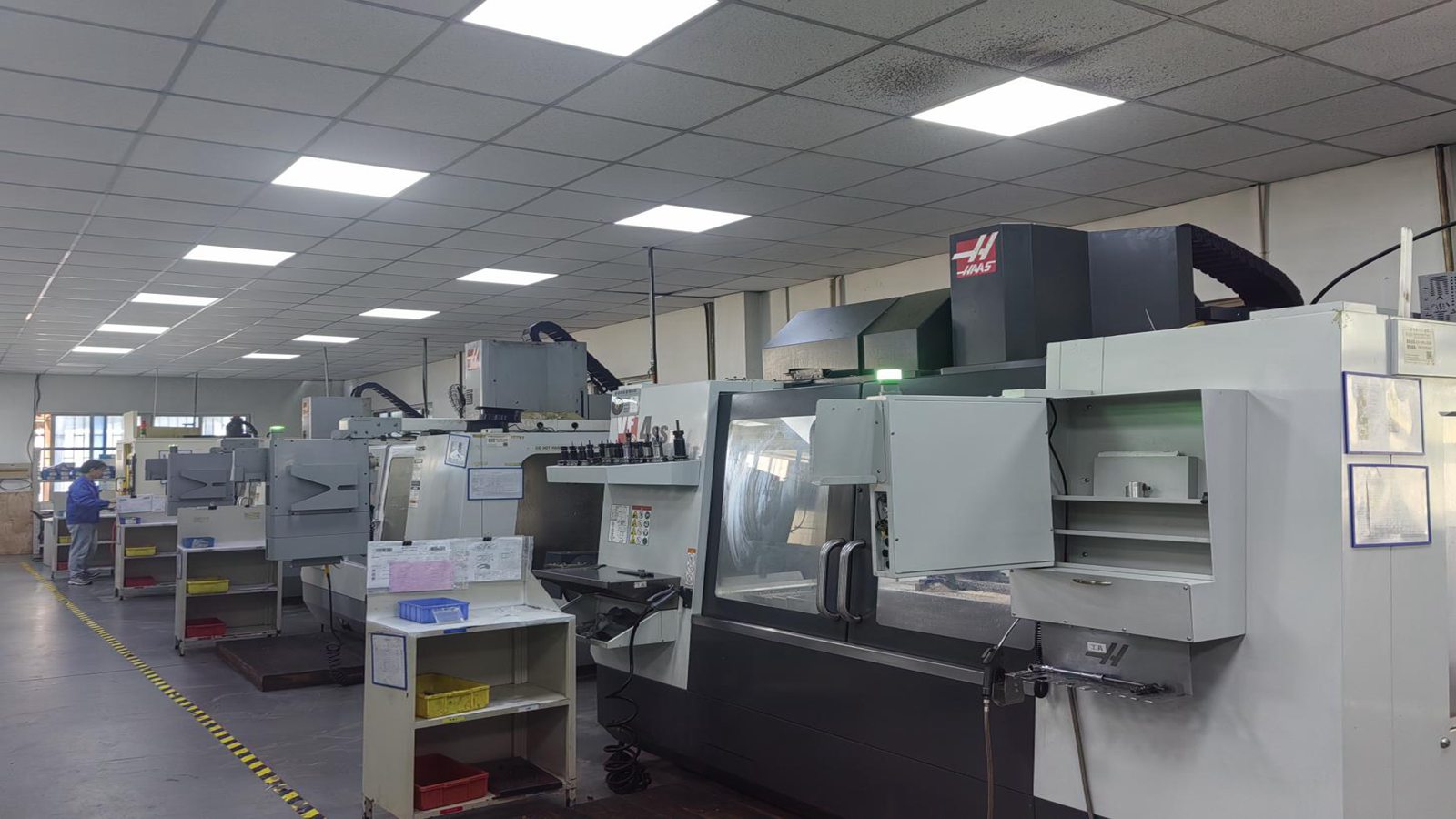
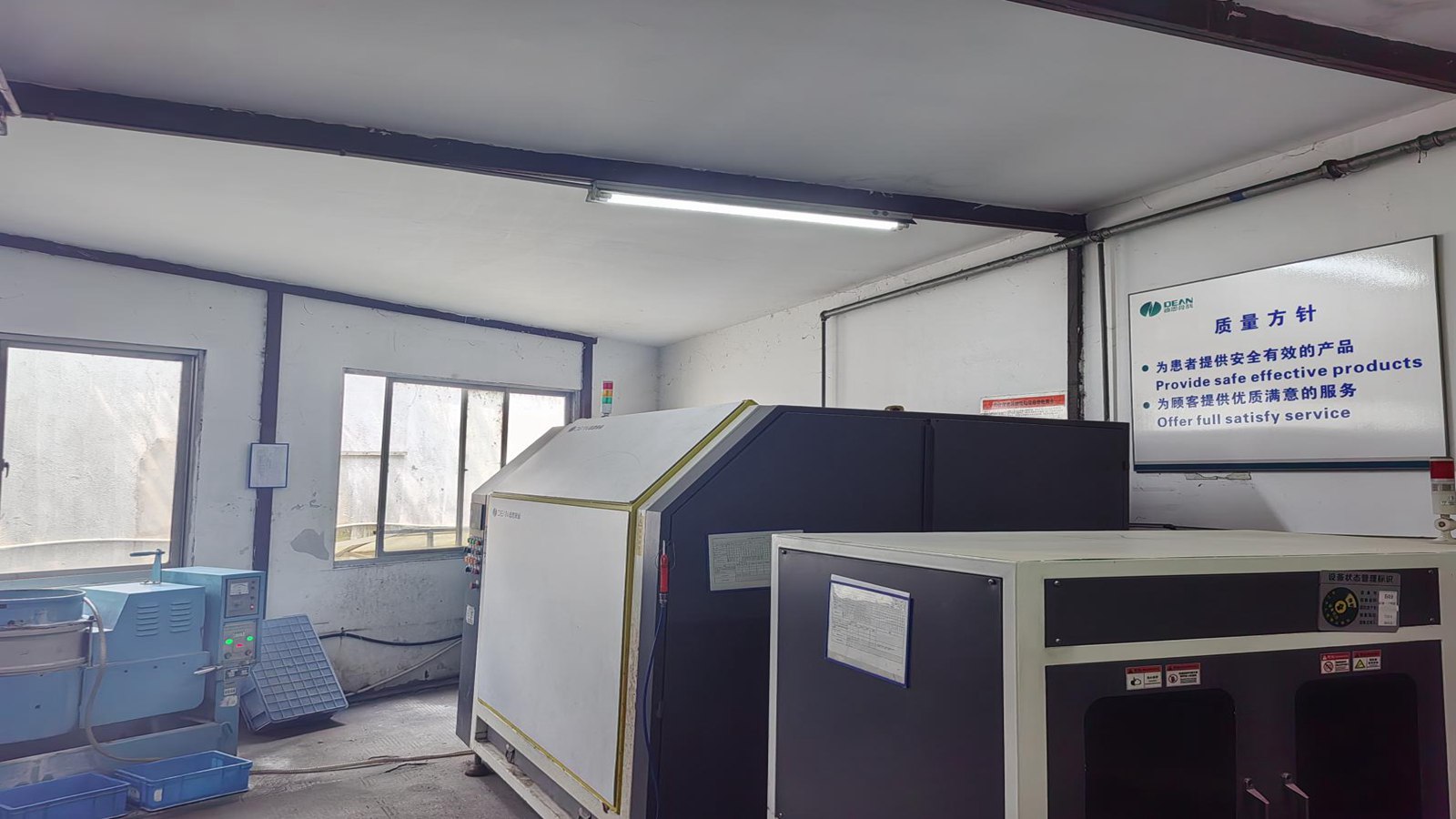
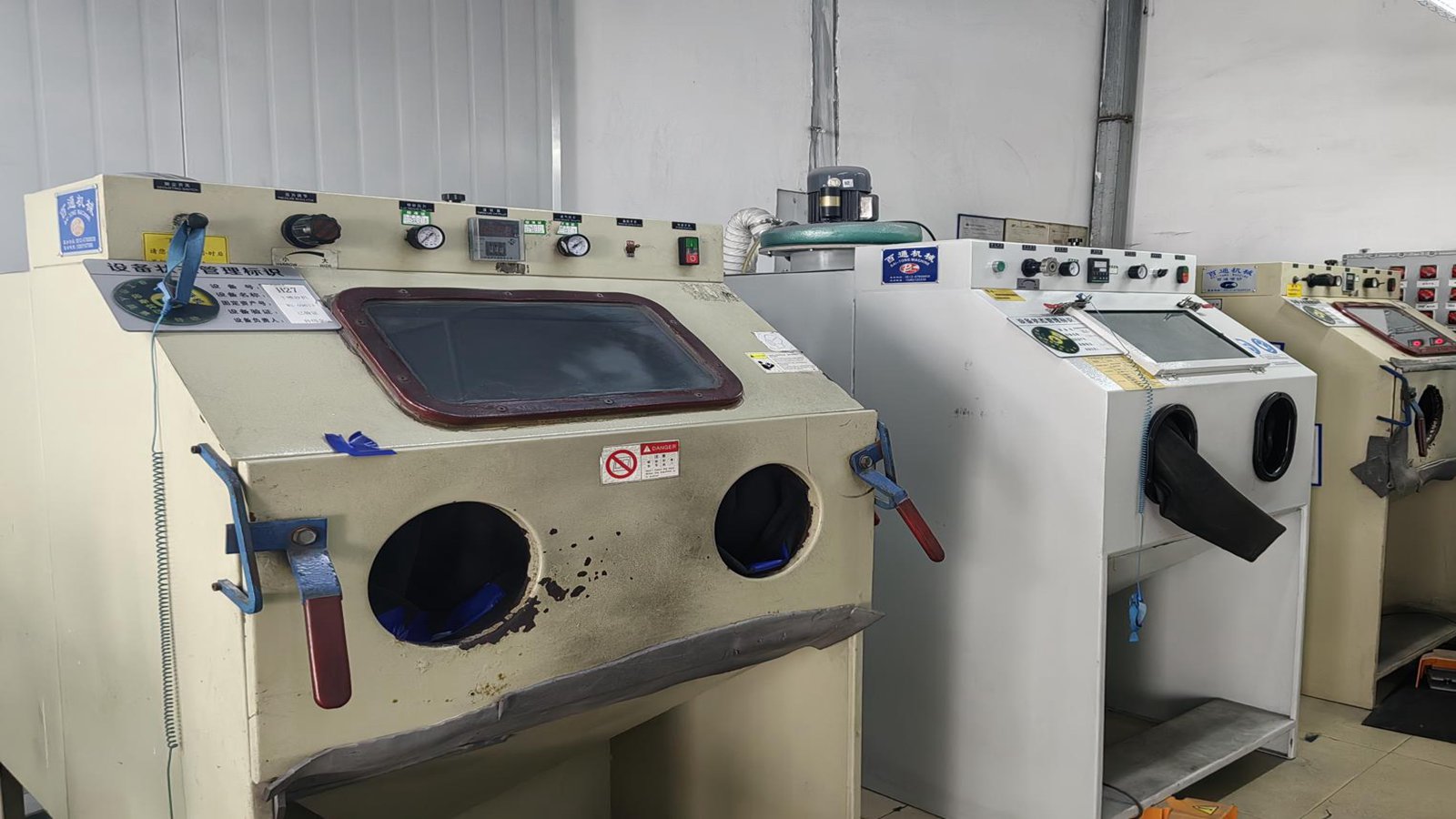
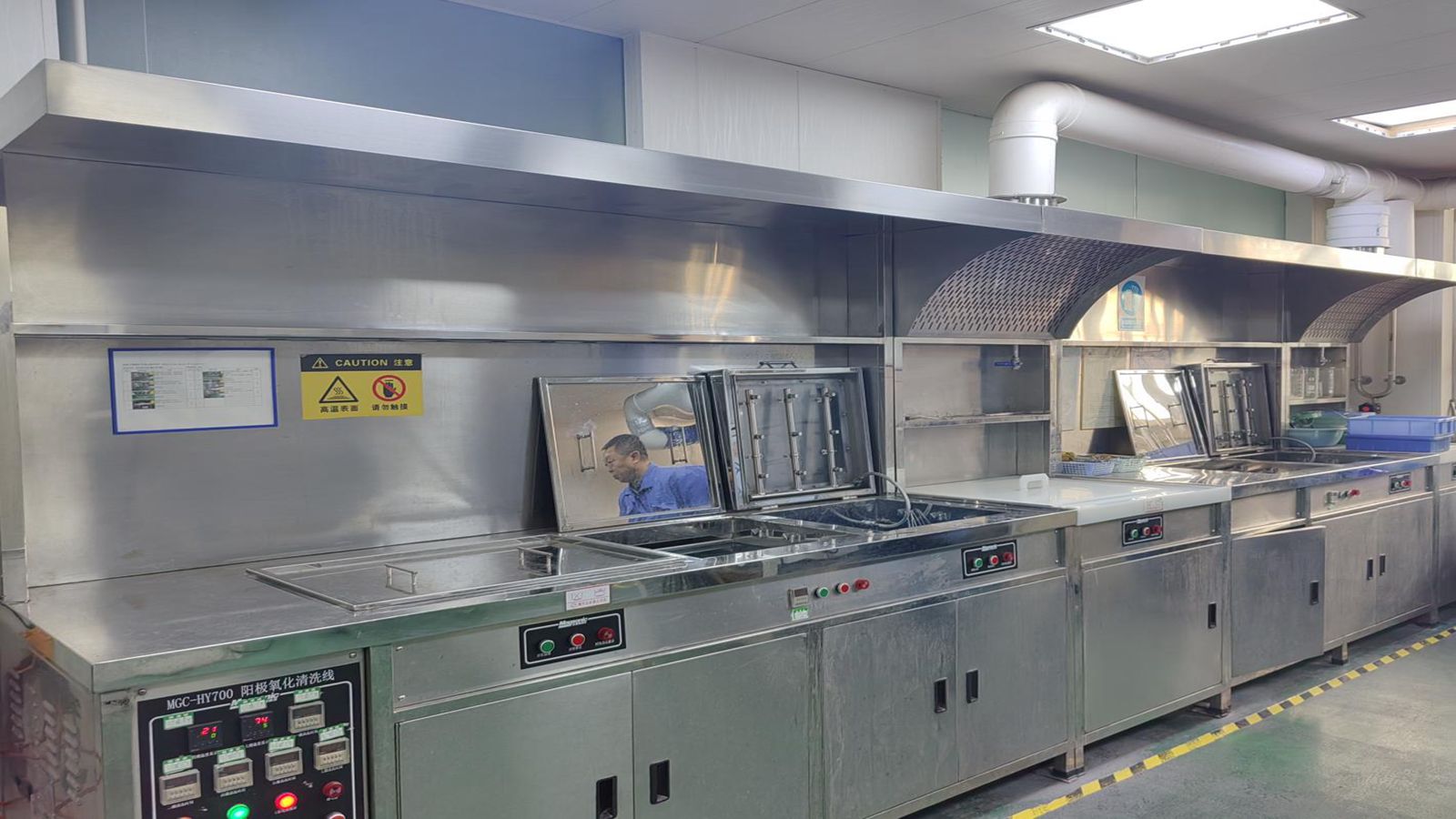
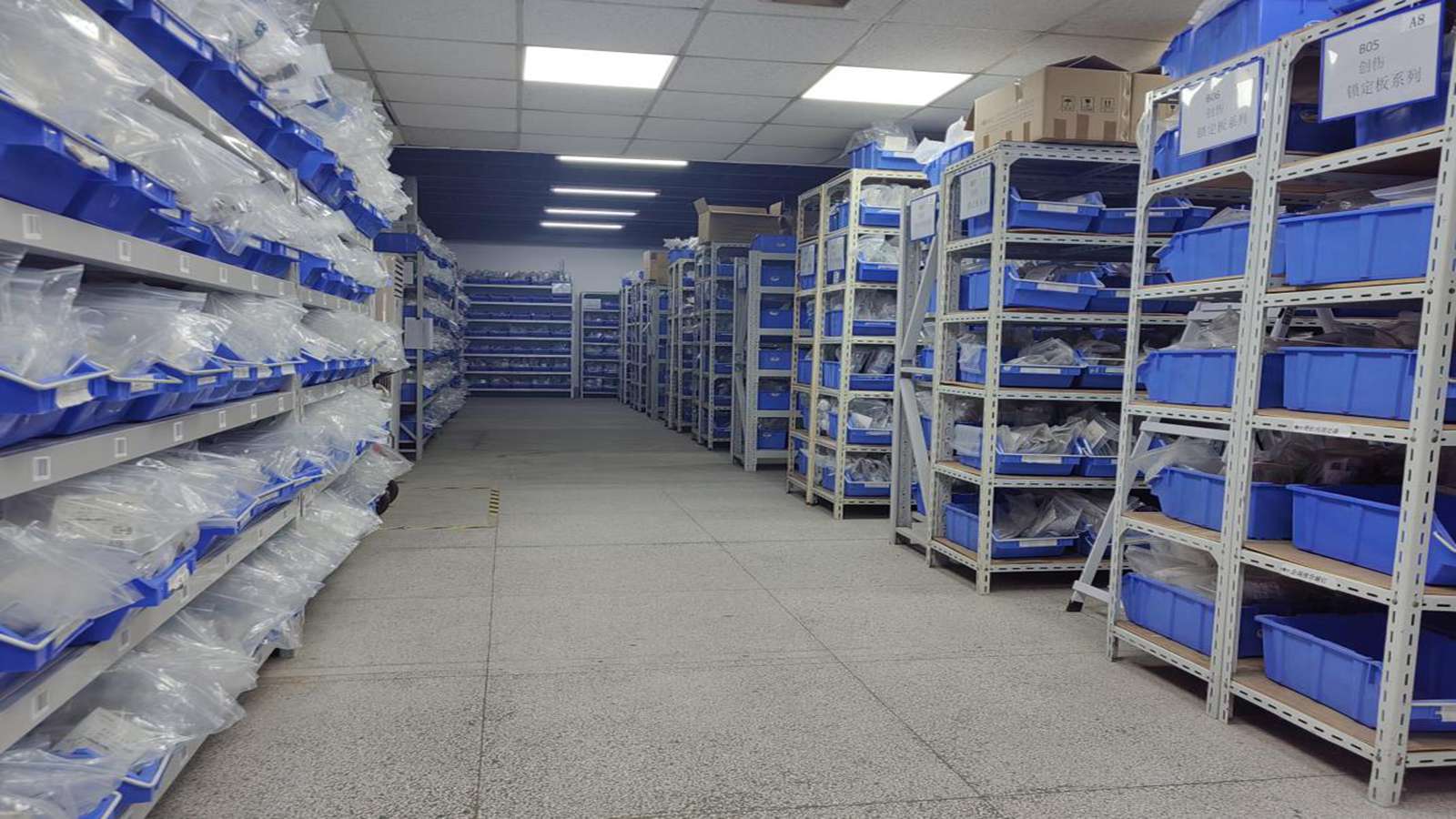
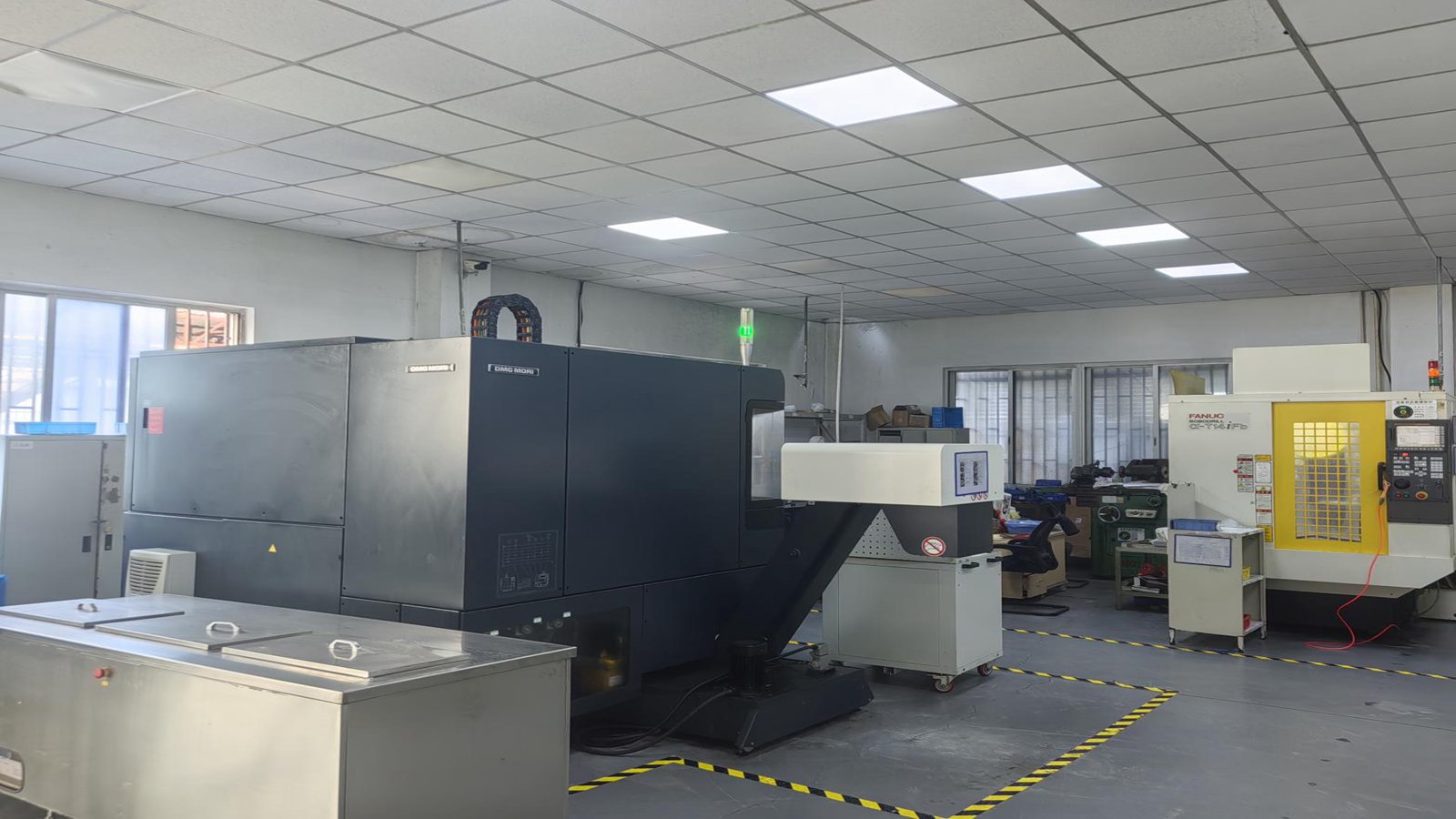
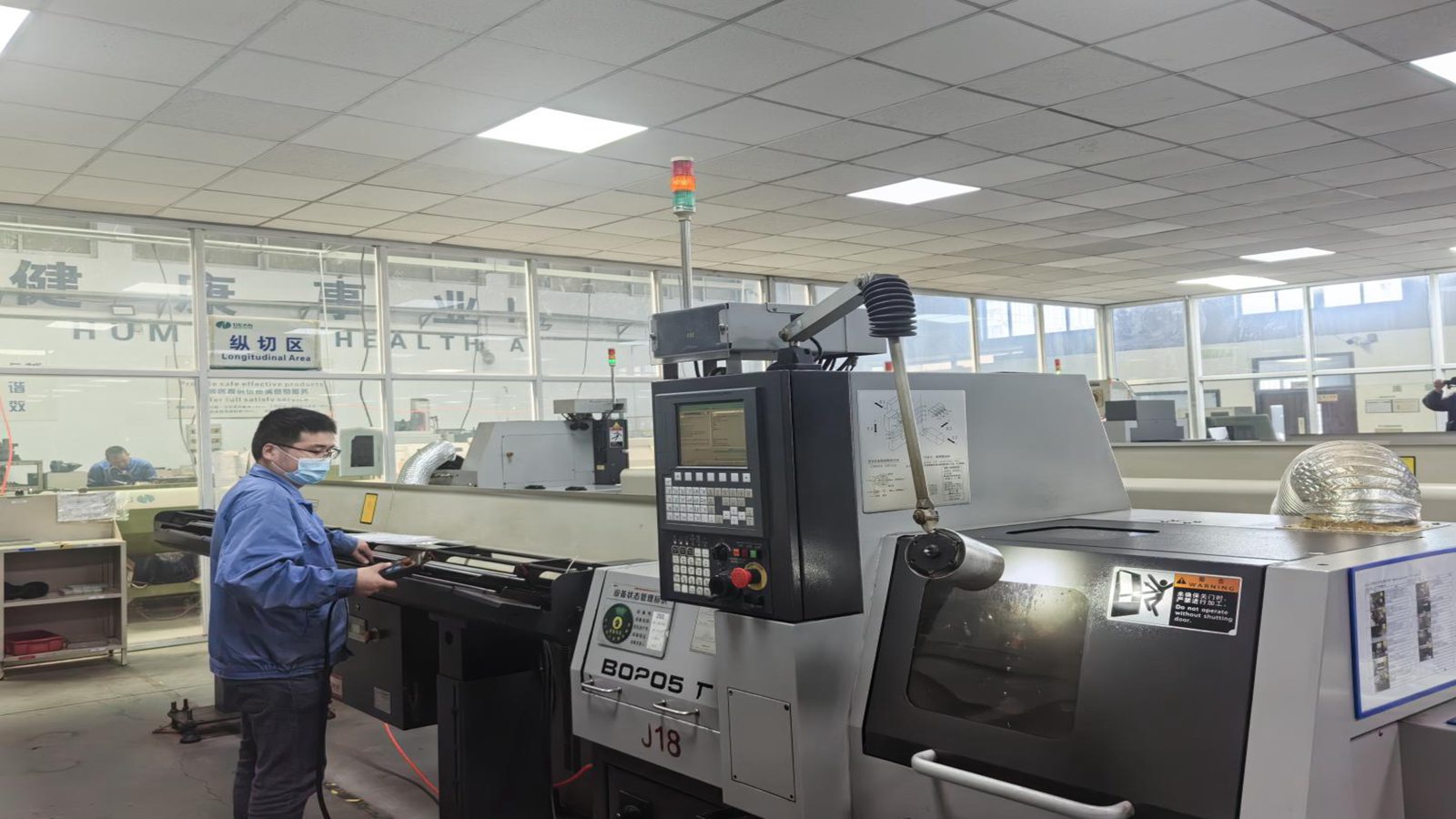
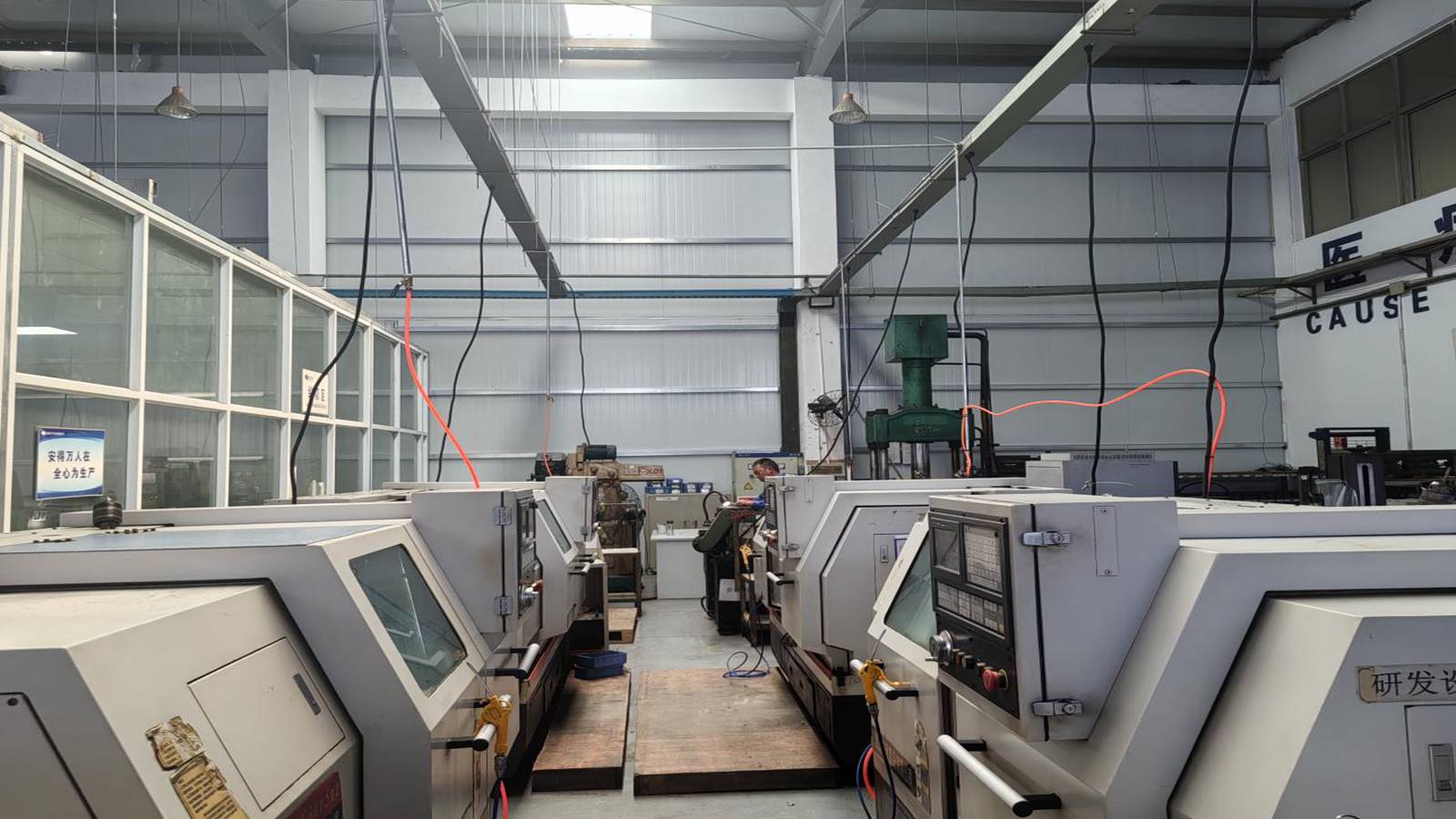
Founded in 2016, Medispirex Orthopedic Technology Co., Ltd. stands as a premier enterprise in spine and orthopedic implant manufacturing. Supported by over 12 years of industry expertise and 7 years of direct export operations, we offer unmatched manufacturing security for distributors globally. Our infrastructure facilitates seamless production from raw materials to final packaging, maintaining absolute biological cleanliness and mechanical precision.
By coordinating with our integrated network of 860 upstream and downstream partners, we eliminate common supply chain vulnerabilities, guaranteeing stable lead times even during global shipping fluctuations. Our manufacturing system handles everything from bulk raw medical material purchasing (such as medical-grade titanium and UHMWPE) to precise advanced surface modifications, yielding cost efficiencies that we pass directly to our global wholesale clients.
Every step of our process—from CNC block cutting to chemical anodization—is audited under ISO 13485 quality protocols.
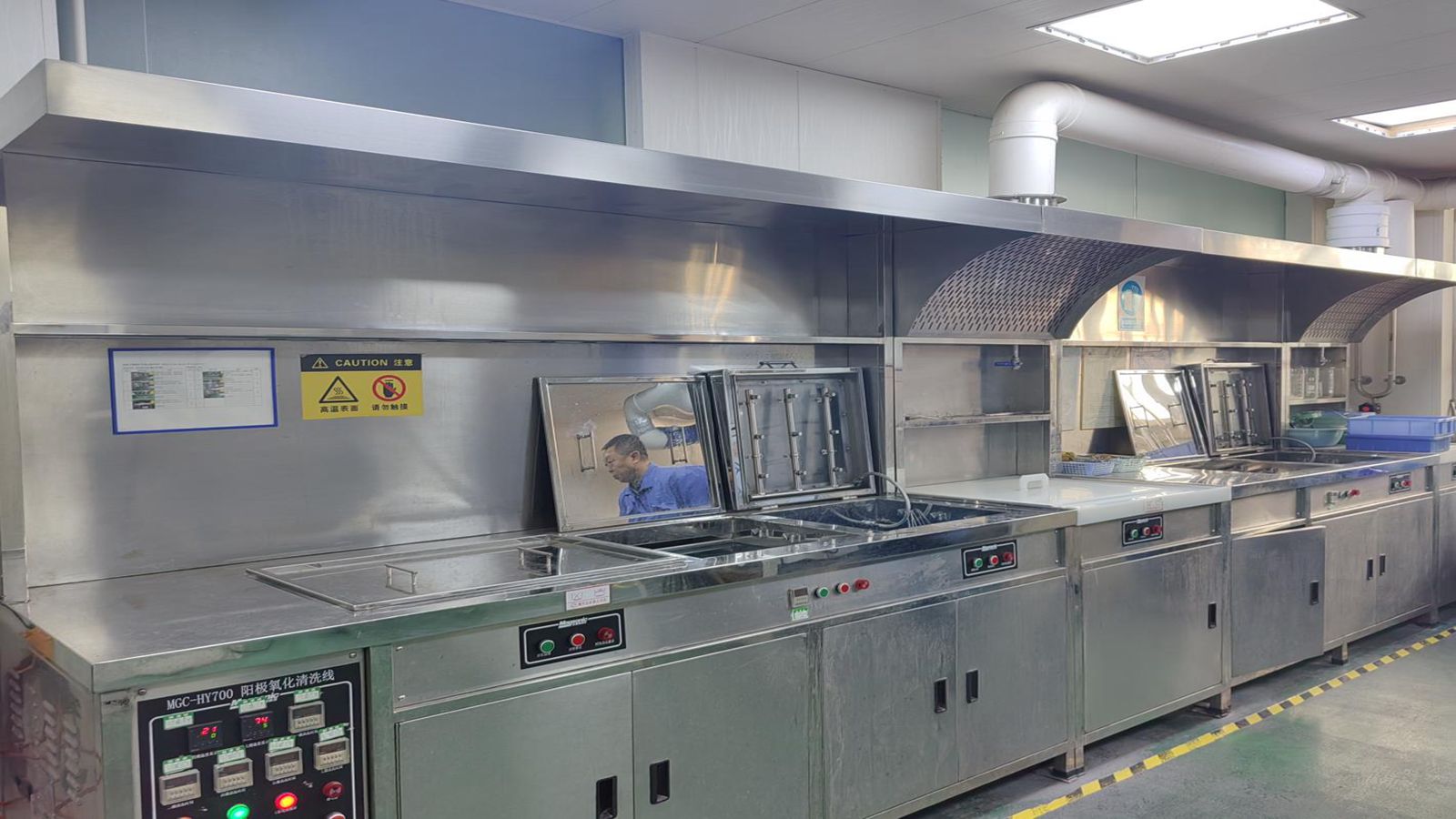
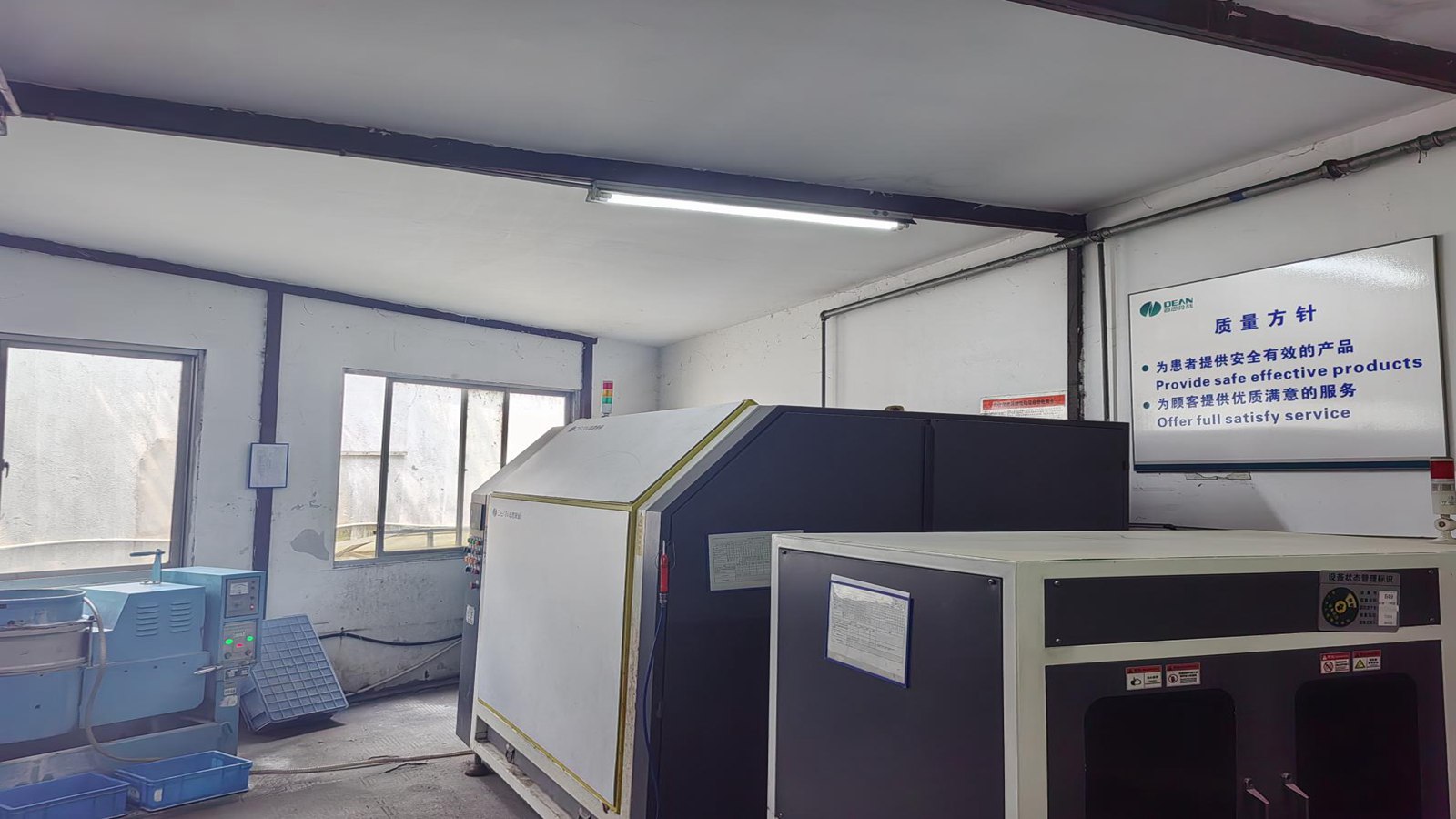
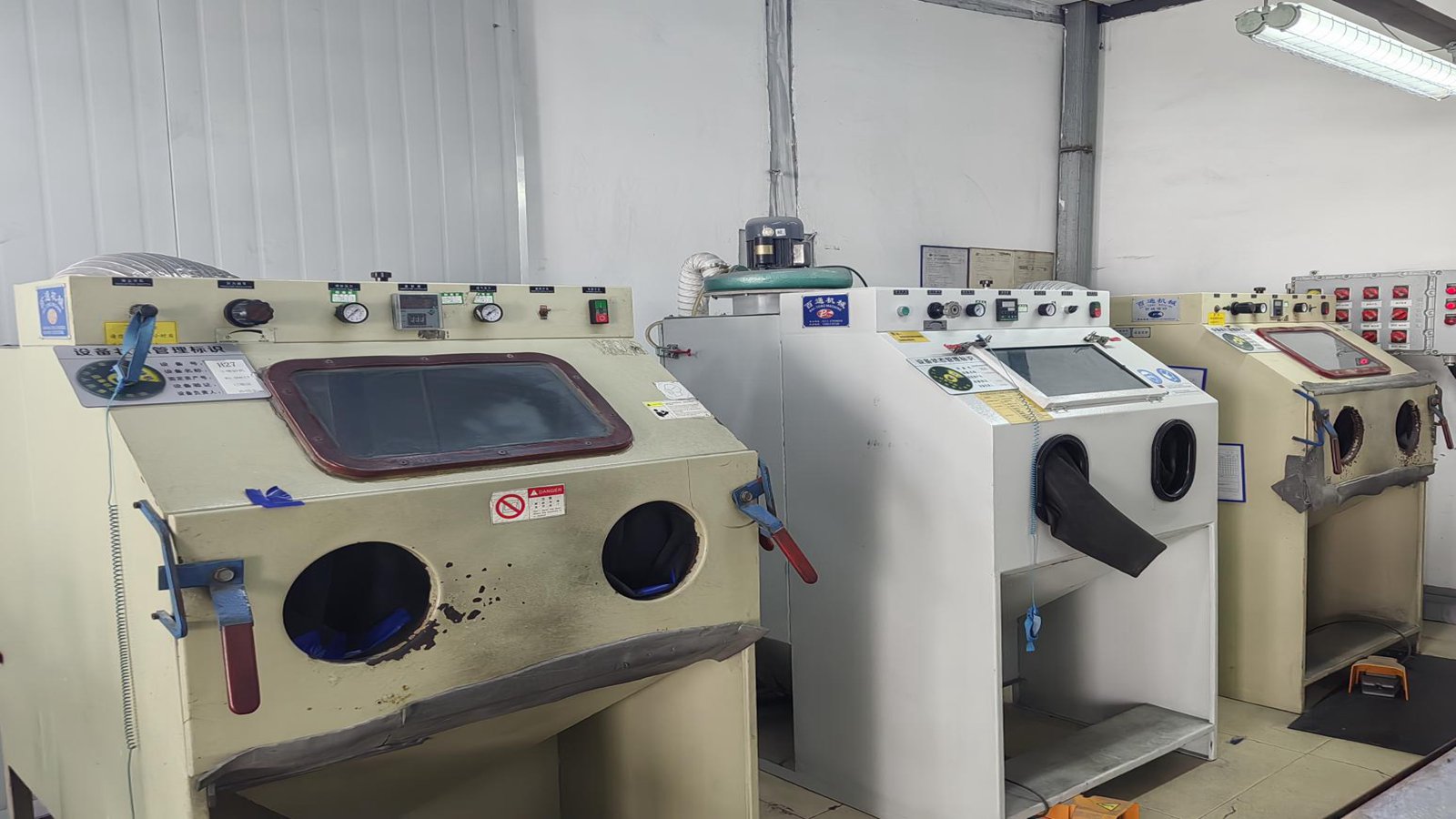
Developing advanced tribological designs to ensure durable implant survival rates and optimized anatomical performance.
Transitioning from standard UHMWPE to Highly Cross-Linked Polyethylene (HXPE) stabilized with Vitamin E (α-tocopherol). This technique significantly mitigates long-term in-vivo oxidation and reduces mechanical wear rates by up to 87%.
Moving away from traditional symmetric domes. Our upcoming designs incorporate anatomical left/right configurations to replicate native patellar morphology, optimize lateral tracking, and reduce subluxation risks.
Developing 3D-printed porous titanium scaffolds for modular patellar components. Highly porous, biomimetic structural backings stimulate rapid osseointegration, preventing cement degradation and implant migration.
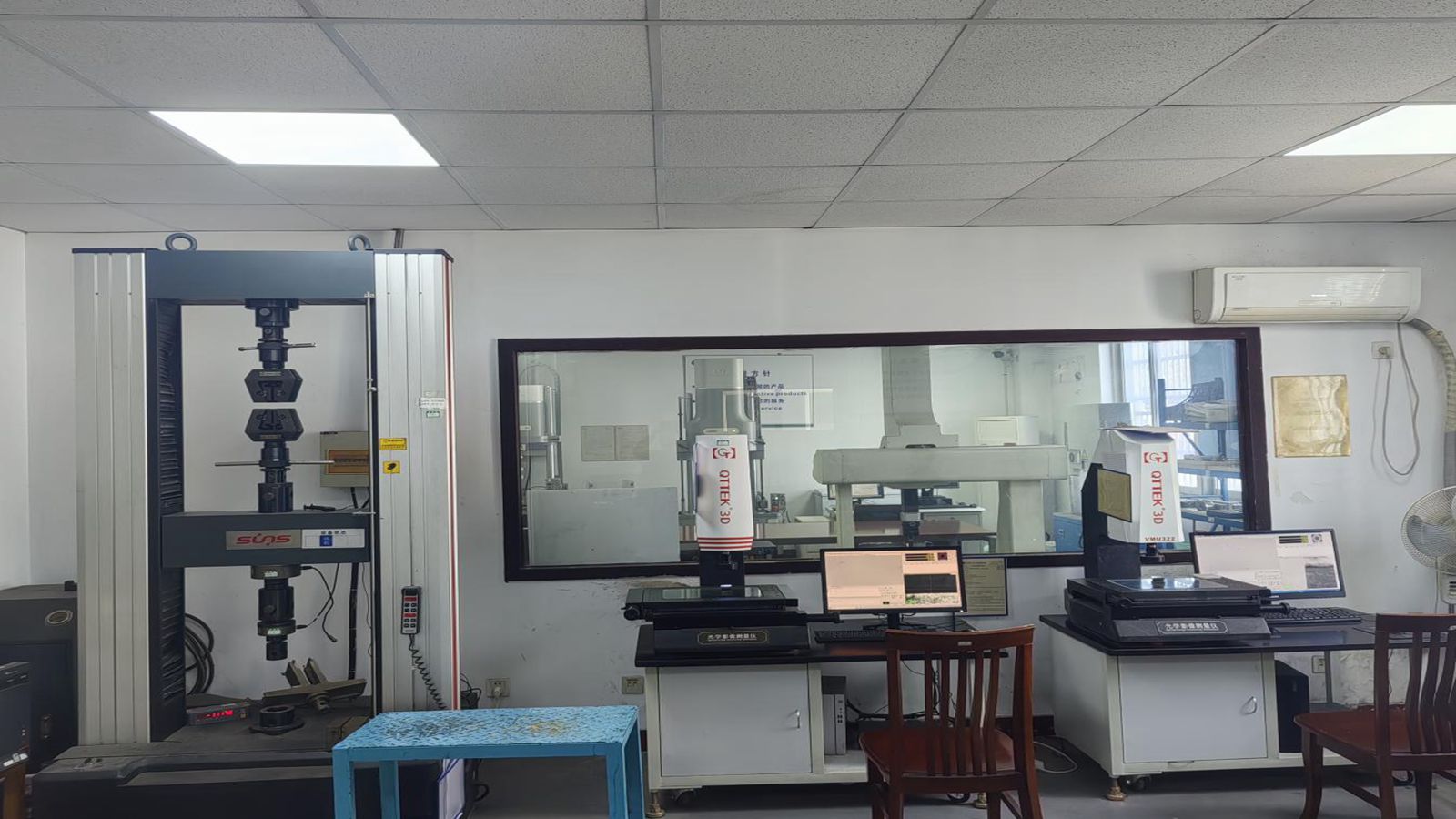
Medispirex utilizes only trace-element-controlled raw materials sourced from audited global suppliers. Every shipment undergoes internal material verification, mechanical fatigue testing, and composition validation by our 85-member R&D engineering team.
| Material Category | Common Designation | Standards Compliance | Typical Application Area |
|---|---|---|---|
| Medical Polyethylene | UHMWPE (GUR 1020 / GUR 1050) | ASTM F648, ISO 5834-2 | All-Polyethylene Patellar Buttons, Modular Liners |
| Titanium Wrought Alloy | Ti-6Al-4V ELI | ASTM F136, ISO 5832-3 | Metal-Backing Shells, Anchoring Pegs, Trauma Plates |
| Cobalt-Chromium Alloy | Co-Cr-Mo | ASTM F75, ISO 5832-4 | Femoral Head Components, High-Wear Interfaces |
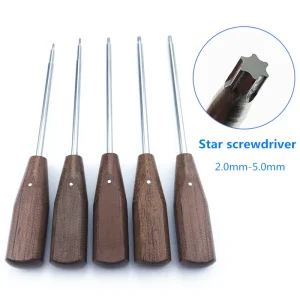
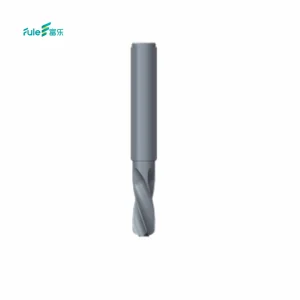
| Medical Stainless Steel | 316LVM / Grade 304 | ASTM F138, ISO 5832-1 | Surgical Drill Bits, Screwdrivers, Inlay Instruments |
Tailoring joint arthroplasty configurations to align with diverse regional bone shapes and surgical practices worldwide.
Our team of 85 R&D engineers modifies dimensions, peg configurations, and implant curvatures to meet the localized anatomical distributions of patients worldwide.
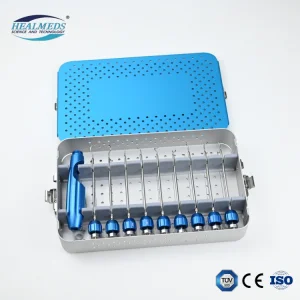
Configurable Options: Private Labeling, Specialized Surgical Trays, and Custom Surface Textures.
Different populations exhibit varying patellar morphology. For instance, statistical models demonstrate that East Asian patients generally present with smaller patellar bone dimensions and distinct patellar thickness ratios compared to Western populations. Inserting standard Western-sized implants in smaller knees can result in soft tissue impingement and restricted motion.
Medispirex addresses these localized requirements by offering versatile thickness choices (ranging from 8mm to 11mm) and tailored multi-peg geometries. Whether executing surgeries in high-flexion environments typical of Asia or configuring high-demand implants for younger, active patients in Western countries, our components are designed to distribute mechanical stress evenly and prolong joint survival.
Every orthopedic implant shipped from our factory features full trace-documentation to simplify local registration processes.
Our quality management systems are designed to comply with international regulations, including CE Mark audits and ISO 13485 guidelines, ensuring consistent regulatory compliance.
Our 45-member QC department enforces rigorous inspections throughout production. This includes composition analysis, dimensional validation, and mechanical fatigue testing under realistic joint-loading cycles.
Every device is assigned a unique laser-etched identification and batch run code. From raw material heat-treatment batches to cleanroom packaging sterilization dates, our records offer absolute accountability.
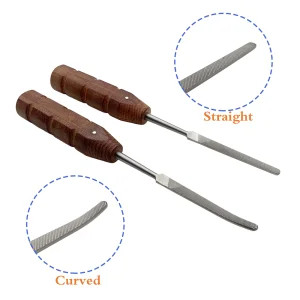
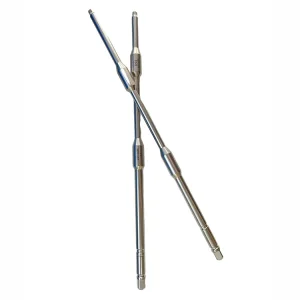
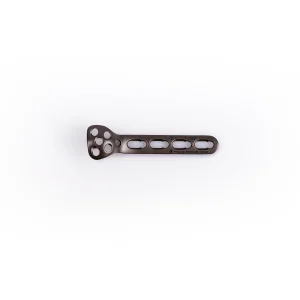
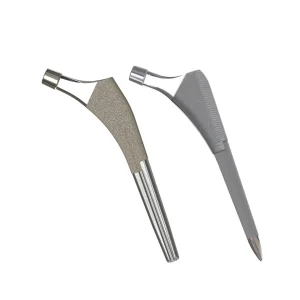
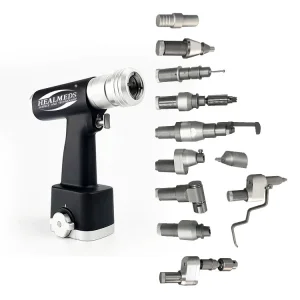
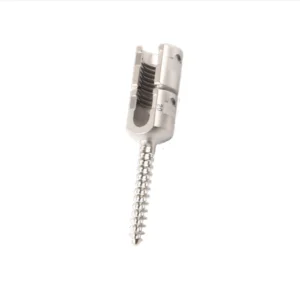
Complementary surgical instruments, fixation plates, and spinal implants engineered to support diverse hospital and clinic needs.
Get answers to critical technical questions regarding materials, certifications, lead times, and customization options.