Medispirex
Medispirex
Medispirex
Explore our elite range of spine, trauma, and joint reconstruction implants manufactured under strict ISO 13485 protocols.
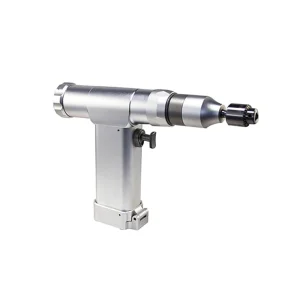
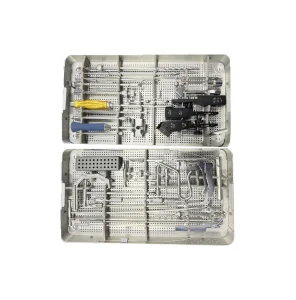
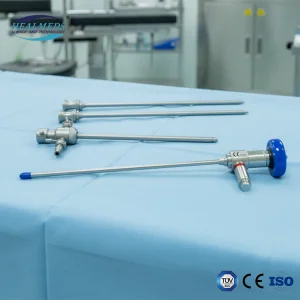
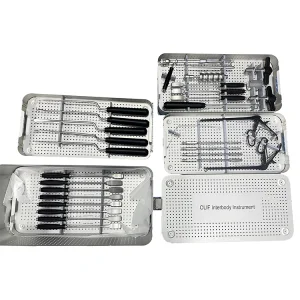
The global joint reconstruction landscape has witnessed a strategic recalibration in recent years. While cementless (press-fit) fixation options gained major traction for younger, active demographics, cemented hip prostheses remain the absolute clinical gold standard for geriatric, osteoporotic, and complex primary or revision Total Hip Arthroplasties (THA). As medical distributors and global orthopedic buyers face demographic shifts—such as an aging population with fragile bone beds—the clinical demand for reliable Cemented Femoral Stems and Acetabular Cups has surged exponentially.
Modern cementing protocols have evolved far beyond the basic PMMA (Polymethyl Methacrylate) application of the early Charnley era. Today's Third- and Fourth-Generation Cementing Techniques rely on advanced vacuum mixing, distal femoral canal restrictors, retro-grade cement filling, and computerized pressurization methods. These innovations dramatically mitigate risk profiles related to aseptic loosening, fat embolisms, and periprosthetic fractures. For B2B procurement networks, sourcing cemented systems requires dealing with suppliers capable of delivering highly polished, double-tapered or collarless polished tapered (CPT) femoral stem geometries. These specific stem geometries optimize compression stresses and ensure controlled subsidence within the PMMA mantle.
By leveraging advanced material science—specifically high-nitrogen forged stainless steel, cobalt-chromium-molybdenum (CoCrMo) alloys, and ultra-high-molecular-weight polyethylene (UHMWPE)—reputable Chinese manufacturing facilities are producing hip implants that compete with tier-1 Western brands on biomechanical lifespan, yet deliver distinct economic advantages. These high-precision implants minimize shear stress at the cement-bone and cement-implant interfaces, ensuring decades of stability for patients worldwide.
Combining 12+ Years of Advanced Biomaterial Processing with Modern Orthopedic Manufacturing Infrastructure.
Medispirex Orthopedic Technology Co., Ltd. is a professional manufacturer specializing in spine and orthopedic implant solutions, established in 2016 with a modern production facility covering approximately 18,600㎡. The company integrates R&D, manufacturing, and global distribution to deliver high-quality medical devices for trauma, spine, and joint reconstruction applications.
With an annual export revenue of approximately USD 18 million, Medispirex has built a stable international presence supported by 7 years of export experience and over 12 years of industry expertise. The company operates under a strict quality management system, ensuring product reliability through incoming material inspection, in-process quality control, final product testing, and batch traceability systems. Product verification methods include dimensional inspection, mechanical fatigue testing, and material composition analysis. The quality assurance team consists of around 45 dedicated QC professionals.
Medispirex maintains a strong trade-oriented manufacturing background, serving key markets including Europe, North America, the Middle East, and Southeast Asia. Its supply chain network includes approximately 860 upstream and downstream partners, enabling stable production capacity and efficient global delivery.
The company primarily serves hospitals, orthopedic surgeons, medical distributors, and OEM/ODM partners, offering flexible customization options such as private label manufacturing, product design adaptation, and surgical system configuration support.
Driven by strong innovation capability, Medispirex has launched approximately 120 new products in the past year, supported by a R&D team of around 85 engineers specializing in biomechanics, materials science, and orthopedic device design.
A deep dive into our CNC, surface finishing, and quality control departments where surgical-grade implant components are fabricated.
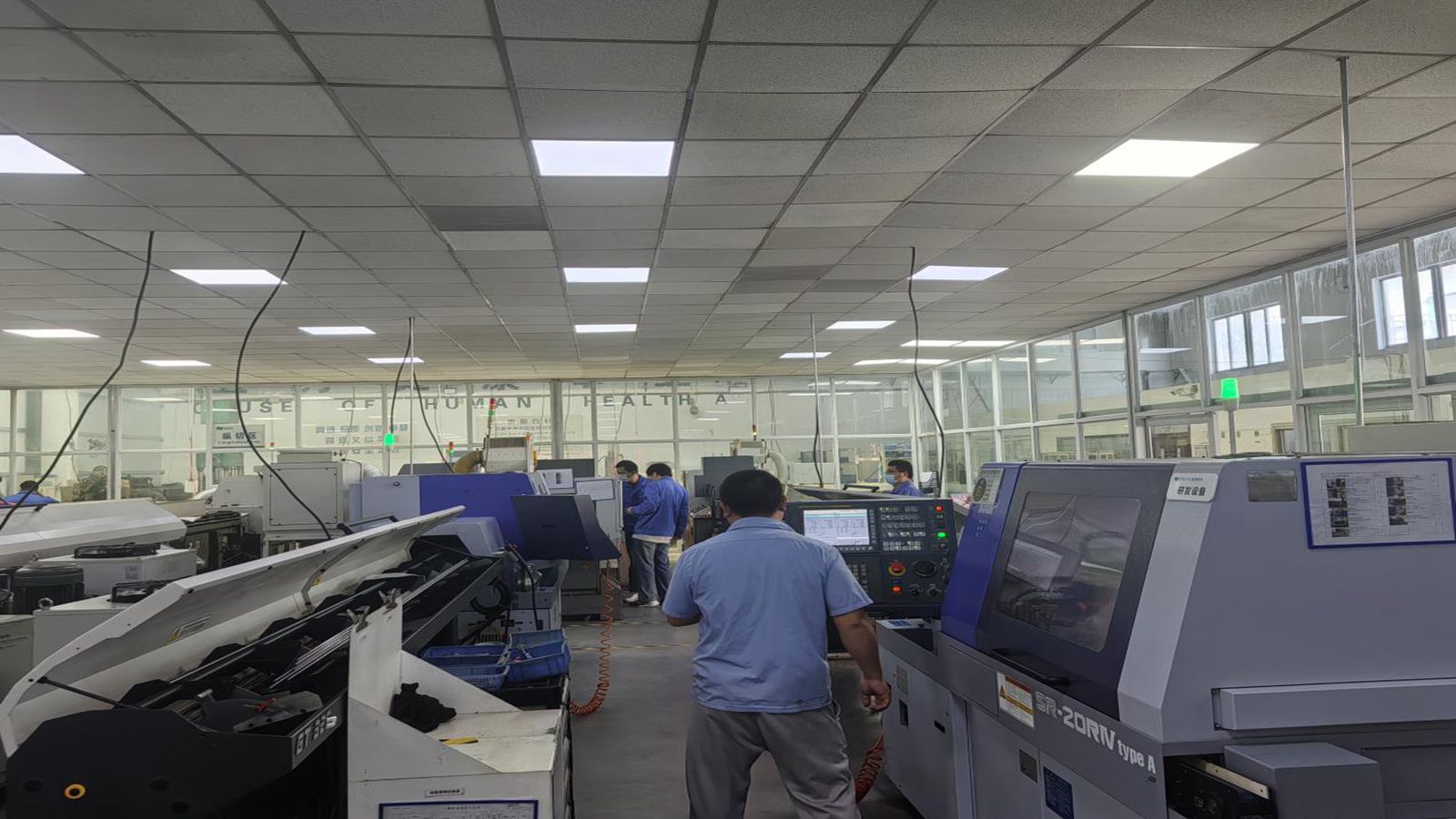
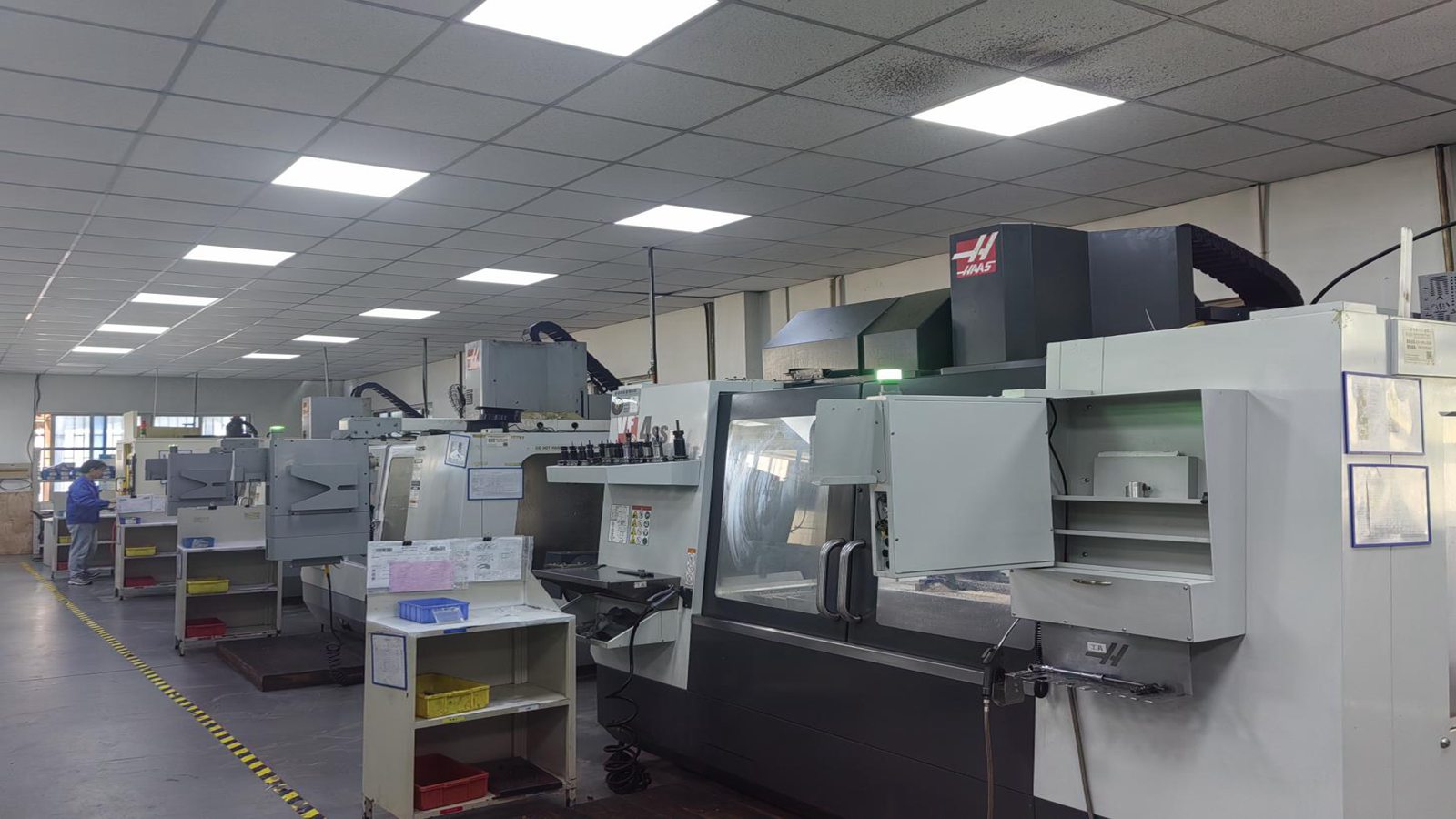
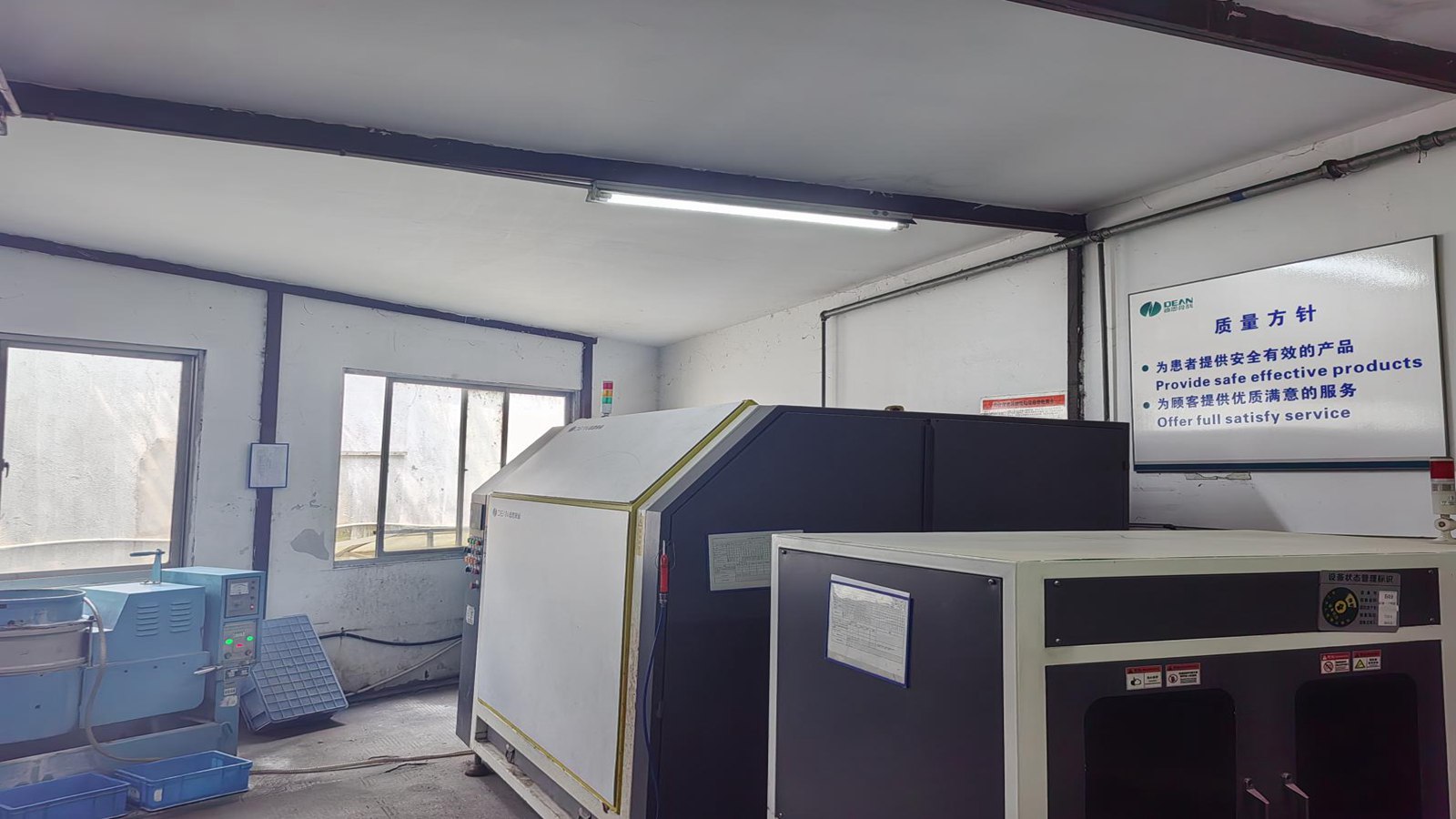
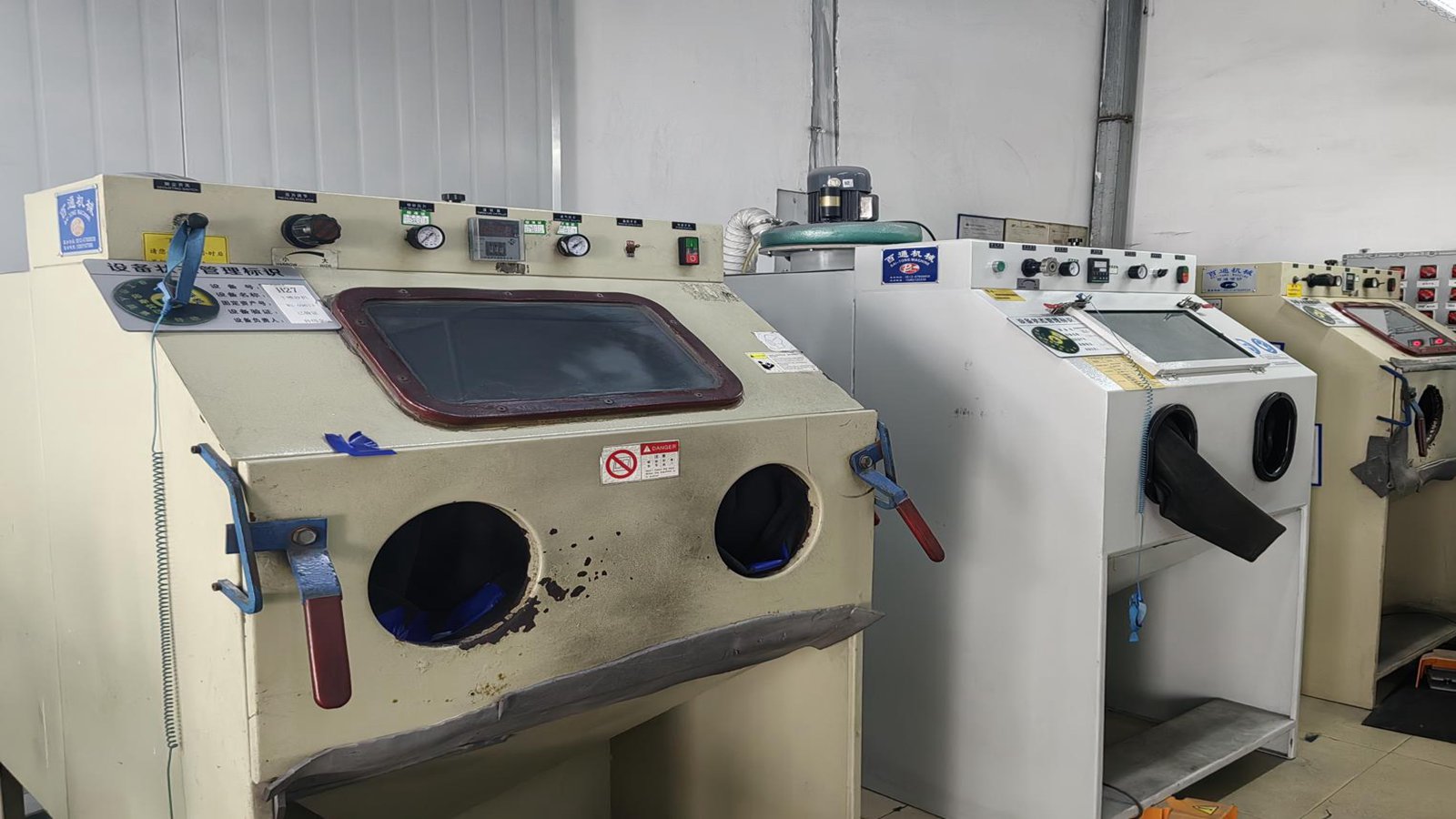
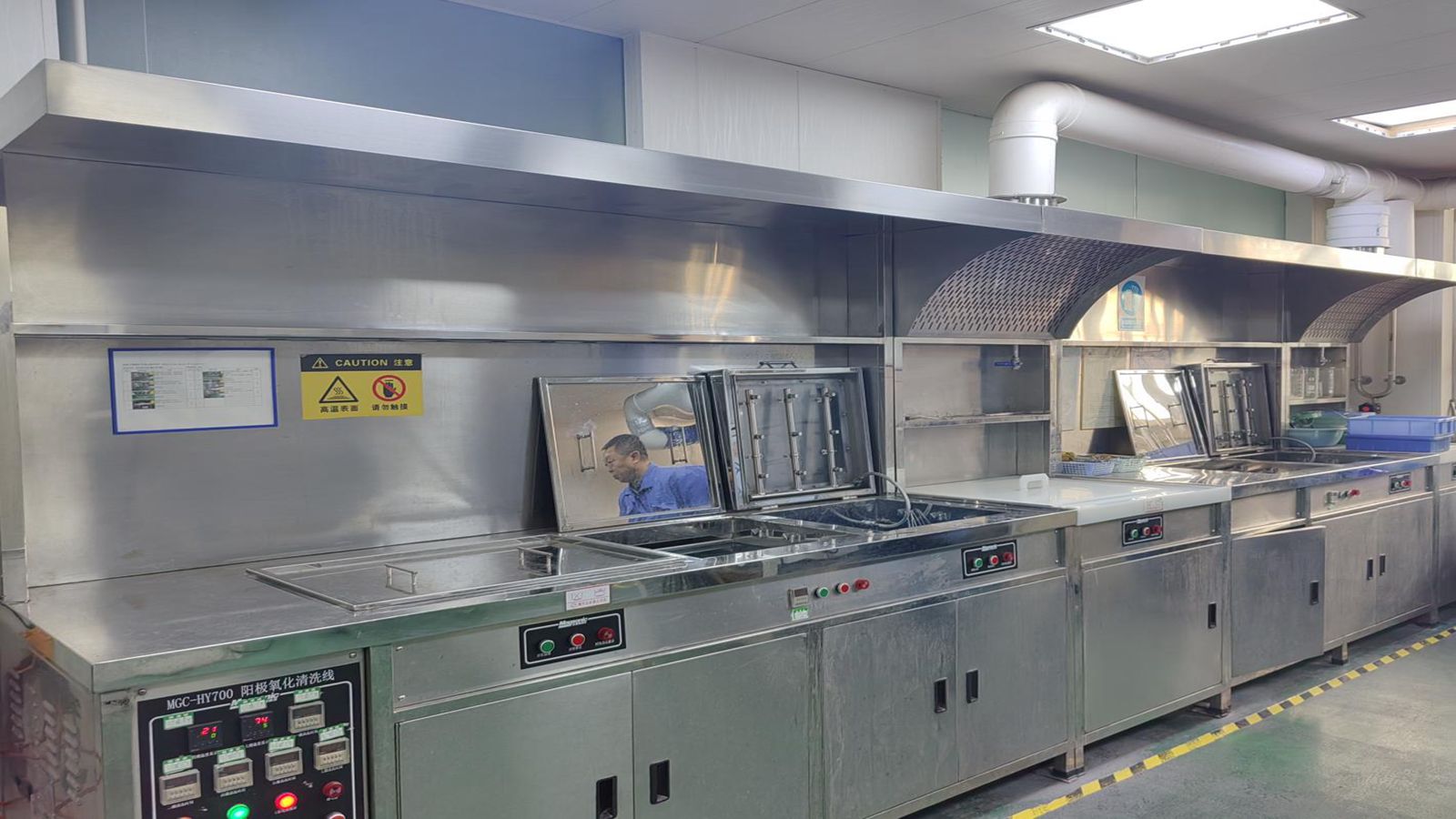
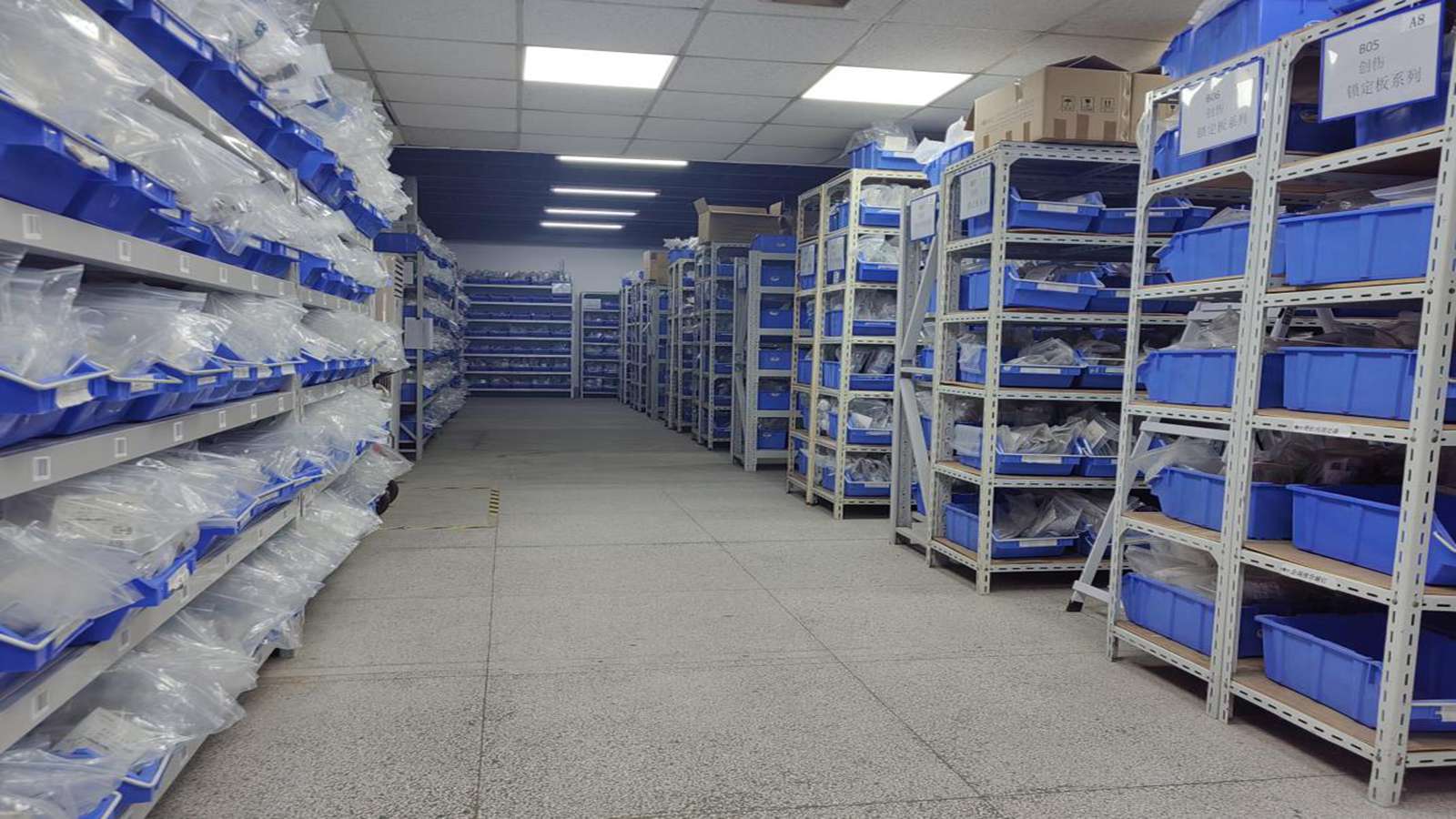
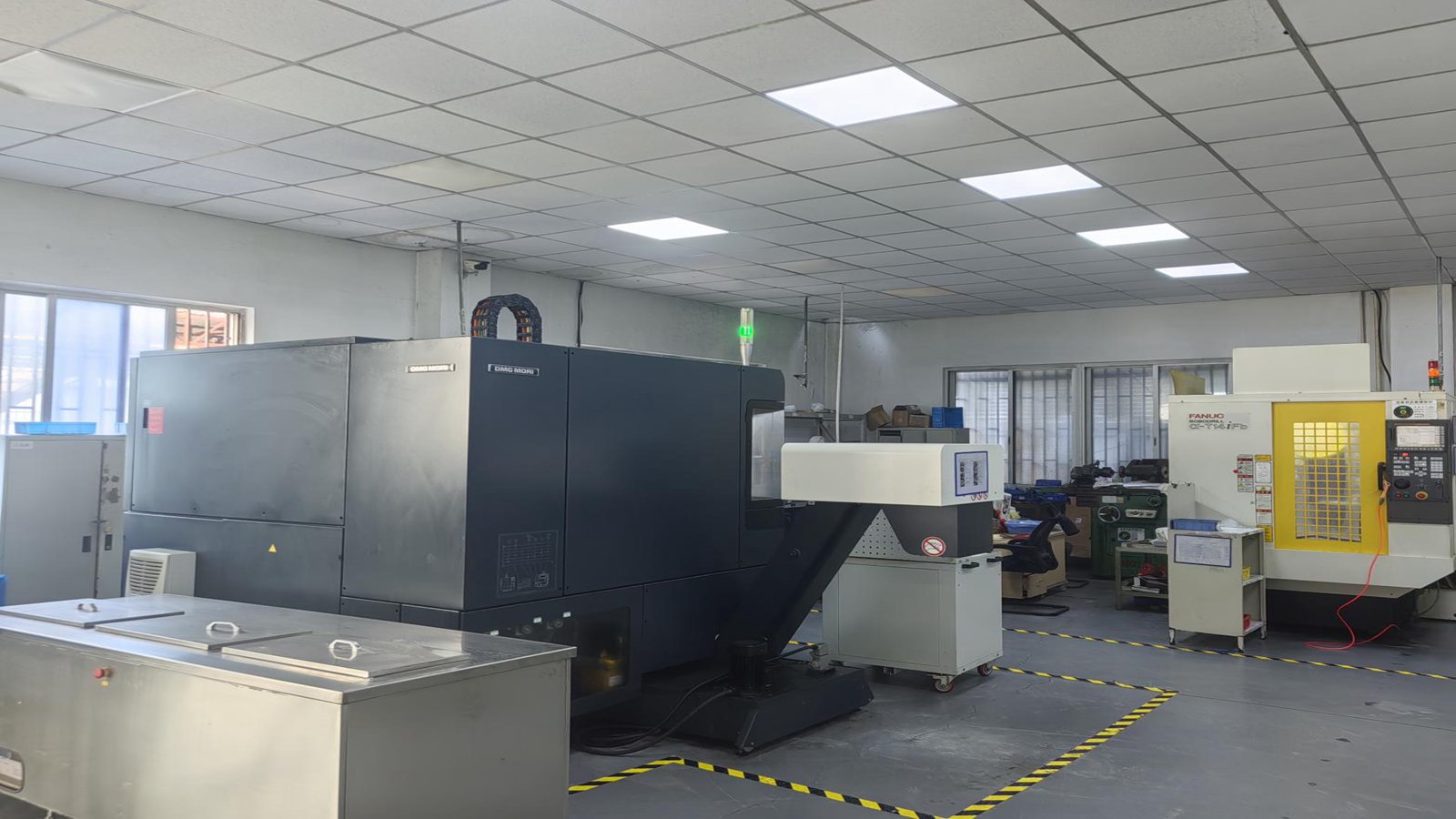
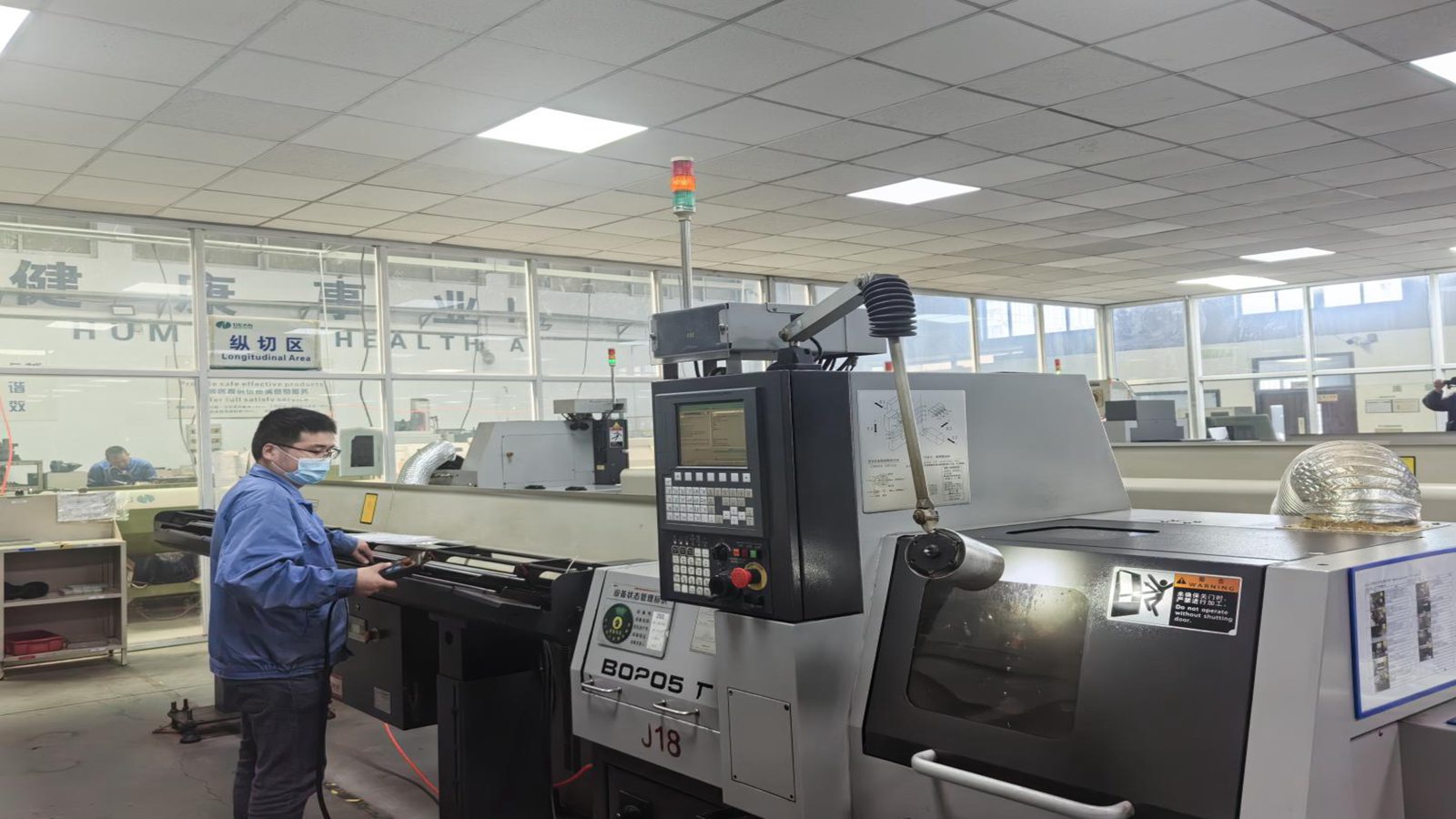
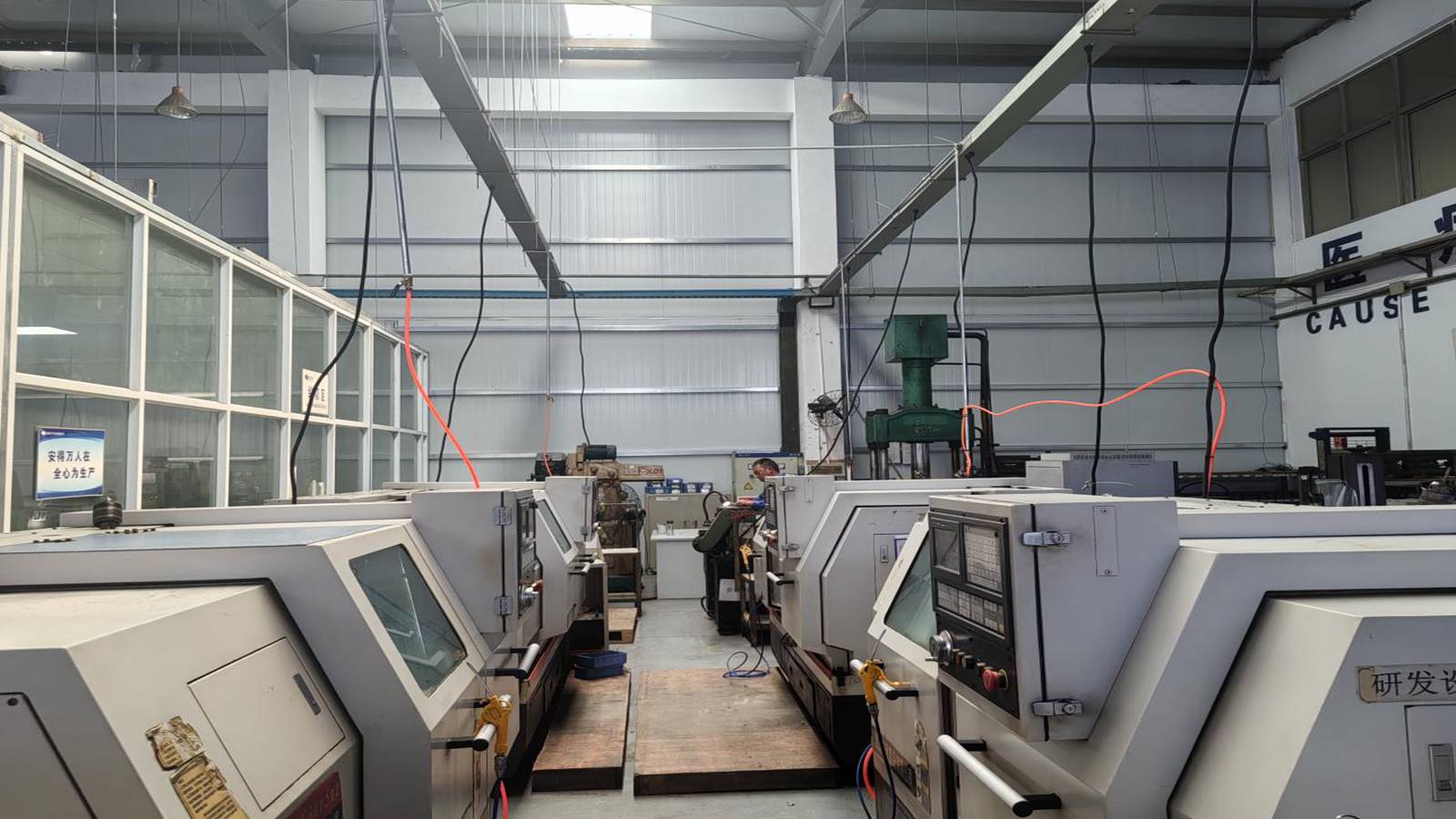
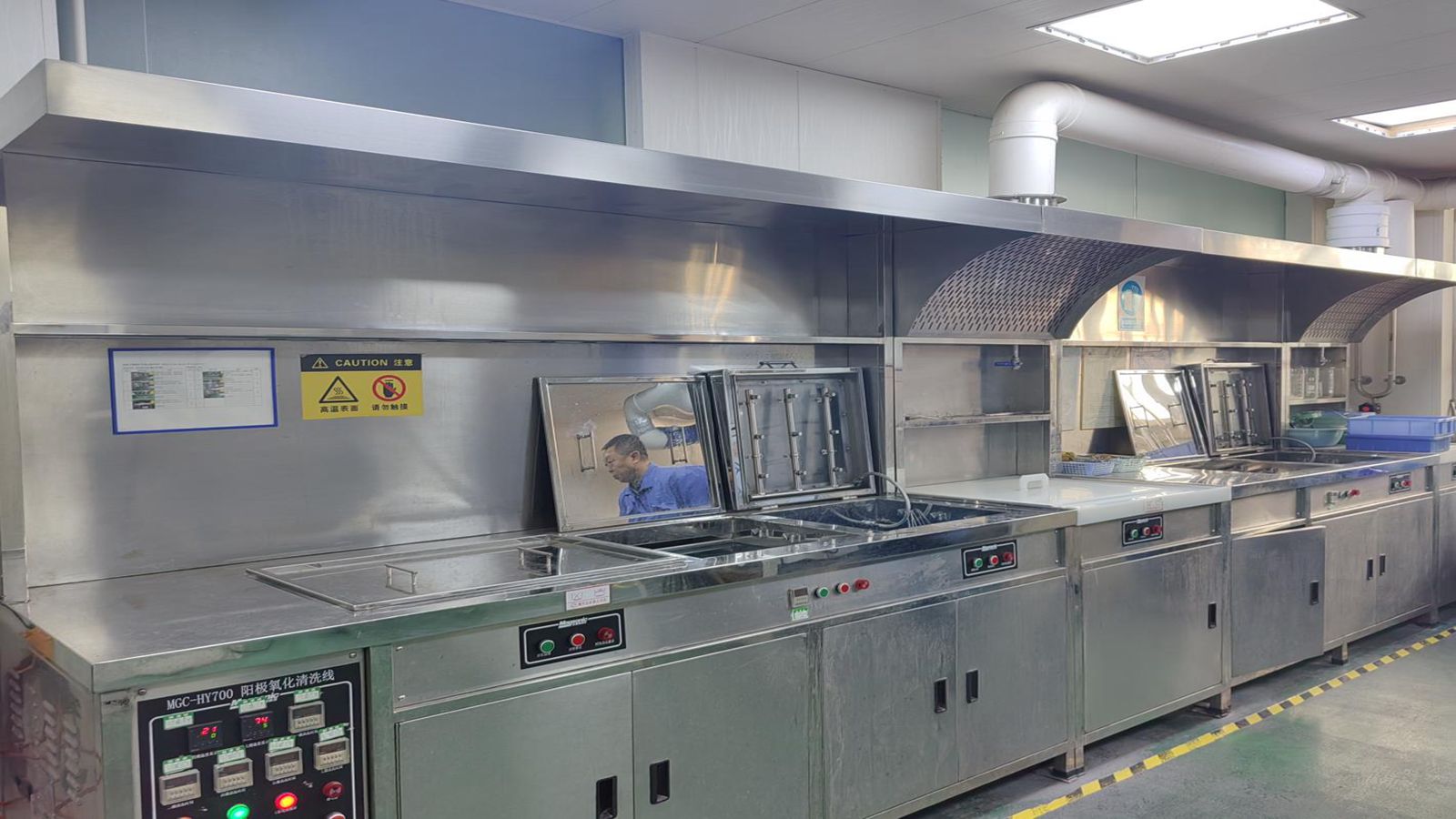
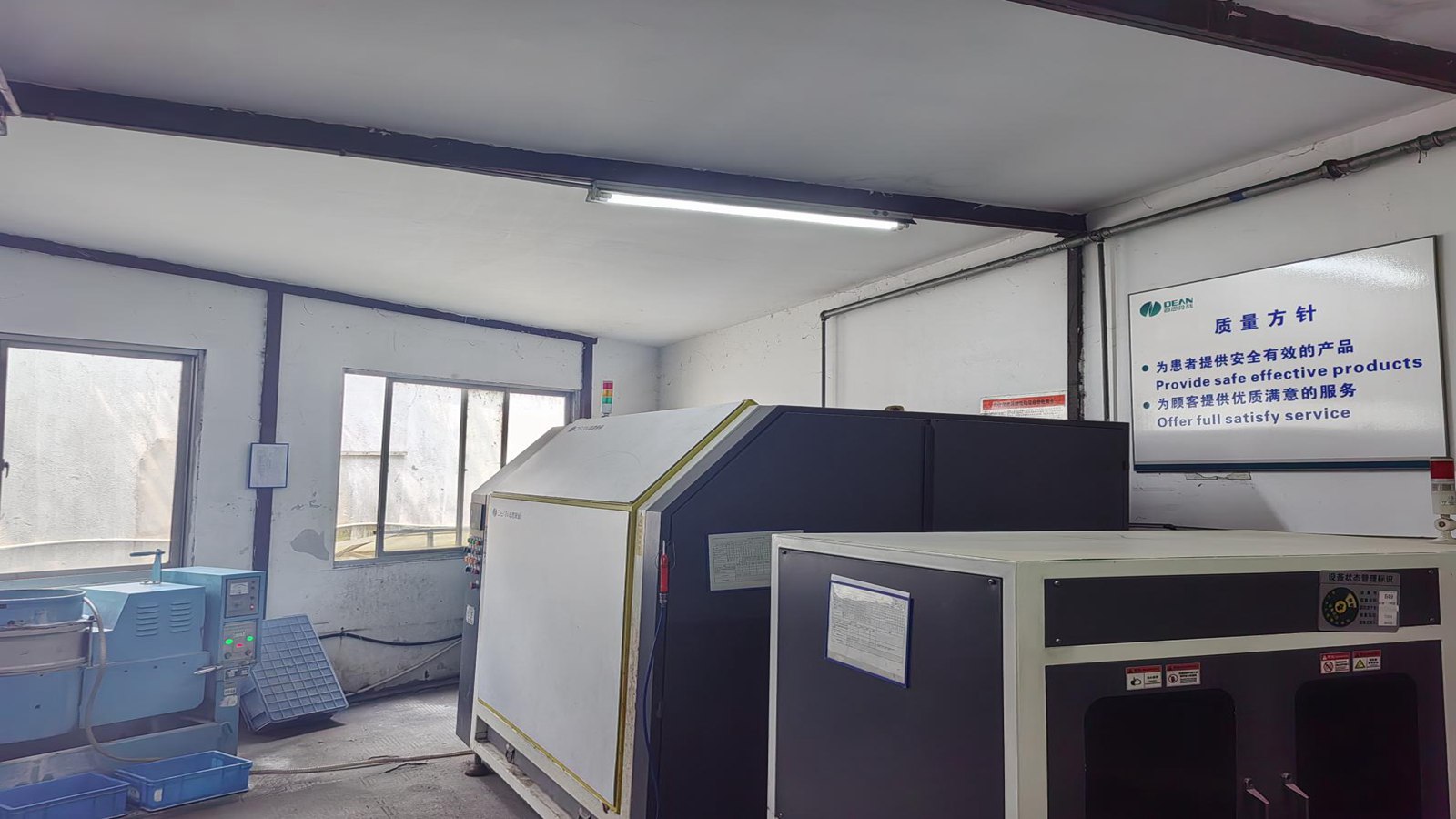
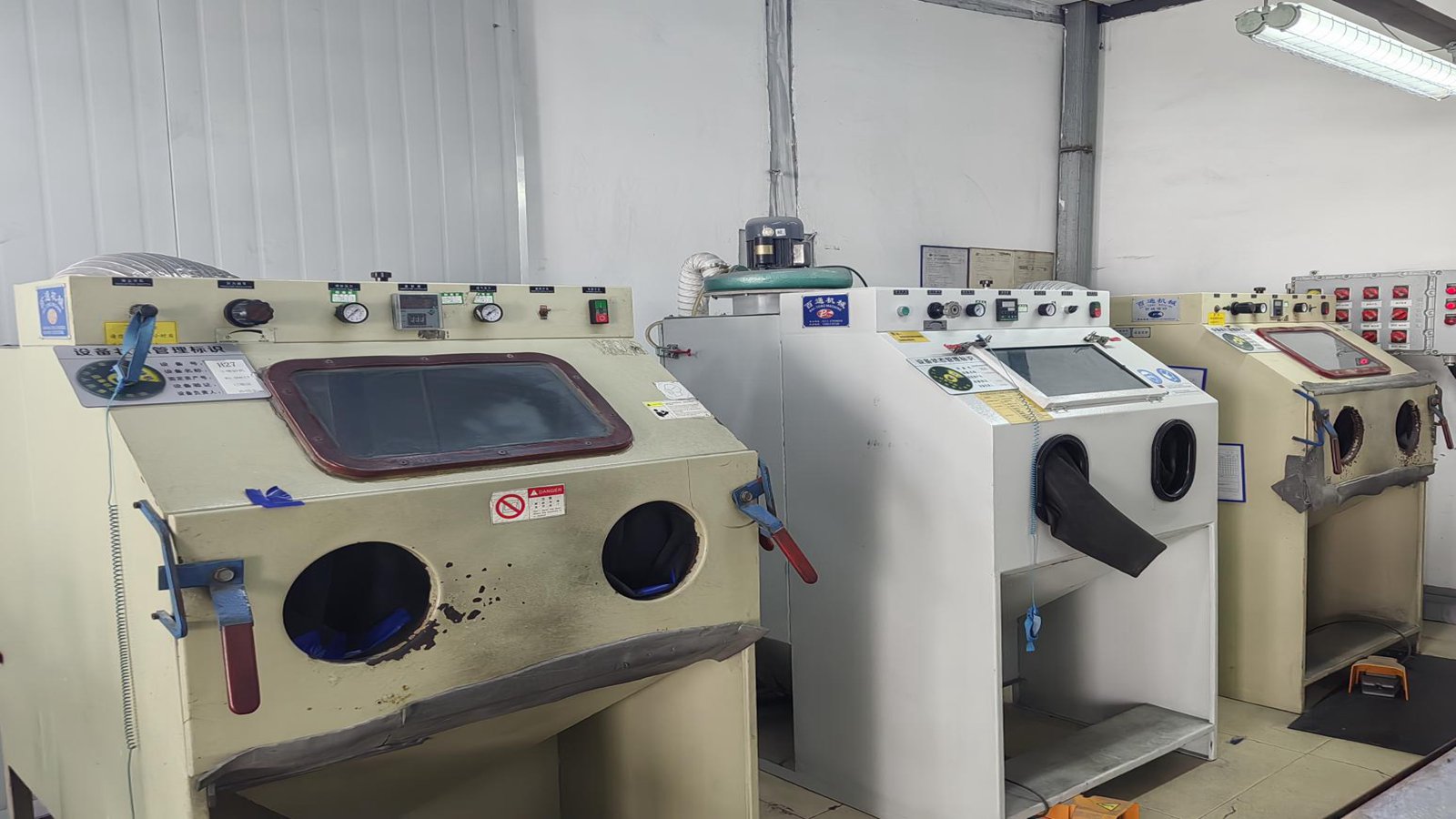
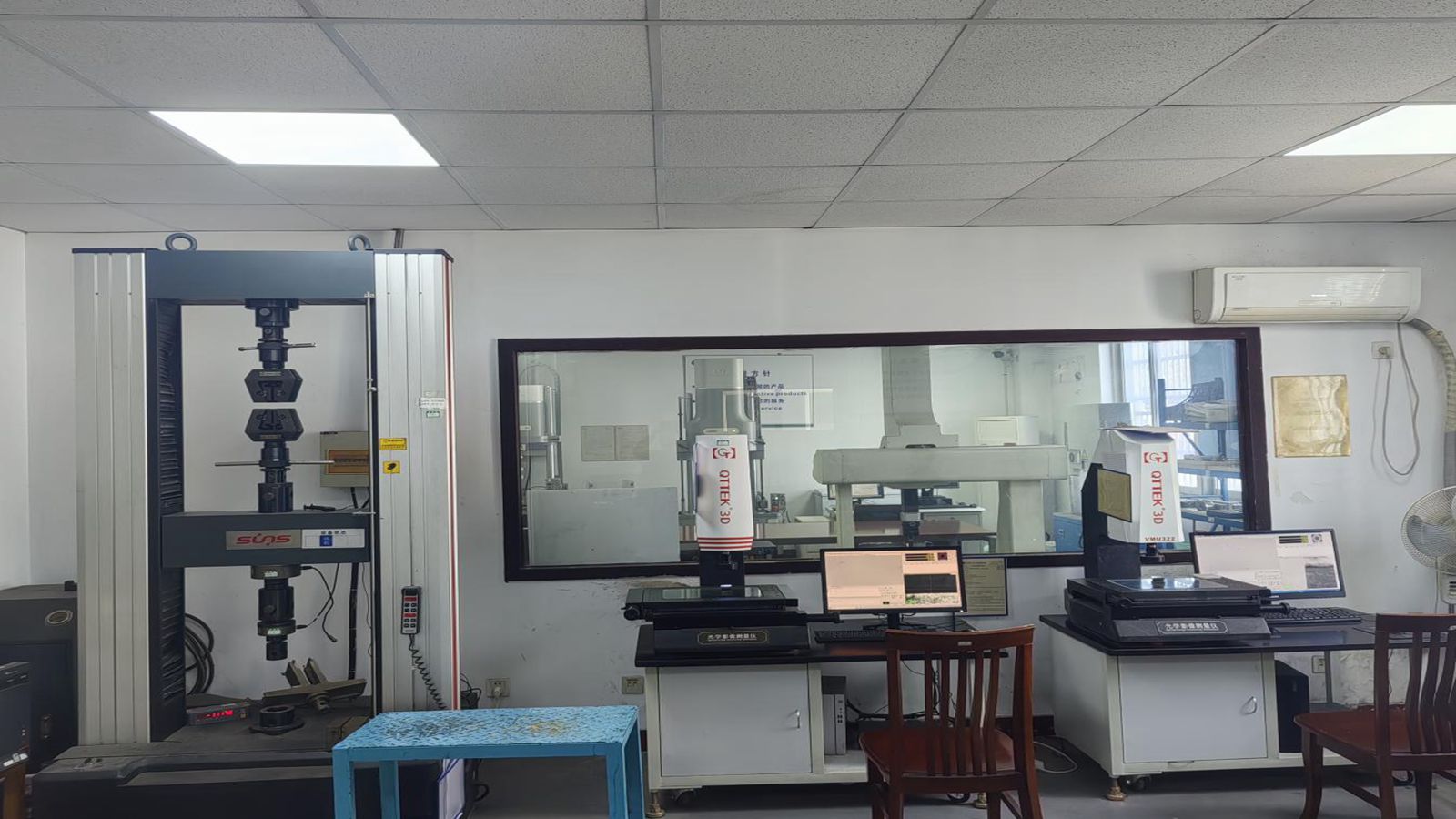
What Hospital Networks and Medical Distributors prioritize when choosing orthopedic implant suppliers.
Implants require high-nitrogen stainless steel or CoCrMo alloy with ultra-smooth surface finishes (Ra < 0.05 μm for articular surfaces). Mechanical fatigue life tests under ISO 7206 are critical to prevent premature stress fractures within patient femoral canals.
High-precision CNC cutting and multi-axis machining ensure that stem neck tapers (e.g., 12/14 tapers) match head components perfectly, eliminating risks of fretting corrosion or micro-motion after surgical cementation.
Every single implant must carry batch traceability from raw bar stock to finished product. Demanding complete documentation including chemical composition analysis, heat-treatment logs, and sterile barrier packaging validation (ISO 11607).
The biomechanical environment of a cemented hip reconstruction differs significantly from its cementless counterpart. While press-fit stems depend on biological ingrowth (which requires active osteoblast migration into a porous structure), cemented components rely on the mechanical interlock of polymethyl methacrylate (PMMA) bone cement within the cancellous bone structure. This allows for immediate post-operative weight-bearing, making it the technique of choice in several critical scenarios:
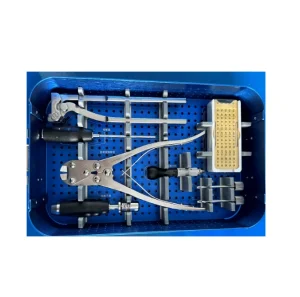
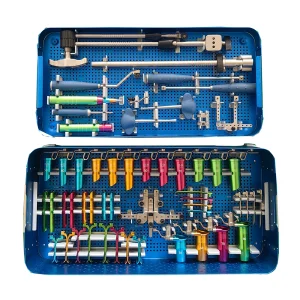
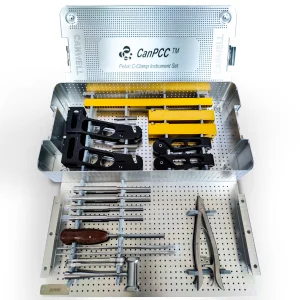
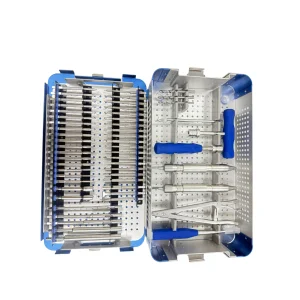
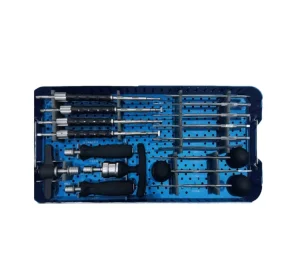
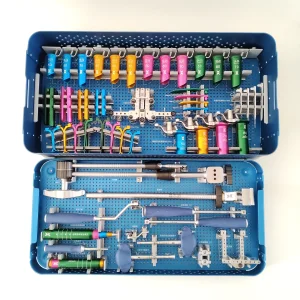
To support these diverse surgical workflows, Medispirex designs and supplies comprehensive surgical instrument sets that align with standard clinical procedures. Our surgical systems are optimized for exact anatomical templating, precise distal drilling, and controlled cement compression, giving surgeons the tools required to build a long-lasting, stable PMMA mantle.
Answers to critical design, regulatory, manufacturing, and sourcing questions from global medical distributors and purchasing managers.
Browse additional trauma fixation systems, veterinary implants, and micro bone saws configured for global hospital networks.