Medispirex
Medispirex
Medispirex
Explore our top-tier precision-engineered implant portfolios designed to optimize stability, accelerate osteosynthesis, and simplify surgical delivery.
The shift toward locking compression plates (LCP) represents a critical paradigm in modern fracture treatment. We explore how material chemistry and advanced mechanics drive superior osteosynthesis.
Traditional compression plates rely on plate-to-bone friction, which often compresses the periosteum and limits local vascular blood supply. In contrast, modern titanium locking plates function as internal fixators. By locking the screw head directly into the plate, the system provides rigid angular stability without demanding intimate contact with the underlying bone cortex. This preserves crucial periosteal perfusion, promoting biological healing and reducing infection risk.
Utilizing medical-grade titanium alloy (typically Ti-6Al-4V ELI, conforming to ASTM F136), these implants present a Young's Modulus significantly closer to human cortical bone than stainless steel. This properties-match decreases the "stress shielding" effect, preventing localized osteoporosis near the margins of the implant. Additionally, titanium's rapid surface oxidation forms a stable passivation layer that ensures superior resistance against corrosion and physiological degradation.
Advanced plate designs utilize hybrid dynamic compression holes (combi-holes). Surgeons can choose to insert standard cortical/cancellous screws for compression or locking screws for rigid angular stability. This flexibility allows for customized surgical interventions, tailoring the construct to meet the precise mechanical demands of simple transverse fractures, complex comminuted articular fractures, or osteoporotic bone structures.
As a premier manufacturing partner, Medispirex fuses deep biomechanical expertise with advanced material processing to supply world-class orthopedic solutions globally.
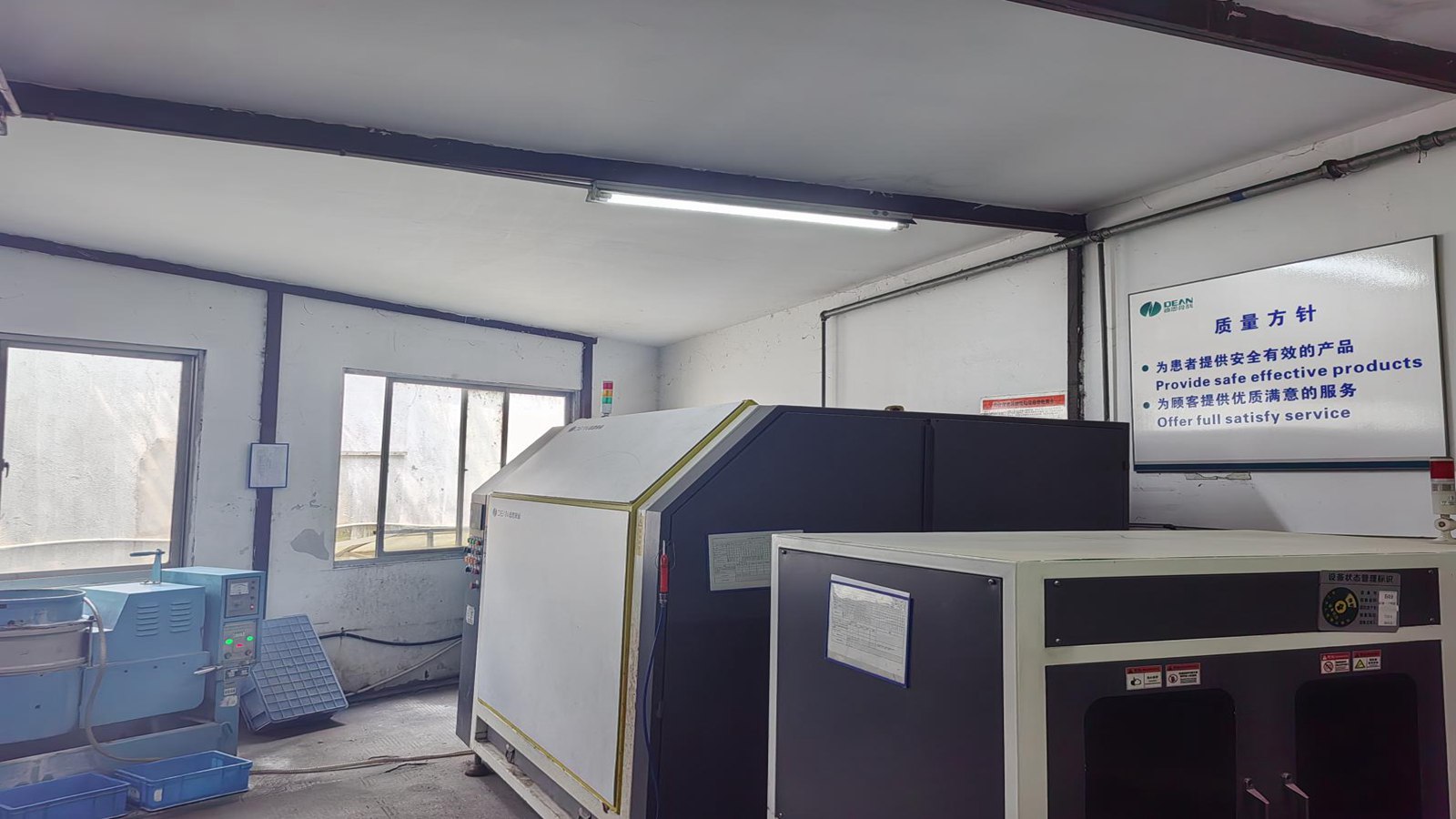
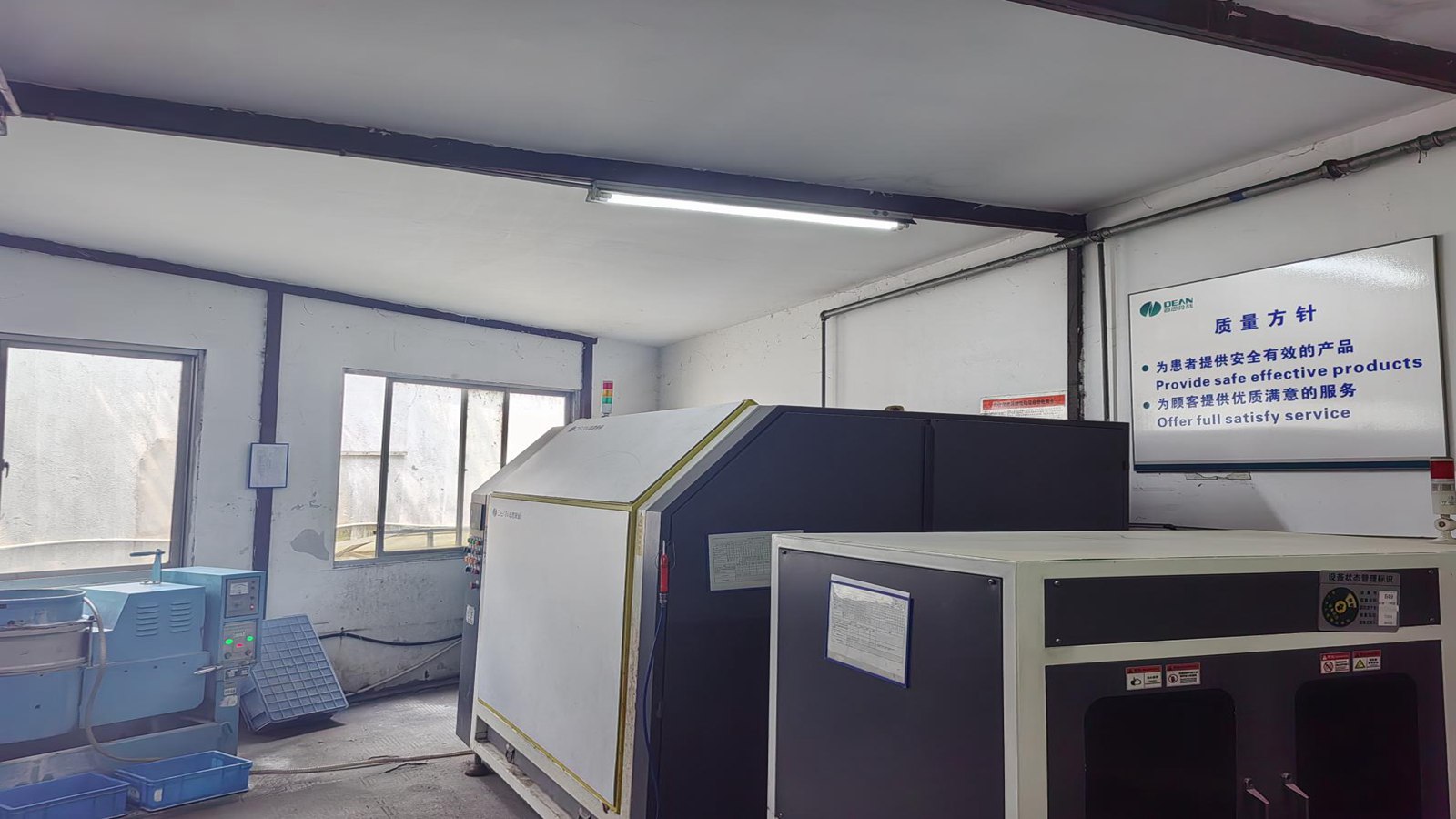
Operating under a strict quality management system, Medispirex enforces absolute product reliability through multi-stage checks: incoming material inspection, in-process quality control (IPQC), final product testing, and batch traceability systems. We employ rigorous validation techniques including dimensional inspection via coordinate measuring machines, mechanical fatigue testing, and material composition analysis. This entire apparatus is monitored by a team of approximately 45 dedicated QC professionals.
Our trade-oriented infrastructure connects with approximately 860 upstream and downstream partners, guaranteeing supply chain resilience and reliable production capacities. We actively support distributors, clinical networks, and OEM/ODM partners worldwide with custom branding, modified surgical kit configurations, and specialized titanium plate modifications.
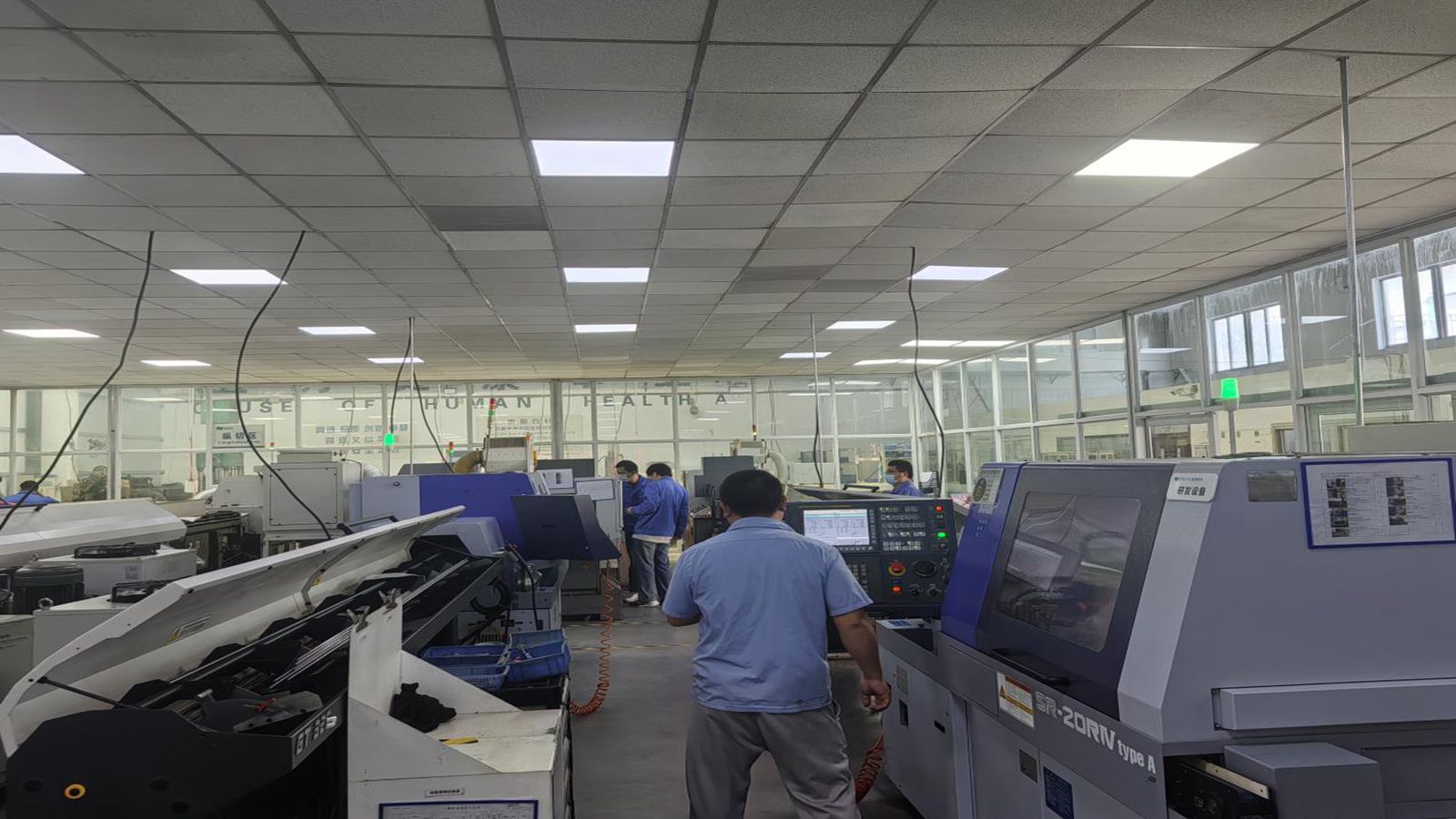
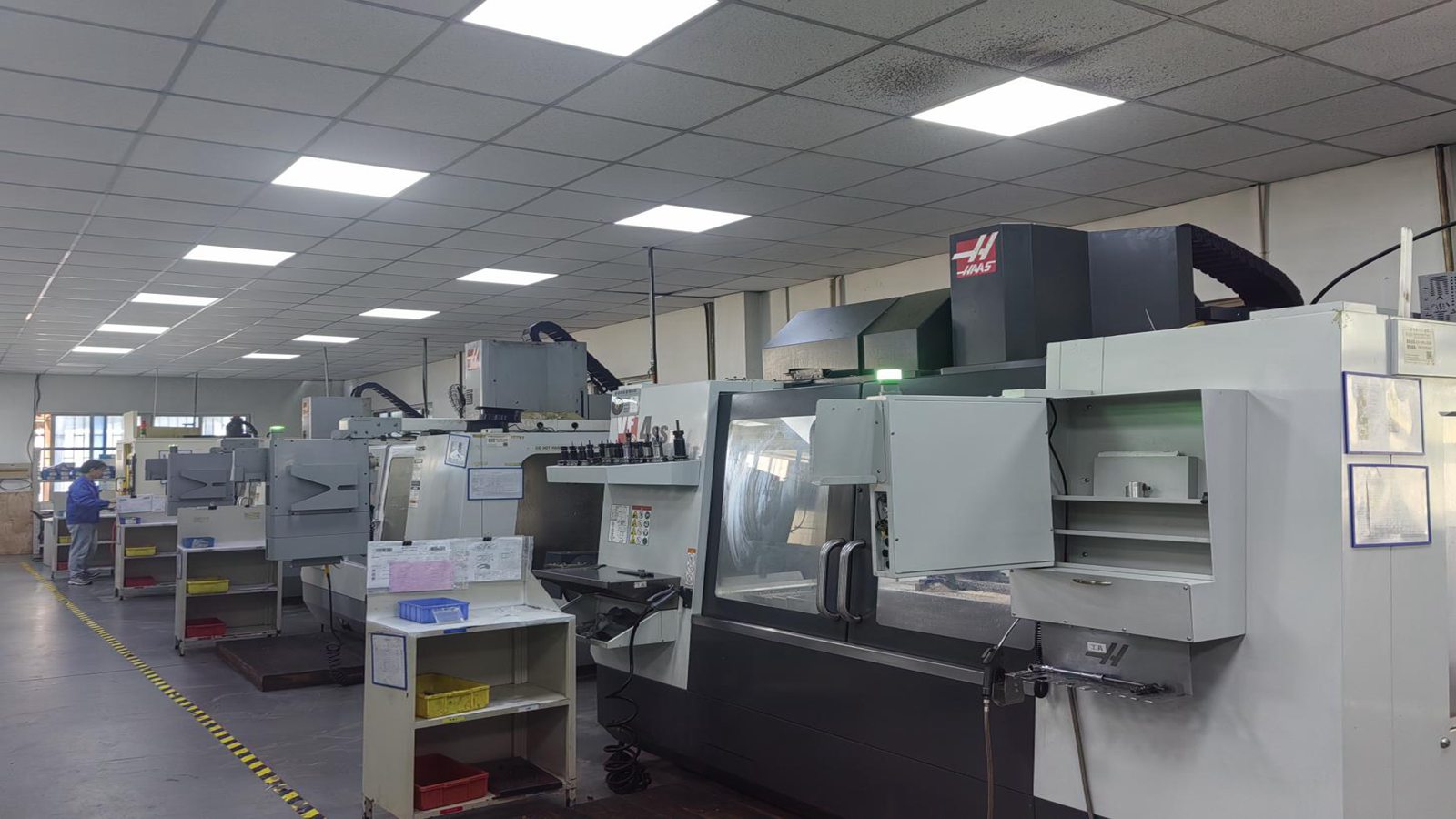
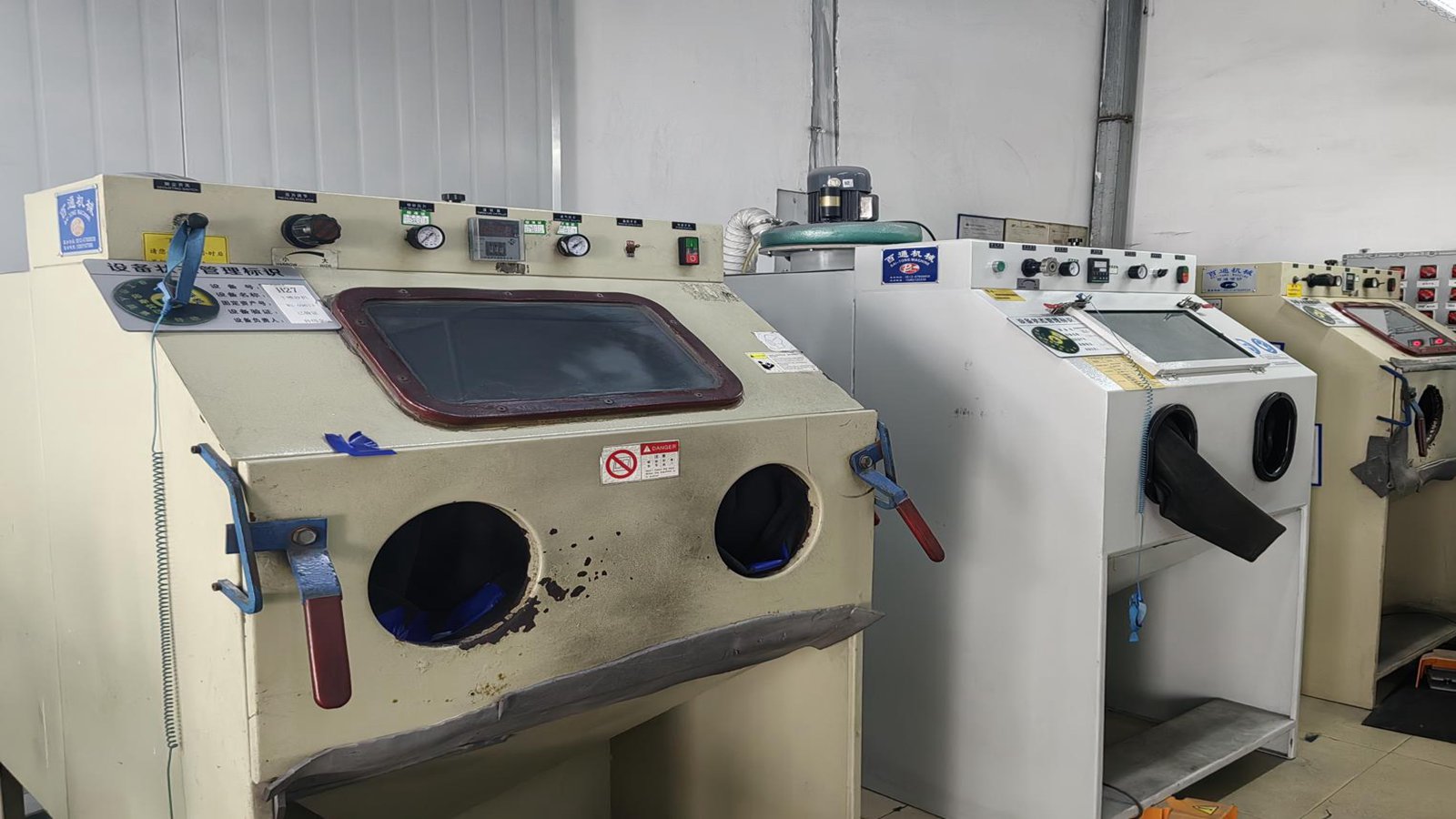
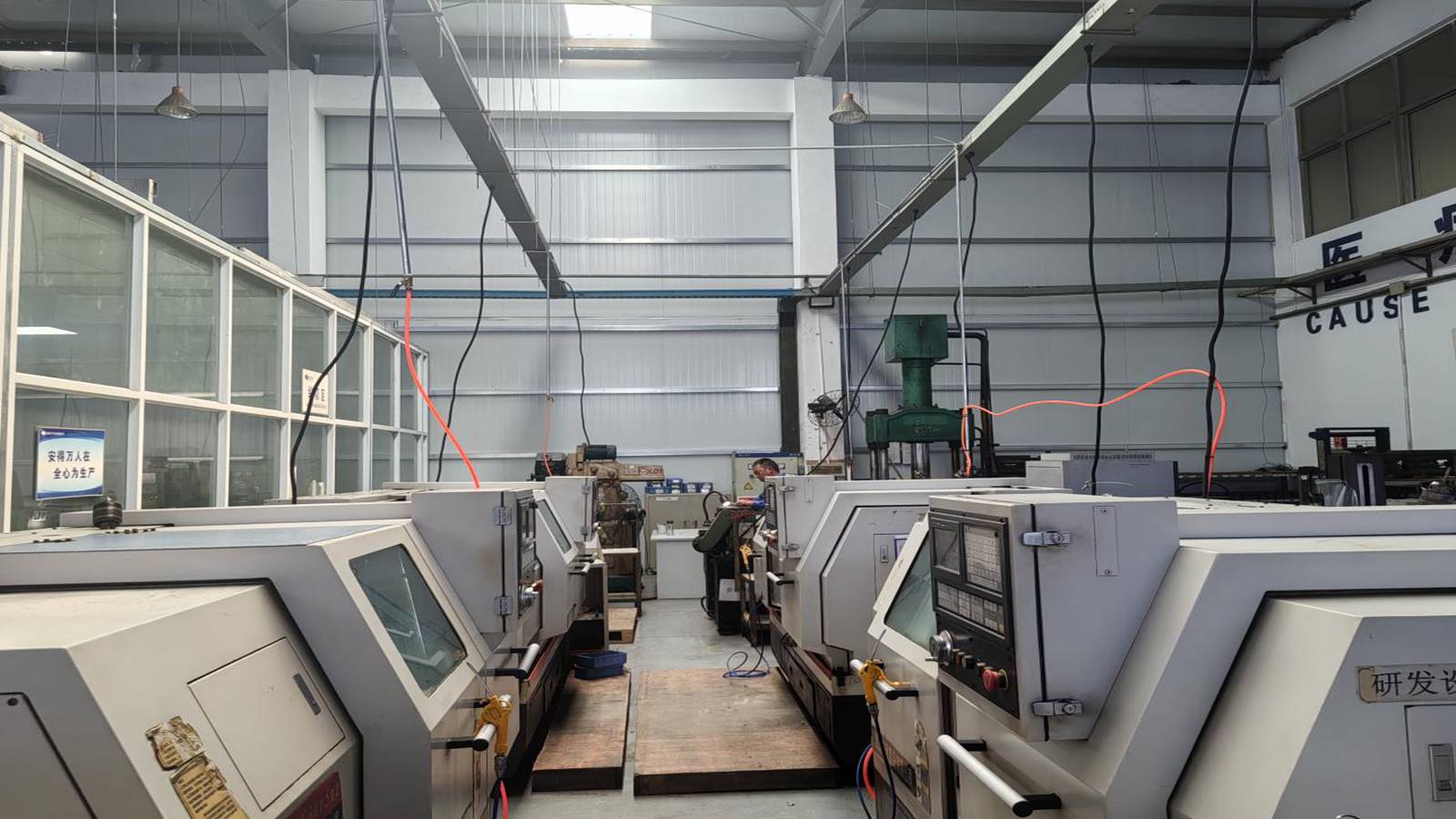
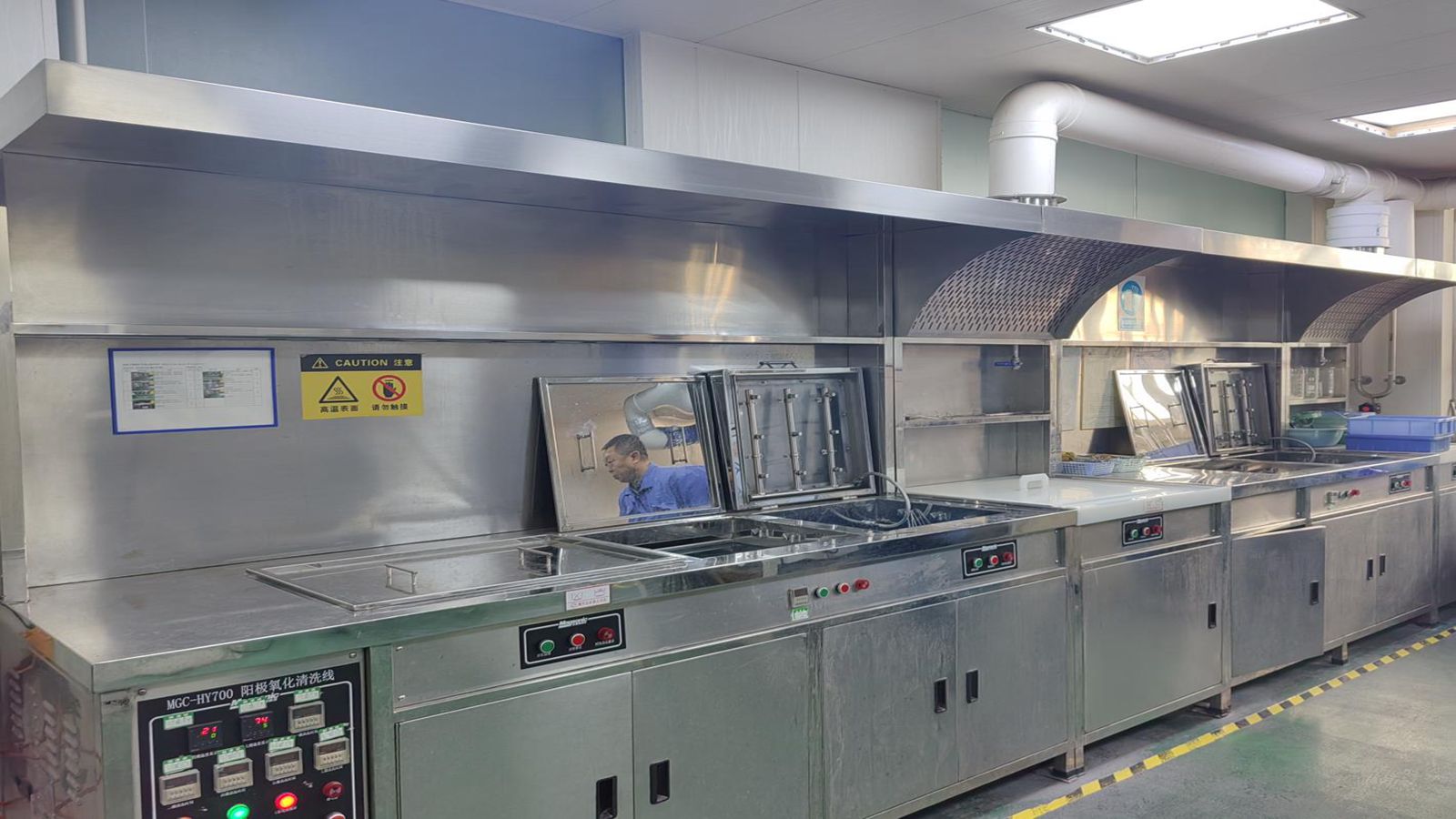
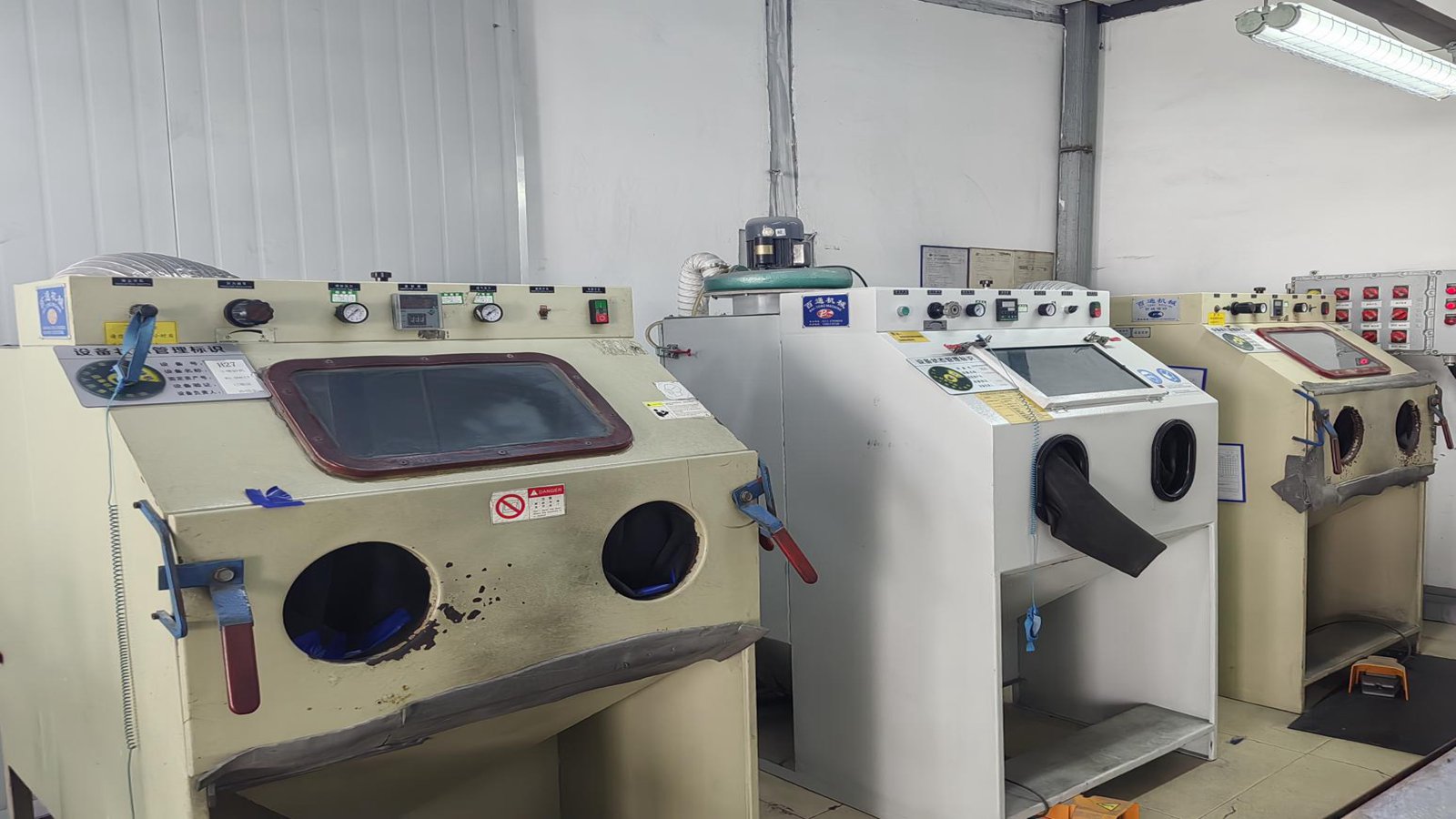
Inside our integrated production lines, raw titanium undergoes precision CNC machining, surface treatments, and rigorous laboratory analysis to guarantee optimal performance.
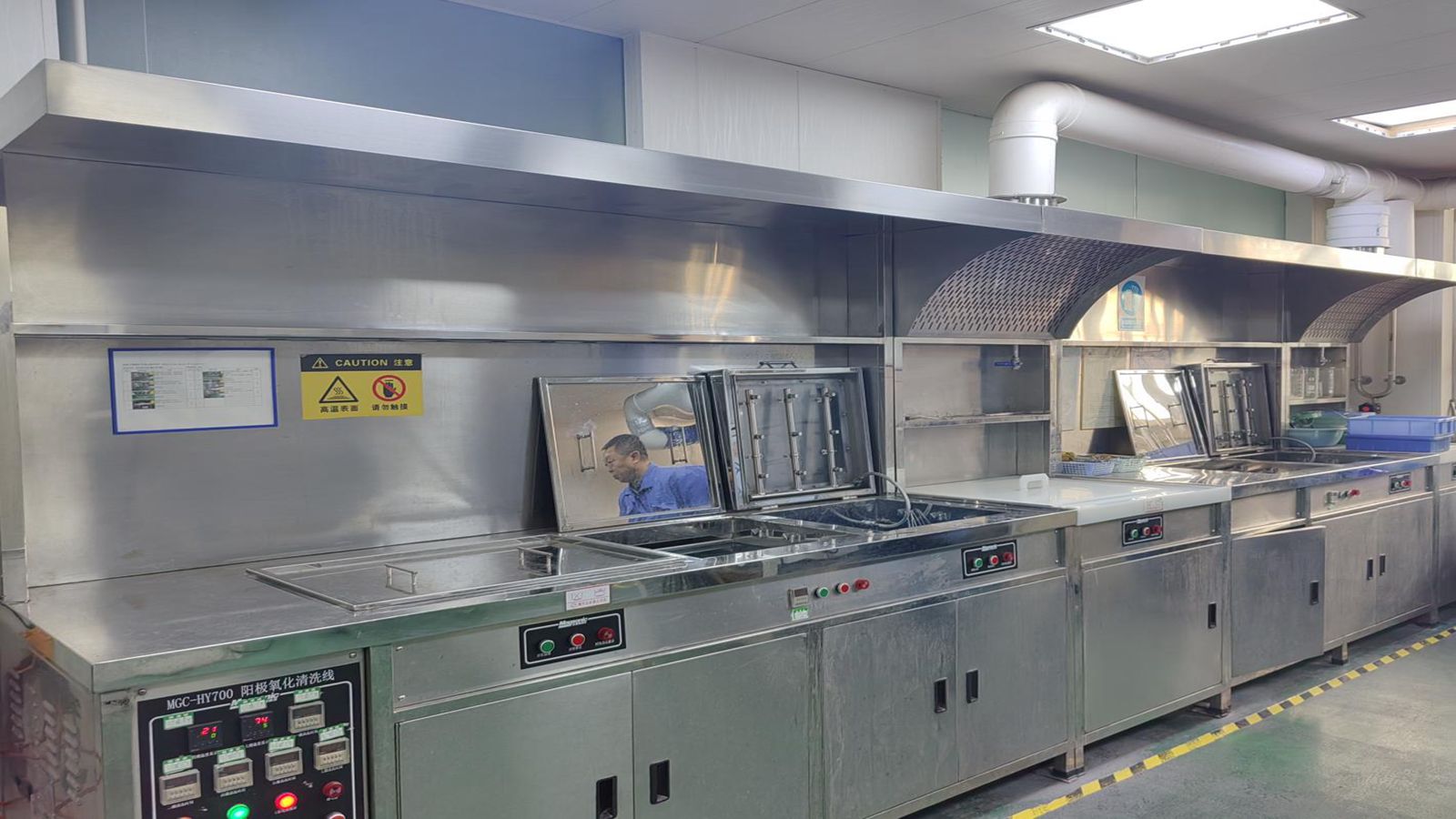
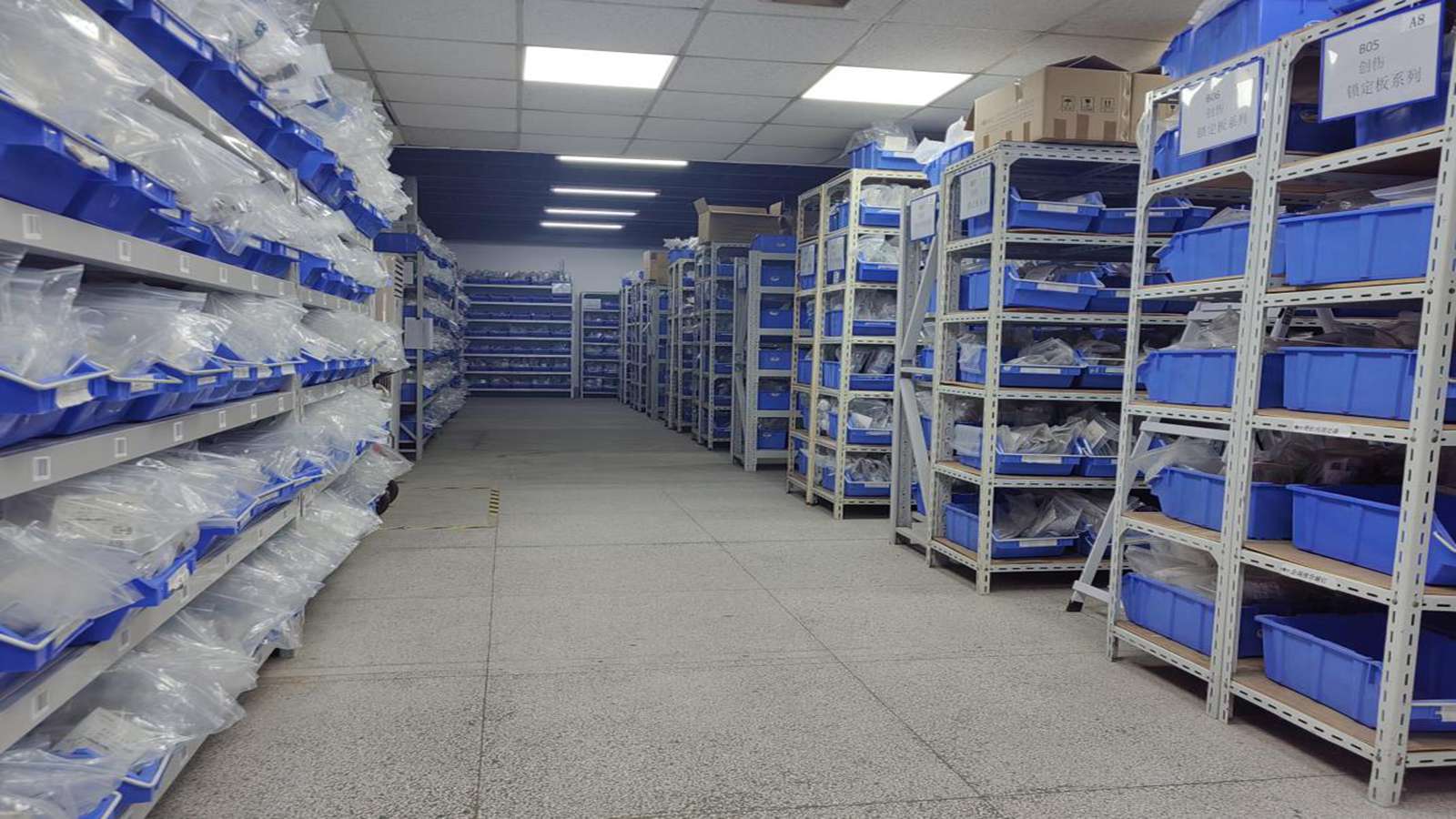
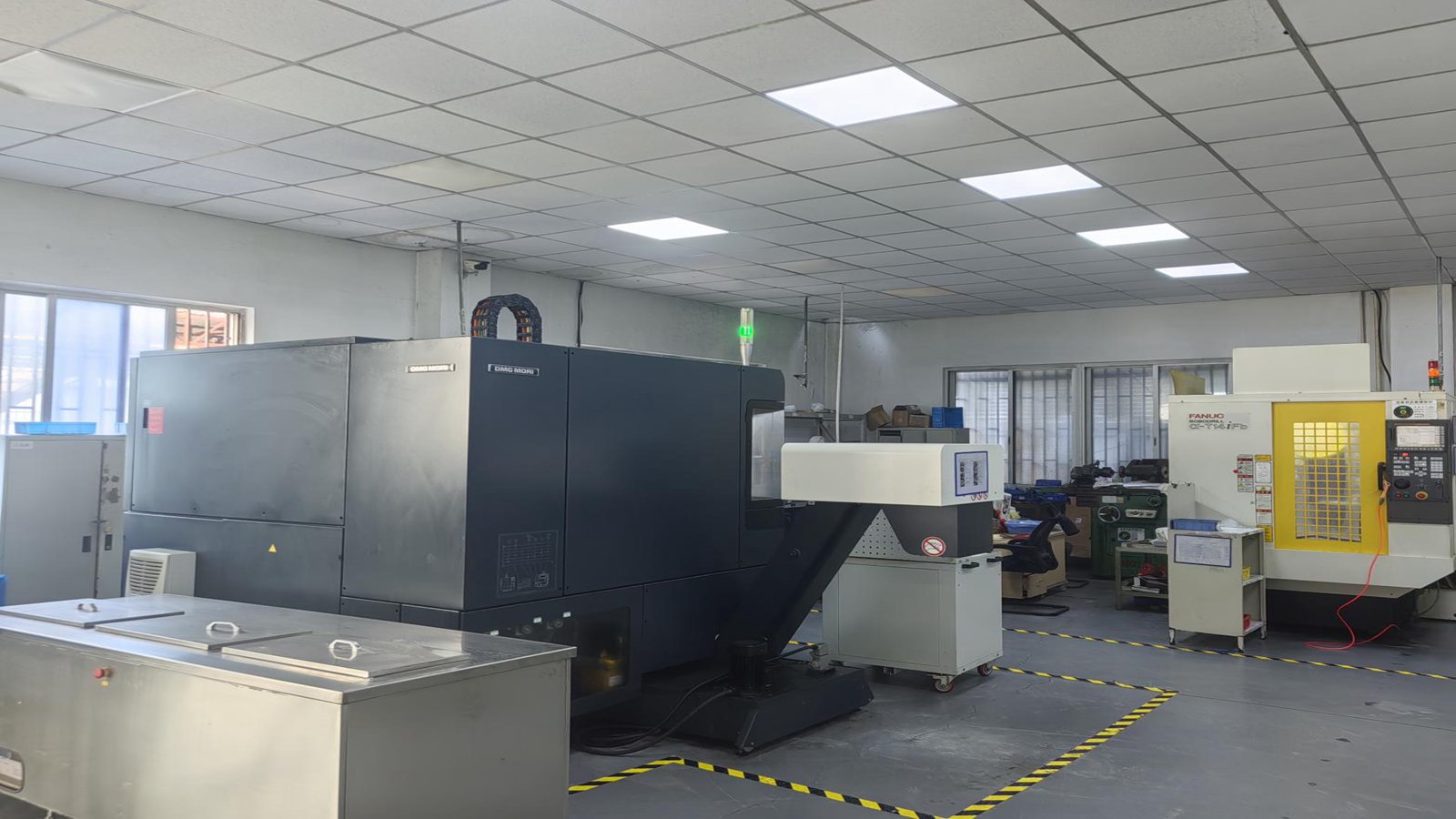
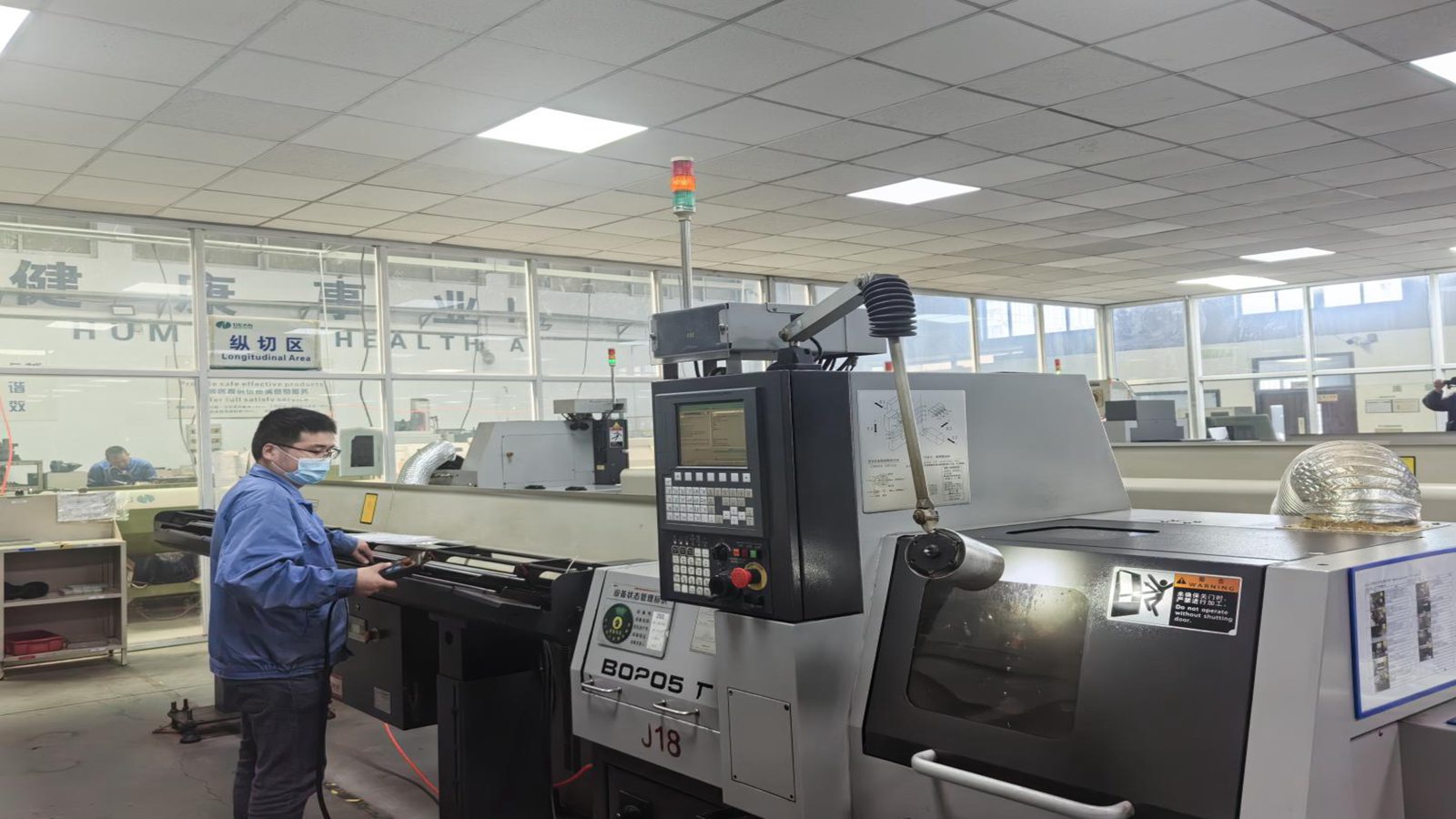
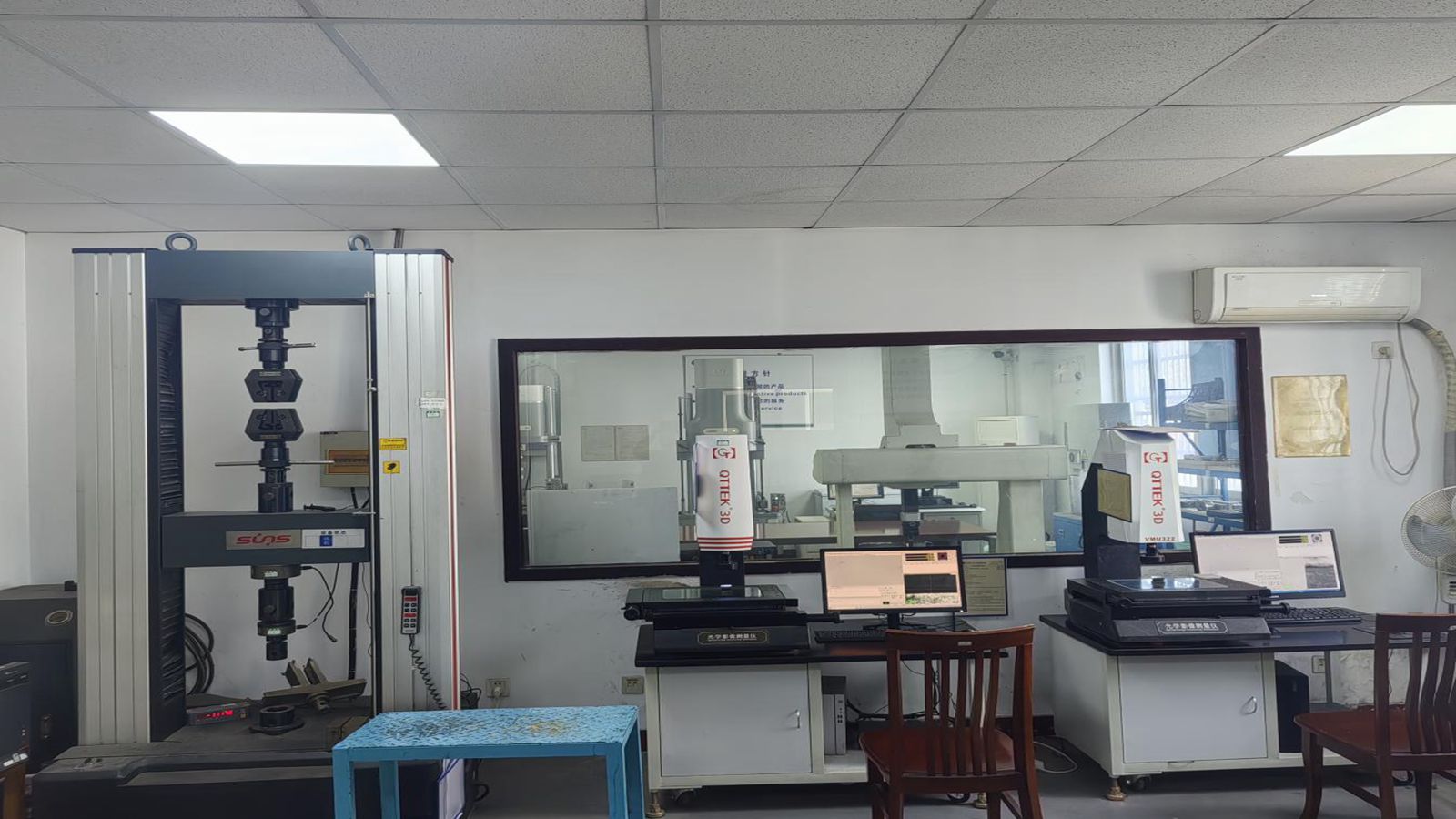
Leveraging domestic supply chains and state-of-the-art manufacturing hubs to deliver high-compliance, cost-effective orthopedic systems.
By integrating material procurement, precision tooling, cleanroom packaging, and sterilization validation in one centralized location, Chinese manufacturers minimize logistical bottlenecks. This streamlined workflow generates substantial cost savings without compromising compliance with strict international regulatory requirements.
Our facility features modern multi-axis CNC machines and automated Swiss lathes. These systems deliver complex plate designs with sub-micron tolerances, maintaining critical anatomical contours and pristine thread interfaces on locking mechanisms.
Supported by our internal team of 85 R&D engineers, we turn custom product requests into functional prototypes within weeks. This allows global clients to rapidly prototype new anatomically contoured locking plates tailored to specific demographic profiles.
Providing compliant and versatile implant systems that adapt to the distinct clinical and regulatory requirements of regional markets worldwide.
| Target Region | Primary Clinical Demands | Compliance & Certifications | Recommended Systems |
|---|---|---|---|
| Europe | MDR-compliant trauma plates, minimally invasive instrumentation, custom configurations. | CE Mark, ISO 13485, EN ISO 10993 (Biocompatibility) | Anatomical distal radius plates, low-profile clavicle locking plates. |
| North America | High mechanical performance, complex dynamic compression configurations, ergonomic instrumentation. | FDA 510(k), ASTM F136 compliance, sterile packaging validation. | Multi-axial locking systems, proximal humeral locking solutions. |
| Middle East & Africa | Robust, cost-competitive implants, versatile trauma kits covering a broad size range. | SFDA, MoH approvals, cleanroom certification. | Large/small fragment locking systems, external fixation units. |
| Southeast Asia | Economical trauma sets, small anatomical designs tailored for typical Asian bone structures. | Local MoH registrations, ISO 13485 manufacturing audits. | PFNA femoral nail systems, mini-fragment plates for hands/feet. |
Medispirex provides end-to-end support for bulk procurement, offering localized solutions tailored for hospitals, clinical groups, and international distributors:
How advanced coating, smart materials, and computer-aided surgery are redefining patient outcomes and implant longevity.
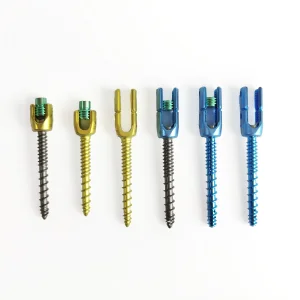
While fixed-angle locking plates provide reliable support, polyaxial locking systems allow surgeons to angulate screws within a designated cone (typically up to 15 degrees). This adaptability allows surgeons to avoid joint spaces, existing hardware, and weak bone fragments while maintaining optimal locking stability.
Research points to using micro-arc oxidation (MAO) and silver-doped hydroxyapatite coatings on titanium plates. These surface treatments encourage osseointegration and release controlled bactericidal agents, lowering risk for implant-associated osteomyelitis.
Integrating pre-operative CT scans with automated modeling allows manufacturers to design custom titanium locking plates for complex reconstructive surgeries. This eliminates intraoperative plate bending, minimizing surgery duration and reducing stress points on the implant.
Frequently asked questions concerning material selection, manufacturing tolerances, regulatory pathways, and procurement logistics.
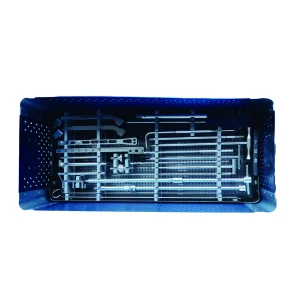
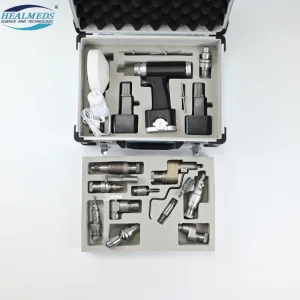
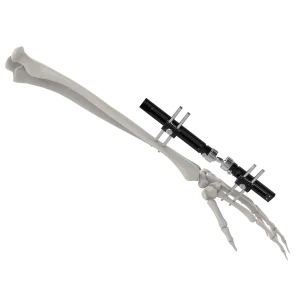
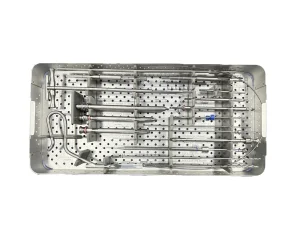
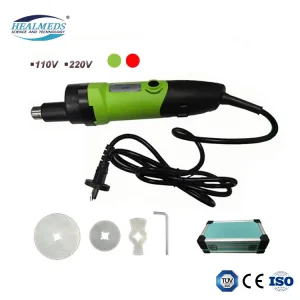
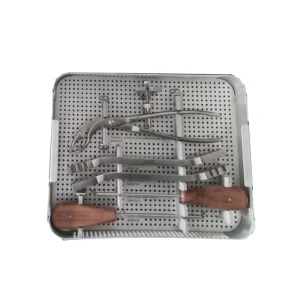
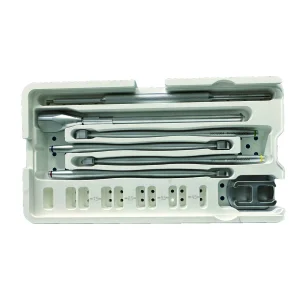
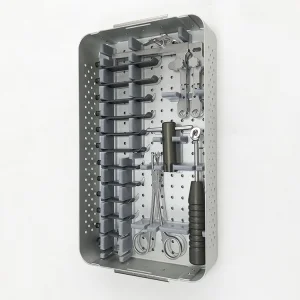
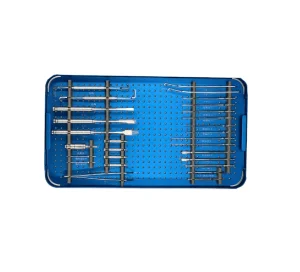
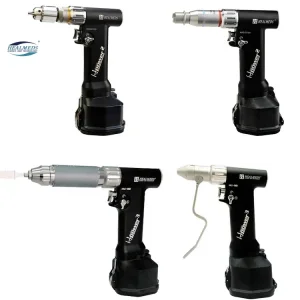
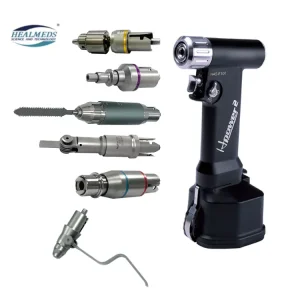
Discover our expanded surgical systems, including precision saws, external fixators, and specialized instrument kits designed to optimize clinical workflows.