Medispirex
Medispirex
Medispirex
Pioneering precision-designed trauma implants, spinal fixation, and micro-fixators for human and veterinary applications.
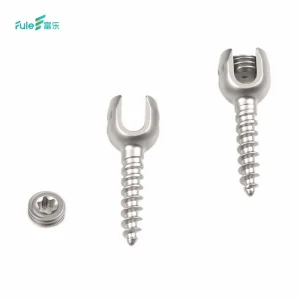
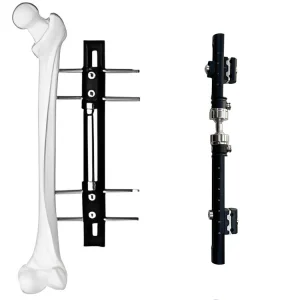
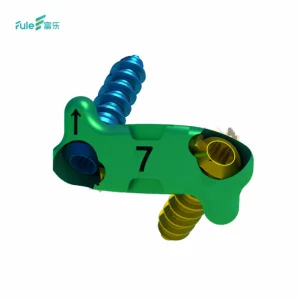
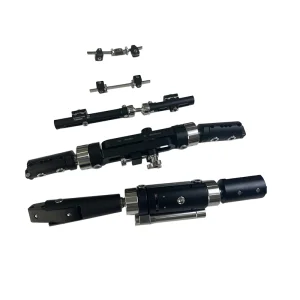
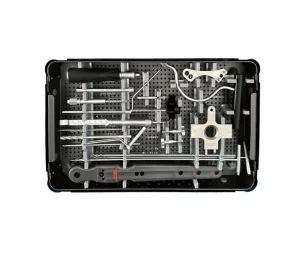
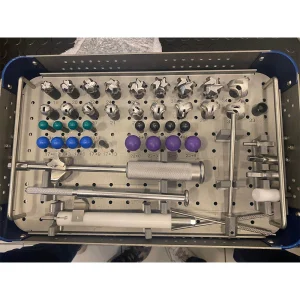
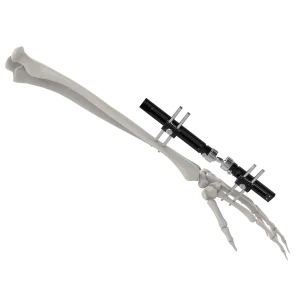
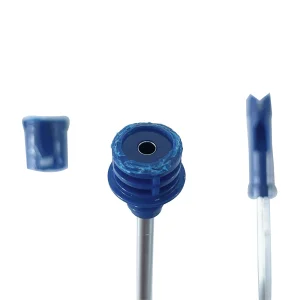
In modern orthopedic trauma surgery, the management of small fragment fractures (specifically those involving the clavicle, humerus, radius, ulna, fibula, and distal tibia) has undergone a paradigm shift. The introduction of Small Fragment Locking Plates (2.7mm / 3.5mm systems) has successfully combined the mechanical benefits of rigid internal fixation with biological preservation principles. As a leading manufacturer in the orthopedic implant sector, Medispirex Orthopedic Technology Co., Ltd. addresses these high-precision clinical demands with state-of-the-art production systems.
Established in 2016, Medispirex operates an advanced 18,600㎡ manufacturing facility integrating R&D, advanced material machining, and comprehensive quality assurance to provide top-tier orthopedic solutions worldwide.
Traditional dynamic compression plates (DCP) rely strictly on plate-to-bone friction for stability. The pressure exerted by the plate onto the bone can cause localized periosteal compression, disrupting the microvascular blood supply and potentially delaying fracture healing or causing cortical necrosis.
Conversely, Locking Compression Plates (LCP) act as internal fixators. By locking the screw head threaded directly into the plate hole, a fixed-angle construct is established. This design minimizes bone-to-plate contact, preserving the crucial periosteal blood supply. Clinical studies confirm that locking structures are highly superior in osteoporotic bone, where conventional screws risk pull-out. Medispirex design utilizes Combi-Holes, allowing surgeons the intraoperative flexibility to choose between axial compression (using standard cortex screws) and stable fixed-angle locking (using locking screws).
Optimum biocompatibility and fatigue strength are paramount. Medispirex implants are primarily fabricated from Grade 5 Titanium (Ti-6Al-4V ELI) and medical-grade 316L Stainless Steel. Titanium exhibits a lower modulus of elasticity (closer to that of cortical bone), reducing stress-shielding effects, and shows superior corrosion resistance.
To further enhance bio-integration, our manufacturing line integrates advanced Anode Oxidation Cleaning and Sand Blasting. Anodization thickens the natural titanium oxide layer, reducing ion release and increasing wear resistance, while providing color coding (e.g., gold and blue) for quick intraoperative size and type identification.
The global demand for orthopedic trauma implants is expanding, driven by aging populations, increasing traffic accidents, and rising sports injuries. Procurement departments in hospitals and distributors face stringent criteria when selecting a supplier. The primary concerns include:
Medispirex has structured its production around advanced Factory 4.0 paradigms. Through automation and digital monitoring, we coordinate our operations with approximately 860 upstream and downstream partners. This ecosystem guarantees that raw material supplies (titanium bars, PEEK polymer, and surgical stainless steel) remain constant even during global shipping disruptions. Our CNC Machining Center, CNC Lathes, and computerized testing tools enable us to achieve tolerances down to the micrometer level. This extreme precision ensures that locking screws thread seamlessly into the locking plate combi-holes without binding or cross-threading during critical surgeries.
Understanding that different clinical markets require customized configurations, we offer specialized R&D support led by our team of 85 design engineers. Whether a healthcare distributor requires customized anatomic contours for regional population biometrics or specific private-label sterile packaging, Medispirex delivers tailored solutions. Last year alone, we introduced 120 new products, reinforcing our position at the forefront of trauma implant technology.
A glimpse into our cleanrooms, machining zones, and quality control laboratories where precision meets medical innovation.
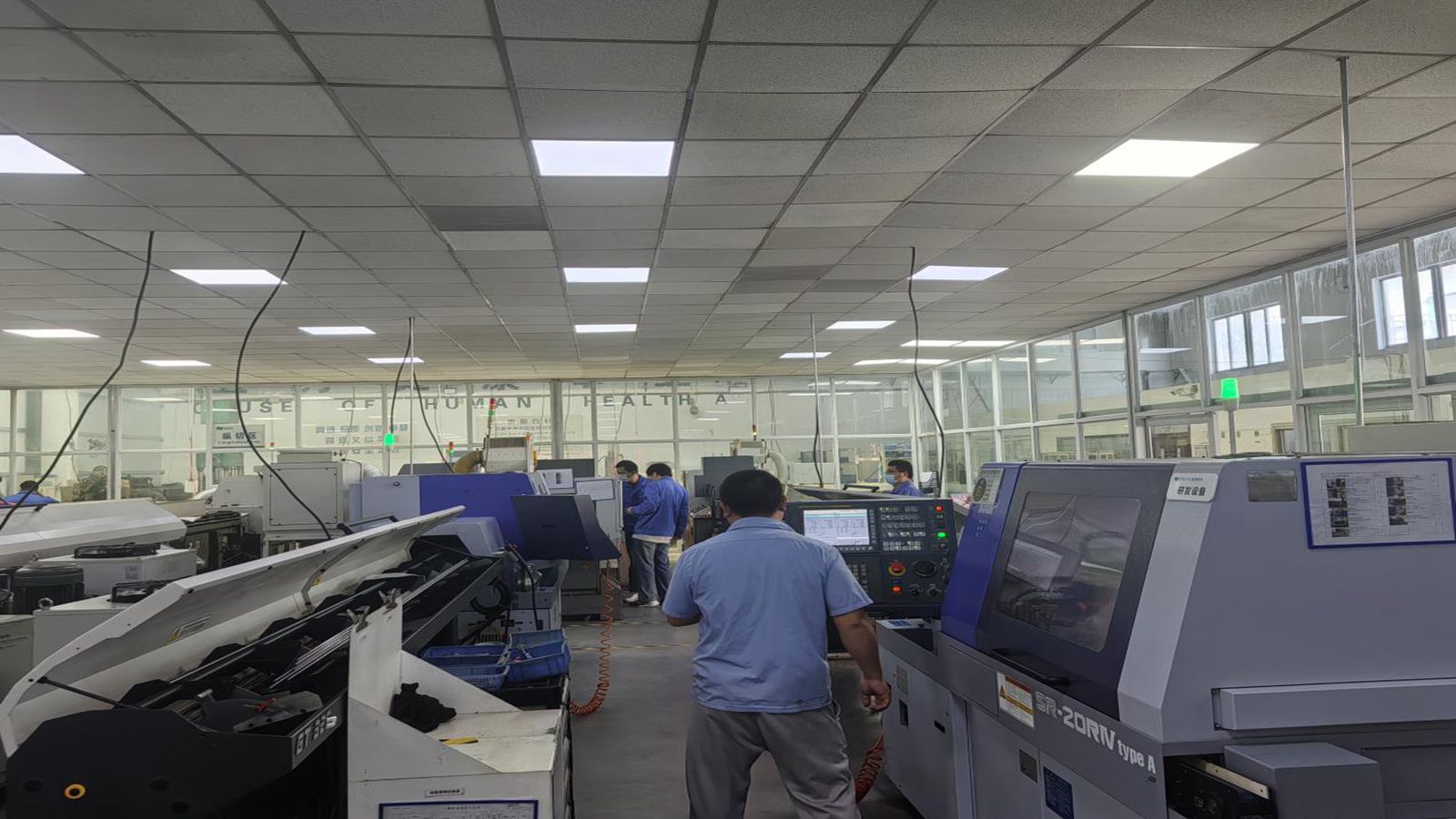
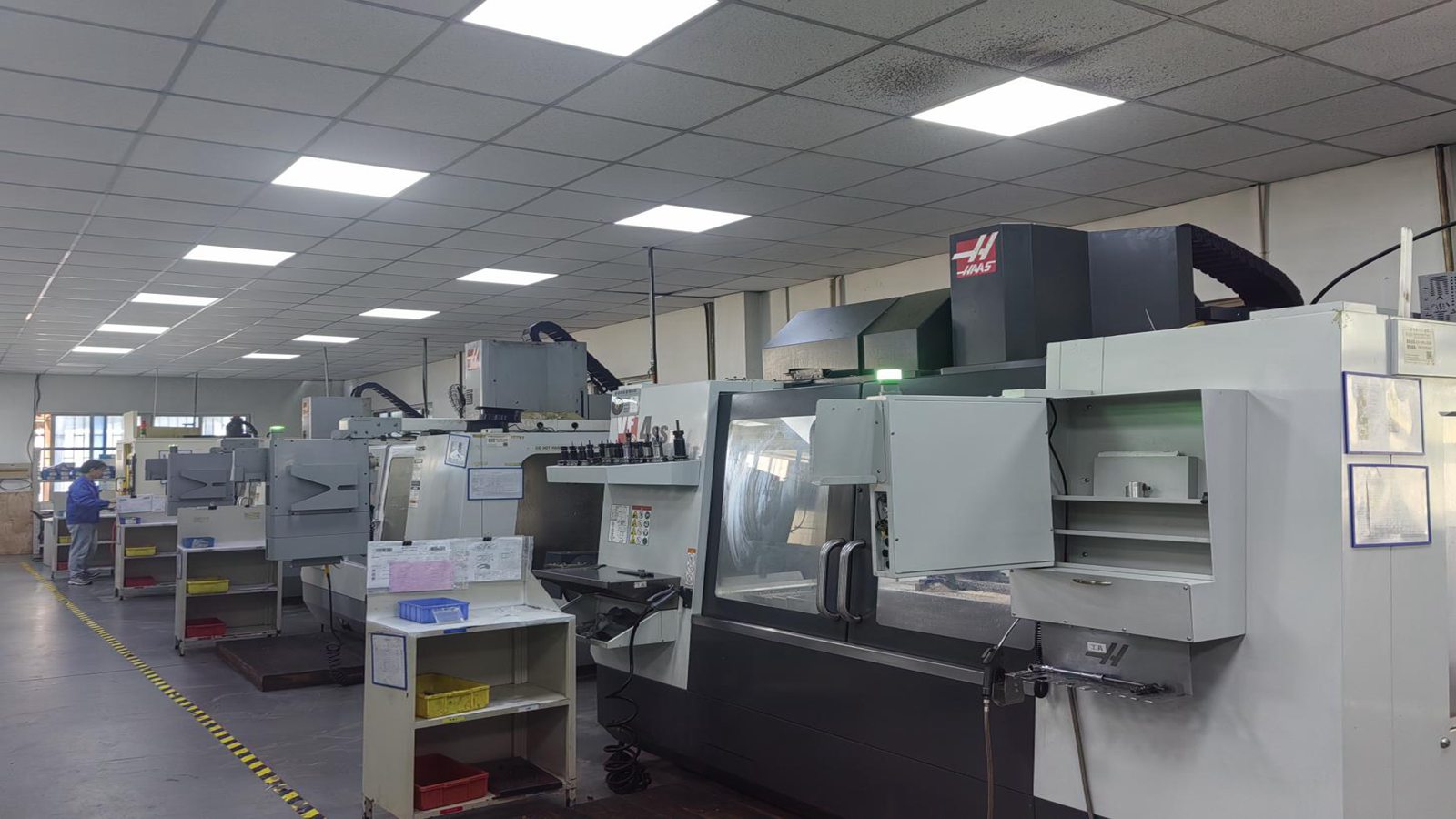
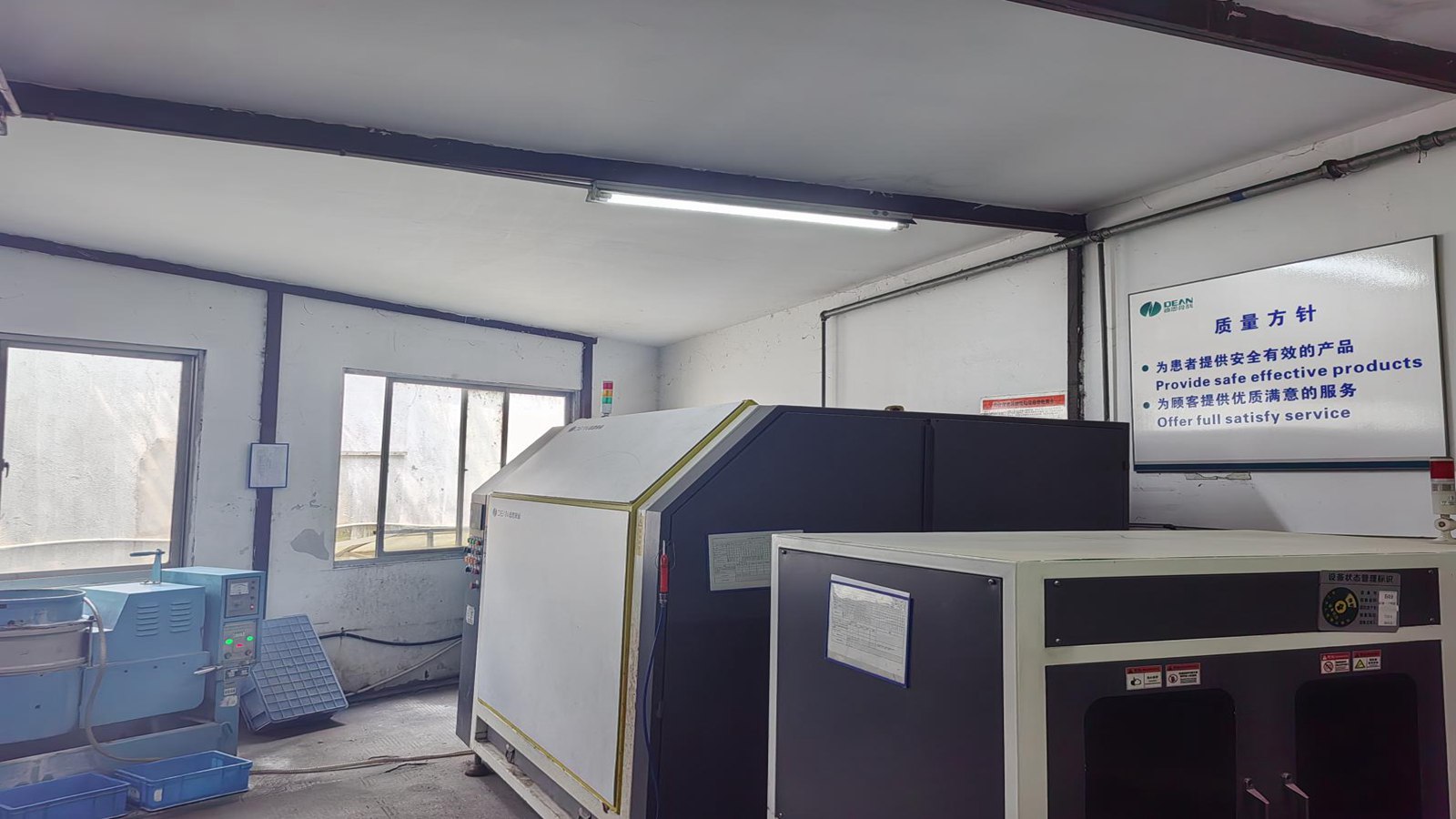
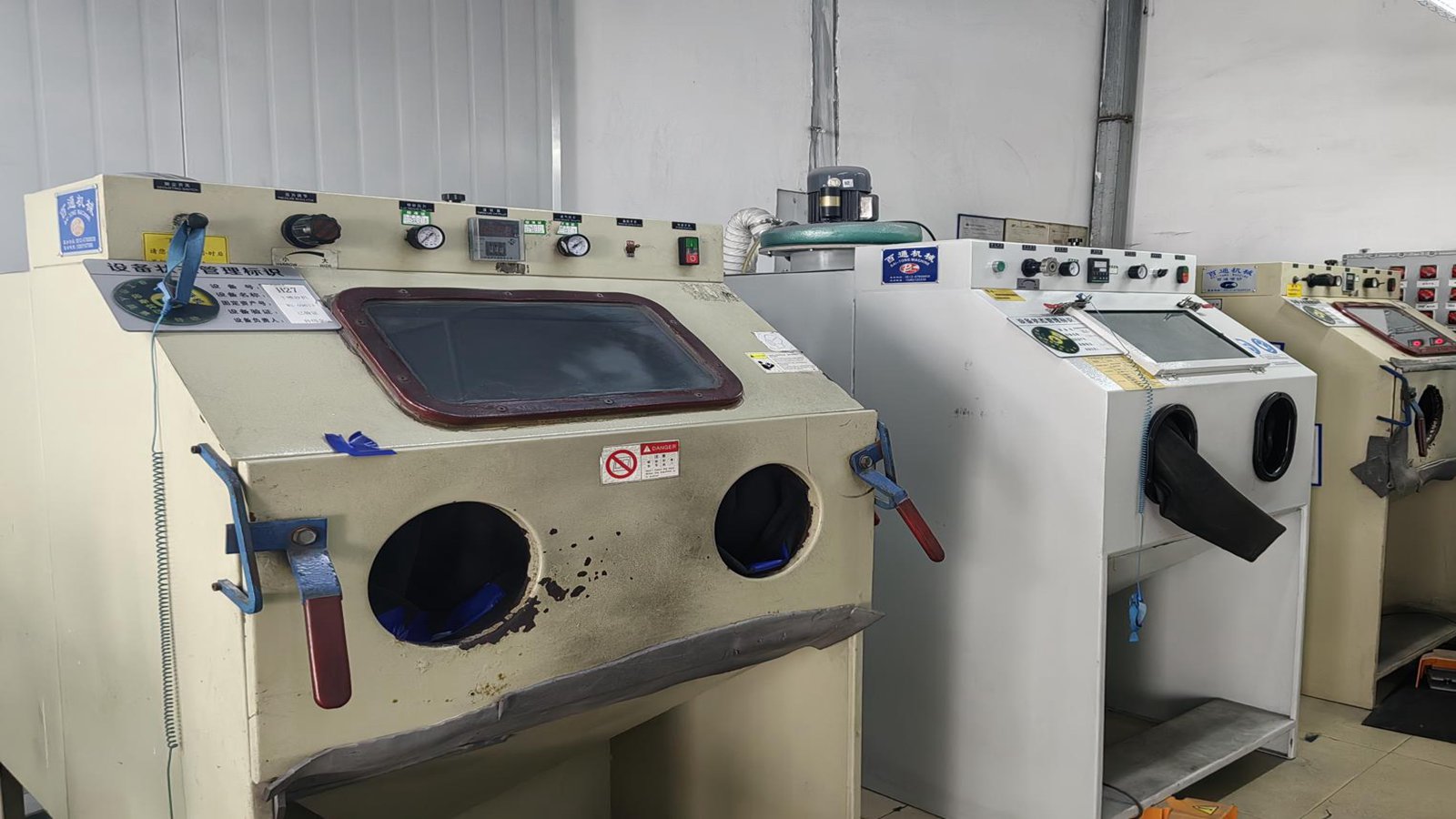
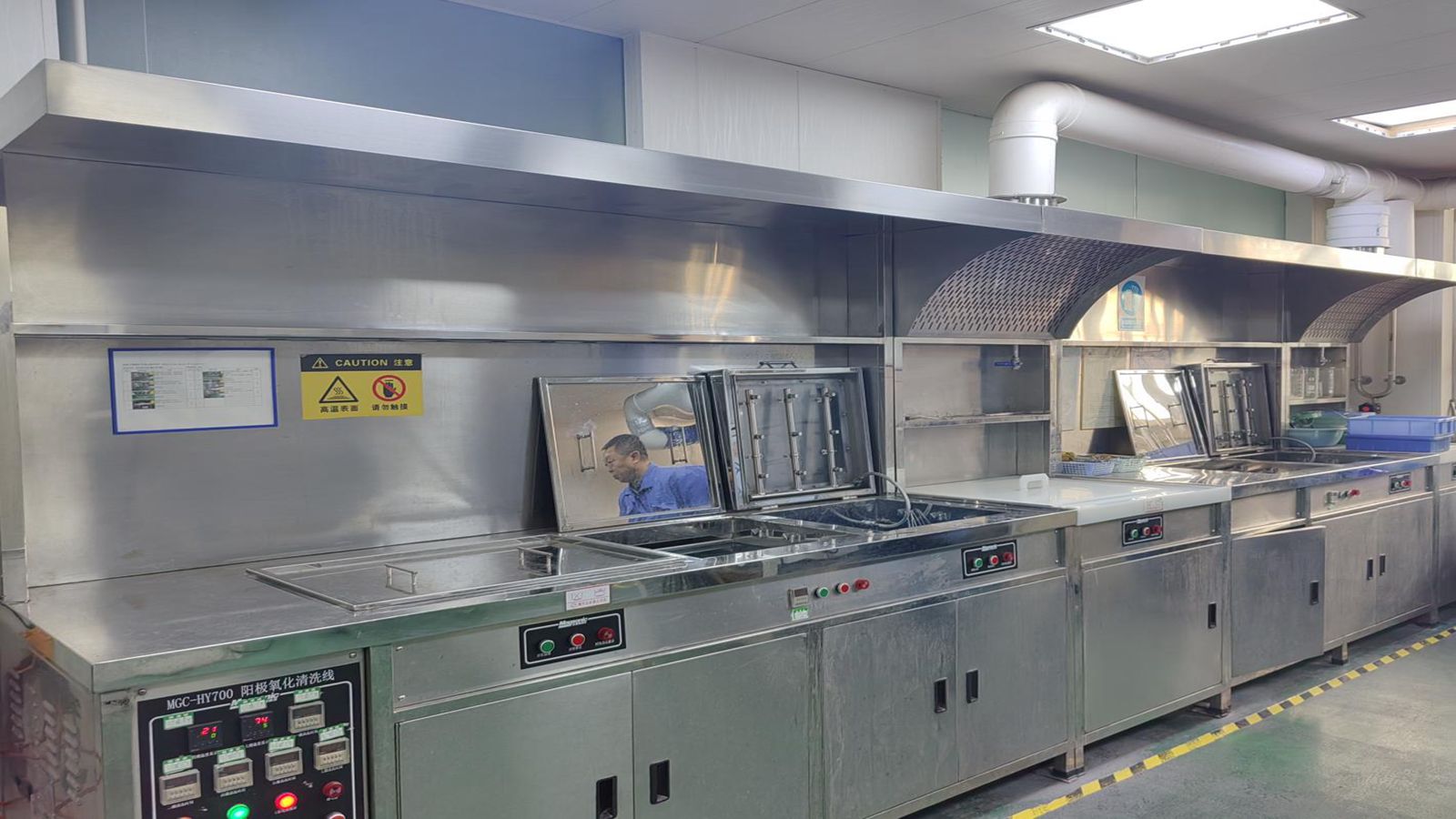
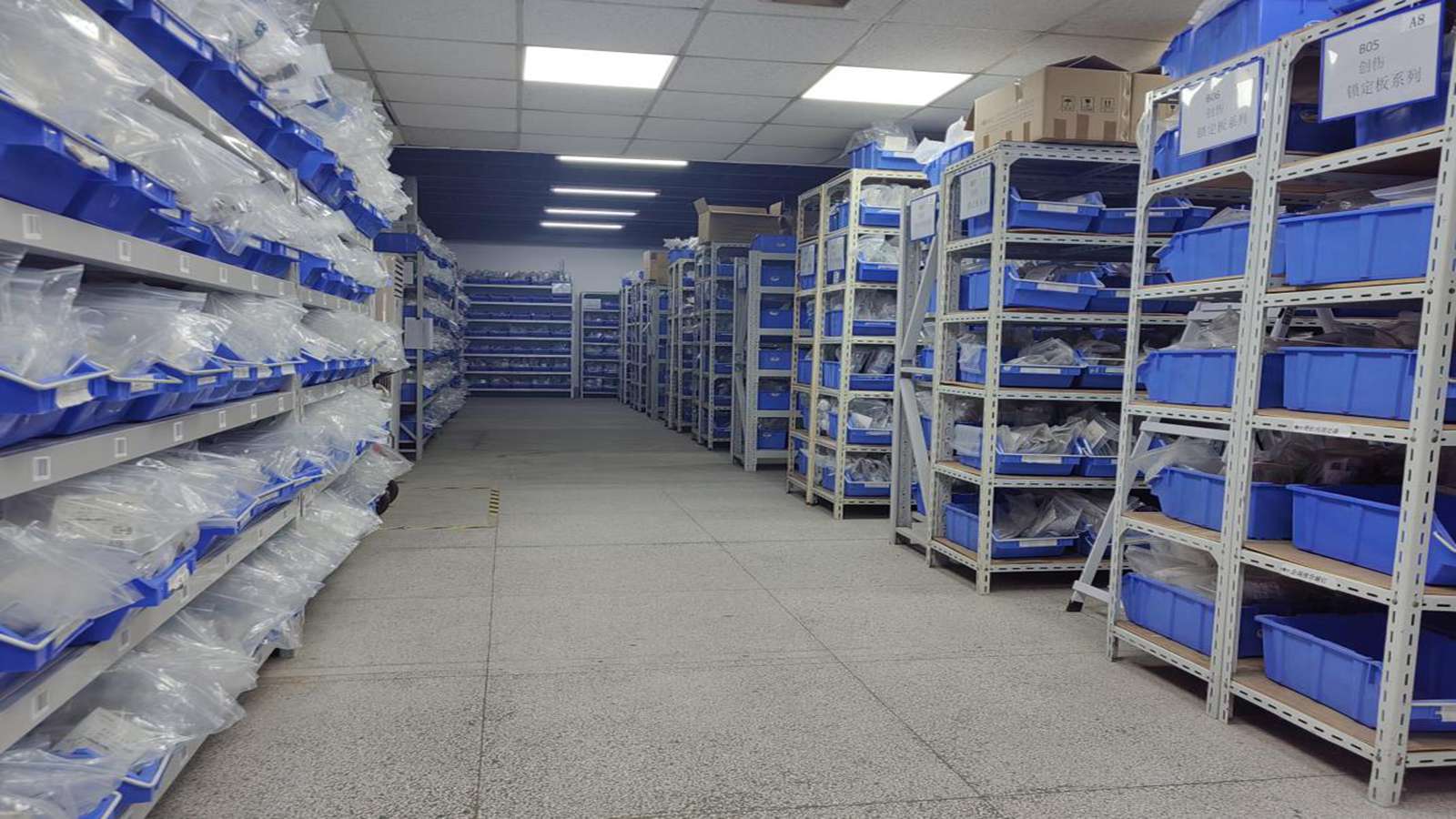
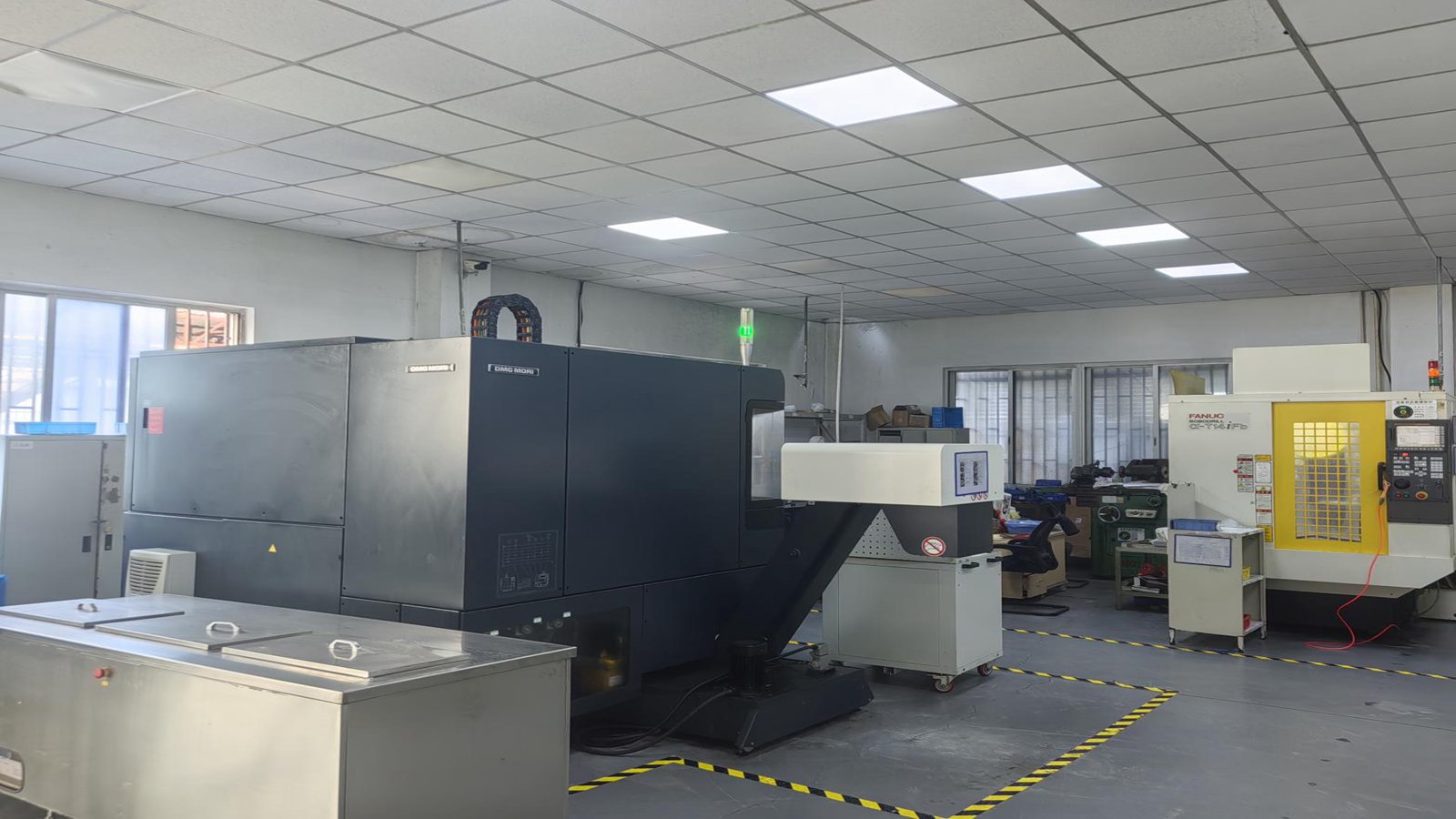
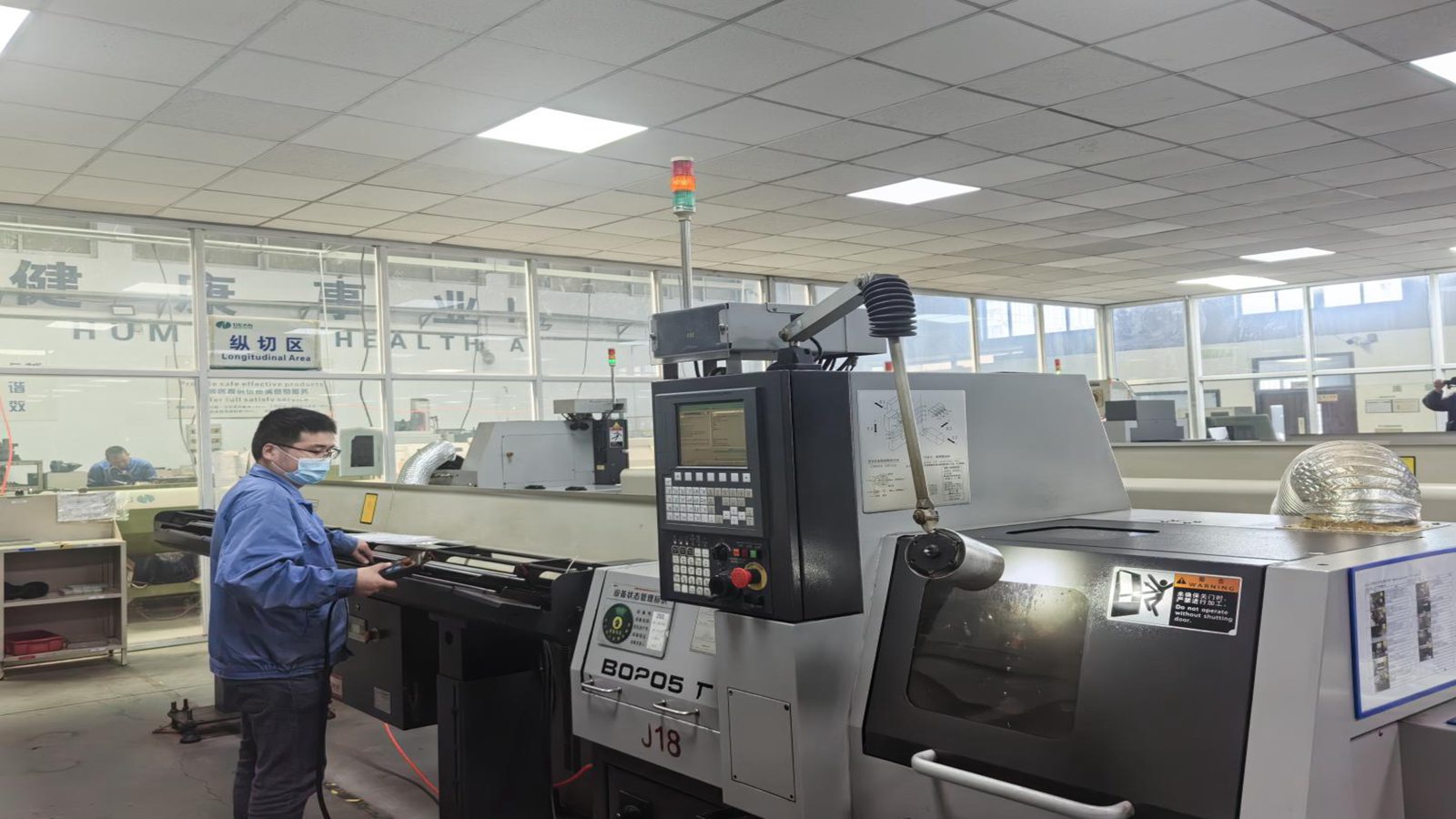
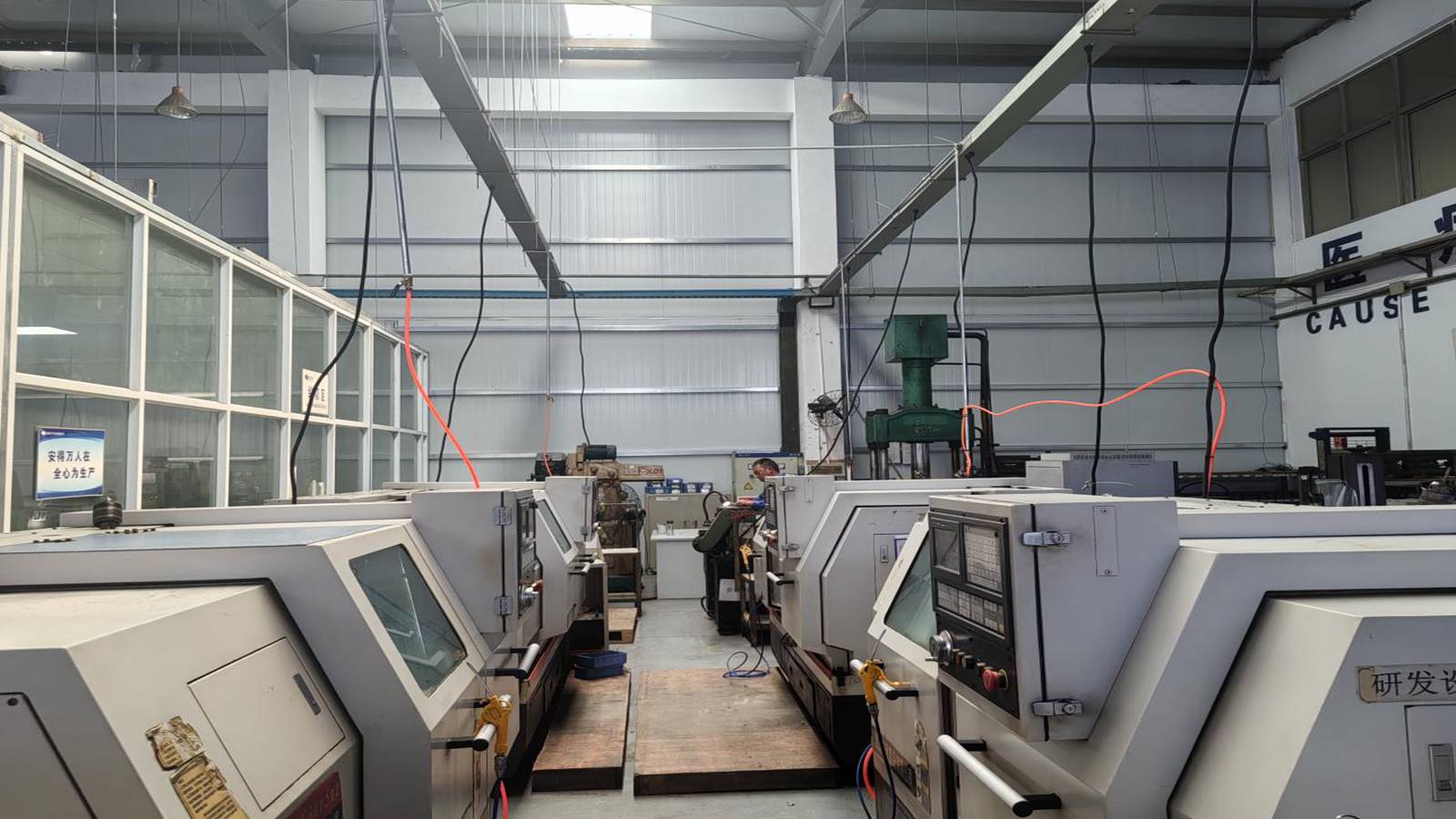
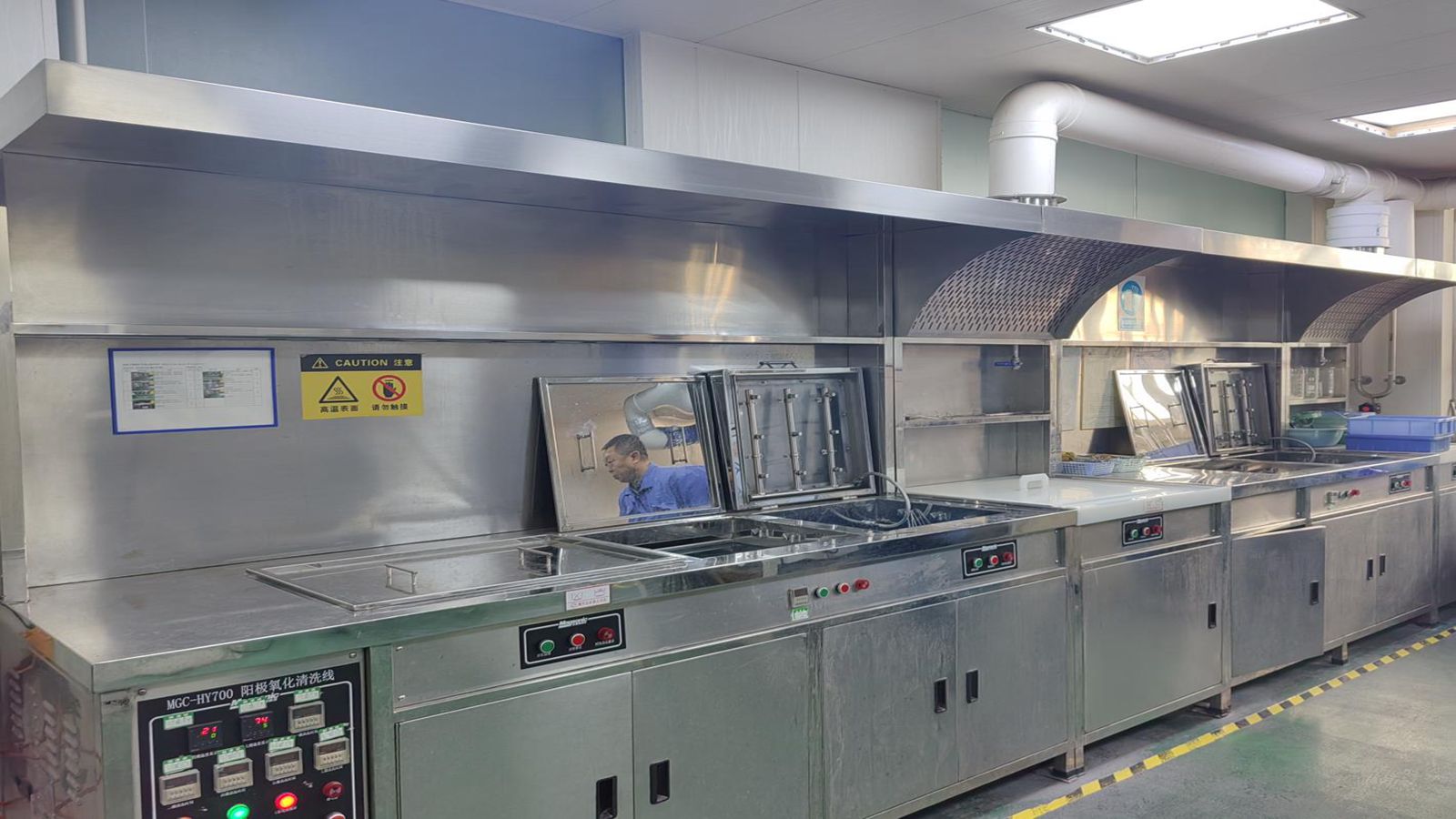
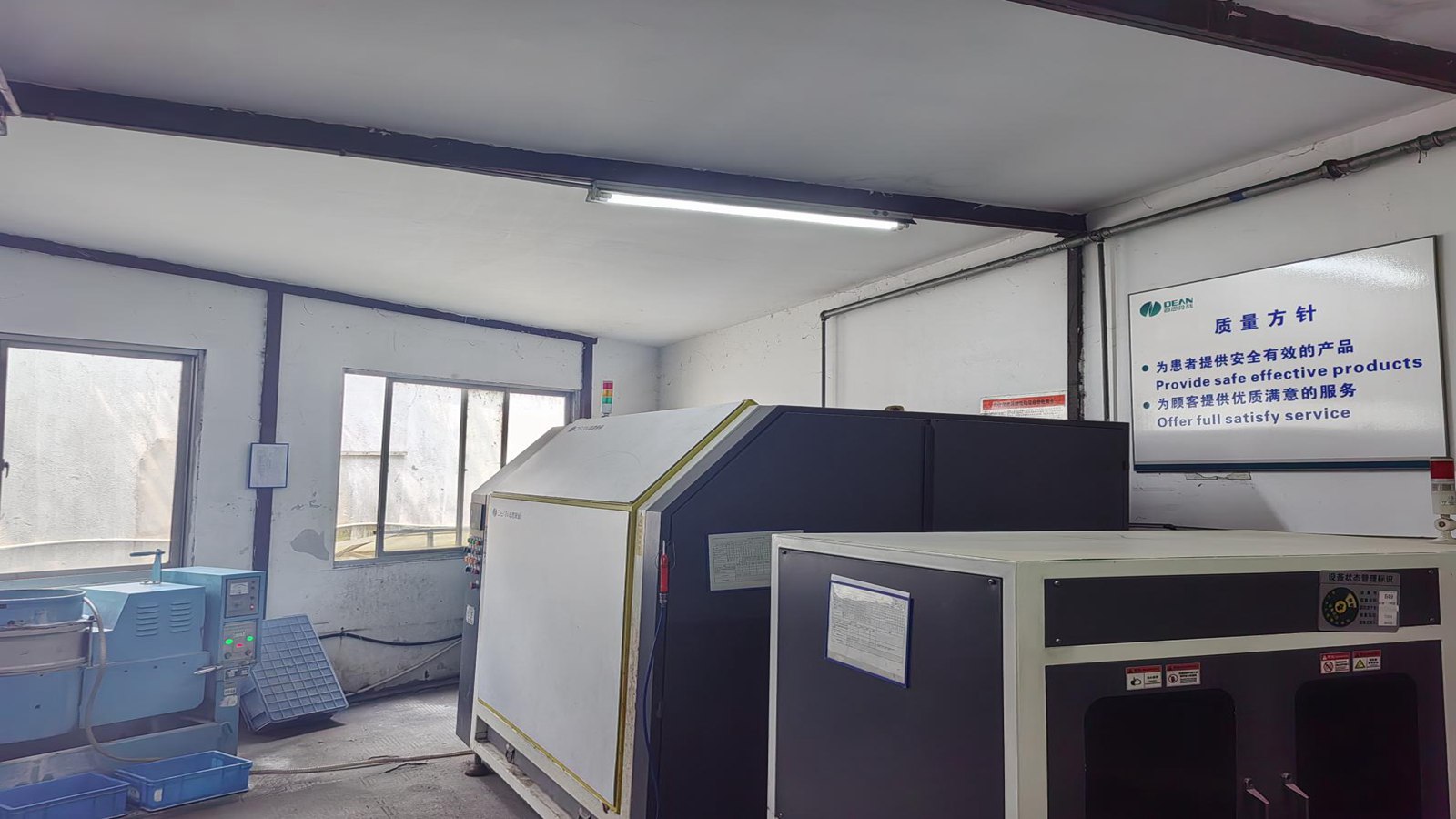
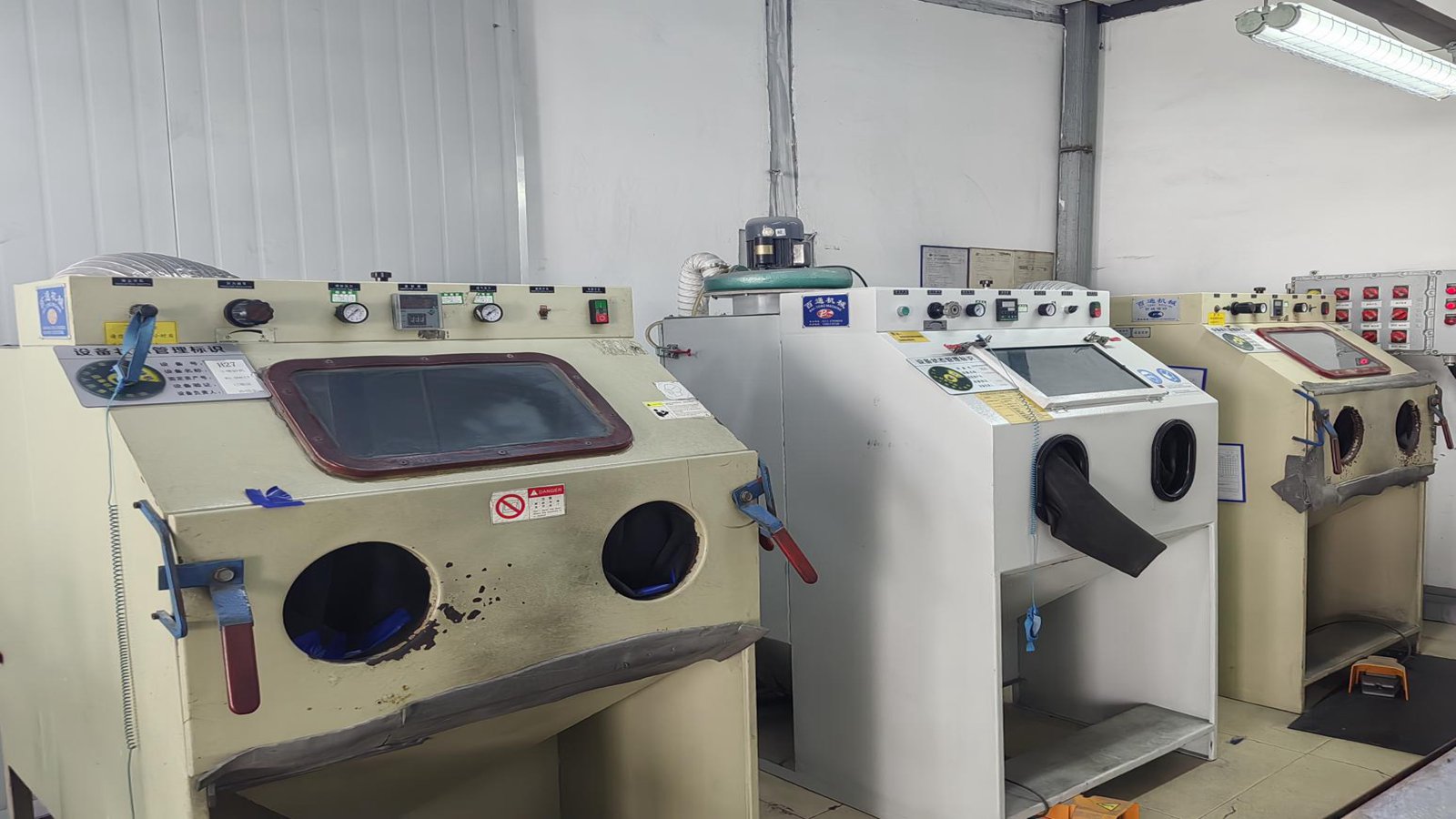
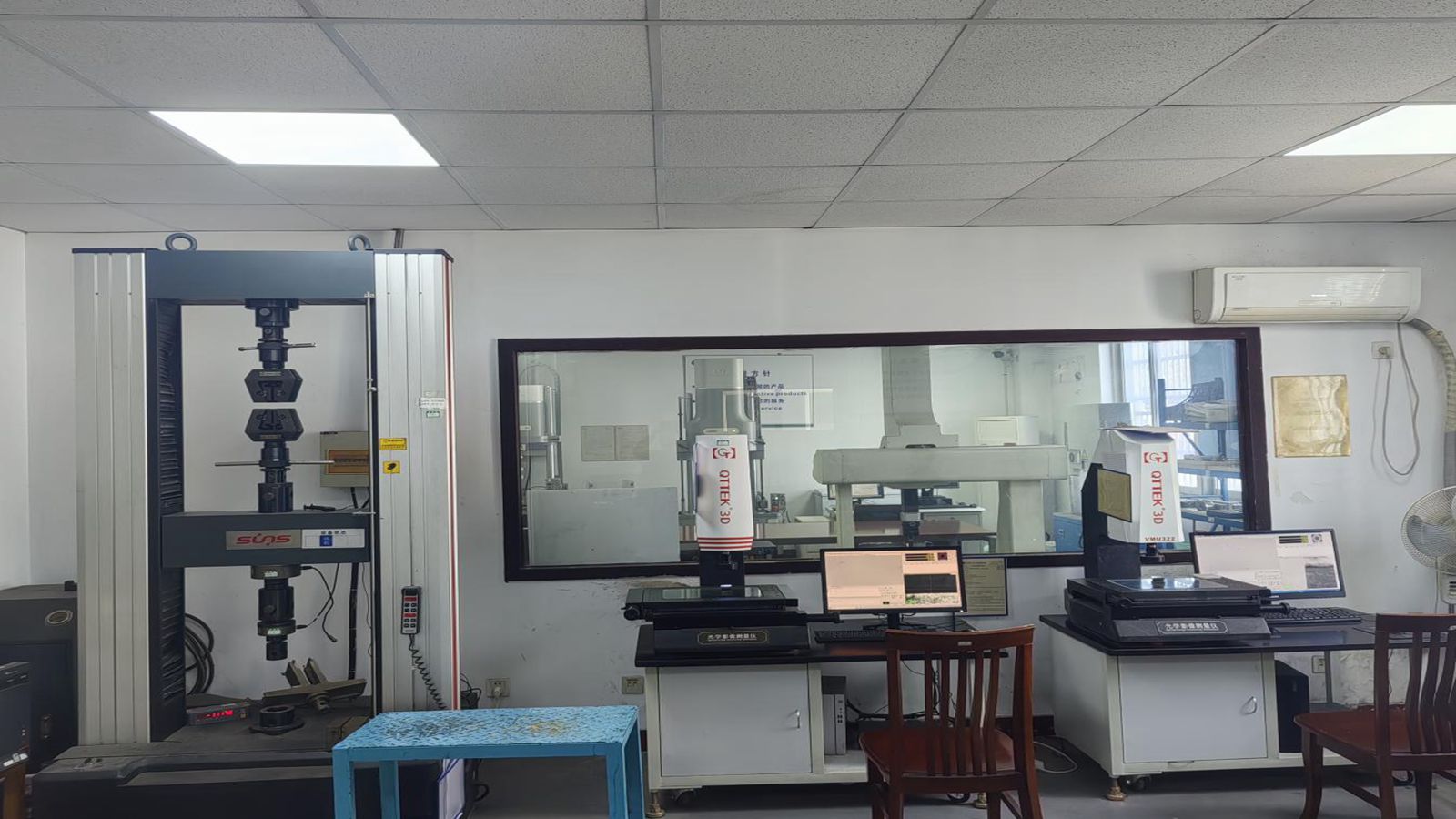
The manufacturing process at Medispirex follows a strict quality management system overseen by a dedicated team of 45 QC professionals. The protocol encompasses four key phases:
Every batch of raw titanium (Ti-6Al-4V ELI) or stainless steel undergoes chemical composition testing and microstructure analysis via spectroscopy. This verification ensures that only compliant raw stock enters the CNC cutting phase.
During CNC machining and milling, laser measurement systems verify the dimensional accuracy of the plate profiles, combi-holes, and screw thread pitches. Real-time monitoring prevents variations caused by tool wear.
Post-polishing and anodization, implants are cleaned in multi-stage ultrasonic tanks to remove microscopic residues. They are then inspected under high-magnification optical systems for surface uniformness and color consistency.
Before batch release, sample plates are subjected to mechanical fatigue tests to replicate the stress cycles of a mobilizing patient. Standardized torsion and pull-out tests check the integrity of the locking screw-plate interface.
Expert answers to common questions about Small Fragment Locking Plates sourcing, design, and applications.
Discover our comprehensive collection of trauma systems, drills, saws, and orthopedic implants.