Medispirex
Medispirex
Medispirex
Proximal humeral fractures (PHF) represent approximately 6% of all adult fractures, making them the third most common fracture type in elderly, osteoporotic populations. Surgical stabilization of these complex injuries has historically posed significant challenges for orthopedic trauma specialists. Early fixation methods, including tension band wiring, hemiarthroplasty, and standard non-locking plates, frequently failed under dynamic physiological loads, resulting in complications such as varus collapse, screw cut-out, and avascular necrosis of the humeral head.
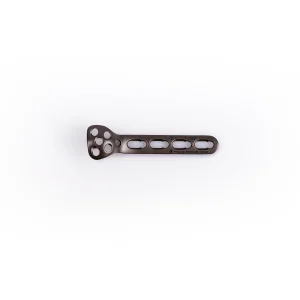
The introduction of Proximal Humeral Locking Compression Plates (LCP) has revolutionized clinical outcomes. By acting as fixed-angle constructs, these specialized plates provide angular stability that is mechanically superior to traditional systems. This stability is particularly critical in osteoporotic bone, where the purchase of traditional screws is severely compromised. Leading proximal humeral plates factories and suppliers now utilize advanced finite element analysis (FEA) to simulate multidirectional stresses, optimizing screw trajectory patterns to capture key anatomical structures, such as the inferomedial calcar region. Incorporating a calcar screw is now widely recognized as a decisive biomechanical measure to prevent varus tilt and subsequent displacement of the humeral head.
Strategically angled locking screws target the posteromedial cortex of the proximal humerus, mitigating the risk of construct failure under compressive loads.
Modern plates feature perimeter suture notches to facilitate tension-band wiring of the greater and lesser tuberosities, resolving soft tissue instability.
Anatomically pre-bent profiles minimize subacromial impingement, eliminating the clinical need for extensive intraoperative plate bending.
Production Facility
Annual Export Volume
New Products Annually
R&D Engineers
For medical distributors, hospital procurement managers, and orthopedic OEM/ODM brands, selecting the right proximal humeral plates manufacturer requires evaluating critical parameters beyond price. Under the stringent Google E-E-A-T guidelines, authority and reliability are demonstrated through technical validation, raw material traceability, and manufacturing compliance.
A premier proximal humeral plate manufacturer must prove adherence to international standards, specifically ISO 13485 (Medical Devices Quality Management) and clinical certifications such as CE Mark Class III and FDA 510(k) clearances. The material of choice is Medical-Grade Titanium Alloy (typically Ti-6Al-4V ELI conforming to ASTM F136 or ISO 5832-3), which delivers an optimal strength-to-weight ratio, excellent biocompatibility, and a modulus of elasticity closer to cortical bone than stainless steel. This reduces the risk of stress shielding, which can lead to bone resorption around the implant site.
Suppliers must perform rigorous fatigue testing according to ASTM F382 standard test methods for metallic bone plates, ensuring they withstand hundreds of thousands of load cycles without crack initiation.
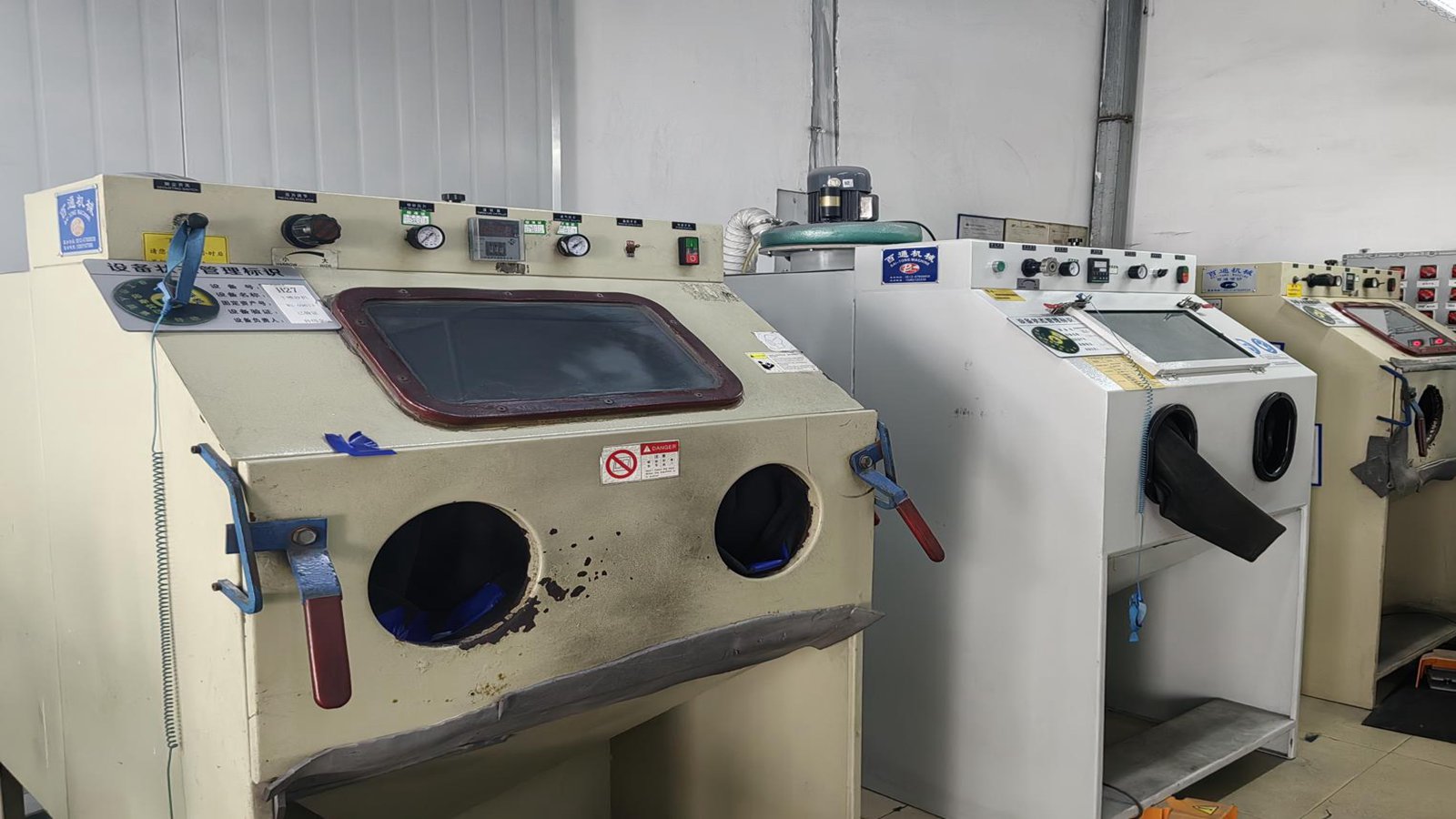
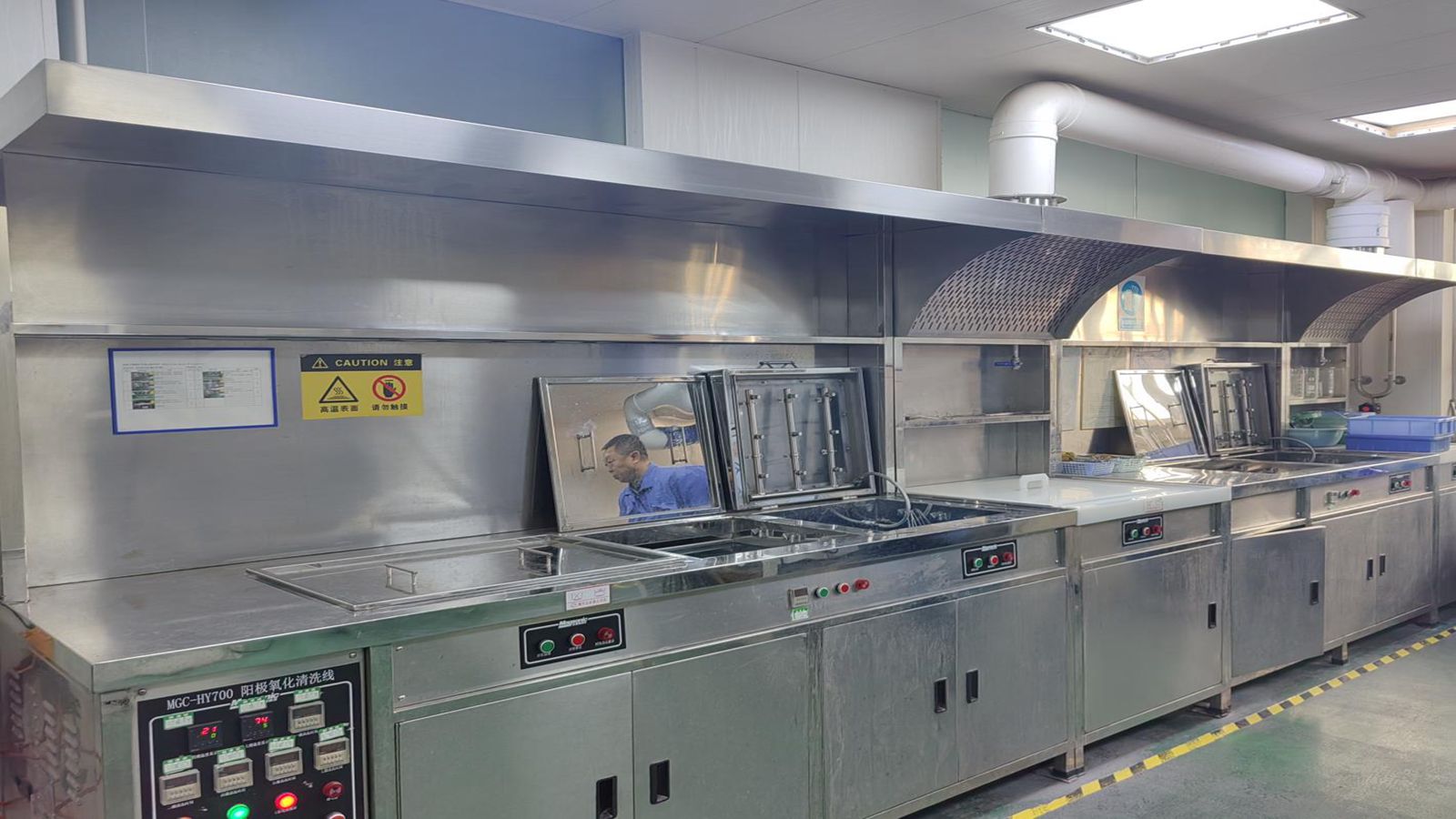
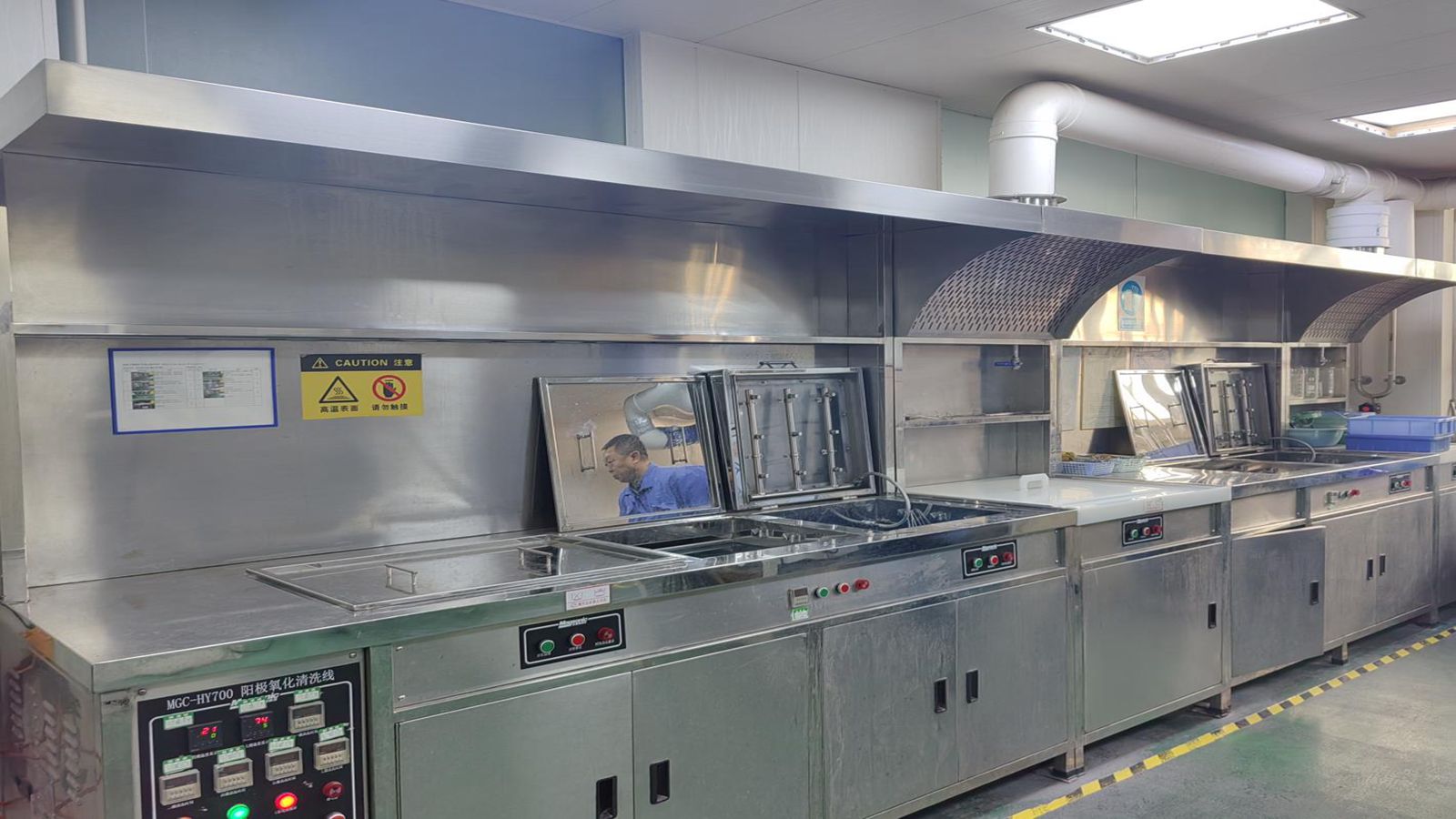
Premium plates undergo advanced anodic oxidation. This forms a stable, bio-inert titanium dioxide layer that enhances corrosion resistance and color-codes locking holes for intraoperative screw matching.
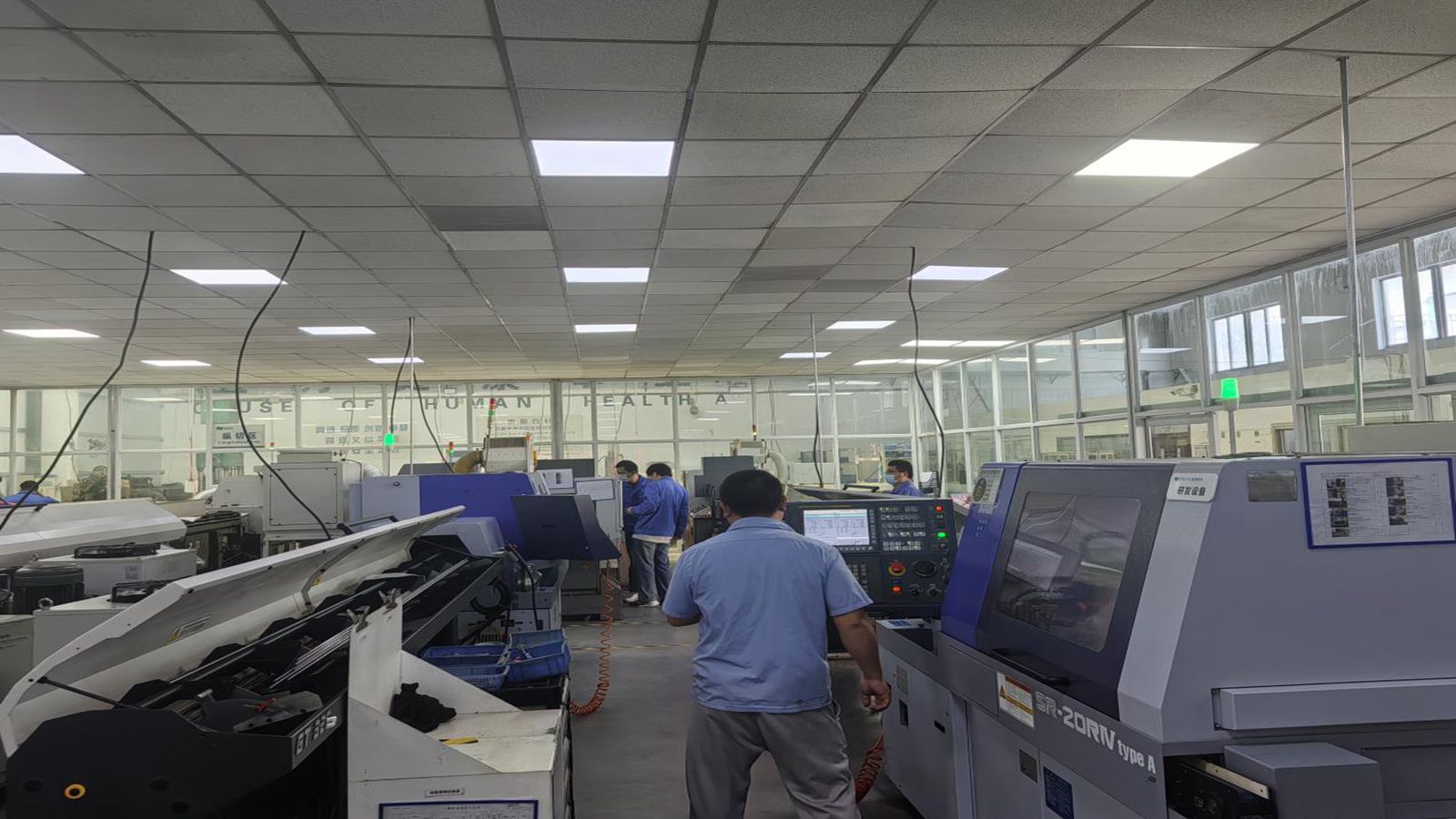
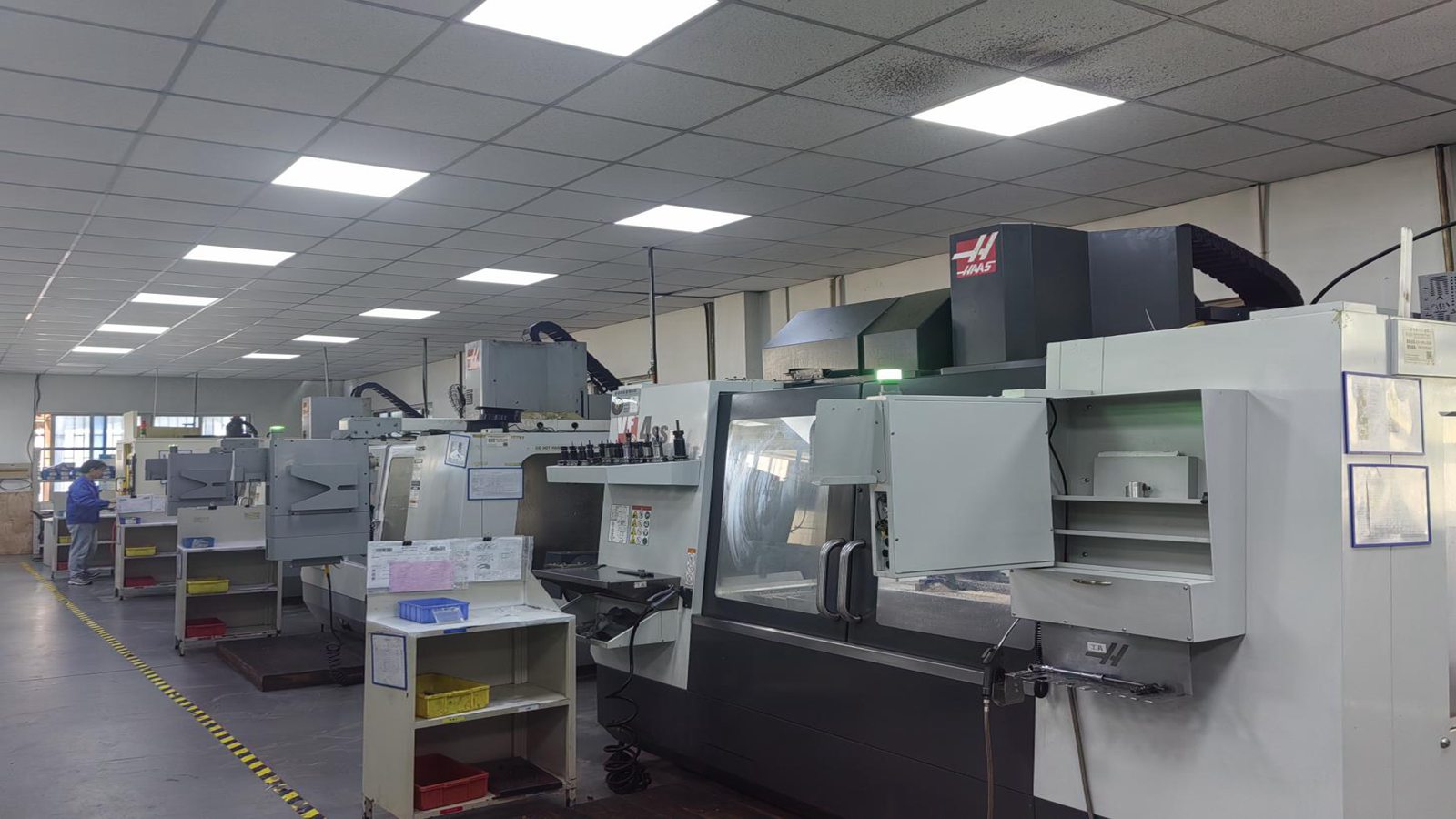
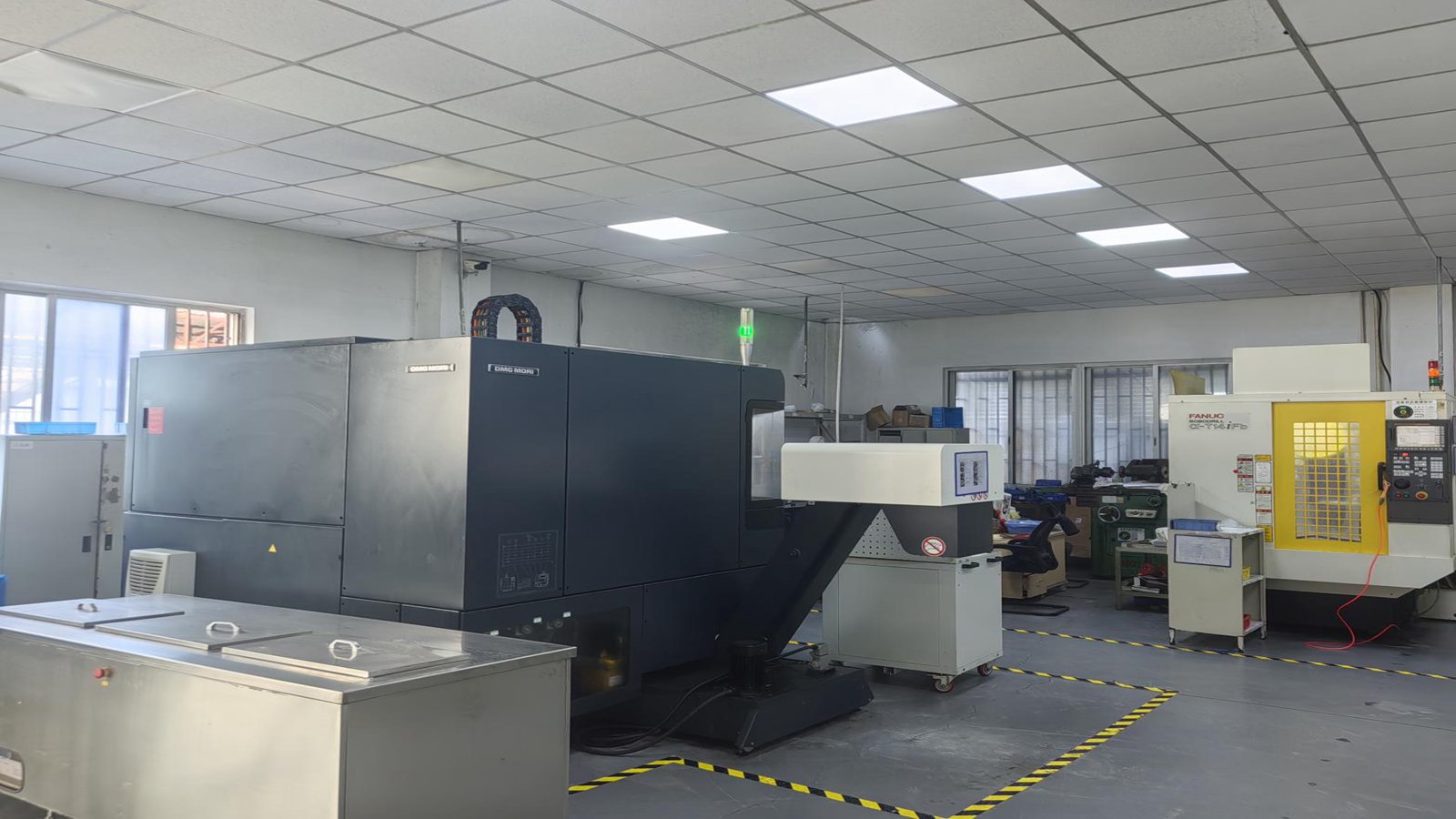
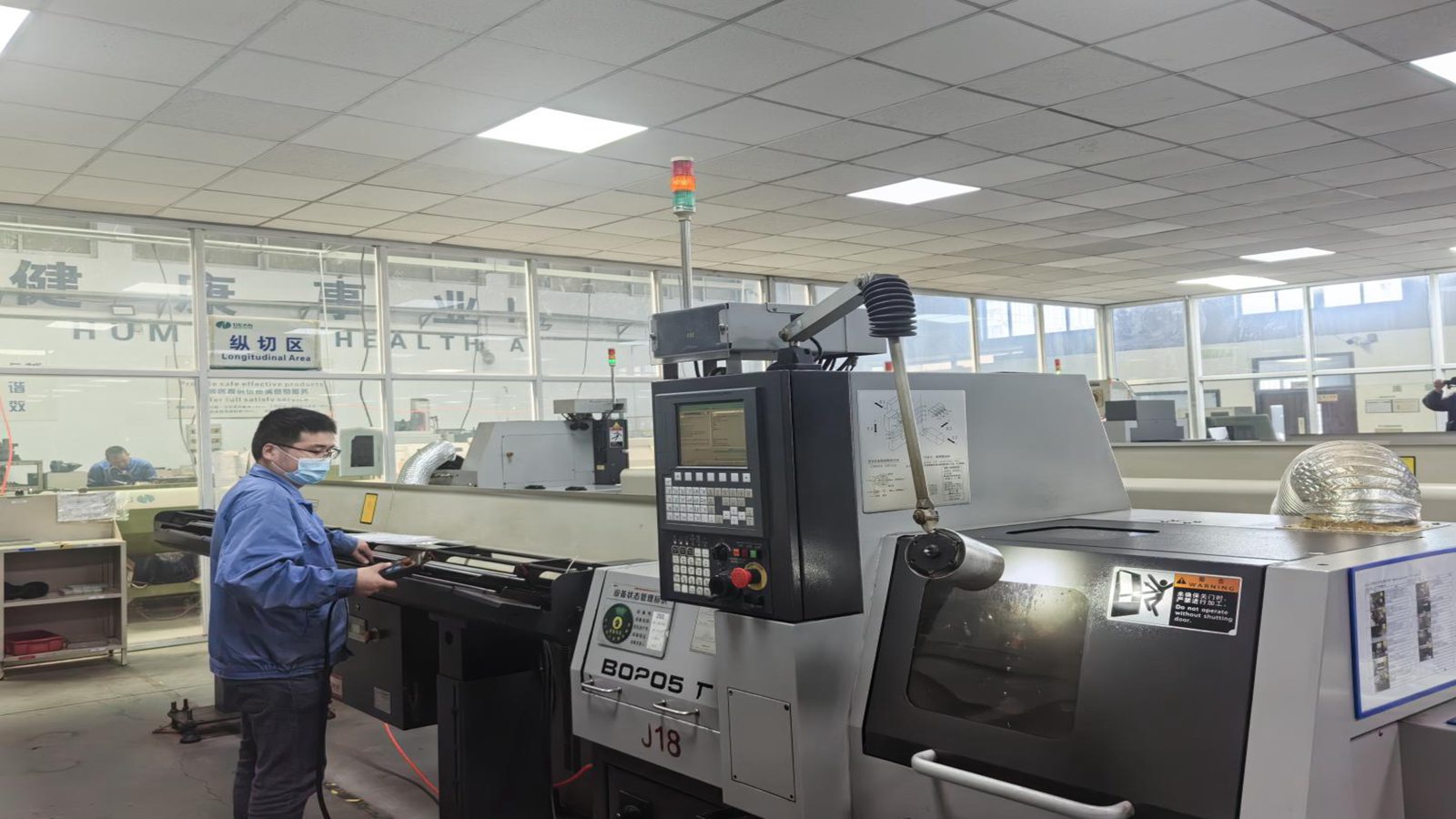
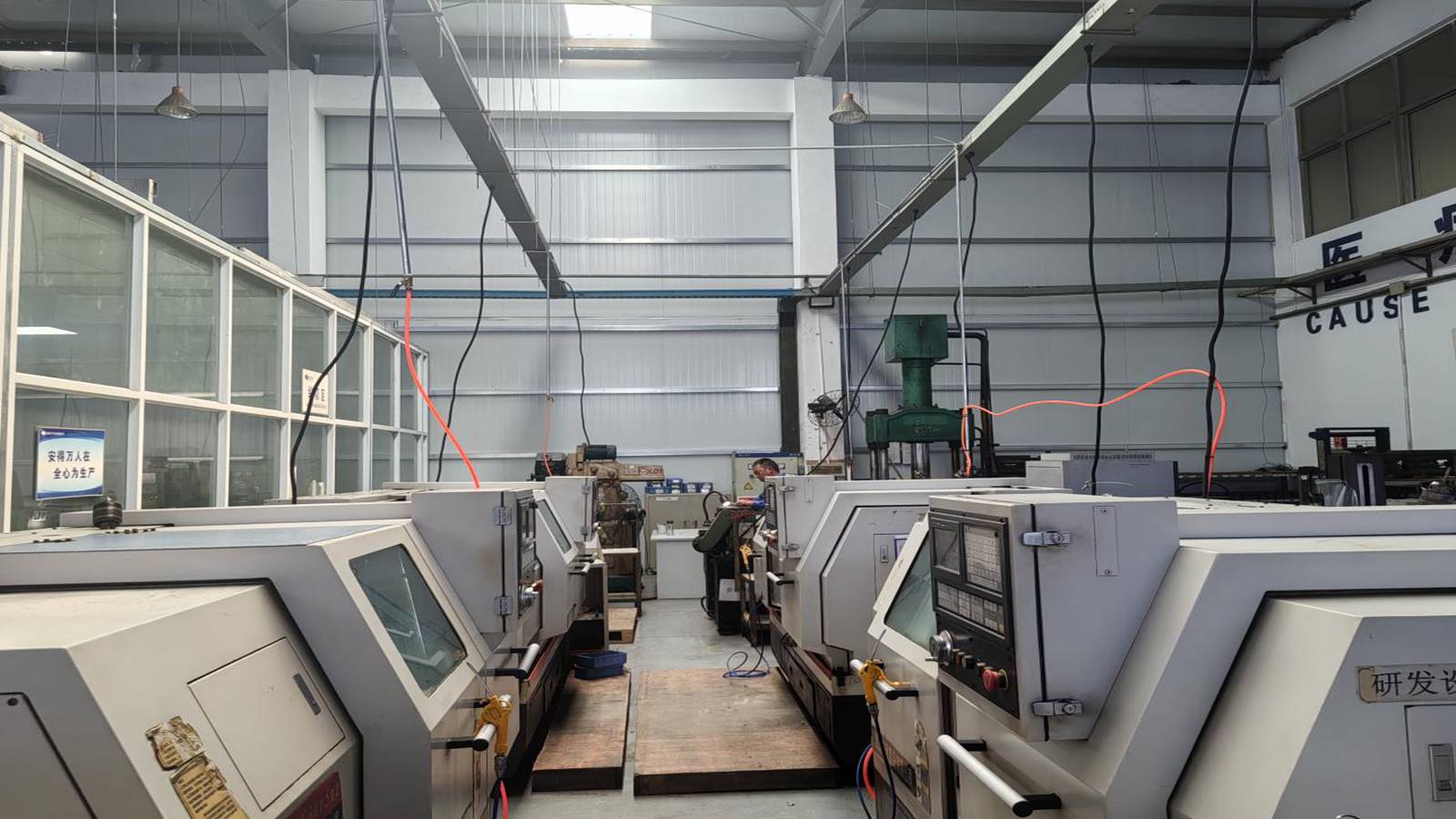
Executing locking screw thread designs requires multi-axis CNC Swiss machining, maintaining dimensional tolerances within ±5 microns to ensure secure locking without cold welding.
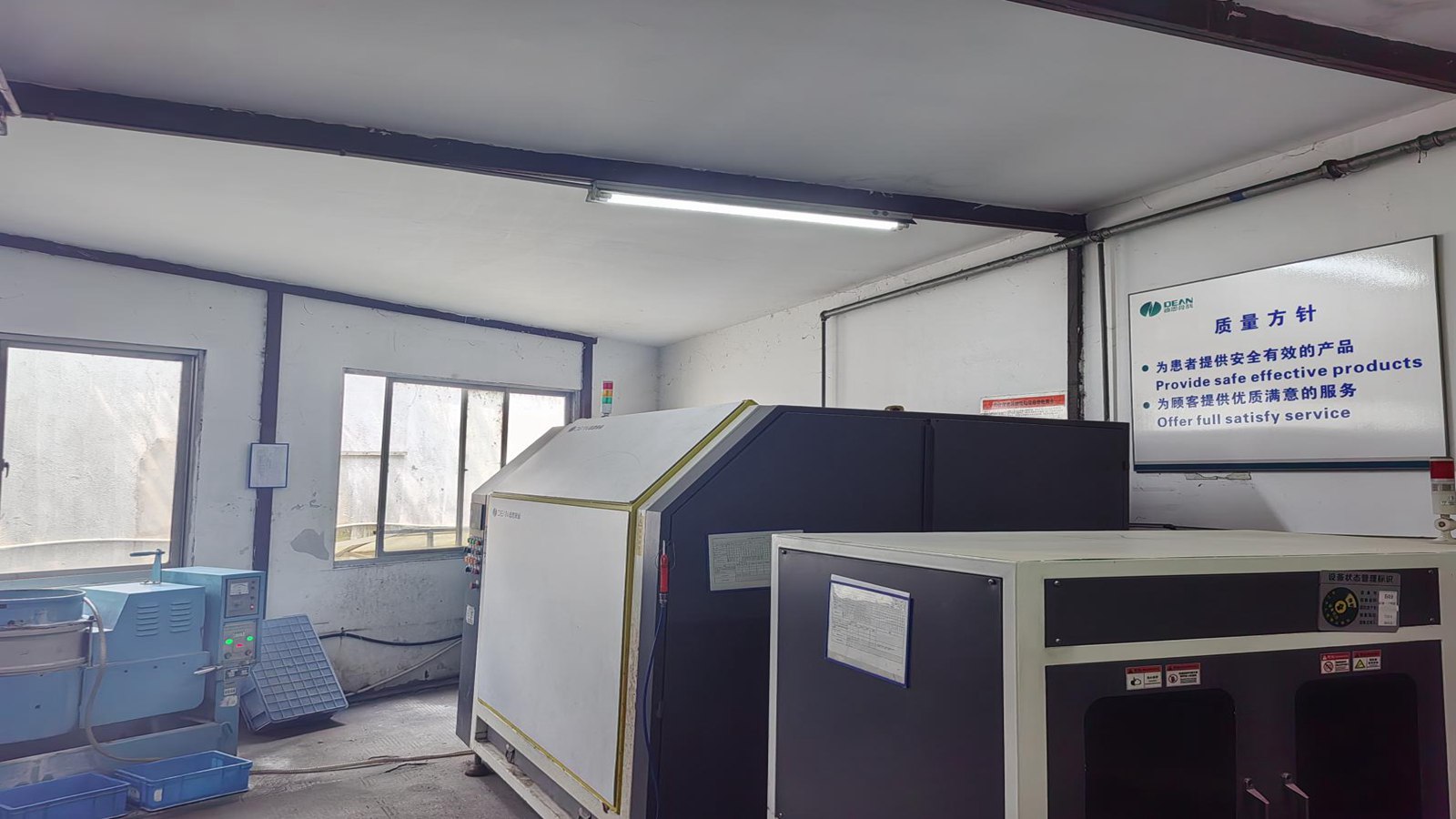
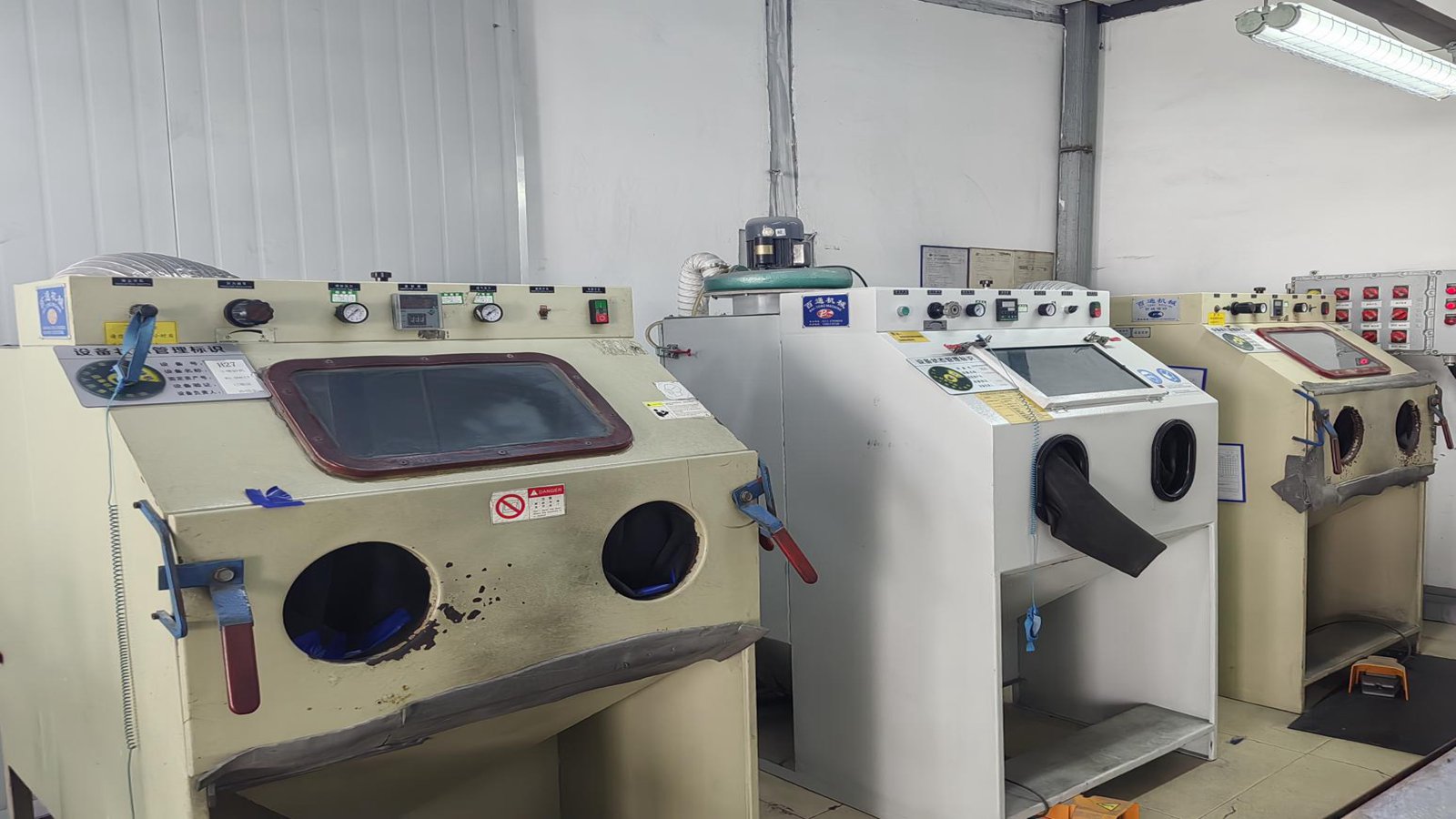
Medispirex Orthopedic Technology Co., Ltd. is a leading manufacturer specializing in orthopedic implant solutions. Founded in 2016, the company operates a state-of-the-art 18,600㎡ production facility designed to meet the growing global demand for high-performance surgical hardware. Medispirex integrates cutting-edge R&D with modern industrial manufacturing to produce orthopedic systems for trauma, spine, and joint reconstruction.
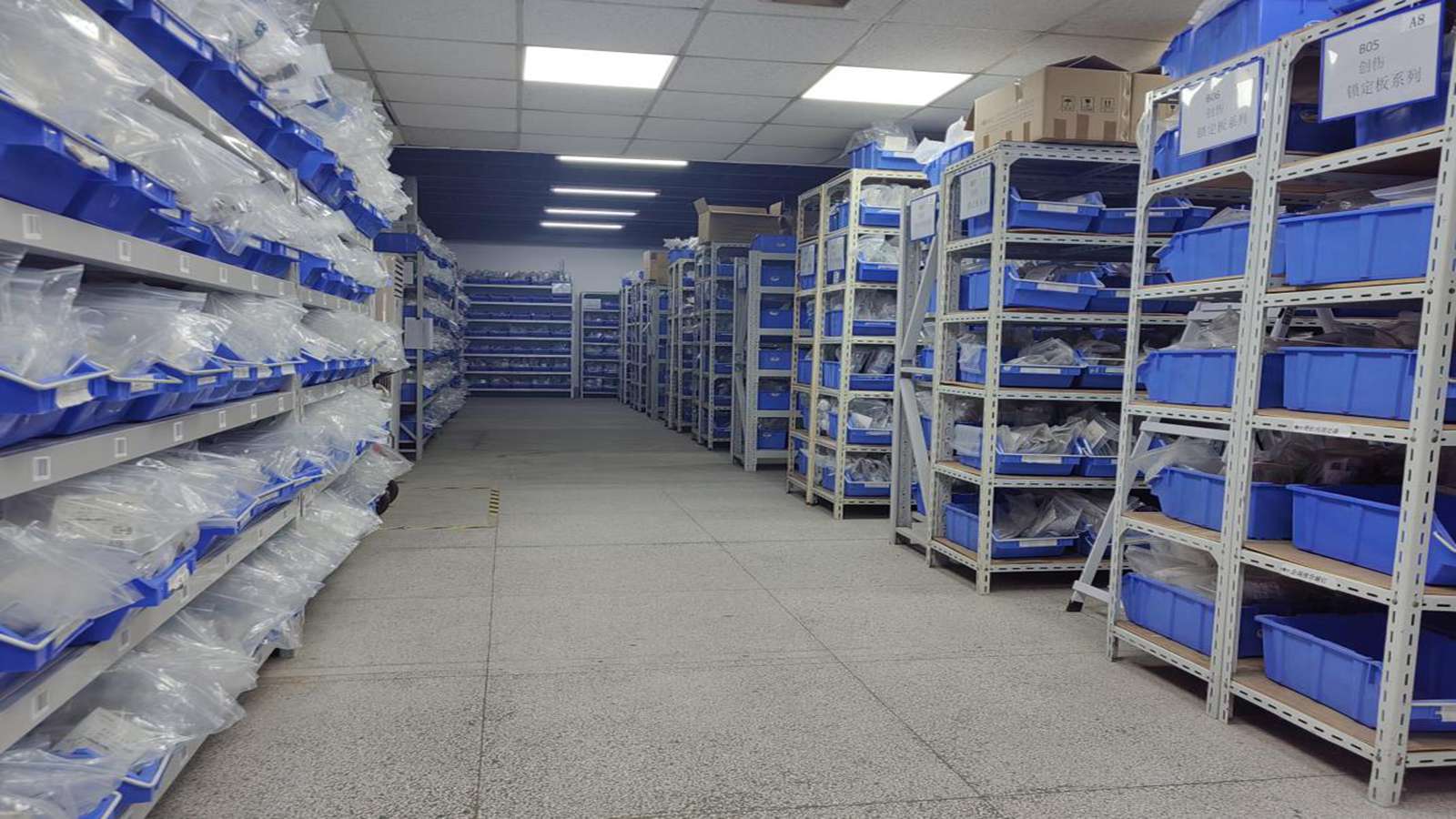
With 12 years of industry experience and 7 years of export history, Medispirex records an annual export volume of USD 18 million. Their products are distributed across major markets in Europe, North America, the Middle East, and Southeast Asia. The company's supply chain features a robust network of 860 partners, enabling stable raw material sourcing, consistent production capacity, and reliable global logistics.
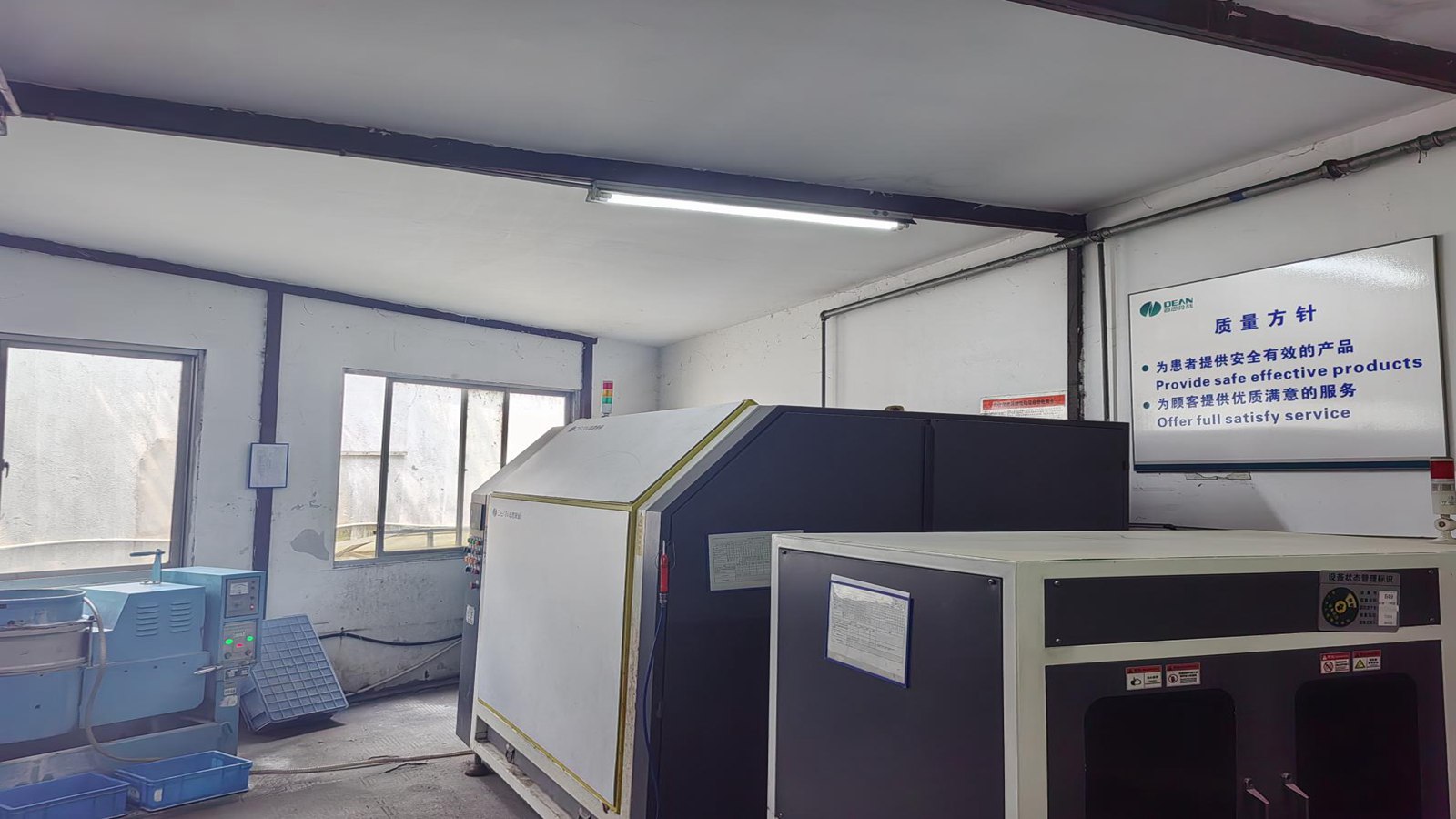
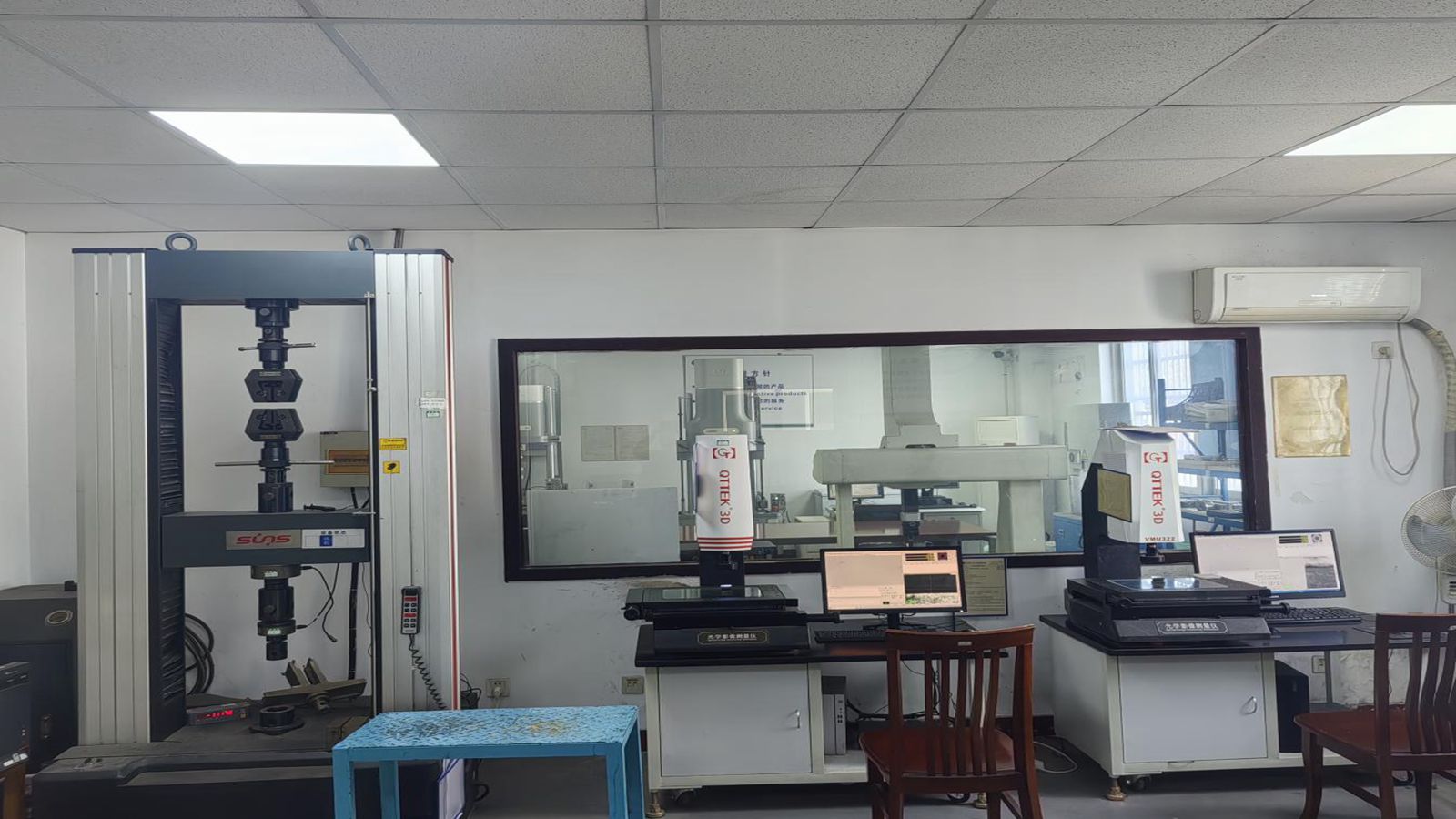
Quality assurance is maintained by 45 QC specialists overseeing a multi-layered quality control framework. This includes incoming raw material spectroscopy, in-process coordinate measuring machine (CMM) analysis, mechanical fatigue testing, and batch traceability systems. A dedicated R&D team of 85 engineers specializing in biomechanics and materials science launched approximately 120 new products last year, illustrating a commitment to continuous technological development.
The field of fracture fixation is progressing beyond inert mechanical stabilization toward biologically active systems. Leading research and development pipelines focus on three key trends:
1. Smart Surface Coatings: Factories are experimenting with biomimetic coatings, including hydroxyapatite (HA) and silver nanoparticles. These coatings aim to stimulate osseointegration at the bone-implant interface while providing antimicrobial properties to minimize surgical site infections.
2. Biodegradable Implants: Ongoing research into medical-grade magnesium alloys and biodegradable polymers (such as PLA/PGA composites) explores temporary structural support systems that naturally resorb once the bone has healed, eliminating the clinical need for secondary hardware removal surgeries.
3. Patient-Specific Customization (3D Printing): While standard anatomical plates fit most patients, complex revision surgeries and severe bone loss cases benefit from patient-specific implants (PSIs). Using preoperative CT data, manufacturers can 3D print titanium implants with complex geometries and porous structures designed to promote trabecular bone ingrowth.
The COVID-19 pandemic highlighted vulnerabilities in global medical supply chains, emphasizing the importance of resilient manufacturing partners. China's advanced manufacturing hubs, often referred to as Factory 4.0, provide consistent lead times and robust supply lines through localized industrial clusters.
By housing raw material sourcing, tooling, machining, surface treating, and sterile packaging within close geographical proximity, Chinese suppliers manage operational risks effectively. This integrated approach allows manufacturers to handle large production volumes while maintaining cost efficiency. For global healthcare networks, partnering with a supplier that maintains a deep network of audited upstream and downstream partners ensures consistent delivery times, even during market fluctuations.
Integrated manufacturing pipelines and local raw material reserves reduce delivery timelines for volume orders down to 4–6 weeks.
Comprehensive technical documentation, ISO certification, and material batch traceability support smooth customs clearance and local regulatory approval.
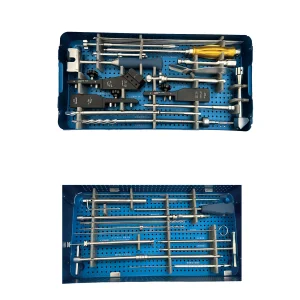
Flexible manufacturing setups enable private-label packaging, customized laser etching, and tailored instrumentation configurations to align with client branding.