Medispirex
Medispirex
Medispirex
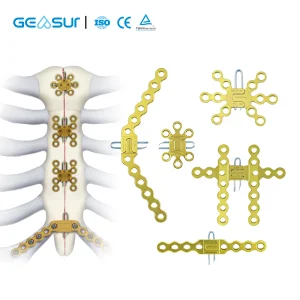
Maxillofacial plating systems are the cornerstone of craniomaxillofacial (CMF) trauma fixations, orthognathic alignment, and oncology-related reconstructive procedures. Historically, CMF plating was limited to standard rigid titanium frameworks, providing simple stabilization but lacking the anatomical adaptation required for complex bone curves. Today, the global medical implant sector demands custom OEM solutions that prioritize advanced biomechanical properties, minimal plate thickness, screw thread locking mechanisms, and accelerated osteosynthesis.
We deliver tailored engineering models converting DICOM scan data into custom patient-specific implants (PSI), optimizing contouring and fitment efficiency directly in surgical settings.
Adhering to strict international regulatory criteria (CE, ISO 13485) ensures our materials bypass entry barriers in demanding regions including North America and the European Union.
We source medical-grade pure titanium (Grade 2/4) and titanium alloys (Ti-6Al-4V ELI) to guarantee superior biocompatibility, low modulus of elasticity, and excellent fatigue life.
As an established industry pioneer, Medispirex Orthopedic Technology Co., Ltd. (founded in 2016) has built its foundational infrastructure around solving global procurement issues. Our modern 18,600㎡ manufacturing hub specializes in the development of trauma, spine, joint reconstruction, and dedicated maxillofacial implants. Through structural innovation and deep engineering focus, we bridges the gap between state-of-the-art laboratory research and large-scale manufacturing output.
To guarantee the tolerances (+/- 0.01mm) required for locking maxillofacial plates, Medispirex operates a highly controlled manufacturing cycle. Here are the core phases of our clinical-grade production pipeline:
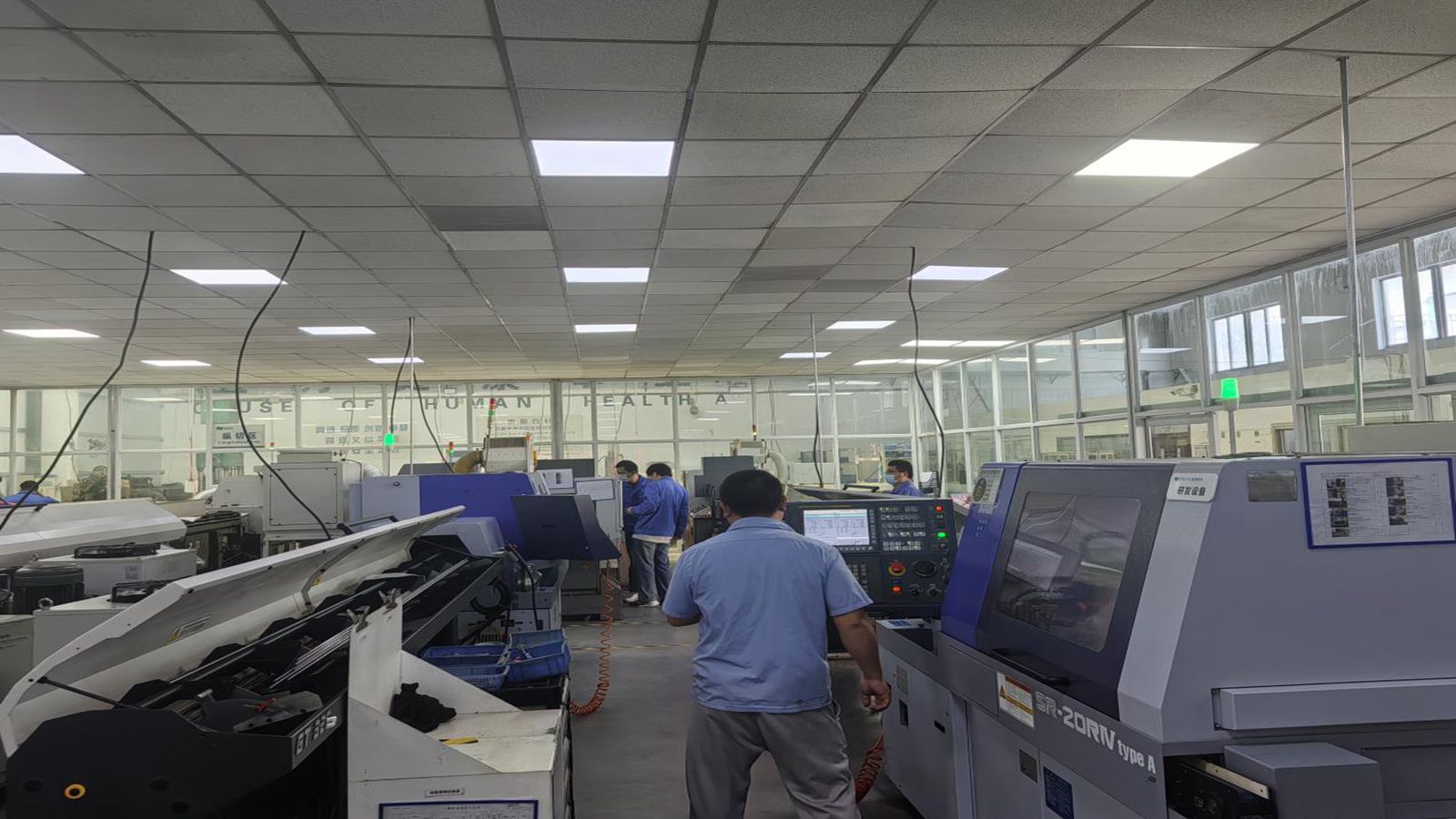
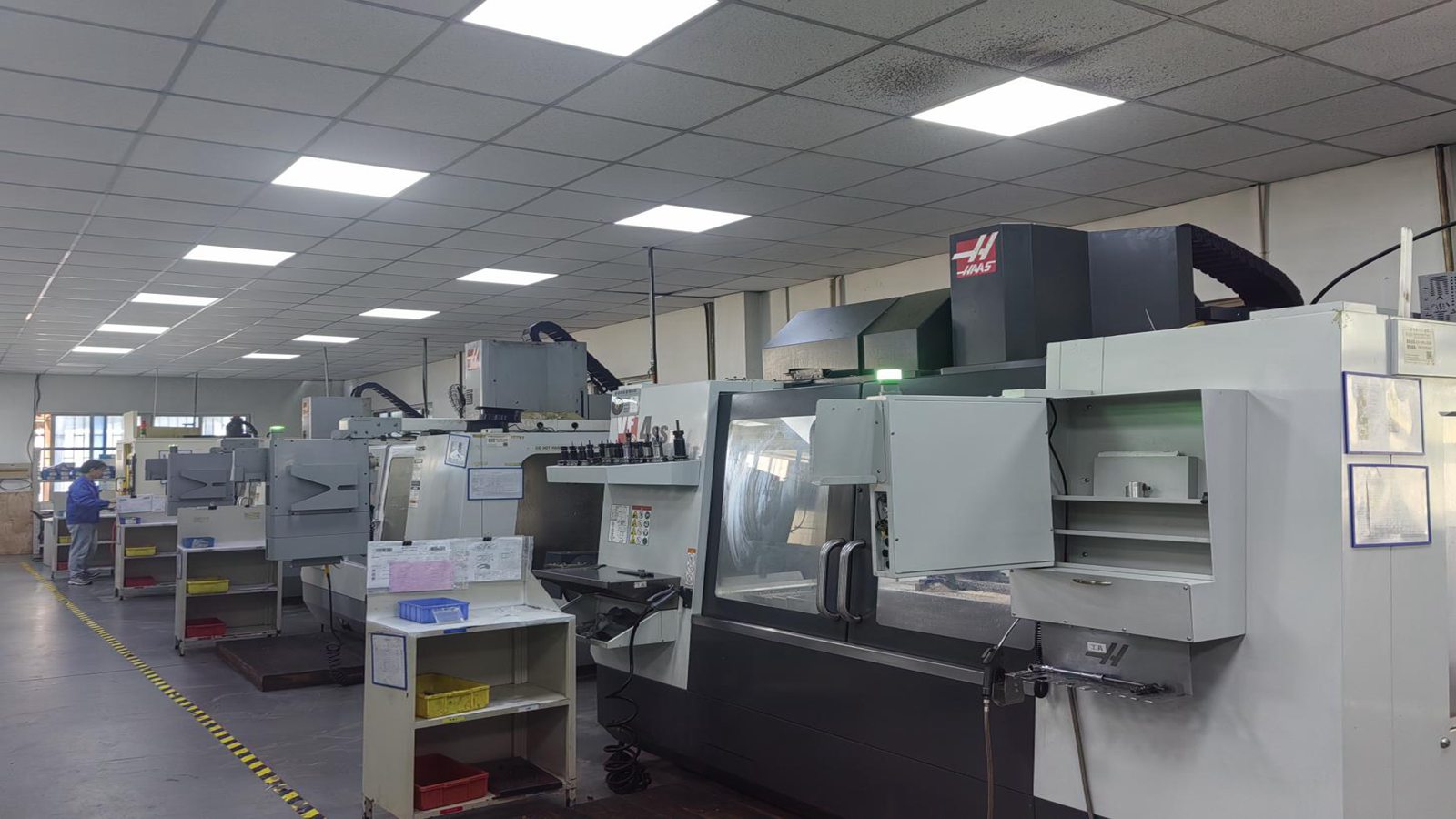
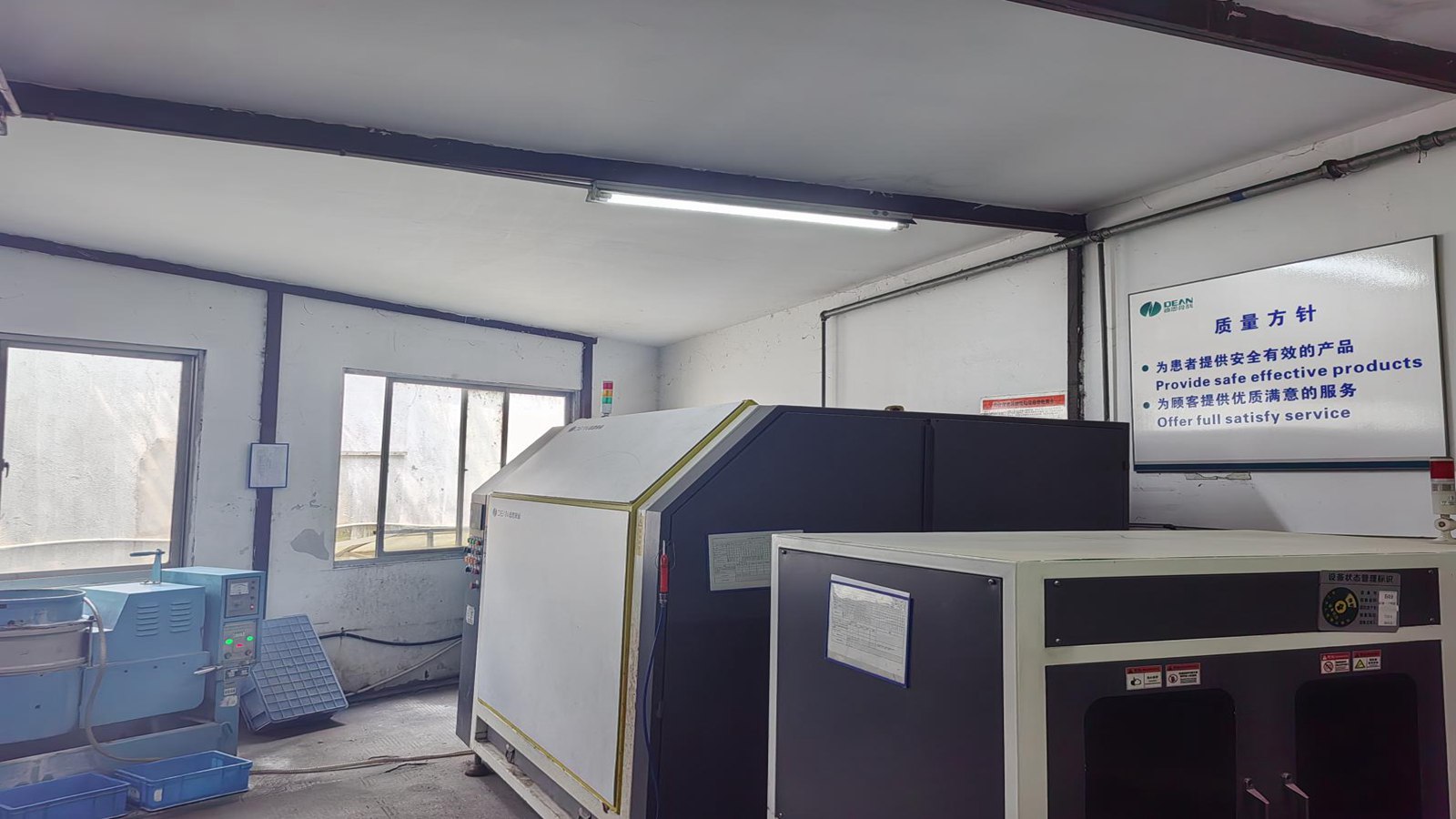
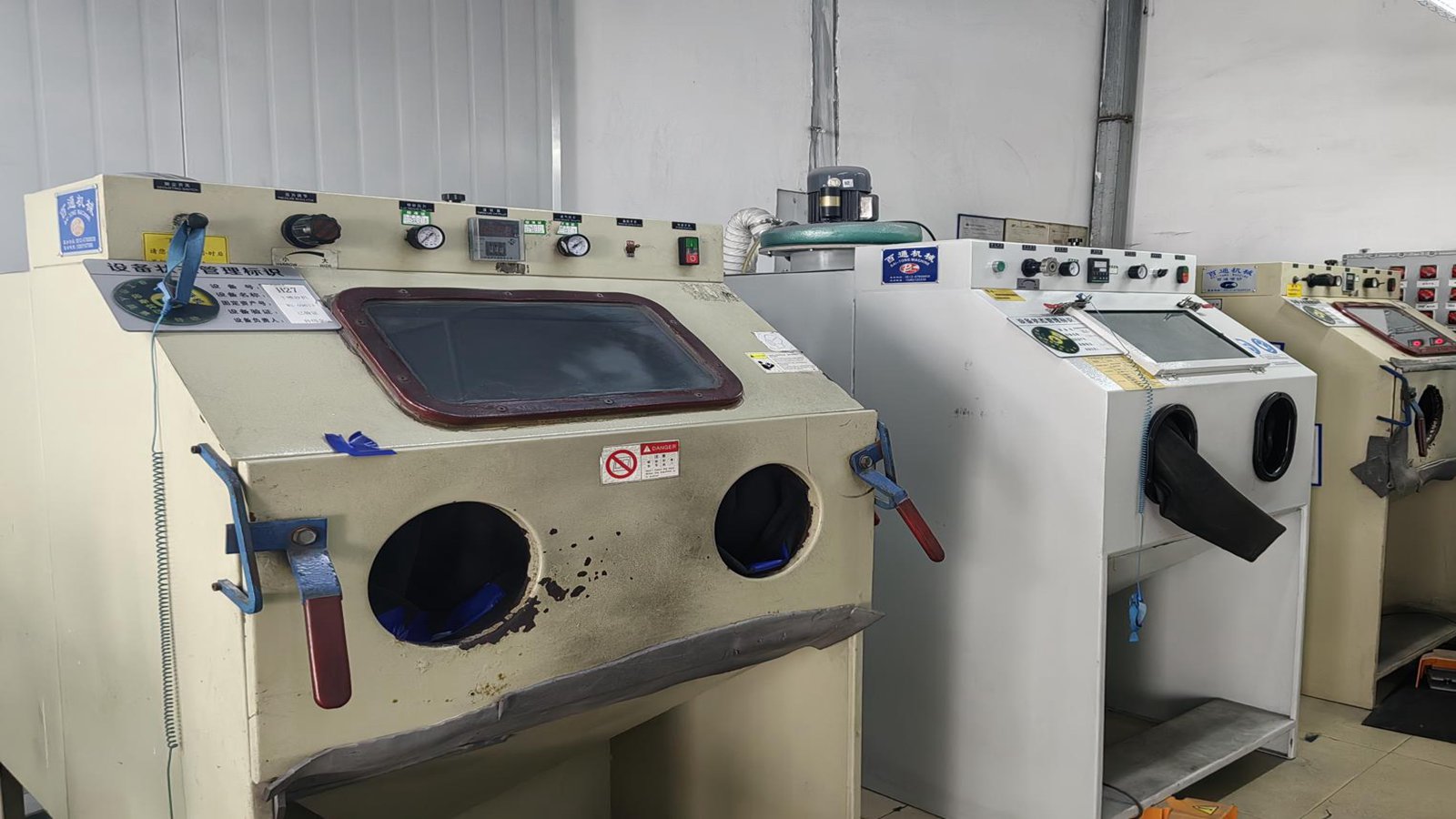
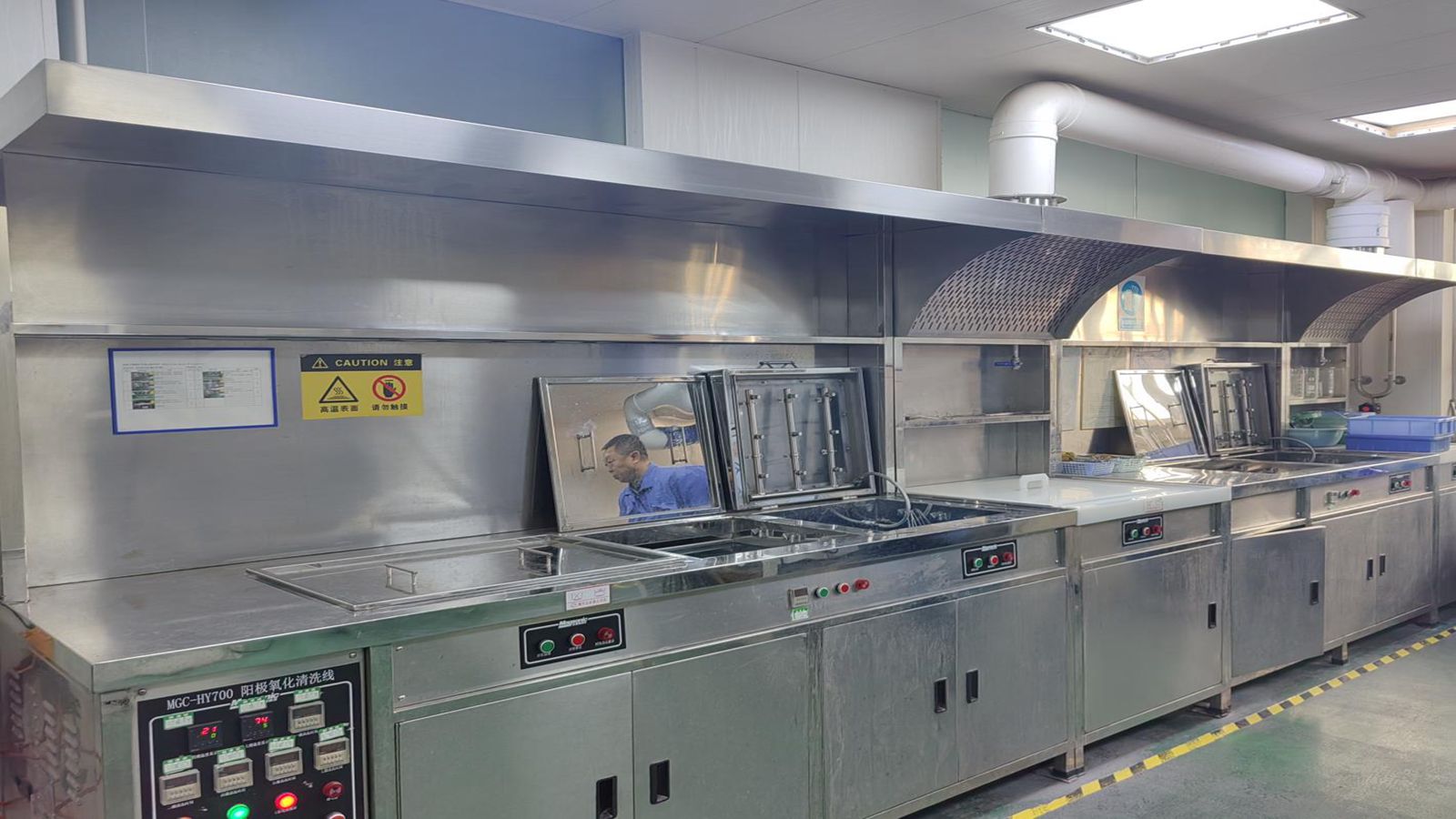
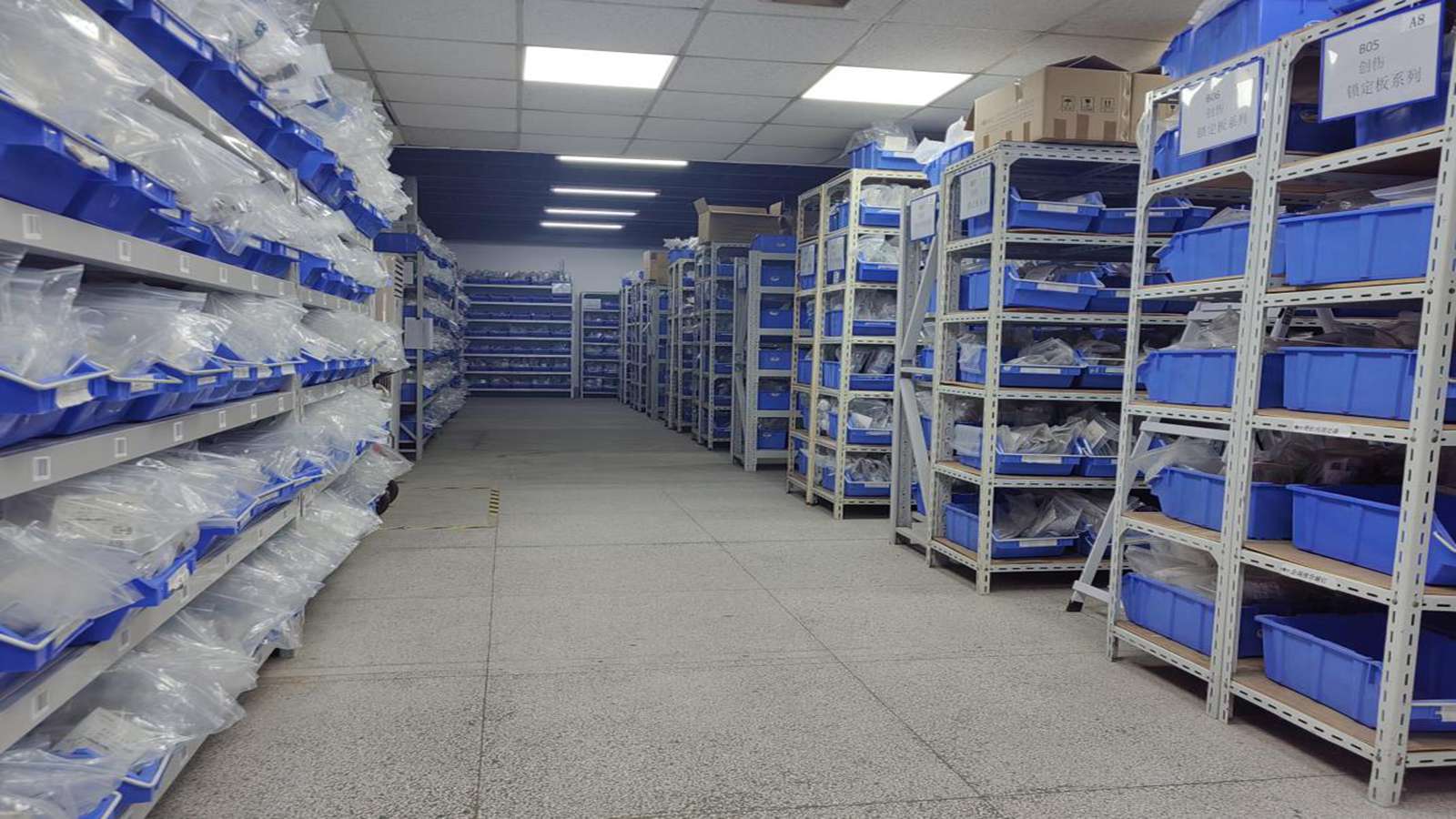
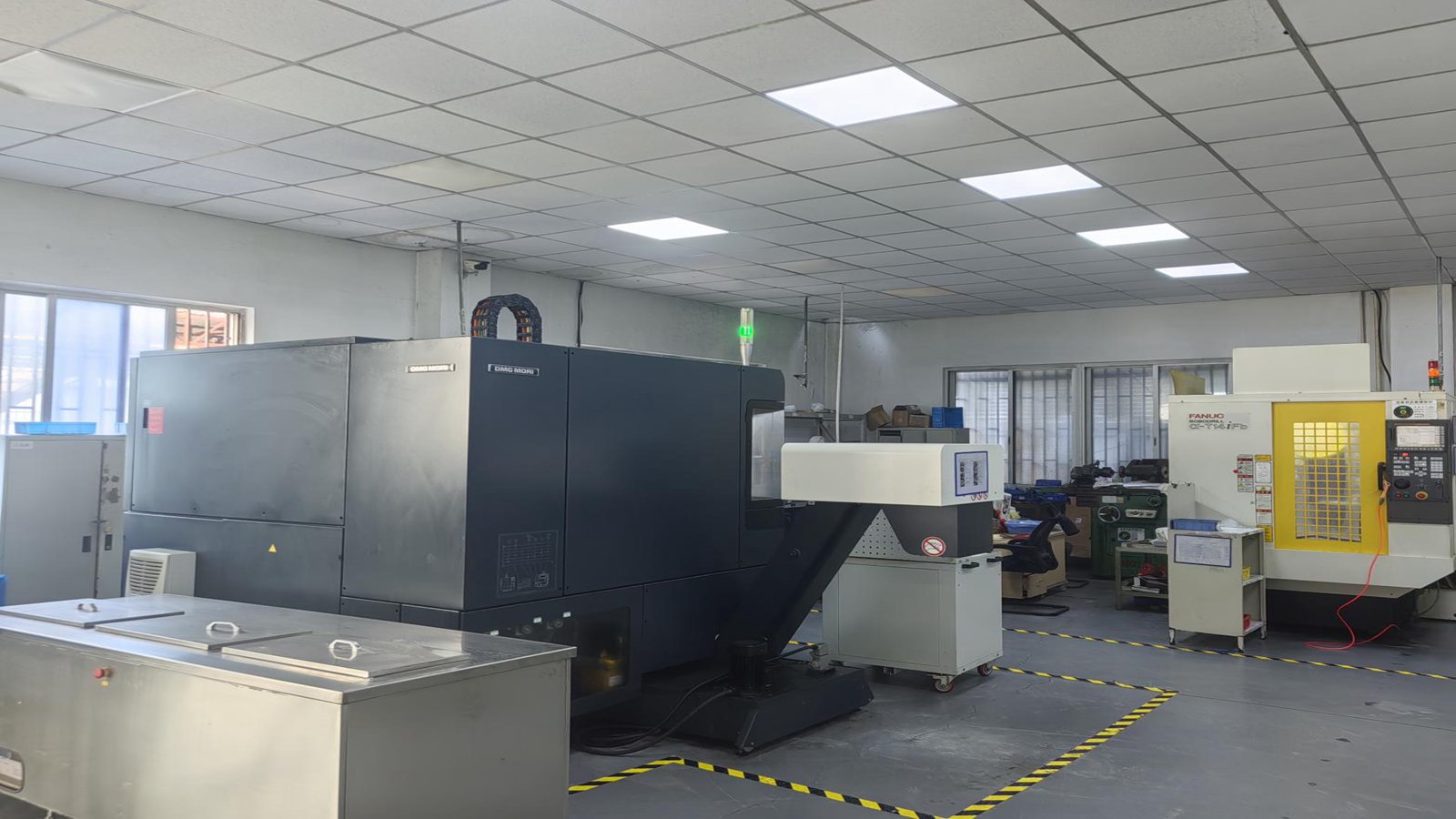
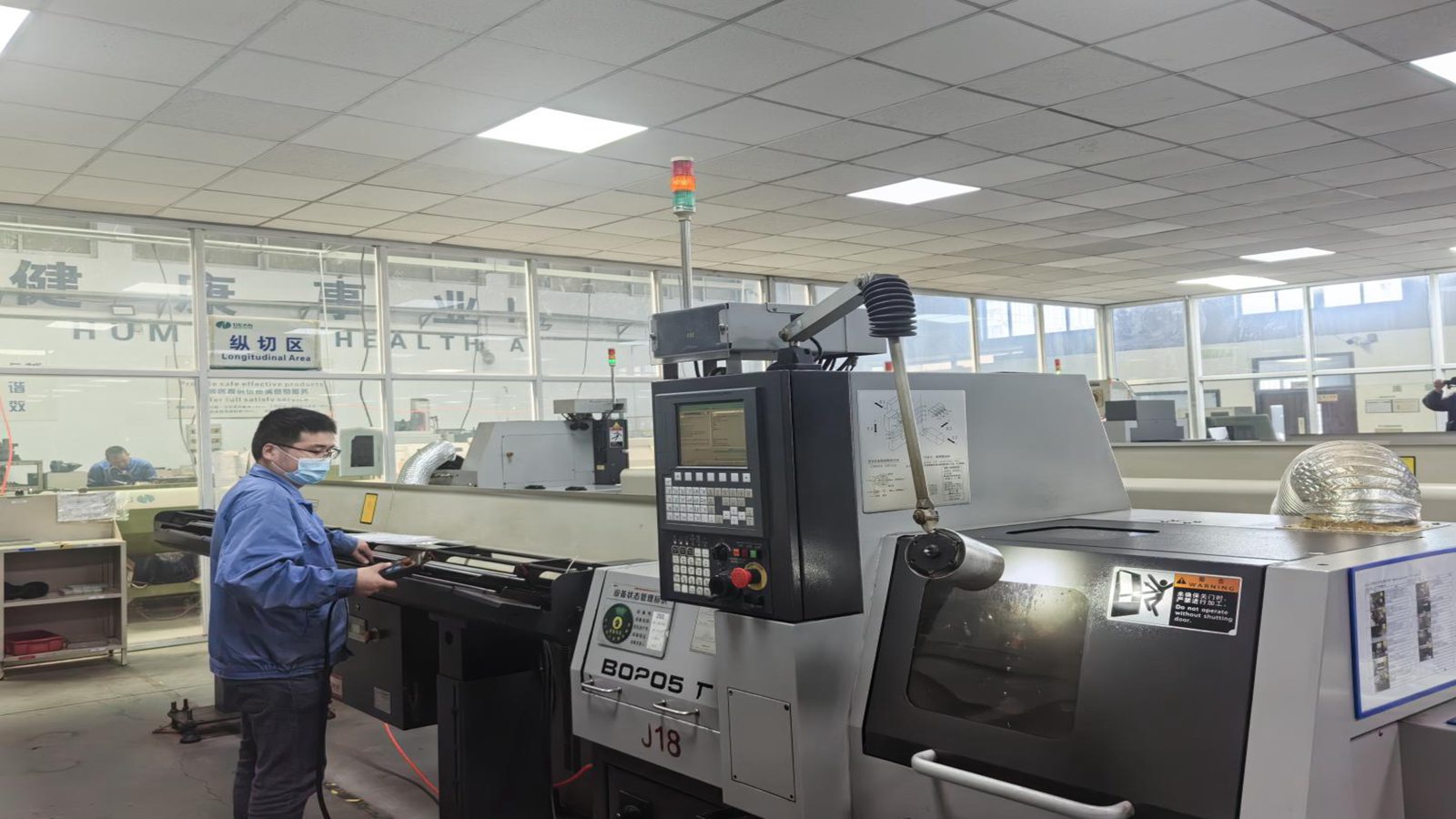
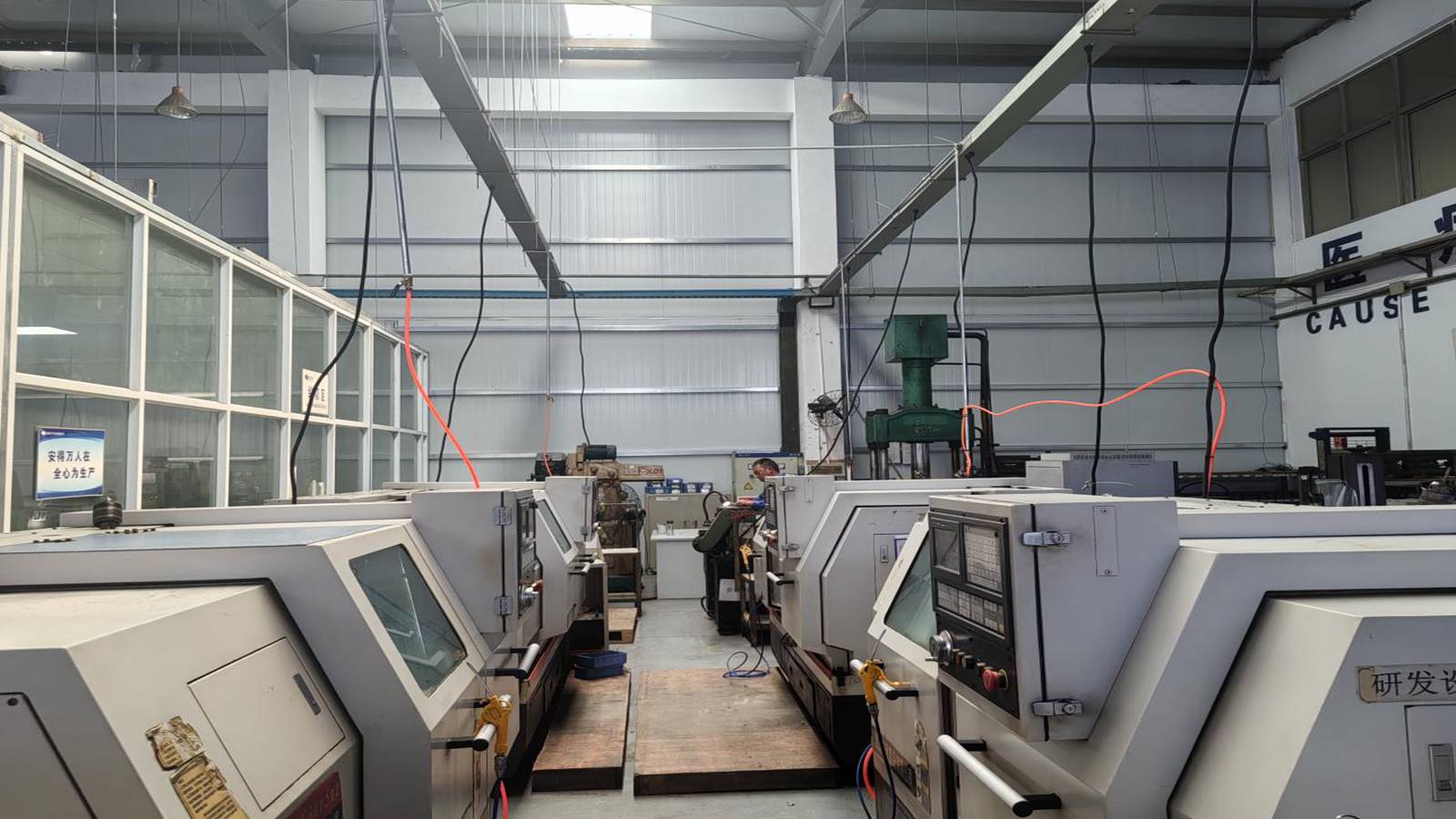
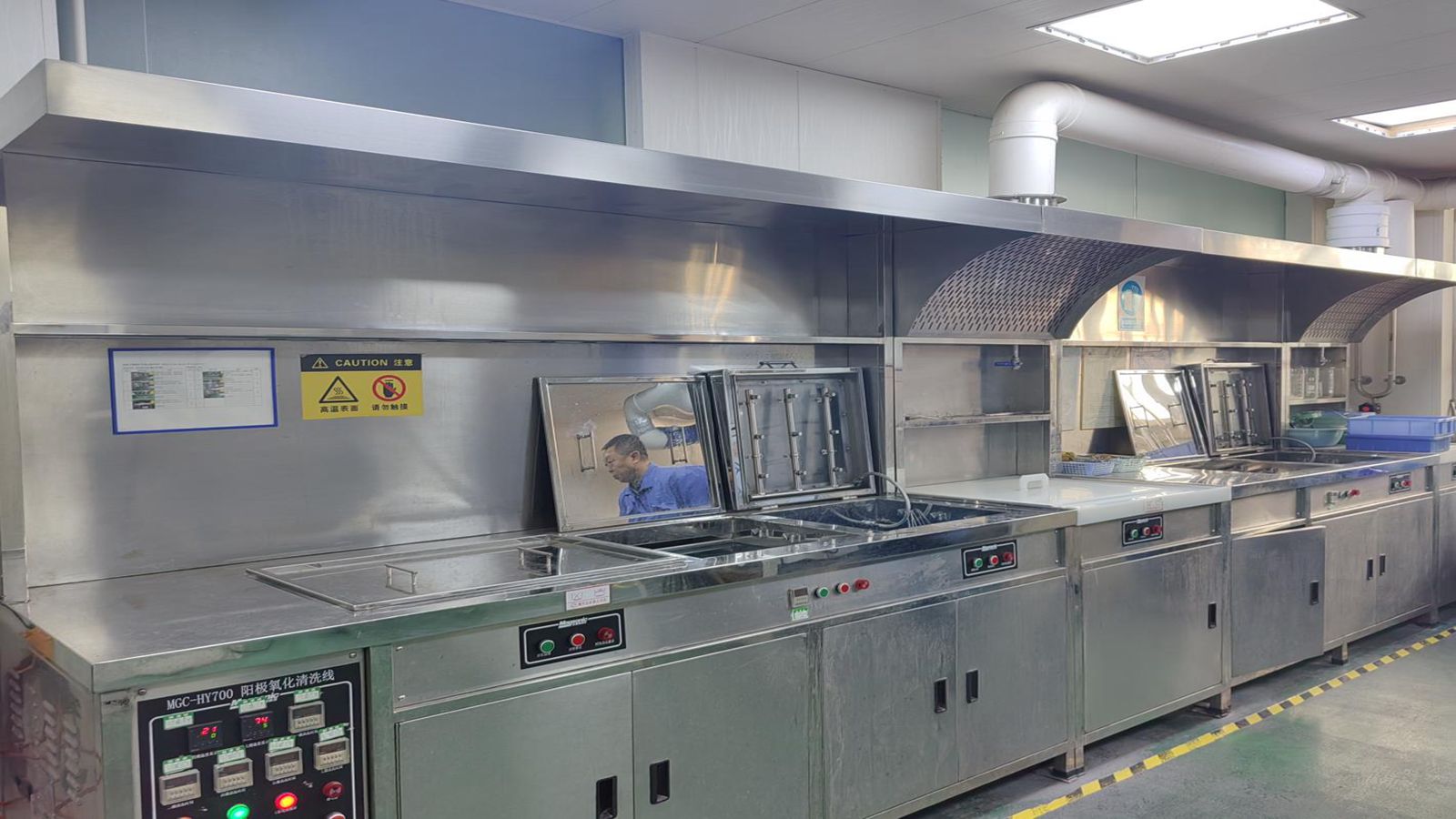
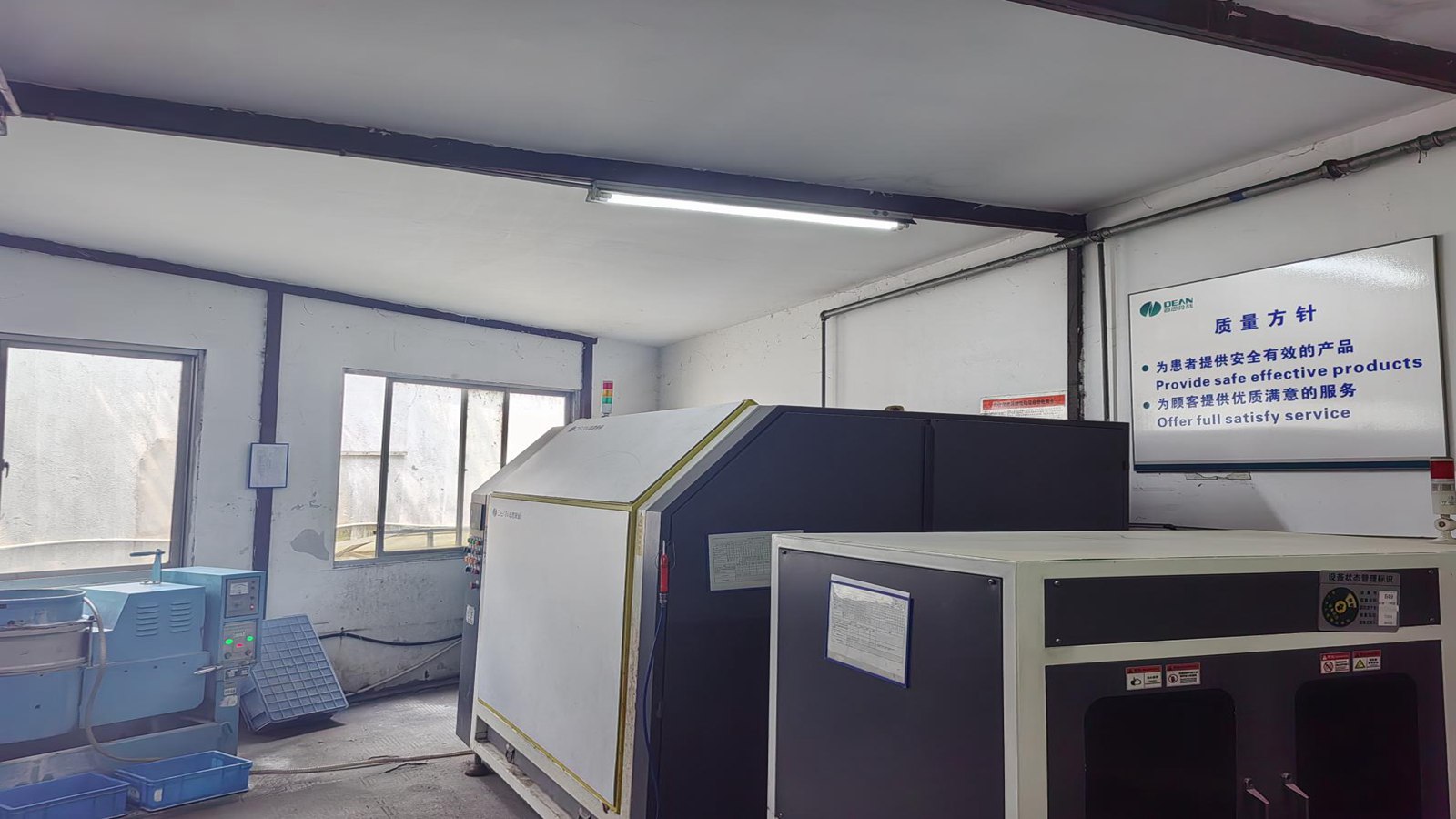
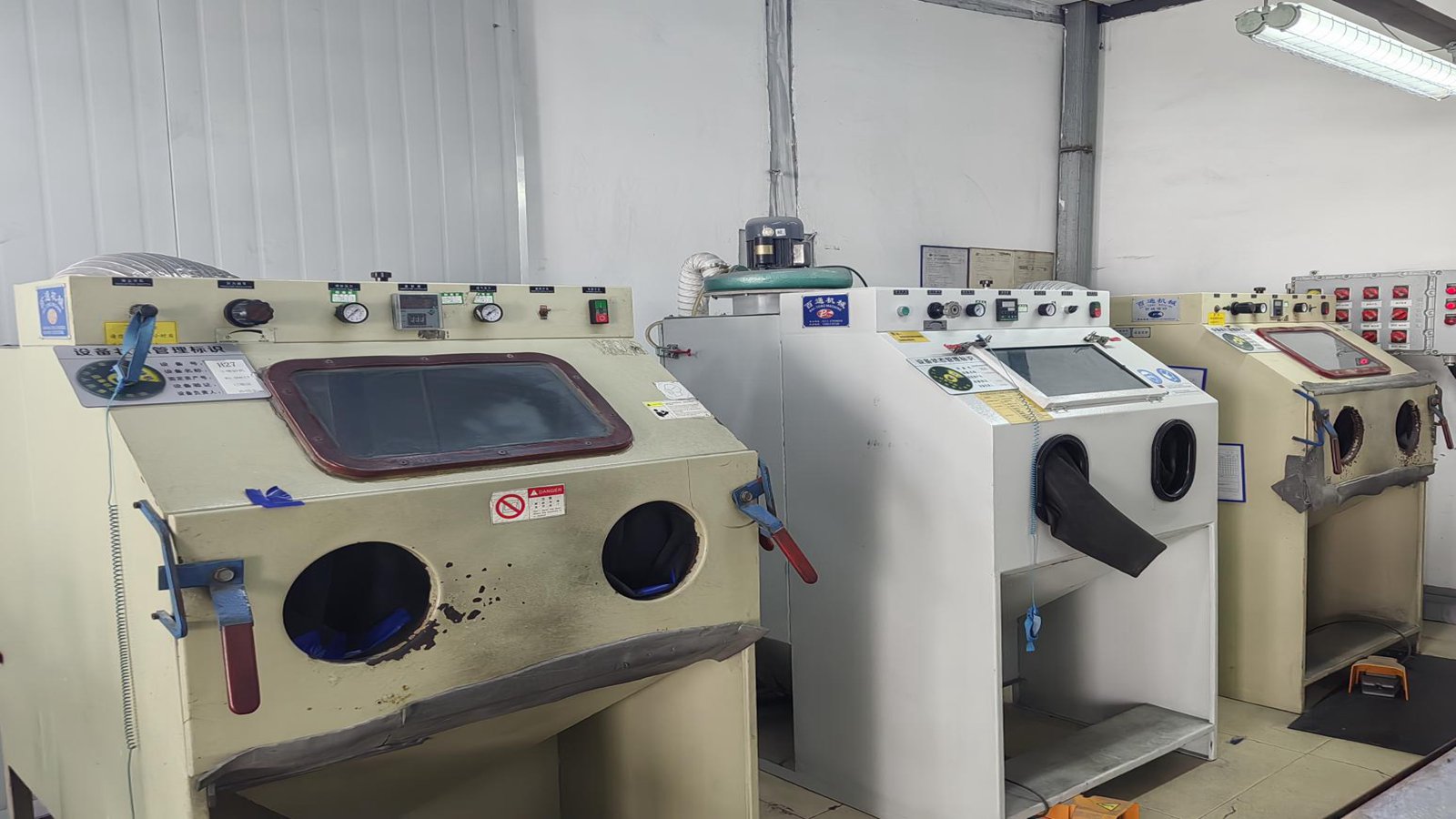
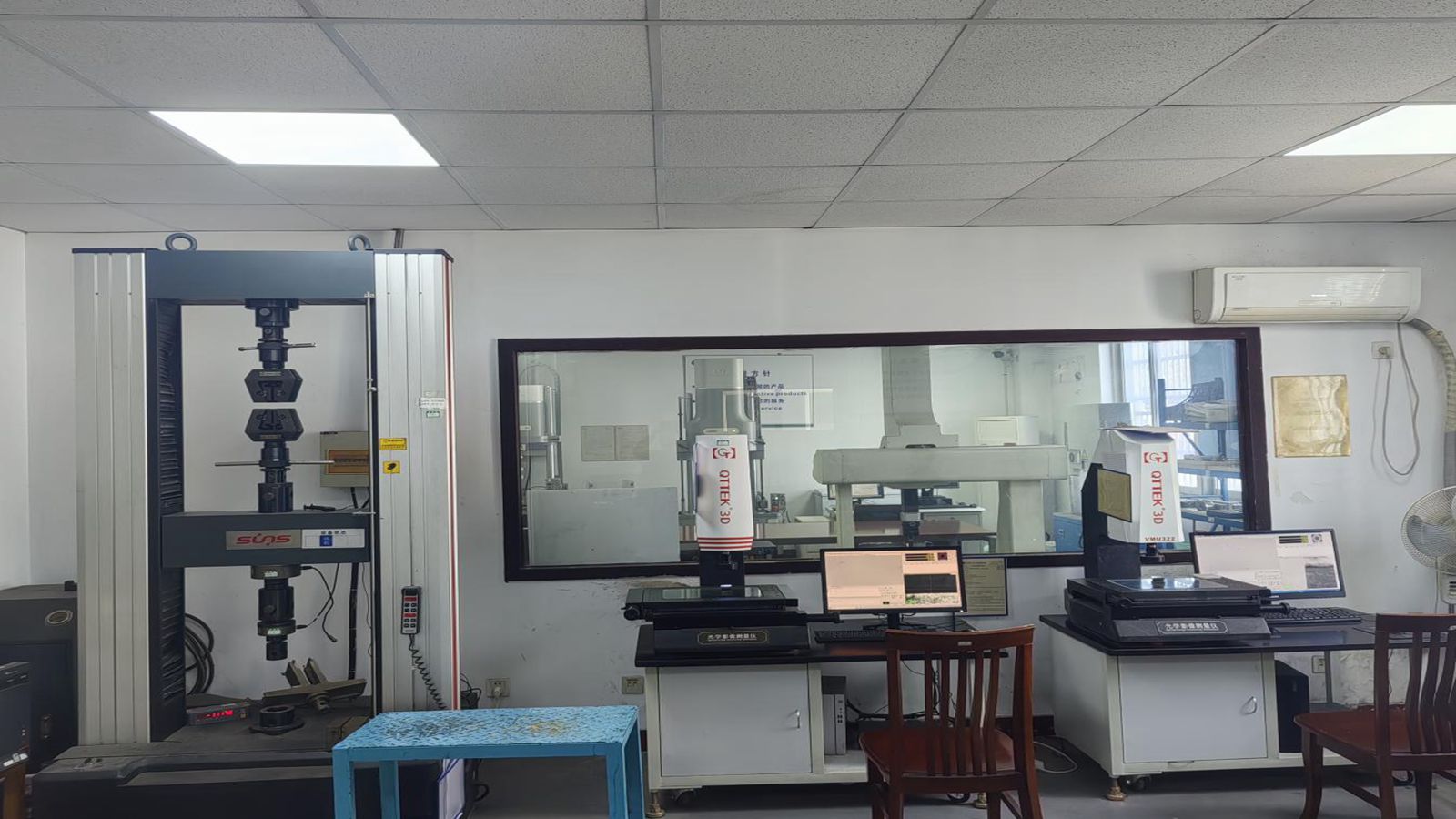
For clinical stakeholders, material traceability and fatigue limits are critical variables. Medispirex implements a thorough, multi-step quality assurance framework managed by a dedicated team of 45 QC professionals. Every manufacturing batch undergoes high-precision measurements and composition verification tests to prevent clinical mechanical failures.
| Inspection Stage | Technical Methodologies | Target Parameter Limits |
|---|---|---|
| Incoming Raw Material Verification | ICP-OES Optical Emission Spectroscopy, Ultrasonic Flaw Detection | ASTM F136 & ISO 5832-3 compliance, zero porosity, chemical purity >99.9% |
| In-Process Control (IPC) | Real-time Coordinate Measuring Machines (CMM), Vision Inspection Systems | Thread depth, contour accuracy within a tolerance limit of ±0.01 mm |
| Surface Modification Testing | Anodic color consistency analysis, Ra roughness profiling | Roughness Ra <0.4μm for bone-facing components, oxide layer thickness verification |
| Mechanical & Safety Testing | Static torsion testing, dynamic mechanical fatigue testing | Minimum flexural limits defined by ISO 9585 standards |
| Final Batch Traceability | Permanent Laser UDI Marking, cleanroom particulate monitoring | Full supply-chain tracking from base ingot to the surgical suite |
Complete branding integration, including laser marking and custom sterile packaging solutions, enabling orthopedic brands to seamlessly list our premium implants under their regulatory dossiers.
Modification of standard designs to fit localized clinical preferences. Our R&D team can adapt plate profiles, thickness margins, and screw locking structures to meet unique local demands.
We supply comprehensive validation portfolios, material test certificates (MTC), biocompatibility datasets, and clinical evaluation files to support rapid registration in new territories.
The future of craniomaxillofacial reconstruction lies in biological integration. Current R&D focuses heavily on bio-absorbable magnesium-based alloys, bioactive coatings that promote osteogenesis, and complex lattice patterns that encourage cell migration. Medispirex is at the forefront of this shift, engineering next-generation implant systems that minimize secondary surgical removals.
Our R&D center works closely with key clinical experts and universities. Backed by 85 engineers and over 120 new products launched annually, we continuously optimize structural shapes and surface properties. By reducing implant profile thickness to under 1.0mm while keeping high structural strength, we minimize tissue irritation and postoperative palpability.
We use exclusively medical-grade pure Titanium (Grades 1, 2, and 4) and premium Titanium Alloy Ti-6Al-4V ELI (Extra Low Interstitial), fully compliant with ASTM F67 and ASTM F136 specifications. These materials deliver excellent strength-to-weight ratios, high biocompatibility, and superb resistance to fatigue.
Yes. We offer extensive ODM services. Backed by our R&D team of 85 engineers, we can adapt designs based on your engineering drawings, clinical requests, or 3D anatomical data. Our high-precision CNC centers handle adjustments to plate thickness, geometry, and screw holes.
We follow a strict quality management system overseen by 45 QC specialists. Every product batch receives a unique Laser UDI (Unique Device Identification) code. We document the entire manufacturing flow, from raw material ingot composition analysis (ICP-OES) to dynamic fatigue testing and dimensional inspections.
Lead times depend on design complexity and batch sizes. Typically, standard OEM products ship within 30 to 45 days of design sign-off. High-volume runs or products requiring custom surface treatments take 45 to 60 days, leveraging our robust supply chain of over 860 upstream and downstream partners.
Our annual export volume reaches approximately USD 18 million. We regularly export to medical distributors, hospitals, and OEM partners across Europe, North America, the Middle East, and Southeast Asia, ensuring our products comply with local regulatory and registration requirements.