Medispirex
Medispirex
Medispirex
Pioneering clinical excellence with high-performance orthopedic fixations and surgical instruments
An authoritative review of biomechanical advantages, global commercial demands, and clinical paradigms.
In modern orthopedic reconstructive surgery, the introduction of headless compression screws—commonly known as the Acutrak-style screw system—has revolutionized the management of small bone fractures, osteotomies, and arthrodesis. Unlike traditional cortical or cancellous screws that rely on a prominent head to generate compressive force against bone cortex, Acutrak screws utilize a sophisticated, continuous variable-pitch thread profile along their entire length. By tapering the pitch from wide at the tip to narrow at the trailing end, the screw naturally drives fragments together as it rotates, achieving high compression without requiring a protruding collar.
The elimination of the screw head provides distinct clinical advantages. It allows the implant to be inserted entirely sub-chondral, mitigating the risk of soft tissue irritation, impingement, and tendon damage. This makes Acutrak-style screws the premier choice for intra-articular fixations, particularly within the carpal, tarsal, and distal radial regions where joint movement tolerances are extremely narrow.
The variable thread pitch ensures that every rotation of the screw increases the compression force linearly across the fracture line, creating optimal conditions for primary bone healing.
By sitting completely flush with or beneath the cortical bone surface, it avoids soft-tissue impingement, reducing post-operative discomfort and secondary removal surgeries.
Manufactured strictly from Medical Grade Titanium Alloy (Ti-6Al-4V ELI) complying with ASTM F136, ensuring exceptional biocompatibility, fatigue resistance, and MRI safety.
Integrating R&D, advanced medical-grade manufacturing, and rigorous quality systems for worldwide supply chains.
Established in 2016, Medispirex Orthopedic Technology Co., Ltd. has evolved into a global leader in spine and orthopedic implant manufacturing. Operating a modern production facility spanning 18,600㎡, our core business is built upon delivering clinical-grade solutions for trauma, spine, joint reconstruction, and sports medicine applications.
With an annual export turnover of approximately USD 18 million, Medispirex serves as a reliable global manufacturing partner. Our operations are backed by 7 years of intensive export experience and over 12 years of industry expertise, allowing us to align production with stringent international medical standards (including CE and ISO certification parameters).
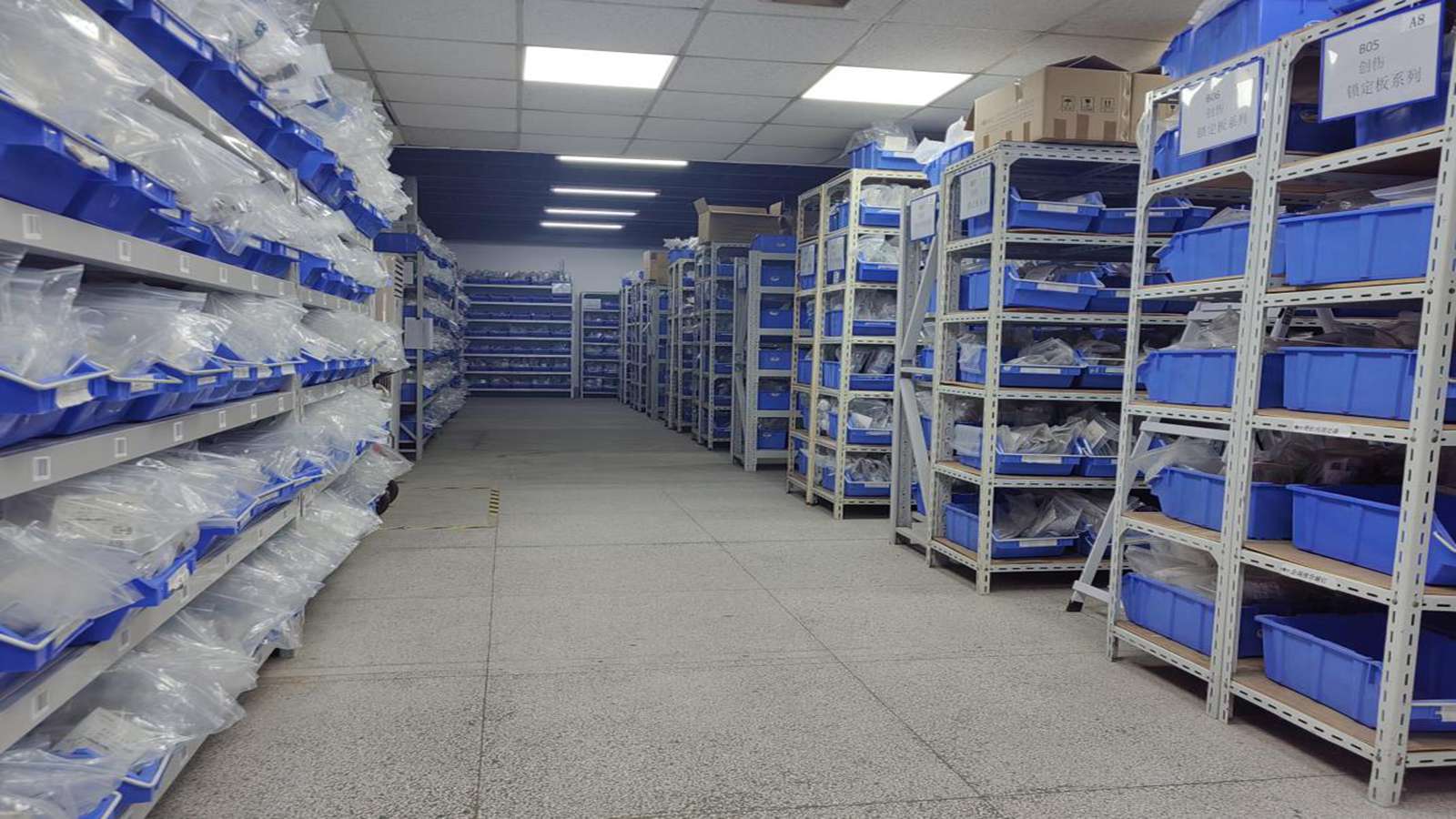
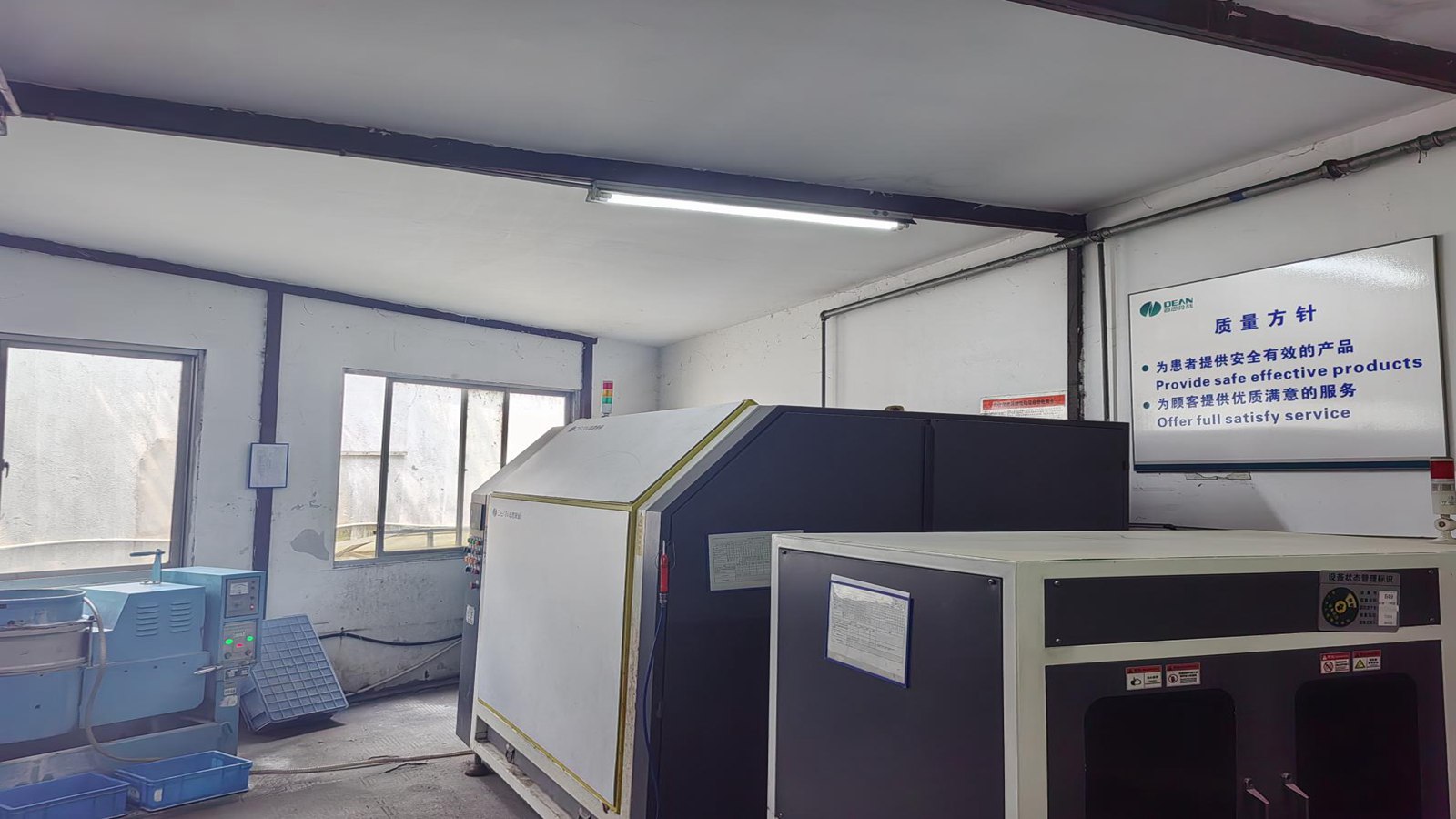
Our quality assurance framework maintains absolute trace-ability throughout the product lifecycle. Each batch undergoes robust evaluation protocols: incoming raw material inspection (ICP-AES composition analysis), in-process dimensional tolerance audits, mechanical fatigue testing, and final product validation. Supported by a network of over 860 upstream and downstream partners, we guarantee continuous production and steady logistics across Europe, North America, the Middle East, and Southeast Asia.
Combining high-precision CNC automation with economic scale to meet strict international lead times and quality demands.
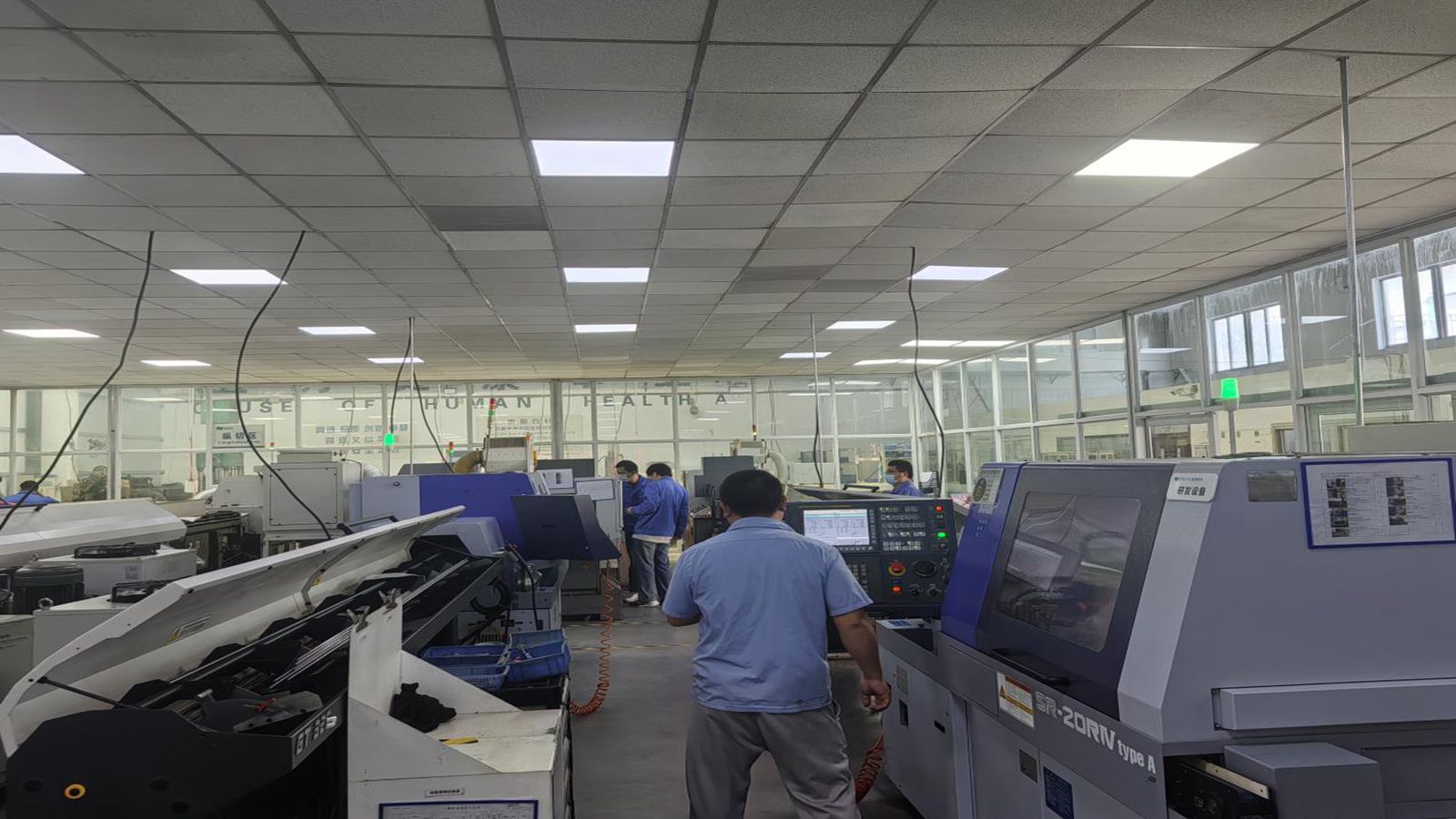
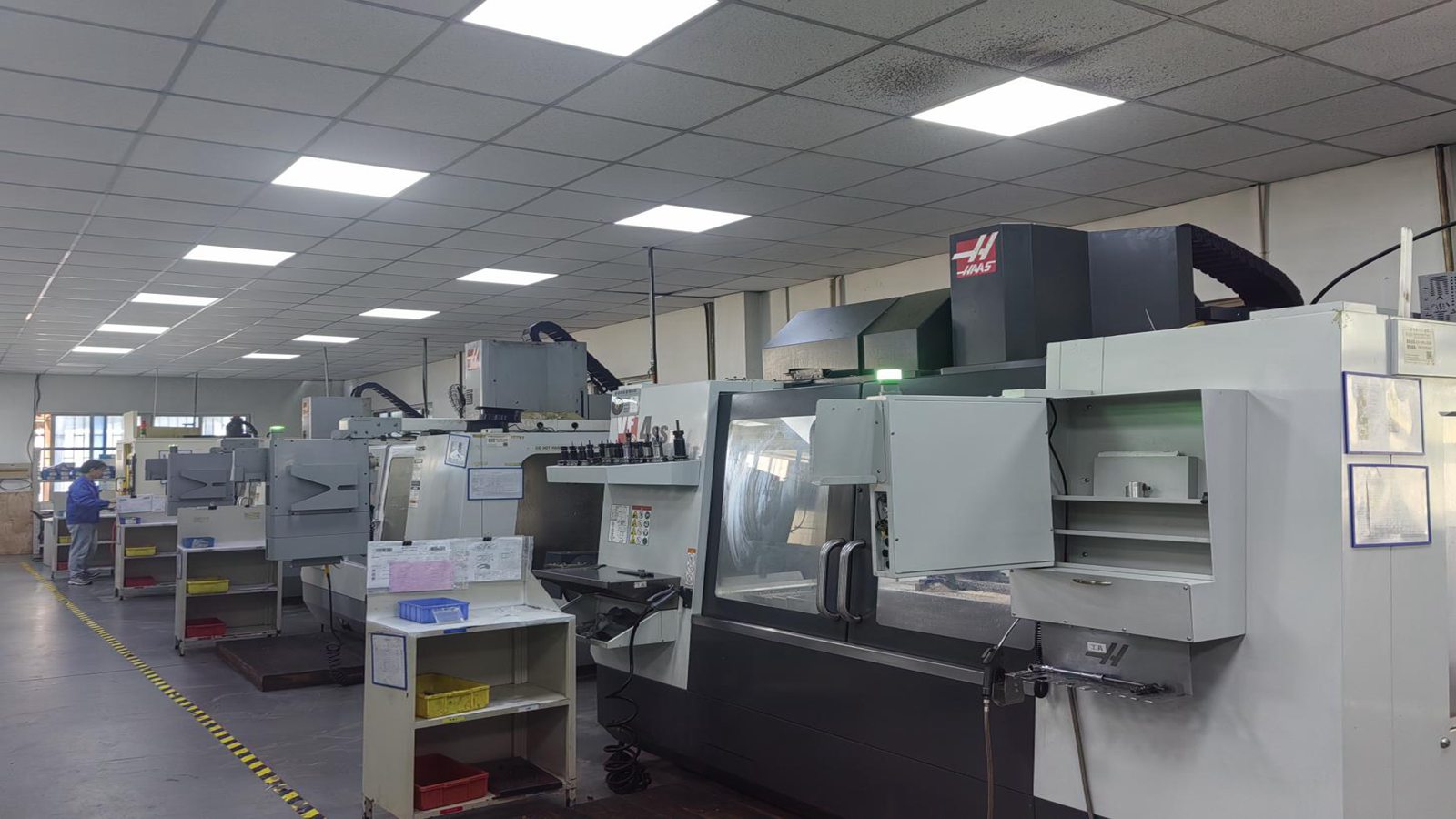
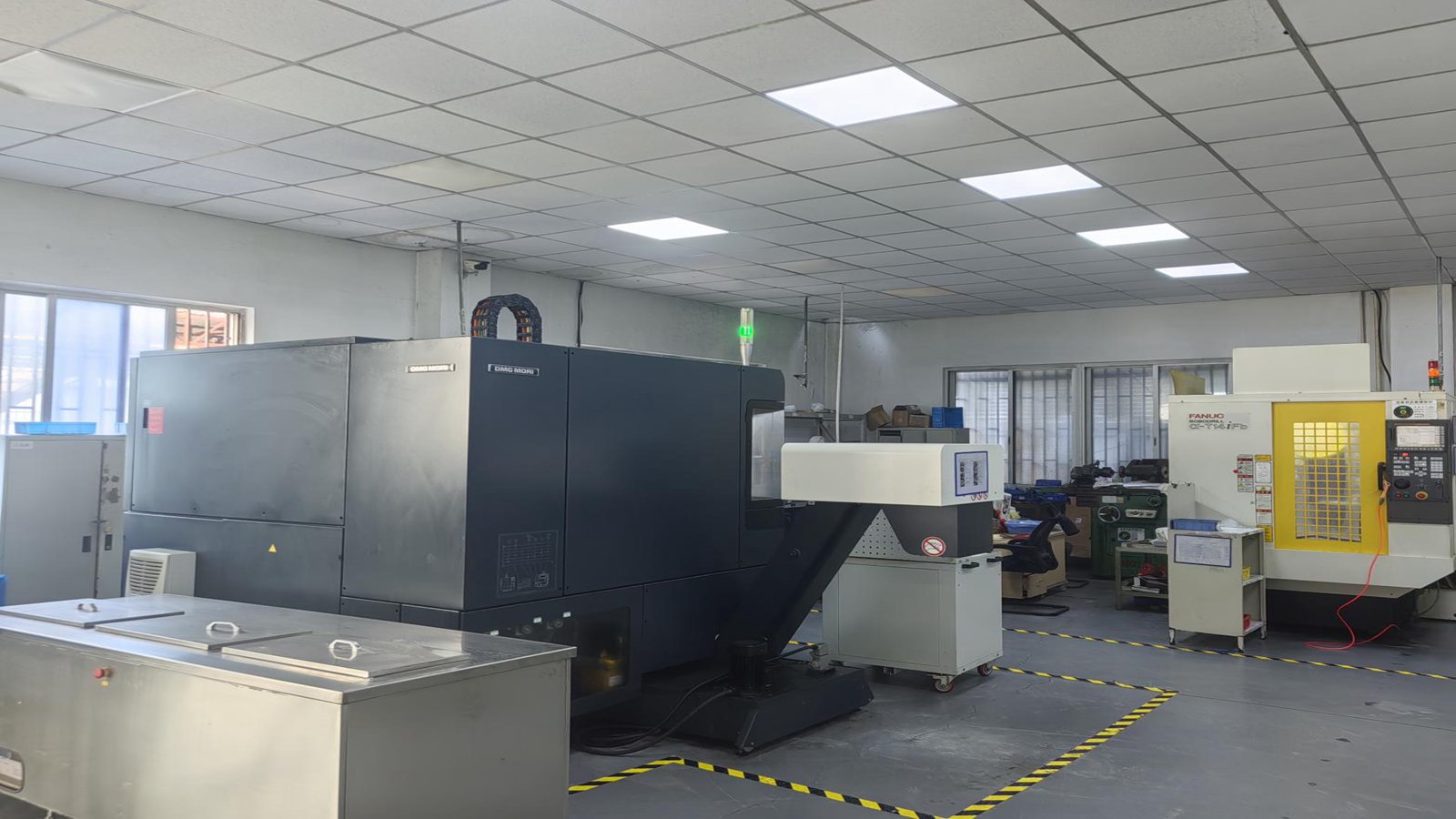
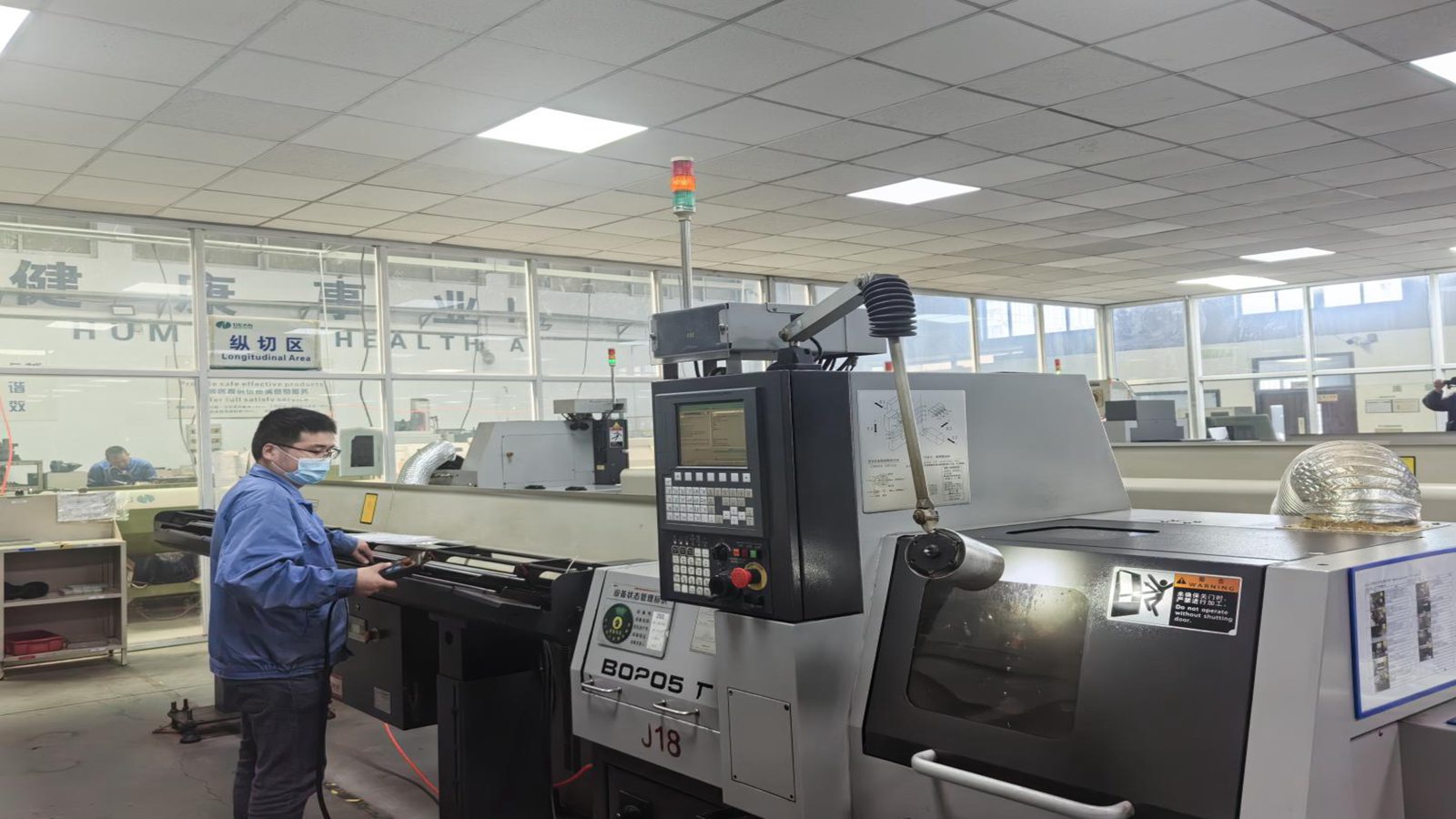
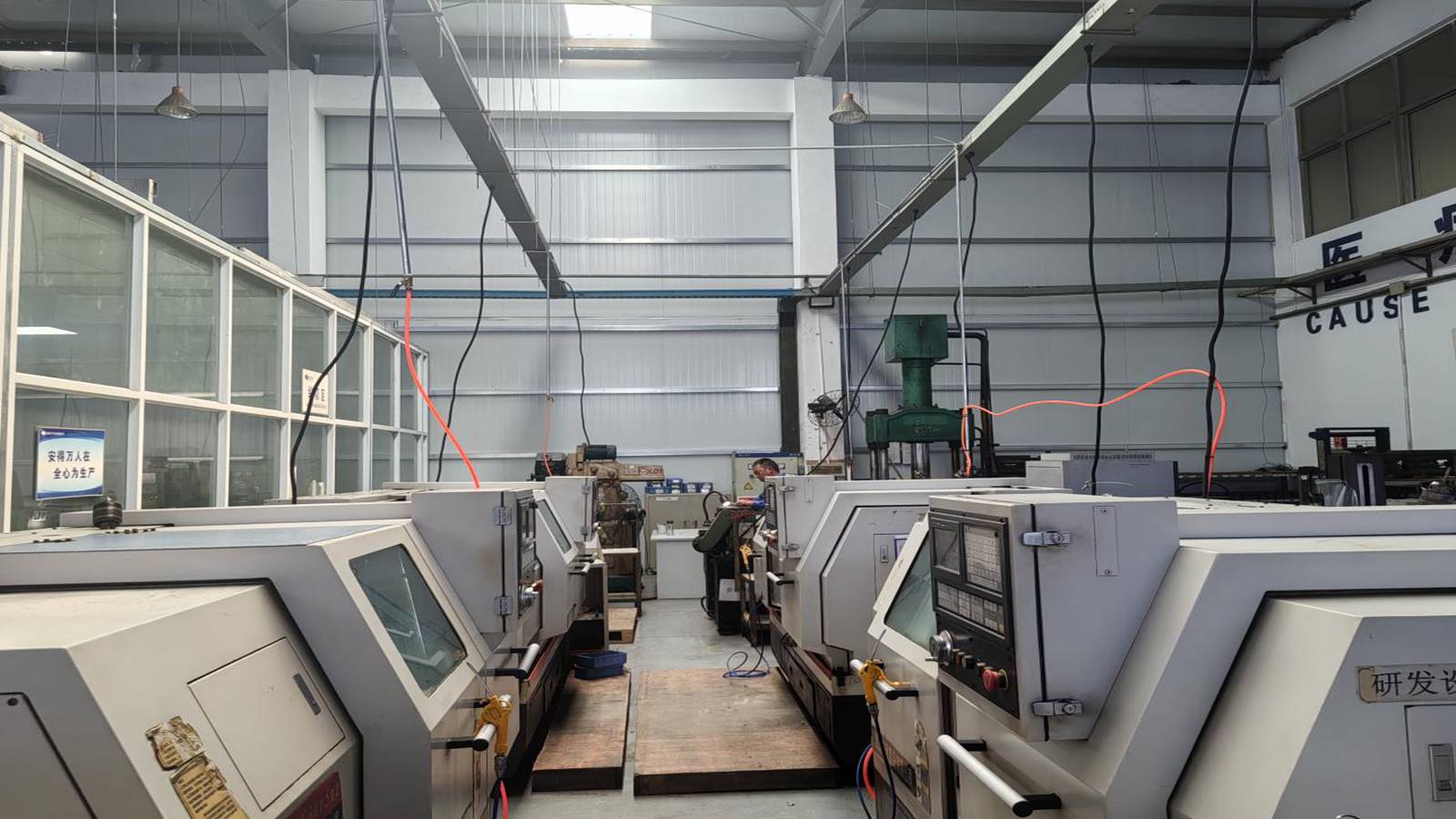
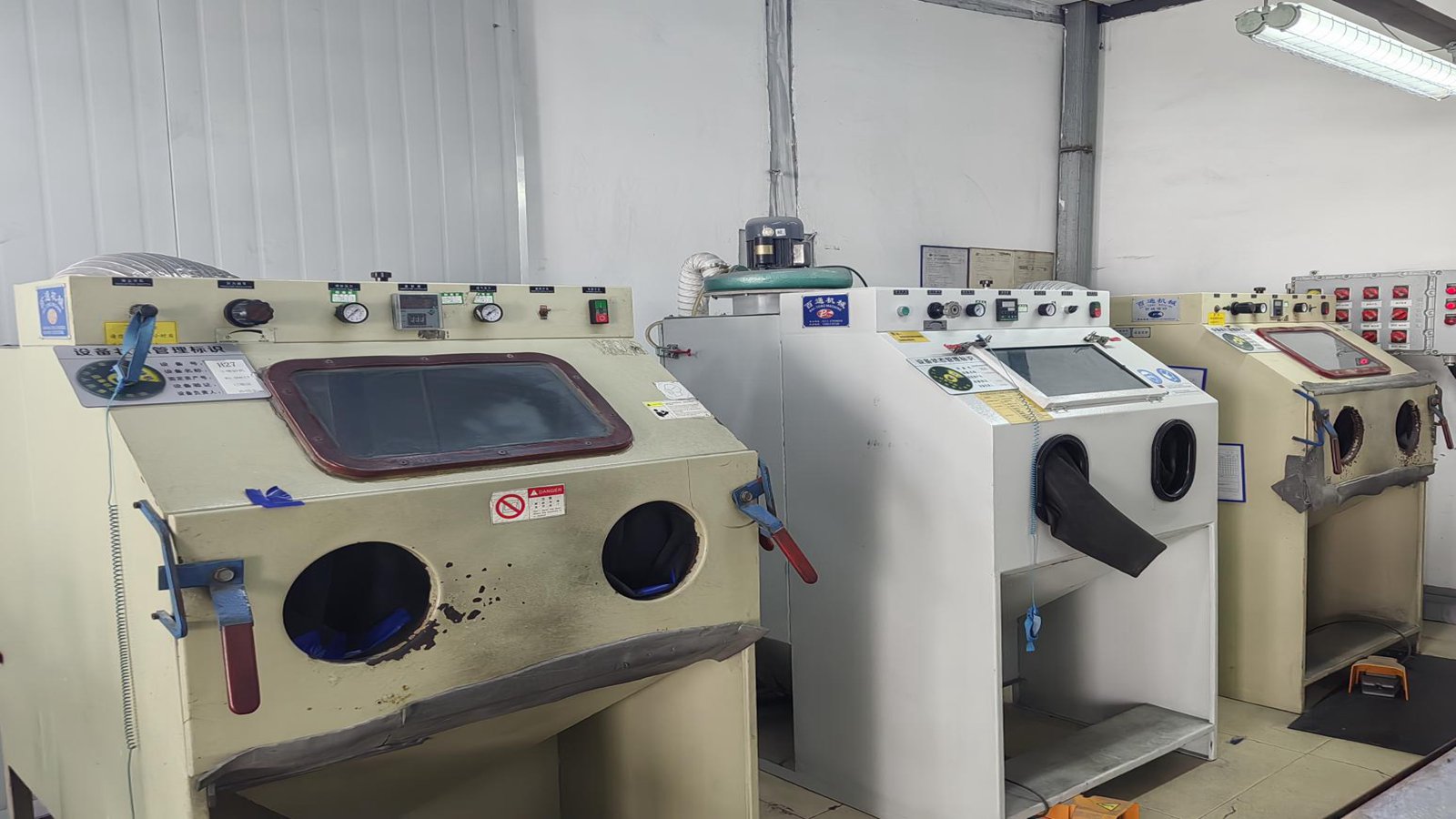
Our machining workshop is equipped with state-of-the-art Swiss-type longitudinal CNC lathes, allowing us to hold dimensions within ±0.005mm. This guarantees the thread uniformity needed for Acutrak screws.
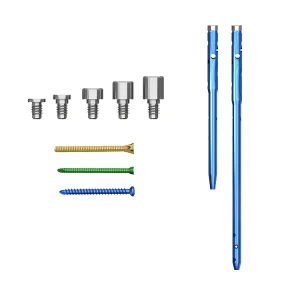
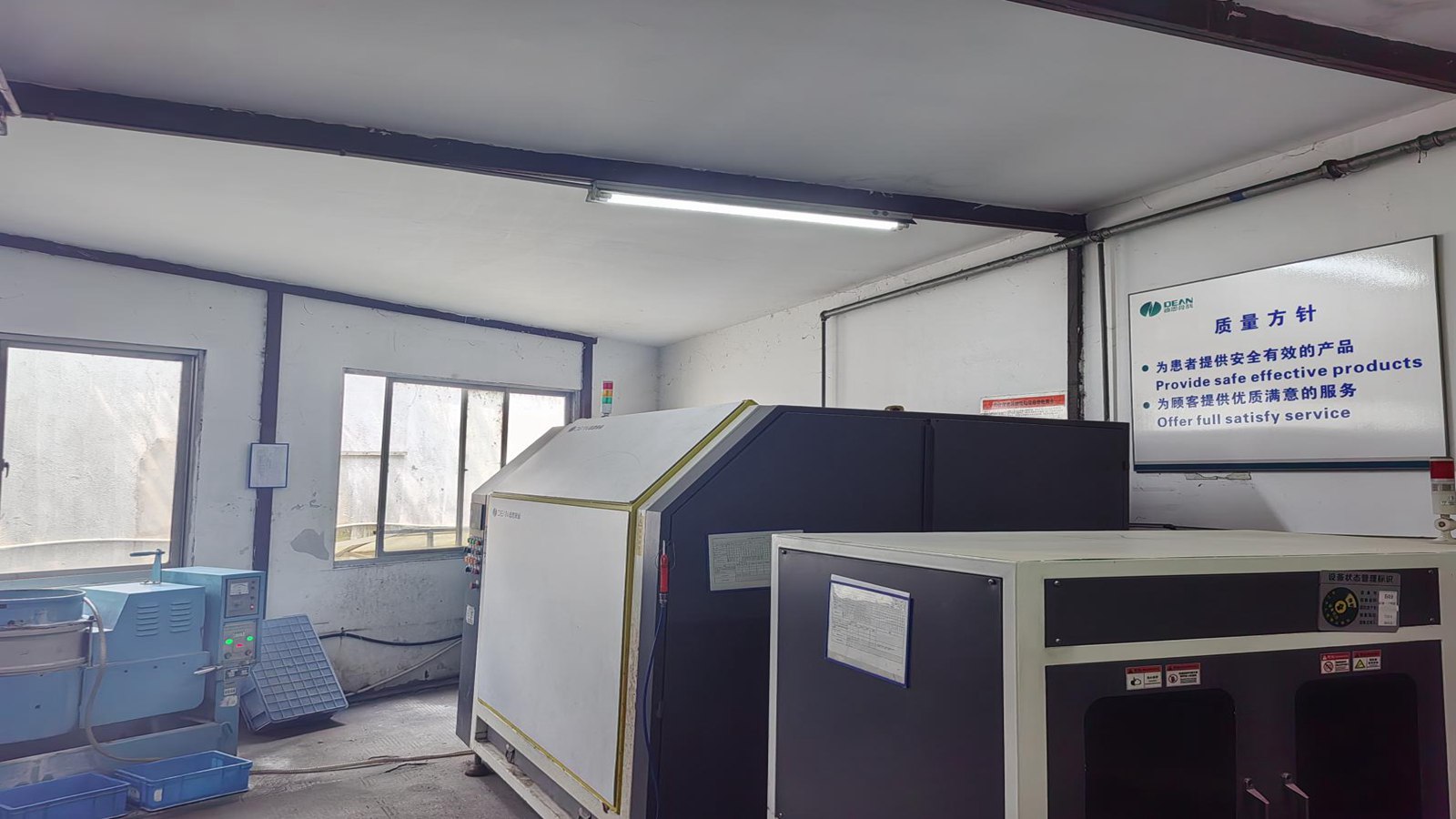
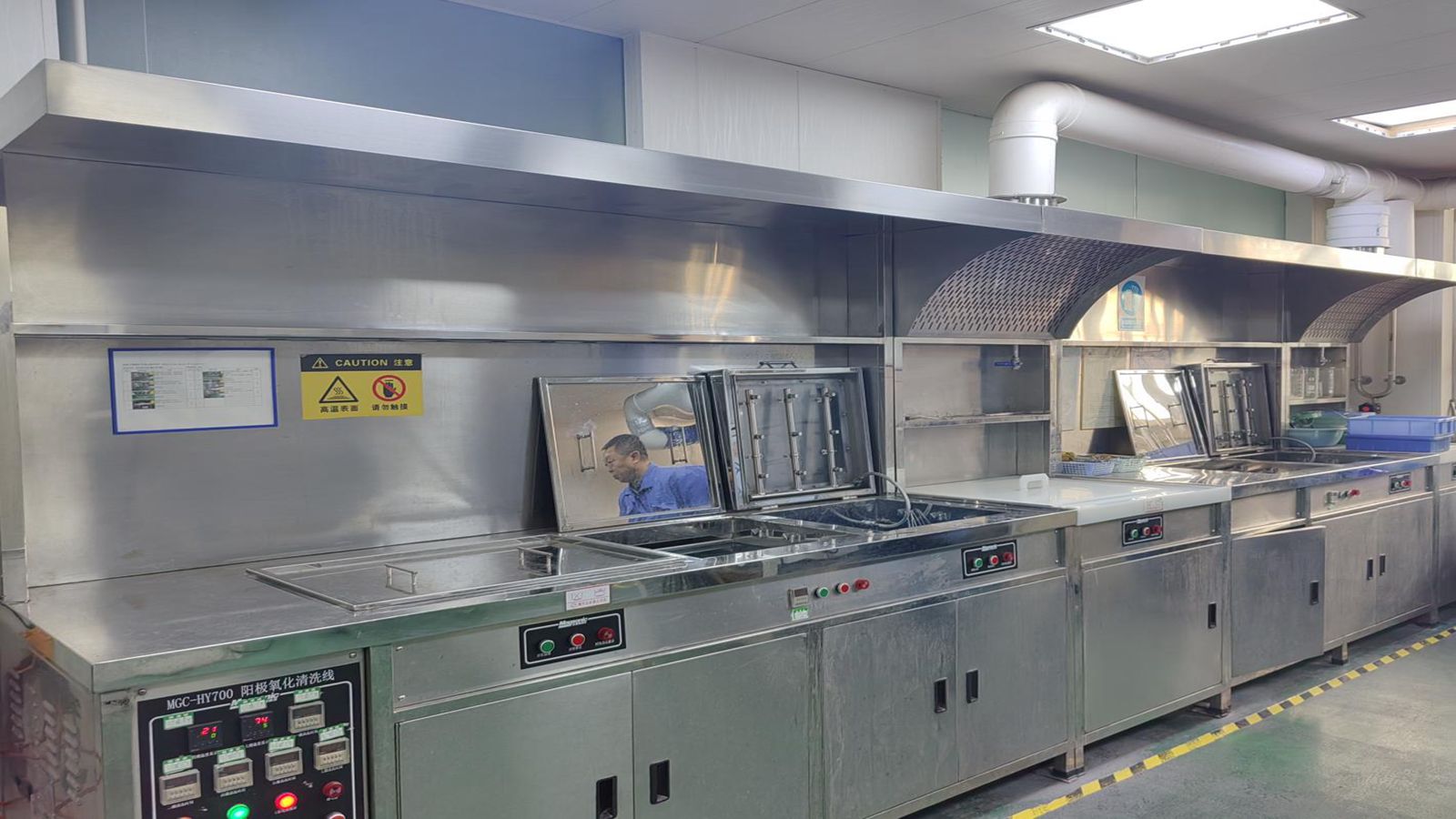
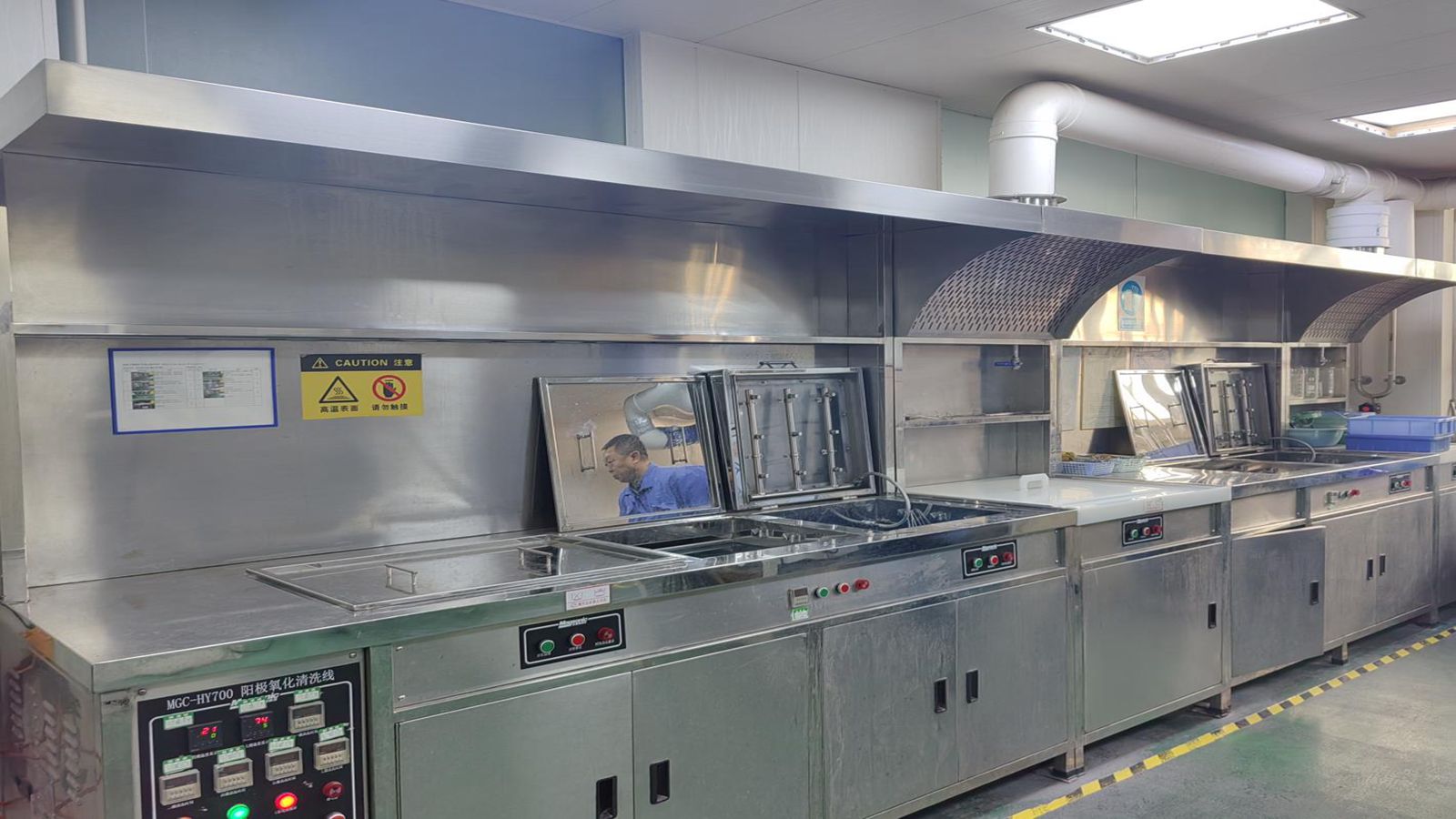
We feature fully automated anodizing lines. Color coding (blue, green, gold) is integrated at the molecular layer, supporting swift implant identification during complex surgical operations.
With 85 R&D engineers, we design and validate custom modifications quickly. We launched 120 new orthopedic products last year alone, translating concepts to physical models within weeks.
Identifying critical requirements and surgical scenarios across key geographic regions.
Depending on target pathologies and geographical regions, global procurement agents focus on different mechanical specifications of Acutrak screws. Medical device buyers face unique demands based on regional clinical tendencies:
Often considered the gold standard for carpal scaphoid fractures. Micro-diameter variants (ranging from 1.8mm to 2.5mm) with deep thread depths are widely requested in European and North American sports rehabilitation centers to allow early movement.
For operations like distal chevron osteotomy, hallux valgus correction, and subtalar arthrodesis. Stronger, medium-to-large headless compression screws (4.0mm to 6.5mm) are preferred to resist weight-bearing stress.
Fixing osteochondral fractures requires completely flush placement below the joint cartilage. Variable pitch profiles provide compression across the articular line, protecting contact areas from friction.
| Model Classification | Diameter Range (mm) | Pitch Design type | Material Spec | Common Surgical Indication |
|---|---|---|---|---|
| Micro-Acutrak Style | 1.8 mm - 2.4 mm | Variable Pitch (Headless) | Ti-6Al-4V ELI (ASTM F136) | Scaphoid fractures, radial head osteosynthesis |
| Standard-Acutrak Style | 3.5 mm - 4.0 mm | Variable Pitch (Headless) | Ti-6Al-4V ELI (ASTM F136) | Carpal & tarsal arthrodesis, bunionectomy |
| Large-Acutrak Style | 4.7 mm - 6.7 mm | Variable Pitch (Headless) | Ti-6Al-4V ELI (ASTM F136) | Subtalar fusion, calcaneal osteotomies |
Strategic supply patterns shaping procurement and distribution channels.
The orthopedic implants market is moving toward clinical customization, smart inventory management, and stricter regulatory compliance. Distributors face challenges with changing regional frameworks (such as the transition from MDD to MDR in Europe). Meeting these standards requires working with manufacturers that provide complete validation documentation and batch traceability.
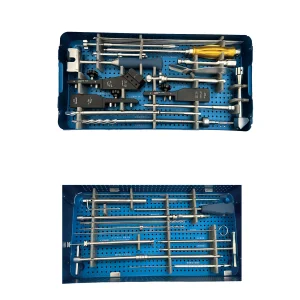
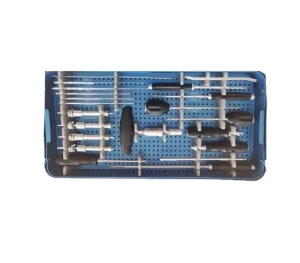
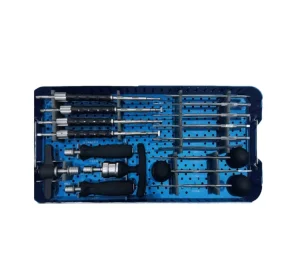
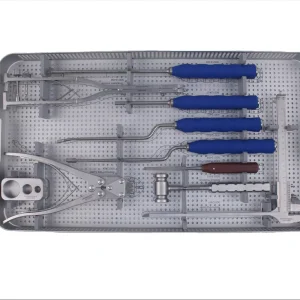
At Medispirex, we address these challenges through our OEM/ODM partnership model. We support custom private labeling, minor modifications to thread shapes, and the development of specialized surgical instrument kits (including drills, guides, and customized surgical drivers). This ensures our partners receive ready-to-market systems matching their local clinical needs.
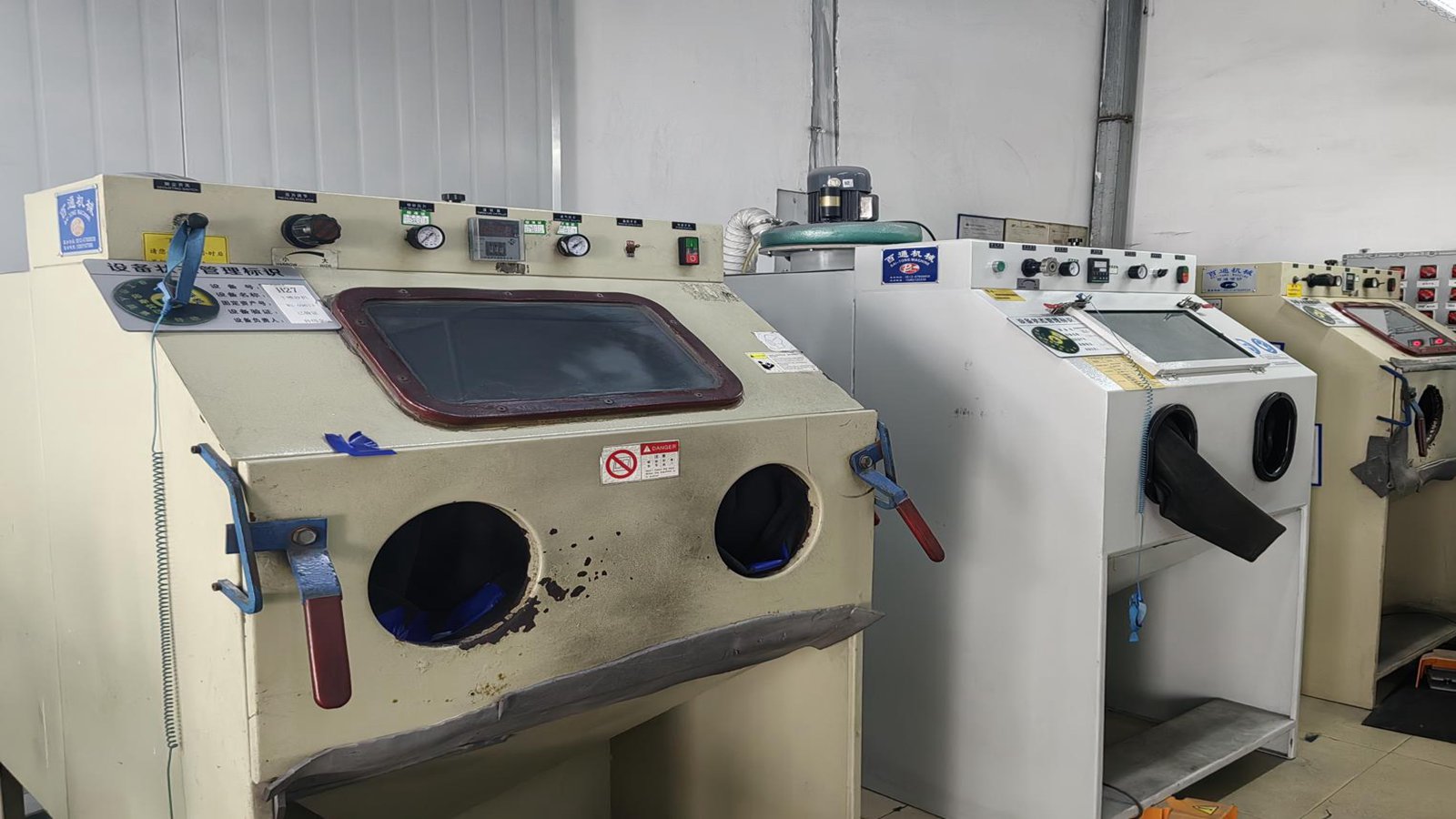
Integrating chemical treatments like anodizing and sandblasting to create micro-roughness. This aids in osteointegration and reduces the risk of long-term screw migration.
Providing full traceability, including material mill certs, bio-compatibility reports, and cycle validations, helping distributors pass audits from local health authorities.
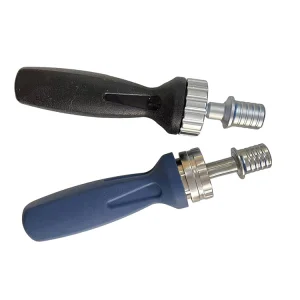
Supply chains prefer complete systems. We offer custom instrument sets, including quick-coupling ratchet handles, drill guides, and sleeve configurations, to provide a complete procedural solution.
Technical and logistical insights for global procurement directors, quality managers, and biomedical engineers.
Traditional cortical screws rely on a physical screw head to stop forward movement when it contacts the bone surface, creating pressure between the head and the threads. Acutrak-style screws are headless and feature a thread pitch that decreases gradually from the tip to the back. As the screw is driven in, the front threads pull forward faster than the back threads, compressing the fracture line without a screw head.
We use Medical Grade Titanium Alloy (typically Ti-6Al-4V ELI, Extra Low Interstitial) conforming to ASTM F136 standards. This alloy provides excellent biocompatibility, high fatigue strength, and minimizes artifact interference during MRI scans compared to surgical stainless steel.
Each production run is assigned a unique batch tracking number linked to the raw material mill certificate. Our quality control team of over 45 specialists conducts dimensional inspections, mechanical testing, and material composition analysis. Records are archived to support regulatory compliance and trace production histories.
Yes, our OEM/ODM services support complete customization. We manufacture custom lengths, diameter profiles, and thread pitches based on your technical drawings. We also offer color-anodization (blue, green, bronze, gold) to help surgeons identify screw diameters during procedures.
Standard OEM production runs average 4 to 6 weeks, depending on order size and complexity. For stocked items, packaging and shipping occur within 5 to 7 business days. We coordinate with global air and ocean freight carriers to ensure timely delivery to your regional distribution centers.
Explore our full line of surgical instruments, power tools, and specialized joint systems.