Medispirex
Medispirex
Medispirex
Select premium trauma fixation sets and instrumentation lines sourced directly from our ISO-certified facilities.
Optimizing biological fixation through state-of-the-art metallurgical refinement and biomechanical design.
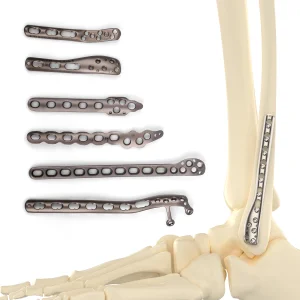
Tibial fractures, specifically high-energy proximal tibial plateau and distal tibial periarticular fractures, present complex mechanical challenges to orthopedic surgeons. Traditional non-locking plating constructs rely heavily on the friction interface between the bone and the plate to provide stability. However, this compression can lead to periosteal ischemia, compromising the essential vascular network required for bone remodeling. The introduction of tibial locking plates revolutionized fracture management by functioning as internal fixators. By coupling locking screws to the plate, the implant transfers the dynamic physiological loading across the fracture site without requiring direct bone-to-plate compression, protecting the periosteal blood supply.
As a leading supplier in China, our engineering processes focus on mitigating common clinical failures such as implant fatigue, screw backing out, and structural malalignment. Using advanced Finite Element Analysis (FEA) models, we trace stress distribution patterns in anatomical constructs, refining local designs for both the proximal and distal segments. Our titanium alloys (specifically Grade 5 titanium, conforming to ASTM F136/ISO 5832-3 standards) provide optimized biocompatibility, fatigue limit limits, and elastic modulus levels that closely mimic human cortical bone, reducing stress-shielding risks post-surgery.
Locking holes hold screw heads rigidly in place, creating a monolithic structure that maintains mechanical reduction even under high shear loads.
Eliminating bone-to-plate friction maintains periosteal perfusion, promoting faster primary callus formation and reducing non-union rates.
Engineered with extra-low interstitials (ELI) to deliver superior fracture toughness, high yield strength, and excellent fatigue life cycles.
A premier manufacturer delivering trauma, spinal, and joint reconstruction implants globally.
Established in 2016, Medispirex Orthopedic Technology Co., Ltd. has expanded into a global production force operating a modern manufacturing base covering approximately 18,600㎡. We integrate research and development, high-precision manufacturing, and compliance-driven global distribution to deliver orthopedic medical devices for trauma, spine, and joint applications.
With an annual export revenue of approximately USD 18 million, Medispirex maintains an international presence supported by 7 years of direct export experience and over 12 years of specialized industry expertise. Our quality assurance team consists of 45 QC professionals who monitor production using material inspections, in-process controls, final testing, and robust batch traceability systems.
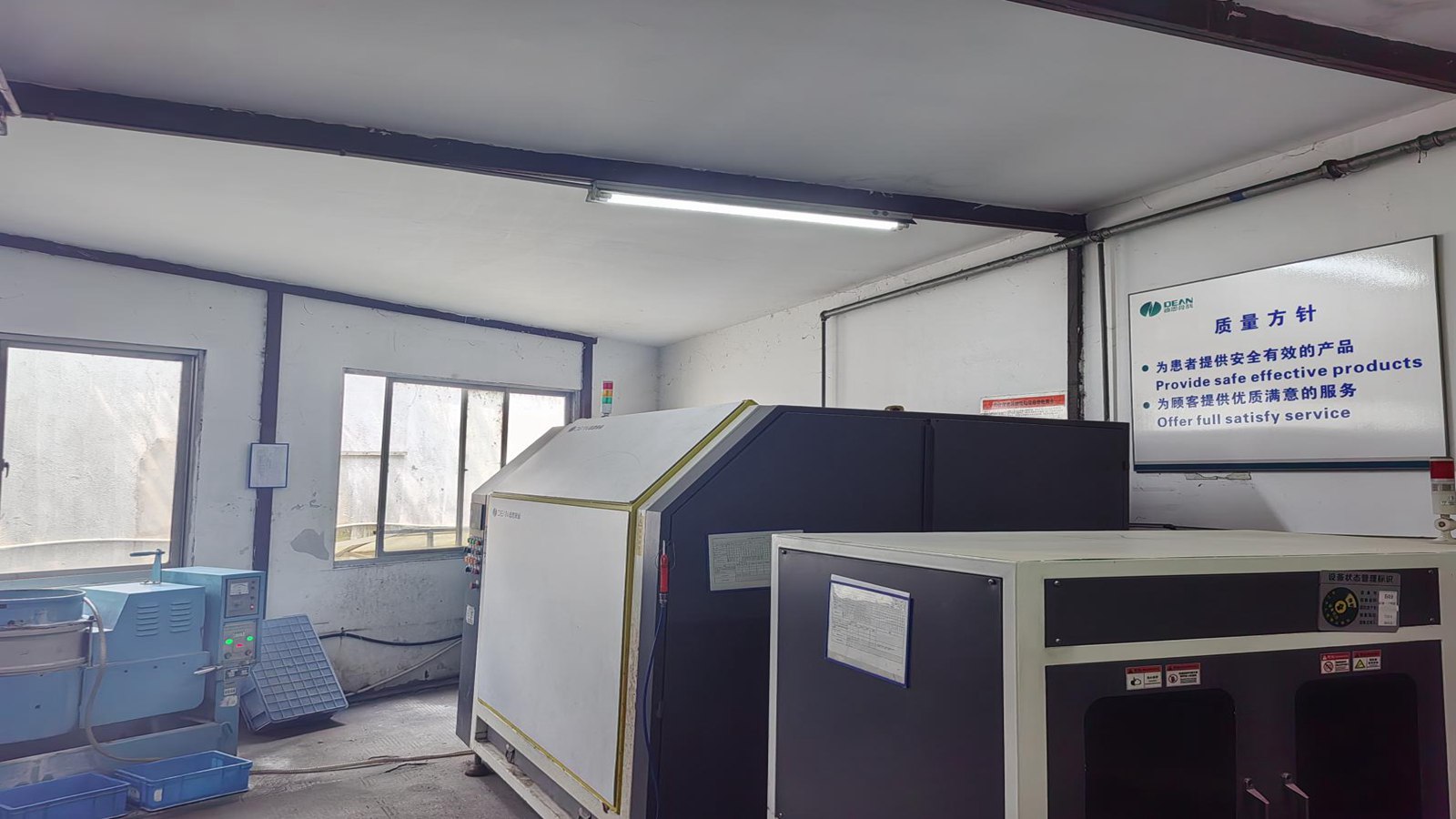
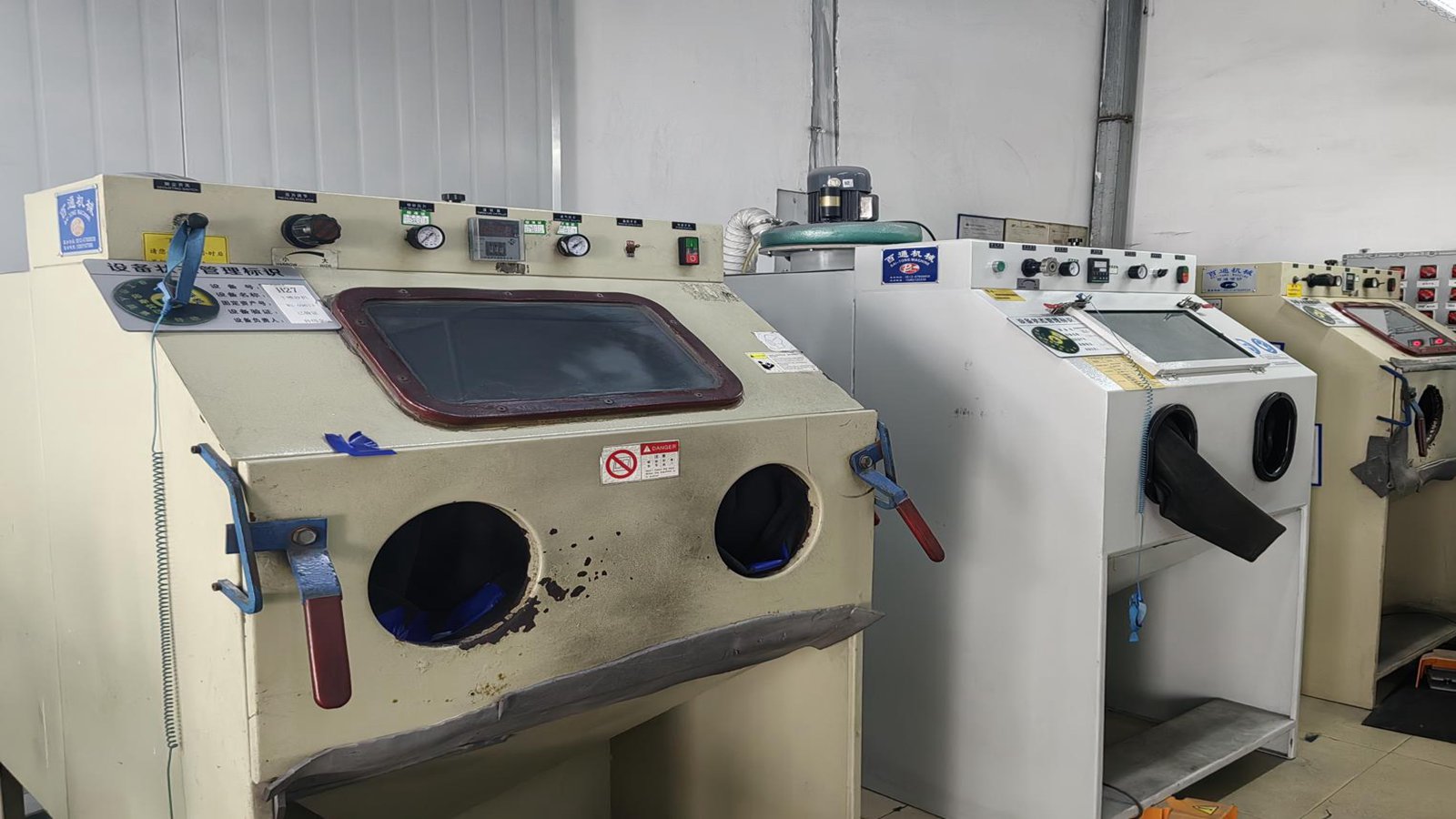
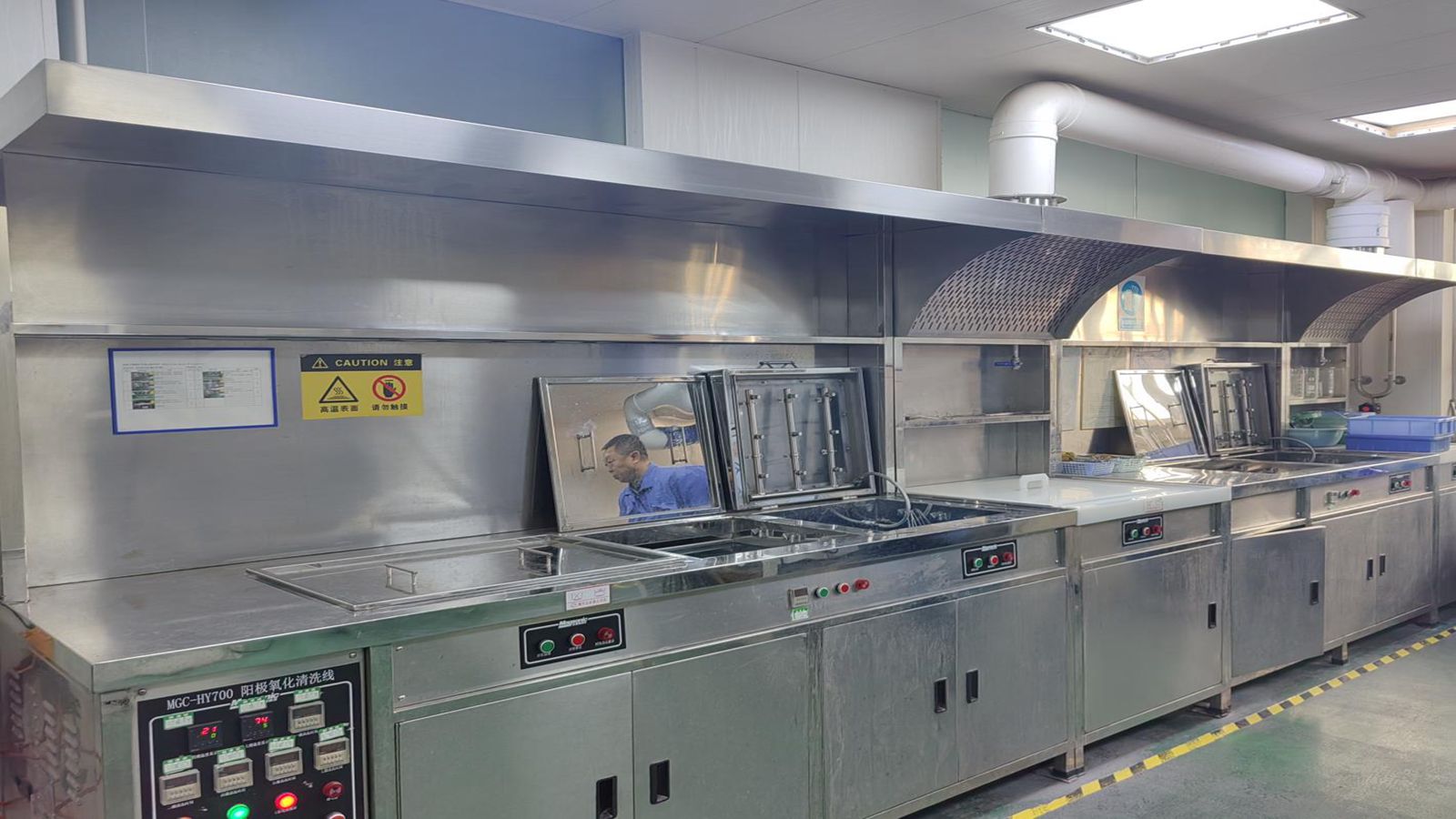
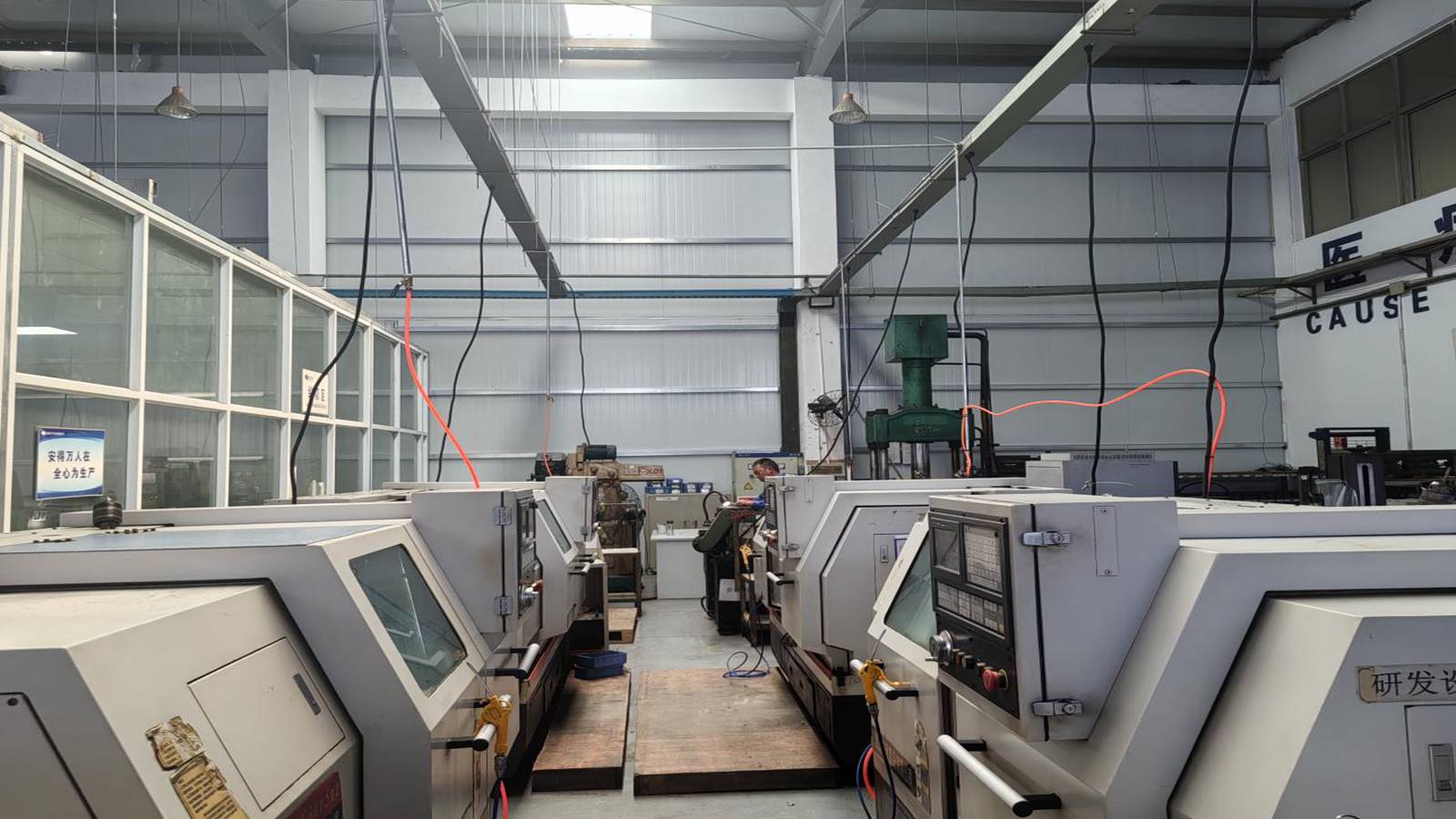
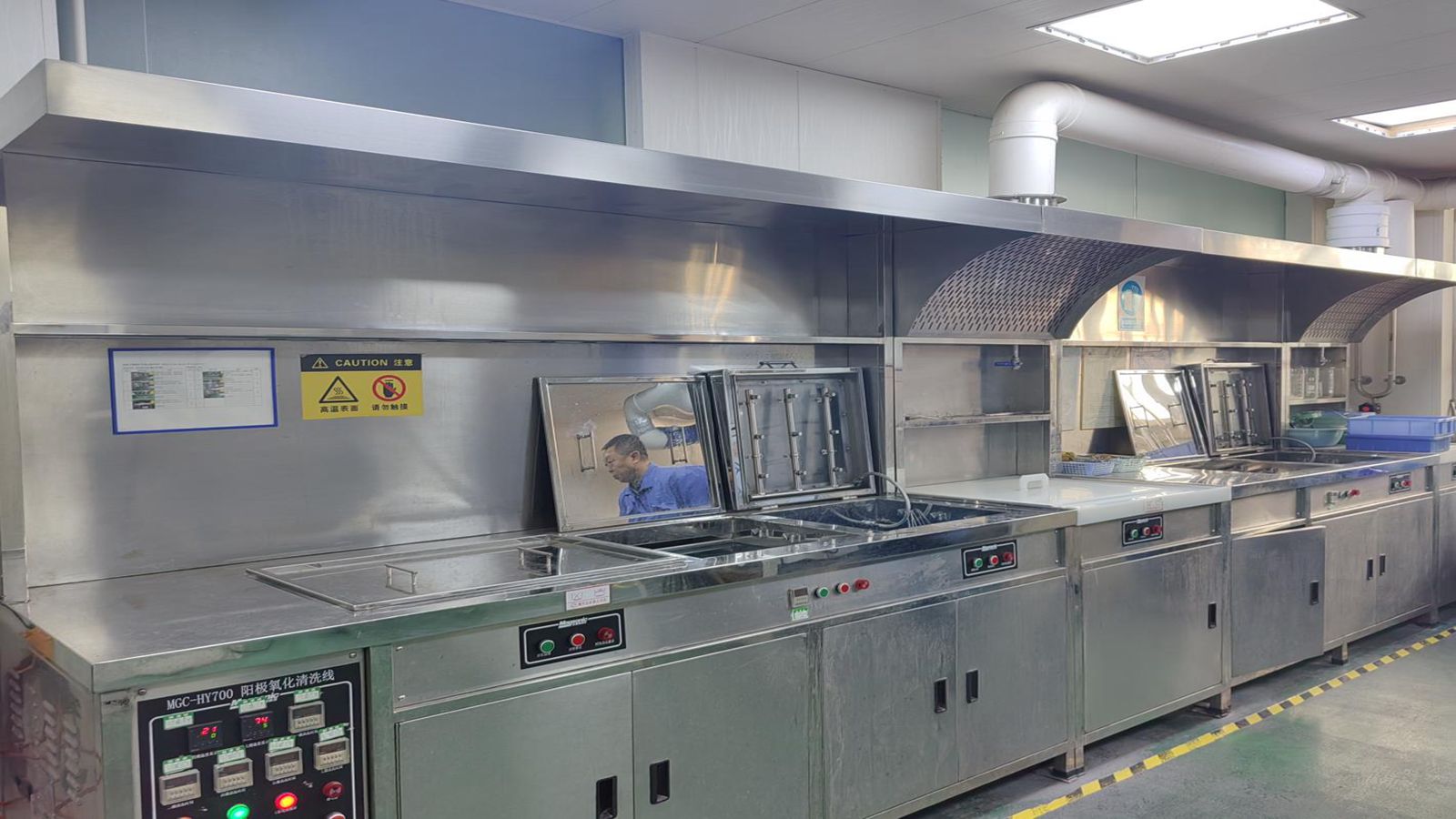
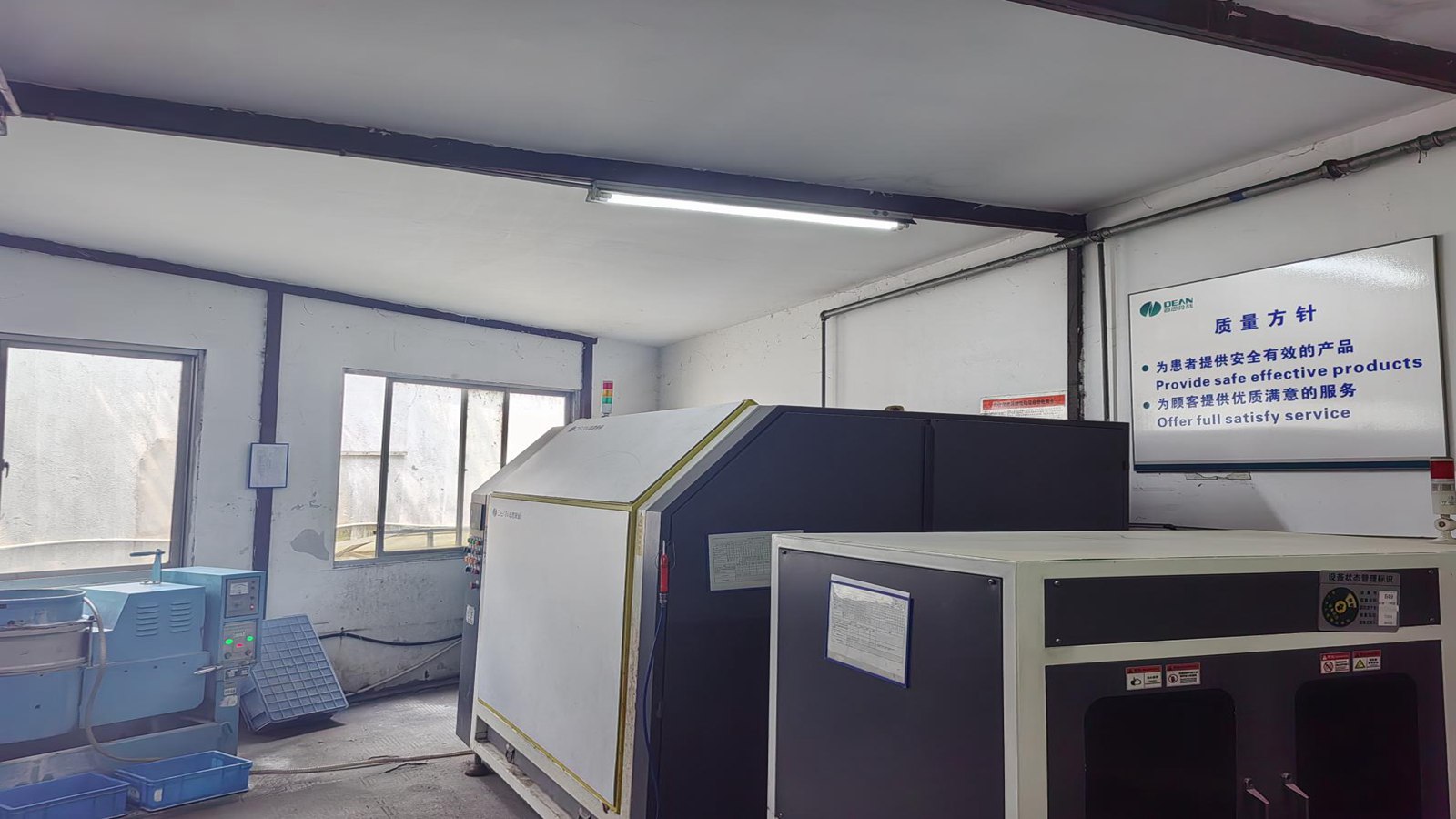
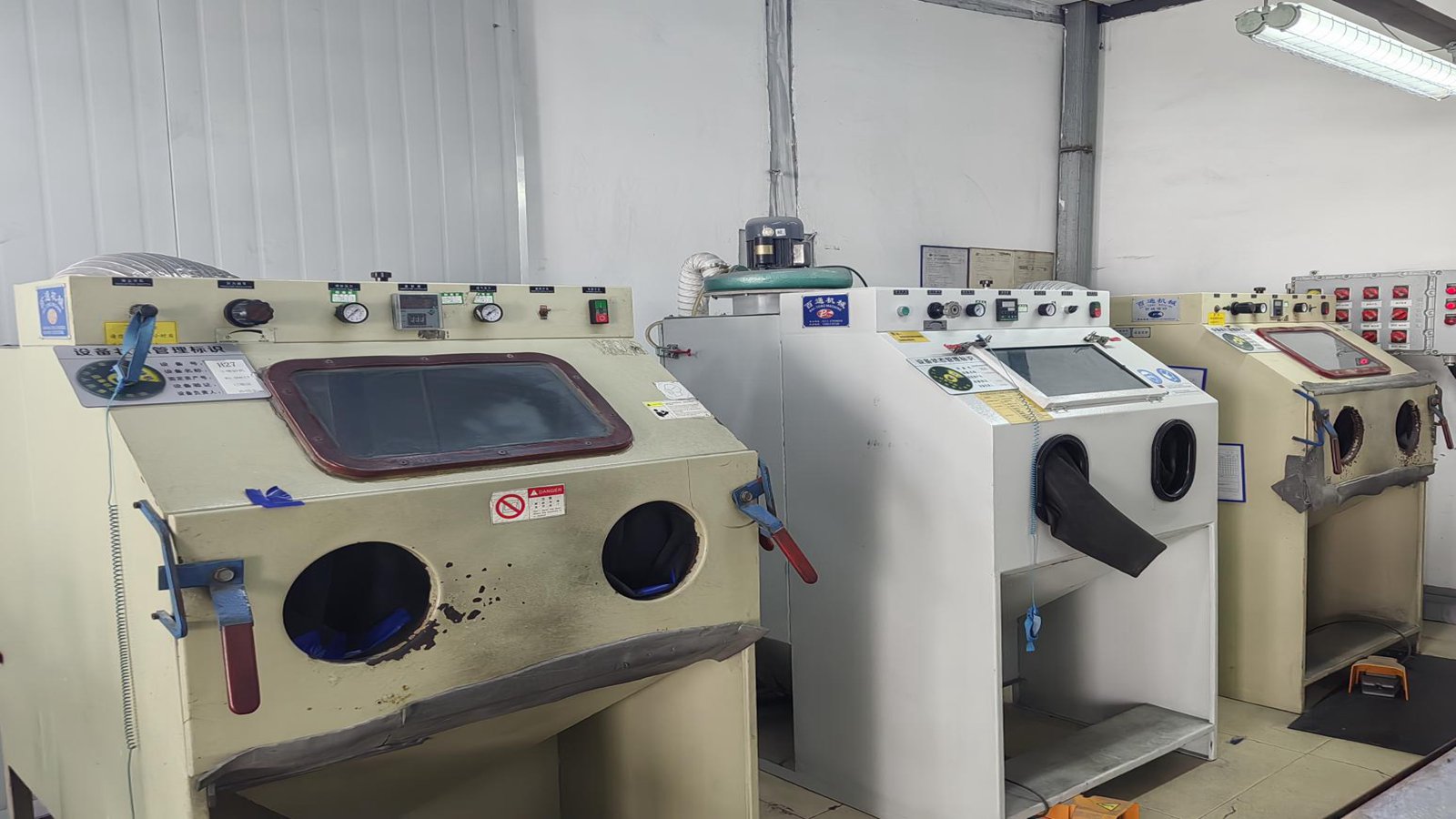
Every tibial locking plate undergo dynamic machining, precision grinding, anodization, and testing.
Why global healthcare networks and distributor organizations partner with Medispirex.
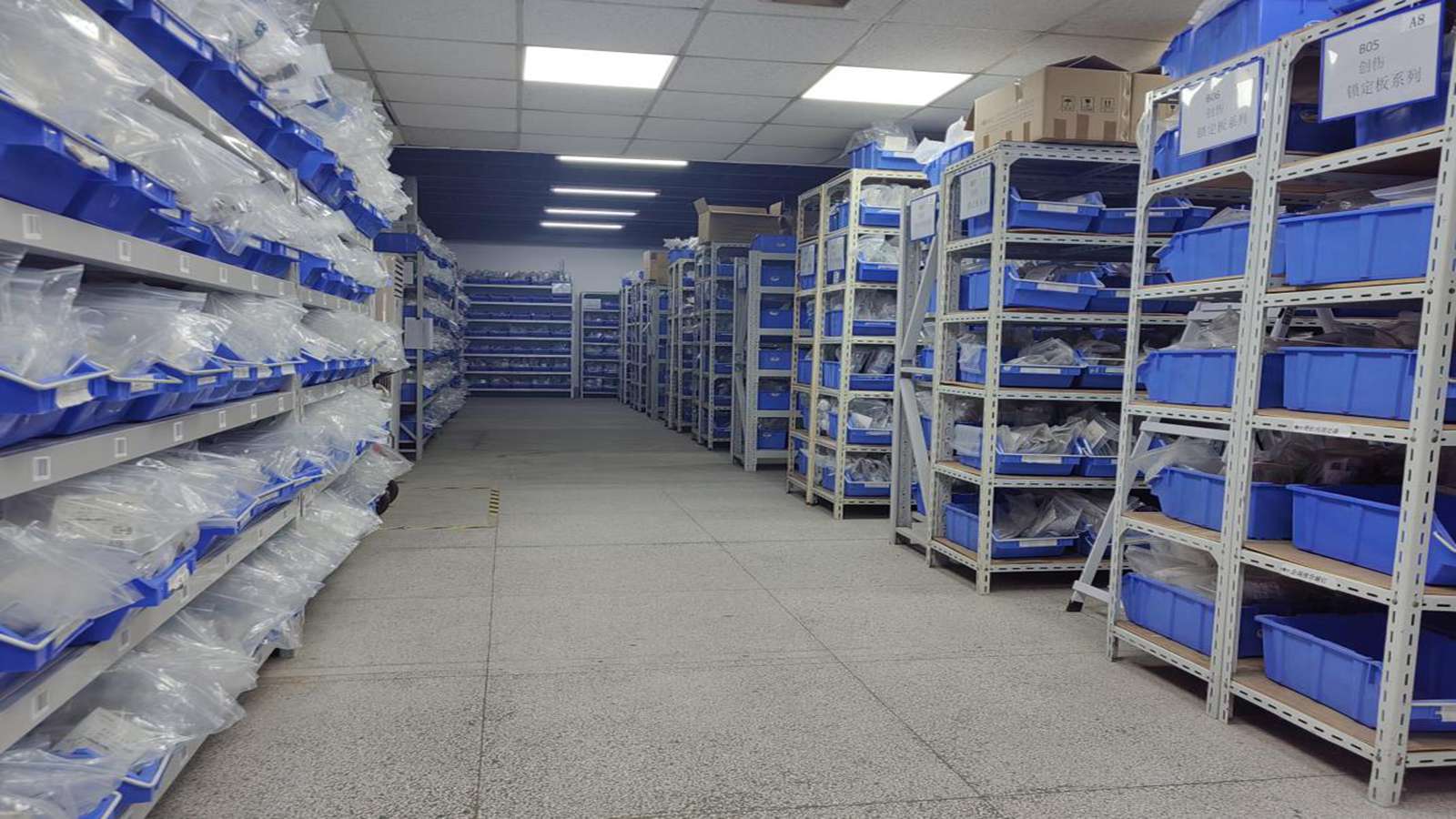
Purchasing surgical implants requires balancing absolute clinical quality with commercial viability. Partnering with Medispirex offers access to a highly integrated industrial ecosystem. China’s advanced industrial base supplies raw medical-grade titanium blocks alongside specialized tooling, which supports efficient processing cycles. Over our years in business, we have established agreements with over 860 upstream and downstream partners.
This deep integration allows us to keep lead times short, resolve supply bottlenecks, and scale production volume for large contracts. High-volume purchases receive optimized pricing structures without sacrificing quality control. By consolidating manufacturing steps—from rough milling to final anodized colors and packaging—within one managed environment, we reduce transit delays and logistical friction.
Direct relationships with tier-one medical titanium mills ensure a steady supply of certified biomaterials, complete with mill run certificates and chemical analysis sheets.
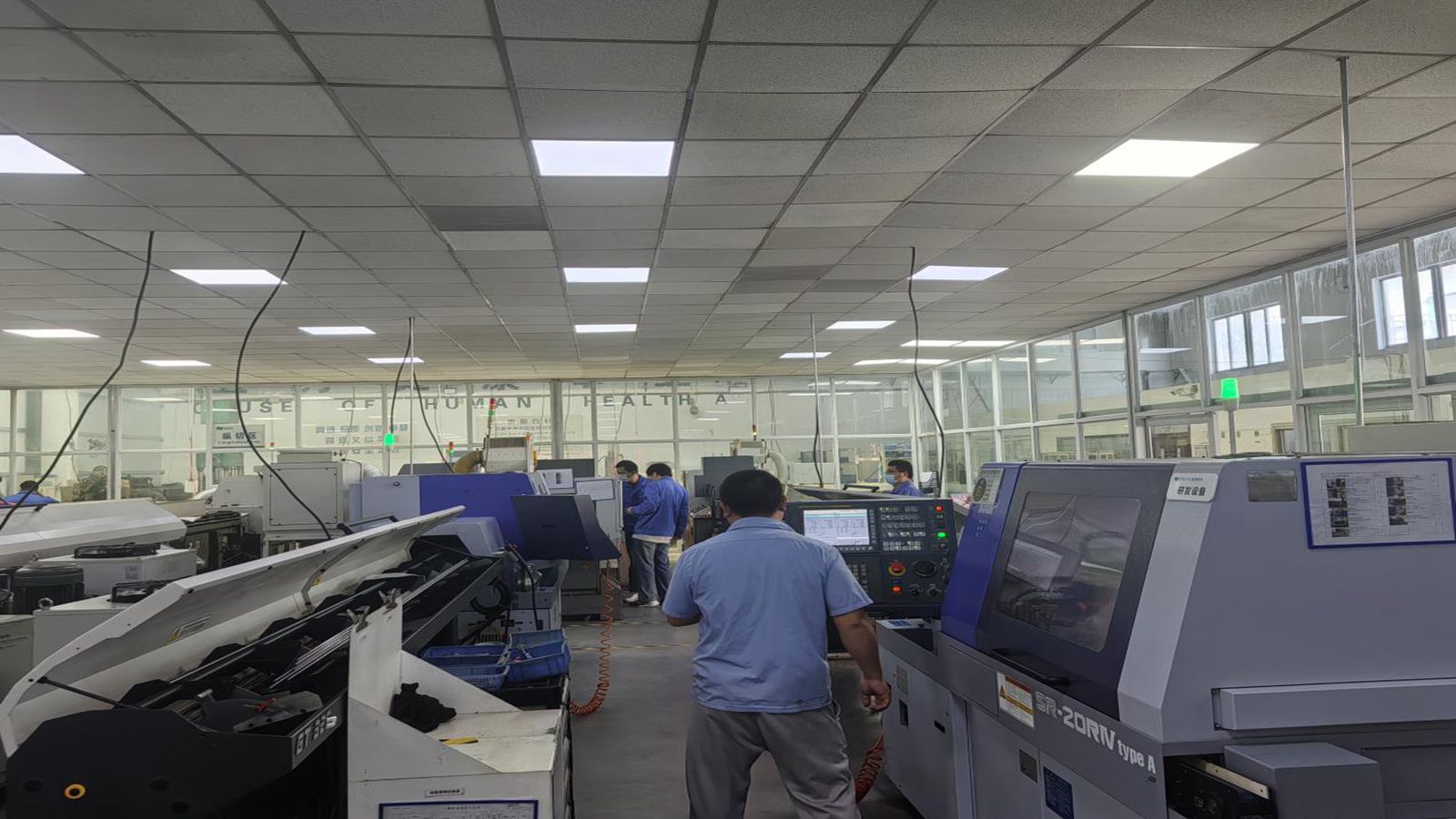
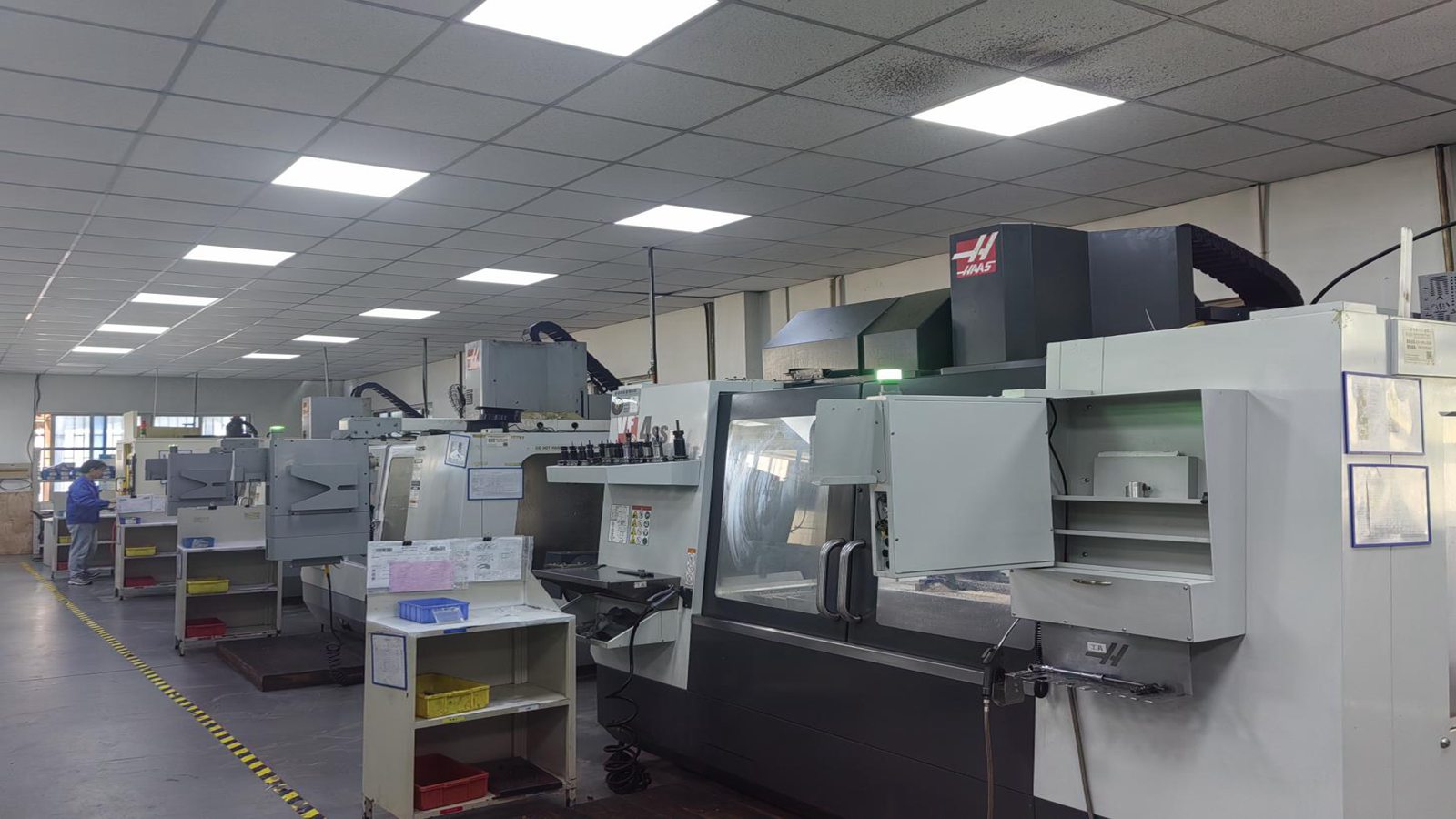
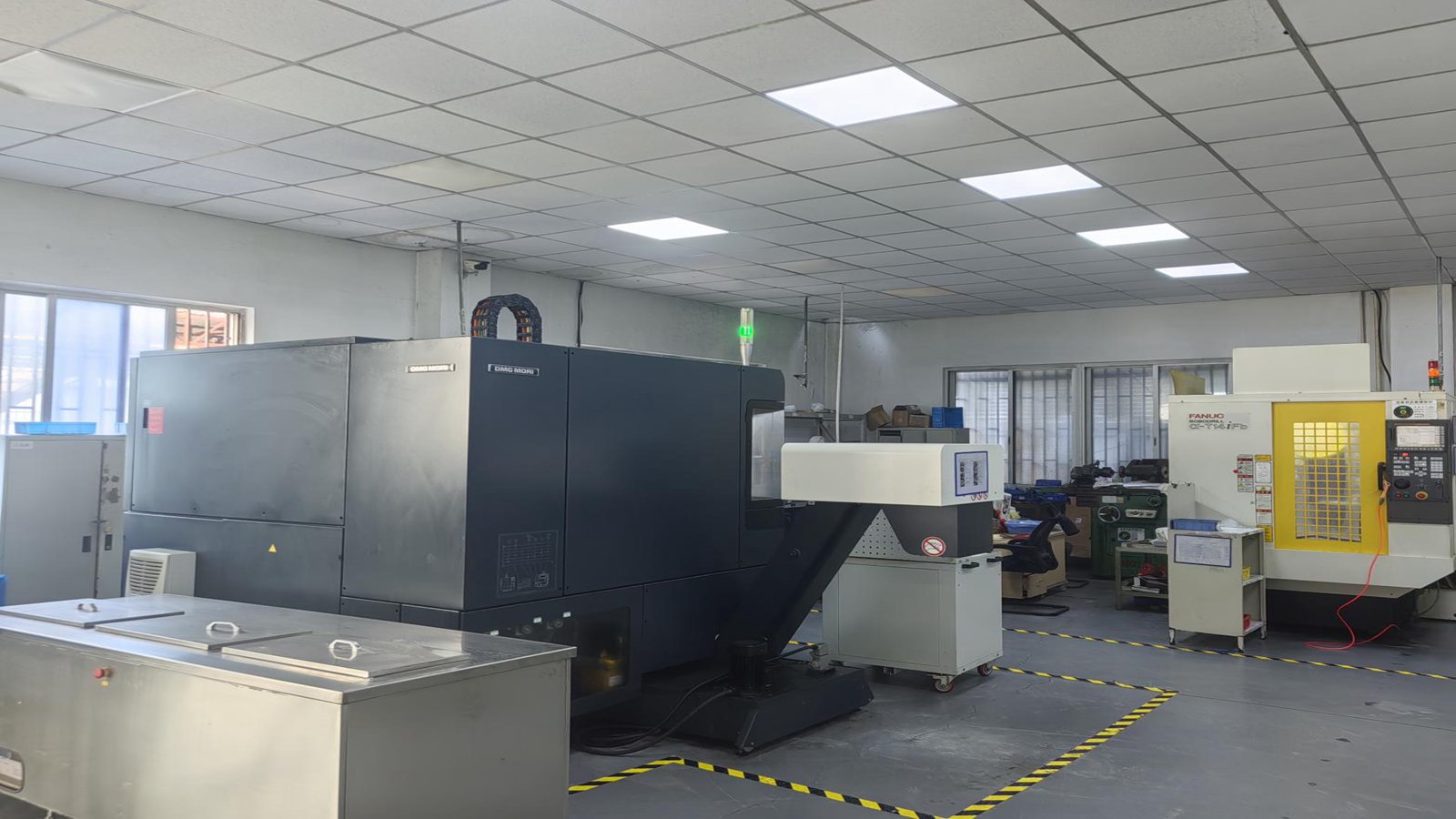
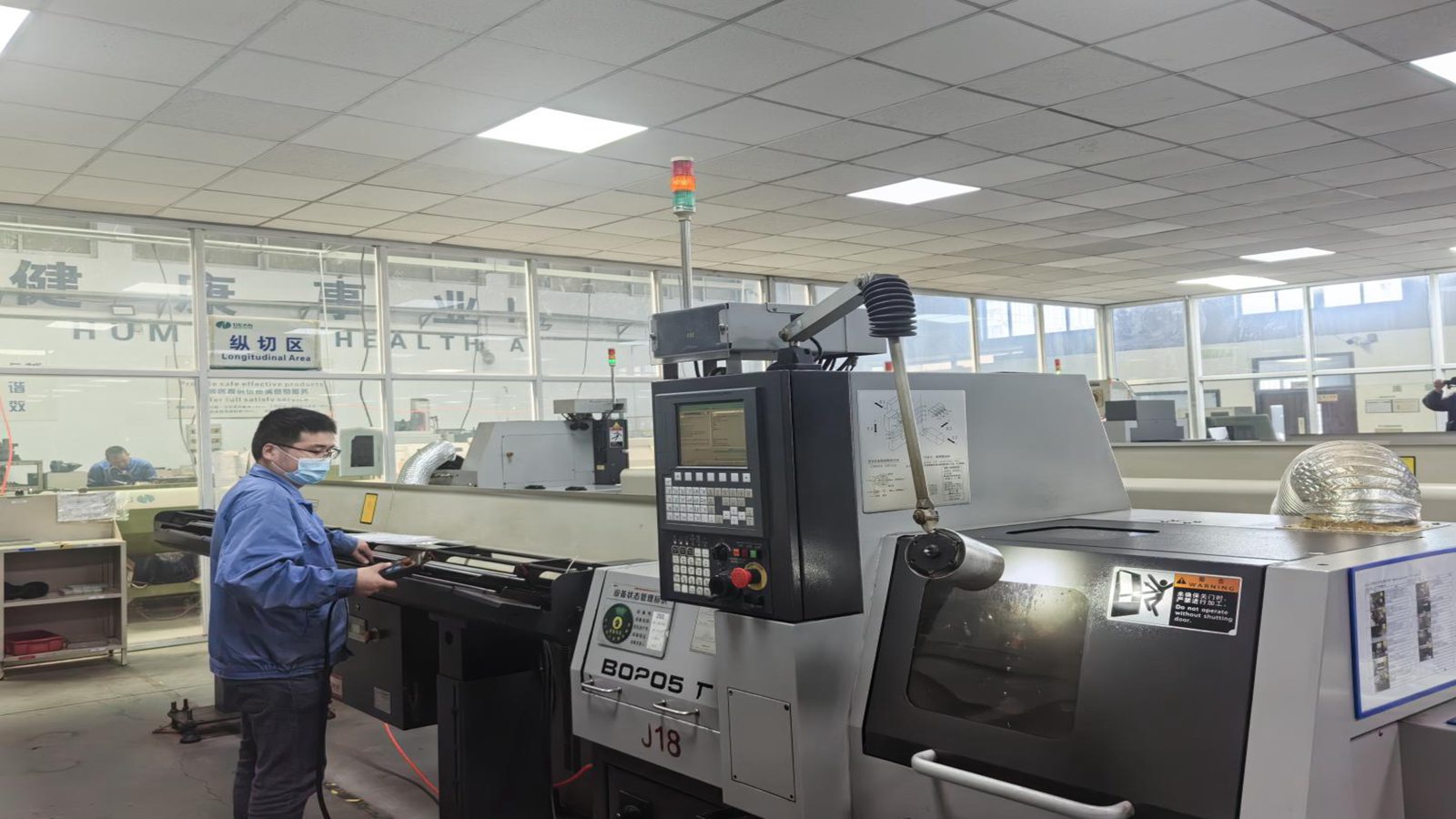
Our 18,600㎡ workspace features multiple modern CNC centers and automatic lathe clusters that operate 24/7 to fulfill high-volume export orders.
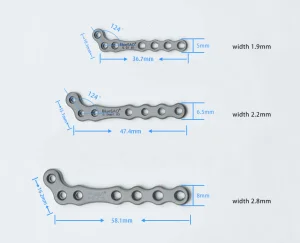
With 85 dedicated R&D engineers, we specialize in customizing hole configurations, plate thicknesses, and contour templates to fit specific clinical systems.
Every production batch undergoes thorough testing to verify dimensional accuracy, fatigue resistance, and chemical composition.
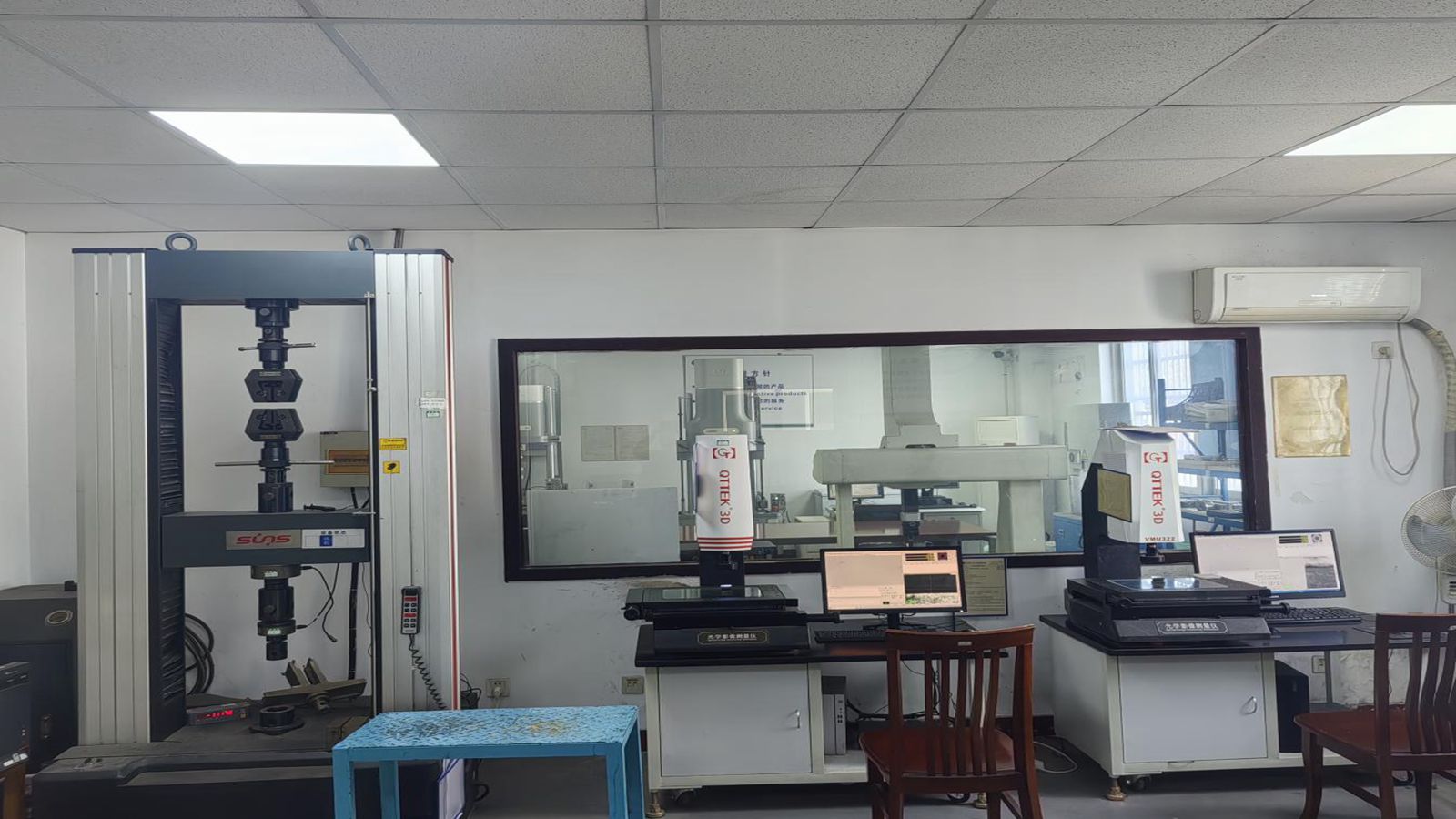
Because orthopedic implants remain inside the human body for extended periods, they must meet strict regulatory standards. Medispirex implements a quality system that tracks materials from incoming raw bars to the sterile operating room. Our 45-member Quality Control team oversees in-process checks and final releases. Verification steps include dimensional metrology using coordinate measuring machines (CMM), fatigue testing to simulate long-term physiological stress, and chemical analysis using optical emission spectrometry to check alloy consistency.
Our facility holds certifications for major international quality management systems, including ISO 13485, and matches compliance benchmarks for products registered in Europe (CE), North America, the Middle East, and Southeast Asia. Full batch tracing records—including processing logs, anodizing records, cleanroom packaging runs, and sterilization reports—are maintained for all products.
We perform spectroscopic verification on every incoming lot of Grade 5 Titanium and surgical stainless steel to verify purity and physical properties.
Automated CMM systems inspect the tolerances of screw hole pitches, thread angles, and anatomical contours to ensure compatibility during surgery.
Dynamic fatigue trials verify that each plate design can withstand repetitive loading cycles without mechanical failure.
Each implant receives a laser-etched serial number linked to its raw material source, manufacturing log, and inspection reports.
Streamlining cross-border delivery and supporting localized surgical protocols.
Medispirex works with a wide range of organizations, including municipal hospital groups, regional distributors, and global OEM partners. We recognize that surgical requirements and instrument interfaces vary by region. For instance, European markets often require specialized, low-profile plates to minimize soft-tissue irritation, while other regions may prioritize versatile screw patterns that fit a wider range of anatomies.
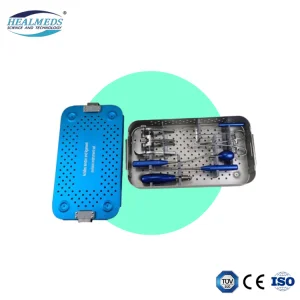
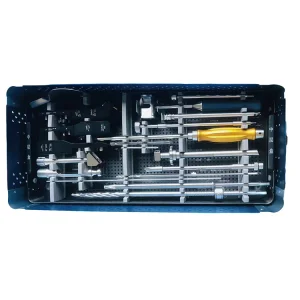
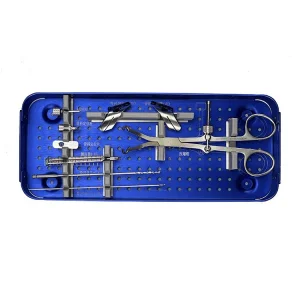
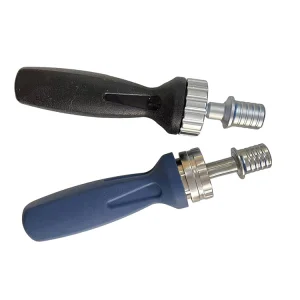
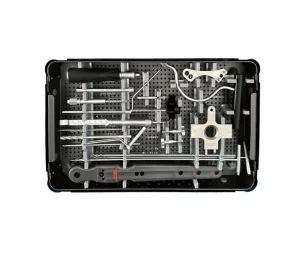
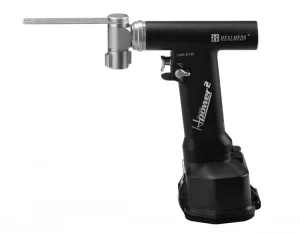
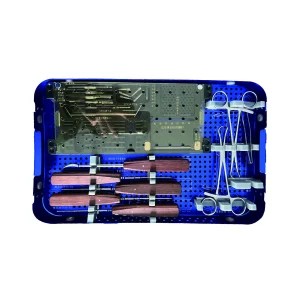
To support these requirements, we offer customizable surgical instrument kits, including torque-limiting screwdrivers, cleanout tools, and drill guides configured to local preferences. Our logistics team handles shipping documentation, custom clearances, and duty administration to ensure reliable delivery to Europe, North America, the Middle East, and Southeast Asia.
Key advancements shaping the design and application of orthopedic implants.
Newer designs allow locking screws to be angled up to 15 degrees off-axis, making it easier to secure complex articular fractures without colliding with existing hardware.
Type II anodization creates a harder, smoother surface that reduces soft tissue friction and prevents cold-welding between screws and plates.
Submuscular insertion guides and specialized instrumentation kits support percutaneous techniques, reducing surgical incision sizes and recovery times.
Answers to common engineering, regulatory, and logistics questions from our procurement partners.
Explore our wider catalog of external fixators, specialty plates, and spine stabilization implants.