Medispirex
Medispirex
Medispirex
Premium grade orthopedic implants and surgical instrument configurations engineered for global healthcare standards.
A comprehensive analysis of Medispirex Orthopedic Technology's position as a premium global OEM/ODM manufacturer.
In modern spinal reconstruction surgery, the mechanical and biological integration of spinal hardware determines long-term patient mobility and stabilization outcomes. Polyaxial pedicle screws have emerged as the clinical standard for multi-segmental posterior fusion, providing surgical flexibility to align with variable patient anatomy. Medispirex Orthopedic Technology Co., Ltd., established in 2016, operates a state-of-the-art 18,600㎡ production facility dedicated to bridging the gap between precision medical engineering and global regulatory environments.
The complexity of polyaxial pedicle screws lies in the locking mechanism and head articulation. Medispirex utilizes advanced Grade 5 titanium alloys (Ti-6Al-4V ELI) to achieve optimal biocompatibility, fatigue resistance, and load-sharing dynamics. The polyaxial head allows for an angulation range of up to 60 degrees, which reduces the need for aggressive rod contouring in complex spinal deformity corrections. Our design optimizes the friction fit between the screw head and the insert, ensuring high pull-out strength and torque retention to mitigate the risk of post-operative hardware loosening.
Through finite element analysis (FEA) and dynamic fatigue testing adhering to ASTM F1717 and ASTM F1798 standards, our R&D team continuously refines thread pitches, double-lead thread designs, and low-profile head aesthetics to minimize soft-tissue irritation and optimize implant stability under multi-axial physiological loads.
Explore our end-to-end CNC processing, surface treatment, and quality control divisions operating within China's premier medical manufacturing hub.
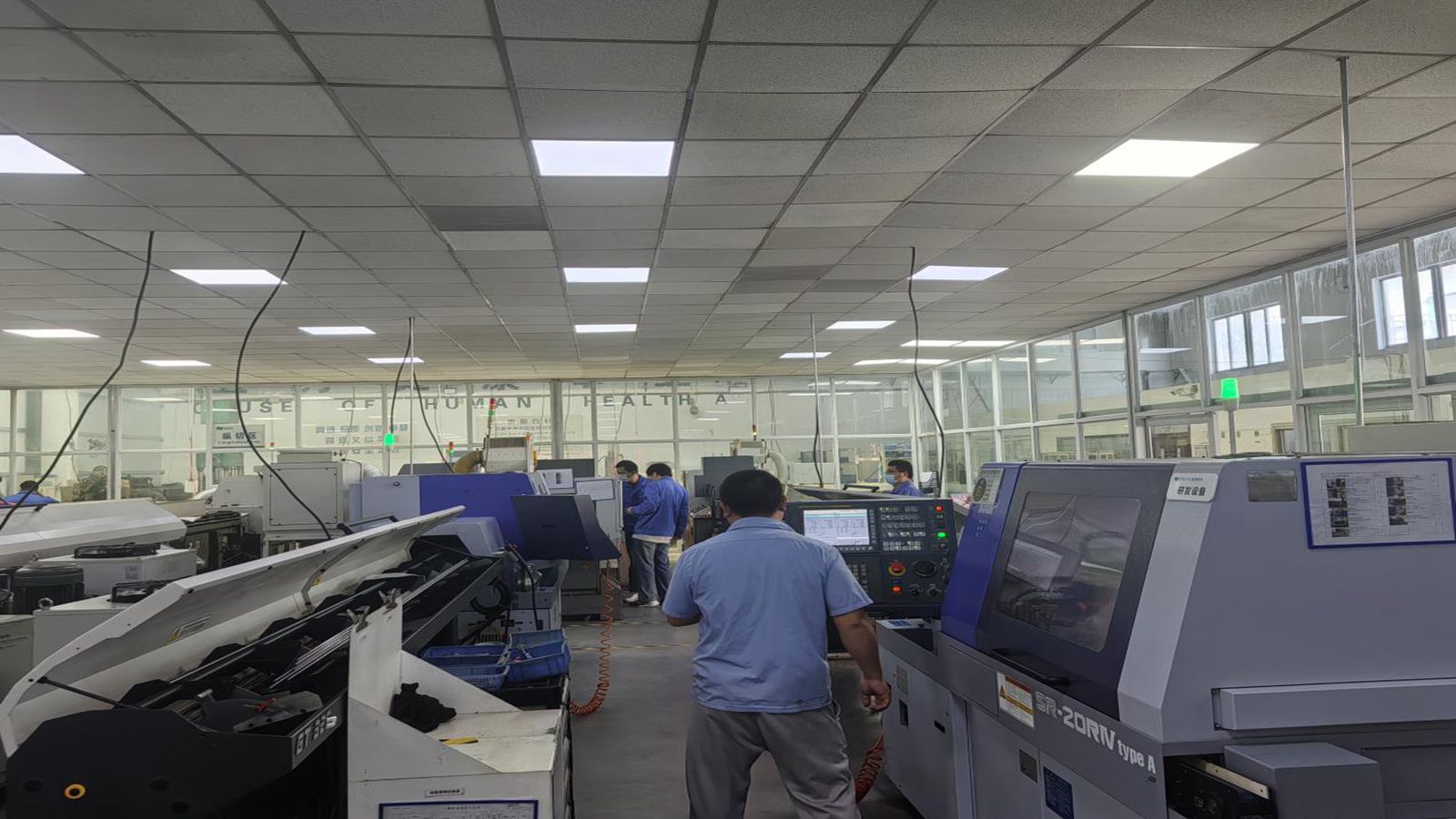
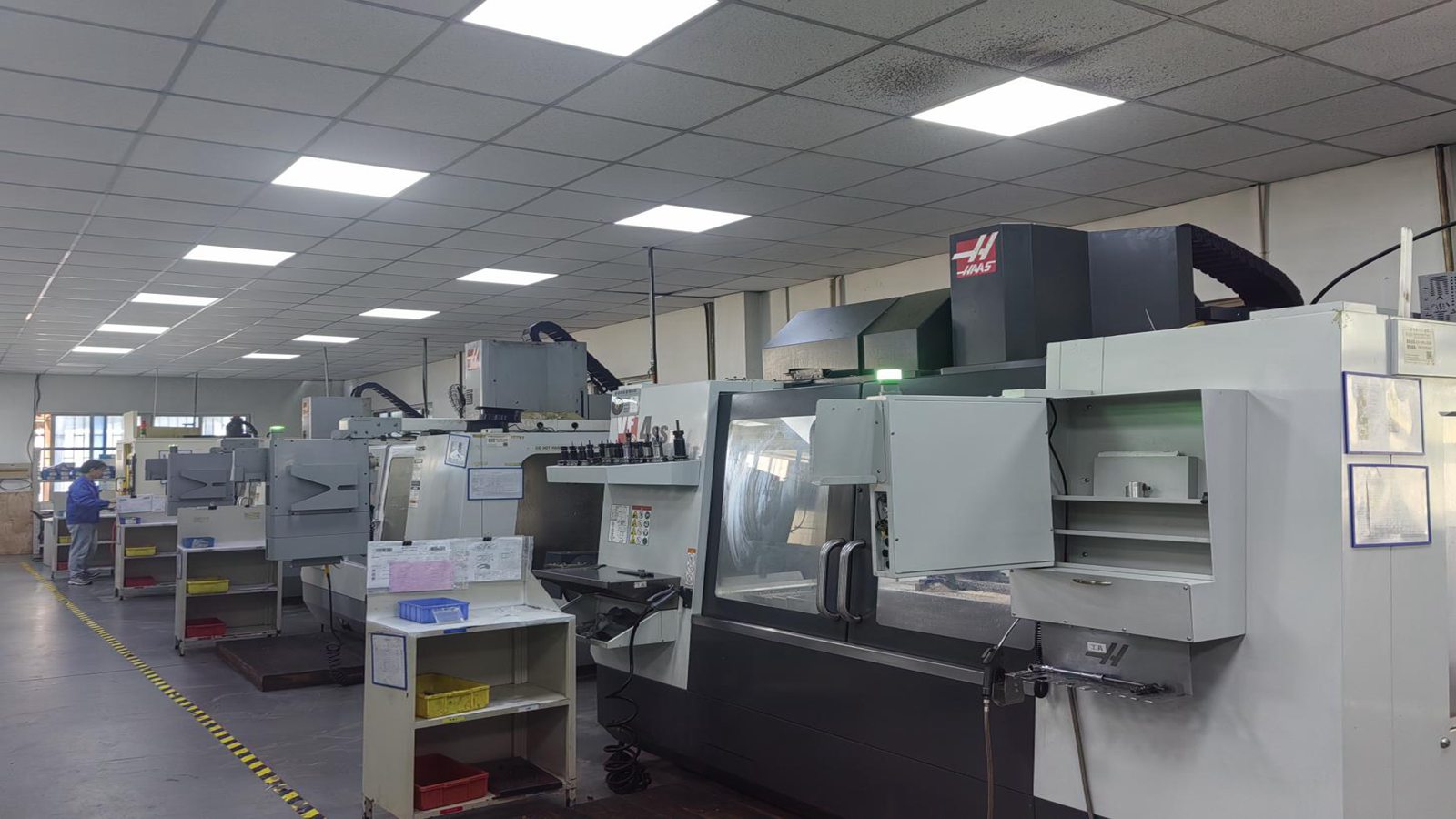
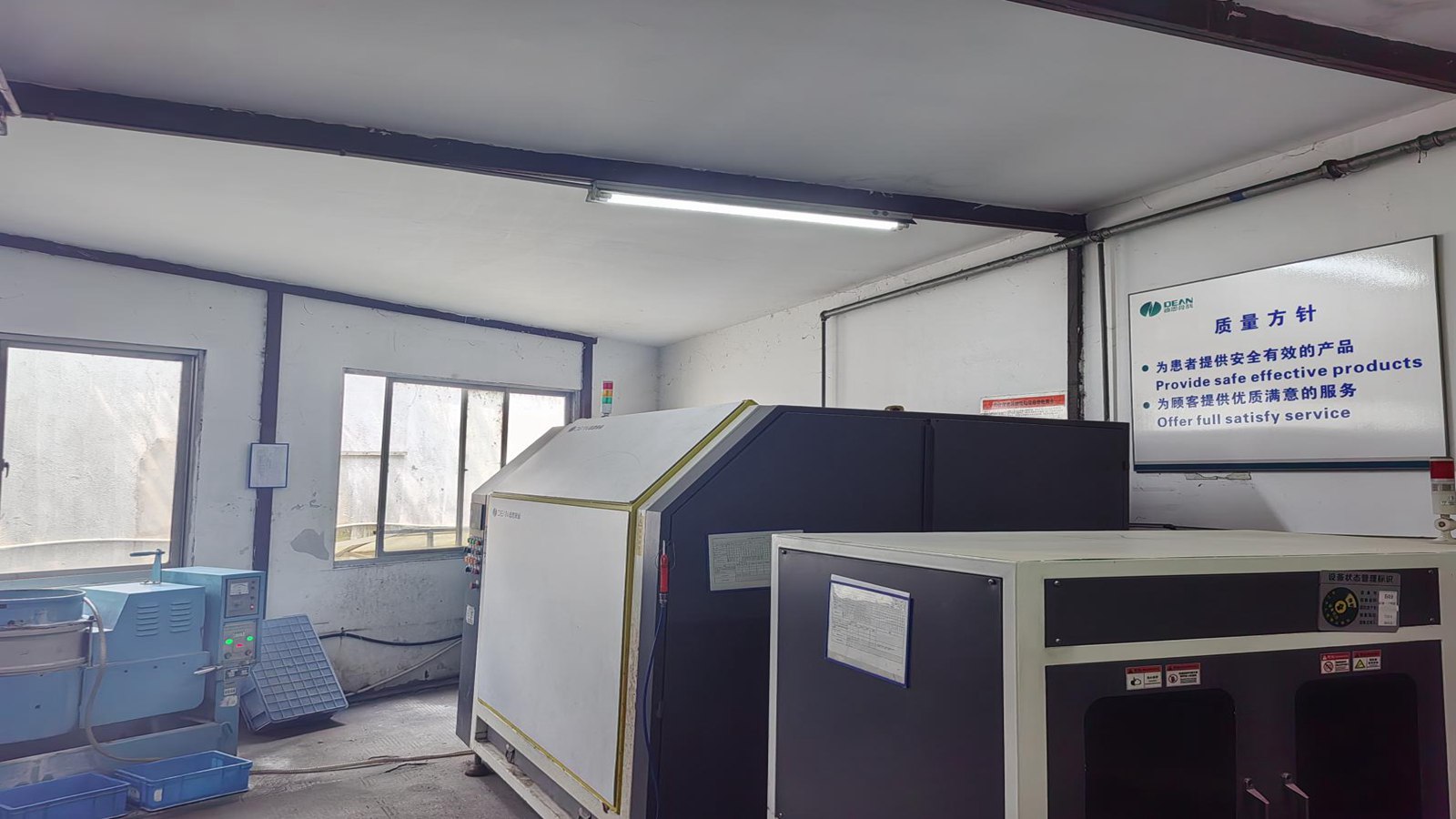
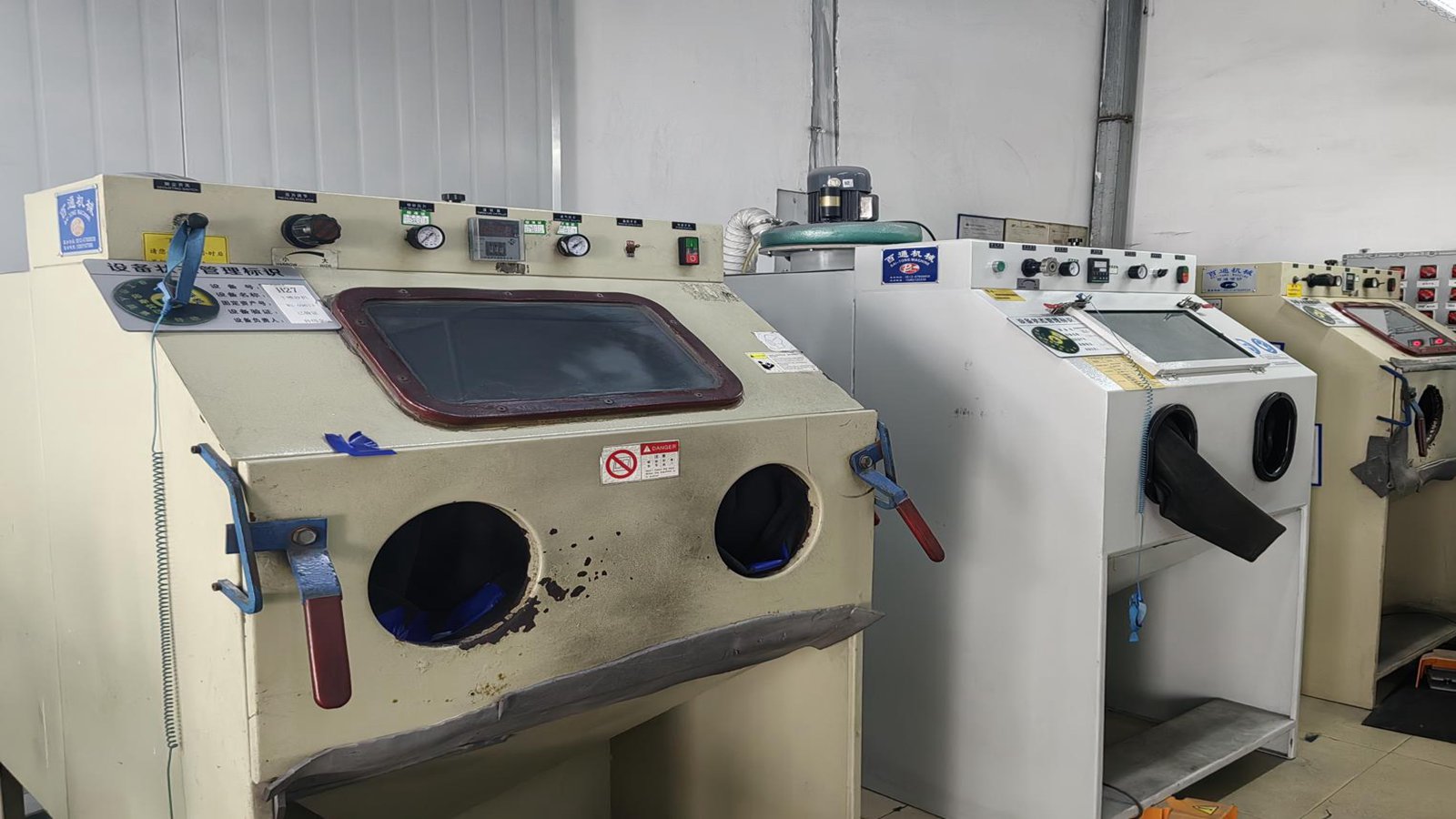
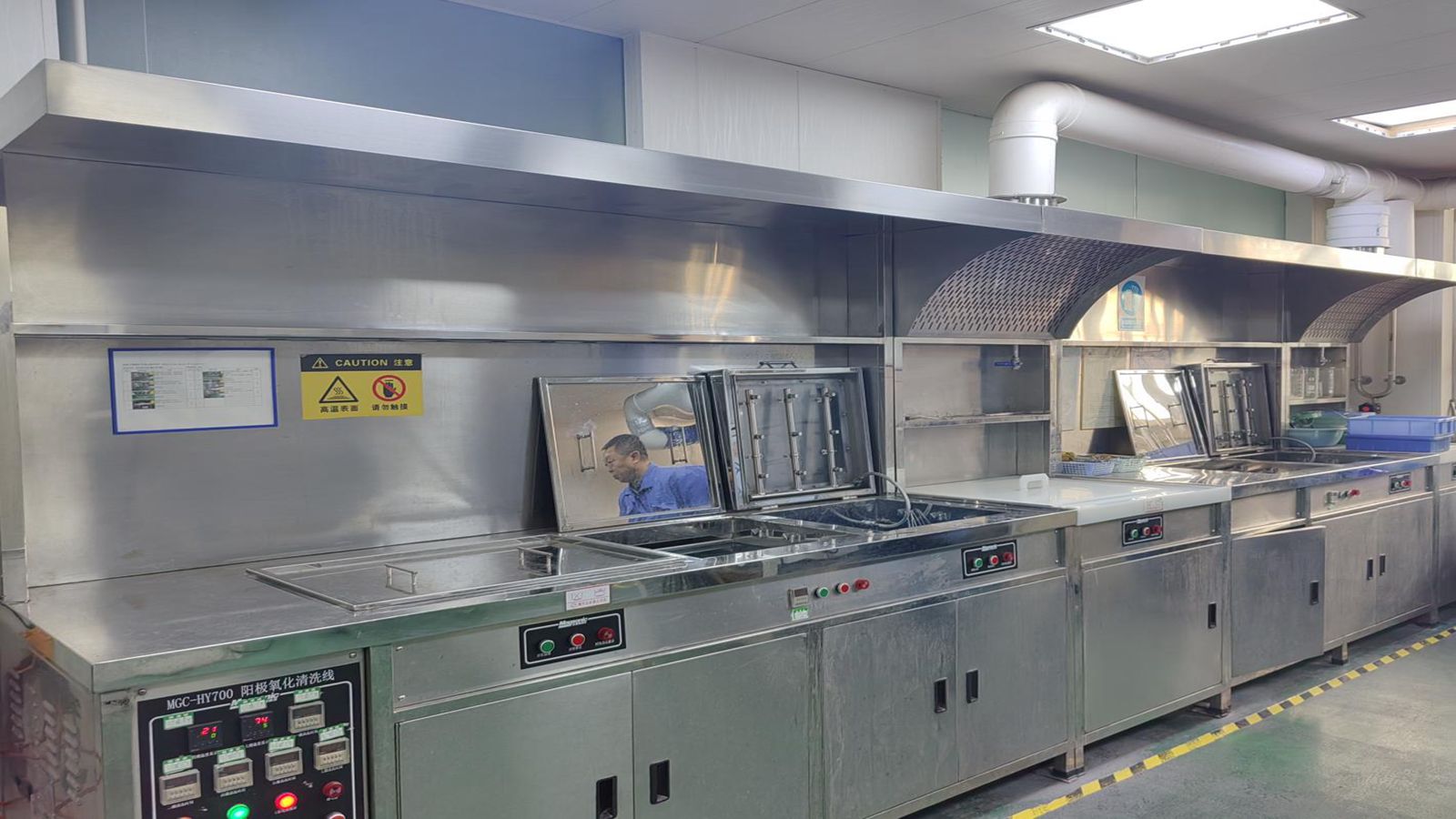
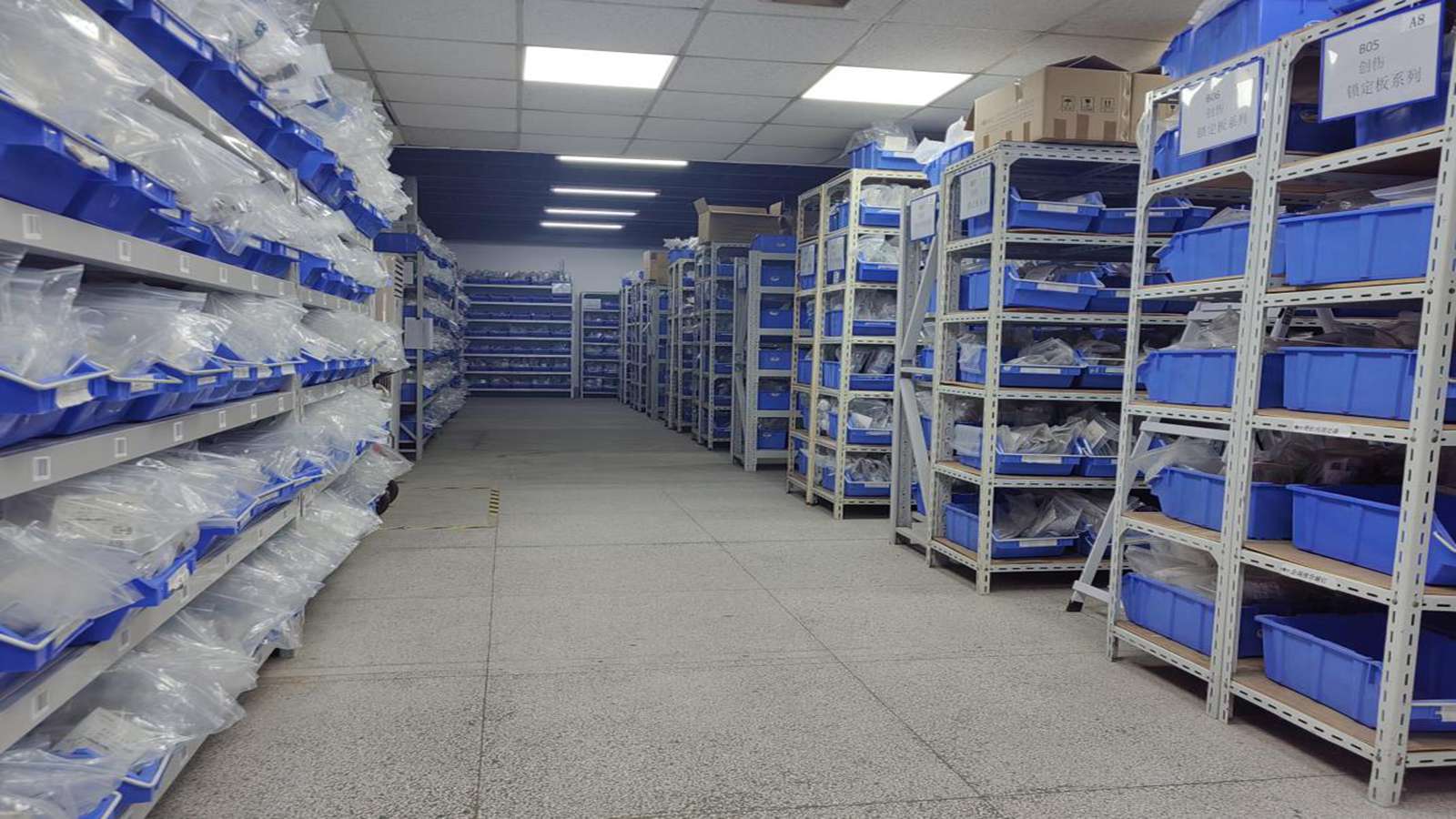
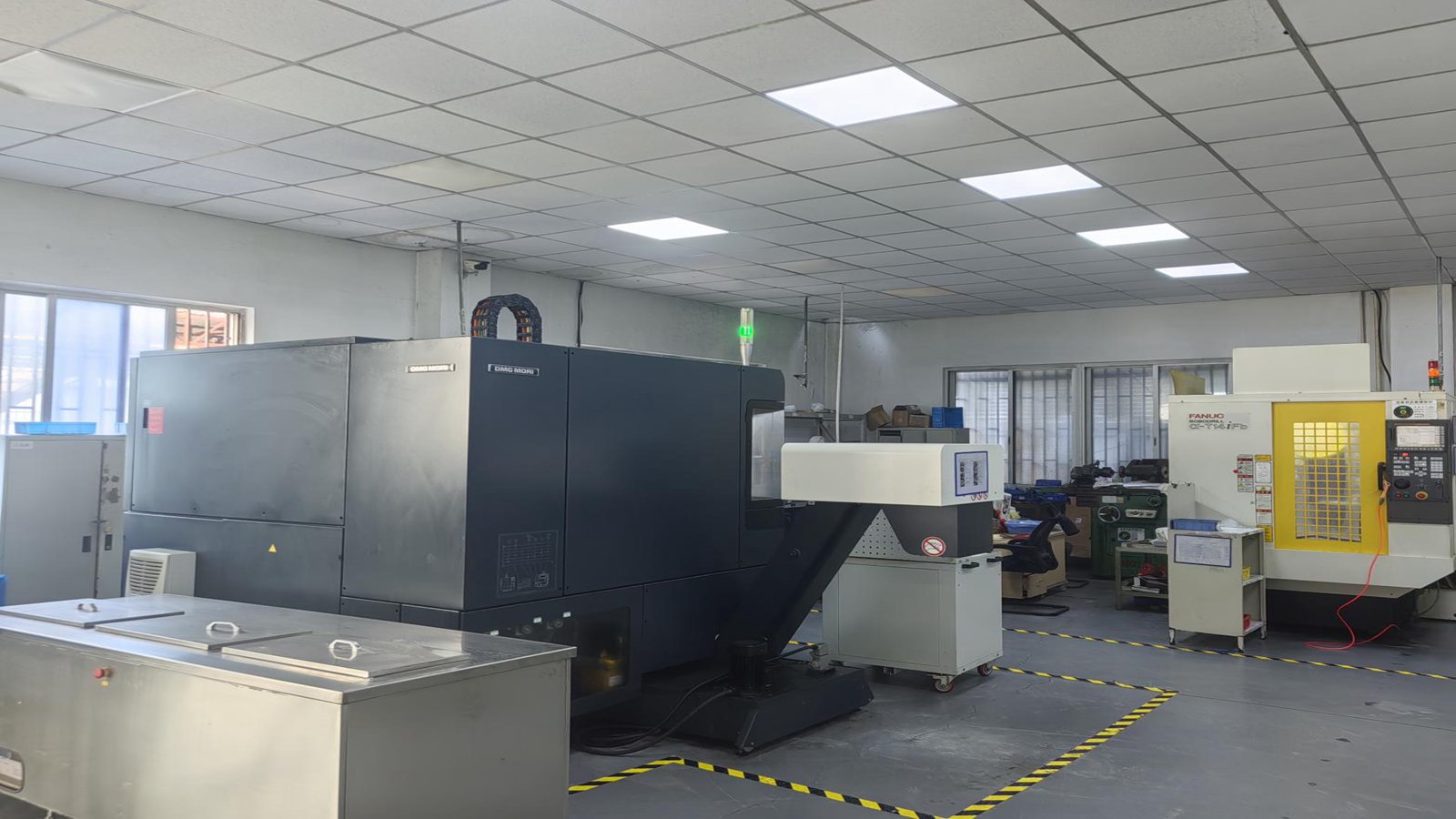
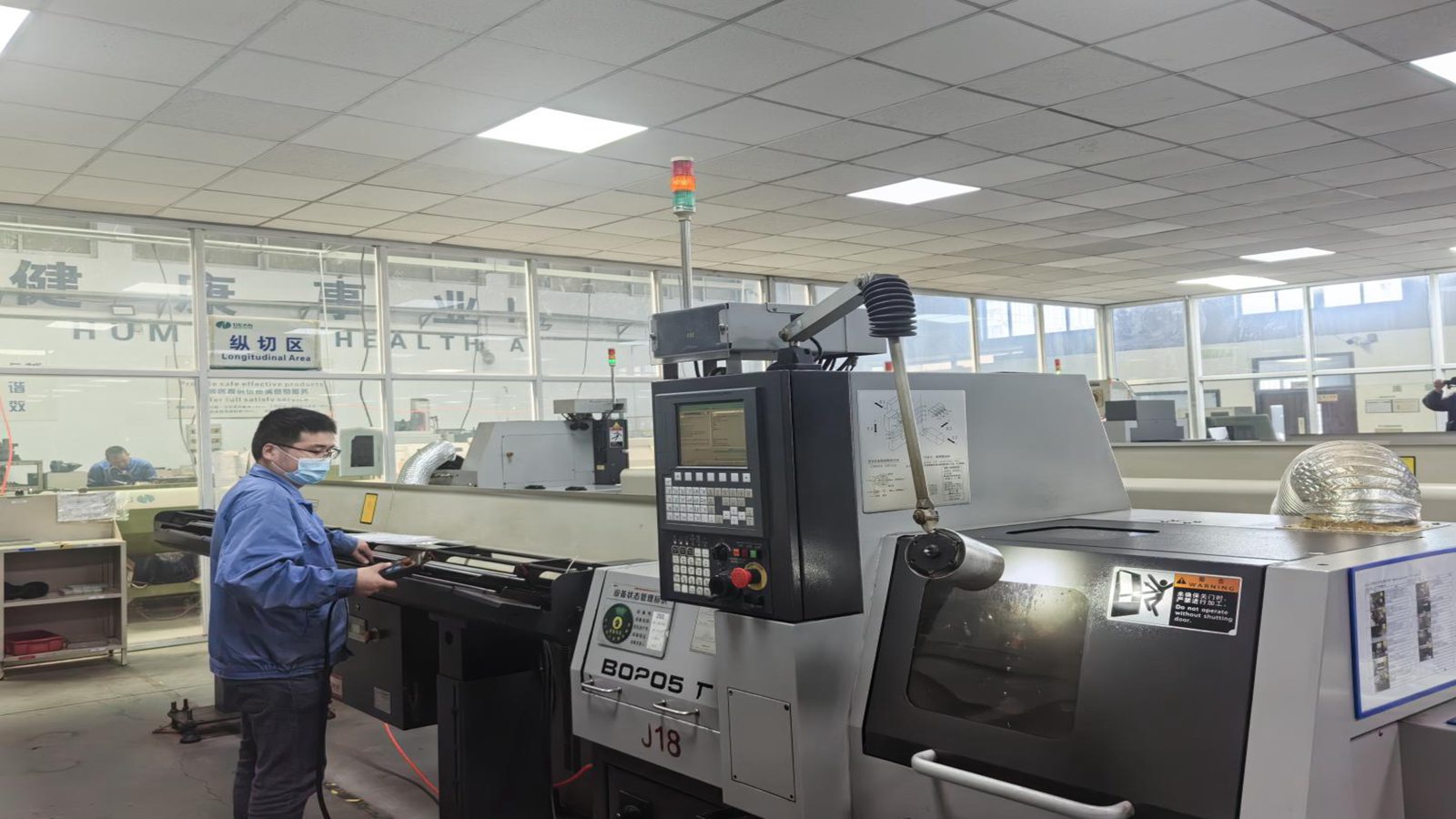
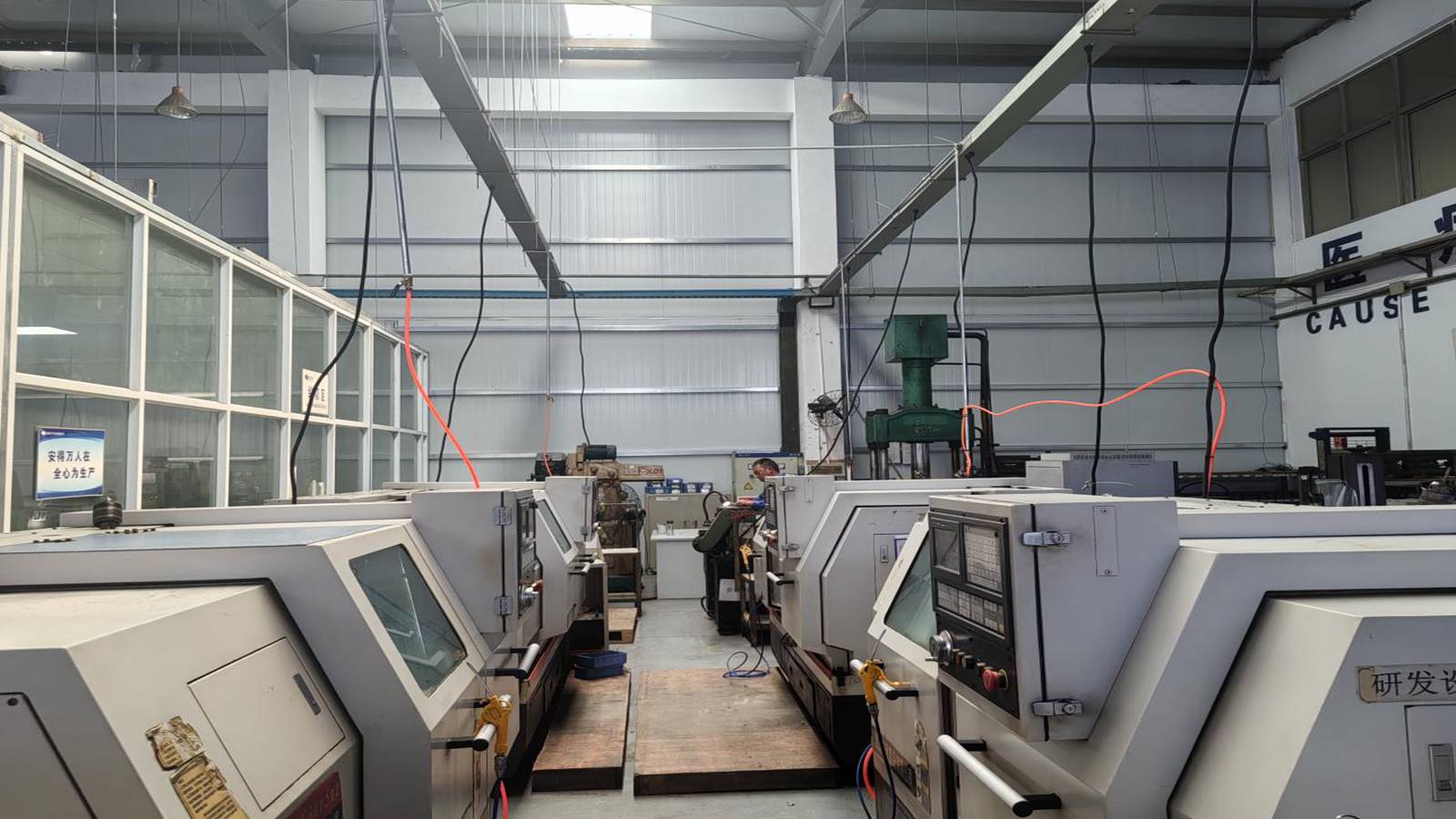
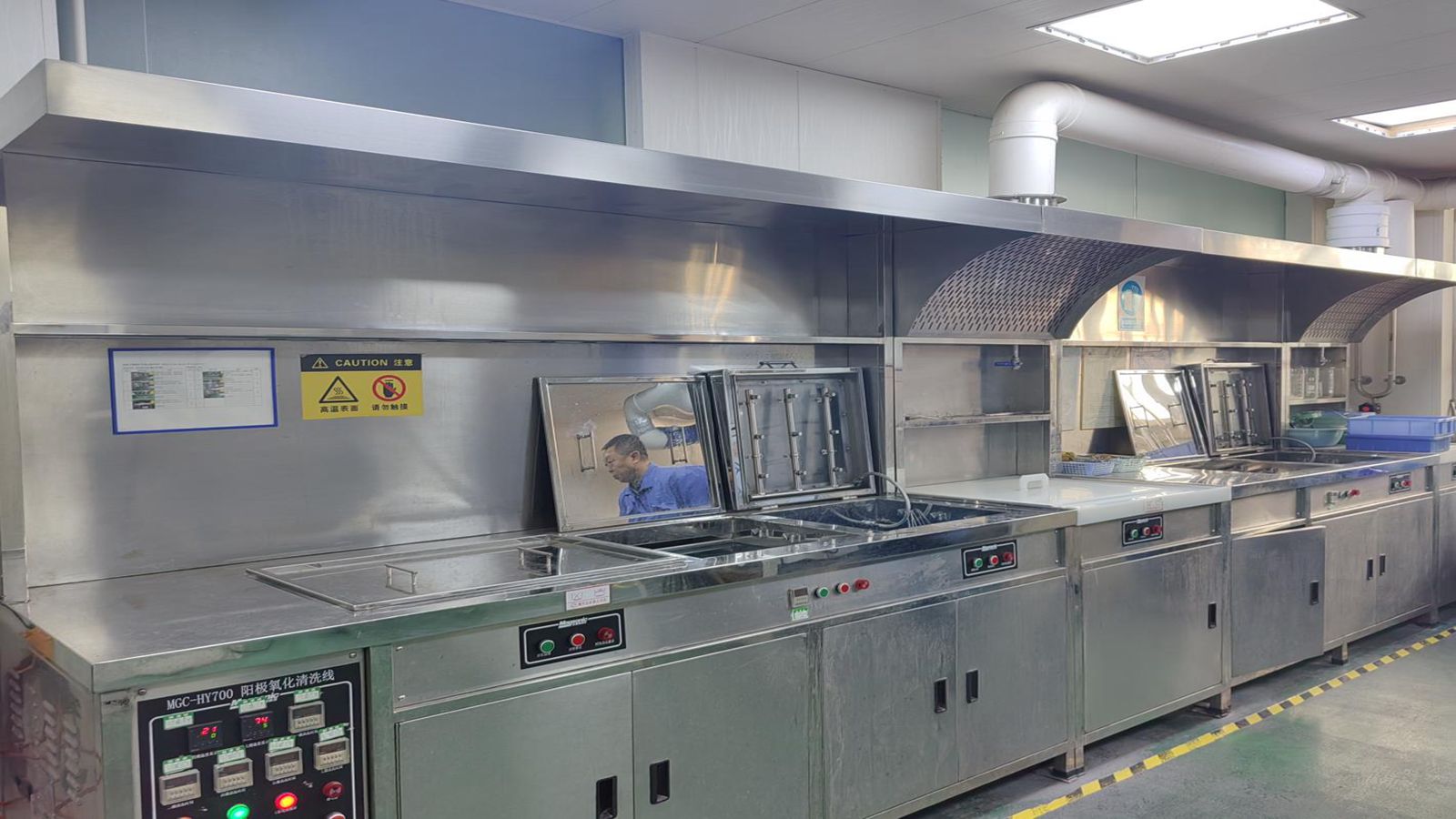
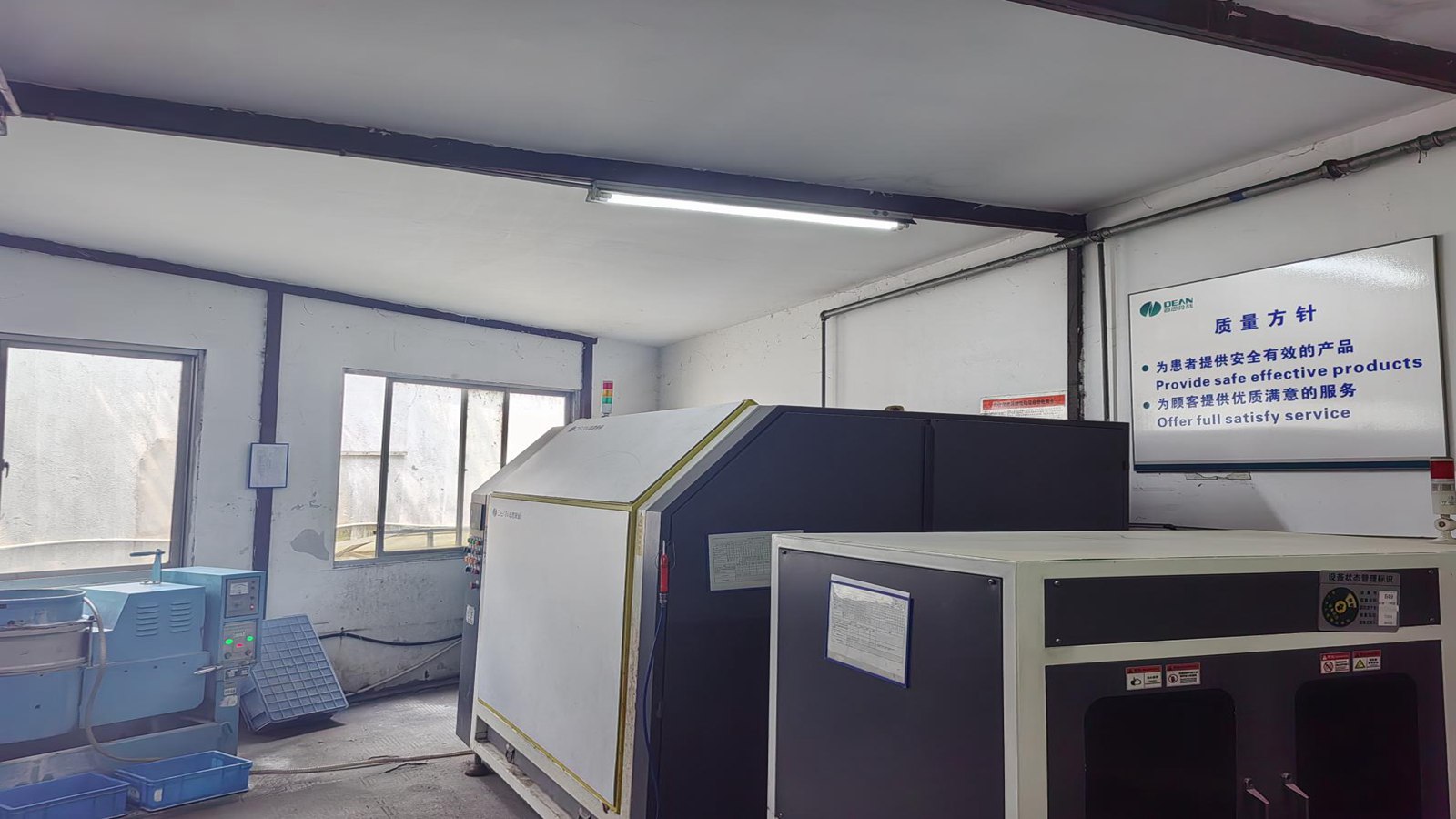
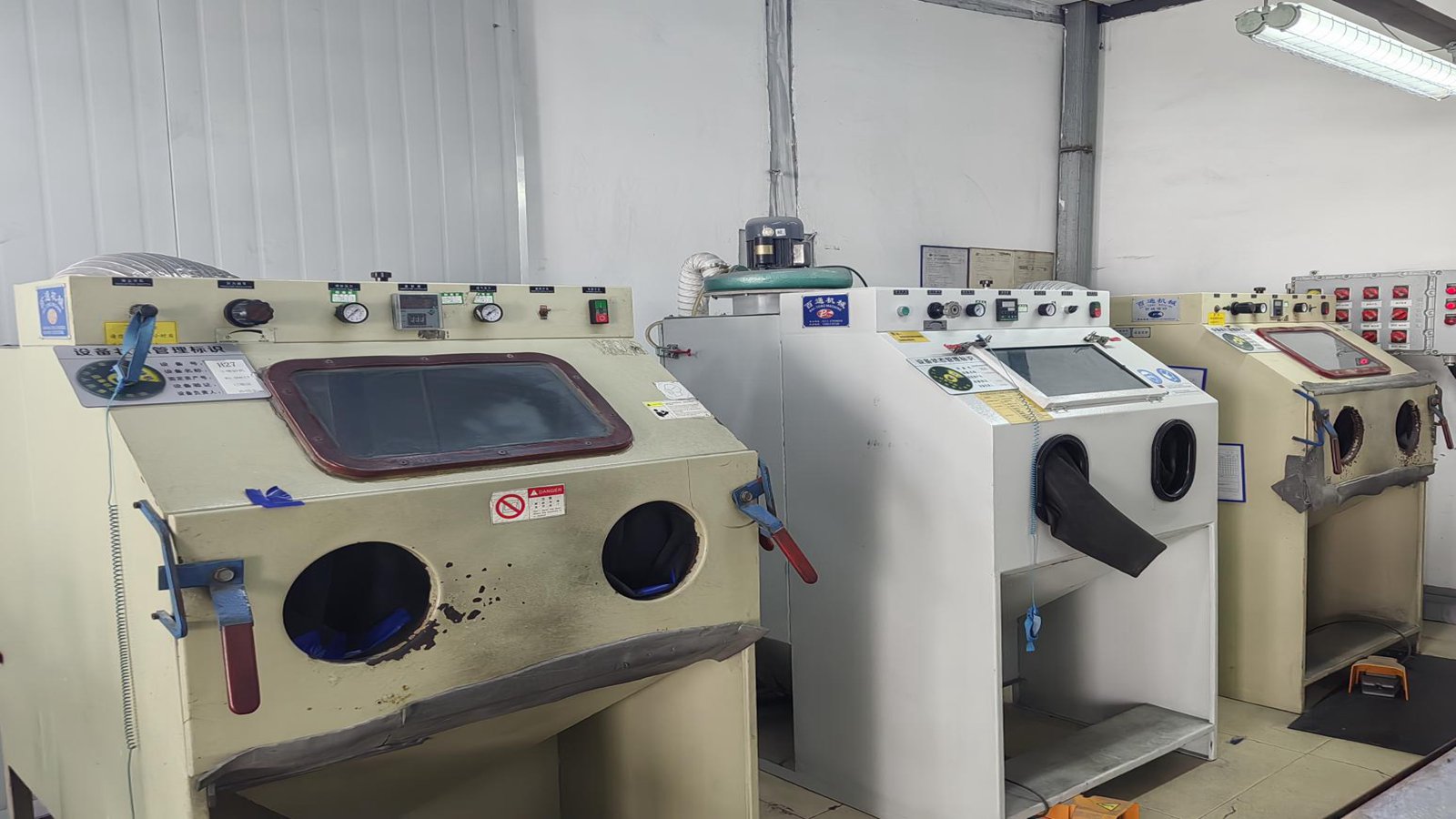
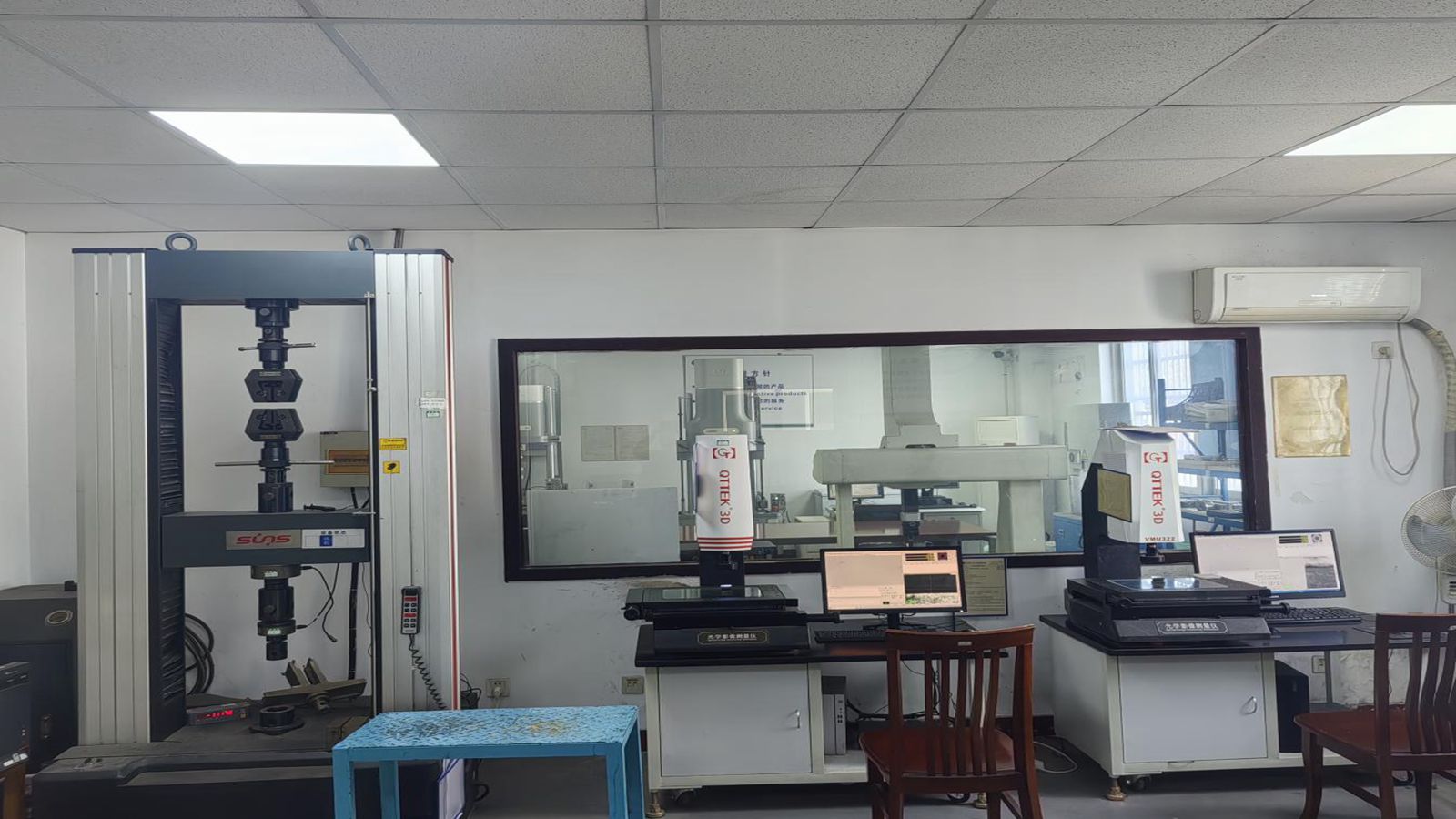
The Chinese orthopedic manufacturing landscape has matured from standard contract manufacturing to high-tech, design-forward clinical innovation. By leveraging over 860 upstream and downstream partners, Medispirex streamlines material procurement, precision tooling, and heat treatments to reduce production lead times. Our CNC machining centers and advanced longitudinal lathes operate under micron-level tolerance controls (within ±0.005mm), ensuring identical replication across high-volume production batches. This vertical integration allows us to keep annual export revenues at approximately USD 18 million, while passing efficiency savings onto our distributors in Europe, North America, the Middle East, and Southeast Asia.
Standardized testing regimens and compliance frameworks that meet CE, ISO, and FDA requirements for Class III implantable devices.
Implantable spinal hardware requires absolute safety margins. Medispirex employs a specialized quality assurance structure comprising 45 QC professionals who execute a multi-phase validation protocol:
Every batch of raw medical-grade titanium alloy undergoes chemical composition verification, microstructure grain size analysis, and tensile strength checks before release to production lines.
Continuous dimensional verification using vision measurement systems and coordinate measuring machines (CMM) to prevent deviation from specified cad models during long-run CNC operations.
Complete lot-specific record archiving from raw bar feedstock to final sterile barrier packaging. Unique Device Identification (UDI) coding allows end-to-end trace tracking throughout the lifecycle.
For distributors targeting the European Union, compliance with MDR 2017/745 is paramount. Medispirex products are manufactured under strict ISO 13485 quality systems. We support OEM/ODM clients with complete technical documentation, including biological safety reports (ISO 10993 series), sterilization validation data (Gamma and ETO processes), and clinical evaluation reports (CER) to expedite local market authorization and hospital procurement listings.
From complex deformity reconstructions to veterinary spinal stabilization, we adapt our designs to match target clinical demands.
Our spinal systems are optimized for several key surgical approaches:
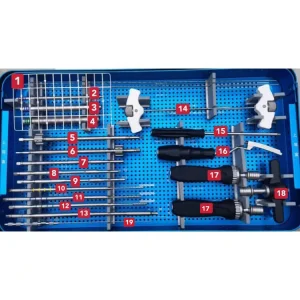
Medispirex works closely with engineering partners to provide flexible OEM/ODM customization. Our services cover private label manufacturing, product design adaptation (e.g., custom thread profiles, low-profile screw head geometries), and surgical system configuration support, including specialized instrumentation trays designed for surgical efficiency.
Emerging advancements in raw materials, navigation, and implant design defining the next decade of spinal arthrodesis.
Additive manufacturing and chemical texturing (like acid-etching and Type II anodization) improve early osseointegration at the screw-bone interface, reducing the risk of aseptic loosening in osteoporotic bone.
Modern surgical suites rely on robotic guidance and real-time navigation. Pedicle screw designs must incorporate precise tracking arrays and fiducial markers for accurate placement under navigation setups.
Global hospital systems are transitioning from high-cost brand names to high-quality, cost-efficient implants. Suppliers must prove clinical equivalency and supply chain reliability to win GPO contracts.
Addressing the core technical, regulatory, and logistics queries raised by medical device distributors and procurement officers.
We manufacture our polyaxial pedicle screws from biocompatible Ti-6Al-4V ELI (Grade 5 Titanium Alloy) compliant with ASTM F136 and ISO 5832-3 standards. This material is chosen for its excellent strength-to-weight ratio, fatigue limit under dynamic load, and long-term history of patient safety. Mill certificates and chemical analysis sheets are provided with every shipment.
Backed by our 85 R&D engineers, we offer a comprehensive design path: 3D CAD modeling, FEA mechanical simulation, rapid prototyping, CNC custom tooling, and validation testing. We can modify thread parameters, profile thickness, locking mechanisms, and matching instruments to meet local hospital demands or proprietary surgical approaches.
Standard catalog items are shipped within 15–30 days depending on stock levels. For custom OEM productions, the production cycle typically takes 45–60 days from final design approval. This timeframe includes raw material sourcing, CNC machining, anodizing, ultrasonic cleaning in ISO Class 7 cleanrooms, quality validation, and packaging.
Every new product design is tested under ASTM F1717 (Standard Test Methods for Spinal Implant Constructs in a Vertebrectomy Model) and ASTM F1798. These tests measure static compression bending, static torsion, and dynamic fatigue performance (up to 5 million cycles) to ensure the hardware withstands high-stress clinical conditions without failure.
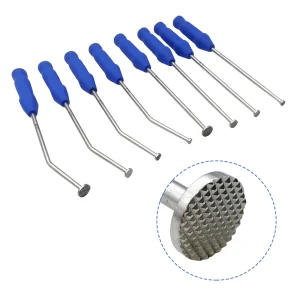
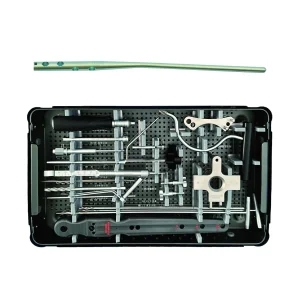
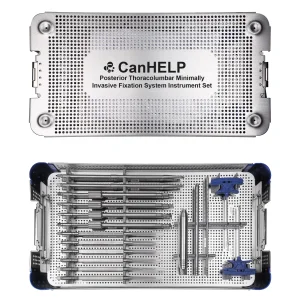
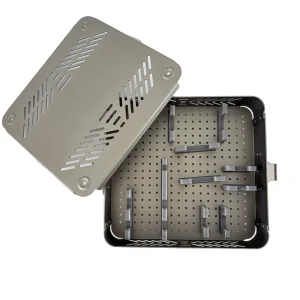
Yes. We supply comprehensive surgical instrument sets, including screw inserters, rod benders, reduction tabs, torque-limiting wrenches, and customizable sterilization containers. Our instruments are engineered using high-grade medical stainless steel and silicone handles for ergonomics and durability through autoclave cycles.
We maintain a batch traceability system linked to our ERP. Every raw material bar has a heat lot number that traces back to the smelting source. From there, each production batch receives a unique lot number. This lot number is laser-etched onto the implants and printed on the labels, linking back to raw material reports, QC test sheets, and sterilization records.
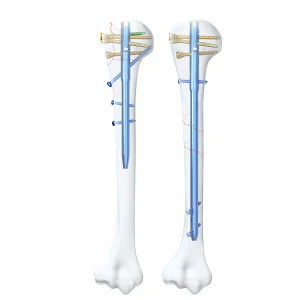
Explore our wider range of trauma plating systems, intramedullary nails, arthroscopic sutures, and powered surgical saws.