Medispirex Medispirex

CE Certified Posterior Pedicle Screw Systems Manufacturer & Factories

OEM/ODM Manufacturing, Clinical-Grade Biomechanical Stability, and Worldwide Regulatory Alignment

Global Medical Manufacturing Footprint

Our operational capabilities back robust international procurement with verifiable technical statistics.

18,600㎡
Production Facility
$18M+
Annual Export Revenue
12+ Yrs
Industry Expertise
85
R&D Engineers
45
QC Professionals

Whitepaper: Clinical and Mechanical Optimization of Posterior Pedicle Screw Systems

Posterior pedicle screw fixation has long served as the gold standard for stabilizing the thoracolumbar spine. In complex degenerative disorders, deformities, and traumatic spinal fractures, the structural demands on spinal hardware require absolute material integrity, biomechanical refinement, and regulatory certainty. As a leading manufacturer of CE certified class III posterior pedicle screw systems, Medispirex Orthopedic Technology Co., Ltd. continues to set the benchmark for mechanical reliability and safety.

Biomechanical Requirements and Micro-Design Features

Modern spinal instrumentation must successfully distribute stresses without experiencing catastrophic mechanical fatigue or inducing bone mineral density loss around the implant interface. The screw threads are meticulously designed with a dual-lead profile to halve insertion times while increasing resistance to pull-out forces.
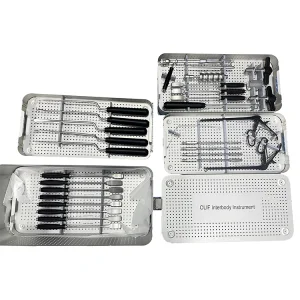
  • Optimized Thread Geometry: Conical core designs coupled with a cylindrical outer profile maximize cancellous bone purchase.
  • Friction Fit Head Design: Polyaxial screw configurations feature a unique friction-fit mechanism that resists rod slippage and stabilizes orientation during assembly.
  • Self-Tapping Tips: Facilitate atraumatic insertion and decrease peak insertion torque, preventing micro-cracking of the pedicle wall.
  • Anodized Surface Treatment: Type II titanium anodization yields a denser oxide layer, improving fatigue resistance and reducing friction coefficient during rod locking.
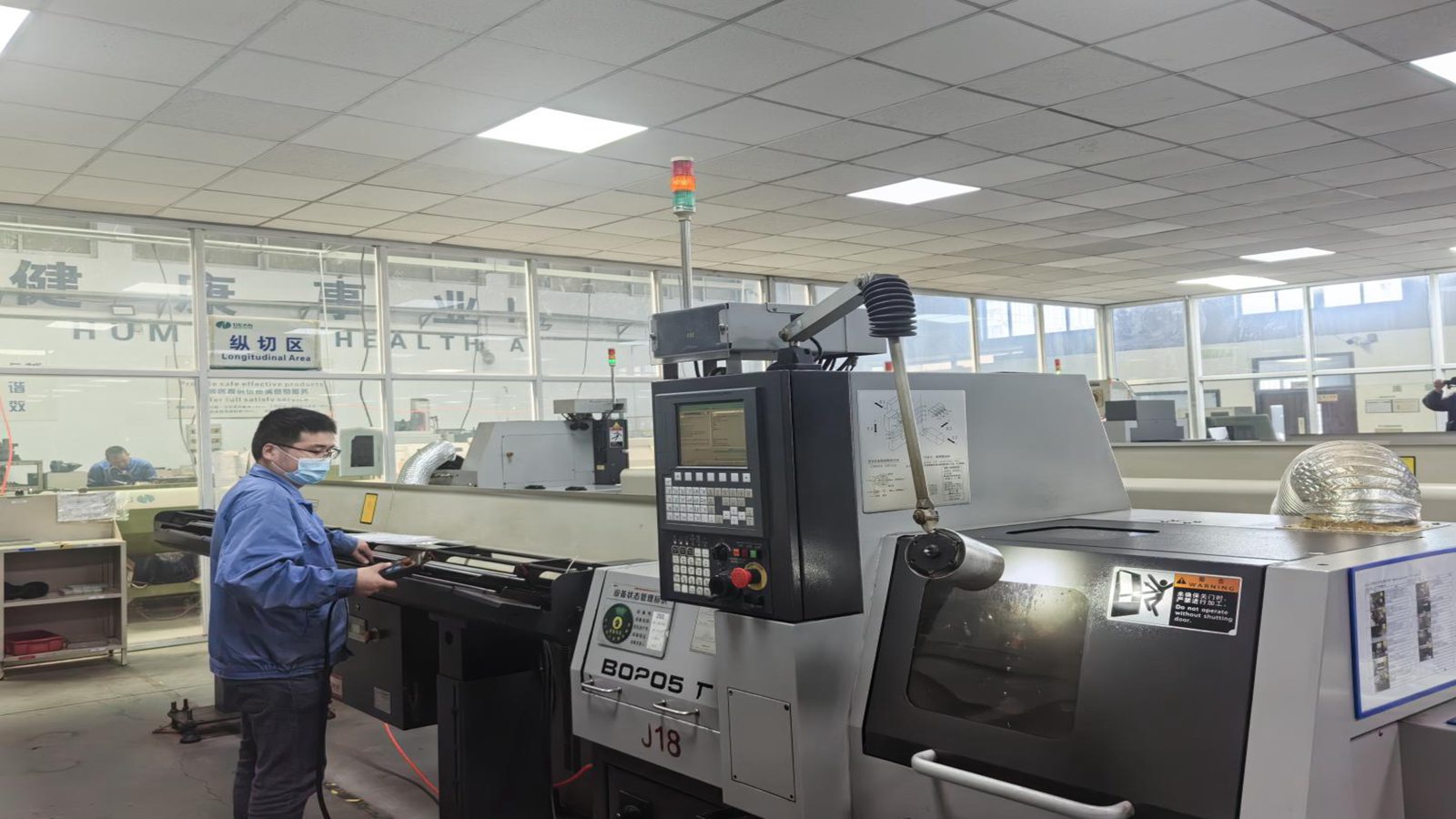
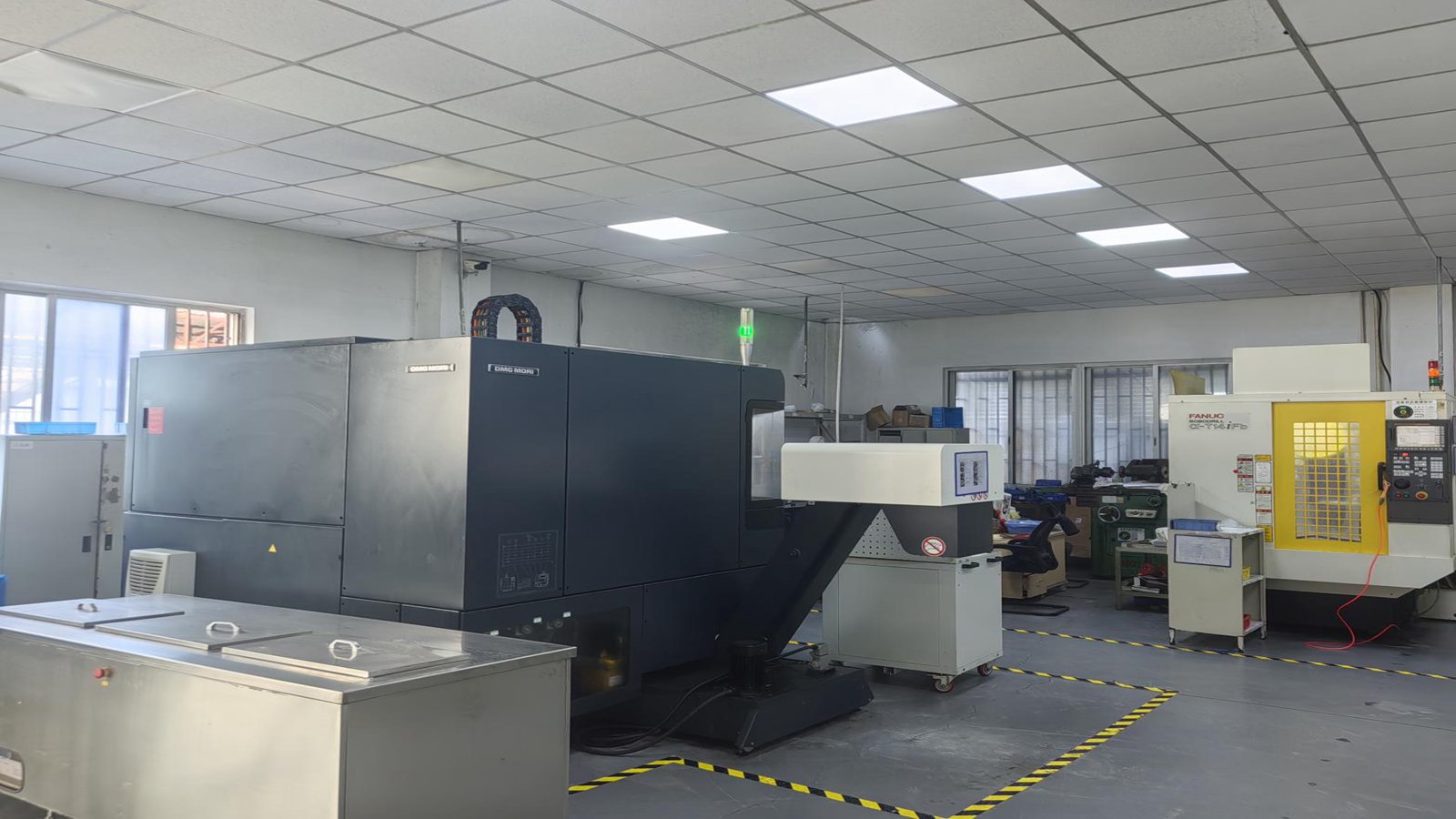
CNC Machining Center

CE Certification (MDR compliance) & QA Framework

Securing European CE certification and maintaining alignment with EU MDR (Medical Device Regulation 2017/745) demands rigid validation. Medispirex implements an end-to-end quality assurance structure powered by 45 QA/QC professionals, overseeing four levels of verification:
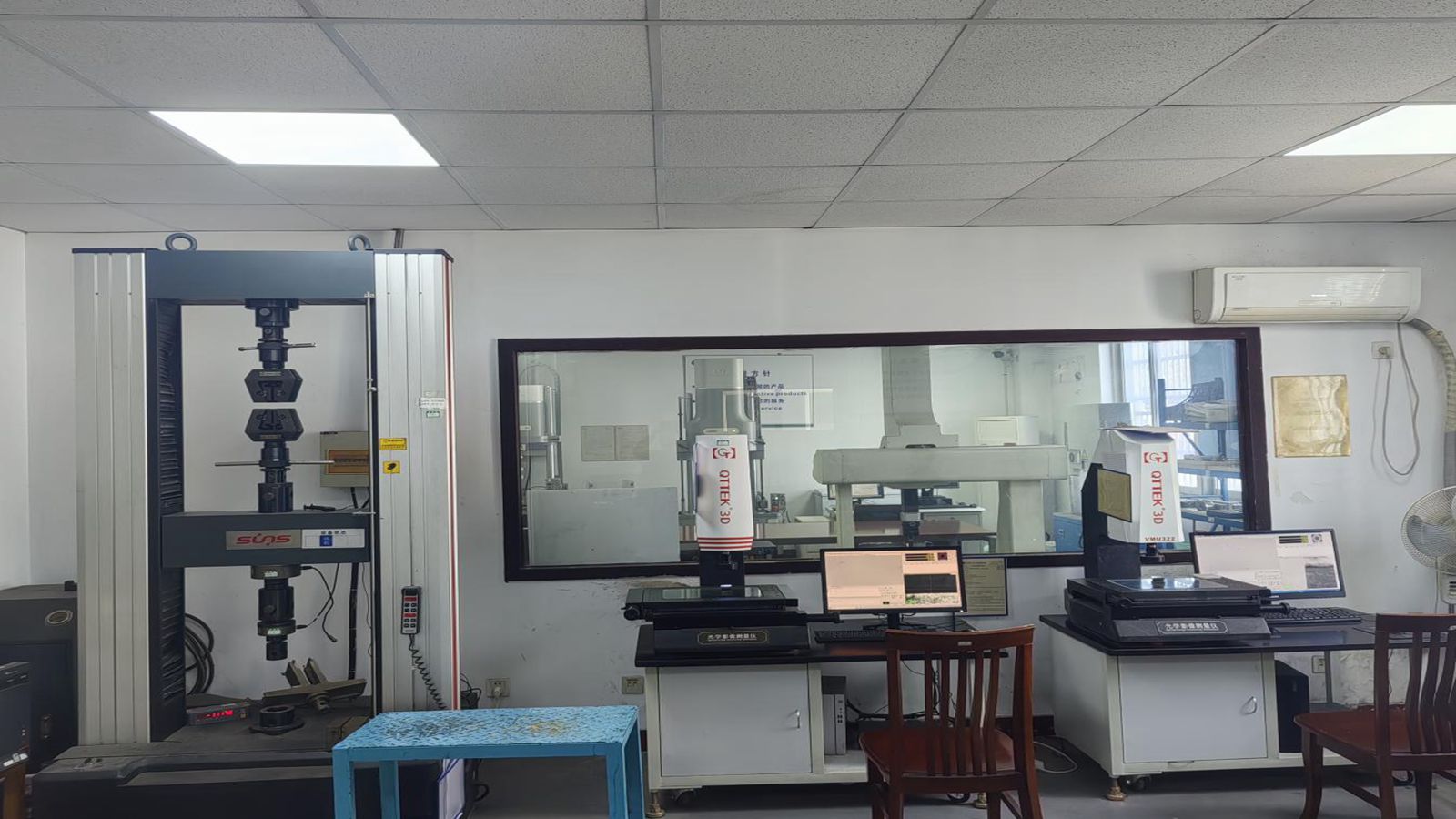
  • Material Qualification: Every batch of Grade 5 Titanium Alloy (Ti-6Al-4V ELI) undergoes spectroscopic and microstructural testing to ensure compliant chemical composition and mechanical characteristics.
  • Process Validation: Multi-axis CNC milling procedures are monitored via automated Coordinate Measuring Machines (CMM) to maintain dimensional accuracy within ±0.005mm.
  • Biomechanical Testing: Randomly selected screws undergo static and dynamic fatigue tests (complying with ASTM F1717 and ASTM F1798 standards) up to 5,000,000 cycles without failure.
  • UDI Traceability: Laser etching of Unique Device Identification codes allows step-by-step retroactivity from surgical application back to the raw ingot batch.
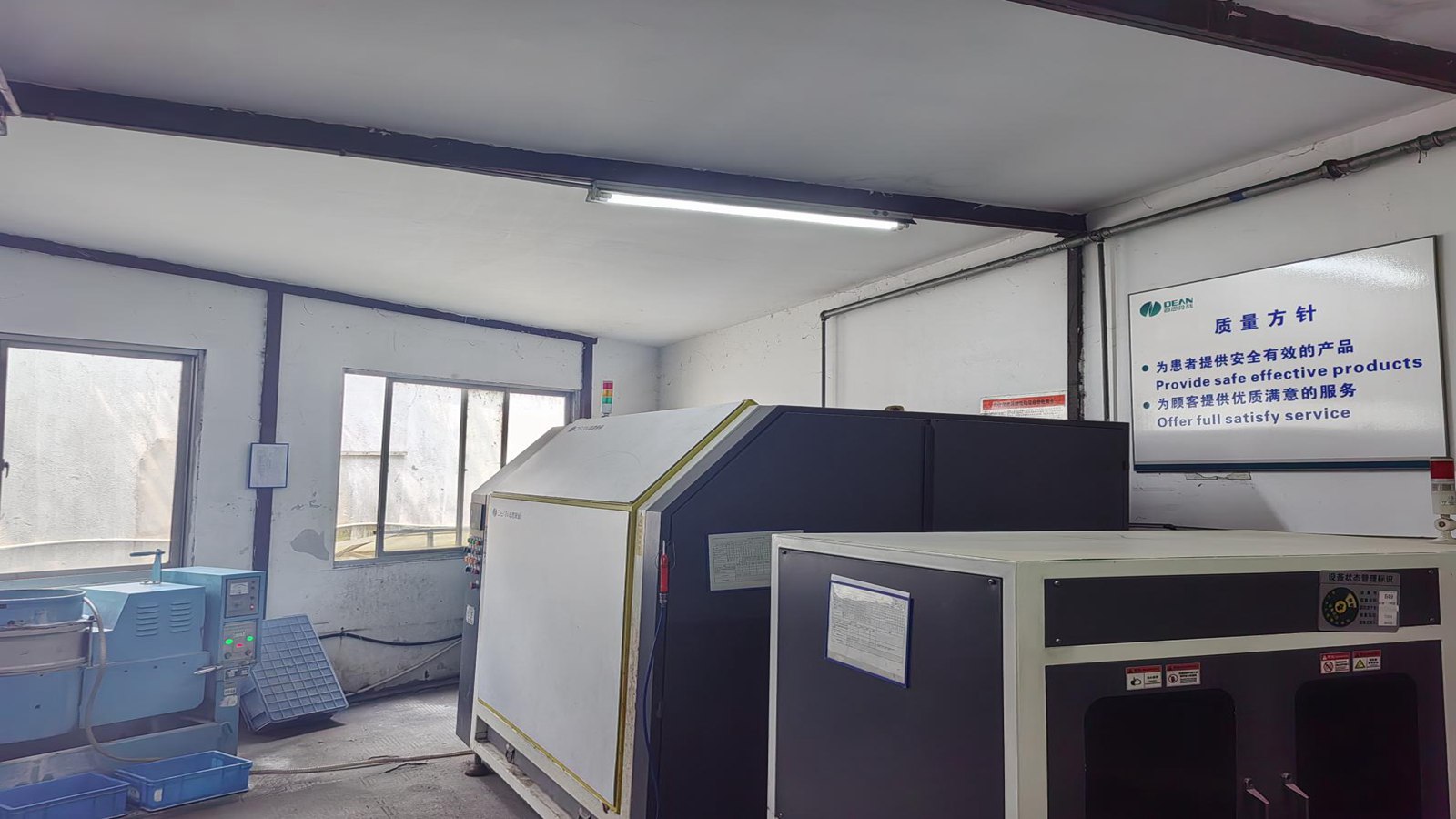
Orthopedic Laboratory Quality Control

Industrial Supply Chain & Global OEM Capabilities

Leveraging Chinese manufacturing clusters to deliver premium-grade orthopedic implants with resilient global logistics.

Regulatory and Compliance Security

We provide full documentation pathways including ISO 13485 certifications, CE mark files, and comprehensive biocompatibility test reports (ISO 10993) to assure rapid registration and hospital listing.

Vertically Integrated Supply Chain

By coordinating with roughly 860 upstream raw material mills and downstream surface finishing providers within our regional hub, we mitigate typical disruption risks and stabilize costs against volatile market trends.

Clinical Adaptability & Customization

Medispirex handles custom implants, bespoke instrumentation kits, and complete OEM/ODM modifications. Our engineering R&D team works directly with surgical advisors to develop biomechanically tailored innovations.

State-of-the-Art Factory Production Flow

Tour our 18,600㎡ modern manufacturing center showcasing raw machining, precision finishing, and regulatory laboratory testing.
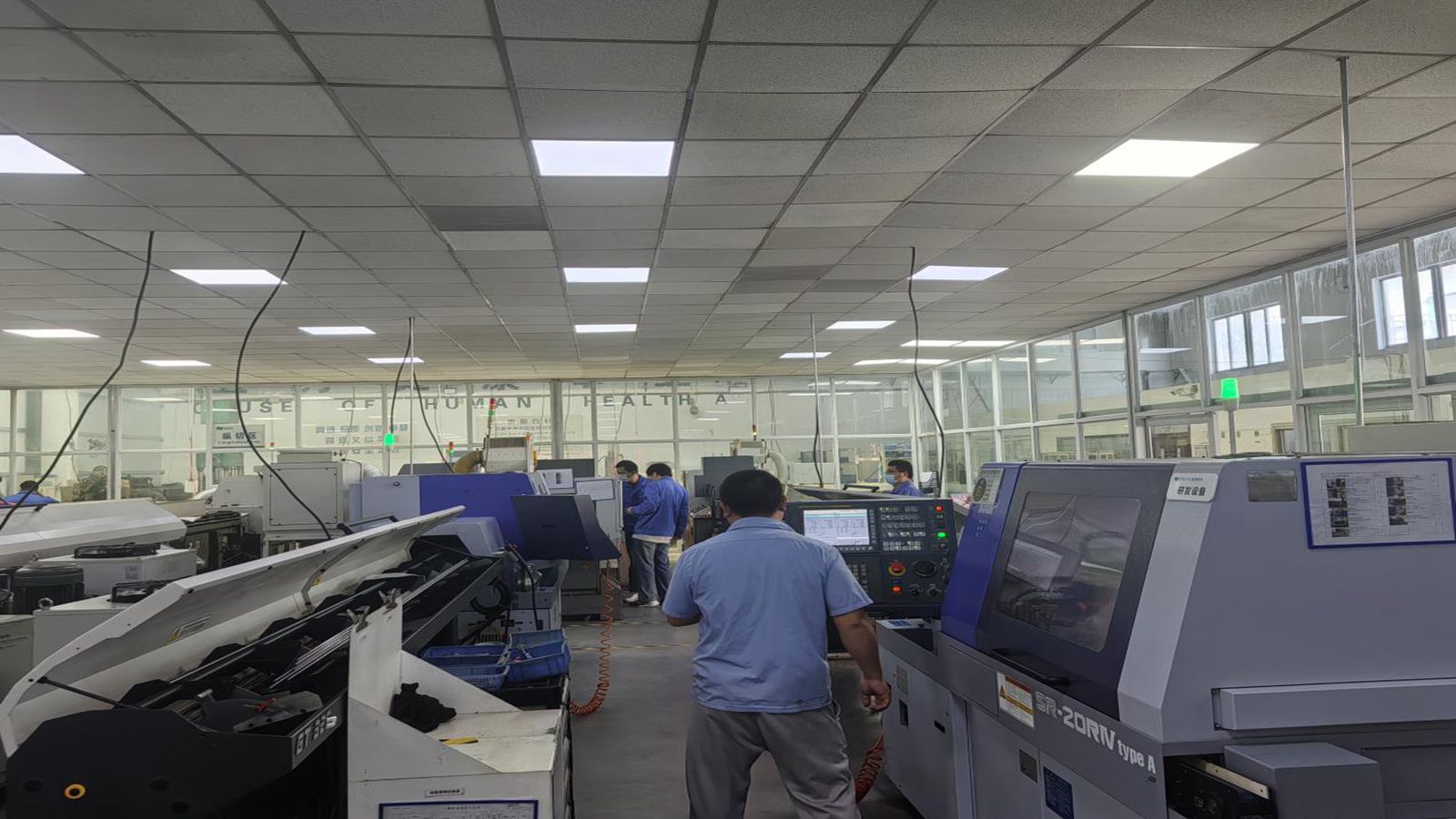
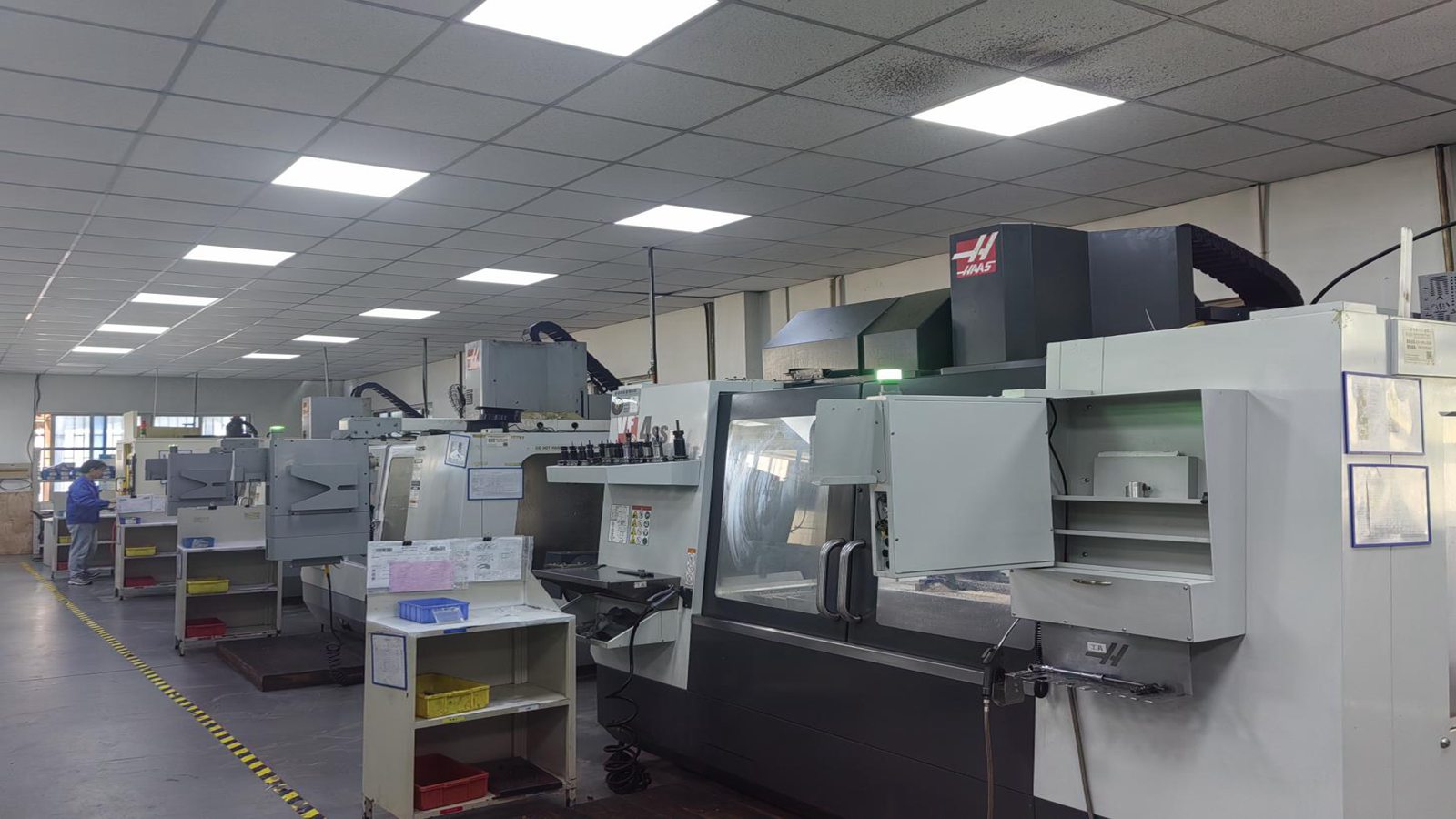
CNC Cutting Process
CNC Cutting
CNC Machining Process
CNC Machining
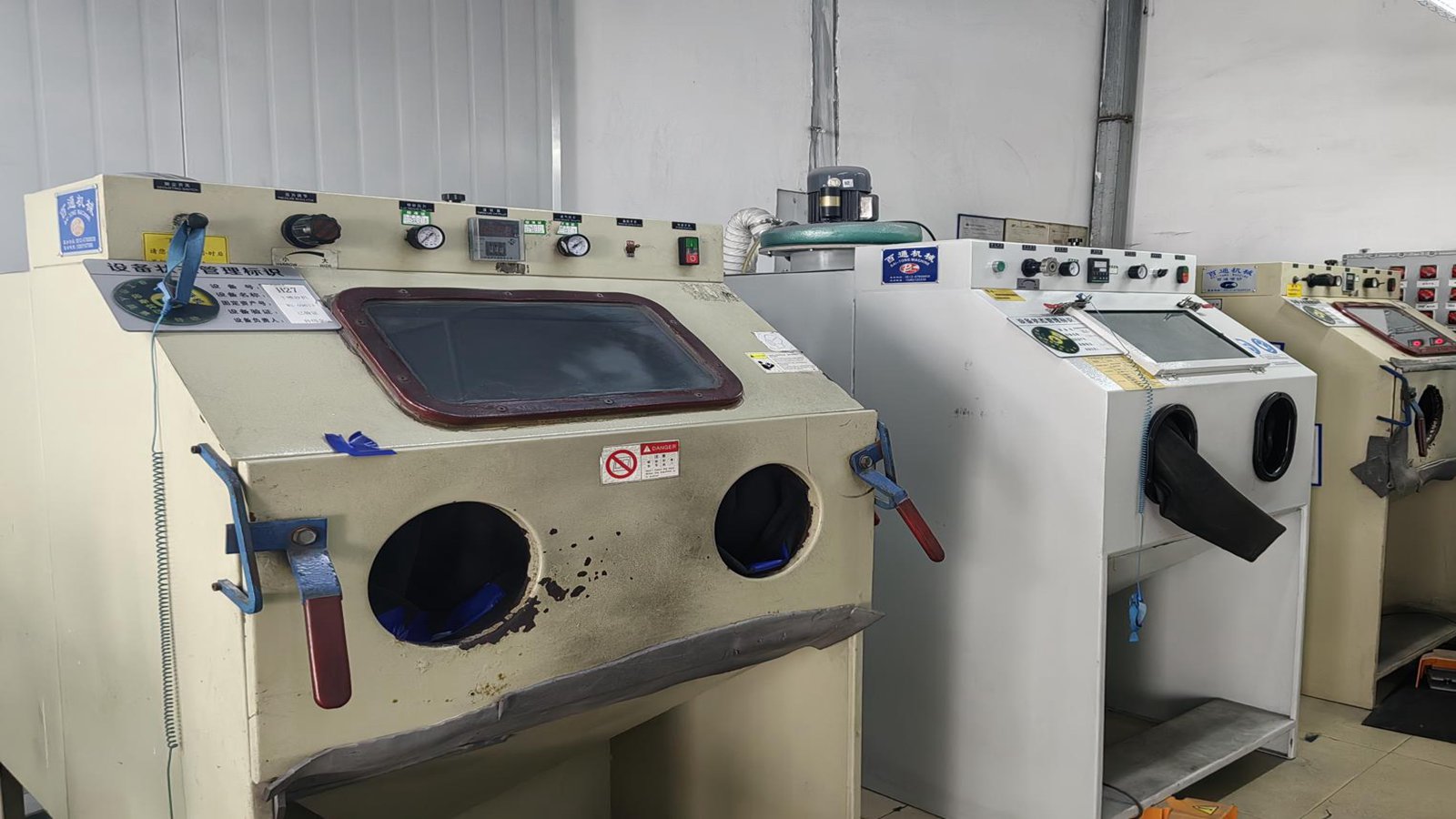
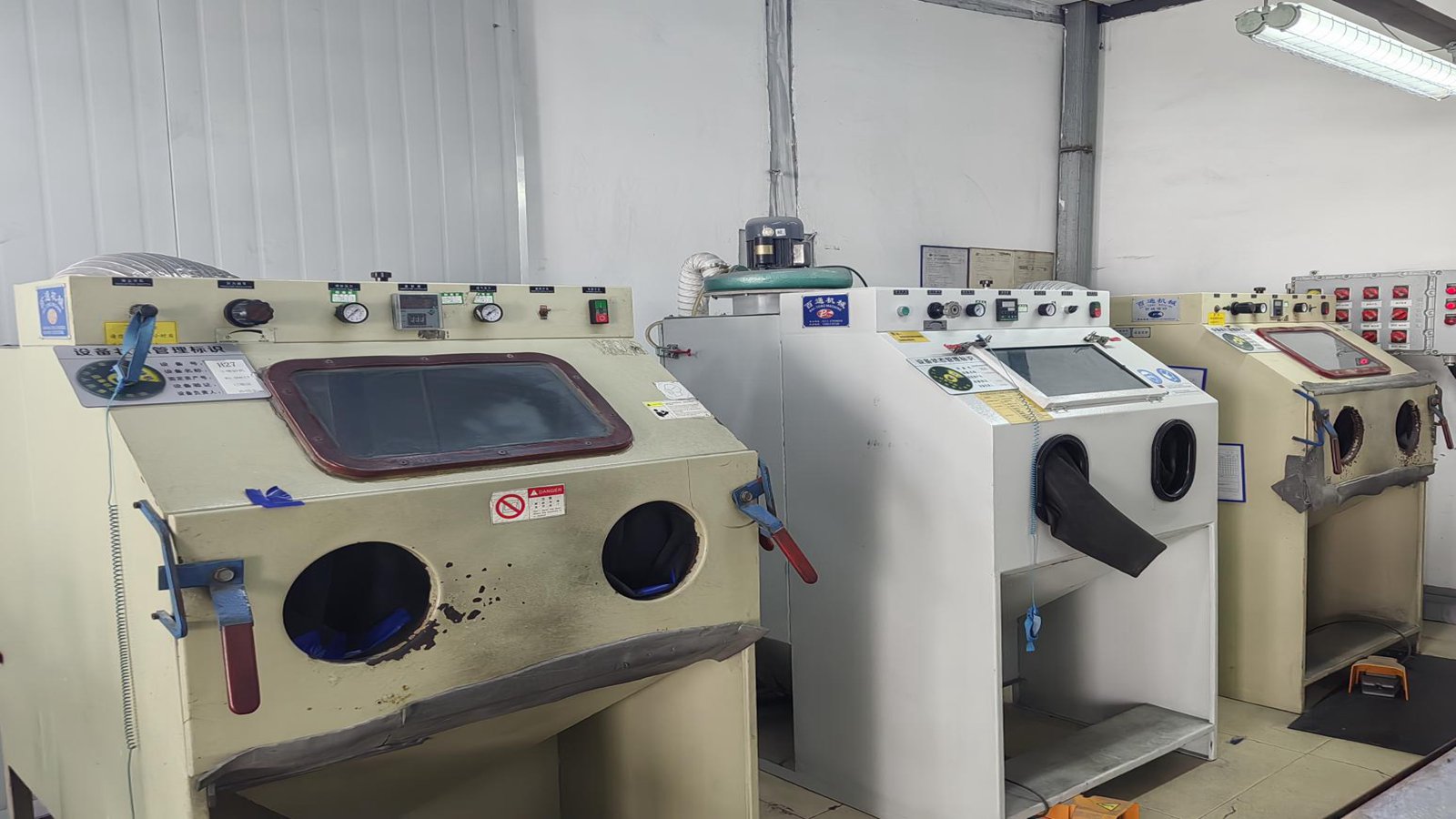
Sand Blasting and Grinding
Polishing Workshop Process
Polishing
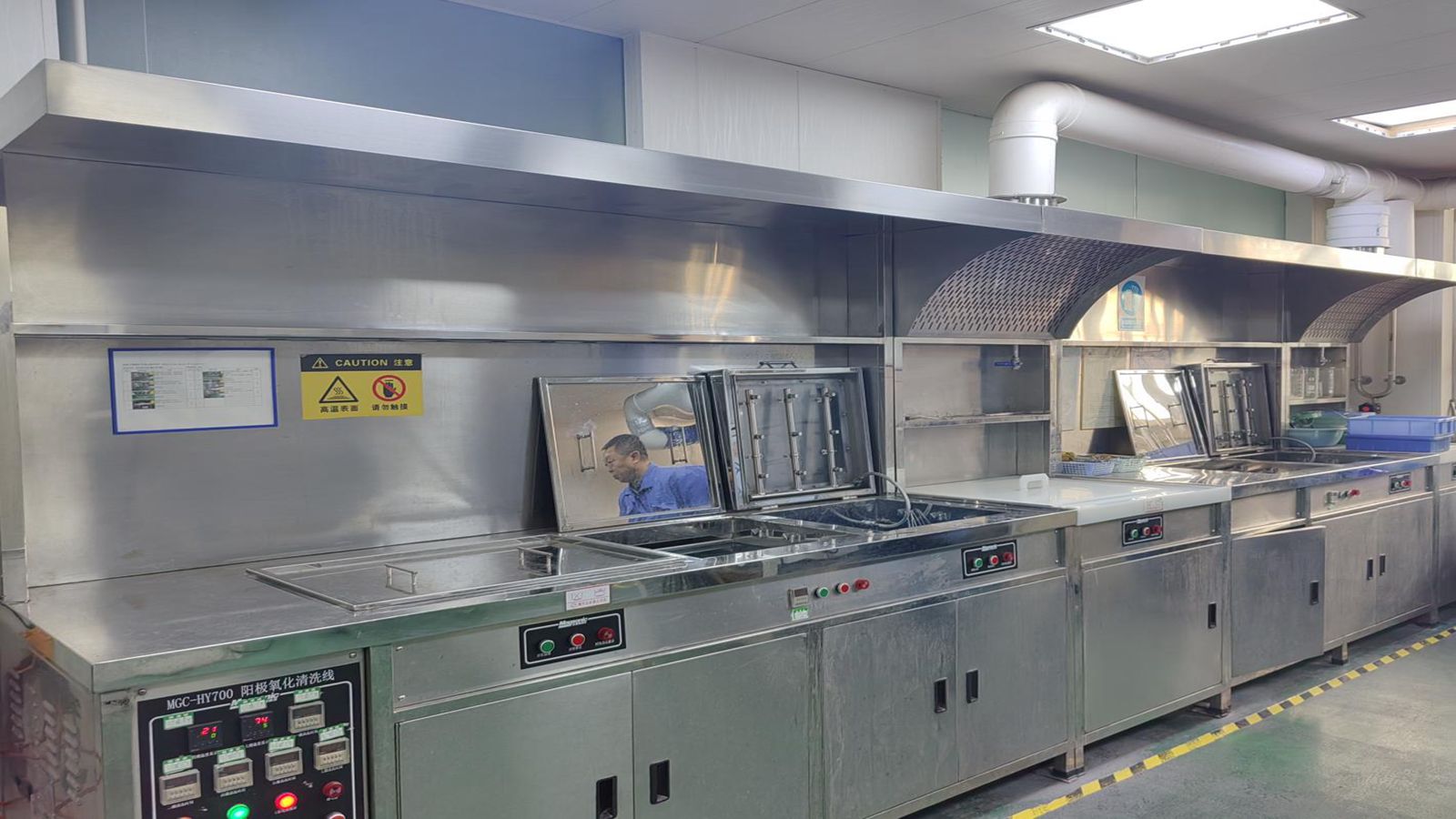
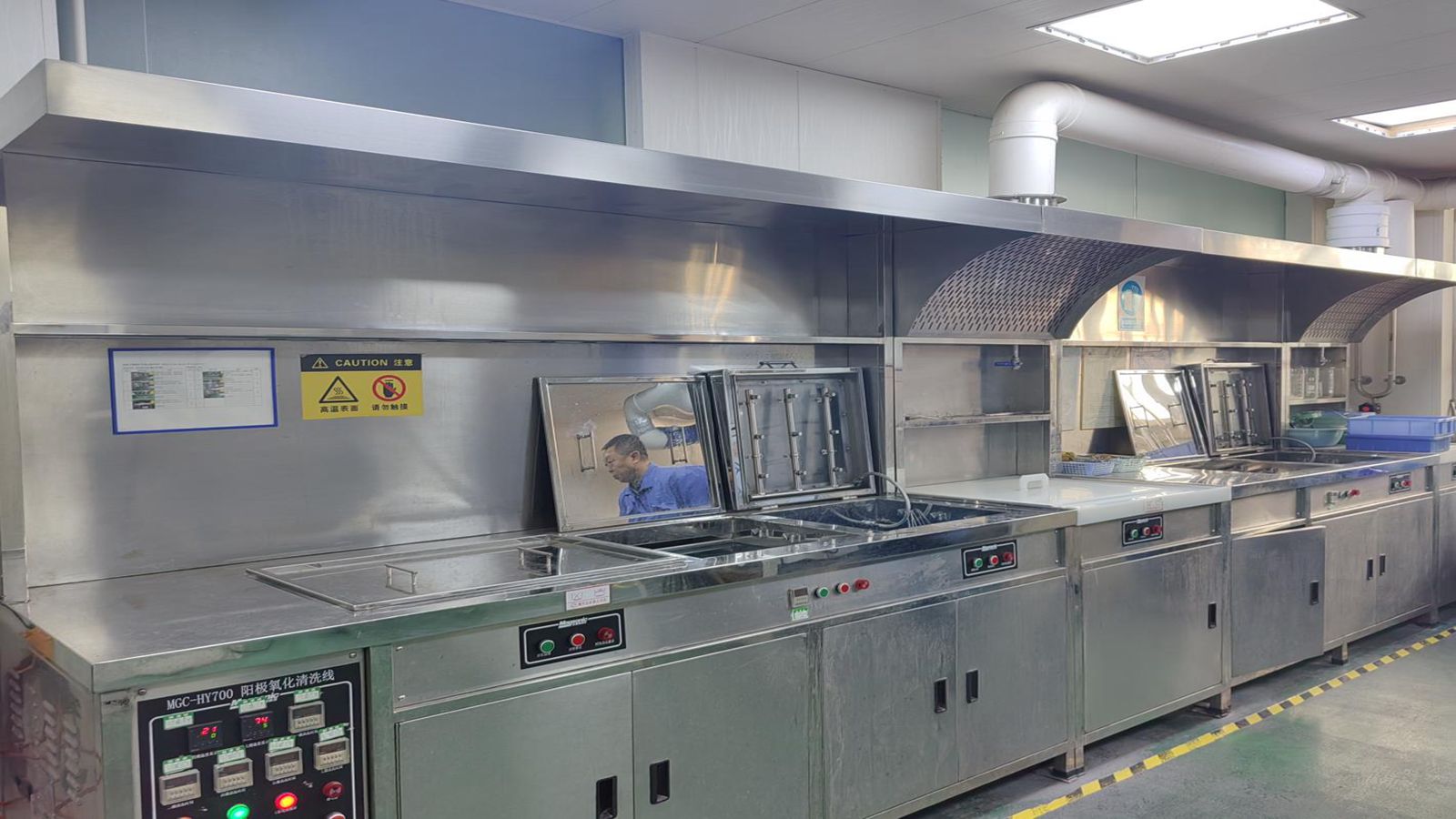
Anode Oxidation Cleaning Process
Anode Oxidation Cleaning
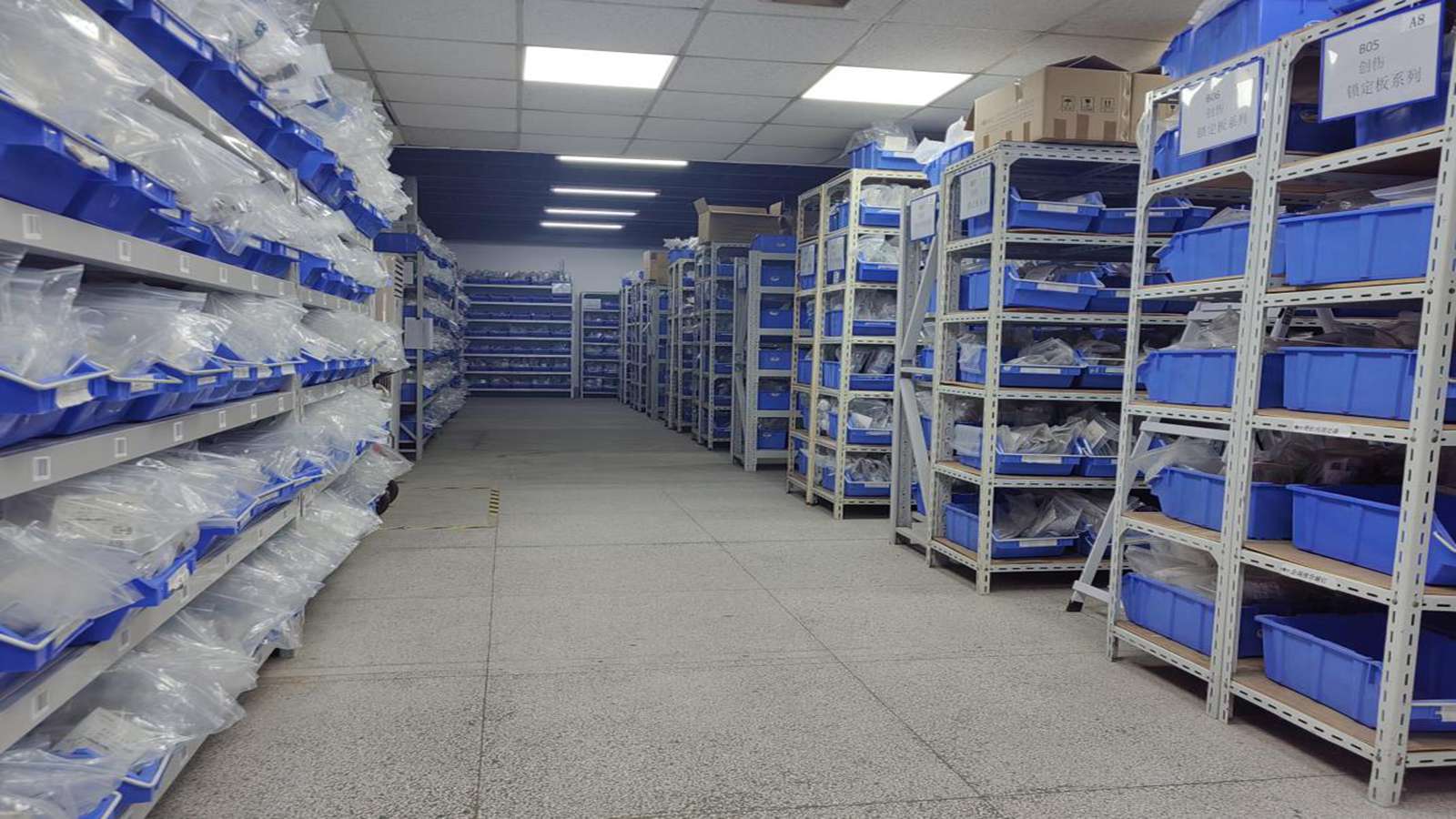
Modern Warehouse Logistics
Warehouse
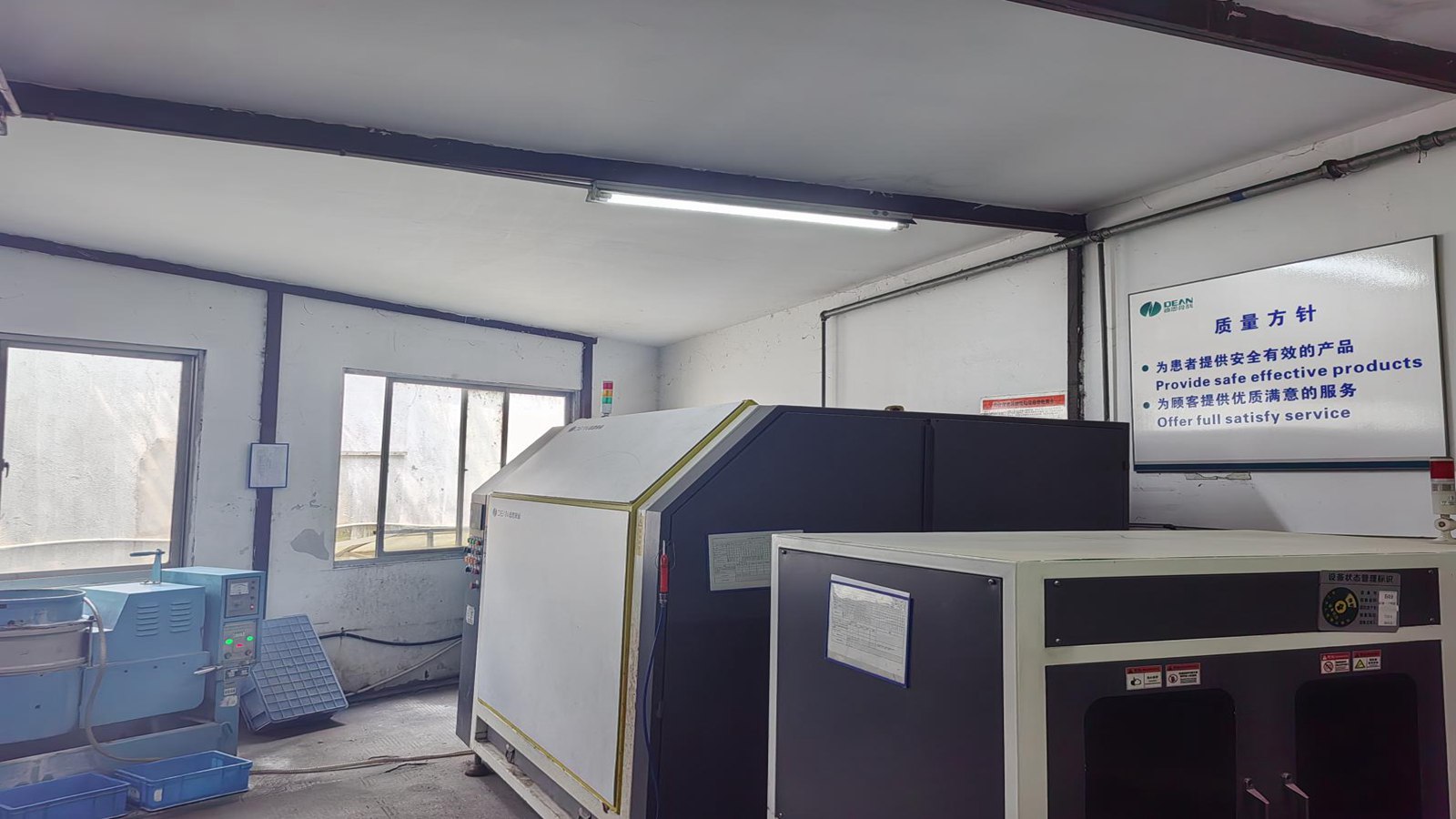
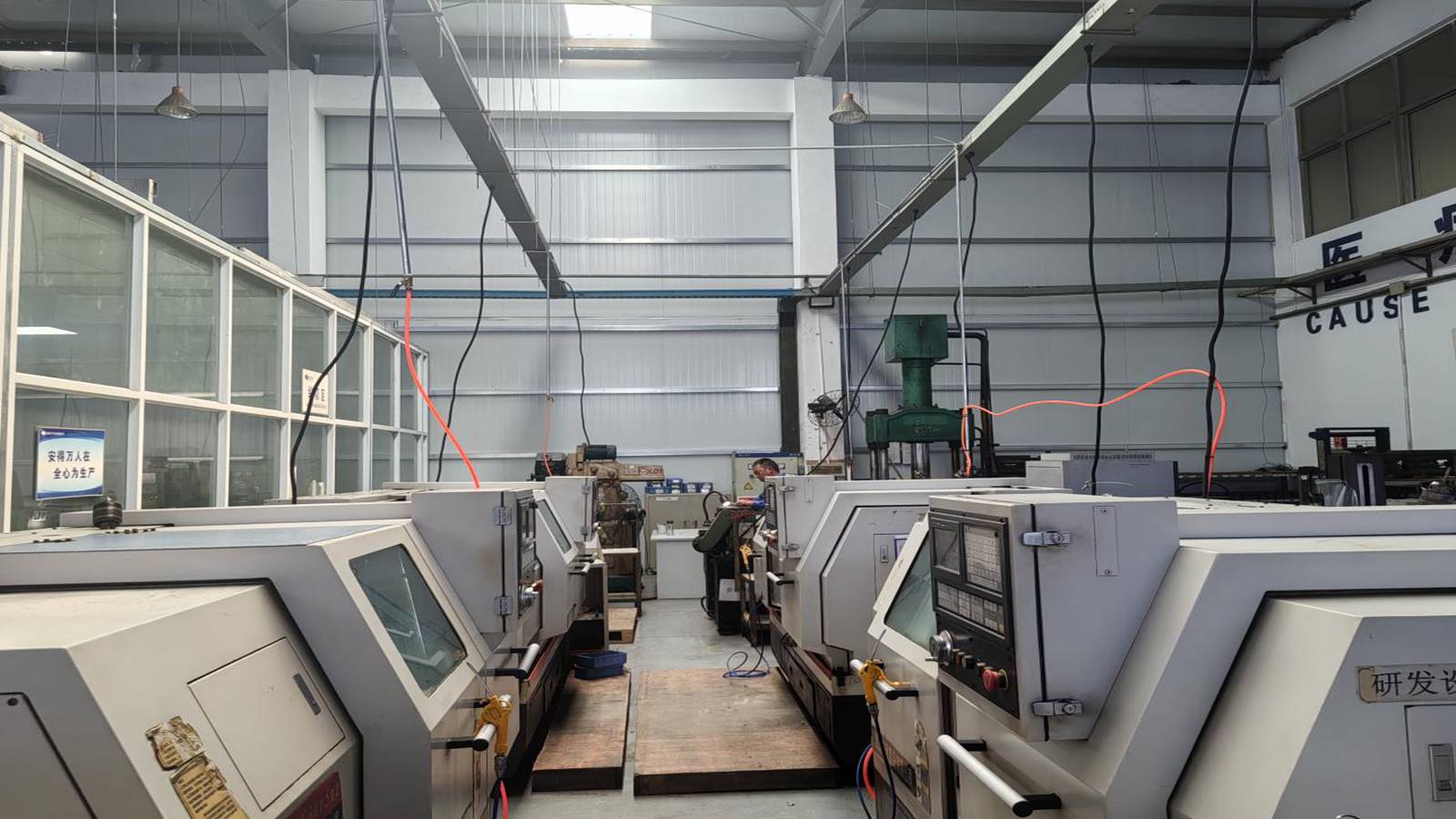
CNC Machining Center Equipment
CNC Machining Center
CNC Cutting Machine Station
CNC Cutting Machine
Precision CNC Lathe Equipment
CNC Lathe
Anode Oxidation Cleaning Line Setup
Anode Oxidation Cleaning Line
Sand Blasting and Grinding Room Facilities
Sand Blasting and Grinding Room
Polishing Workshop Area
Polishing Workshop

Localized Application Scenarios & Global Tender Success

Posterior fixation requirements differ significantly across global regions due to local healthcare policies, patient demographics, and surgeon preferences. Understanding these nuances makes Medispirex a preferred partner for international distributors, ministries of health, and private healthcare networks.

European Union Market

Under EU MDR framework, the demand is heavily oriented towards clinical performance evidence and localized clinical follow-up data. Our systems are backed by extensive technical file documentation for rapid authorization in public and private hospitals.

Middle East & Africa Tenders

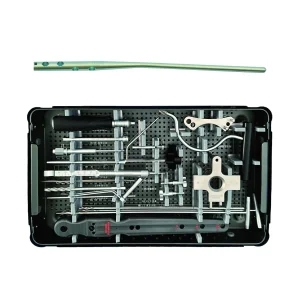
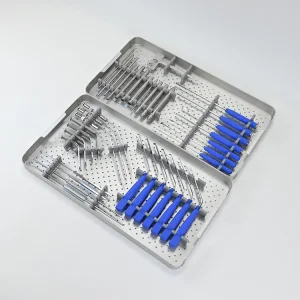
Tender-driven markets prioritize system completeness and modular instrument configurations. We assemble custom instrument sets that support both complex revision cases and simple single-level fusion surgeries.

Southeast Asia Reconstructive Care

Rapidly developing clinical centers look for implants that offer high biomechanical stability at accessible prices. By pairing optimized raw material purchasing with state-of-the-art CNC technology, we provide superior stability options for general hospitals.

Technological Horizons: The Evolution of Posterior Spinal Instrumentation

The spinal surgery landscape is shifting toward minimally invasive surgery (MIS) and computer-assisted robotic navigation. Pedicle screw designs must adapt to stay relevant. Medispirex R&D teams are actively incorporating these changes:

  • Dual-Thread Pitch Configurations: Transitioning between cortical and cancellous threads to optimize purchase in osteoporotic bone.
  • Low-Profile Head Geometries: Minimizing soft tissue irritation and muscle disruption, supporting faster post-operative healing.
  • Integrated Navigation Compatibility: Engineering instrument kits that interface smoothly with digital surgical systems for real-time tracking.
  • Advanced Material Blends: Combining biocompatible PEEK inserts with titanium alloys to reduce imaging artifacts under postoperative MRI and CT scans.

Frequently Asked Questions

Detailed technical, quality control, and international supply information for global procurement managers.

What specific grade of titanium is used in your Posterior Pedicle Screw Systems?
Our implants are manufactured strictly from Grade 5 Titanium Alloy (Ti-6Al-4V ELI) conforming to ISO 5832-3 and ASTM F136 specifications. This medical-grade material provides high biocompatibility, superior tensile strength, and excellent fatigue resistance under cyclic physiological load conditions.
Does Medispirex support OEM/ODM packaging and labeling changes for localized distribution?
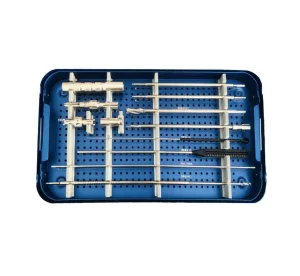
Yes. We offer comprehensive private-label manufacturing, custom surgical instrument configurations, and localized packaging designs. Our internal design team will modify product blueprints and construct custom implant cases to align with your regional regulatory requirements.
Which international certifications does the facility hold?
Medispirex runs under an ISO 13485:2016 certified quality management system. Our primary spinal fusion implants and instrumentation systems hold CE certification, qualifying them for clinical usage throughout the European Union and other international jurisdictions that recognize European CE marks.
How do you handle production stability and supply chains for large-scale hospital orders?
We work with roughly 860 partners across our upstream and downstream supply network. Backed by our 18,600㎡ manufacturing plant and local raw material reserves, we ensure consistent delivery timelines for high-volume orders, isolating our partners from unexpected market volatility.
What are the packaging standards used to guarantee sterility during shipment?
We offer implants in both non-sterile bulk configurations and pre-sterilized, double-sealed Tyvek packaging. Our pre-sterilized items undergo validate gamma irradiation processes, assuring a Sterility Assurance Level (SAL) of 10^-6, compliant with ISO 11137 standards.