Medispirex
Medispirex
Medispirex
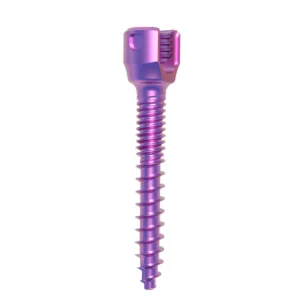
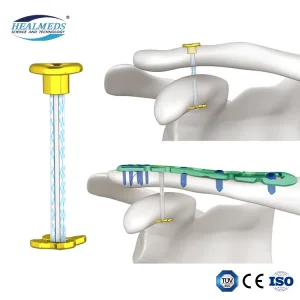
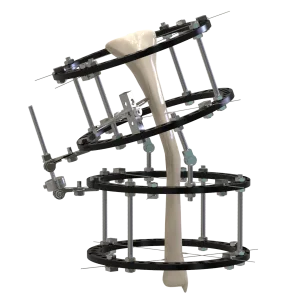
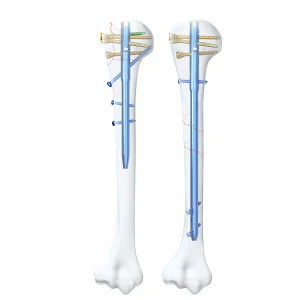
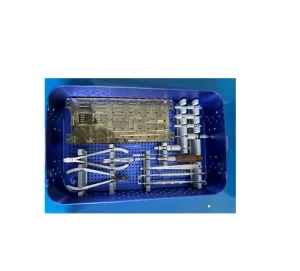
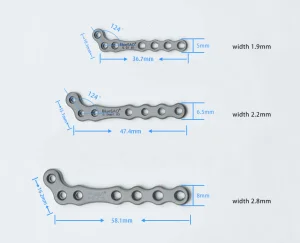
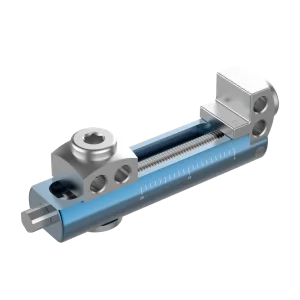
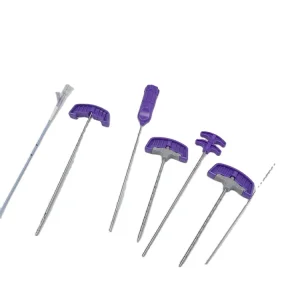
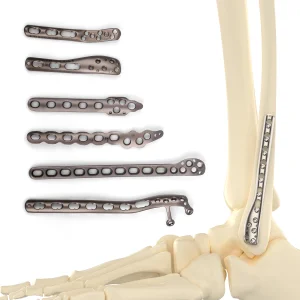
In the field of internal fracture fixation, the engineering of locking compression plates (LCP) represents a major shift from traditional compression mechanics to biologically optimized, rigid bone-plate assemblies. Traditionally, bone plate systems relied purely on plate-to-bone friction, generated by tight screw torque, to achieve stability. This friction-driven stabilization came with a high clinical price: the compression of periosteal blood vessels, which limited bone blood supply and risked bone necrosis, delays in healing, and osteomyelitis.
CE certified locking plates solve this fundamental bio-engineering problem. By using threaded screw heads that lock into corresponding threads in the plate holes, the locking plate acts as an external fixator placed internally. The plate does not need to be pressed against the bone to achieve stability. This design helps protect the periosteal microcirculation while distributing stress along the entire length of the implant. The result is a stable dynamic construct that reduces stress concentration, prevents screw back-out, and supports biological osteosynthesis through micro-motion under controlled physical loads.
Preserves periosteal blood supply by removing the need for plate-to-bone friction. This supports faster fracture healing and helps reduce the risk of implant-related complications.
Ensures stable mechanical fixation even in osteoporotic bone or complex multi-fragment fractures, greatly reducing the risk of secondary loss of reduction.
Combines dynamic compression capabilities with locking options in a single slot. This gives surgeons the flexibility to adapt to changing anatomical needs during surgery.
Founded in 2016, Medispirex Orthopedic Technology Co., Ltd. is a leading manufacturer specializing in orthopedic and spinal implant solutions. Operating a modern, high-precision facility covering approximately 18,600㎡, the company integrates R&D, manufacturing, and global distribution to deliver CE-certified, high-reliability trauma and reconstructive implants.
With over 12 years of industry experience and 7 years of direct export history, Medispirex maintains a stable international presence. Our supply chain supports clinical partners and wholesale distributors in Europe, North America, the Middle East, and Southeast Asia. Supported by a robust network of approximately 860 partners, Medispirex delivers consistent manufacturing quality, stable material supplies, and structured batch traceability.
Every titanium locking plate and screw produced at Medispirex undergoes a structured, multi-stage production sequence. This process starts with raw bar cutting and CNC milling, moves through surface modifications like sandblasting and anodic oxidation, and finishes with cleanroom packaging and mechanical laboratory validation.
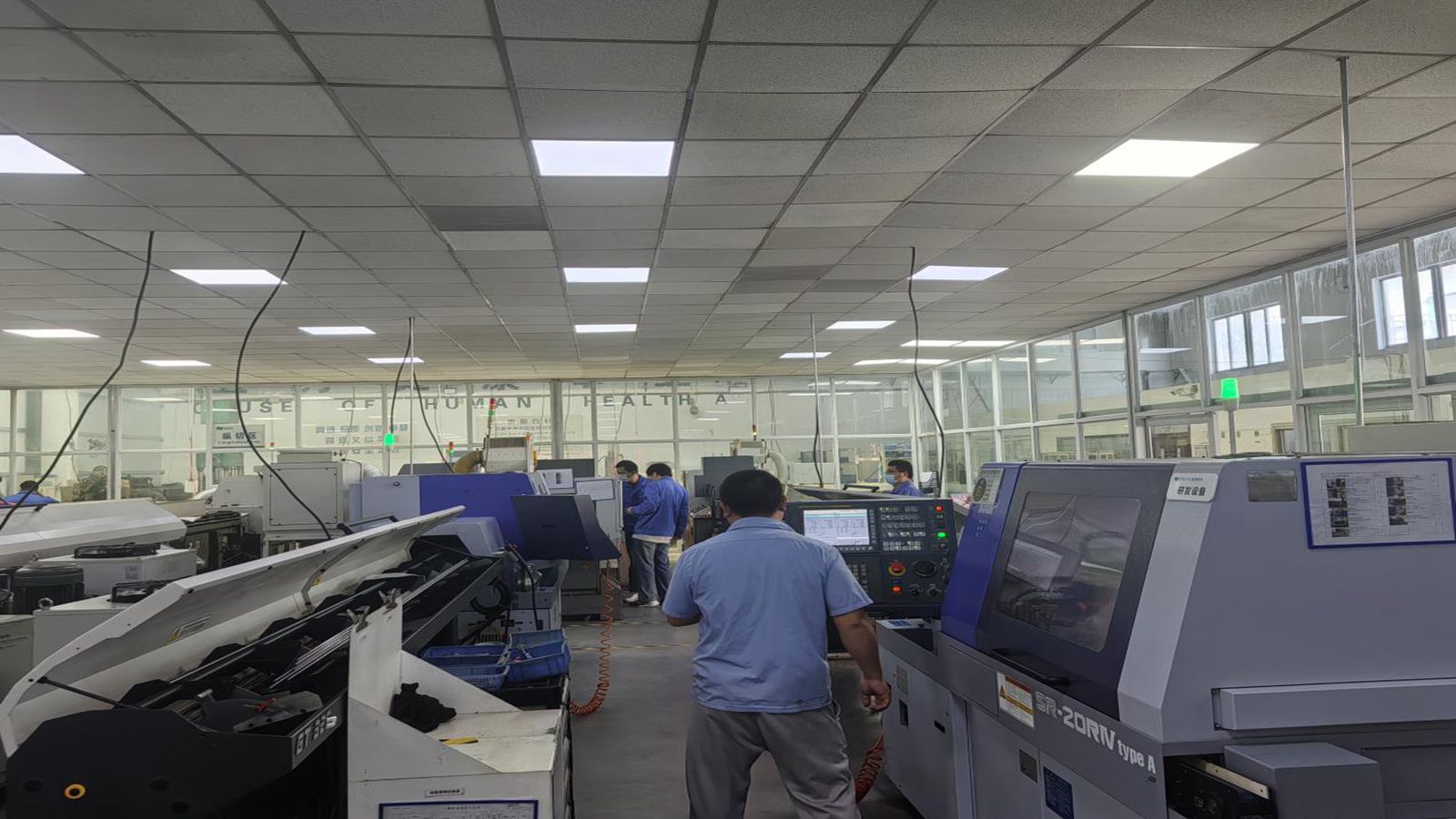
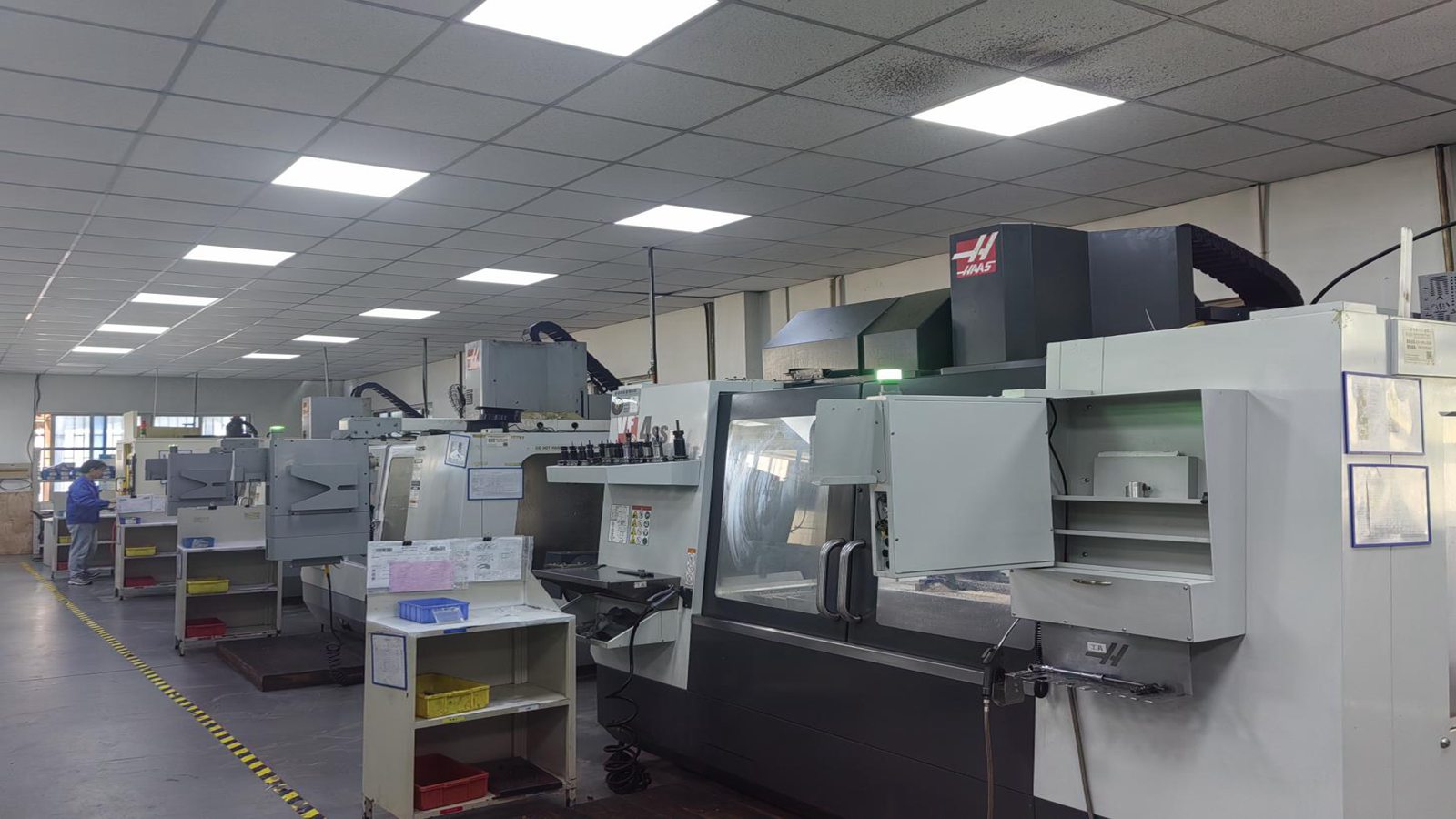
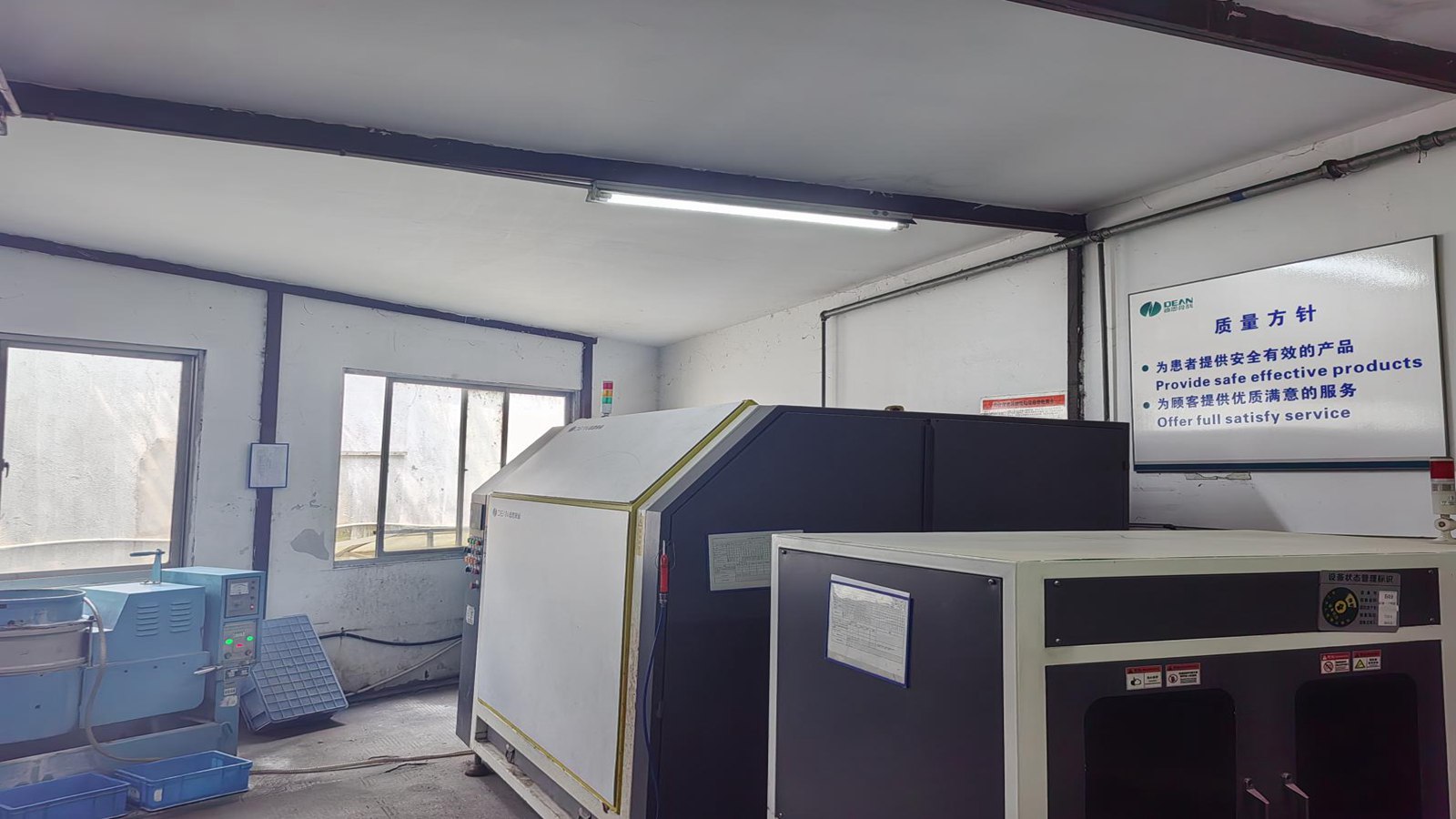
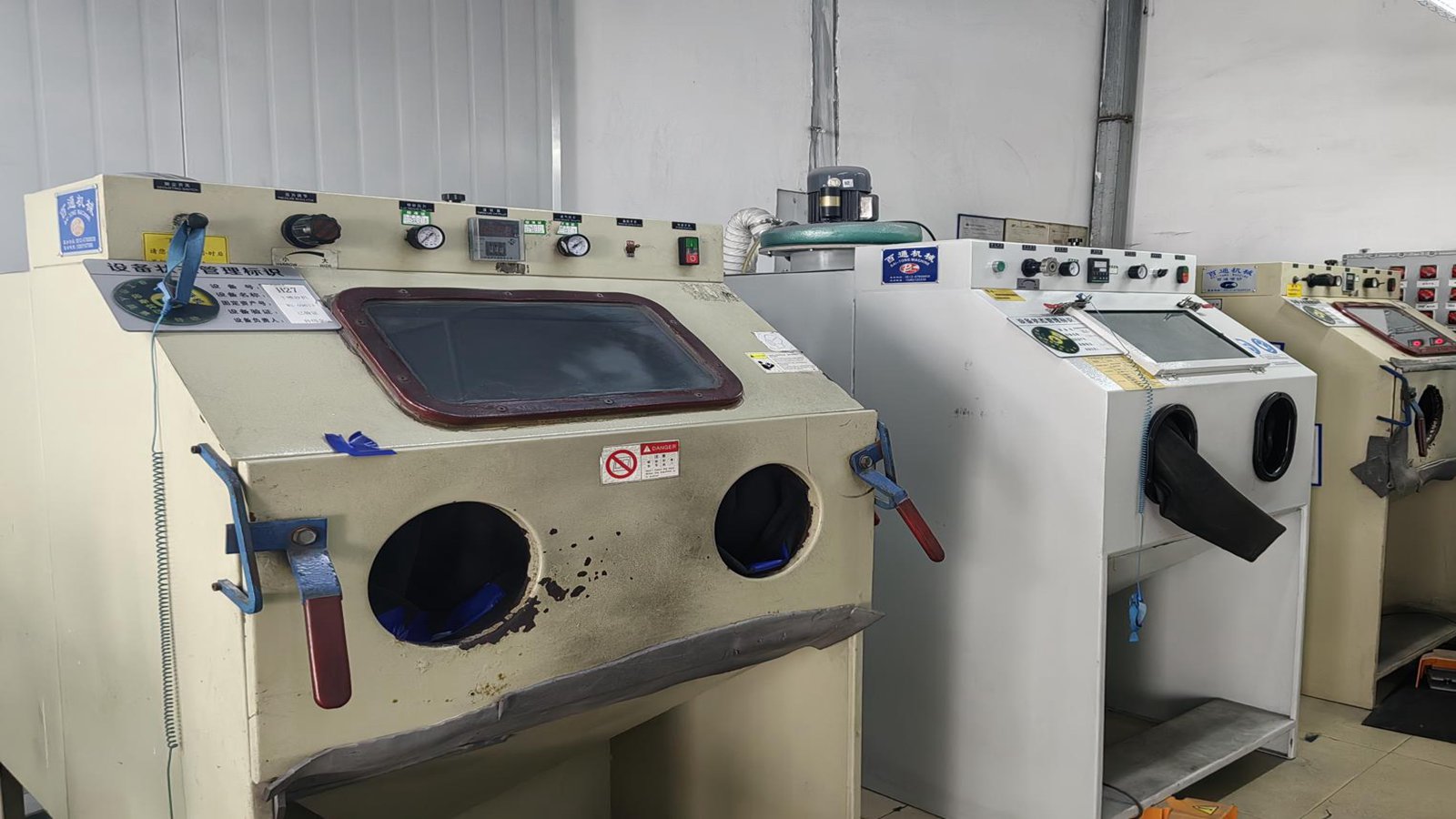
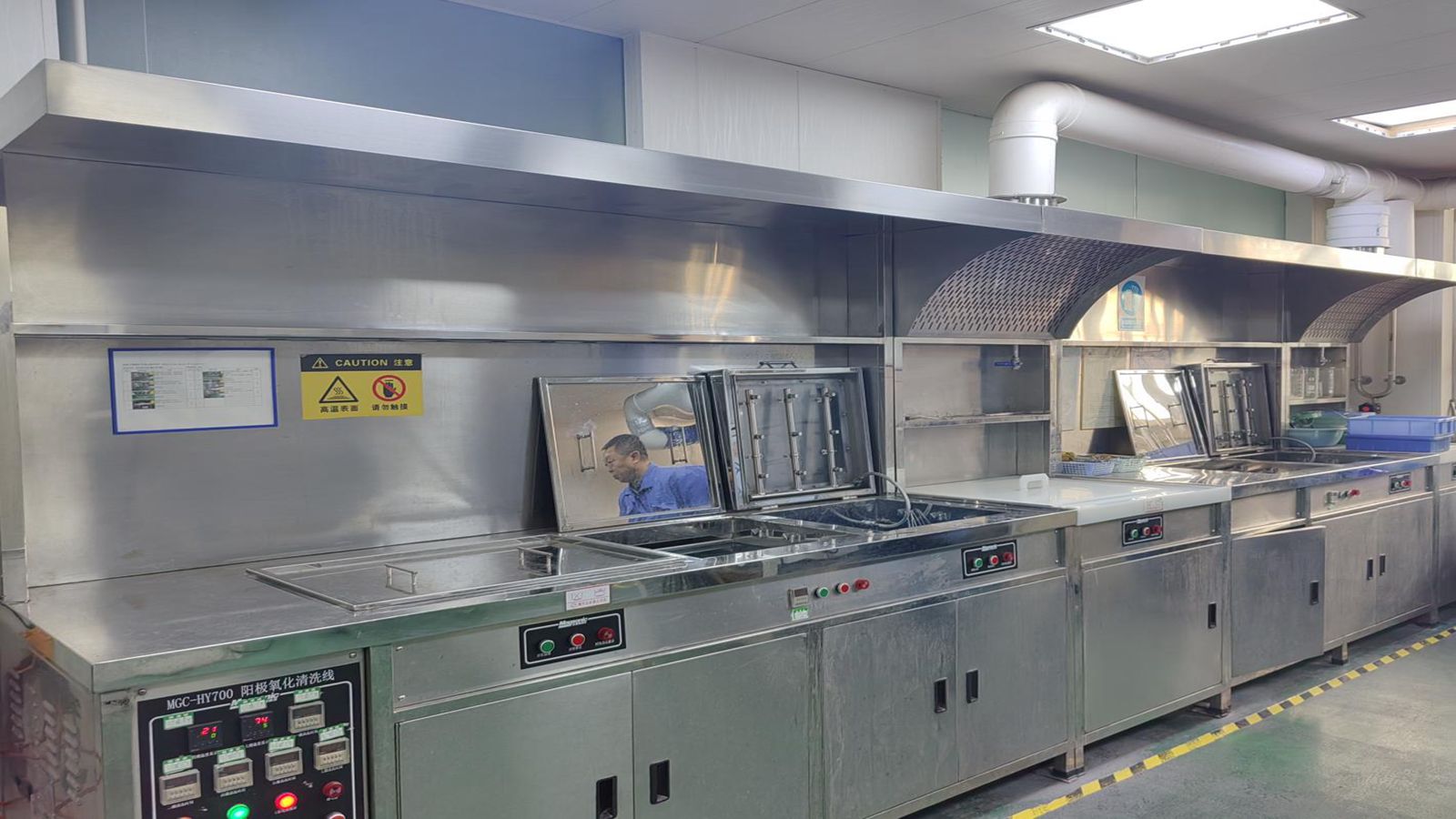
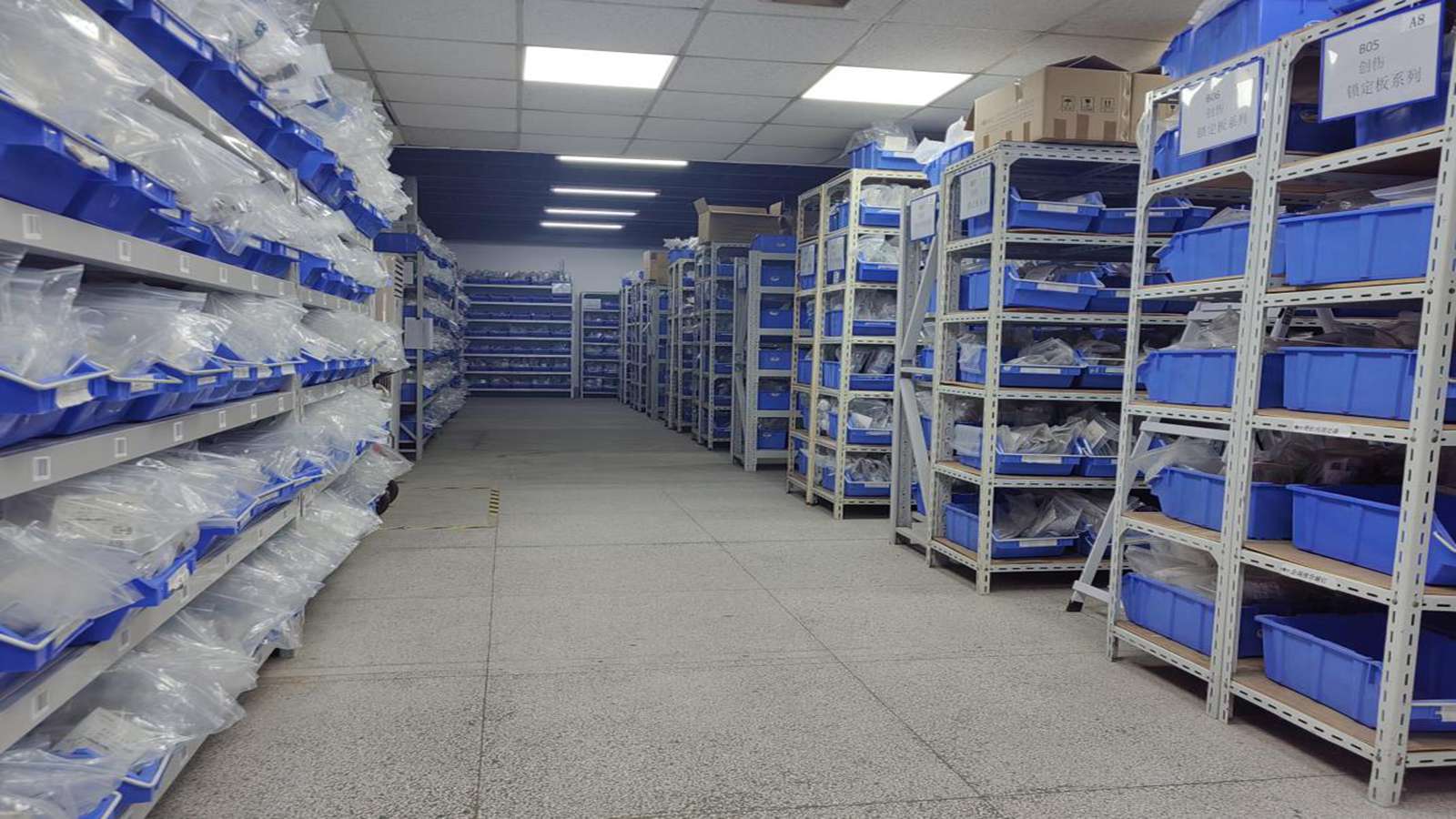
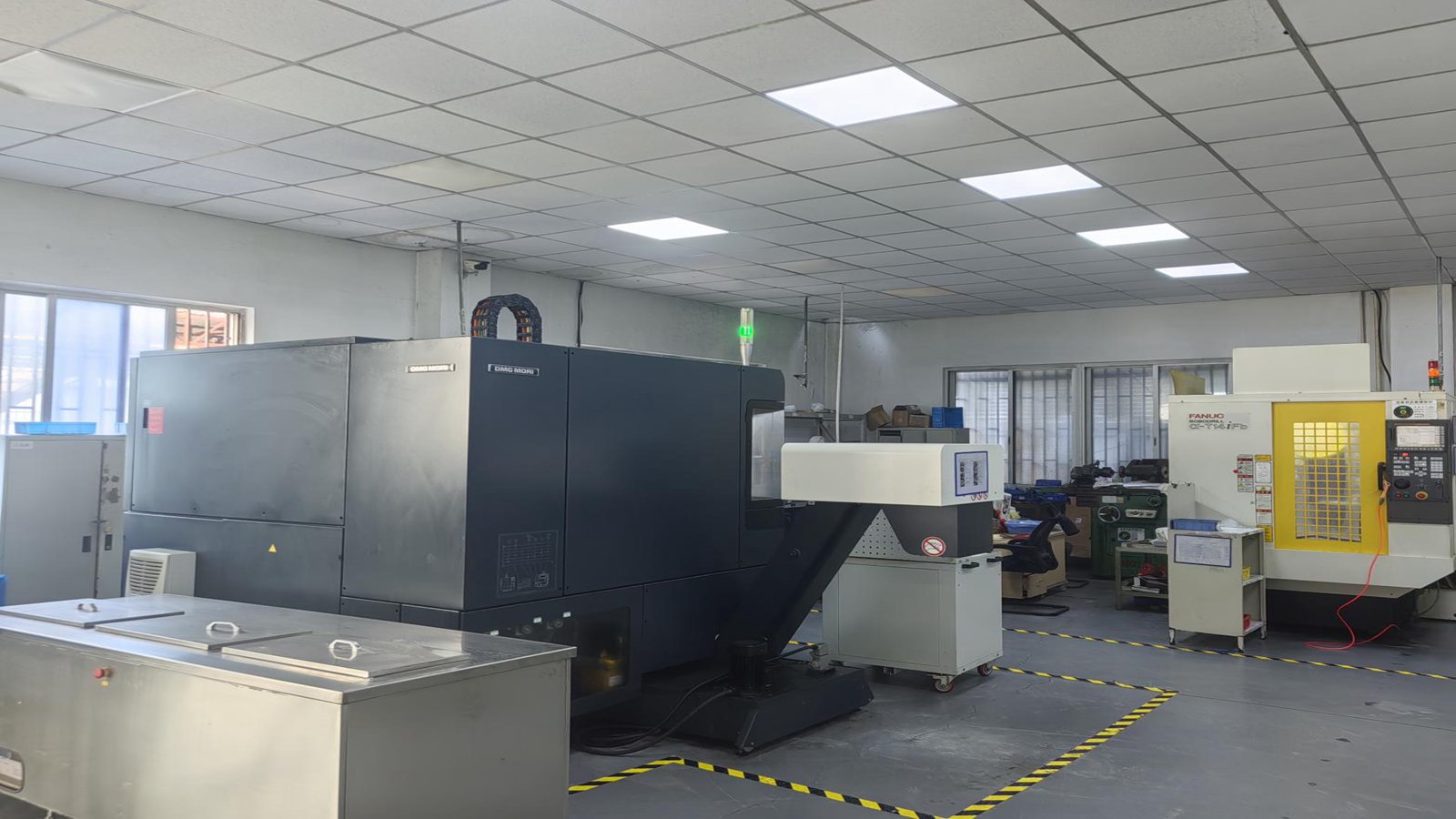
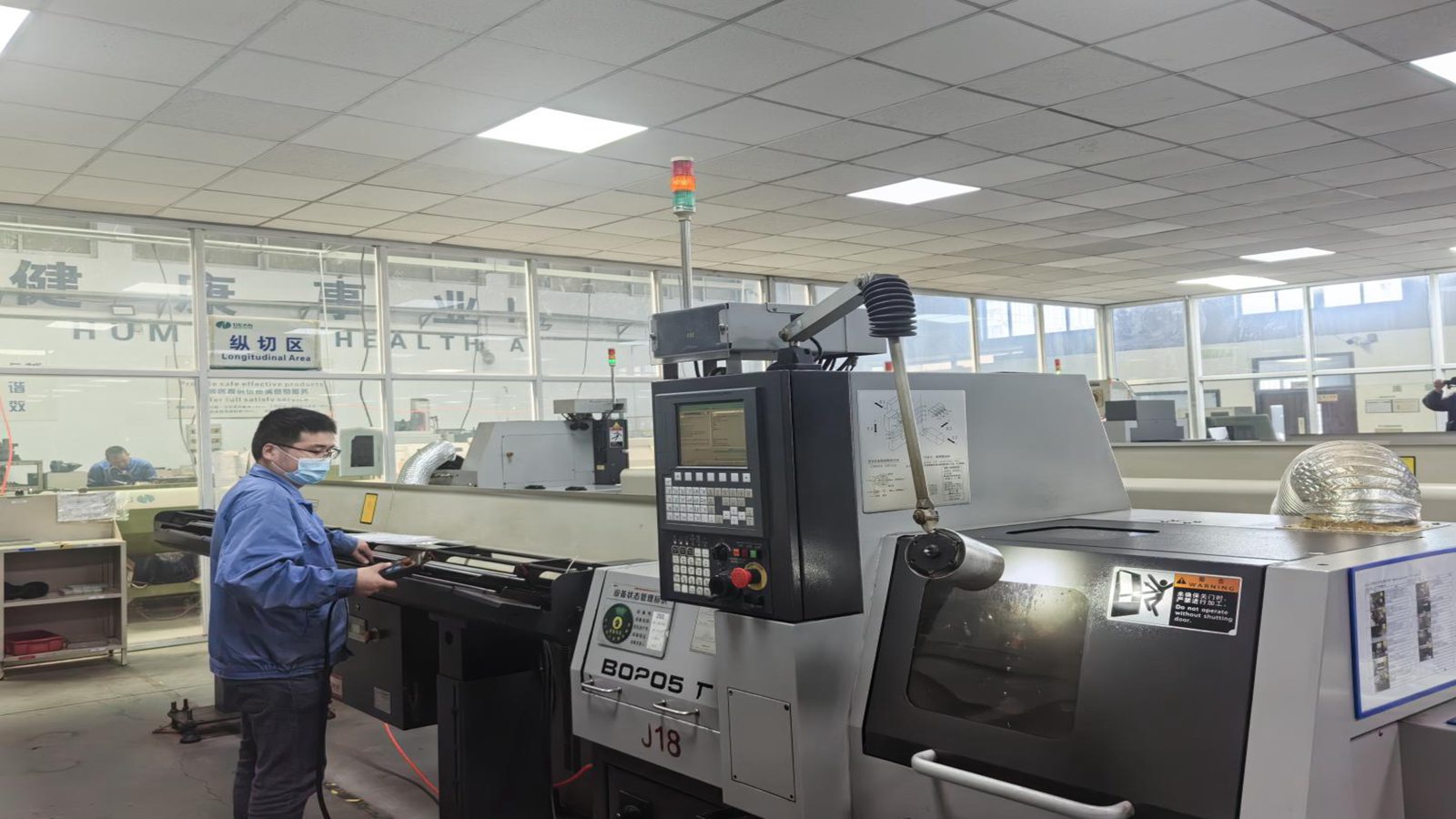
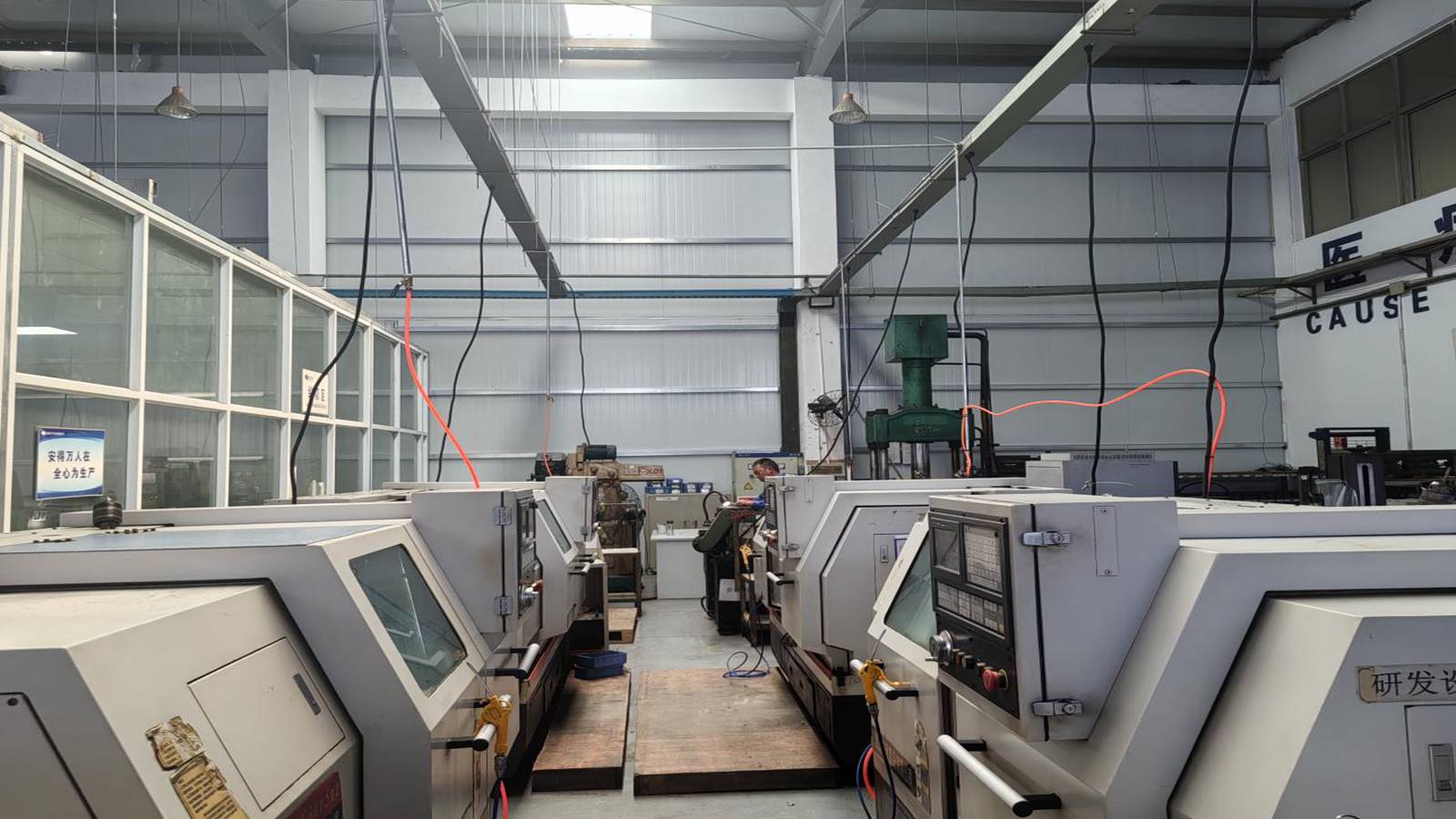
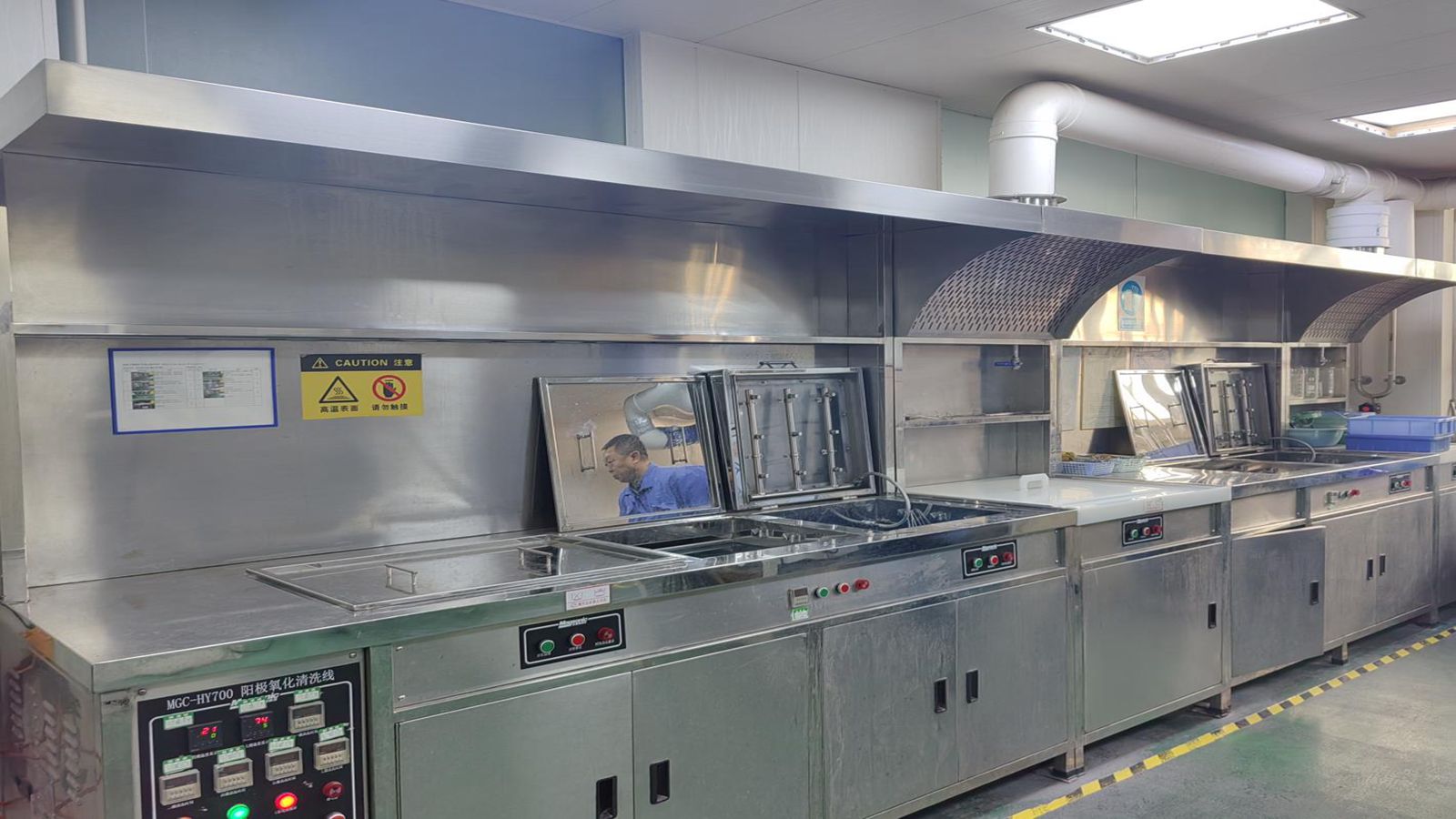
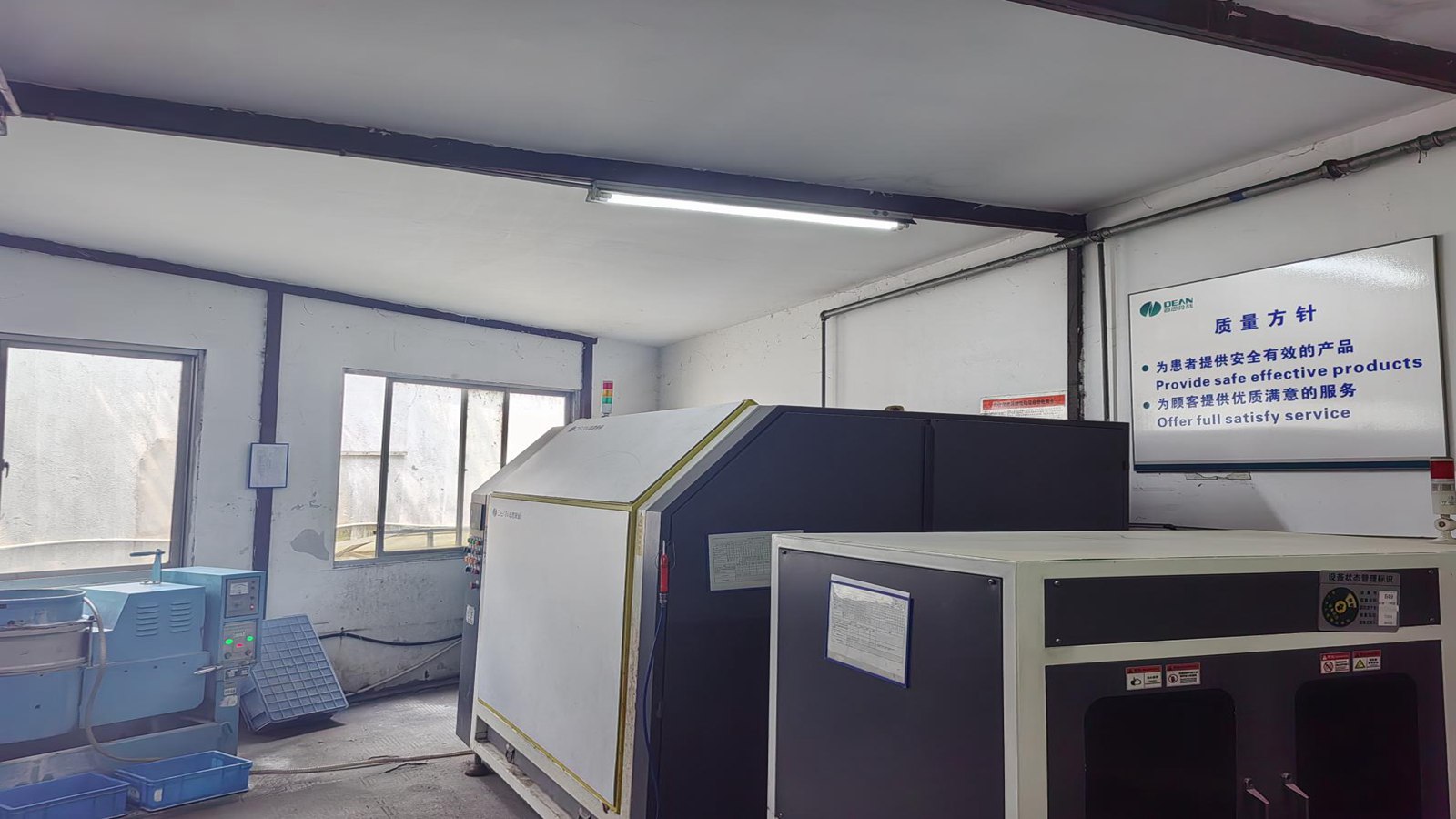
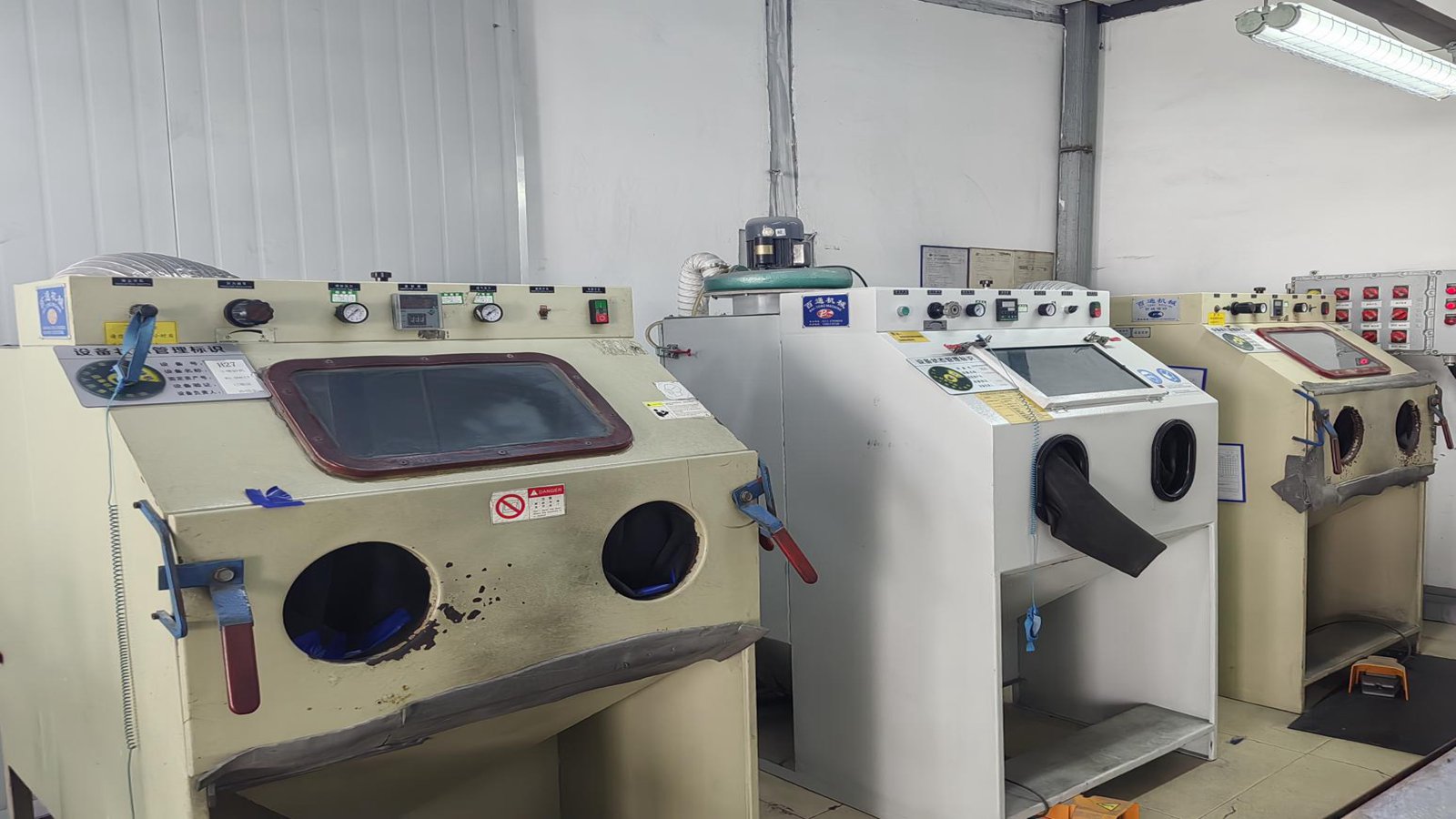
In modern medical device procurement, sourcing orthopedic implants requires careful technical evaluation. Distributors, hospital systems, and OEM partners look for manufacturers that can balance production capacity with strict regulatory compliance. Crucial criteria include material traceability, cleanroom packaging, and high manufacturing precision.
Medispirex supports OEM and ODM clients with a dedicated team of 85 R&D engineers specializing in materials science and biomechanical engineering. Our team introduced 120 new products last year, showing our commitment to continuous product improvement. We also provide flexible customization, supporting private label manufacturing and custom instrument configurations.
CE, ISO 13485, and ASTM F136 Compliant Manufacturing
The field of osteosynthesis continues to evolve. Key research areas focus on reducing stress shielding, improving implant surface biocompatibility, and supporting minimally invasive surgery (MIS). As a progressive manufacturer, Medispirex aligns its R&D roadmap with these clinical trends:
Moving from fixed monoaxial locking screws to variable angle locking systems. This technology allows surgeons to angle screws up to 15 degrees in any direction, making it easier to secure fractures near joints where bone space is limited.
Applying specialized surface treatments to medical-grade titanium. These treatments help improve fatigue life, reduce bone-to-plate adhesion, and lower friction, which minimizes tissue irritation and makes eventual implant removal easier.
Designing plates using 3D bone morphology databases. These pre-contoured plates fit the bone structure closely without requiring complex manual bending during surgery, which helps protect the structural integrity of the metal.