Medispirex
Medispirex
Medispirex
Precision engineered surgical hardware delivering optimized mechanical stability and osseointegration across global healthcare sectors.
Navigating regulatory pathways, mechanical reliability, and volume capacity in clinical-grade supply chains.
Hospital groups, medical device distributors, and OEM/ODM procurement managers globally operate under high regulatory pressures. In markets adhering to European standards, securing CE-certified medical implants is a baseline requirement under the updated Medical Device Regulation (MDR 2017/745). A reliable supply network must guarantee material composition compliance, traceability back to raw titanium ingot batches, and dynamic fatigue testing verification.
Medispirex Orthopedic Technology addresses these critical pain points by offering medical-grade titanium alloy (Ti-6Al-4V ELI) and implantable stainless steel cancellous screws engineered to maximize pull-out strength in low-density trabecular bones. With a capacity optimized by 12+ years of industrial experience, we supply institutional chains with surgical screws that maintain structural integrity during insertion torque and clinical lifetime stress.
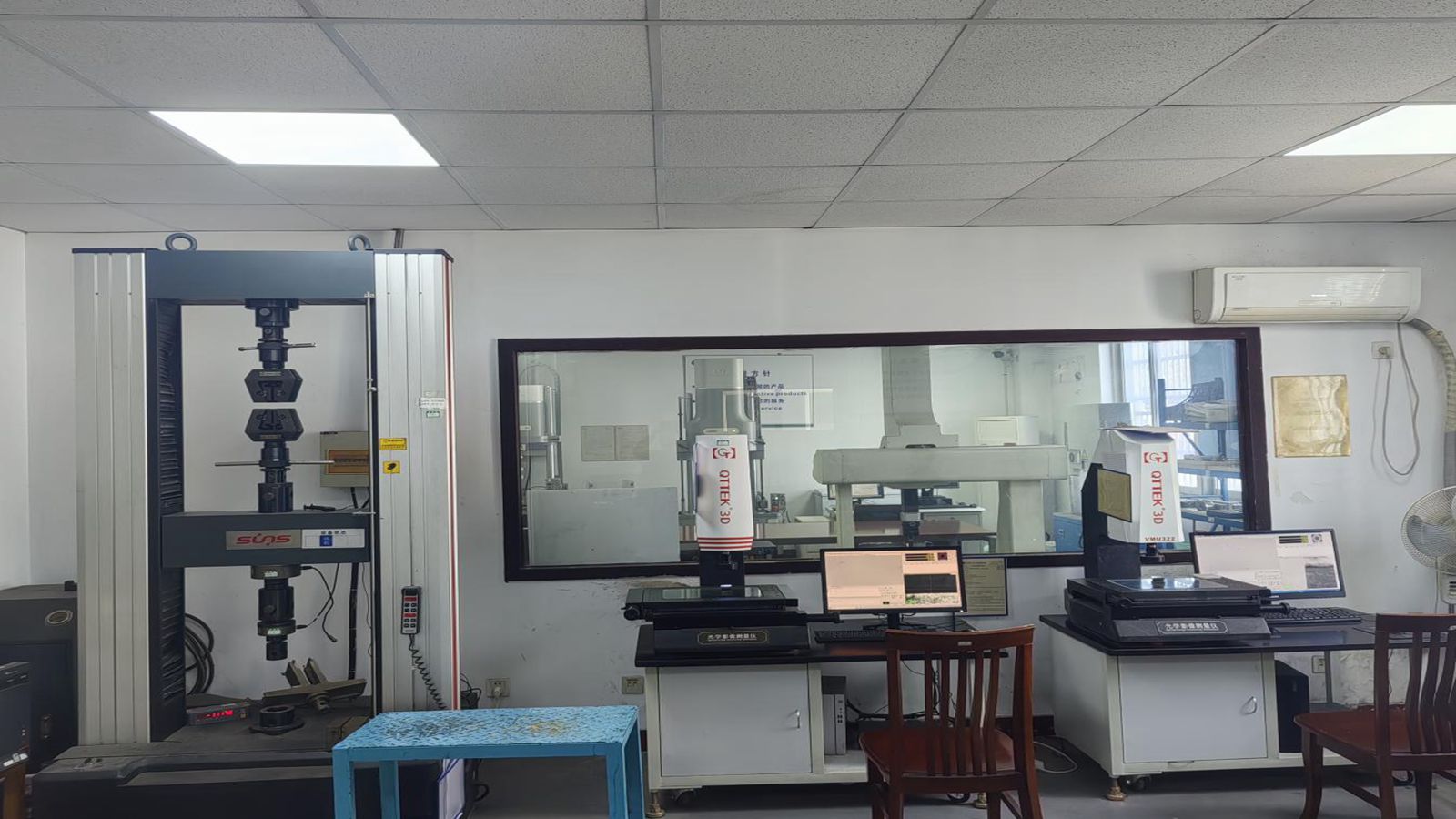
Class III orthopedic implants require absolute quality control. The risk of implant failure due to shear stress, thread stripping, or localized tissue reactions demands that suppliers execute rigorous quality management. Every batch of our cancellous screws undergoes spectral analysis for material composition verification, dimensional inspection via automated optical comparators, and surface integrity inspection using scanning electron microscopy.
Our robust supply chain network of 860 partners ensures that procurement departments face zero downtime. Whether managing hospital tenders or scaling proprietary product lines through OEM manufacturing, Medispirex delivers documentation compliance alongside structural hardware excellence.
Engineered configurations designed specifically to restore anatomical stability in metaphyseal fractures.
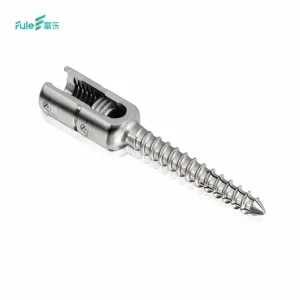
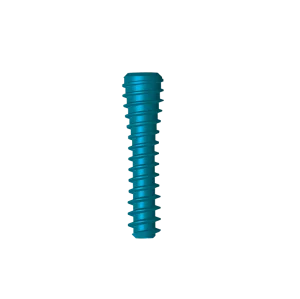
Metaphyseal bone structures require specialized deep-threaded designs. Standard cortical threads fail to capture adequate purchase within the porous, spongy internal matrix of cancellous bone. Our screws feature a wider thread pitch and deeper thread profiles, ensuring maximum surface area contact to secure plates or osteotomies in distal/proximal femur, tibia, and humeral fractures.
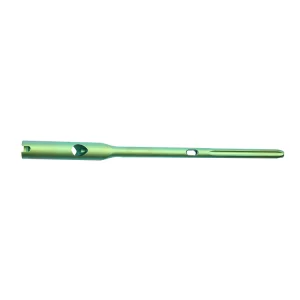
For minimally invasive surgeries (MIS), cannulated cancellous screws allow orthopedic surgeons to place guide wires percutaneously under fluoroscopy. The hollow inner core of our cannulated screws matches tight tolerance specifications, facilitating precise insertion over guide wires without compromising the structural torsional yield strength of the titanium body.
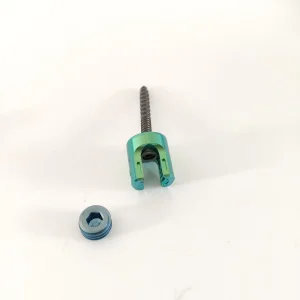
To mitigate soft-tissue irritation and optimize load distribution, we produce multiple screw head profiles, including low-profile washers, standard hexagonal drive recesses, and advanced star-drive torx patterns that reduce the risk of driver slippage (cam-out) during high-torque bone penetration.
| Feature Parameter | Cancellous Screw Specifications | Material Configuration | Clinical Intent / Application |
|---|---|---|---|
| Outer Diameters | Ø 4.0mm, Ø 6.5mm, Ø 7.0mm, Ø 7.3mm | Ti-6Al-4V ELI (ASTM F136) / 316L (ASTM F138) | Adaptable from small joint reconstruction to proximal femur fractures. |
| Thread Profiles | Fully Threaded / Partially Threaded (16mm & 32mm) | Precision CNC Machined Thread Path | Interfragmentary compression via lagging effects in metaphyseal zones. |
| Cannulation Inner Diameter | Ø 1.2mm to Ø 3.2mm (Model Dependent) | Gun-Drilled Micro-Bore Cannulation | Guarantees exact alignment over K-wires during minimally invasive surgery. |
| Surface Finishing | Anodic Type II Color-Coded Oxidation & Acid Etched | Biocompatible Oxide Protective Layer | Prevents cold welding in plate interfaces and identifies screw size instantly. |
Charting the path toward bio-absorbability, surface modification, and additive manufacturing integration.
Modern orthopedics is moving beyond simple mechanical fixation toward biological integration. Medispirex R&D engineers are actively researching Hydroxyapatite (HA) coating applications on titanium screw threads. This osteoconductive layer encourages rapid local bone remodeling, accelerating bone ingrowth directly into the screw thread ridges. This reduces the recovery timeline and prevents long-term implant migration in osteoporotic bone environments.
In pediatric trauma and temporary bone fixation, secondary operations to remove hardware present clinical risks and increased healthcare costs. The future of trauma hardware lies in bioabsorbable alloys. By utilizing high-purity magnesium matrices (Mg-Ca-Zn alloys), we are prototyping next-generation orthopedic screws designed to degrade naturally within the body as bone tissue regenerates, completely eliminating secondary extraction procedures.
Customized implants are shifting from high-cost novelties to standardized options. The integration of 3D-printed porous implants with matching cancellous screw setups allows surgical teams to design tailor-made reconstructions for complex oncology cases and severe trauma. Our production pipeline maintains compliance structures to accommodate customized medical configurations under rigorous ISO 13485 regulations.
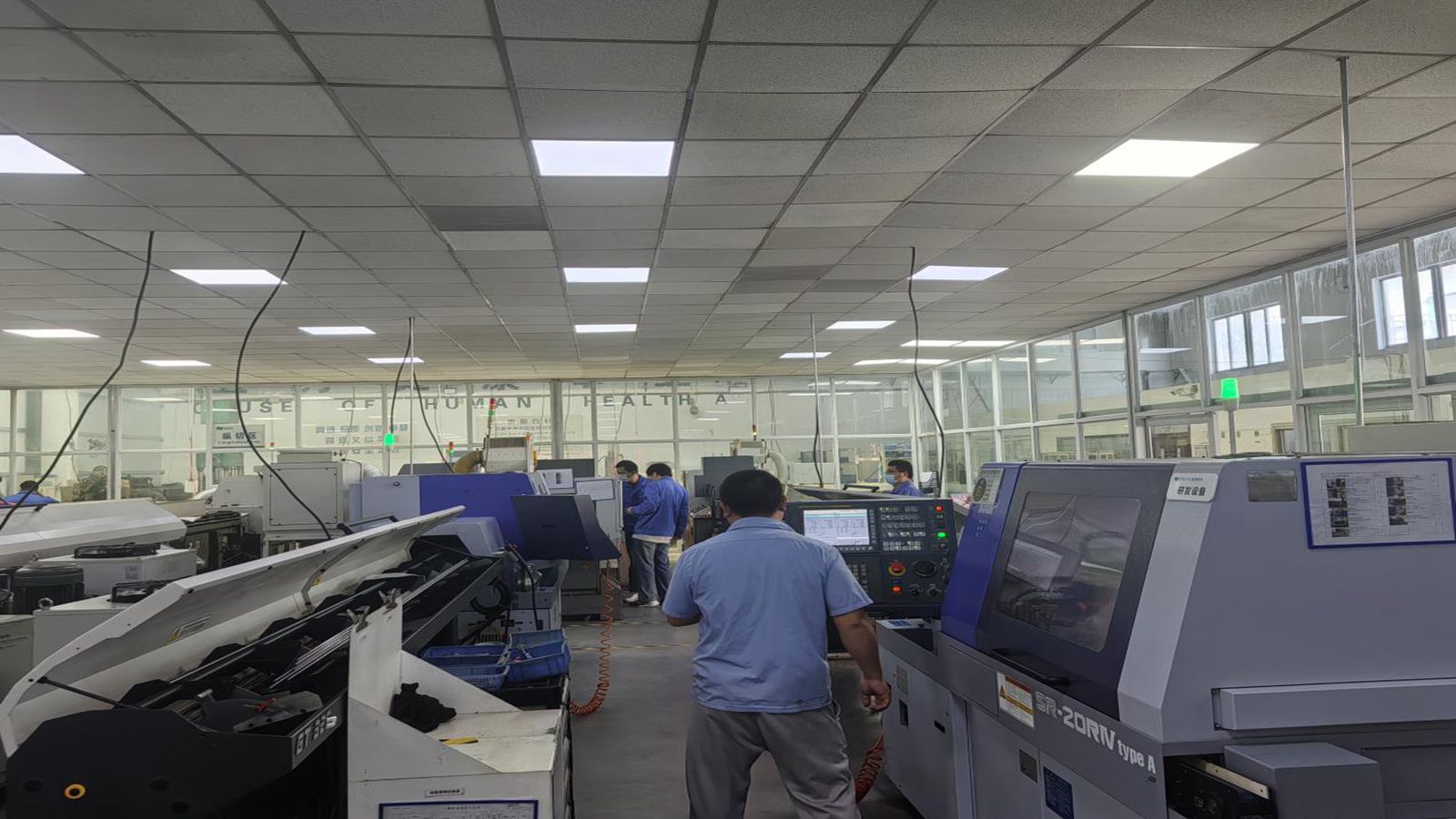
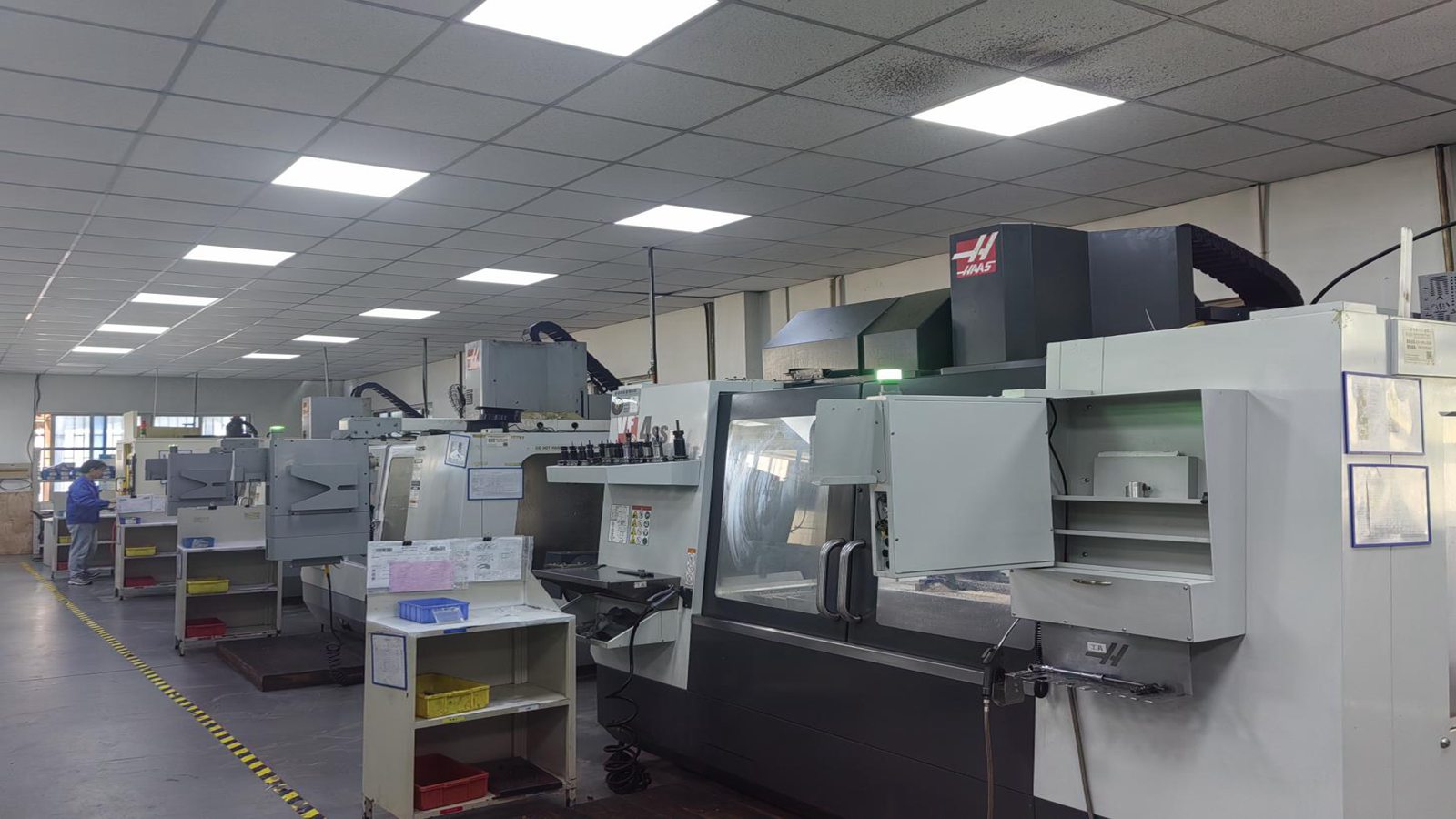
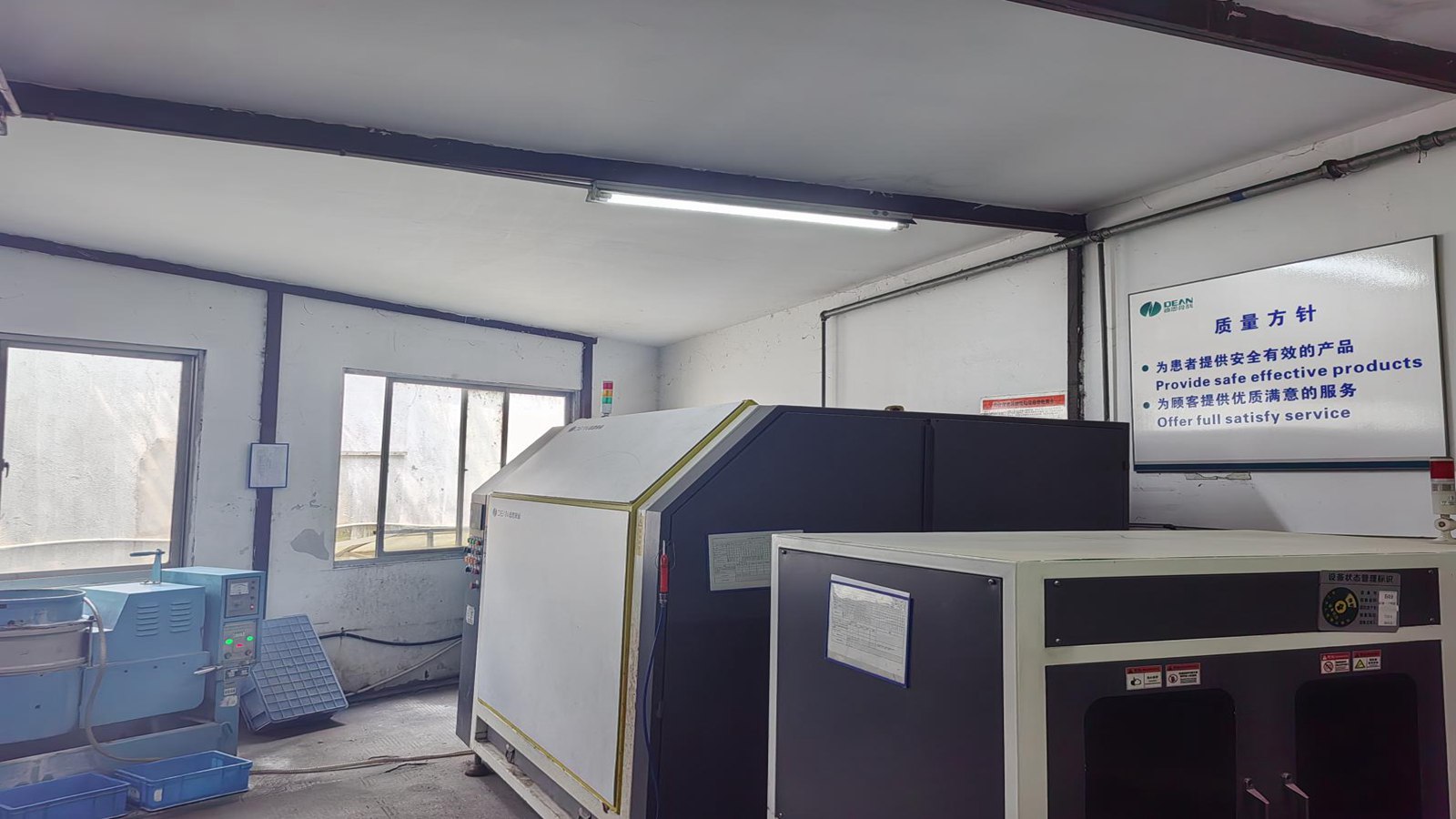
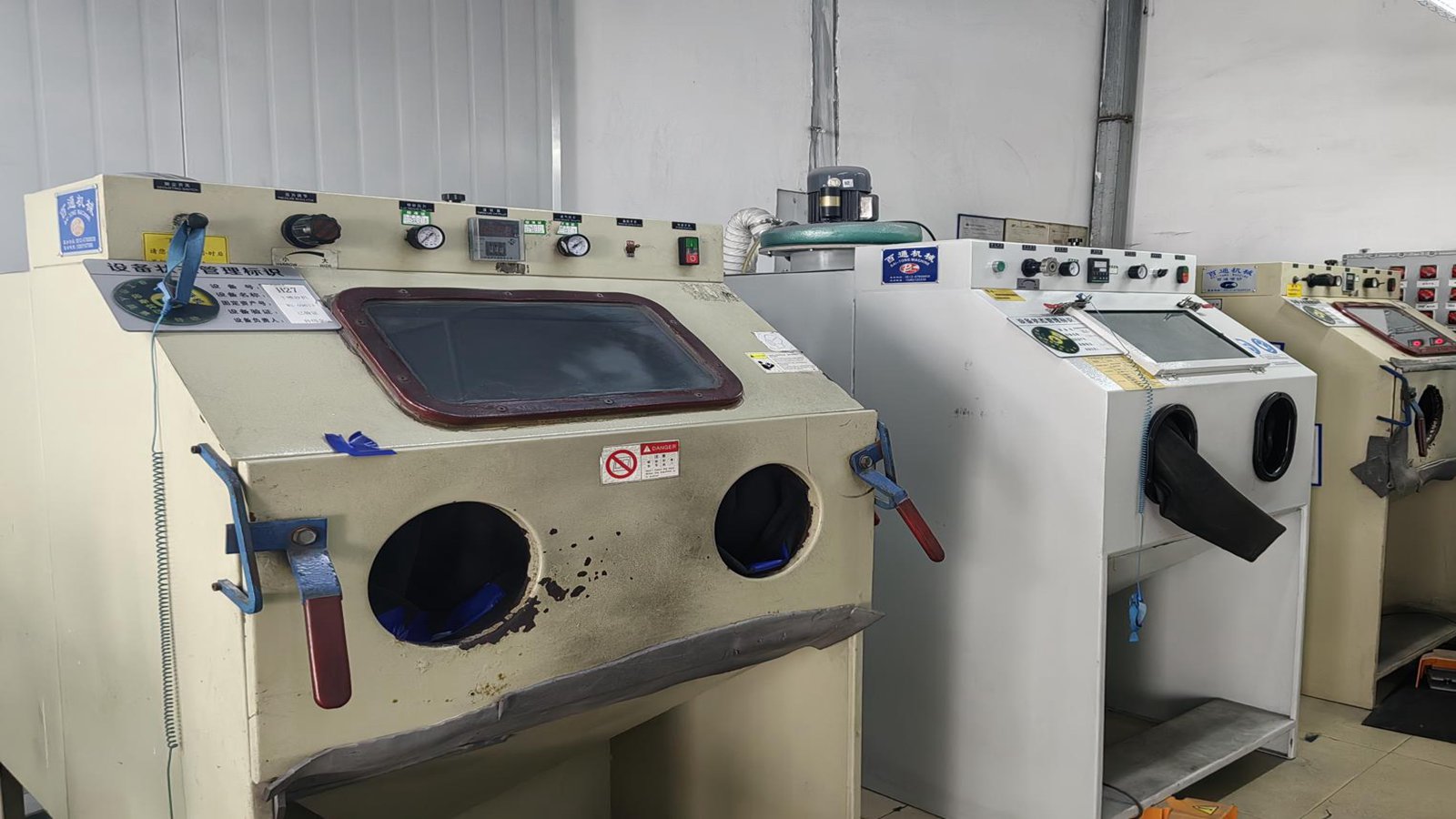
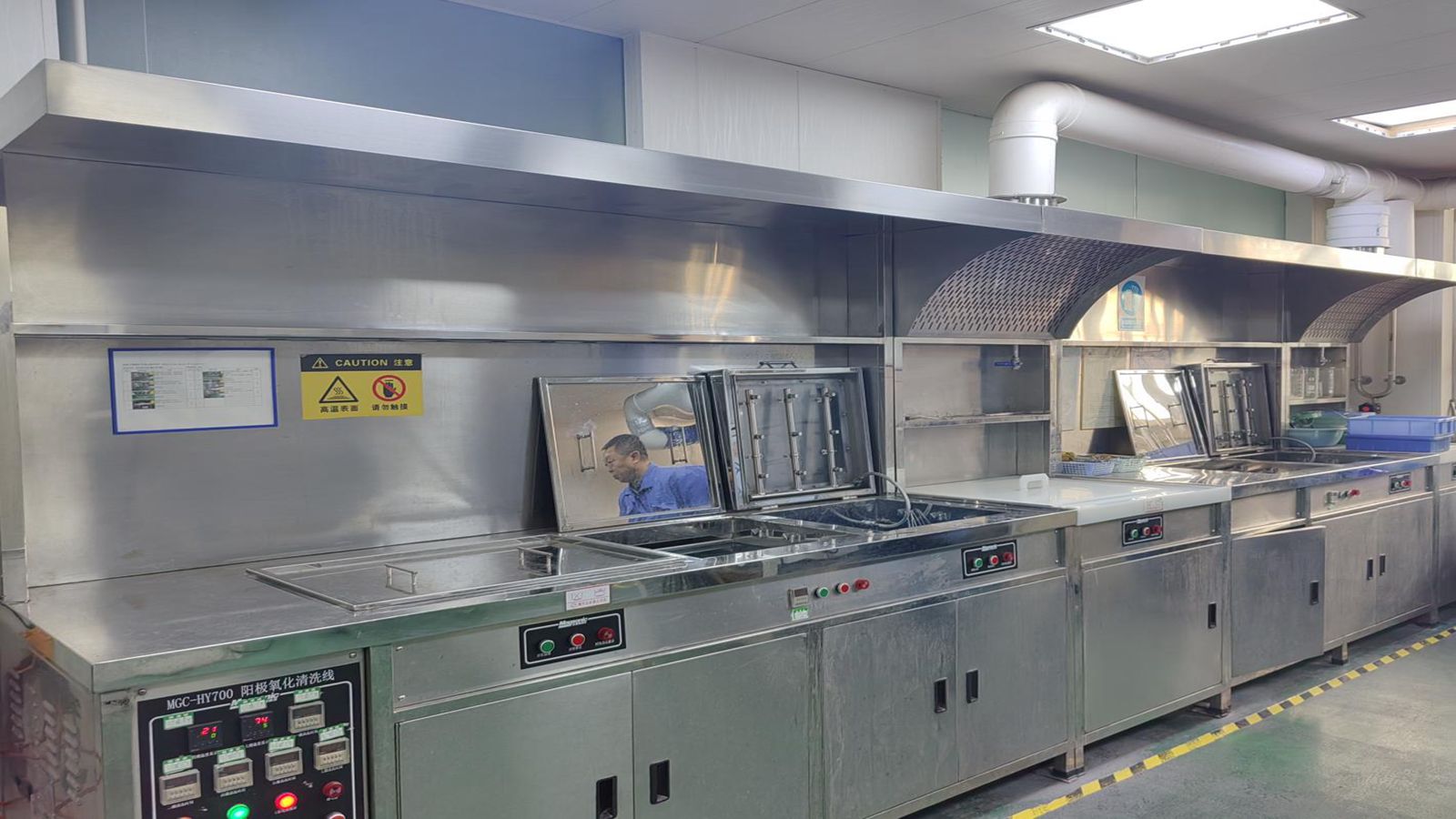
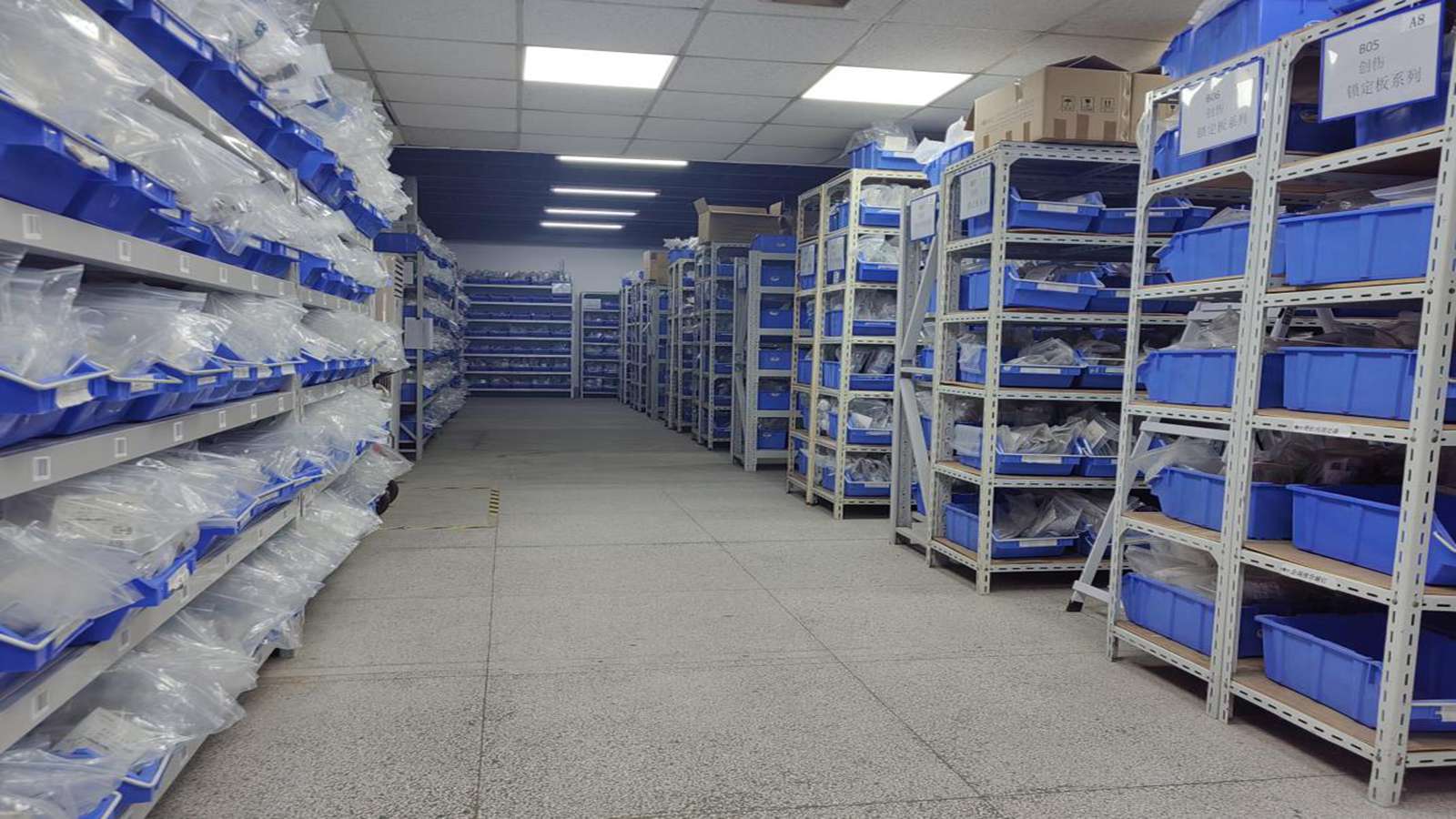
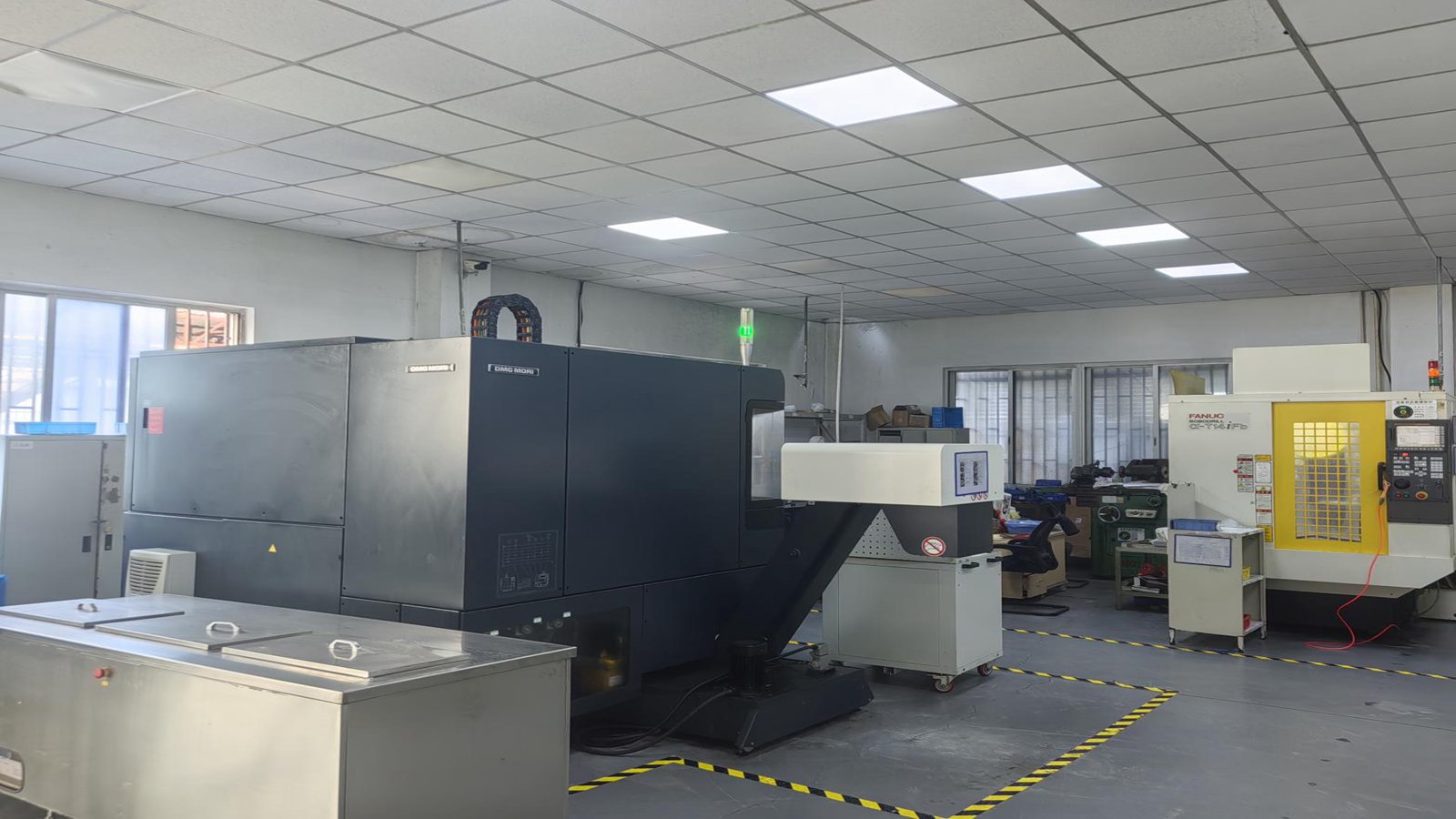
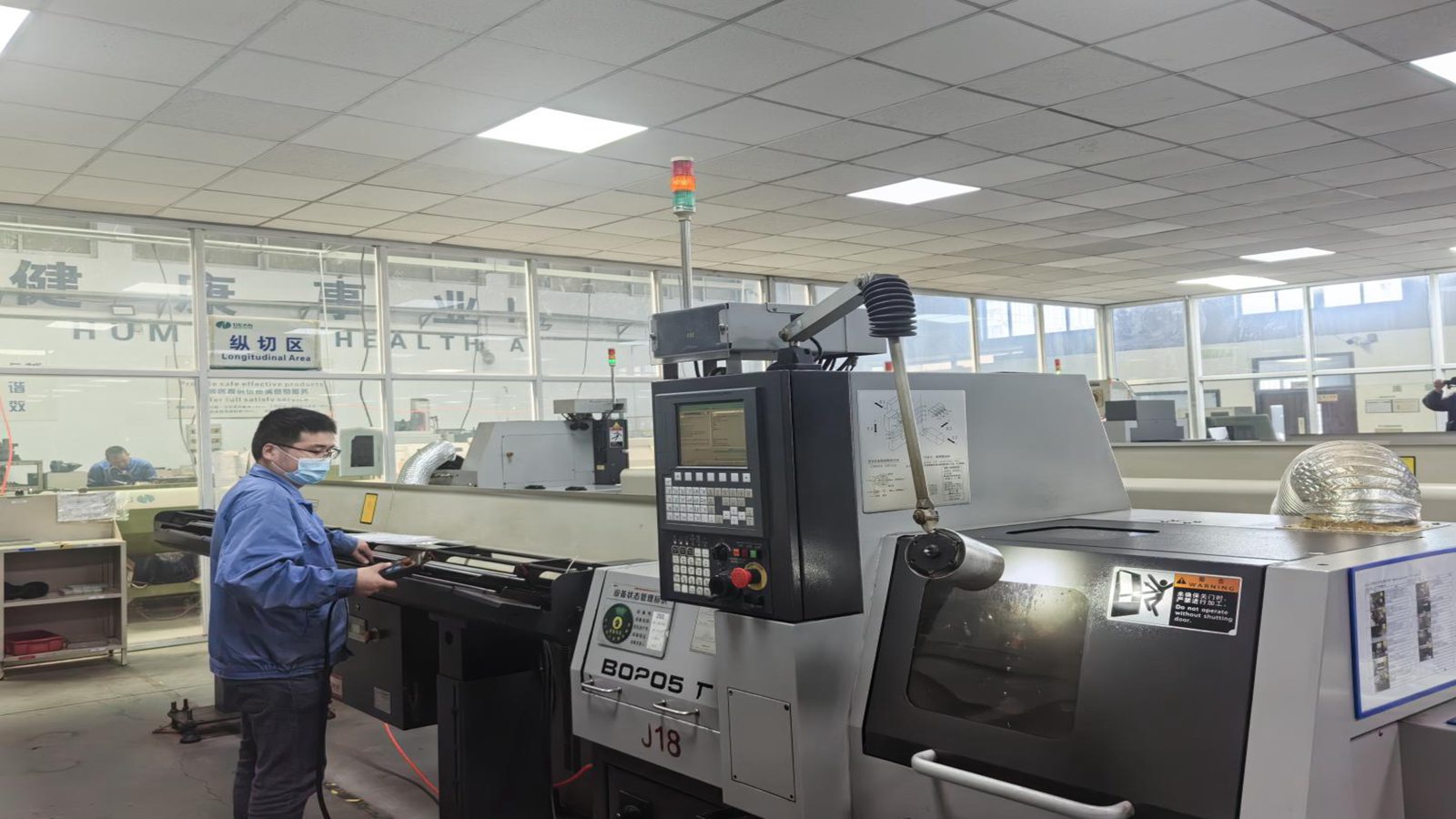
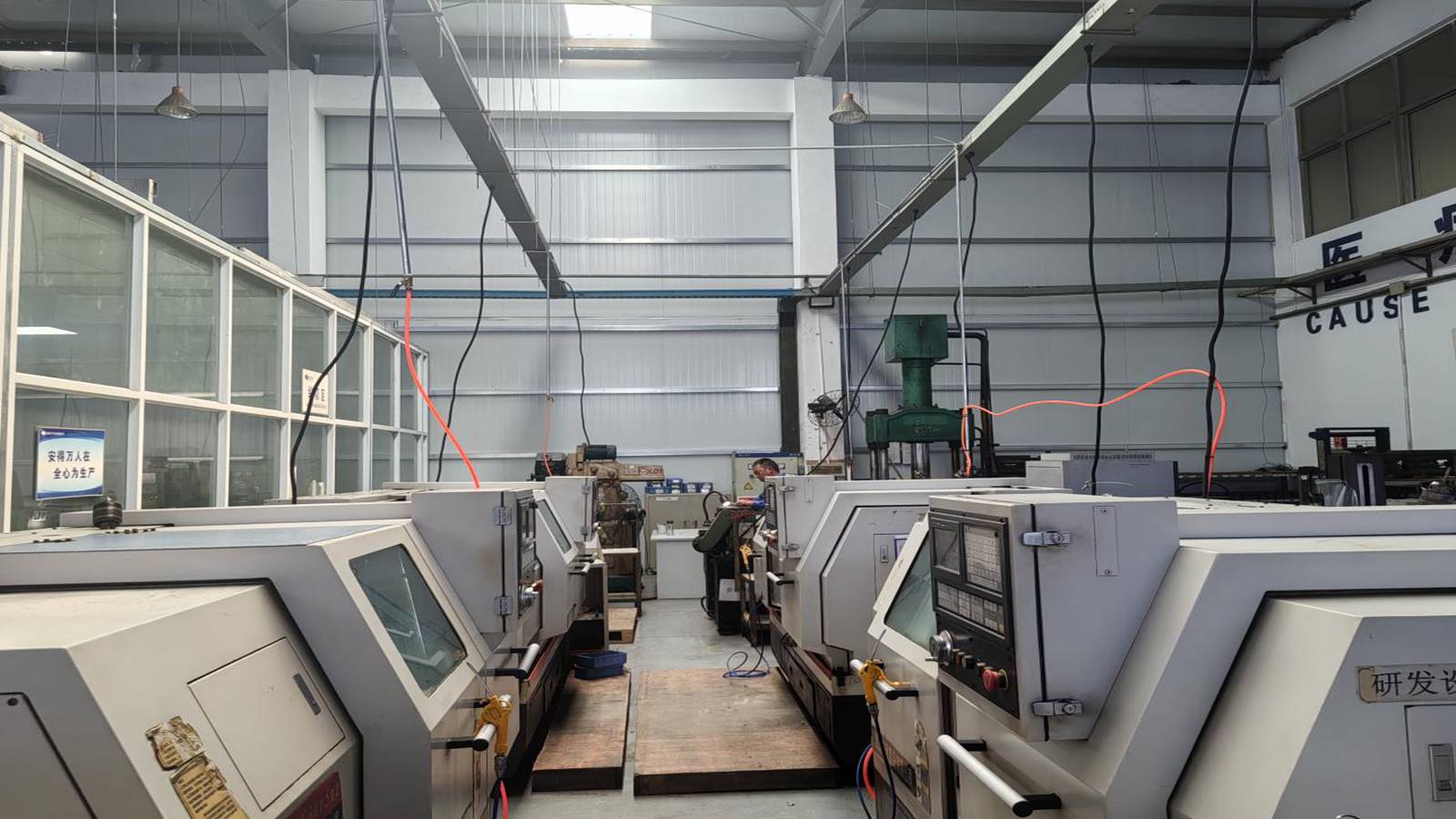
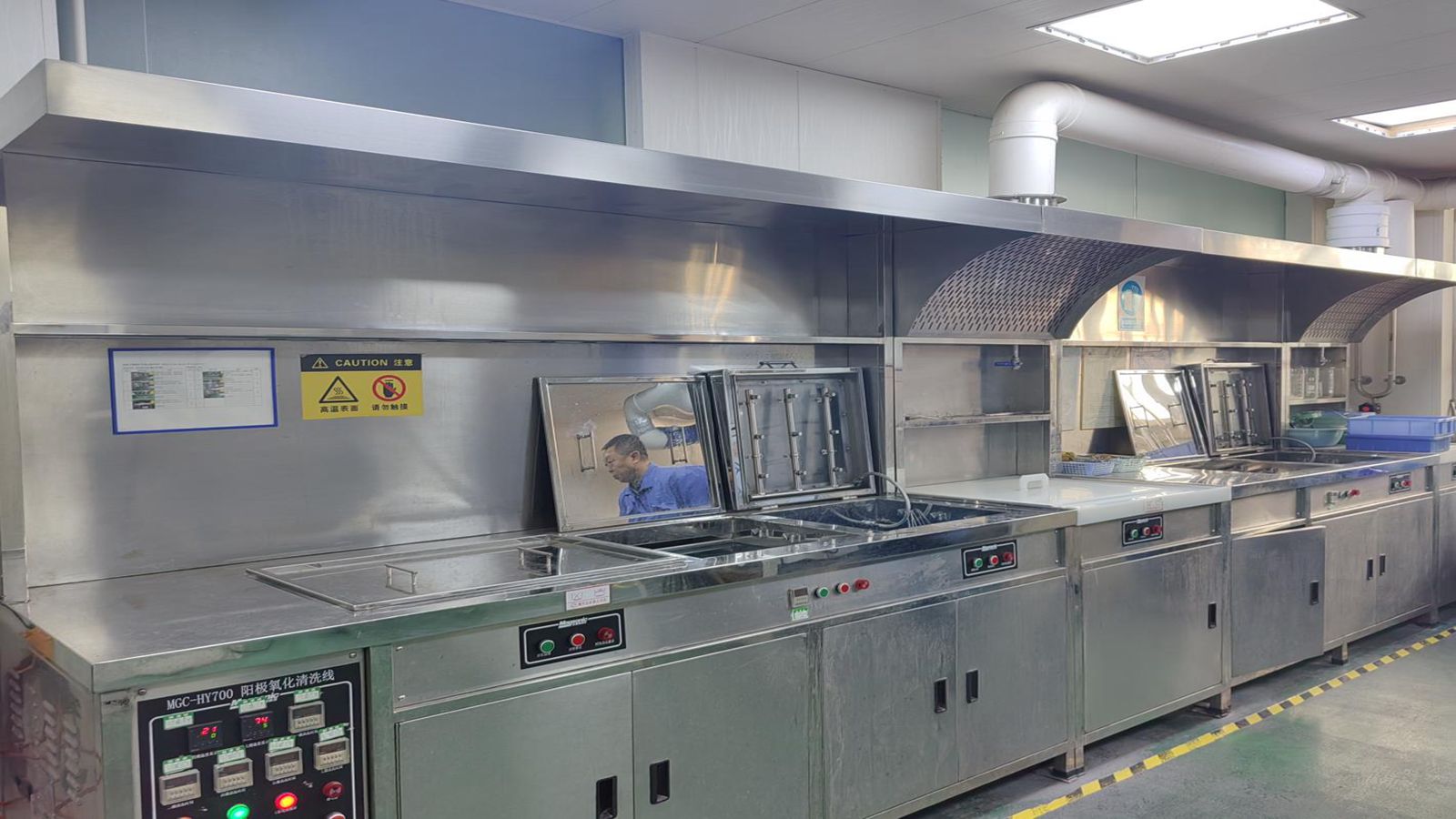
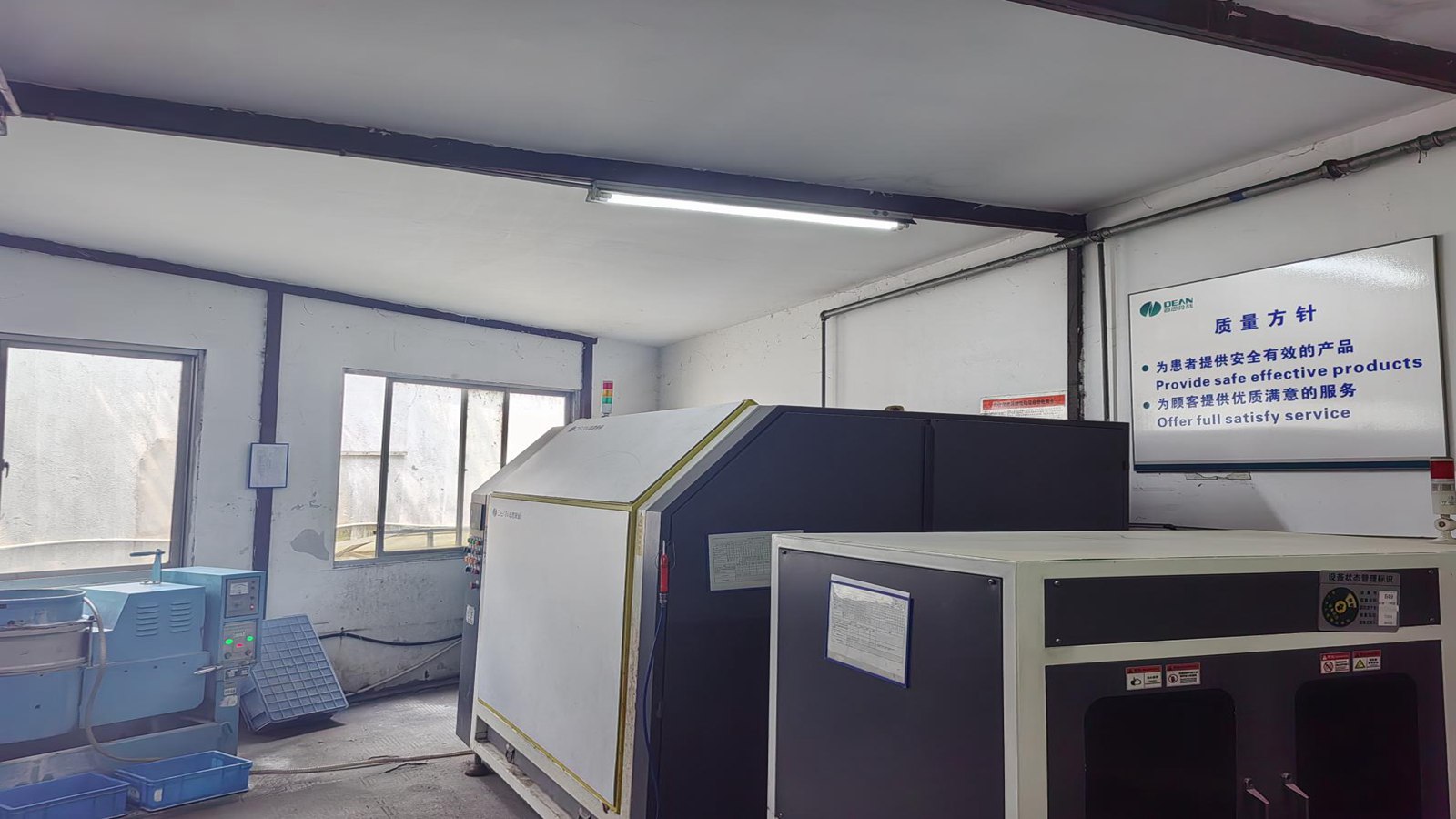
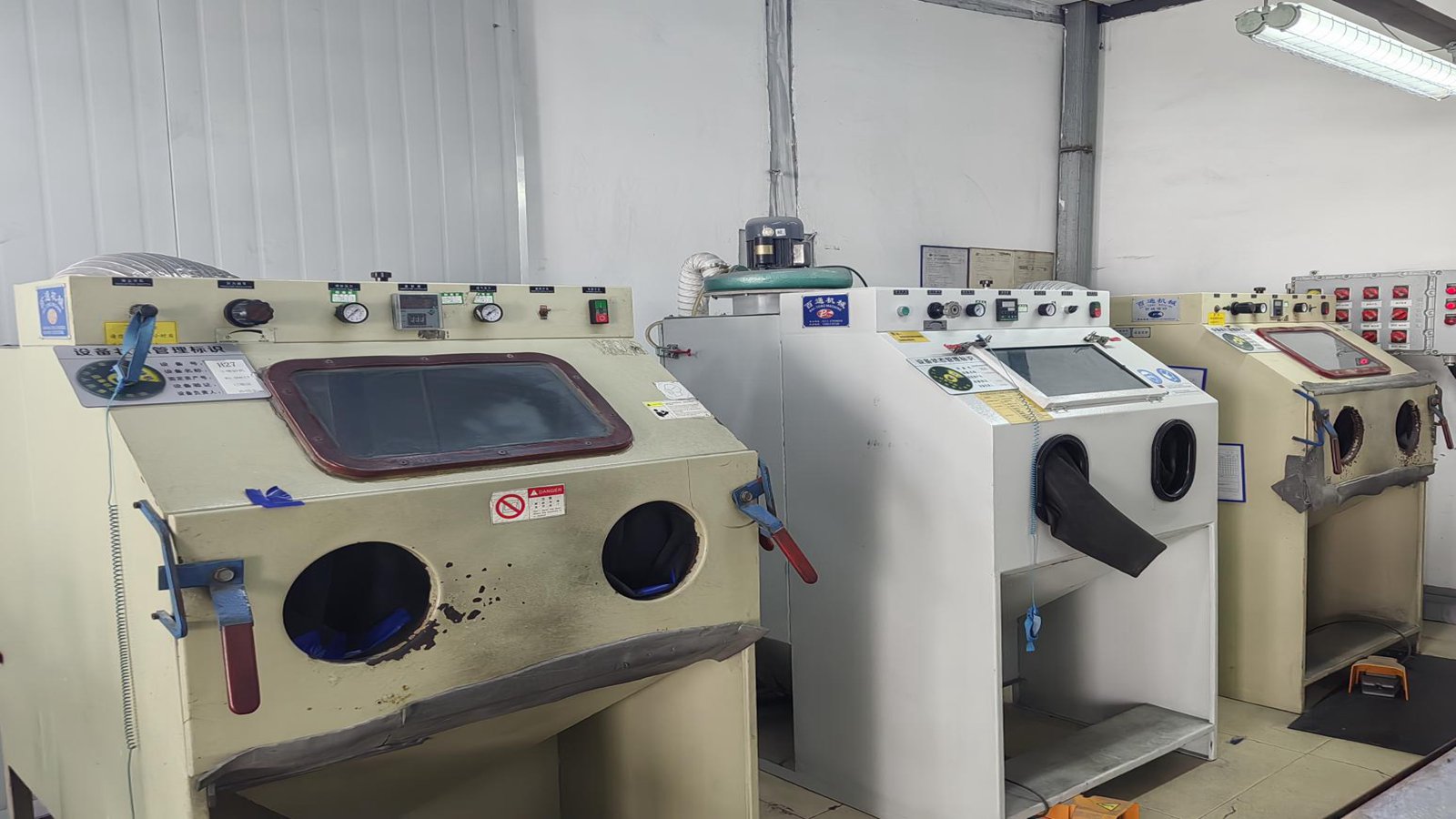
Take an inside look at our 18,600㎡ modern production facility and stringent QC infrastructure.
Established in 2016, Medispirex Orthopedic Technology Co., Ltd. operates a state-of-the-art facility processing advanced trauma and spinal solutions. Integrating design, biomechanical modeling, and CNC machining, our facility outputs class-leading hardware backed by an annual export capacity generating USD 18 Million in revenue. Supported by 85 R&D engineers and 45 QC experts, we maintain complete batch control from raw materials to final packaging.
Tailoring solutions to local clinical standards with comprehensive regulatory documentation support.
Exporting implants to regions such as Europe, the Middle East, and Latin America requires more than a simple CE mark. Medispirex provides complete Technical Files (including clinical evaluation report - CER, biological safety validation - ISO 10993, and sterilization validation - ISO 11137). We support local distributors in register-sensitive markets by supplying clean, authentic documentation and responding quickly to regulatory queries.
Our products are shipped under rigid dual-barrier sterile packaging or non-sterile bulk packaging configurations, ready for hospital steam sterilization cycles. Labeling is fully compliant with UDI (Unique Device Identification) systems, facilitating track-and-trace monitoring from factory warehouse to the sterile surgical field.
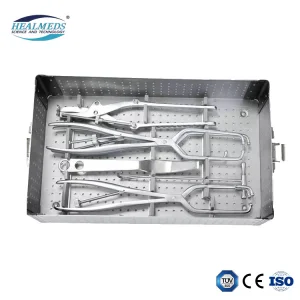
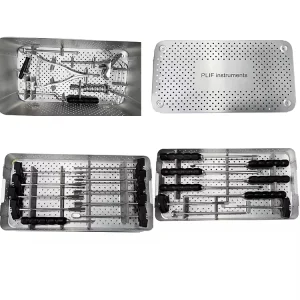
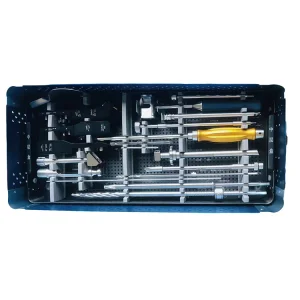
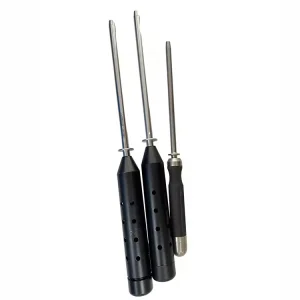
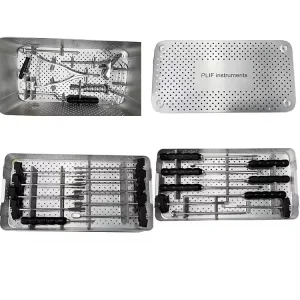
Different surgical teams prefer specific instruments. We offer extensive private-label manufacturing and customized design configurations. Whether you need specialized thread pitches, custom cannulation gauges, or customized surgical instrument trays (incorporating countersinks, guide pins, and torque screwdrivers), our R&D engineering team can modify systems to match your medical portfolio requirements.
Medispirex works with more than 860 upstream and downstream partners, ensuring we deliver robust material sourcing, reliable surface finish treatments, and timely shipments on every global order.
Addressing high-value technical and commercial questions from orthopedic surgeons and supply chain managers.
Cancellous screws are engineered for fixation within spongy bone structures, typically located in metaphyseal regions. They feature a larger thread pitch, deeper threads, and a smaller core-to-outer diameter ratio compared to cortical screws. This geometry increases the surface area contact within the low-density trabecular matrix, maximizing pull-out strength. Cortical screws, by contrast, have shallow, fine threads designed for the dense outer cortex of bone.
Ti-6Al-4V ELI (Extra Low Interstitial, graded under ASTM F136) offers exceptional biocompatibility, superior corrosion resistance, and high fatigue strength relative to its weight. The "ELI" designation indicates reduced levels of oxygen, nitrogen, carbon, and hydrogen, making the alloy highly ductile and less prone to micro-cracking under stress, which is critical for long-term load-bearing medical implants.
Our sterilized implants are processed under ISO 11137 standards, validated to achieve a Sterility Assurance Level (SAL) of 10^-6. Non-sterile implants are delivered with complete reprocessing guidelines, instructing hospital CSSD (Central Sterile Supply Department) staff on standard autoclave temperature and vacuum cycles required to guarantee patient safety.
Every single raw material batch is assigned a unique tracking number upon entry into our ISO 13485-certified system. This track-and-trace tracking code follows the batch through CNC machining, chemical surface polishing, cleaning, cleanroom packaging, and sterilization. In the rare event of a clinical query, we can trace a specific implant back to its exact raw metal ingot batch, CNC machine path, and the QC specialist who signed off on the final inspection.
Clients sharing technical specs or reference drawings work directly with our 85-engineer R&D team. We build 3D CAD models, simulate biomechanical performance, and machine physical prototypes. Upon prototype approval, we assist with instrument tray planning, private labeling, and technical documentation generation to support regional compliance filings.
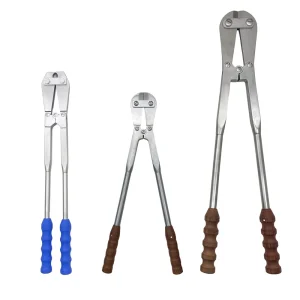
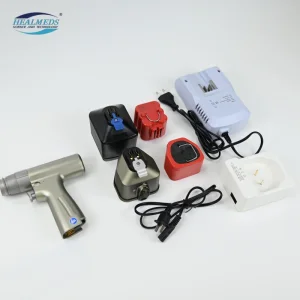
Providing matching orthopedic instrument kits, bone saws, drills, and reconstruction assemblies to facilitate smooth surgical procedures.