Medispirex
Medispirex
Medispirex
Explore our foundational surgical setups and instrument kits deployed across secondary and tertiary medical institutions in Pakistan.
Cardiovascular disease remains the leading cause of morbidity and mortality in Pakistan, representing an escalating burden on public and private healthcare facilities alike. Sternal dehiscence and Deep Sternal Wound Infection (DSWI)—historically associated with conventional stainless steel wire cerclage—present severe financial and clinical liabilities to Pakistani hospitals. In major surgical hubs like the Punjab Institute of Cardiology (PIC) in Lahore, the National Institute of Cardiovascular Diseases (NICVD) in Karachi, and the Armed Forces Institute of Cardiology (AFIC) in Rawalpindi, surgeons are increasingly migrating toward rigid internal sternal fixation systems.
This paradigm shift is driven by the clinical need to secure the sternum rigidly, reducing micro-motion, minimizing post-operative pain, and encouraging rapid osseous consolidation. Pakistan's commercial landscape for medical devices demands a balance of high regulatory compliance (via the Drug Regulatory Authority of Pakistan, or DRAP) and cost-effective procurement strategies that do not compromise biomechanical reliability.
Deep-seated industry experience coupled with advanced production infrastructure to supply high-reliability implants globally.
Established in 2016, Medispirex operates a state-of-the-art facility incorporating advanced manufacturing protocols, ensuring rigorous quality control over trauma, spinal, joint reconstruction, and sternal closure solutions. Serving key markets including Europe, North America, the Middle East, and Southeast Asia, we maintain a robust network of approximately 860 partners.
Engineered to mitigate post-sternotomy complications by reinforcing midline stability and bone healing.
Our sternal plates leverage Titanium Grade 5 (Ti-6Al-4V ELI). This material ensures superior tensile strength and fatigue life over traditional wire sutures, resisting the expansive forces exerted by coughing and deep respiration post-CABG.
Plates feature thickness profiles of 1.5mm to 2.0mm, reducing soft tissue irritation and prominent hardware palpability under the skin. Curved and straight geometries accommodate varying anatomies of the manubrium and body of the sternum.
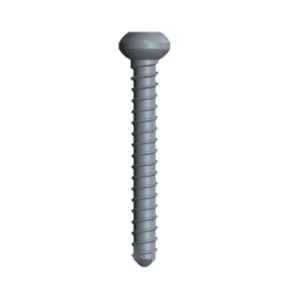
Featuring self-drilling and self-tapping locking screws. The fixed-angle construct prevents screw back-out, distributing loading stresses more uniformly across the bone cortex rather than solely on individual threads.
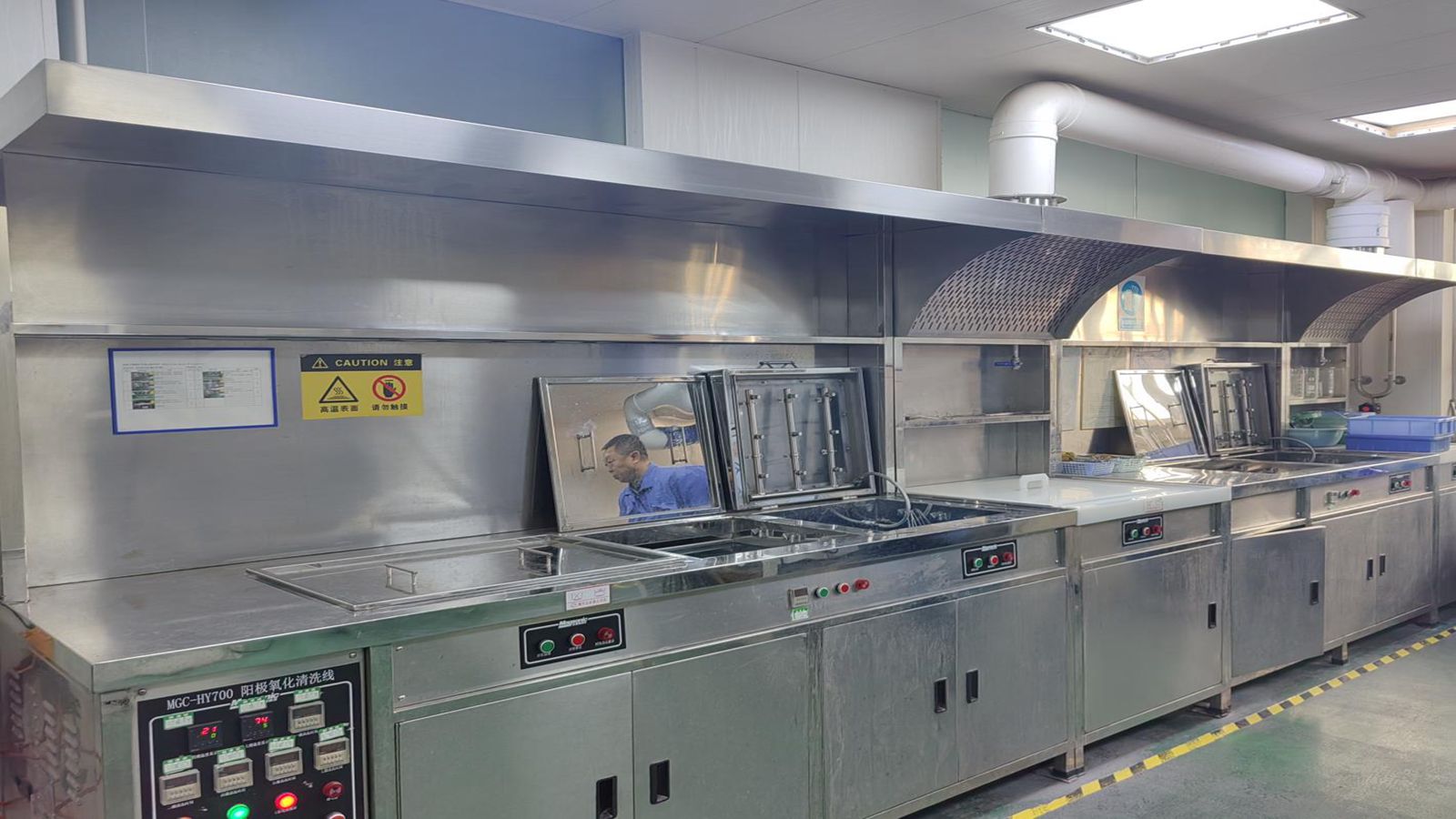
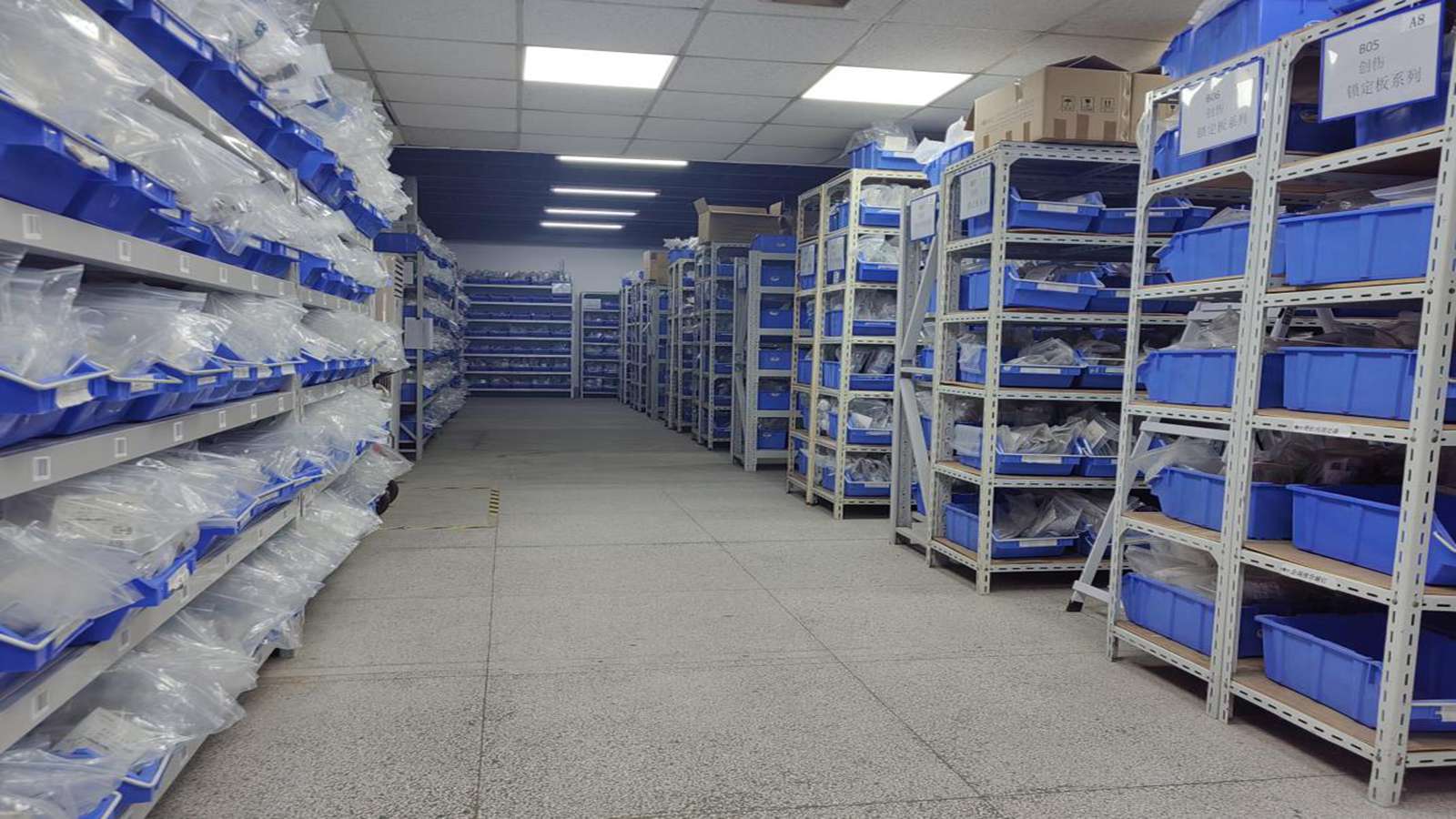
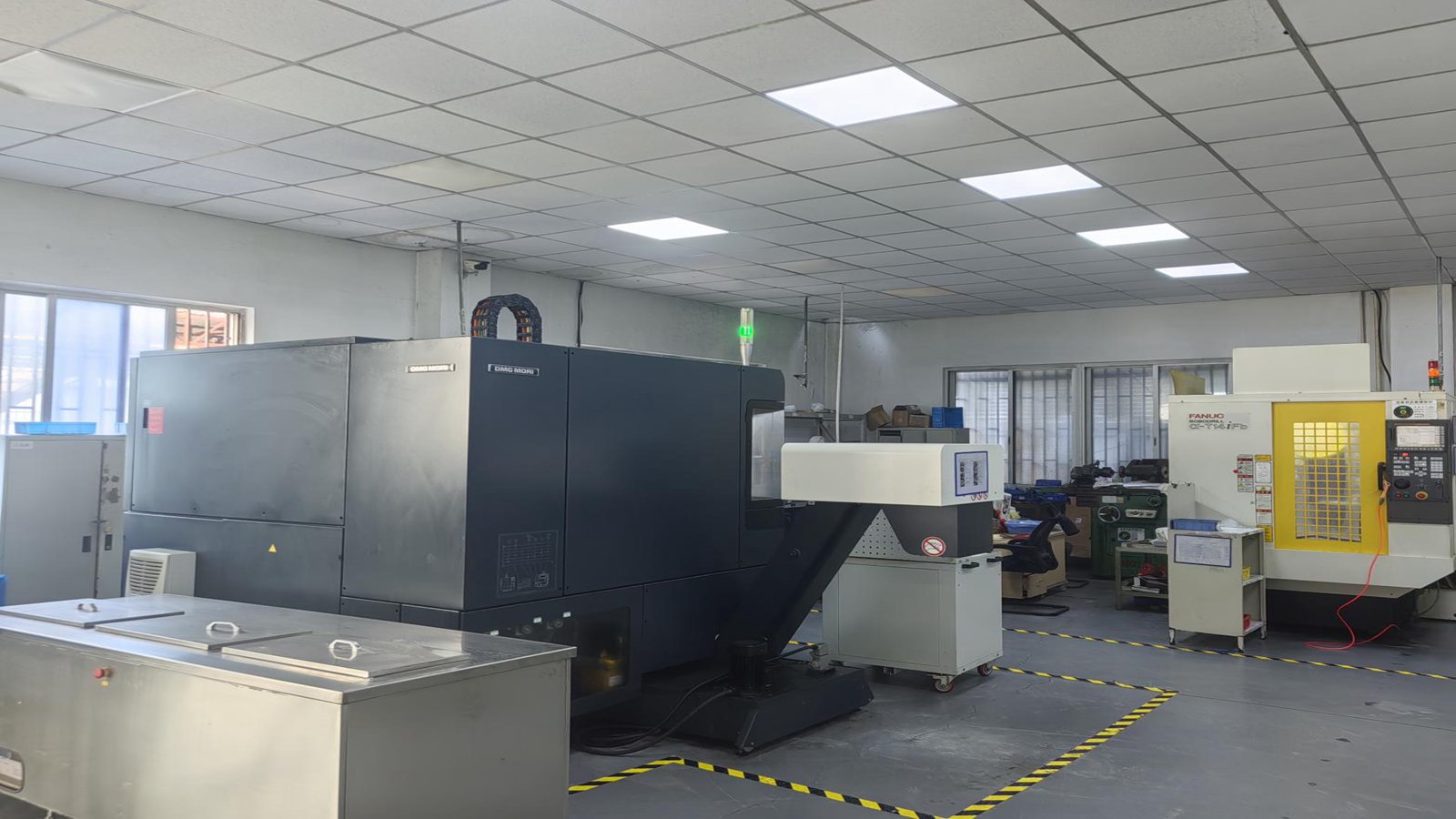
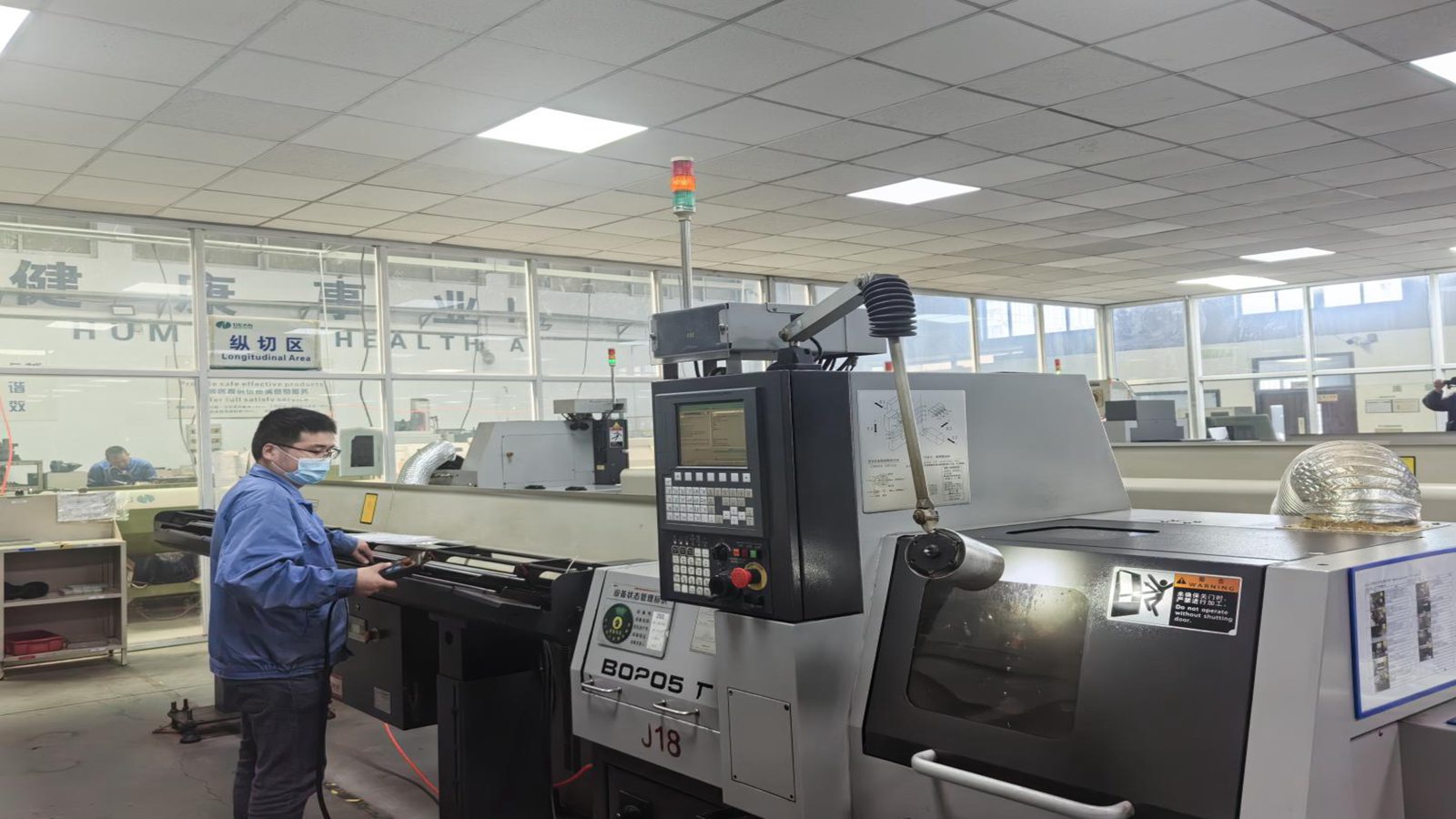
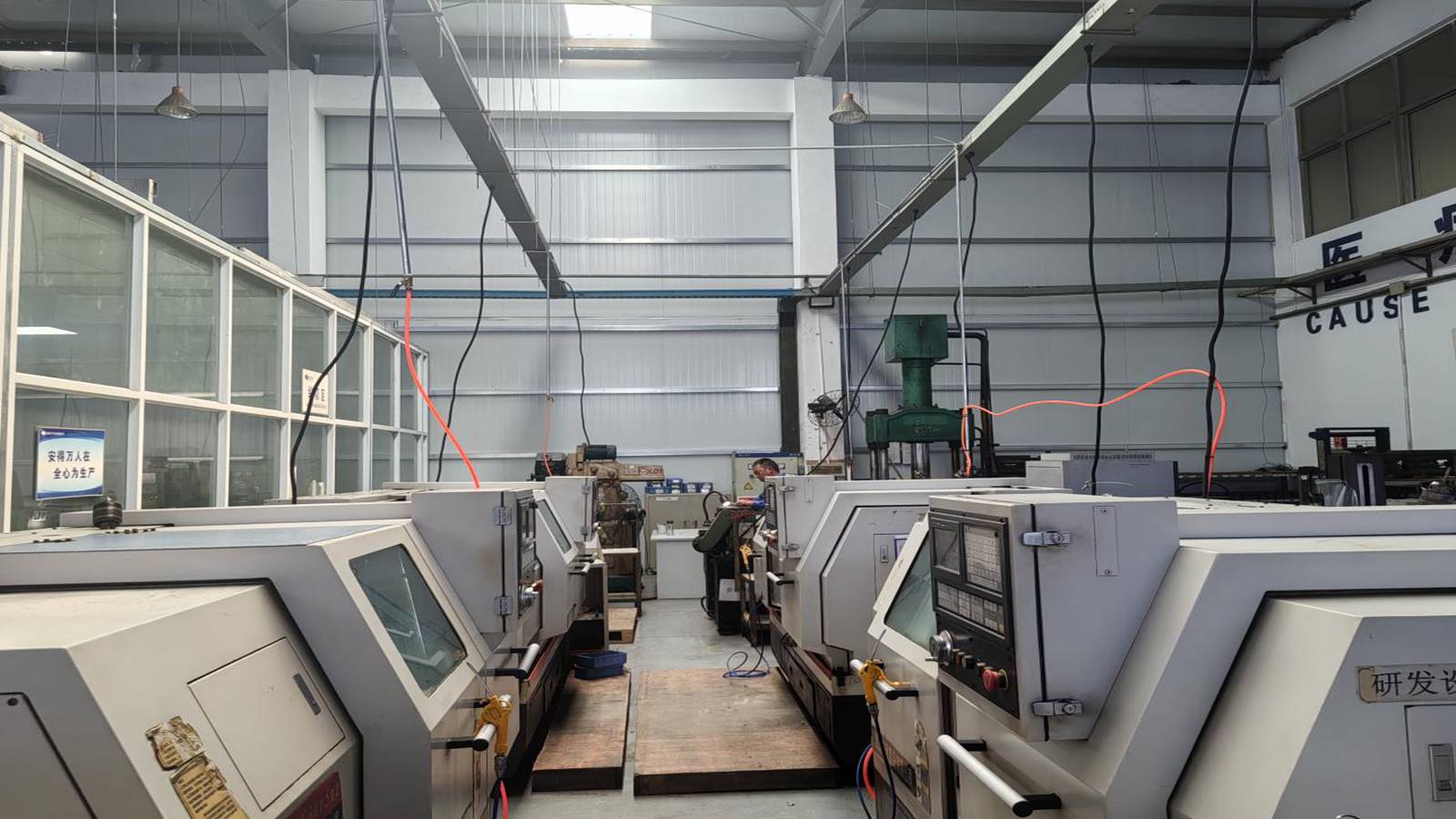
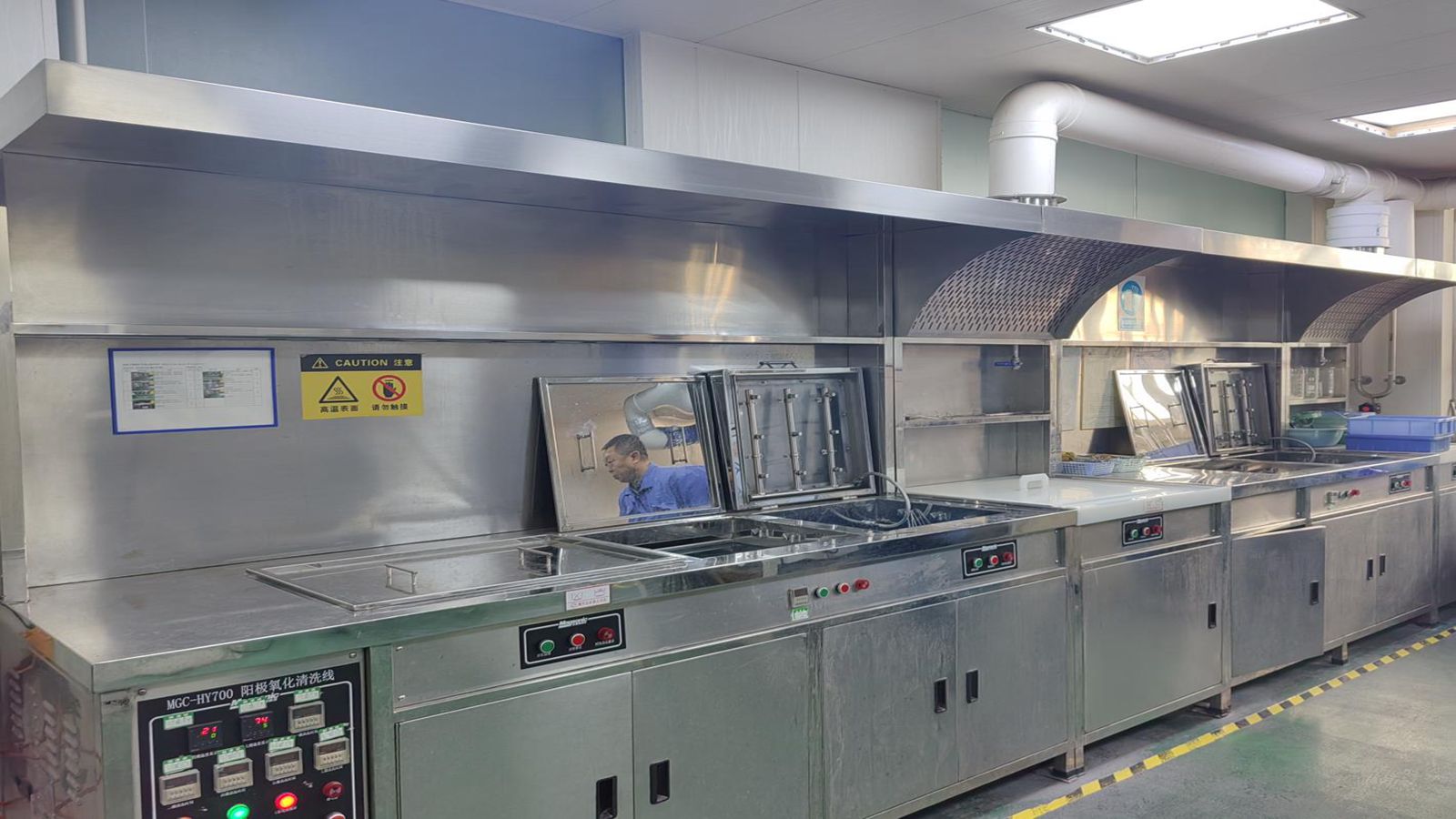
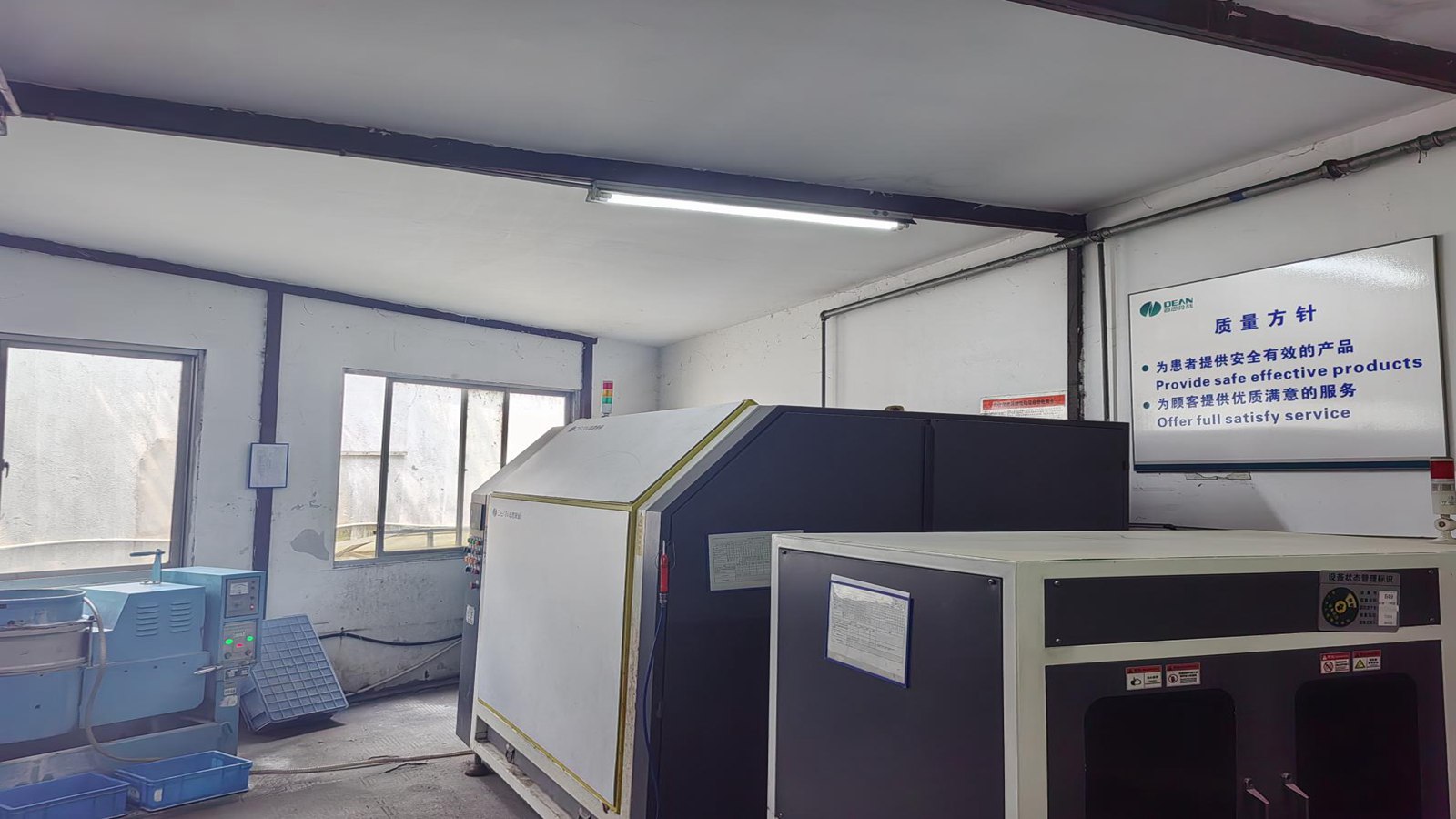
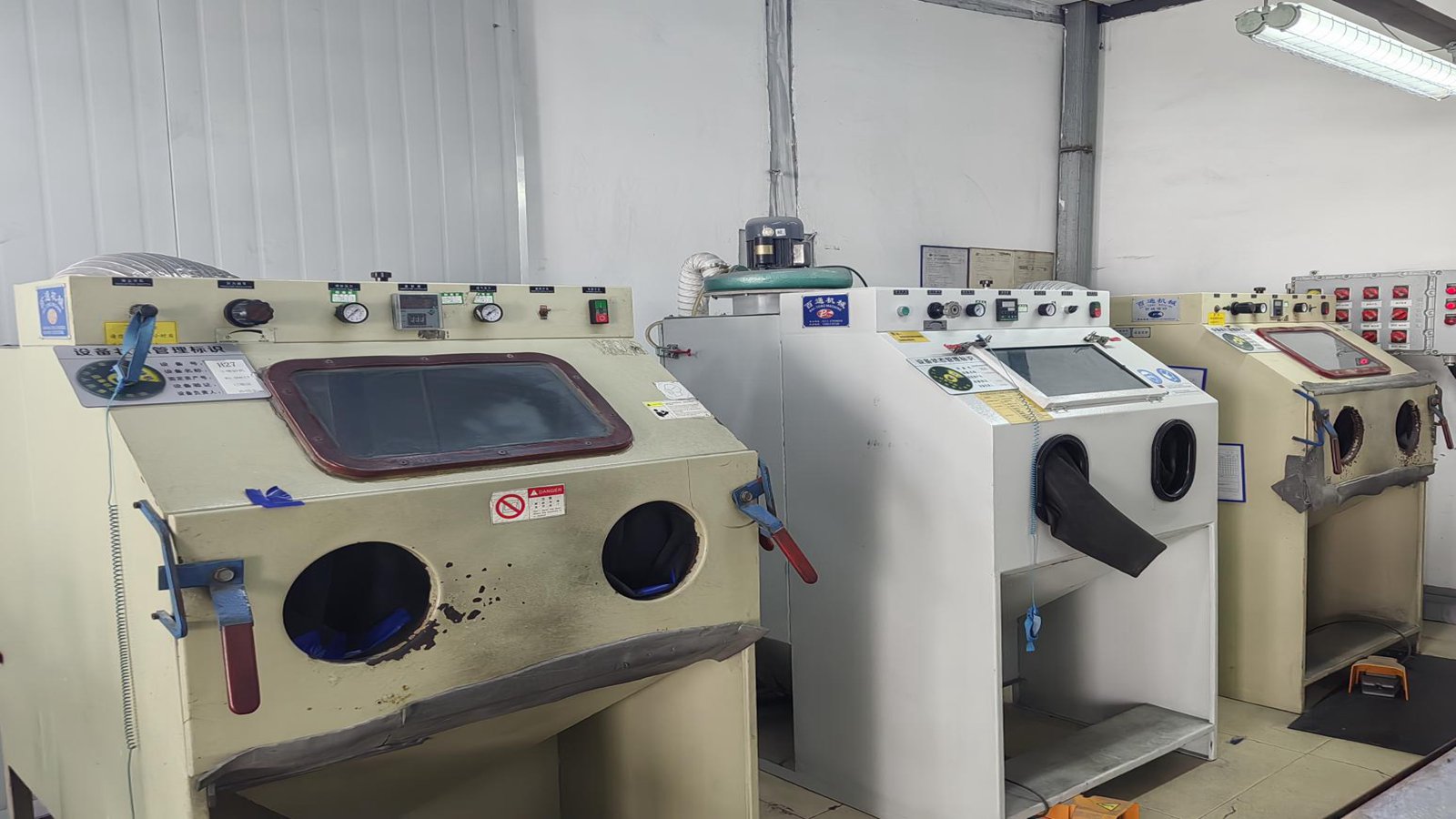
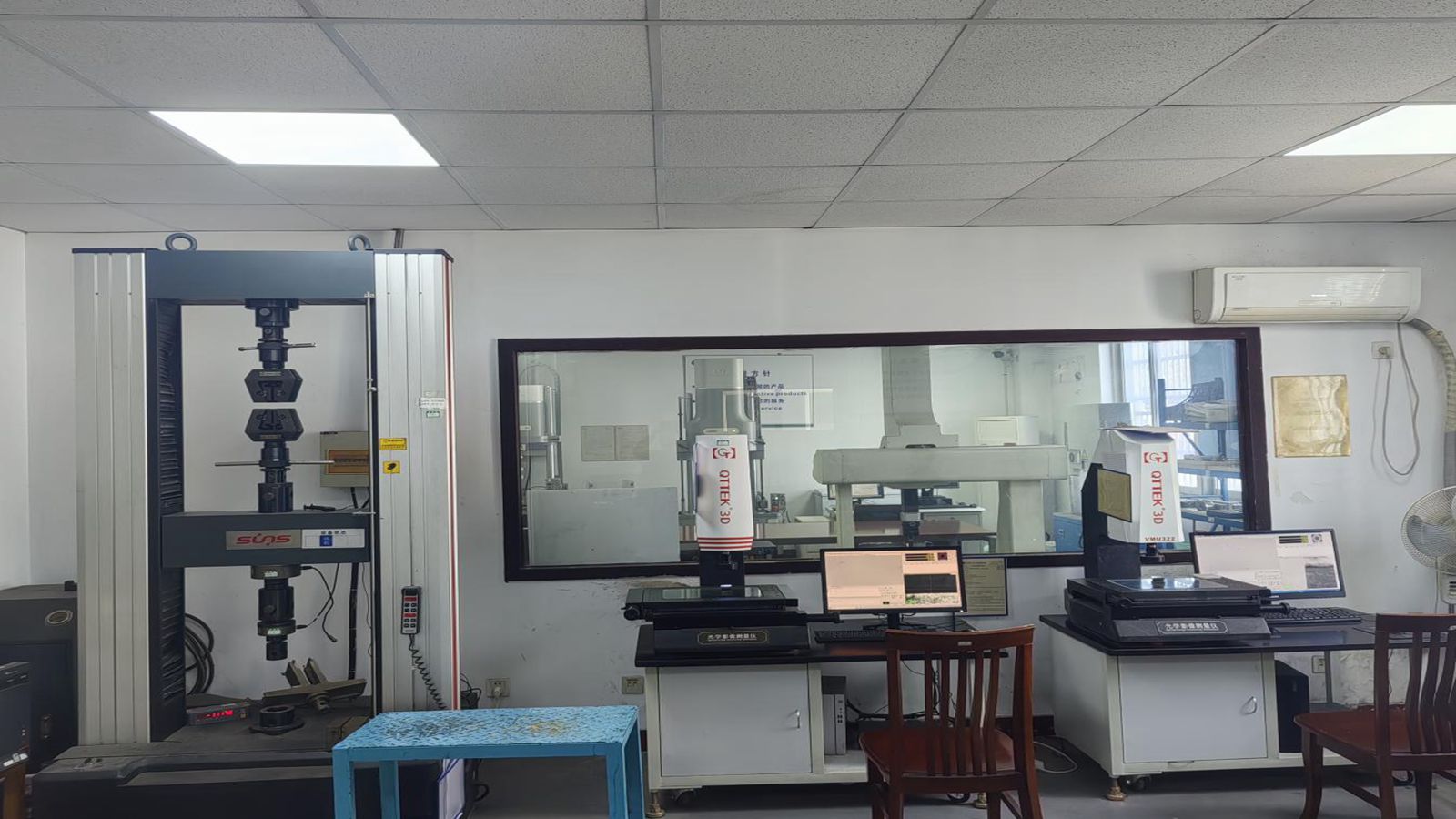
Strict quality assurance protocols utilizing high-performance CNC centers, automated surface treatments, and cleanrooms.
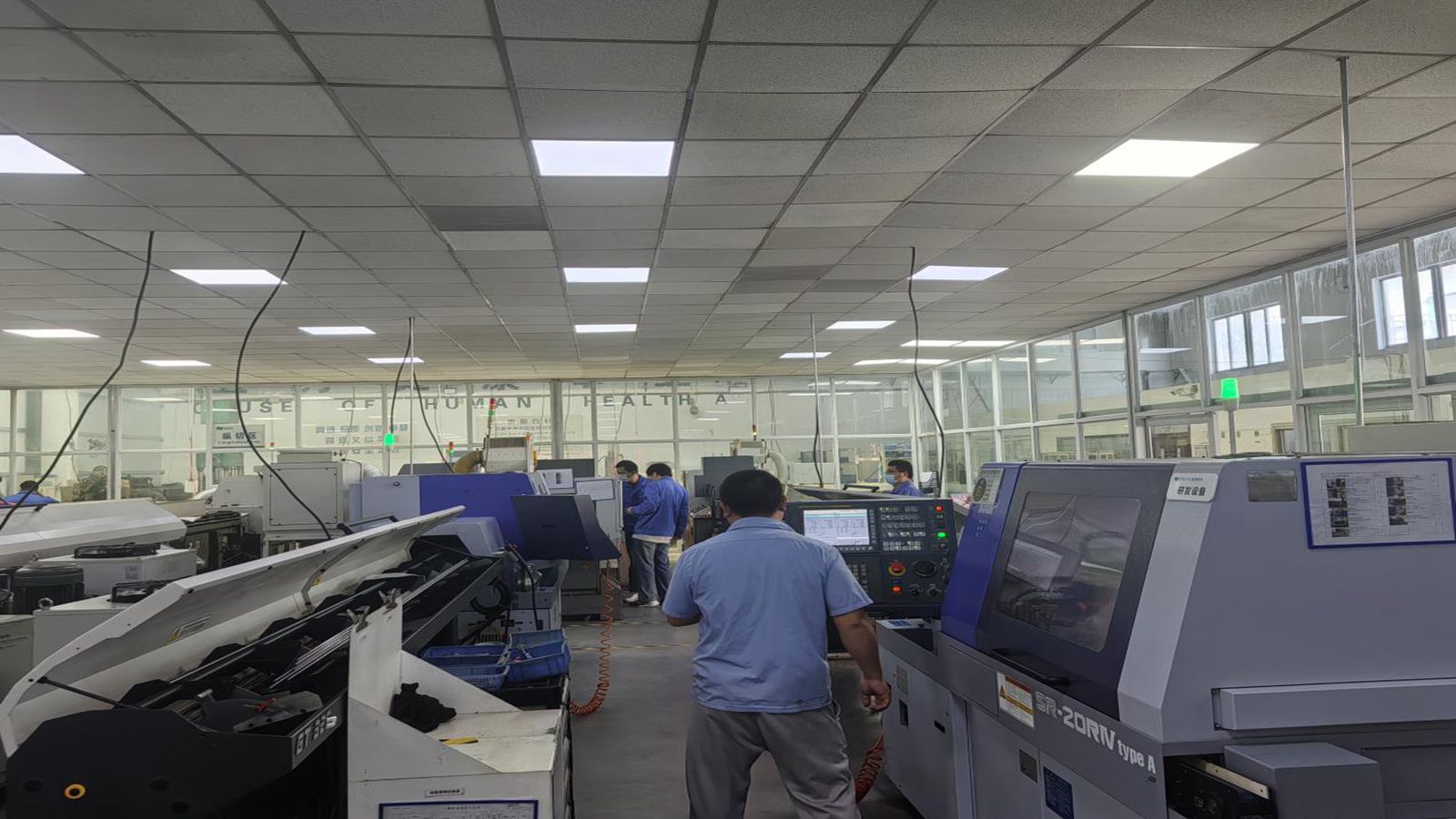
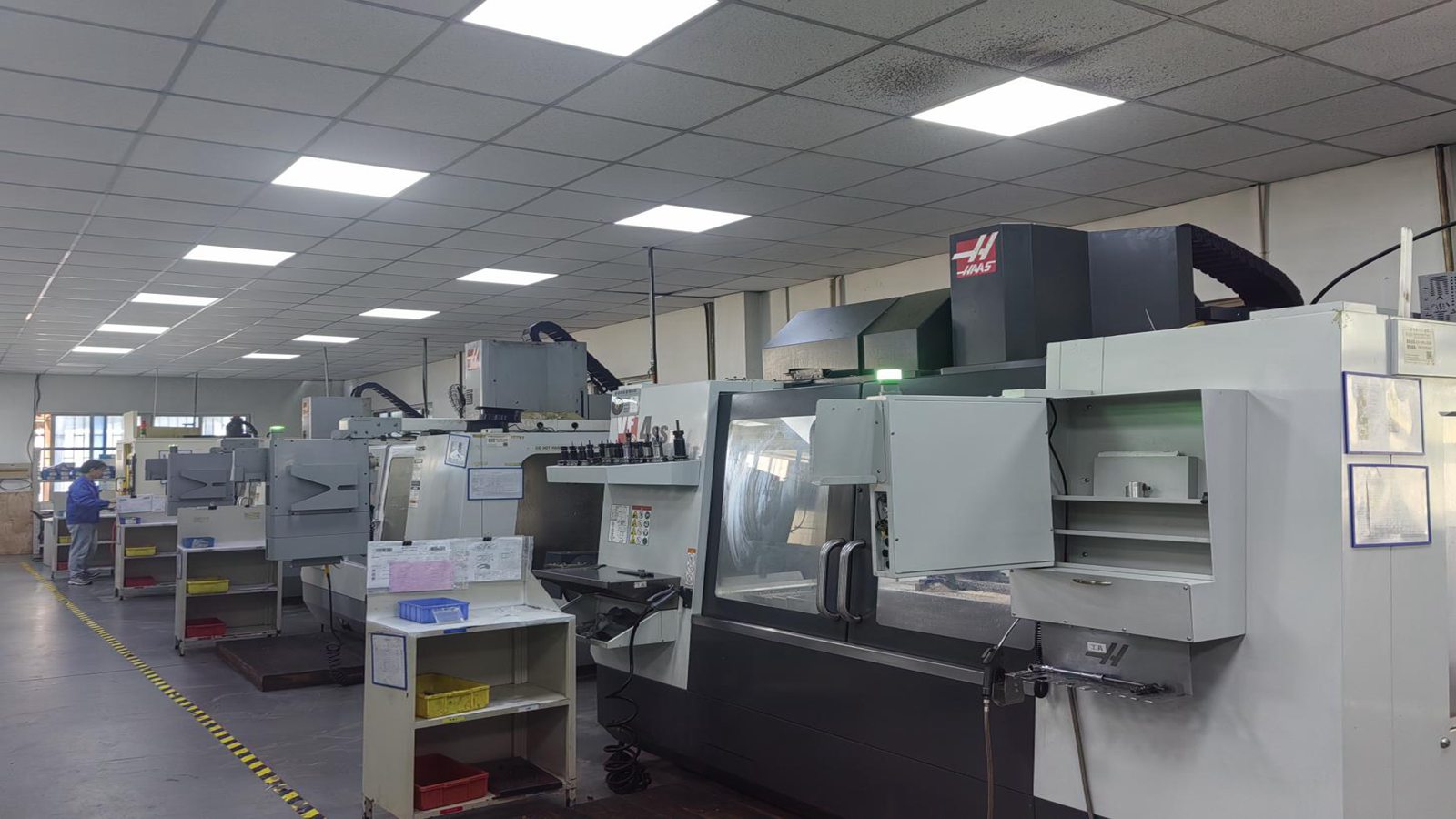
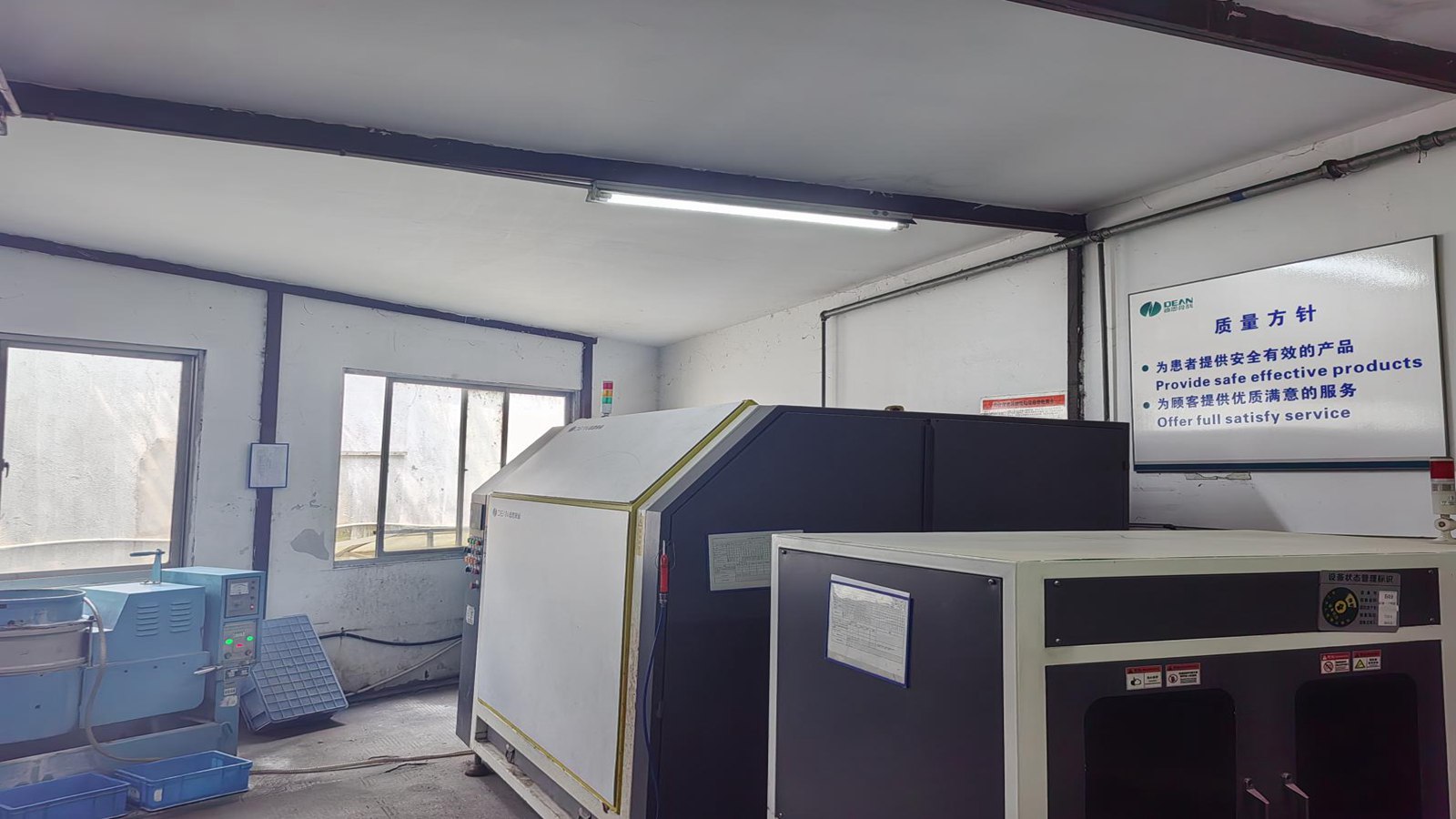
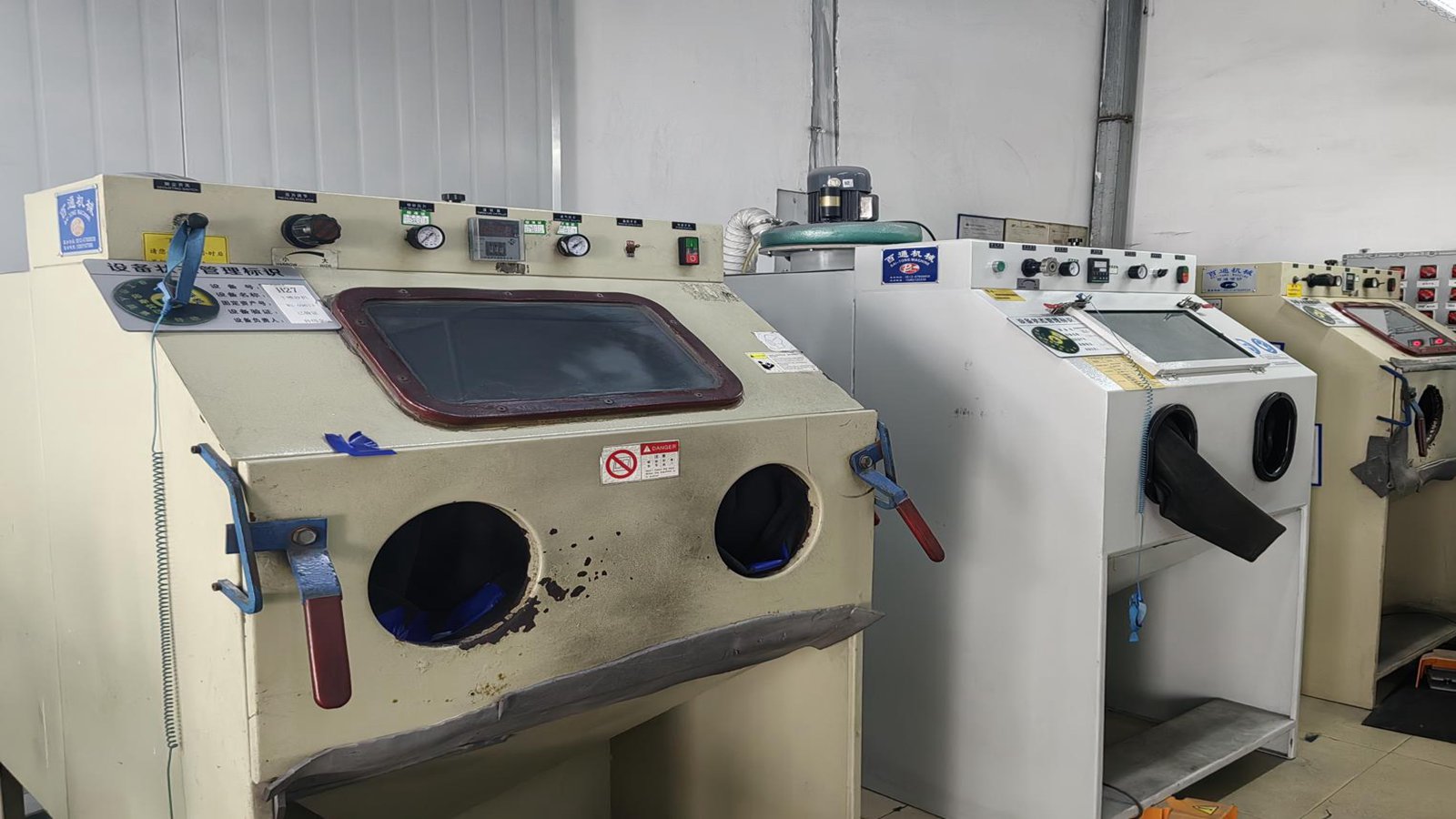
An in-depth comparative analysis highlighting the biomechanical superiority of plate osteosynthesis over cerclage wire solutions.
Post-sternotomy sternal dehiscence remains a critical complication in coronary artery bypass grafting (CABG) and valvular surgeries, with reported incidence rates varying between 0.5% and 8%. High-risk cohorts—specifically patients suffering from insulin-dependent diabetes mellitus, chronic obstructive pulmonary disease (COPD), obesity, or osteoporotic bone conditions—are particularly vulnerable. Under mechanical loads (such as breathing or coughing), wires can cut through the cancellous bone, leading to mechanical instability, severe pain, and deep sternal infections.
By shifting to a rigid sternal plate system, the mechanical load is distributed across a wider surface area of the ribs and sternum, converting shear forces into stabilizing compressive forces. This promotes primary bone healing, allowing patients to begin early chest-wall physical therapy with decreased overall pain levels.
A primary concern for cardiothoracic surgeons is the speed of emergency re-entry in cases of acute post-operative tamponade or hemorrhage. Modern sternal fixation systems optimize this through rapid-release mechanical structures. Medispirex sternal locking systems are designed with central bridging cutlines. In emergency scenarios, the plates can be divided rapidly using standard wire cutters or specialty instrumentation without the immediate necessity of screw extraction. This maintains a quick entry window comparable to standard wire extraction methods.
While the initial cost of rigid titanium plates is higher than surgical steel wires, the overall cost of care must be evaluated based on the reduction of DSWI. Treatment of a single deep sternal wound infection in private hospitals in Karachi or Lahore can exceed millions of PKR due to prolonged ICU stays, vacuum-assisted closure therapy, and subsequent reconstructive muscle flaps. Adopting titanium plates for high-risk patients can reduce post-operative complications, leading to a net positive return on investment for healthcare institutions.
Streamlined trade mechanisms tailored to Pakistan’s medical regulatory environment.
The Drug Regulatory Authority of Pakistan (DRAP) enforces strict rules on orthopedic and cardiothoracic implants under the Medical Devices Rules (MDR). Medispirex provides complete dossier support, including ISO 13485:2016 certifications, CE markings, and free sale certificates to assist local partners with registration requirements.
Leveraging the China-Pakistan Free Trade Agreement (CPFTA), direct shipments from our production centers to Karachi Port or Lahore Air Cargo benefit from favorable customs tariffs and simplified customs clearance processes, reducing overall landed costs.
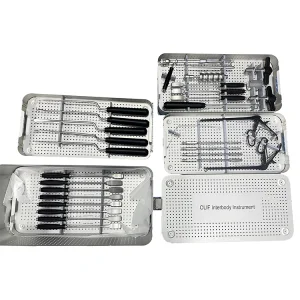
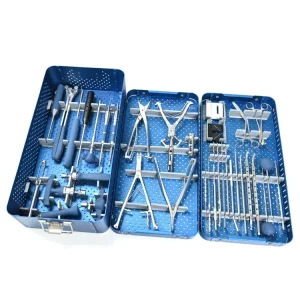
We support private label packaging and custom configuration of surgical kits, enabling local distributors to establish unique brand identities within Pakistan's medical bid systems and government tenders.
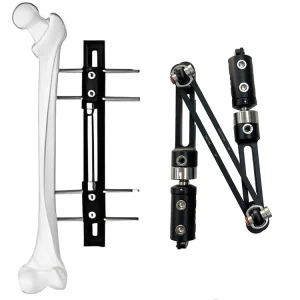
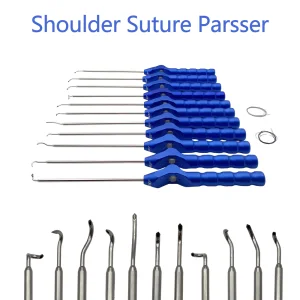
Complete product range optimized for orthopedic surgery, trauma recovery, and joint stabilization across key clinical centers in Pakistan.
Key information regarding our sourcing, customization, and deployment pipelines in Pakistan.