 Medispirex
Medispirex
Medispirex
Engineered for immediate stabilization of high-energy compound fractures and complex limb reconstructions.
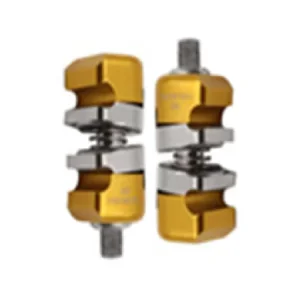
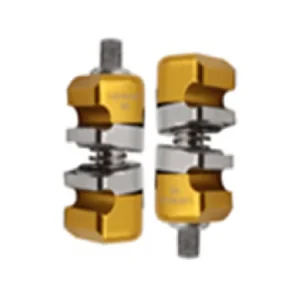
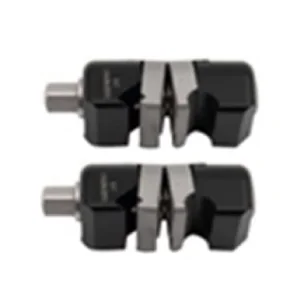
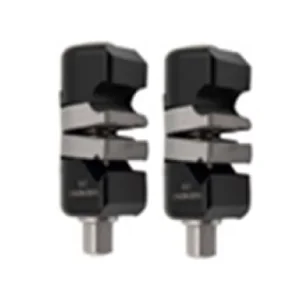
The medical device landscape in Poland is undergoing a comprehensive modernization phase. As the largest economy in Central Europe, Poland is systematically upgrading its healthcare infrastructure. Public health centers, governed by the National Health Fund (NFZ - Narodowy Fundusz Zdrowia), together with private specialty clinics, are prioritizing patient safety, durability, and cost-performance metrics.
With an increase in infrastructure and industrial projects across the Silesian and Masovian regions, high-energy trauma incidents have maintained demand for reliable external fixation systems. In addition, Poland's aging demographic has led to a rise in osteoporotic fragility fractures, complex orthopedic non-unions, and joint reconstruction surgeries.
Medispirex provides the Polish market with highly reliable Class IIb and Class III orthopedic solutions that balance clinical reliability with commercial feasibility. By working directly with European regulatory bodies and local Polish distributors, we streamline import channels to ensure hospitals in Warsaw, Łódź, and Wrocław receive surgical kits without delay.
All hardware exported to Poland features complete technical files, clean raw material certificates, and biological safety validations required under European MDR.
Our modular configurations, such as the Hoffmann and Ilizarov systems, are tailored to match Polish public tender specifications (Prawo zamówień publicznych), optimizing costs without sacrificing structural stability.
Founded in 2016, Medispirex Orthopedic Technology Co., Ltd. is a global leader in spine, trauma, and extremity fixation devices.
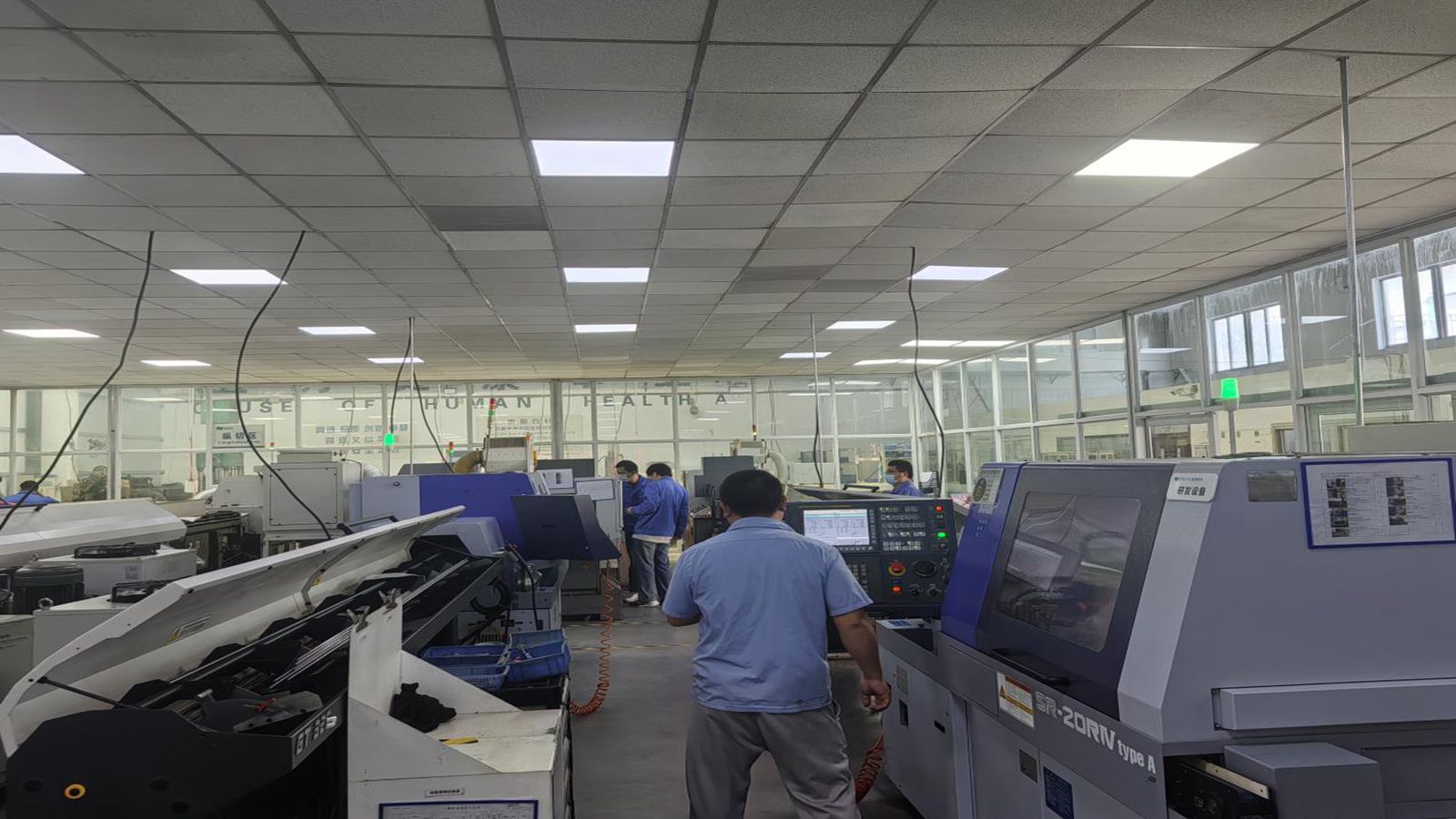
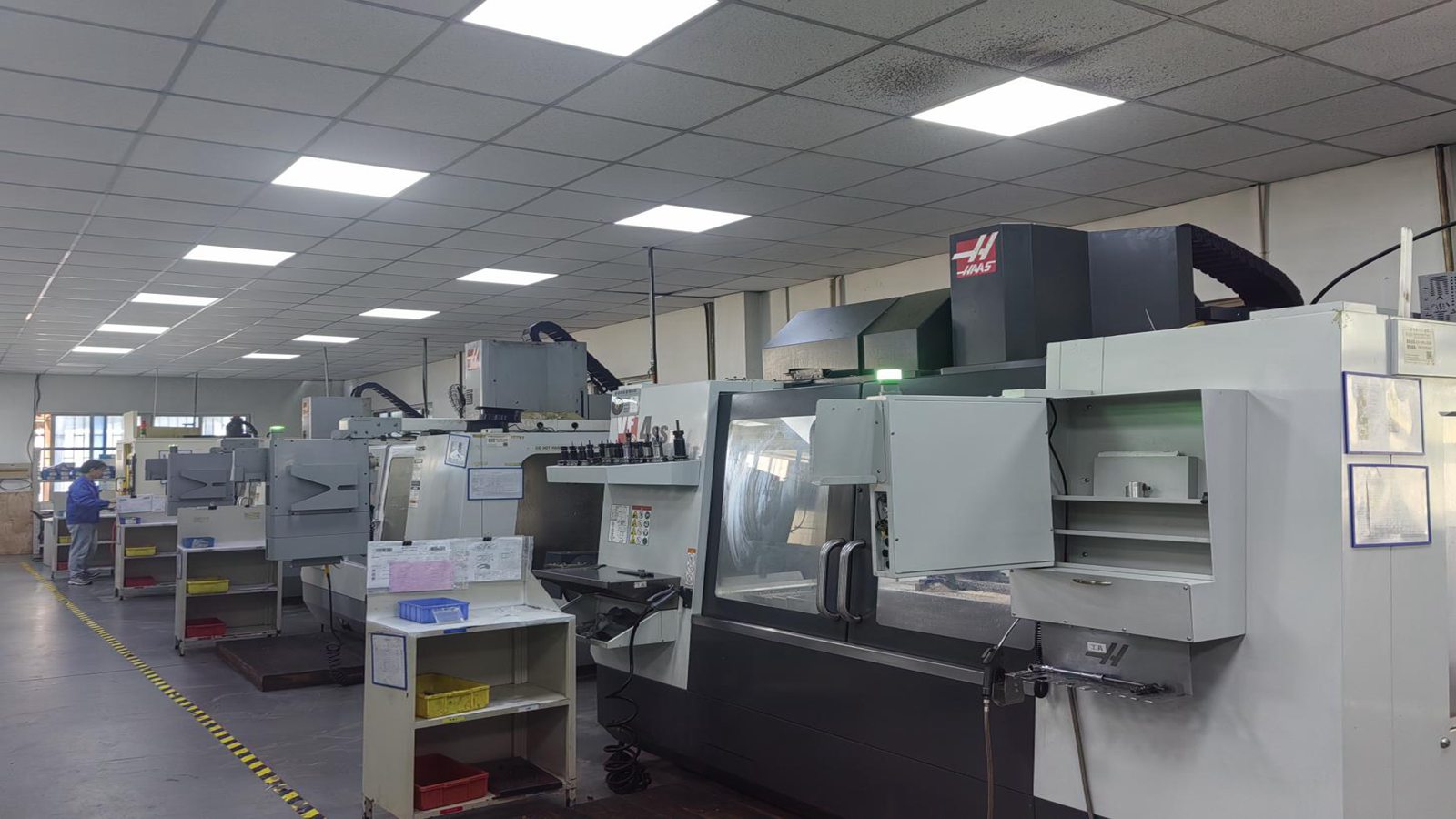
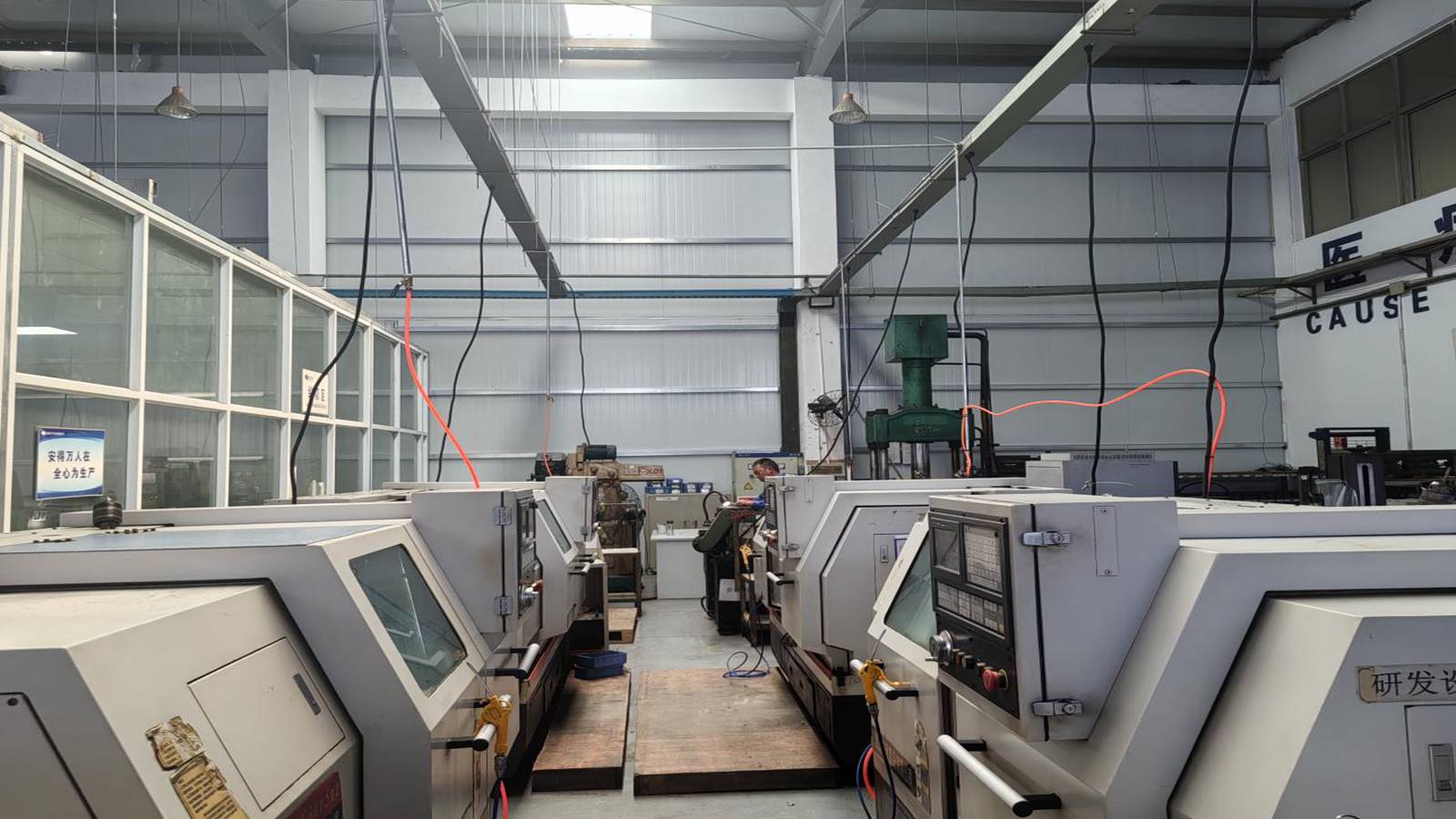
Medispirex operates a state-of-the-art facility incorporating advanced manufacturing and cleanroom operations. Our R&D team consists of approximately 85 professional engineers focusing on biomechanics, finite element analysis (FEA), and surface treatments. Over the past year, we have introduced 120 new products to meet changing clinical protocols and custom client needs.
Our quality assurance program is supported by 45 QC specialists who oversee incoming material tests, in-process testing, final inspection, and sterilization verification. Every titanium or stainless steel rod, clamp, and pin is laser-etched with a unique batch number, ensuring complete traceability from raw material to implantation.
Through our comprehensive supply chain networks, we service orthopedic distributors, hospital chains, and OEM/ODM partners worldwide. We offer private labeling, design modifications, and surgical instrumentation configuration support to help Polish healthcare brands secure a competitive edge in local markets.
Engineered using biocompatible Grade 5 Titanium (Ti-6Al-4V) and surgical-grade Stainless Steel for long-term stability.
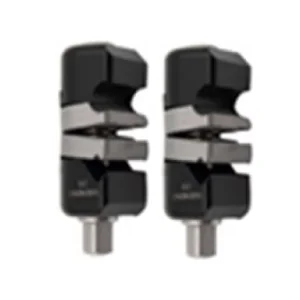
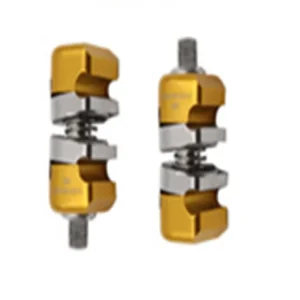
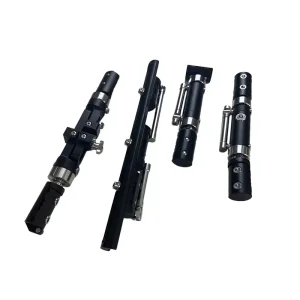
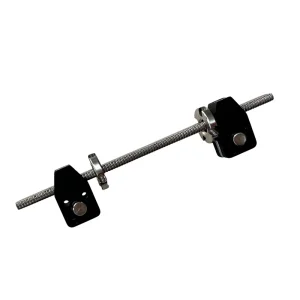
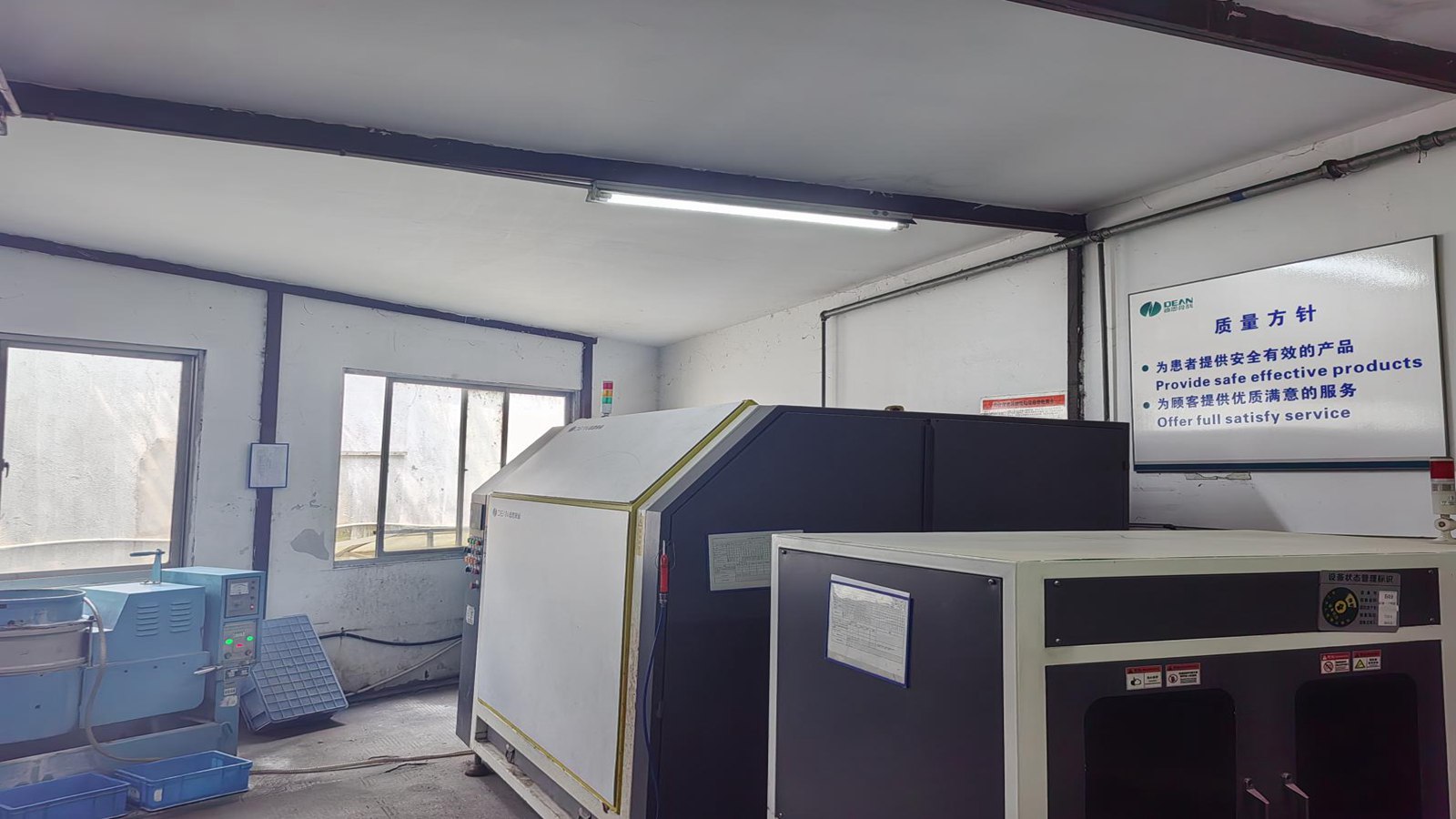
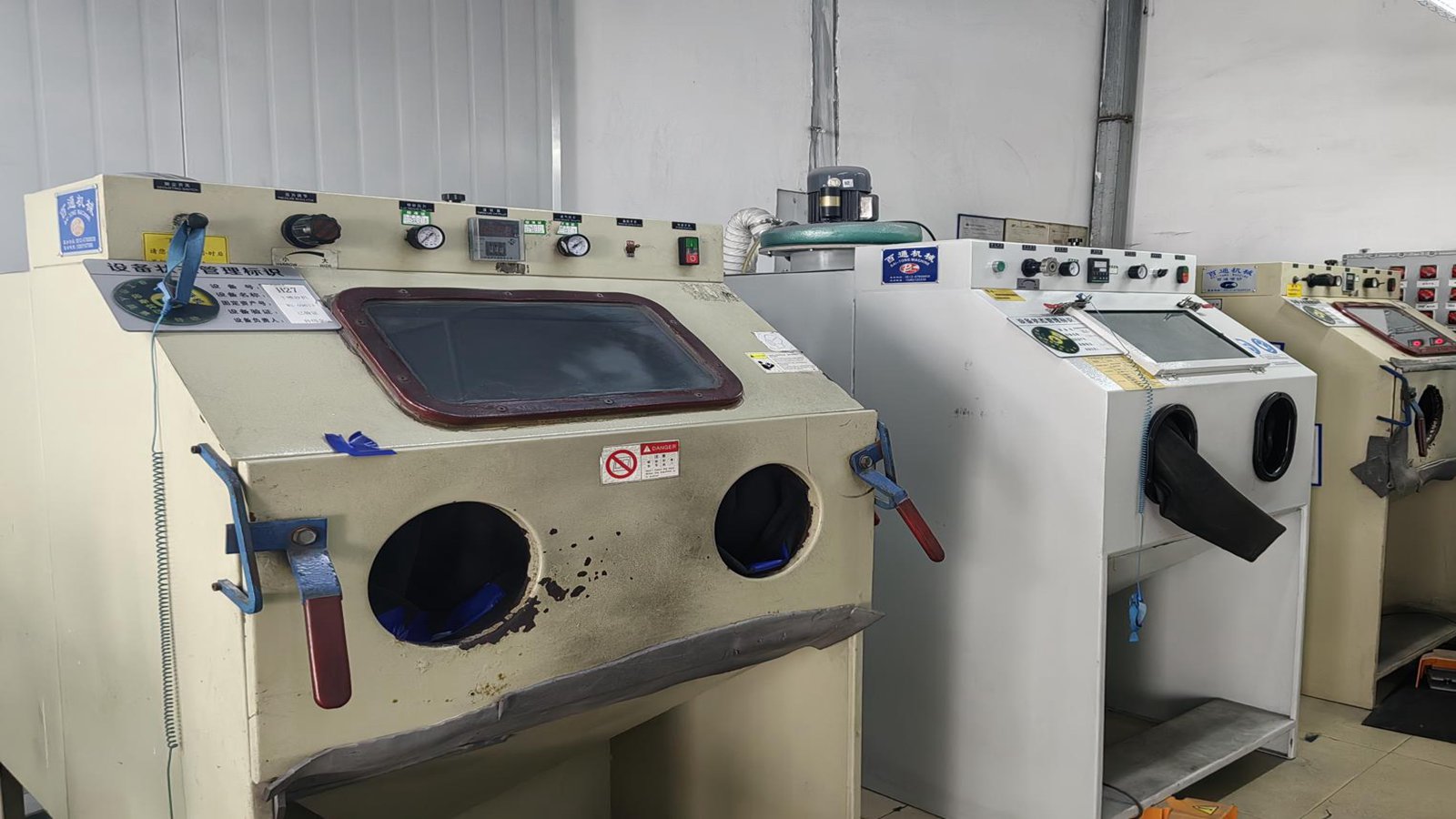
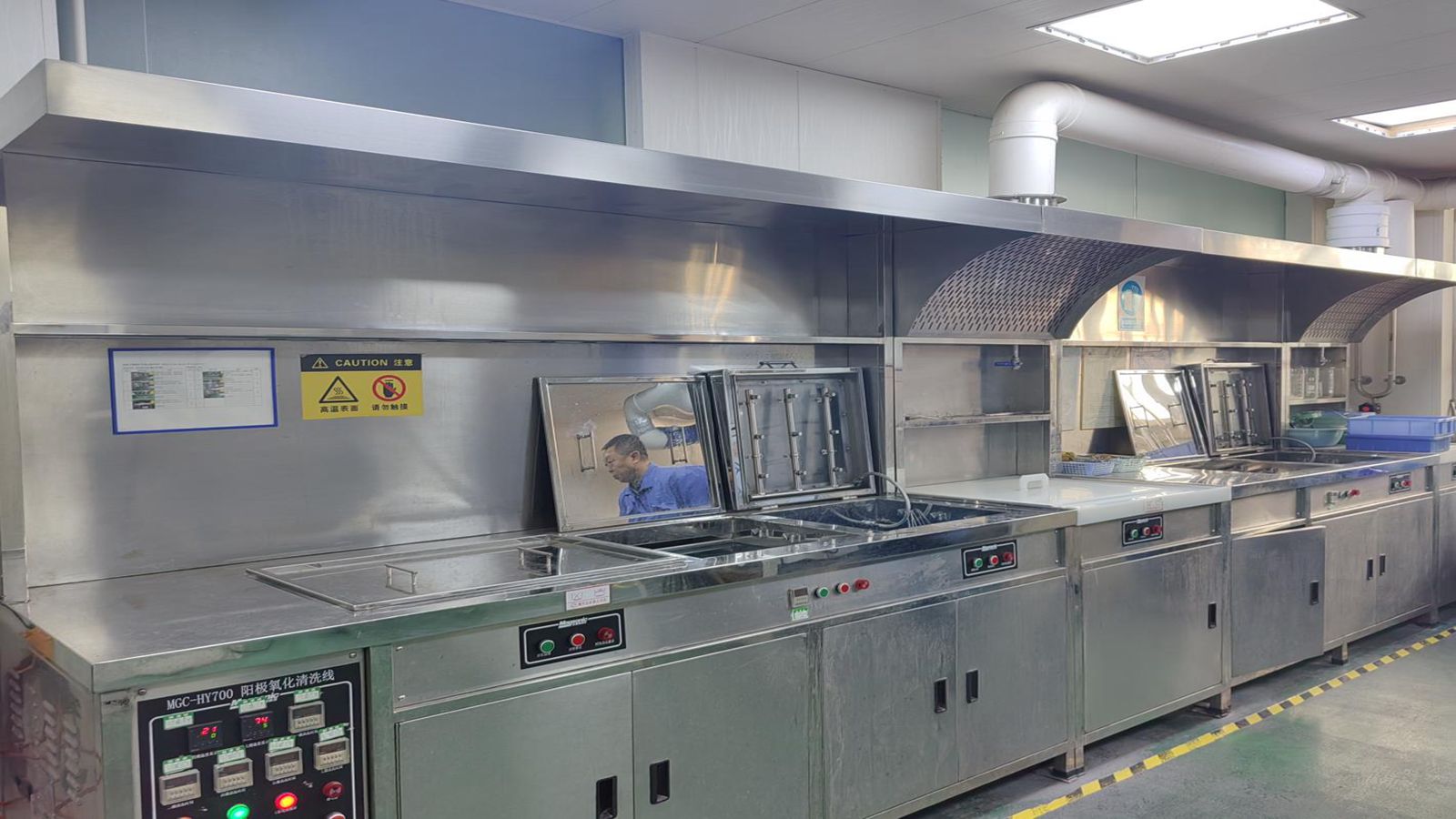
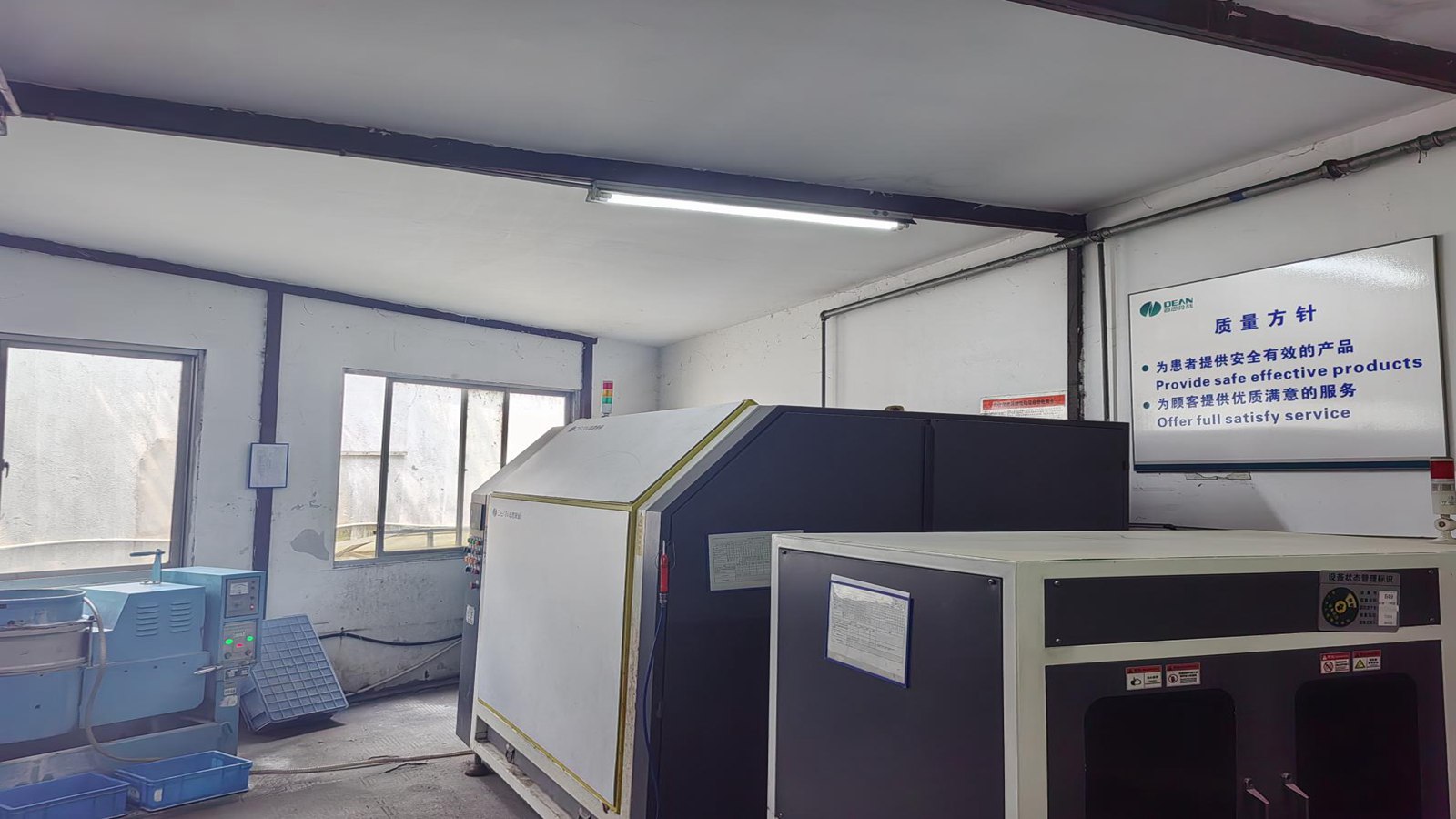
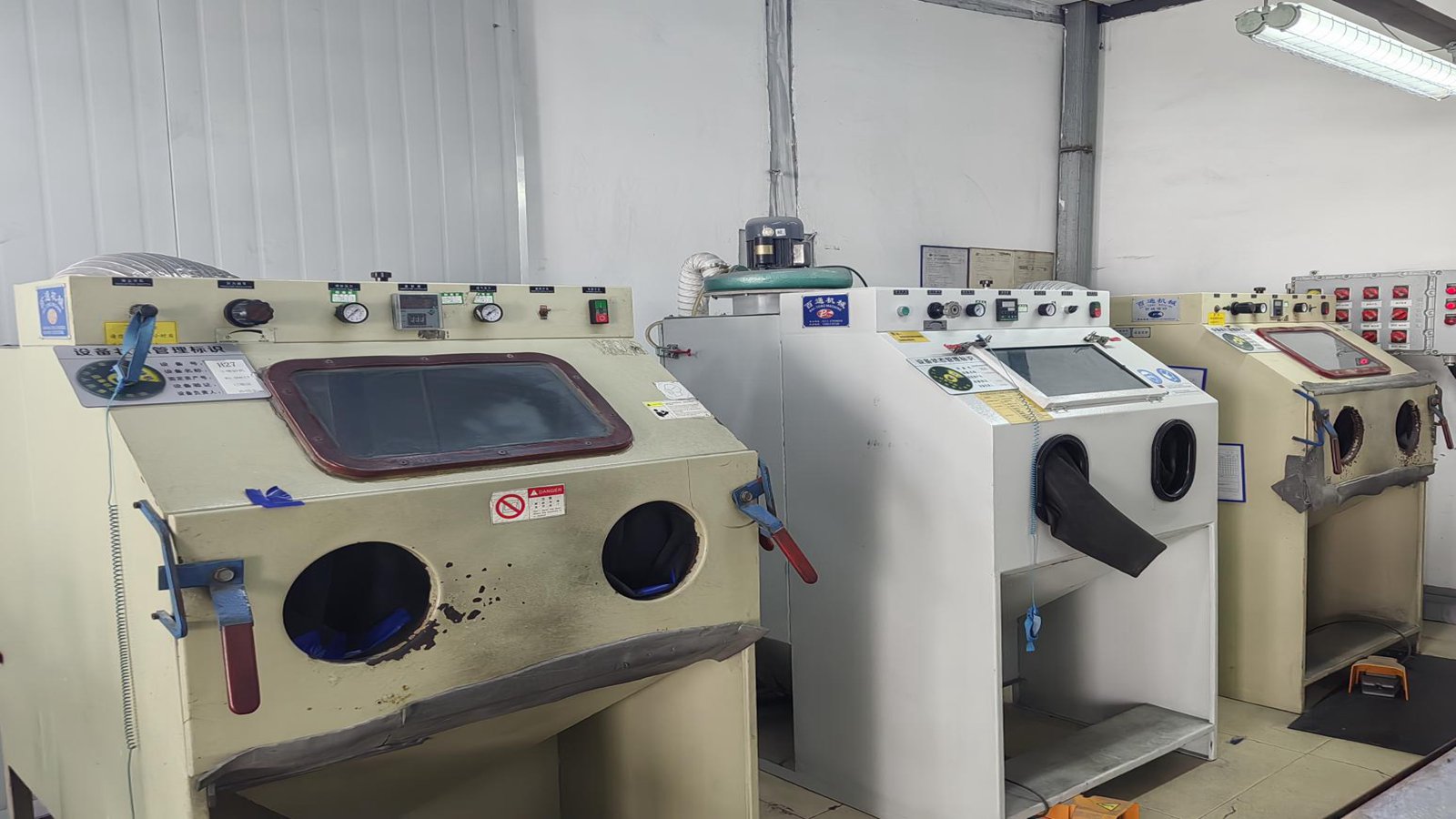
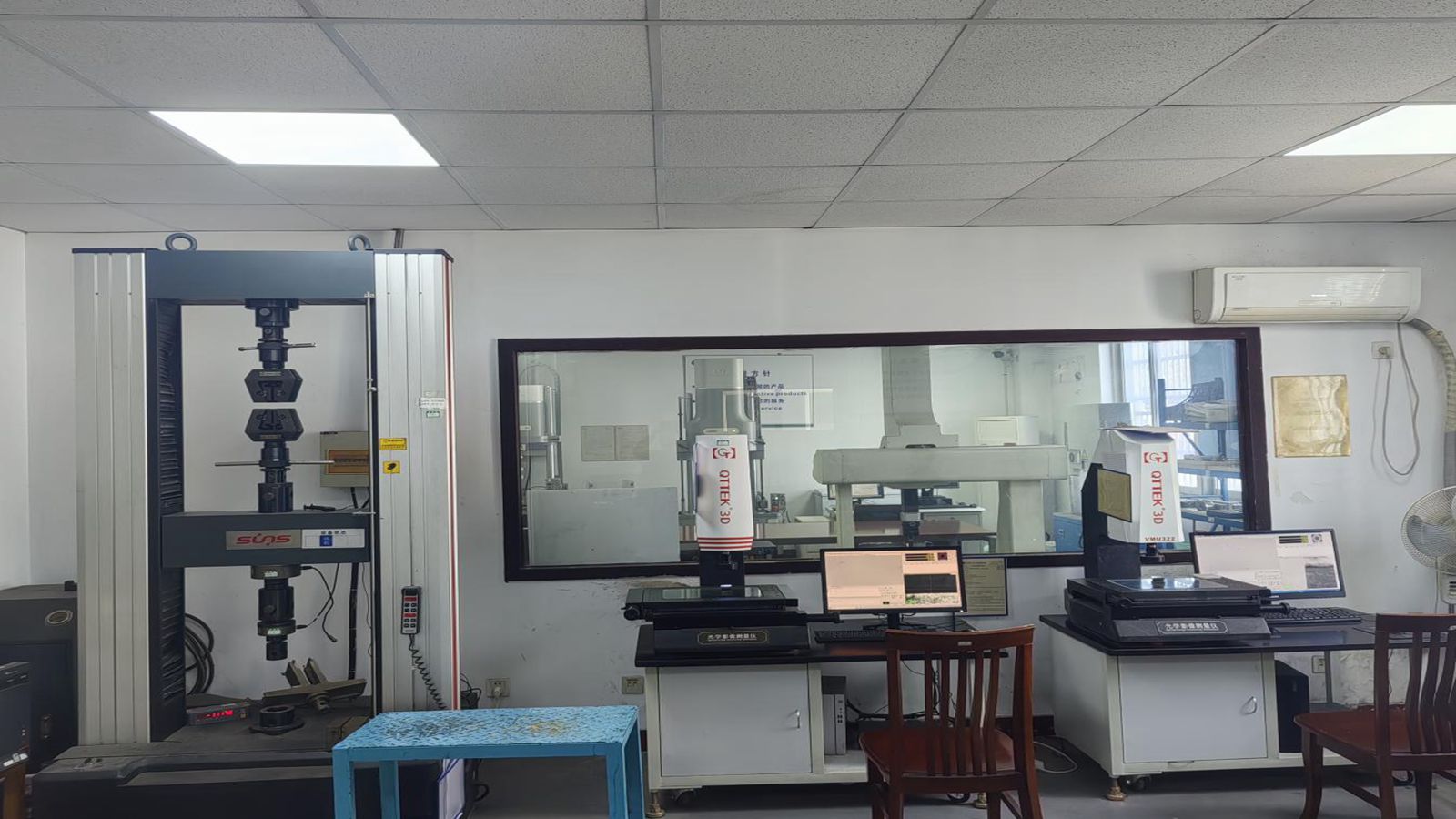
Inside Medispirex: Advanced CNC machinery, electrochemical oxidation finishing, and rigorous mechanical validation labs.
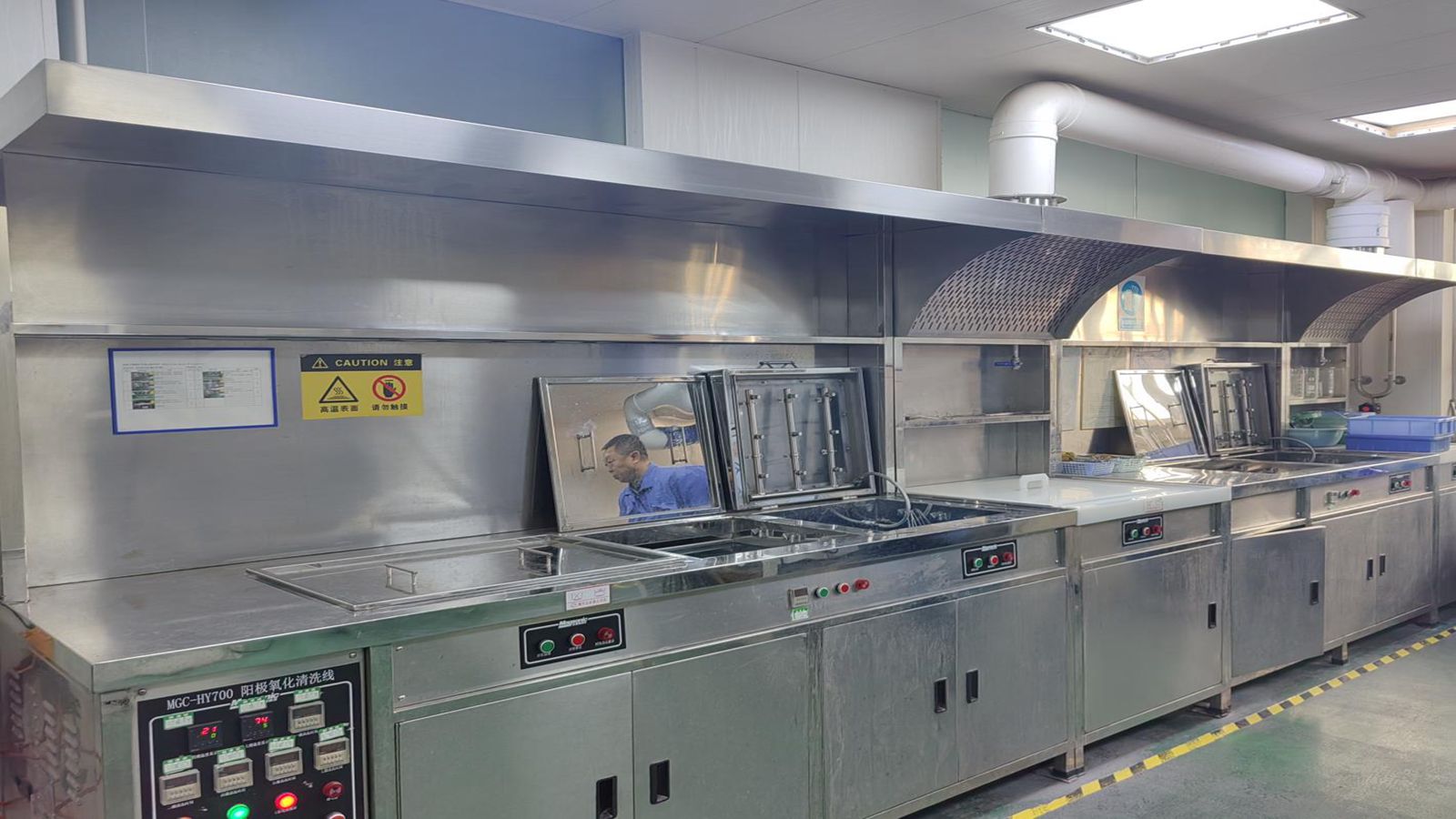
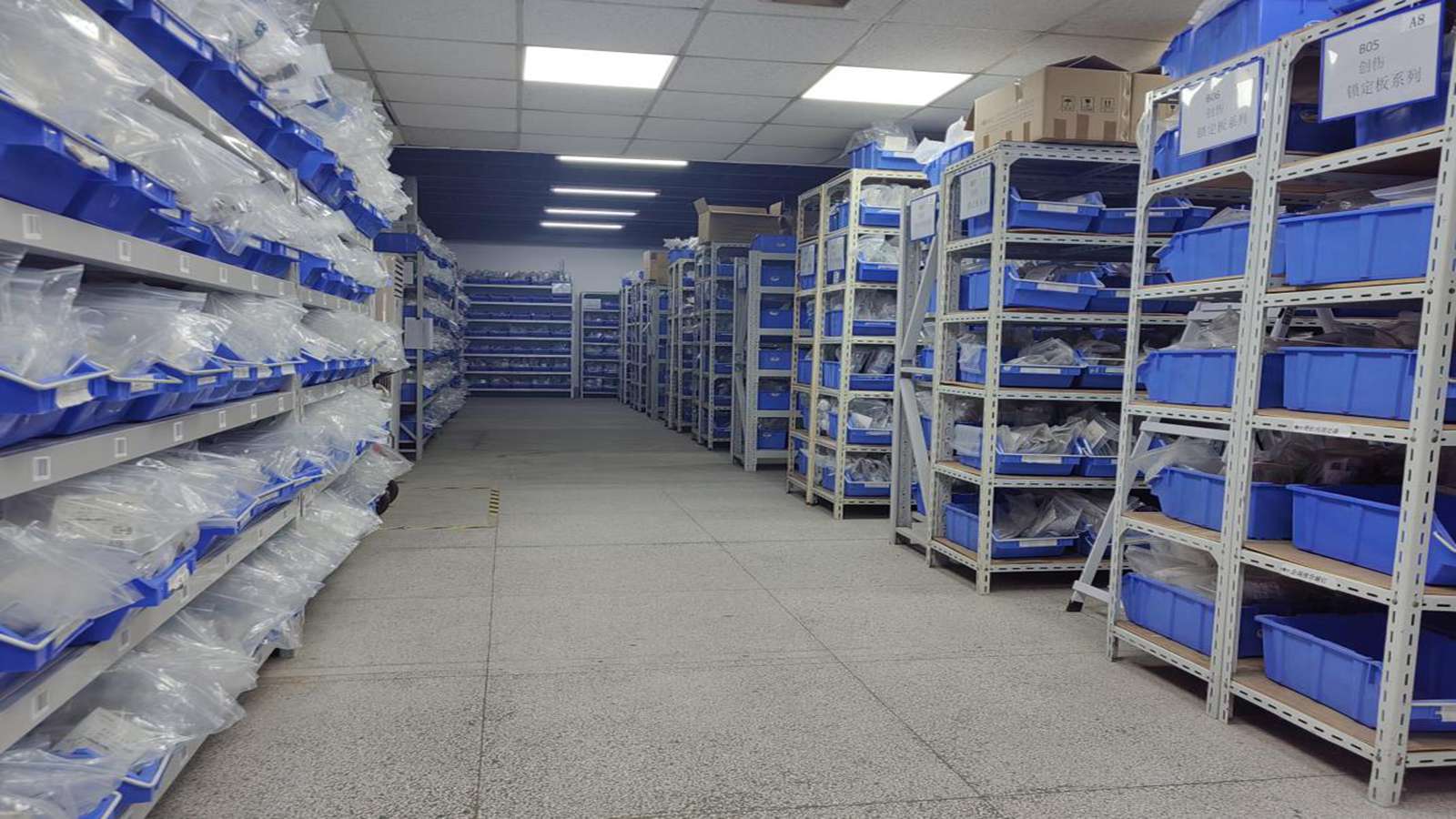
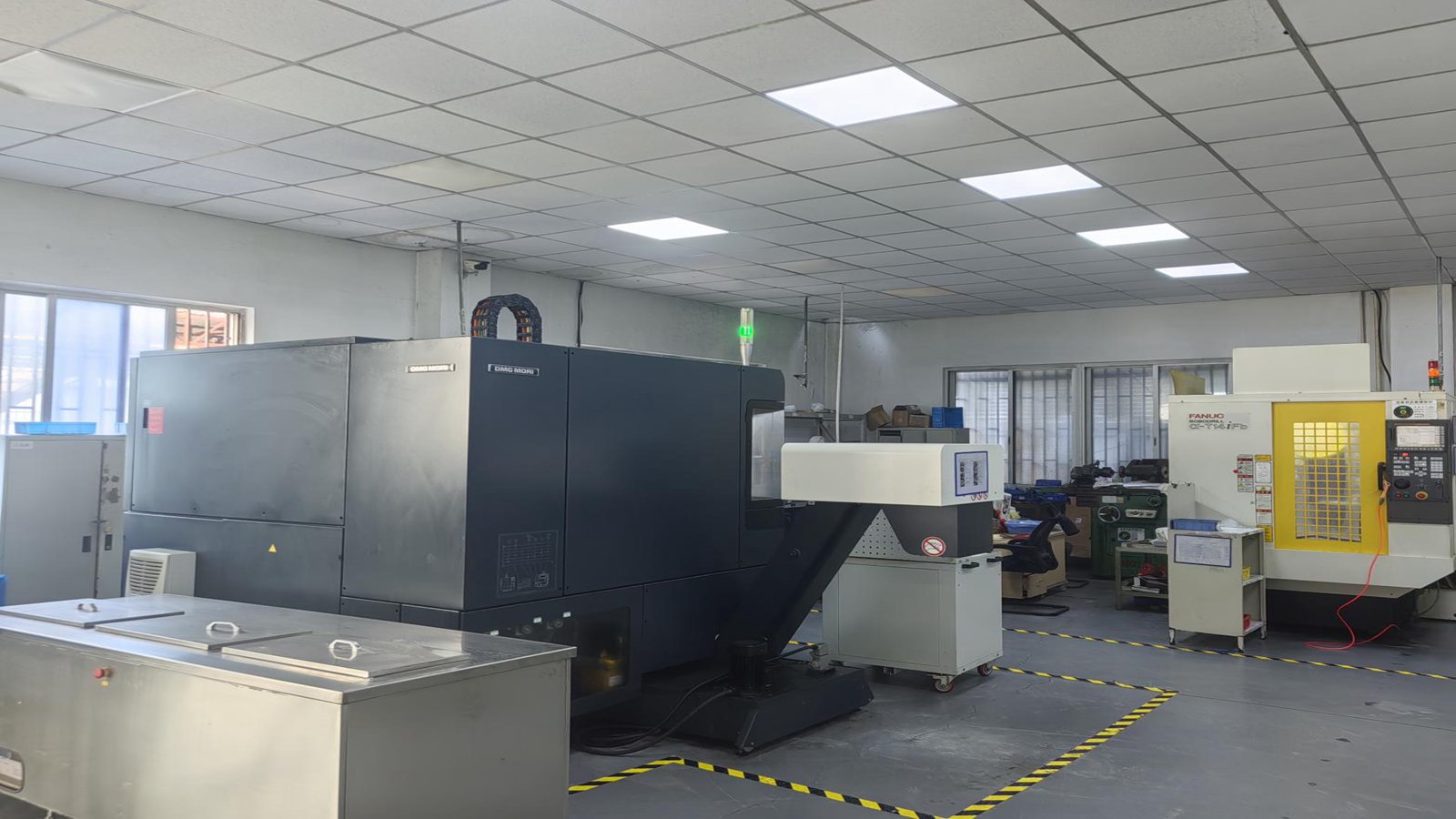
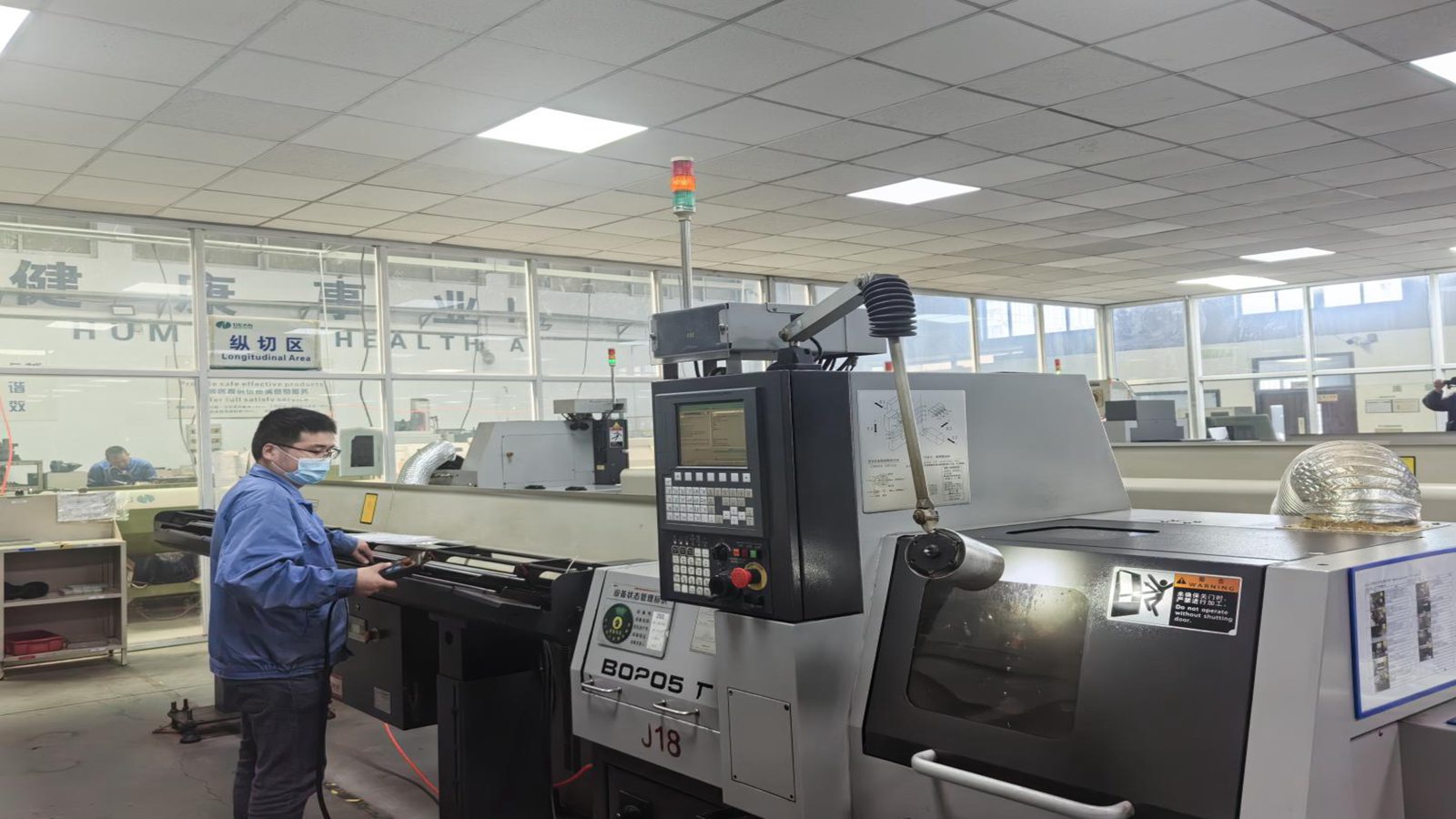
When selecting external fixation hardware, clinical outcomes depend on materials science and mechanical reliability. Our titanium components use Ti-6Al-4V ELI (Extra Low Interstitial), providing strength, fatigue resistance, and biocompatibility. For applications requiring radio-translucency, we offer carbon fiber composite rods that enable clear radiographic monitoring of the healing bone callus.
| Material Category | Yield Strength (MPa) | Modulus of Elasticity (GPa) | Biocompatibility Standard | Recommended Clinical Indications |
|---|---|---|---|---|
| Titanium Alloy (Ti-6Al-4V) | ≥ 860 | 110 | ISO 5832-3 / ASTM F136 | Long-term stabilization, dynamic axial loading, pediatric distraction. |
| Surgical Stainless Steel (316L) | ≥ 690 | 193 | ISO 5832-1 / ASTM F138 | Acute trauma stabilization, emergency room pinning, cost-effective bone bridges. |
| Carbon Fiber Composite | N/A (Anisotropic) | 70 - 150 | ISO 10993 Compliant | Complex articular reconstructions, oncology-related stabilization, radiolucent frames. |
Our external fixator systems are tested in accordance with ASTM F1541, which defines standard test methods for external skeletal fixation devices. We perform fatigue, static torsion, and multi-planar compression testing to ensure frame integrity during axial loading. These tests support structural stability when treating polytrauma cases in demanding clinical settings.
How our external fixators are configured for Polish emergency services (SOR), deformity correction centers, and post-oncological procedures.
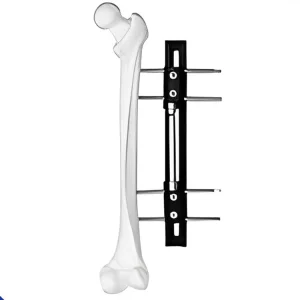
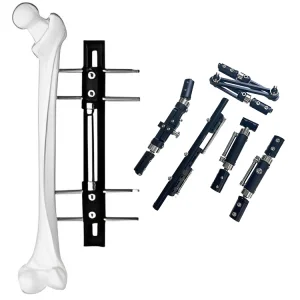
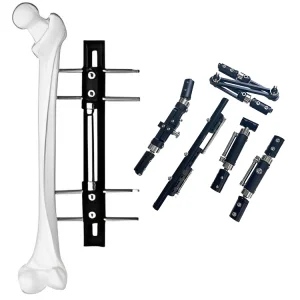
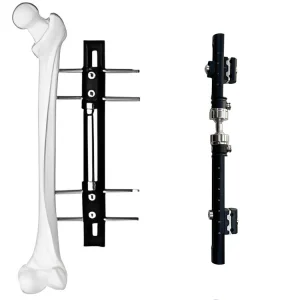
For Polish emergency hospital departments (SOR - Szpitalny Oddział Ratunkowy), our modular clamps and multi-pin systems allow rapid alignment and bridge fixation of comminuted open fractures before definitive internal fixation (LCP/intramedullary nailing).
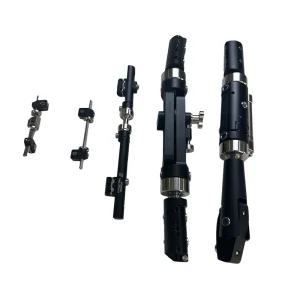
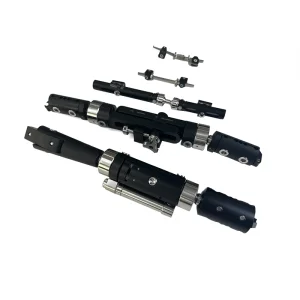
Specialized clinics in Poznań and Zakopane utilize our bone lengthening fixators and ring system combinations to manage congenital limb discrepancies and angular deformities using progressive distraction osteogenesis.
Treating chronic osteomyelitis or infected internal implants requires stable stabilization. Our external fixators avoid infected medullary canals, providing mechanical stability that supports antibiotic therapies.
Modern traumatology is moving toward smart, minimally invasive configurations. At Medispirex, we are actively aligning our manufacturing capabilities with these developments:
As European regulations update, having a reliable manufacturing partner is essential. Medispirex offers consistent supply capability and technical support to ensure your bids are backed by reliable data and engineering expertise.
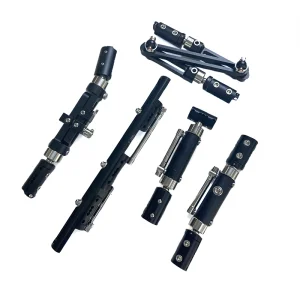
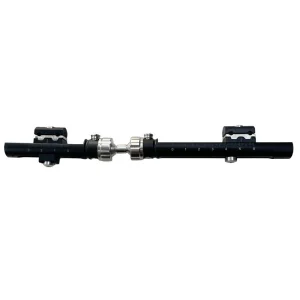
Request Representative PartnershipFrom pediatric micro-assemblies to adult long-bone lengthening hardware, explore our standard inventory.
Technical, compliance, and logistical clarifications for importing external fixators to Poland.
All external fixation systems supplied by Medispirex are accompanied by CE certifications, declaration of conformity documents, and complete technical files. We assist local Polish importers and distributors with registrations in the national database of the Polish Office for Registration of Medicinal Products, Medical Devices and Biocidal Products (URPL).
For customized combinations, prototype design adjustments take 2-3 weeks. Once confirmed, mass production of items like pin clamps, rods, and couplings typically requires 30-45 days, depending on quantity, followed by efficient rail or sea freight channels to Poland (Warsaw/Gdańsk terminals).
Our materials undergo composition verification (spectroscopy) and mechanical fatigue testing under ASTM F1541 standards in our in-house QC laboratory. Test certifications, batch raw material heat certificates (ISO 5832-3 or 5832-1), and sterilization reports are provided with each batch.
Yes. We supply carbon-fiber composite rods coupled with specialized non-magnetic titanium alloys, minimizing artifacts during postoperative magnetic resonance imaging (MRI) scans, which is a key requirement in modern Polish oncological and trauma clinics.
We offer non-sterile bulk packaging for local sterilization processing in hospital autoclaves, as well as individually pre-sterile packed implants (gamma or EO gas sterilization) featuring peelable indicator labels to streamline OR prep.