Medispirex
Medispirex
Medispirex
High-precision orthopedic devices calibrated for immediate trauma room applications and clinical stability standards in Hungary.
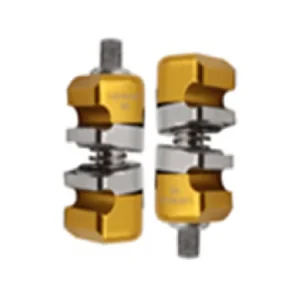
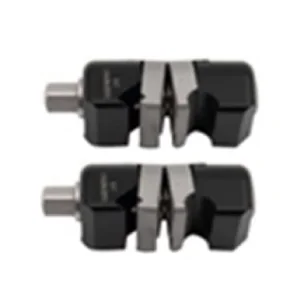
The healthcare system in Hungary, managed under the National Health Insurance Fund Administration (NEAK), has seen significant structural reforms designed to upgrade traumatology networks and orthopedic care channels. Major clinical centers, including Semmelweis University in Budapest, the University of Debrecen, the University of Pécs, and the University of Szeged, serve as hubs for high-complexity reconstructive and trauma procedures. The need for advanced trauma implants that meet strict EU MDR (2017/745) standards has surged, driven by a growing demand for cost-effective, clinically validated devices.
Furthermore, Hungary's strategic geographic location makes it a central distribution gateway for Central and Eastern Europe (CEE). For local medical device distributors, sourcing trauma products like external fixators directly from ISO 13485-certified manufacturers who understand the complex European regulatory landscape is essential. Medispirex meets this demand by combining advanced Chinese manufacturing capacity with local market requirements in Hungary.
Direct supply structures designed to support Hungarian distributors bidding in municipal and university hospital procurement tenders.
We provide full biomechanical documentation, surgical planning guides, and system configuration materials to help clinics transition seamlessly.
Reliable customs clearance support, direct air shipping options, and detailed labeling in accordance with CE requirements.
How our research and development drives implant material innovation, dynamic stability, and improved patient recovery rates.
Our research focuses on integrating advanced carbon-fiber composite materials into our rod systems. This allows surgeons to verify bone healing under intraoperative fluoroscopy and X-rays without structural interference.
To prevent joint stiffness and accelerate osteogenesis (bone growth), our newer systems feature controlled dynamic axial compression elements, which help reduce long-term recovery times.
We are currently developing advanced hydroxyapatite-coated and silver-doped titanium Schanz pins to minimize the risk of pin-track infection, a common issue in complex external fixation cases.
Global medical supply chains face challenges such as rising raw material costs and freight disruptions. Medispirex addresses these challenges by operating a robust supply network that includes approximately 860 upstream and downstream partners. This network ensures a reliable and steady supply of medical-grade titanium (Ti-6Al-4V ELI) and stainless steel, allowing us to maintain stable production even during periods of high demand.
Our manufacturing base in China utilizes raw material integration and high-speed CNC processes, reducing production overhead by 30% to 45% compared to Western manufacturers. We pass these savings directly to our partners in Hungary, allowing hospitals and distributors to optimize their budgets while maintaining high standards of clinical performance and patient care.
Take an inside look at Medispirex's production processes, where advanced machinery and strict quality control standards ensure clinical-grade precision.
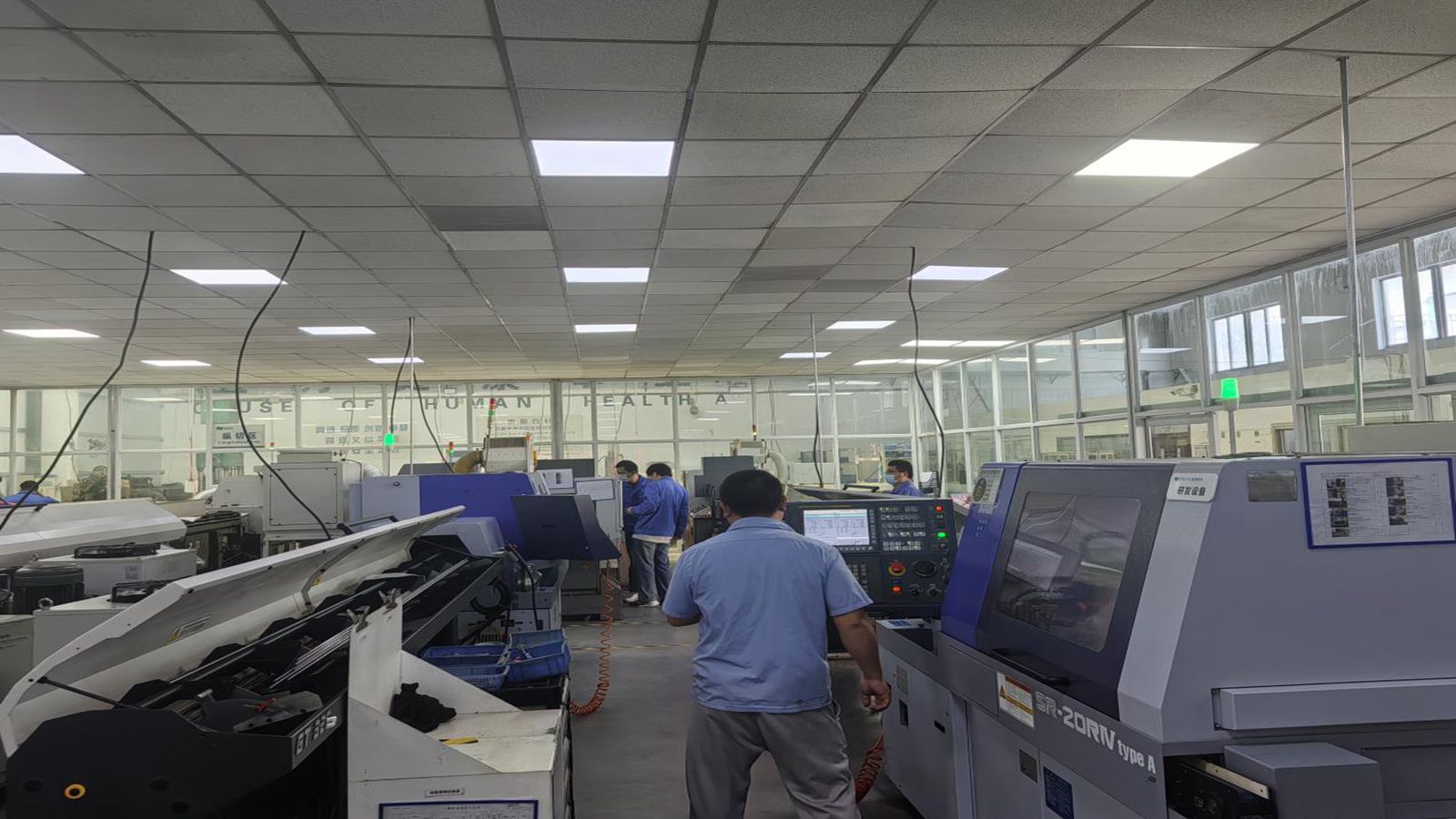
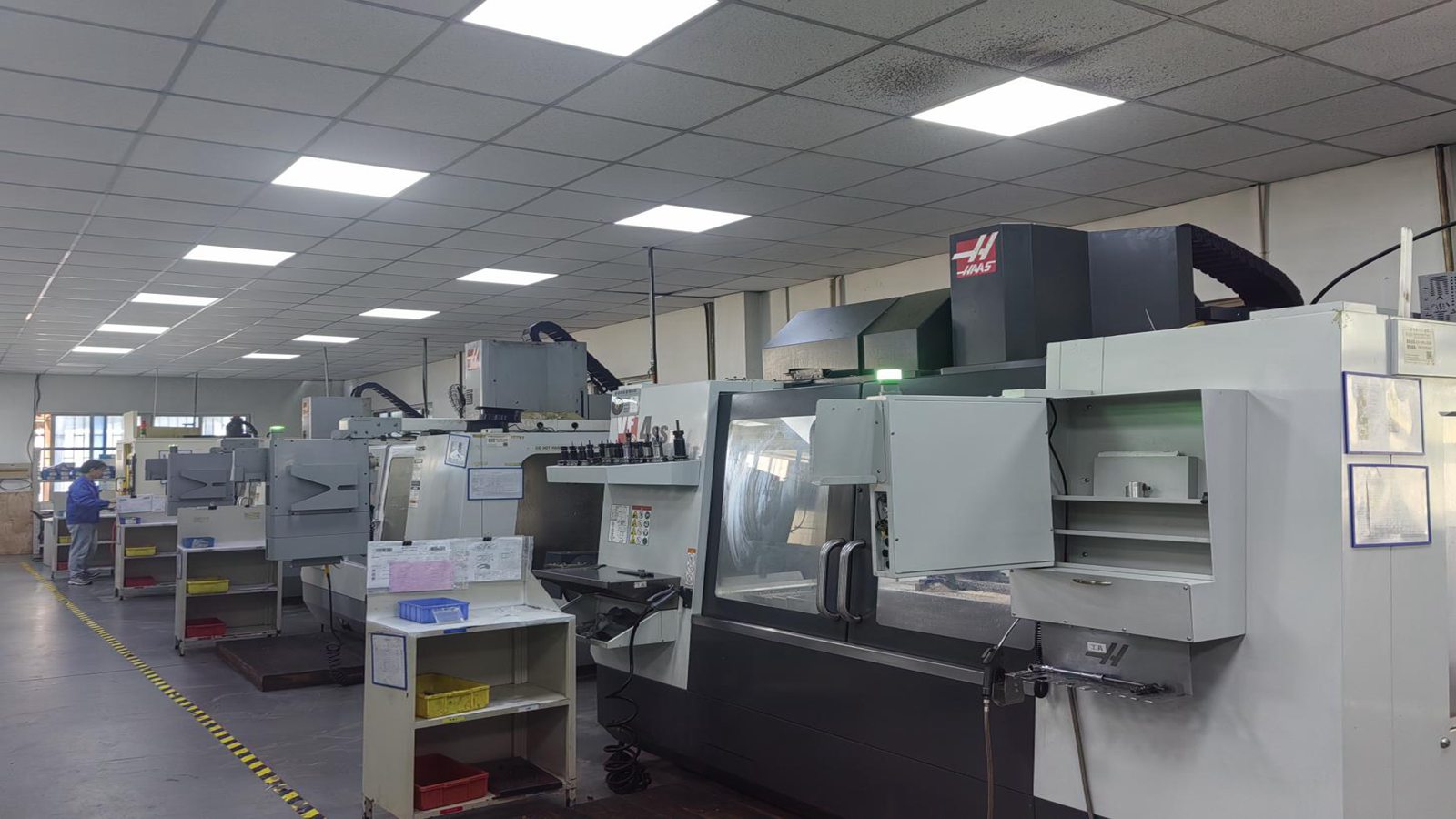
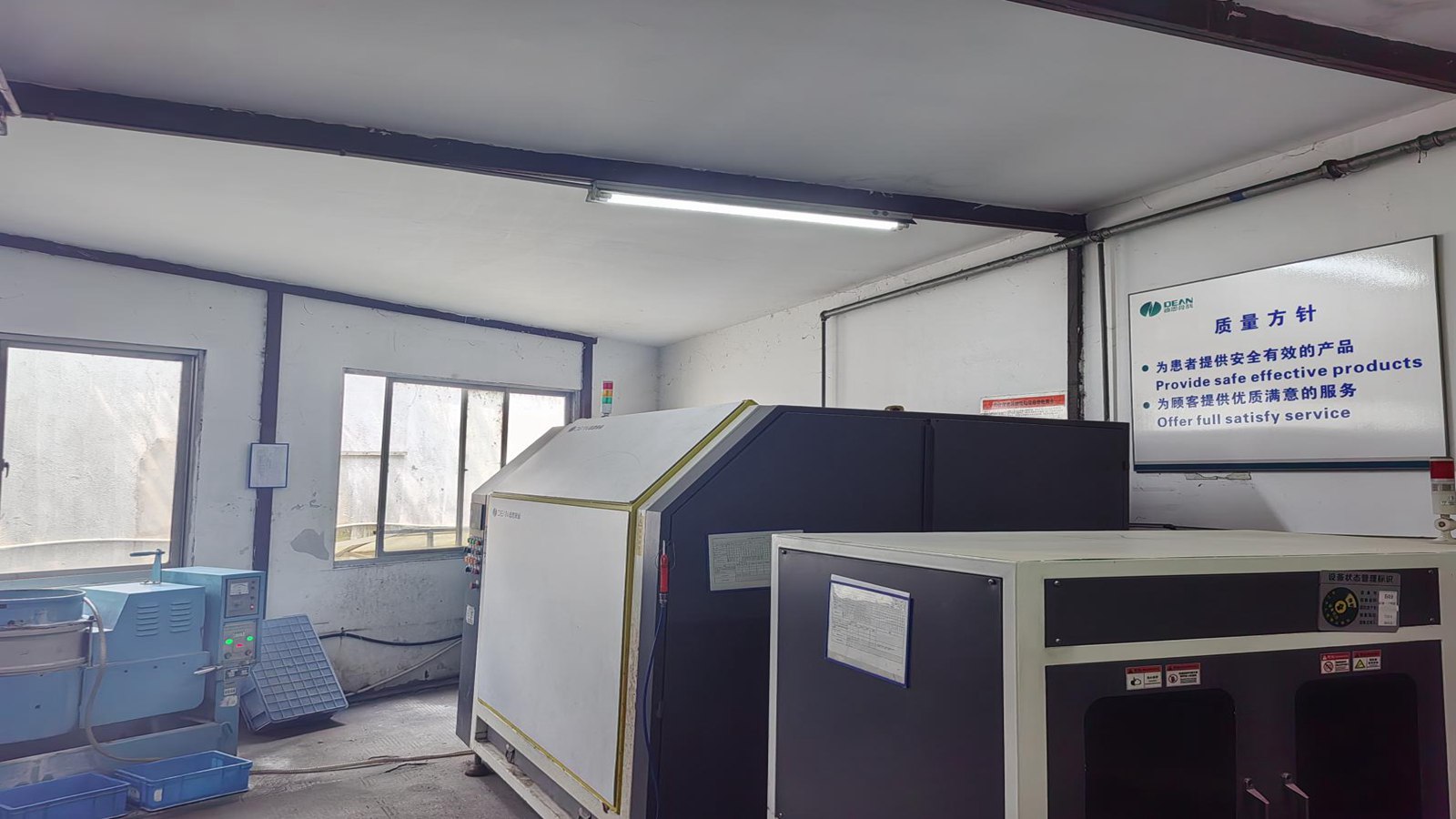
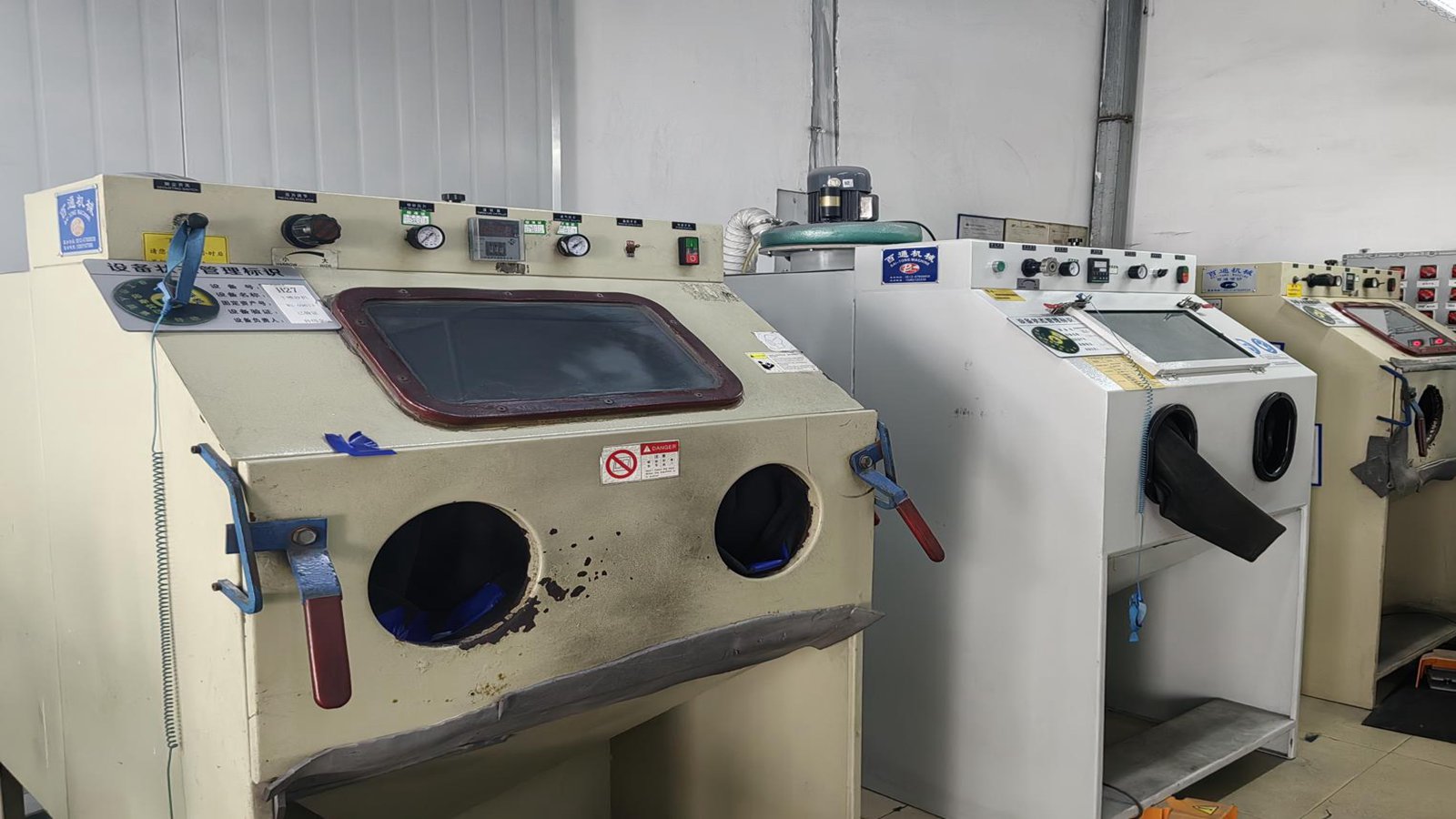
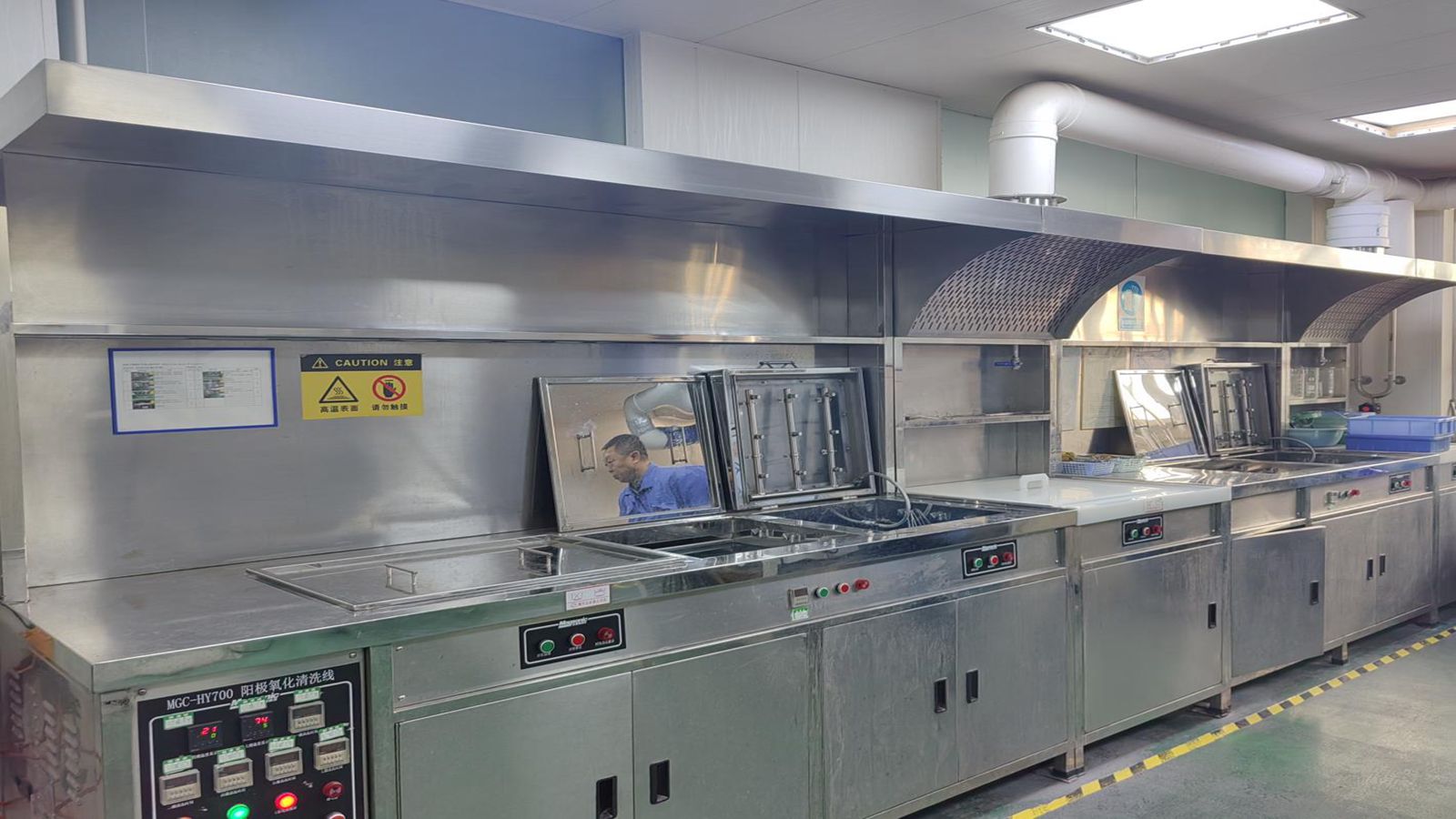
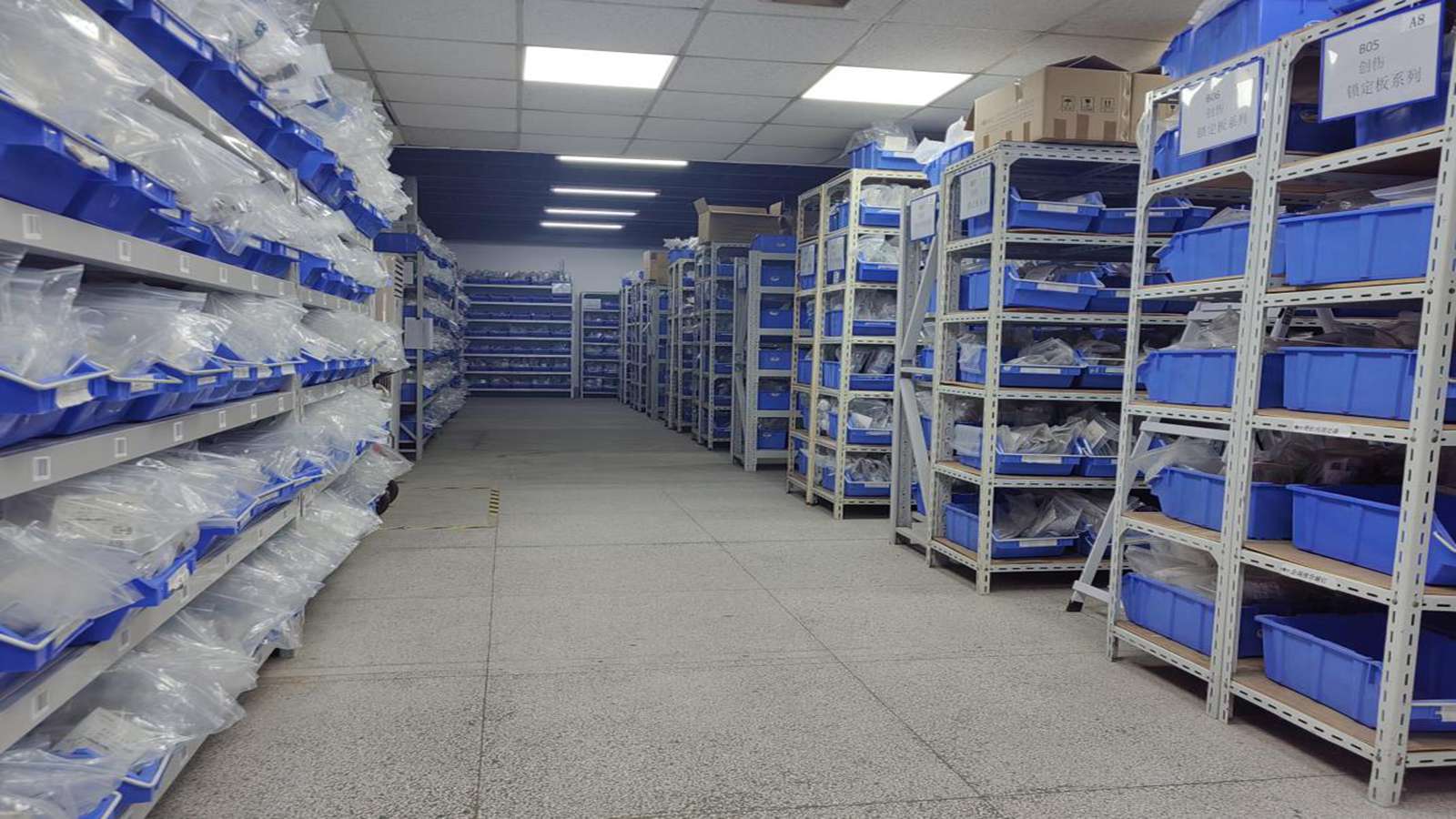
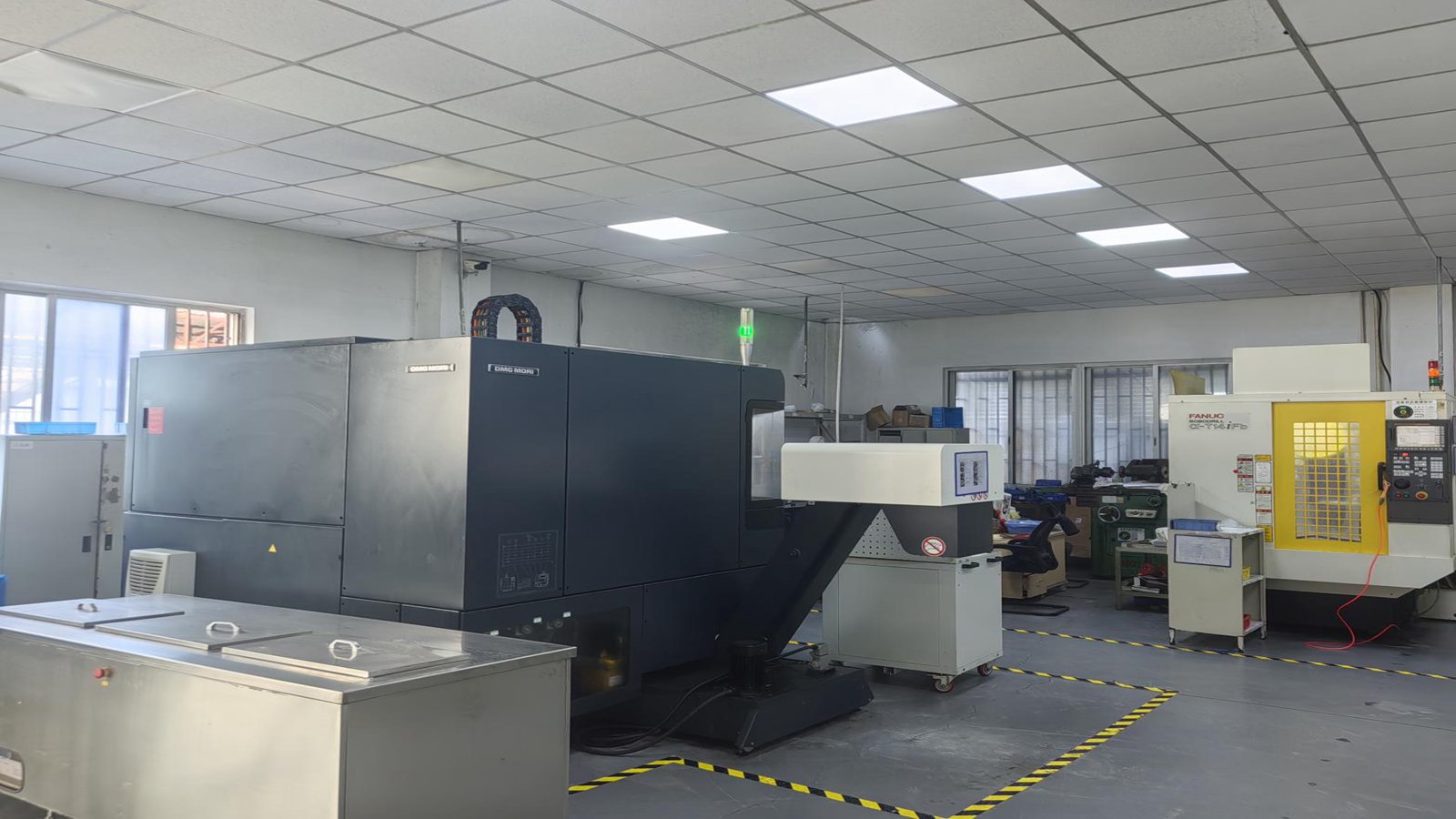
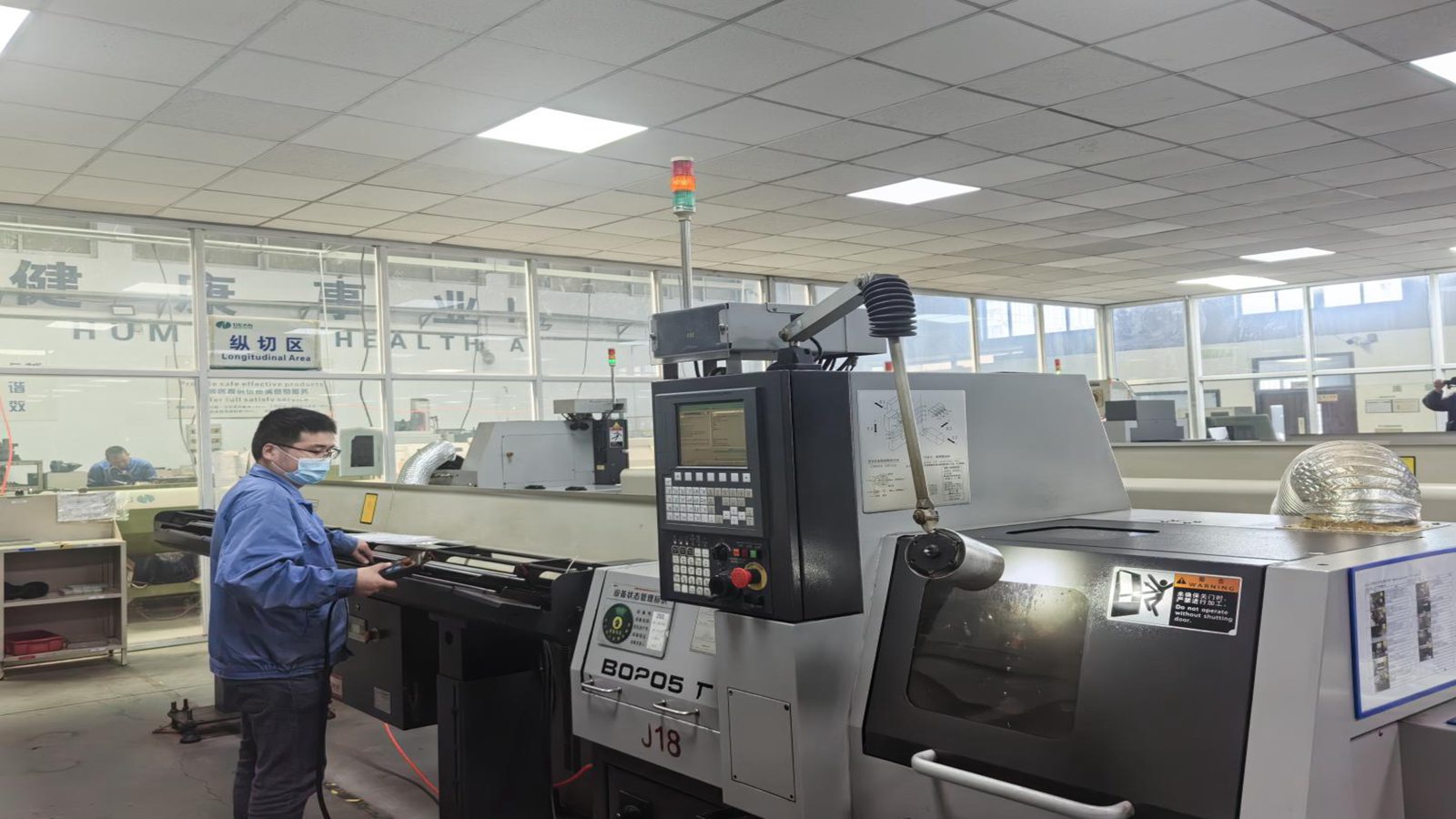
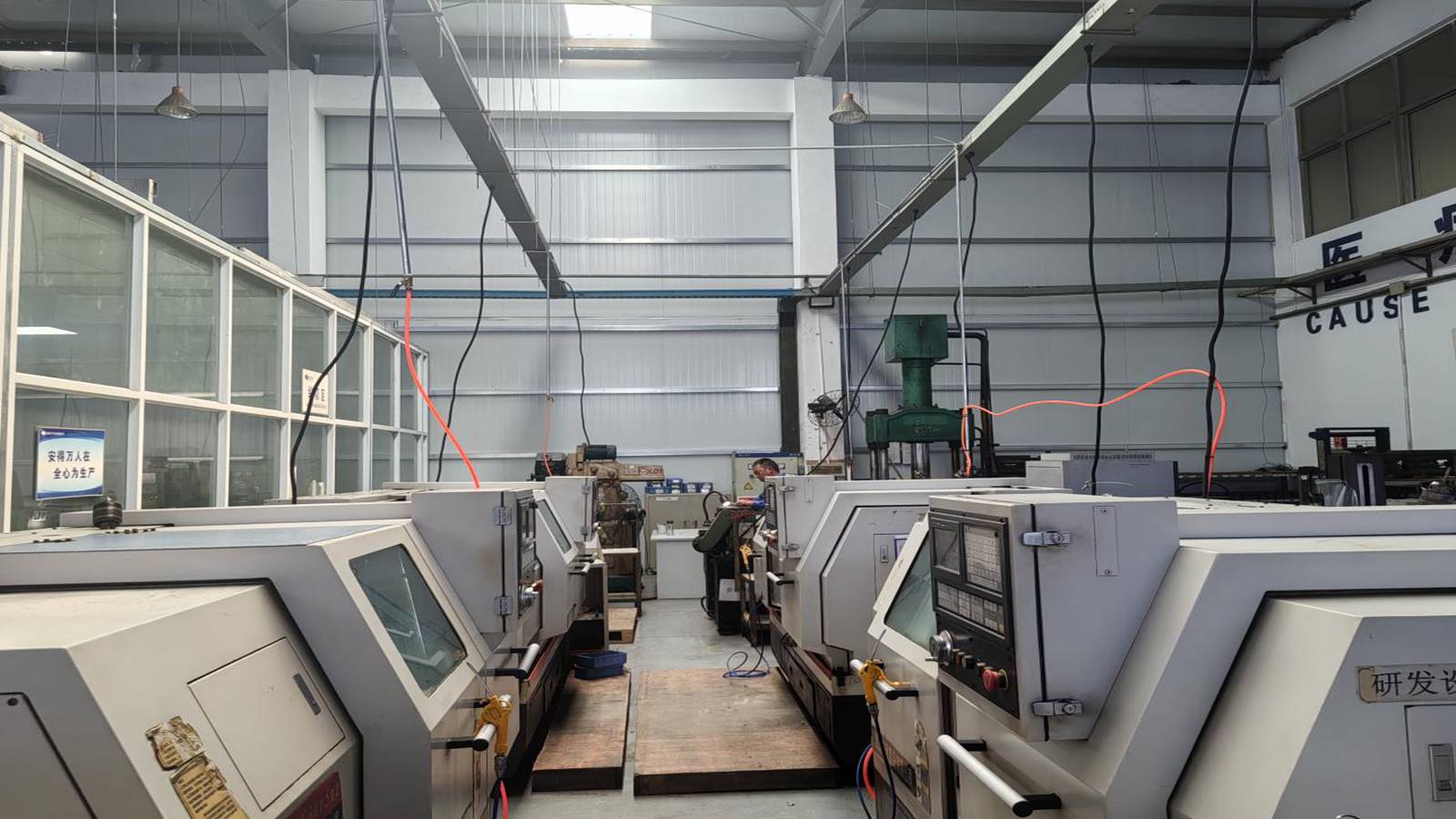
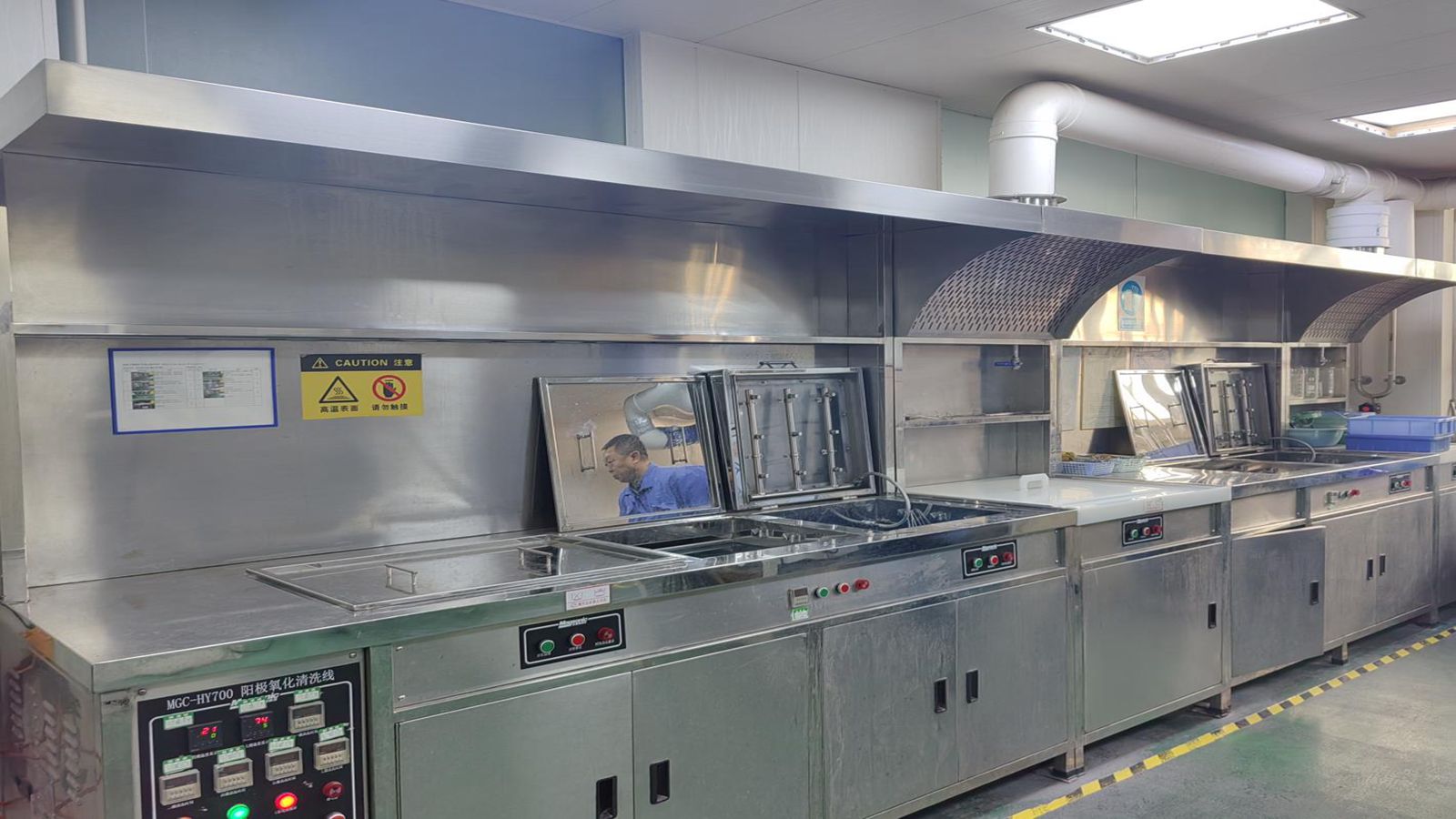
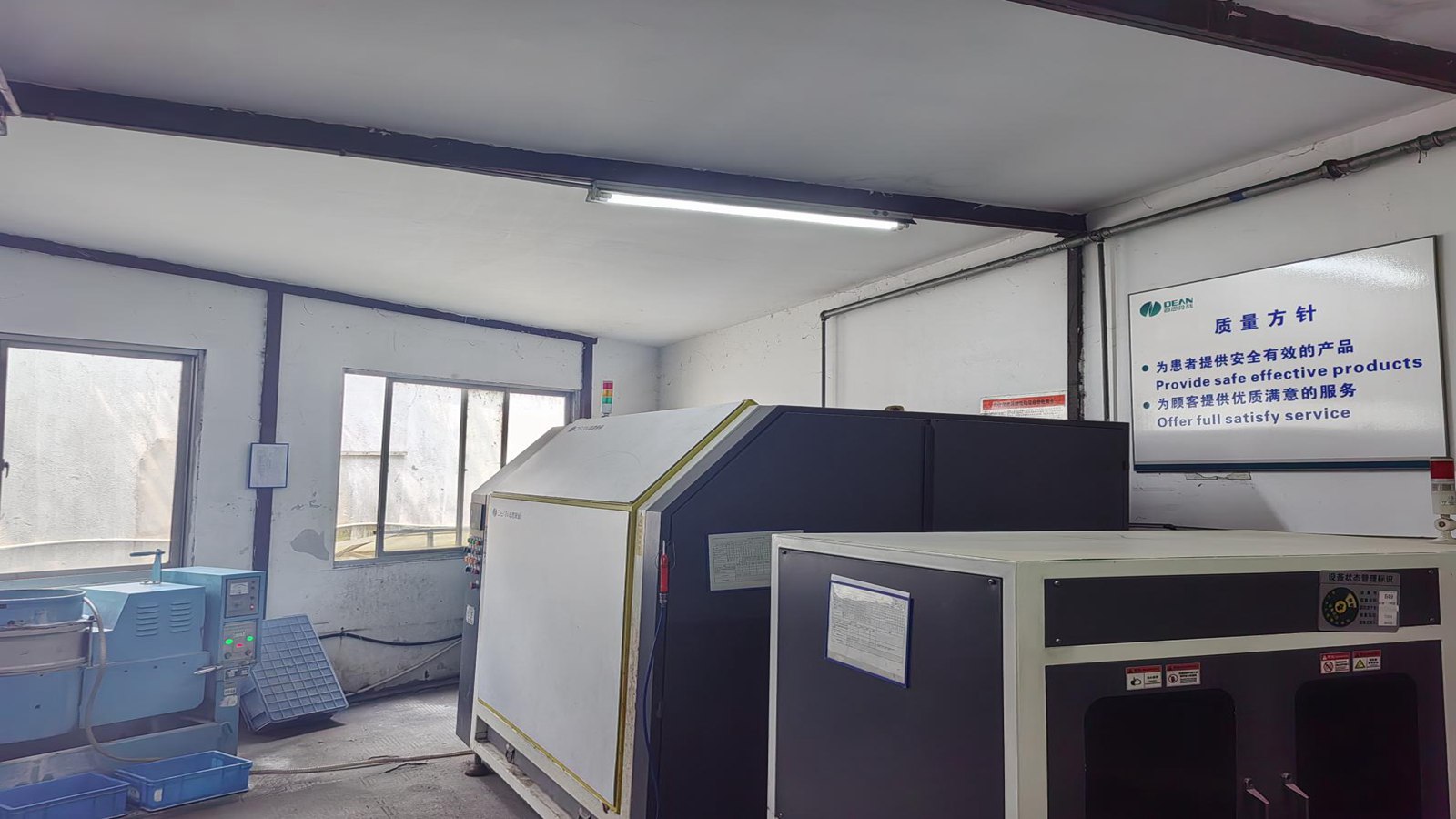
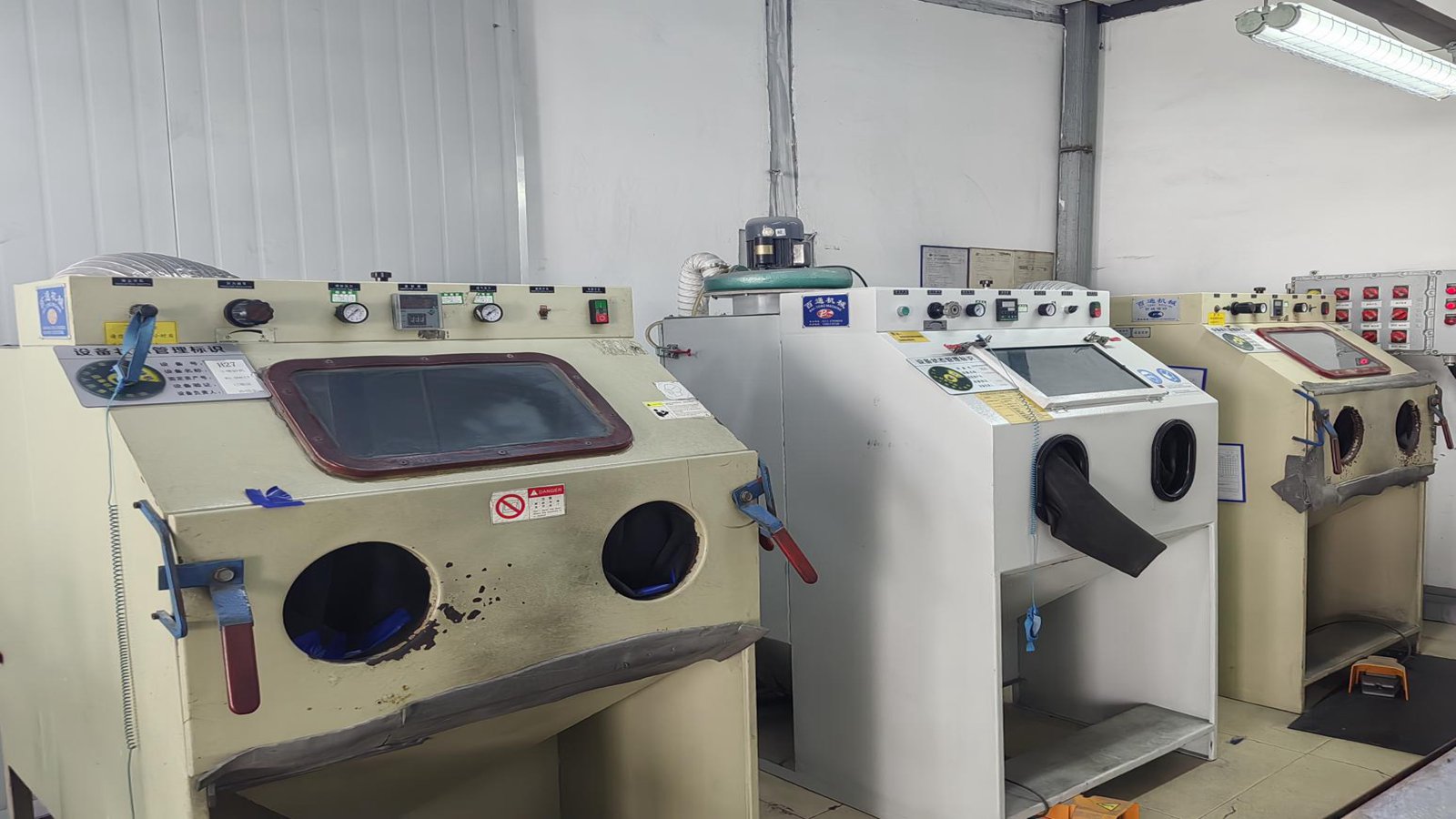
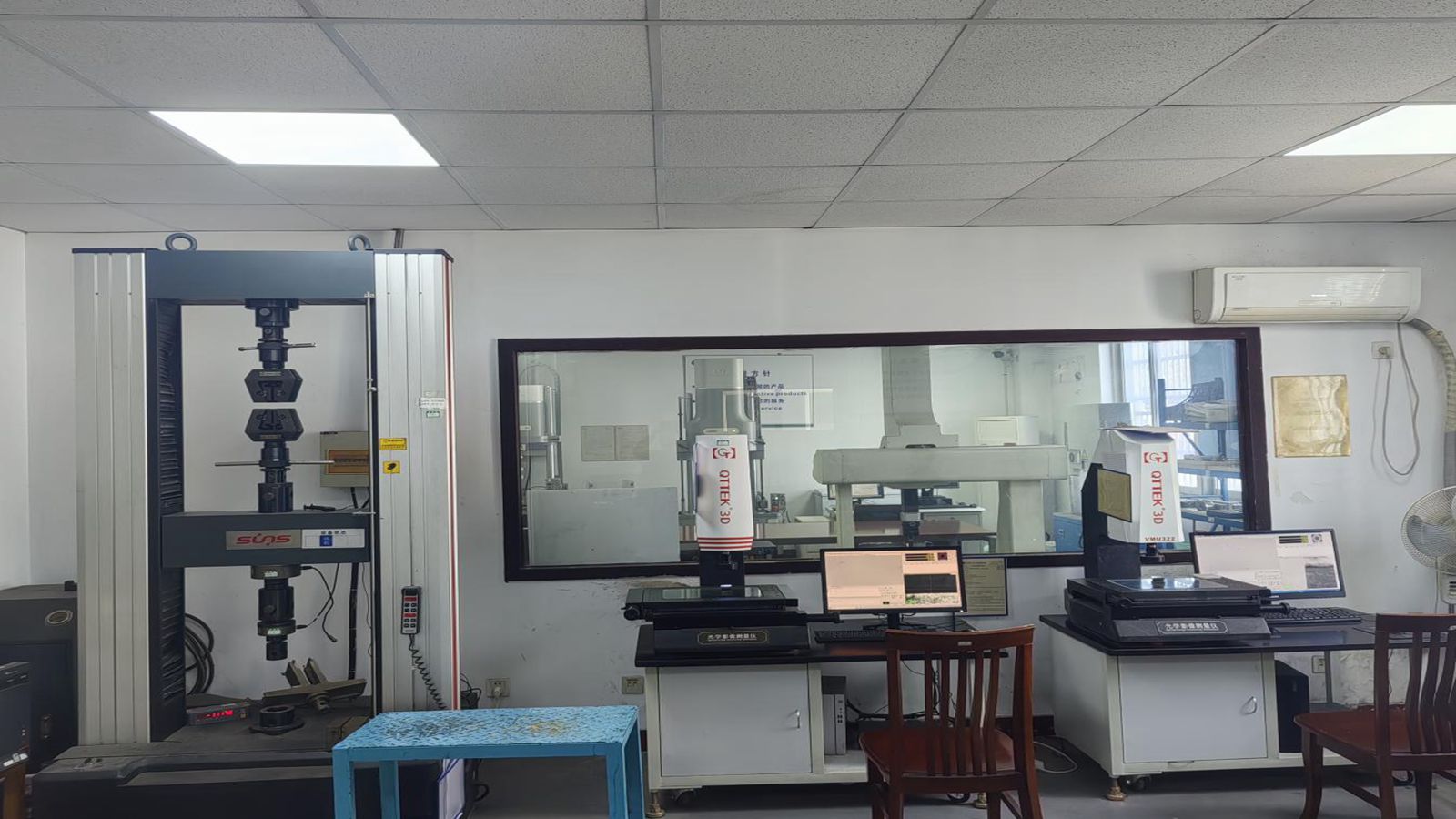
Navigating medical device guidelines in the European Union requires absolute transparency. At Medispirex, our quality systems are designed to simplify compliance processes for Hungarian healthcare institutions and importers. Our products undergo rigorous verification processes, including material analysis, fatigue testing, and precise dimensional checks, conducted by our 45-member Quality Control team.
We provide full support for local registration processes with the National Institute of Pharmacy and Nutrition (OGYÉI). This helps ensure that all imported external fixation systems are compliant and ready for public and private healthcare environments in Hungary.
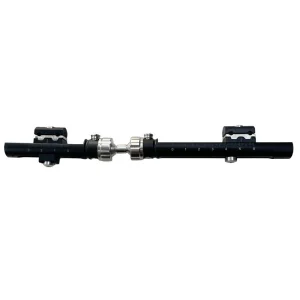
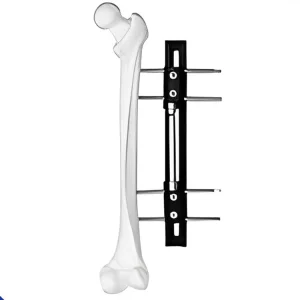
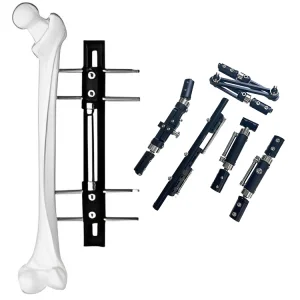
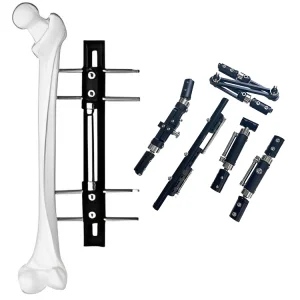
Browse our complete selection of external fixation components, implants, and surgical instruments designed for modern orthopedics.
Detailed answers to help distributors, logistics teams, and orthopedic surgeons make informed purchasing decisions.
Our external fixation systems conform to EU MDR requirements. We maintain complete technical documentation, including clinical evaluation reports (CER), biocompatibility data (ISO 10993), and post-market clinical follow-up (PMCF) plans. We assist our Hungarian partners with local registry filings via the OGYÉI database and issue full declarations of conformity for customs clearance.
We manufacture our rods, pins, and clamps using Grade 5 Titanium (Ti-6Al-4V ELI) and implant-grade stainless steel. While our titanium systems are MRI-conditional (meaning they are safe for scanning under specific clinical conditions and guidelines), we also supply carbon-fiber composite rods that reduce image distortion under MRI and CT scanners.
Standard configurations are usually prepared for shipment within 15 to 30 days. For custom OEM/ODM modifications, the timeline typically ranges from 45 to 60 days, including prototyping and quality validation. We ship via air freight to Liszt Ferenc International Airport (BUD) or by train routes, with an average transit time of 7 to 12 days for air cargo.
Yes. We offer customization options that allow distributors to adjust the contents of surgical kits to match the specific needs of regional trauma centers. This includes private label laser etching, custom instrument tray layouts, and configurations tailored to regional hospital preferences in Hungary.
Every clamp design undergoes mechanical fatigue and grip testing to prevent slipping under load. Additionally, our pin manufacturing process uses high-precision thread cutting to ensure clean bone purchase and minimize mechanical friction during insertion, which helps reduce the risk of pin-track infections.
Get in touch with our team for detailed product specifications, price lists, and compliance documentation for Hungary.