Medispirex
Medispirex
Medispirex
Explore our premium range of CE/ISO-certified surgical implants, custom instruments, and clinical fixation systems.
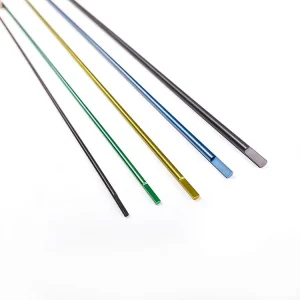
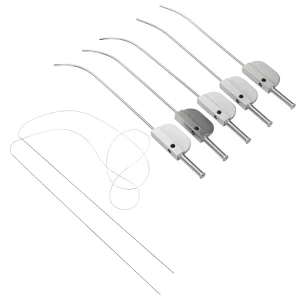

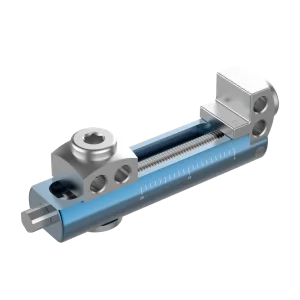
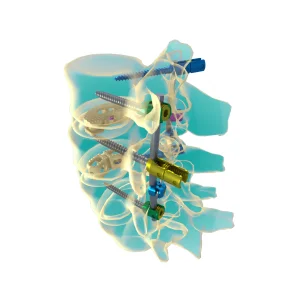
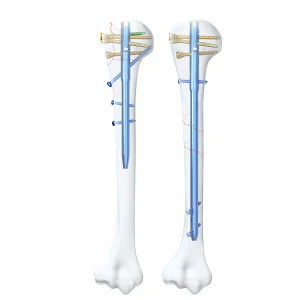
The human cervical spine is complex and requires specialized care. Posterior cervical fixation is a standard surgical option for stabilizing the subaxial cervical spine and cervicothoracic junction. This approach is commonly used to treat conditions such as degenerative disease, trauma, instability from tumors, rheumatoid arthritis, and failed anterior fusions.
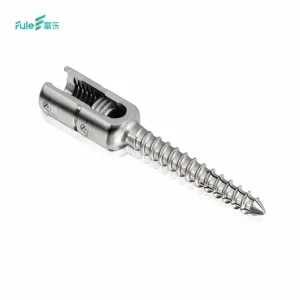
From a biomechanical perspective, posterior cervical fixation systems must withstand significant multi-directional forces. They need to resist flexion, extension, lateral bending, and axial rotation, while also maintaining alignment and supporting bone fusion. The screw-rod construct, utilizing polyaxial lateral mass screws and pedicle screws, has become the standard for achieving immediate rigidity. This rigidity is crucial for successful fusion, even in patients with poor bone quality.
Our posterior cervical fixation systems are engineered to address critical clinical indications, providing surgeons with the adaptability required for complex reconstructions:
- Instability post-laminectomy or corpectomy
- Cervical spondylotic myelopathy (CSM)
- Trauma-induced subluxations and fractures
- Correction of cervical spinal deformities
- Revision of failed anterior reconstructions
By integrating specialized lateral mass connectors, offset connectors, and transitional rods (3.5mm to 5.5mm), the system provides options for transitions into the thoracic spine.
A trusted global leader in spinal and trauma implants, bringing advanced technology to surgical tables worldwide.
Medispirex operates under a quality management system designed to ensure reliability throughout the manufacturing cycle:
Medispirex has built relationships with over 860 upstream and downstream partners. This network helps ensure supply chain stability, consistent lead times, and continuous access to key raw materials. We serve hospitals, distributors, and OEM/ODM partners in Europe, North America, the Middle East, and Southeast Asia.
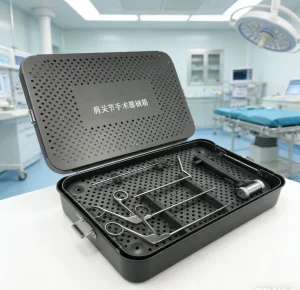
We offer flexible OEM/ODM options, including private label manufacturing, product design adaptation, and customized surgical instrument tray design.
Supported by 45 dedicated QC professionals and 7 years of direct export experience.
Why international medical brands and distributors partner with Medispirex for posterior spinal constructs.
We source medical-grade titanium alloy (Ti-6Al-4V ELI) and implantable polyetheretherketone (PEEK) from qualified international suppliers, ensuring biocompatibility, high fatigue strength, and excellent MRI/CT imaging compatibility.
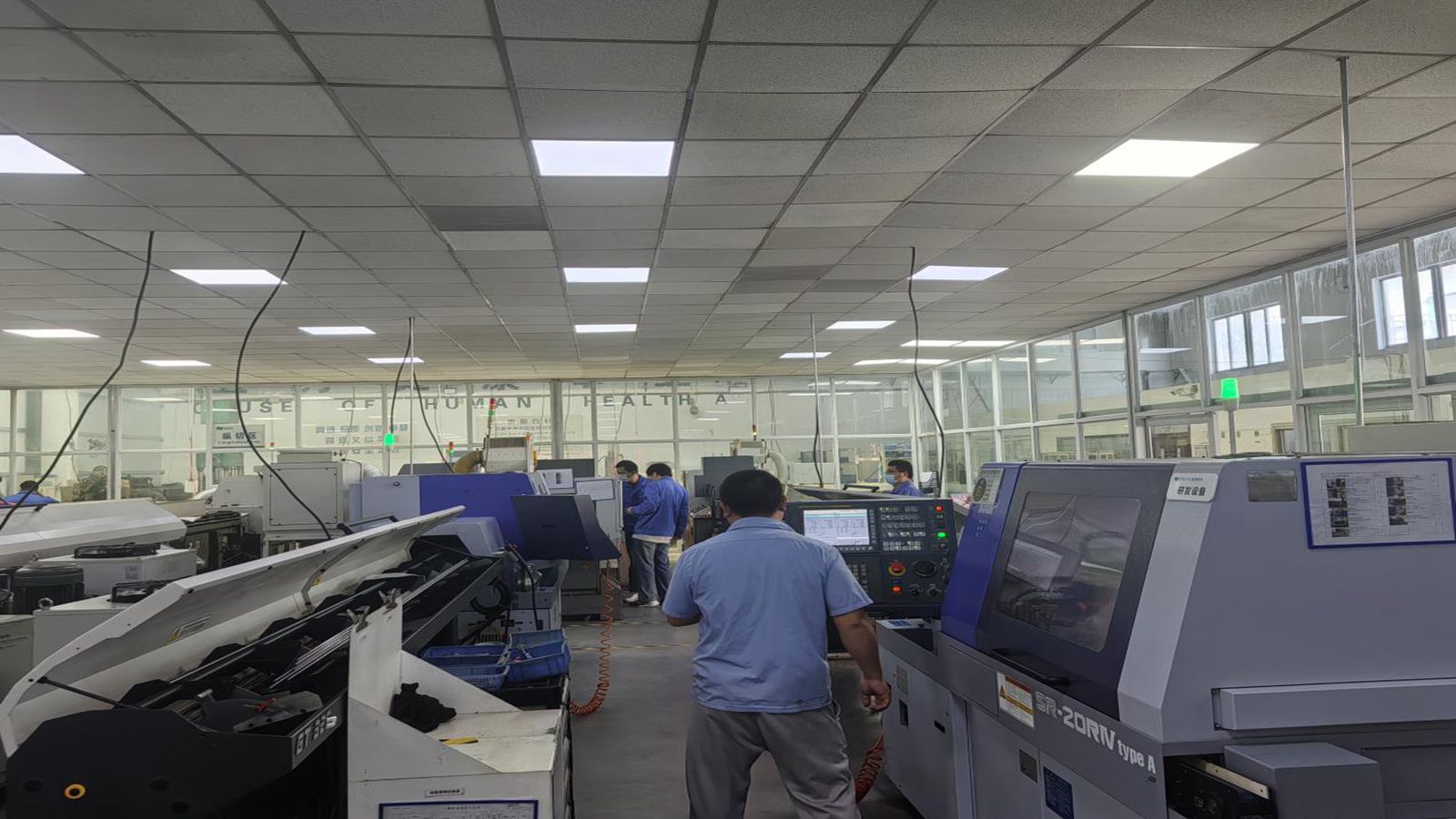
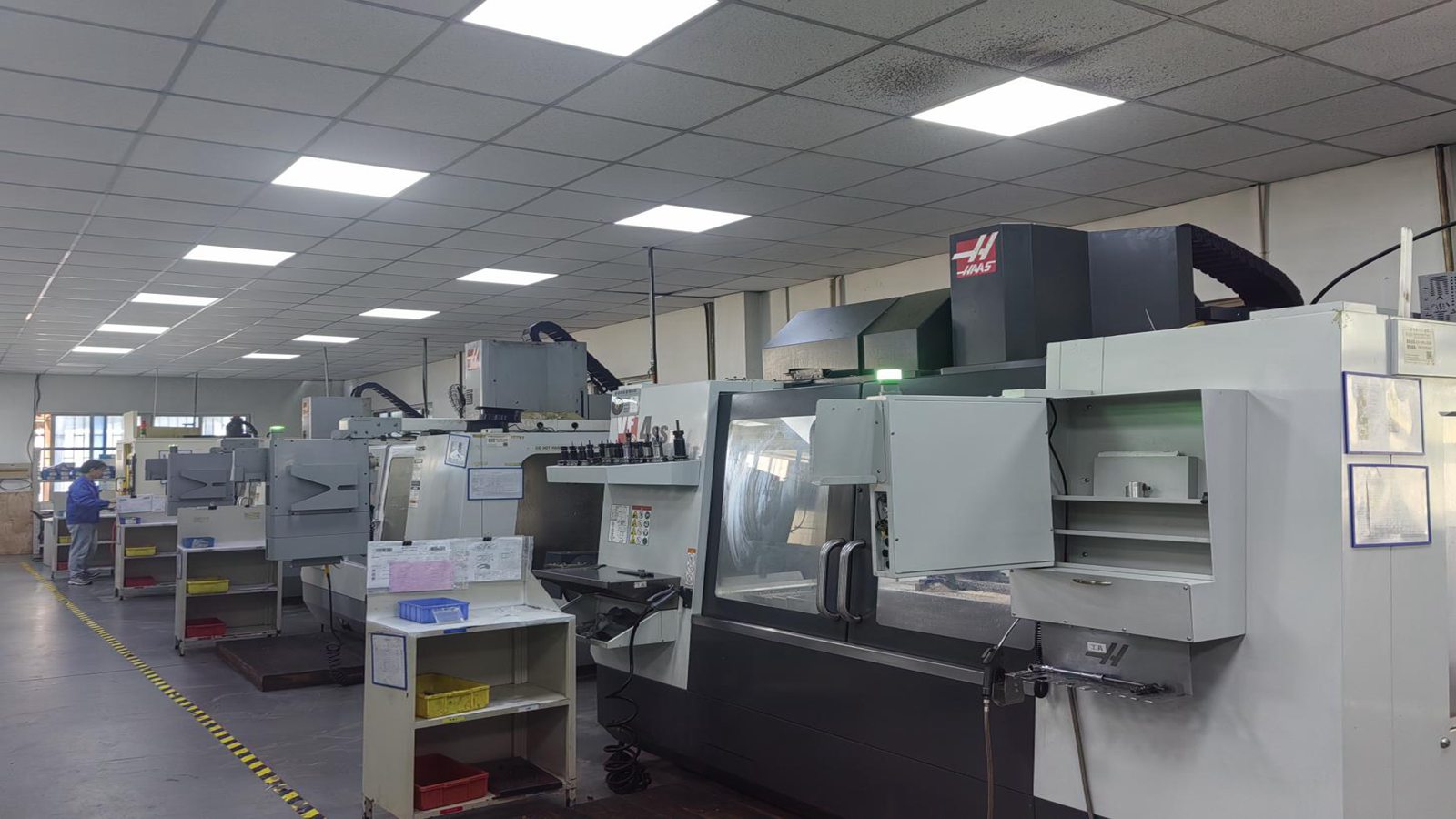
Our manufacturing floor features Citizen multi-axis CNC sliding head lathes and high-precision machining centers. These allow us to manufacture complex geometries, including self-tapping screw threads and polyaxial tulip heads, with tolerances within microns.
Located in one of China's premier medical device manufacturing clusters, Medispirex benefits from local supply chain efficiencies, raw material sourcing, and specialized engineering talent. These factors help keep production costs competitive without compromising quality.
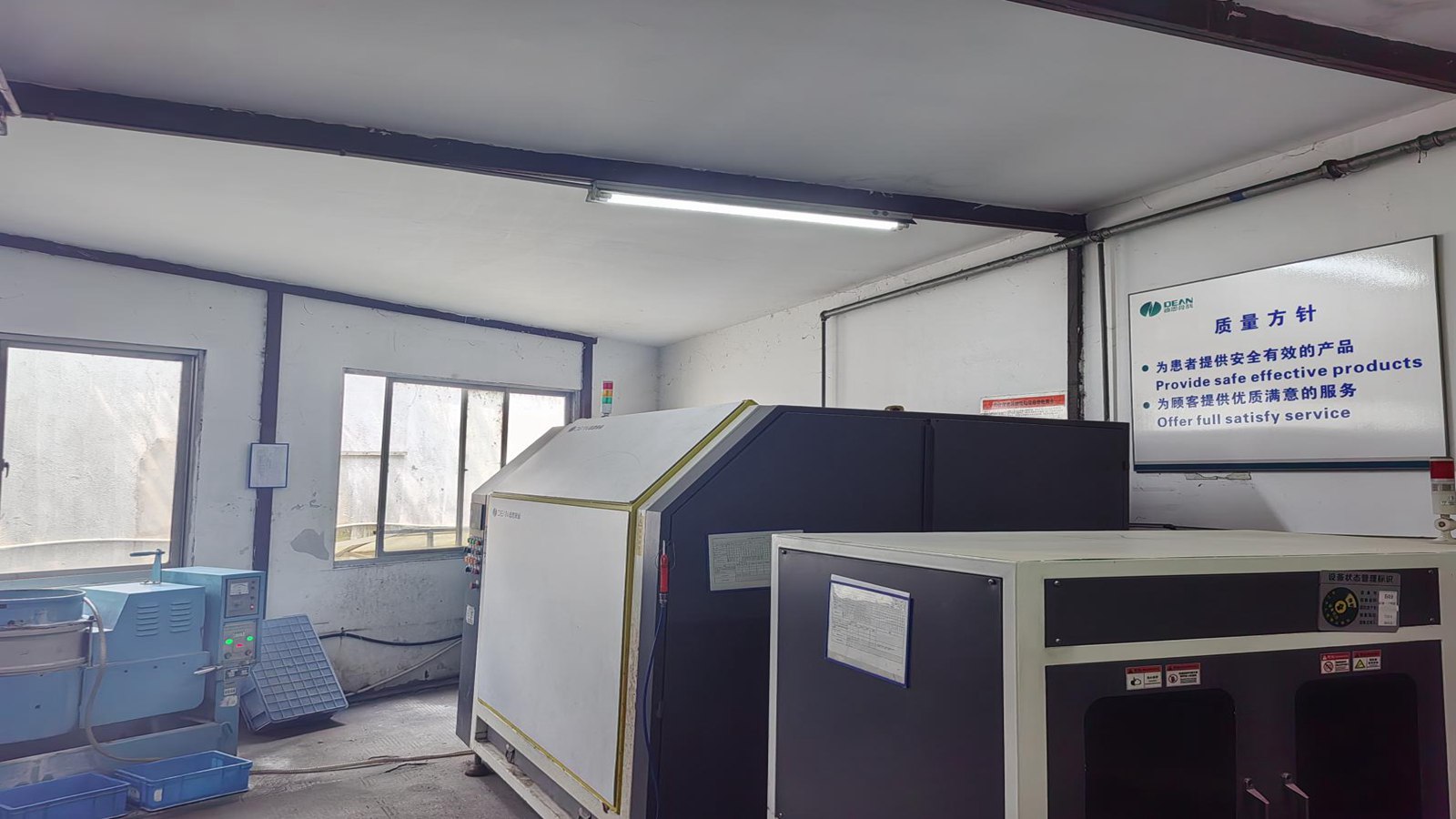
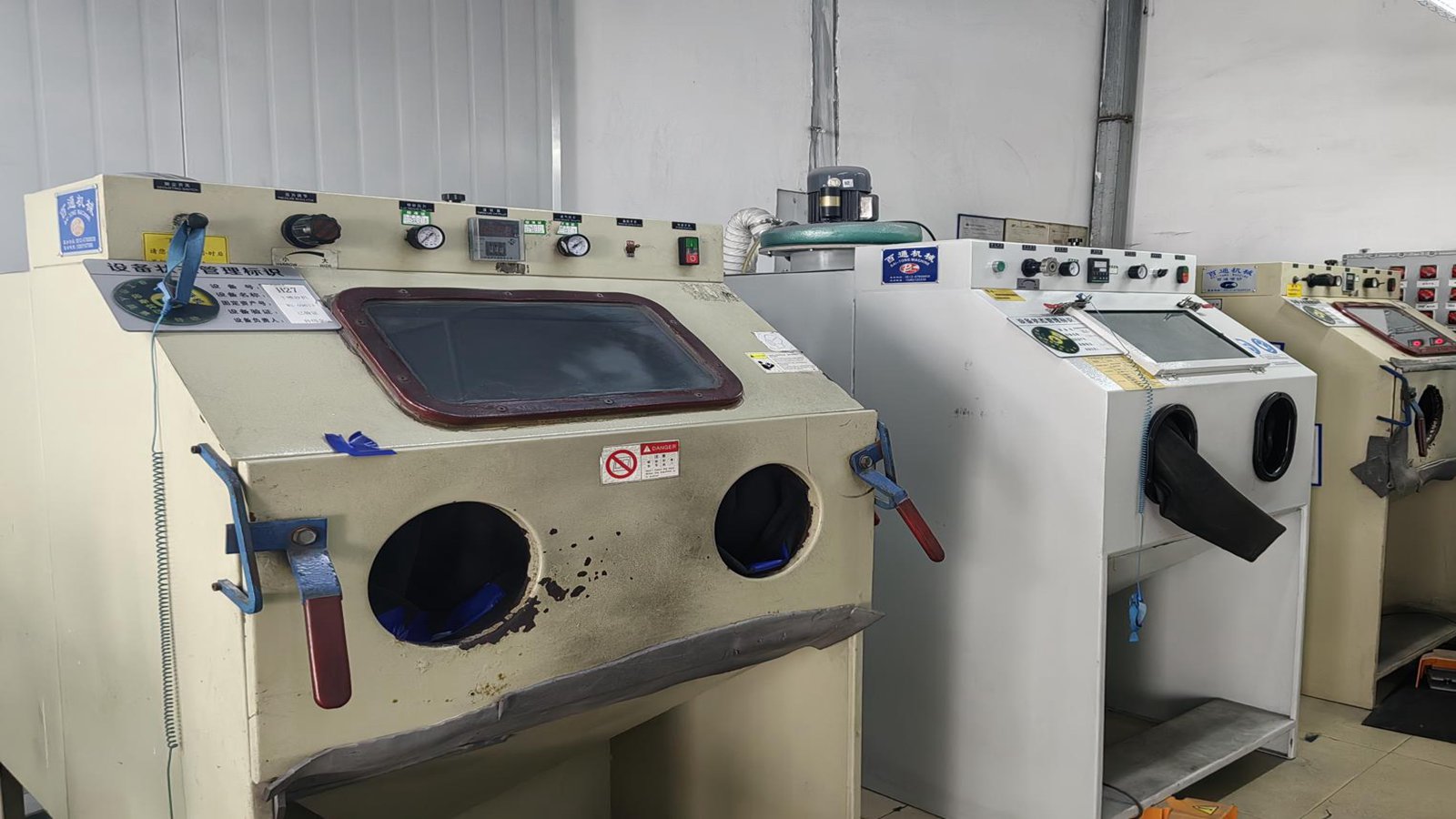
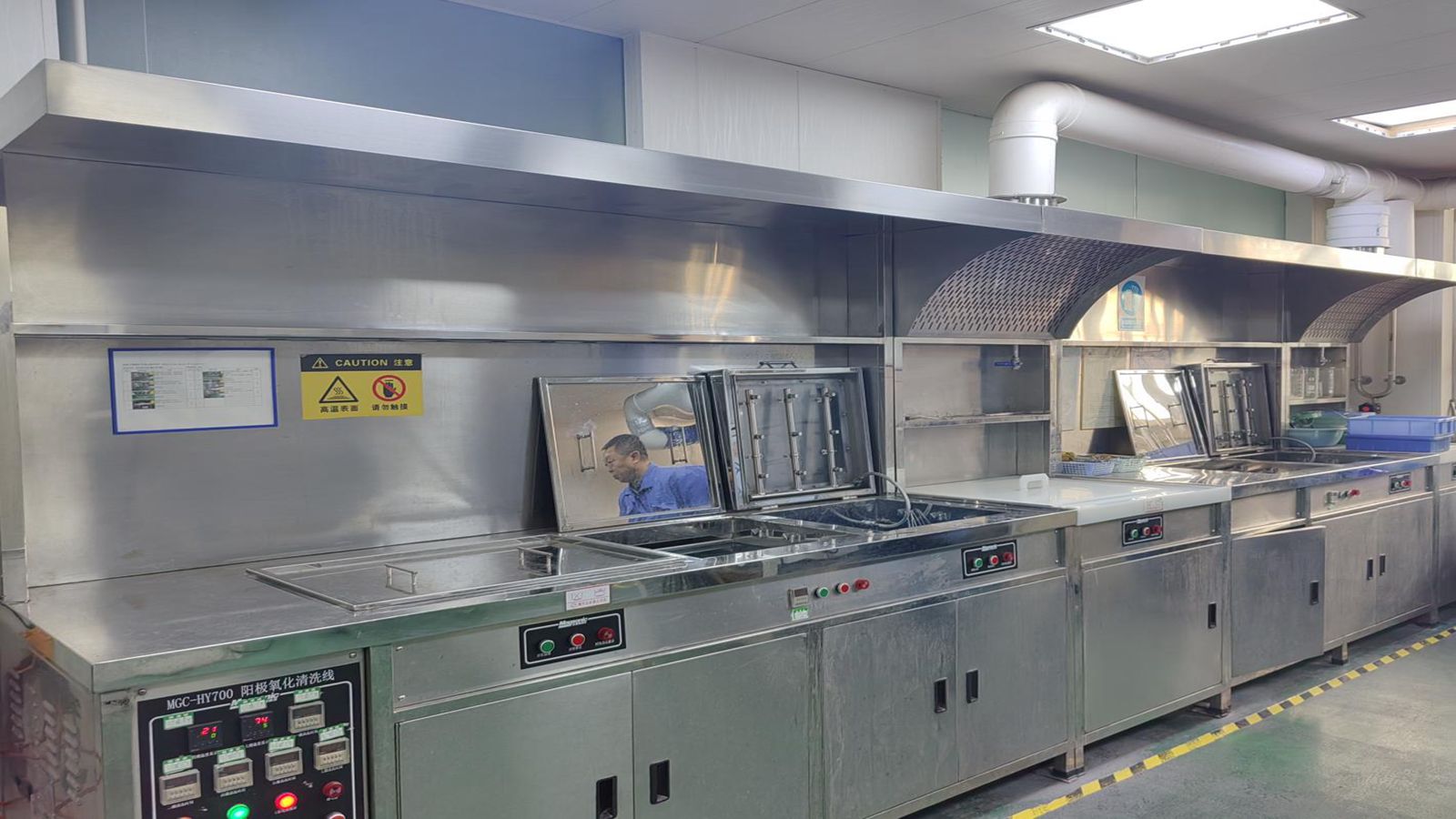
Take a closer look at our manufacturing processes, including precision CNC work, surface finishing, and quality control.
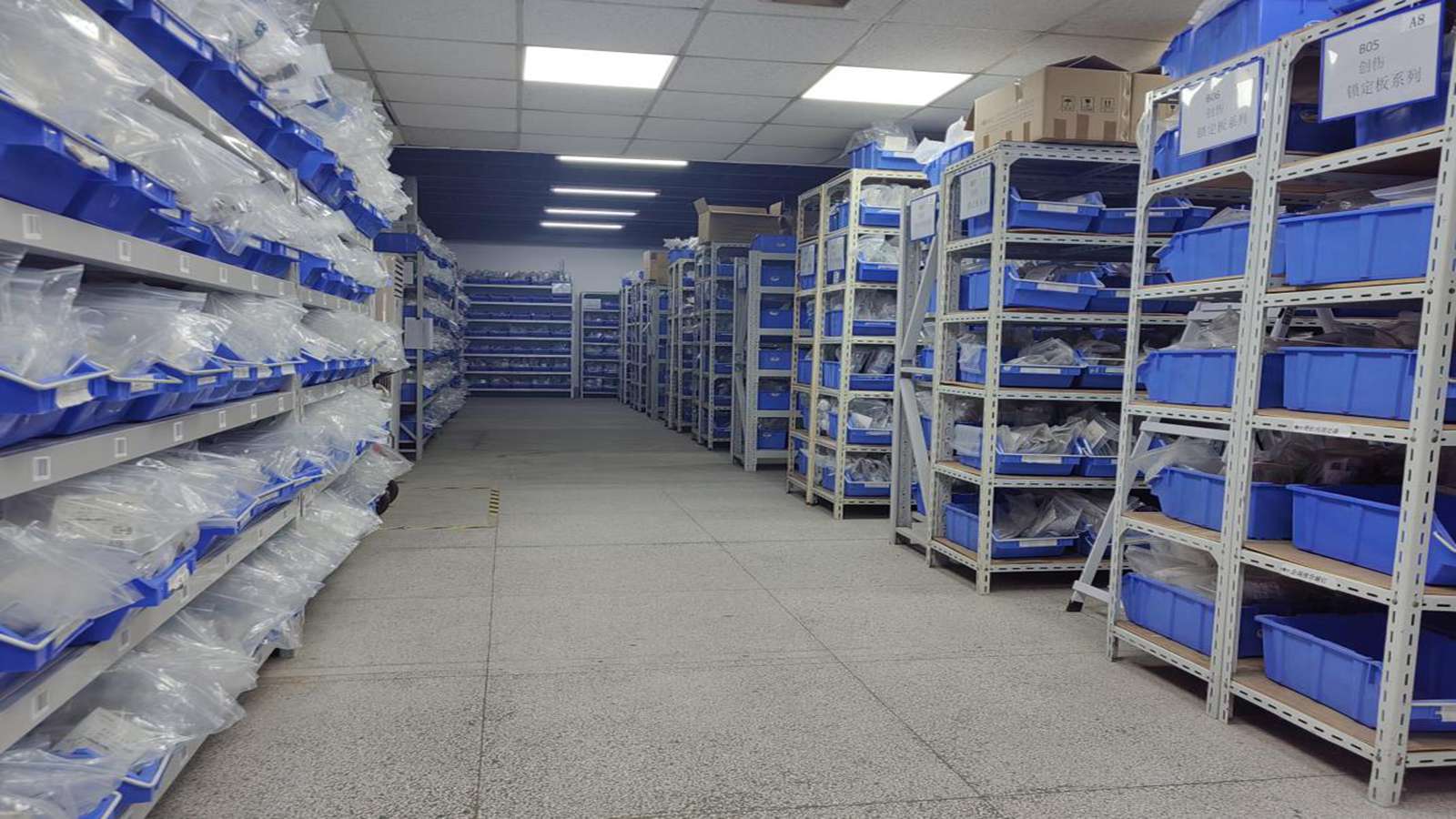
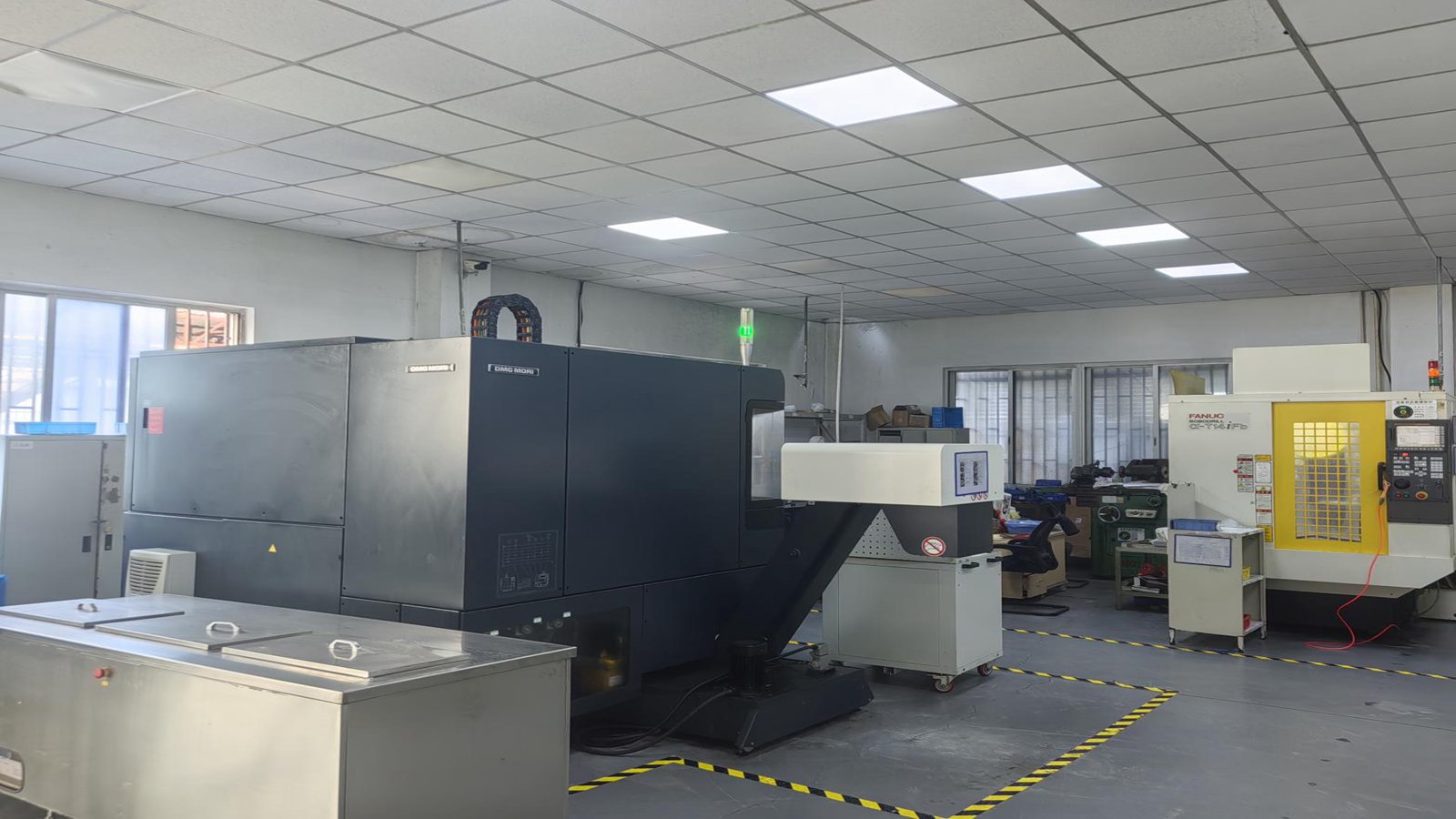
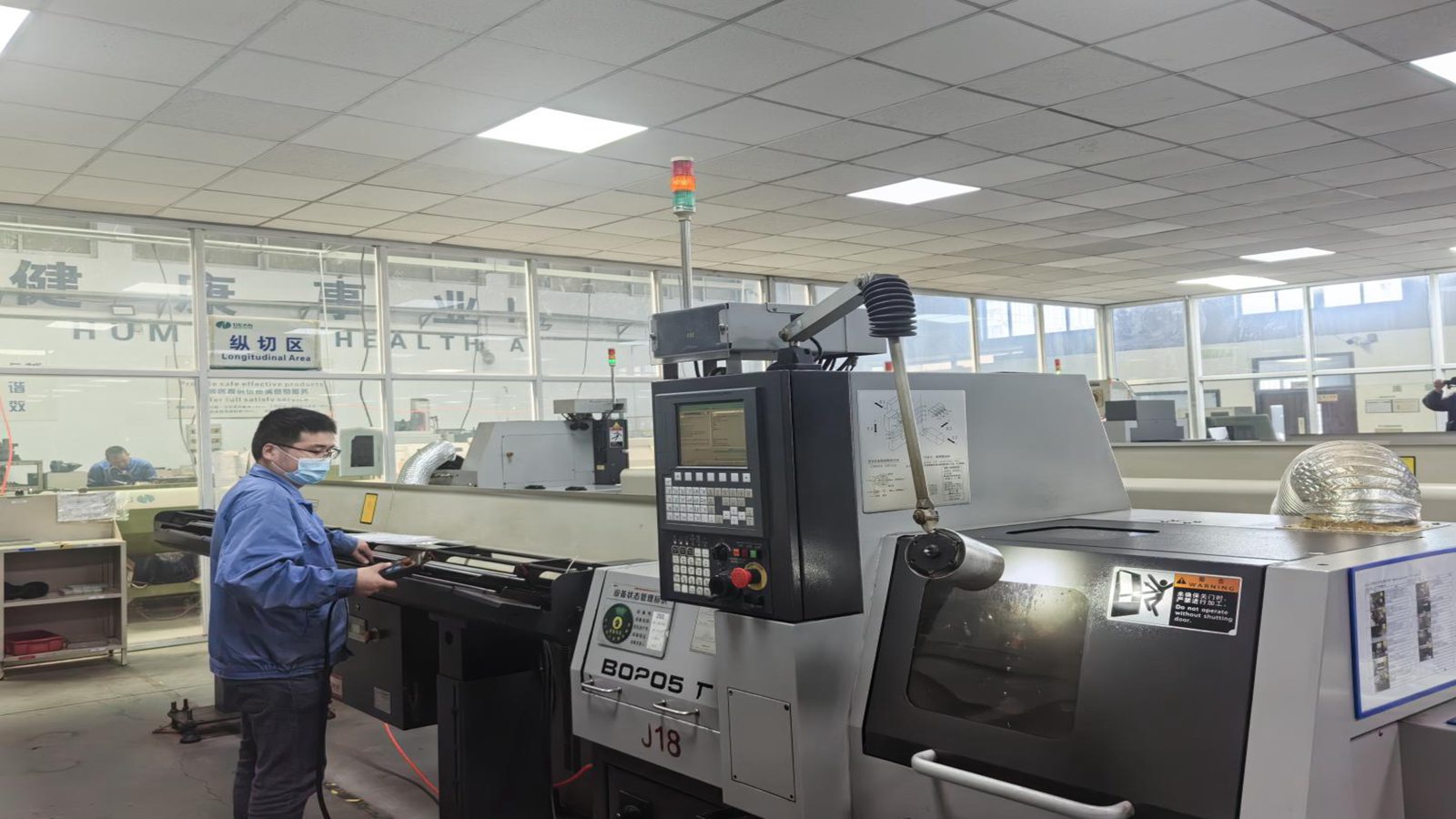
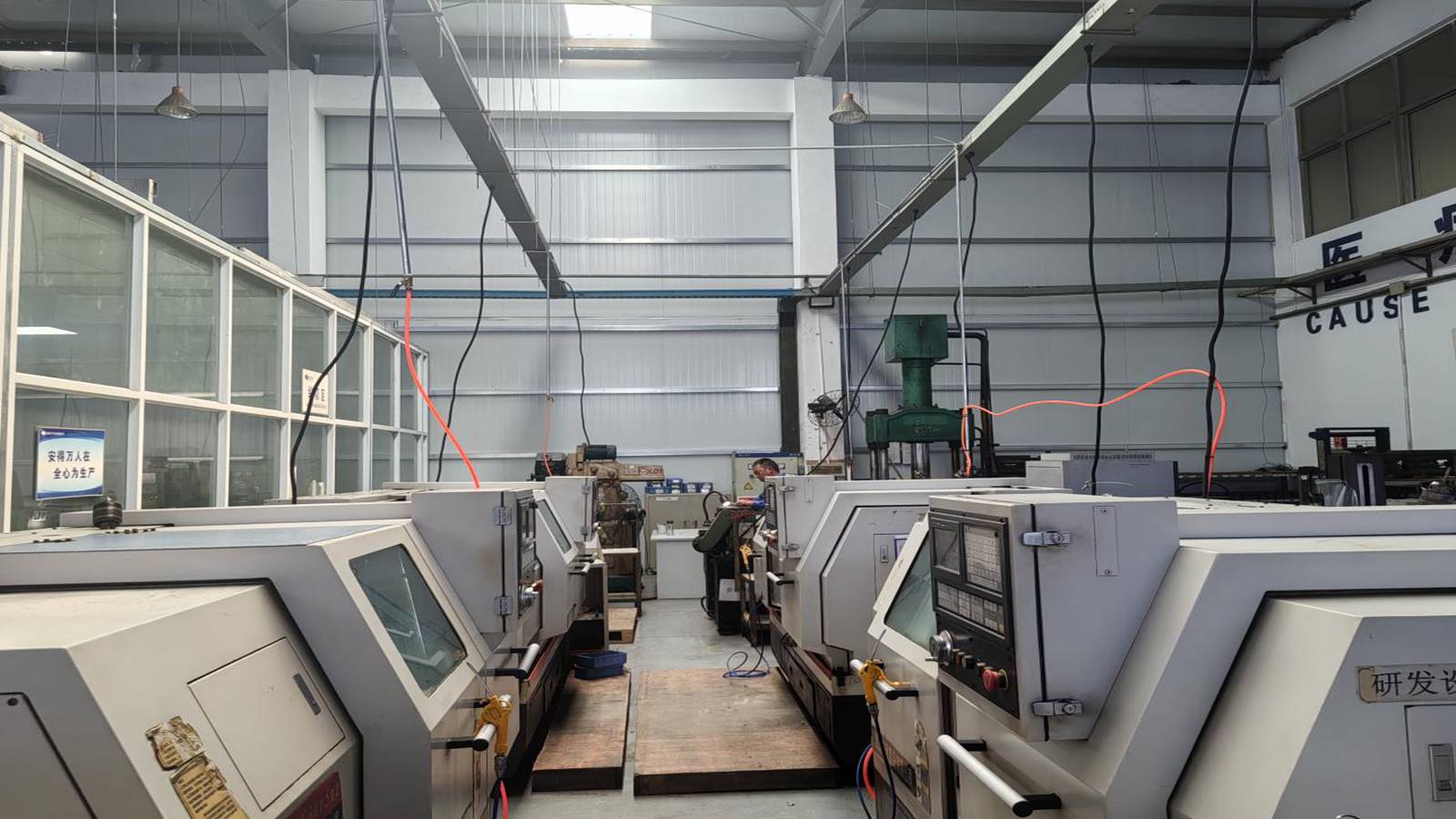
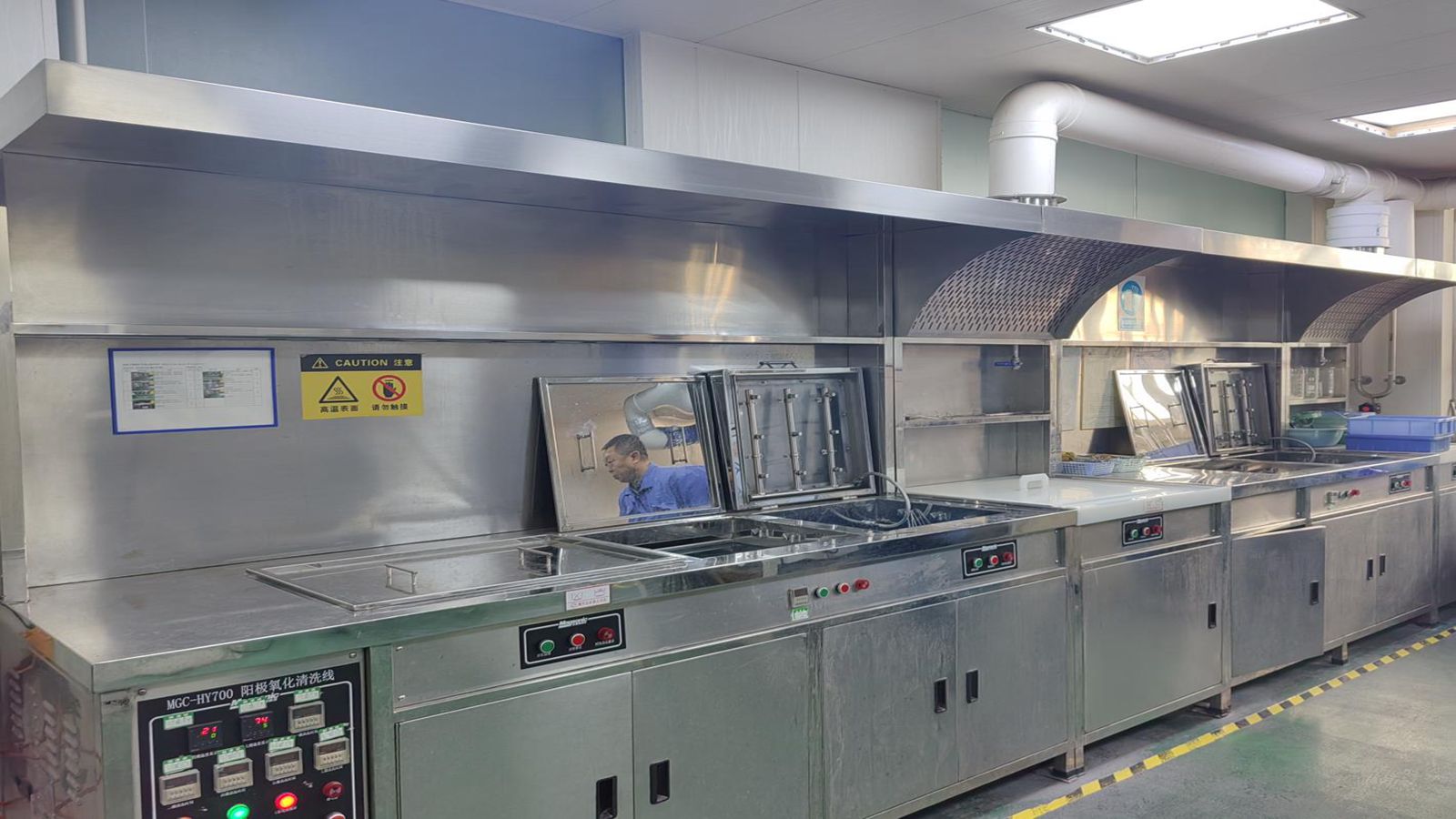
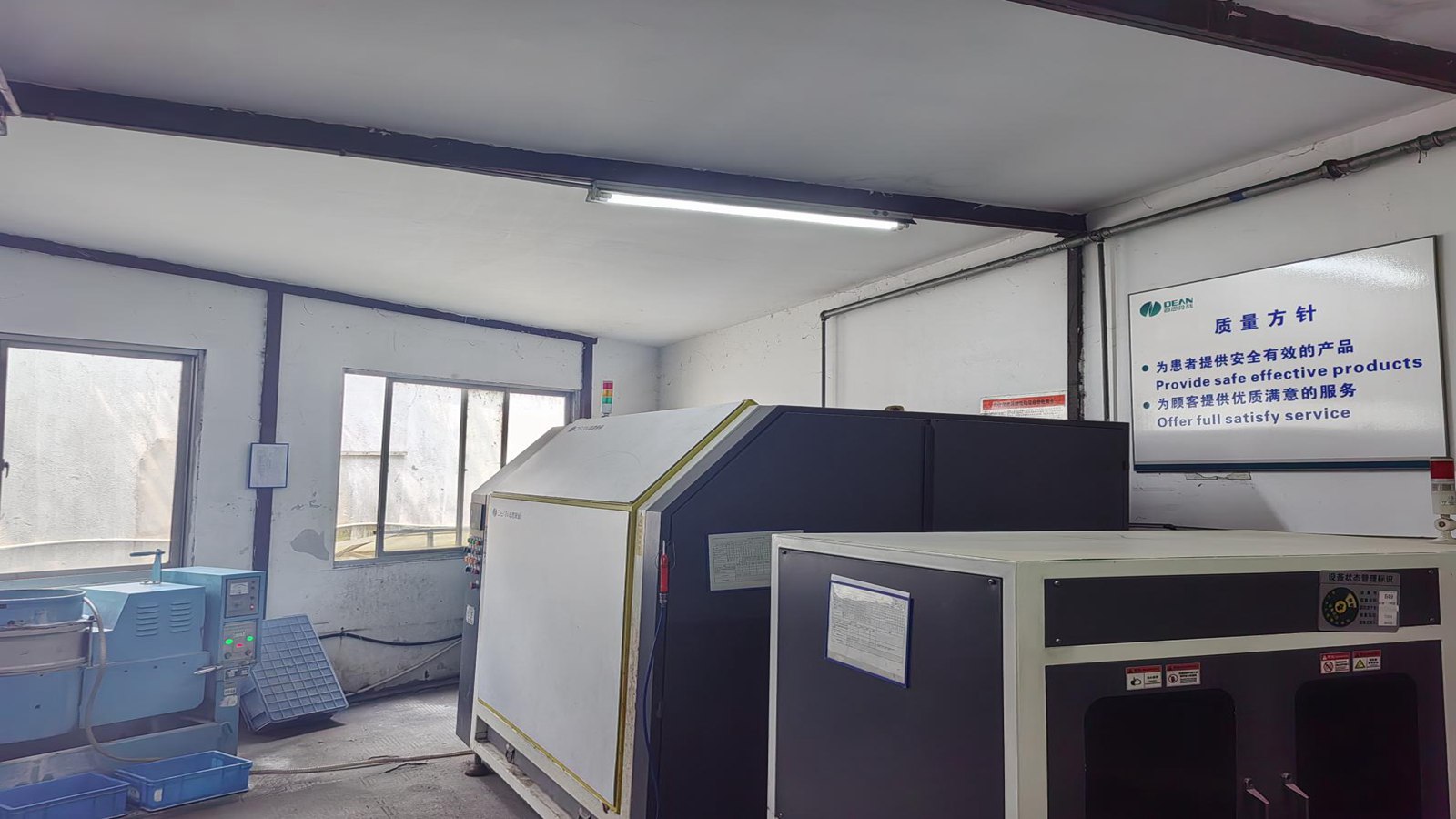
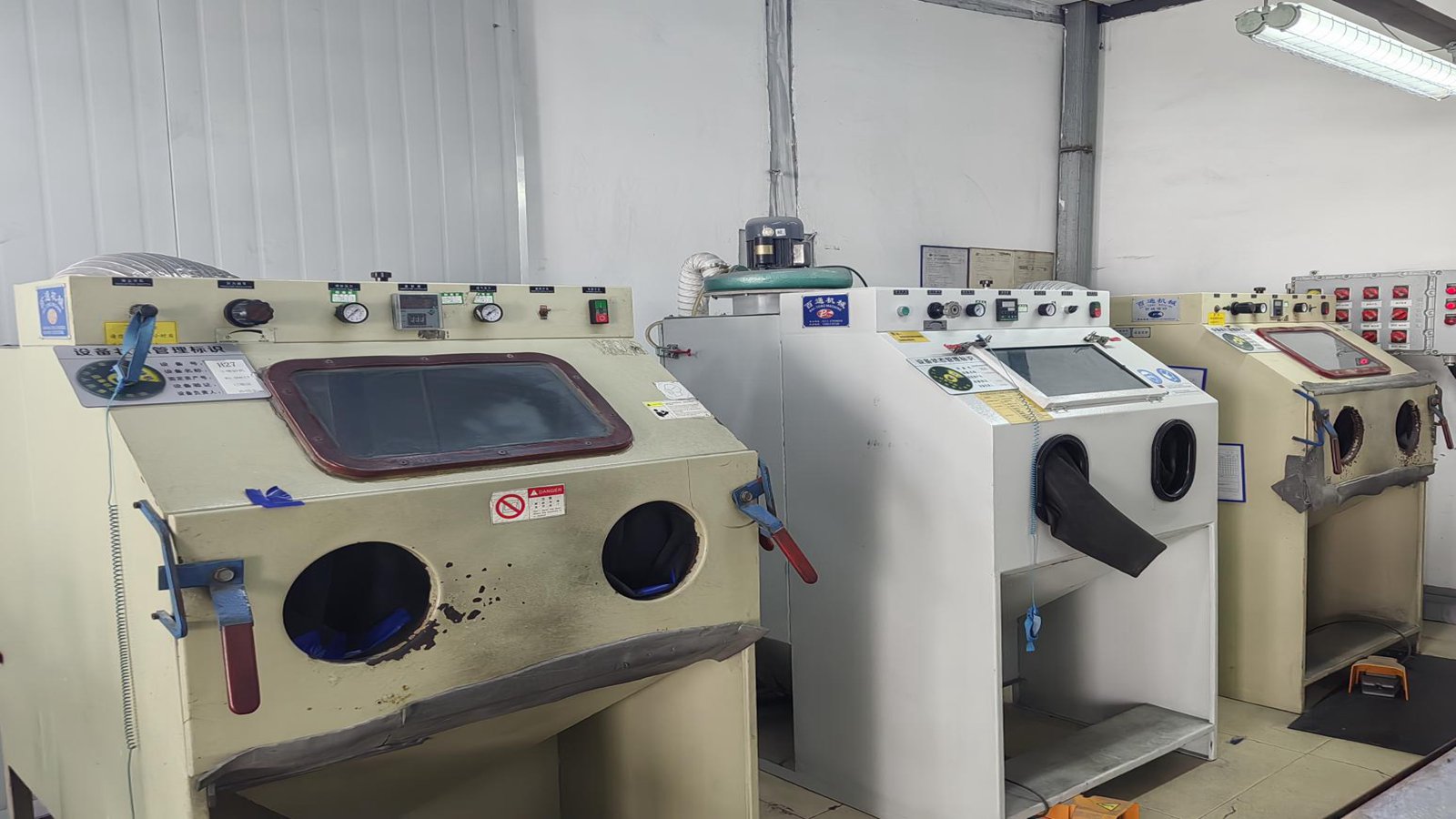
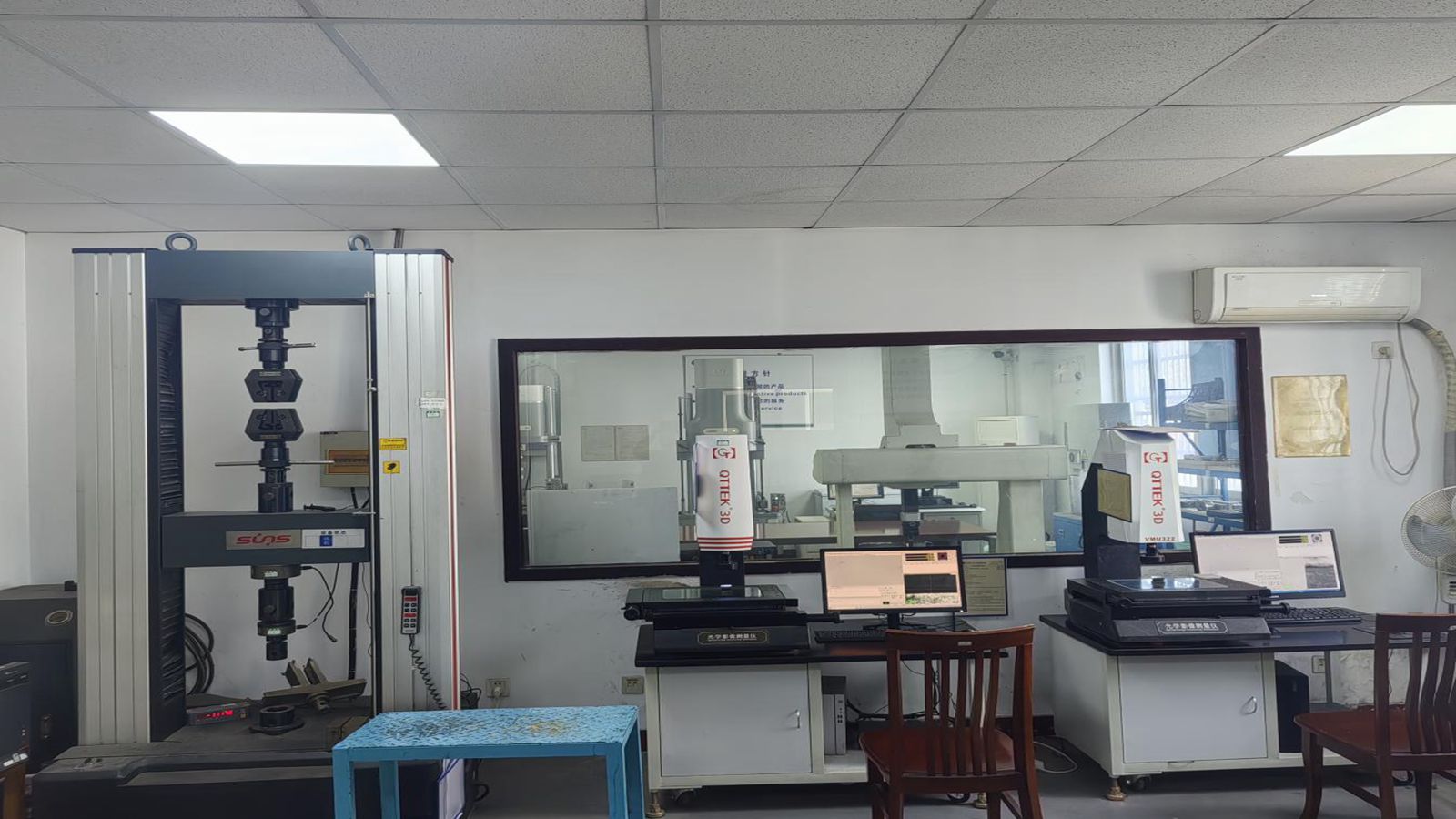
In the global medical device sector, buyers are focused on risk mitigation and reliability. When purchasing posterior cervical fixation systems, procurement officers look for regulatory compliance, stable manufacturing capacity, and consistent quality across production runs.
Medispirex works with buyers to address regulatory requirements in Europe, North America, and emerging markets. We provide technical files, ISO 13485 certifications, and detailed raw material reports to support local product registration. Our logistics team handles international shipping and customs processing to support timely deliveries.
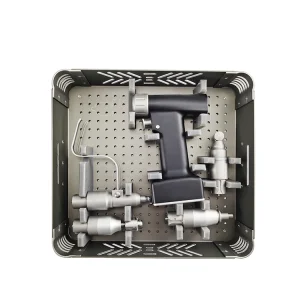
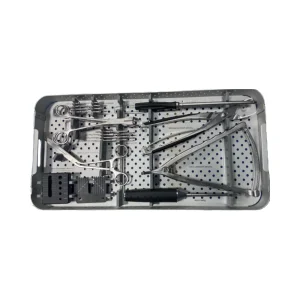
Our production planning system is designed to respond to fluctuating demands, helping distributors maintain optimal inventory levels. We also support customization, offering options to modify screw designs or adapt surgical kits to align with specific clinical feedback.
| System Component | Material Composition | Key Dimensions | Surface Treatment | Regulatory Standards |
|---|---|---|---|---|
| Polyaxial Lateral Mass Screw | Titanium Alloy (Ti-6Al-4V ELI) | Ø3.5mm / Ø4.0mm, Lengths: 10mm - 26mm | Color Anodization (Green/Blue/Gold) | ISO 13485, CE Compliant, ASTM F1717 |
| Cervical Pedicle Screw | Titanium Alloy (Ti-6Al-4V ELI) | Ø3.5mm / Ø4.0mm / Ø4.5mm, Lengths: 20mm - 45mm | Anodic Oxidation / Rough micro-finish | ISO 13485, CE Compliant, FDA Guidelines |
| Straight / Pre-Bent Rods | Medical-Grade Titanium Grade 5 | Ø3.0mm / Ø3.5mm, Lengths: 40mm - 200mm | Electro-polished / Anodized | ISO 13485, CE Mark |
| Transitional Rods & Connectors | Titanium Alloy / CoCr Option | Ø3.5mm to Ø5.5mm Step-Down | Polished / Color Coded | ISO 13485, ASTM F2706 |
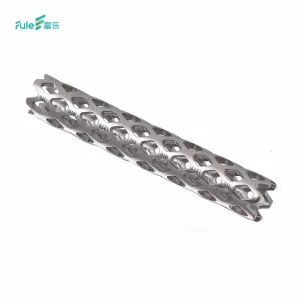
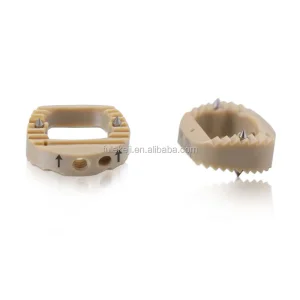
| Interbody Fusion Cages | PEEK / Titanium 3D Printed | Varying heights (4mm - 10mm) and lordotic angles | Sterilized / Non-sterilized options | CE Marked, ISO 13485 |
Detailed technical and commercial information for orthopedic distributors, procurement officers, and surgical teams.
Lateral mass screws are placed within the lateral mass, which offers a lower risk of neurological and vascular injury because the insertion path is lateral to the spinal cord and vertebral artery. However, they provide less pullout strength. Pedicle screws pass through the cervical pedicle into the vertebral body, providing stronger three-column fixation. This is suitable for deformity correction or severe instability, but requires high precision to avoid injuring the vertebral artery or nerve roots.
All our titanium implants are fabricated from medical-grade Titanium Alloy (Ti-6Al-4V ELI) conforming strictly to ASTM F136 and ISO 5832-3 standards. Our polymer-based implants, such as fusion cages, utilize implantable PEEK-OPTIMA™ or equivalent high-grade medical PEEK raw materials conforming to ASTM F2026. This ensures biocompatibility and reliable fatigue resistance.
Yes. We manufacture transitional rods (e.g., 3.5mm to 5.5mm step-down rods) and offset connectors. These components allow surgeons to connect a posterior cervical construct with a thoracic or lumbar system, providing a stable transition across the cervicothoracic junction.
We provide full OEM/ODM services, including CAD design customization, CNC prototype fabrication, custom laser marking, and packaging options (non-sterile bulk or double-sterile blister packs). Our team also assists partners with the documentation required for local regulatory filings.
Complete your medical inventory with our specialized spinal screw systems, orthopedic trauma plates, and arthroscopic surgical tools.