Medispirex
Medispirex
Medispirex
Premium surgical instrumentation, joint prosthesis, and implant technologies verified by Medispirex
Cranioplasty, the surgical repair of bone defects in the skull, requires material substrates that exhibit exceptional biomechanical toughness, chemical inertness, and superb integration capabilities with surrounding tissue. Titanium Mesh for Cranial Repair represents the global clinical benchmark for addressing neurosurgical bone structural defects resulting from trauma, oncological resections, or decompressive craniectomies.
As a leading developer in this sector, Medispirex Orthopedic Technology Co., Ltd. (established in 2016) has engineered an array of high-grade surgical cranial mesh solutions. Backed by 12 years of industry experience and 7 years of active export operations, Medispirex serves international surgical distributors, OEM system integrators, and clinical entities with regulatory-compliant titanium solutions designed to restore cranial geometry and protect cerebral pathways.
The success of a cranioplasty implant lies significantly within its metallurgy. Medispirex uses high-purity medical-grade titanium sheets (typically conforming to ASTM F67 Grade 1 or Grade 2 for commercially pure titanium, or ASTM F136 Ti-6Al-4V ELI for applications requiring extra mechanical strength). Grade 2 commercially pure titanium is preferred for standard cranial repair meshes due to its optimal balance of:
The mesh geometry is not arbitrary. It features a micro-perforated design pattern optimized to maintain load-bearing structural integrity while facilitating post-operative fluid drainage, nutritional fluid exchange, and fibrous tissue ingrowth. The vascularization of the overlying scalp tissue remains unimpeded, preventing flap necrosis and reducing the risk of implant extrusion or late-stage infection.
Medispirex Orthopedic Technology Co., Ltd. operates a state-of-the-art 18,600m² production complex utilizing vertical integration to control costs, quality, and supply continuity.
The centralization of China's titanium supply chain provides an unmatched manufacturing advantage. By anchoring production within a network of approximately 860 upstream and downstream partners, Medispirex secures high-purity titanium raw materials at stable pricing and maintains production capacity reserves to accommodate bulk orders and OEM adjustments with rapid lead times.
Innovation remains core to Medispirex’s market expansion. Leveraging a dedicated R&D department staffed by 85 professional engineers specializing in material sciences and biomechanics, the company launched over 120 new products within the last fiscal year alone. This capability enables the rapid prototyping and production of custom-made patient-specific implants (PSIs) using 3D rendering alongside traditional mass-produced anatomical meshes.
A visual tour of our internal processing pipelines, from advanced machining and anodic treatments to final laboratory verification.
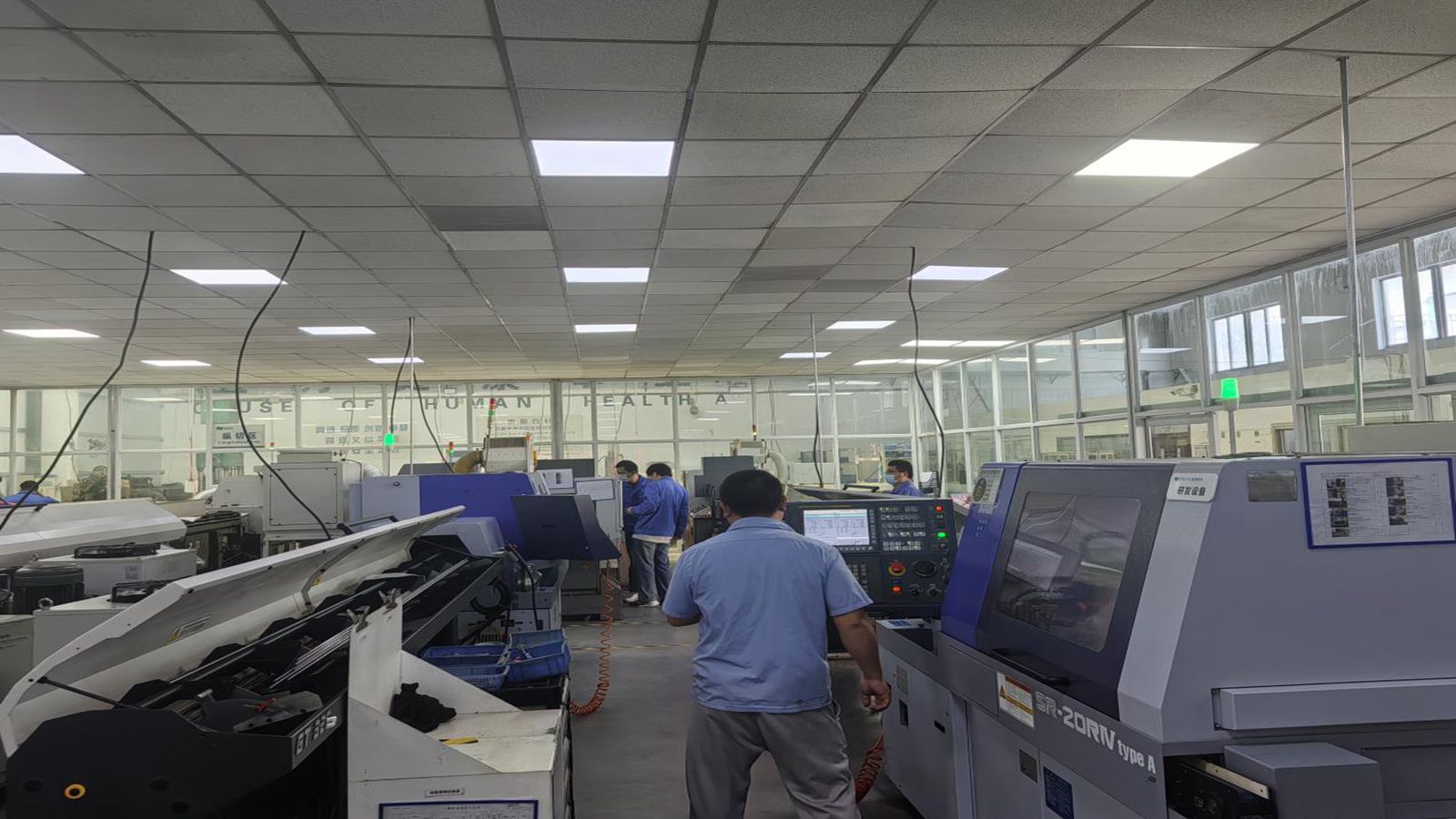
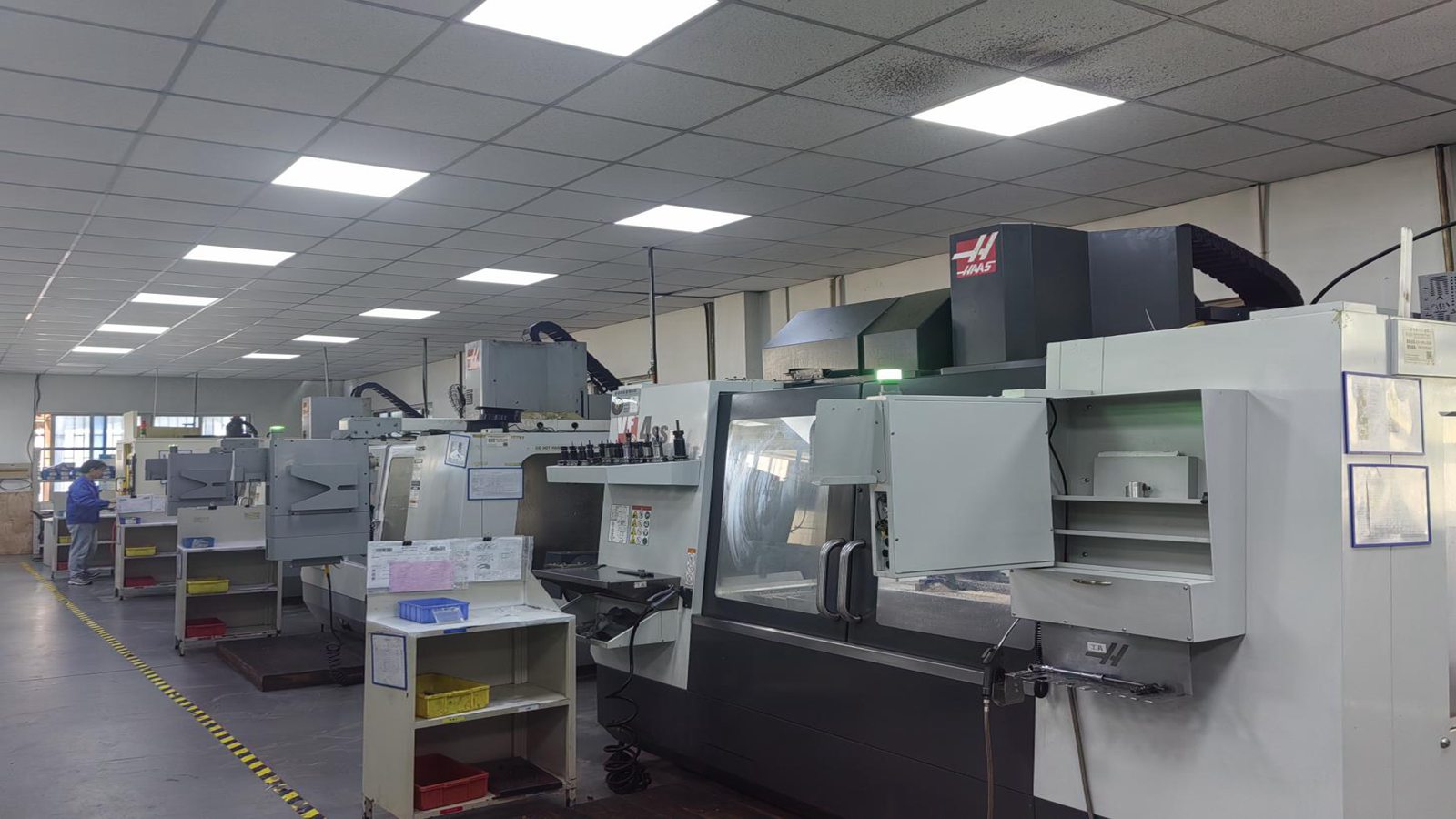
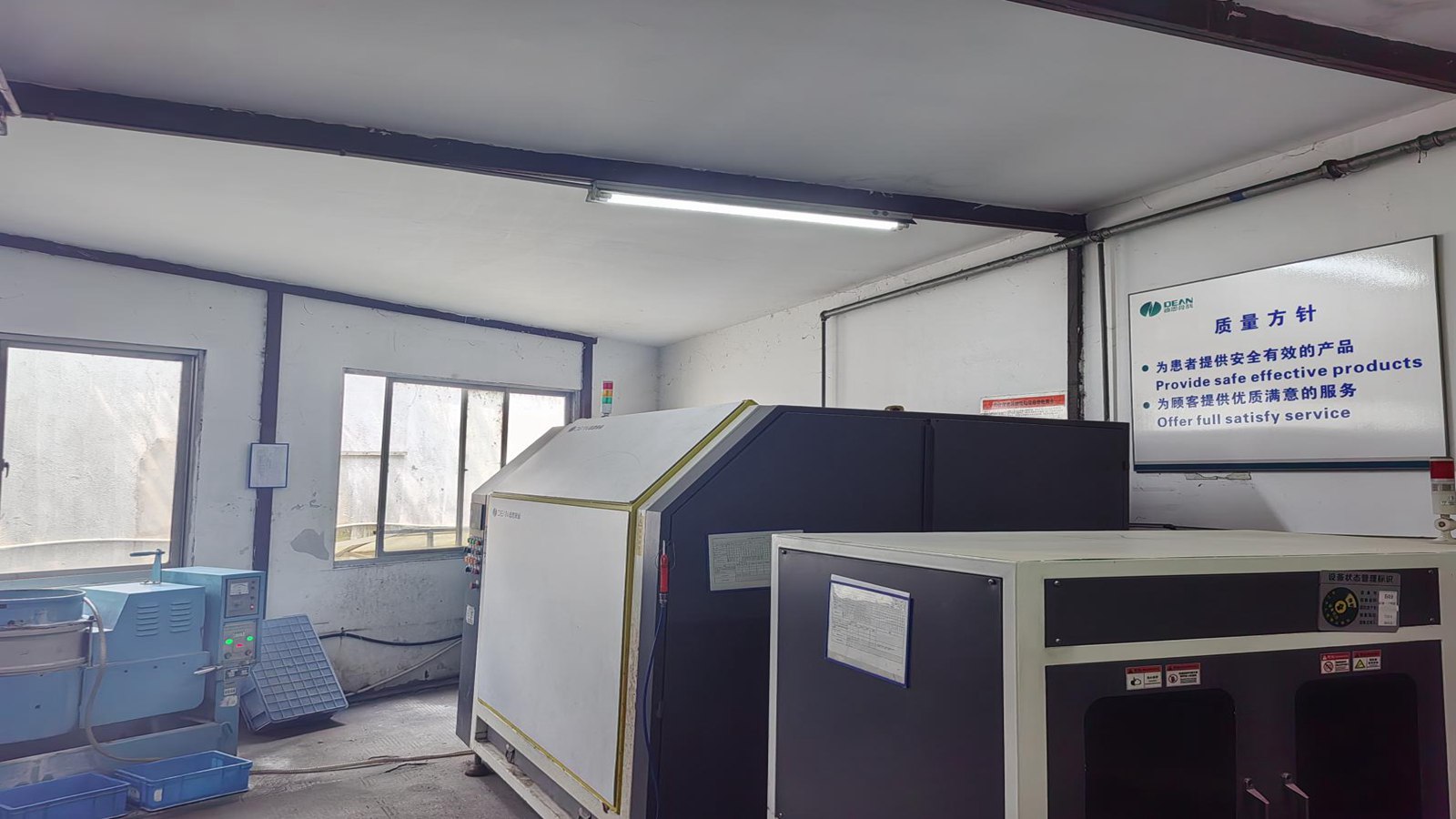
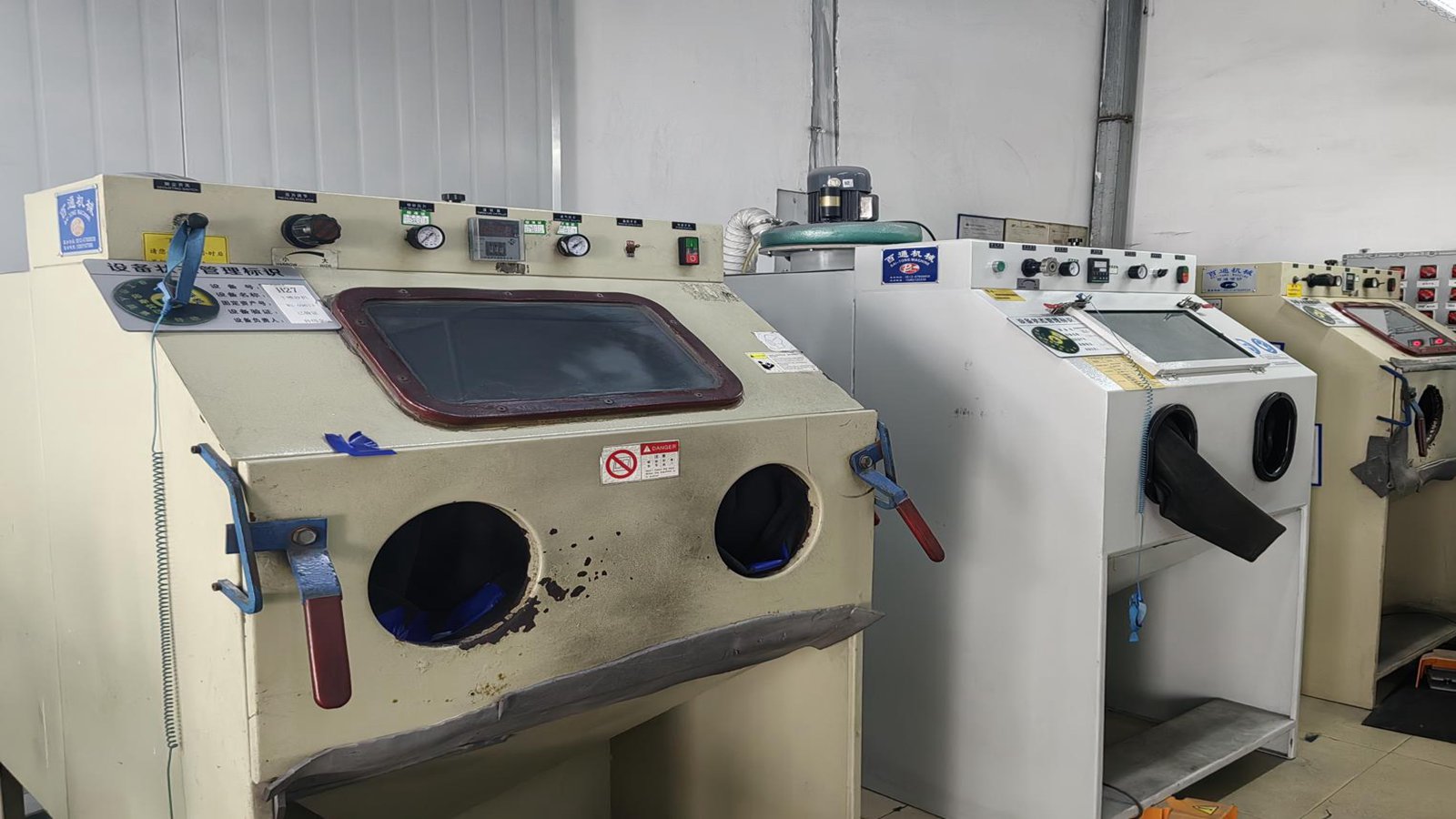
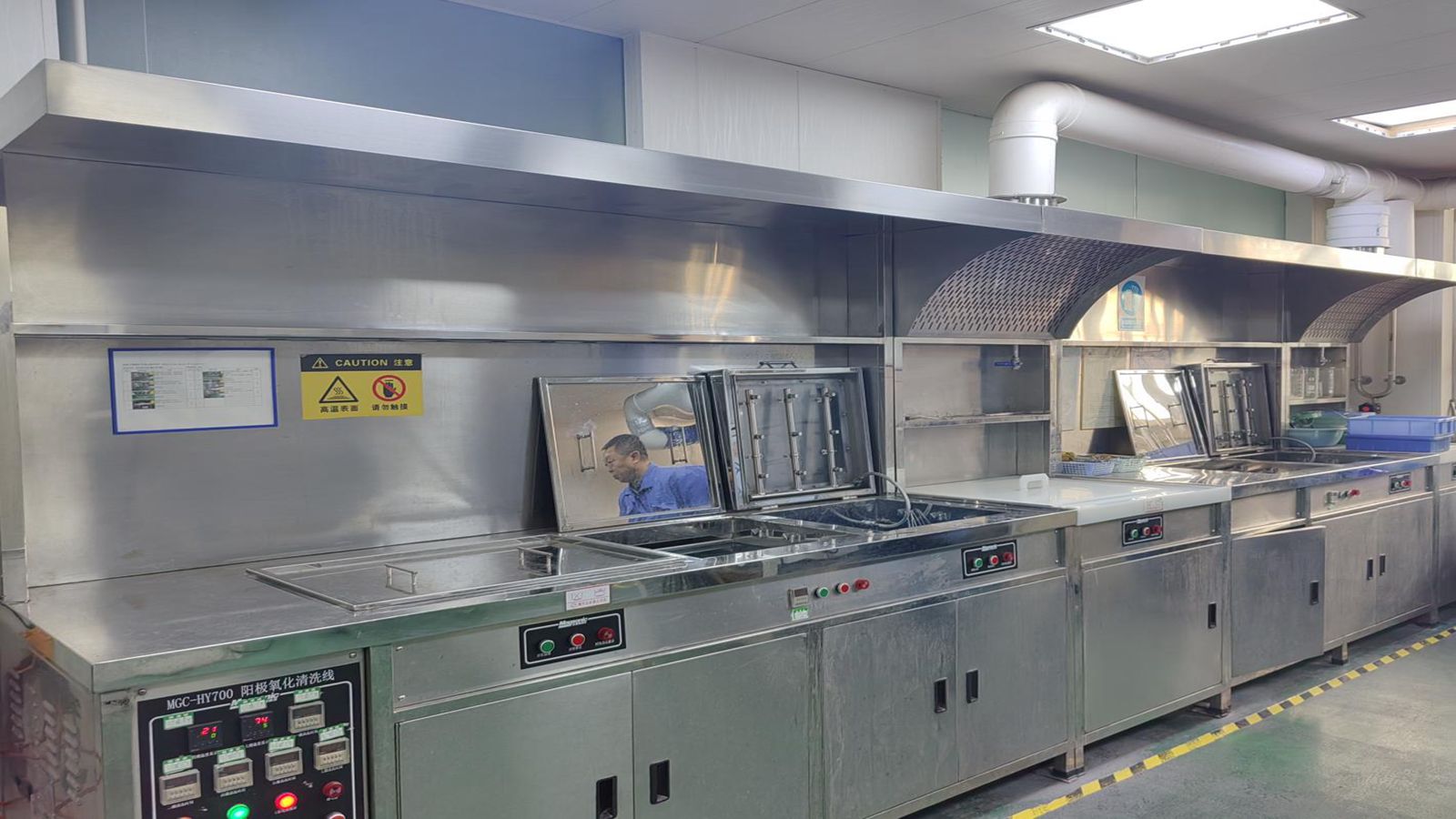
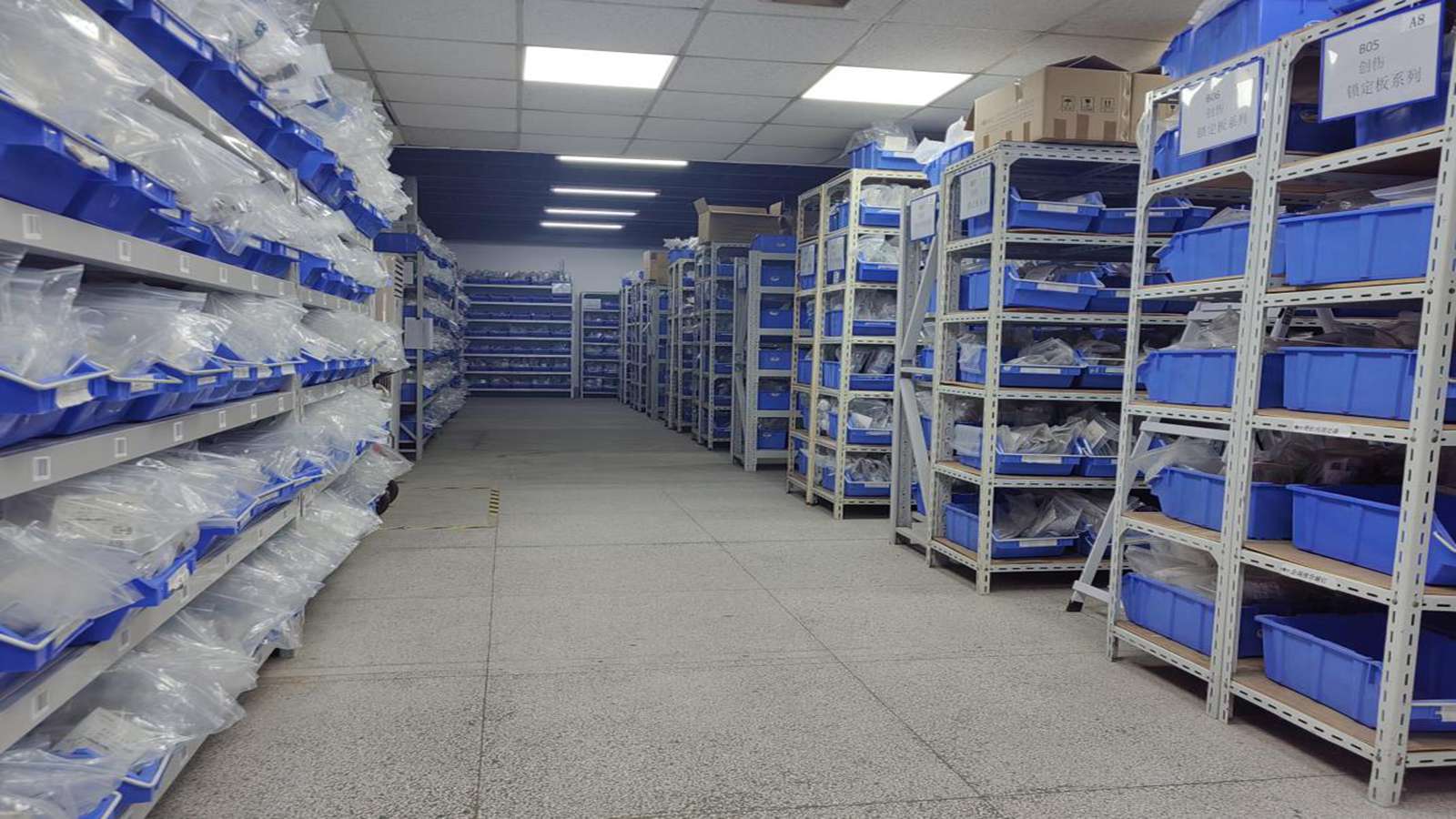
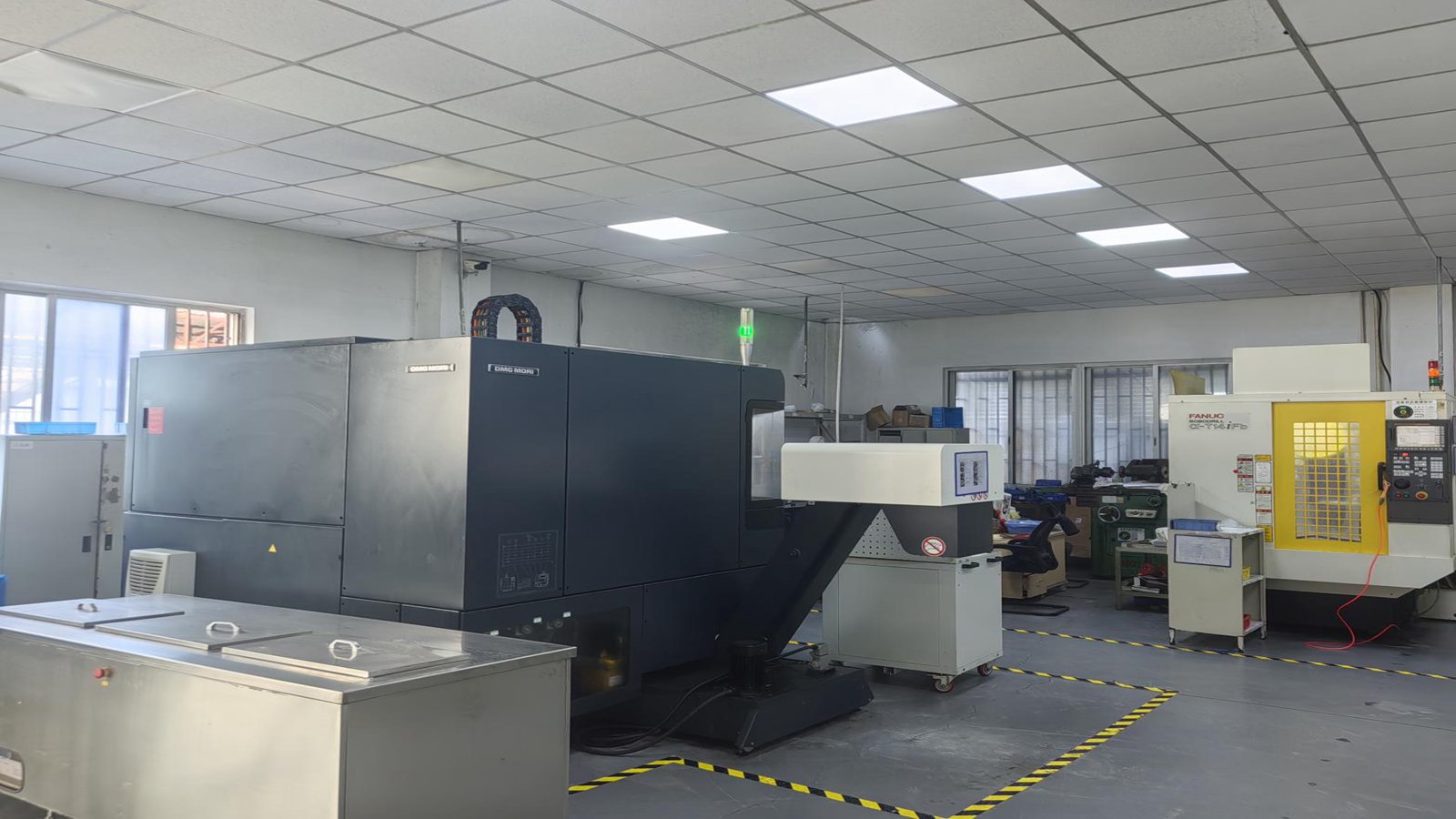
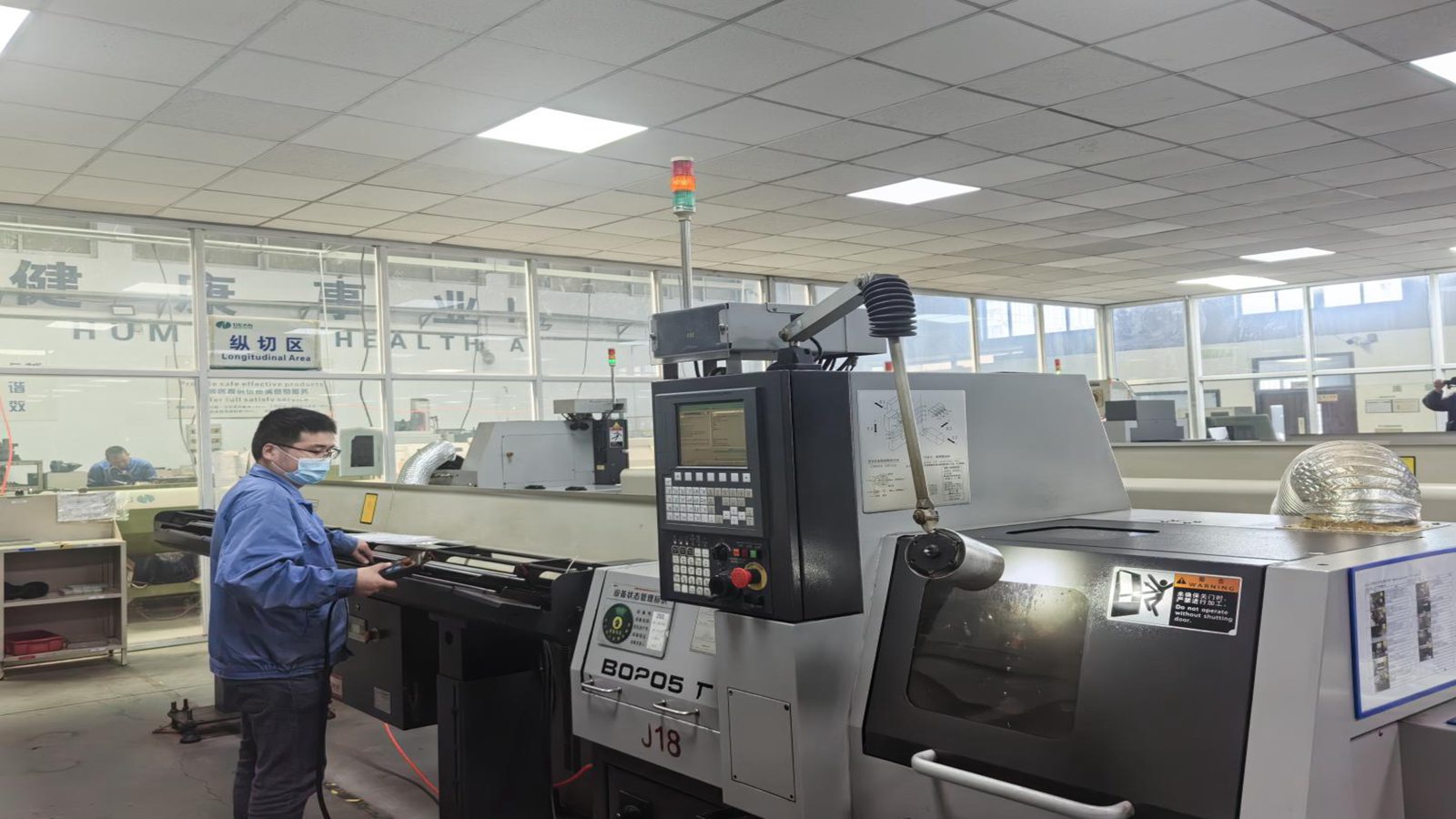
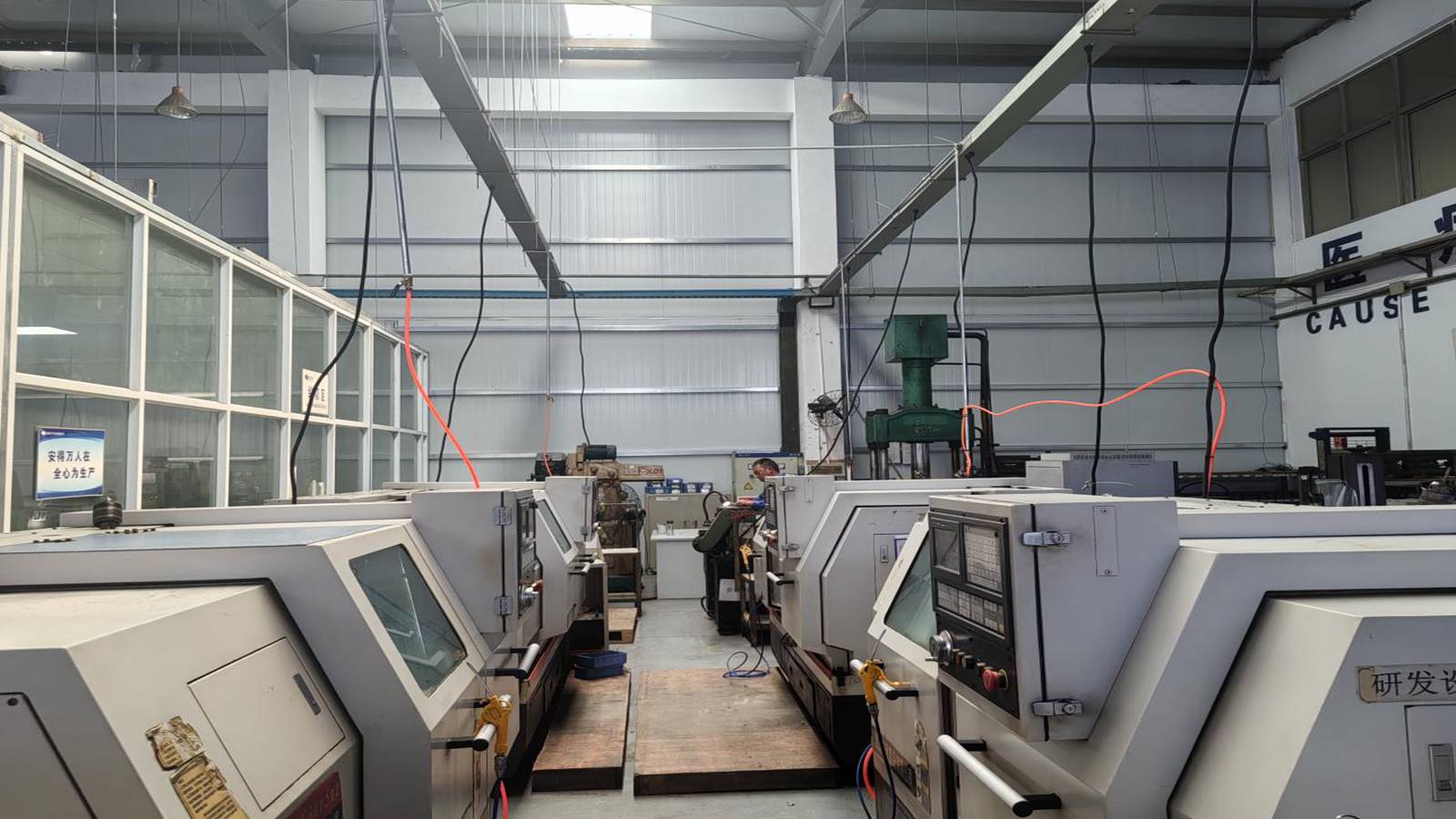
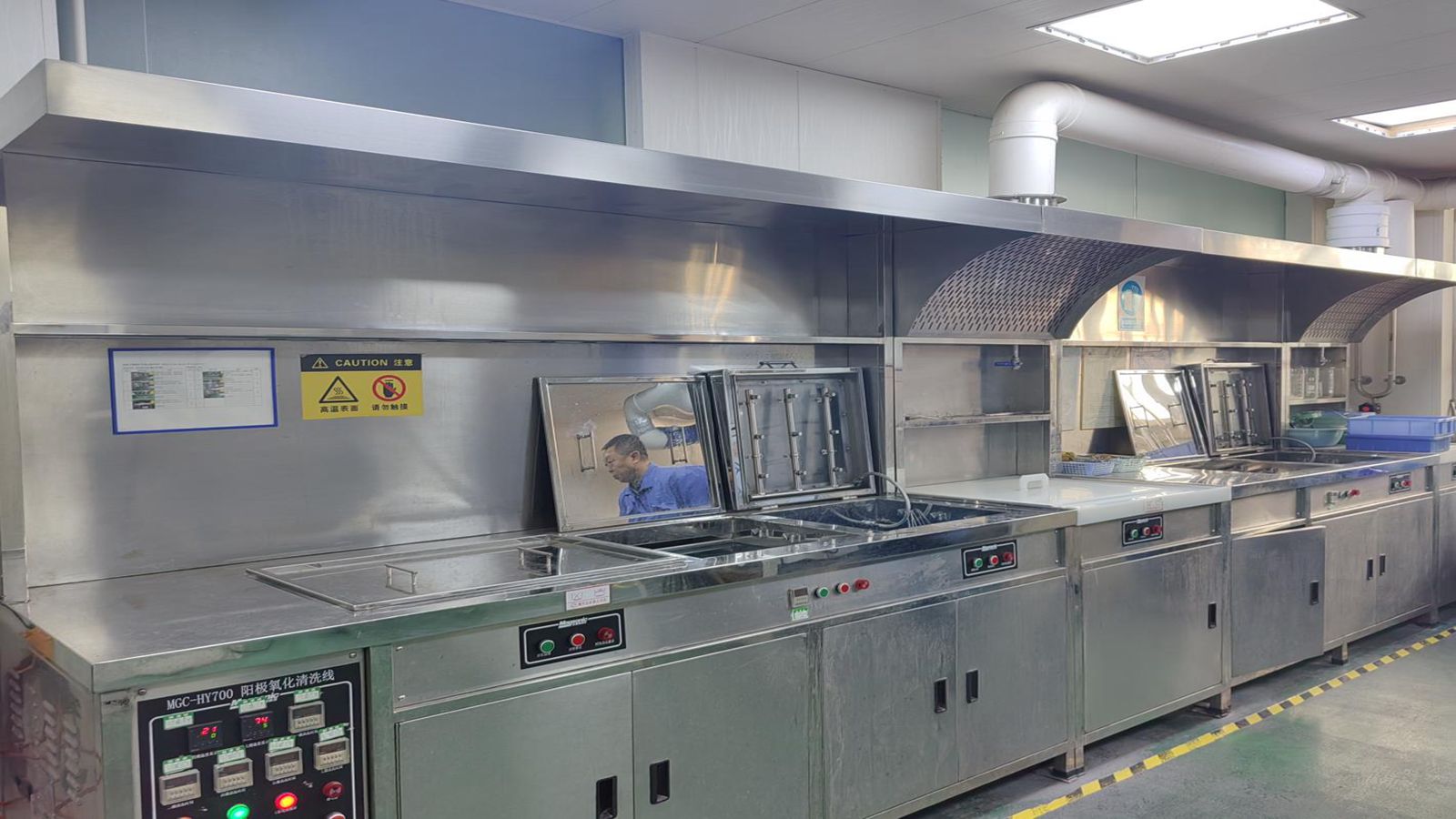
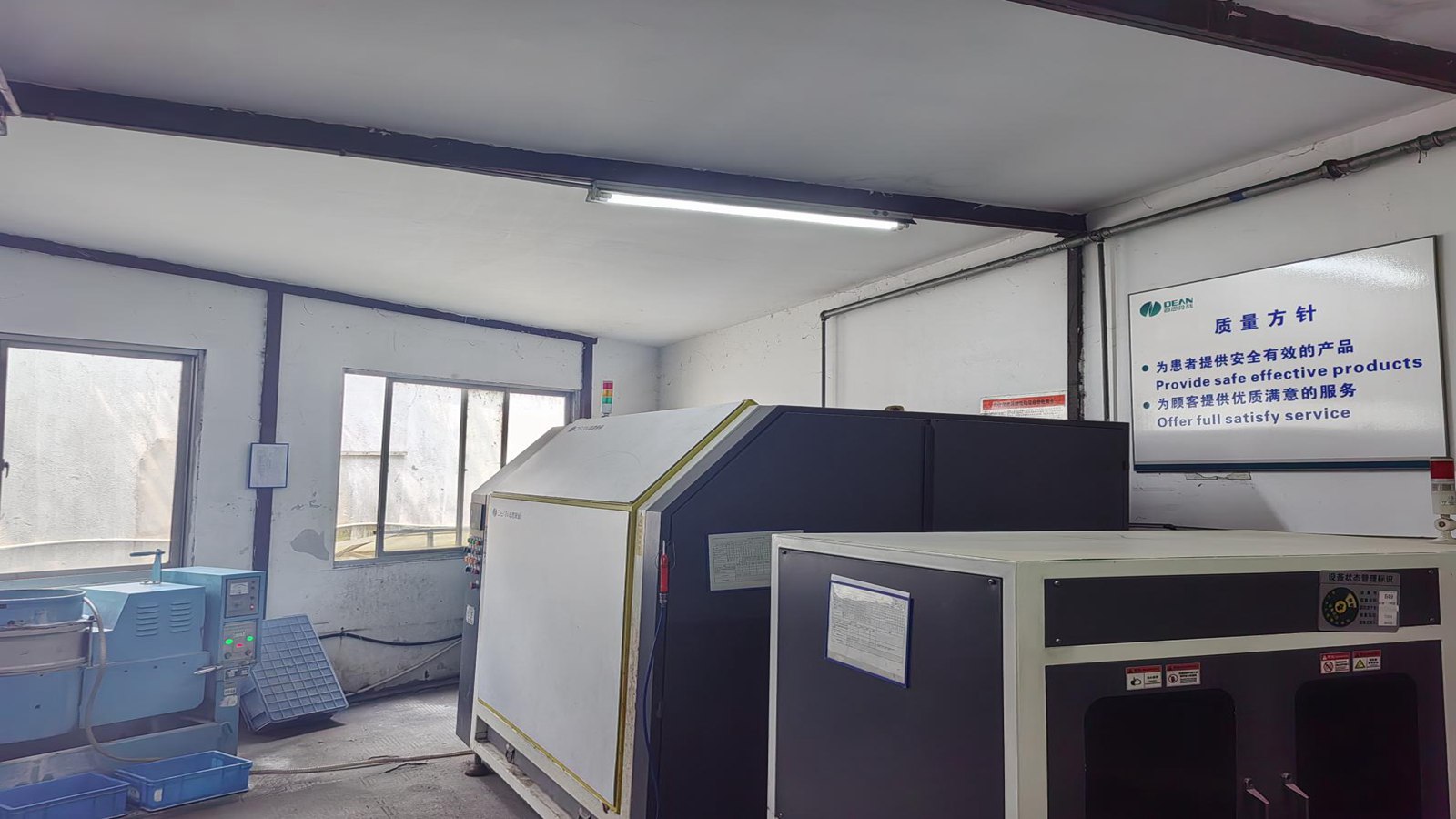
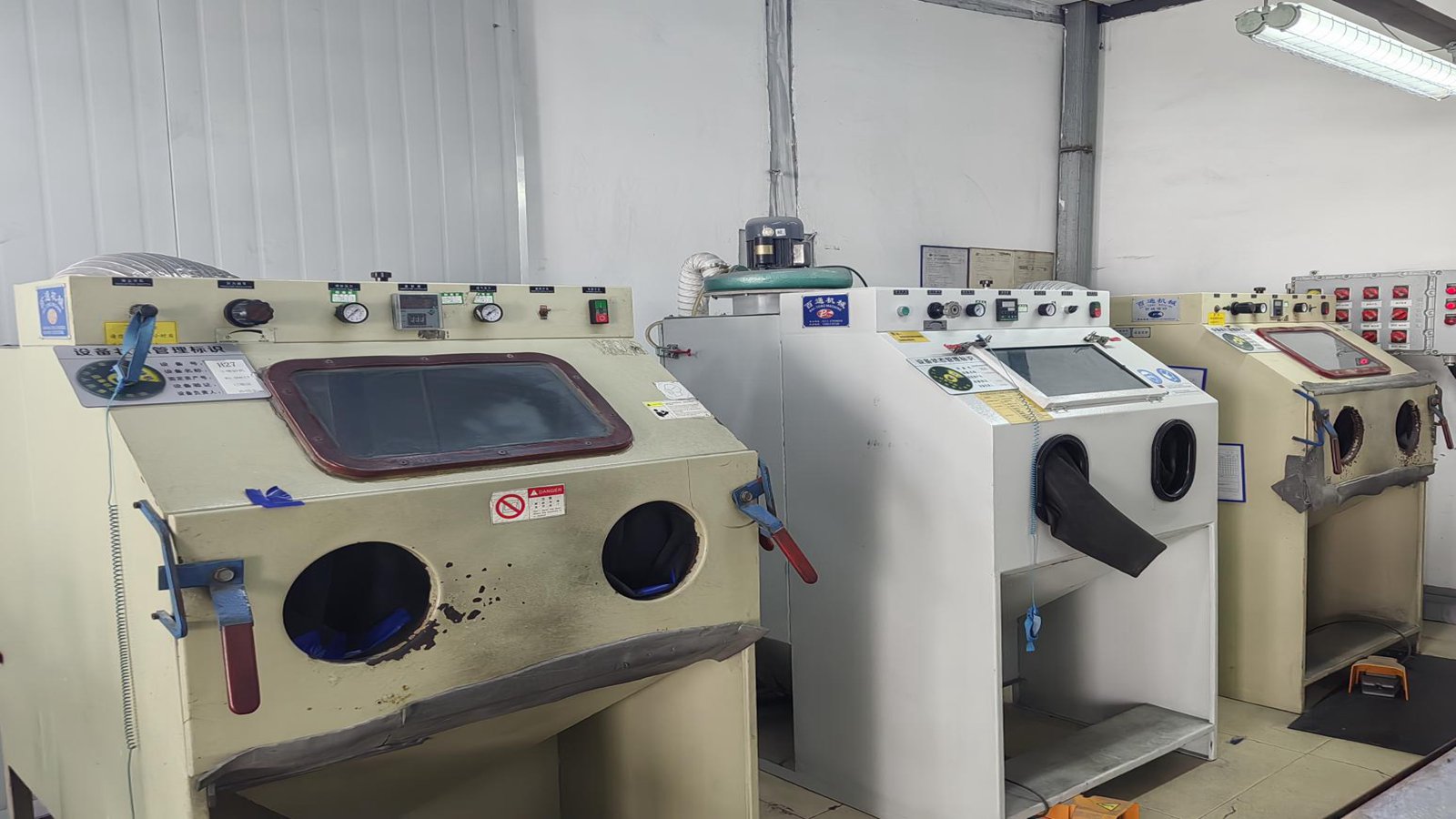
Selecting the optimal biomedical material substrate based on clinical presentation, biomechanics, and financial parameters.
| Evaluation Parameter | Titanium Mesh Systems | PEEK Implants |
|---|---|---|
| Physical Modulus | Rigid, high tensile strength, bendable manually for adjustments. | Comparable to cortical bone, rigid, non-deformable in situ. |
| Anatomical Customization | Highly adjustable intraoperatively; standard sheets can be cut to fit. | Requires pre-operative 3D CAD modeling; no major adjustments during surgery. |
| Fluid Dynamics & Osseointegration | Perforated mesh grid allows fluid circulation and fibrous tissue growth. | Unless custom-drilled, solid PEEK blocks act as barrier membranes. |
| Radiographic Behavior | Generates minor scatter/artifacts on post-op CT and MRI. | Radiolucent, providing artifact-free imaging of brain tissues. |
| Cost Profile | Economical, accessible for emergency procedures and primary repairs. | High manufacturing cost; relies on custom CNC design. |
Navigating the distribution pathways and localized safety declarations required by medical device importers.
Importing surgical implants requires strict adherence to international quality management guidelines. Medispirex operates under ISO 13485:2016 certification, ensuring every production run is fully documented and batch-traceable. We assist global procurement departments and medical device distributors with localized documentation to streamline importation and product registration:
Our 45-person Quality Control team manages a rigorous process that ensures clinical safety:
For custom patient-specific implants (PSIs), Medispirex accepts medical DICOM data files from high-resolution CT scans. Our engineering department develops digital 3D models of the defect site, custom designs the matching curvature of the titanium plate, and manufactures the customized implant using precision CNC forming and chemical finishing. This end-to-end integration reduces surgical margins, cuts operation times, and improves patient aesthetic recovery.
Analyzing emerging technologies and patient safety paradigms that shape next-generation neurosurgical manufacturing.
The convergence of 3D printing (Electron Beam Melting and Direct Metal Laser Sintering) with traditional CNC milling allows factories to construct complex trabecular lattices, encouraging faster bone growth and superior implant integration.
Modifying the surface chemistry of titanium mesh with osteoconductive coatings, such as hydroxyapatite or silicon-substituted ceramics, speeds up healing and creates a stronger biological bond with the surrounding skull.
Using ultra-low-profile plates combined with self-drilling locking screws stabilizes the titanium mesh with minimal palpable hardware beneath the scalp, enhancing patient comfort and post-op aesthetics.
Key details for purchasing managers, hospital systems, and medical distributors looking to import cranial repair systems.
Explore the full range of specialized medical implants, reconstruction instruments, and power tool systems.