 Medispirex
Medispirex
Medispirex
Explore our foundational export catalog including specialized veterinary implants, spinal fixation, and reconstructive systems designed for clinical durability.
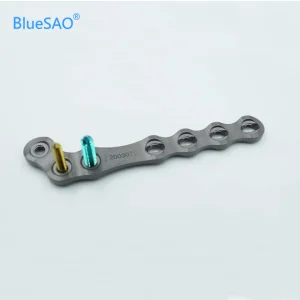
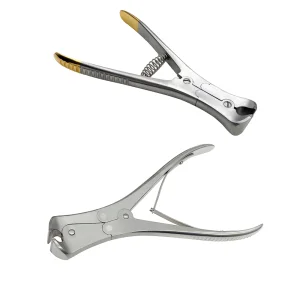
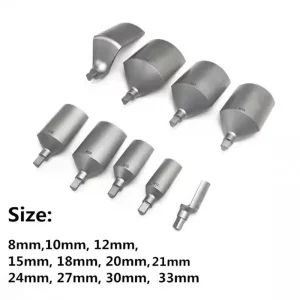
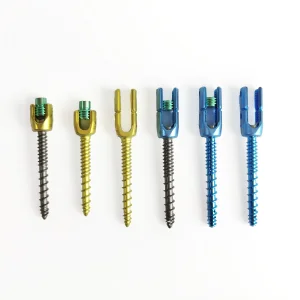
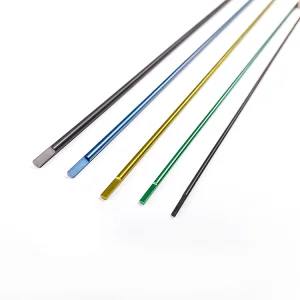
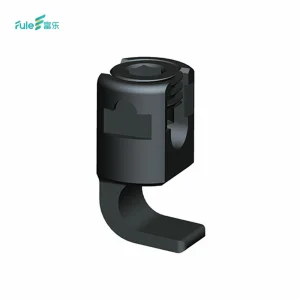
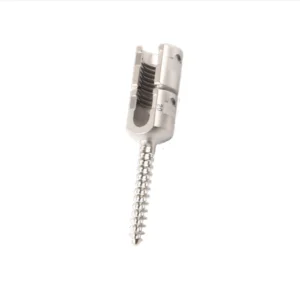

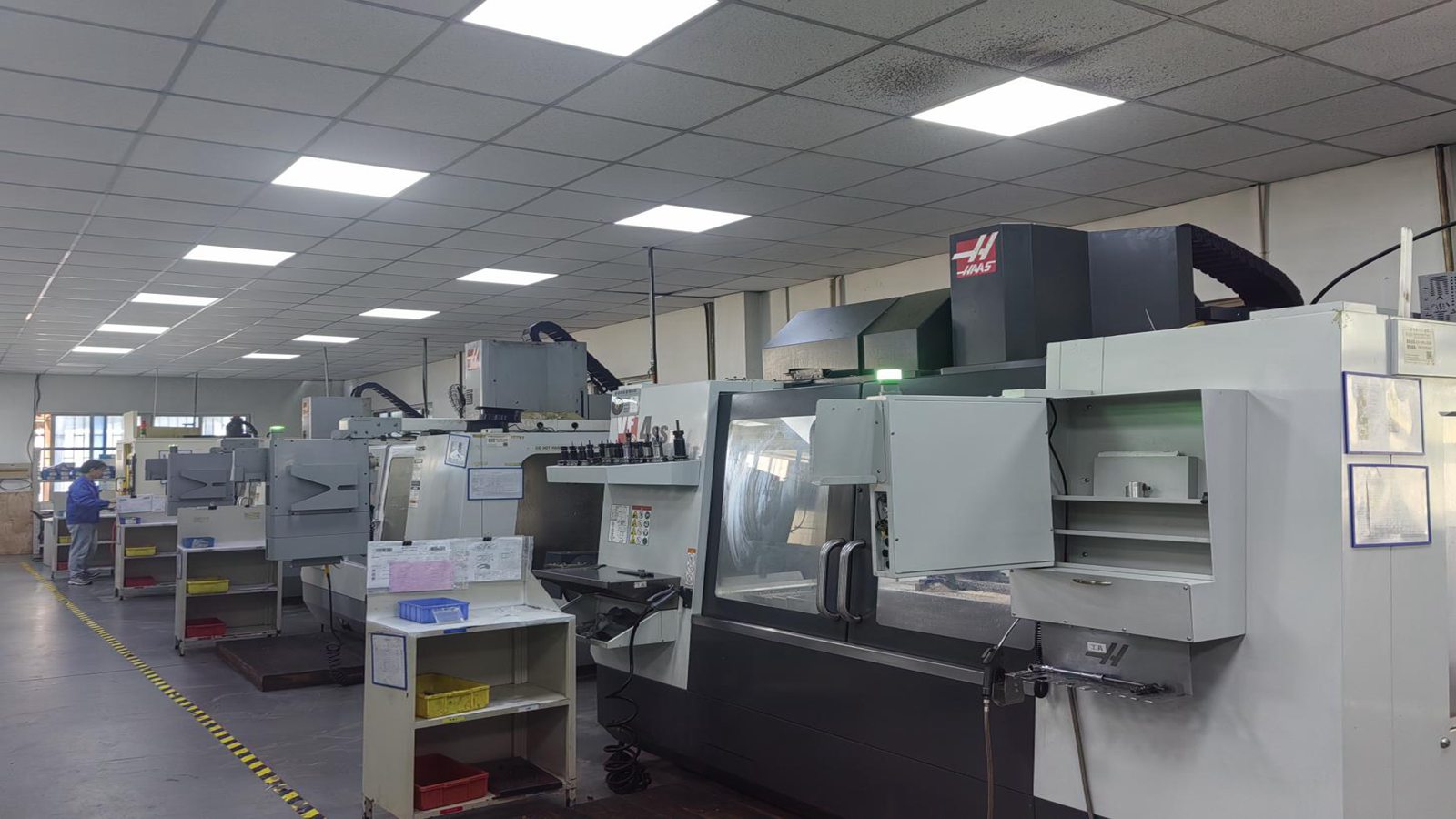
Established in 2016, Medispirex Orthopedic Technology Co., Ltd. has developed into a premier manufacturer and exporter specializing in state-of-the-art spinal, sports medicine, and traumatic reconstructive orthopedic implant systems. Backed by a modern, advanced production facility spanning approximately 18,600㎡, we leverage top-tier CNC machining and cleanroom technologies to transition biomechanical and biomedical designs into reality.
We boast a strong trade-oriented manufacturing structure that seamlessly handles massive OEM and ODM demands globally. Driven by 12 years of industry expertise and 7 years of direct export experience, Medispirex records an annual export revenue of roughly USD 18 million. Through our expansive upstream and downstream network consisting of approximately 860 partners, we ensure robust supply-chain resilience, uninterrupted raw material procurement, and quick logistics delivery times globally.
Our commitment to cutting-edge clinical solutions is shown by our intensive R&D efforts. With a specialized team of 85 R&D engineers focused on structural biomechanics, surface metallurgy, and custom design adaptations, we launched approximately 120 new products in the past year. This agile manufacturing and design capacity positions us as the preferred supply-chain partner for hospitals, orthopedic surgeons, medical distributors, and private-label companies in Europe, North America, the Middle East, and Southeast Asia.
Global Industrial & Regulatory Footprint
In sports medicine, particularly during anterior and posterior cruciate ligament (ACL/PCL) reconstructions, the mechanical security of the graft is paramount. Titanium interference screws provide immediate, rigid, mechanical fixation of soft-tissue or bone-tendon-bone (BTB) grafts inside the bone tunnel. The screw works by compressing the graft directly against the host bone, facilitating primary mechanical stability that allows early postoperative rehabilitation protocols without risk of micromotion or displacement.
Medical-grade titanium alloys (primarily Grade 5, Ti-6Al-4V ELI in compliance with ASTM F136 standards) represent the gold standard for implant engineering. This formulation delivers a highly balanced combination of mechanical fatigue resistance, high tensile strength, and exceptional biocompatibility. The passive oxide film (TiO2) formed on the surface minimizes metal ion release and promotes favorable cellular attachment, paving the way for osseointegration.
The performance of an interference screw is determined by three main structural features:
The biocompatible titanium alloy forms an active interface with host bone, accelerating structural integration and reducing long-term rejection risks.
Engineered to withstand extreme insertion torques without drive striping or head breakage, ensuring smooth arthroscopic procedures.
Flat, rounded thread crests prevent abrasion, preserving structural graft fibers and supporting biological healing.
The global sports medicine and soft-tissue fixation market has experienced significant expansion, driven by an aging but active population, rising participation in athletics, and a clinical preference for minimally invasive arthroscopy. Geographically, North America and Europe generate substantial demand due to established clinical networks and high reimbursement rates. Concurrently, rapid healthcare infrastructure expansion across Asia-Pacific and Latin America has created a massive volume-based demand for reliable implants.
In this dynamic landscape, China-based manufacturers like Medispirex have shifted from low-cost manufacturing partners to key contributors to international medical device technology. By integrating advanced production equipment (such as Citizen and Tsugami Swiss-type CNC lathes) and adopting strict quality management guidelines, Chinese exporters offer a reliable alternative to historical brands, striking an optimal balance between quality and cost.
Key supply advantages offered by Chinese exporters include:
| Material Standard | Composition Details | Tensile Strength (MPa) | Primary Application Field |
|---|---|---|---|
| ASTM F136 / ISO 5832-3 | Ti-6Al-4V ELI (Extra Low Interstitial) | ≥ 860 | High-load load-bearing implants, spinal screws, interference screws |
| ASTM F67 / ISO 5832-2 | Pure Titanium (Grades 1 to 4) | 240 - 550 | Osteosynthesis plates, dental implants, low-stress applications |
| PEEK (Polyetheretherketone) | Medical Grade Polyketone Polymer | 90 - 100 | Spinal fusion cages, radiolucent interference fasteners |
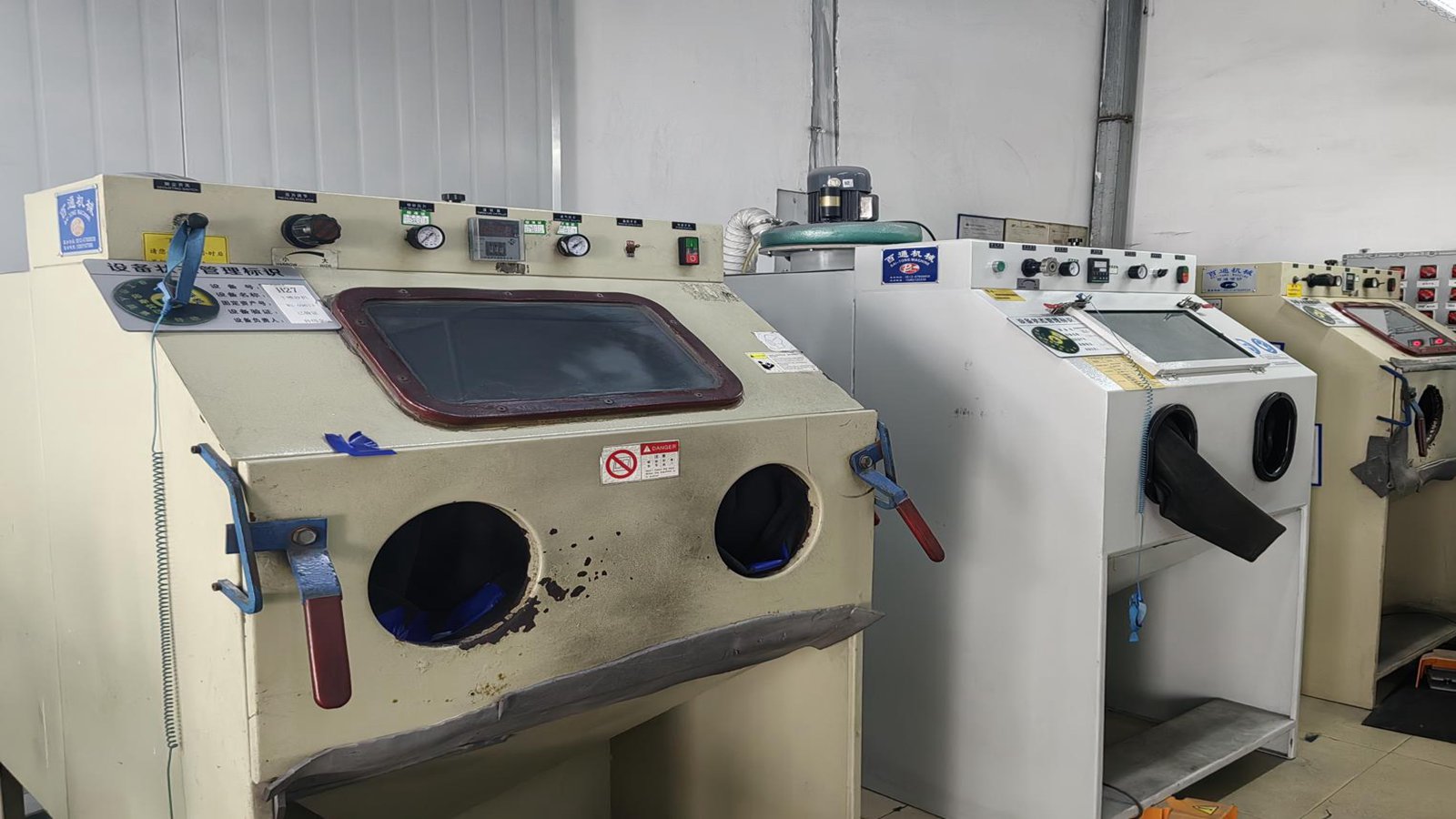
A comprehensive view inside Medispirex's modern facility, highlighting our rigorous control protocols from raw materials to final packaging.
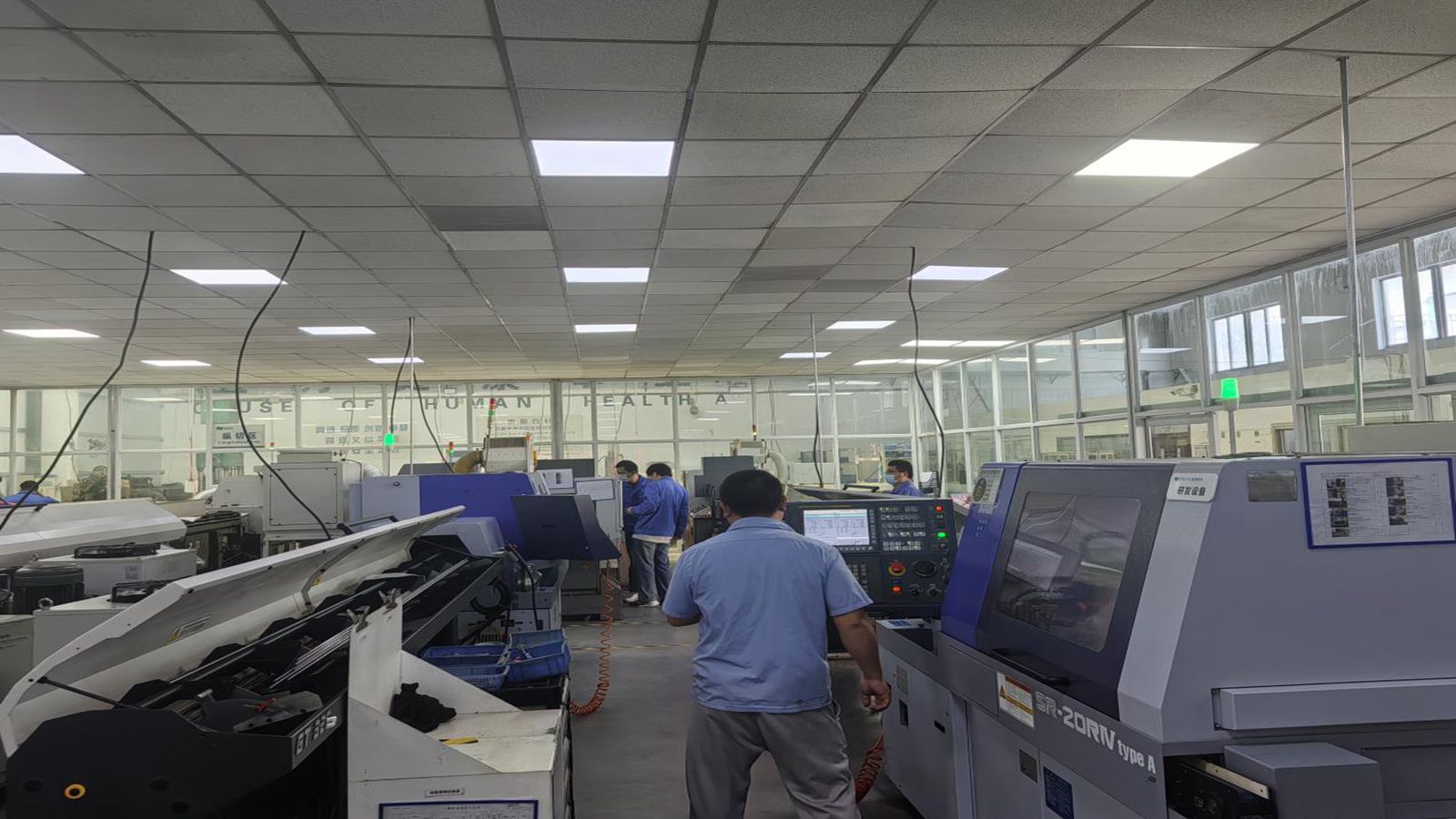
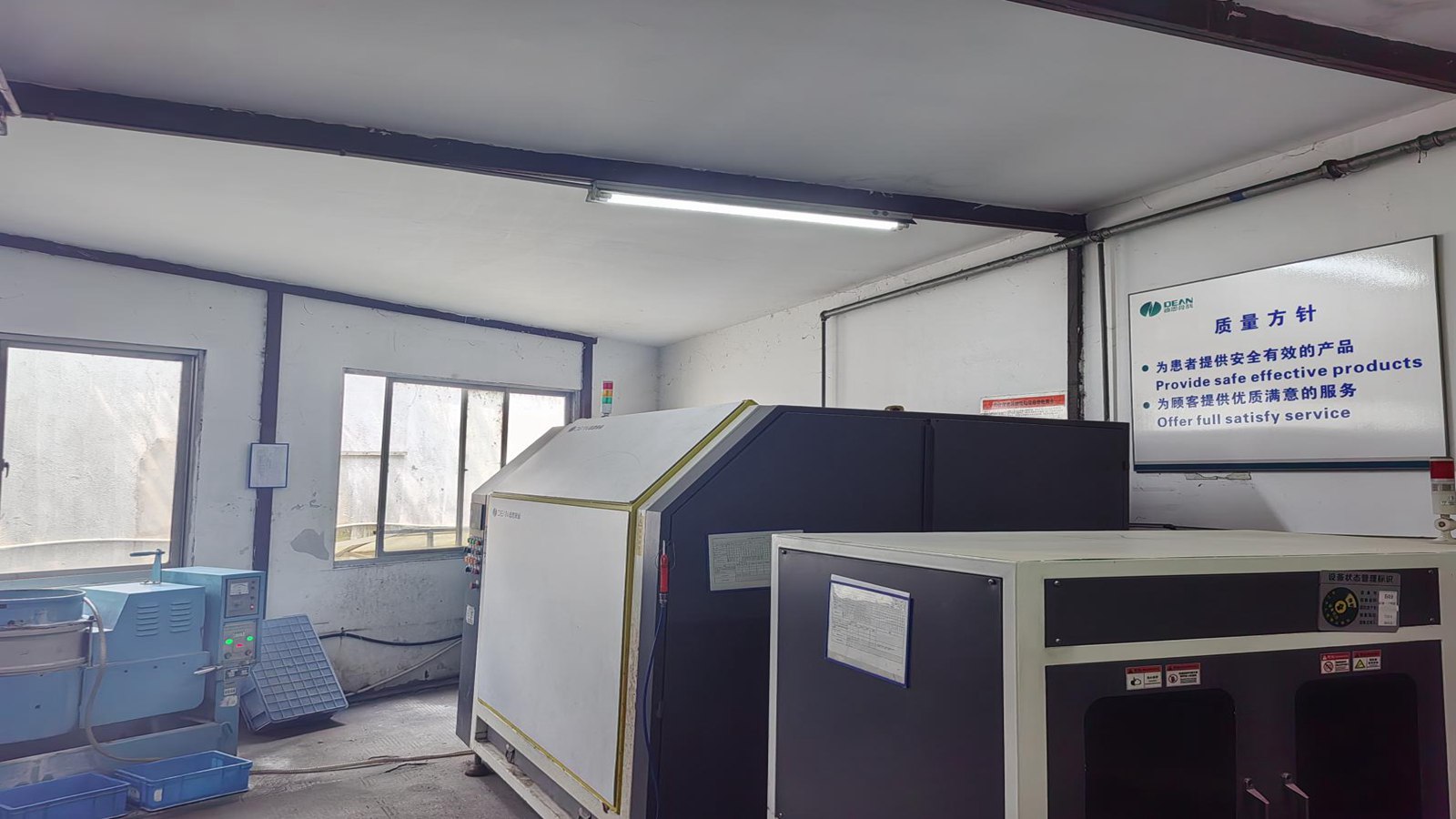
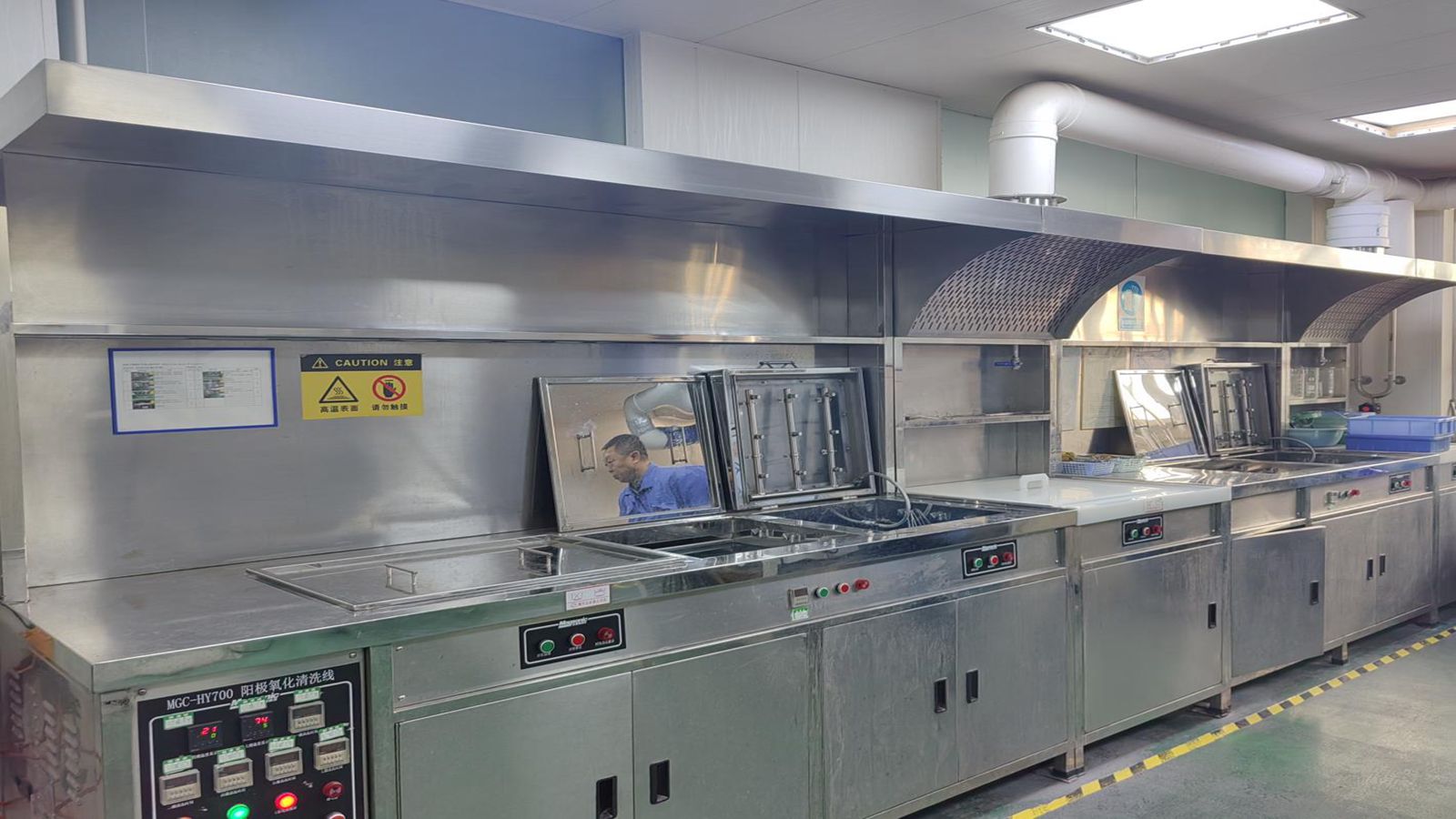
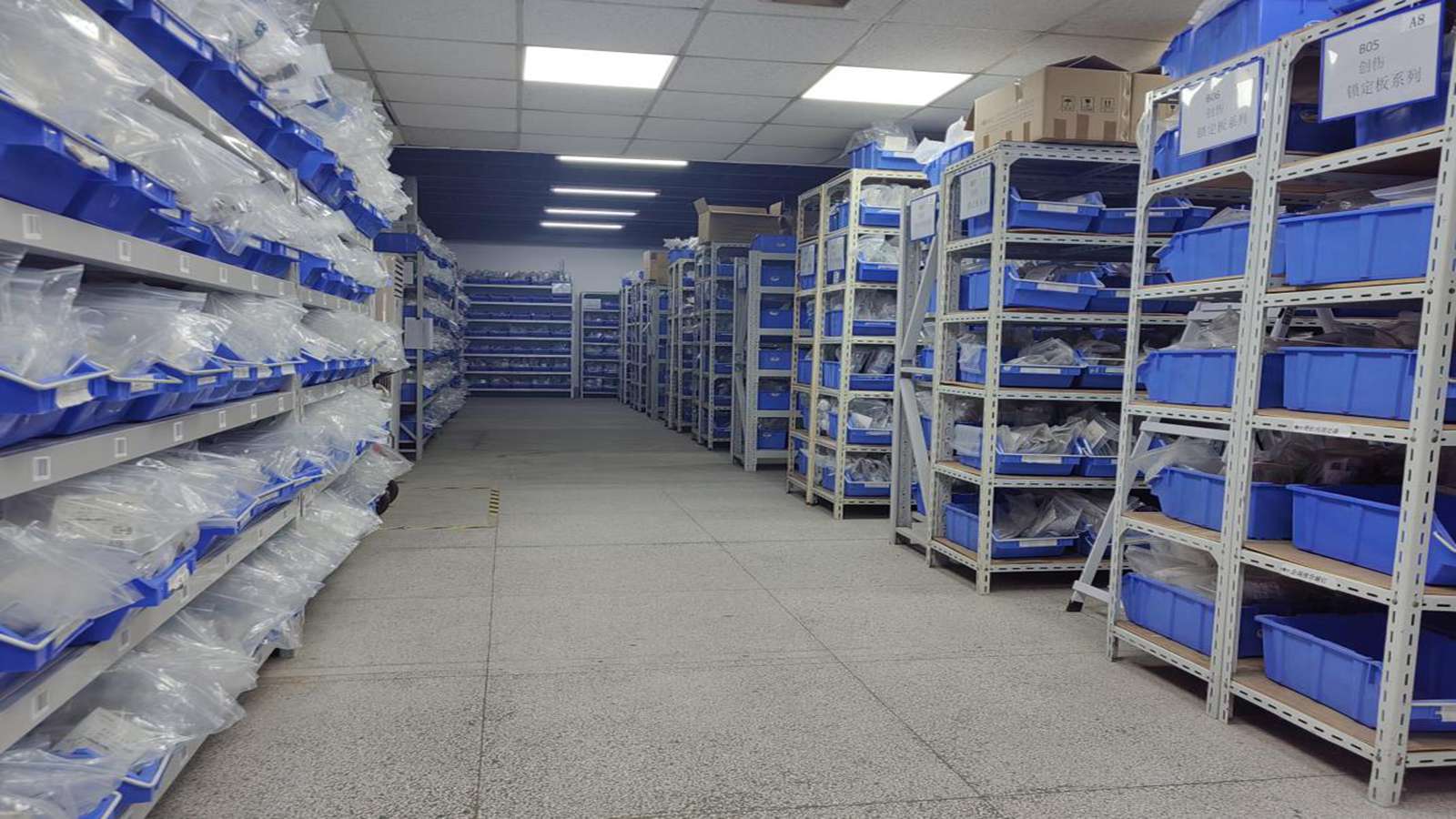
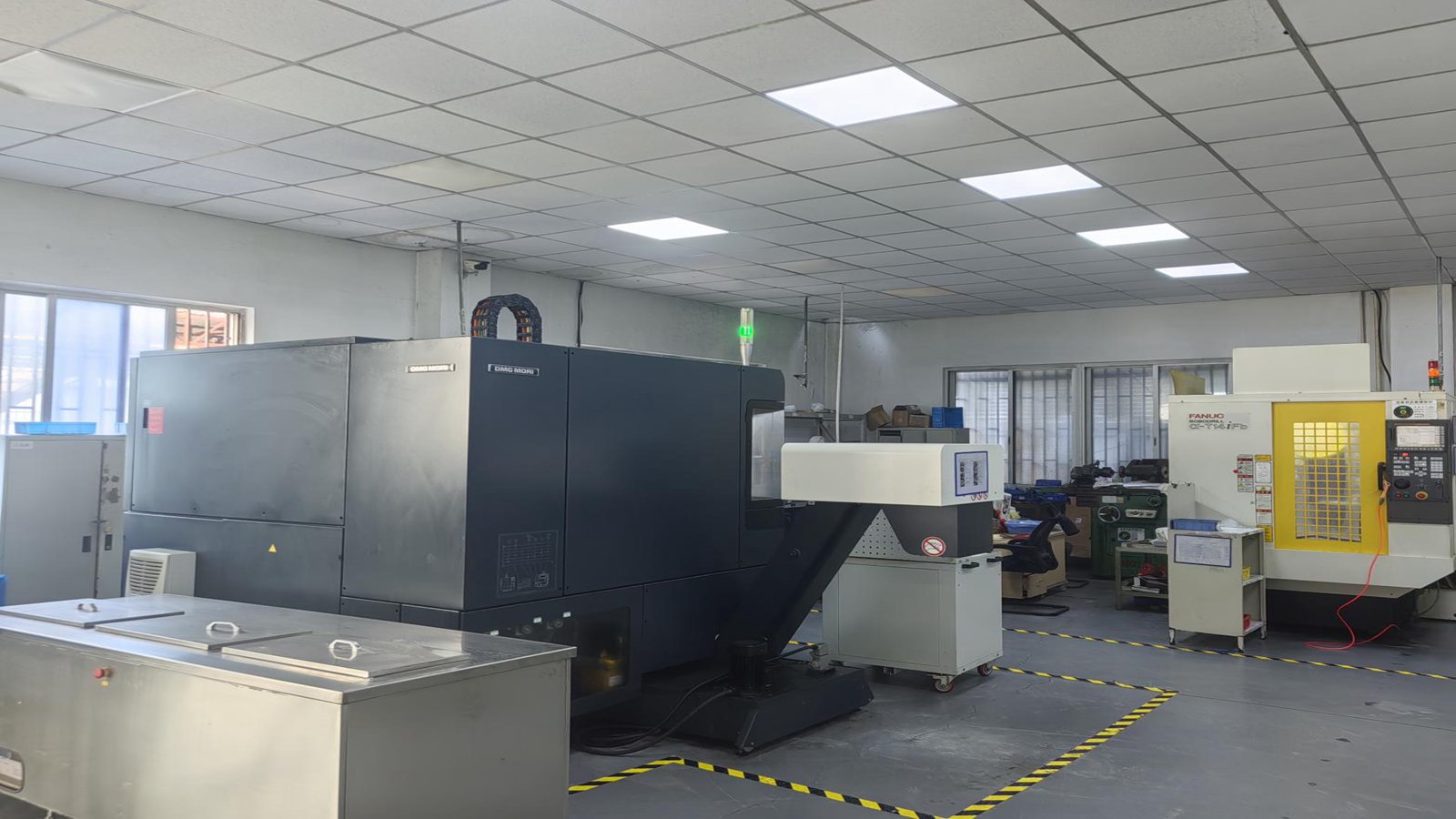
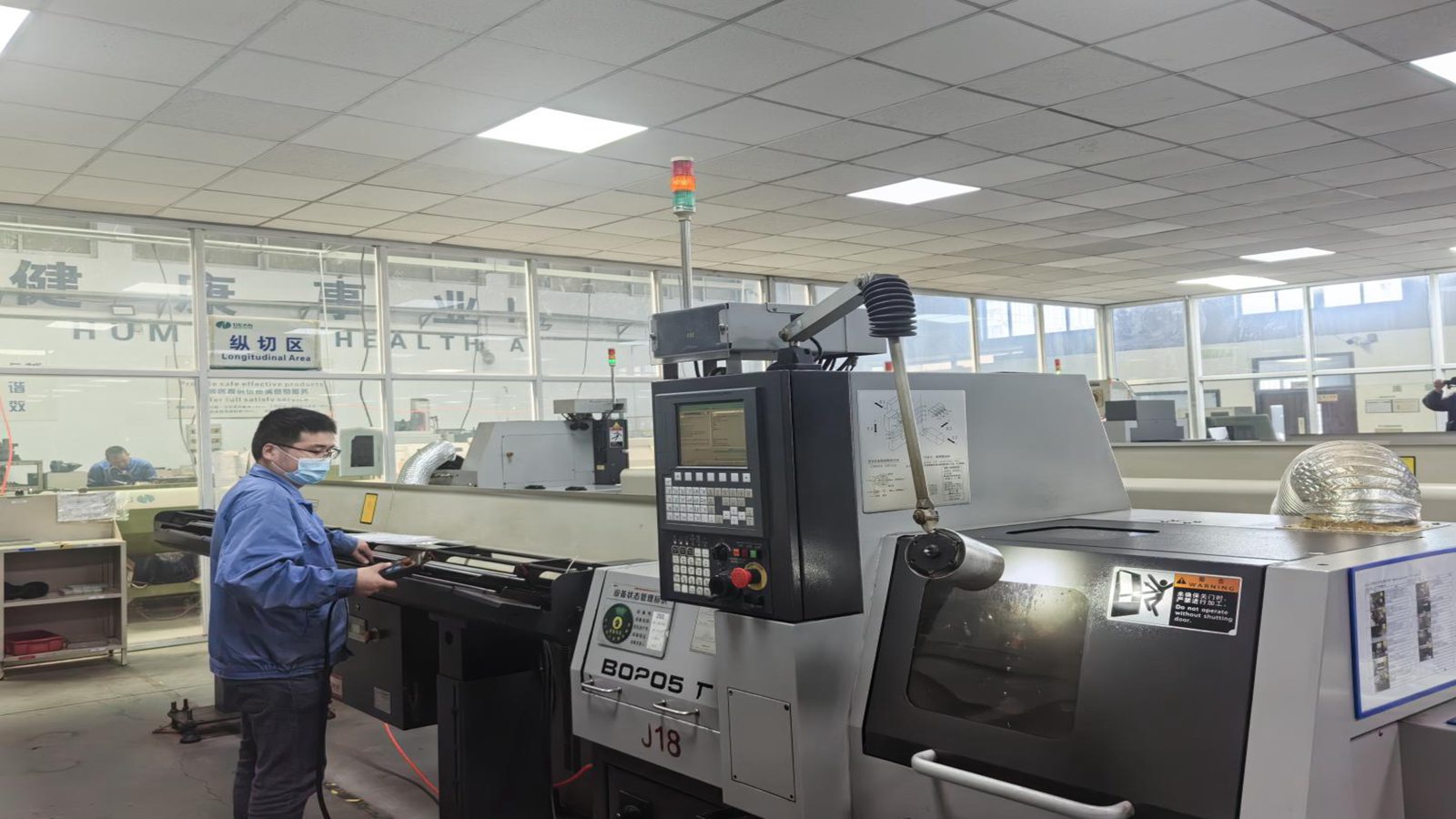
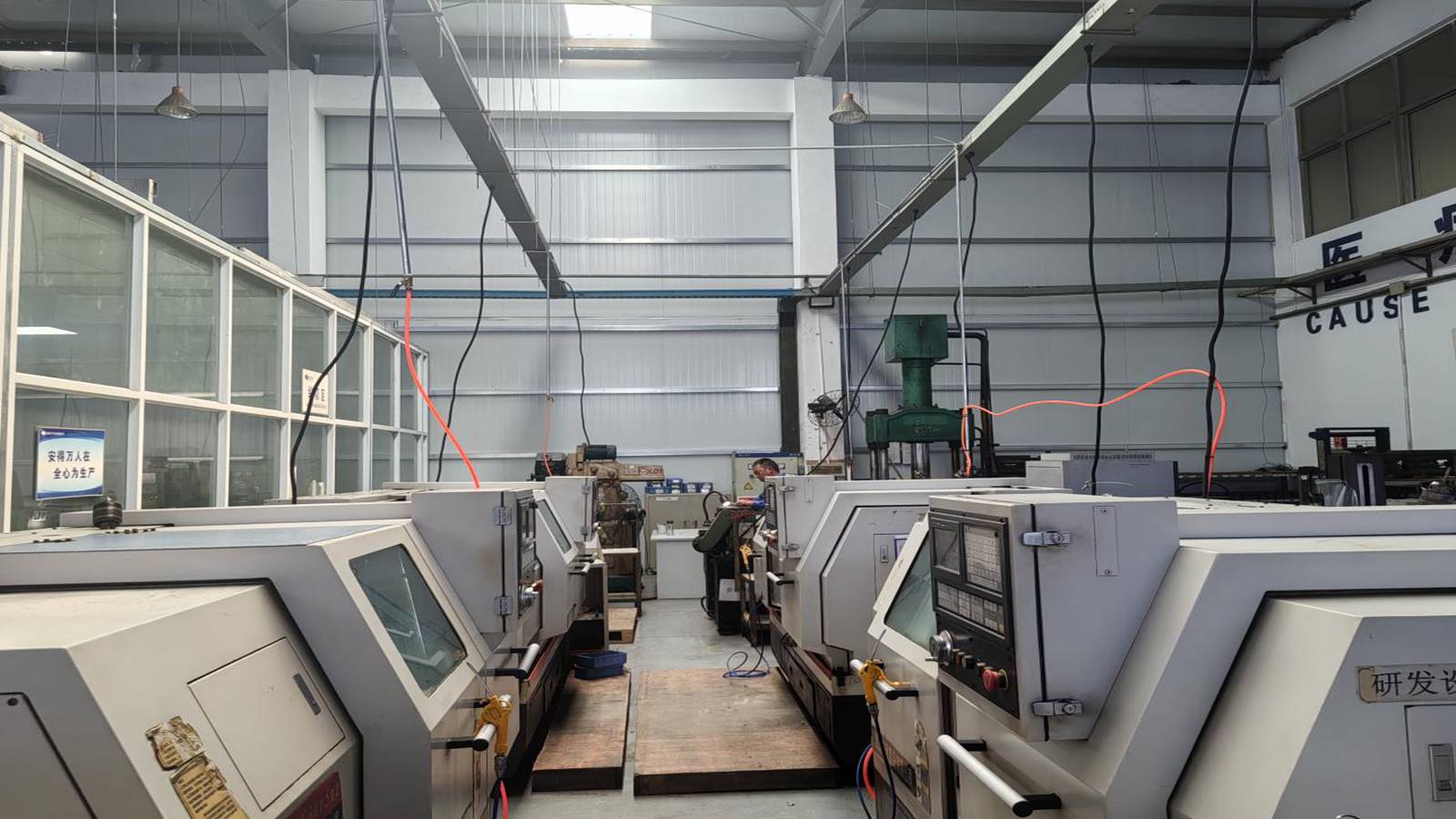
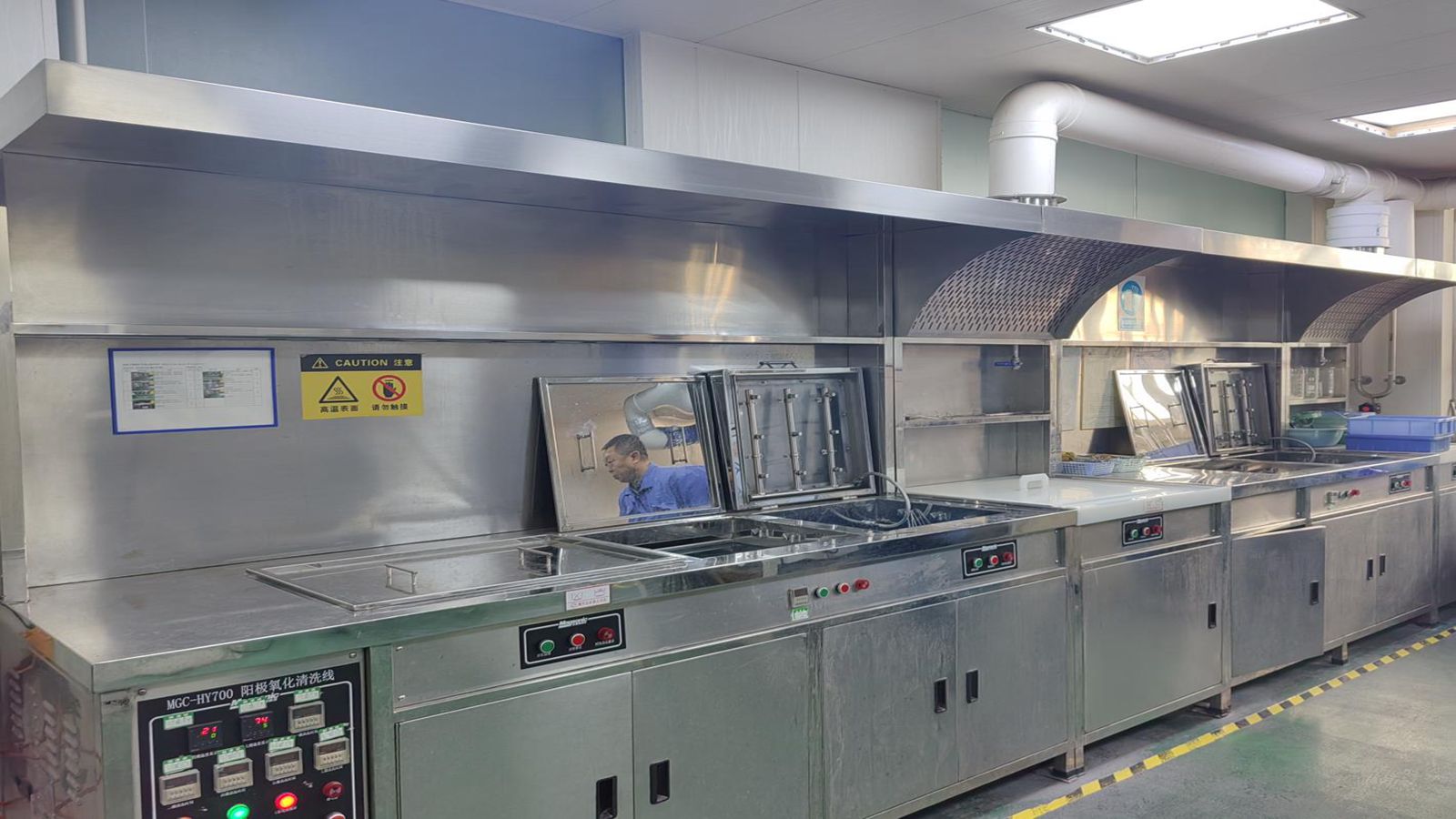
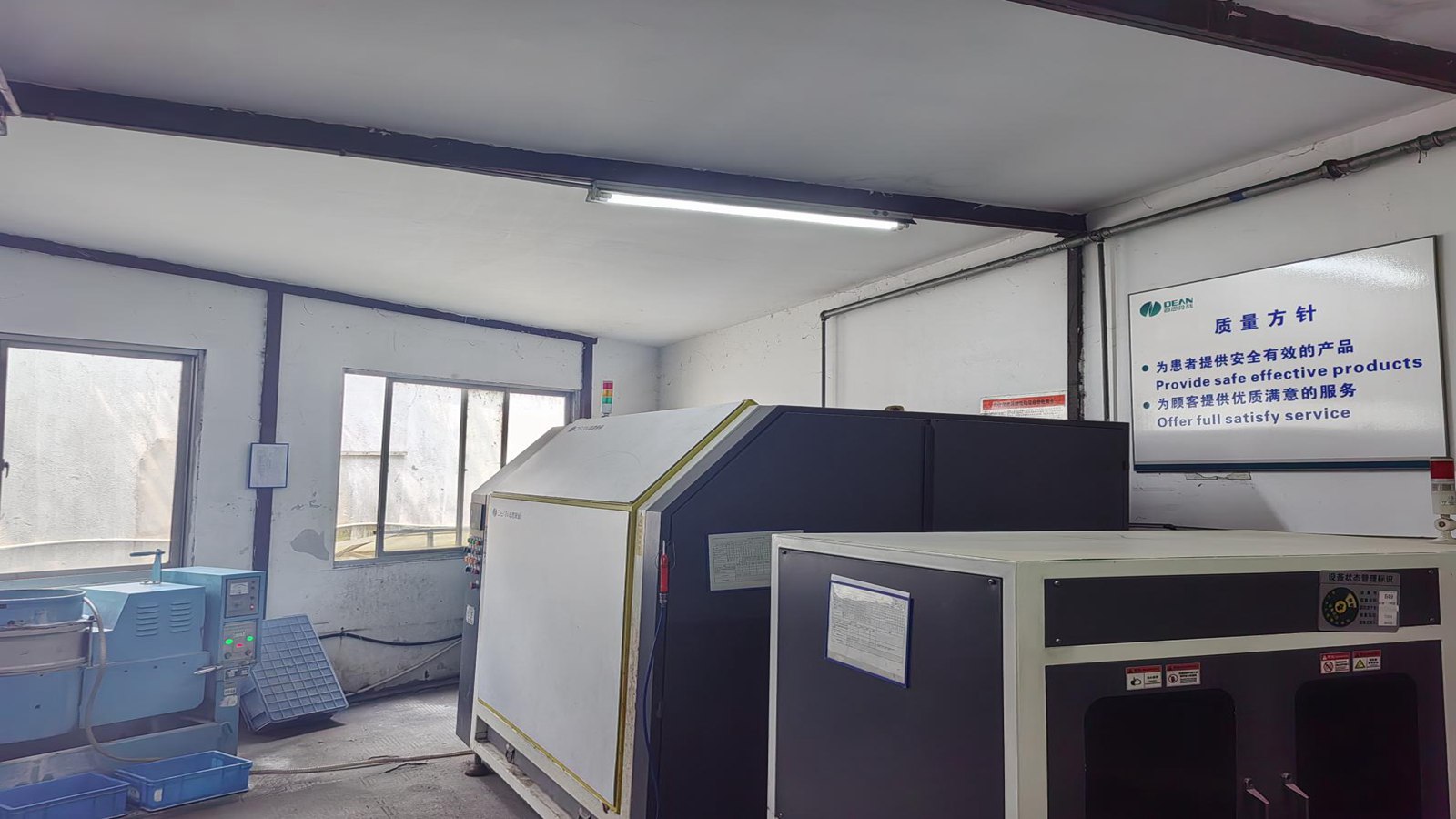
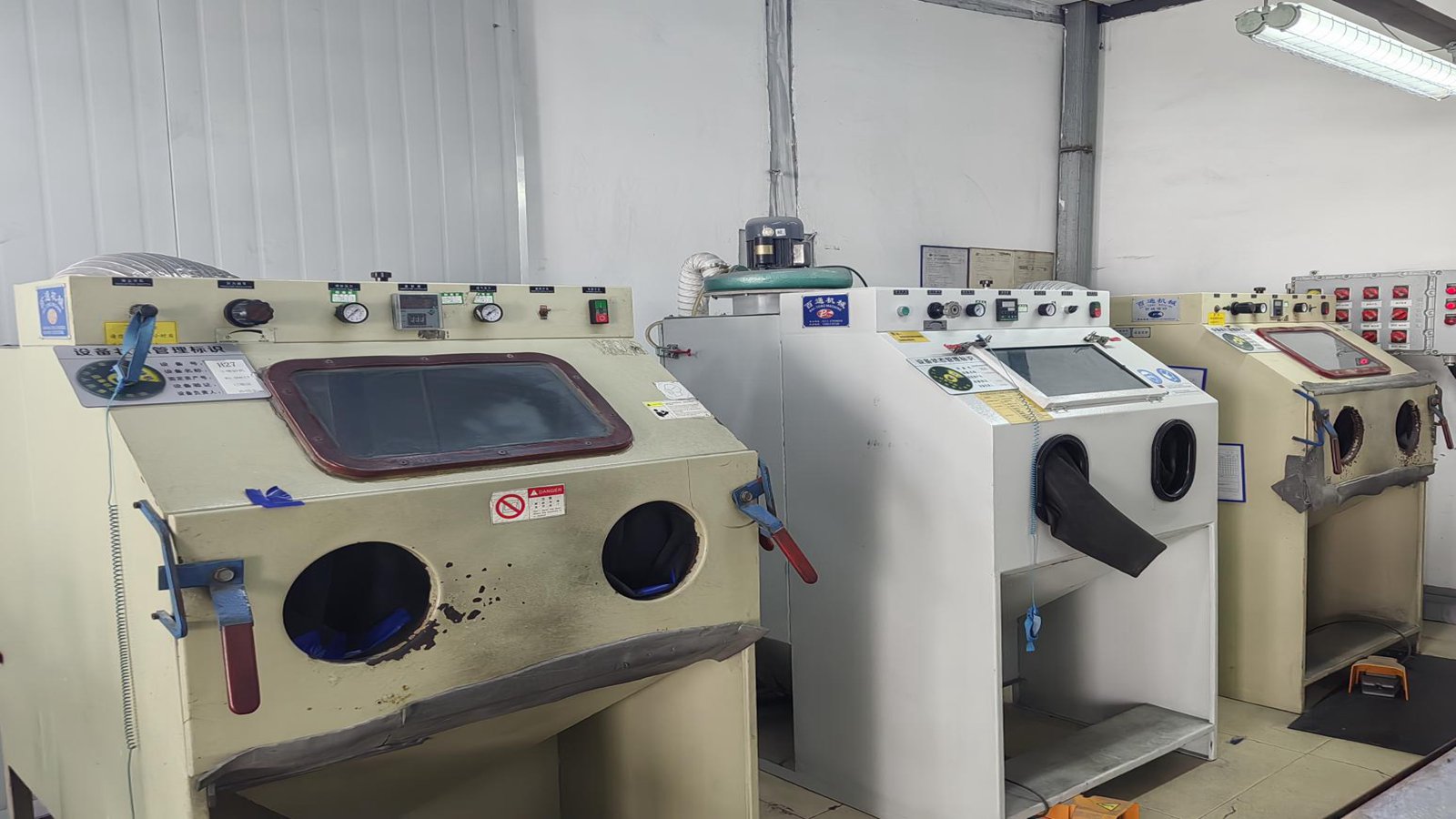
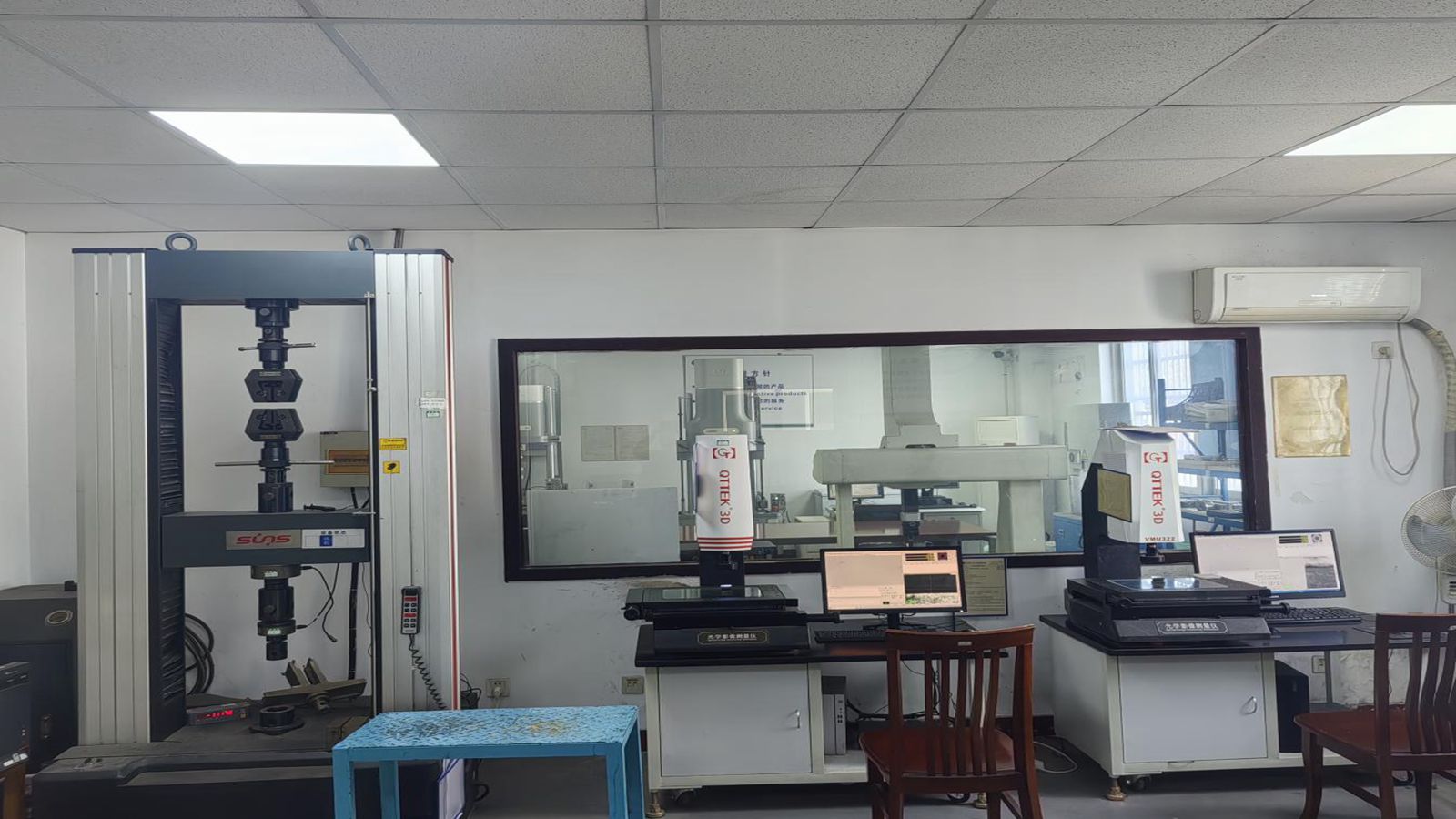
In the medical device industry, compliance is non-negotiable. Medispirex operates under strict global standards, including ISO 13485 (Medical Devices - Quality Management Systems) and CE mark certifications. To ensure chemical purity and prevent cross-contamination, all finishing, cleaning, and primary packaging steps are executed within classified cleanrooms (ISO Class 7 and Class 8). This setup minimizes bioburden and endotoxin loads prior to sterilization.
Our dedicated QA/QC department consists of 45 QA specialists who monitor every phase of the manufacturing cycle, from incoming raw materials to final packaging. Using systematic verification protocols, we ensure complete control and reliability at every step.
Our quality verification processes include:
The clinical development of orthopedic fixation continues to evolve. While medical-grade titanium remains widely utilized due to its reliability and strength, research is expanding into hybrid and bioactive structures. Next-generation designs aim to address the permanent nature of titanium implants, which can sometimes interfere with follow-up magnetic resonance imaging (MRI) or complicate revision surgeries.
In response, Medispirex's R&D team is actively exploring two development paths: bioresorbable polymer formulations and advanced surface modifications. By blending poly-L-lactic acid (PLLA) with bioactive ceramics like beta-tricalcium phosphate (β-TCP), we are designing screws that gradually degrade and are replaced by natural bone over a 12-to-24-month period, helping to avoid foreign-body reactions. Concurrently, we are testing thin bioactive coatings (such as plasma-sprayed hydroxyapatite) on our classic titanium screws to help accelerate early osseointegration at the graft interface.
Utilizing micro-blasting and controlled acid etching to create surface structures that encourage osteoblast proliferation.
Expanding our polymer processing lines to produce high-performance PEEK interference screws, offering high modulus and no MRI artifacts.
Investigating PLLA/PDLLA-HA composite materials that maintain mechanical strength during graft integration before bio-absorbing.
Key information regarding materials, manufacturing controls, and international shipping options for wholesale partners.
Complete your supply chain requirements with our regulatory-certified internal fixation plates, intramedullary nails, and joint prostheses.
Connect directly with our engineering division to discuss dimensional customizations, volume pricing, and regulatory verification files.
Contact Medispirex Team