Medispirex
Understanding Biomechanical Requirements of Reduction Pedicle Screws
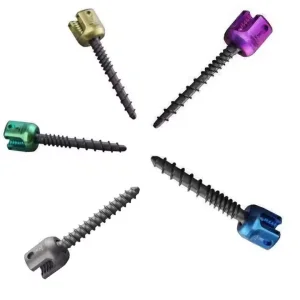
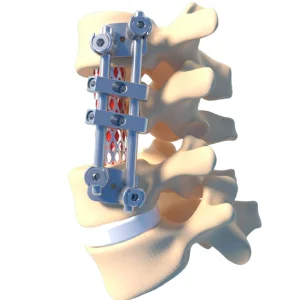
In corrective spinal surgeries—specifically targeting spondylolisthesis reduction, severe scoliosis, and kyphotic deformities—the instrumentation used demands absolute structural integrity. Reduction Pedicle Screws are engineered with extended tabs or integrated reduction mechanisms that allow the surgeon to gradually pull the spinal rod down into the screw head. This mechanical leverage translates high stress forces evenly across the vertebral bodies, restoring sagittal alignment while preventing pull-out failures.
Unlike standard polyaxial or monoaxial screws, the reduction variants must handle complex multi-directional load vectors during the correction phase. The thread profile, core diameter tapers, and the integration quality of the collar housing are critical parameters. The transition from the anatomical pedicle entrance to the vertebral body requires a variable thread design to maximize purchase in both cortical and cancellous bone structures.
Biomechanical Forces & Material Integrity
The mechanical limits of reduction pedicle screws are evaluated under stringent dynamic fatigue and static pull-out testing protocols conforming to ASTM F1717 standards. Titanium alloy (specifically Grade 5, Ti-6Al-4V ELI) is the primary material of choice due to its high strength-to-weight ratio, excellent fatigue resistance, and biocompatibility. The introduction of titanium alloys minimizes stress shielding by exhibiting an elastic modulus closer to human bone compared to stainless steel.
Localized Application Scenarios in Modern Orthopedics
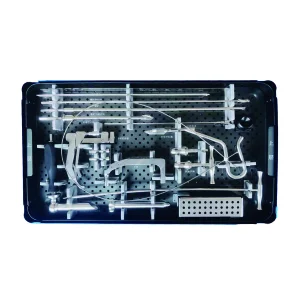
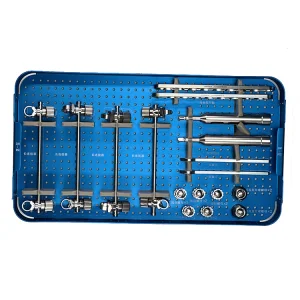
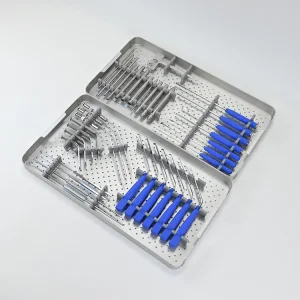
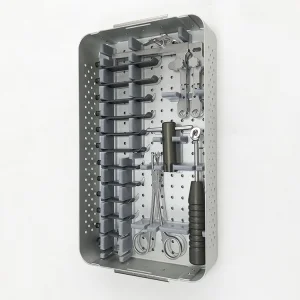
Spinal instrumentation needs vary dramatically across global medical environments. In high-volume tertiary hospitals in developing medical corridors, surgeons require instrumentation kits that are highly intuitive, reducing overall operating room (OR) time. In contrast, academic medical centers in mature markets require low-profile, navigation-compatible pedicle screw designs that seamlessly integrate with intraoperative CT and robotic guidance systems.
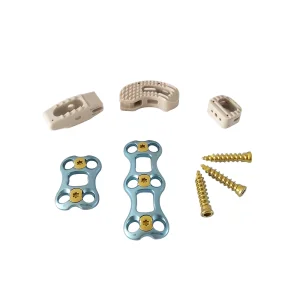
Furthermore, anatomical variations between demographics mandate specialized dimension matrices. Medispirex address these local needs by manufacturing diverse screw configurations, ranging from ultra-slim diameters (e.g., 4.0mm to 4.5mm) suitable for pediatric applications and thoracic vertebral tracts, to robust diameters (up to 7.5mm or 8.5mm) required for sacral fixation in osteoporotic bone beds.