Medispirex
Medispirex
Medispirex
Advanced Clinical Instrumentation and Precision Implants Certified for Complex Reconstruction Procedures
As global healthcare systems face a surging demographic demand for joint arthroplasty, the procurement strategies of hospitals, surgical centers, and medical distributors are shifting toward sustainable, high-precision manufacturing. Medispirex Orthopedic Technology Co., Ltd. stands at the forefront of this industrial transition. Established in 2016, we integrate advanced clinical biomechanics with automated manufacturing to supply global markets with regulatory-compliant orthopedic solutions.
Operating from a state-of-the-art 18,600㎡ facility, our focus goes beyond typical supply chain delivery. We provide critical "information gain"—addressing mechanical durability, biocompatibility, and anatomical matching to help orthopedic distributors minimize clinical failure rates and improve post-operative outcomes.
In joint reconstruction, precision is the difference between lifetime implant integration and catastrophic mechanical failure. Medispirex operates under strict regulatory frameworks, ensuring clinical reliability via a structured quality control workflow managed by 45 dedicated QC professionals.
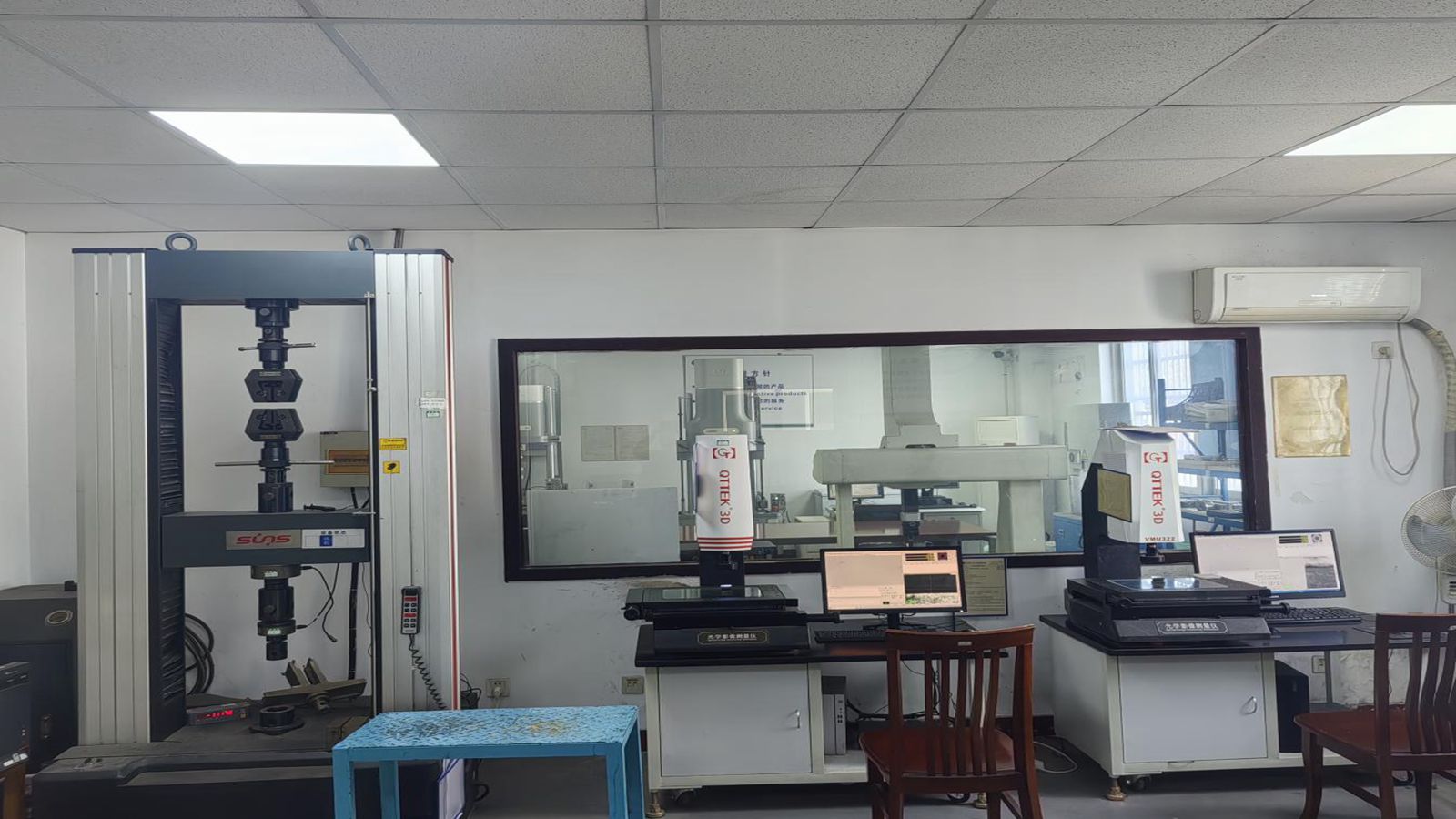
Inside the Medispirex Production Environment: High-Precision Machinery for Trauma, Spine, and Joint Systems
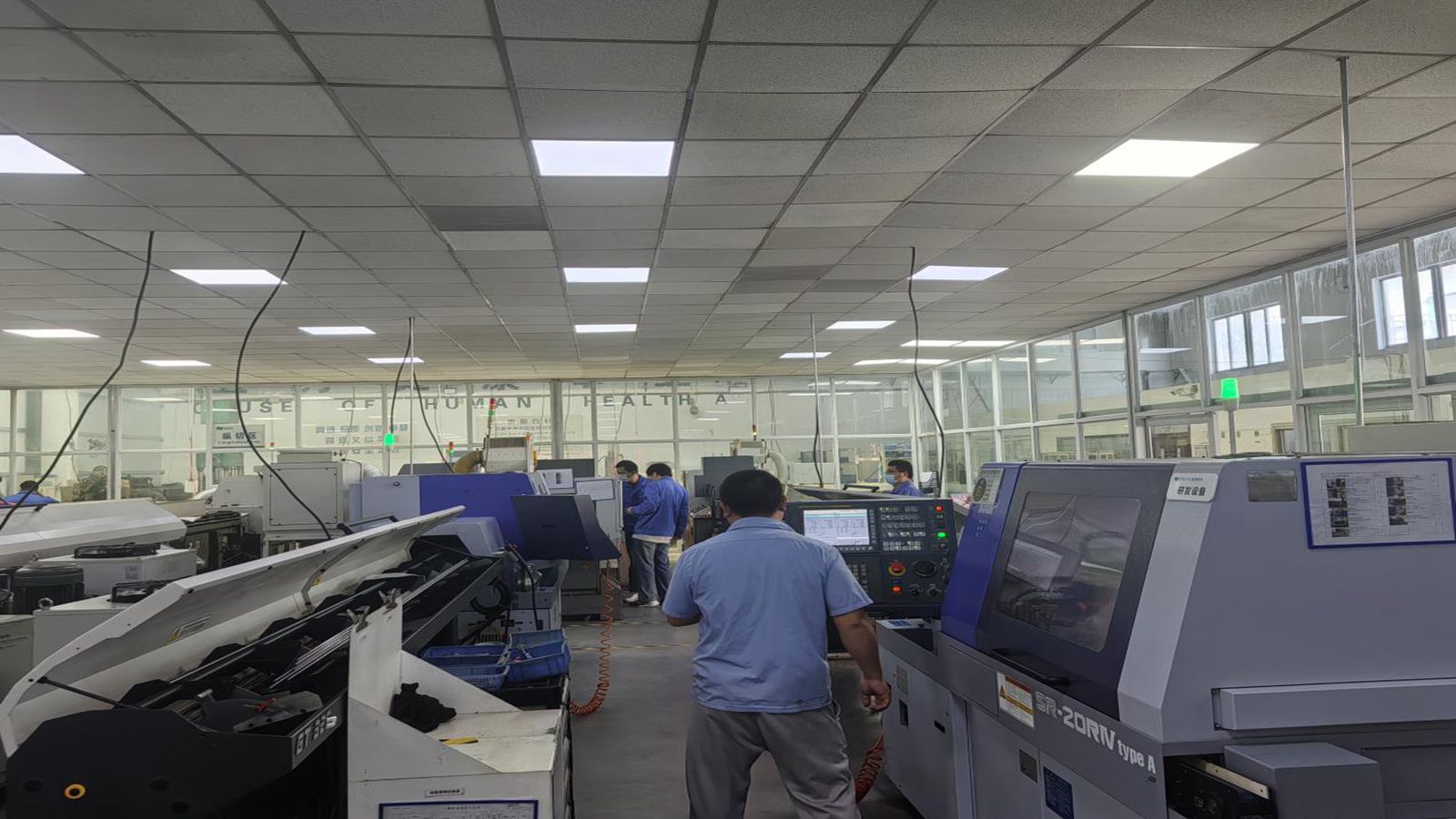
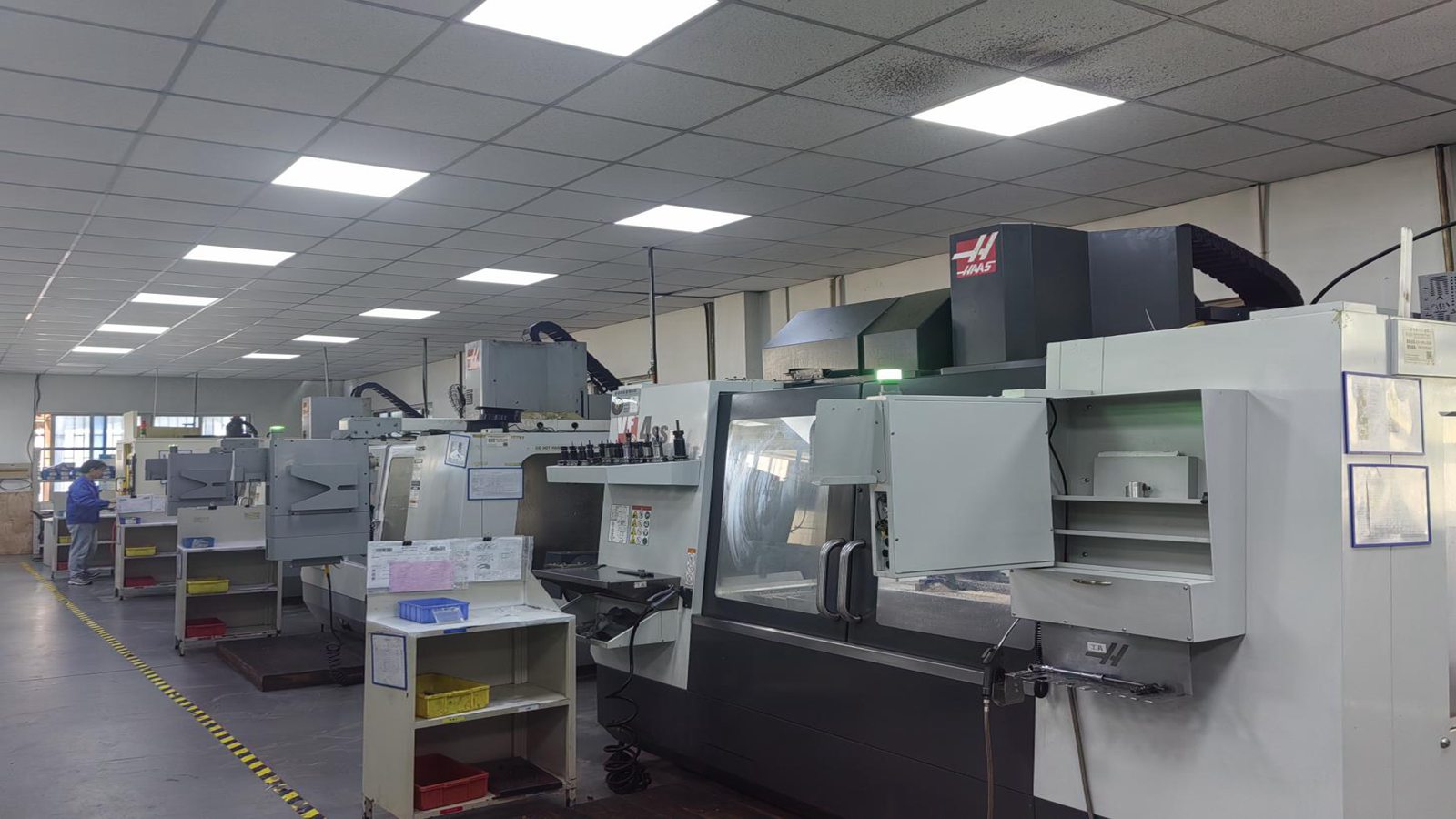
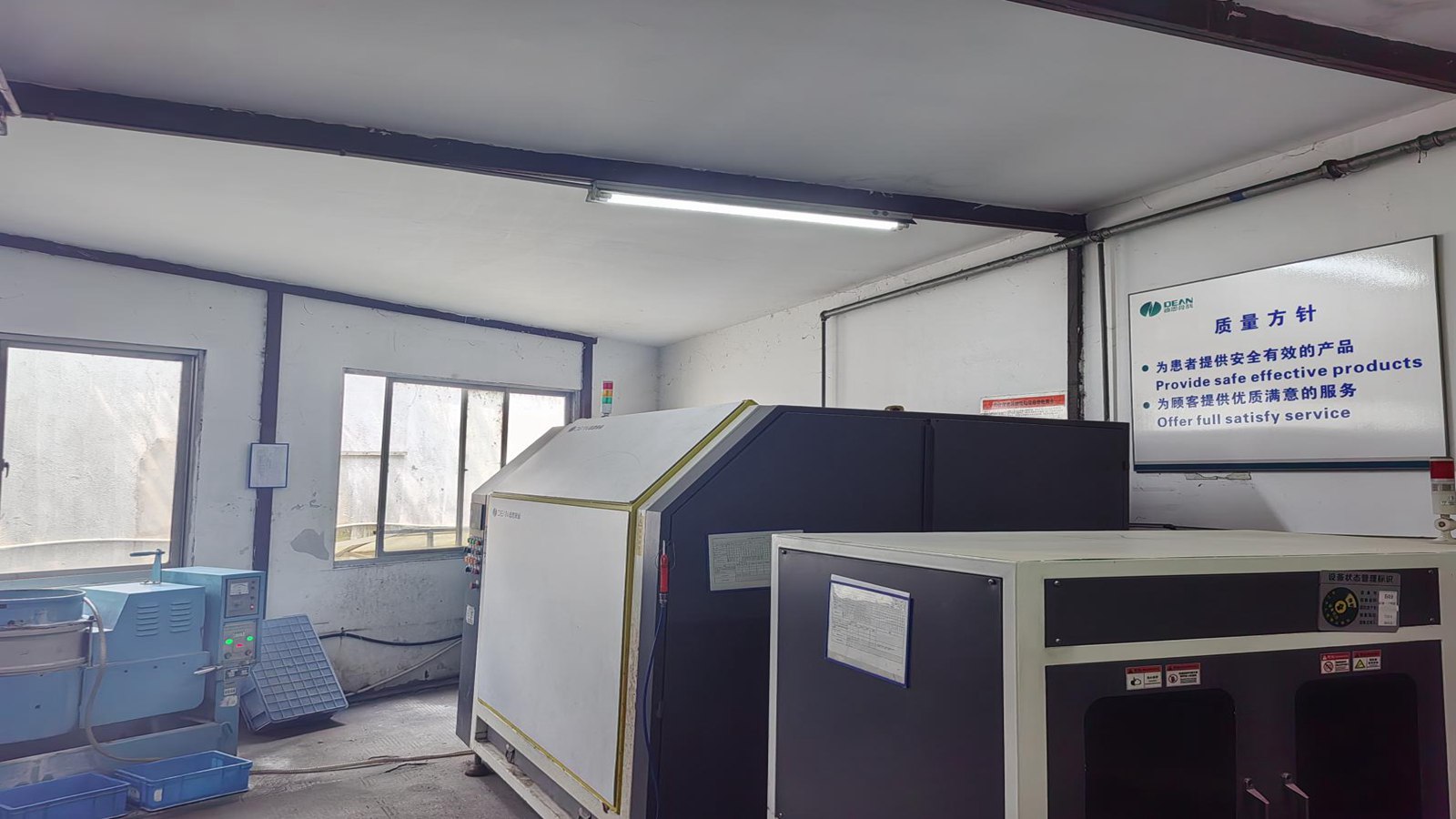
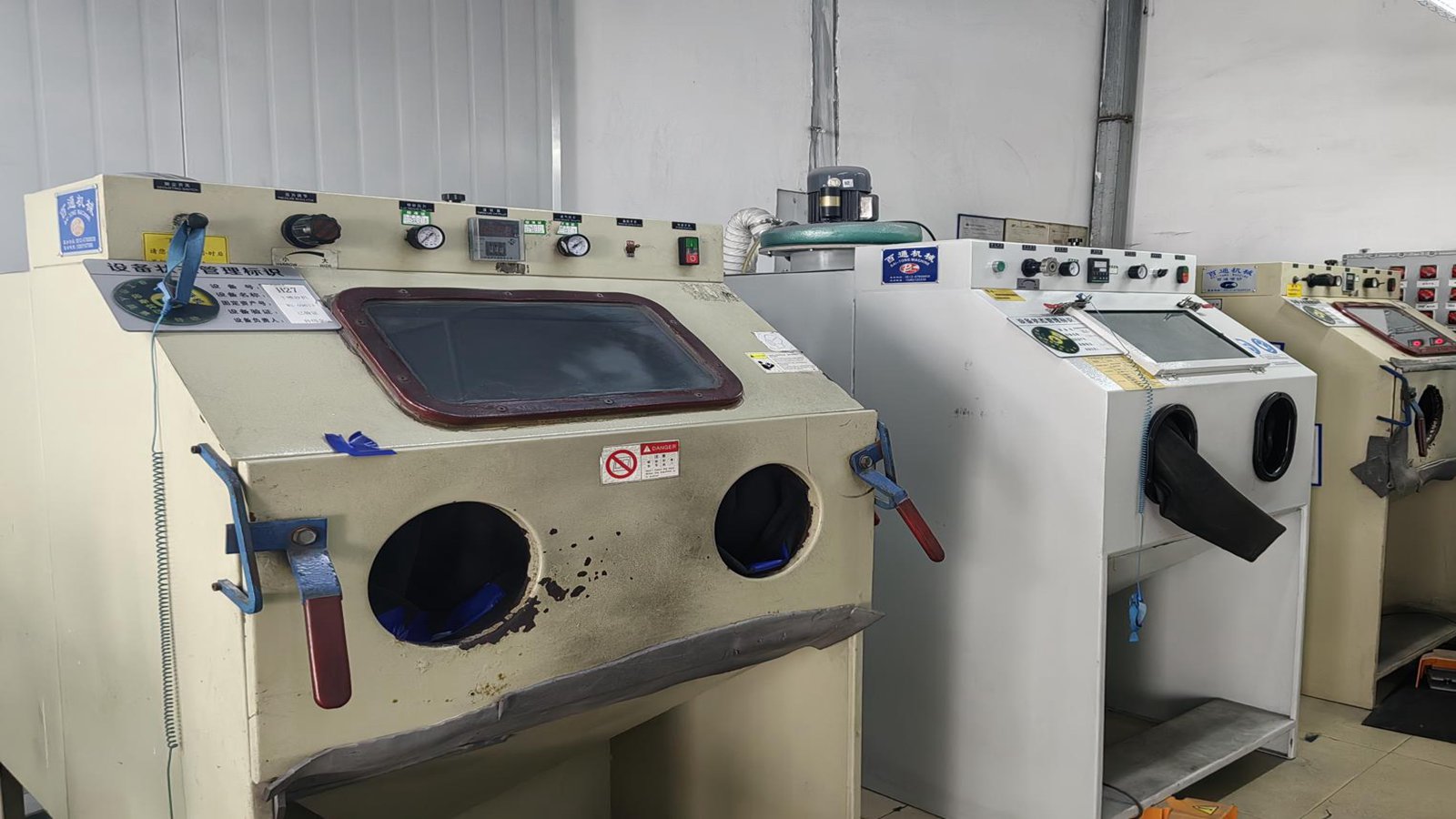
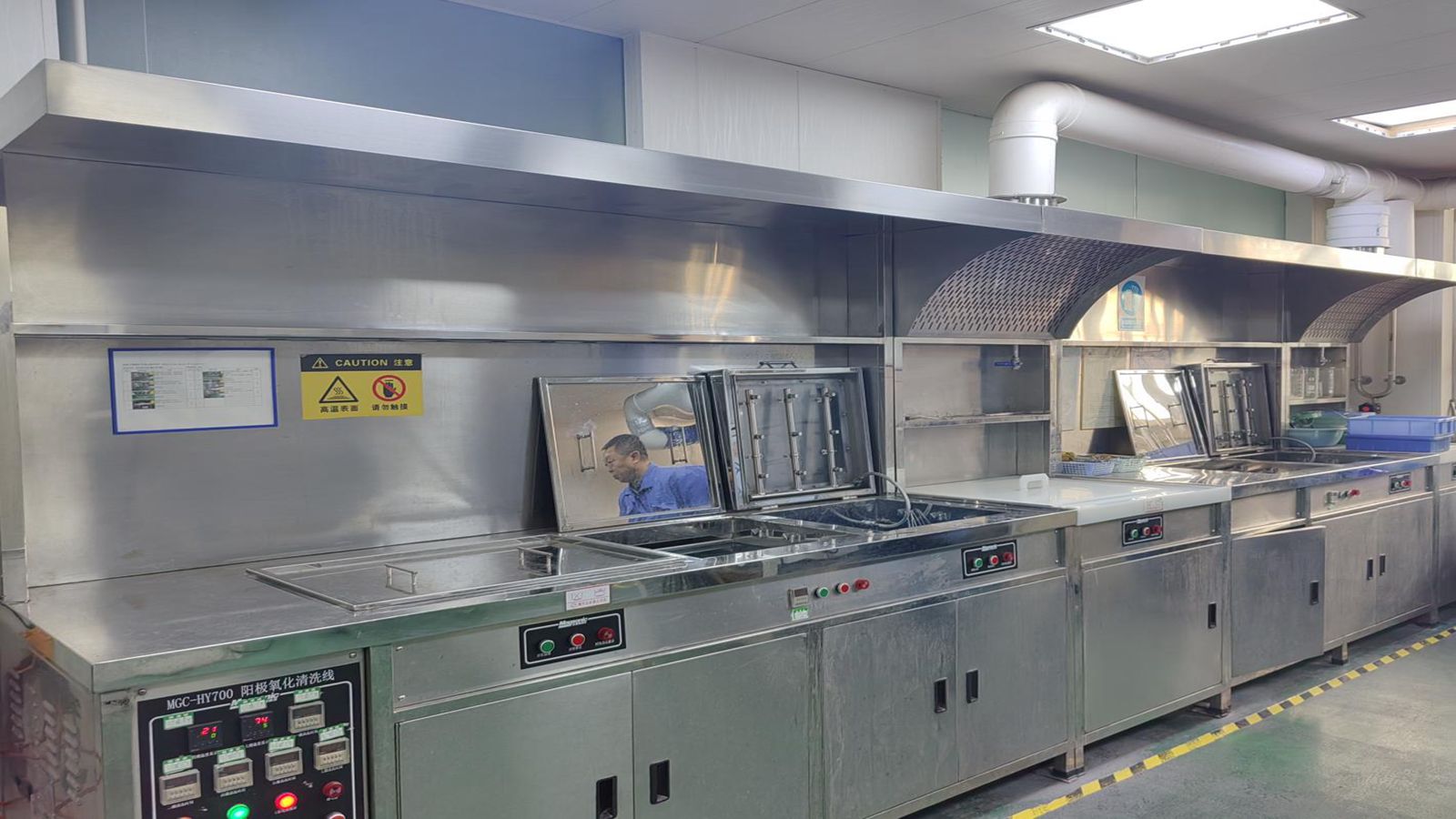
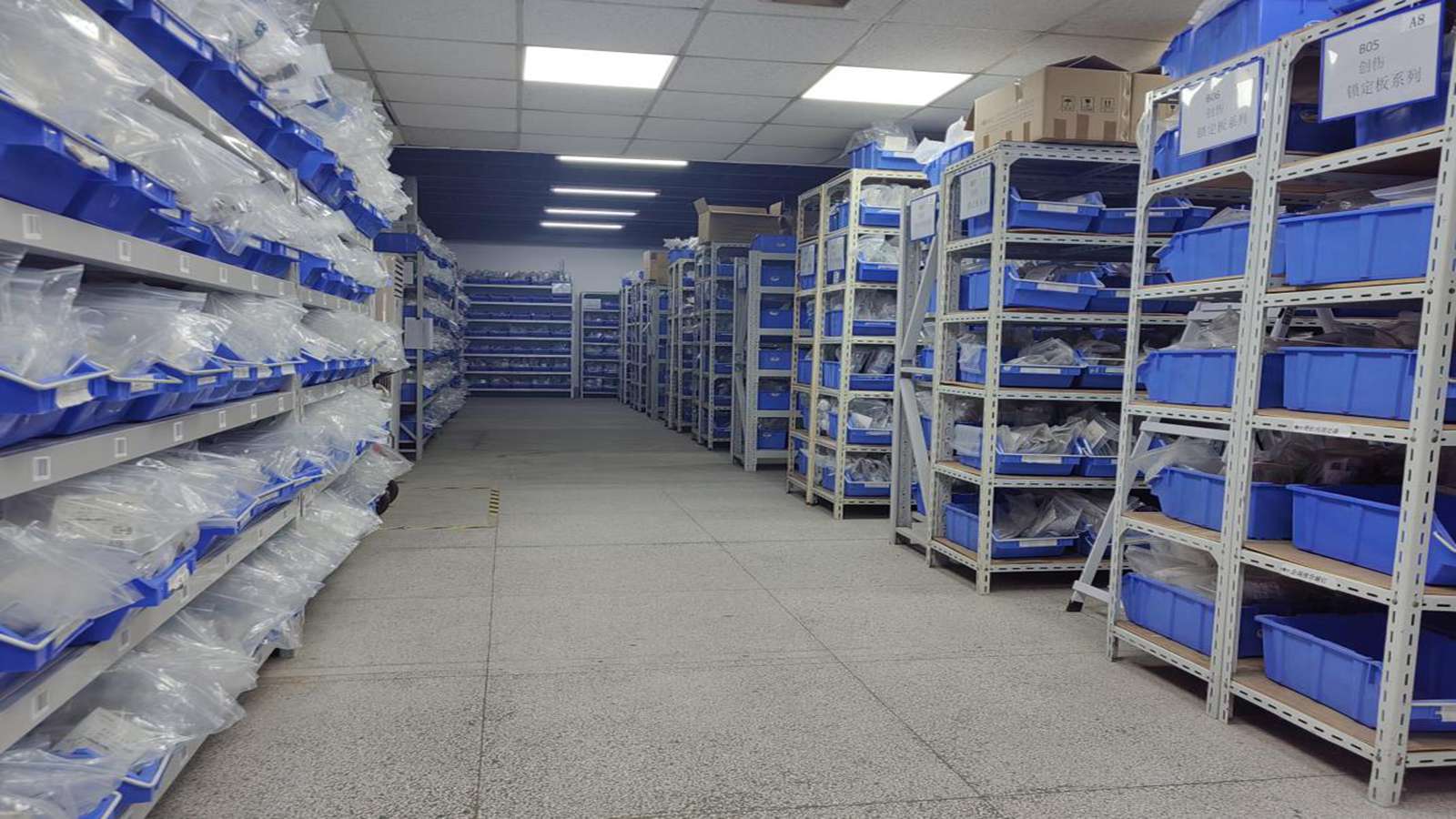
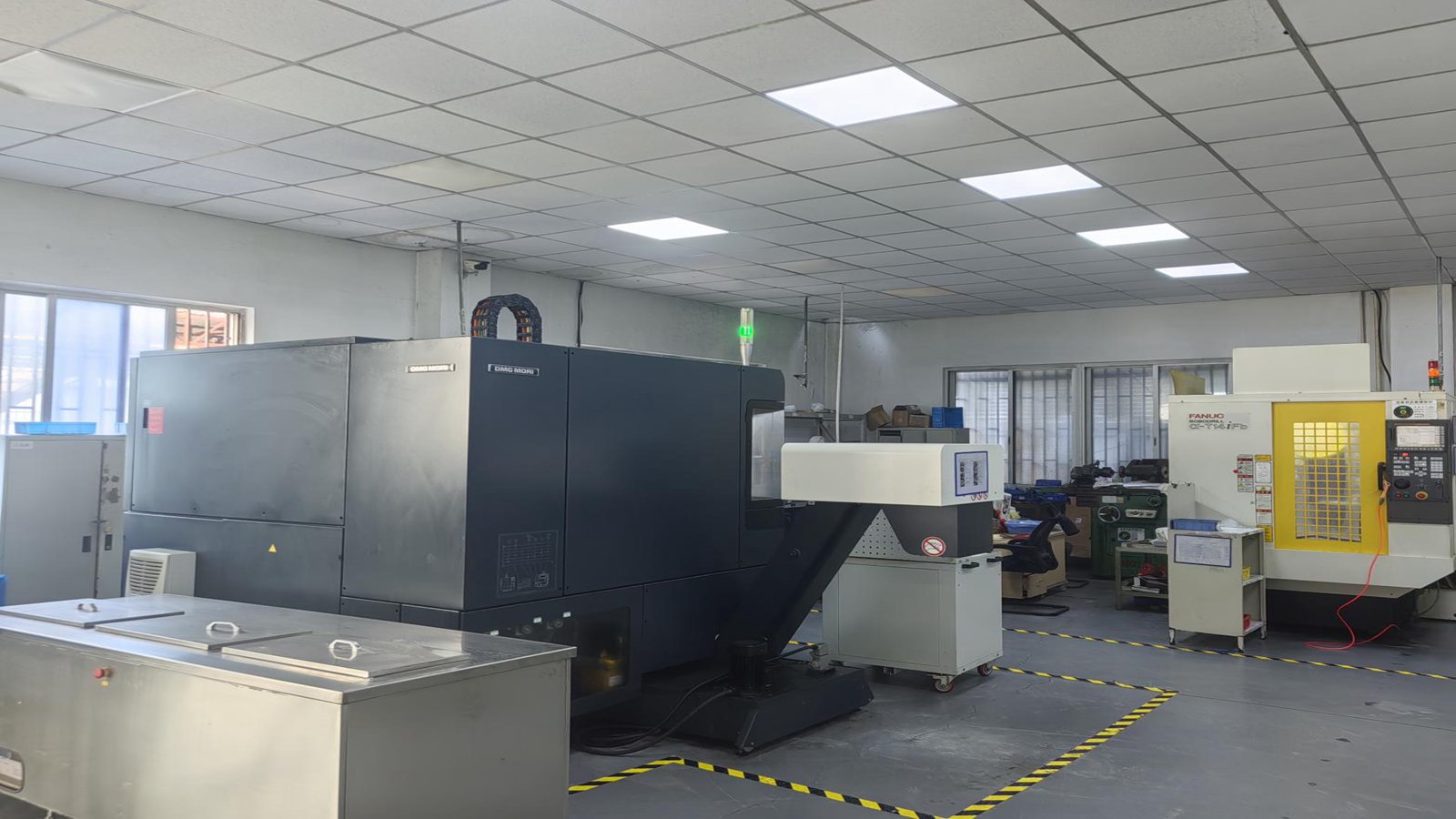
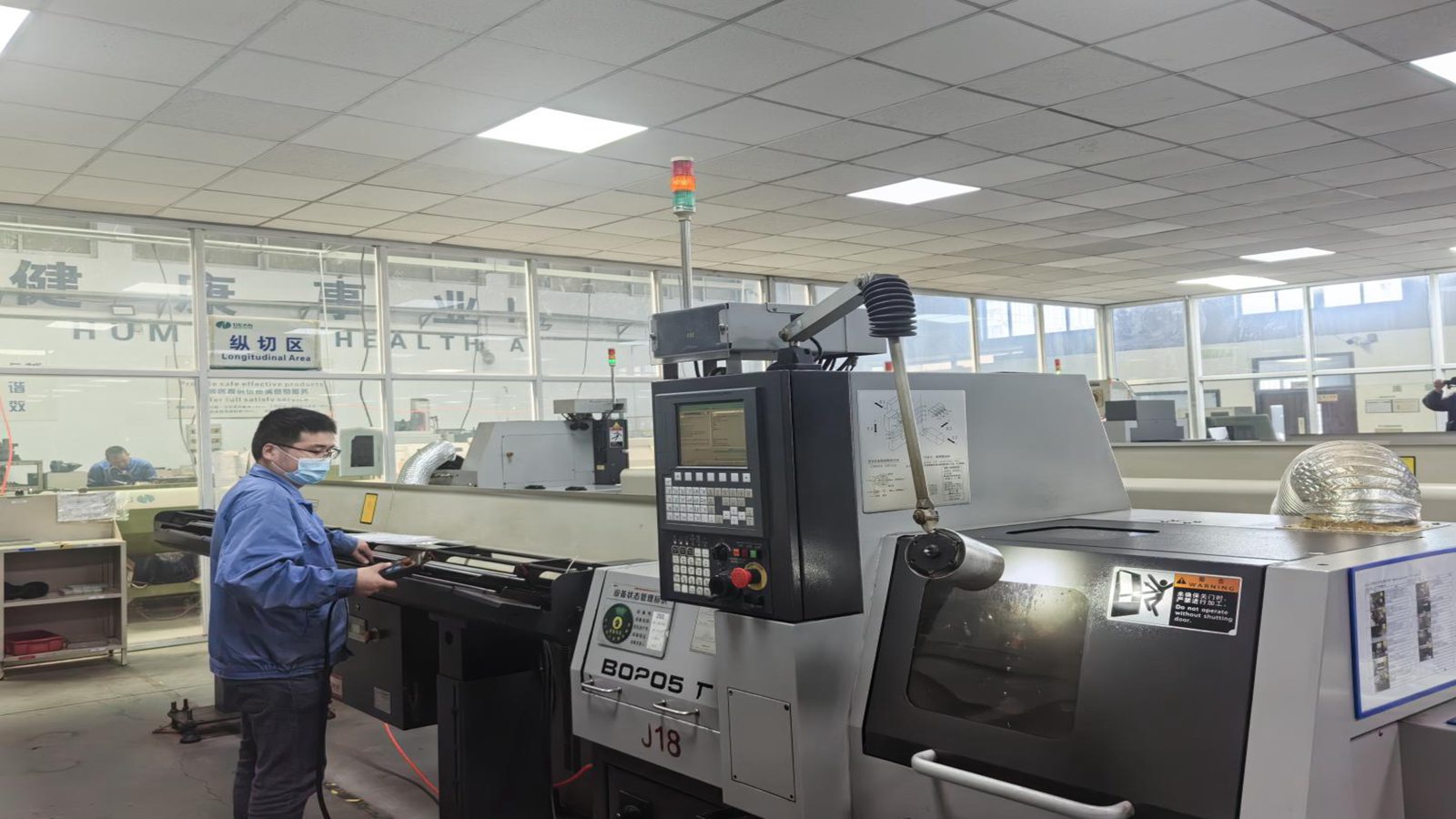
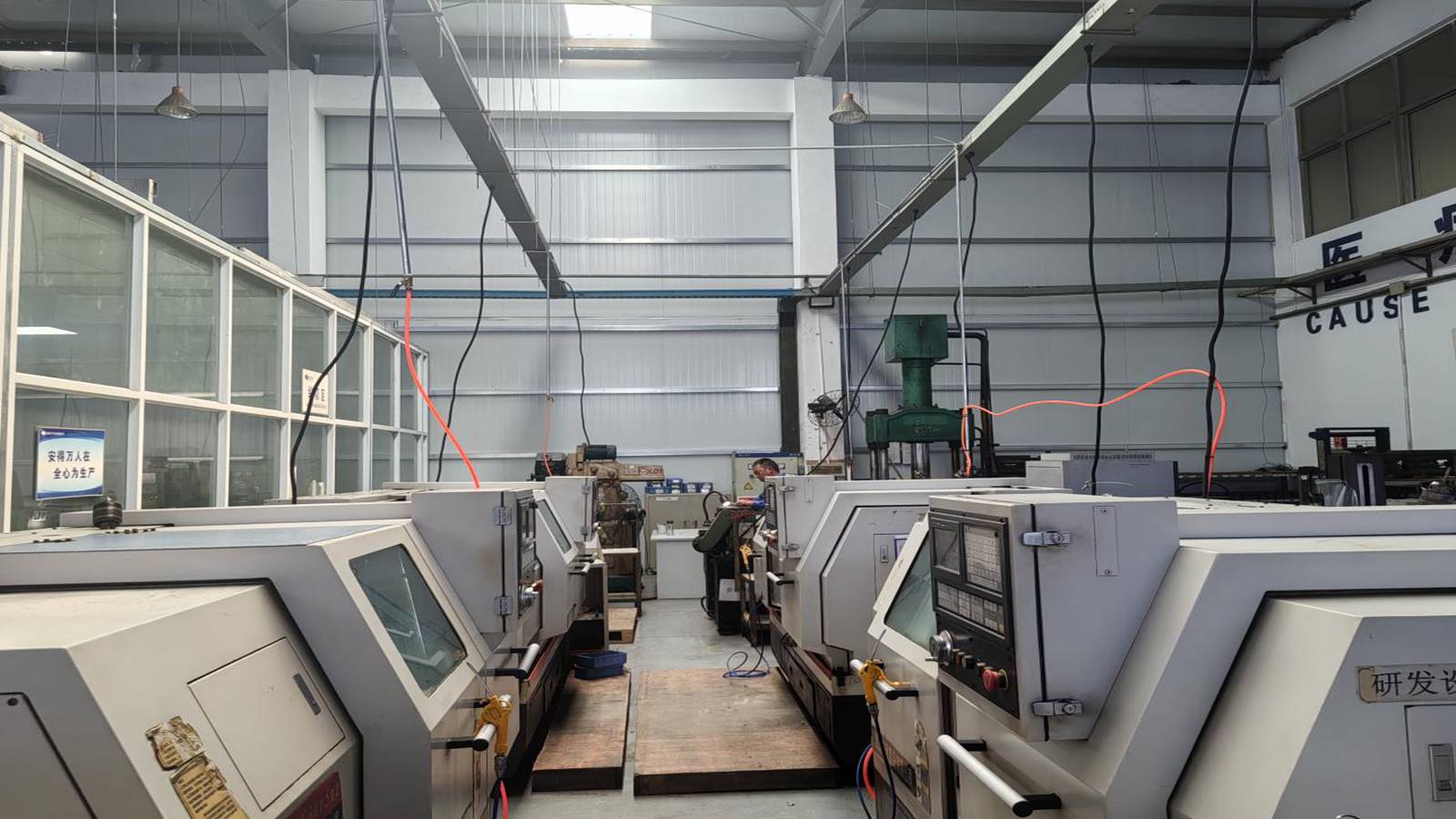
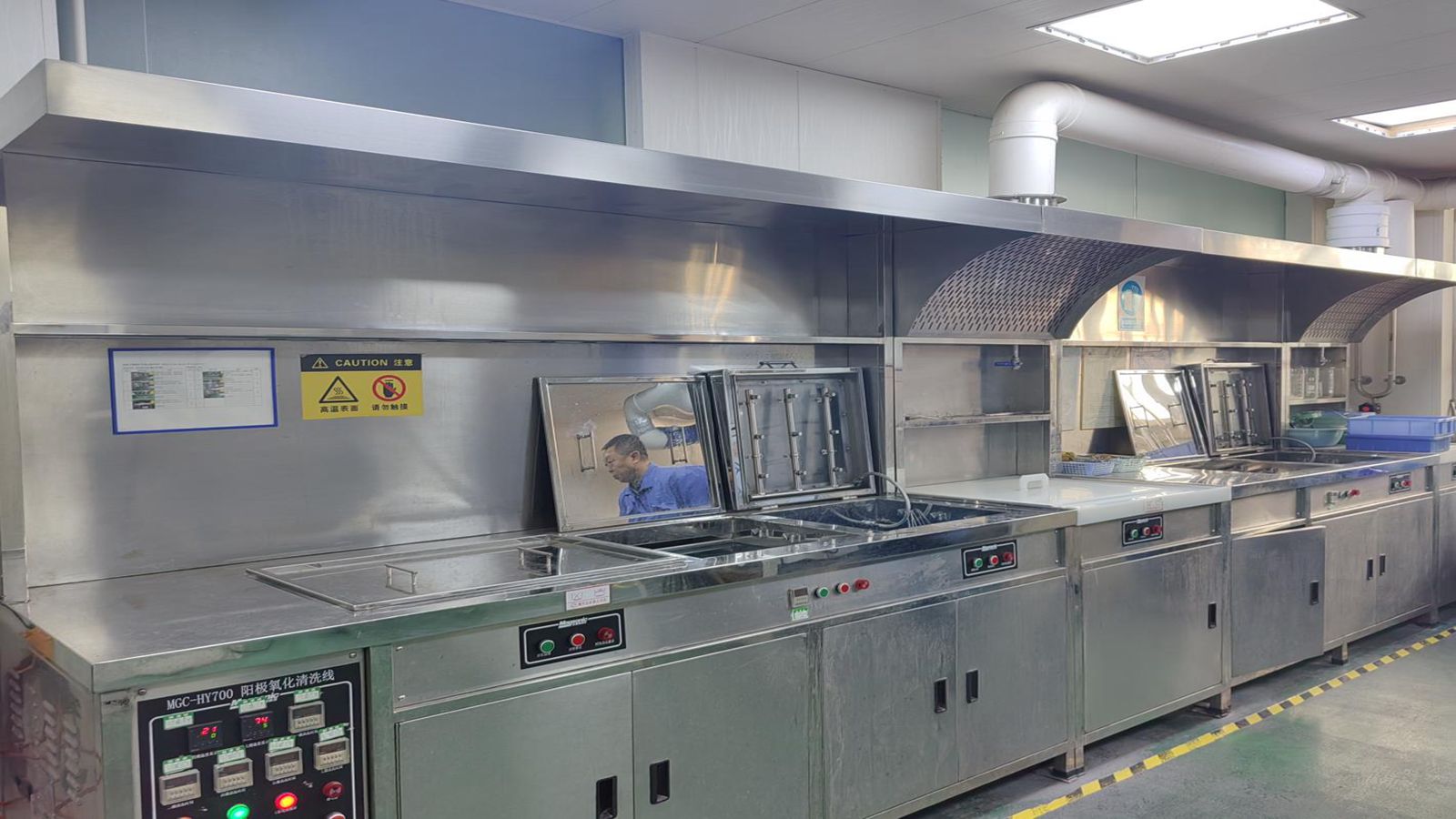
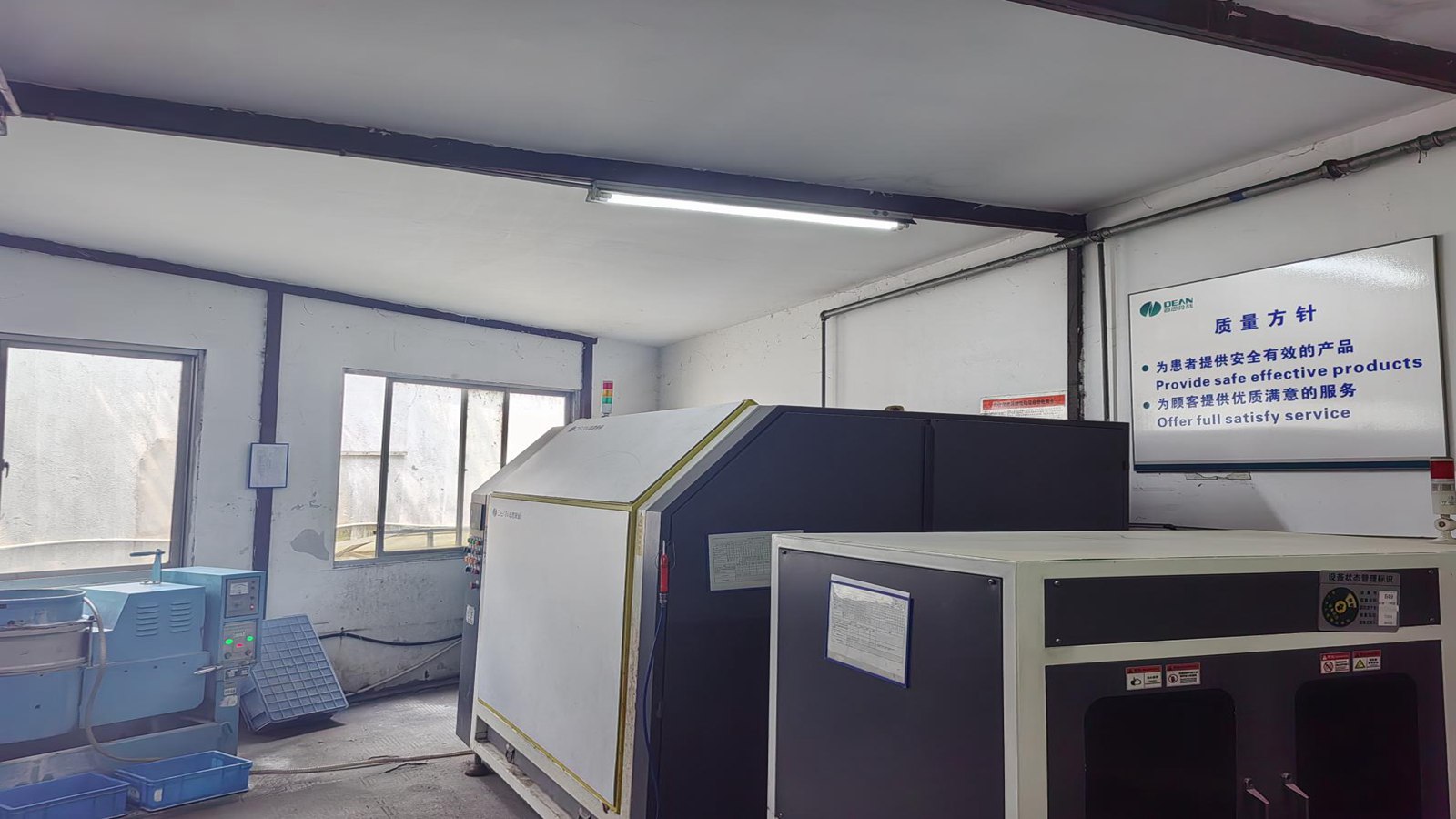
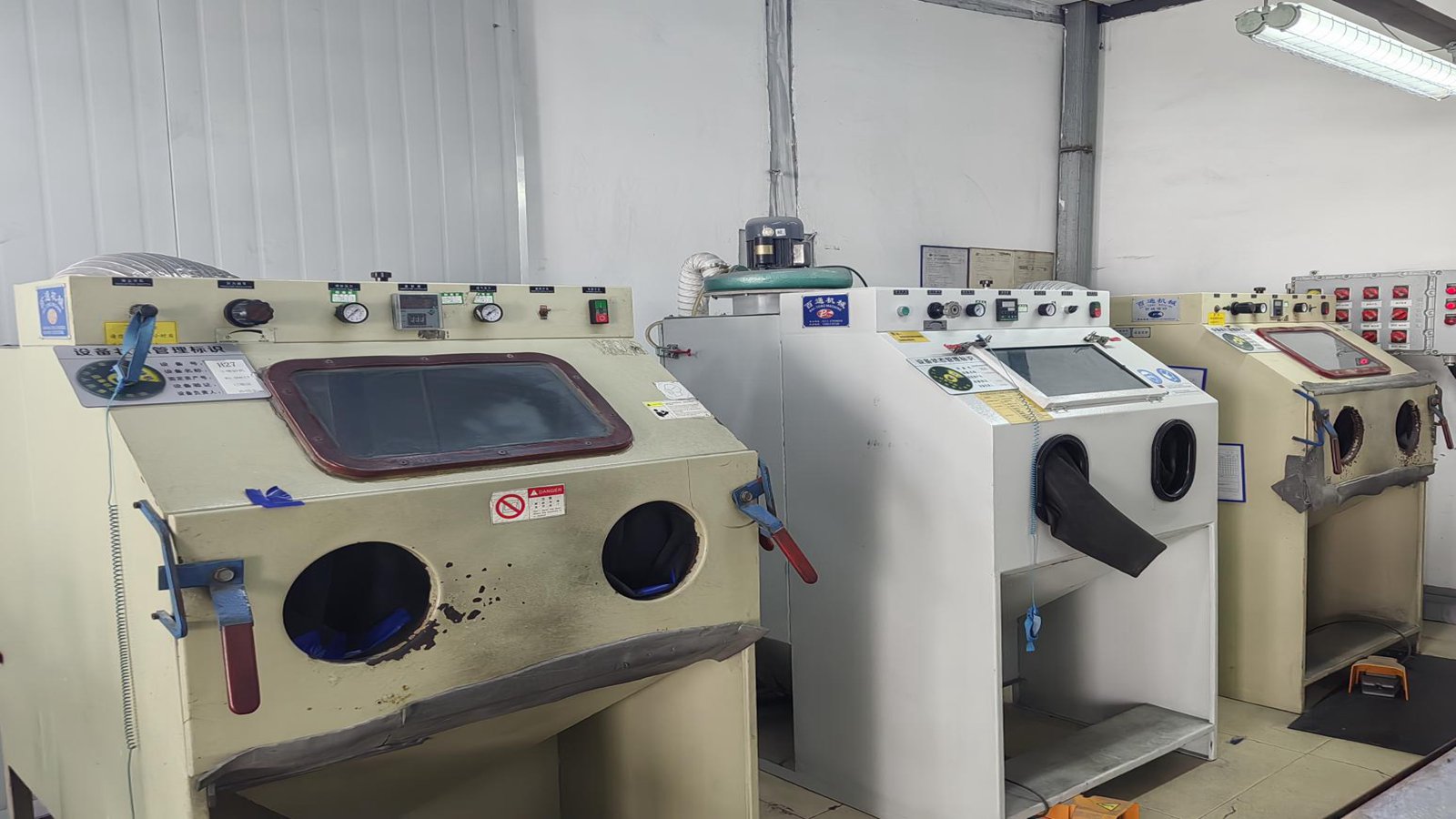
The clinical performance of a Primary Total Knee Arthroplasty (TKA) system is governed by two parameters: kinematic matching and mechanical longevity. A successful joint replacement system must re-establish physiological knee kinematics while minimizing shear stresses at the bone-implant interface.
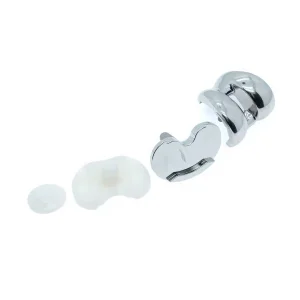
Medispirex utilizes high-grade wrought Titanium Alloy (Ti6Al4V) and Cobalt-Chromium-Molybdenum (CoCrMo) alloys to manufacture anatomical femoral components. The femoral articulating surface undergoes computerized mirror polishing to achieve a surface roughness ($R_a$) below 0.02 microns. This reduces friction against the ultra-high molecular weight polyethylene (UHMWPE) tibial insert, mitigating polyethylene wear debris—the leading cause of osteolysis and aseptic loosening.
Global distributors face diverse clinical preferences. In North America and Europe, many orthopedic surgeons prefer Cruciate-Retaining (CR) implants for patients with a functional posterior cruciate ligament (PCL), preserving natural joint proprioception. Conversely, in Asian and Middle Eastern markets, Posterior-Stabilized (PS) knee designs are frequently requested due to patients presenting with advanced deformity or severe joint laxity. Medispirex addresses this through dual-platform designs, enabling surgeons to transition intraoperatively between CR and PS implants without changing femoral cutting blocks.
While PMMA bone cement remains the gold standard for tibial and femoral fixation, cementless total knee replacement is growing rapidly. Advanced 3D-printed porous titanium coatings and plasma-sprayed hydroxyapatite (HA) layers facilitate rapid osteointegration. Medispirex R&D is focused on creating textured, porous-coated options that offer immediate mechanical press-fit stability and long-term biological fixation.
The orthopedic implant sector is evolving through several major trends:
Medispirex provides specialized supply chain structures tailored to different regional clinical environments:
Focus is placed on MDR (Medical Device Regulation) conformity, Class III implant clearances, and automated surgical tracking. Medispirex supports these requirements with extensive biomechanical fatigue reports, raw material certificates, and structured regulatory dossiers for FDA/CE filings.
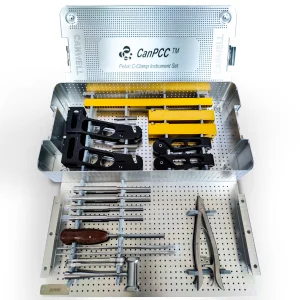
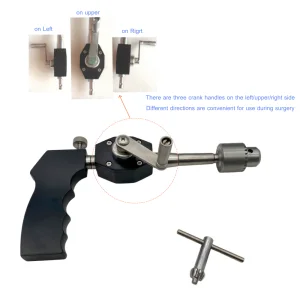
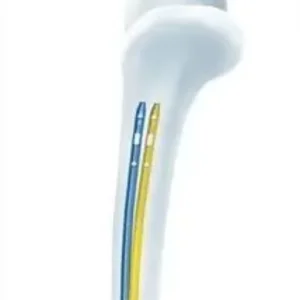
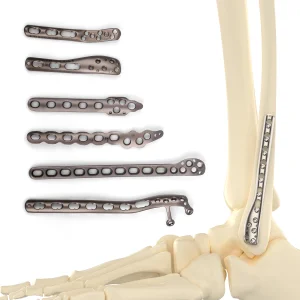
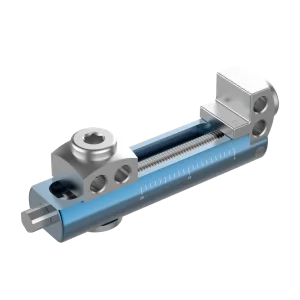
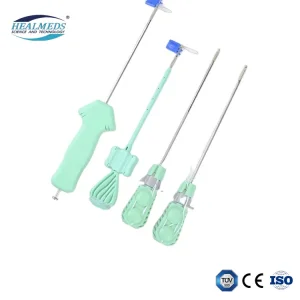
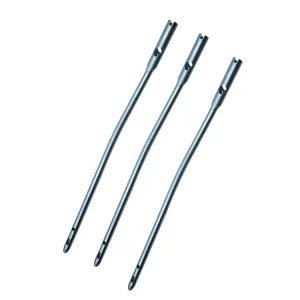
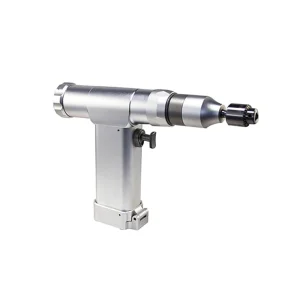
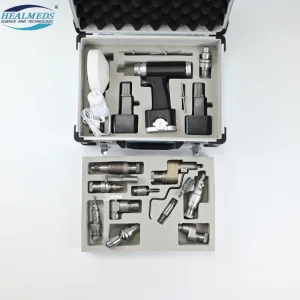
Procurement teams require comprehensive trauma and joint reconstruction setups. Medispirex coordinates full product portfolios, bundling joint implants with intramedullary nails, external fixators, and high-speed electrical drills to optimize shipping costs.
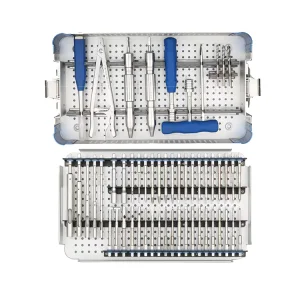
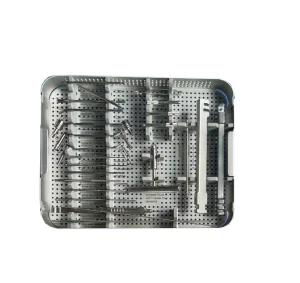
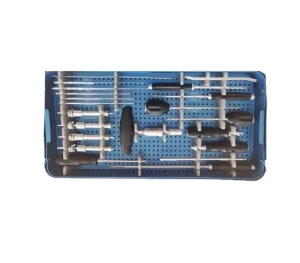
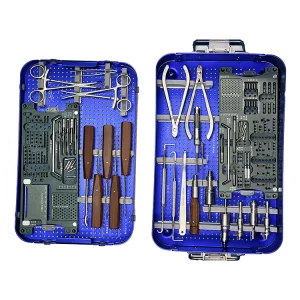
Cost efficiency and durable, sterilizable instrument systems are prioritized. Medispirex meets this demand by optimizing raw material yields and offering highly durable, anodized titanium instrument trays that resist chemical corrosion during autoclaving.
For major medical device corporations and regional brand owners, Medispirex offers advanced OEM/ODM capabilities. Driven by our 85-engineer R&D department, we have commercialized approximately 120 new products over the past 12 months.
Expert Answers to Critical Procurement and Engineering Questions for Global Orthopedic Distributors
We use high-grade Cobalt-Chromium-Molybdenum (CoCrMo) alloy for the articulating femoral components to maximize wear resistance. The tibial tray is fabricated from medical-grade Titanium Alloy (Ti6Al4V ELI) conforming to ASTM F136 standards. The articulating bearing uses Ultra-High-Molecular-Weight Polyethylene (UHMWPE) or highly cross-linked polyethylene (XLPE) to minimize friction-induced wear. Every raw material shipment is accompanied by Mill Test Certificates (MTC) and undergoes mechanical verification and microstructural checking before entering production.
Yes, our 18,600㎡ manufacturing facility is certified under ISO 13485:2016 for medical device quality management systems. Our implants are manufactured in compliance with ISO and ASTM standards. We assist partners in regulatory submissions by providing technical documentation (STED), bio-compatibility files (ISO 10993), packaging validations (ISO 11607), and mechanical fatigue testing reports.
Our quality management workflow is overseen by 45 QC professionals. Traceability is established using laser-etched Unique Device Identifiers (UDI) directly on the implants and surgical components. This links back to raw material origin, CNC machine run, polishing logs, cleaning cycles, and sterilization parameters. Defect prevention is maintained through preventive maintenance on our multi-axis CNC machines and automated optical coordinate measuring machines (CMM).
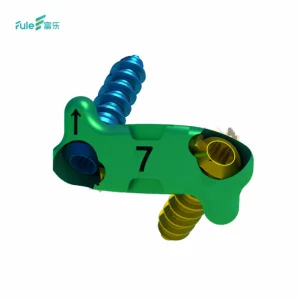
We provide comprehensive private label (OEM) and custom design (ODM) manufacturing. Backed by 85 R&D engineers, we can customize sizing matrices, adapt instrumentation ergonomics, and produce custom sterile packaging. We can also assist in configuring custom surgical trays that combine trauma plates, spinal cages, or joint components based on specific clinical requirements.
Standard OEM production runs take 30 to 45 days, depending on inventory levels and configuration needs. We leverage a robust supply chain network of approximately 860 upstream and downstream partners, ensuring stable raw material access and consistent production capacity. We handle standard shipping formats including EXW, FOB, and CIF via sea, air, and express parcel channels.
High-Precision Surgical Drills, Spinal Systems, and Premium Titanium Implants for Comprehensive Joint Arthroplasty Support