Medispirex
Medispirex
Medispirex
Innovative internal fixation implants, surgical instruments, and trauma systems certified to global clinical and manufacturing standards.
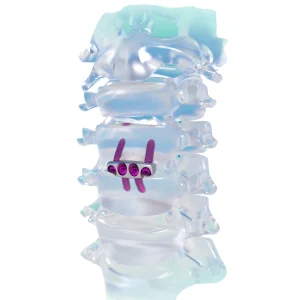
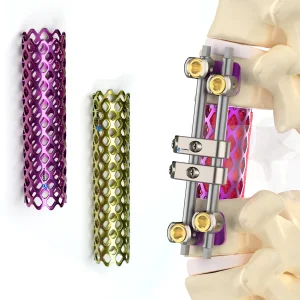
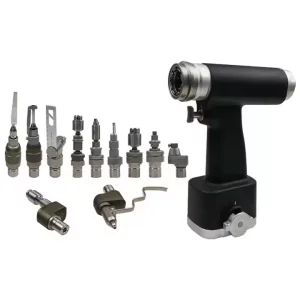
An Industry-Leading Standard in Trauma, Spine, and Joint Reconstruction Implants
Established in 2016, Medispirex Orthopedic Technology Co., Ltd. has grown to become a cornerstone of the medical device manufacturing landscape. Integrating robust research and development, smart manufacturing, and comprehensive global distribution channels, we supply world-class medical implants targeting complex surgical trauma, spinal pathologies, and joint reconstruction projects.
Our operation runs under rigorous, multi-layered quality control regimens. Backed by 45 dedicated QC professionals, we supervise every product batch from the receipt of raw medical titanium and steel down to micro-structural analysis and sterile barrier integrity. Supported by an ecosystem of 860 upstream and downstream partners, we guarantee continuous production and flexible supply capabilities to global clinical providers.
Medispirex is positioned as a trusted international trade partner across Europe, North America, the Middle East, and Southeast Asia. We support hospitals, orthopedic surgeons, medical device distributors, and global OEM/ODM organizations with end-to-end custom development services.
Whether you require private label manufacturing, specialized surgical system configuration, or customized anatomical plate contours, our engineering department provides rapid CAD prototyping and biomechanical evaluation to fast-track your regulatory and market needs.
The engineering philosophy behind rigid fixation, osteosynthesis, and angular stability under heavy load conditions.
Modern osteosynthesis relies heavily on the mechanical divergence between conventional compression plating and locking plate constructs. In traditional systems, the stability of the bone-plate system depends entirely on the friction generated at the interface between the plate and the cortical bone. This demands high torque screw insertion and risks compromising the periosteal blood supply, leading to bone necrosis and delayed healing.
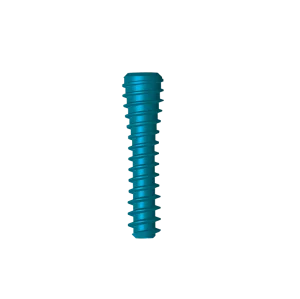
Conversely, Large Fragment Locking Plates act as internal fixators. The threaded screw heads lock rigidly into the plate's combi-holes, creating a single, stable framework. High torque is not required to compress the plate against the bone surface, preserving the critical periosteal microcirculation. This mechanical setup minimizes the risk of primary loss of reduction and prevents screw toggle under cyclical loading.
The choice of implant material shapes both short-term stability and long-term osteointegration. Medispirex uses high-grade Ti-6Al-4V (Grade 5 Titanium) and 316L Medical Grade Stainless Steel. Titanium exhibits an elastic modulus closer to cortical bone, significantly reducing stress shielding—a common cause of post-operative bone resorption and implant loosening.
Additionally, Titanium's superior biocompatibility is driven by its instant formation of a stable, passive titanium dioxide (TiO2) layer when exposed to air. This prevents the release of harmful metallic ions into surrounding tissues, optimizing tissue attachment and minimizing foreign body responses.
Charting the next generation of fracture fixation technologies, biocompatible coatings, and smart implants.
To address stiffness mismatch, we are engineering CFR-PEEK locking plate structures. Offering radiolucency for clearer post-operative radiographic validation, these composite materials simulate natural bone deformation, promoting secondary bone healing through micro-motion at the fracture site.
Our material laboratories are optimizing advanced electrochemical anodization and Hydroxyapatite (HA) coating techniques. These modifications enhance cell adhesion, accelerate early stage bone attachment, and lower the risk of implant-associated microbial colonization.
By integrating variable-angle locking screws with customizable sleeve elements, we aim to offer surgeons the flexibility to toggle between rigid and dynamic stabilization. This control helps manage callus formation according to the patient's individual healing profile.
Inside our state-of-the-art 18,600㎡ facility. Precision machining, automated finishing, and rigorous lab validation.
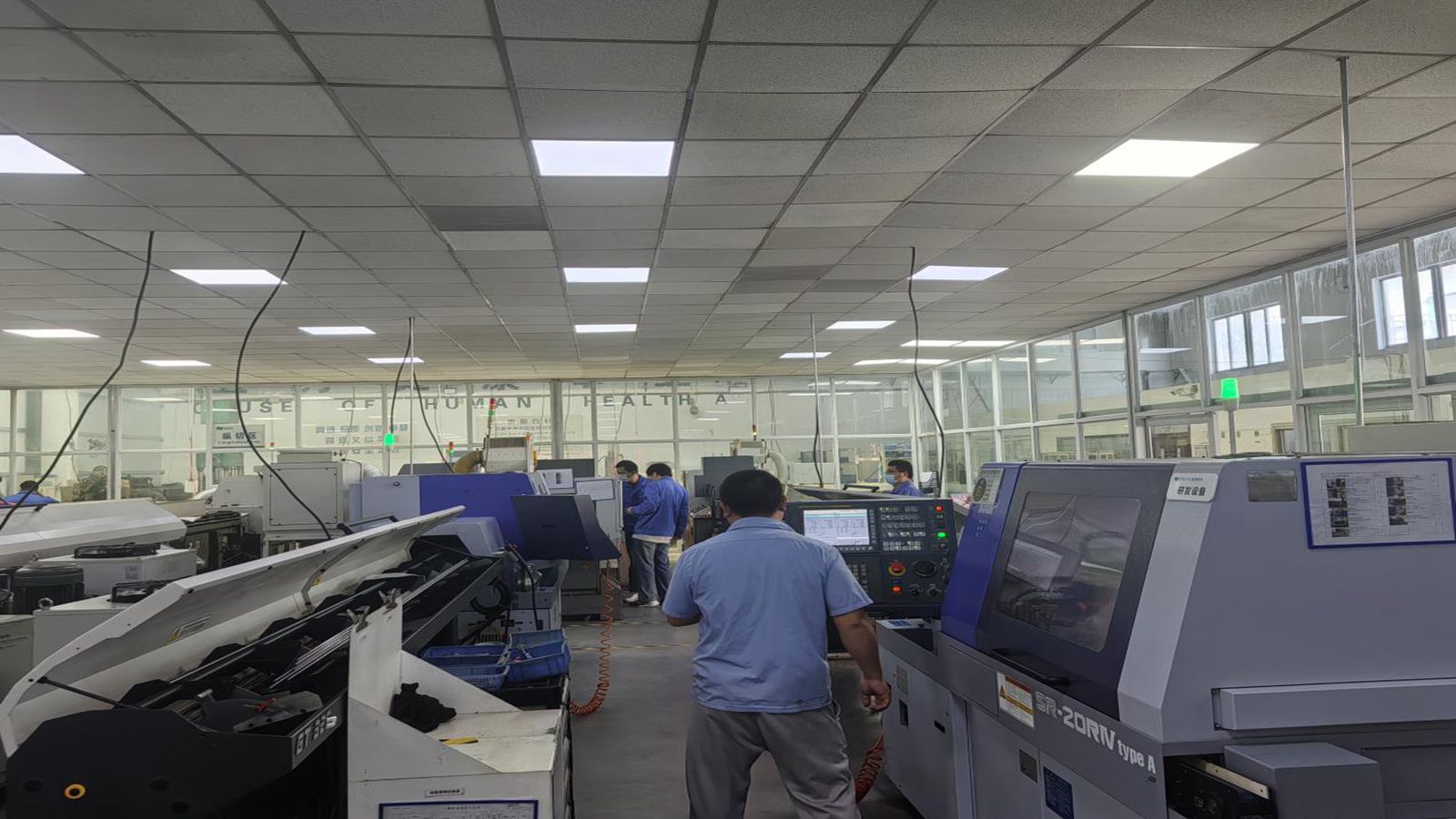
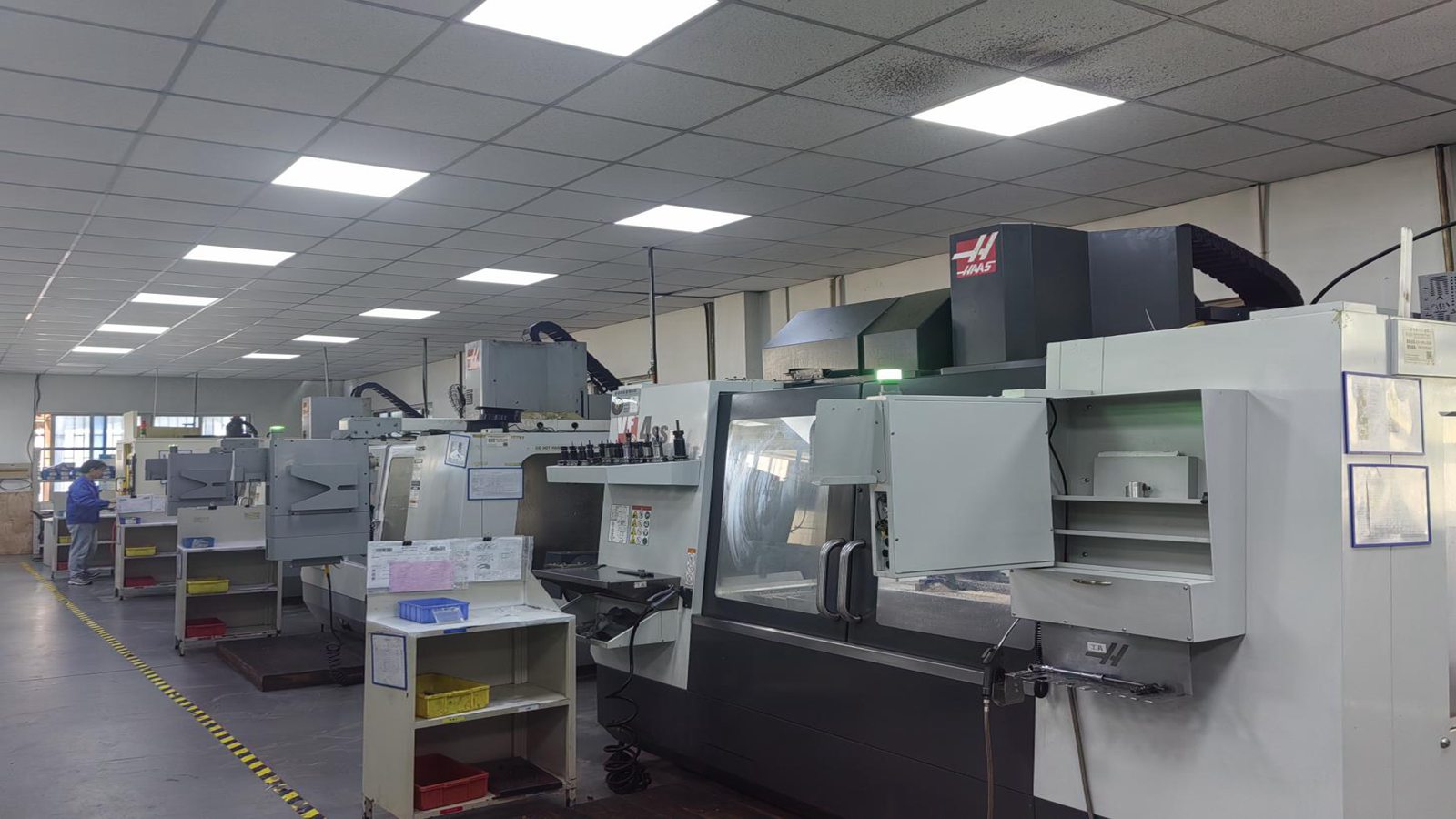
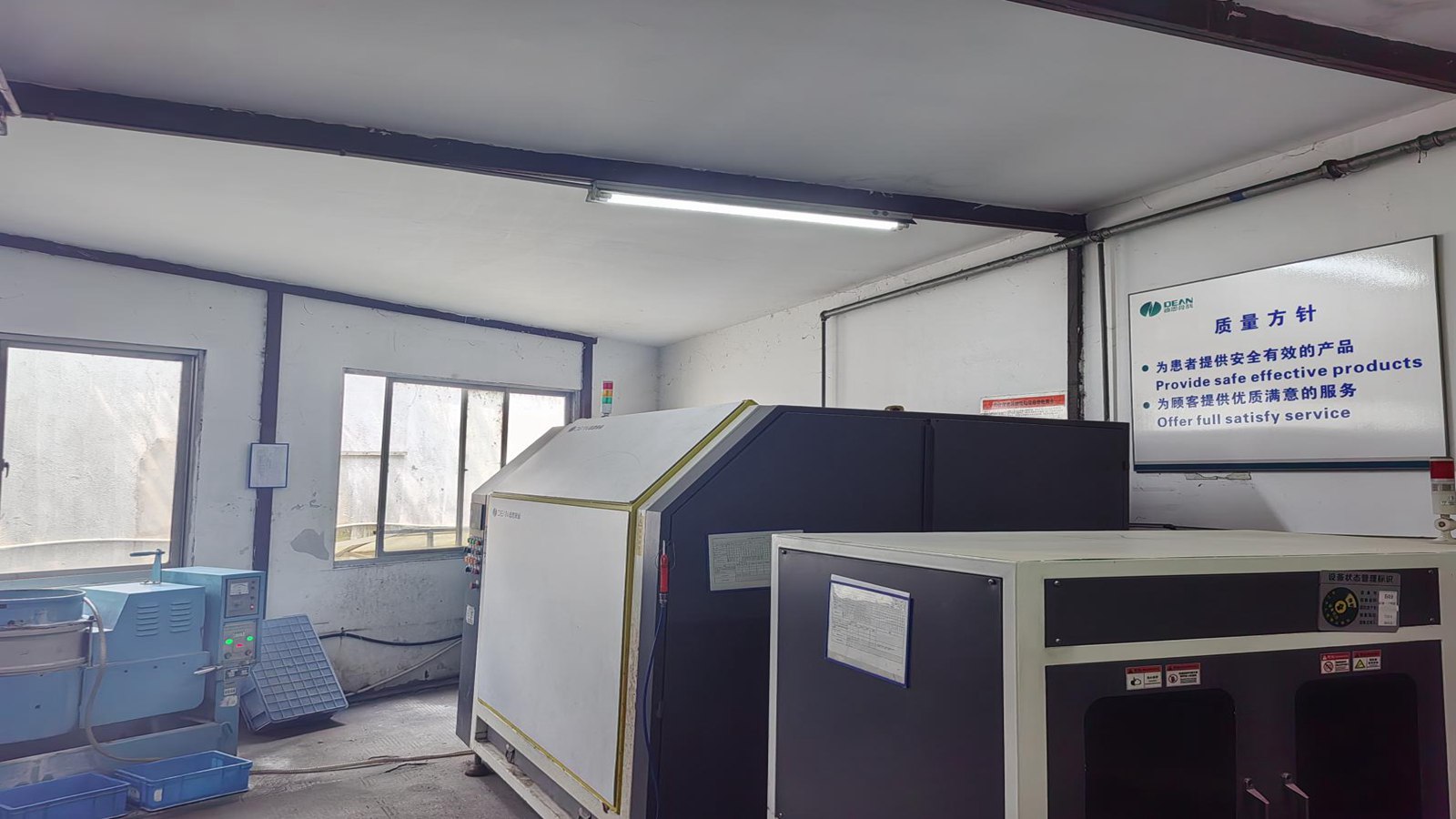
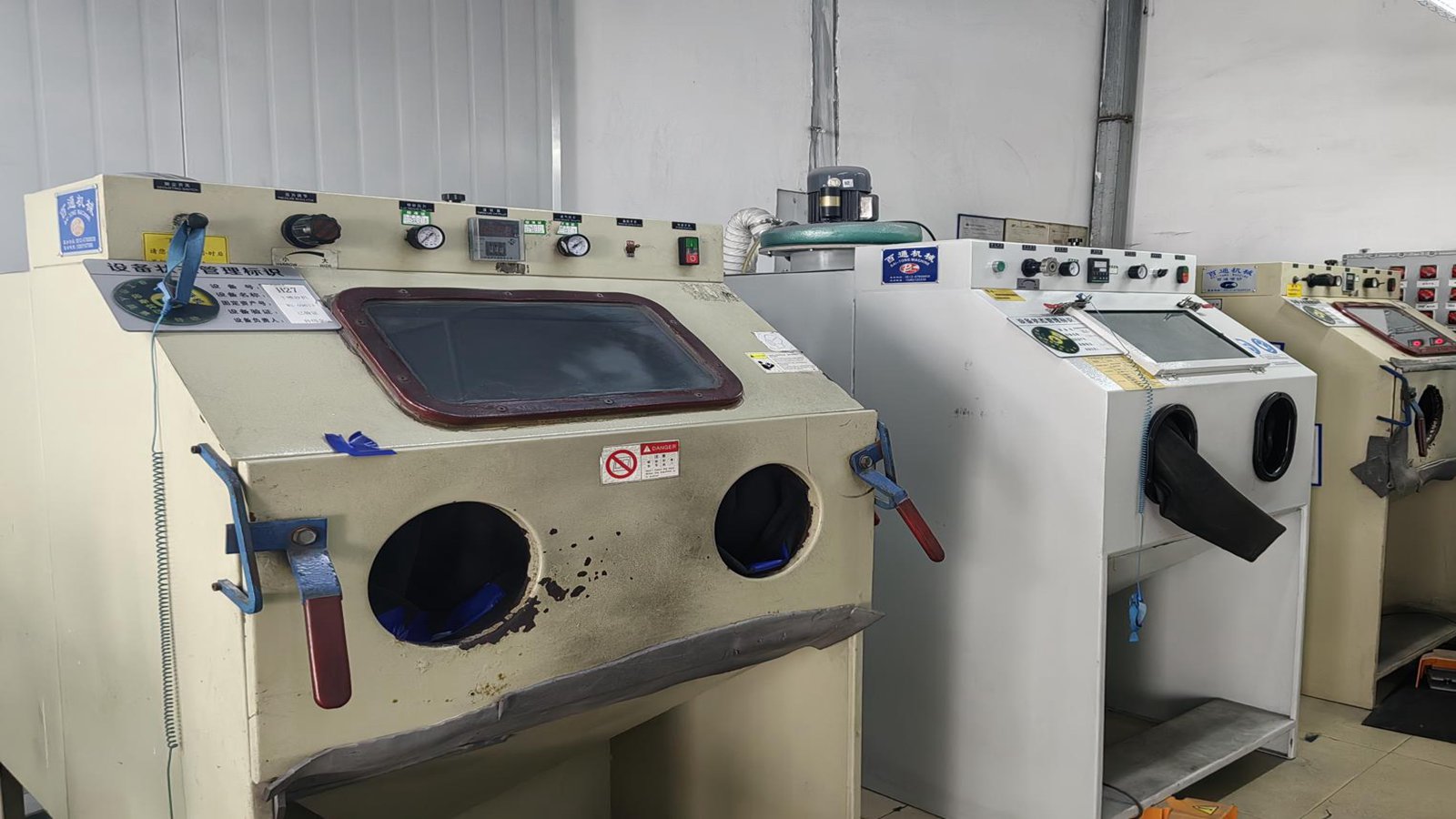
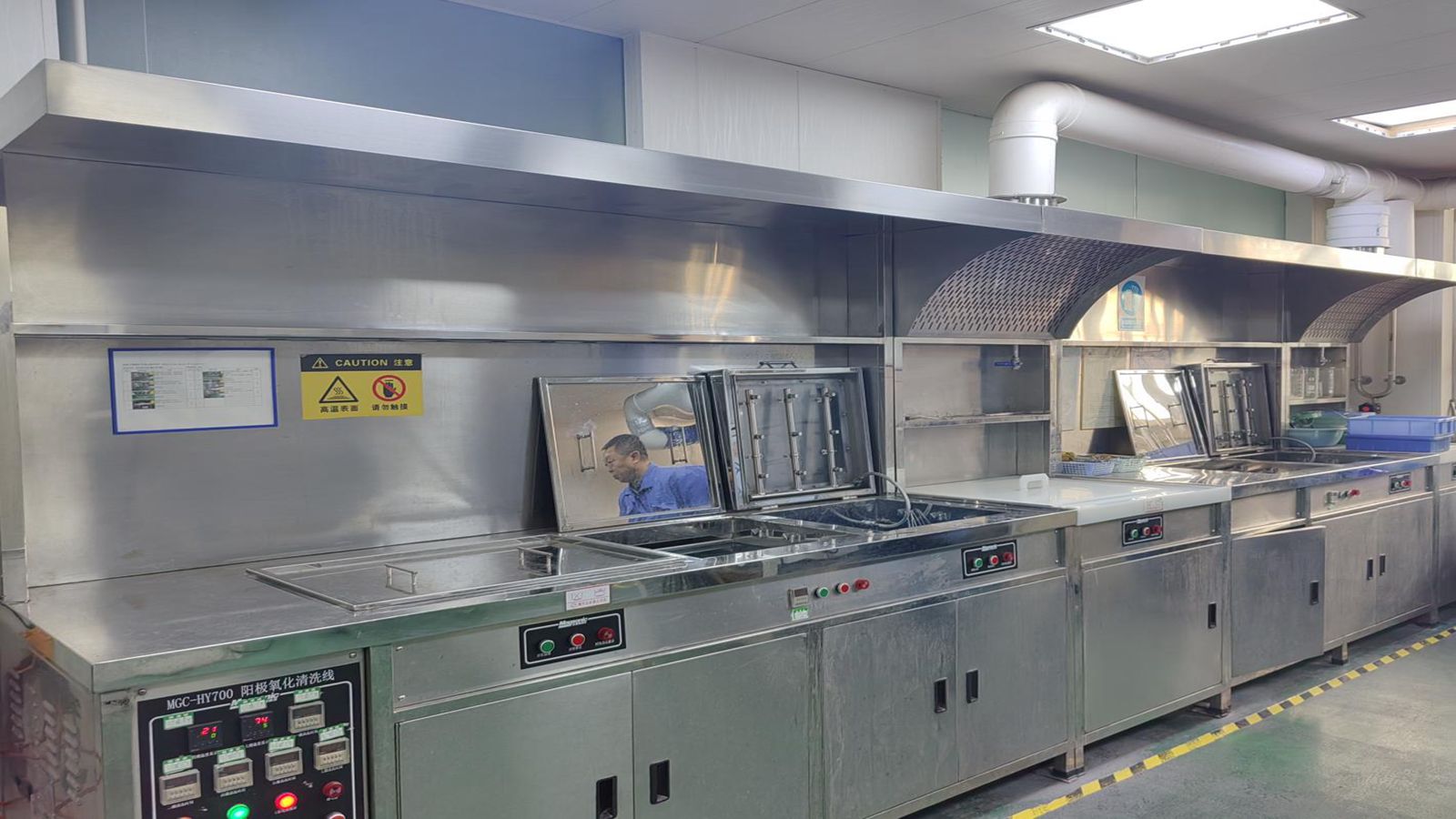
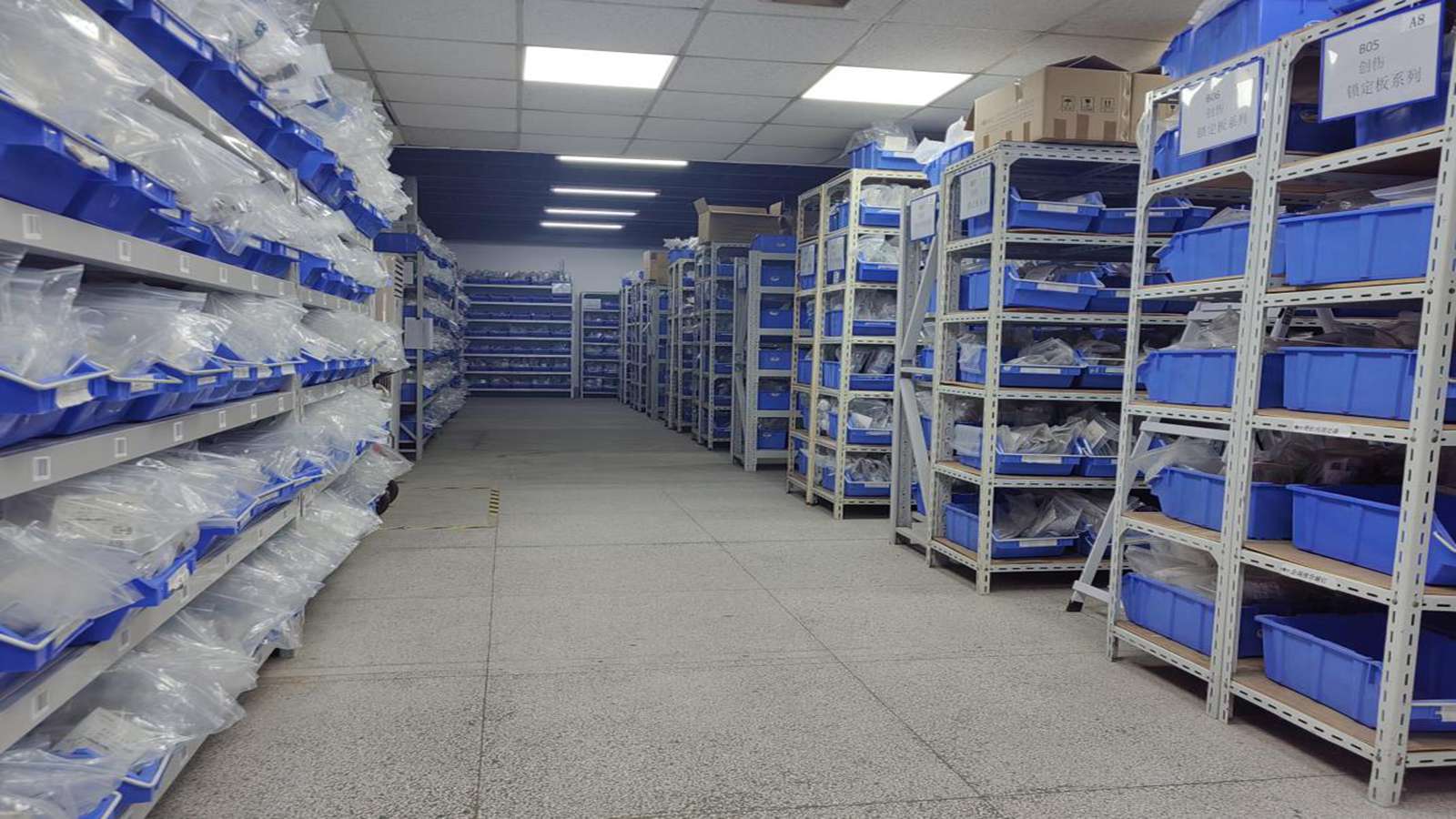
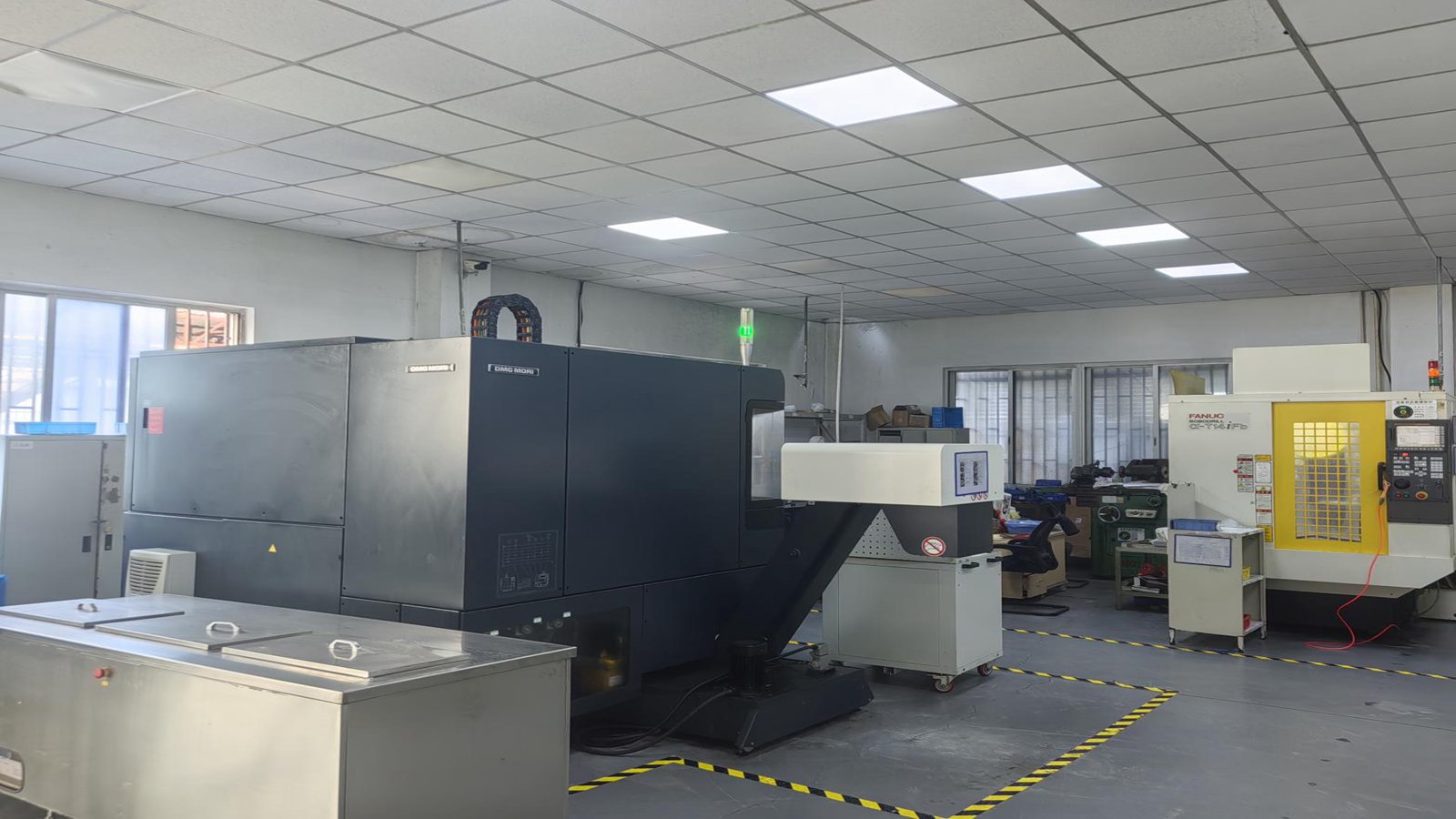
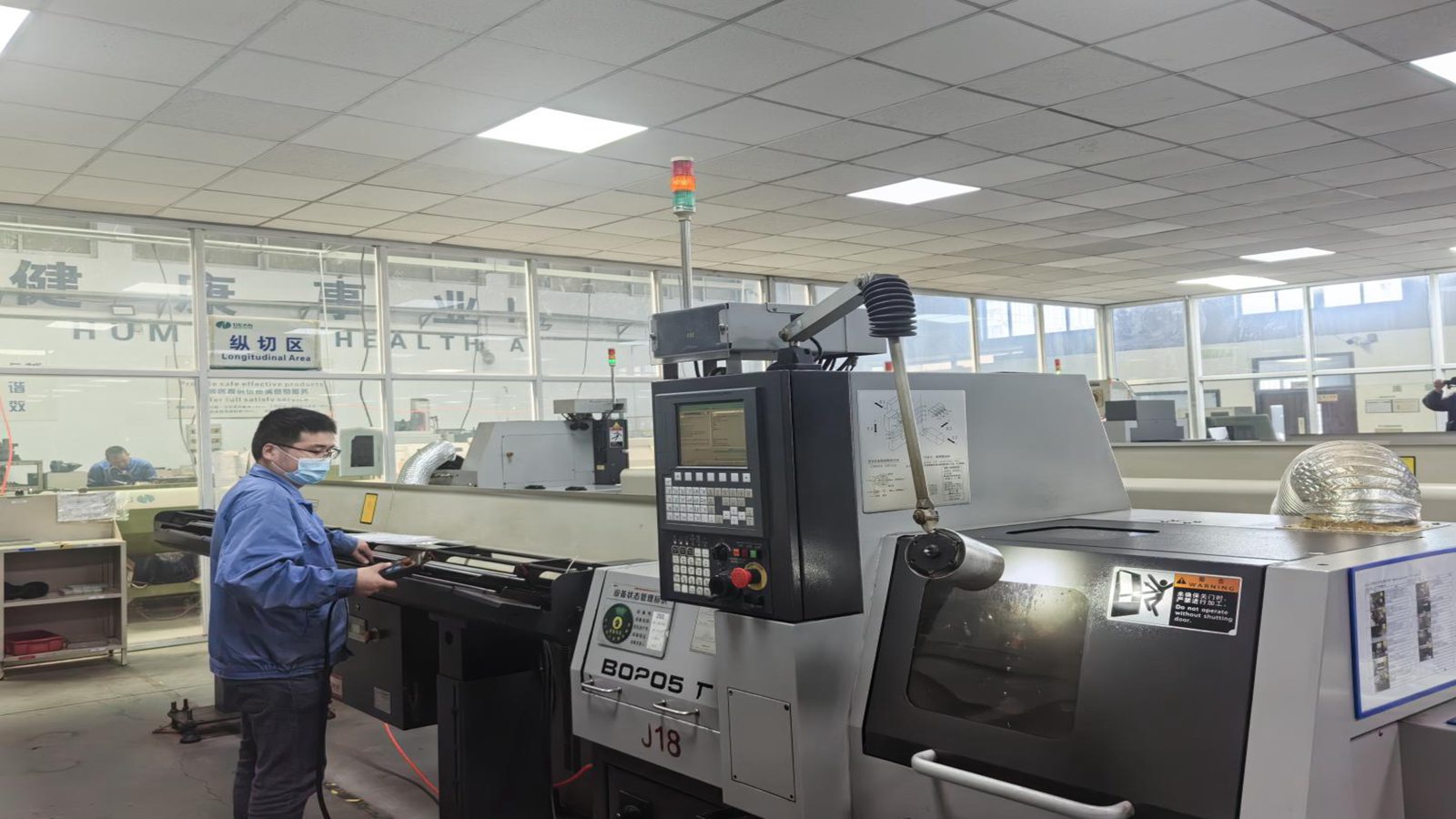
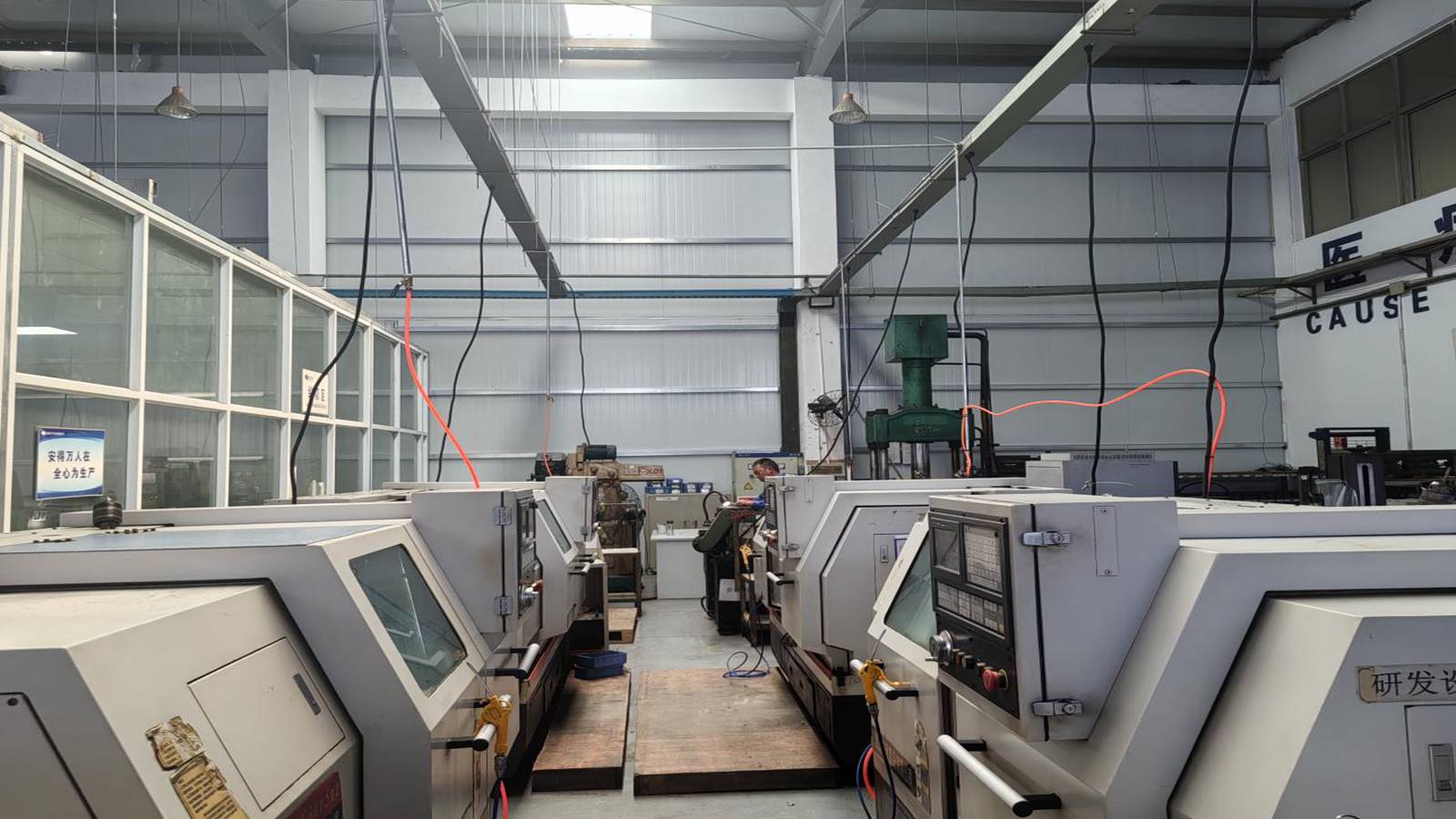
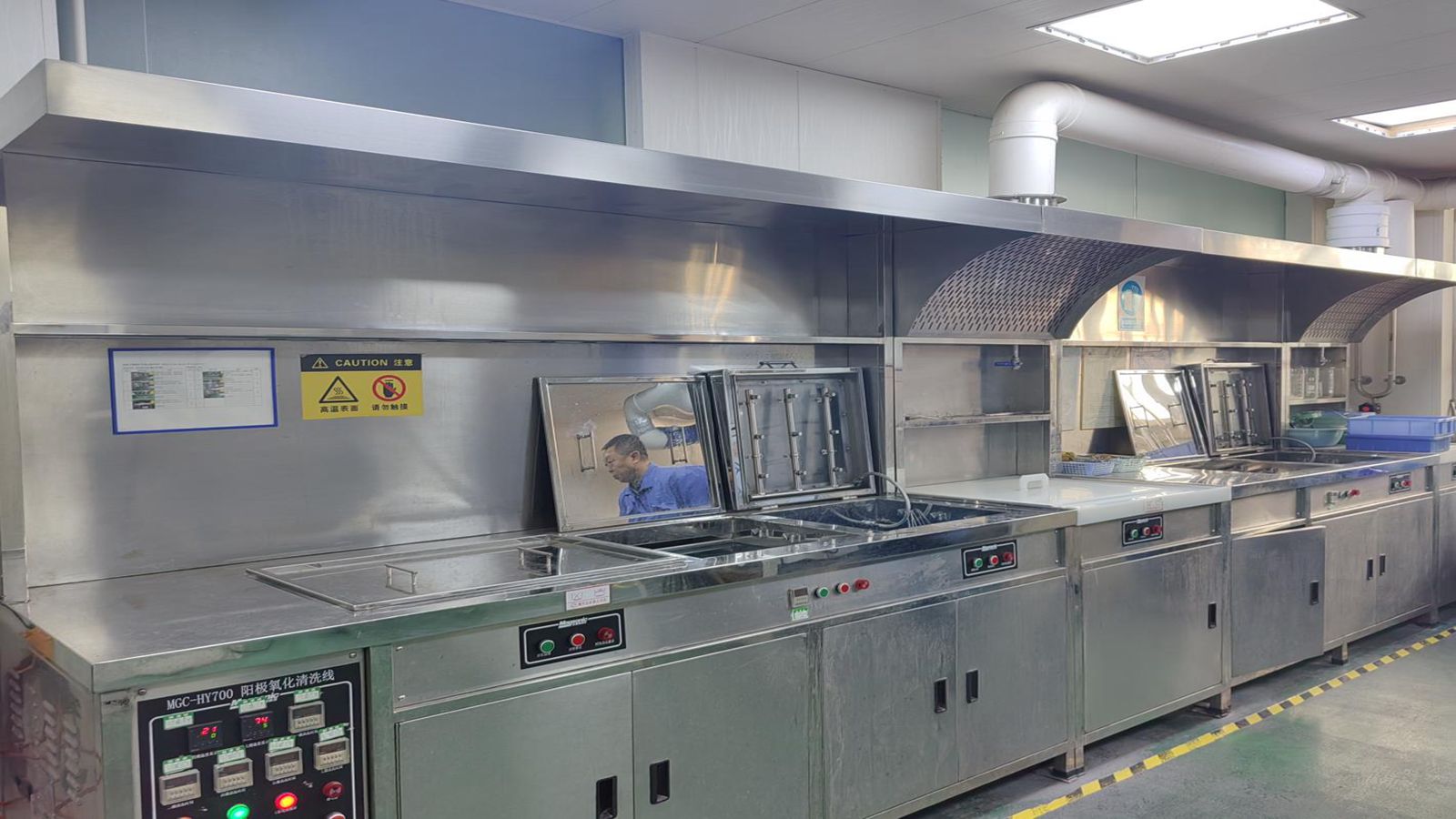
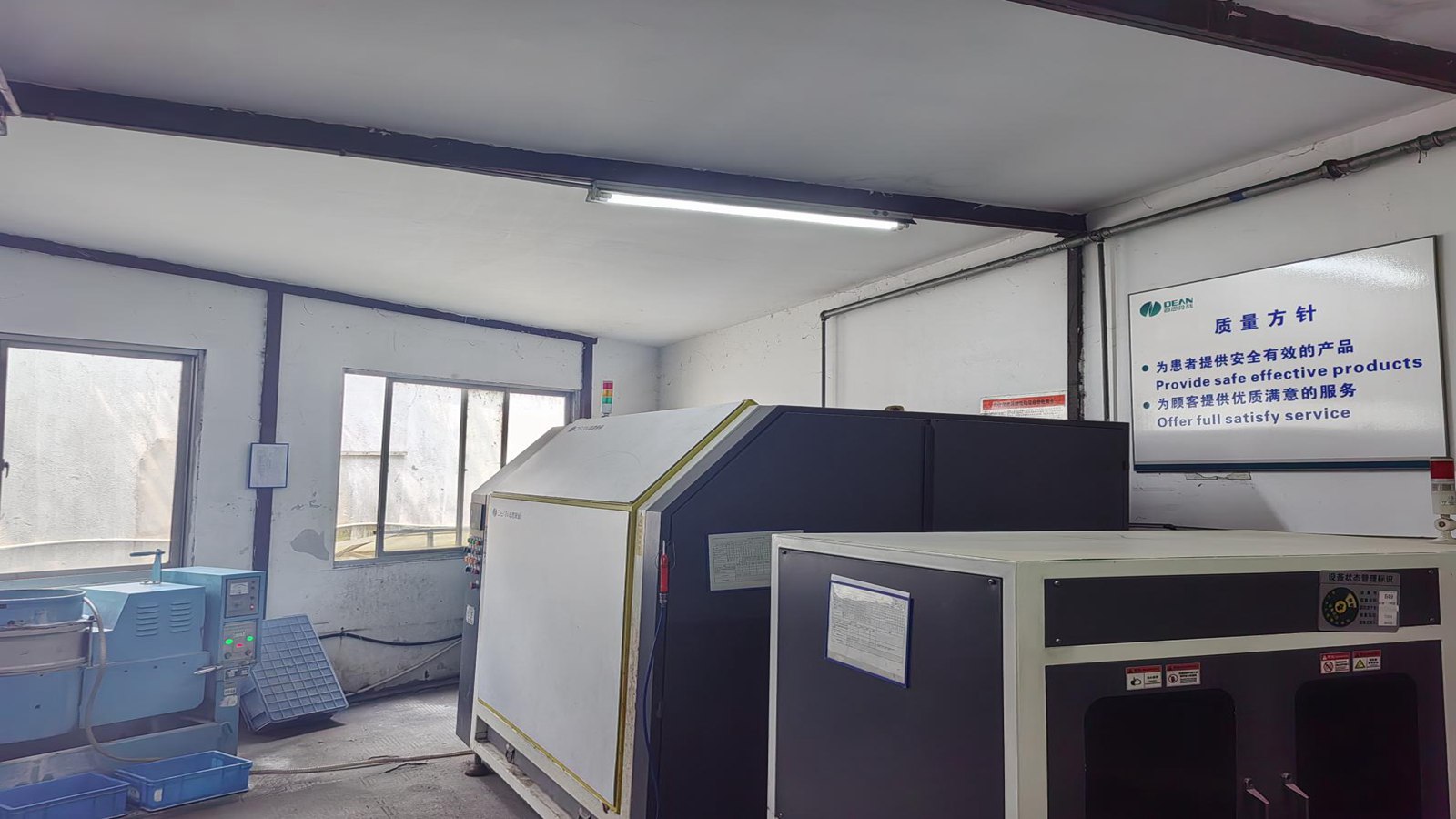
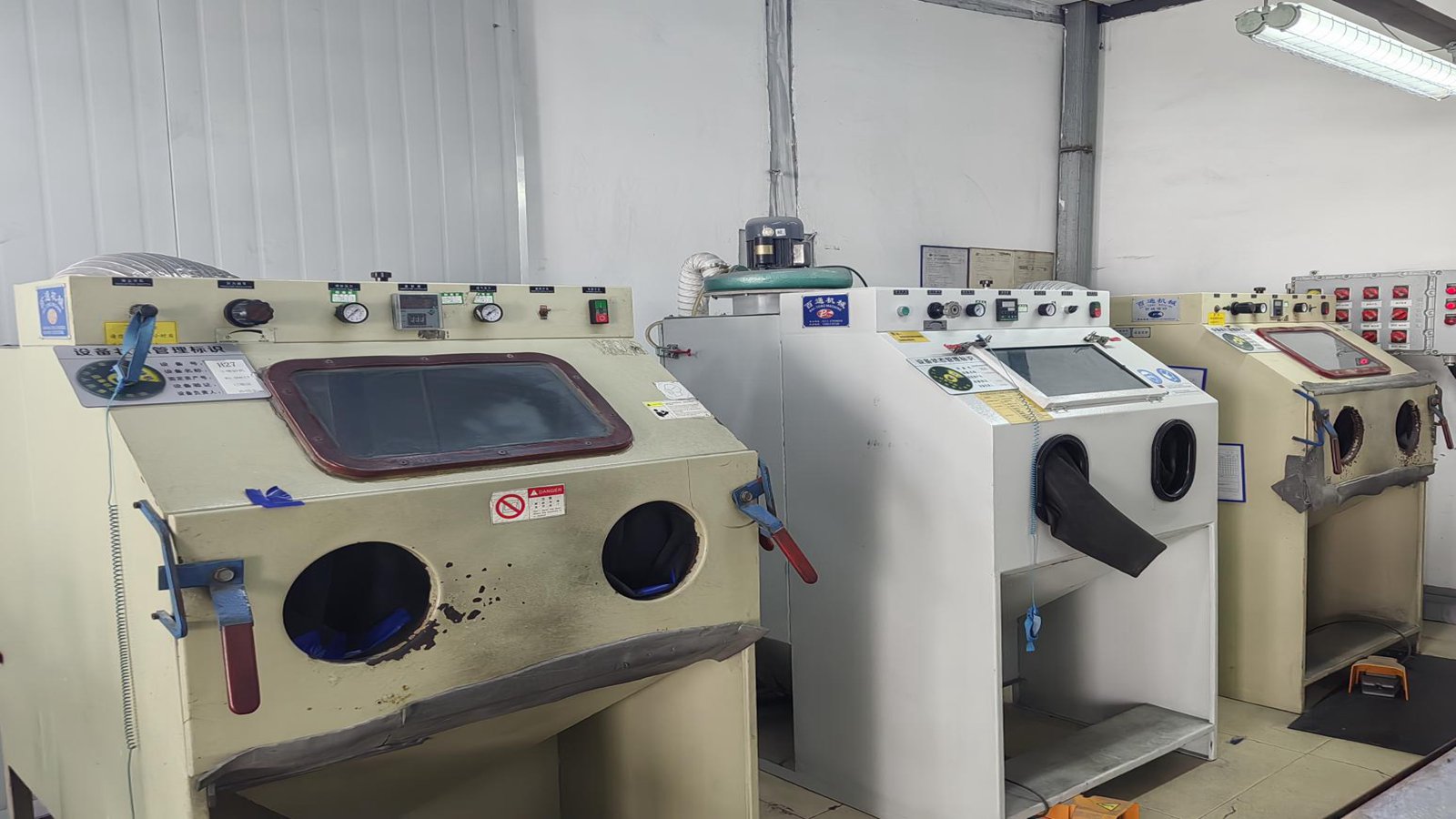
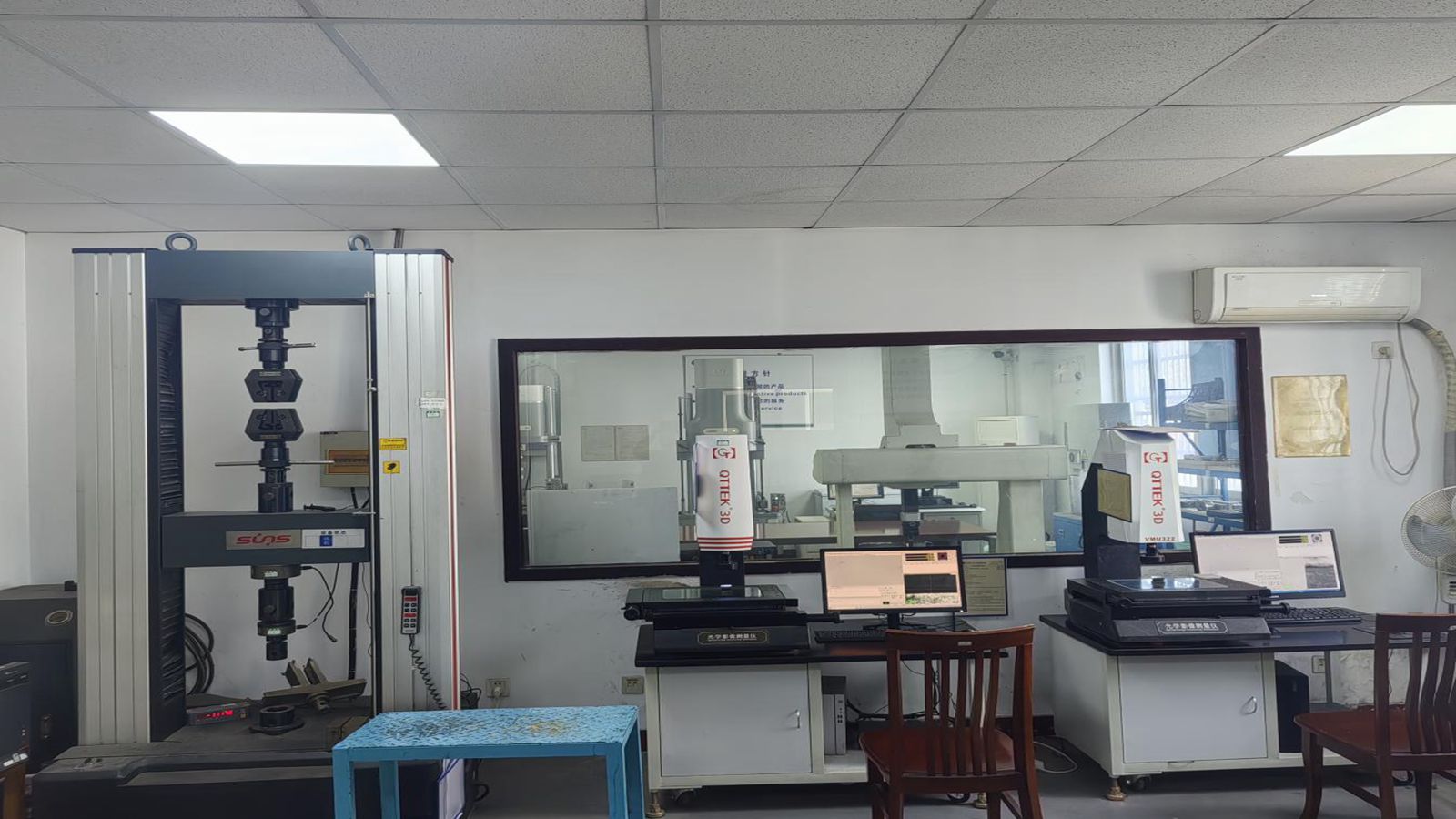
Solving systemic healthcare challenges: reducing revision rates, optimizing inventory, and stabilizing procurement cost pathways.
Large fragment fractures—such as high-energy diaphyseal or metaphyseal injuries of the femur and tibia—present major surgical challenges. These include soft tissue tension, bone comminution, and poor vascularity. Traditional plating methods risk soft tissue irritation and non-union, often requiring costly revision surgeries.
Medispirex designs locking plates that mirror native skeletal anatomy, reducing the need for intraoperative contouring. This pre-contoured design saves critical operating room time, mitigates mechanical fatigue on the plate, and achieves stable fixation even in poor-quality osteopenic bone.
Hospital groups and purchasing networks face ongoing pressure to manage costs without compromising patient care. We address this by standardizing surgical trays. Our implants feature combi-holes compatible with both locking and non-locking cortical/cancellous screws, reducing inventory SKU complexity by up to 30%.
This rationalization simplifies surgical training, speeds up instrument preparation, and lowers overall processing and sterilization costs for hospital central sterile supply departments (CSSD).
Navigating geopolitical complexities, shipping timelines, and raw material access through vertical integration.
Through partnerships with certified medical-grade titanium and steel mills, we secure consistent raw material supplies, protecting clients from market price fluctuations and material shortages.
Our engineering team specializes in custom designs. We adapt plate lengths, screw density patterns, and implant profiles to match the specific needs of diverse global patient populations.
Supported by a dedicated customs team, we manage sea, air, and express shipments to guarantee punctual delivery to warehouses and distribution centers worldwide.
Meeting ISO, CE (MDR), and FDA expectations to support smooth market entry and post-market safety tracking.
Medispirex works within strict regulatory guidelines to ensure international acceptance. Our production facilities maintain ISO 13485 quality management certification for medical devices. We offer full material traceability, providing raw material chemical mill test certificates and third-party mechanical fatigue reports for every production run.
We actively support partners navigating European MDR (Medical Device Regulation) and US FDA clearances, supplying comprehensive technical documentation, biocompatibility profiles, and validation protocols.
We provide localized technical assistance to help distributors resolve clinical questions quickly. Medispirex supplies detailed surgical guide manuals, video demonstrations, and virtual training modules for clinical teams.
Additionally, our translation teams produce localized packaging labels, instructions for use (IFU), and compliance documentation to streamline regulatory processes and clinical adoption in target markets.
Answering key questions on biological plating, material wear, and locking mechanics for purchasing managers and surgeons.
In osteoporotic bone, conventional screws struggle to maintain purchase, frequently leading to pull-out and construct failure. Because locking screws lock directly to the plate, they do not rely on bone purchase for stability. The construct behaves like an external fixator, distributing load across the entire length of the plate. This design dramatically improves resistance to shear forces and prevents angular collapse, even in poor-quality bone.
Our plates are designed with tapered profiles and rounded edges to limit mechanical irritation of surrounding muscle and tendon structures. Additionally, by acting as internal fixators, they do not need to be pressed tightly against the periosteum. This design preserves the local vascular network, reducing the risk of bone necrosis and supporting faster, natural healing.
Every implant batch undergoes rigorous evaluation, including dimensional tolerance inspections via coordinate measuring machines (CMM) and mechanical fatigue testing under cyclic loading (conforming to ASTM F382 or equivalent standards). We also perform chemical composition checks and grain-size distribution analysis on raw titanium to confirm it meets strict medical-grade parameters.
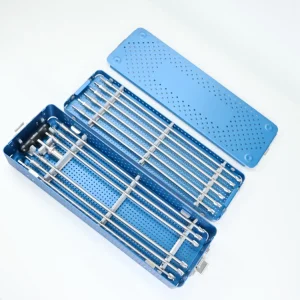
Yes, we offer comprehensive OEM and ODM services. We can customize surface anodization, laser-etch partner logos, and configure complete surgical instrument trays to meet the specific requirements of your regional markets.
Broaden your orthopedic product range with our high-demand surgical implants and instruments.