Medispirex Medispirex

Top China Ilizarov Ring Fixators Factory & Suppliers

Pioneering Distraction Osteogenesis, Biomechanical Precision & Custom Trauma Solutions Globally

Clinical Context & Industry Outlook

An authoritative analysis of circular external fixation system design, metallurgy, and smart procurement dynamics

In modern orthopedic trauma, limb salvage, and complex reconstruction, the Ilizarov Ring Fixator remains an indispensable clinical gold standard. Originally conceptualized by Professor Gavriil Abramovich Ilizarov in the 1950s, the biomechanical principles of distraction osteogenesis—the dynamic biological phenomenon where tension-stress stimulates osteogenesis and histogenesis—have revolutionized the treatment of severe non-unions, osteomyelitis, bone defects, and angular deformities. Today, global medical distributors and healthcare networks are looking to premium China manufacturers like Medispirex Orthopedic Technology Co., Ltd. to secure high-performance systems that blend raw mechanical integrity with cost-efficiency.

Clinical Insight: The efficacy of an Ilizarov system relies heavily on its mechanical stiffness and modular stability. Minimizing pin-track infections and ensuring structural fatigue life under cyclical load is directly influenced by the machining precision of the ring components, the quality of the tensioned Kirschner wires, and the metallurgy of the threaded rods.

As healthcare systems experience mounting cost containment challenges alongside a rising demand for orthopedic surgeries, finding a reliable supplier capable of balancing advanced engineering with stable clinical efficacy is paramount. This white paper highlights the industrial evolution, manufacturing technologies, global procurement requirements, and technical specifications of modern Chinese-engineered Ilizarov frames.

18,600㎡
Modern Production Area
USD 18M
Annual Export Revenue
85
Professional R&D Engineers
45
QC Assurance Experts

Evolution of the Ilizarov Fixator: From Steel to Hybrid Carbon Fiber Systems

The original Russian-designed circular external fixator was constructed predominantly from stainless steel. While providing exceptional rigidity, these early designs were heavy and radiopaque, making post-operative radiographic evaluation of bone healing difficult. Modern clinical practices demand lighter structures with optimized radiolucency. As a result, current configurations leverage high-strength Grade 5 Titanium (Ti-6Al-4V ELI) and high-performance carbon-fiber composites.

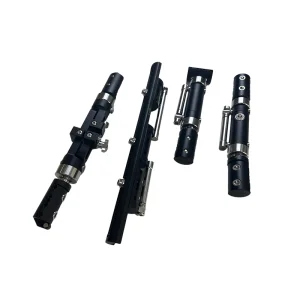
Titanium alloy components offer a superior strength-to-weight ratio and greater biocompatibility, reducing patient discomfort and structural failure risks. Meanwhile, carbon fiber rings deliver complete radiolucency, allowing surgeons to monitor callus formation in multiple planes under fluoroscopy without metal artifacts interfering with the image. Medispirex manufactures a versatile range of components, including full rings, 5/8 rings, half rings, Rancho cubes, hinges, and telescopic rods, enabling surgeons to construct highly customized, patient-specific biomechanical assemblies.

Biomechanics of Circular Fixation: Radial Tension and Axial Elasticity

Unlike unilateral external fixators that rely on heavy pin configurations to resist bending in one plane, the Ilizarov frame achieves stability through 360-degree radial tension. Kirschner wires (K-wires), usually sized at 1.5mm or 1.8mm for adult applications, are crossed at specific angles (ideally 90 degrees) and tensioned to between 110 and 130 kg (1100 to 1300 N) using specialized wire tensioners. This high tension provides a unique combination of axial elasticity and multi-planar stability, which stimulates bone healing while preventing displacement under physiological load.

Global Procurement Demands: What Healthcare Systems Require

Purchasing departments of tier-1 hospitals, regional medical distributors, and military healthcare units have strict sourcing requirements for trauma and reconstruction implants. Sourcing managers look beyond unit cost to examine quality assurance markers, regulatory certifications, production reliability, and custom packaging capabilities:

  • Regulatory Certifications: Sourcing external fixation devices requires compliance with standard medical standards. Implants must adhere to strict requirements like the European Union's MDR (Medical Device Regulation) or CE certificates, and the FDA's 510(k) clearances in the United States.
  • Material Traceability: Every ring, wire, bolt, and rod must trace back to the raw ingot batch (specifically medical-grade Titanium ASTM F136 or Stainless Steel ASTM F138) to prevent trace element contamination.
  • Component Interoperability: Thread configurations, ring drill patterns (typically spaced at 15-degree increments), and wire clamp attachments must remain compatible with existing clinical instrumentation systems to avoid costly surgical tool replacements.

China Factory 4.0: Supply Chain Resilience & Manufacturing Excellence

How Medispirex leverages automated CNC systems, precision anodizing, and multi-tier quality controls

Sourcing orthopedic implants from Chinese factories has evolved from standard cost efficiency to value-driven manufacturing. Under China Factory 4.0, facilities like Medispirex integrate smart manufacturing to achieve tight tolerances and consistent quality across production batches.

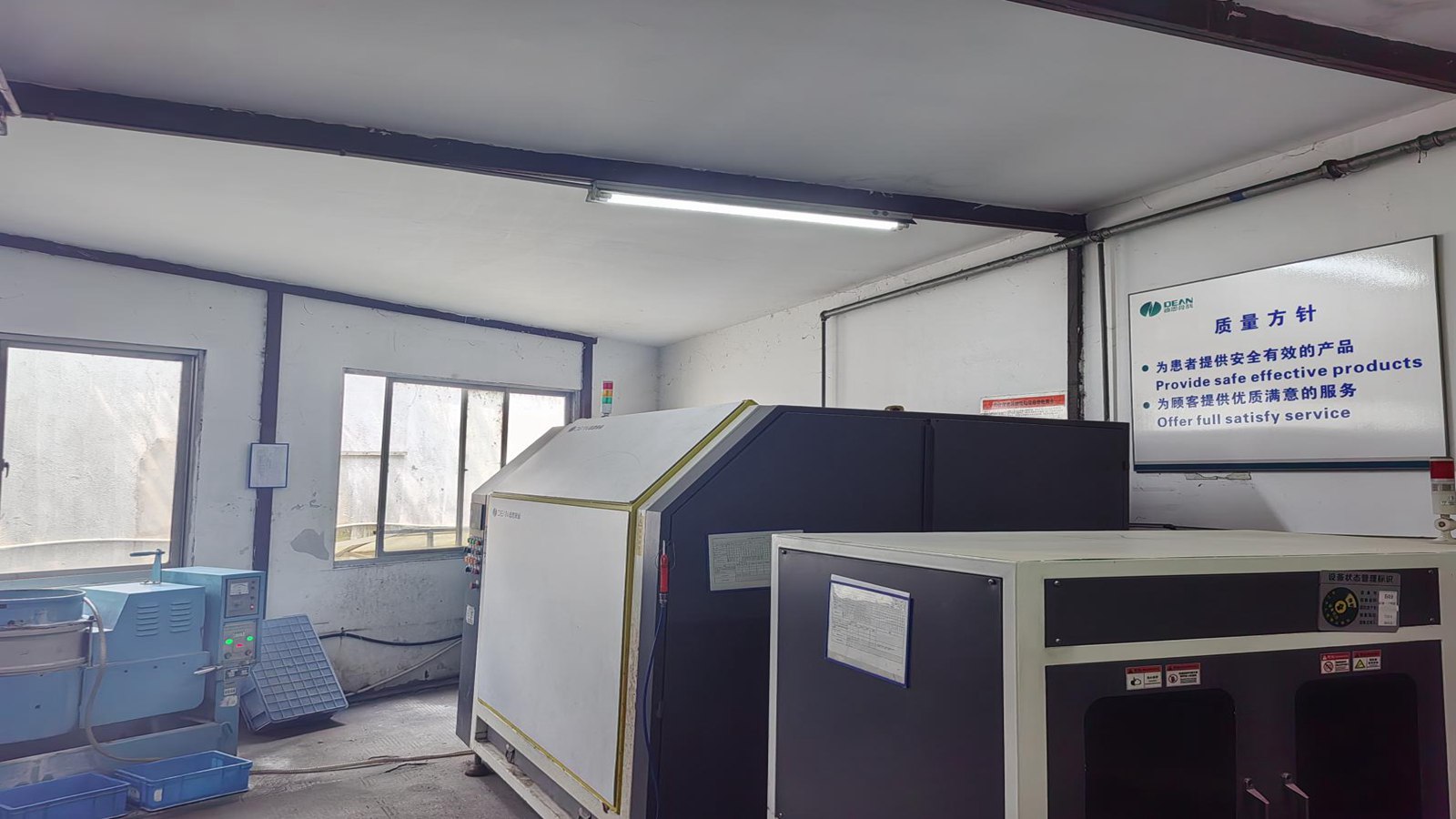
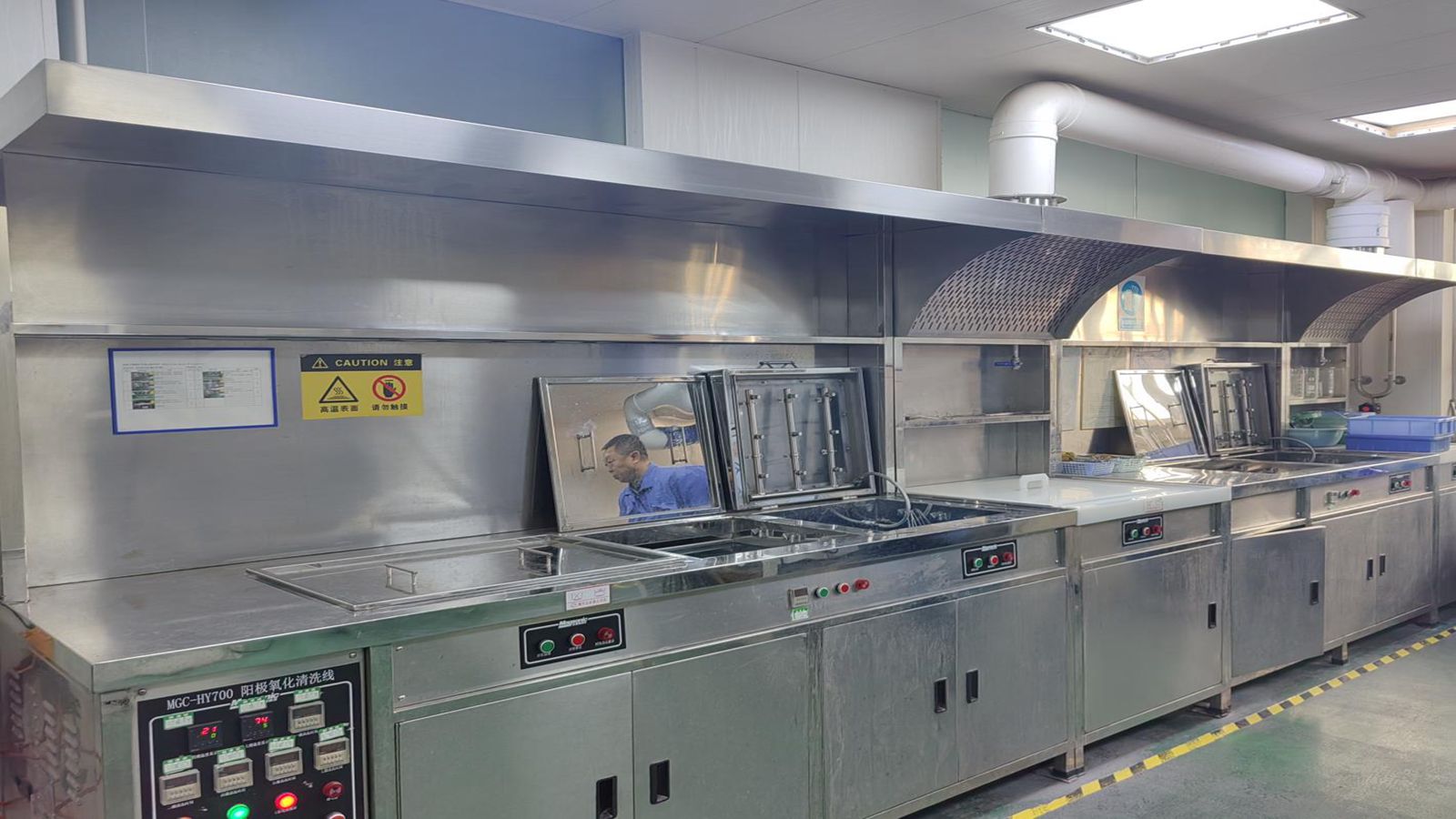
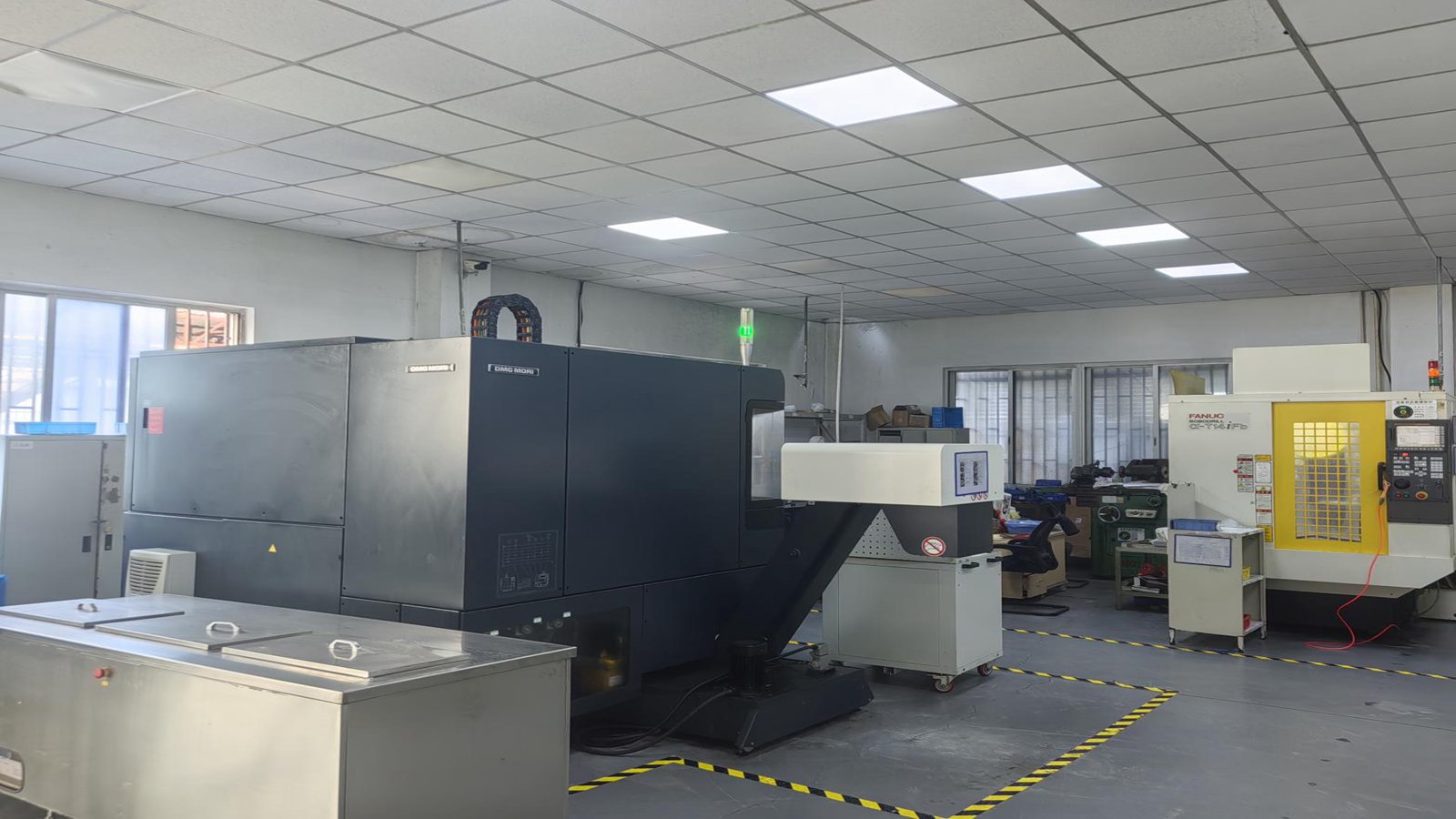
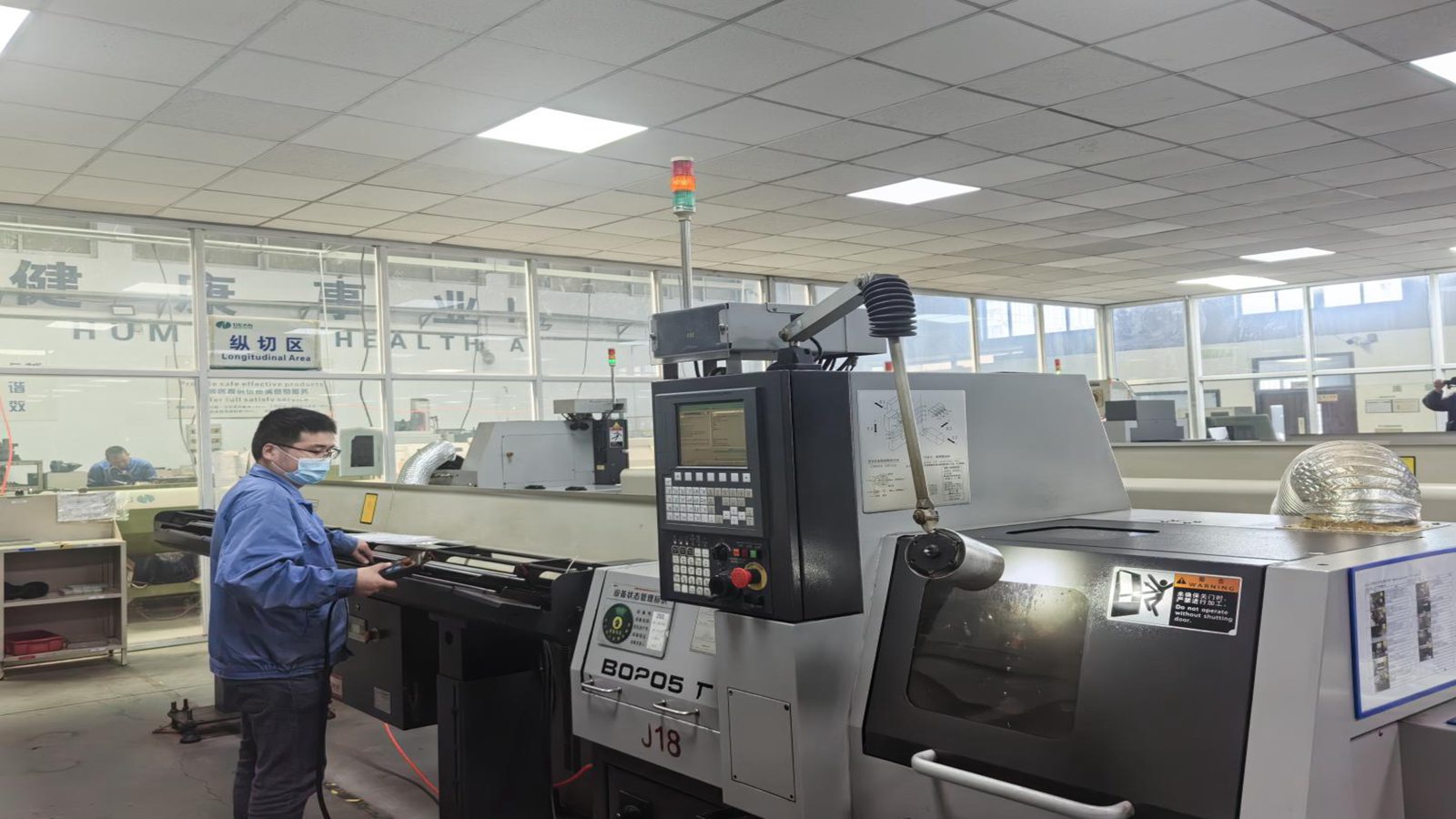
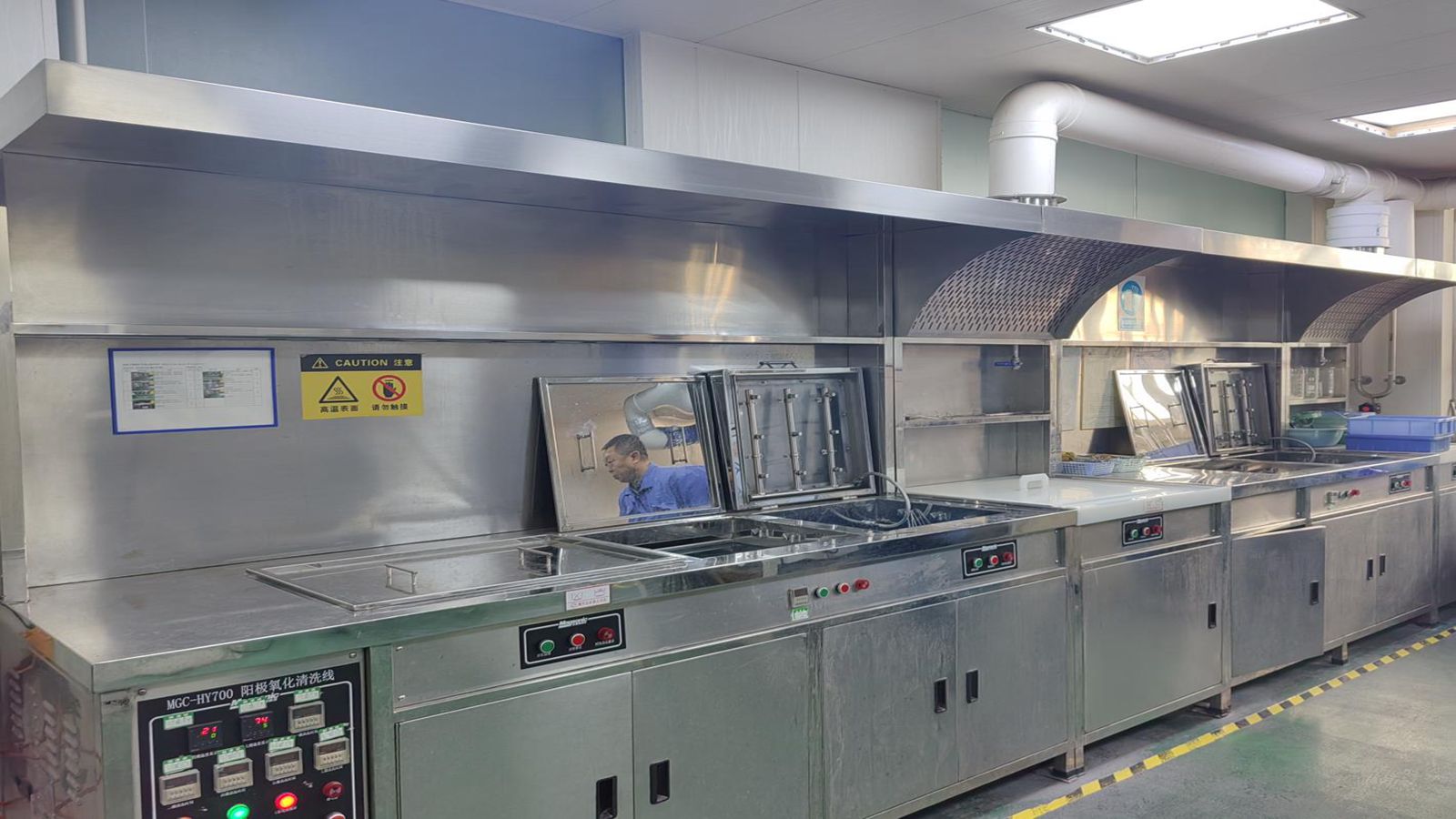
Medispirex operates an 18,600-square-meter facility powered by automated CNC milling and cutting centers. By automating critical processes—from rod threading to wire clamp machining—human error is minimized. Anodizing lines provide specialized passivation for titanium rings, improving corrosion resistance and allowing color-coding of components to help surgical teams assemble frames more efficiently in high-pressure trauma environments.

Supply Chain Security: Collaborating with a network of 860 upstream and downstream partners, Medispirex ensures uninterrupted raw material sourcing and access to specialized tooling. This helps keep lead times stable, even during periods of high global demand or logistical disruptions.
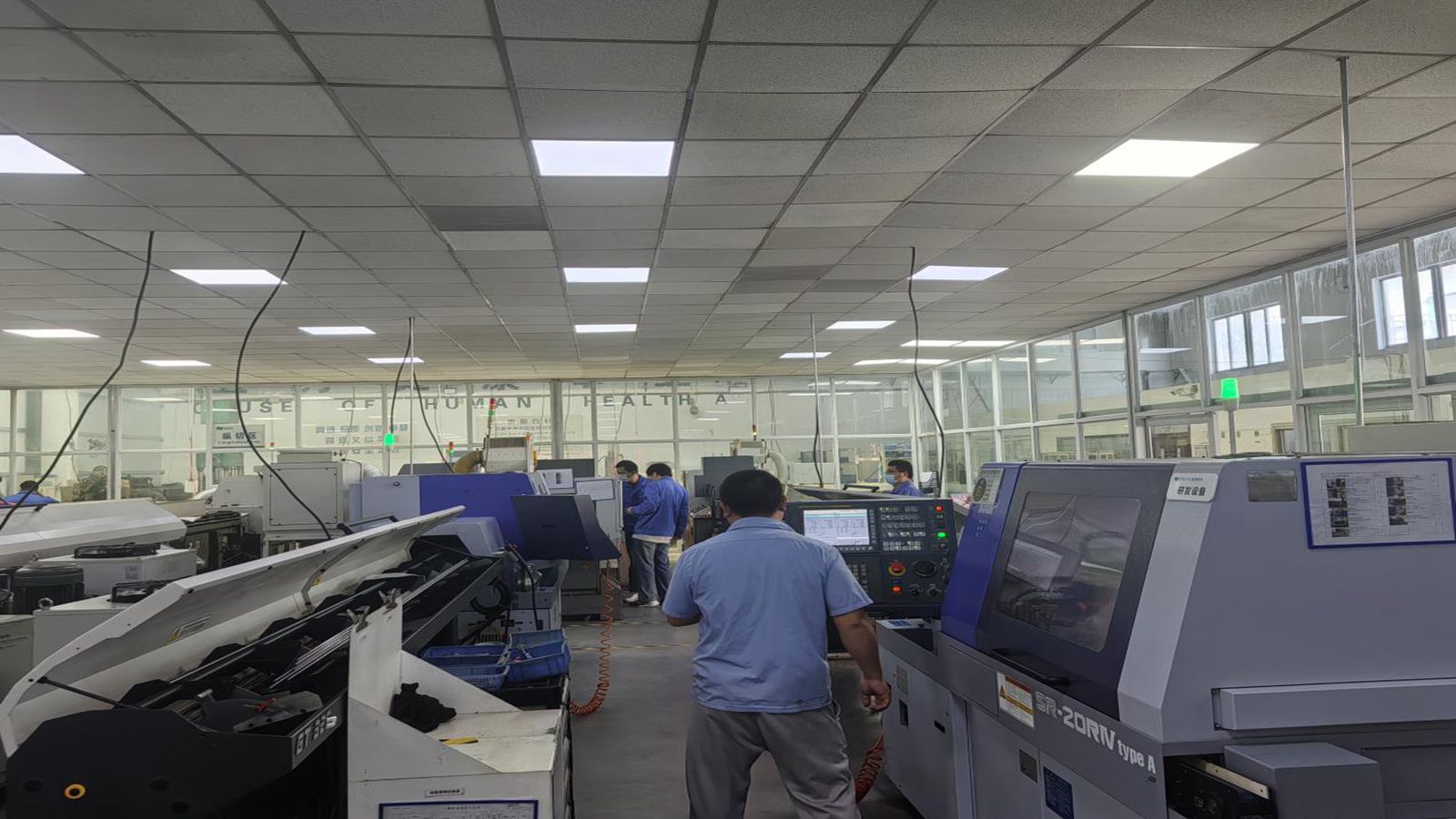
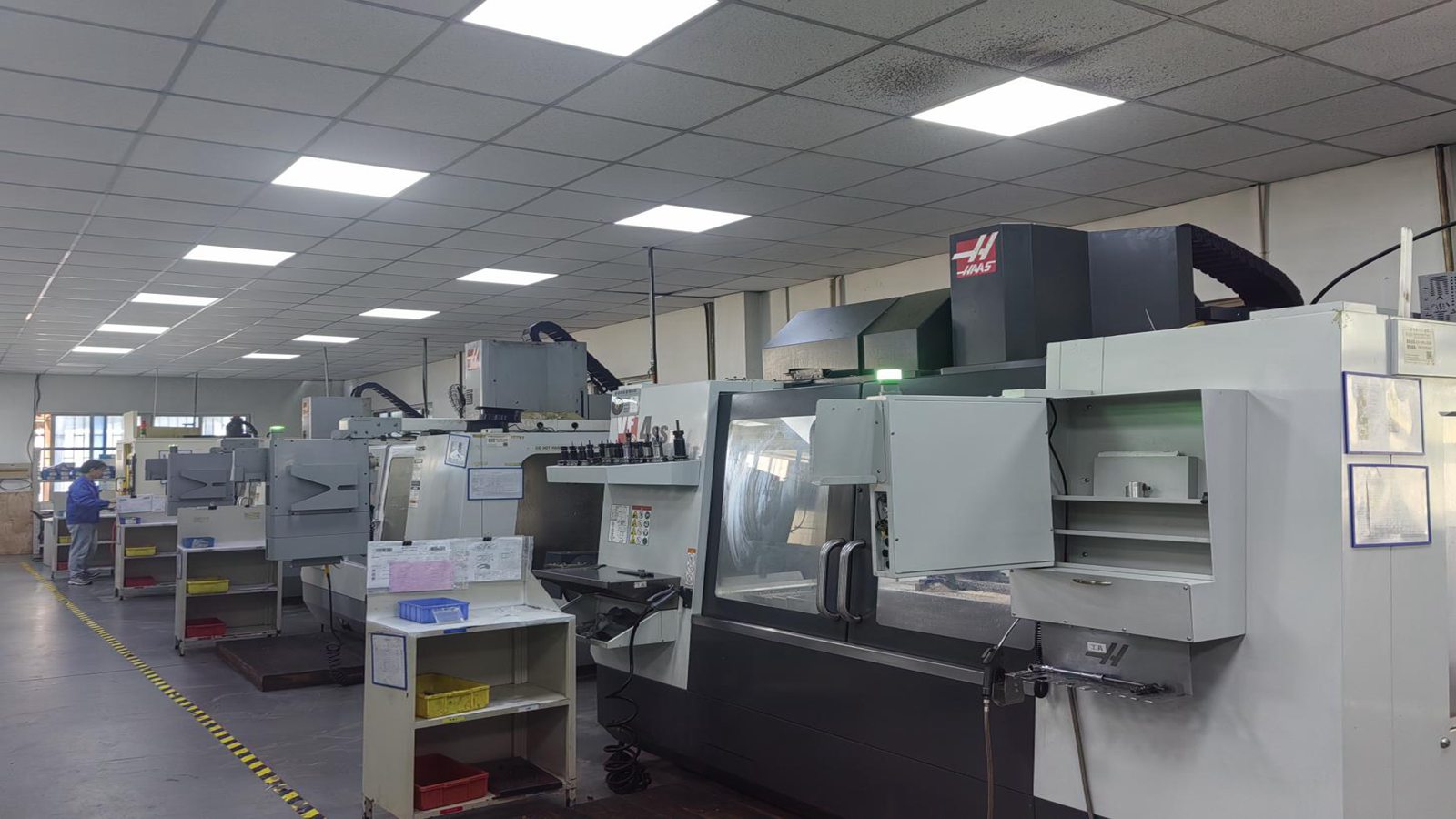
Advanced Manufacturing & Quality Lab Operations

Take a step inside our advanced medical production floor and inspection facility
CNC Cutting
CNC Cutting
CNC Machining
CNC Machining
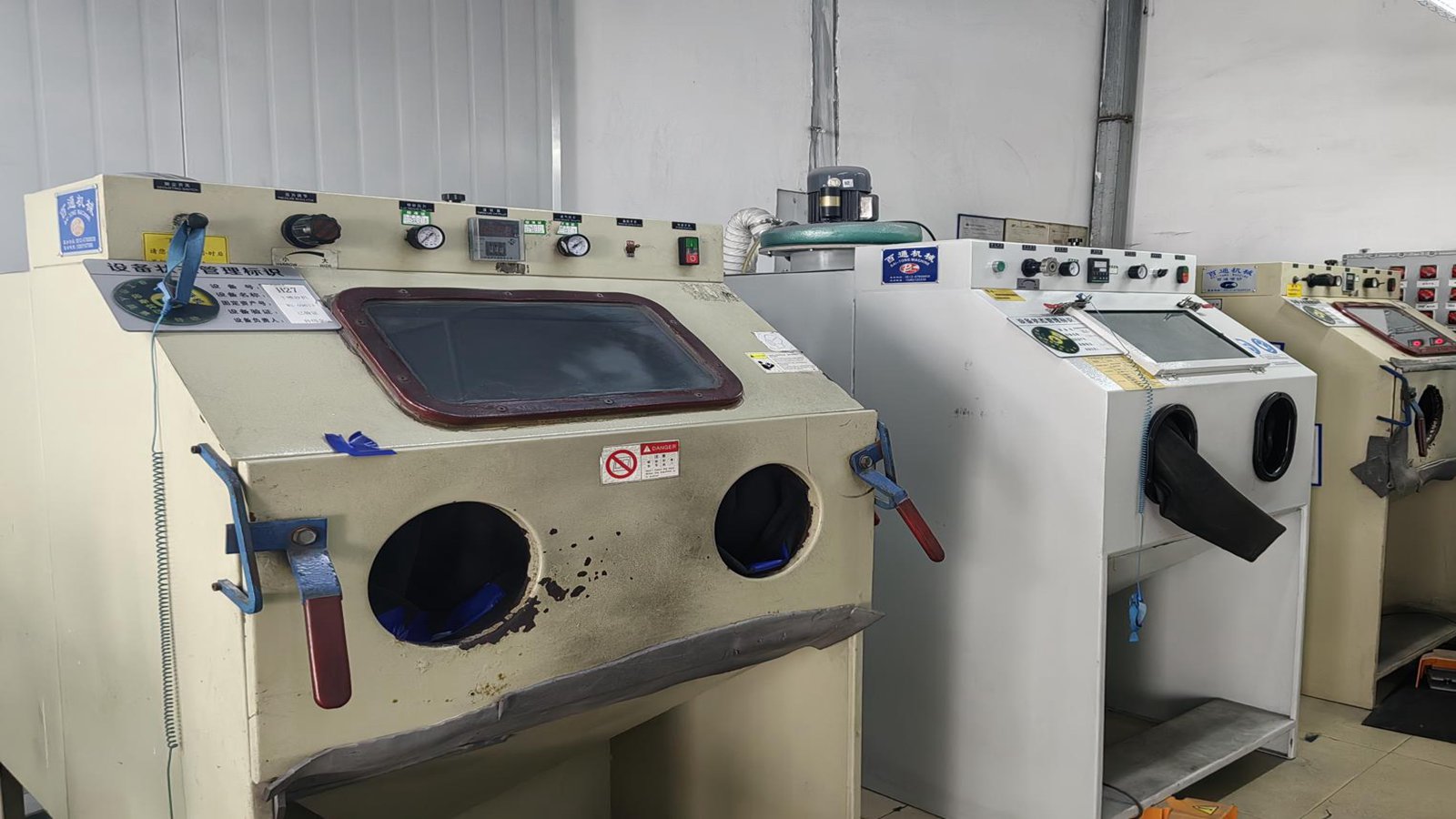
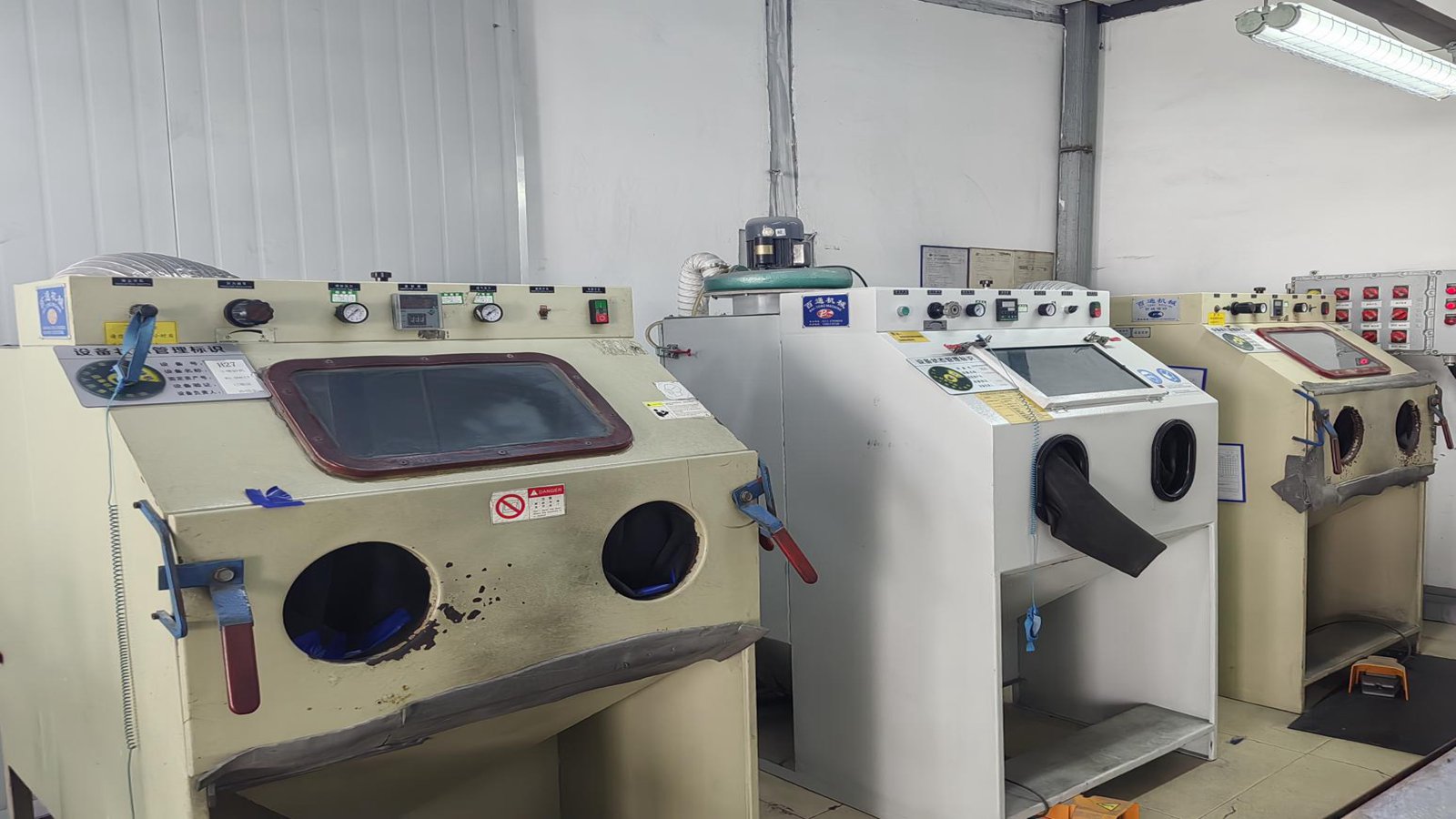
Sand Blasting and Grinding
Polishing
Polishing
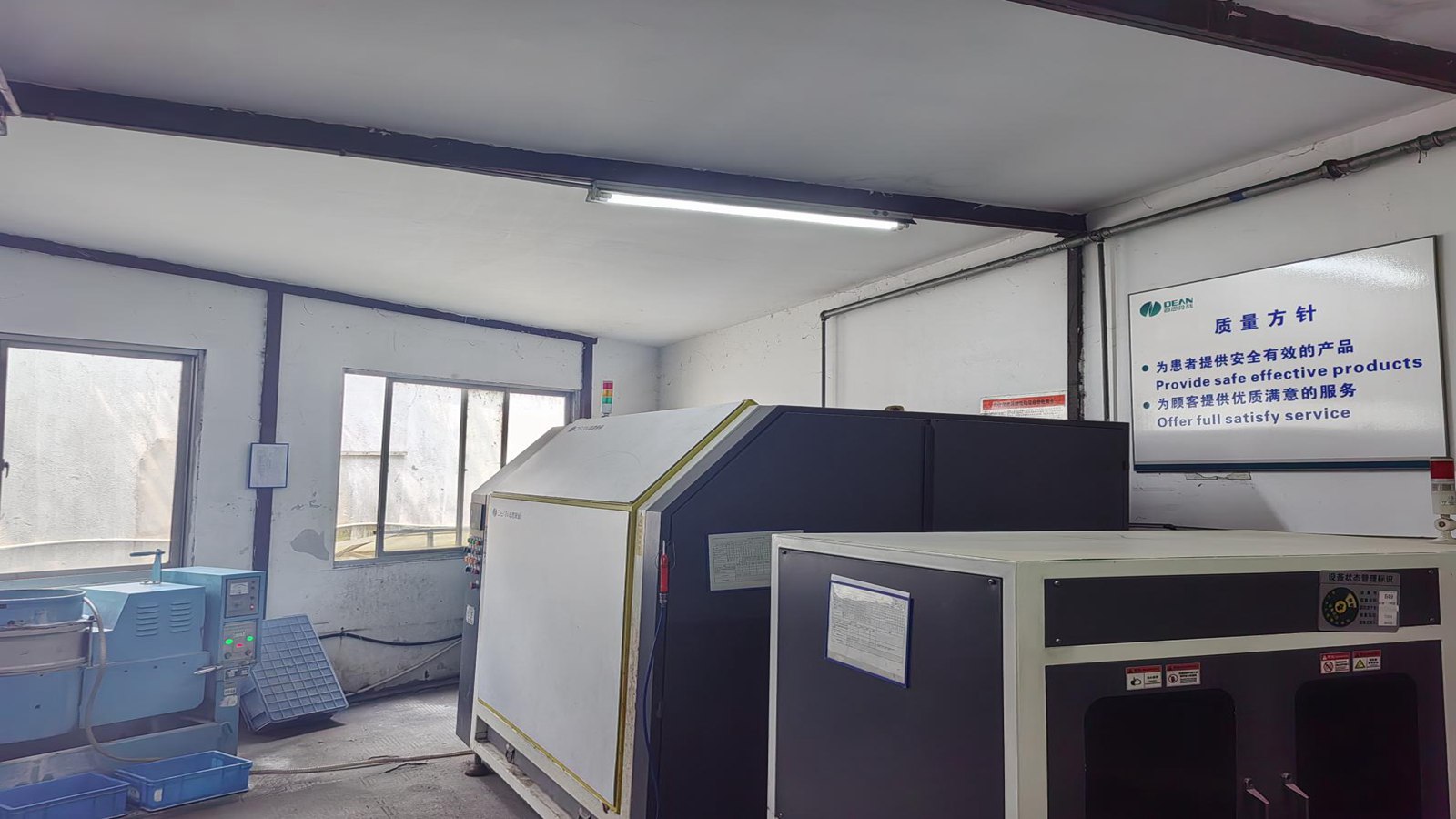
Anode Oxidation Cleaning
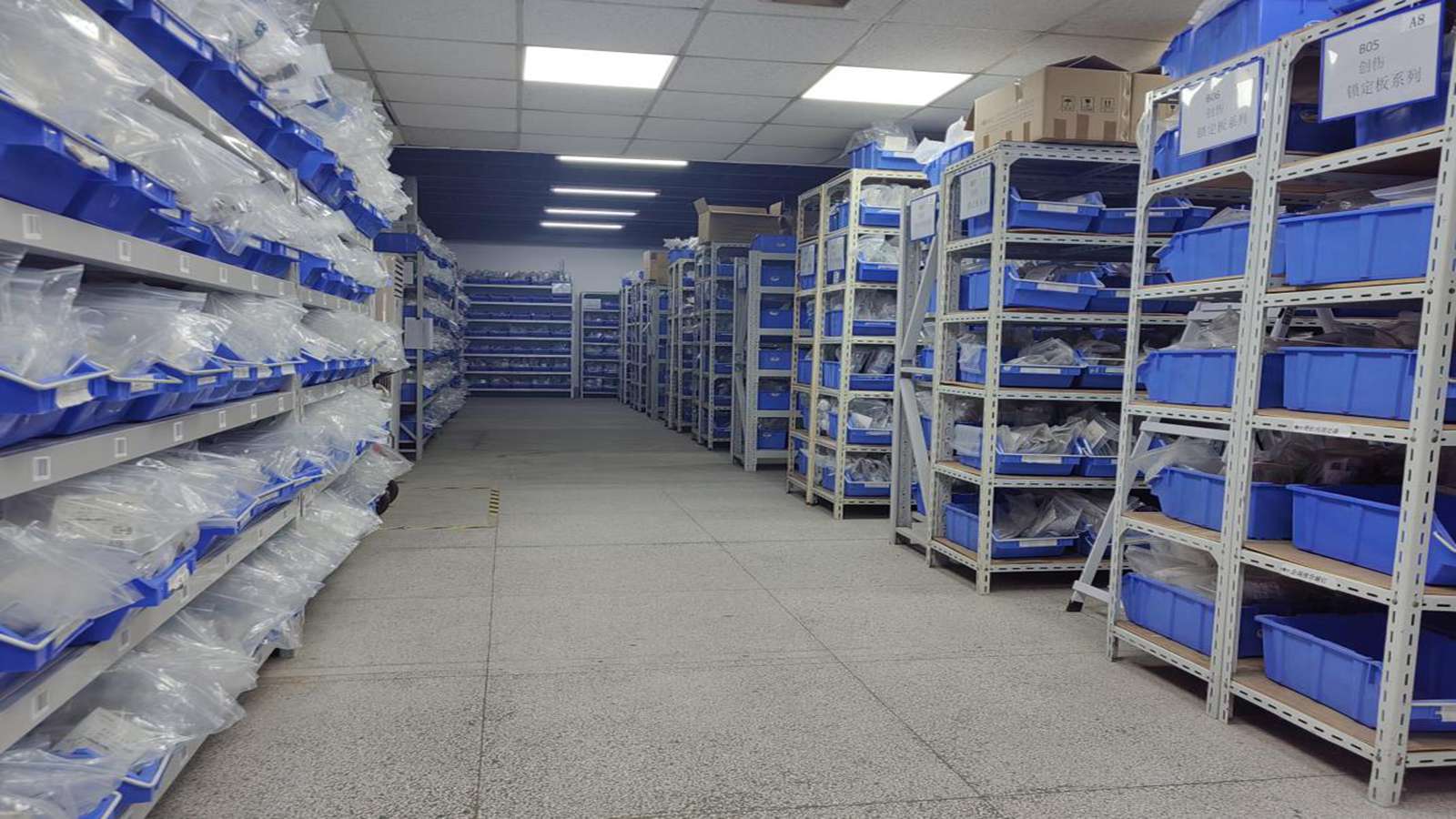
Warehouse
Warehouse
CNC Machining Center
CNC Cutting Machine
CNC Cutting Machine
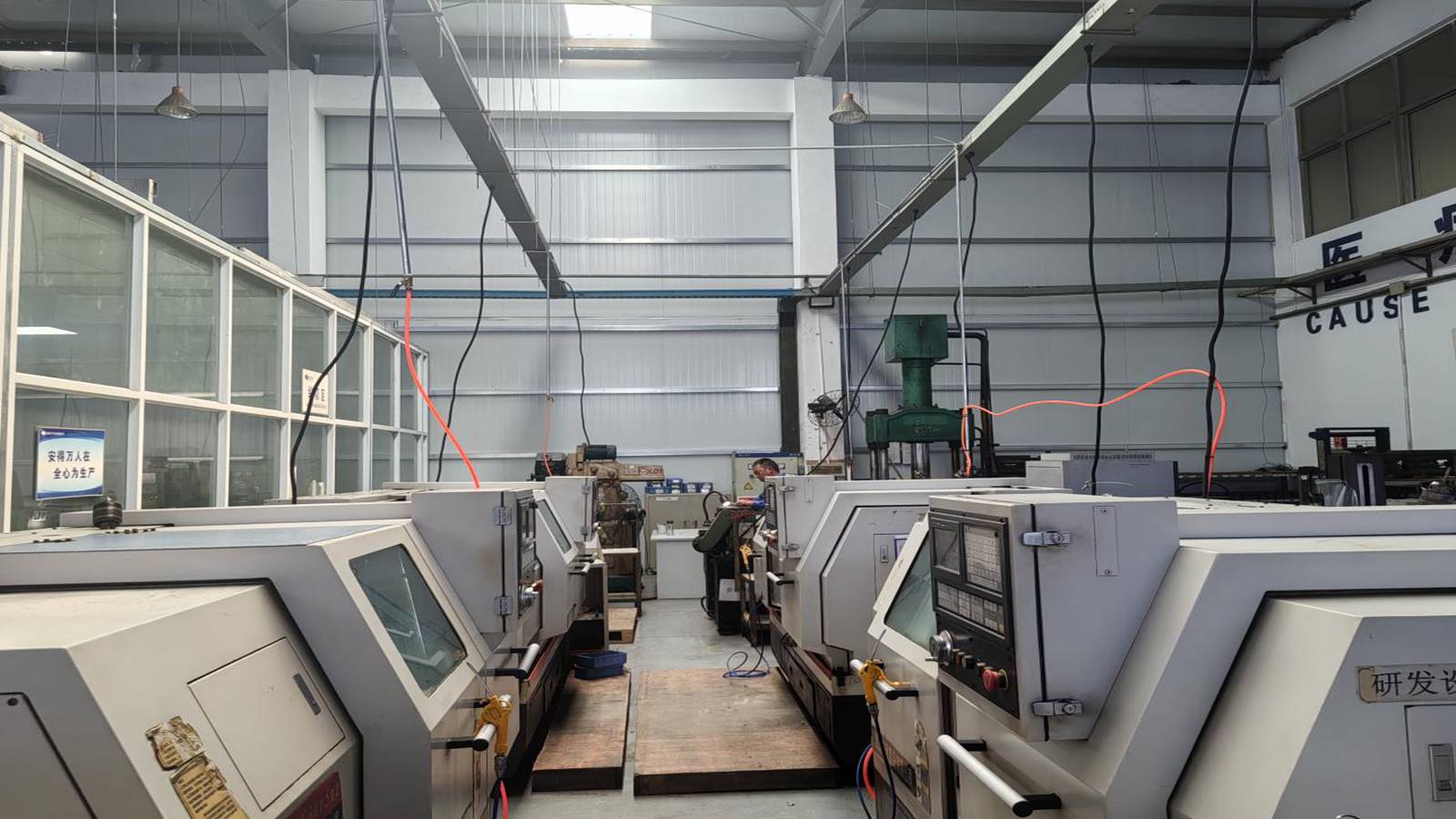
CNC Lathe
CNC Lathe
Anode Oxidation Cleaning Line
Sand Blasting and Grinding Room
Polishing Workshop
Polishing Workshop
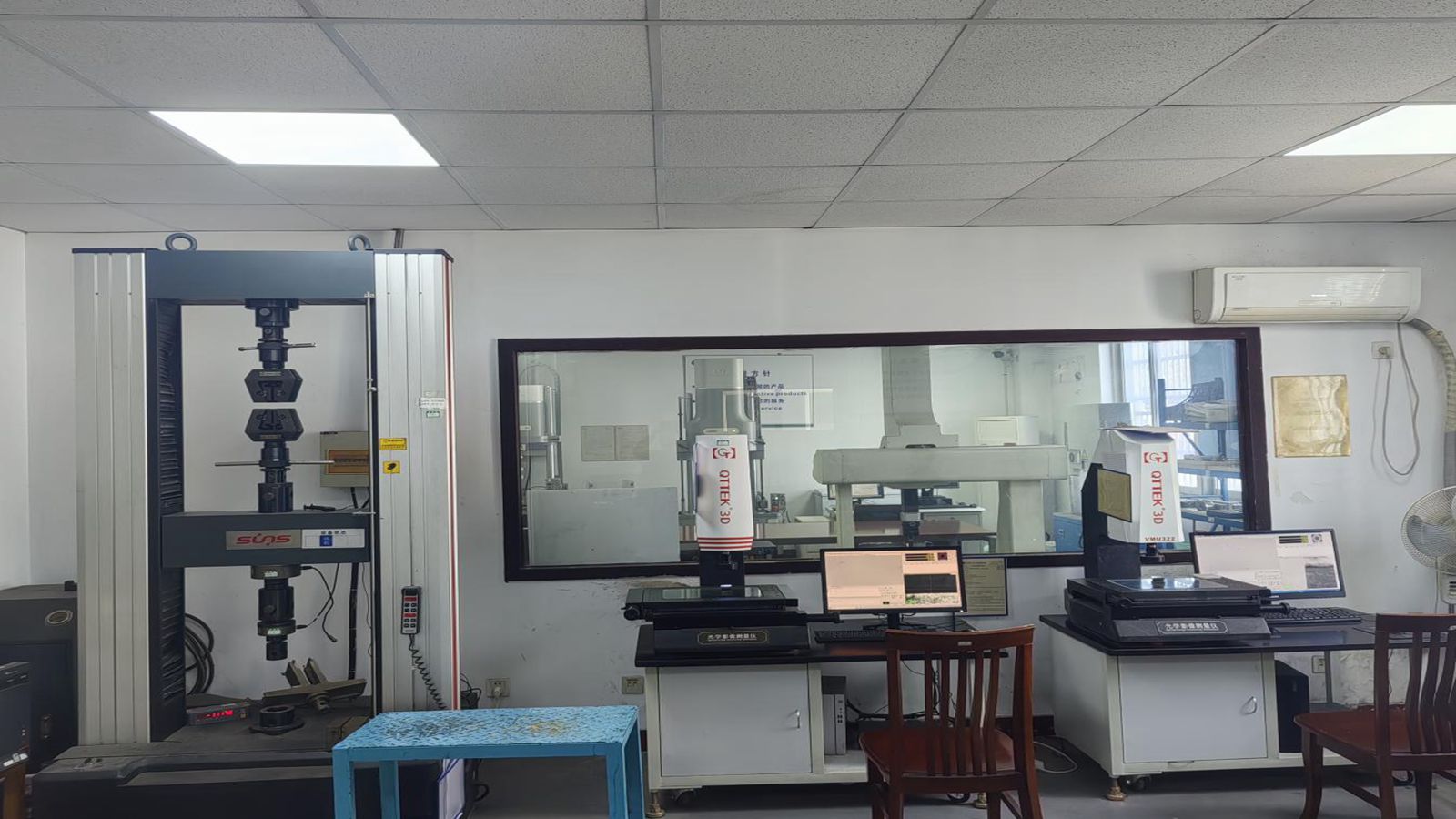
Laboratory
Testing Laboratory

Localized Clinical Application Scenarios

Modern circular fixators are highly versatile medical systems used in various specialized orthopaedic applications:

  • Complex Trauma & Open Fractures (Gustilo-Anderson III): High-energy trauma with extensive soft-tissue injury limits the use of internal locking plates. Circular frames stabilize the bone without disturbing local blood supply.
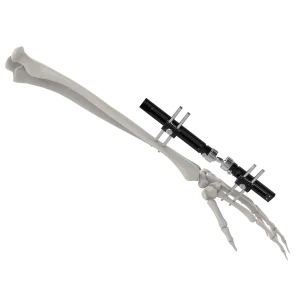
  • Distraction Osteogenesis & Bone Transport: Used to treat critical-sized bone defects caused by trauma or chronic osteomyelitis. Modern clickers and graduated telescopic rods allow patients to safely perform distractions at home under strict medical protocols.
  • Deformity Correction (Pediatric & Adult): Correcting congenital conditions, clubfoot, and angular deformities. Hinged configurations allow multi-planar rotation and correction without aggressive surgical osteotomies.
  • Veterinary Orthopedics: Modified mini-Ilizarov systems are increasingly used in veterinary surgery to treat complex fractures and deformities in companion and performance animals.

Strategic OEM/ODM Customization for Global Brands

A key capability of Chinese medical device manufacturing is offering customizable orthopedic systems for global brands. Medispirex provides flexible OEM/ODM programs, including private labeling, customized mechanical system design, and product configuration adjustments. Sourcing managers can adjust frame dimensions, thread pitches, and surface treatments to match their local surgical preferences and compliance requirements.
Frequently Asked Questions (FAQ)

Key technical, regulatory, and logistical insights for global procurement managers
What are the mechanical and clinical benefits of Titanium vs. Carbon Fiber Ilizarov rings?
Titanium alloy (specifically Ti-6Al-4V ELI) offers high tensile strength and durability, allowing it to withstand the significant forces involved in complex bone transport. Carbon fiber is completely radiolucent, which eliminates metal shadows during X-rays. This helps orthopaedic surgeons clearly monitor bone callus formation and structural remodeling throughout treatment.
How does Medispirex ensure material and process traceability for regulatory audits?
Our quality management system tracks materials from incoming raw ingots to final cleaning and packaging. Every production run undergoes mechanical fatigue testing, dimension inspections, and material composition analysis. Records are kept in our database to ensure full traceability, helping you meet ISO 13485 and European CE requirements.
What is the standard distraction rate, and how do components support this process?
In distraction osteogenesis, the standard distraction rate is 1 mm per day, divided into four increments of 0.25 mm. This gradual movement stimulates healthy new bone growth. Our telescopic rods and mechanical clickers are designed with matching thread pitches to allow precise adjustments, minimizing patient errors during recovery.
Can Medispirex accommodate custom instrumentation sets for OEM partners?
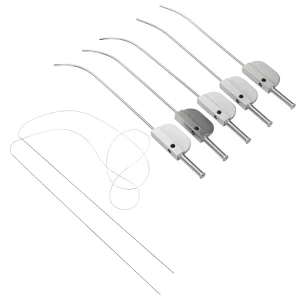
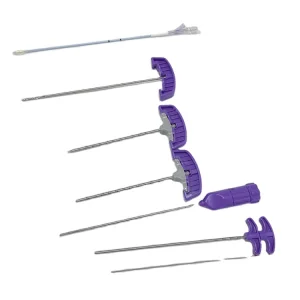
Yes. Our engineering team specializes in custom designs. We can produce specialized wire tensioners, custom-configured half-pin clamps, osteotomy instrumentation, and carbon-hybrid frames. This covers the entire workflow from initial 3D design to manufacturing and sterilization-ready packaging.
What quality checks are performed by the QC team before shipping?
Our QC team of 45 professionals conducts rigorous tests, including: 1. Dimensional verification using digital coordinate measuring machines (CMM). 2. Mechanical fatigue testing under axial and torsional stress. 3. Microstructural chemical analysis to ensure titanium purity. 4. Surface roughness verification after bead blasting and polishing.