Medispirex
Medispirex
Medispirex
Direct supply line of regulatory-validated spinal systems and orthopedic instruments engineered for surgical precision.
Transforaminal Lumbar Interbody Fusion (TLIF) has evolved as a cornerstone surgical intervention for lumbar instability and degenerative disc disease. Crucial to the success of this procedure is the choice of interbody spacer material. Over the last decade, Polyetheretherketone (PEEK) has risen to prominence, displacing traditional titanium spacers in various clinical contexts due to its biomechanical properties.
Global procurement metrics show a steady increase in demand for PEEK cages. Hospital sourcing departments and medical device OEMs prioritize PEEK’s unique attributes: a modulus of elasticity that closely mimics human cortical bone (reducing subsidence rates), and its radiolucency, which allows surgeons to assess radiographic fusion progression postoperatively without the imaging artifacts associated with metals.
PEEK’s mechanical modulus (3.6 GPa) sits between trabecular and cortical bone, limiting stress shielding. Integrated radiopaque markers (usually tantalum pins) provide intraoperative visualization while preserving postoperative imaging clarity.
For B2B buyers, choosing a supplier requires assessing raw material sourcing integrity, precision engineering tolerances, and compliance with ASTM F2077 and ASTM F2267 standards.
Understanding regional manufacturing specialties to optimize lead times, regulatory compliance, and cost-efficiencies.
Medical-grade PEEK (such as Evonik Vestakeep® or Solvay Zeniva®) requires full chemical and batch traceability. Uncertified resins compromise implant biocompatibility and increase the risk of in-vivo material degradation.
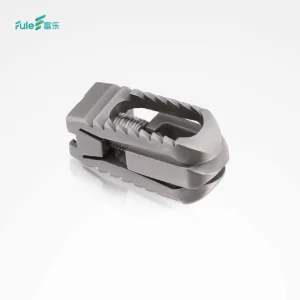
Clinical needs vary across patient demographics. Successful factories must support customized footprints, lordotic angles (typically 4° to 15°), and expandable mechanisms to fit diverse anatomical profiles.
Procuring implants requires compliance with ISO 13485 quality systems, CE MDR registration in Europe, and FDA 510(k) clearances in the United States. Sourcing relies on documentation of biocompatibility and sterility validation.
A B2B Profile of Industrial Infrastructure and Global Supply Capability
Established in 2016, Medispirex integrates R&D, manufacturing, and global distribution of trauma, spine, and joint reconstruction implants. With 7 years of export operations, the company maintains supply networks across Europe, North America, the Middle East, and Southeast Asia, supported by a system of 860 partners.
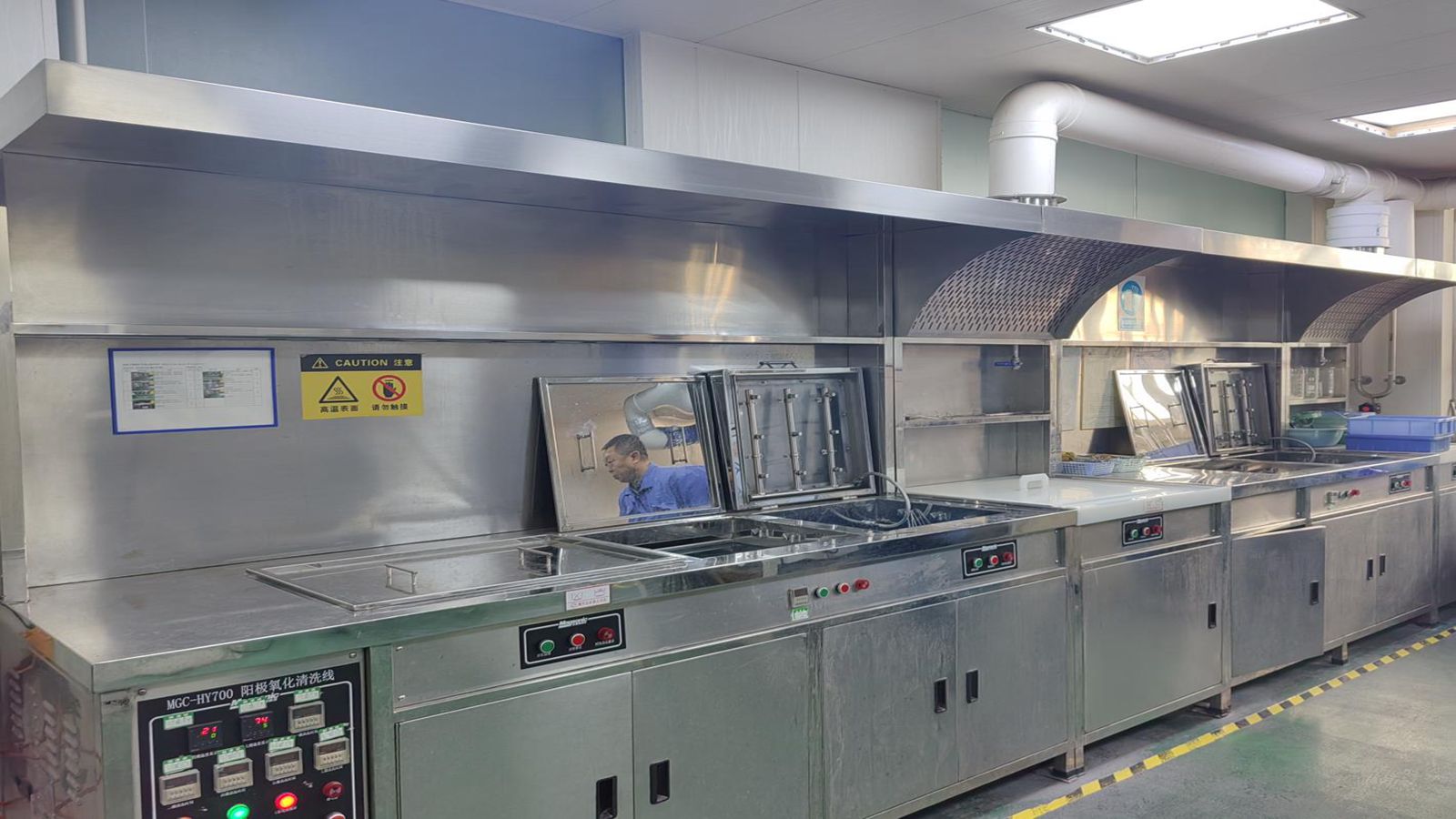
Medispirex’s quality assurance operations employ 45 QC professionals who monitor processes from incoming material inspection through in-process control to final product testing. The manufacturing workflow is structured to support regulatory pathways for orthopedic implants.
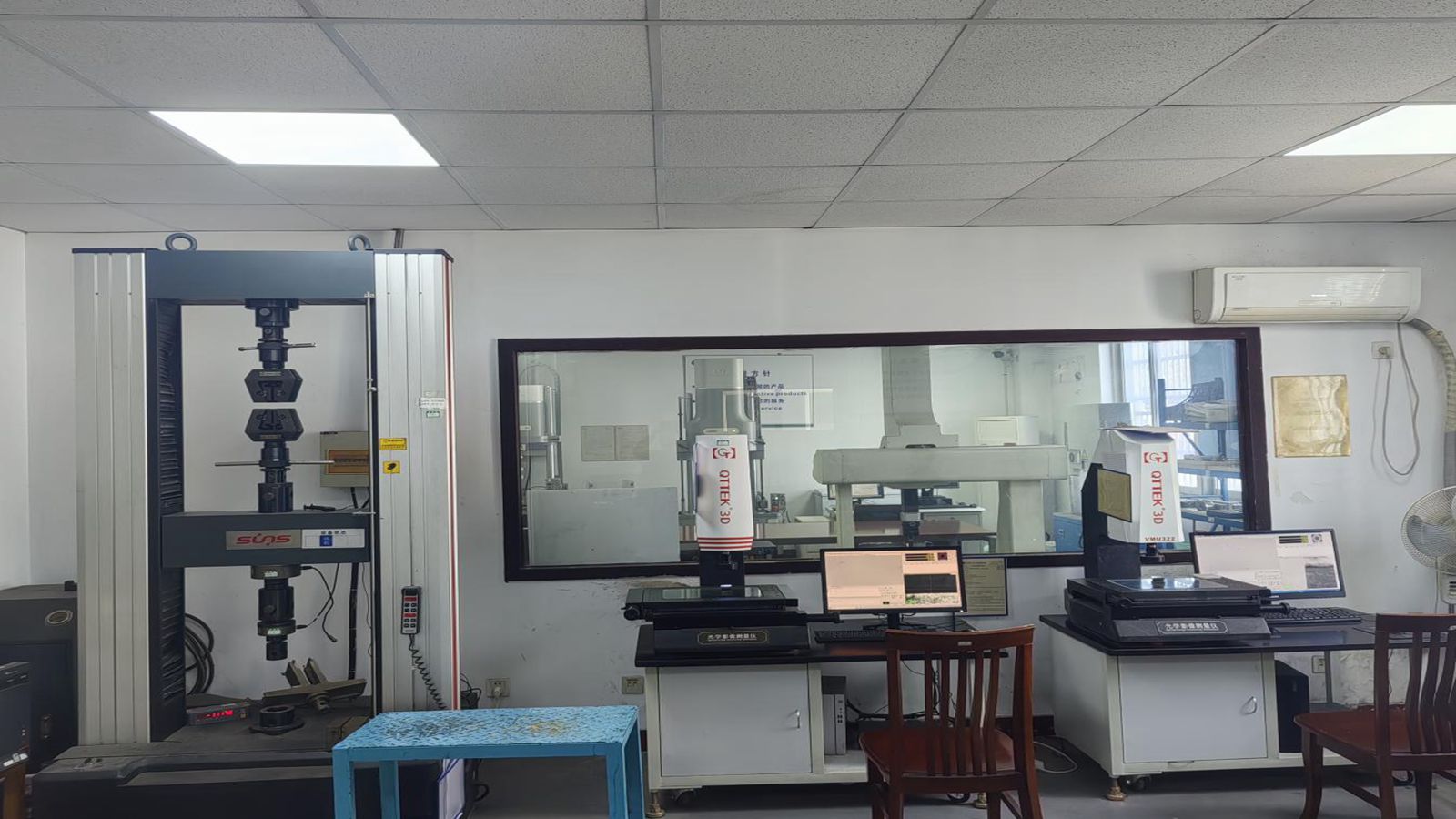
Verification protocols at Medispirex are designed to assess the performance of TLIF PEEK systems, including:
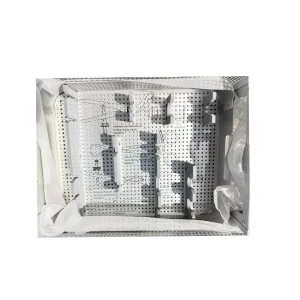
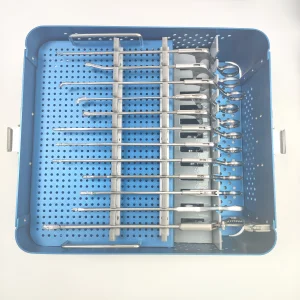
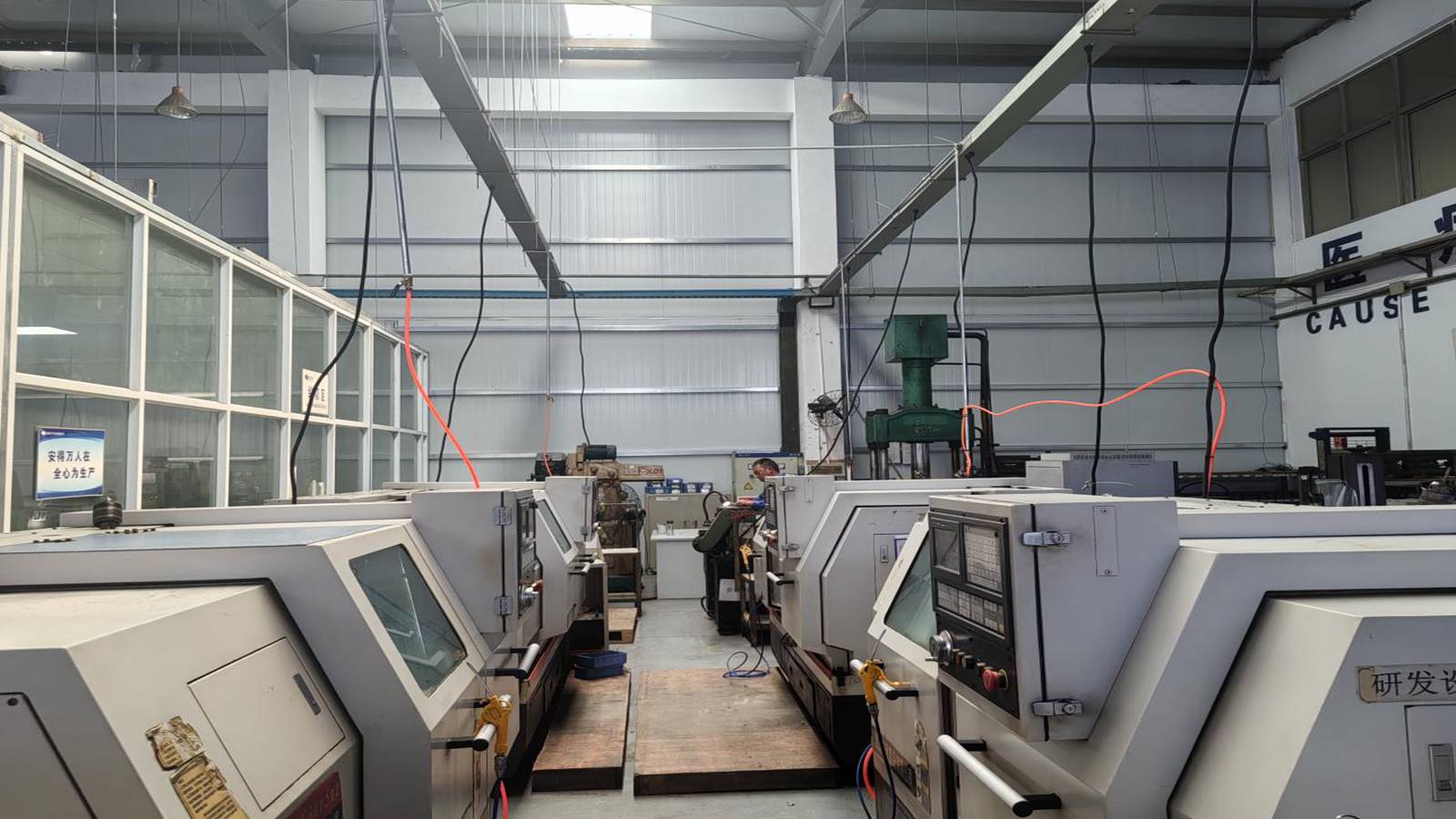
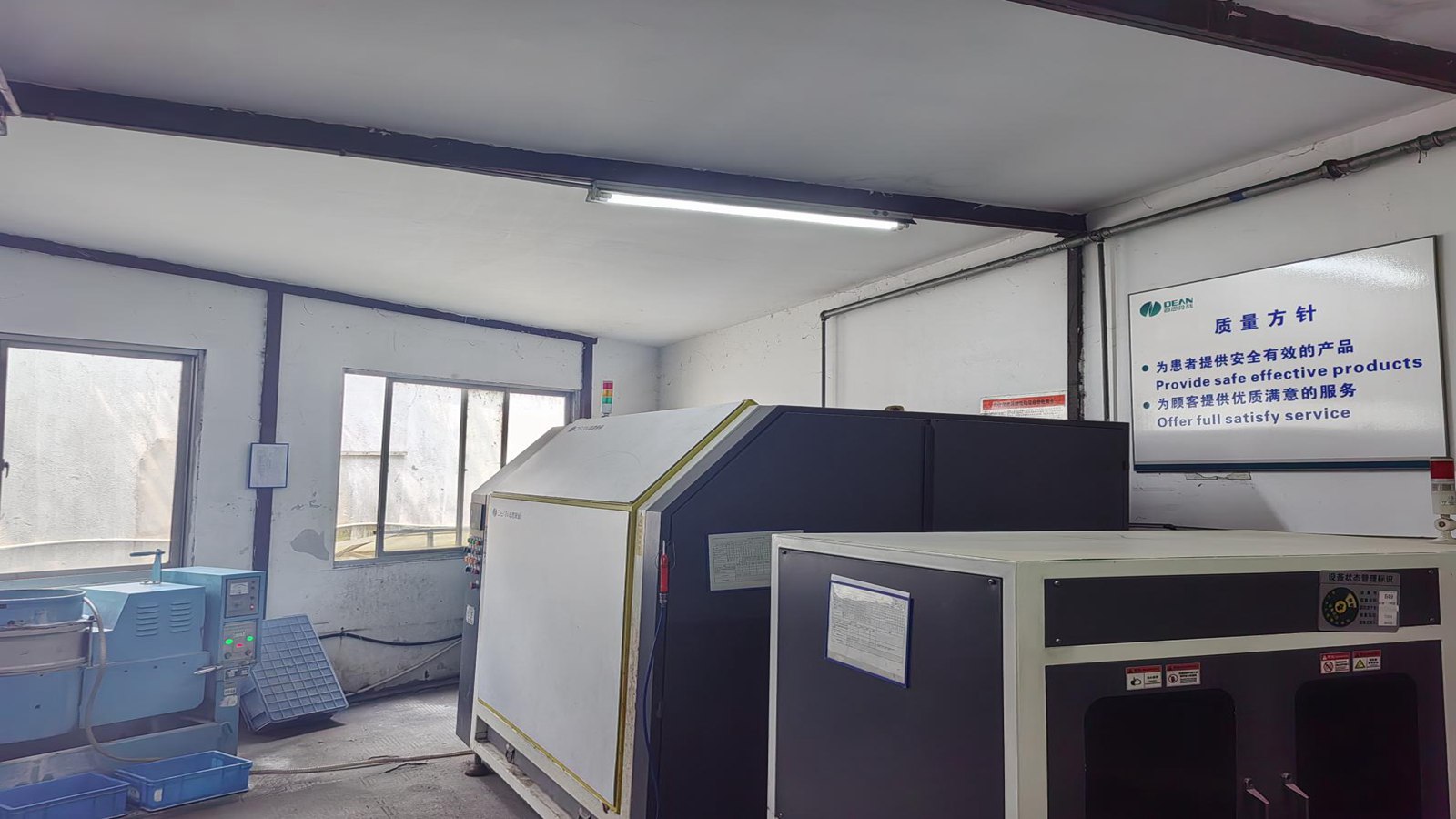
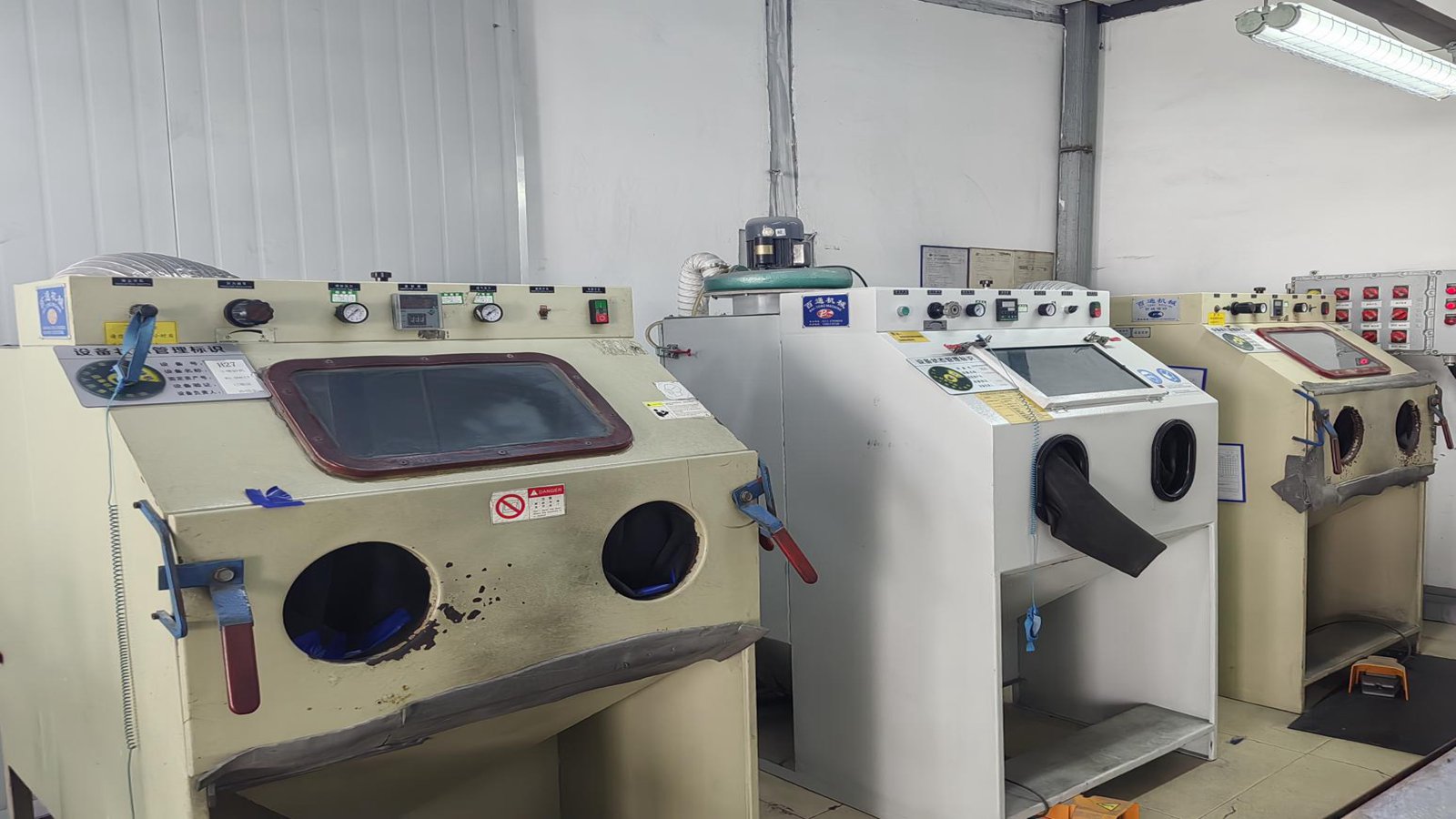
Inside the Medispirex manufacturing facility: Advanced machining, quality control, and sterile-packaging preparation.
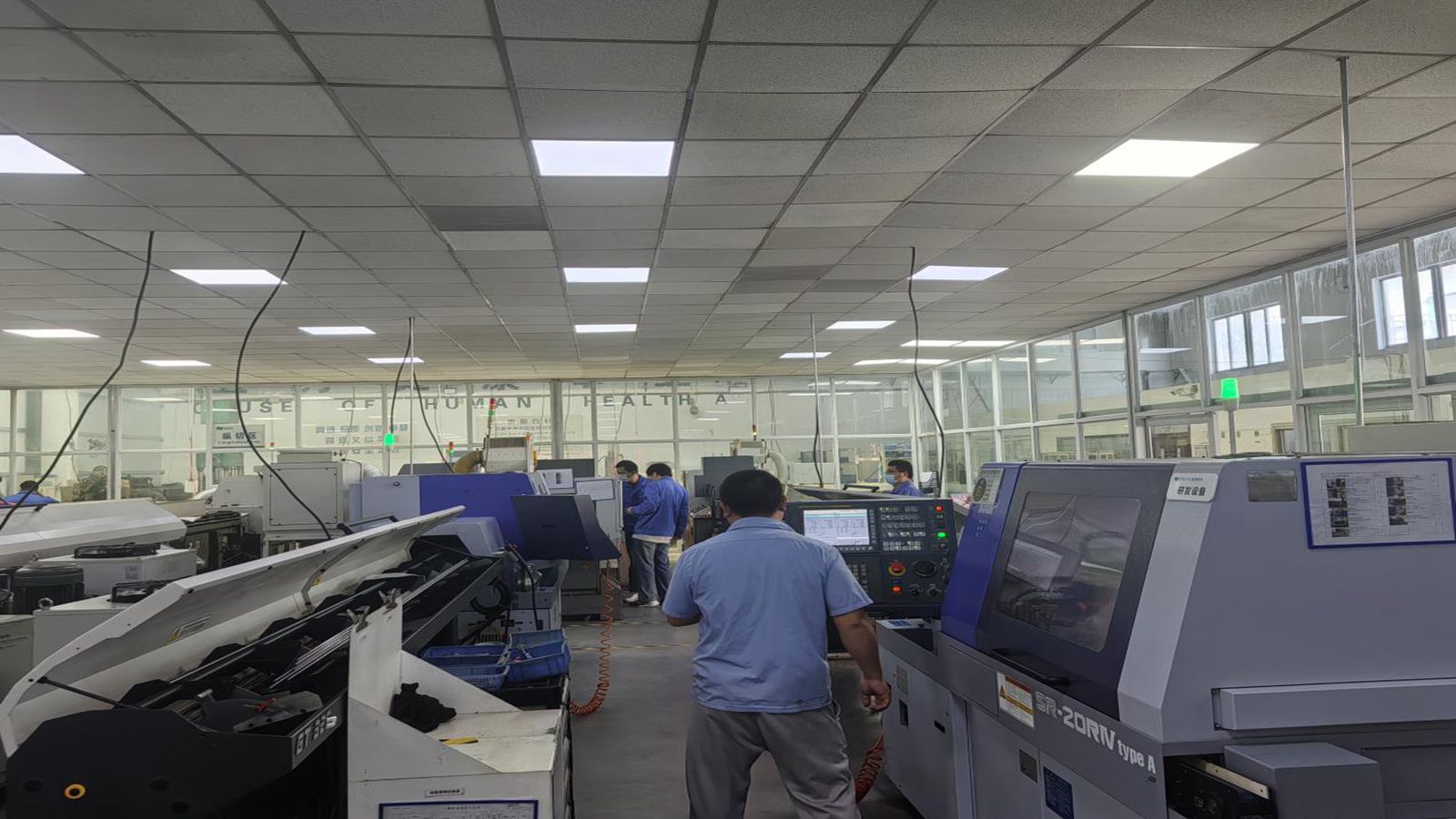
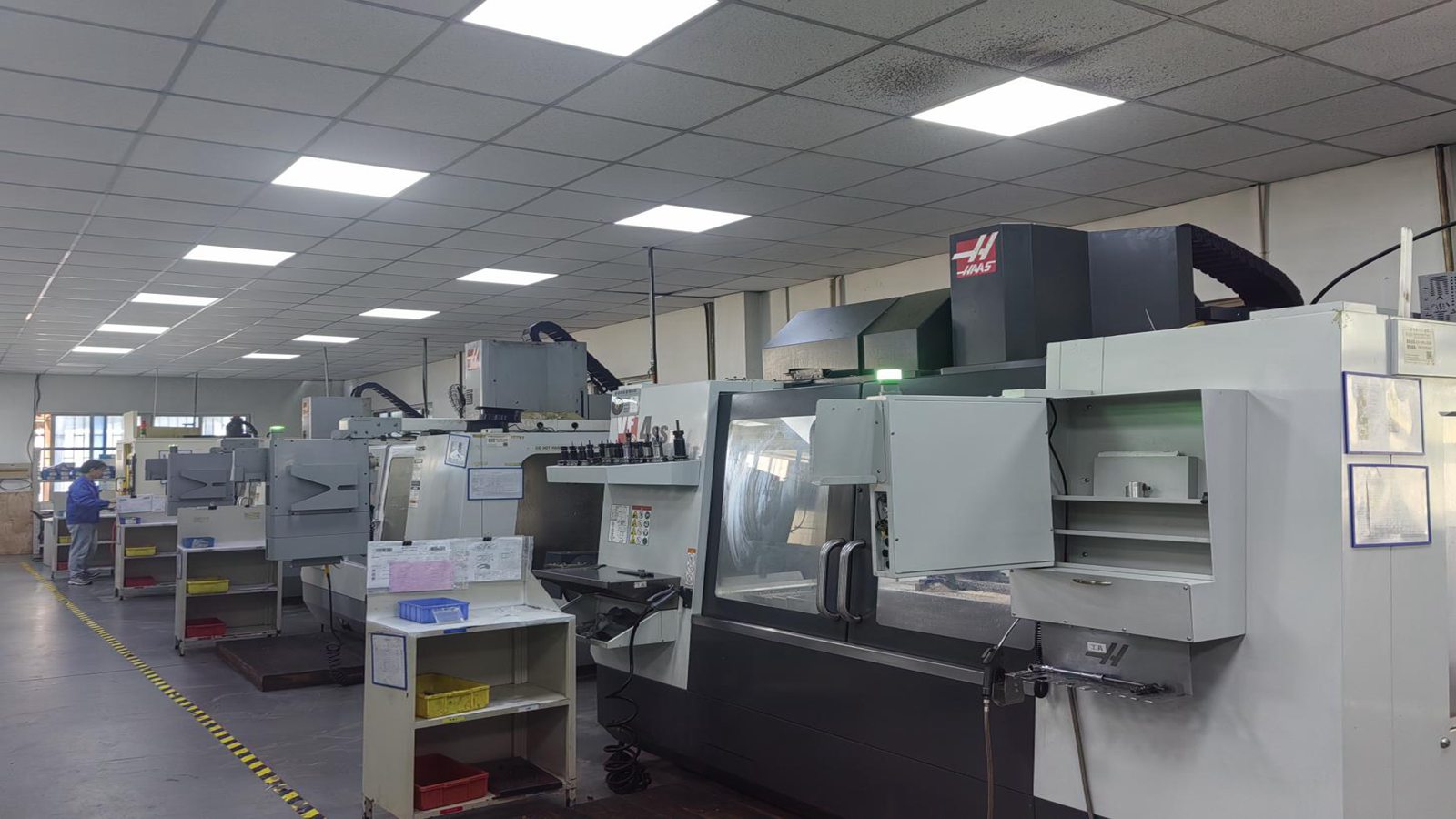
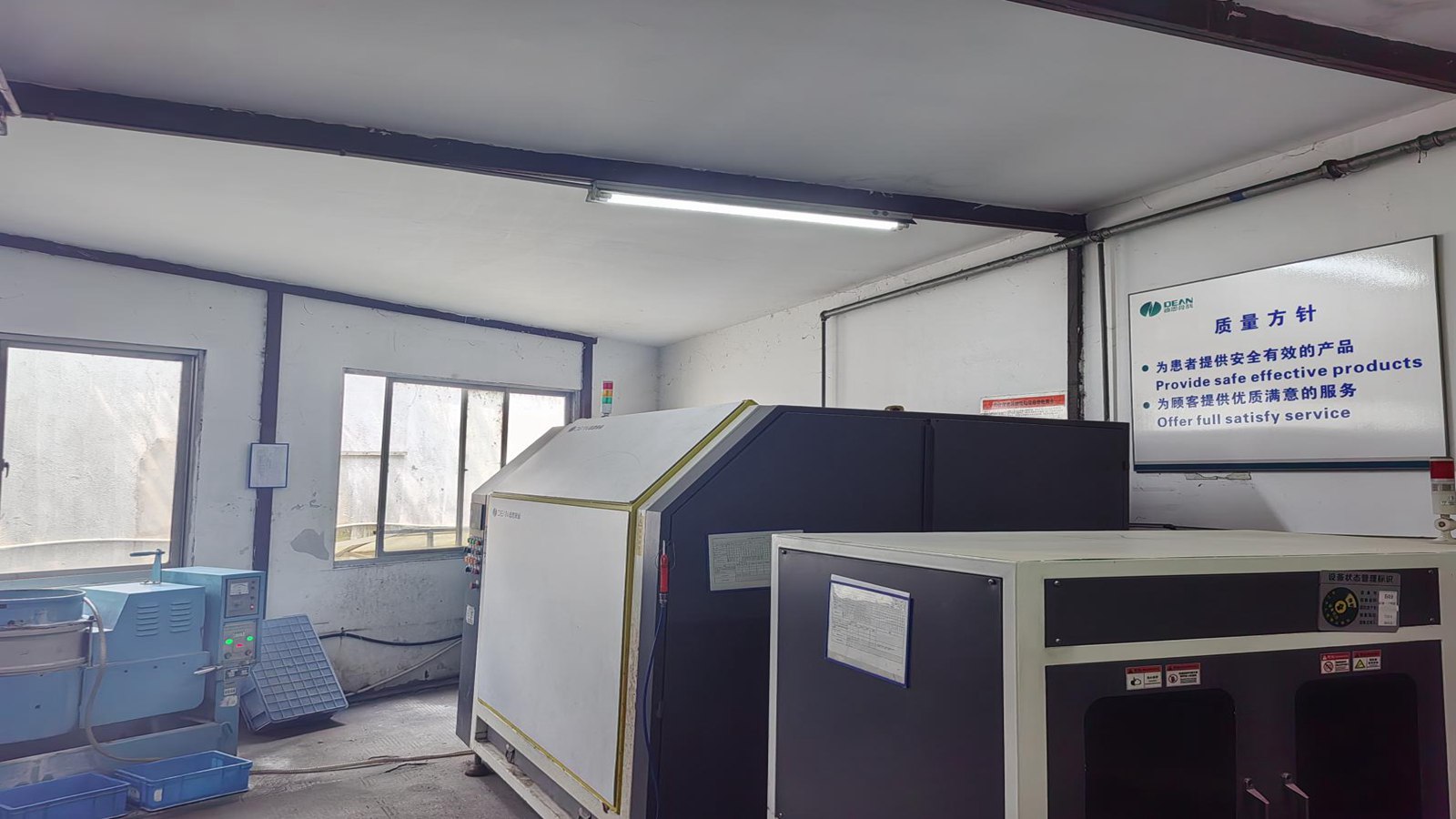
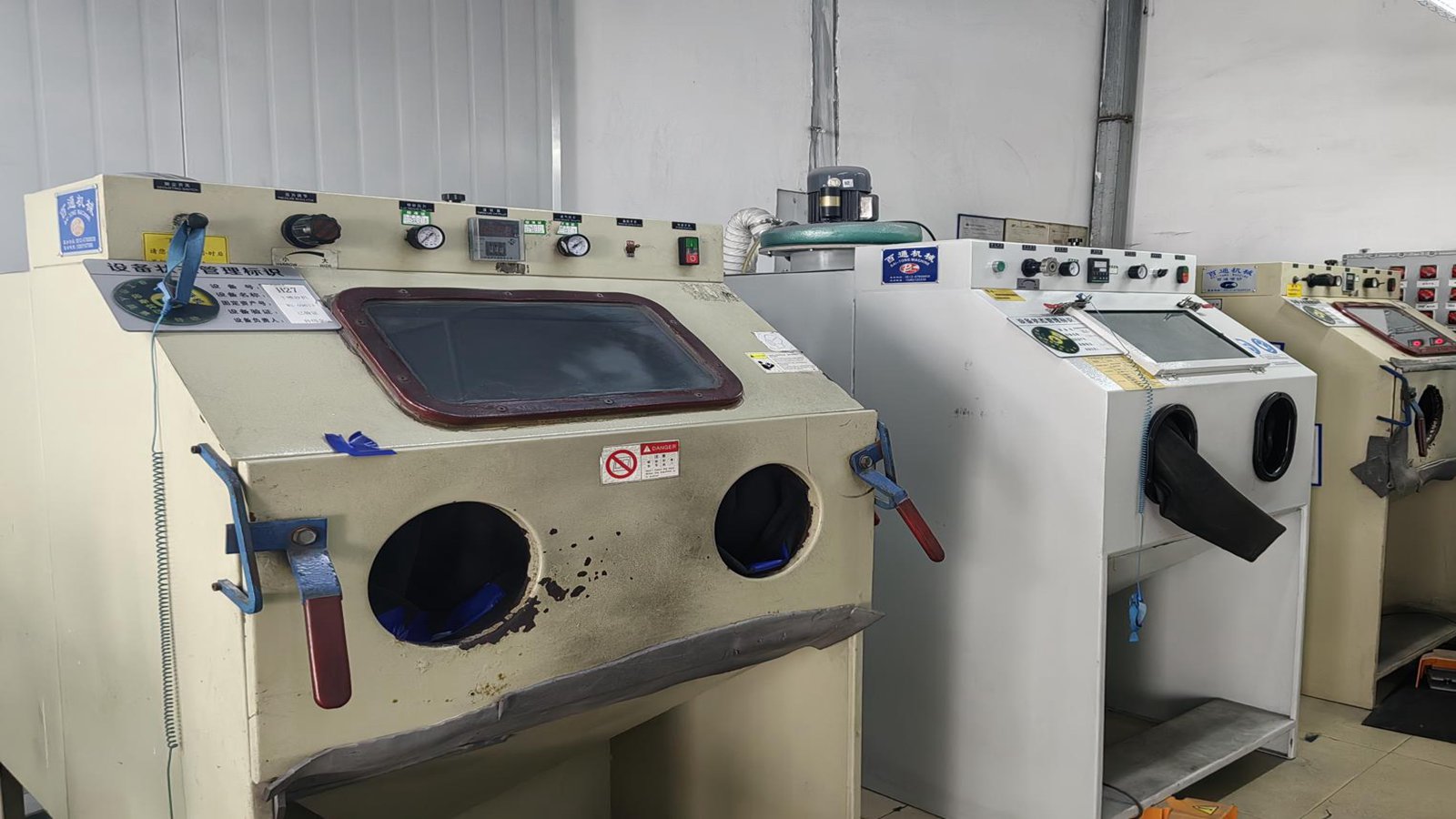
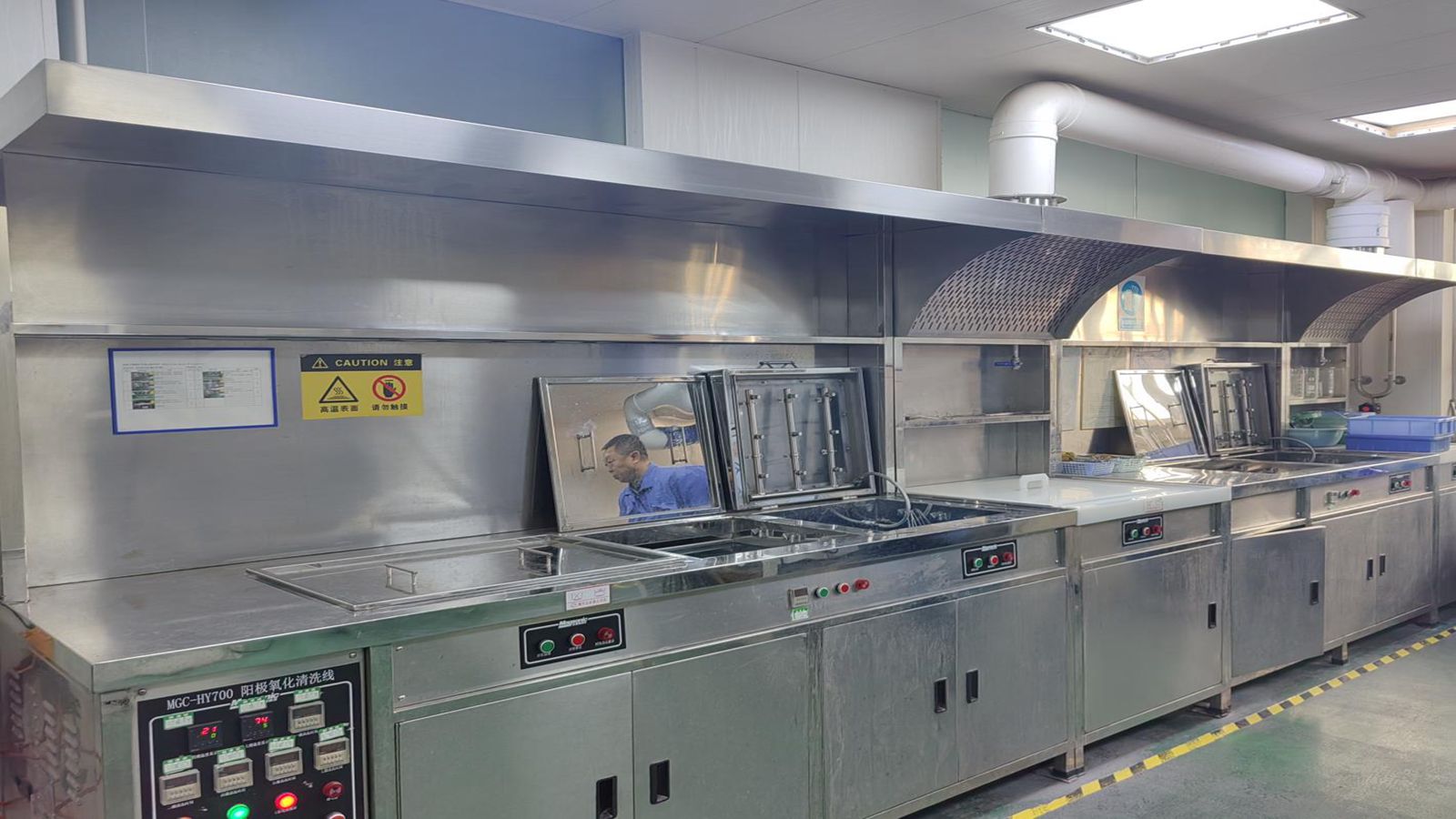
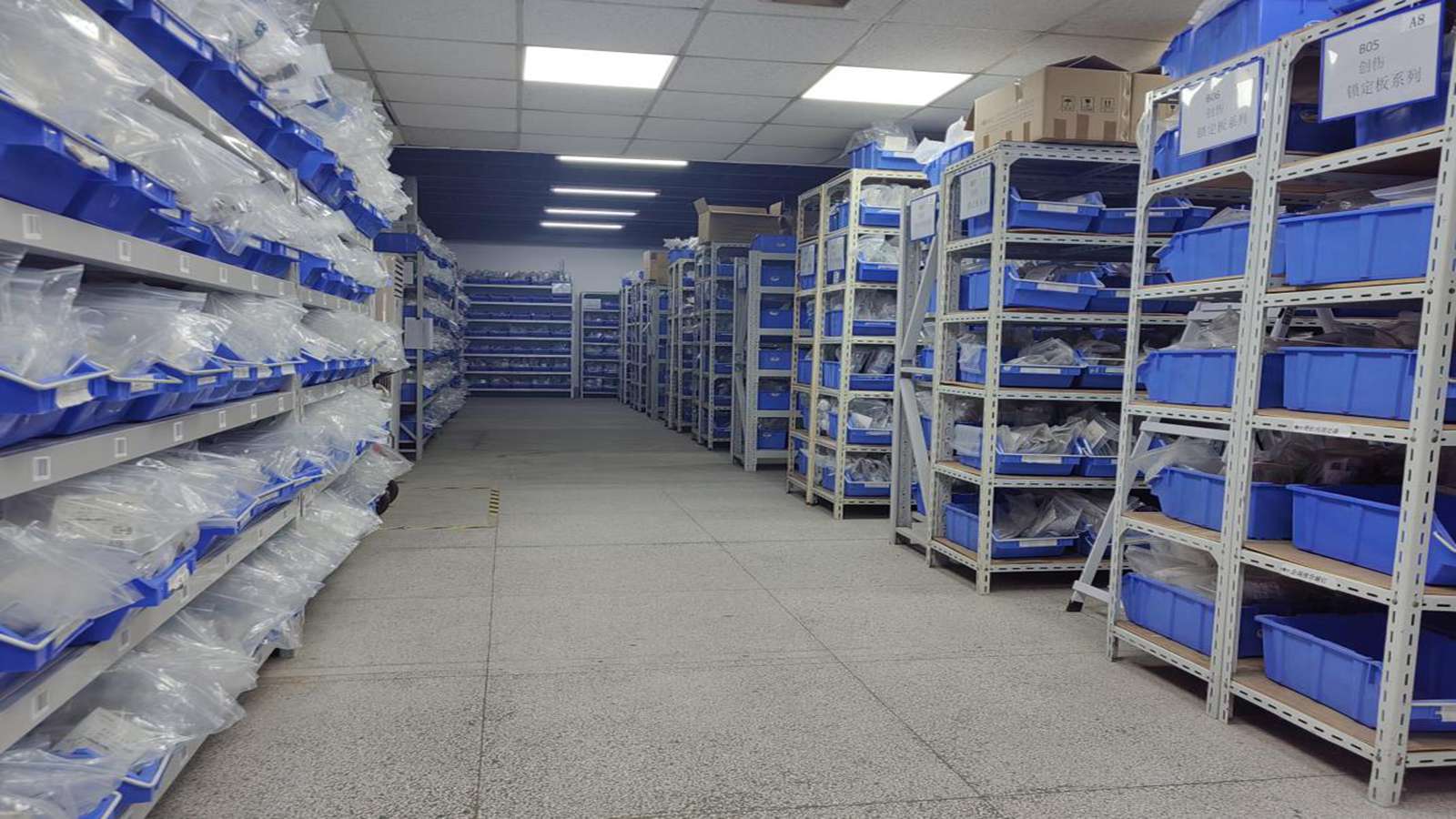
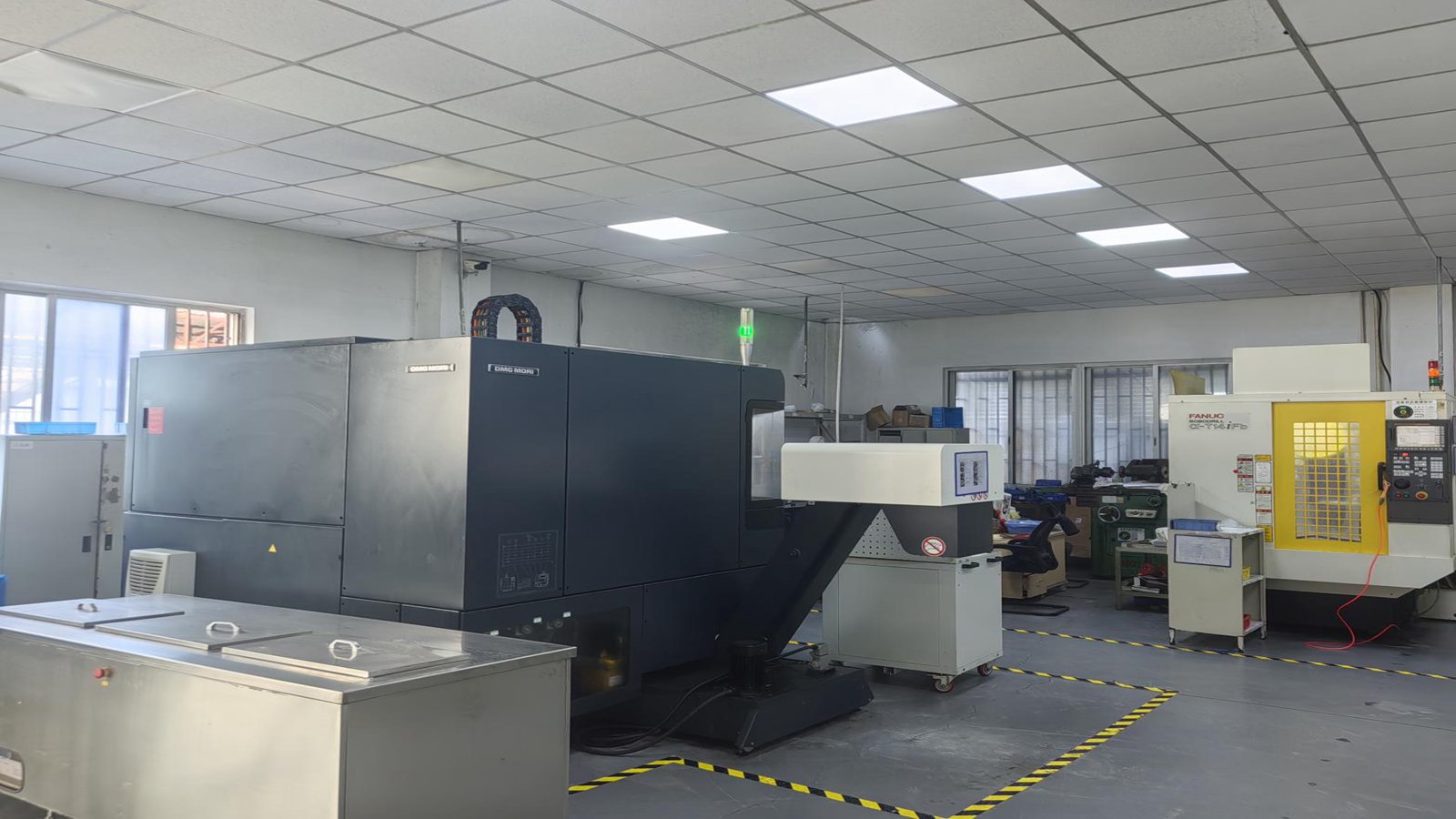
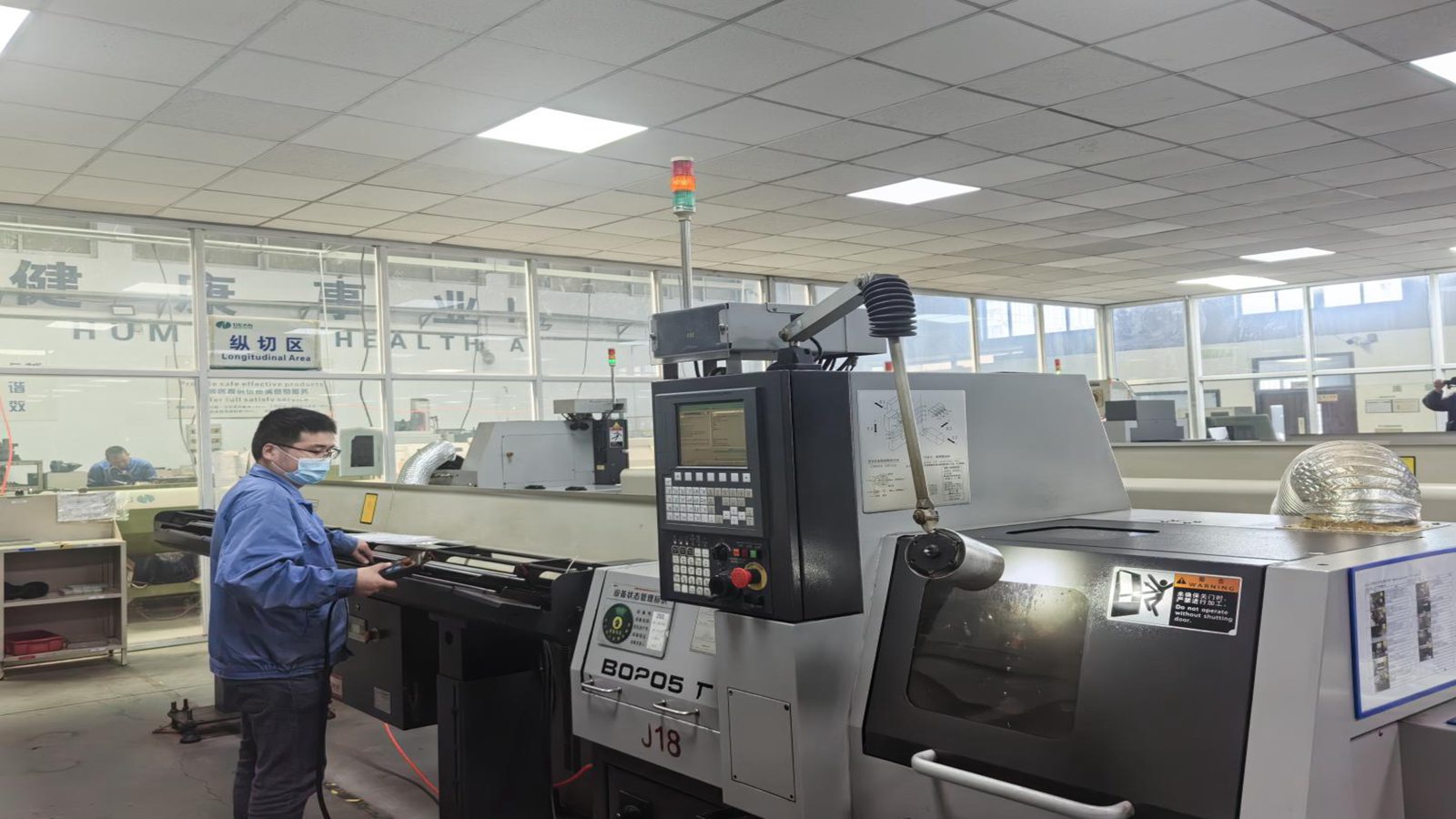
B2B procurement teams, distributors, and OEMs evaluate suppliers on quality systems and production capacity. Below is an overview of the key performance and compliance indicators required for interbody fusion spacers:
Raw materials must comply with ASTM F2026, the standard specification for polyetheretherketone (PEEK) polymers for surgical implant applications. The polymer must display high chemical resistance and withstand repeated autoclaving/gamma sterilization cycles without mechanical degradation.
TLIF PEEK cages require high geometric precision to achieve structural stability within the interbody space. Modern manufacturing utilizes multi-axis CNC machines to achieve tolerances within ±0.05 mm. Roughened surface topologies or plasma-sprayed coatings (e.g., titanium coatings) are often requested by distributors to support early osteointegration.
Spacers must pass mechanical tests, including ASTM F2077 (shear/compression testing under static and dynamic loads) and ASTM F2267 (subsidence evaluation). Sourcing from facilities that perform on-site fatigue testing reduces the risk of structural failure in clinical settings.
Medispirex provides its partners with Design History File (DHF) and Device Master File (DMF) documentation. Sourcing from manufacturers with structured technical dossiers simplifies registration with regional regulatory bodies (such as FDA, CE, and NMPA).
Key information for B2B procurement managers and OEM partners regarding material selection, specifications, and manufacturing capabilities.
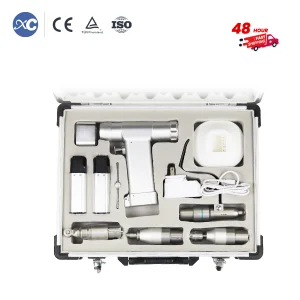
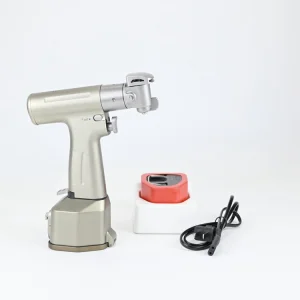
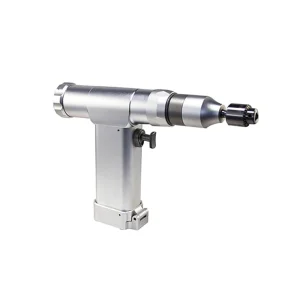
Explore our additional trauma, joint, and orthopedic power systems designed for clinical use.