Medispirex
Medispirex
Medispirex
High-precision orthopedic implants, surgical systems, and power tools meeting strict CE and ISO benchmarks.
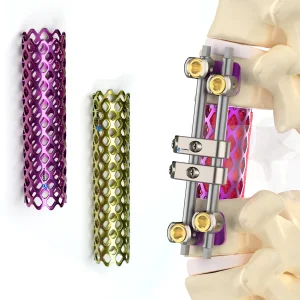
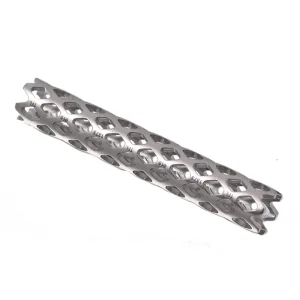
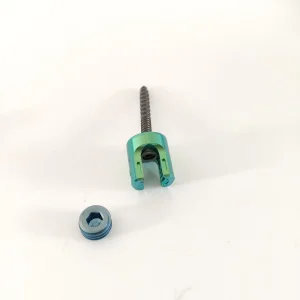
Modern orthopedics has transitioned decisively away from rigid monoblock implants to highly configurable modular orthopedic implants. Unlike traditional single-component constructs, modular systems feature separate articular components, stems, necks, and fixation interfaces that can be selected, adjusted, and locked together mid-surgery. This anatomical flexibility enables orthopedic surgeons to match patient-specific geometry—such as limb length, offset, femoral anteversion, and joint height—with extreme biomechanical accuracy.
From a patient-care perspective, modular designs reduce the risk of structural leg-length discrepancies, improve joint stability, and optimize load distribution across bone interfaces. However, the engineering complexity of modular junctions introduces distinct mechanical challenges. Manufacturers must account for phenomena such as fretting corrosion at the taper junctions, micro-motion under cyclic loading, and the structural integrity of internal locking mechanism designs. To mitigate these risks, top-tier global suppliers deploy advanced material science and high-precision CNC engineering, ensuring interfaces fit together with sub-micron tolerance levels.
| Technical Characteristic | Modular Implant Systems | Monoblock (Standard) Implants |
|---|---|---|
| Intraoperative Adjustability | High: Infinite adjustments for version, length, offsets, and diameter. | Low: Surgeon must choose from fixed sizing profiles. |
| Inventory Efficiency | Optimized: Modular sub-components assemble into hundreds of custom combinations. | Low: Requires extensive inventory of varied physical sizes. |
| Mechanical Risk Profile | Requires robust design to prevent fretting corrosion and micro-motion. | Minimal joint connection issues, but higher risk of bone-implant mismatch. |
| Patient Anatomy Matching | Excellent: Accommodates severe deformity, tumor resections, and revision surgery. | Moderate: Limited capability in complex trauma or revisions. |
| Primary Materials Used | Ti-6Al-4V ELI, CoCrMo, PEEK, Alumina-Zirconia Ceramics. | CoCrMo, Commercial Pure Titanium, Stainless Steel. |
How healthcare procurement officers and medical device distributors evaluate orthopedic supply partnerships.
Orthopedic implants are categorized as high-risk medical devices. International buyers require suppliers to hold verified ISO 13485 quality systems, CE Class III (MDR) certifications, or FDA 510(k) clearances. Batch traceability from raw bar material down to sterile packaging is mandatory.
Suppliers must provide empirical test logs demonstrating validation under standards like ASTM F1717 (spinal implant constructs), ASTM F1800 (femoral knee designs), and ISO 7206 (hip implants) to ensure structures survive millions of physiological load cycles without mechanical failure.
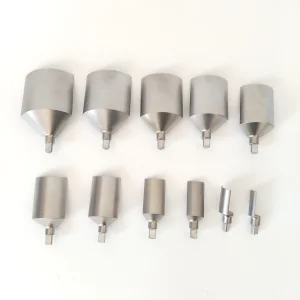
An implant is only as good as the tools used to place it. Global purchasers prioritize manufacturers who design, manufacture, and package matched surgical instrument sets alongside their implants, allowing for seamless workflow integration in operating theaters.
The technological forces shaping the future of orthopedic biomechanics and manufacturing sciences.
Enabling complete clinical solutions, from specialized human trauma care to complex veterinary surgery.
Tailored medical device engineering. Translating physical sketches and clinical feedback into production-ready orthopedic constructs using specialized software modelling (FEA, CAD/CAM) and fast-turnaround titanium prototyping.
Providing detailed technical documentation, biocompatibility analysis (ISO 10993), sterilization validations, and clinical evaluation records to streamline market entry in key global geographies.
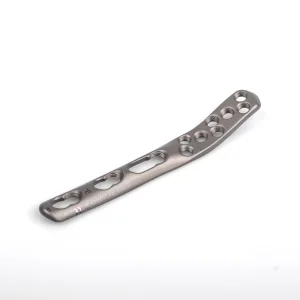
Developing targeted solutions for companion animals, including Tibial Plateau Leveling Osteotomy (TPLO) systems, specialized anatomical locking plates, and custom micro-power tools designed for veterinary practitioners.
Tour our production ecosystem integrating high-precision manufacturing, chemical treatment, and rigid laboratory testing.
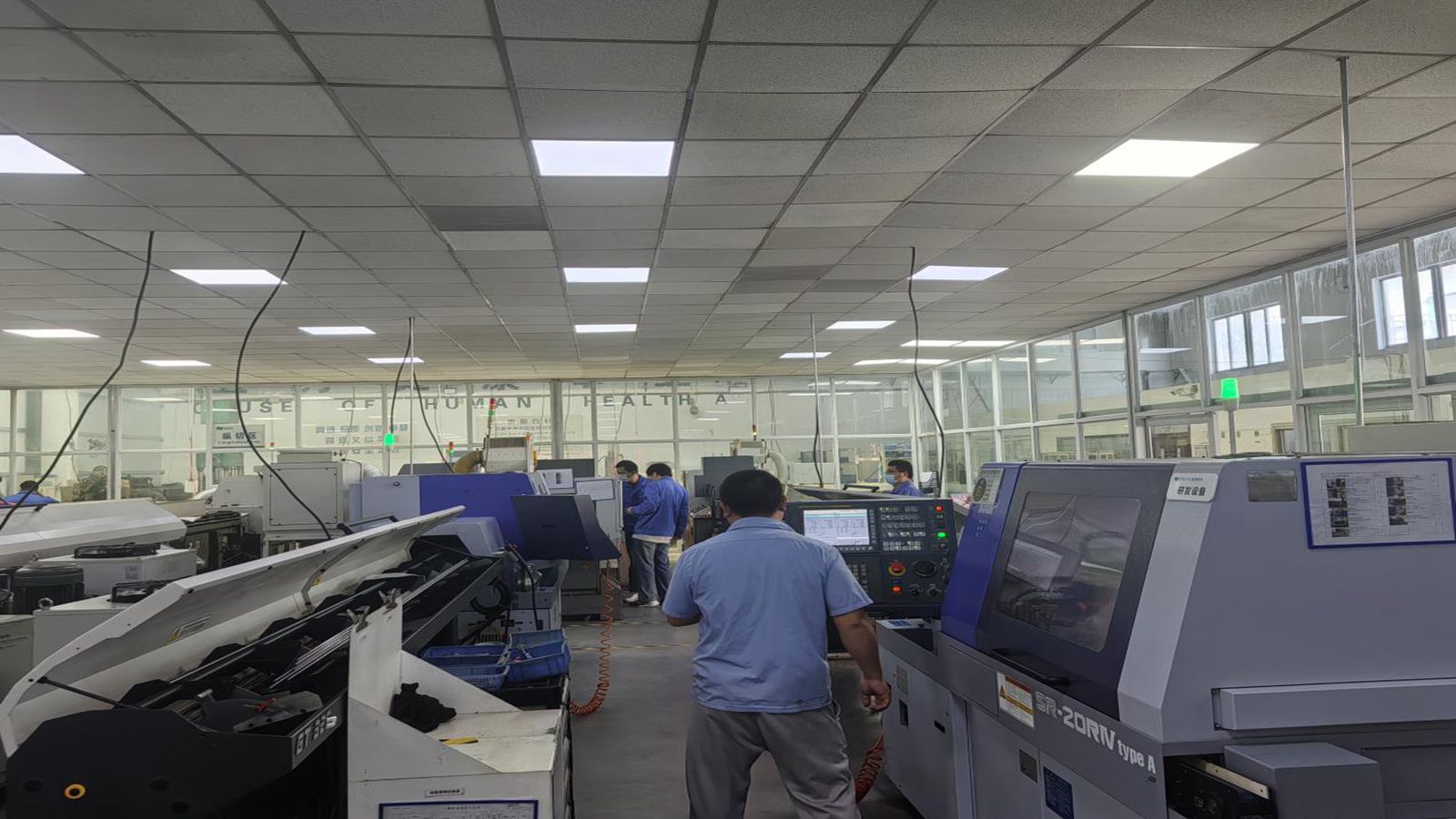
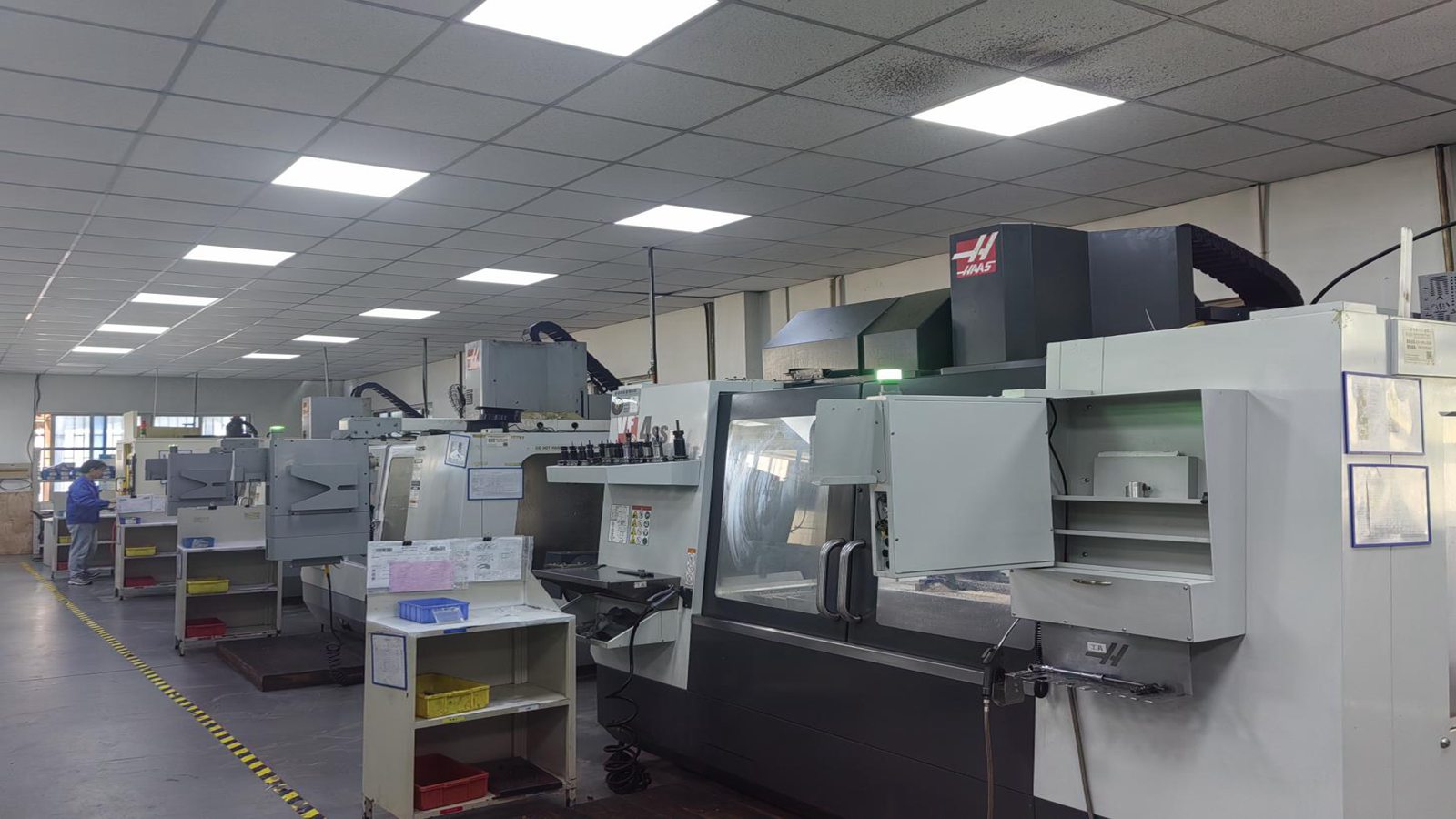
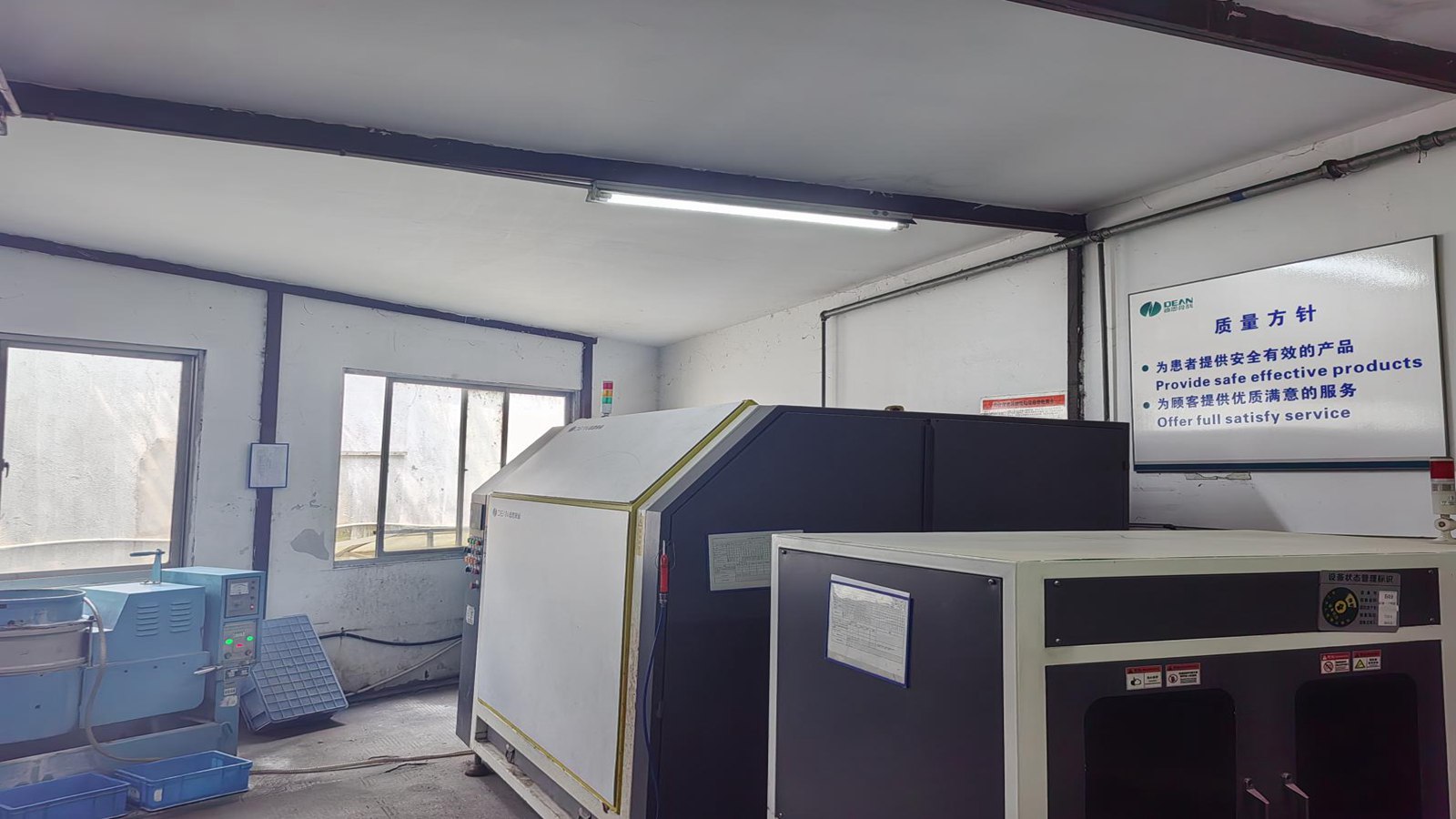
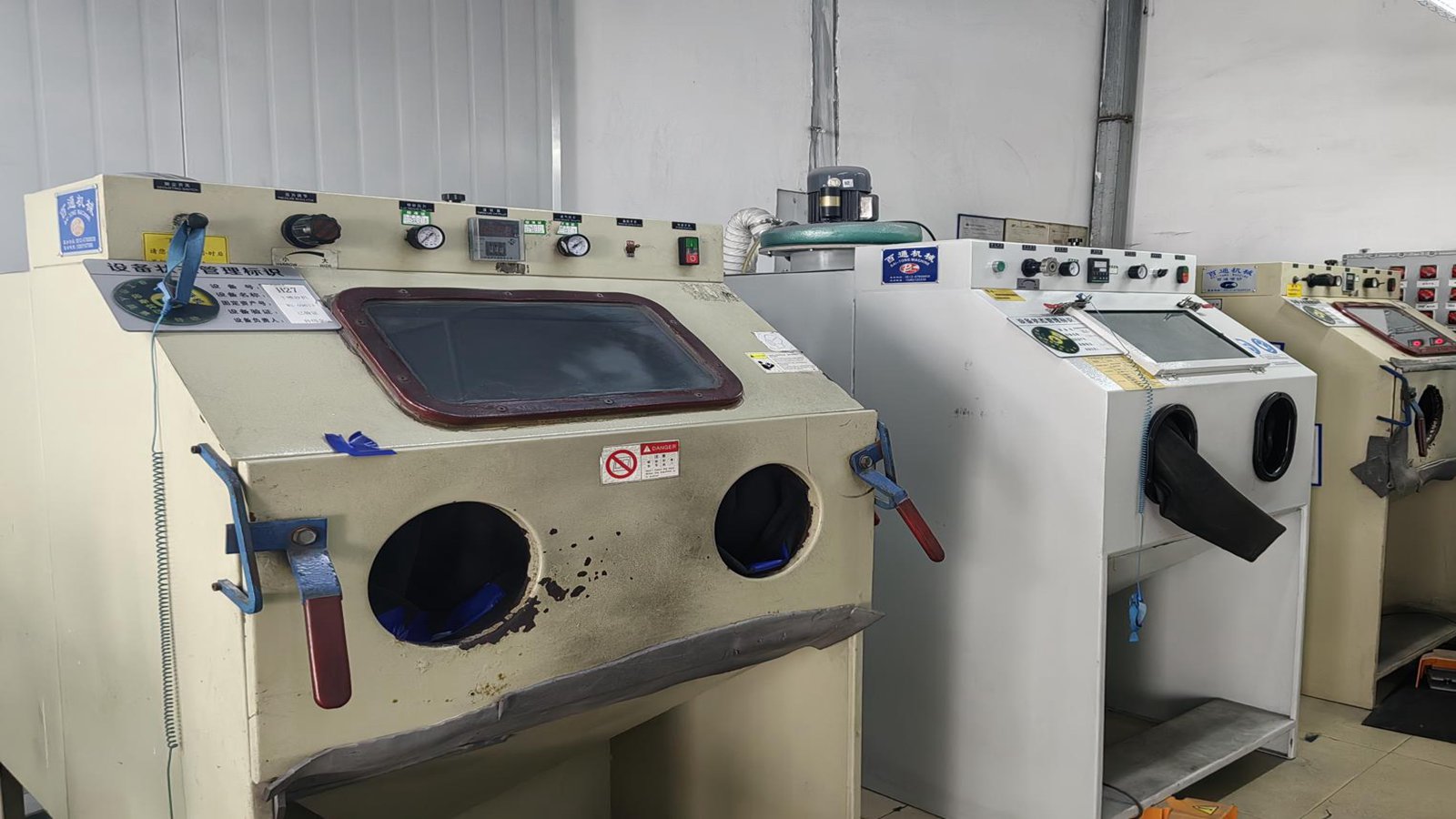
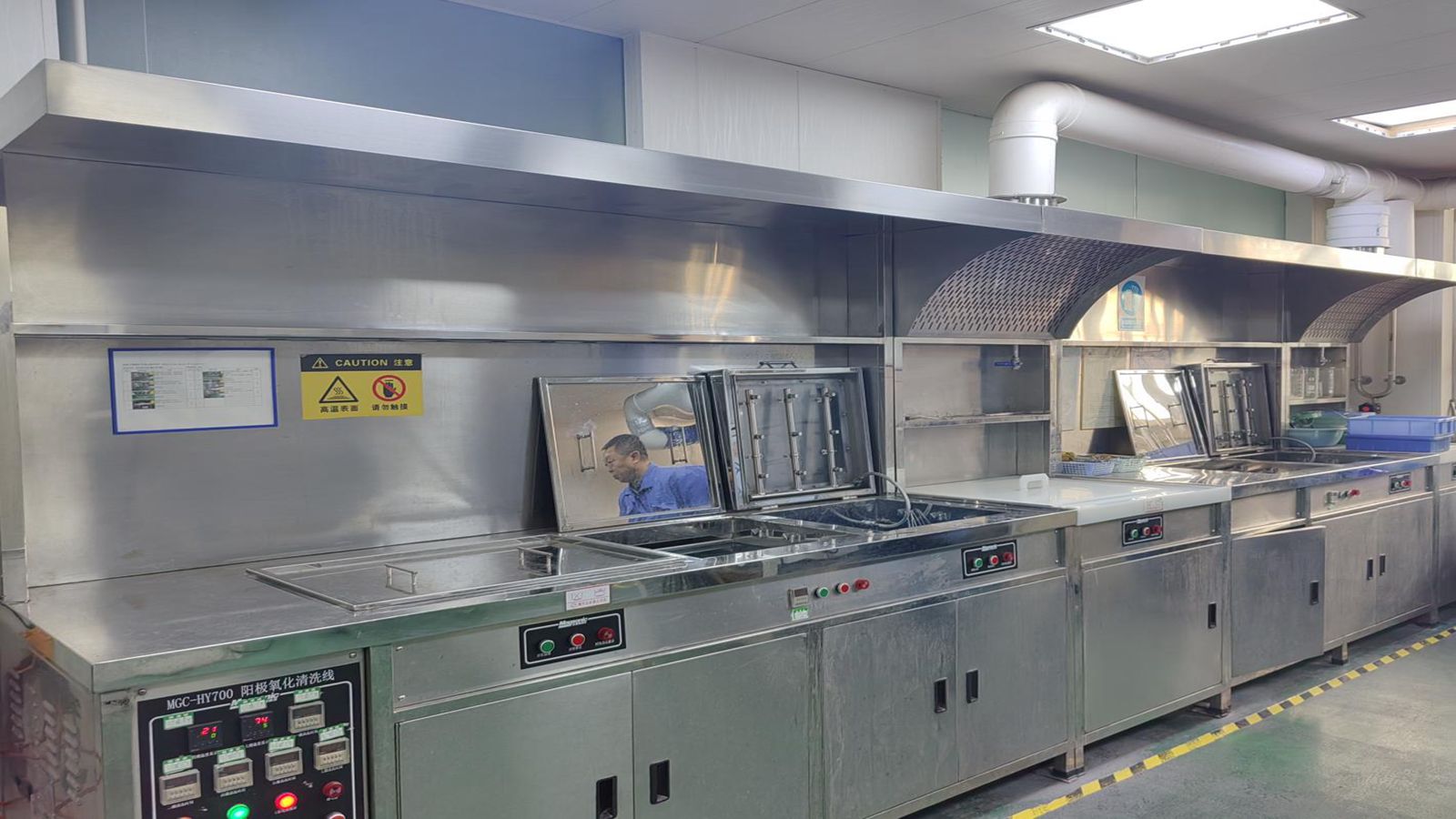
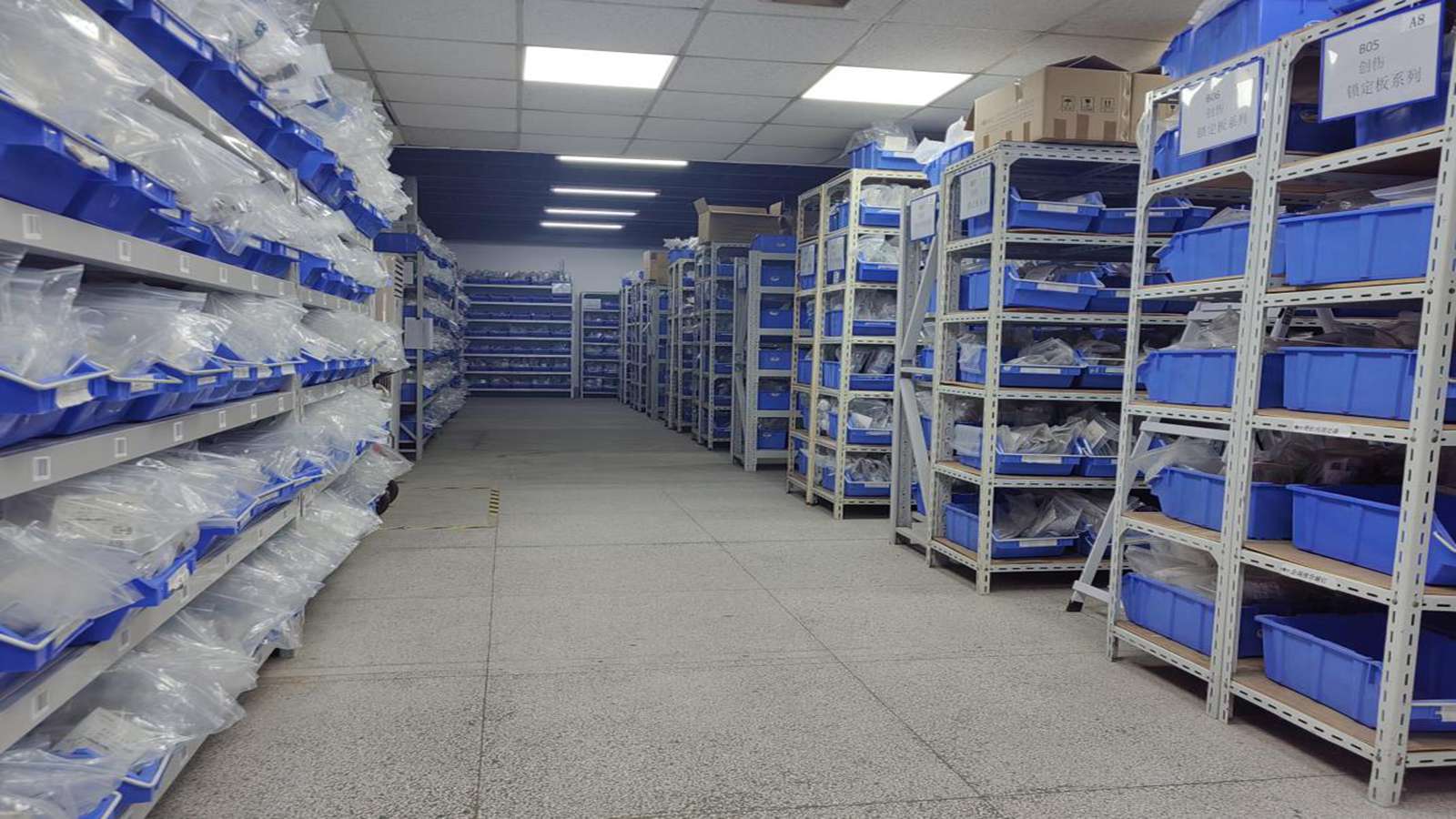
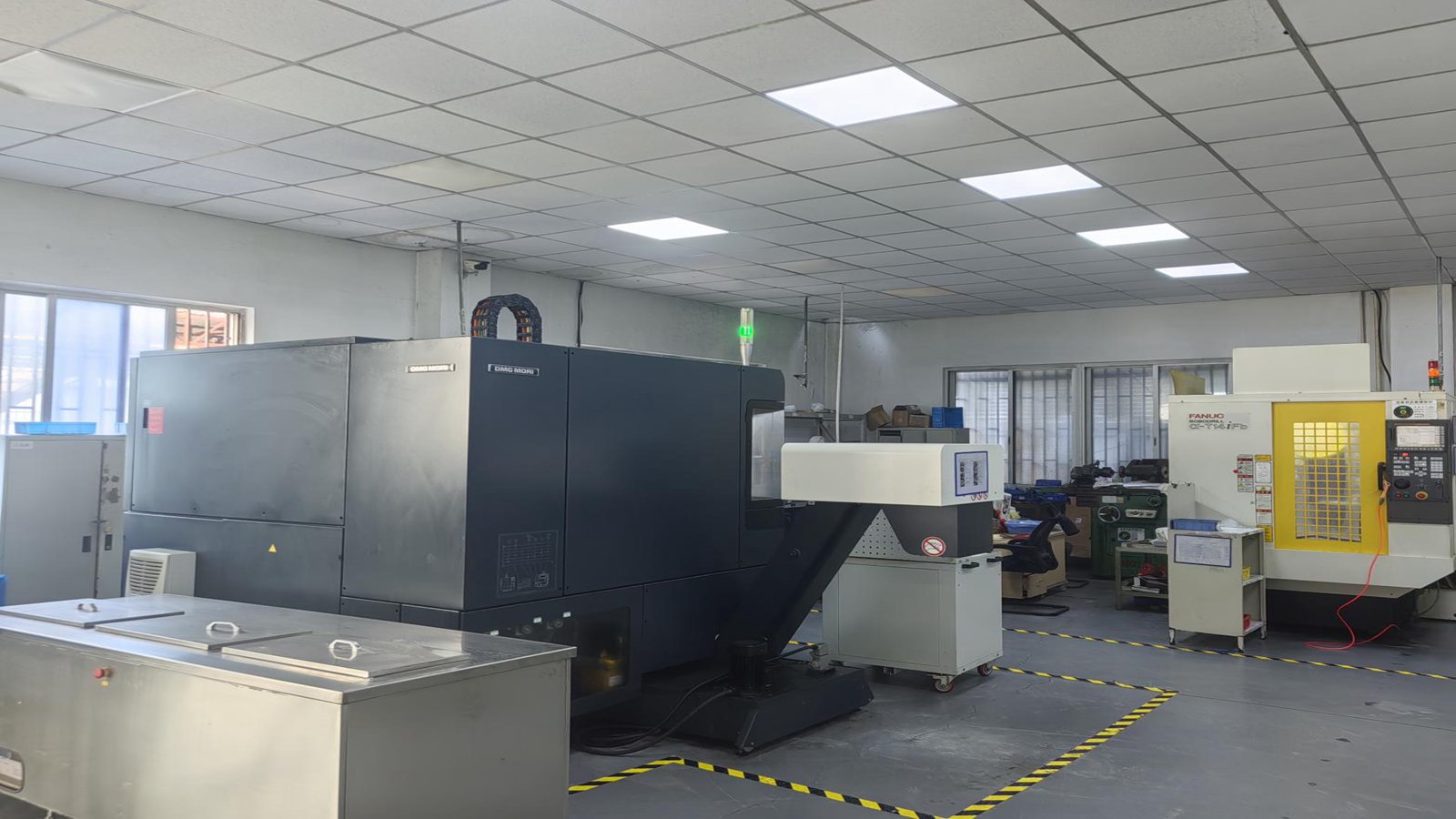
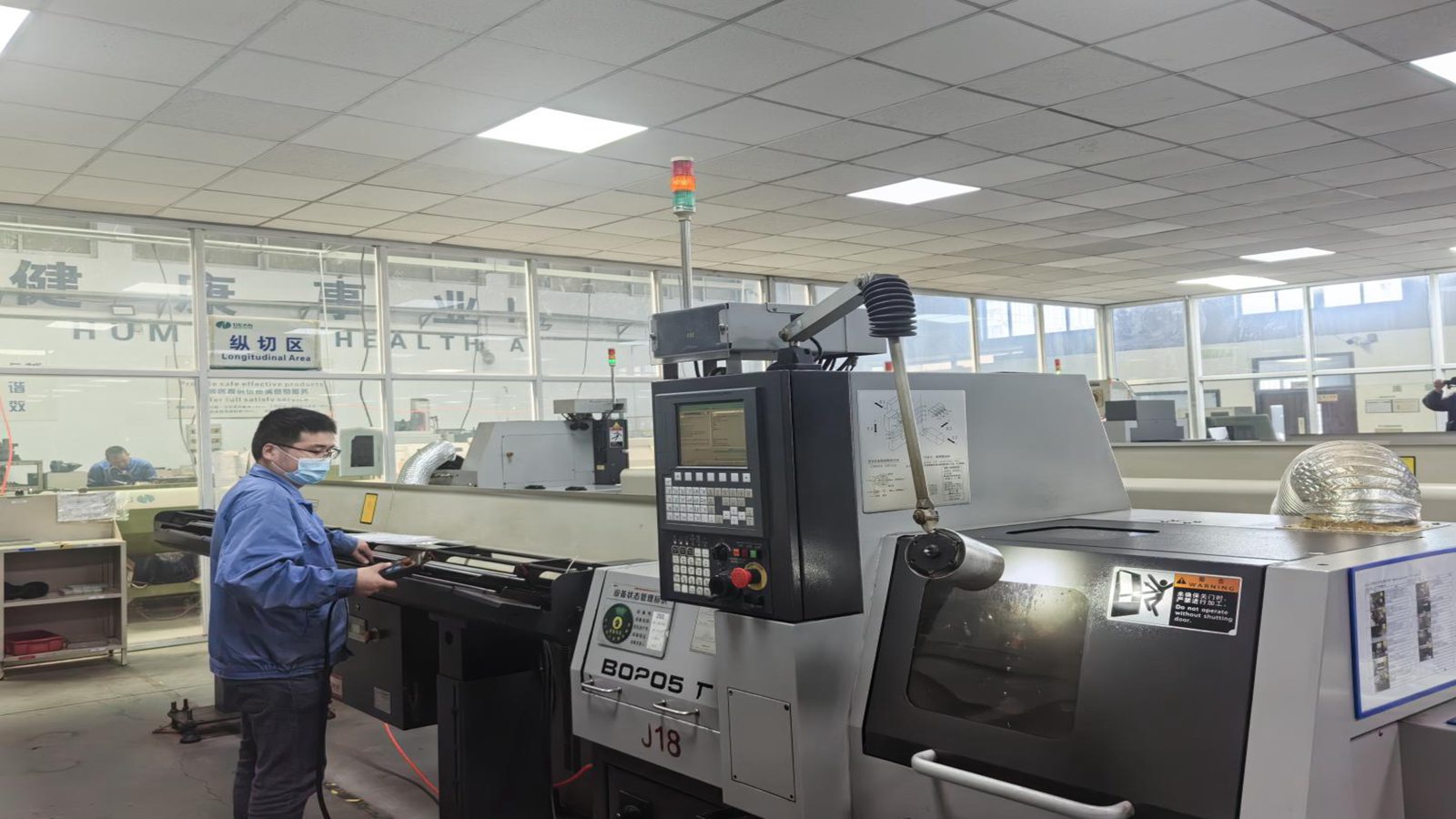
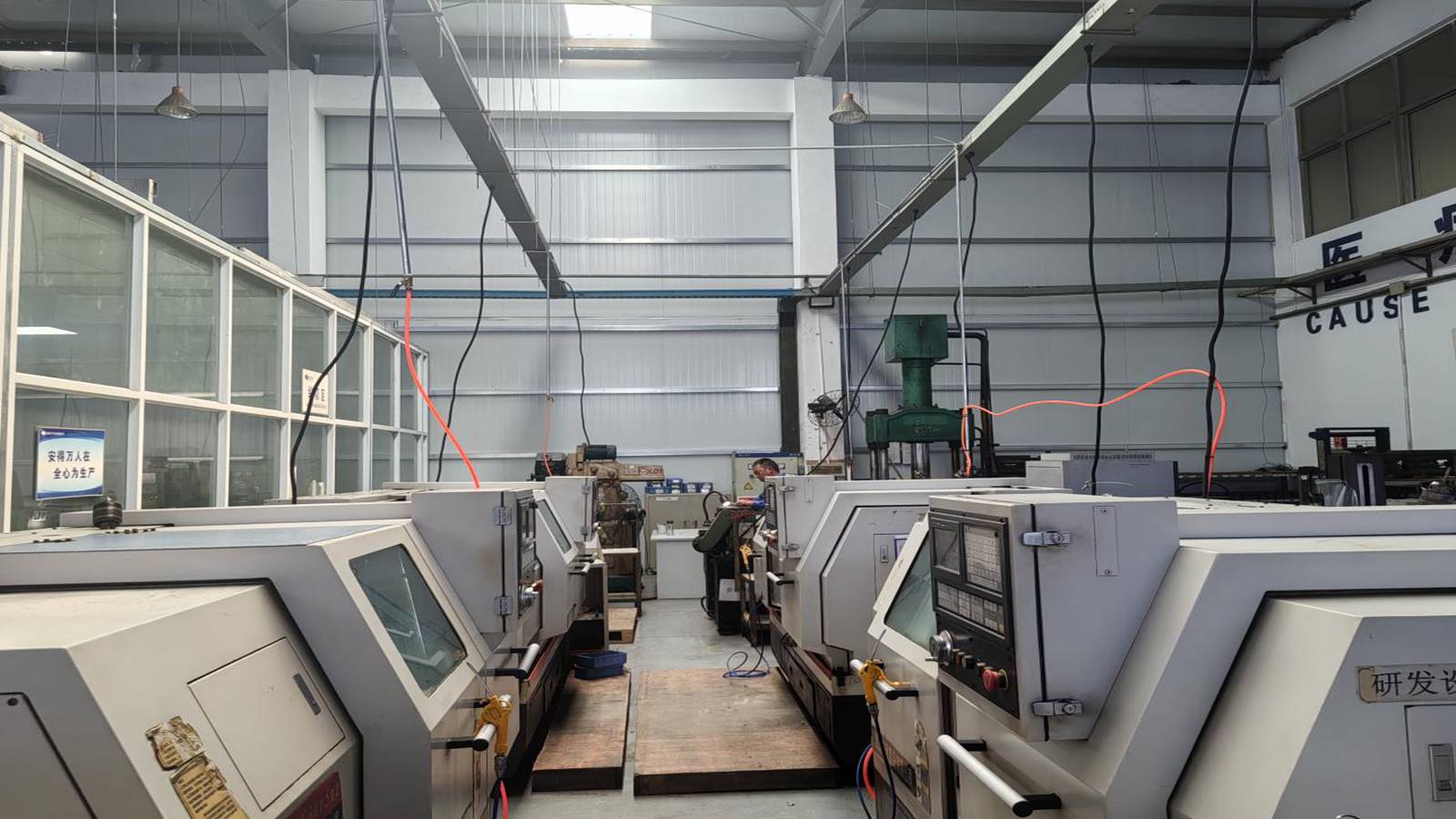
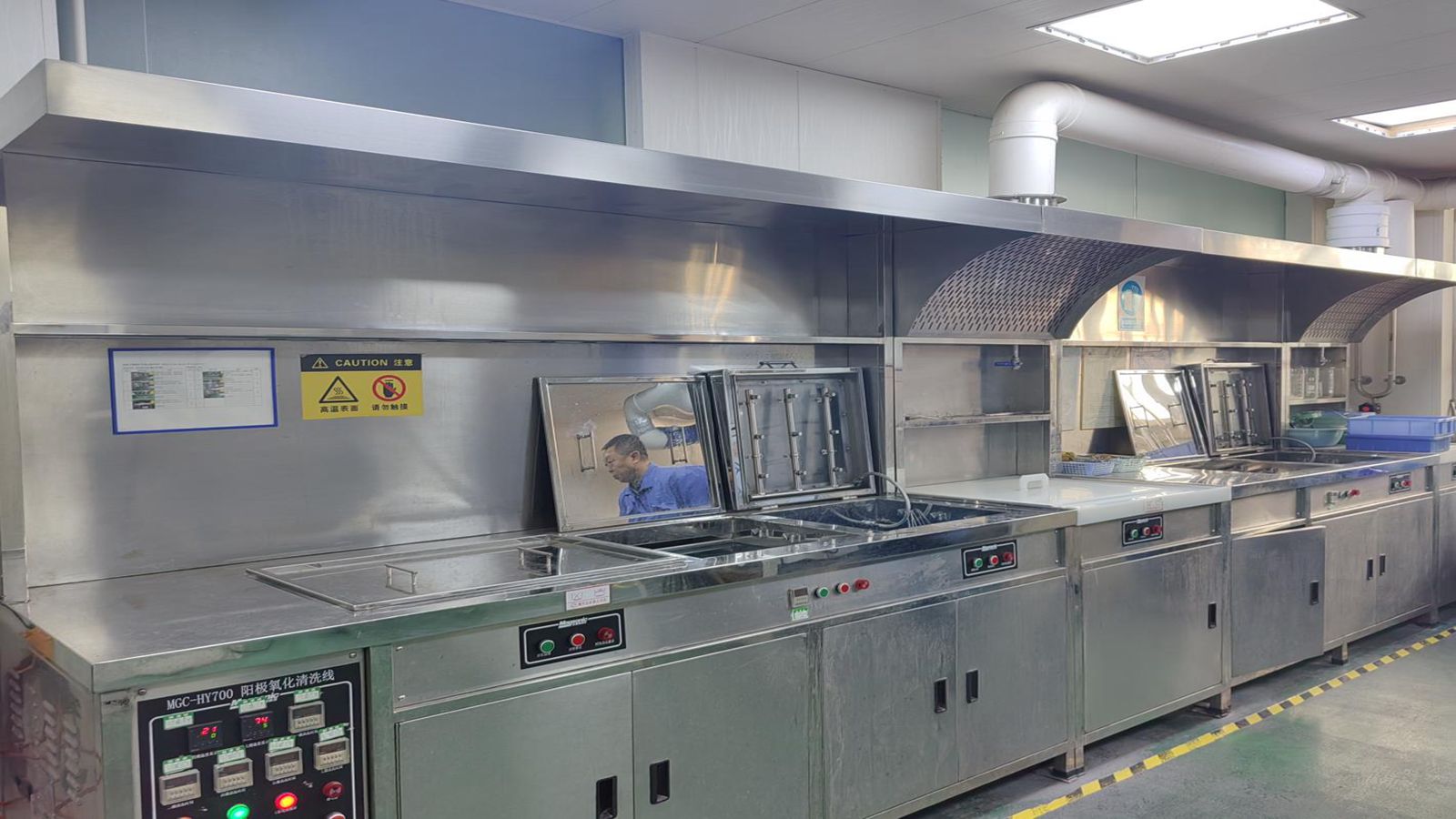
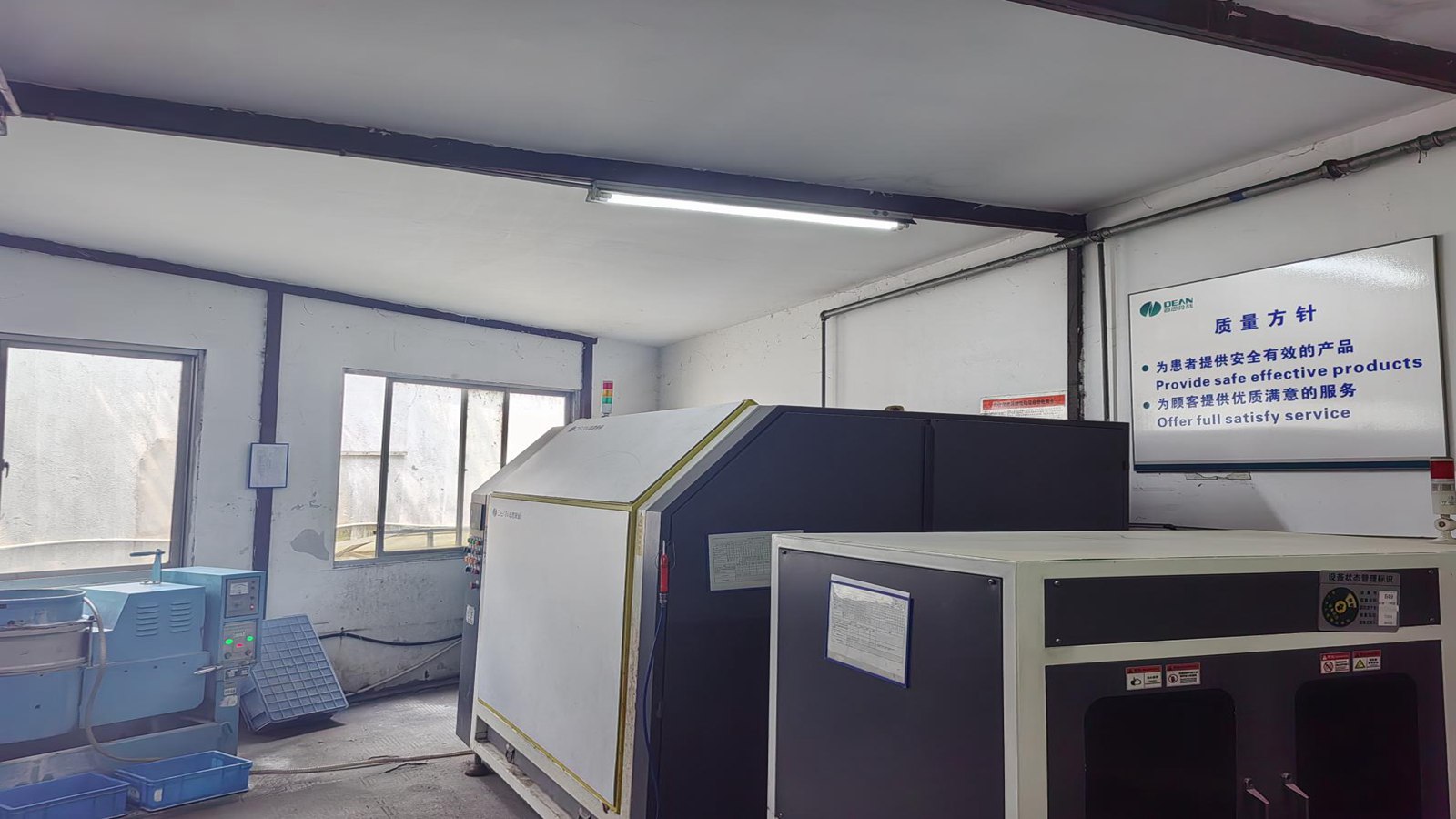
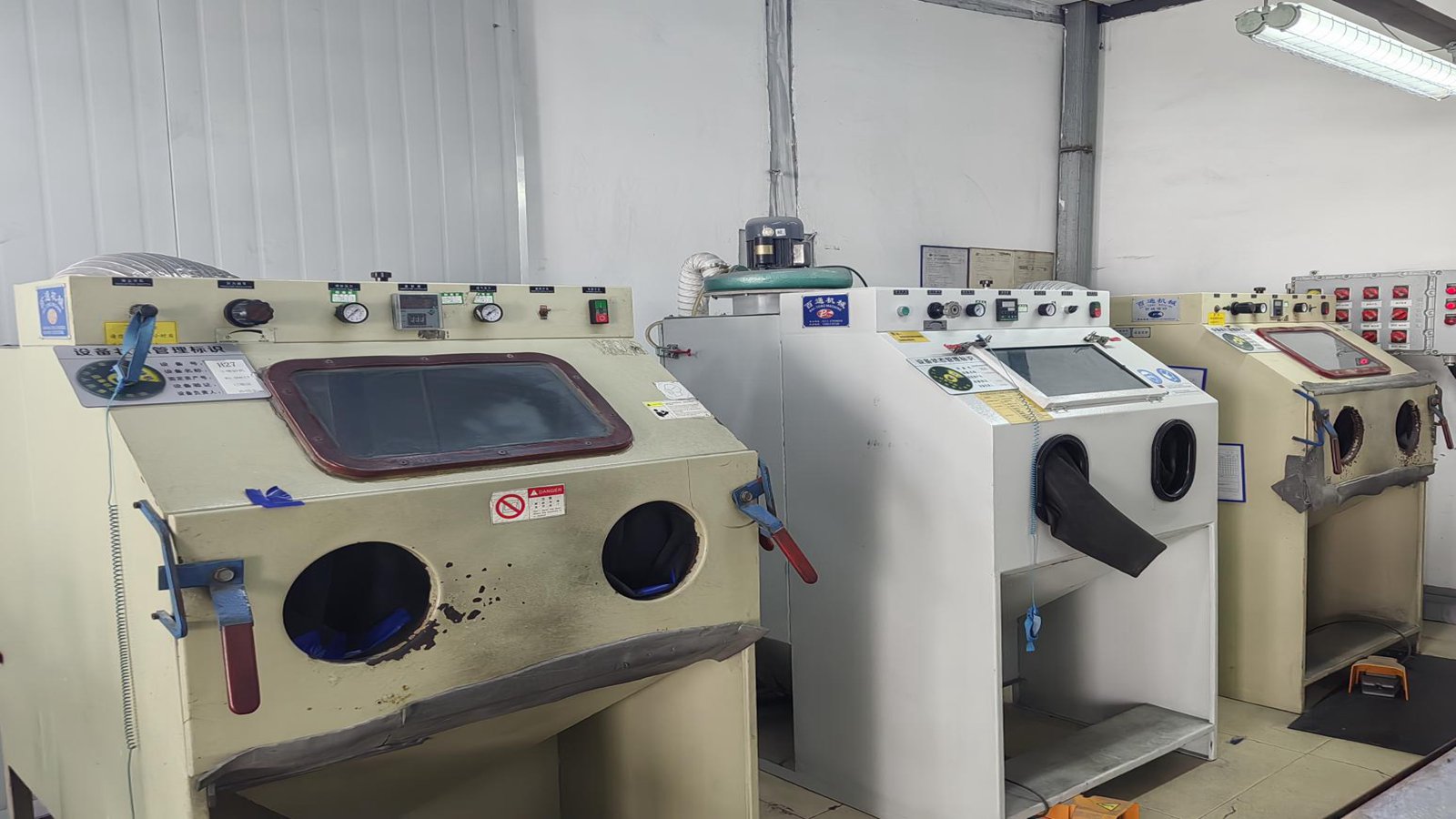
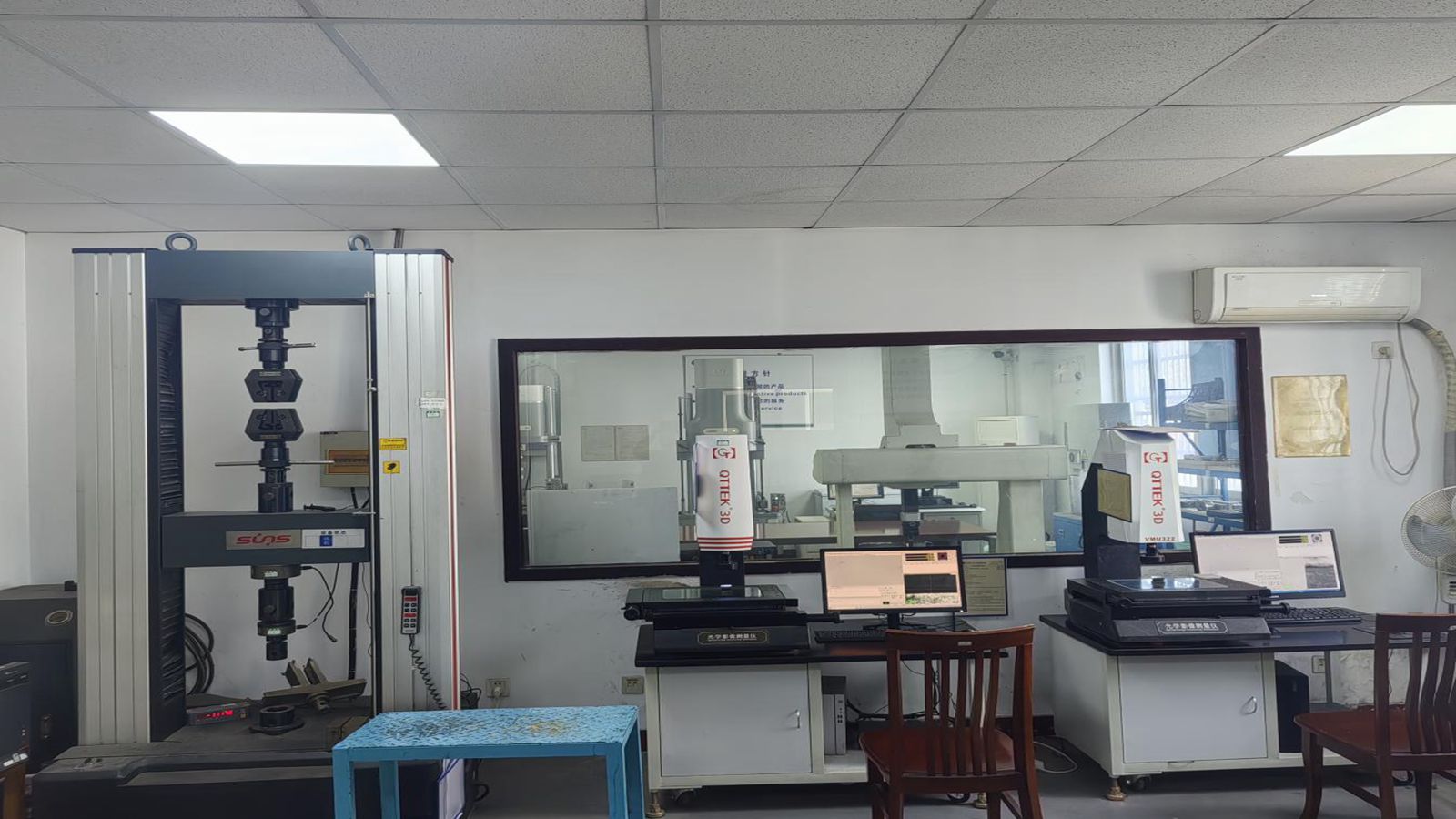
Medispirex Orthopedic Technology Co., Ltd. is an industry-leading orthopedic manufacturer specializing in high-precision spine and joint reconstructive implant solutions. Founded in 2016 and supported by an expansive 18,600㎡ production complex, we manage the complete lifecycle of orthopedic devices from clinical concept and mechanical R&D to international compliance and global supply logistics.
Currently driving USD 18 million in annual export revenue, Medispirex's growth is anchored by 12 years of core industry expertise and 7 years of direct global exporting experience. Our manufacturing plants rely on a strict quality system comprising incoming material verification, in-process checking, finished-product testing, and comprehensive batch traceability. Material verification processes include coordinate measuring machine dimensional checks, mechanical fatigue testing, and material composition analysis to ensure each implant matches required patient tolerances. Our dedicated quality control division consists of 45 QC specialists.
Operating with a robust, trade-oriented supply network, Medispirex services primary healthcare markets across Europe, North America, the Middle East, and Southeast Asia. Our established procurement system features approximately 860 verified upstream and downstream suppliers, securing consistent raw material resources and fast global shipments. We offer extensive manufacturing flexibilities to our network of hospitals, orthopedists, distributors, and OEM/ODM accounts, supporting customized product designs, proprietary instrumentation, and private-label packaging.
Underpinning our manufacturing is a massive focus on medical innovation. Our product development team, consisting of 85 dedicated biomechanical and material engineers, released 120 new products over the last 12 months. This continuous iteration ensures Medispirex remains at the forefront of bone reconstructive technologies.
Ensuring frictionless global transit and absolute surgical-grade reliability.
We prepare detailed compliance dossiers (GHTF formats) to navigate complicated local customs offices, managing clean shipments through European ports, South American agencies, and ASEAN medical divisions.
All pre-sterilized modular implants are processed using validated Gamma Irradiation or Ethylene Oxide (EO) protocols in cleanrooms matching ISO Class 7 parameters, delivering implants with a Sterility Assurance Level (SAL) of 10⁻⁶.
Distributors receive comprehensive training modules, surgical technique manuals, and biomechanical specifications. Our technical engineering team provides clinical video support to resolve implant fit questions.
Direct engineering answers to frequently asked technical and commercial procurement questions.
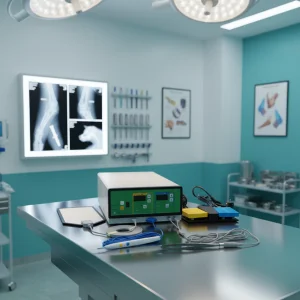
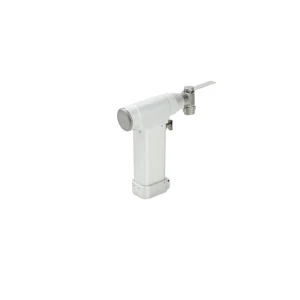
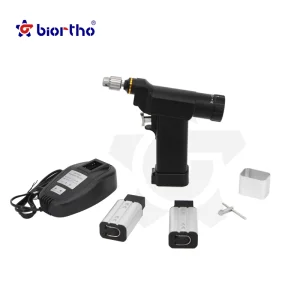
Select orthobiologic instruments, trauma plating systems, and advanced power tools for human and veterinary surgery.