Medispirex
Medispirex
Medispirex
Explore our premium clinical offerings, ranging from advanced orthopedic saws and veterinary joint reconstruction devices to human spinal trauma stabilization hardware.
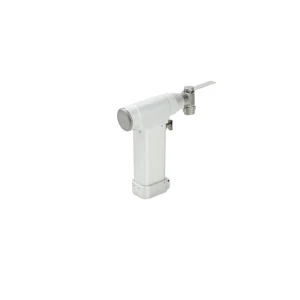
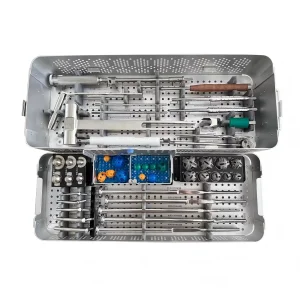
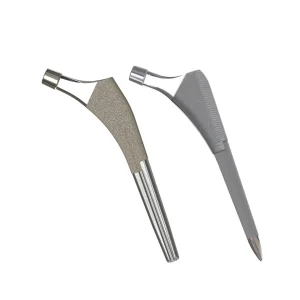
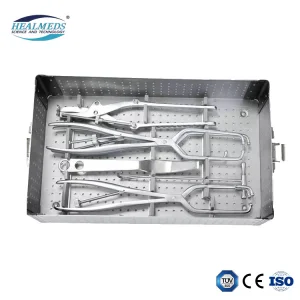
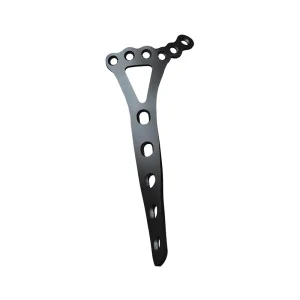
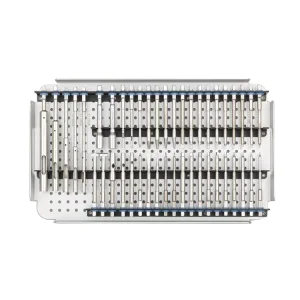
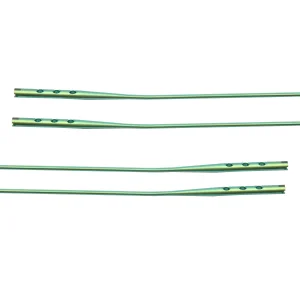
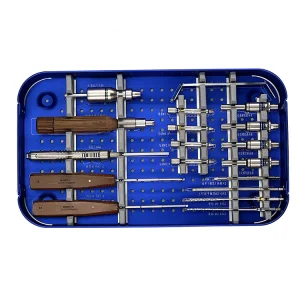
Spinal fixation systems have undergone revolutionary iterations, shifting from basic stainless steel stabilization structures to advanced biocompatible alloy mechanisms. At the forefront of this mechanical and biological evolution stands the titanium spinal rod.
Modern spinal deformity correction, degenerative pathology stabilization, and trauma reconstructive surgeries demand implants that balance mechanical fatigue strength, biocompatibility, and radiographic imaging compatibility. Titanium alloys, specifically Grade 5 (Ti-6Al-4V) and its extra-low interstitial variant Grade 23 (Ti-6Al-4V ELI), have emerged as the gold standard materials.
These specialized materials minimize the risk of stress shielding—a common issue where rigid implants bear all physiological loads, causing bone resorption. With a modulus of elasticity closer to cortical bone than stainless steel, titanium spinal rods promote physiological bone remodeling and solid spinal fusion while offering high fatigue limits to withstand millions of physiological cycles.
Our engineered titanium spinal rods balance rigidity and elasticity, preventing bone resorption while ensuring robust construct stability across multi-segment thoracolumbar fixations.
Compared to traditional stainless steel, titanium creates significantly fewer artifacts under MRI and CT scanning, allowing post-operative clinical teams to clearly monitor spinal fusion progress.
| Parameters | Medical Grade Titanium (Gr 5 / Gr 23) | Stainless Steel (316LVM) | Clinical Outcome Advantage |
|---|---|---|---|
| Elastic Modulus | ~110 GPa | ~200 GPa | Reduced stress shielding, better bone density retention. |
| Biocompatibility | Excellent (Osseointegrative) | Moderate (Risk of nickel release) | Minimal inflammatory response or tissue rejection. |
| Fatigue Limit | High (>500 MPa) | High | Long-term construct endurance in active patients. |
| Imaging Compatibility | Low artifact interference | High artifact interference | Clear post-operative diagnosis via CT/MRI scans. |
For international medical device distributors, hospitals, and multinational implant brands, sourcing titanium spinal rods is a high-stakes decision. The clinical environment demands zero-failure rates. Consequently, procurement departments prioritize compliance, supply chain transparency, and rigorous testing validation.
Key regulatory thresholds include ISO 13485 certification, CE Mark (MDR compliant) credentials, and FDA 510(k) clearances. Sourcing from a partner that implements comprehensive raw material verification is critical. Material trace reports (such as mill test certificates) must verify the exact elemental composition and mechanical properties of the titanium, ensuring no heavy metal impurities exist.
Medispirex Orthopedic Technology meets these rigid requirements by offering robust batch traceability, testing records, and certificates of analysis for all exported production lines.
Combining advanced automation with a highly integrated supply network to secure competitive advantages in volume, quality, and lead times.
Manufacturing medical-grade spinal rods requires extreme precision. Medispirex operates an advanced, tech-driven facility designed around smart manufacturing principles, providing both agility and consistency.
Through our network of over 860 supply chain partners, we secure high-grade raw titanium and manage surface processing without bottlenecks. This deep integration allows us to respond rapidly to changing production demands and supply spikes.
Our production workflow utilizes high-precision CNC Swiss machining, advanced sandblasting, and multi-stage anodization lines. Together, these processes ensure tight tolerances (down to ±0.01mm) and consistent surface textures, which are critical for secure pedicle screw head connections.
Ensures consistent dimensional accuracy and roundness profiles across all rod lengths, minimizing stress concentration points.
Creates a highly bio-inert surface layer that increases wear resistance, reduces metal ion release, and enables color-coding for surgical identification.
Simulates millions of flexion, extension, and torsion cycles to ensure safety profiles exceed standard clinical expectations.
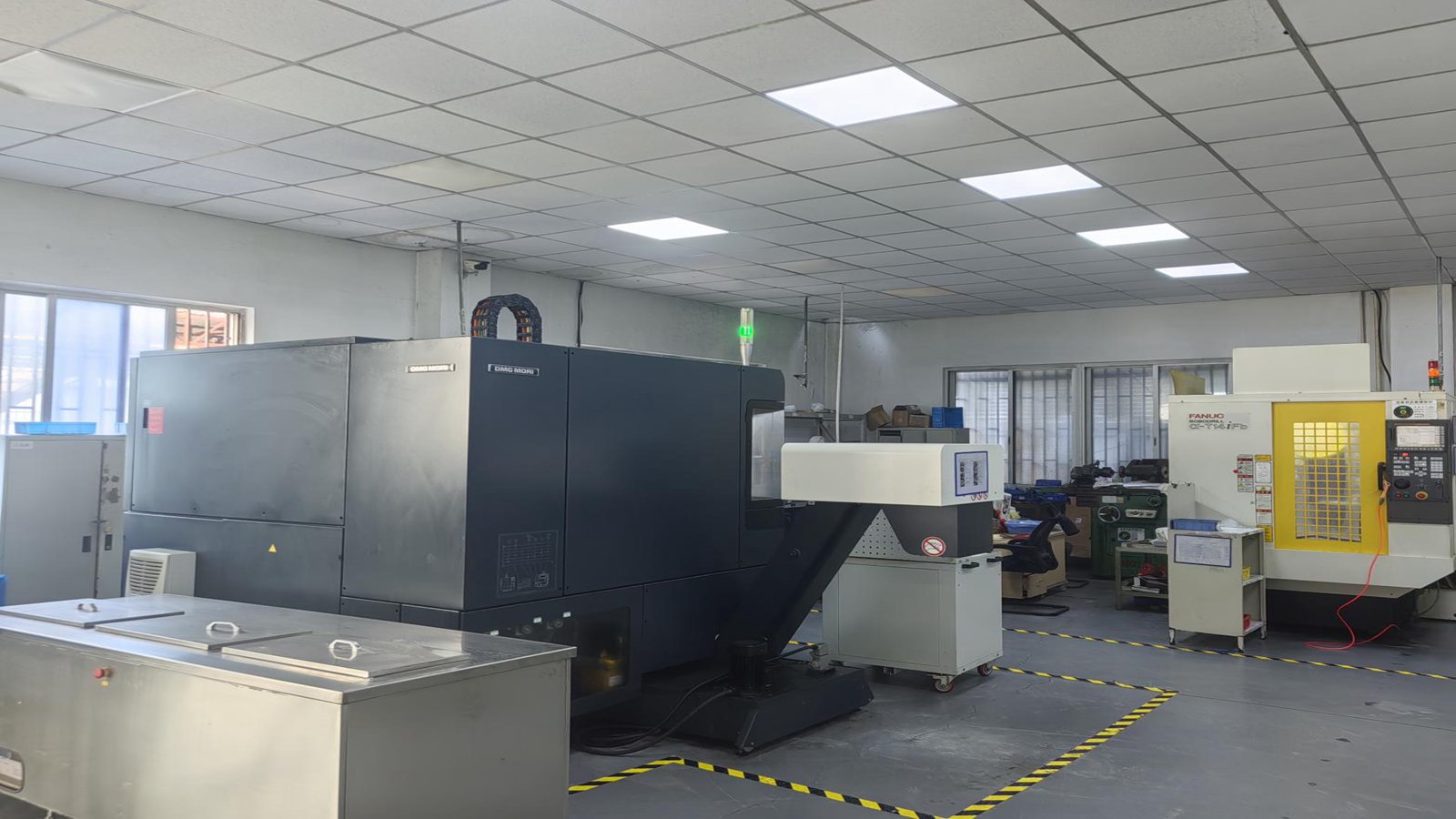
Inside the Medispirex Machining Center: Real-time monitored automated production.
A transparent look inside our manufacturing plants, testing laboratories, cleanrooms, and logistics storage hubs.
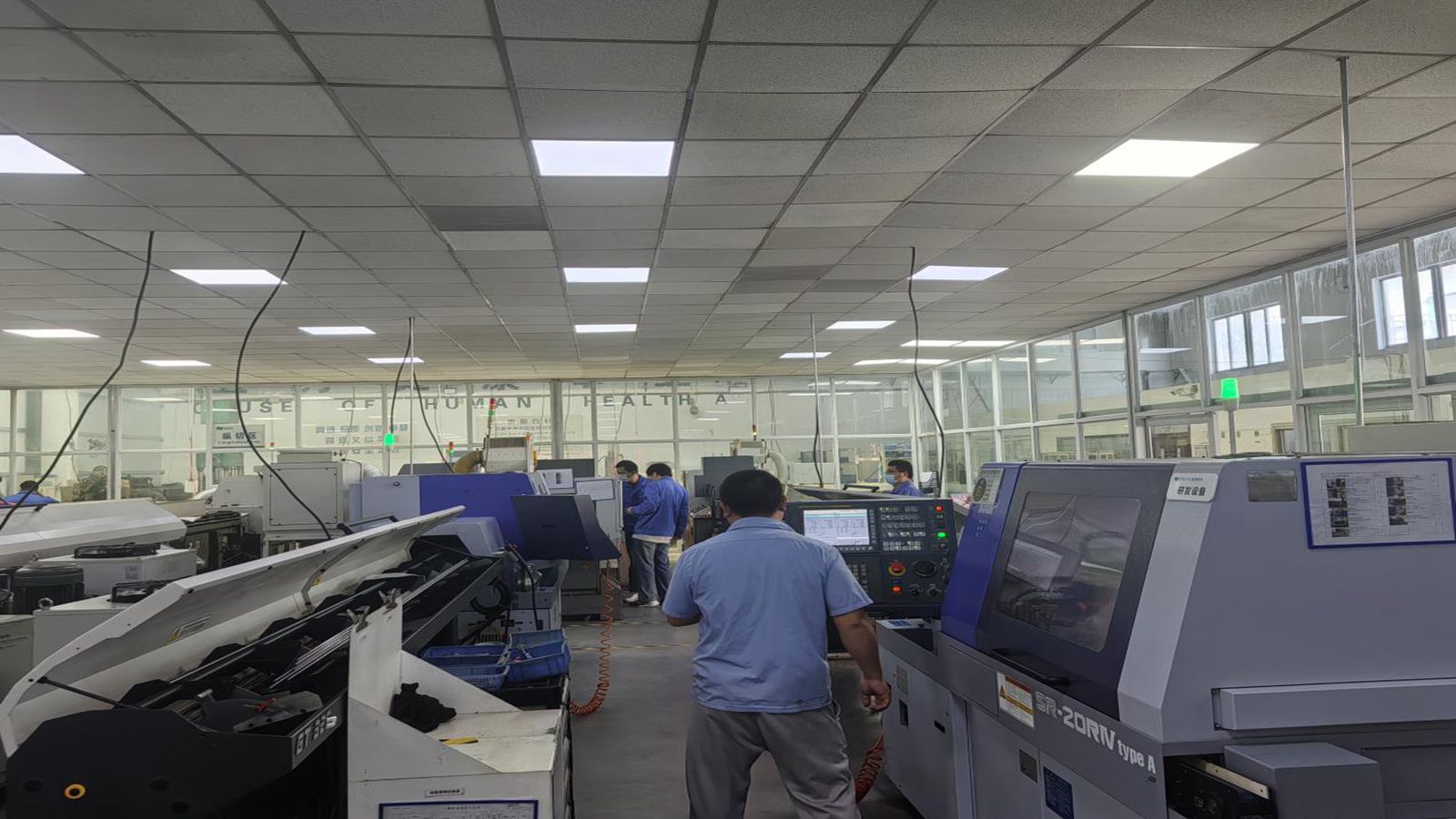
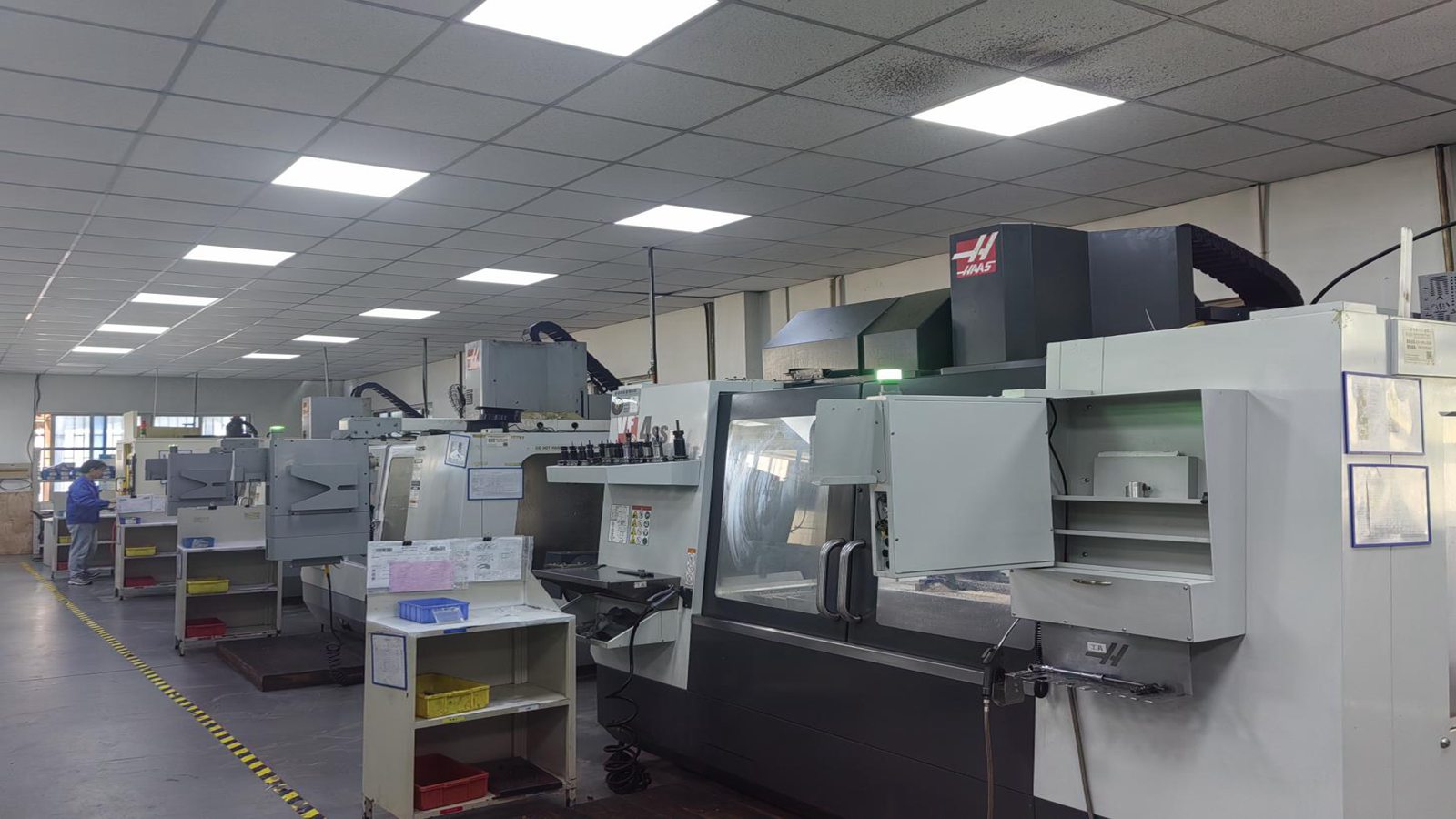
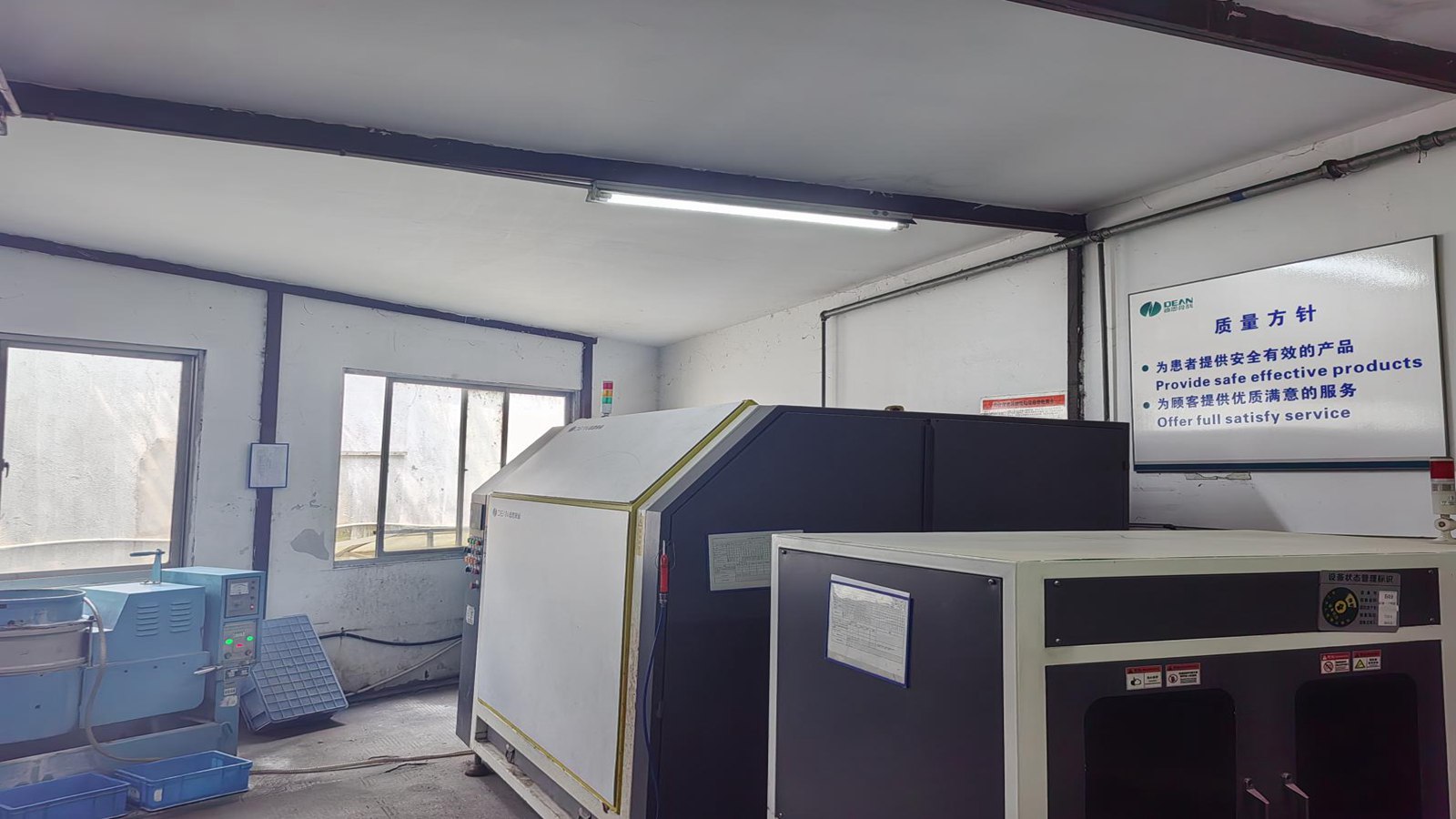
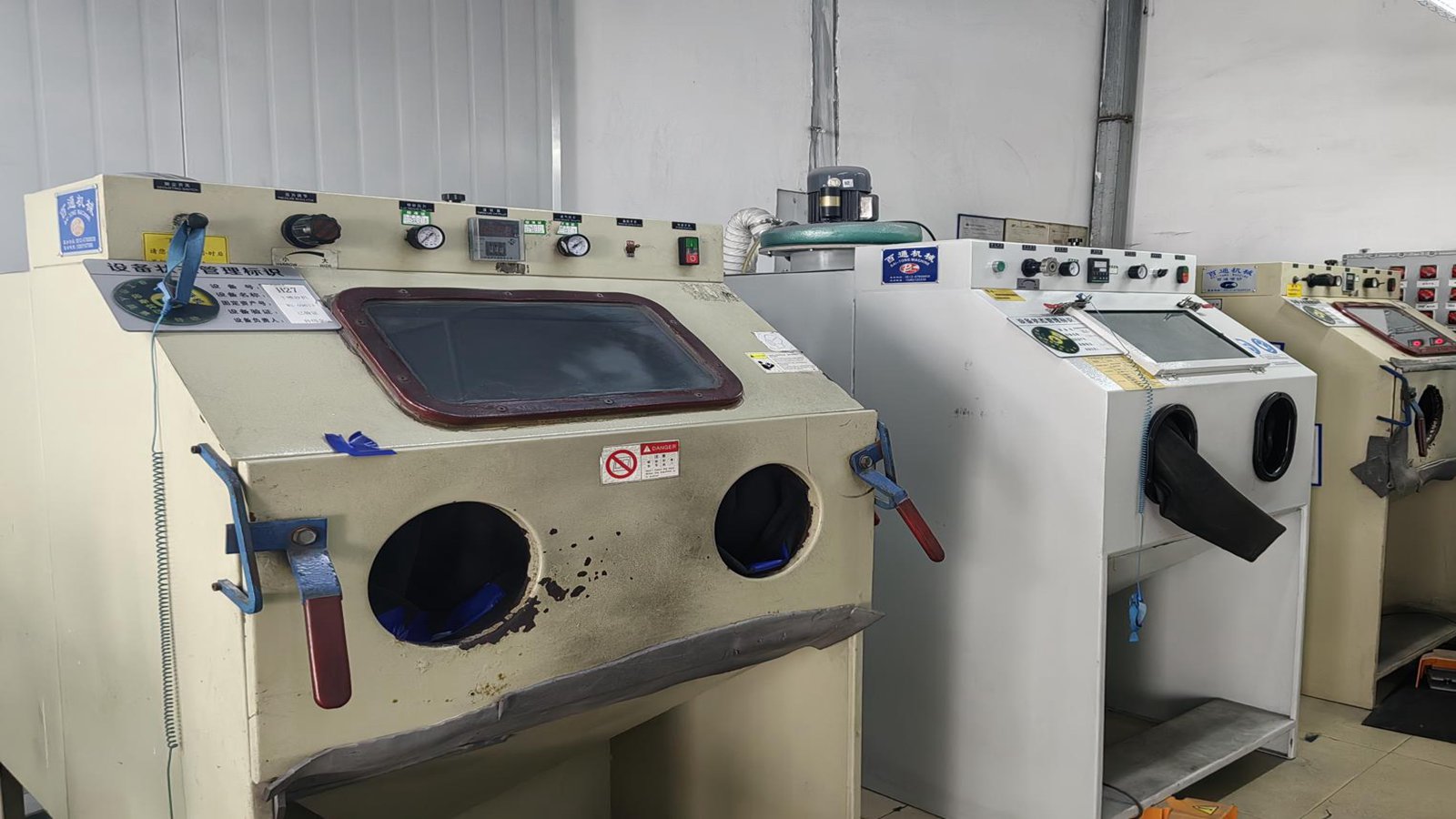
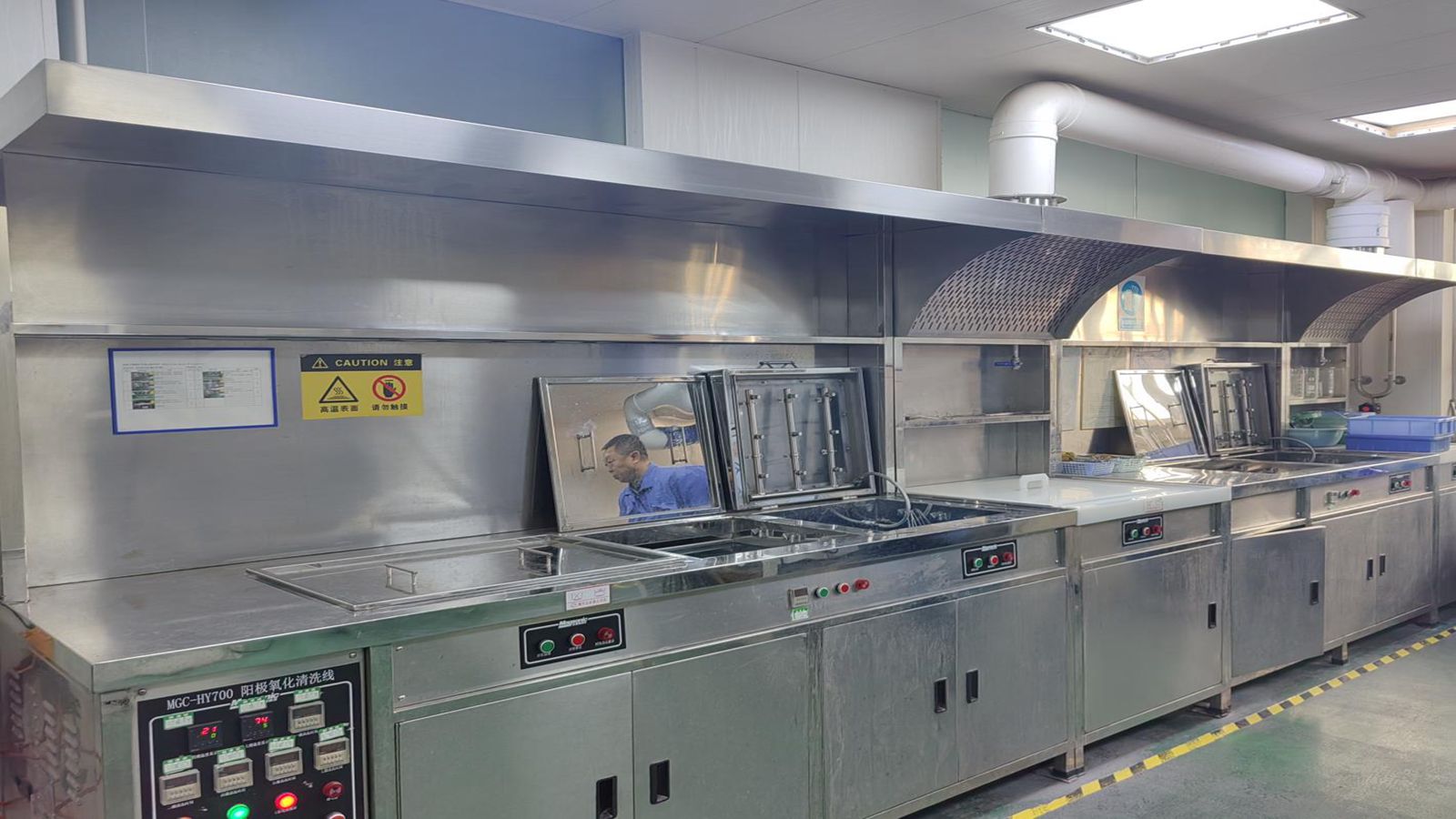
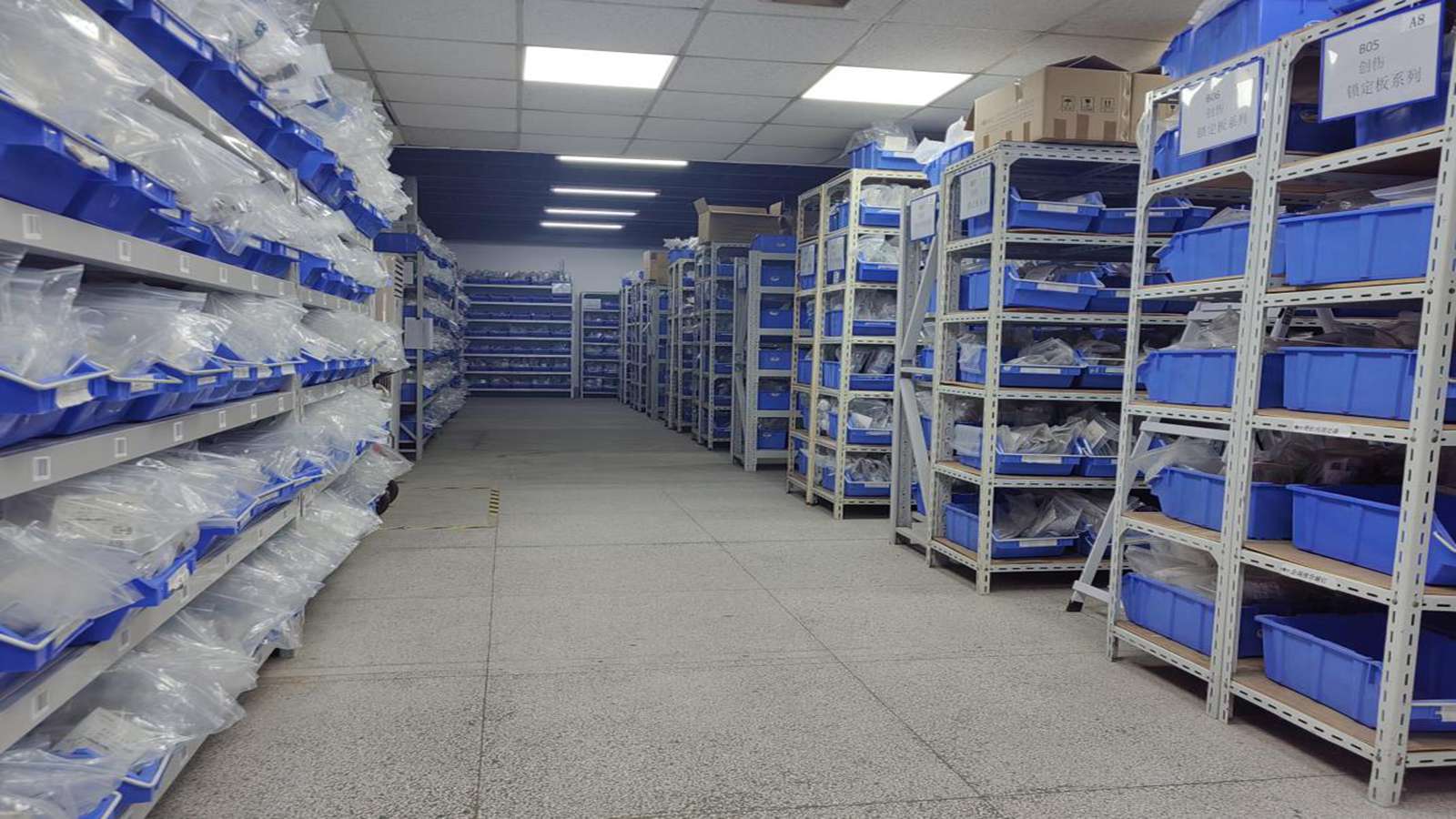
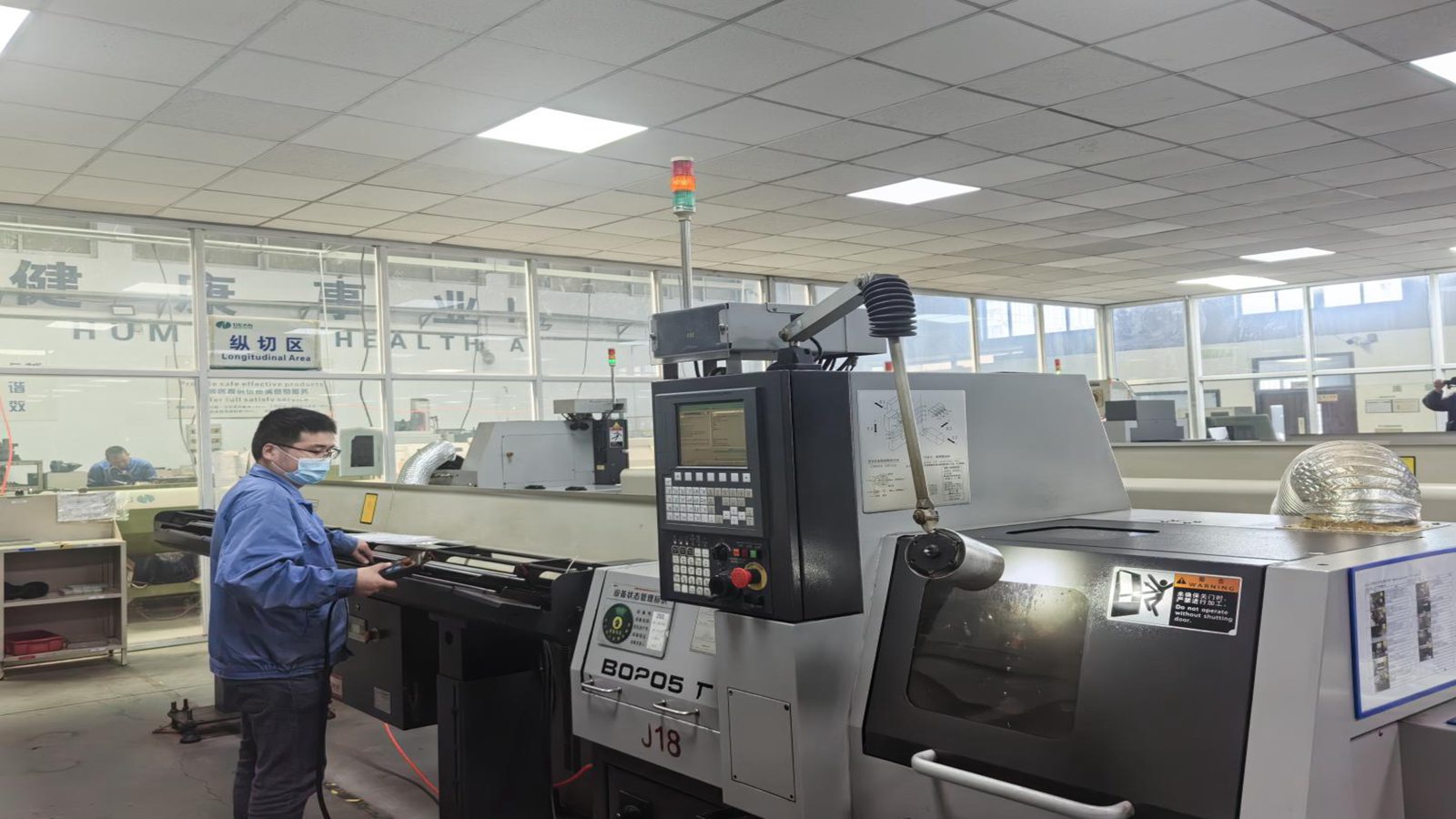
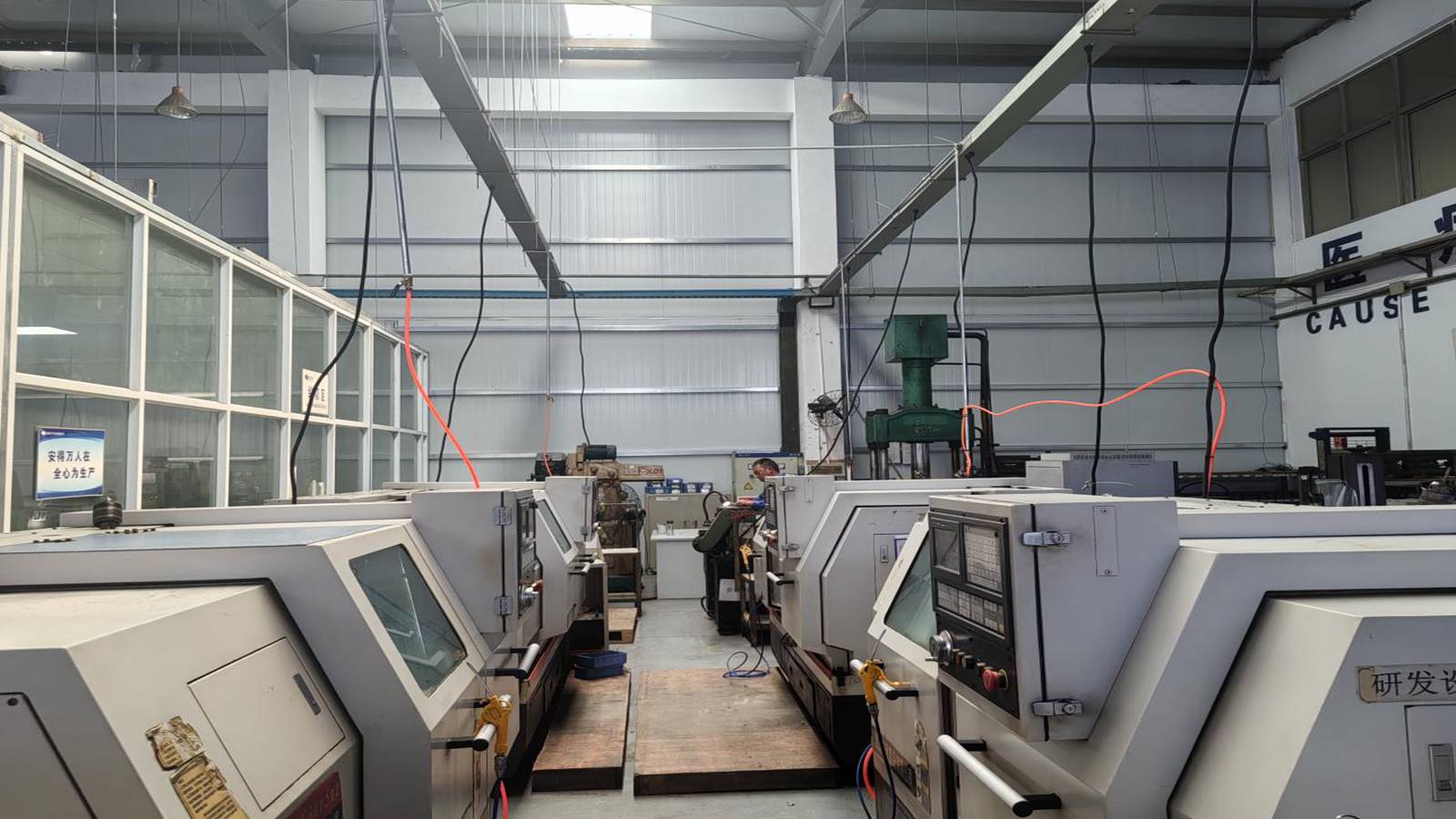
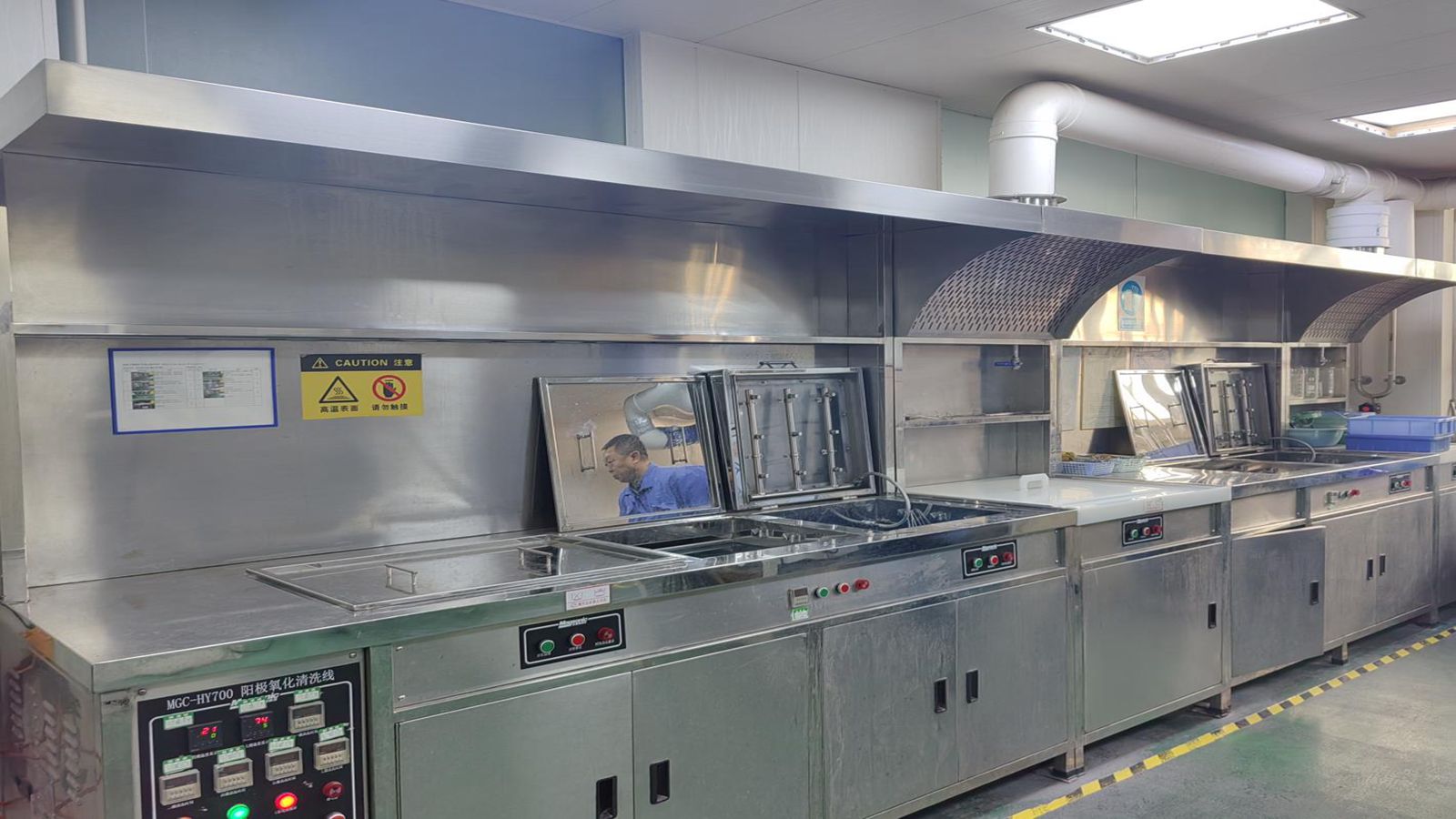
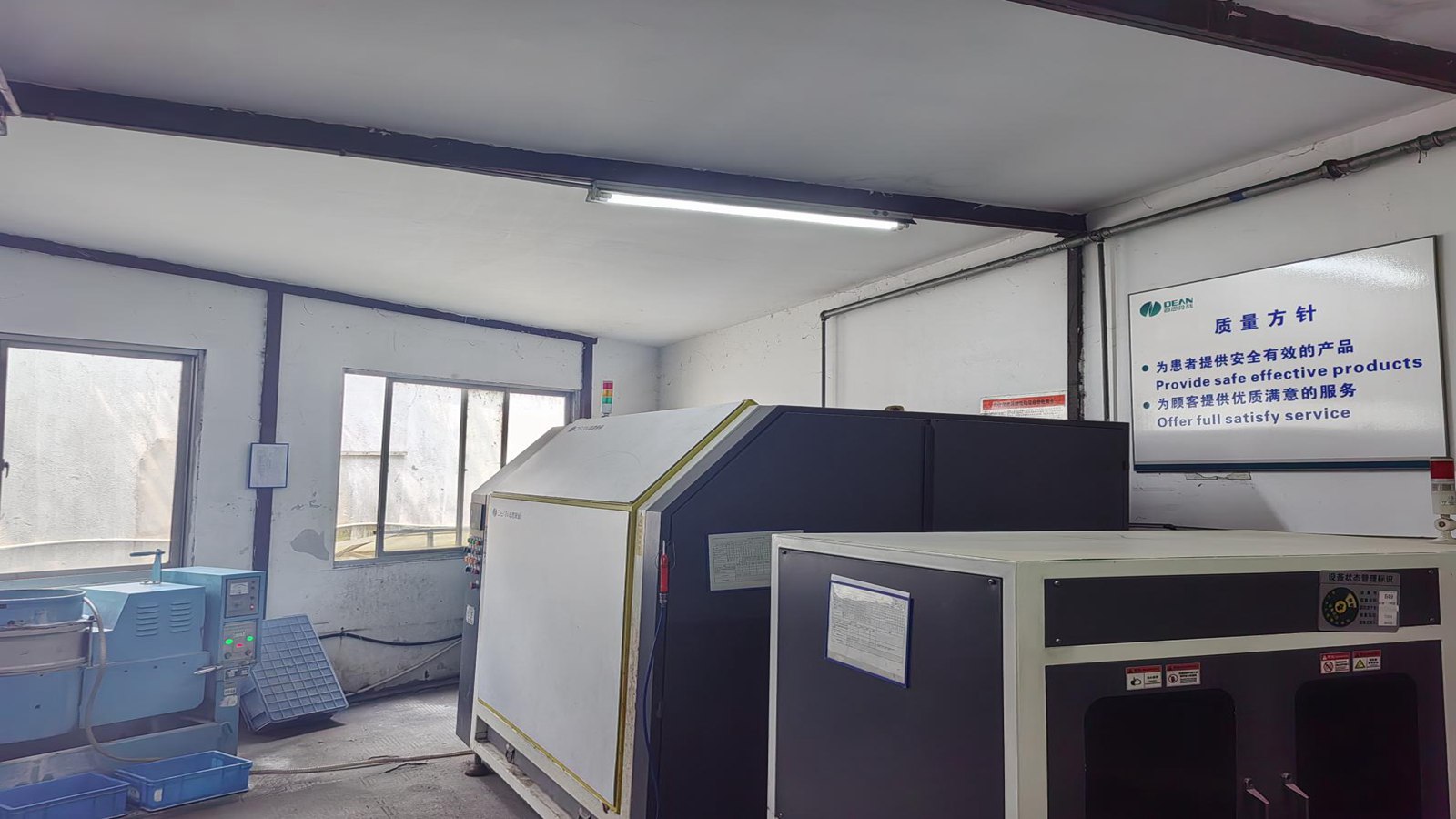
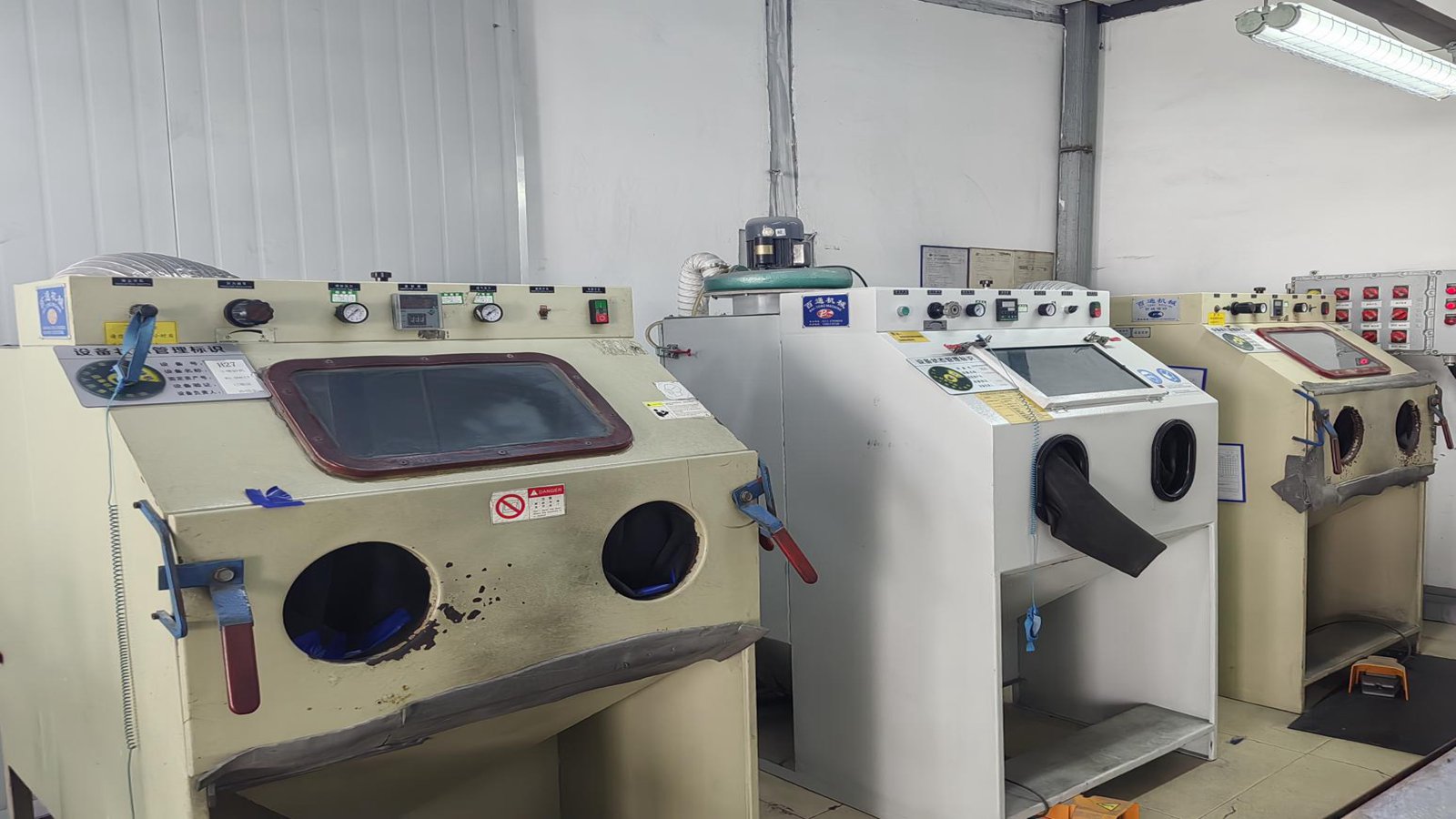
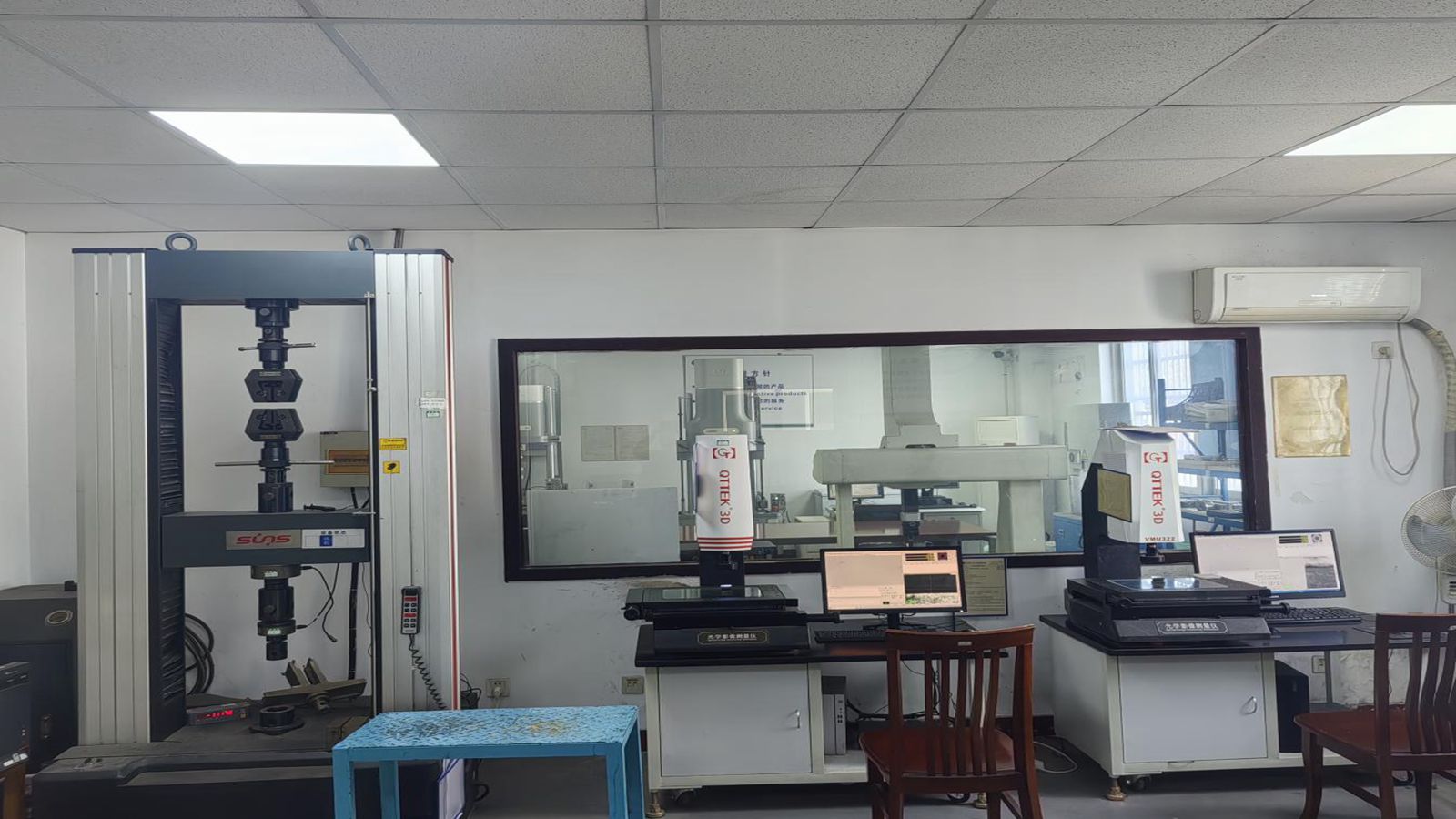
Medispirex provides comprehensive, end-to-end orthopedic contract manufacturing. Whether you are an established brand wanting to optimize production costs or an R&D group developing a novel posterior fixation system, our engineering team is structured to execute your vision.
Our 85-engineer R&D team brings deep experience in biomechanics, material science, and regulatory compliance. We collaborate closely with partners to review CAD designs, run finite element analyses (FEA), and manufacture functional clinical prototypes.
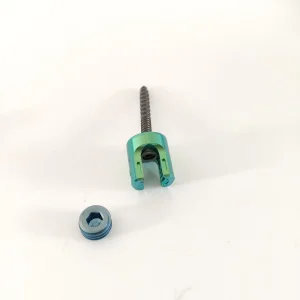
Our manufacturing services include private labeling, custom surface treatments, and matching instrumentation sets. This ensures your implants operate seamlessly with pedicle screw systems and delivery tools in the OR.
Laser-etch your logo, part numbers, and tracking codes directly onto components, packaged according to your brand's specifications.
Manufacture custom diameters (e.g., 4.5mm, 5.5mm, 6.0mm), pre-bent rods, or dual-diameter transition configurations.
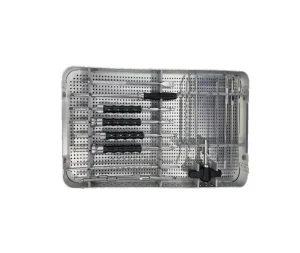
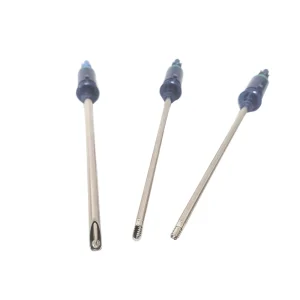
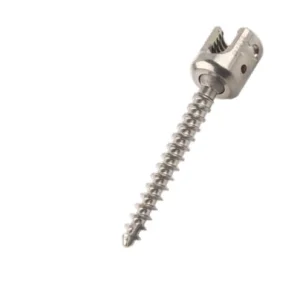
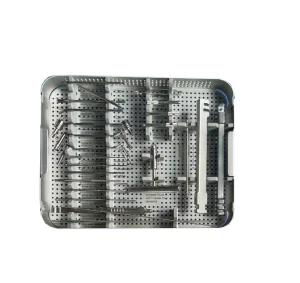
Develop matching pedicle screws, cross-links, and specialized surgical instrumentation tray assemblies.
How our engineering adaptations serve different clinical and market conditions across key medical regions.
We provide full mechanical testing data (ASTM F1717 / ASTM F2193) and comprehensive trace documentation to support your FDA 510(k) submissions.
Our manufacturing and testing documentation supports EU MDR Class IIb technical file requirements, ensuring clean pathways to CE certification.
For regions across Southeast Asia and the Middle East, we optimize production costs to deliver high-quality implants that fit local healthcare budgets.
Critical manufacturing, material science, and international trade questions answered by our engineering team.
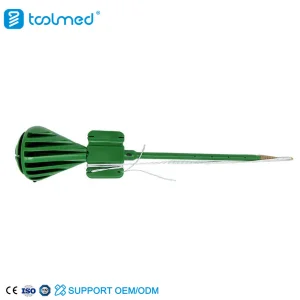
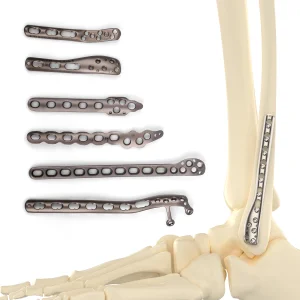
Browse our complete catalog of surgical hardware, including pediatric screw systems, anatomical locking plates, and custom suture anchors.