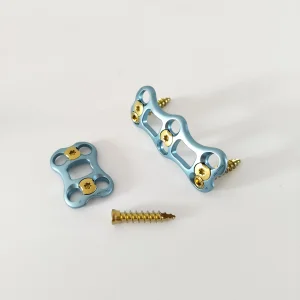
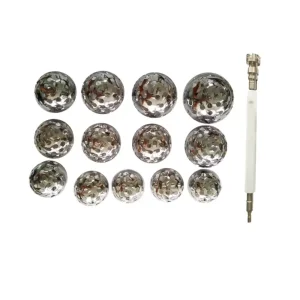
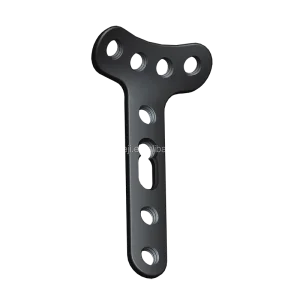
Medispirex Medispirex
White Paper & OEM Catalog

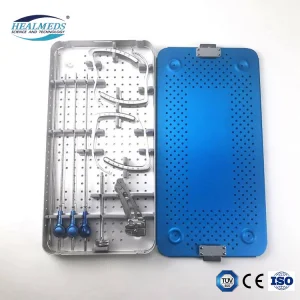
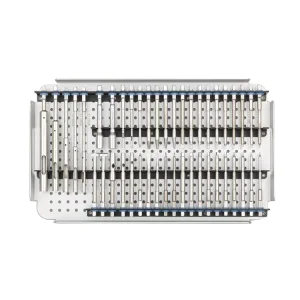
OEM/ODM Spine Instrument Sets Factories & Supplier

Precision Surgical Engineering, Standardized Orthopedic Kits, and Certified Medical Device Manufacturing

At A Glance

Industrial Capacity & Global Reach

Medispirex Orthopedic Technology Co., Ltd. represents the peak of manufacturing sophistication in orthopedics.

18,600㎡
Modern Facility
USD 18M
Annual Export Revenue
85+
R&D Engineers
45+
QC Specialists
Established in 2016, Medispirex Orthopedic Technology Co., Ltd. is a premier professional manufacturer specializing in spine and orthopedic implant solutions. Integrating state-of-the-art R&D, manufacturing, and global distribution, we deliver exceptionally engineered medical devices for trauma, spine, joint reconstruction, and sports medicine applications worldwide. Supported by 7 years of direct export experience and over 12 years of industry expertise, Medispirex is trusted by hospitals, distributors, and surgeons across Europe, North America, the Middle East, and Southeast Asia.
Industry Intelligence

Spine Instrument Sets: Engineering White Paper

A detailed breakdown of materials science, customization workflows, and global compliance vectors.

1. Clinical Trends in Spinal Surgery and Instrumentation

The landscape of spinal surgery is shifting rapidly toward Minimally Invasive Surgery (MIS) and navigation-integrated systems. Modern surgical cohorts demand instrumentation that reduces soft-tissue disruption, enhances visual placement accuracy, and reduces total surgical time. This evolution relies heavily on the instrumentation used to deliver implants. Interbody fusion cages, cervical plates, and pedicle screw systems must be positioned with sub-millimeter precision.

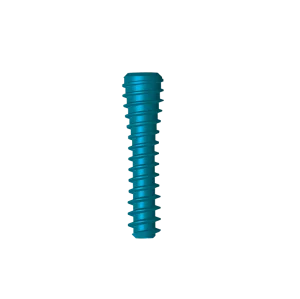
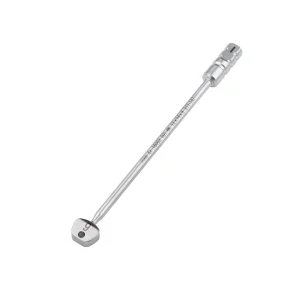
For instance, anterior cervical plate stabilization requires precise drill guides, taps, and screw insertion tools that integrate tactile feedback and depth-limiting controls. Similarly, the deployment of PEEK (Polyetheretherketone) cervical cages or titanium alloy interlocking systems requires implant insertion tools that withstand torsional stresses while preserving the micro-structured surface coatings designed to promote rapid osseointegration.

2. Metallurgical Standards and Material Science

Clinical instrumentation must survive extreme environments, including repetitive autoclaving, exposure to high mechanical stress, and aggressive enzymatic cleaning agents. Medispirex utilizes high-grade materials certified for bio-compatibility and longevity:

  • Titanium Alloys (Grade 5, Ti-6Al-4V ELI): Favored for high fatigue strength, lightweight characteristics, and excellent corrosion resistance, primarily in implantable components and specialized instruments.
  • Medical-Grade Stainless Steel (17-4 PH, 420, 316L): Provides maximum hardness and cutting-edge retention for drills, taps, osteotomes, and bone retractors.
  • PEEK-OPTIMA®: Primarily used in implantable interbody fusion cages due to its bone-like elastic modulus, radiolucency, and high mechanical stability.
  • }

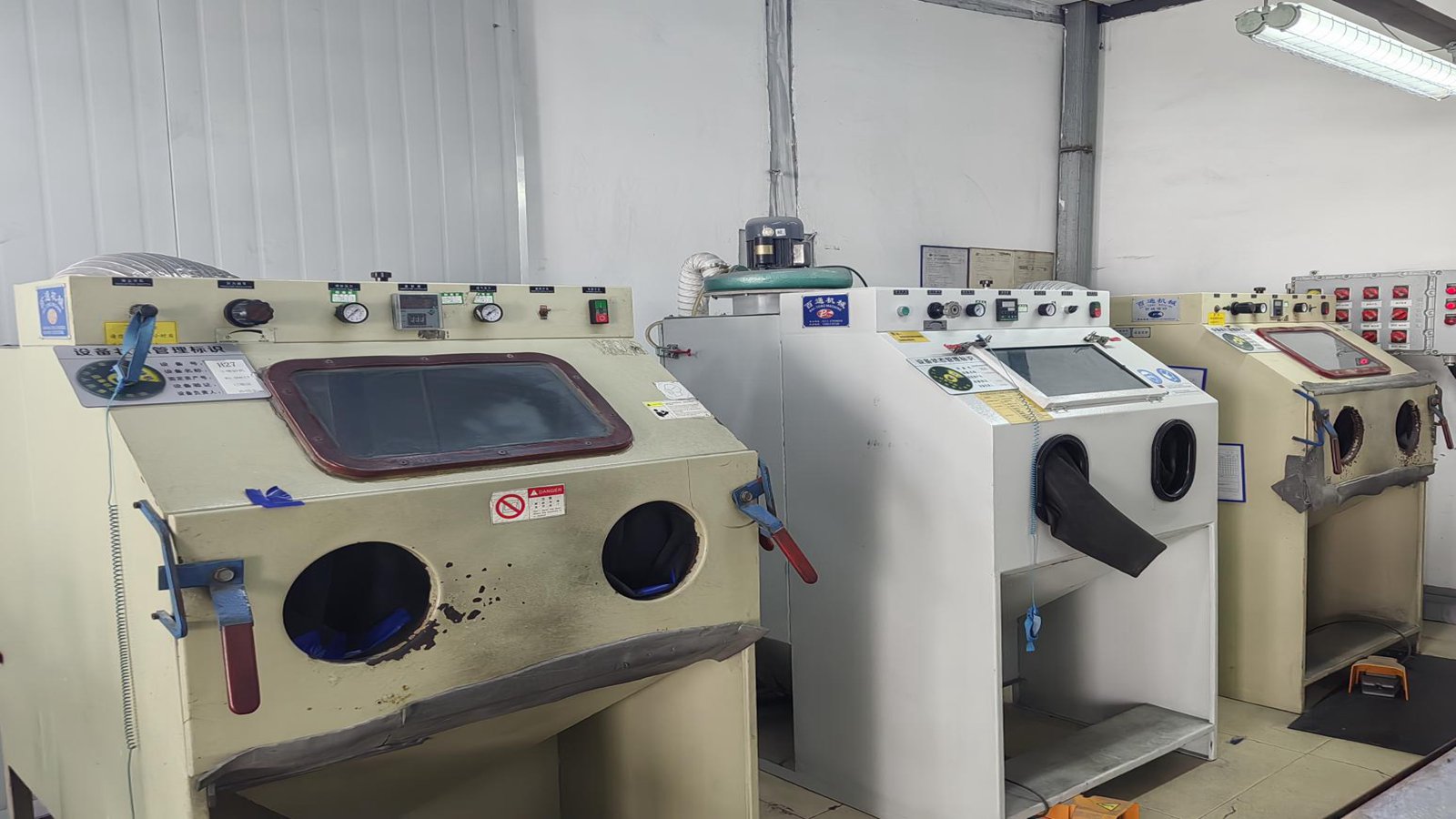
By deploying advanced surface treatment techniques—such as type II anodization, sandblasting, micro-polishing, and passivation—our instruments achieve optimized friction characteristics and reduced glare under operating room lighting, directly helping surgeons perform procedures safely.

“Surgical instrument sets are not mere accessories; they are the physical interface between the surgeon's skill and the patient's anatomy. Minimizing structural fatigue through meticulous material qualification is our primary engineering mandate.”

3. Global Procurement Trends & Supply Chain Demands

Global medical device procurement has shifted focus from cost-only models to comprehensive lifecycle value, supply security, and regulatory flexibility. Enterprise distributors and hospital groups require:

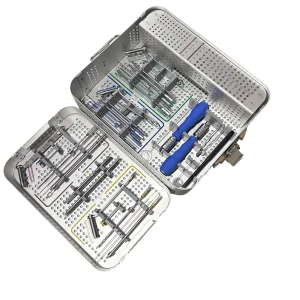
  • Turnkey Systems: The preference is for pre-configured, modular surgical kits that simplify sterilization logistics, reduce tray weight, and integrate intuitive color-coding.
  • Dual-Track Customization (OEM/ODM): Buyers require flexible private-label manufacturing (OEM) and the ability to modify existing surgical designs to fit proprietary surgical techniques (ODM).
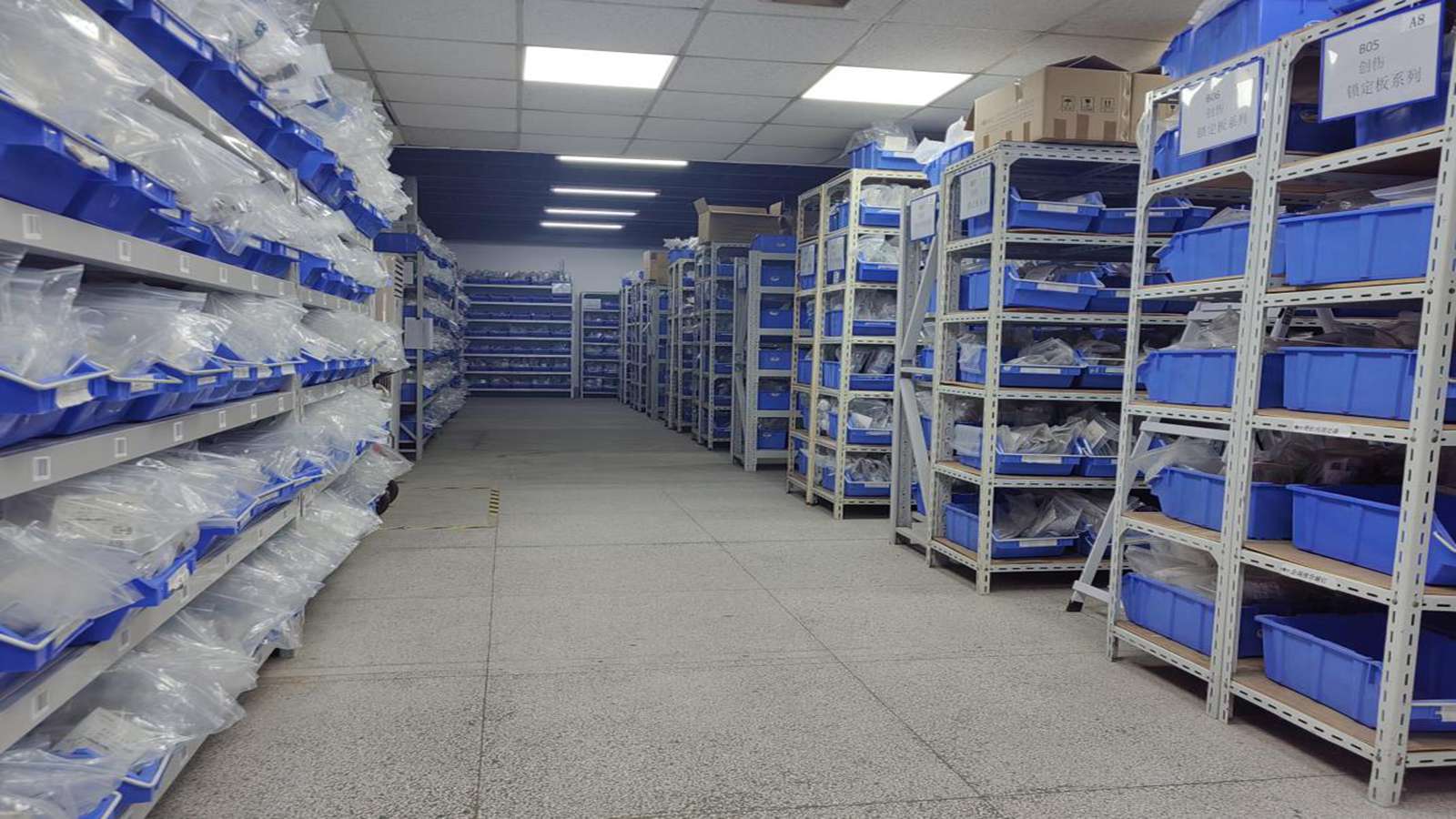
  • Resilient Lead Times: Supported by a supply network of over 860 partners, Medispirex provides consistent output, avoiding the supply chain disruptions that delay surgical procedures.
Production Excellence

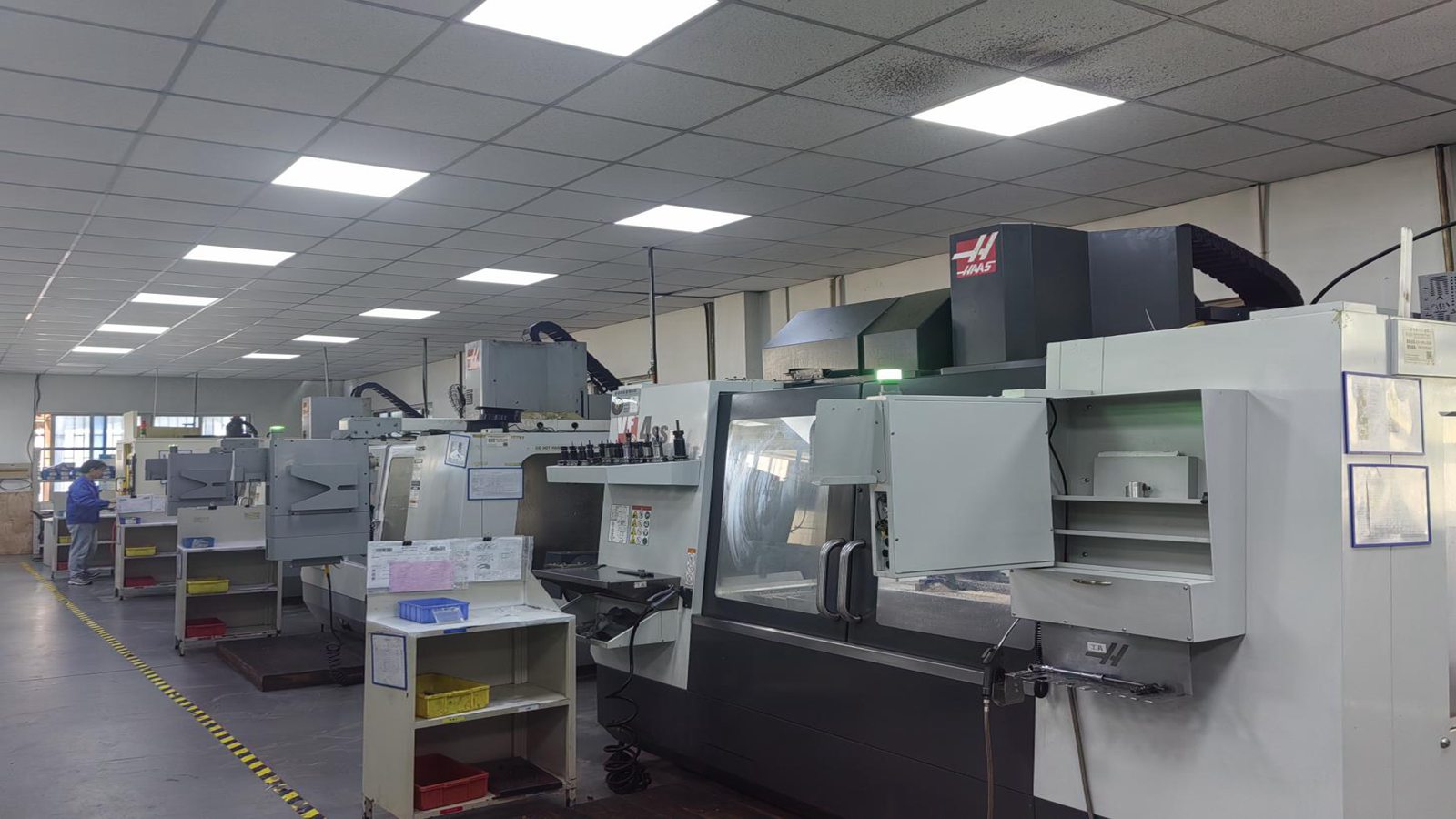
Precision Manufacturing & Verification Workflows

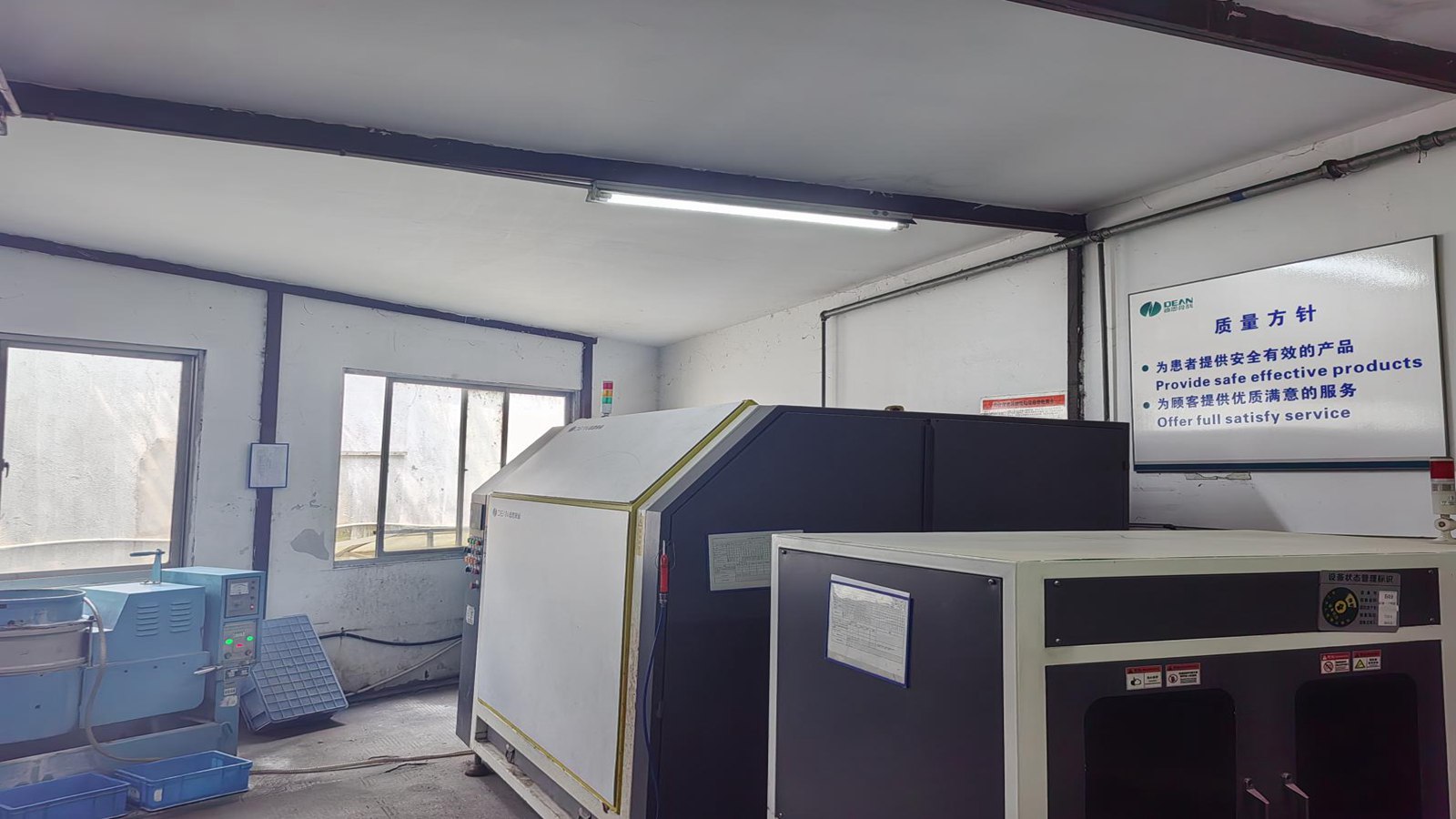
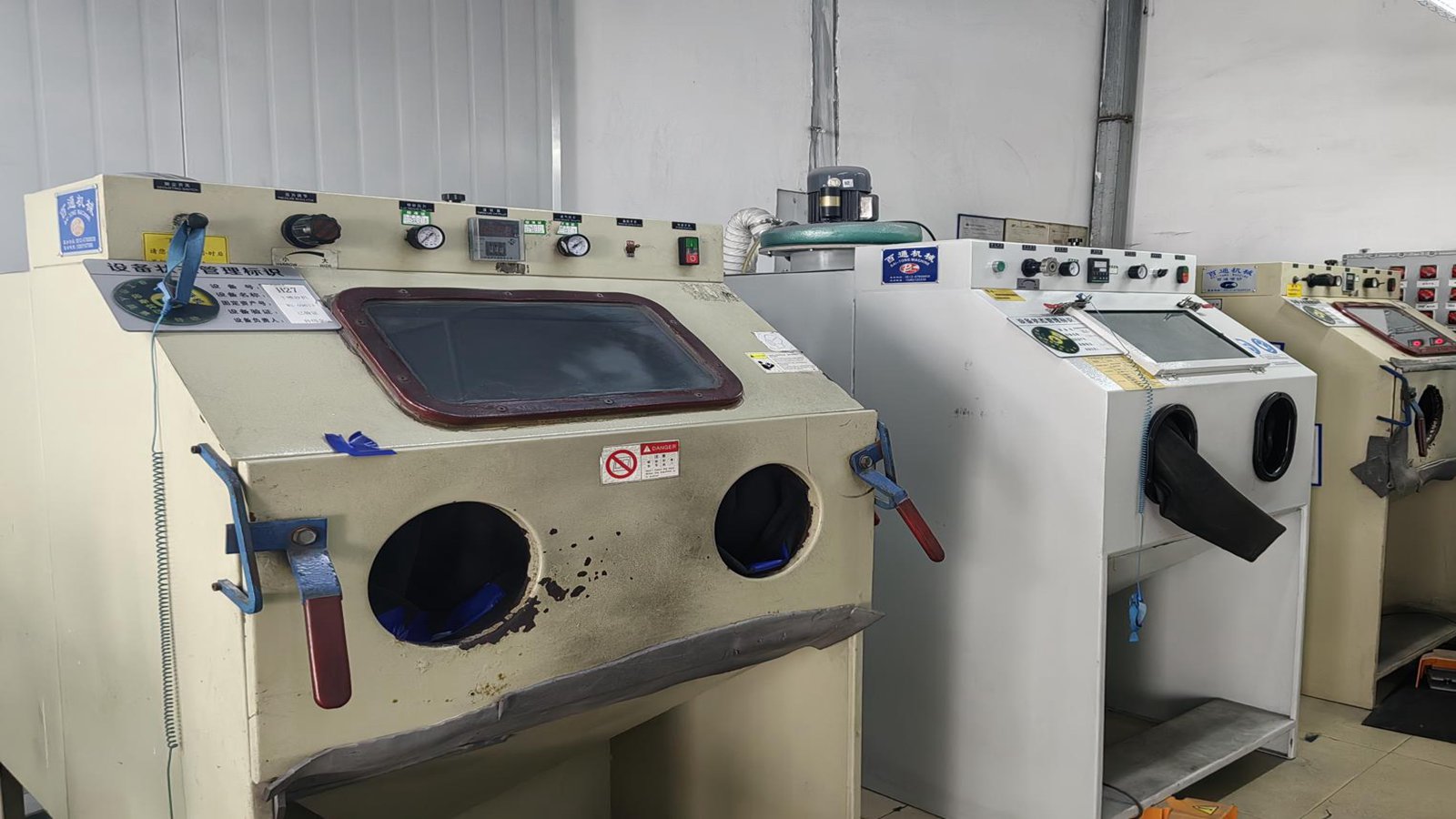
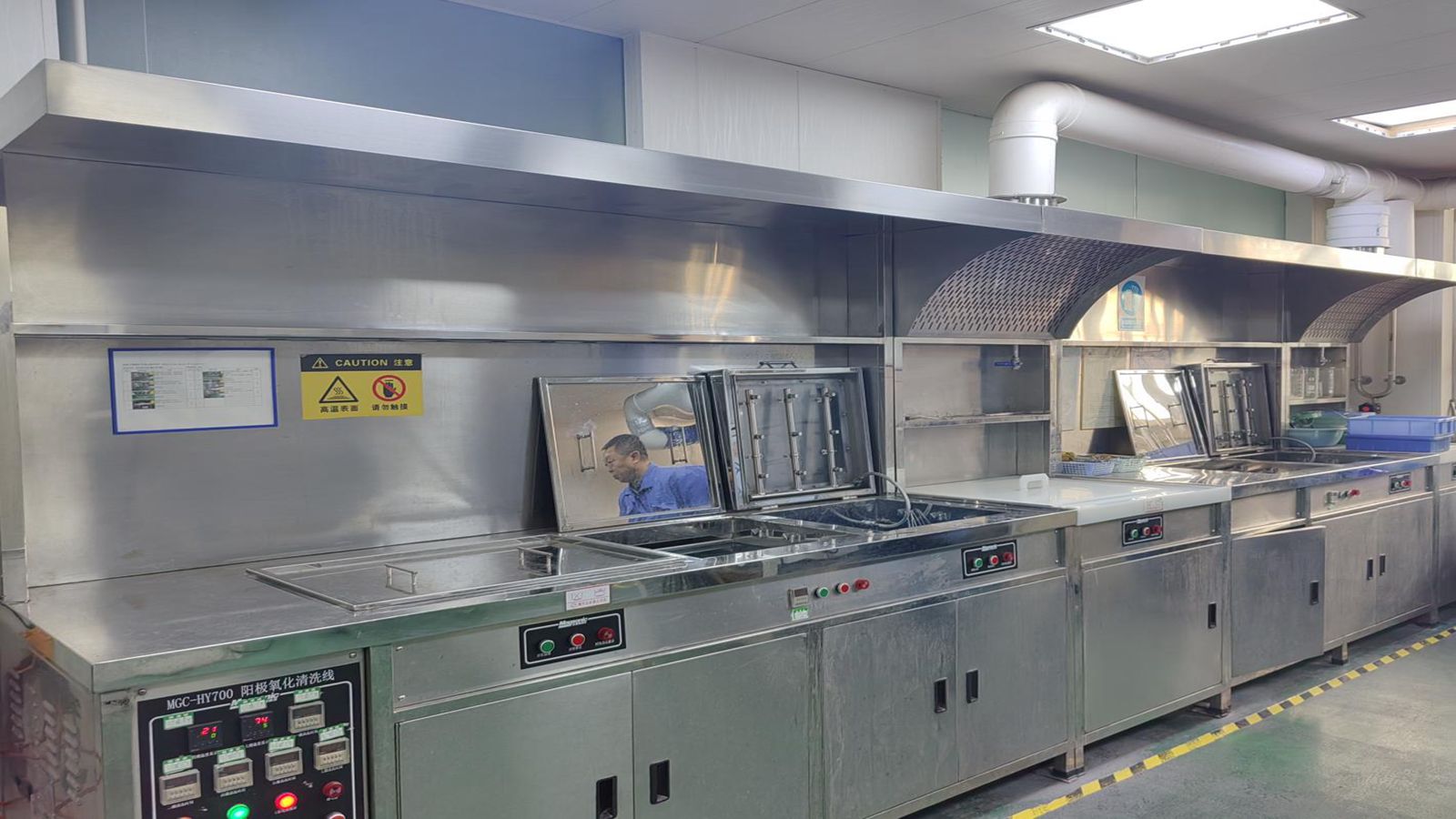
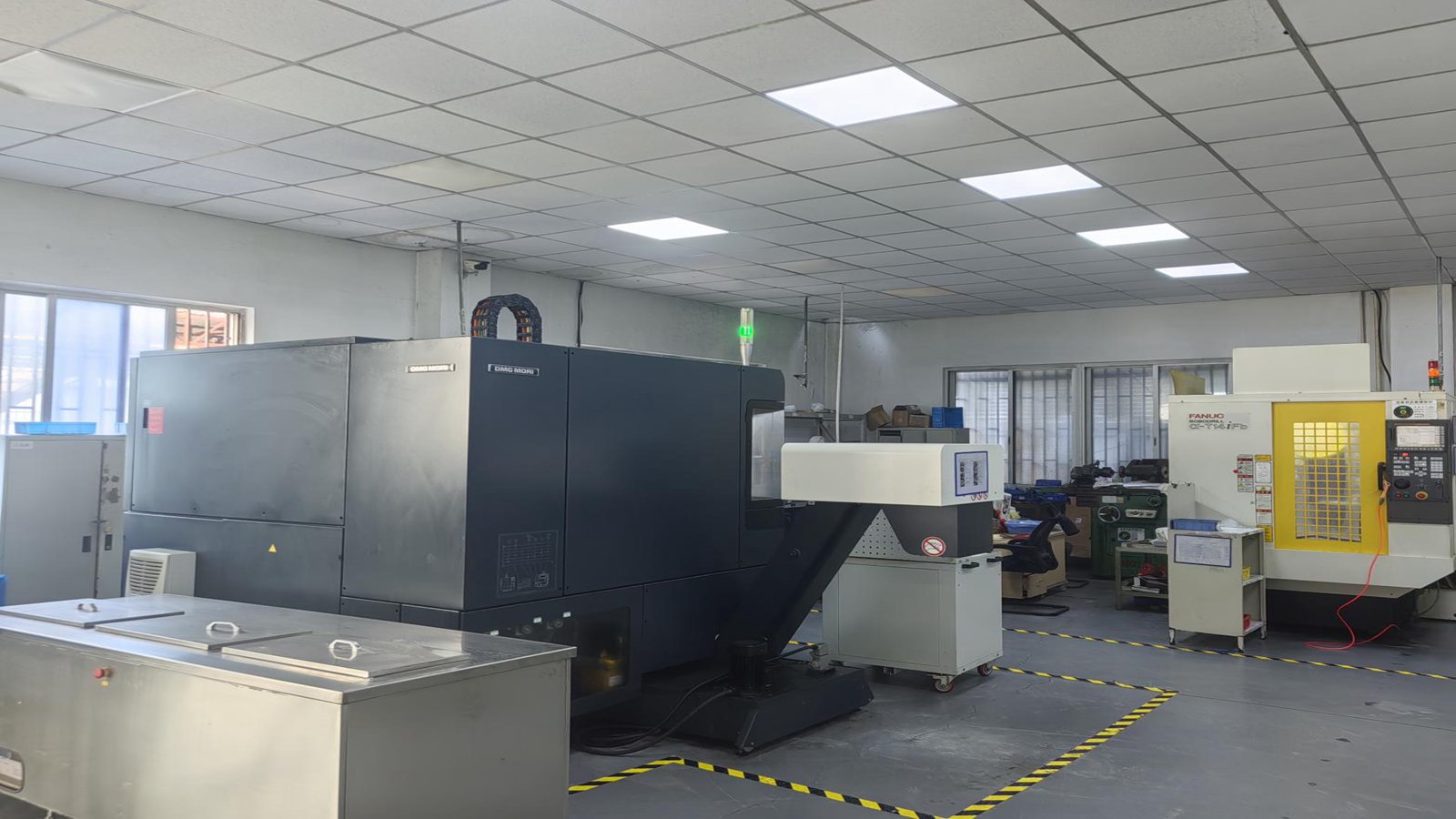
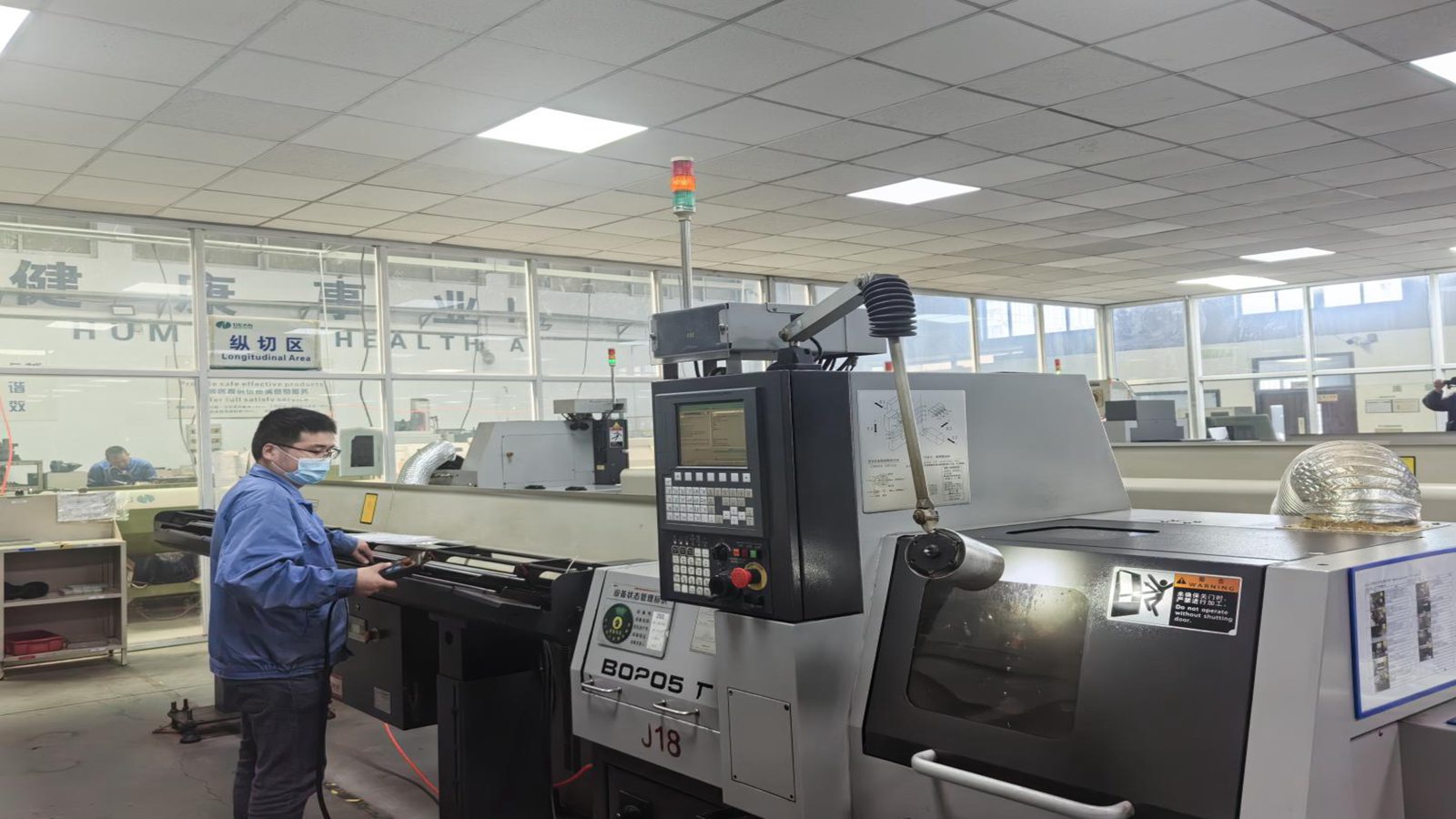
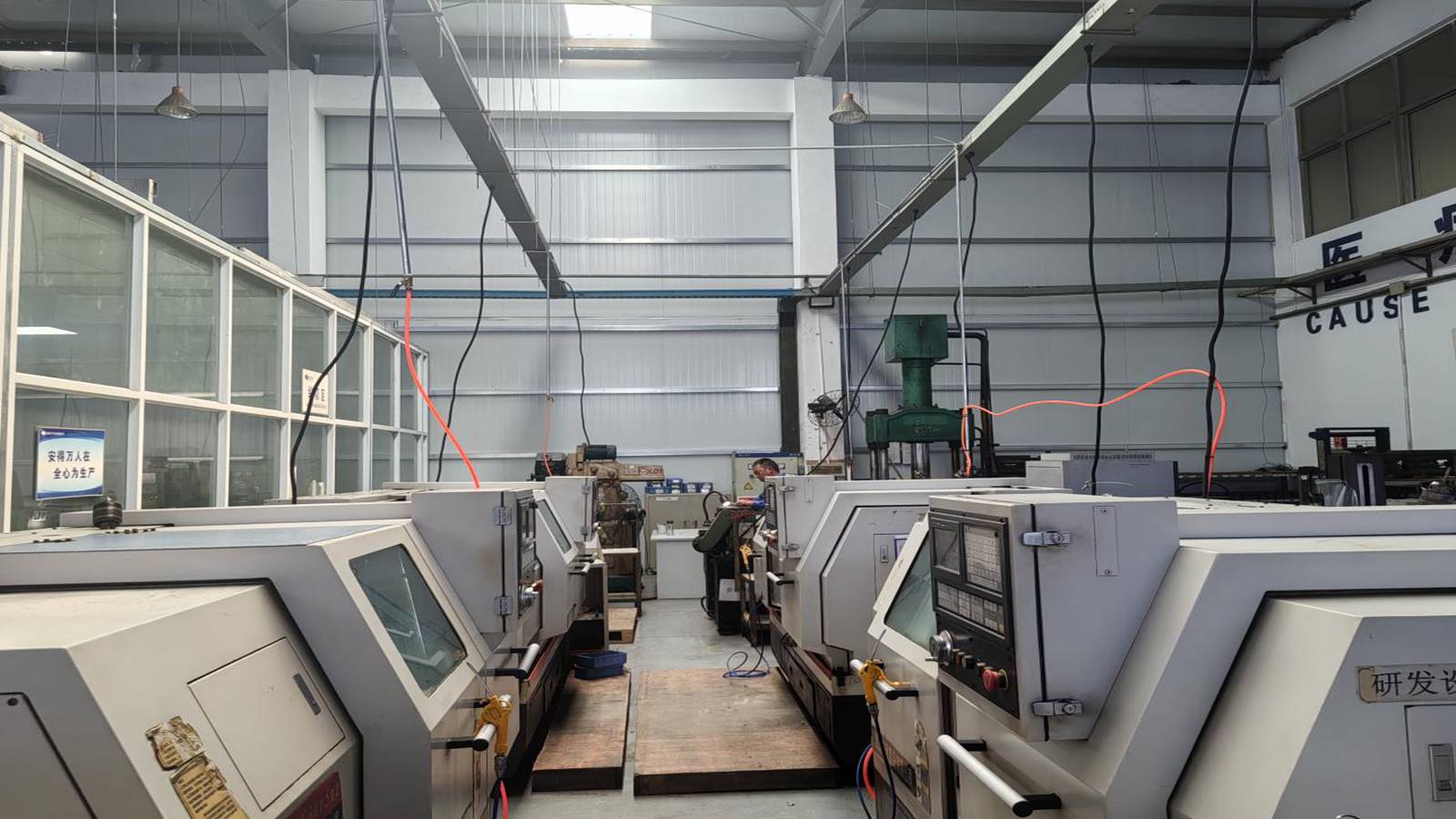
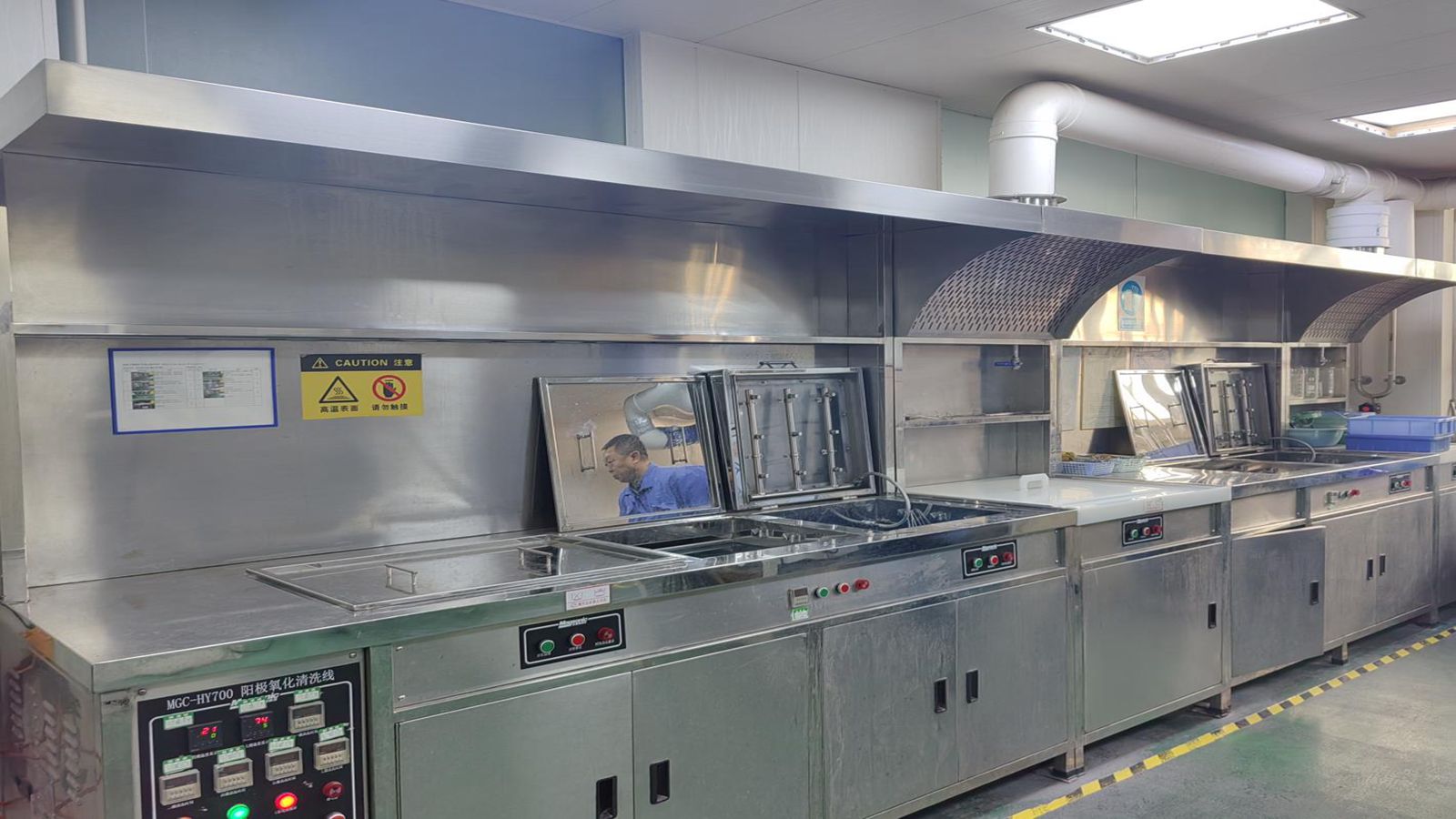
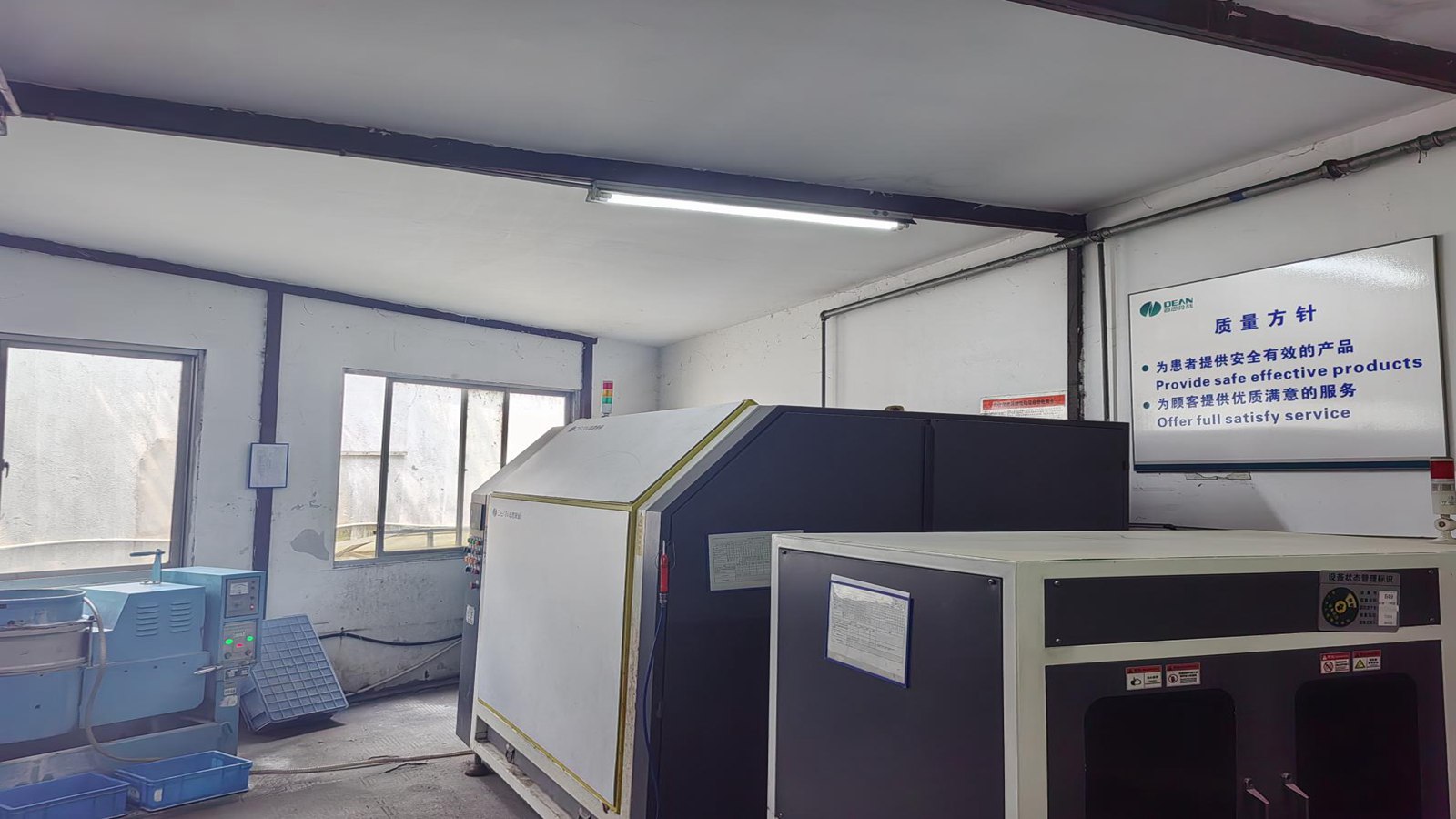
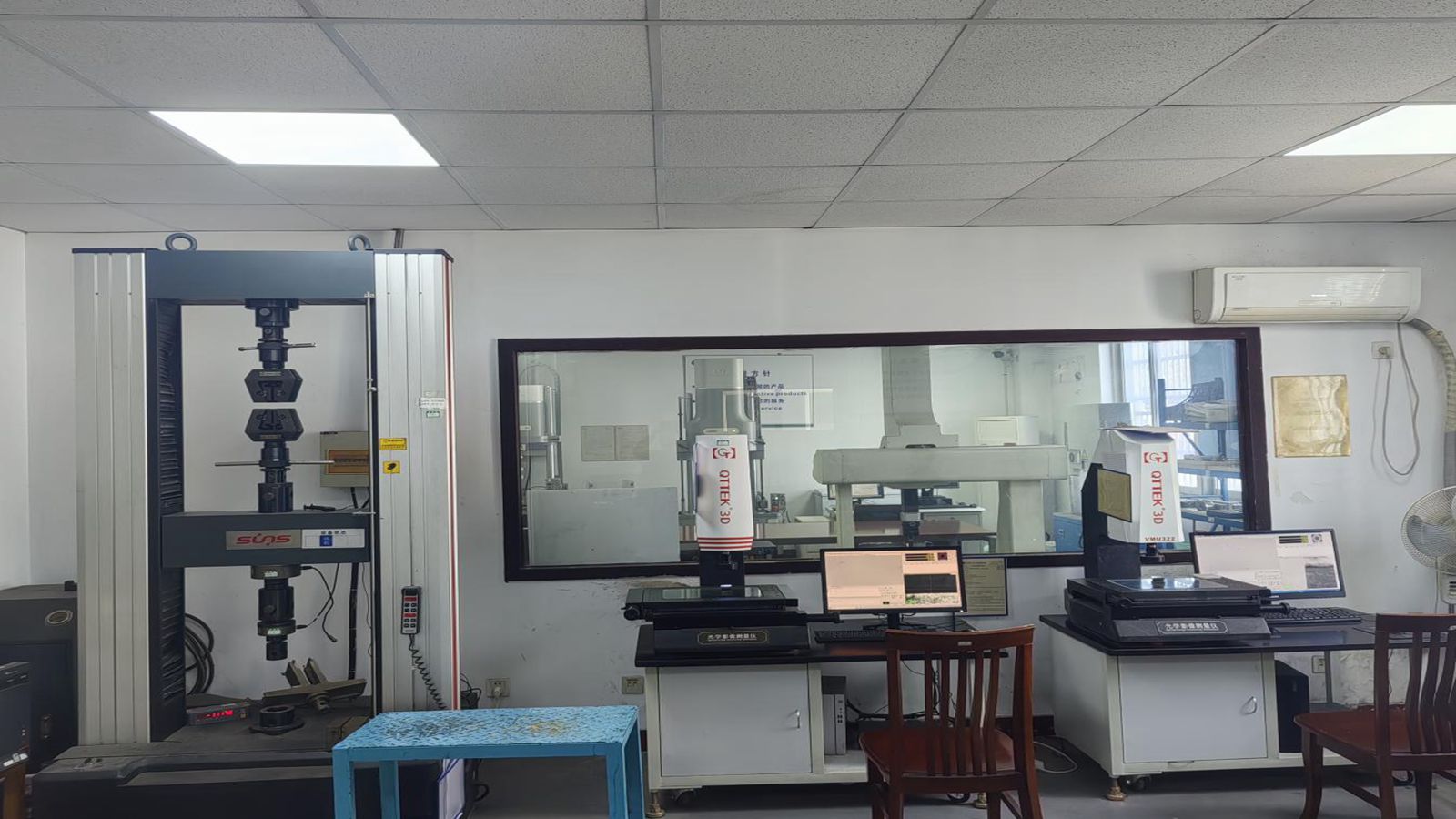
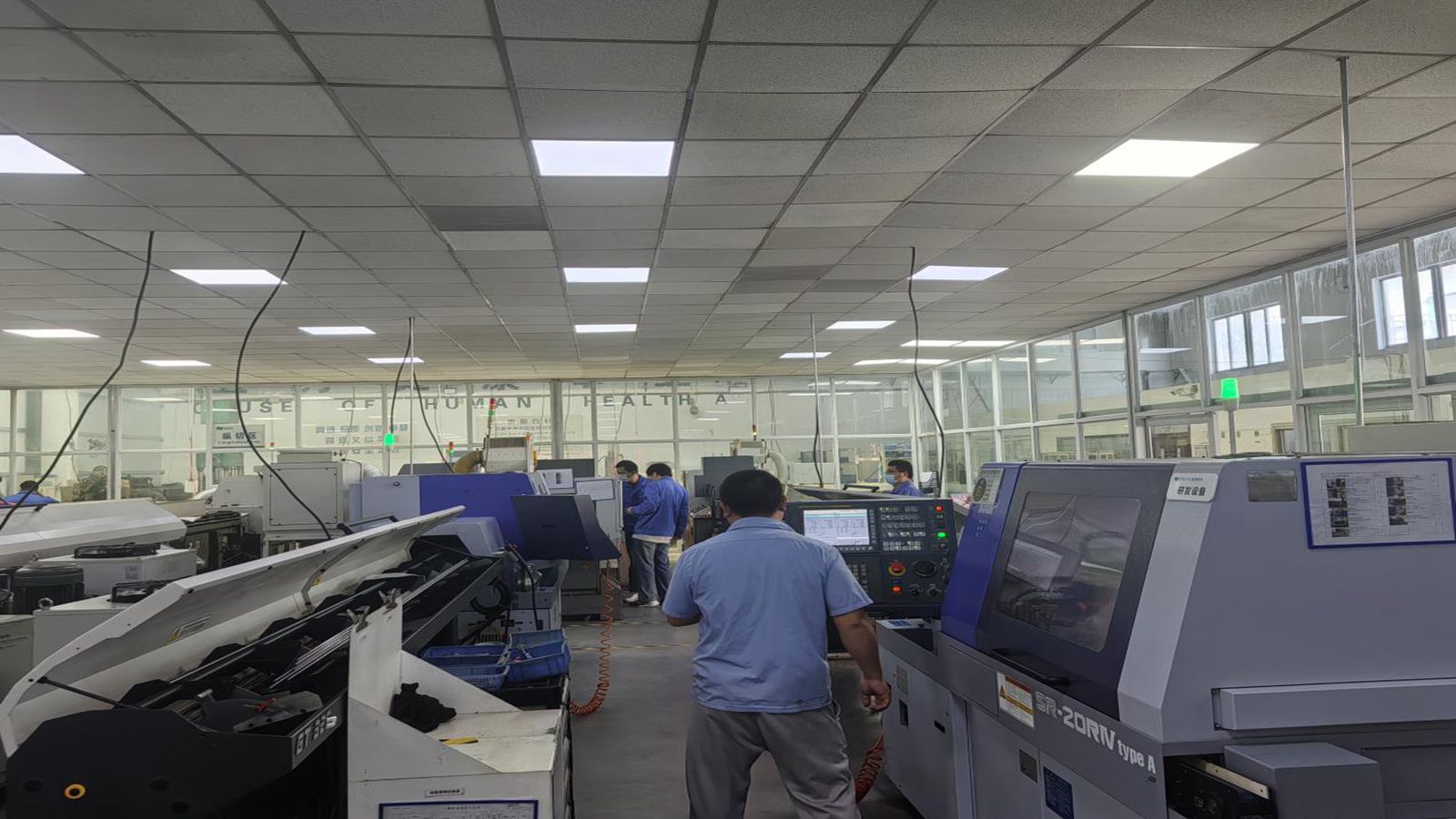
Our 18,600㎡ facility is optimized for multi-axis CNC machining, advanced cleaning lines, and comprehensive mechanical verification.
Quality Assurance and Testing Protocols

At Medispirex, we maintain a dedicated team of 45 quality control professionals. Our validation pipeline operates on a four-tier inspection architecture: incoming raw material chemical composition verification, in-process dimensional tolerance monitoring, final product mechanical evaluation, and batch traceability logging. Every surgical instrument set is backed by comprehensive material test reports (MTRs), autoclave compatibility studies, and fatigue tests that simulate up to 10 years of clinical utilization.

Future Horizon

Technology Roadmap & Innovation Pathway

Anticipating the demands of tomorrow's surgeons through continuous design improvements.

Intelligent Navigation Integration

Developing optical and electromagnetic sensor arrays inside instrument handles to facilitate real-time tracking within primary robotic navigation ecosystems.

Next-Gen Carbon Fiber PEEK

Replacing traditional steel trial implants with carbon fiber PEEK instruments to improve intraoperative radiolucency and reduce weight.

Optimized Modular Trays

Redesigning surgical instrument layouts to reduce sterilization volume by 25%, helping hospitals improve operational throughput and resource usage.

Common Questions

Technical & Procurement FAQ

Answers to technical, regulatory, and capability-related inquiries.

Q1: What materials are utilized in Medispirex spine instrument sets? +
We use medical-grade Titanium Alloys (Ti-6Al-4V ELI / ASTM F136), high-grade PEEK (PEEK-OPTIMA®), and specialized medical stainless steels (420, 316L, 17-4 PH). These materials are chosen for their mechanical strength, biostability, and resistance to wear and tear over repeated sterilization cycles.
Q2: How does Medispirex handle OEM/ODM customization and private label requests? +
Our R&D team of 85 engineers handles the process from initial design optimization to raw material sourcing, CNC programming, laser marking, and customized tray assembly. We provide custom private labeling, design modifications, and bespoke instrument development tailored to your specific system parameters.
Q3: What regulatory certifications do your spine instruments and implants hold? +
Medispirex works under a strict quality management system aligned with international requirements. Our products carry CE marks, ISO 13485 certification, and meet Class III medical device standards, ensuring smooth import, registration, and clinical use in Europe, North America, the Middle East, and Asia.
Q4: What is your manufacturing and quality verification workflow? +
Our quality assurance process includes four levels of checking: incoming raw material verification, in-process dimensions checks, final product testing, and batch traceability. We perform dimensional inspections, mechanical fatigue tests, and material composition analysis using high-precision laboratory testing systems.
Q5: What are the typical lead times for bulk OEM orders? +
For standard configurations, lead times range between 30 to 45 days. Custom ODM requests requiring prototyping, mechanical validation, and custom packaging configuration are delivered within 60 to 90 days, depending on the complexity of the design.