Medispirex
Medispirex
Medispirex
Explore our portfolio of high-grade orthopedic joints, internal fixation products, and specialty instrumentation built to ISO standards.
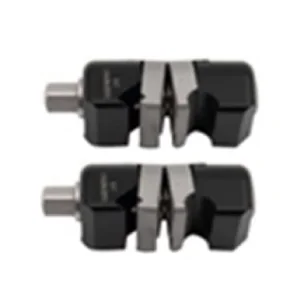
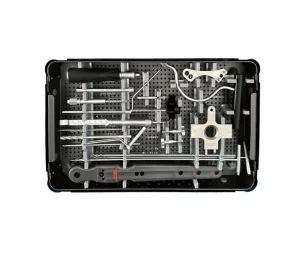
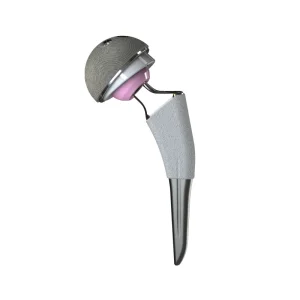
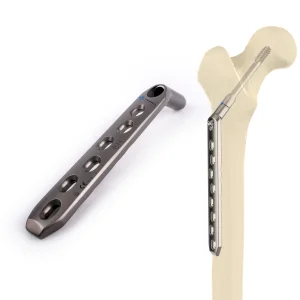
Established in 2016, Medispirex Orthopedic Technology Co., Ltd. operates a high-caliber 18,600㎡ production facility optimized for advanced implant manufacturing. As a pioneering force in the design, testing, and production of orthopedic implants, we specialize in high-strength, biocompatible bone screws, plates, and joint prosthesis components. Our operations integrate vertical manufacturing capabilities with direct-to-hospital and contract manufacturing (OEM/ODM) distribution frameworks.
Equipped with 12 years of industry expertise and 7 years of direct global export operations, we serve medical device brands, clinics, and surgical centers in Europe, North America, the Middle East, and Southeast Asia. We address high-level procurement needs by assuring material traceability, geometric precision, and regulatory conformity.
85 Engineers specializing in orthopedic biomechanics & clinical compliance.
45 Dedicated QC Inspectors enforcing ISO 13485 protocols.
860 Partner networks ensuring uninterrupted raw materials & logistics.
120+ Custom new solutions launched over the past 12 months.
Modern hospital systems and orthopedic OEMs face strict regulatory scrutiny. Medispirex responds to these demands by eliminating design variance, ensuring lot-to-lot traceability, and providing comprehensive technical documentation.
An authoritative analysis of thread geometry, material science, and manufacturing protocols in modern trauma fixation.
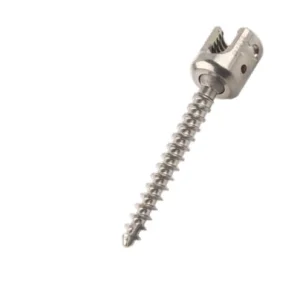
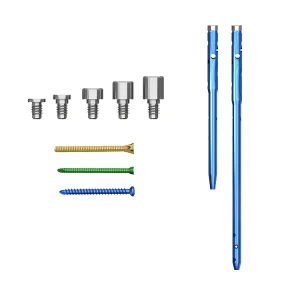
Self-tapping bone screws play a vital role in internal fixation. Unlike standard bone screws that require pre-tapping of the bone canal, self-tapping screws feature a cutting flute integrated into the tip. This design allows the screw to cut its own thread path as it is inserted. In clinical environments, this feature minimizes preparation steps, reduces operative time, and maintains bone-to-screw contact.
The performance of a self-tapping bone screw depends heavily on its design parameters. The outer thread diameter, root diameter, thread pitch, and flute geometry must be carefully calculated based on the target bone structure (dense cortical bone vs. porous cancellous bone):
Selecting biocompatible materials is essential to prevent adverse tissue reactions and ensure structural stability. Medispirex manufactures implants using medical-grade Titanium Alloys (Ti-6Al-4V ELI / Grade 23) in compliance with ASTM F136 and ISO 5832-3 standards.
Titanium Ti-6Al-4V ELI (Extra Low Interstitial) offers high fatigue strength, excellent corrosion resistance, and a low elastic modulus that reduces stress shielding. For specialized clinical applications, Polyetheretherketone (PEEK) is used due to its radiolucency and elastic properties that mimic natural human bone.
| Implant Material | Elastic Modulus (GPa) | Tensile Strength (MPa) | Biocompatibility Standard | Primary Application |
|---|---|---|---|---|
| Ti-6Al-4V ELI (Gr. 23) | 110 - 114 | ≥ 860 | ASTM F136 / ISO 5832-3 | Trauma Screws, Hip Stems, Plates |
| PEEK Optima | 3.5 - 4.0 | 90 - 100 | ISO 10993 / ASTM F2026 | Suture Anchors, Spinal Cages |
| 316L Stainless Steel | 190 - 200 | ≥ 490 | ASTM F138 / ISO 5832-1 | Temporary External Fixation |
To maintain reliable surgical performance, every production run at Medispirex undergoes a strict quality control workflow. Our dedicated 45-member Quality Control team manages a thorough testing matrix, ensuring raw materials and finished products are fully traced and certified.
Our quality testing protocol includes:
Take a closer look at our machining capabilities, cleaning lines, and laboratory infrastructure inside our 18,600㎡ facility.
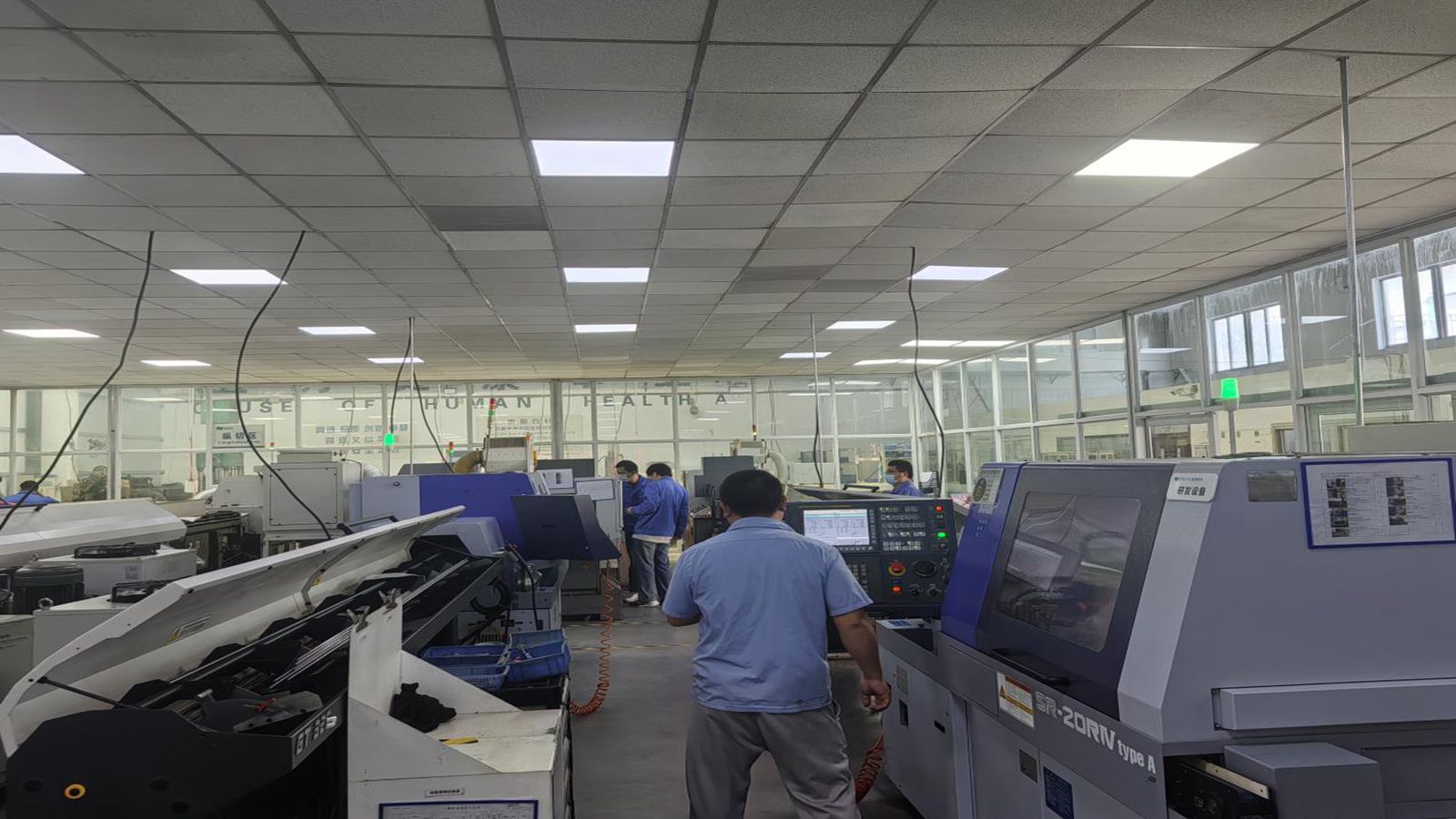
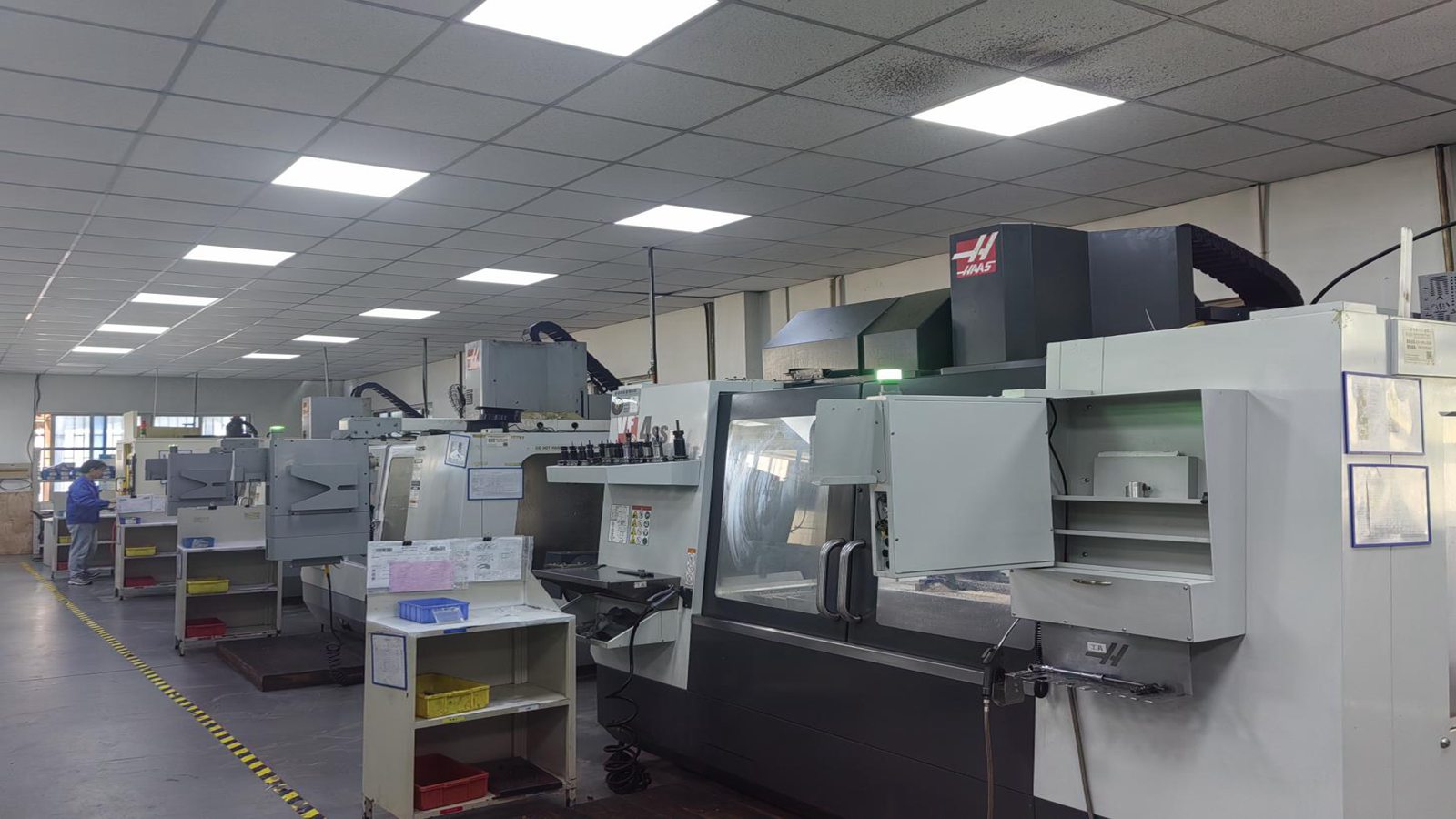
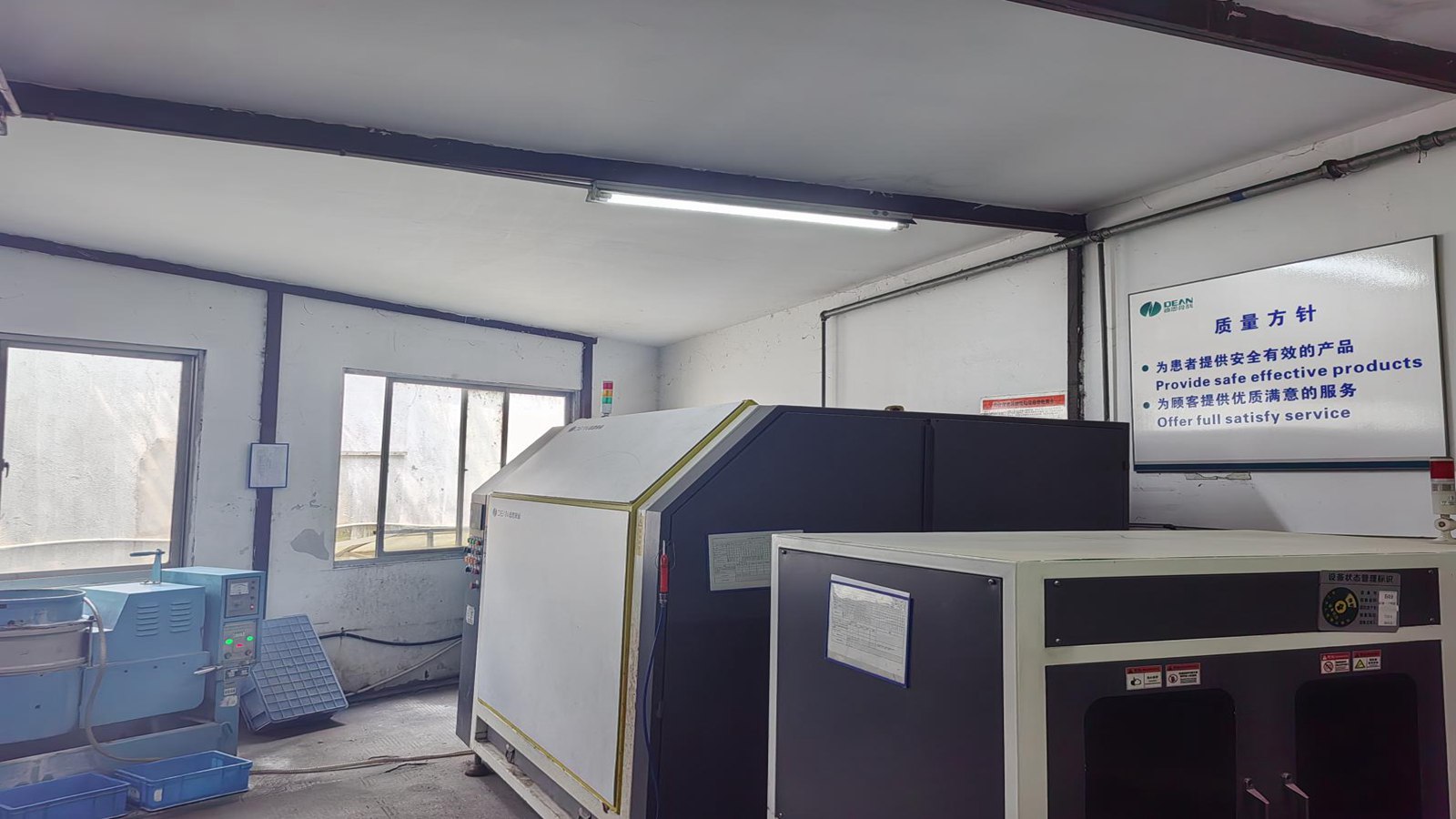
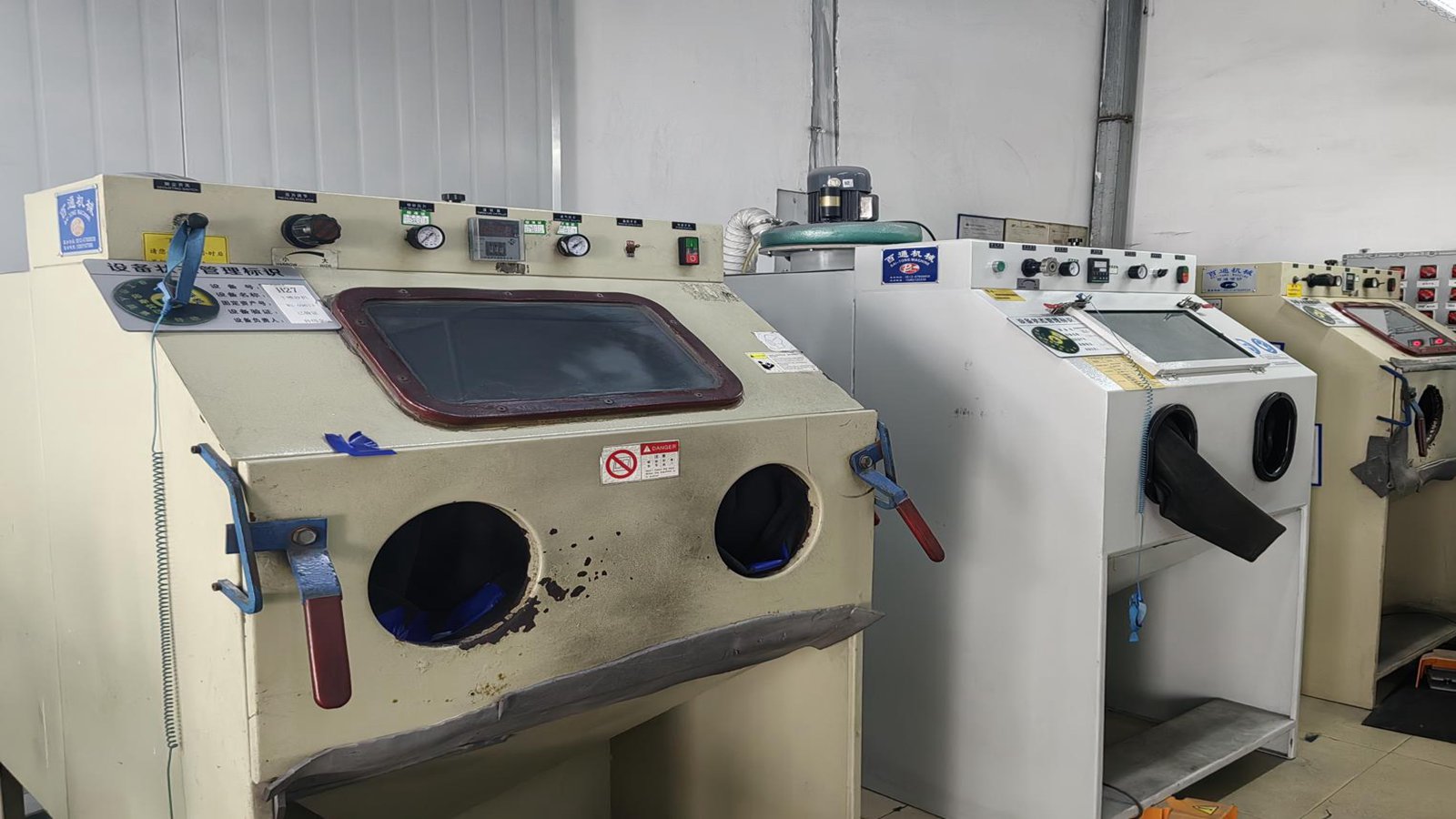
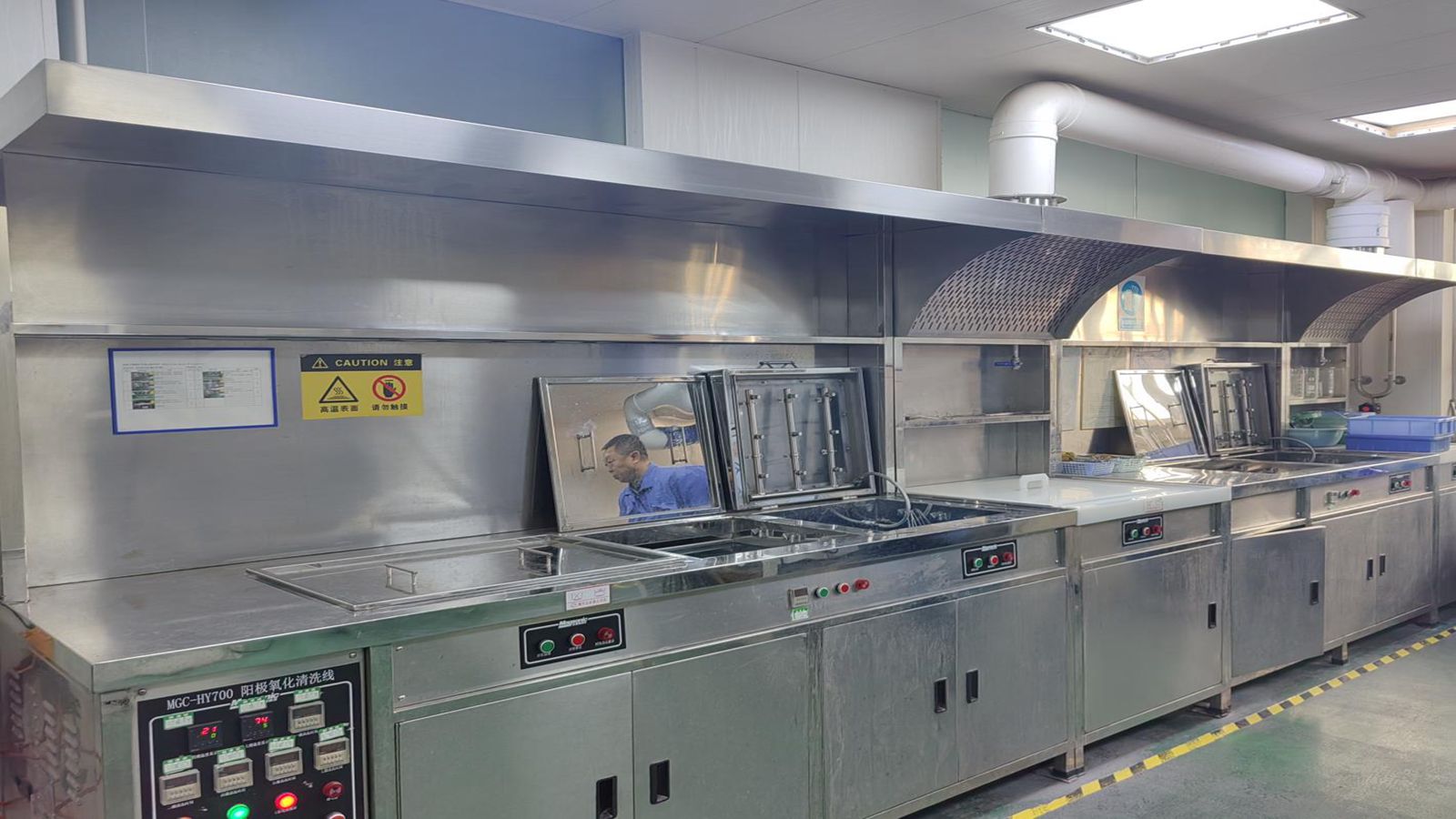
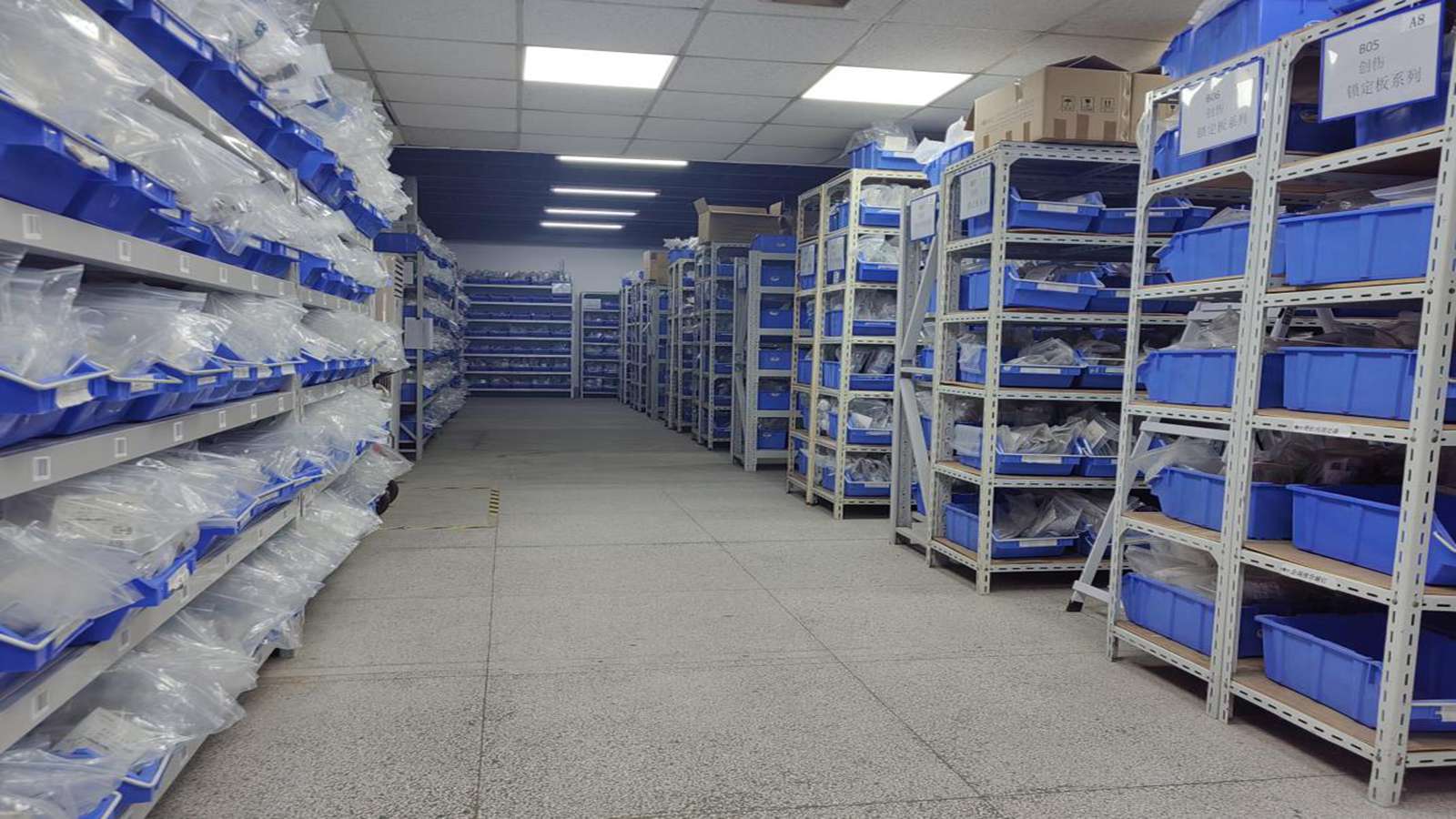
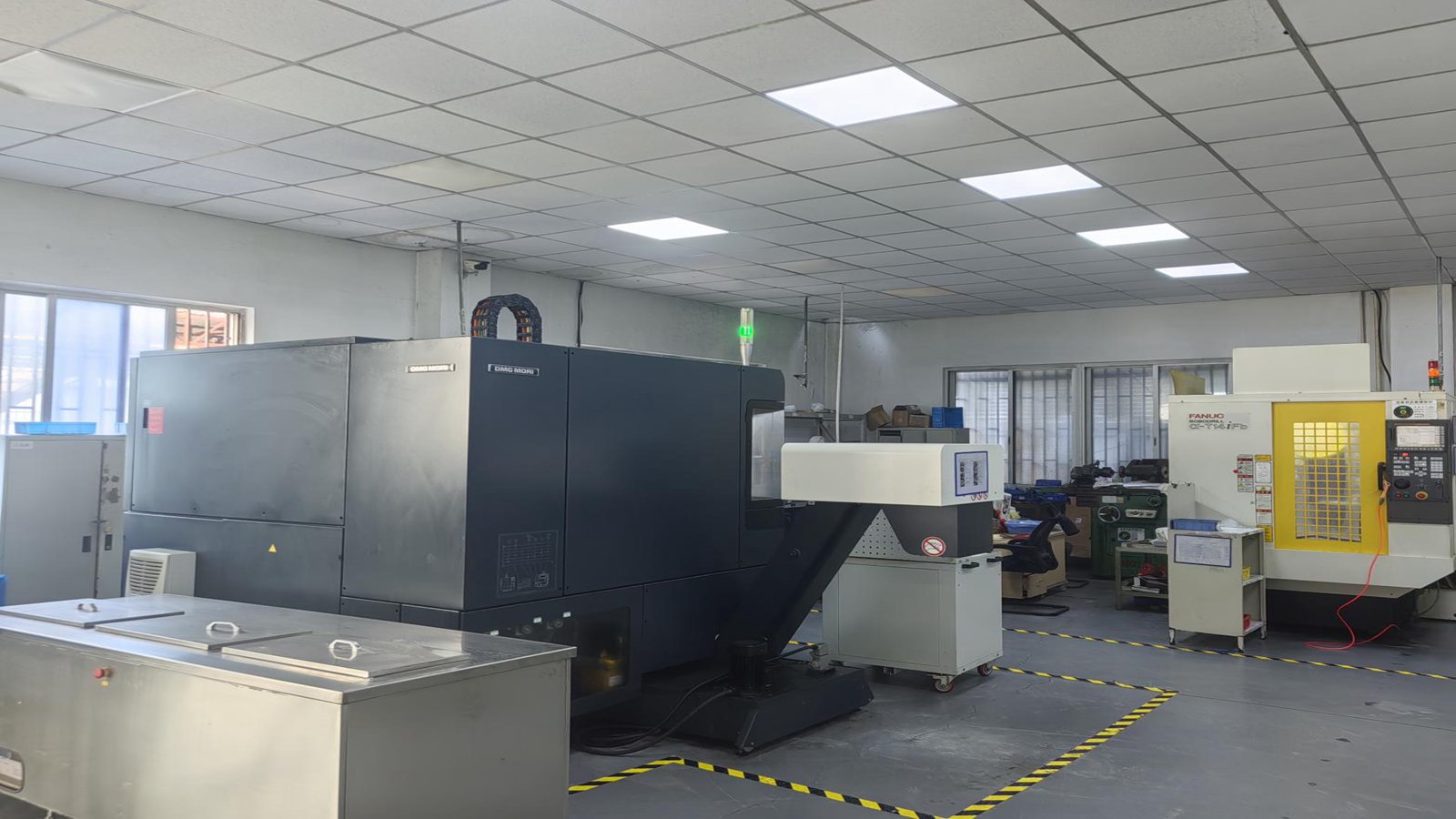
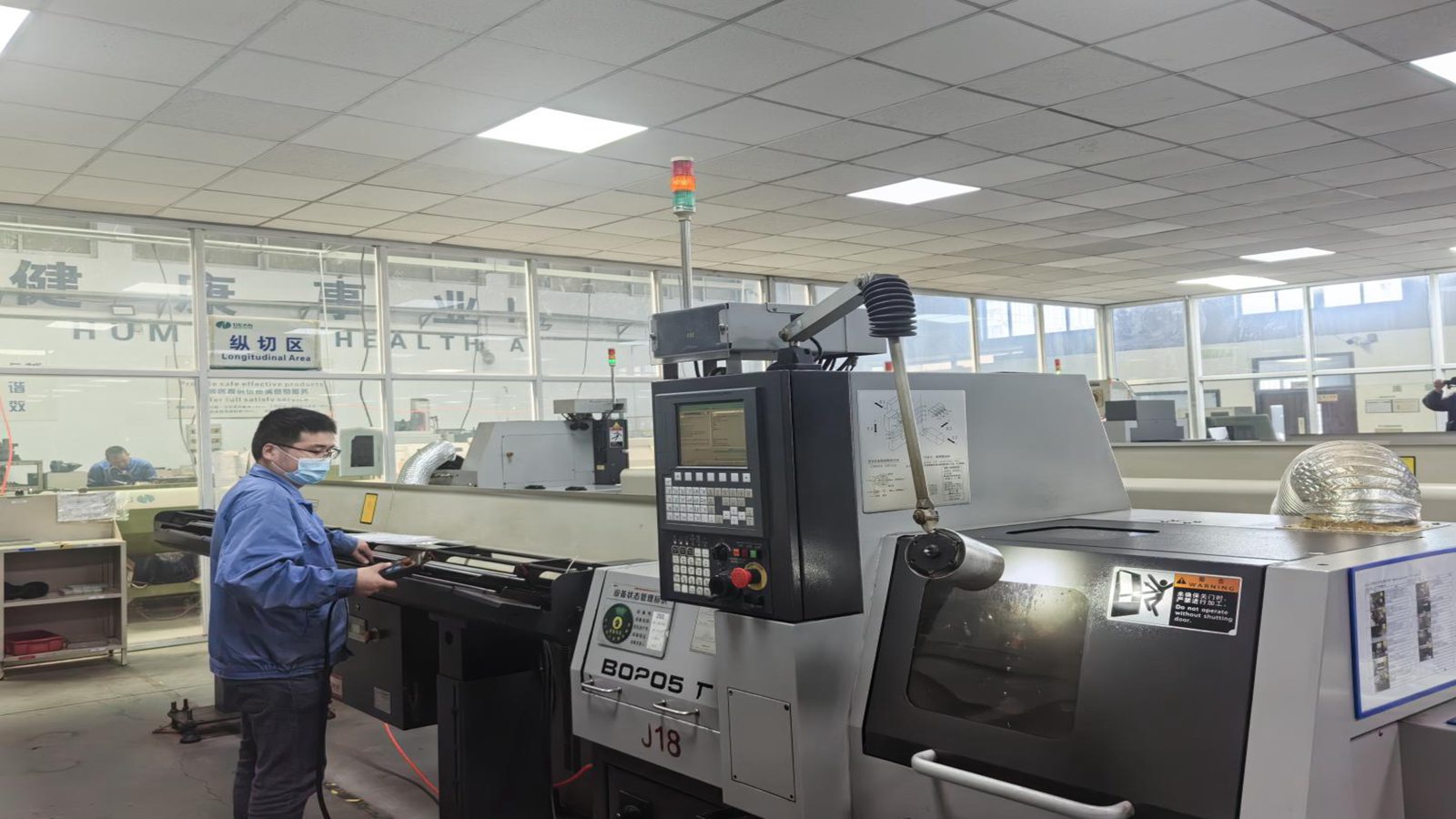
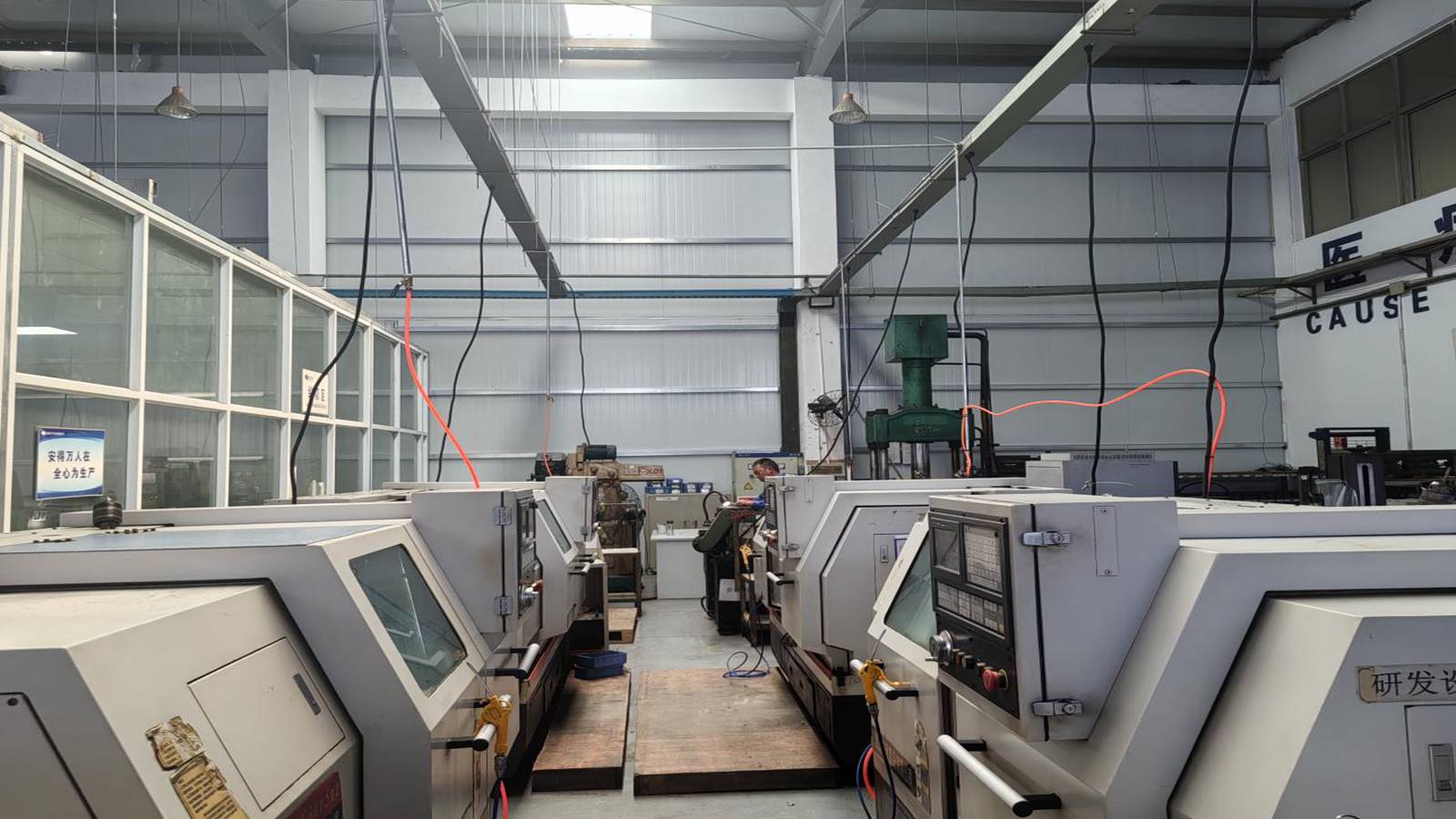
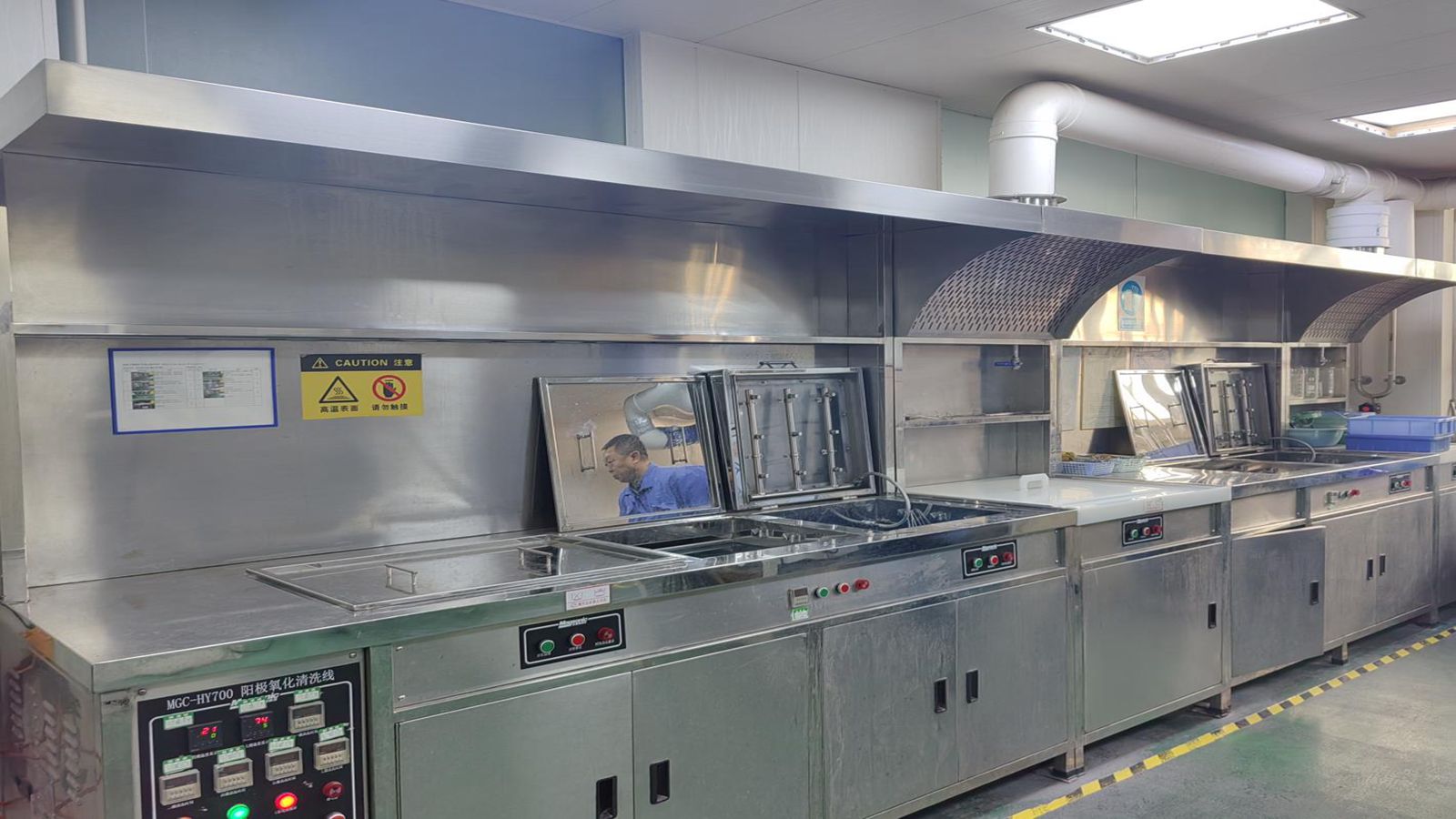
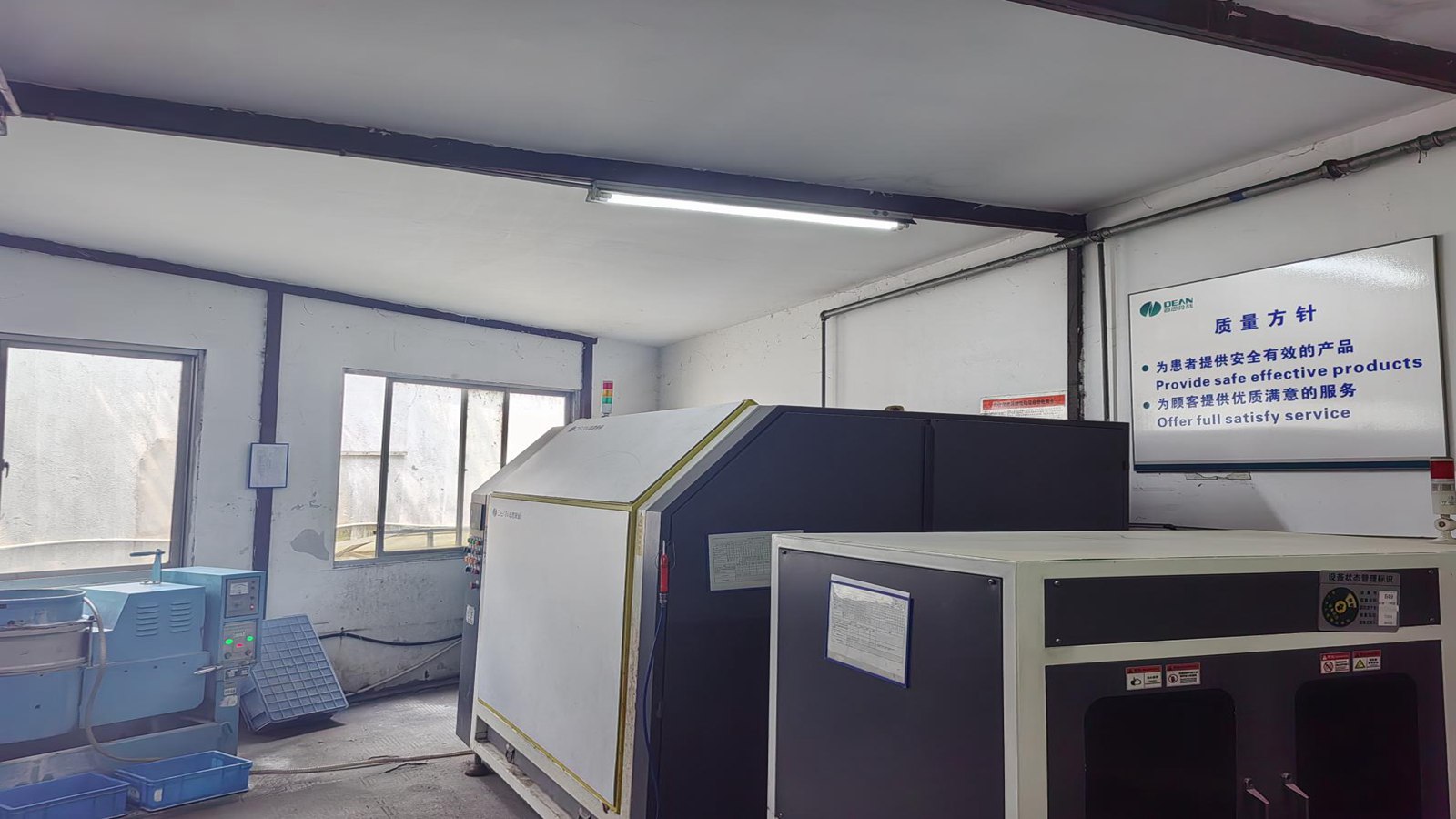
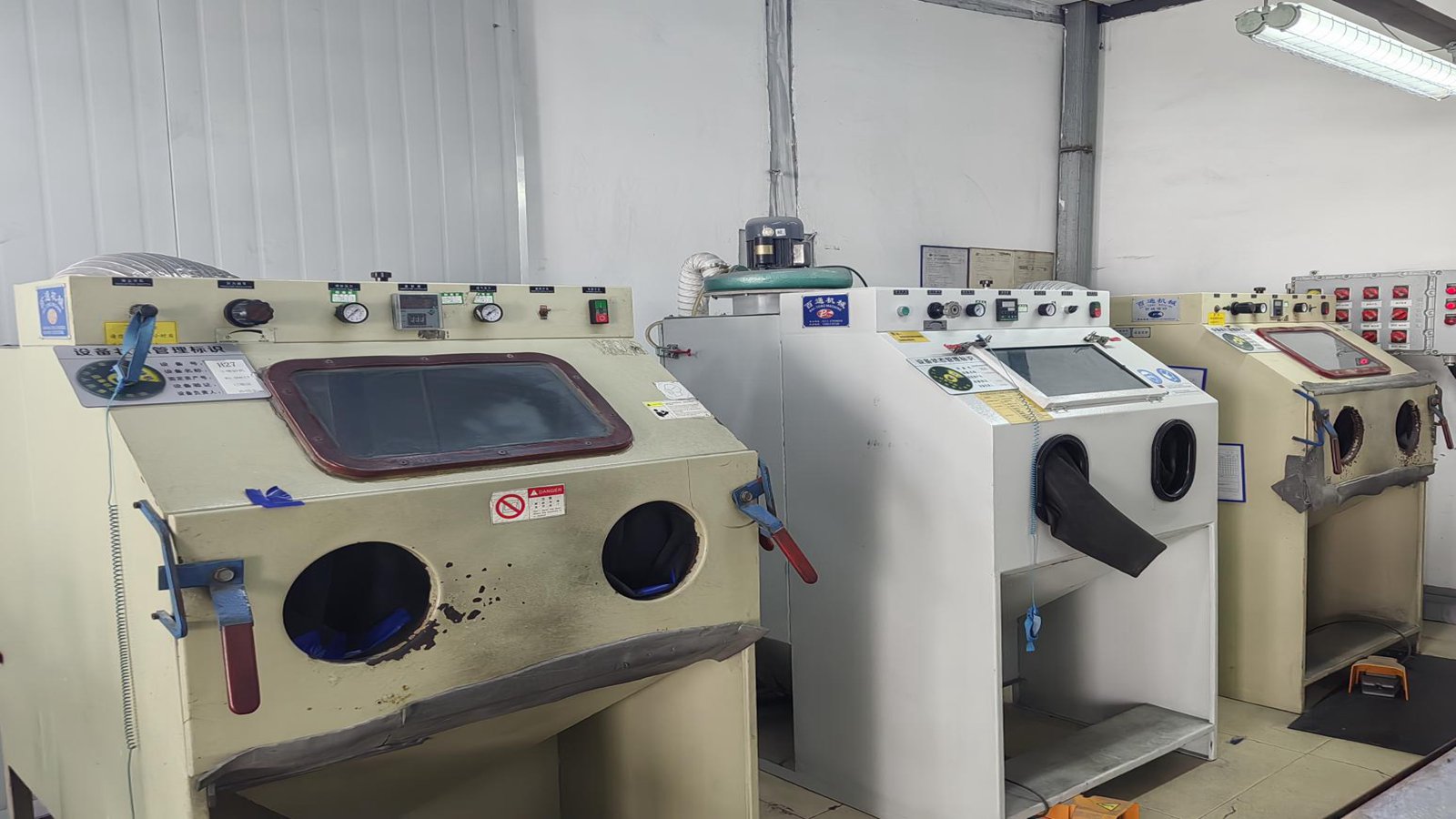
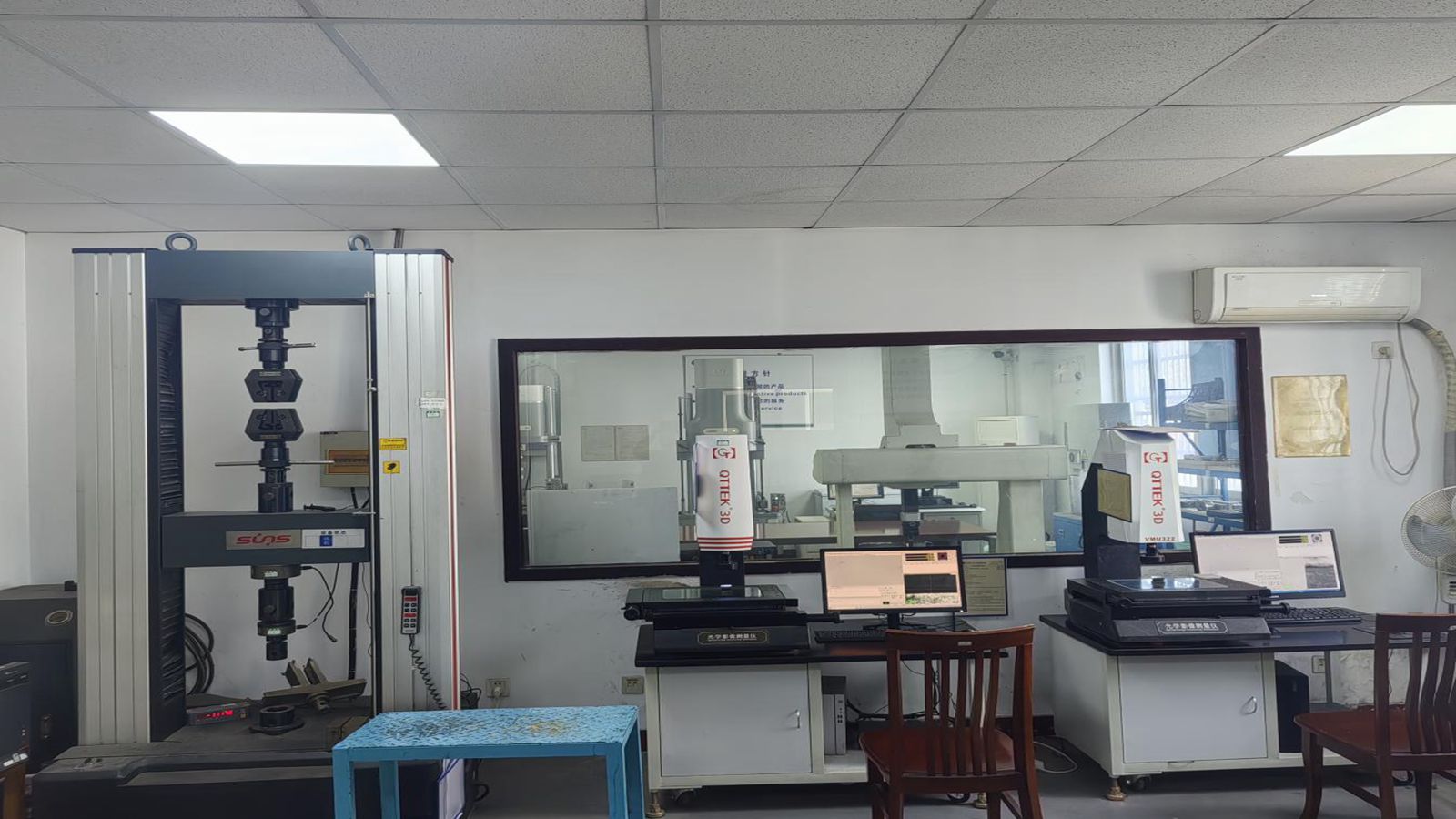
Equipped with high-resolution scanning electron microscopes, mechanical fatigue testers, and coordinate measuring machines. This facility ensures that all OEM/ODM implants comply with international ISO and ASTM standards.
Analyzing current global orthopedics trends, advanced coating technologies, and patient-specific implant demands.
The global orthopedic implant market is moving toward minimally invasive surgeries and biological coatings. Key trends include:
To support our global OEM and ODM partners, Medispirex is developing several key technology platforms:
Get detailed technical answers regarding design specifications, manufacturing processes, and customization capabilities.
Self-tapping screws have a sharp cutting flute at the tip that cuts a thread path in a pre-drilled pilot hole. Self-drilling screws feature a drill tip that allows them to pierce bone without a pilot hole. Self-tapping designs are generally preferred in dense cortical bone to minimize heat generation and protect the bone structure.
We manufacture using Ti-6Al-4V ELI (Grade 23) in compliance with ASTM F136 and ISO 5832-3. We provide full material traceability for every order, including chemical composition analyses and mechanical testing reports from accredited third-party laboratories.
We offer full custom engineering. We can adjust the thread geometry, pitch, drive type (Hex, Star, Torx), and surface finishes (anodization colors, sandblasting). Our team can also design and manufacture matching surgical drill guides and drivers to fit your existing systems.
We maintain an ISO 13485-certified quality management system. All production steps—from raw material receipt to final cleaning and packaging—are documented. Our R&D and QC departments assist OEM partners with the technical documentation needed for FDA 510(k) applications and CE MDR certifications.
Standard prototyping runs for custom designs are completed within 4 to 6 weeks, depending on geometry complexity. Full production orders typically ship within 8 to 12 weeks, supported by our domestic supply network.
Each batch undergoes testing according to ASTM F543. This includes measuring insertion torque, torsional strength, and axial pull-out resistance in validated polyurethane bone blocks.
Additional surgical equipment and specialized implant configurations designed for human and veterinary applications.