Medispirex
Medispirex
Medispirex
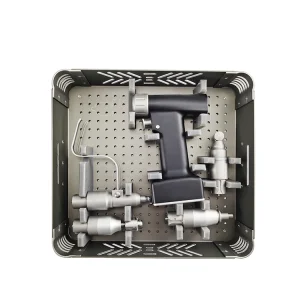
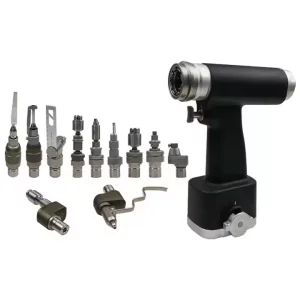
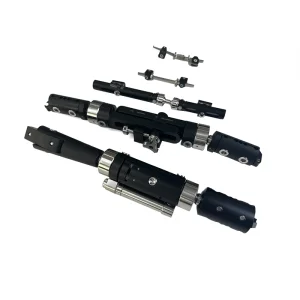
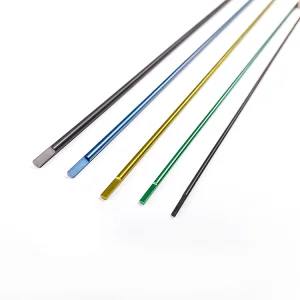
Explore our premium range of ISO-certified orthopedic implants and specialized instrumentation kits, engineered for clinical precision.
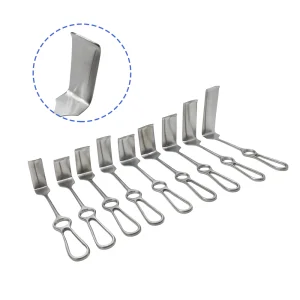
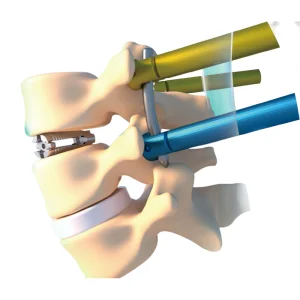
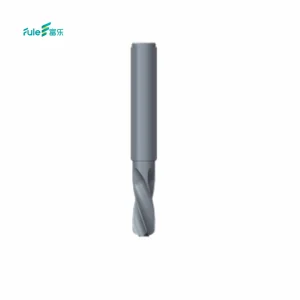
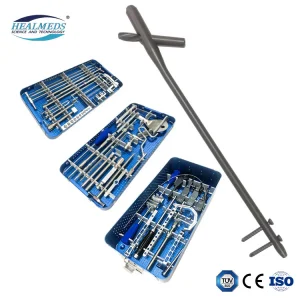
Total Hip Arthroplasty (THA) has transitioned dramatically over the past two decades. The clinical reliance on bone cement (Polymethyl Methacrylate or PMMA) has steadily yielded to cementless biological fixation, particularly for young, active patients, and increasingly within geriatric demographics. Cementless hip prosthesis technology leverages the body's natural regenerative capacity, relying on osseointegration to secure a permanent, bio-mechanical bond between host bone and the prosthetic implant.
From an industrial and commercial perspective, this shift has escalated the demand for advanced manufacturing capabilities. Implants must feature complex, micro-porous surface coatings, such as plasma-sprayed titanium or osteoconductive Hydroxyapatite (HA), to stimulate rapid osteoblast activity. Consequently, orthopedic distributors, hospitals, and multinational brands require highly specialized OEM/ODM manufacturing partners capable of balancing metallurgical precision, structural biocompatibility, and regulatory compliance.
Cementless stems rely on initial mechanical press-fit stability (interference fit) followed by secondary biological fixation. The design avoids PMMA-associated complications, such as cement aging, mantle cracking, thermal necrosis of surrounding bone during polymerization, and subsequent aseptic loosening. Modern cementless designs significantly extend the implant lifespan, rendering them highly cost-effective over long-term clinical cycles.
Global sourcing teams prioritize manufacturers holding valid ISO 13485 certifications, CE marks (under MDR 2017/745), and US FDA 510(k) clearances. Navigating Class III medical device registries requires highly structured technical documentation and robust clinical evaluation files.
Surgical methodologies vary across regions. OEMs must offer localized stem options—including lateralized offsets, short stems for bone preservation, and modular neck systems—to accommodate different anatomical distributions and surgical approaches (e.g., Direct Anterior vs. Posterior).
Hospital groups and healthcare distributors cannot tolerate backorders. Procurement managers seek partners with integrated vertically coordinated supply chains, stable raw material suppliers (for medical-grade titanium and cobalt-chrome), and predictable delivery timelines.
In the competitive landscape of orthopedic device distribution, cost-containment is critical. While premium implants from legacy multinational corporations command high premiums, buying departments are increasingly turning to advanced, cost-effective manufacturers. By partnering directly with specialized manufacturing facilities in China, distributors bypass extensive intermediary markups without sacrificing raw material quality or geometrical tolerances.
Leveraging high-end manufacturing infrastructure, strict quality control systems, and robust R&D to deliver world-class implantable solutions.
Established in 2016, Medispirex Orthopedic Technology Co., Ltd. is a professional manufacturer specializing in spine and orthopedic implant solutions. Operating out of a modern production facility covering approximately 18,600㎡, the company integrates design, engineering, prototyping, precision machining, surface treatment, and global distribution.
With an annual export revenue of approximately USD 18 million, Medispirex has built a stable international presence supported by 7 years of dedicated export experience and over 12 years of industry expertise. The company operates under a strict quality management system, ensuring product reliability through a structured phase-gate process: incoming material inspection, in-process quality control (IPQC), final product testing, and batch traceability systems. Product verification methods include dimensional inspection, mechanical fatigue testing, and material composition analysis. Our quality assurance team consists of around 45 dedicated QC professionals, ensuring zero-defect manufacturing.
Medispirex maintains a strong trade-oriented manufacturing background, serving key markets including Europe, North America, the Middle East, and Southeast Asia. Its supply chain network includes approximately 860 upstream and downstream partners, enabling stable production capacity and efficient global delivery.
Driven by strong innovation capability, Medispirex has launched approximately 120 new products in the past year, supported by a R&D team of around 85 engineers specializing in biomechanics, materials science, and orthopedic device design. The company primarily serves hospitals, orthopedic surgeons, medical distributors, and OEM/ODM partners, offering flexible customization options such as private label manufacturing, product design adaptation, and surgical system configuration support.
A visual tour through our advanced manufacturing workshops, showing our end-to-end processing and quality validation capabilities.
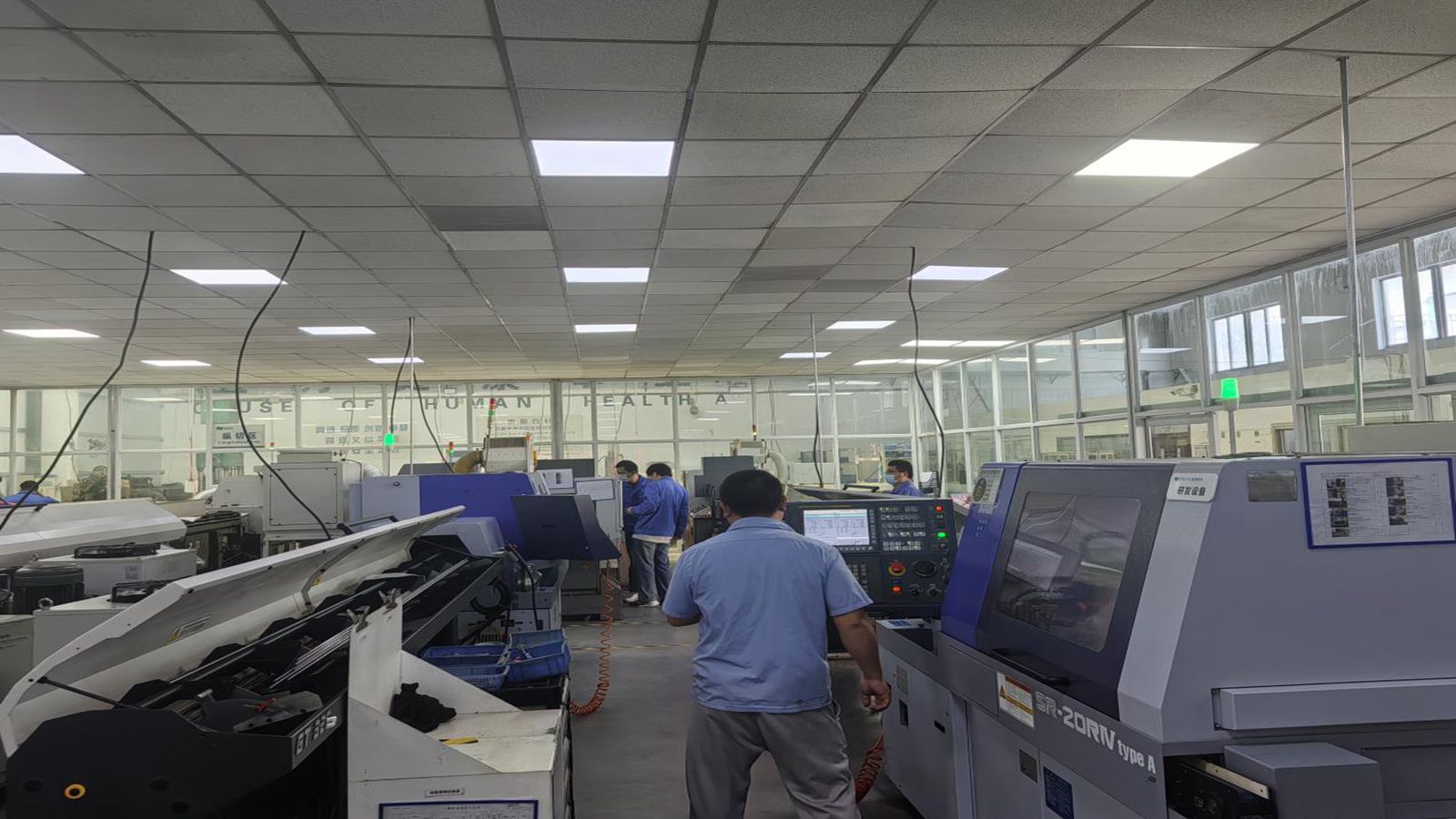
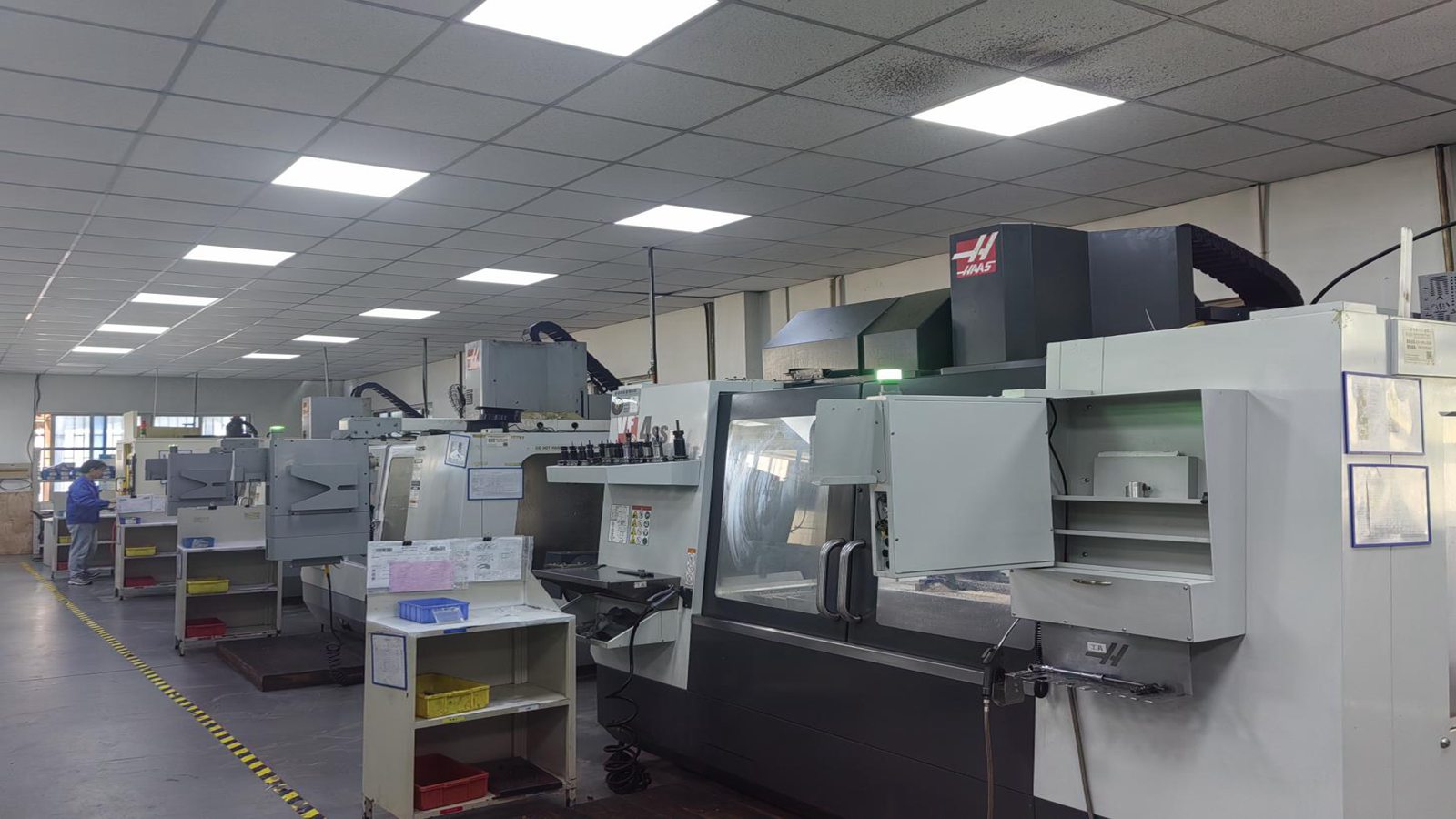
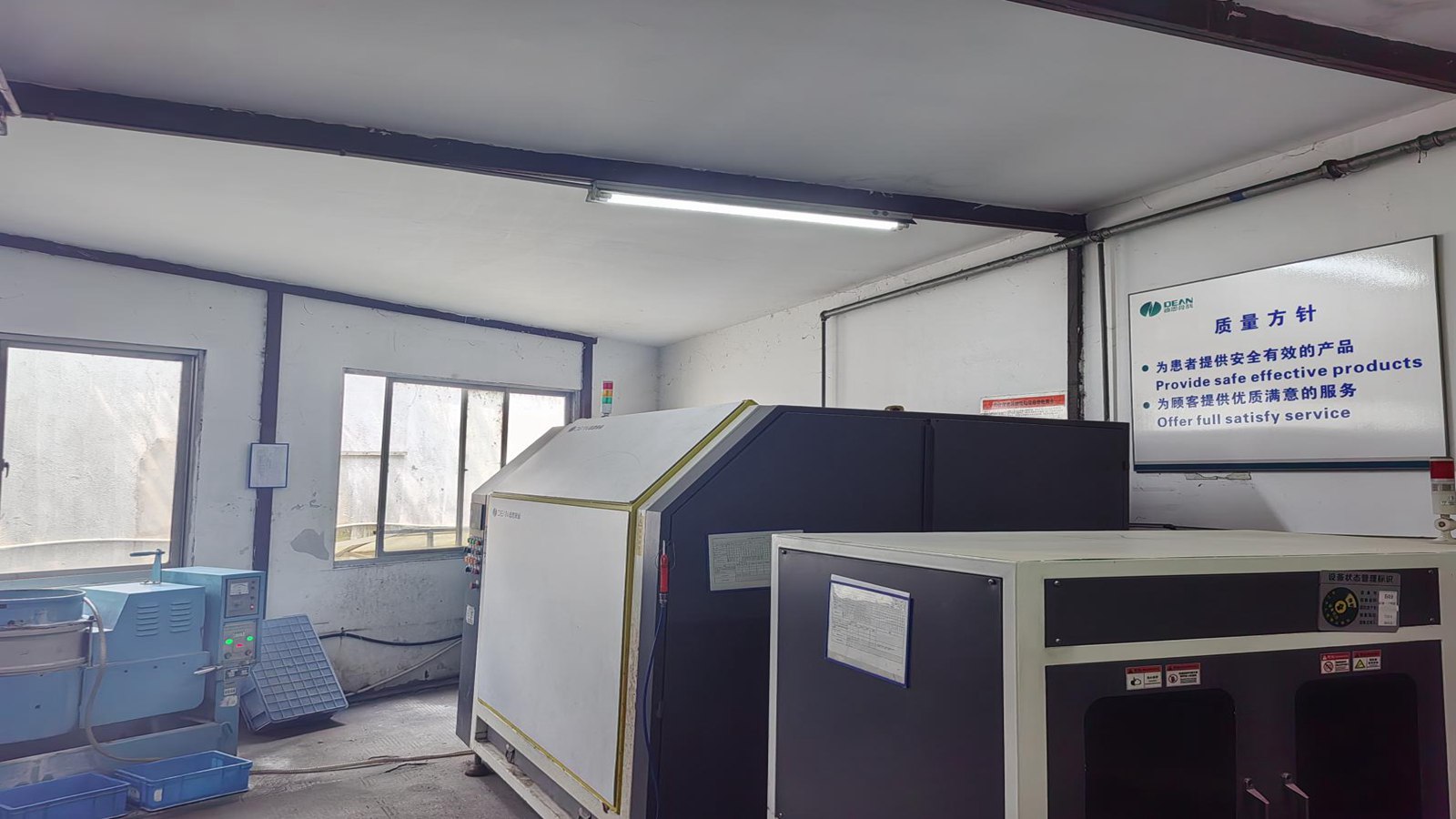
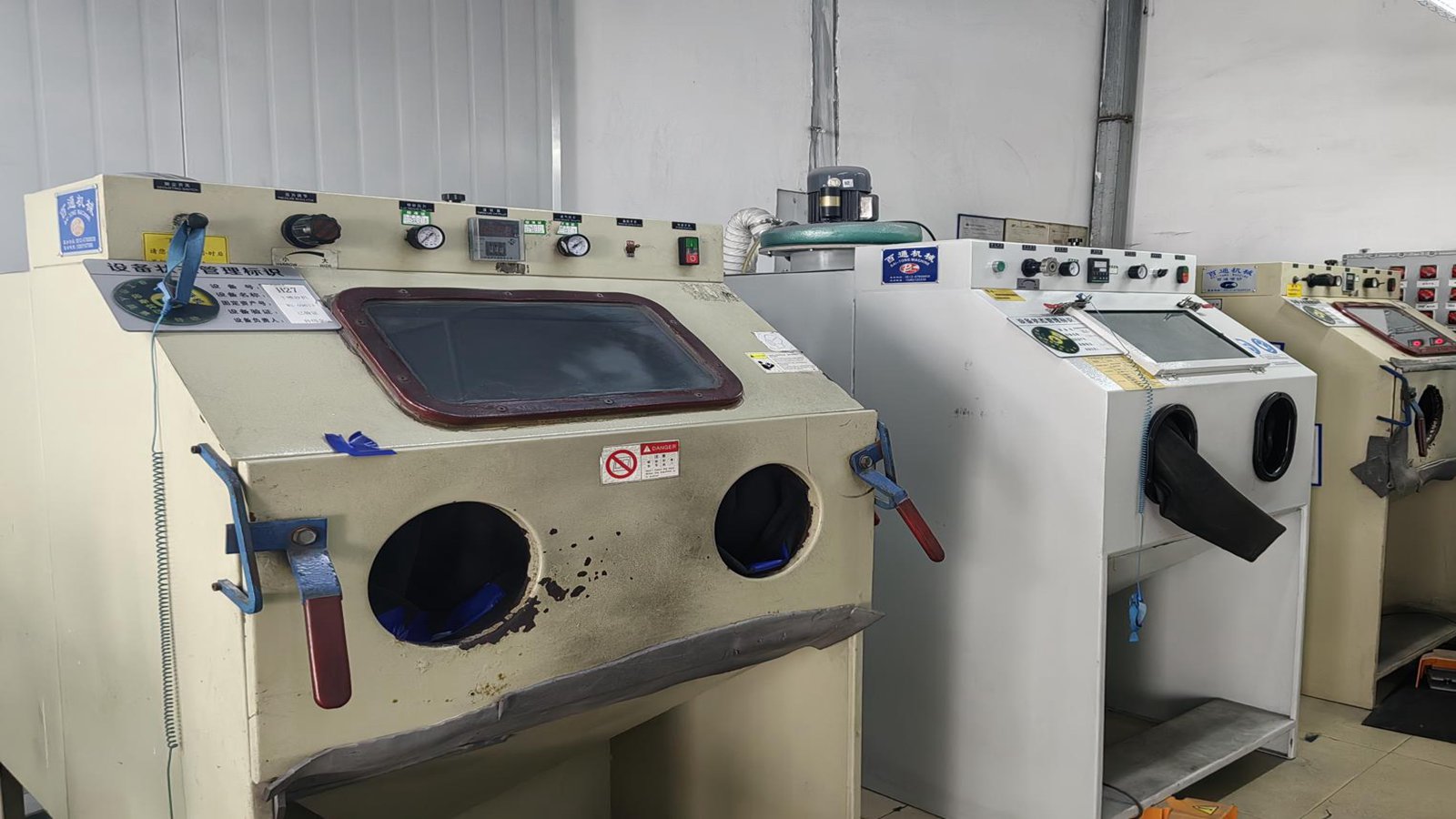
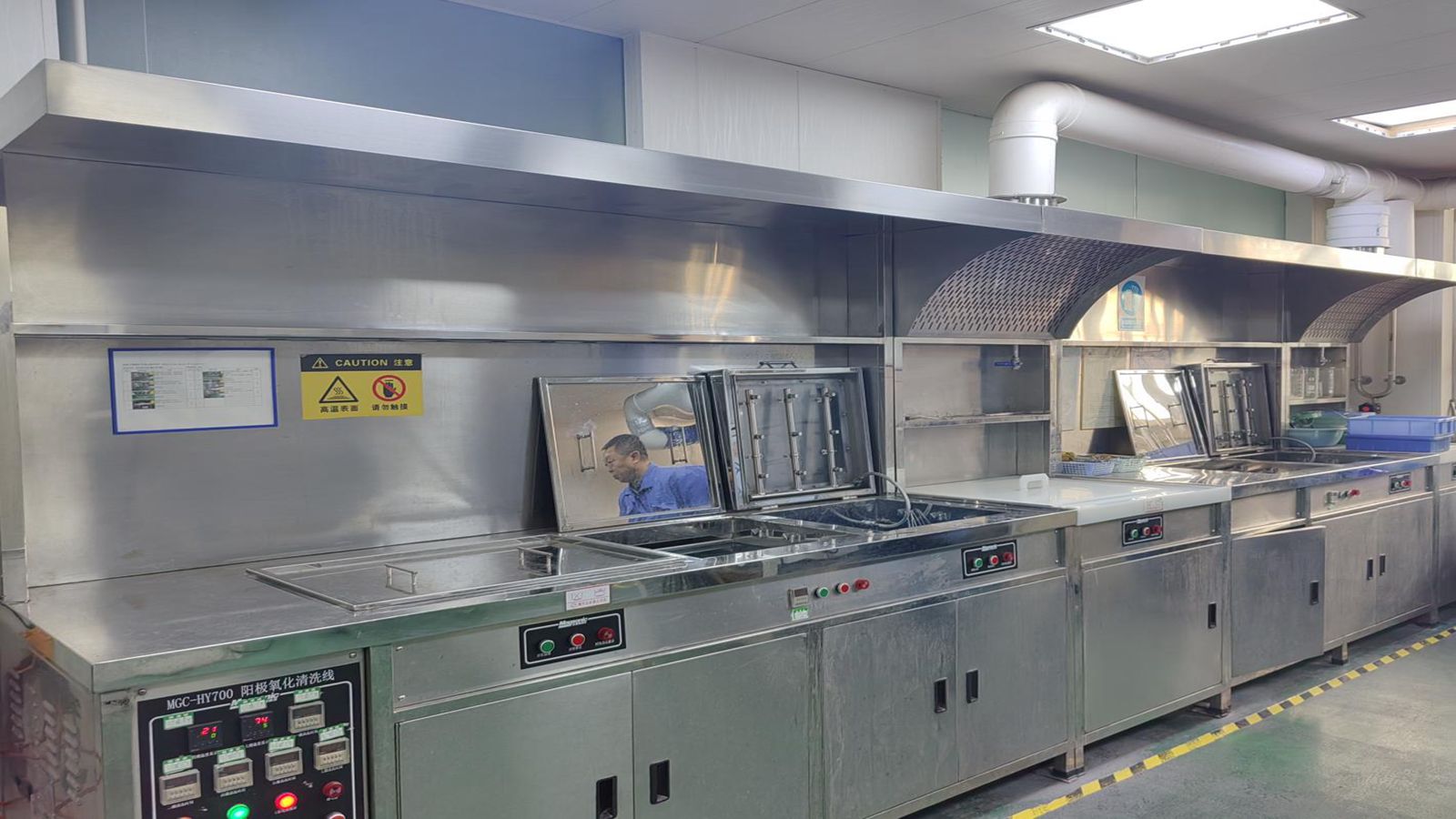
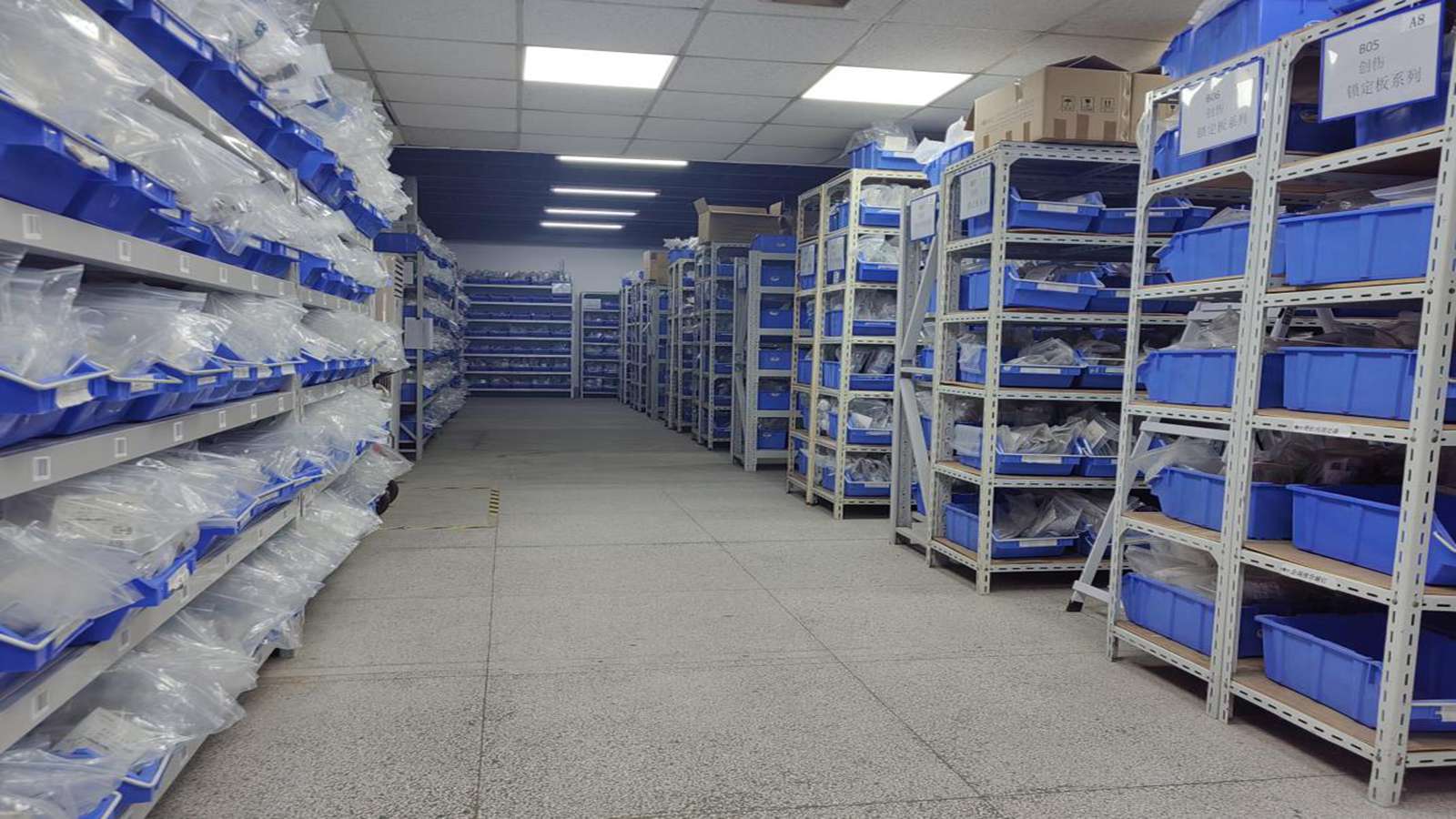
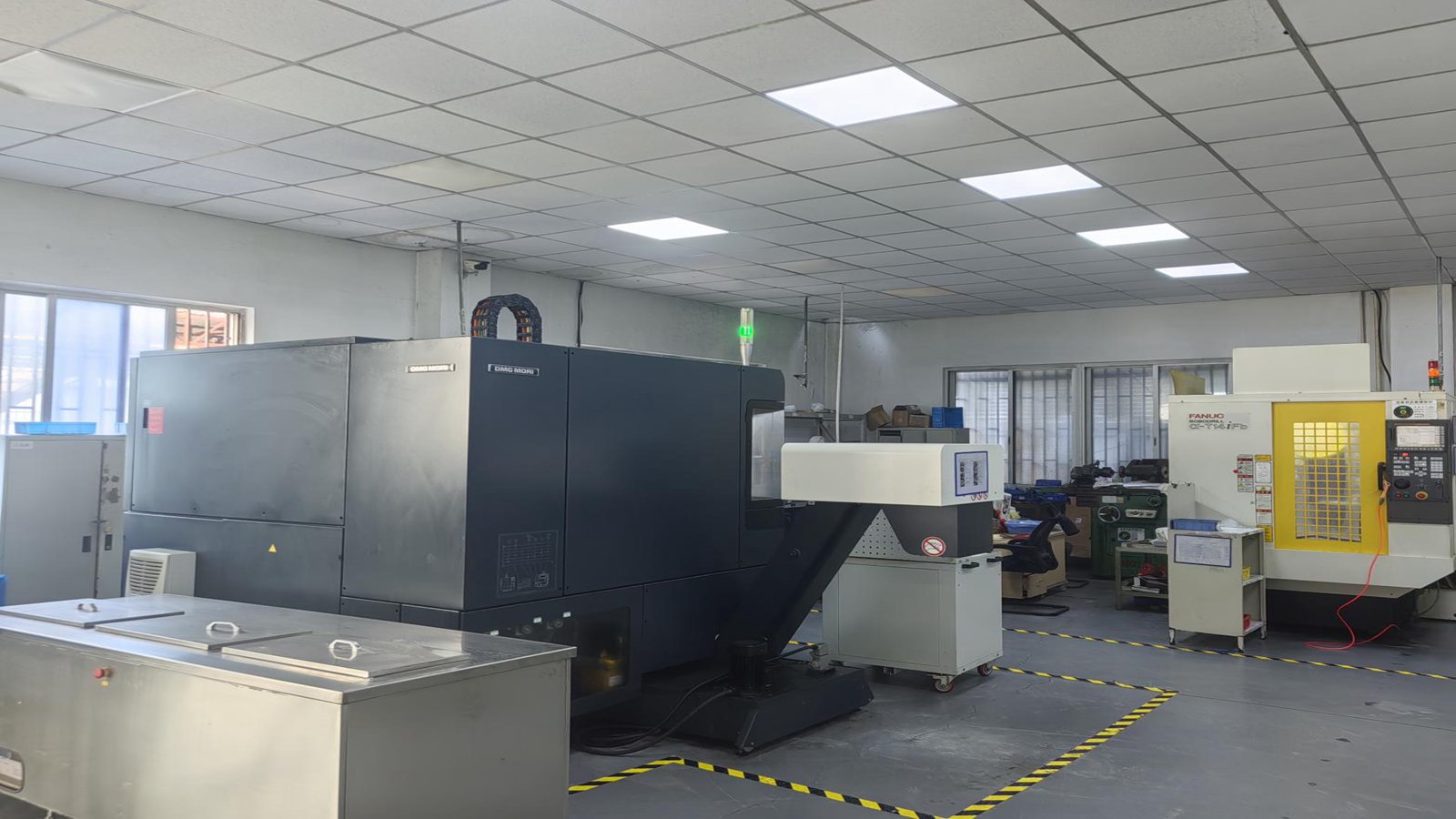
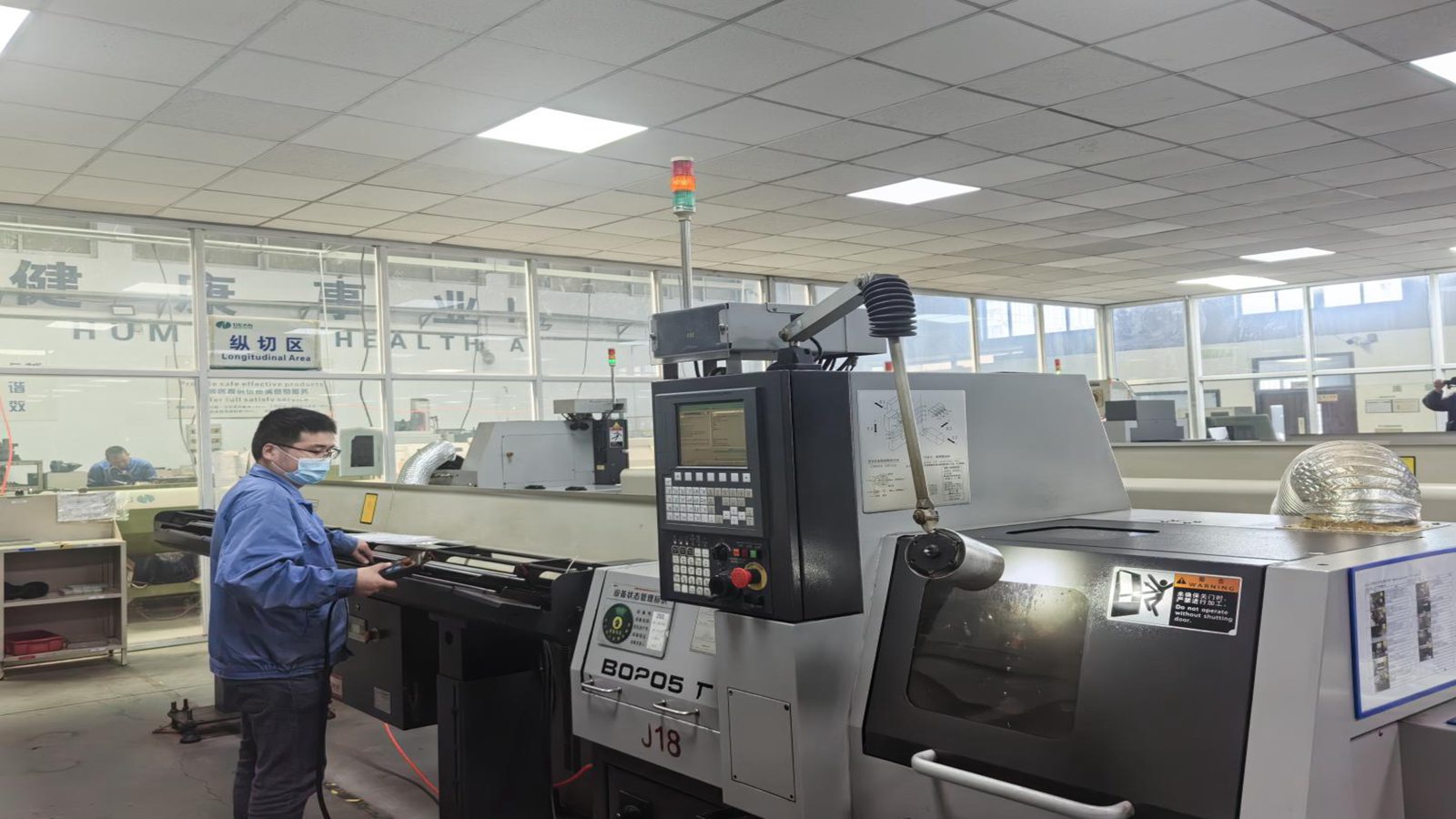
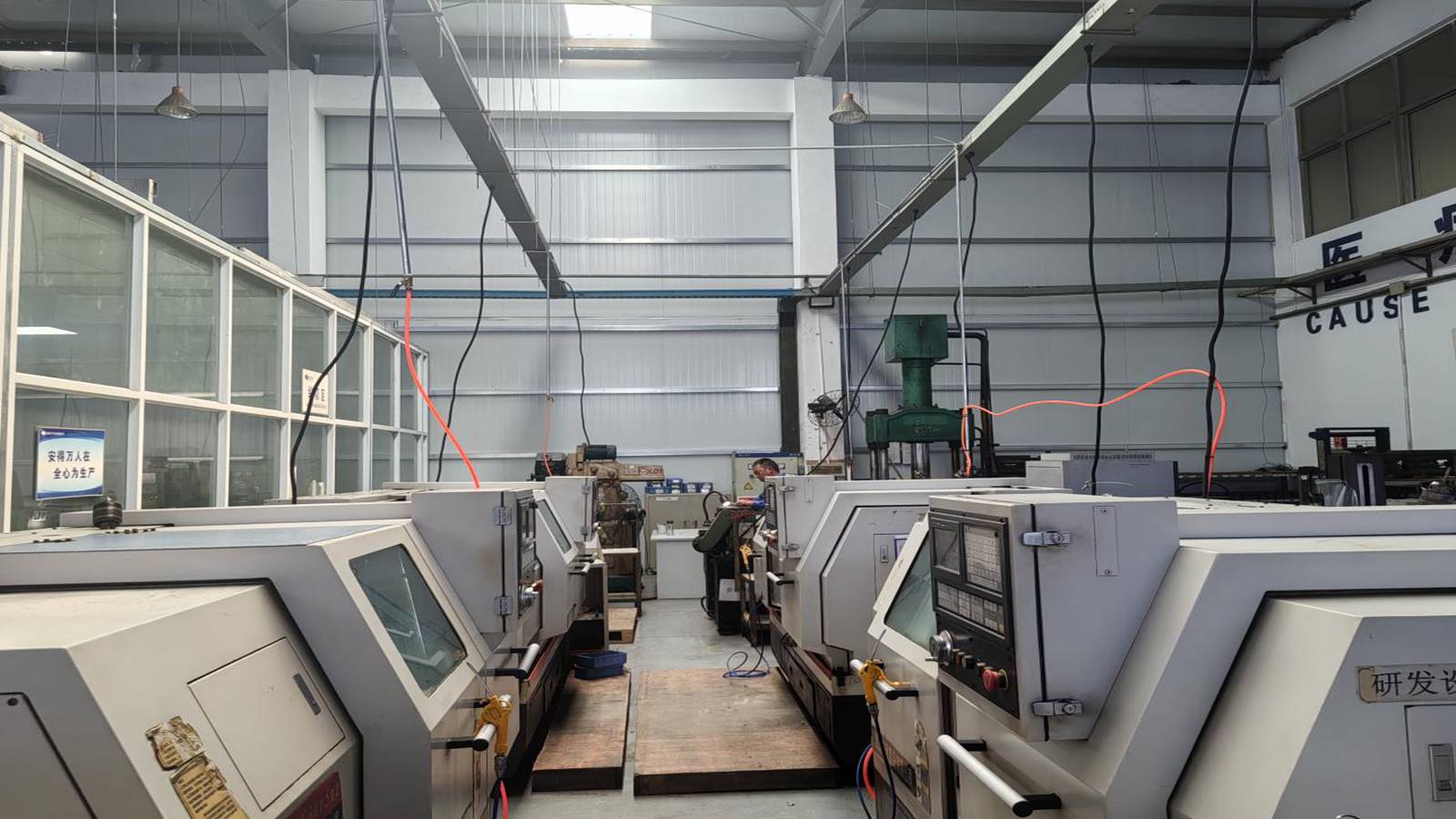
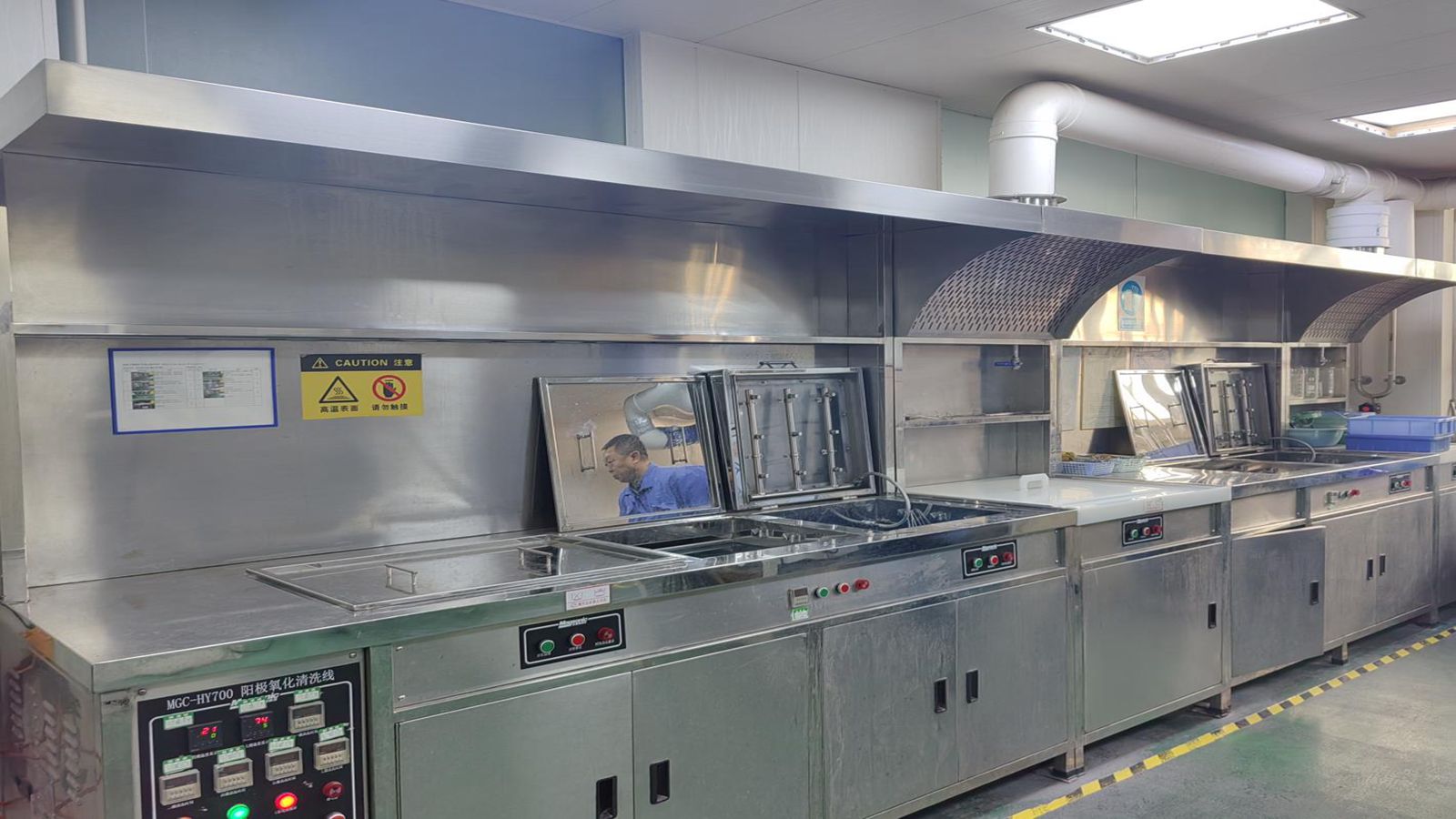
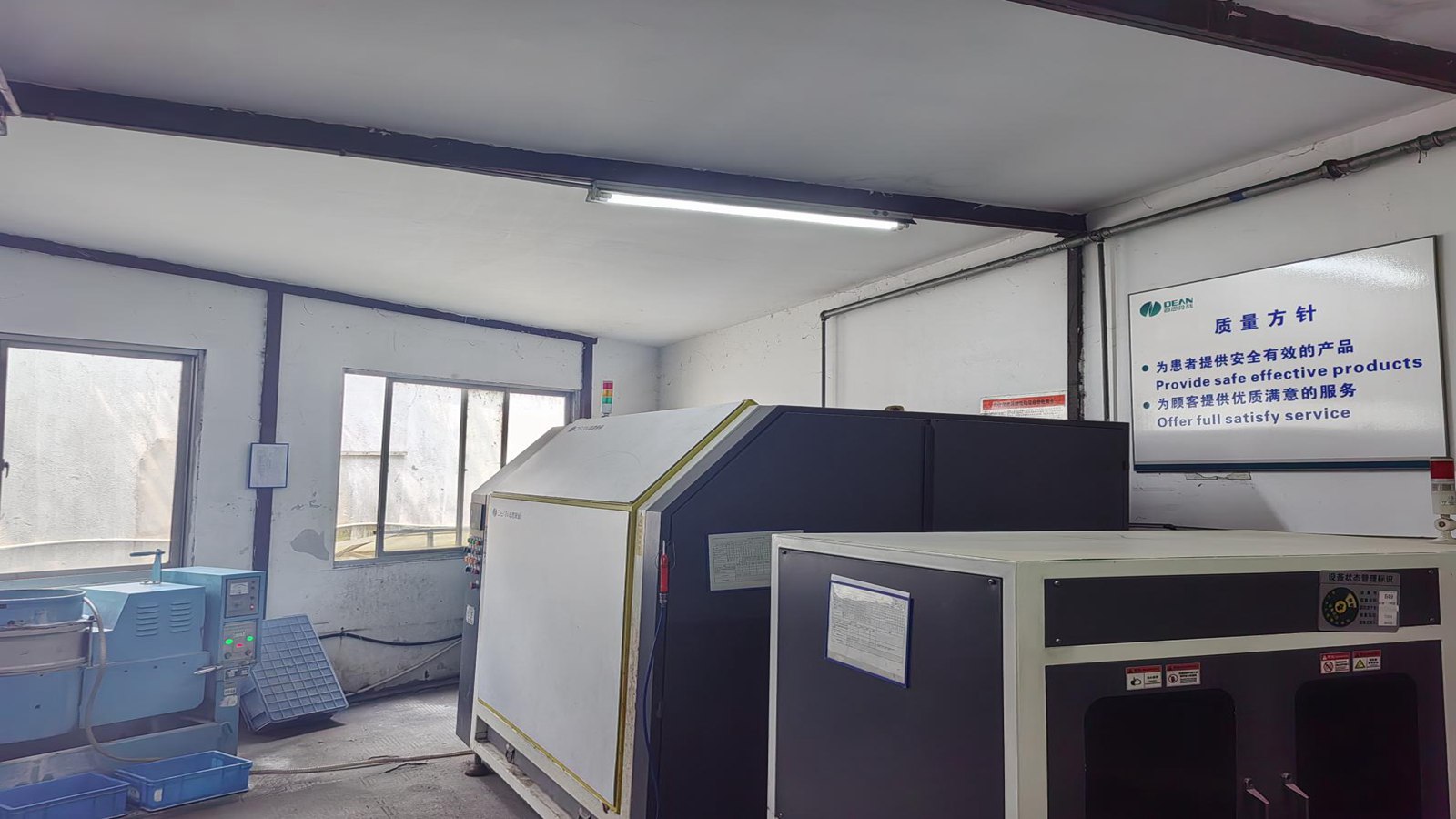
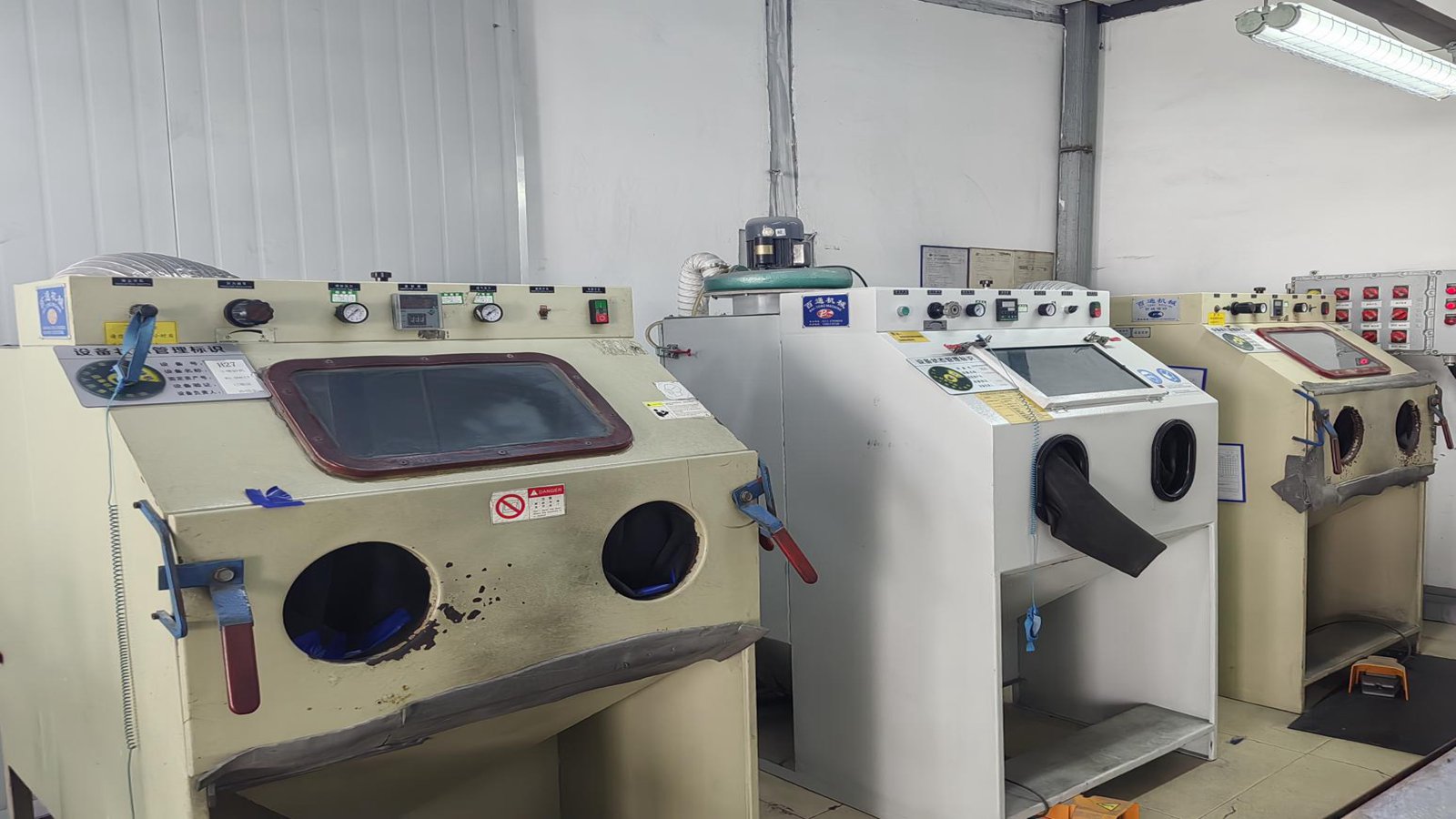
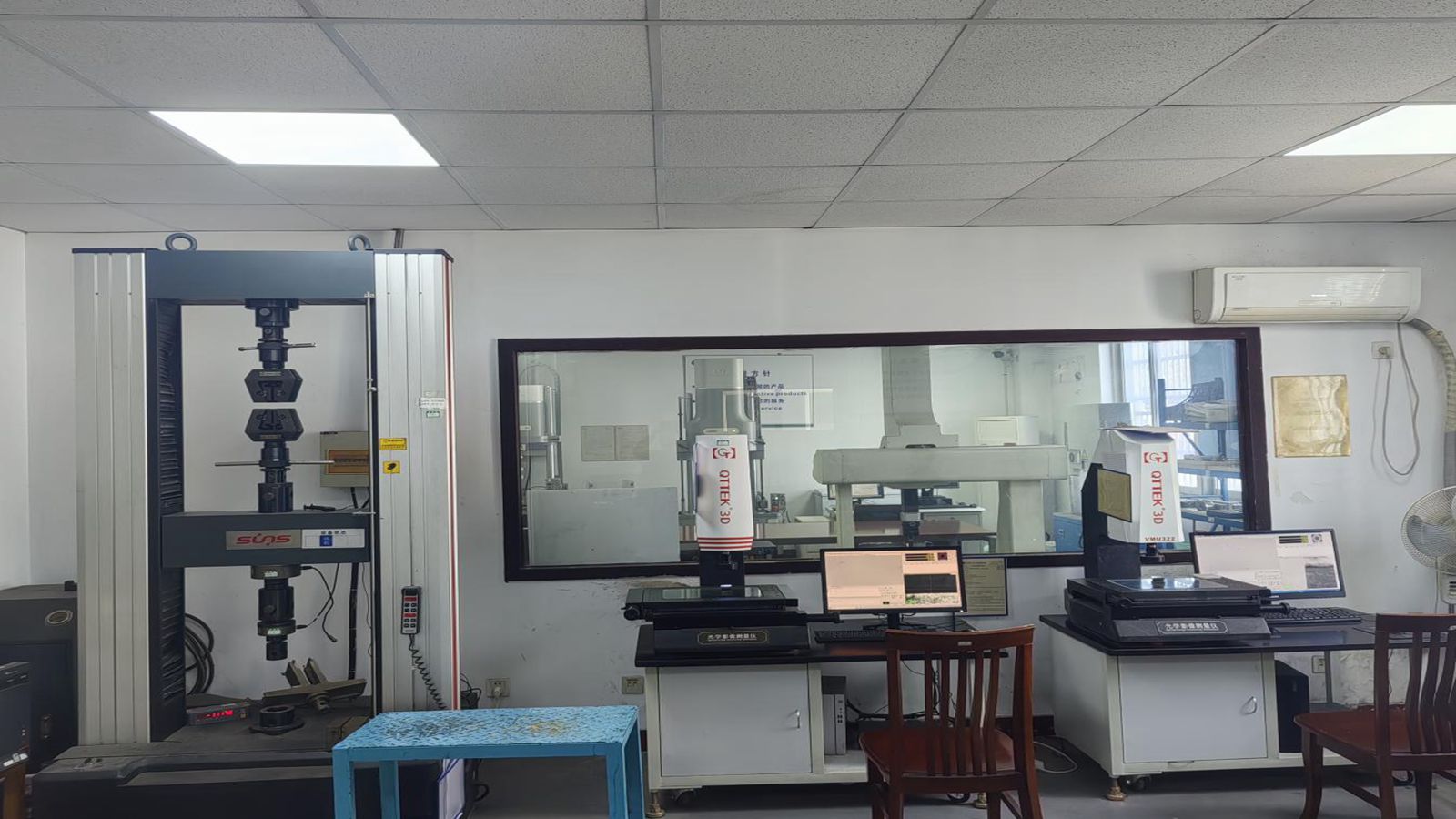
Our centralized testing lab executes strict quality procedures including dynamic biomechanical fatigue tests, chemical composition analyses, and sub-micron dimensional verification, ensuring all Class III implants surpass international regulatory guidelines.
We provide custom solutions for multinational orthopedic brands and regional distributors. Our technical team works alongside clients from design concept to dynamic lab testing and cleanroom packaging.
Every single batch of implants undergoes material validation via optical emission spectrometry and mechanical fatigue test limits (tested to run past 5,000,000 load cycles under simulated physiological weight distributions). Dimensional checking is backed by Coordinate Measuring Machines (CMM) achieving tolerance accuracy down to ±0.005mm.
Medispirex cementless hip prostheses are indicated for primary total hip replacement in patients presenting with degenerative joint disease, including osteoarthritis, avascular necrosis (AVN) of the femoral head, rheumatoid arthritis, post-traumatic arthritis, and certain cases of femoral neck fractures.
The press-fit design achieves high primary mechanical stability by establishing immediate contact with the cortical bone of the proximal femur. Over the subsequent 4 to 12 weeks, the rough outer coating serves as a scaffold for bone cell growth. This biological fixation secures the implant long-term, distributing mechanical loads naturally across the femur and reducing the risk of stress shielding.
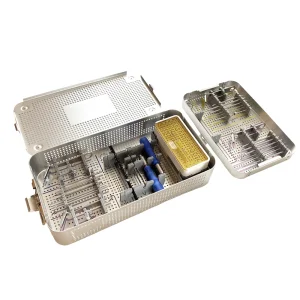
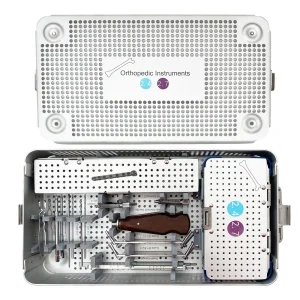
Our implants and corresponding instrument kits are built to support minimally invasive surgeries (MIS). Whether an orthopedic surgeon utilizes the Direct Anterior Approach (DAA), Direct Lateral, or Posterior Approach, the low-profile neck designs and optimized instruments protect surrounding soft tissues and speed up patient rehabilitation.
Find answers to common questions about our materials, manufacturing capabilities, certifications, and OEM partnerships.
Explore our wider range of orthopedic trauma systems, spine implants, surgical tools, and veterinary hardware.