Medispirex
Medispirex
Medispirex
High-performance orthopedic tools, joint system accessories, and revision instruments manufactured to international standards.
Optimizing tribological properties, wear kinematics, and polymer configurations to mitigate osteolysis in total hip arthroplasty (THA).
Ultra-High Molecular Weight Polyethylene (UHMWPE) remains the clinical gold standard for the acetabular bearing interface. Modern processing leverages highly cross-linked polyethylene (XLPE) irradiated with gamma rays to achieve deep polymer chain cross-linking, significantly reducing wear rate coefficients compared to legacy material grades.
By pairing high-grade metallic alloys—primarily Cobalt-Chromium-Molybdenum (CoCrMo) conforming to ASTM F1537—with cross-linked polymers, the coefficient of friction is optimized. This clinical design suppresses adhesive and abrasive wear kinetics, neutralizing the formation of sub-micron wear debris that can trigger bone resorption.
To eliminate post-irradiation aging and oxidation, modern formulations infuse Vitamin E (Alpha-Tocopherol) as a free-radical scavenger. This step ensures long-term mechanical properties and chemical stability, retaining critical fracture toughness and fatigue resistance over decades of joint articulation.
Medical data suggests that modern highly cross-linked polymers demonstrate up to a 85% reduction in volumetric wear rates when compared to conventional UHMWPE. This technical upgrade dramatically increases the functional lifespan of the prosthesis, directly addressing the clinical challenges of active and younger joint replacement recipients.
Fusing material science and state-of-the-art multi-axis CNC technology to supply orthopedic distributors and surgical providers worldwide.
Operating under high standards of batch integrity, Medispirex implements rigorous traceability systems tracking every raw block of titanium, cobalt chrome, and UHMWPE from raw chemical batch, CNC machining, cleanroom packaging, to final high-precision inspection.
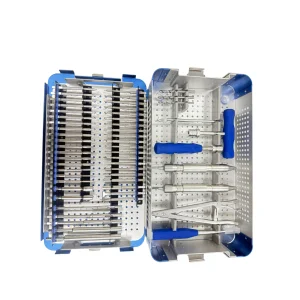
Providing comprehensive customization support including private label manufacturing, product design adaptation, and complete surgical tool system configuration. Our engineering team modifies geometries, tolerances, and surface properties to target specific clinical profiles.
A stable network of approximately 860 upstream and downstream partners ensures an uninterrupted supply of raw medical-grade materials, heat treatment processes, and sterilization services, enabling consistent delivery times to distributors across Europe and North America.
Walkthrough of our specialized production processes, machining equipment, and validation laboratories.
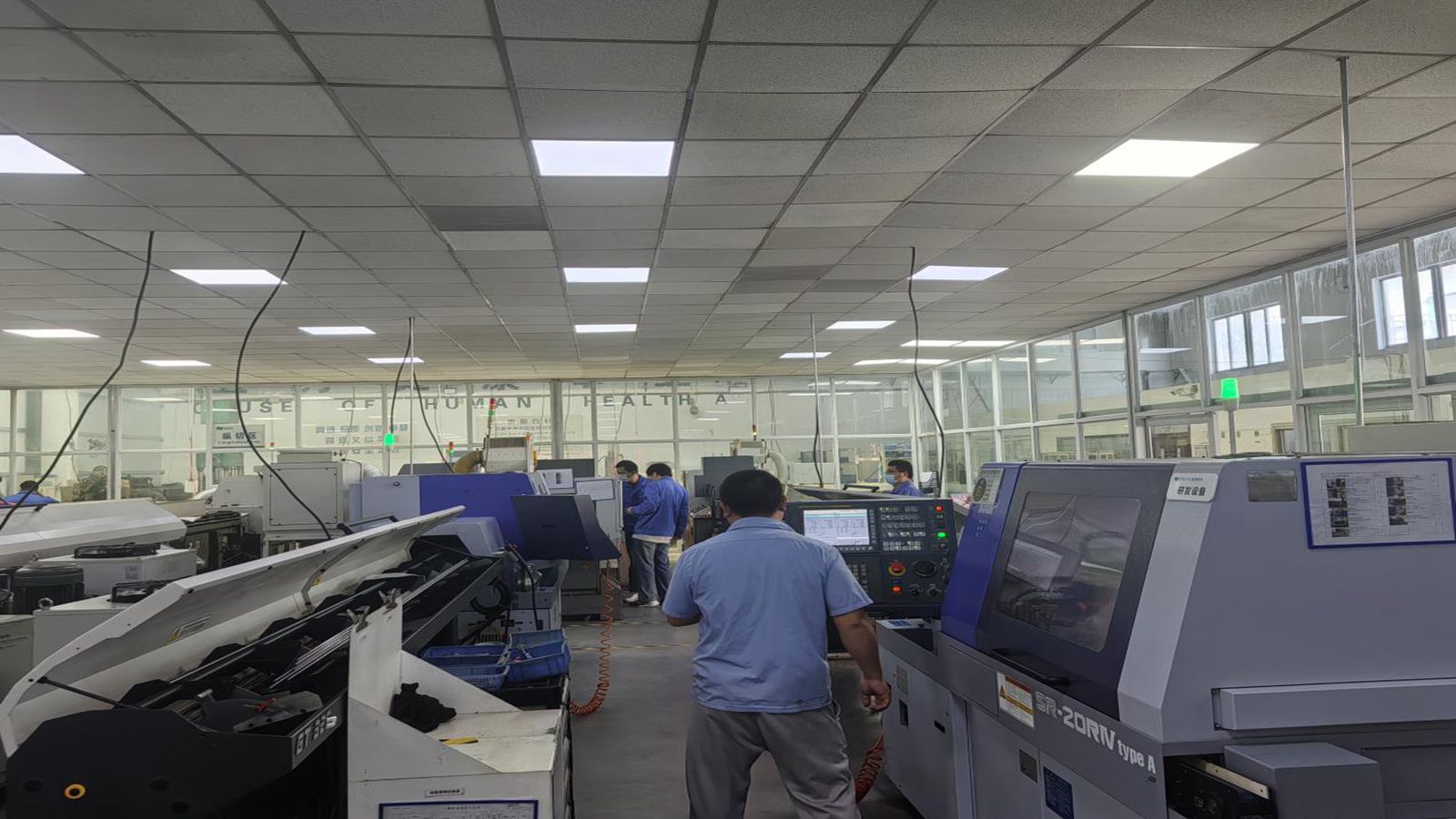
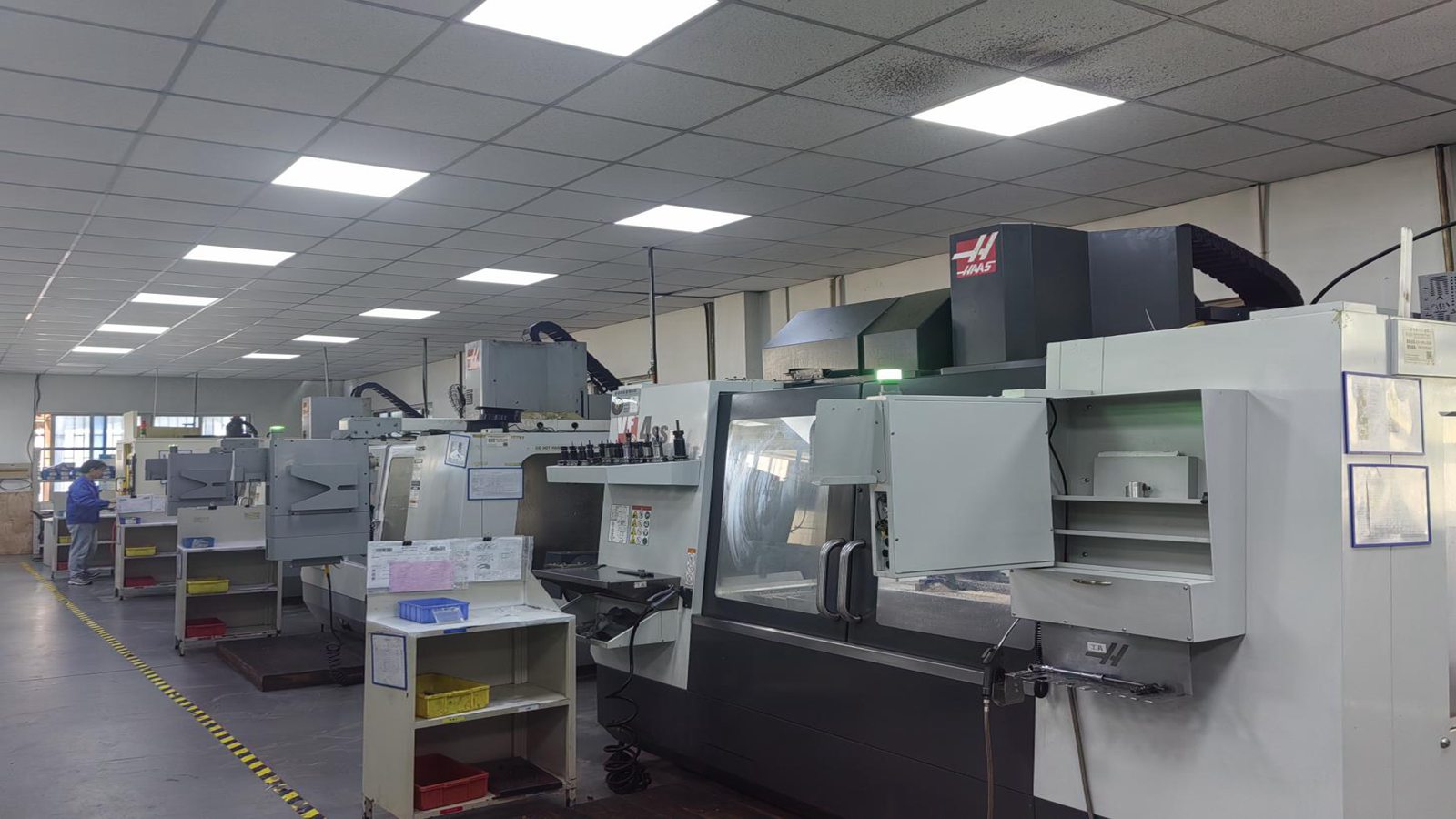
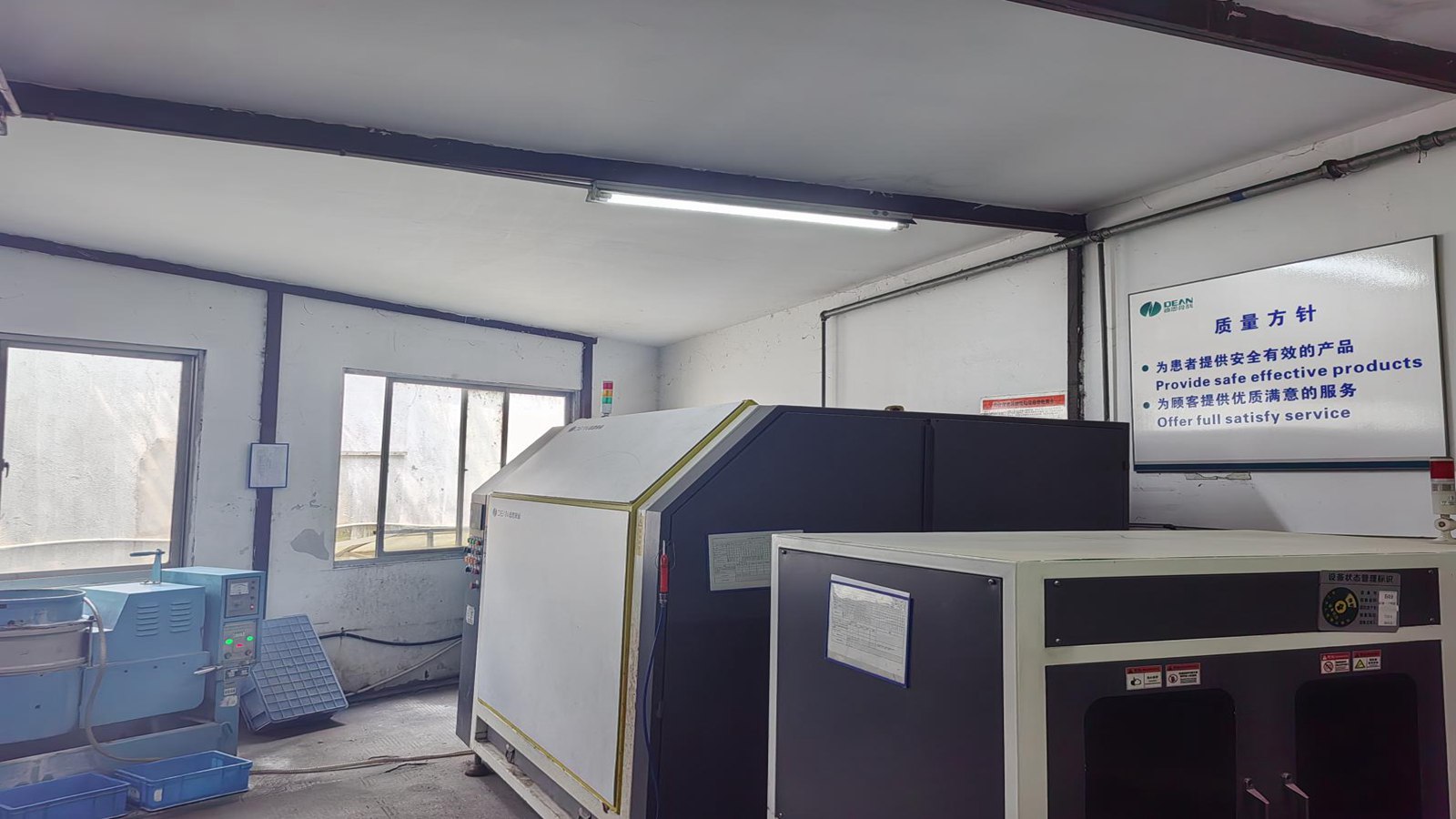
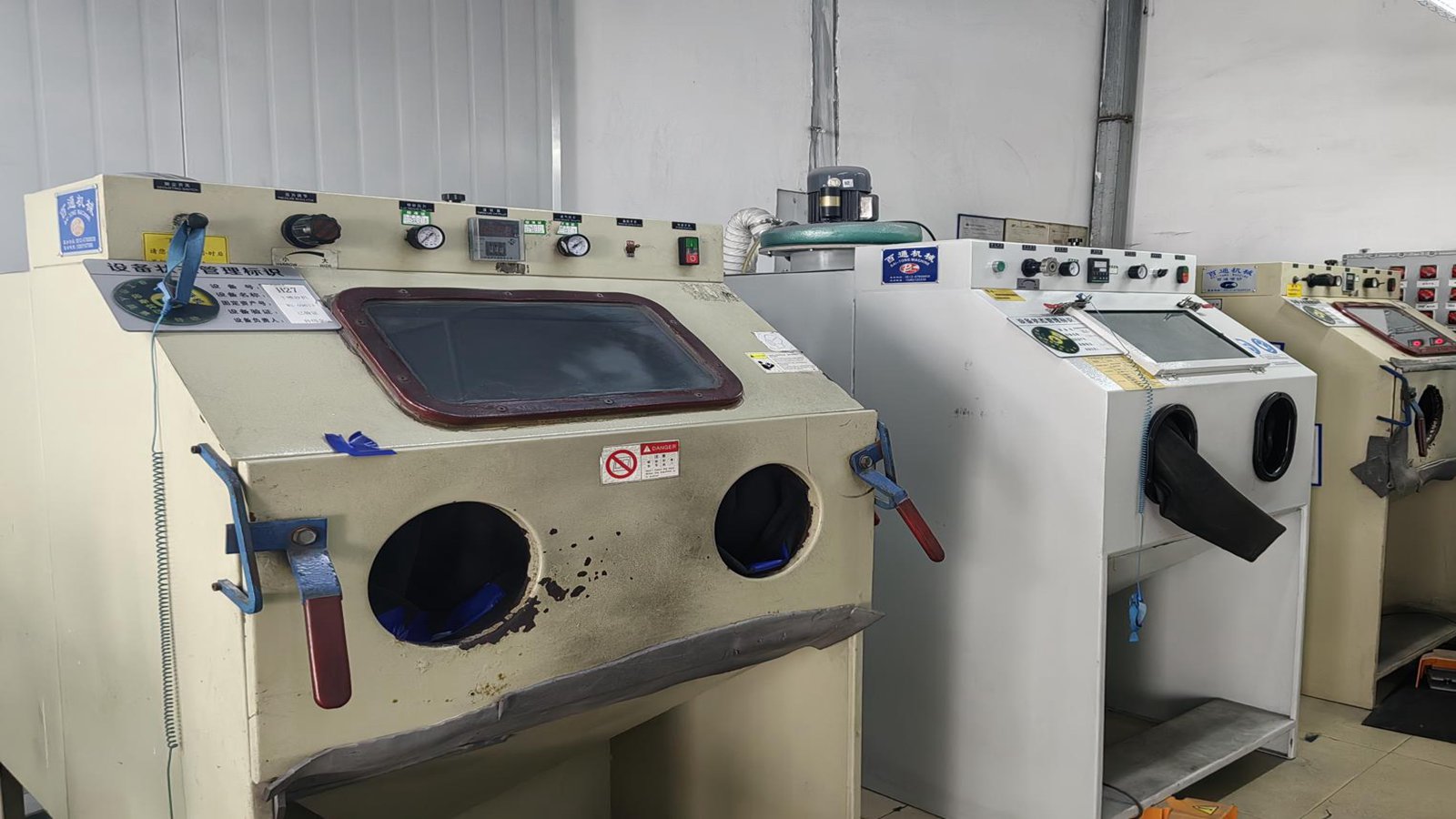
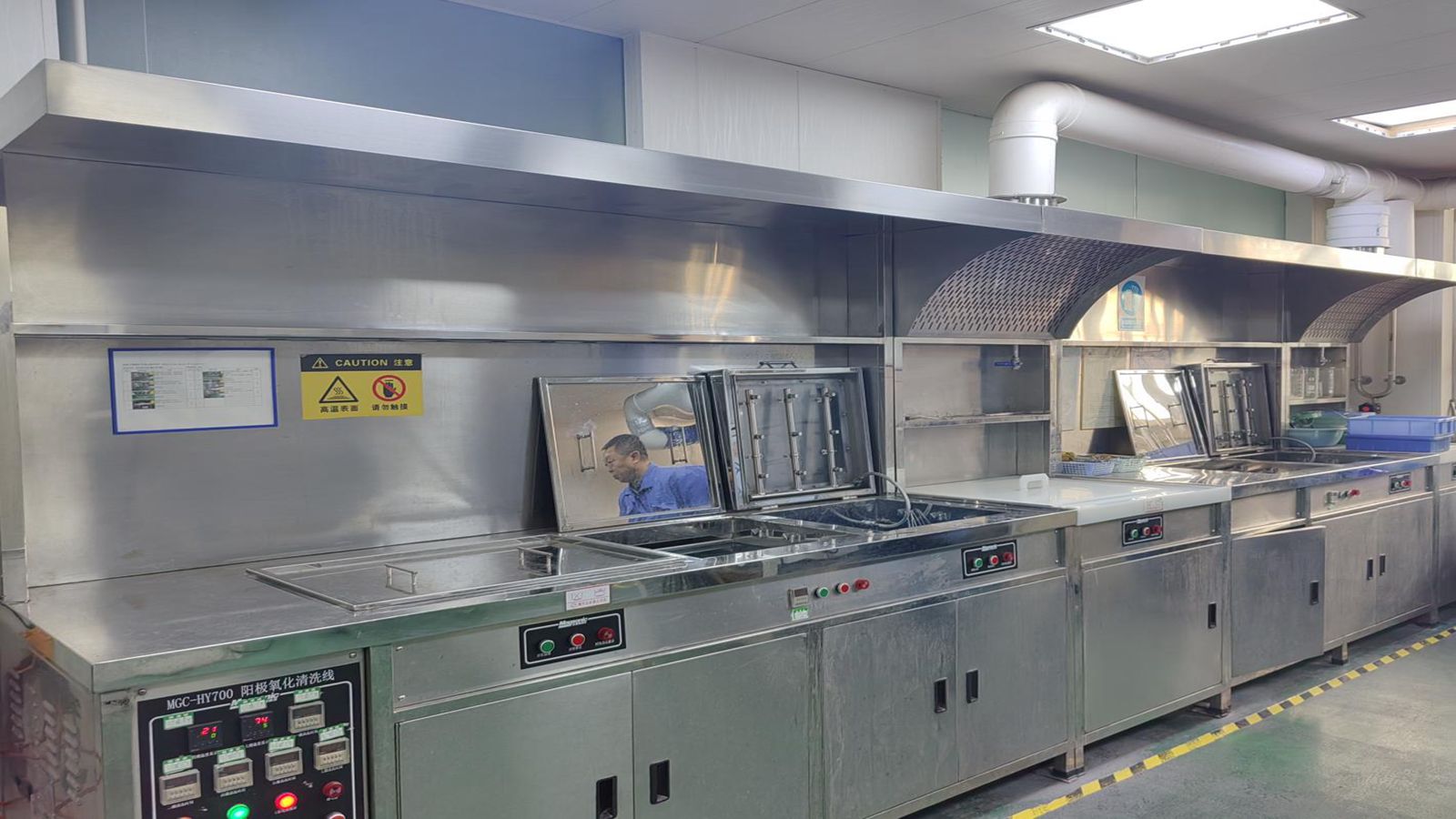
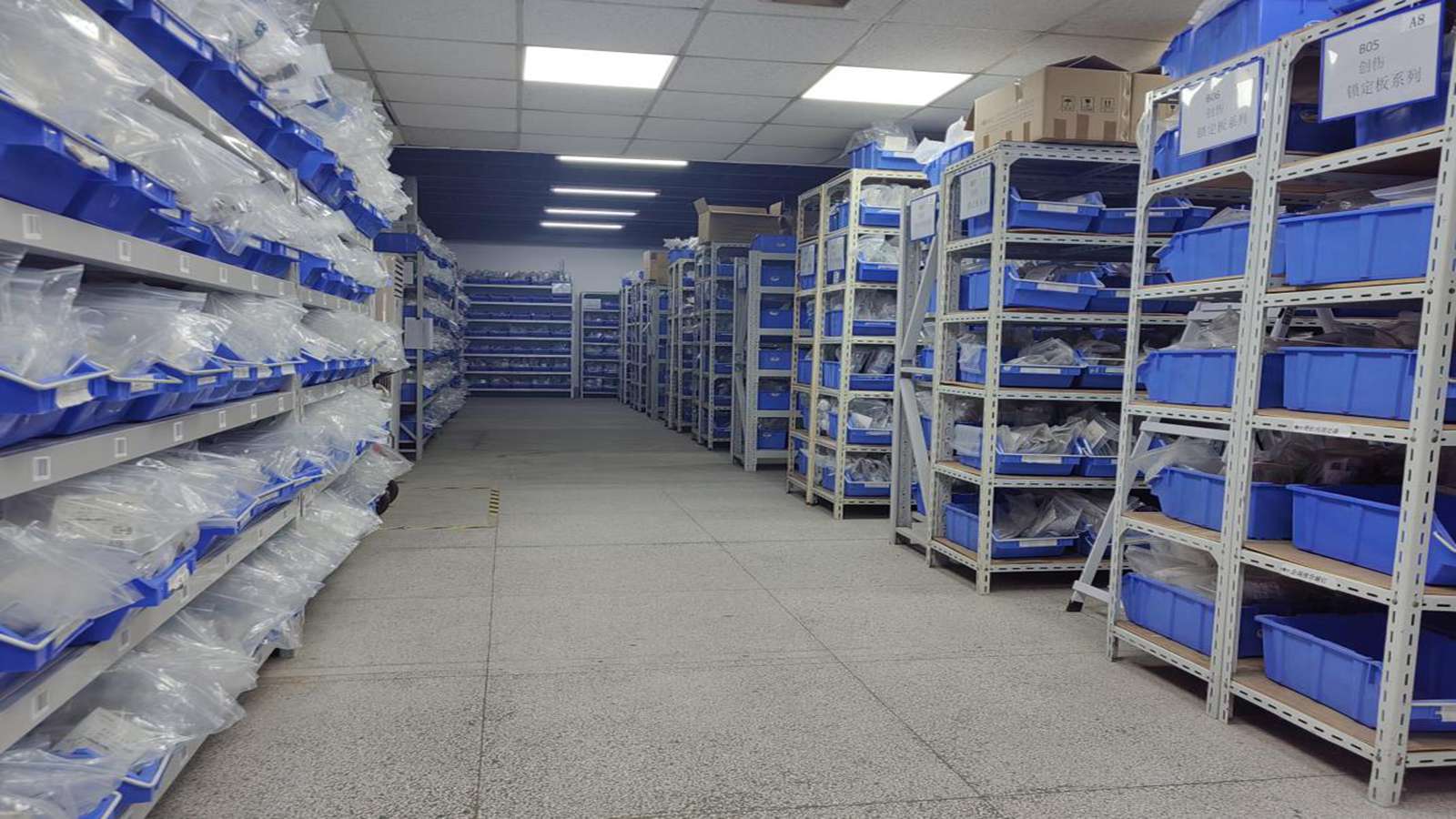
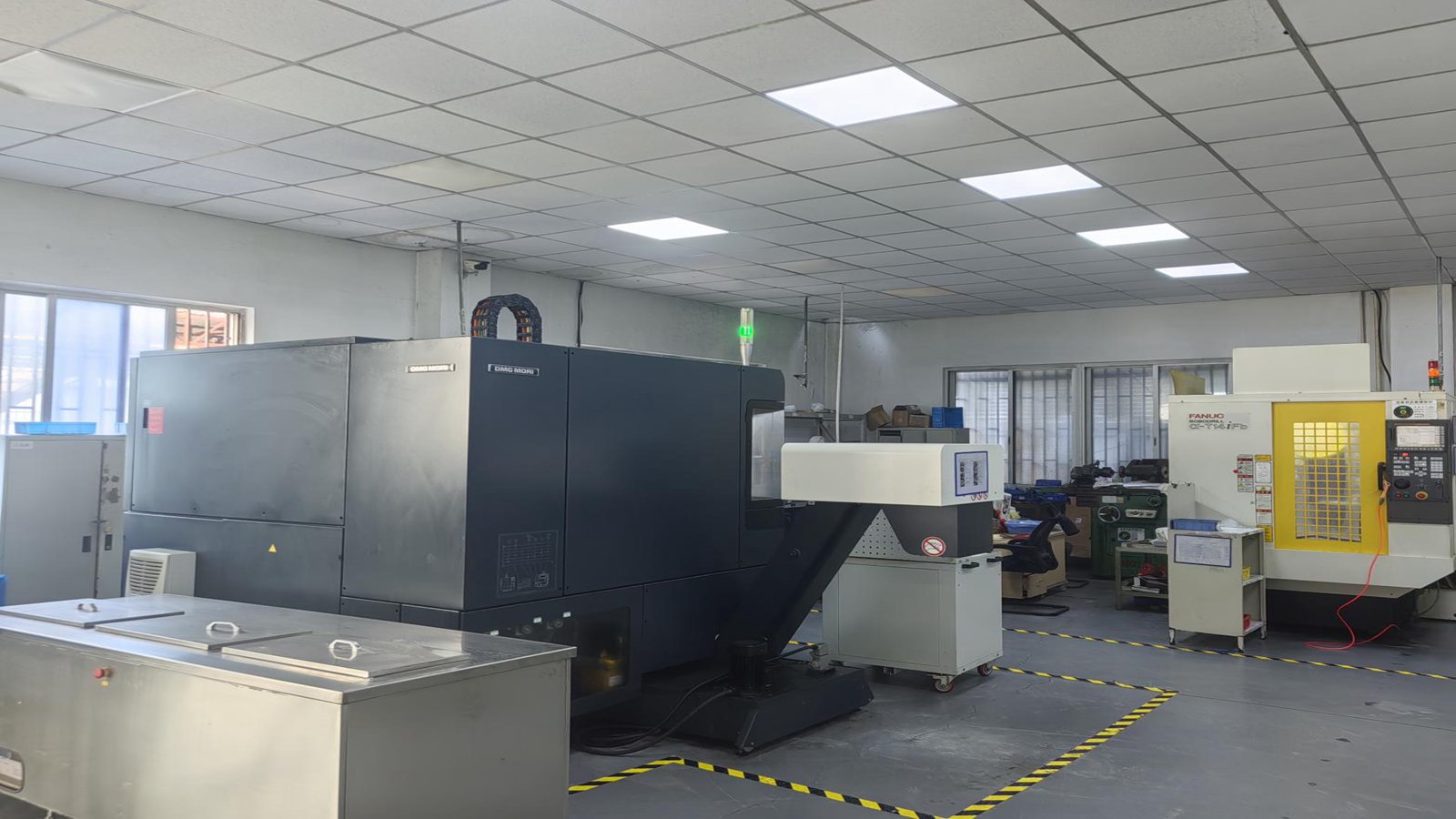
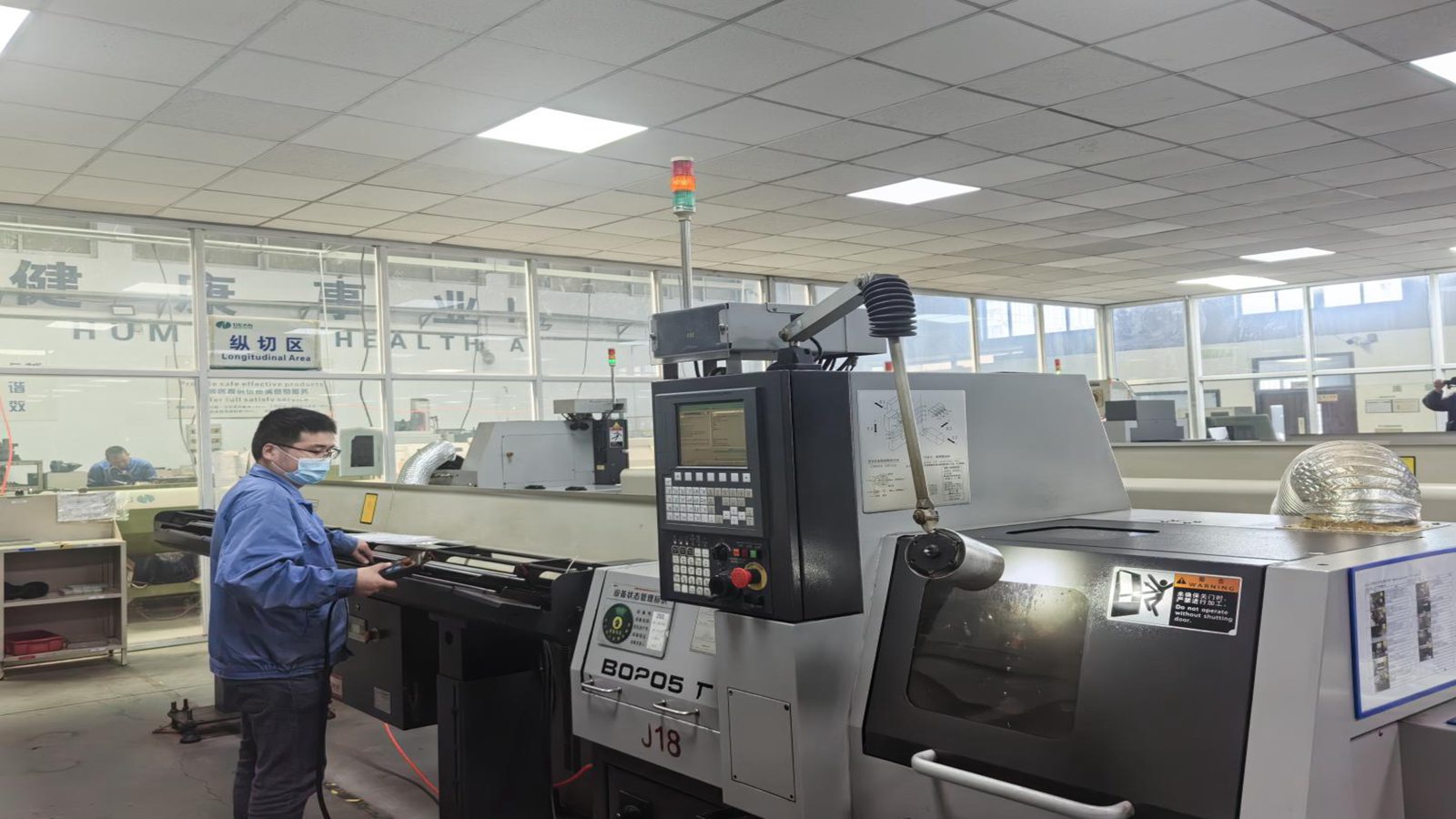
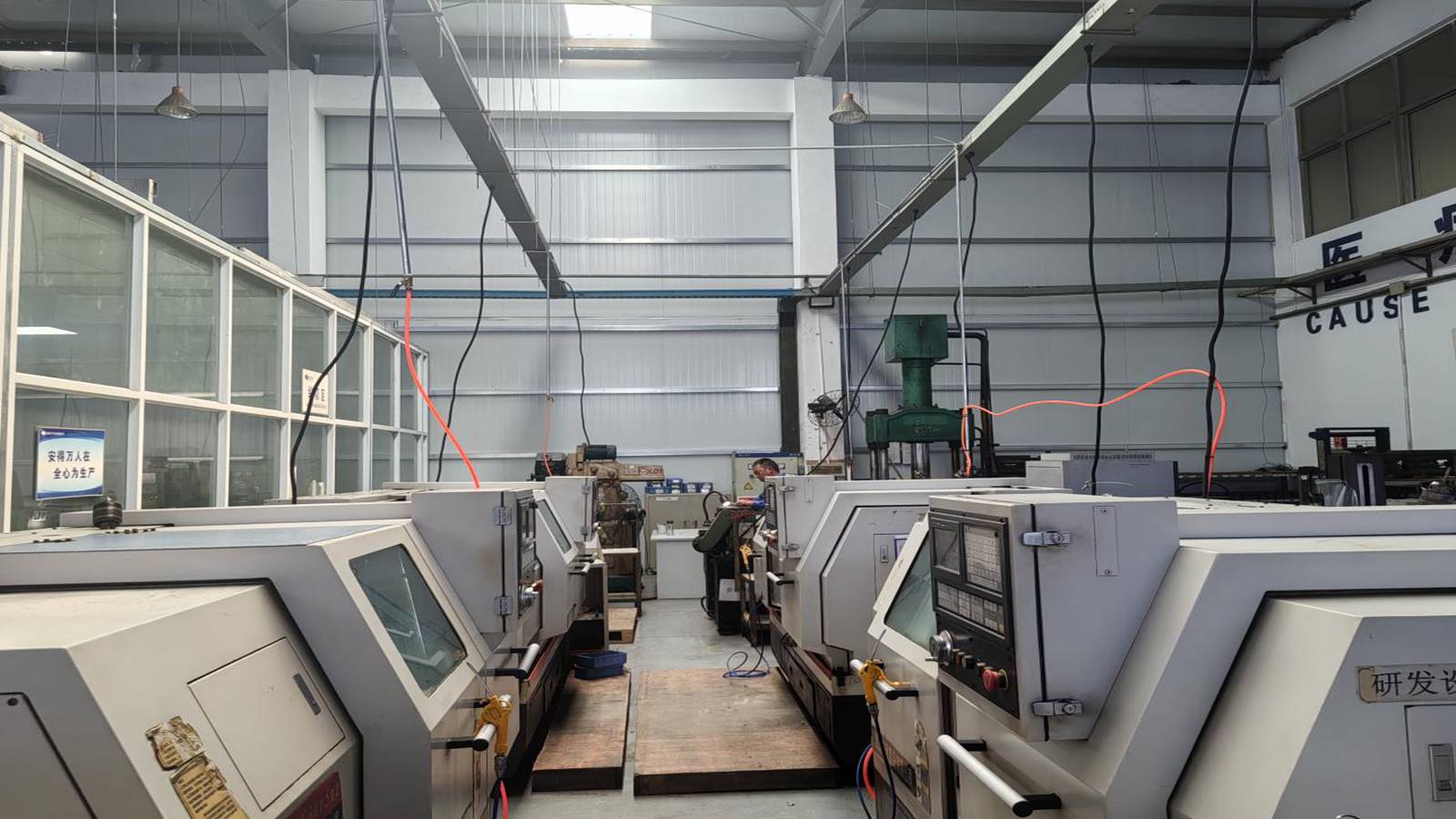
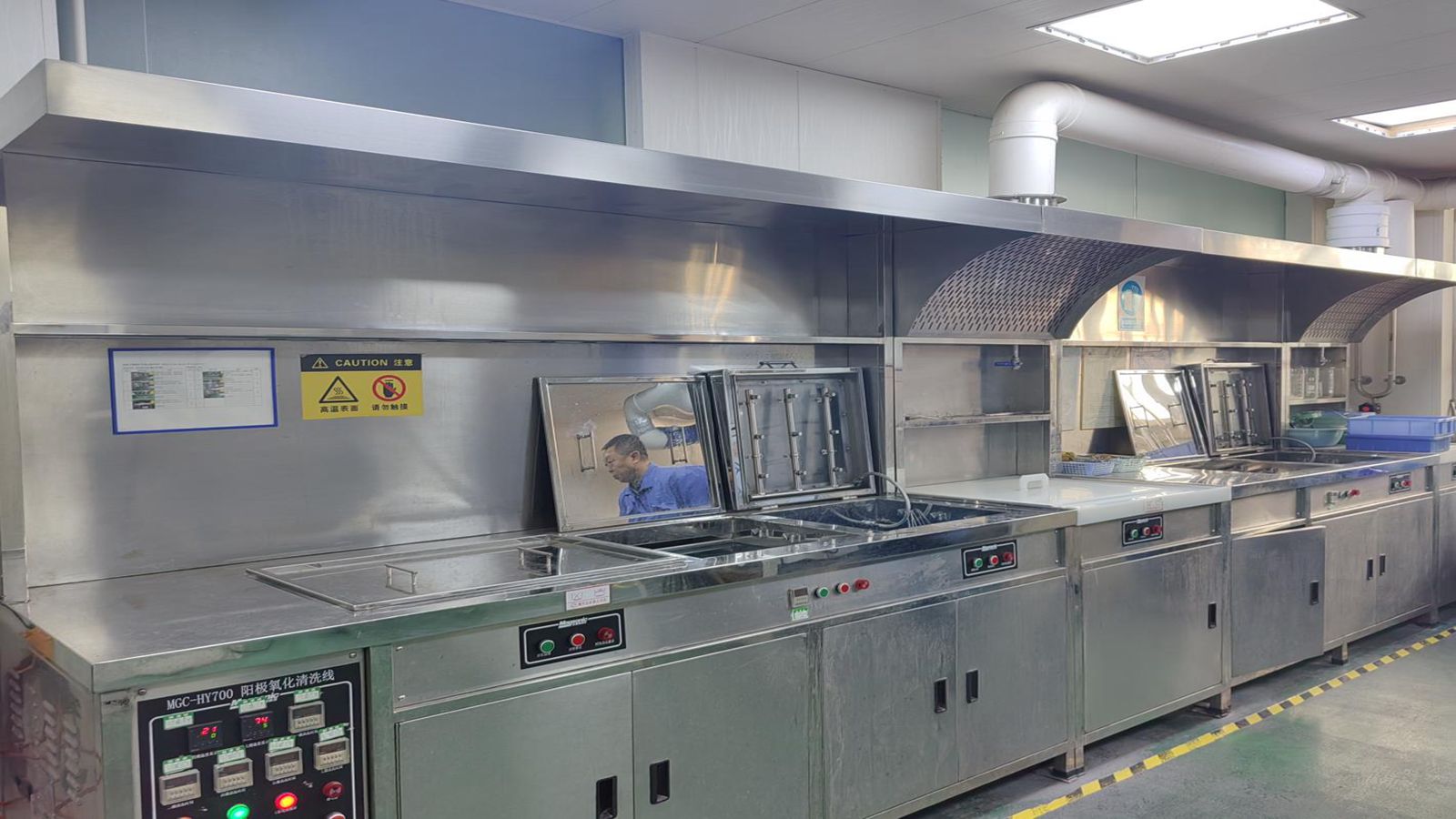
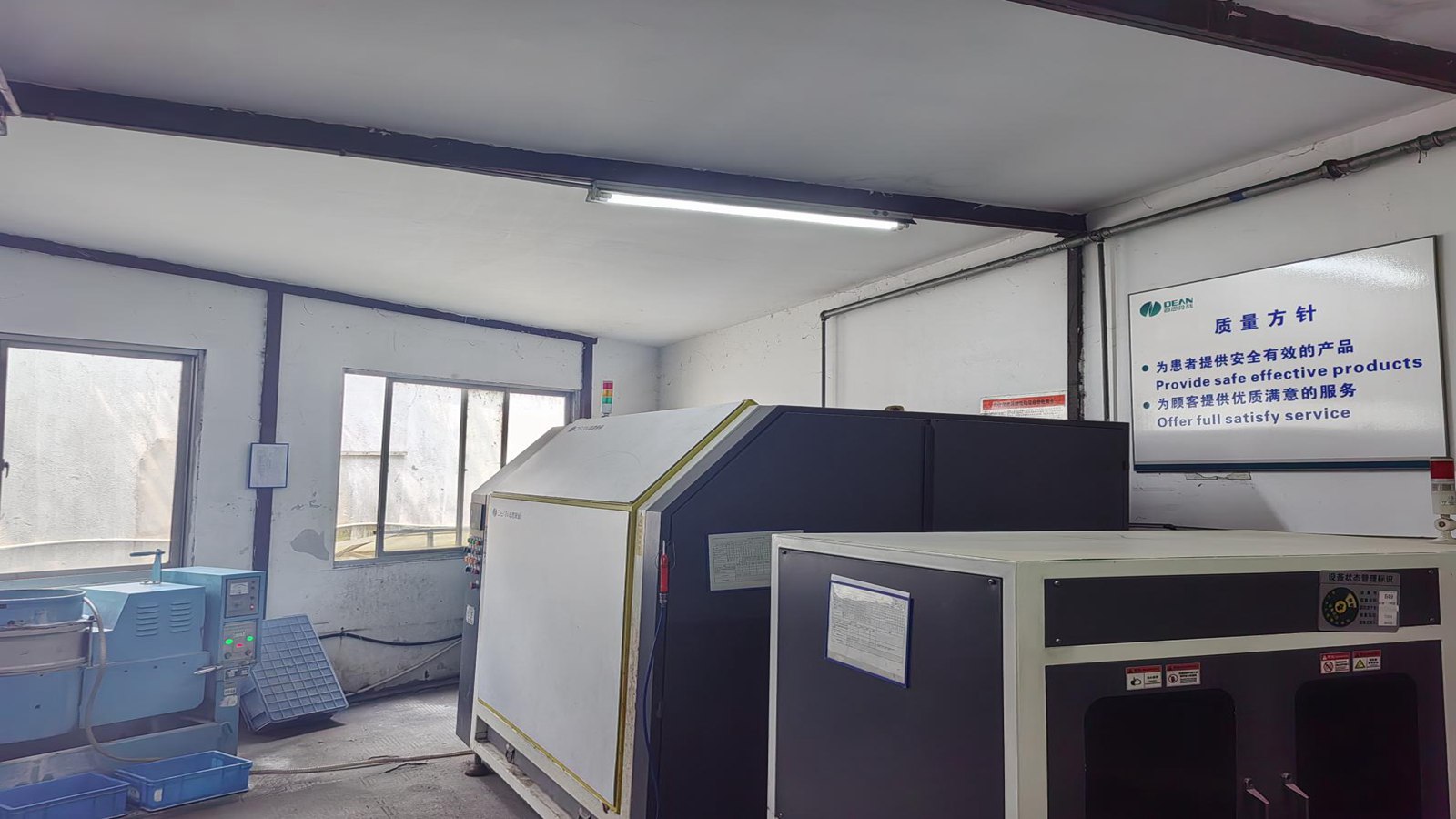
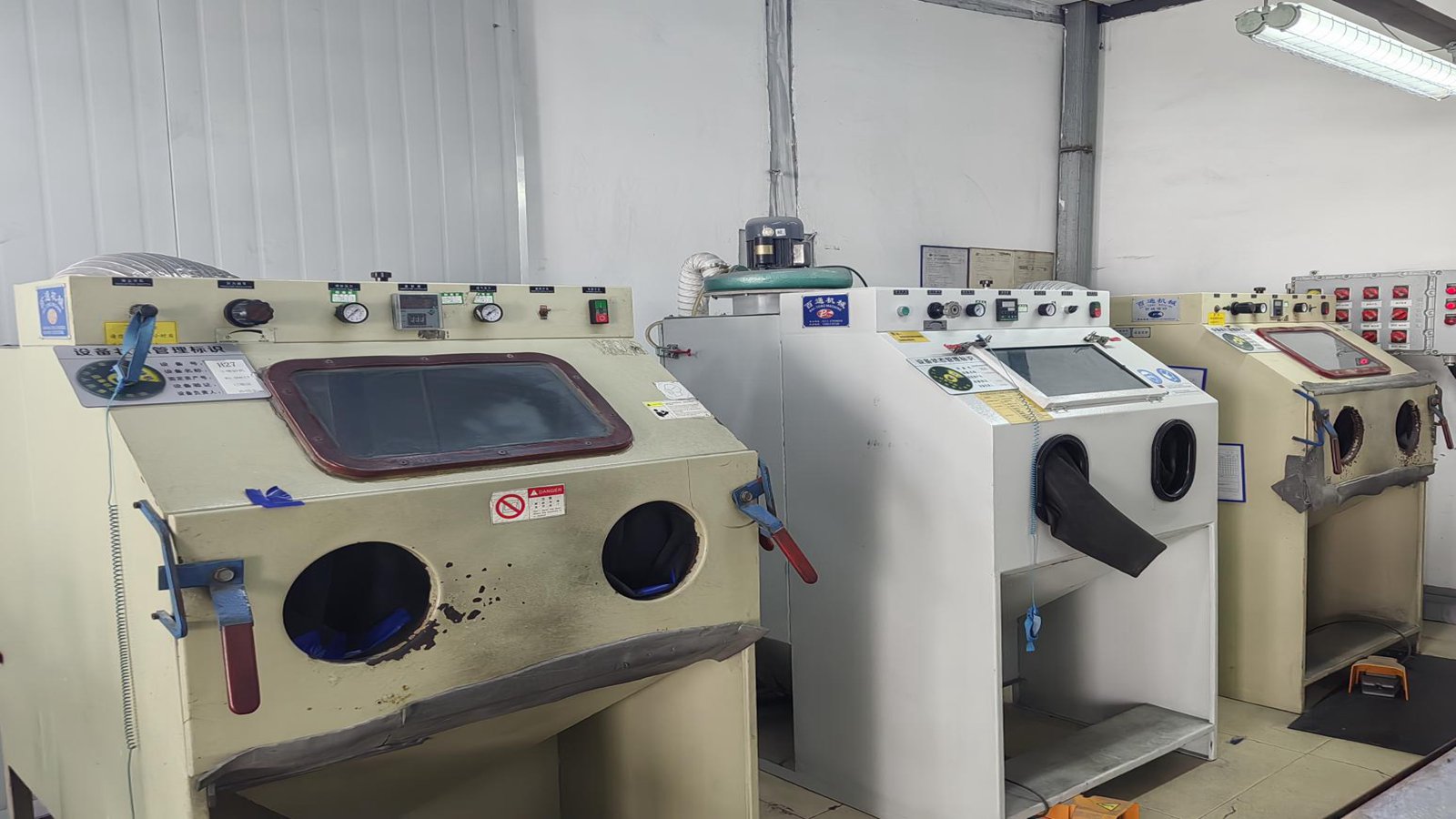
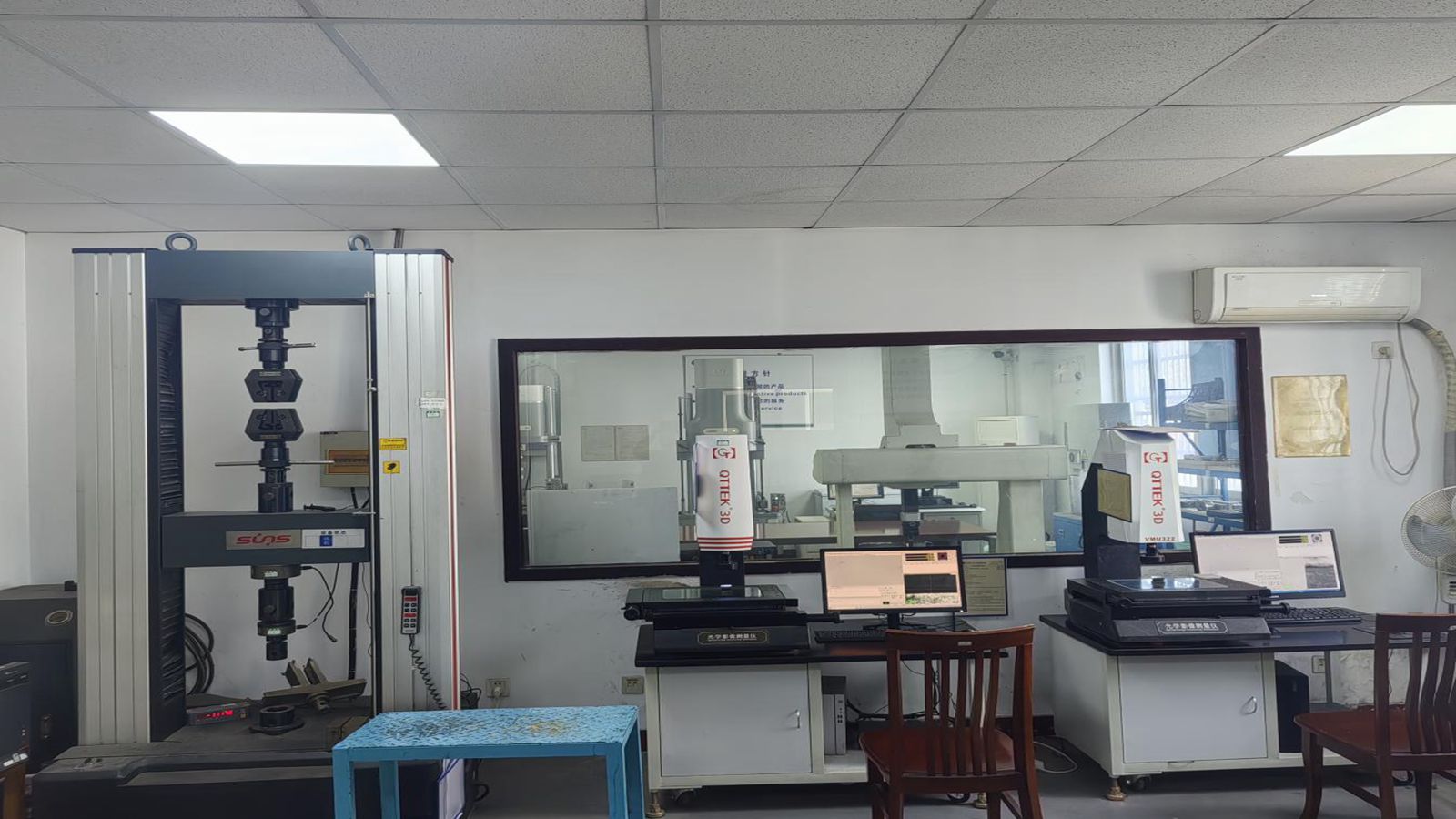
Detailed physical criteria and material testing standards implemented by our 45-person QC department.
Implants undergo mechanical stress profiling, simulated multi-million cycle dynamic simulators, and high-frequency fatiguing configurations mimicking human physical movement. Test protocols align with ISO 7206 standards for structural hip stem and femoral neck fatigue performance.
Femoral head components are evaluated on Coordinate Measuring Machines (CMM) and optical non-contact profilometers. The target average surface roughness (Ra) for CoCrMo femoral components is maintained under 0.05 μm, promoting clean hydrodynamic fluid-film lubrication profiles during active gait.
Micro-spectrometry, energy-dispersive X-ray spectroscopy (EDS), and metallurgical phase checks determine grain boundary distributions, carbide locations, and purity metrics in implant structures to prevent early material fatigue or stress corrosion cracking in vivo.
Navigating complex international medical device distribution with strict adherence to CE, FDA, and ISO standards.
As regulatory requirements for Class III medical implants tighten globally (such as the transition from MDD to MDR in Europe), Medispirex prioritizes comprehensive dossier structures, technical files, and clinical evaluation reports (CER) to assist distributors in getting registration approvals quickly.
Global procurement networks require medical-grade stability coupled with cost-effective manufacturing systems. Using consolidated material purchasing, advanced multi-spindle machining centers, and an integrated supply chain, we deliver premium performance without prohibitive product costs.
To assure clinical inventory remains intact, we maintain dedicated transit packaging protocols. High-barrier medical film, cleanroom sterile pouches, and customized rigid protective boxes preserve physical surface finishes through transcontinental freight channels.
How our team of 85 R&D engineers is planning and testing next-generation clinical technologies.
Further research into crosslinked polymers containing localized free-radical sweepers. This approach improves long-term material properties during cyclic shear stresses and maintains stability, avoiding aging under high oxygen load environments.
Integrating 3D electron-beam melting (EBM) processes to print highly porous trabecular titanium coatings. These custom geometric backings adapt to patients with complex acetabular bone loss, promoting early and stable osseointegration.
R&D investigations into micro-sensor implants capable of real-time monitoring of local load distributions, articulating pressures, and joint alignment. This dynamic telemetry data can aid post-operative rehabilitation programs.
Common questions regarding OEM parameters, material standards, and custom manufacturing projects.
Comprehensive orthopedic solutions for surgical trauma repair, spinal stabilization, and complex reconstructions.
Leverage our advanced 18,600㎡ manufacturing base, 85-person R&D engineering department, and extensive supply chain network of 860 partners. We are dedicated to providing reliable, high-performance implants that meet international standards for joint, spinal, and trauma surgery systems.