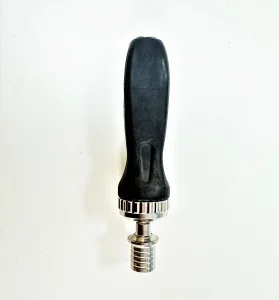
Medispirex
Explore our ISO 13485-certified orthopedic surgical instrument sets, pedicle positioning systems, and specialized power tools designed for seamless navigation integration.
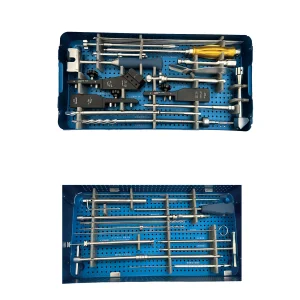
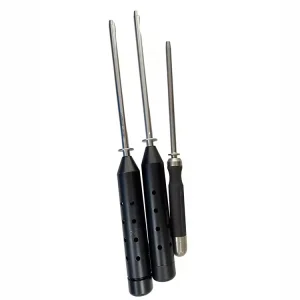
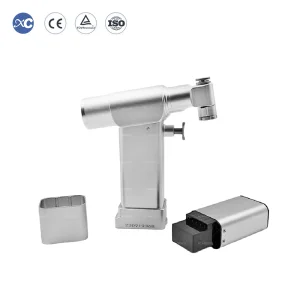
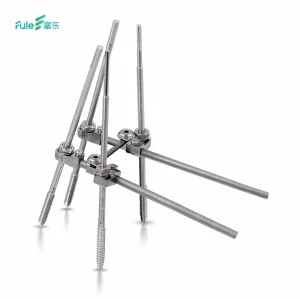
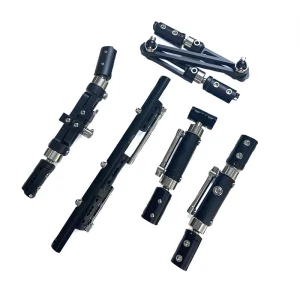
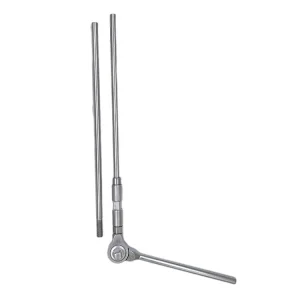
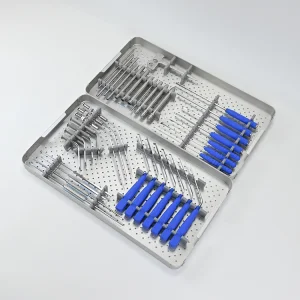
Analyzing the transition from traditional fluoroscopy-guided surgery to dynamic optical and electromagnetic computer-assisted orthopedic surgery (CAOS).
In modern surgical workflows, particularly across complex spinal deformities, total joint arthroplasty (TJA), and trauma reduction, surgical navigation systems have evolved from luxury accessories into core structural necessities. As clinical demand shifts toward Minimally Invasive Surgery (MIS), surgeons require real-time 3D spatial awareness to achieve sub-millimeter surgical accuracy while dramatically reducing intraoperative radiation exposure for surgical teams and patients alike.
As a leading Custom OEM Intraoperative Navigation Systems Supplier, Medispirex Orthopedic Technology Co., Ltd. bridges the critical gap between high-level navigation software algorithms and physical, patient-contacting hardware. The modern navigation ecosystem relies heavily on hardware precision—dynamic reference frames (DRFs), optical tracker geometry, sterilizable calibration phantoms, and rigid instrument tracker adaptors must maintain uncompromising geometric tolerances (within ±0.005mm) even after hundreds of autoclave sterilization cycles.
The global surgical navigation systems market is projected to surpass USD 12.8 Billion by 2030, propelled by a compound annual growth rate (CAGR) of 8.2%. Driving factors include:
Moving beyond mechanical axes toward patient-specific anatomical kinematically aligned joint restoration using dynamic tracking arrays.
Seamless registration pipelines combining intraoperative 3D cone-beam CT (CBCT) with optical positioning systems.
Integration of optical passive spheres, active infrared LEDs, and electromagnetic sensors directly into handles and reamers.
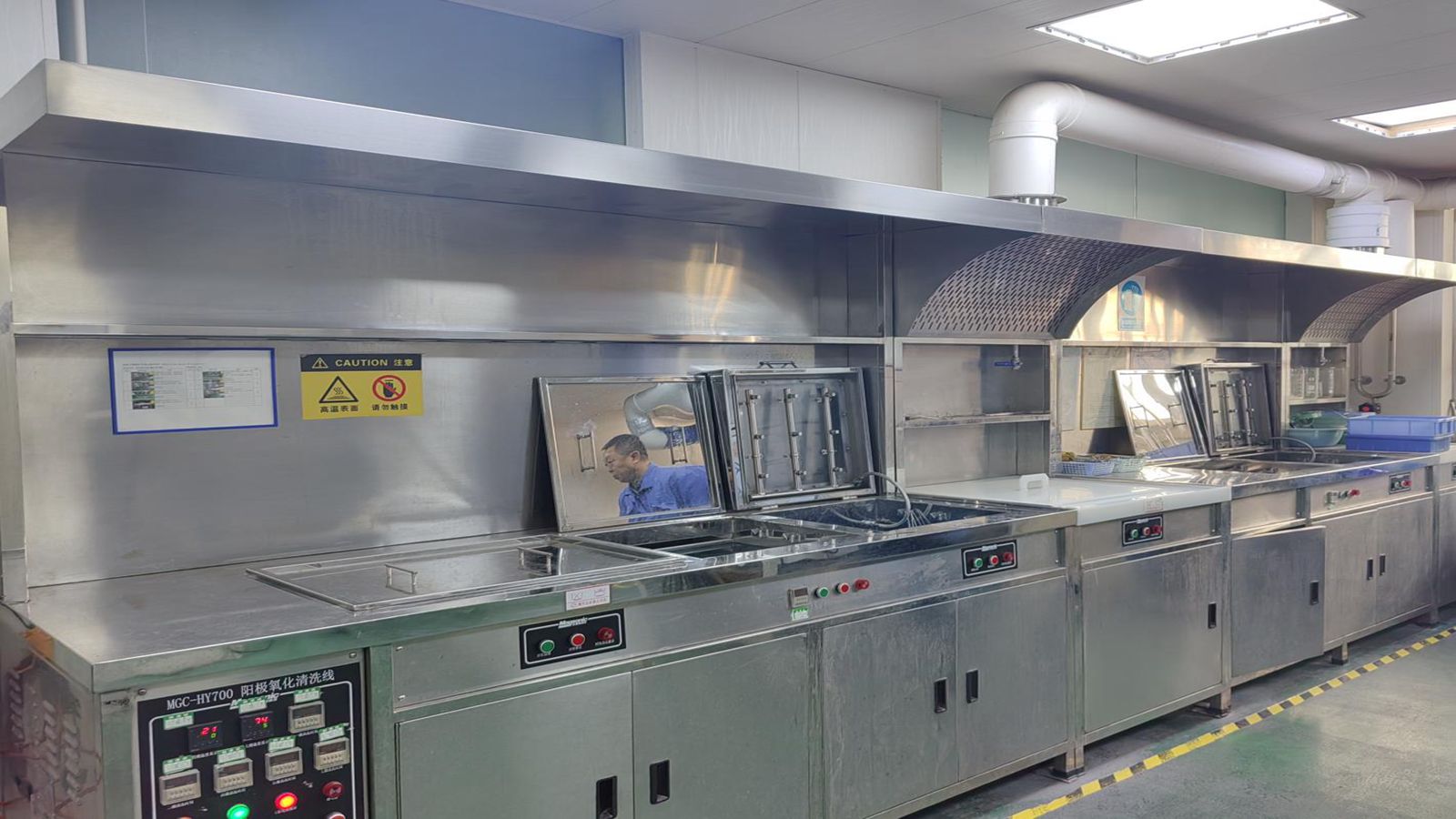
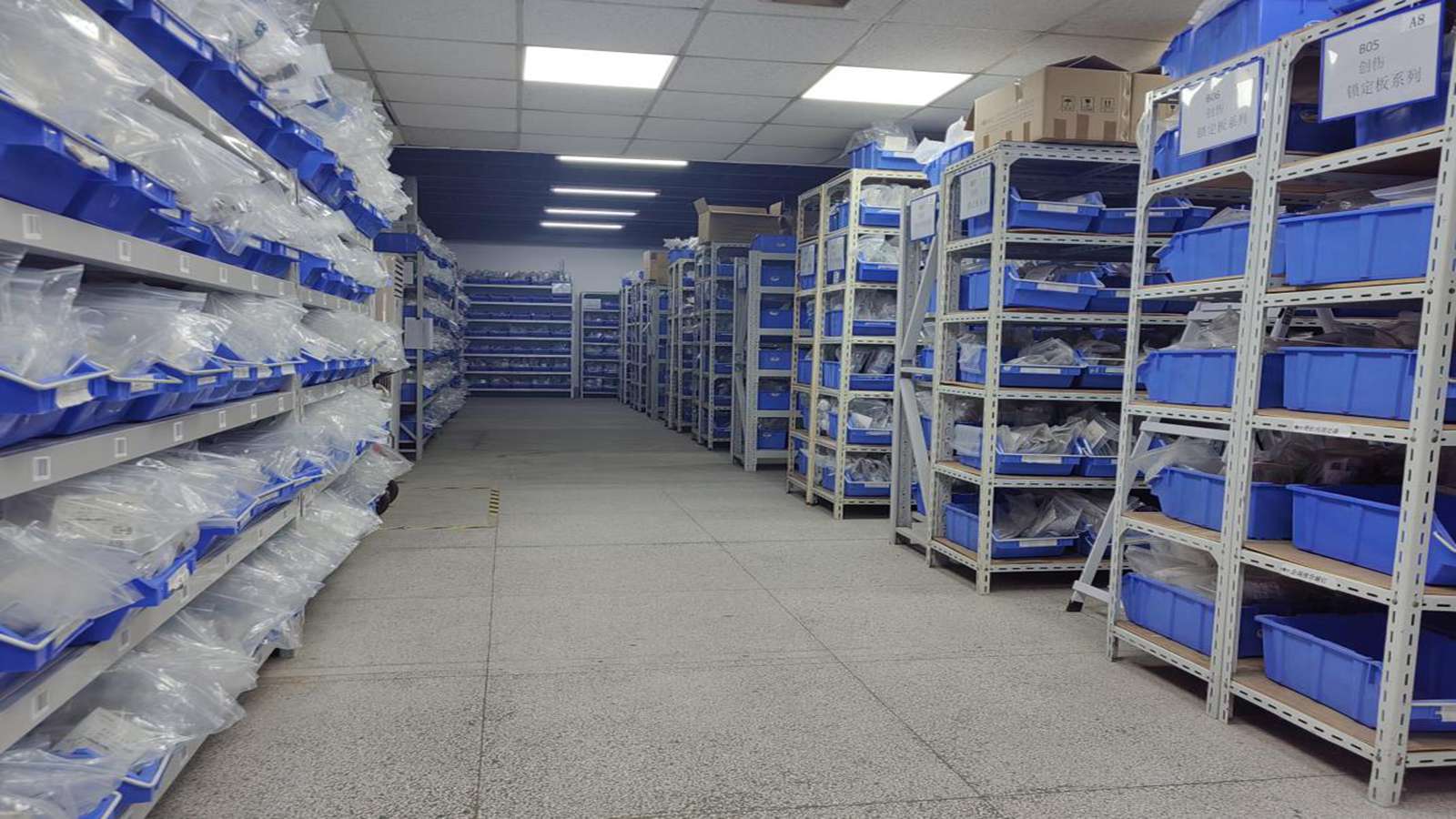
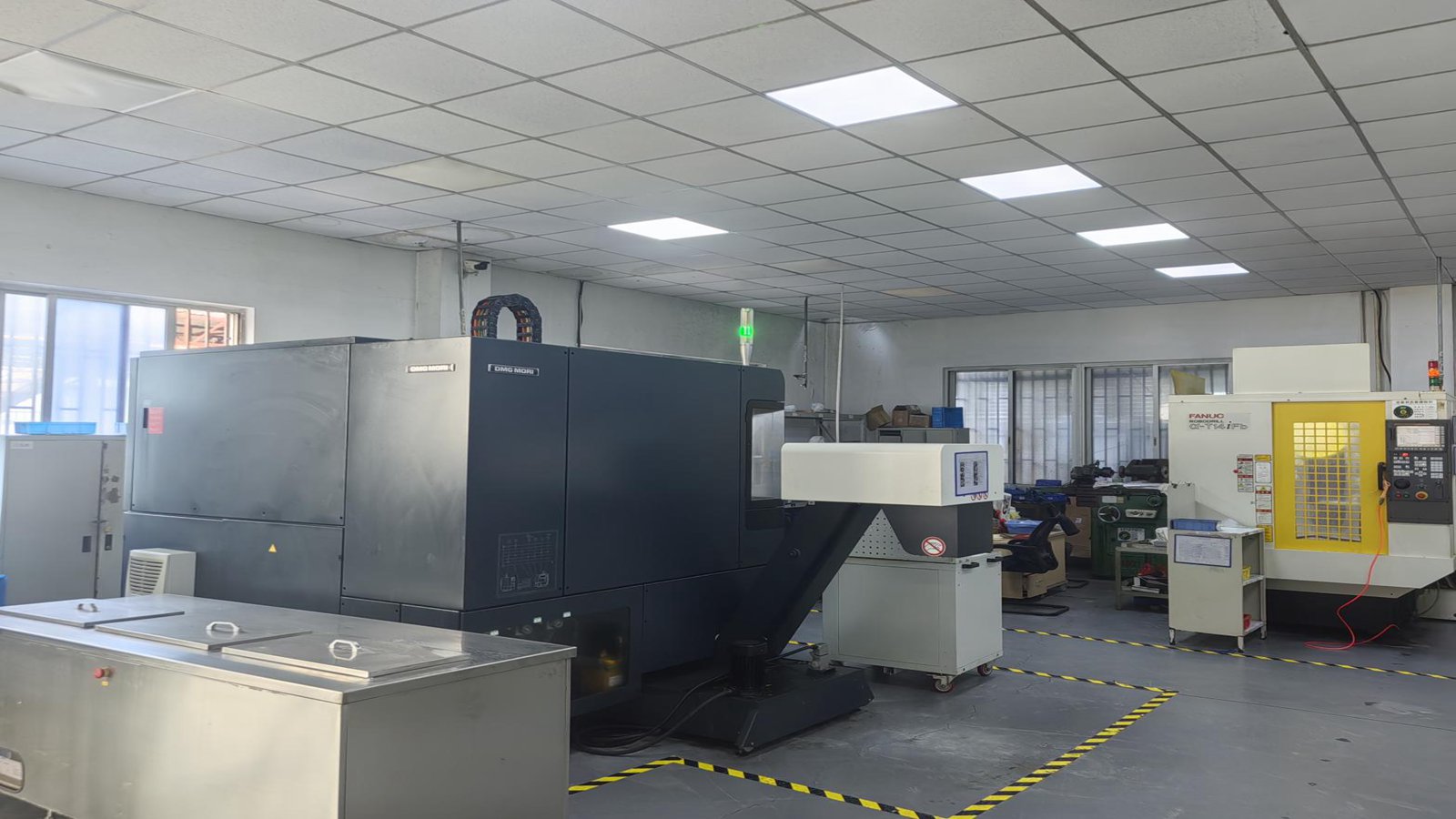
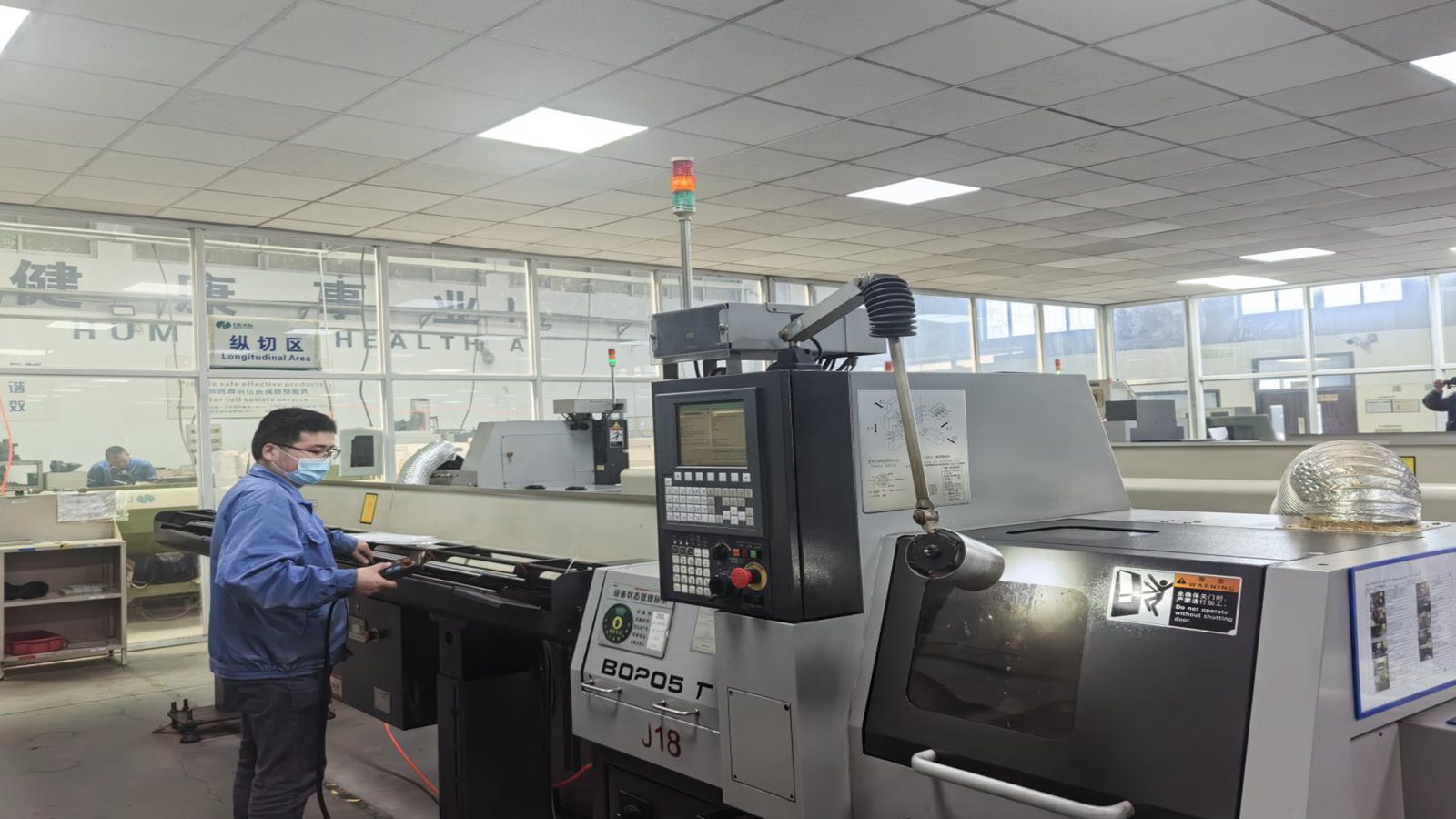
Combining world-class manufacturing infrastructure with rigorous quality verification systems to supply globally compliant medical components.
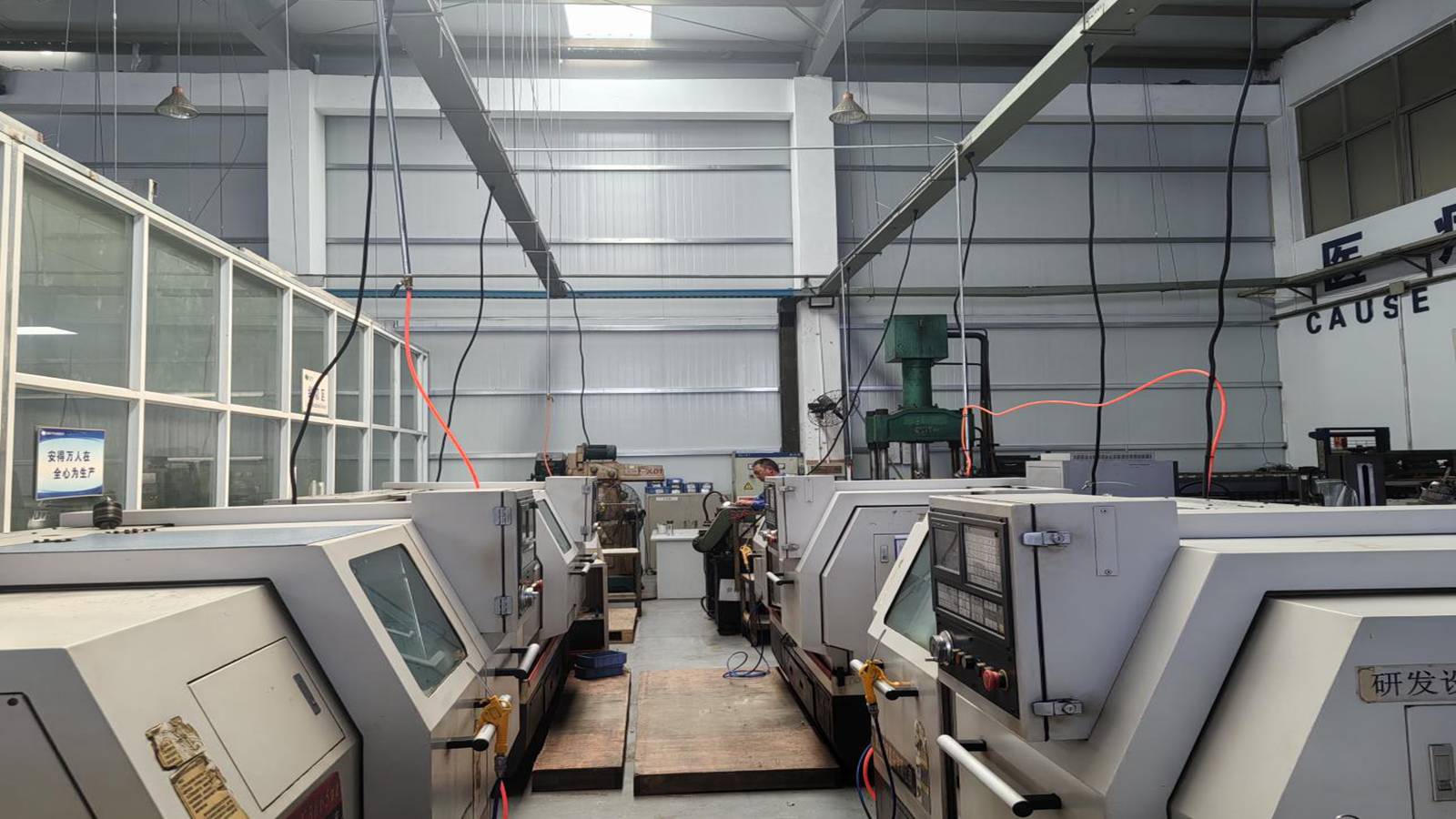
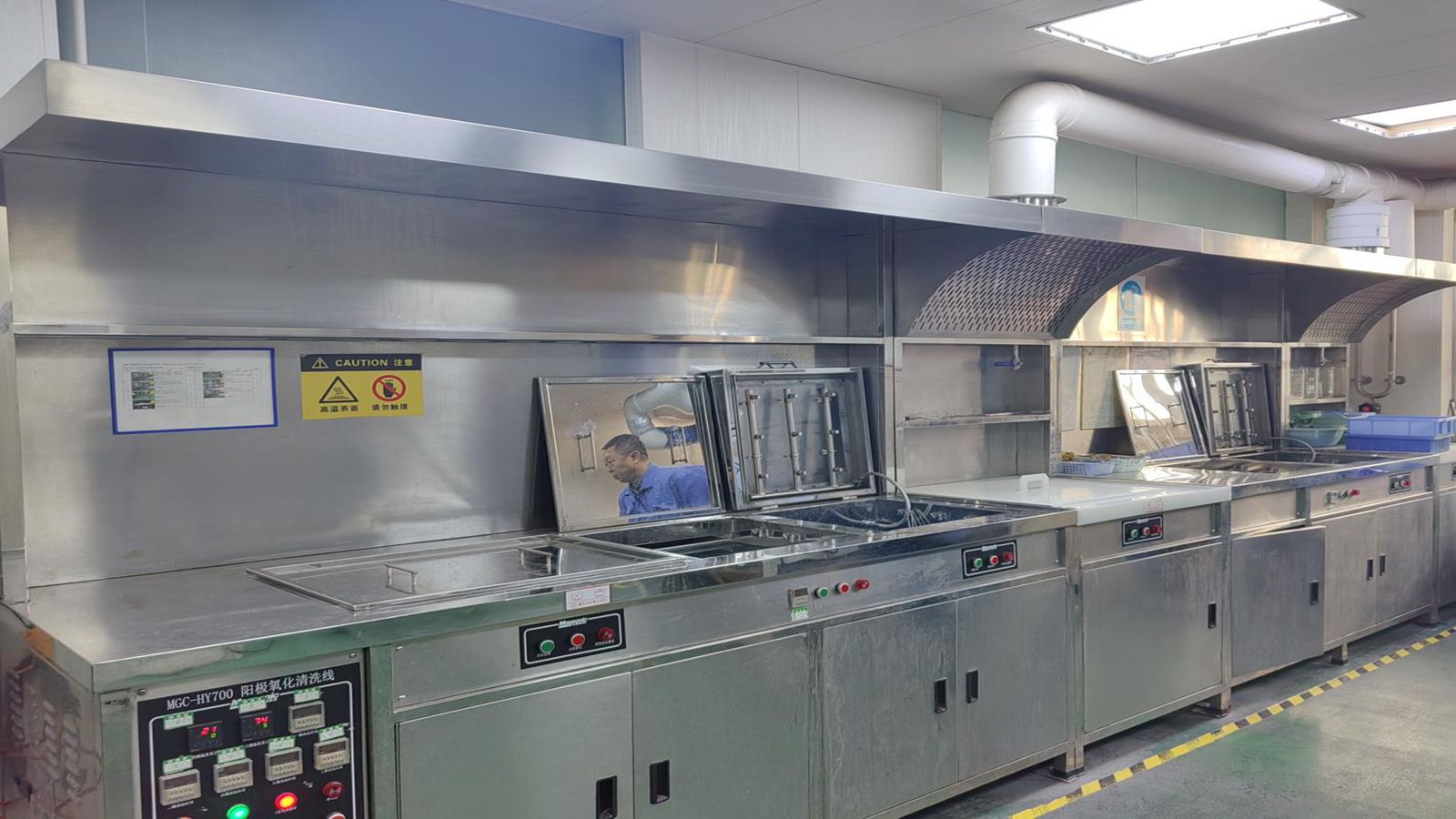
Medispirex Orthopedic Technology Co., Ltd. is a professional manufacturer specializing in spine and orthopedic implant solutions, established in 2016 with a modern production facility covering approximately 18,600㎡. The company integrates R&D, manufacturing, and global distribution to deliver high-quality medical devices for trauma, spine, and joint reconstruction applications.
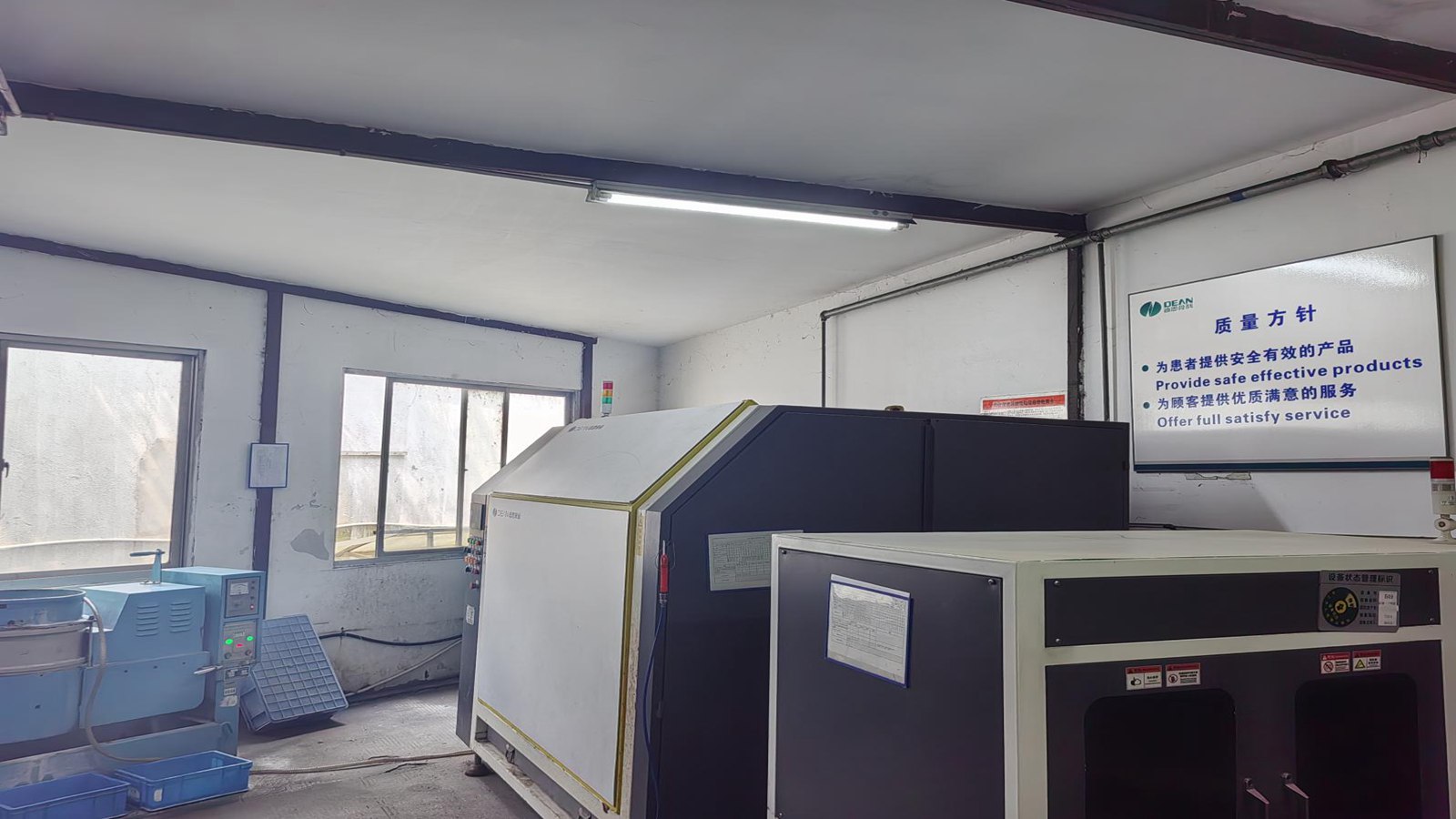
With an annual export revenue of approximately USD 18 million, Medispirex has built a stable international presence supported by 7 years of export experience and over 12 years of industry expertise. The company operates under a strict quality management system, ensuring product reliability through incoming material inspection, in-process quality control, final product testing, and batch traceability systems. Product verification methods include dimensional inspection, mechanical fatigue testing, and material composition analysis. The quality assurance team consists of around 45 dedicated QC professionals.
Medispirex maintains a strong trade-oriented manufacturing background, serving key markets including Europe, North America, the Middle East, and Southeast Asia. Its supply chain network includes approximately 860 upstream and downstream partners, enabling stable production capacity and efficient global delivery.
The company primarily serves hospitals, orthopedic surgeons, medical distributors, and OEM/ODM partners, offering flexible customization options such as private label manufacturing, product design adaptation, and surgical system configuration support.
Driven by strong innovation capability, Medispirex has launched approximately 120 new products in the past year, supported by a R&D team of around 85 engineers specializing in biomechanics, materials science, and orthopedic device design.
With a commitment to precision engineering and clinical performance, Medispirex continues to develop advanced orthopedic and spinal solutions that meet international standards and evolving surgical needs.
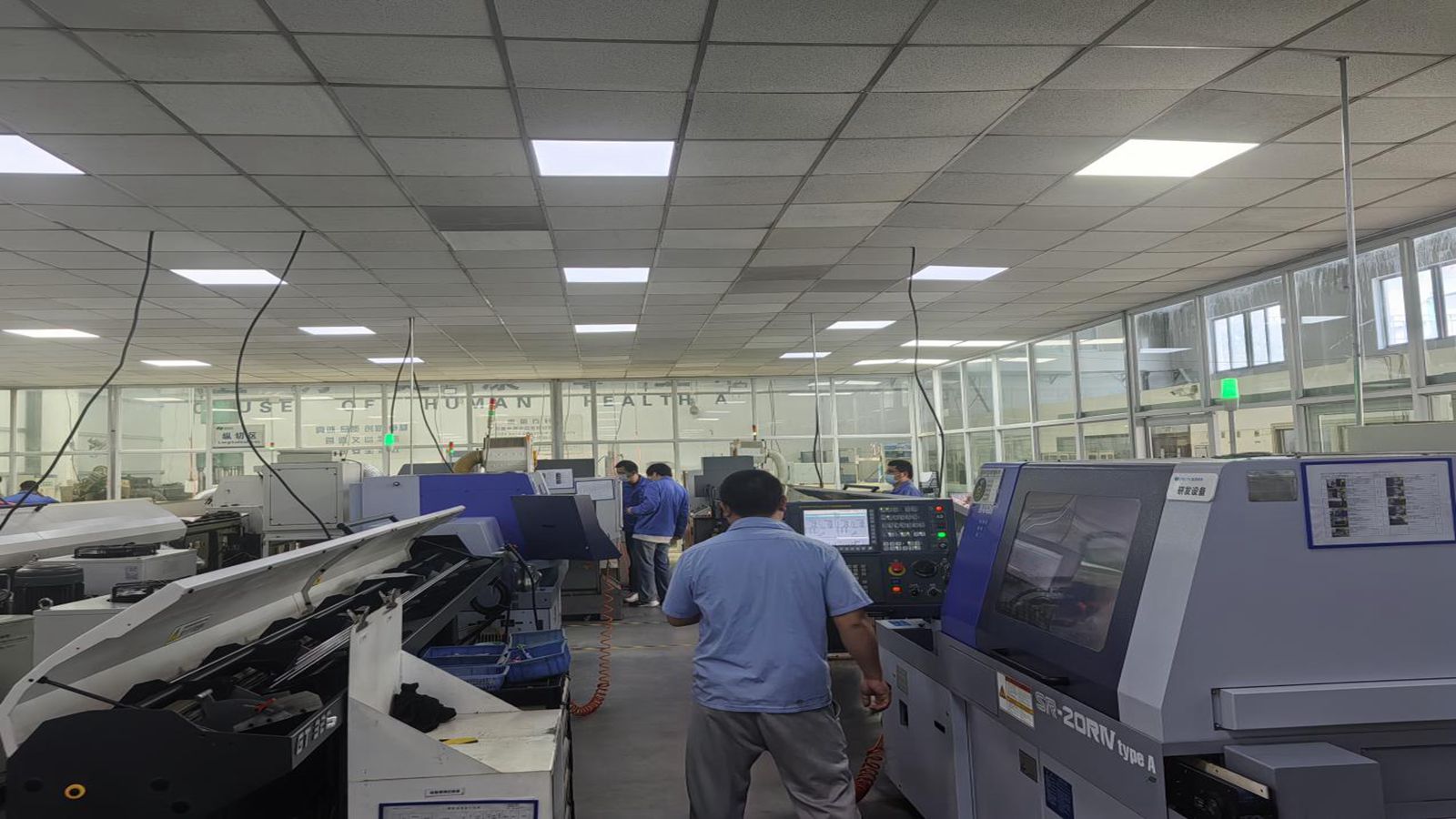
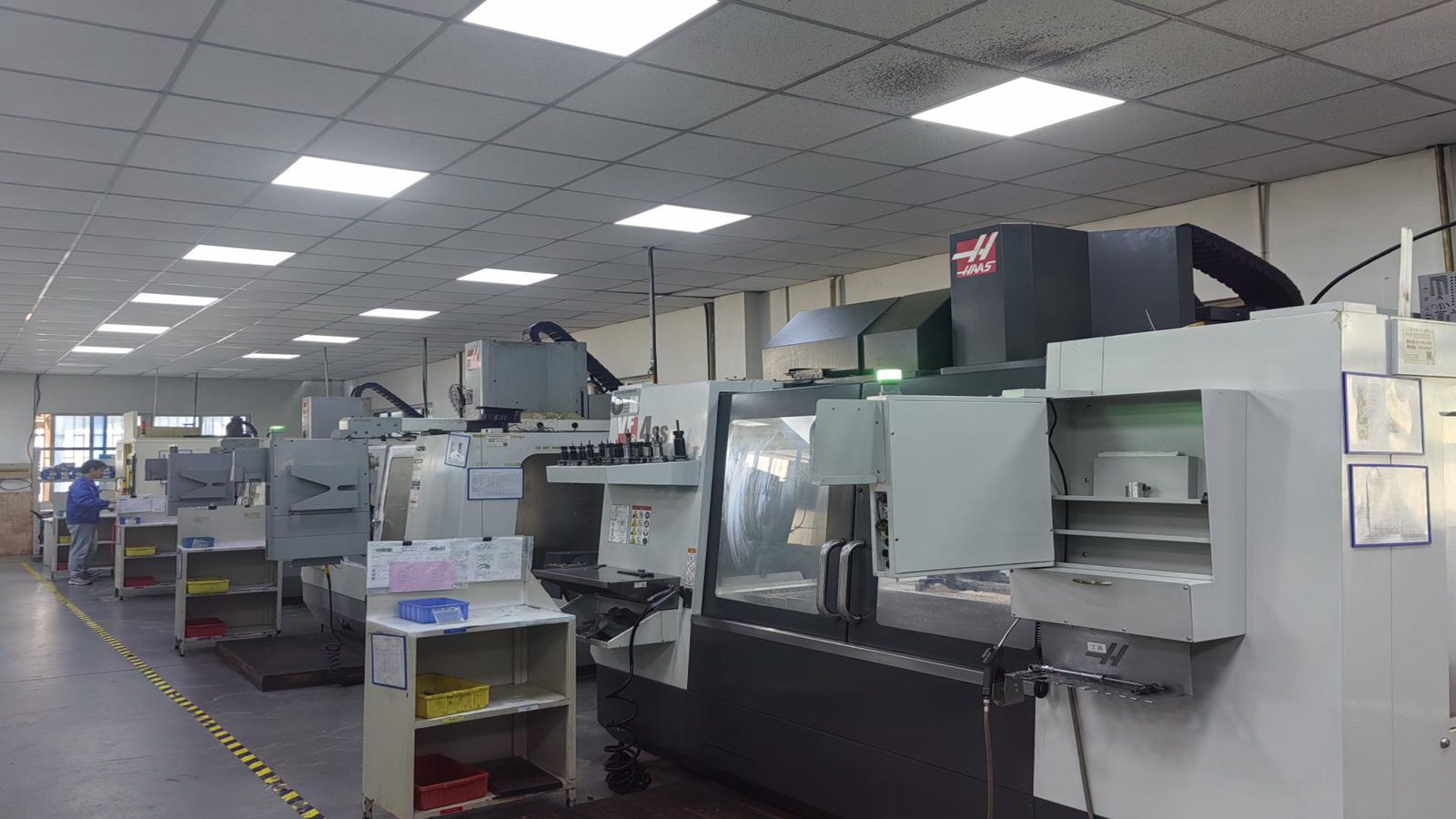
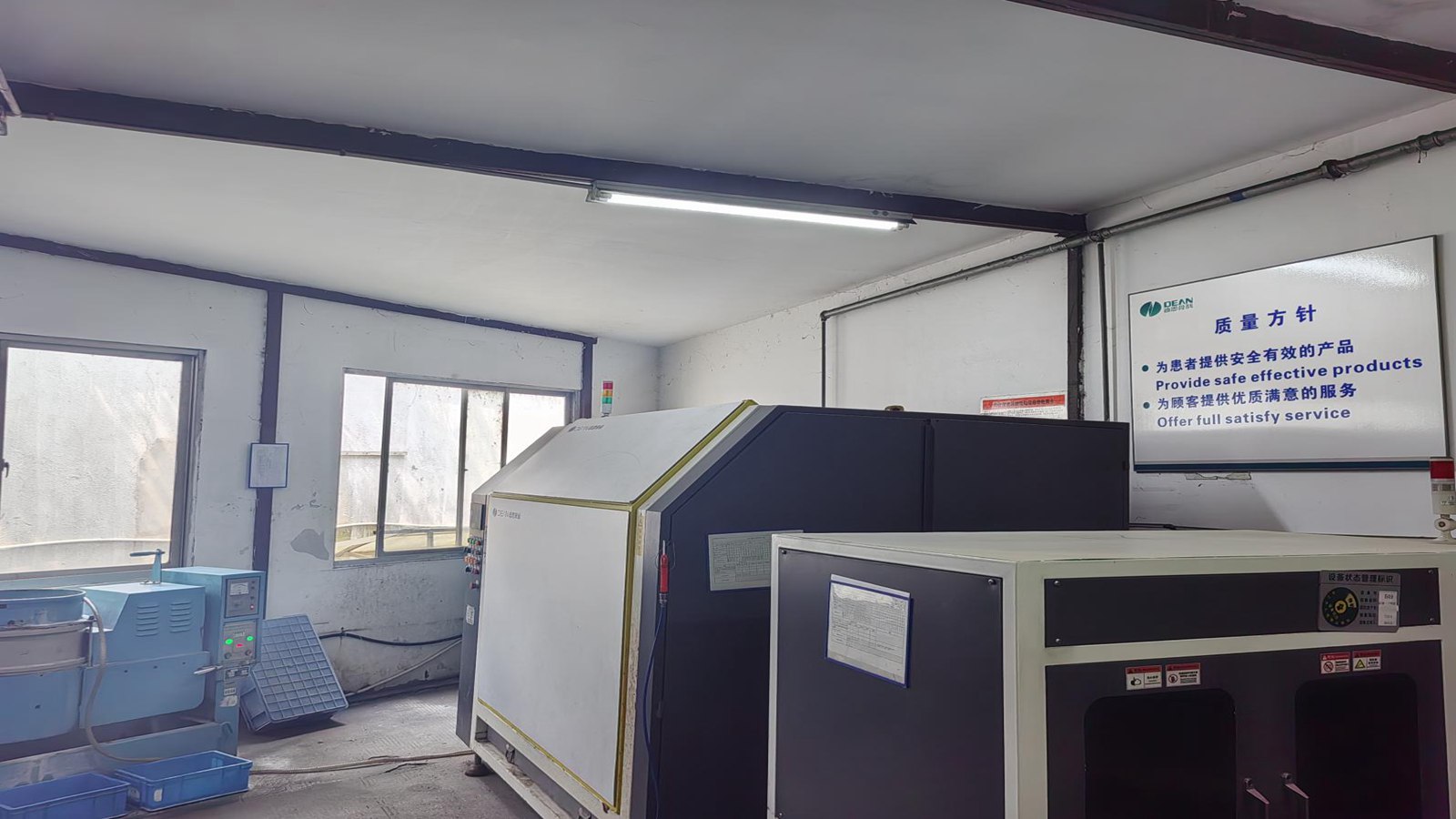
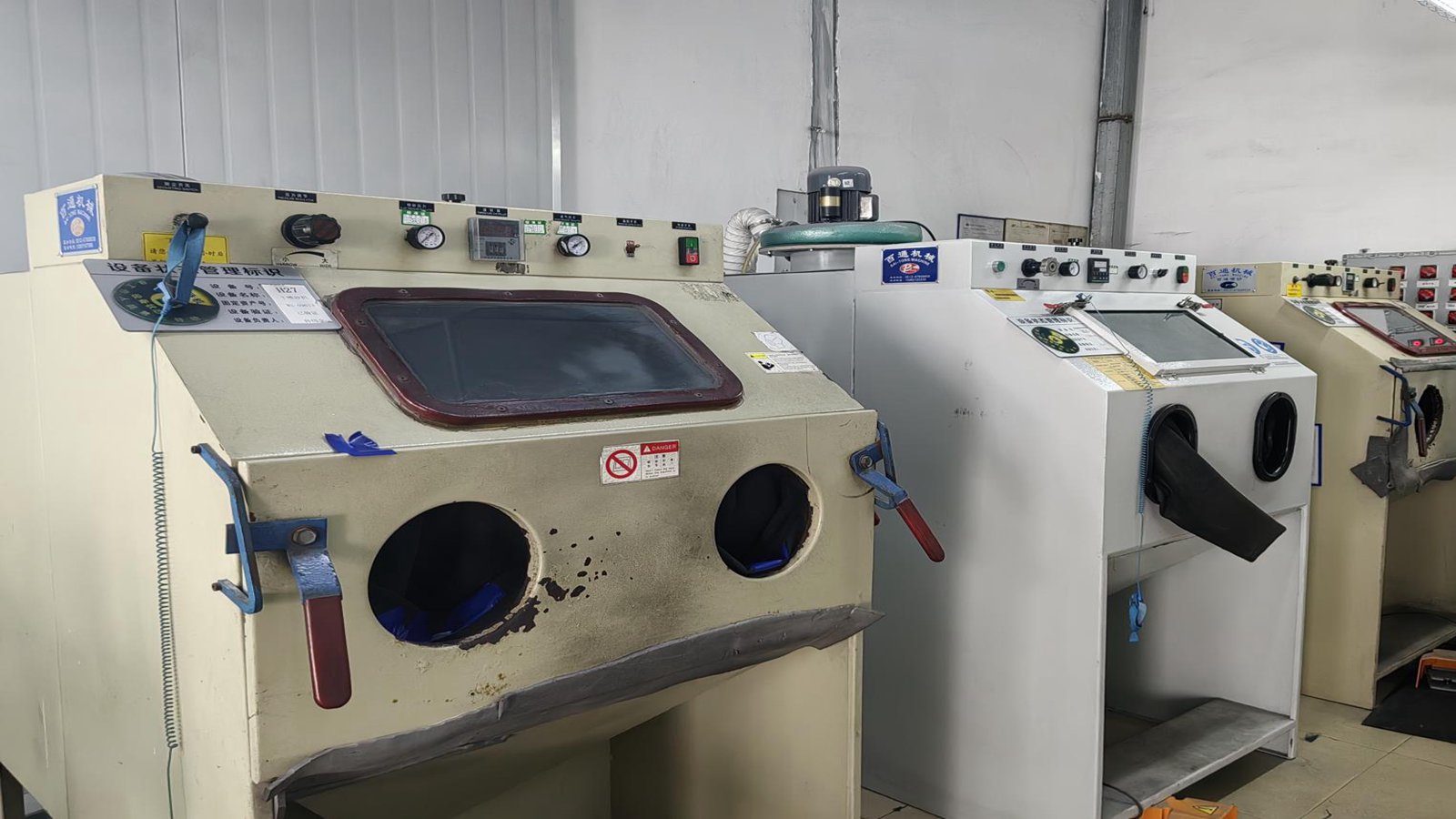
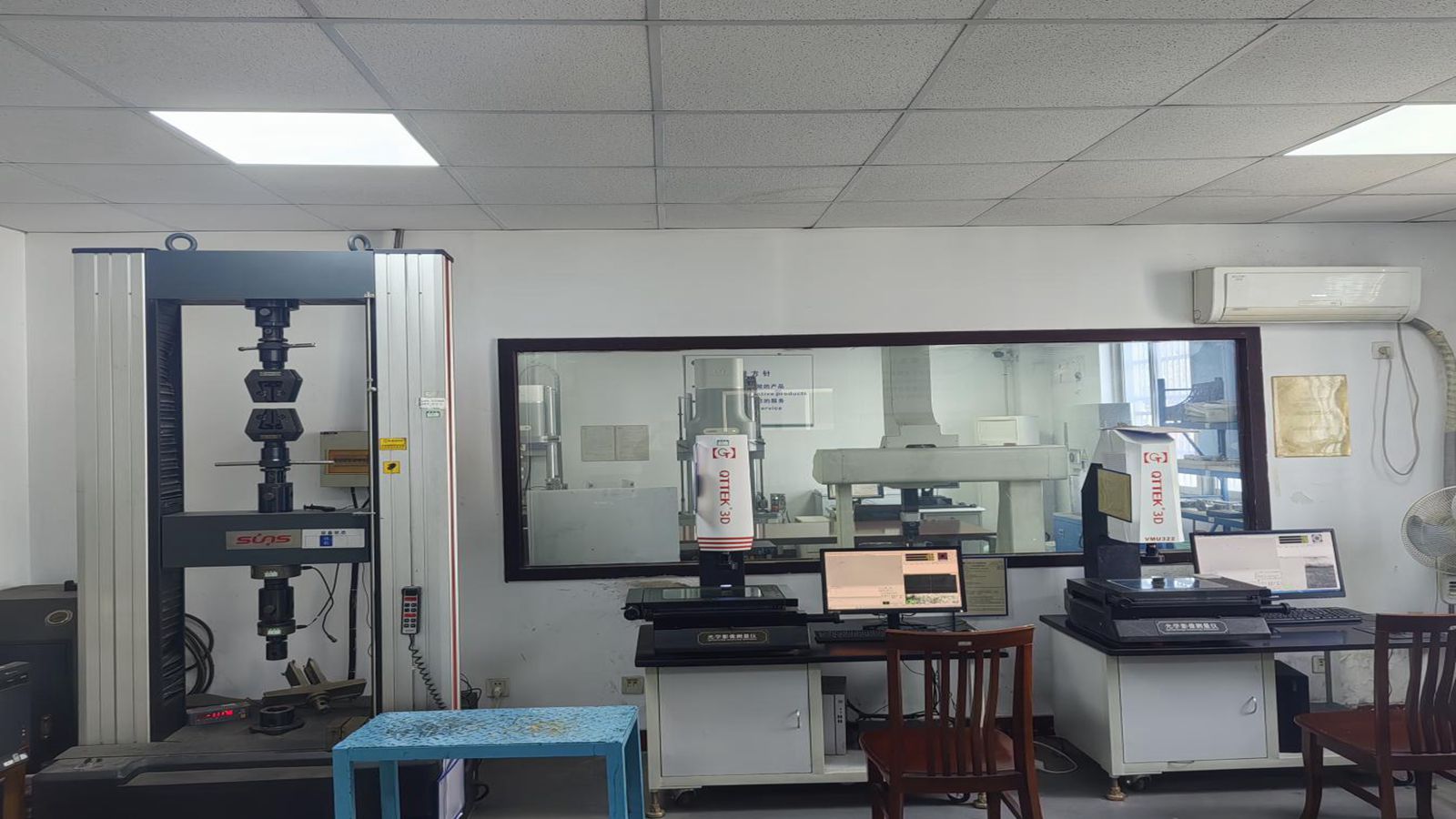
Understanding the hardware engineering parameters required for custom intraoperative navigation compatibility.
Designing custom intraoperative navigation instrumentation requires a deep, interdisciplinary approach combining biomechanical engineering, optical tracking mechanics, electromagnetic wave propagation, and medical-grade metallurgy. Medispirex collaborates directly with surgical navigation software providers and robotic arm developers to custom-manufacture tracked hardware components.
| Engineering Vector | Optical Tracking Systems (Passive/Active) | Electromagnetic (EM) Navigation Systems |
|---|---|---|
| Tracking Principle | Stereoscopic infrared cameras tracking retro-reflective spheres or active IR LEDs on dynamic reference frames (DRFs). | Low-frequency magnetic field generator tracking micro-coils embedded inside flexible tools and catheters. |
| Line-of-Sight Requirement | Strict line-of-sight required between tracking camera and instrument geometry. | No line-of-sight needed; capable of intra-body tracking inside cannulated bones or soft tissue. |
| Sub-Millimeter Accuracy | Volumetric Accuracy down to 0.15mm – 0.35mm. Ideal for rigid spinal screw placement and joint cuts. | Position accuracy 0.5mm – 1.2mm. Highly sensitive to metallic interference from surrounding ferromagnetic metals. |
| Material Selection | High-grade Anodized Titanium Alloy (Ti-6Al-4V ELI), Carbon Fiber composites, PEEK, and matte non-glare finishes. | Beryllium-copper alloys, custom medical polymer composites, non-magnetic austenitic stainless steel. |
| Sterilization Capability | Autoclavable arrays with replaceable single-use retro-reflective tracking markers or autoclavable active LED housings. | EtO (Ethylene Oxide) or STERRAD low-temperature plasma sterilization for integrated coil wiring. |
We manufacture rigid, ultra-lightweight titanium DRFs designed to clamp securely onto spinous processes, iliac crests, or long bone cortex without slippage under high intraoperative vibrations.
In-house precision grinding ensures that verification matrix posts align with software pivot-calibration routines, yielding zero-point registration confidence prior to resection or pedicle drilling.
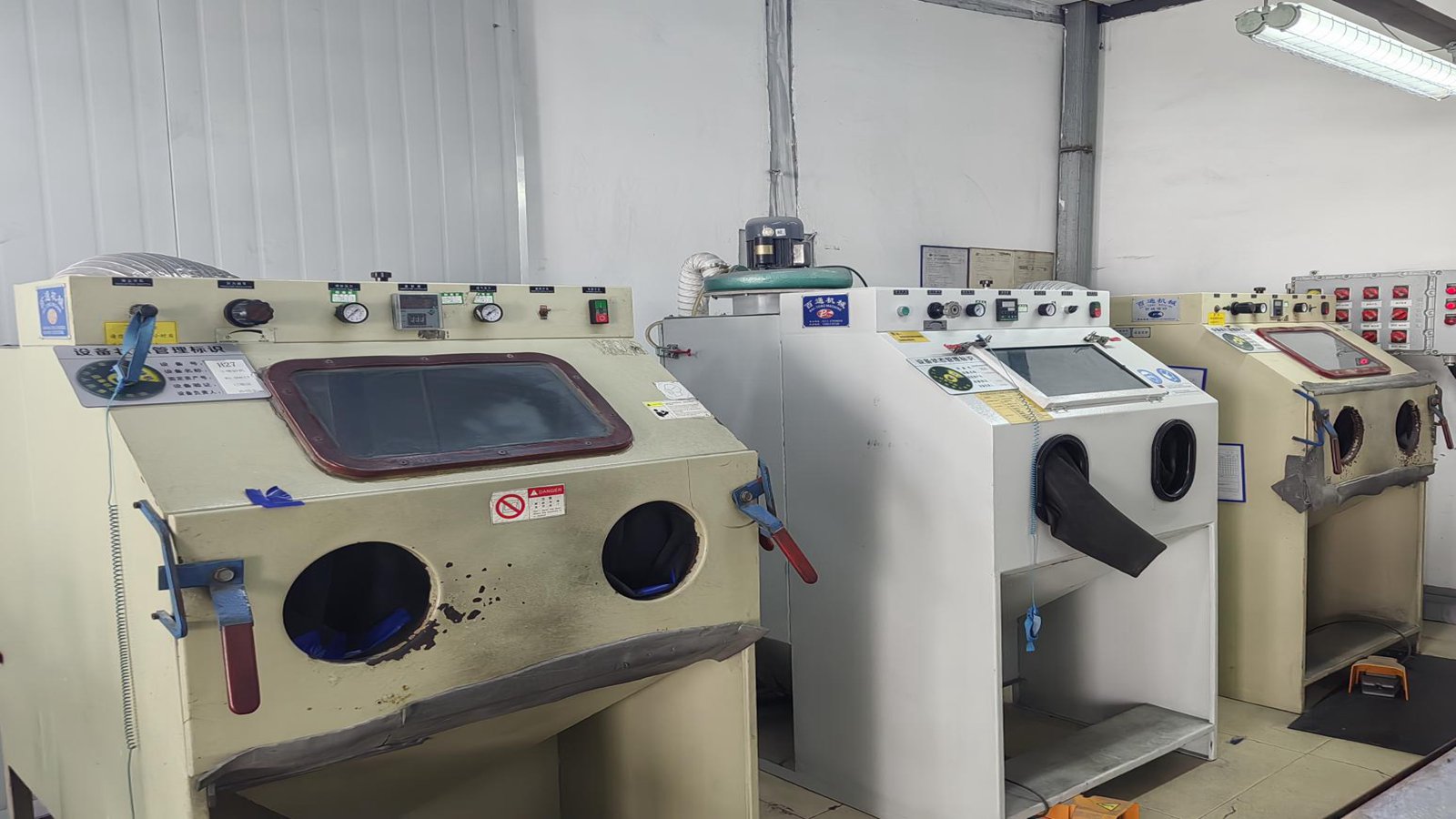
Specialized matte glass-bead sandblasting and dark blue/black electrochemical anodization prevent optical glare under operating room lights, ensuring optical camera sensor fidelity.
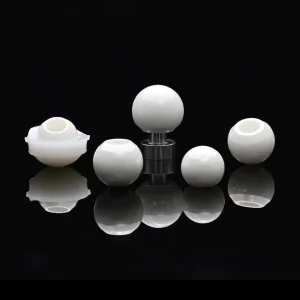
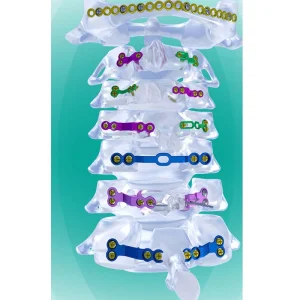
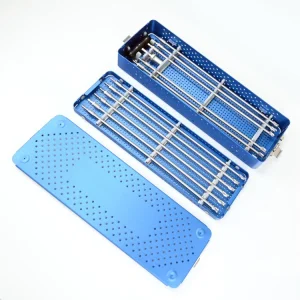
Explore our high-performance femoral heads, laminoplasty decompression systems, flexible reamers, and arthroscopic cutting tools for global distribution.
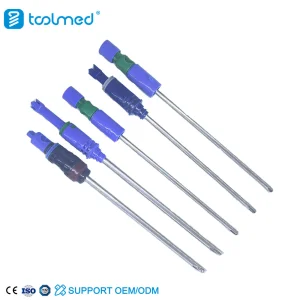
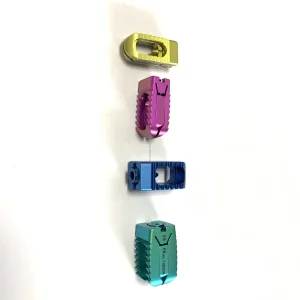
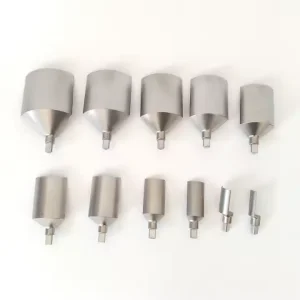
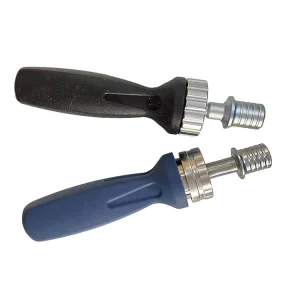
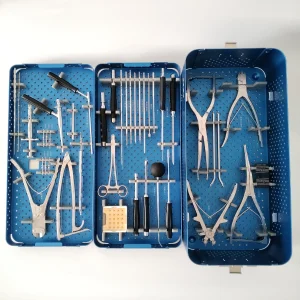
Ensuring seamlessly compliant market access across North America, Europe, the Middle East, and Asia-Pacific regions.
Our complete manufacturing matrix operates under an audited ISO 13485 quality management system, ensuring strict design controls, process validation, and batch traceability from raw material to sterile pack.
Designed to satisfy stringent EU MDR (2017/745) requirements and US FDA 510(k) benchmark testing, including biomechanical fatigue strength (ASTM F1717 / ASTM F543) and corrosion testing.
Every single instrument, pedicle screw, and dynamic tracking marker features laser-etched matrix UDI (Unique Device Identification) codes, allowing complete material mill certificate verification.
Customizing navigation instrumentation across distinct surgical disciplines for optimal patient outcomes.
In scoliosis correction and transforaminal lumbar interbody fusion (TLIF), navigate pedicle screw instruments enable precision cannulation through challenging pedicle anatomies. Custom tracked drivers prevent cortical breach and protect adjacent neural structures.
Distal locking of femoral and tibial interlocking intramedullary nails historically required heavy fluoroscopy reliance. Our nav-ready targeting frames utilize optical markers to locate distal screw holes instantly, cutting radiation time by up to 75%.
Navigated hip and knee reconstruction demands absolute alignment stability. Custom ceramic femoral head implants and tracked cutting blocks assist surgeons in achieving target leg length equalization and optimal acetabular cup orientation.
Ultra-compact Instrument Sets (such as UBE Spinal Sets) integrated with electromagnetic micro-sensor channels allow full 3D visualization inside narrow endoscopic working channels, minimizing soft tissue trauma.
Advanced veterinary procedures—such as Tibial Plateau Leveling Osteotomy (TPLO) and specialized oscillating power saw resections—utilize lightweight compact navigation arrays adapted for canine joint dynamics.
Custom registration phantoms and optical arrays directly interface with intraoperative 3D C-Arms and O-Arms, allowing instant auto-registration without tedious point-to-point manual anatomical calibration.
Pioneering the intersection of artificial intelligence, augmented reality, and robotic surgical instrumentation.
As Medispirex expands its R&D footprint (supported by 85+ engineers and over 120 annual new product launches), our long-term technology roadmap focuses on three primary innovations aimed at empowering surgical navigation partners:
Engineered micro-lightweight active LED arrays configured specifically for holographic overlay integration via smart glasses (e.g., Apple Vision Pro, HoloLens 2 medical integrations), delivering direct line-of-sight heads-up intraoperative telemetry.
Incorporating proprietary non-symmetrical marker geometric spacing algorithms that allow computer vision networks to instantly recognize instrument identity, spatial orientation, and tip geometry in under 10 milliseconds.
Developing sensorized power tools (oscillating saws, bone drills) that transmit real-time torque and cortical breakthrough sensory data back to the central navigation system, automatically stopping motion upon pedicle wall contact.
Expert answers regarding OEM/ODM integration, material tolerances, sterilization standards, and custom manufacturing.