Medispirex
Medispirex
Medispirex
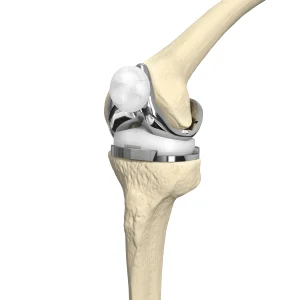
In modern orthopedic joint reconstruction, the choice of femoral stems dictates the long-term biological fixation and clinical survivorship of hip replacement systems. As a premier Custom OEM Femoral Stems Supplier & Exporter, Medispirex Orthopedic Technology Co., Ltd. delivers high-performance prosthetic solutions engineered to support bone preservation, optimized load transfer, and early primary stability. We leverage advanced materials science, state-of-the-art manufacturing, and clinical research to provide customizable femoral stems configured for anatomical variations and diverse surgical workflows worldwide.
Explore our primary implant systems configured for standard-setting joint, spine, and trauma repair procedures.
The architecture of modern femoral stems represents a delicate equilibrium between mechanical rigidity, surface morphology, and anatomical compatibility. To mitigate the risk of stress shielding—wherein stiff implant constructs bypass physiological loads away from the proximal femur—Medispirex utilizes advanced metallurgical technologies and proprietary geometries. The transition from monolithic, stiff materials to optimized titanium alloy substrates allows for a modulus of elasticity that more closely mimics native cortical bone.
We offer high-strength Ti-6Al-4V ELI (ASTM F136) for cementless press-fit designs, ensuring excellent osseointegration and biocompatibility. For cemented indications, high-fatigue-strength Cobalt-Chromium-Molybdenum (CoCrMo - ASTM F75) alloys provide superior surface hardness, enabling exceptional resistance to scratch-induced third-body wear at the stem-cement interface.
Osseointegration is accelerated using vacuum plasma spraying (VPS) of Hydroxyapatite (HA) or rough Titanium coatings. Our multi-layered surface treatment features a porous titanium substrate (porosity 40-60%) topped with a crystalline HA layer, achieving rapid biological interlocking and minimizing micromotion to under 150 microns.
Medispirex’s R&D division is actively developing next-generation hip reconstruction implants to match the demands of active, young patient cohorts and complex revision scenarios:
Utilizing selective laser melting (SLM) additive manufacturing to generate open-cell, biomimetic porous lattices that match the viscoelasticity of human trabecular bone, completely eliminating mechanical mismatch.
Integrating pre-operative CT scans with AI-driven modeling to construct bespoke femoral stems, allowing surgeons to precisely recreate offset, leg length, and femoral anteversion without sacrificing metaphyseal bone.
Formulating silver-ion and antibiotic-eluting coatings on the proximal section of the femoral stem to actively mitigate periprosthetic joint infections (PJI), the leading cause of early implant failures.
Operating within an 18,600㎡ production base, Medispirex fuses raw material tracking with high-precision manufacturing. With an R&D team of 85 engineers and a dedicated quality management cell of 45 QC professionals, every femoral stem is tracked via a strict batch-traceability program back to the original heat number of the alloy bar.
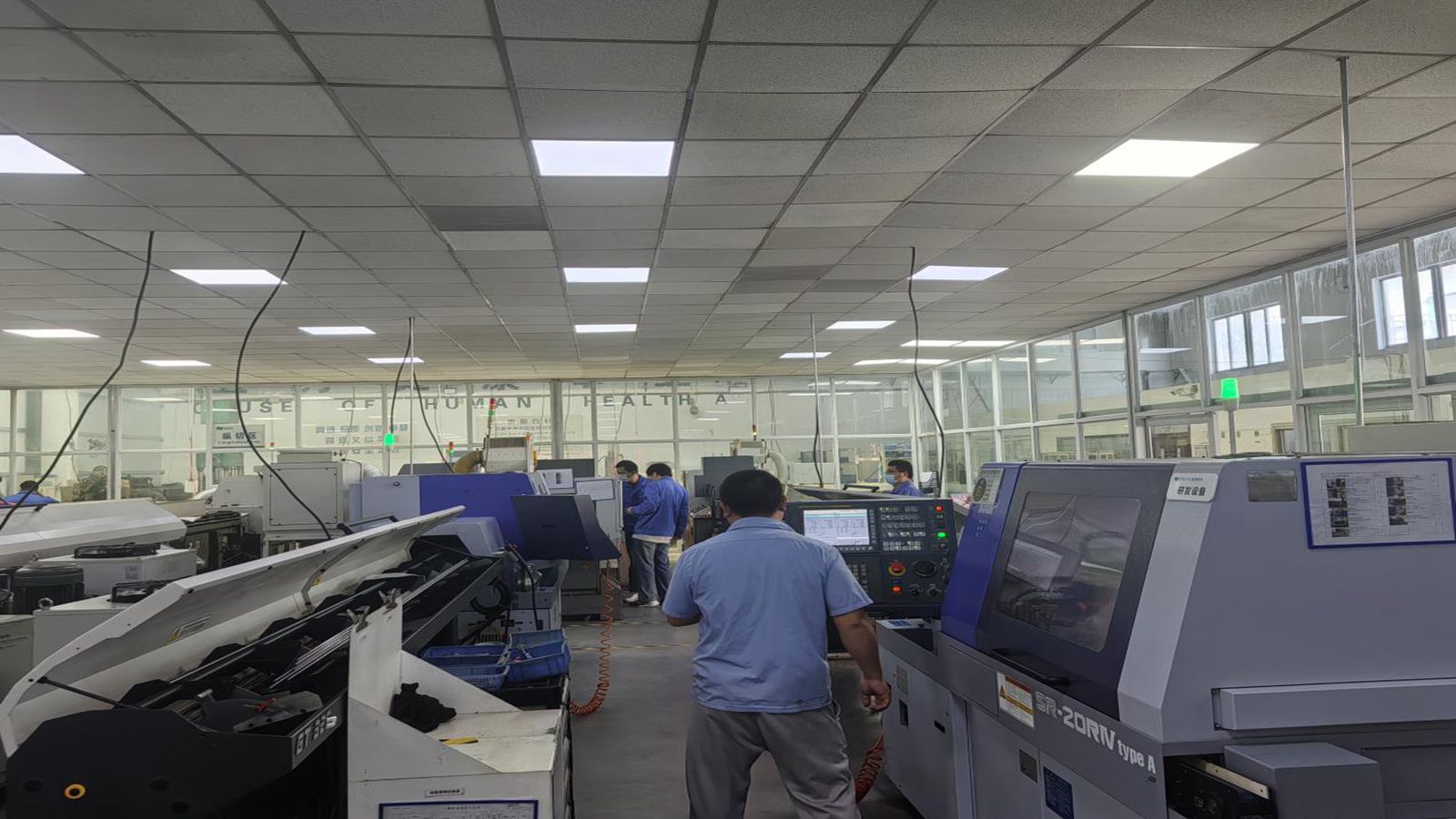
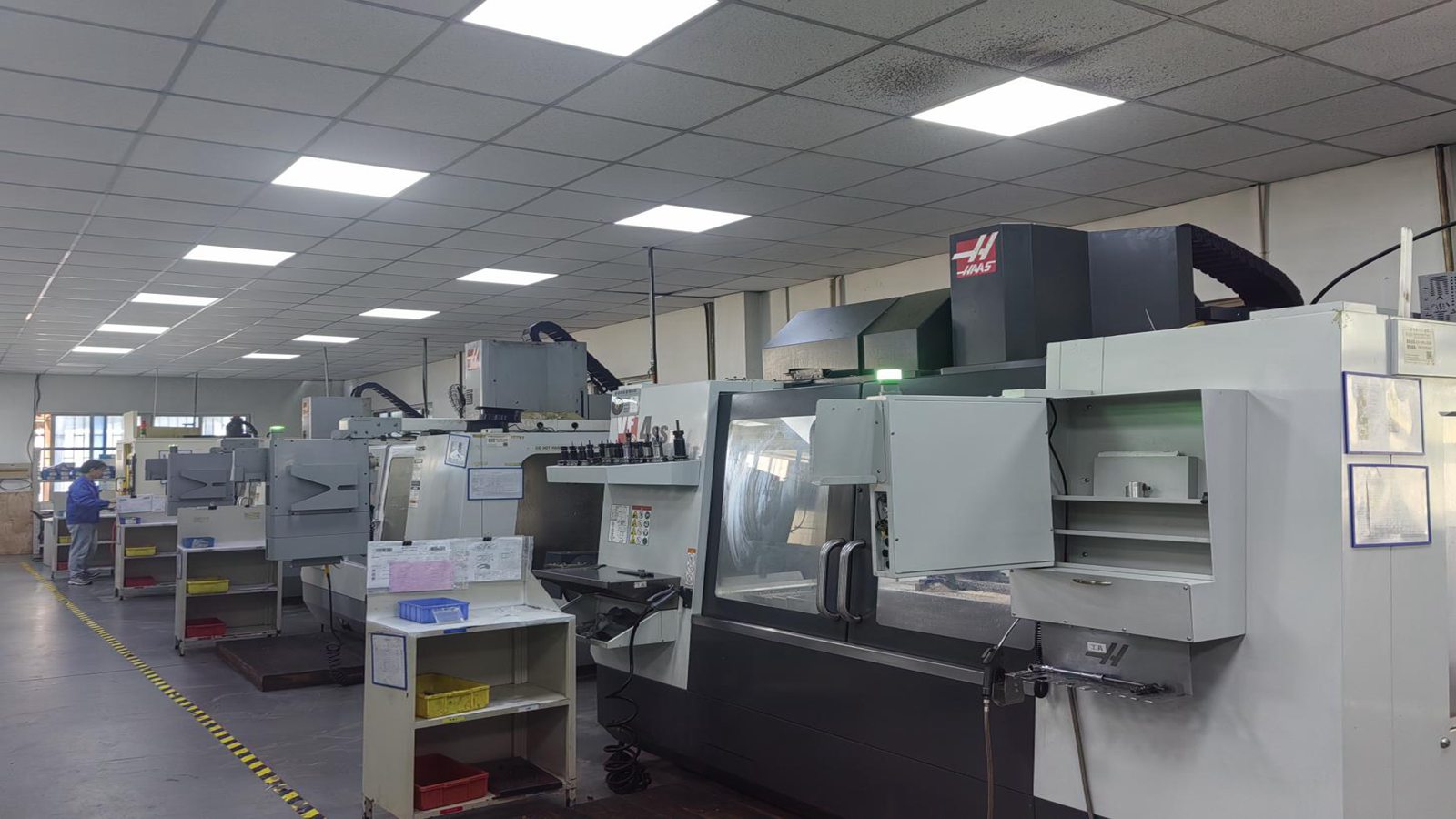
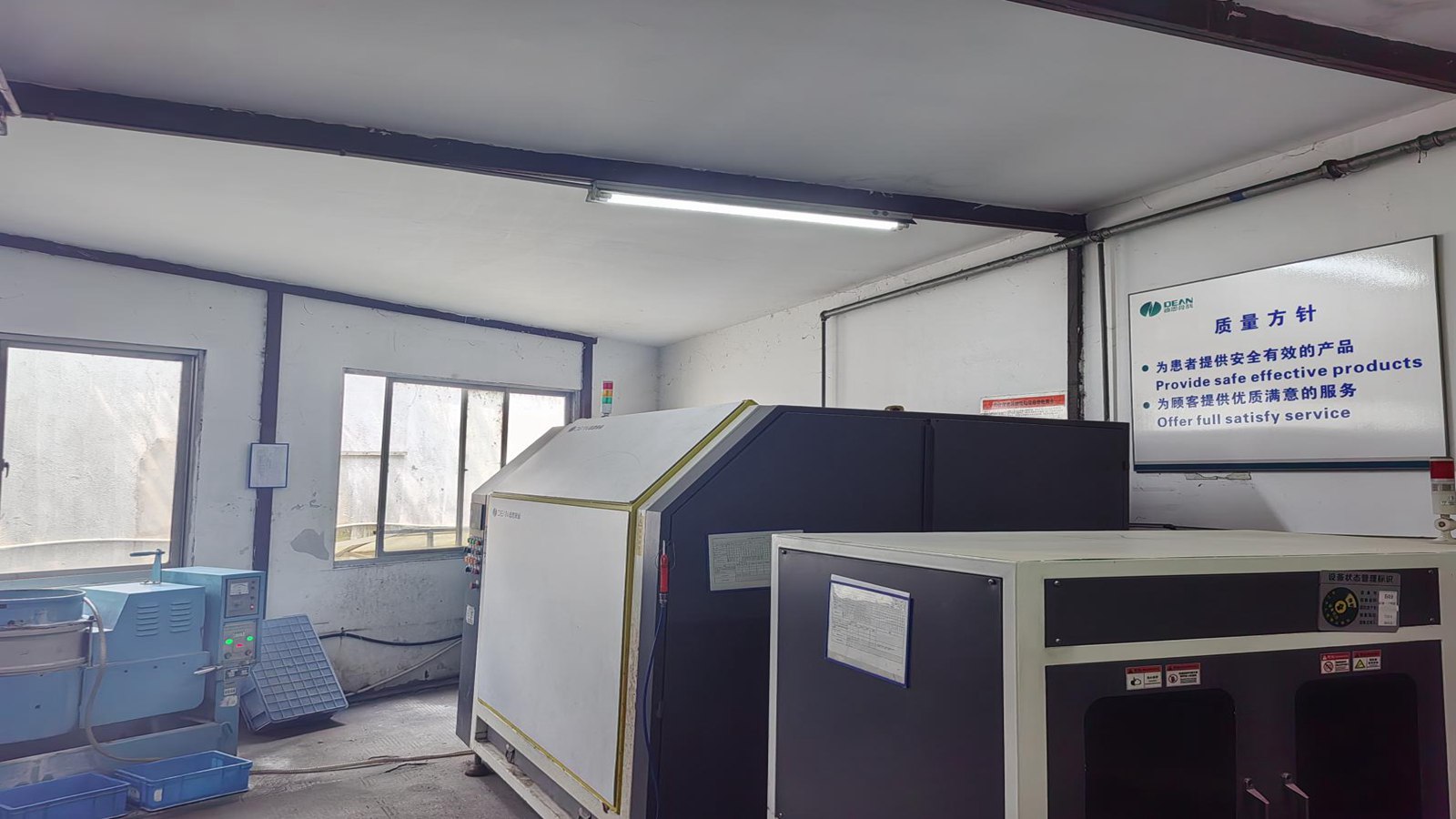
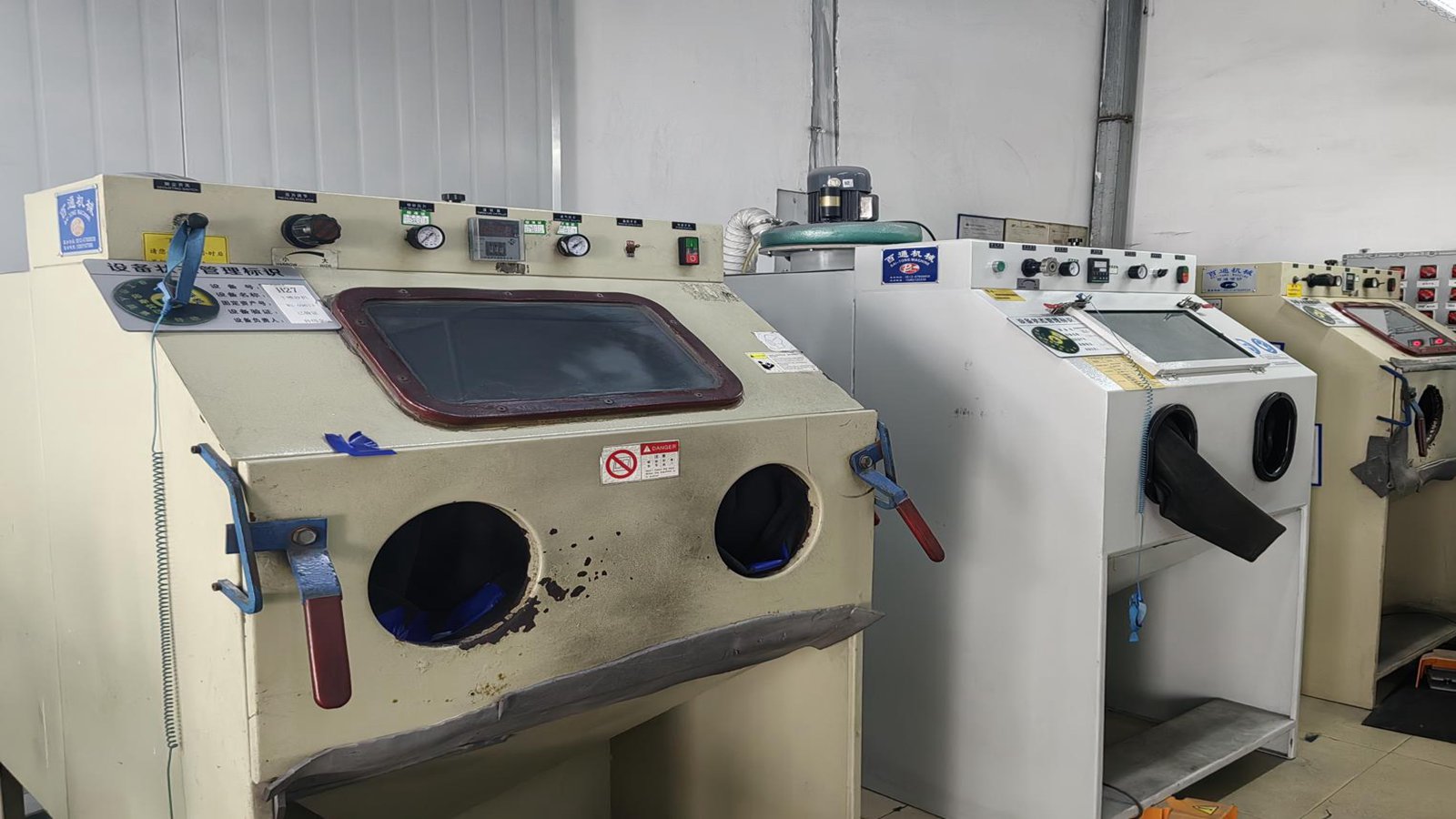
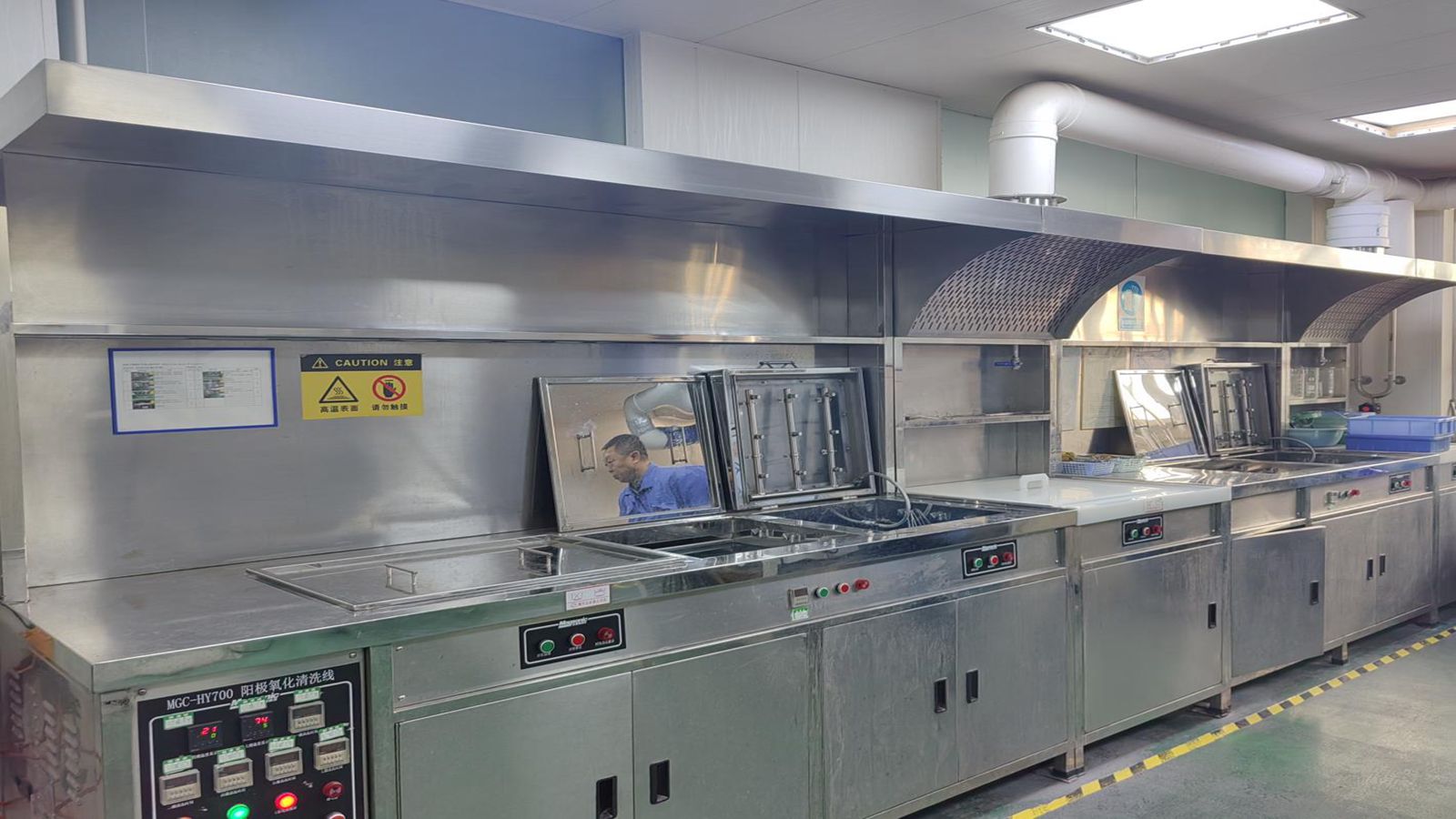
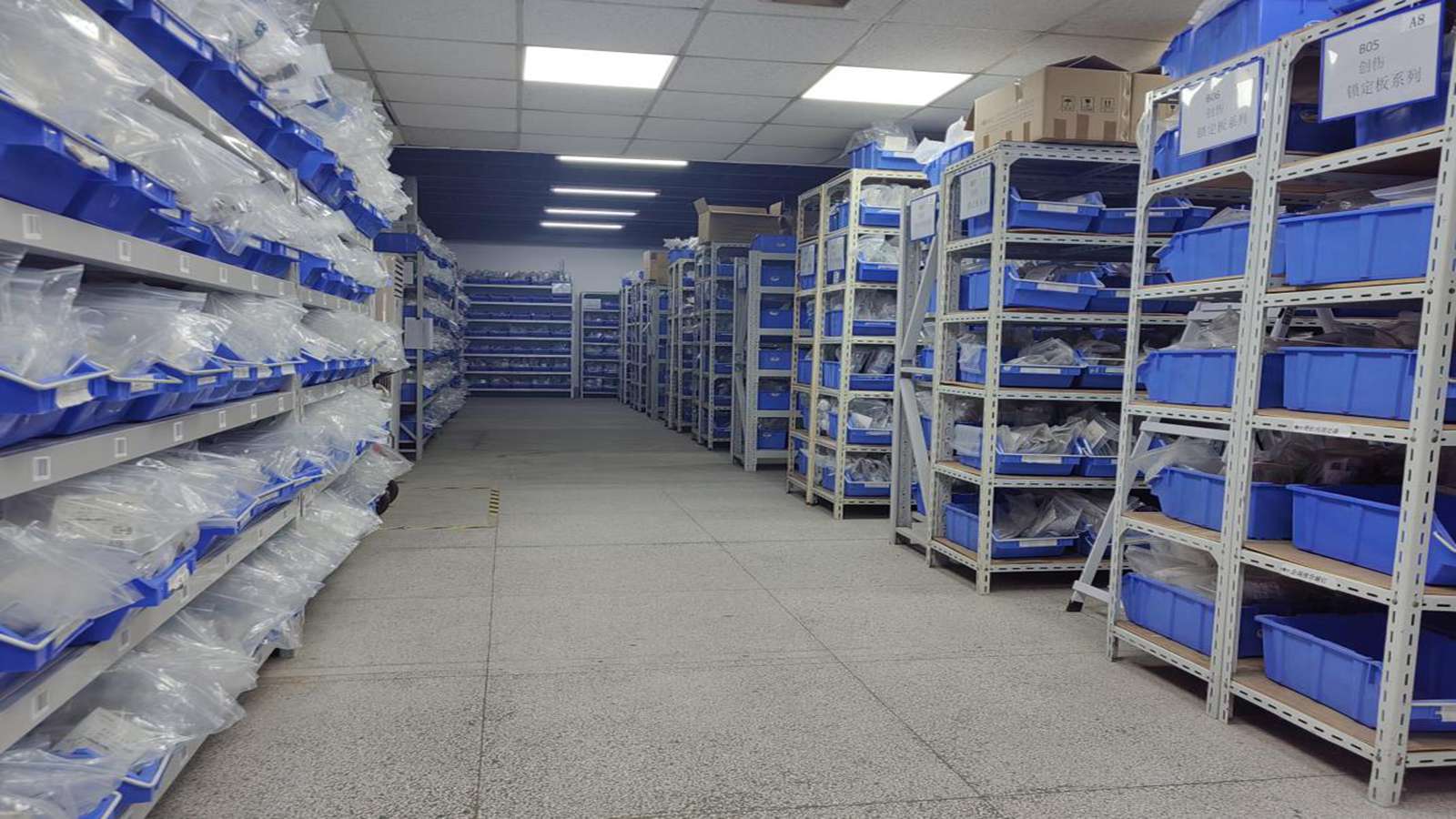
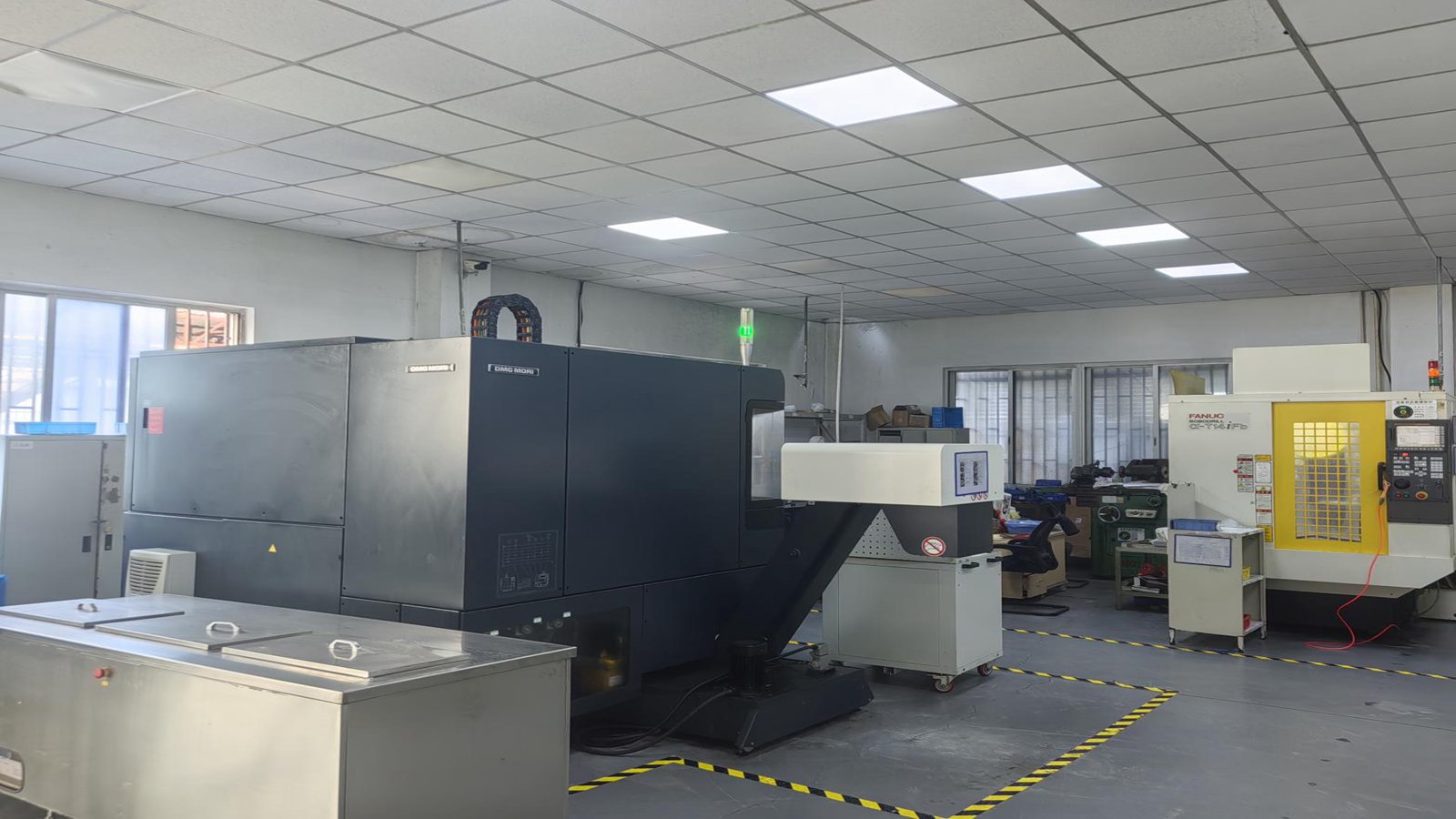
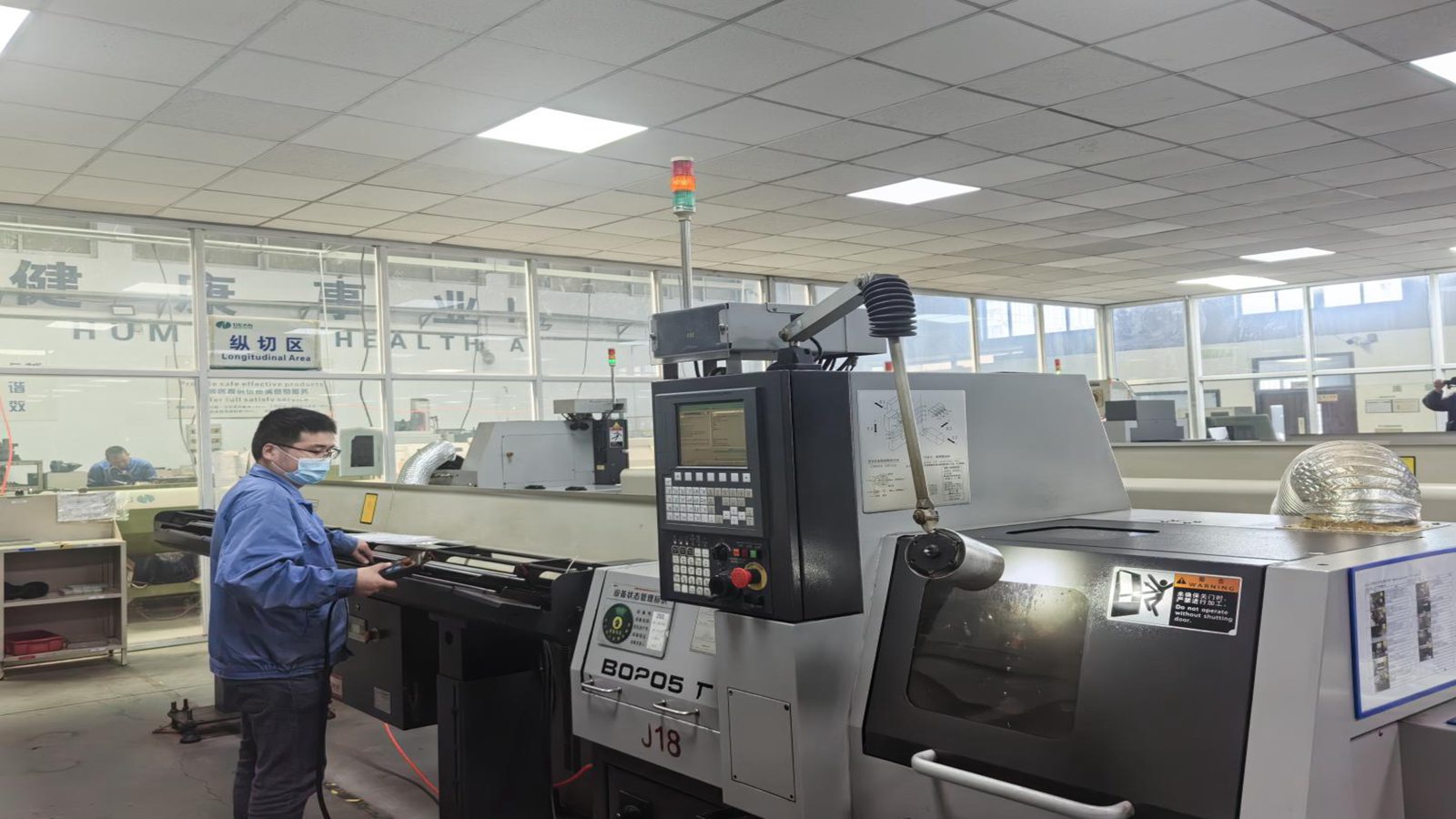
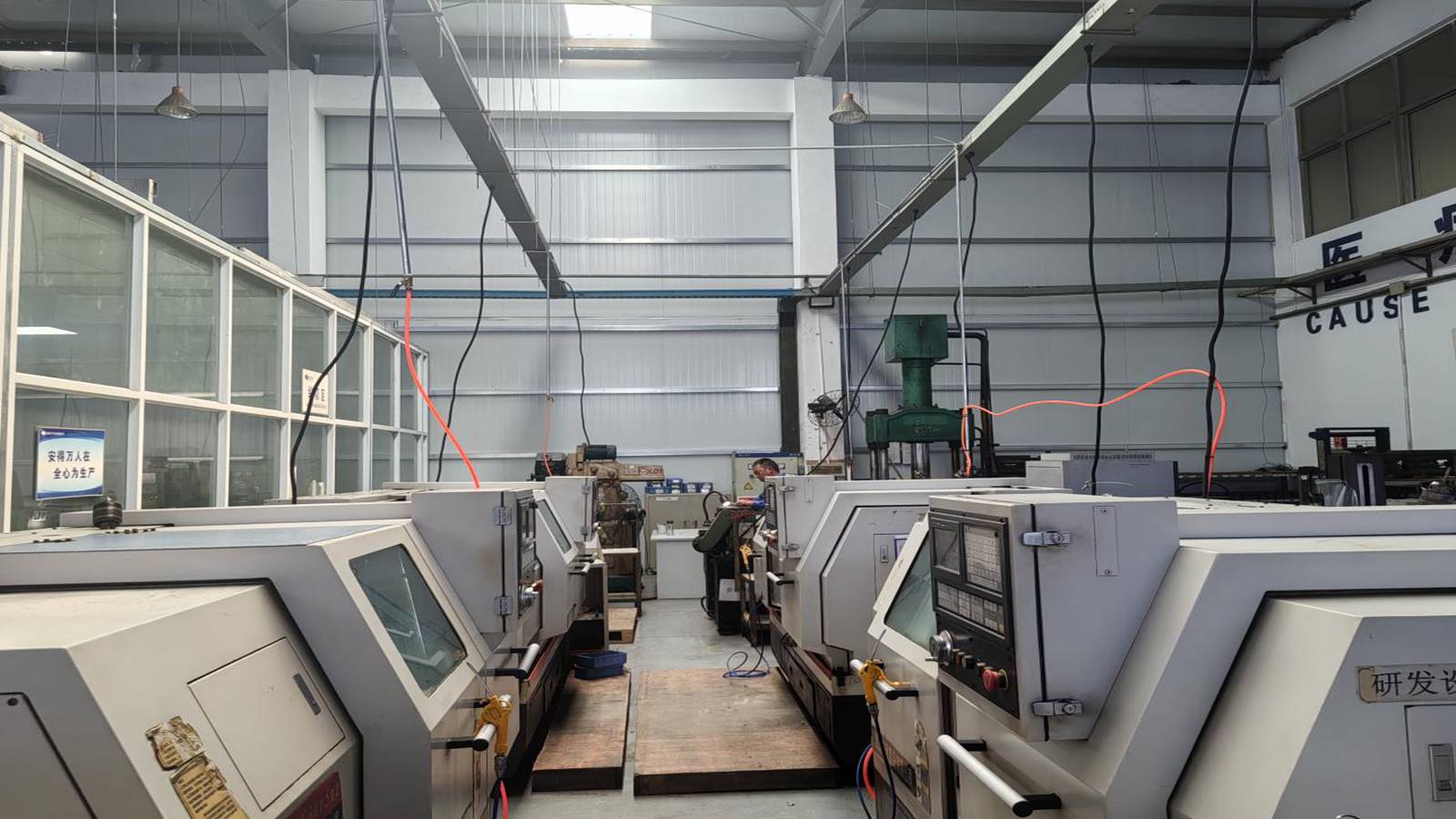
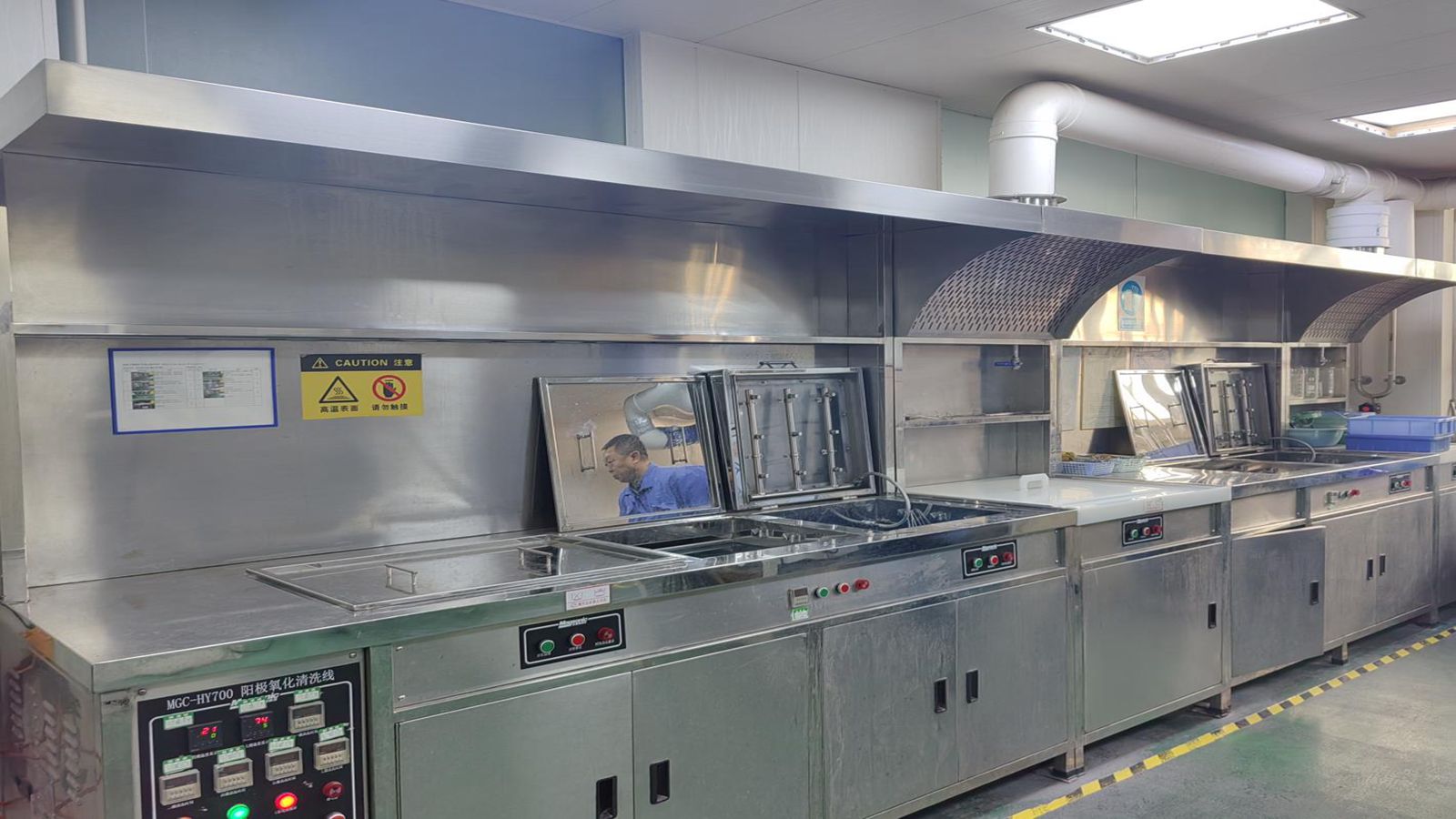
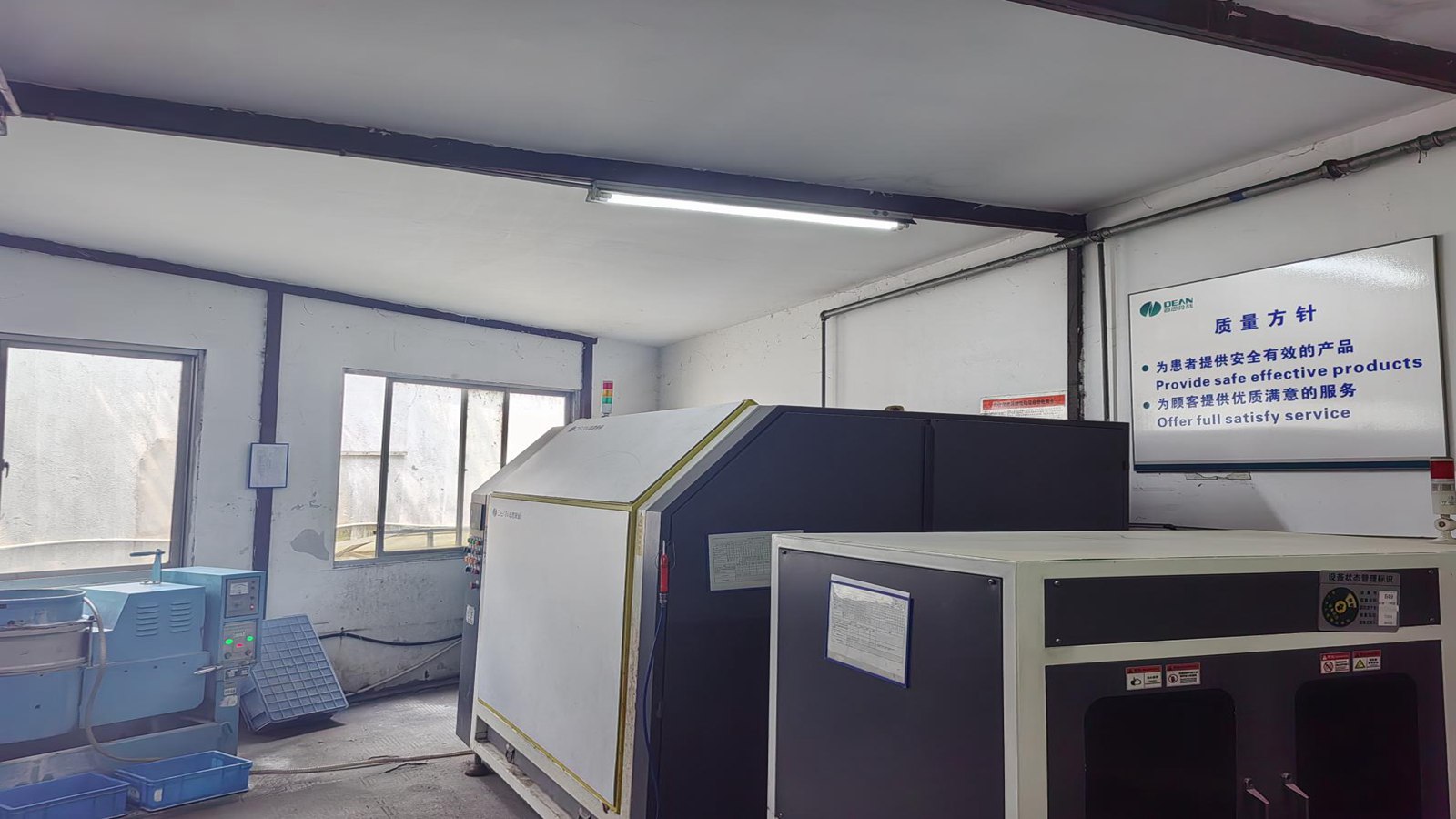
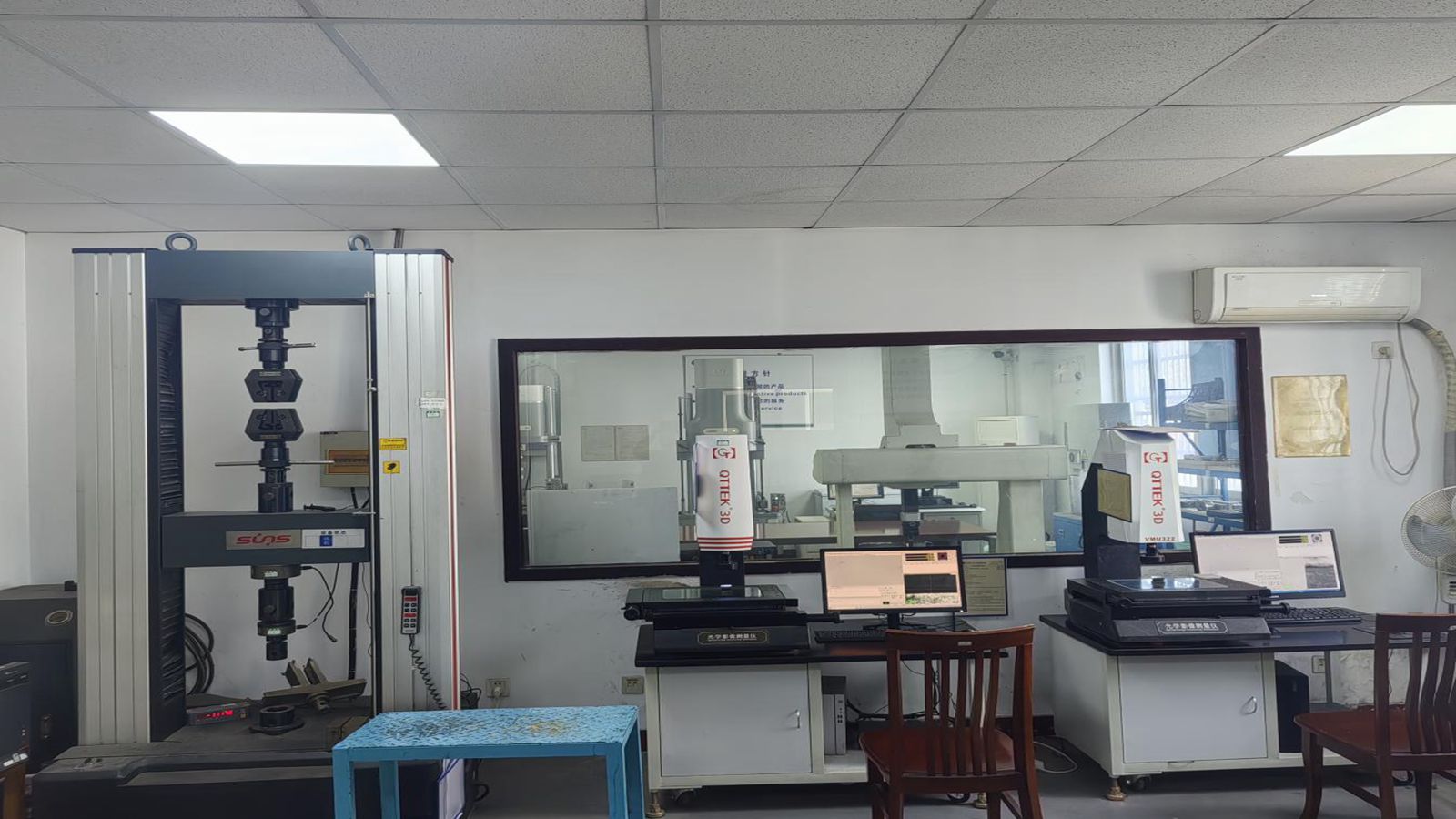
Our production floor leverages multi-axis Swiss-type CNC centers and automated anode oxidation wash lines. This robust setup allows Medispirex to achieve dimensional tolerances as narrow as ±5 microns. Our mechanical laboratory performs continuous dynamic fatigue testing (ISO 7206), validating that our femoral stems withstand over 5 million cycles of axial and torsional loads without mechanical failure.
The orthopedics industry faces dual challenges: the containment of surgical delivery costs and the escalating clinical requirements of medical regulatory boards. As an integrated OEM manufacturer, Medispirex bridges this gap by aligning lean production methodologies with regulatory compliance. We support medical distributors, international purchasing organizations, and direct hospital channels with stable, high-volume production output.
Reducing sterilization costs and surgical times through optimized instrumentation and modular stem designs. We provide standardized instrument sets compatible with surgical navigation, allowing orthopedists to execute femoral osteotomies with consistent repeatability.
Offering customizable options including laser etching, customized sizing runs, private-label packaging, and dedicated instrument kit optimization. We work dynamically with OEM partners to adapt existing implant geometries to meet regional regulatory demands.
Utilizing our network of 860 partners, we guarantee continuous, uncompromised delivery schedules across Europe, North America, the Middle East, and Southeast Asia, cushioning distributors against material shortages.
Ensuring surgical implants satisfy the stringent criteria of regulatory frameworks in major global markets.
Our manufacturing protocols are certified in compliance with European Medical Device Regulations (MDR 2017/745), guaranteeing smooth custom clearance and access across all EU member states.
Implant designs undergo complete material and mechanical verification mapping to facilitate 510(k) submissions, offering a streamlined regulatory runway for North American distributors.
Medispirex strictly adheres to the ISO 13485 quality system standards, validating that every stage of our design, testing, production, and packaging process is fully auditable.
Transparent answers covering custom manufacturing capabilities, certifications, and technical specifications for orthopedic procurement managers.
Comprehensive internal fixation systems and joint arthroplasty kits exported to medical distributors worldwide.