Medispirex
Medispirex
Medispirex
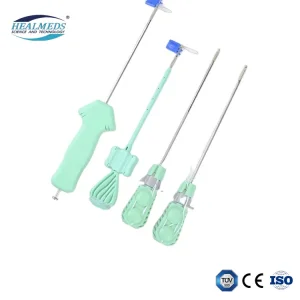
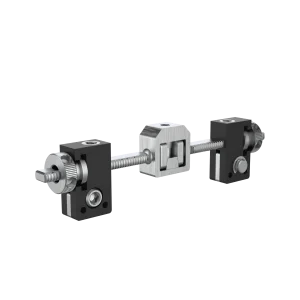
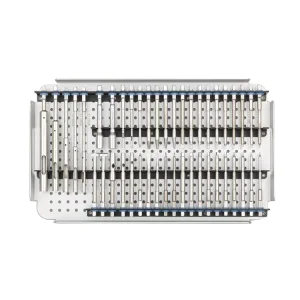
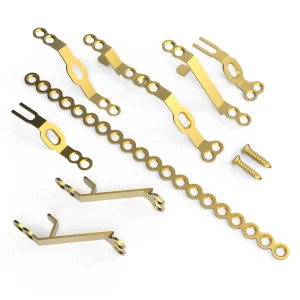
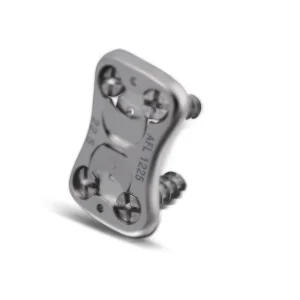
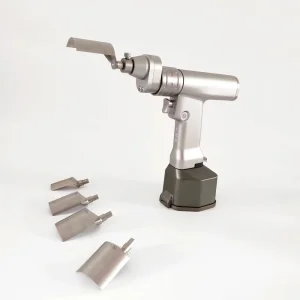
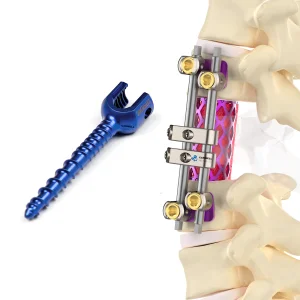
In the landscape of modern spine surgery, the introduction of expandable interbody fusion cages has addressed one of the most critical challenges of spinal reconstruction: achieving optimal sagittal alignment and disc height restoration while minimizing access-related morbidity. Unlike static cages, which require significant distraction of the neural elements and can cause endplate damage during insertion, expandable spinal implants allow surgeons to insert the device in a collapsed configuration and expand it in situ.
This clinical approach reduces mechanical stress on the nerve roots and protects the integrity of the vertebral endplates. By expanding the cage in height, lordosis, or footprint, the surgeon can restore natural anatomical alignment, decompress the neural structures indirectly, and establish a biomechanically stable environment conducive to spinal arthrodesis.
The choice of biomaterial dictates the clinical success of spinal fusion. Traditional PEEK (Polyetheretherketone) implants have been widely utilized due to their radiolucency and elastic modulus similar to human bone. However, PEEK is inherently hydrophobic and often results in a fibrous tissue encapsulation rather than direct osseointegration.
To resolve this limitation, state-of-the-art manufacturing plants have pioneered porous titanium designs and titanium-coated PEEK composites. 3D-printed titanium cages featuring open-cell porous structures have emerged as the industry standard. These micro-porous architectures mimic trabecular bone, promoting cell migration, vascularization, and direct structural integration.
International distributors and hospital procurement units demand strict compliance with FDA 510(k), CE MDR under Regulation (EU) 2017/745, and NMPA standards. Mechanical fatigue testing must align with ASTM F2077 and ASTM F2267 protocols to confirm load-bearing integrity over millions of cycles.
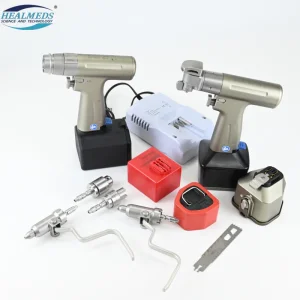
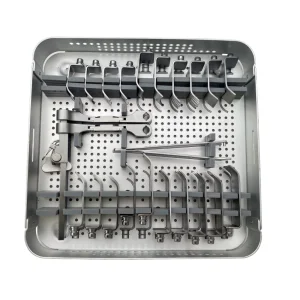
Global suppliers expect flexible OEM and ODM setups, including private labeling, specific laser markings, custom sterile packaging configurations, and customized instrument kit designs. These requirements are essential for smooth product integration across different healthcare markets.
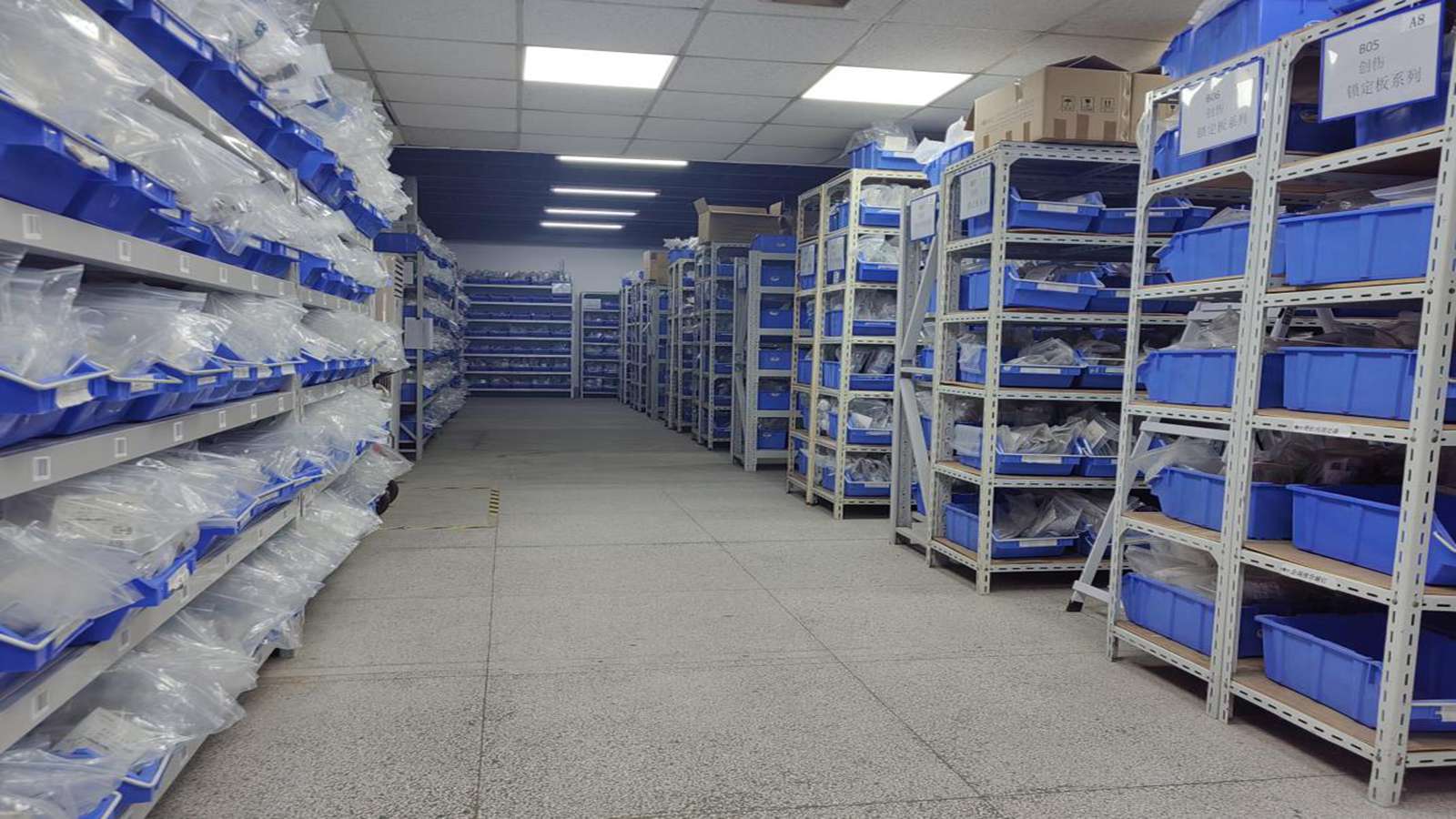
With increasing global supply chain volatility, sourcing departments look for vertically integrated medical manufacturers. Material source verification, raw titanium lot traceability, and consistent lead times are necessary to secure uninterrupted hospital inventories.
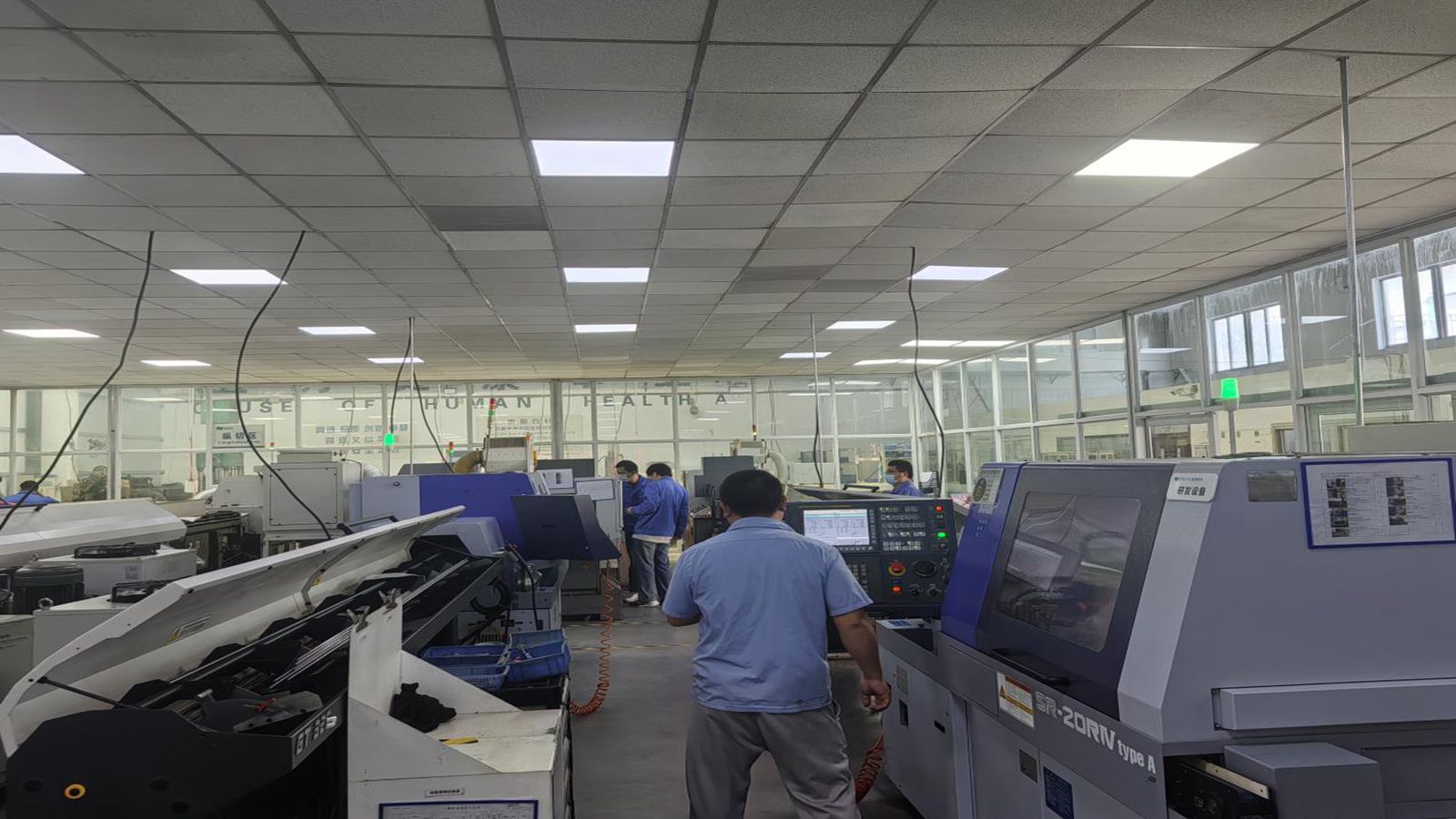
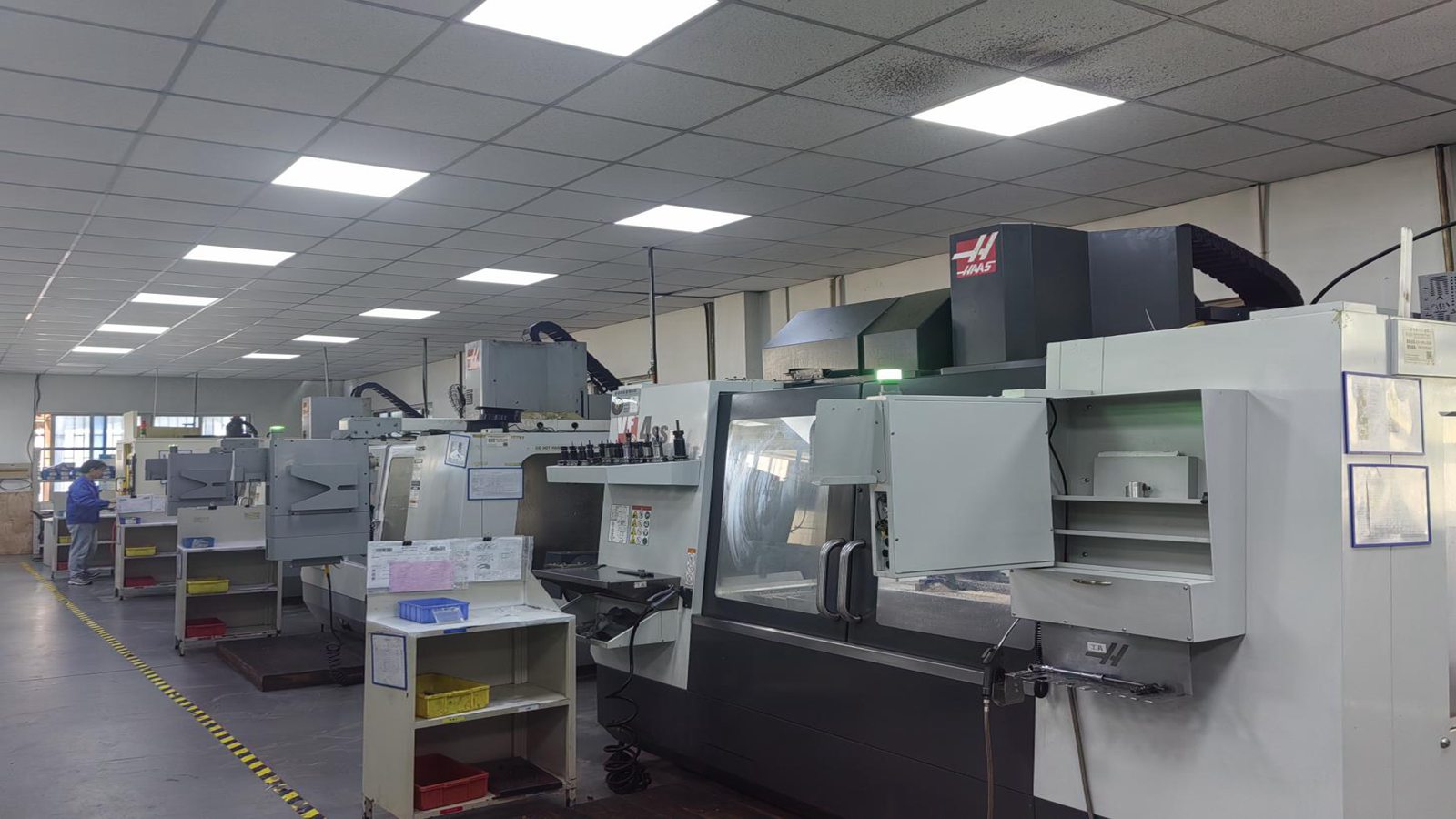
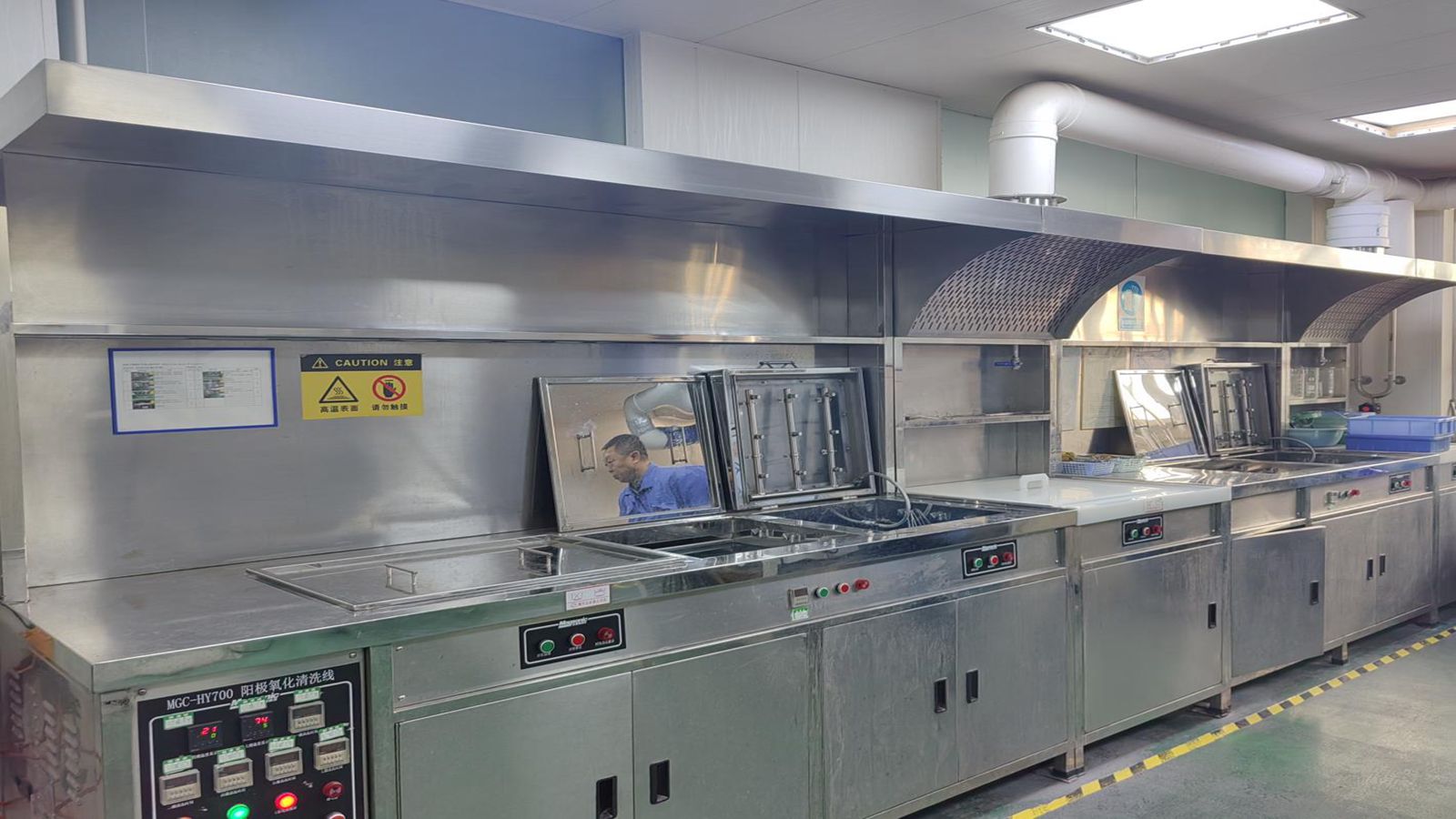
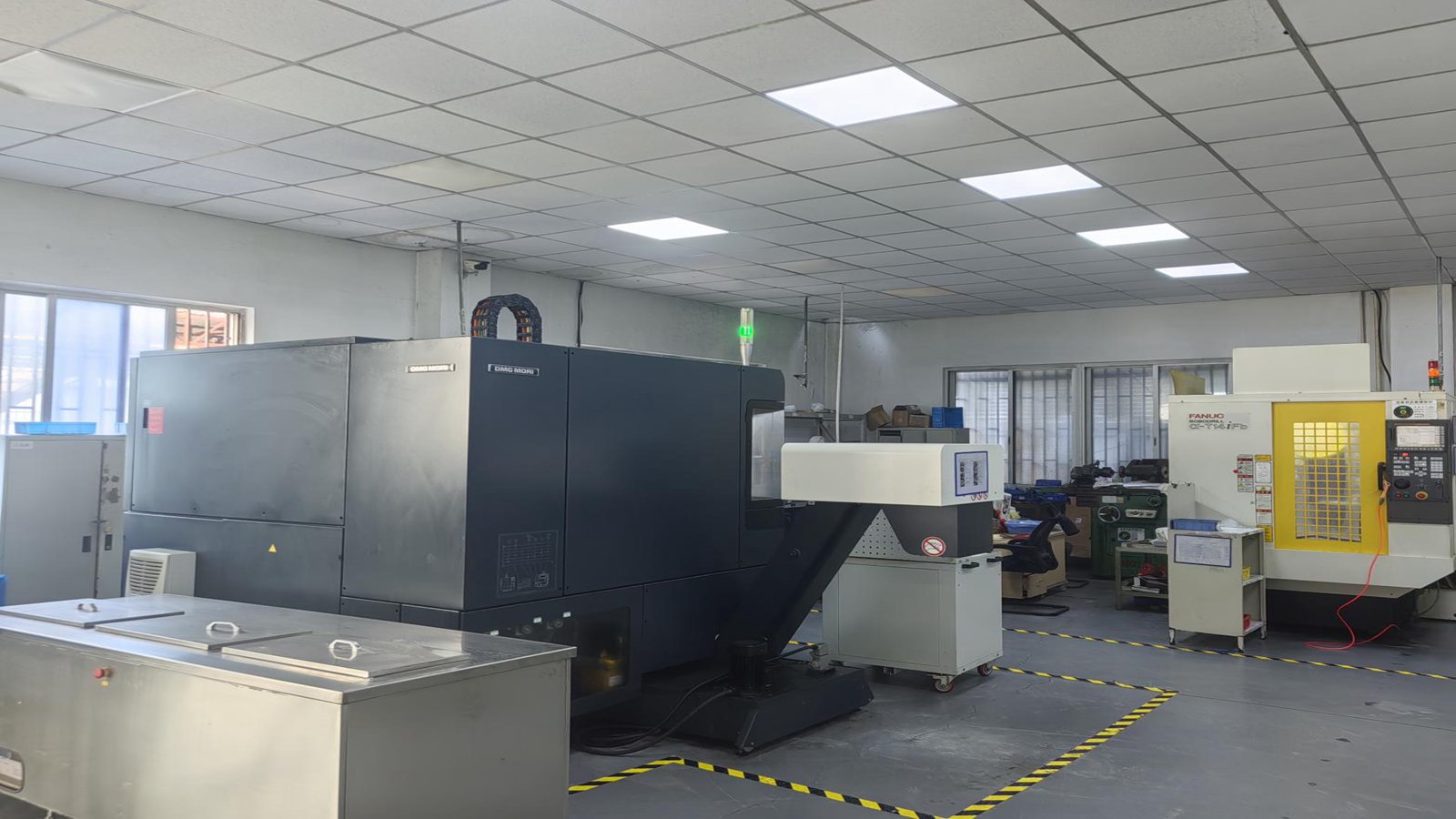
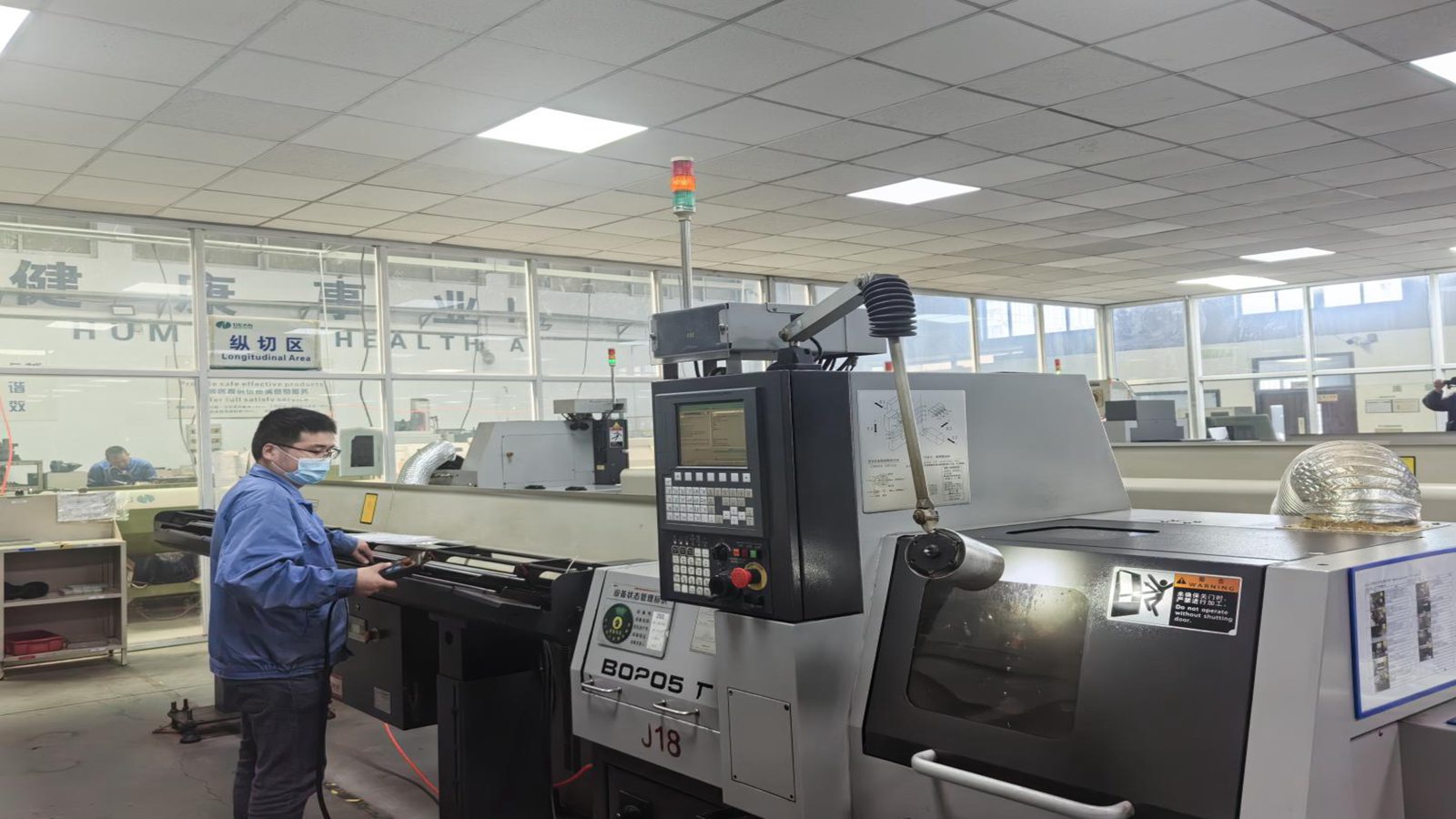
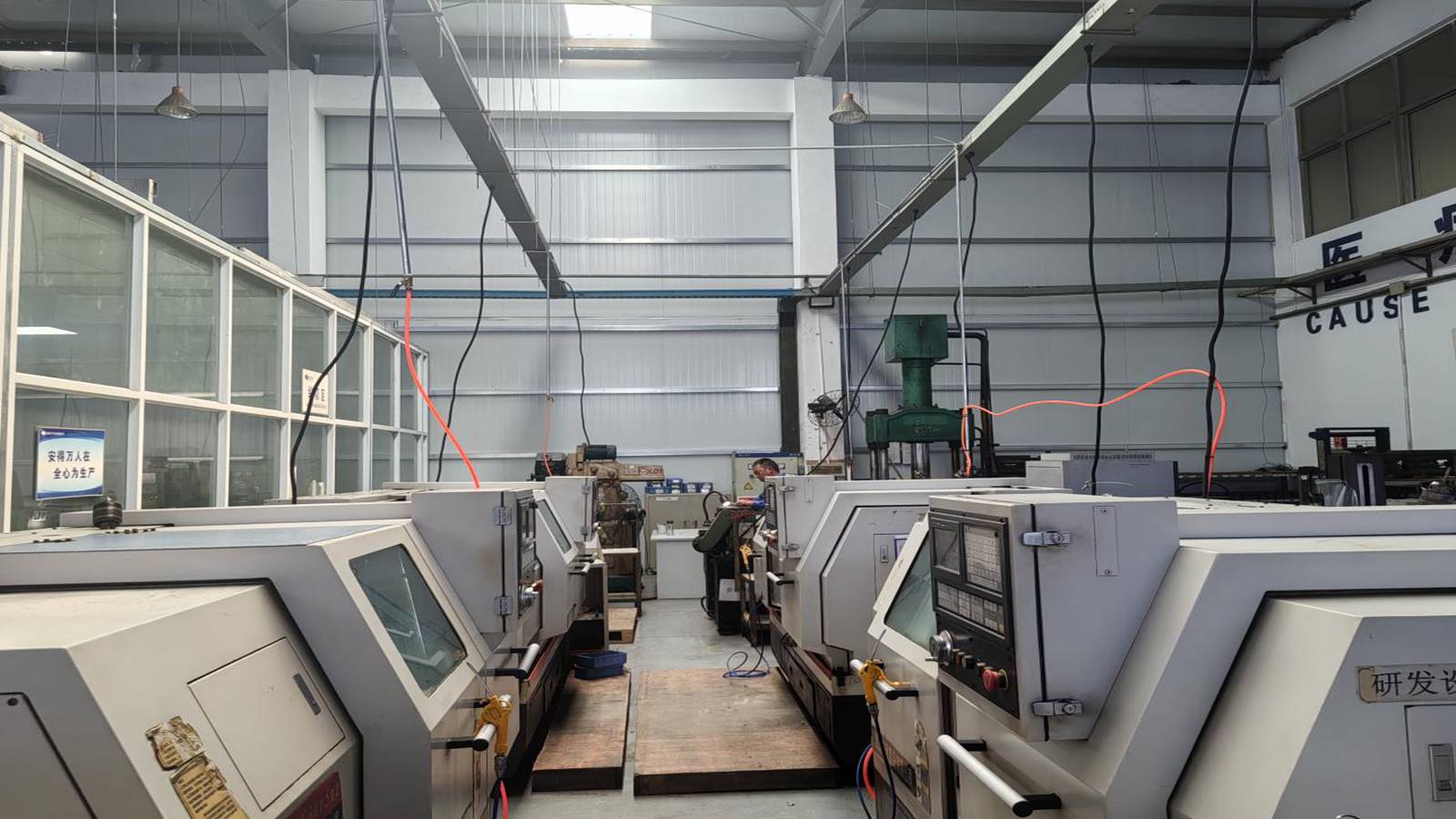
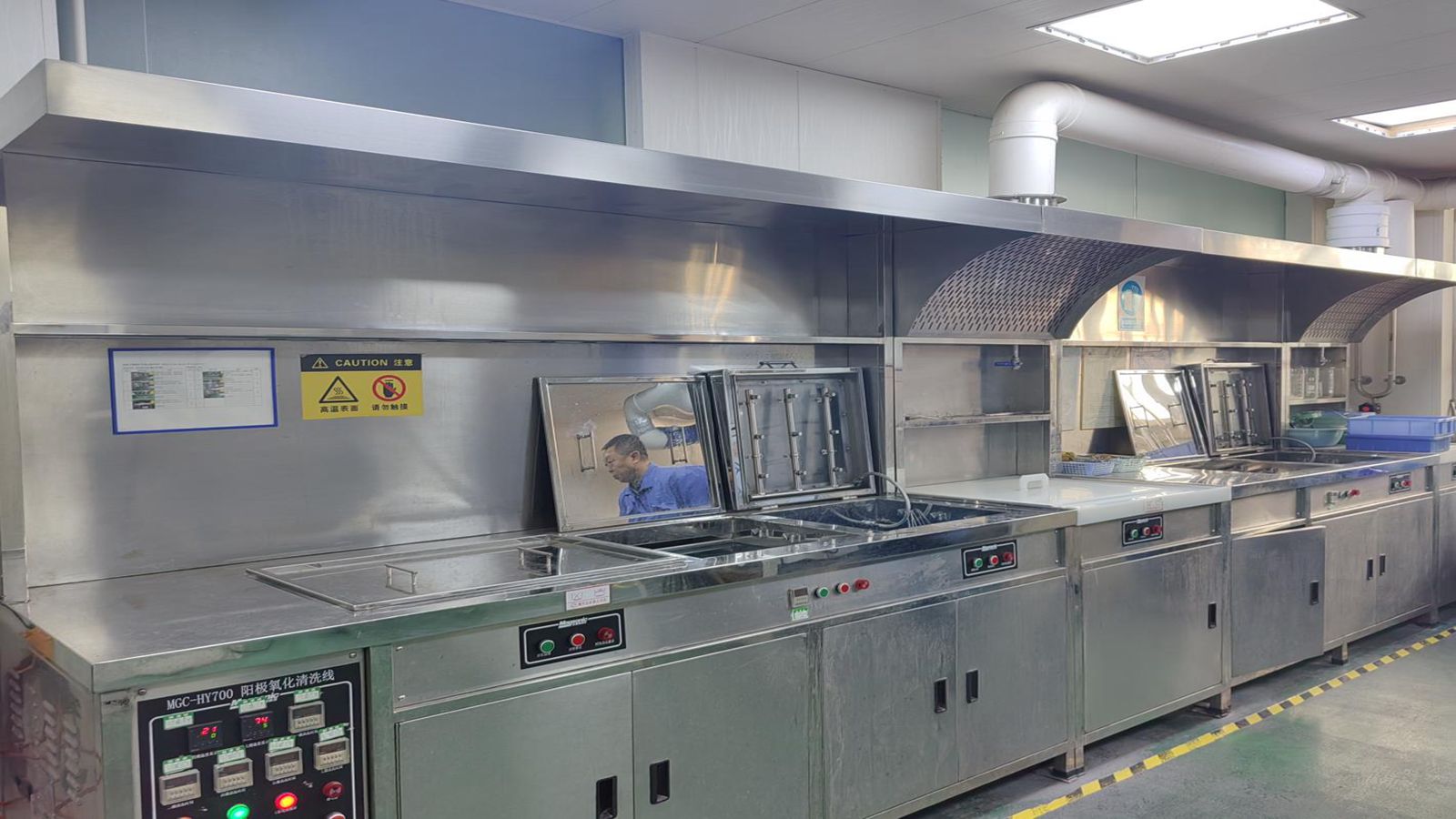
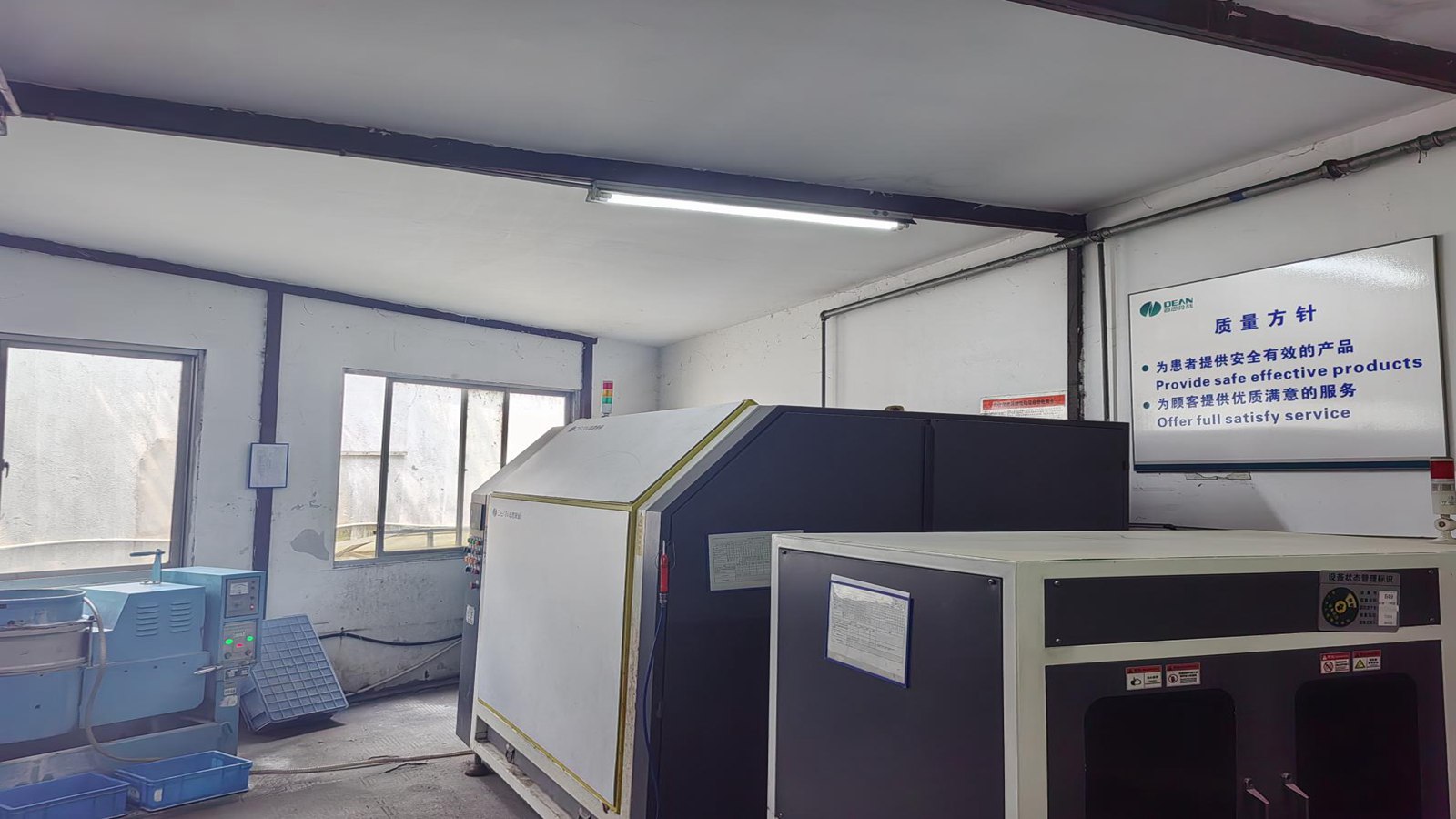
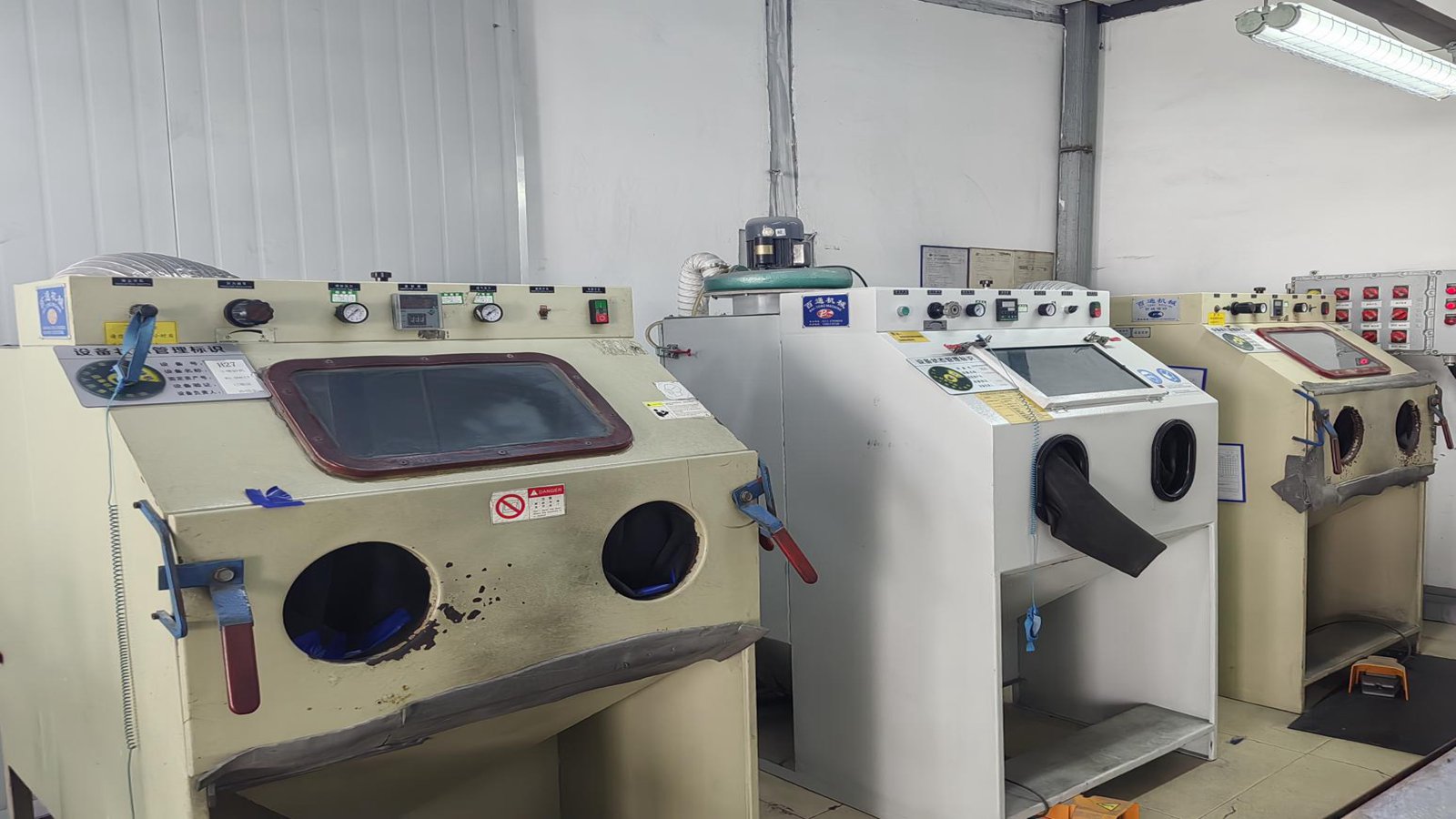
Established in 2016, Medispirex Orthopedic Technology Co., Ltd. is a specialized manufacturer focused on advanced spine and orthopedic implant solutions. Operating from a modern production facility of approximately 18,600㎡, the company integrates research & development, high-precision manufacturing, and global distribution channels.
Supported by over 12 years of industry expertise and 7 years of direct export experience, Medispirex has established an international presence in key markets including Europe, North America, the Middle East, and Southeast Asia. The company has structured its supply chain with approximately 860 upstream and downstream partners, ensuring steady raw material procurement and reliable global distribution.
Medispirex primarily serves hospitals, orthopedic surgeons, medical device distributors, and OEM/ODM partners worldwide. The company offers tailored customization options, including private label manufacturing, design optimization for local anatomical requirements, and customized surgical instrumentation setups.
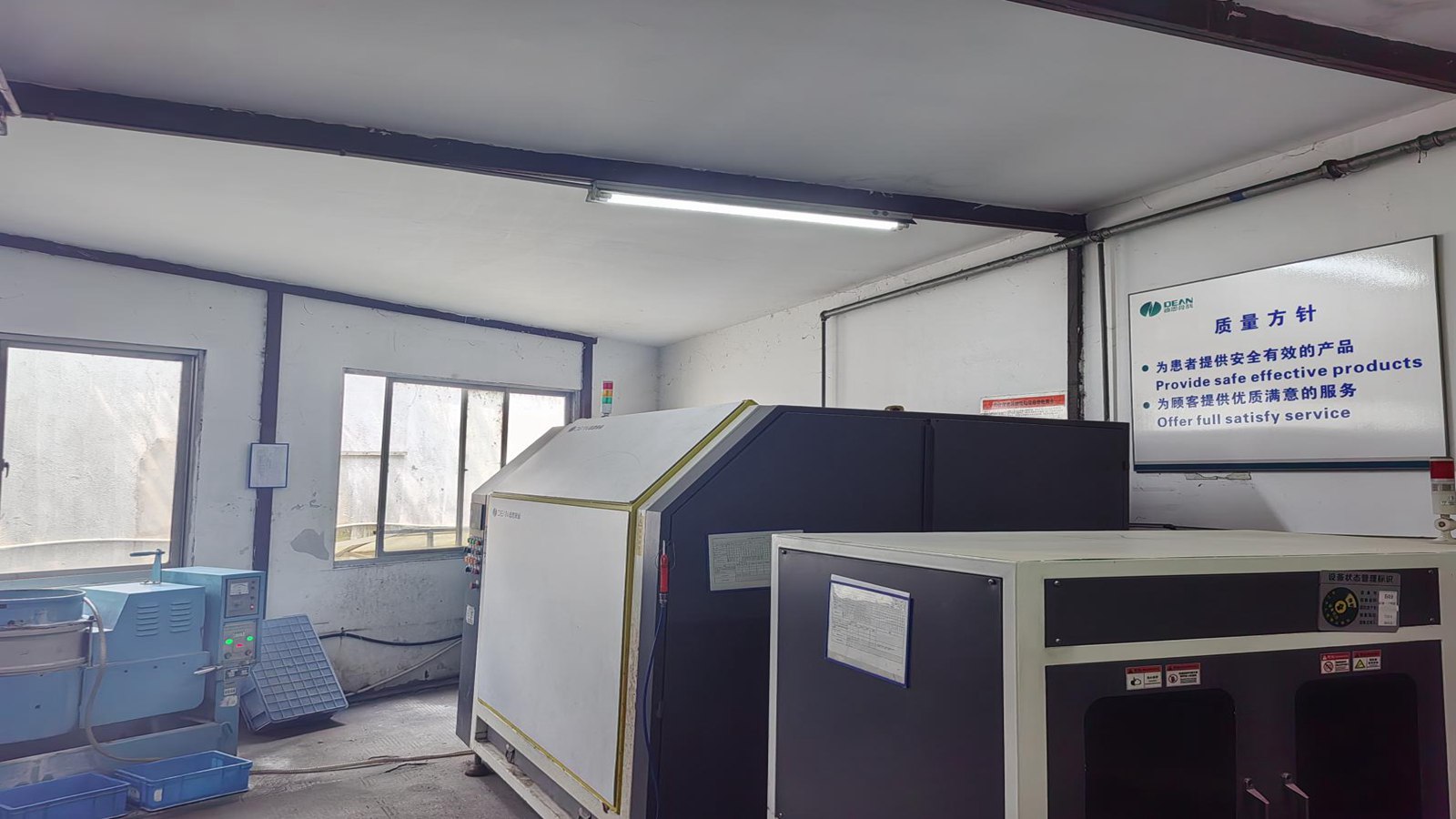
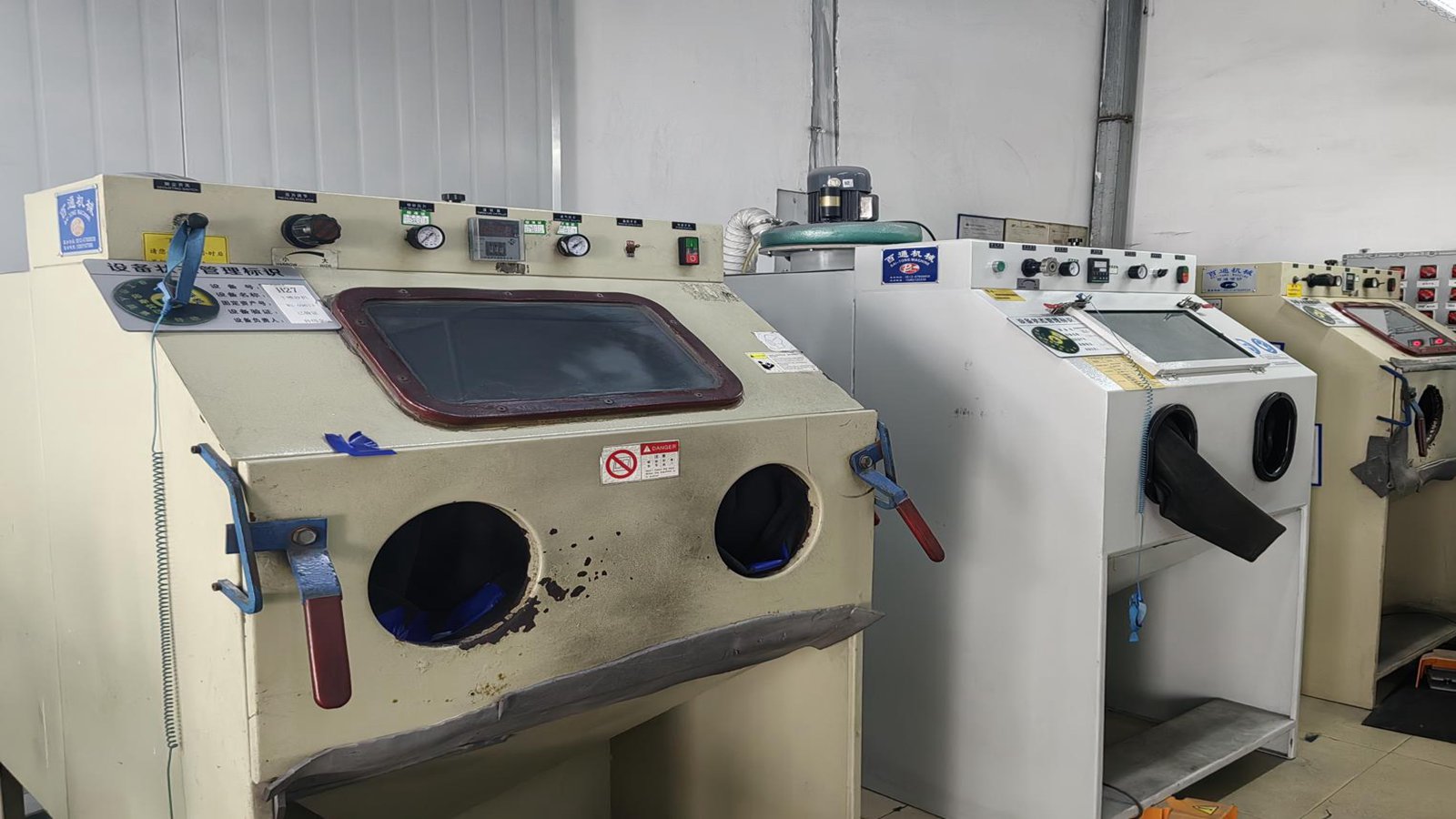
Quality at Medispirex is managed by 45 dedicated QC professionals. The validation framework includes:
| Performance Metric | Traditional Static Cages | First-Gen Expandable Cages | Medispirex Porous Titanium Cages |
|---|---|---|---|
| Insertion Height | Fixed (Typically 8mm - 14mm) | Varies (Requires high entry force) | Collapsed design (Minimizes insertion profile) |
| Restoration of Lordosis | Limited to pre-cut angles (0° - 15°) | Gradual height expansion only | Simultaneous height & dynamic lordotic adjustment |
| Endplate Damage Risk | High (Due to manual distraction force) | Moderate (Excessive localized force) | Low (Even stress distribution across expansion) |
| Osseointegration Properties | Smooth PEEK limits cellular adhesion | Limited by standard smooth metal surfaces | Trabecular-mimicking micro-porous structure |
| Biological Graft Volume | Standard central graft window | Reduced due to internal mechanism | Optimized inner chamber for in-situ packing |
In posterior spine surgeries, minimizing nerve root retraction is key. Medispirex expandable cages allow insertion through narrow corridors, expanding to restore disc height while protecting neural structures.
For lateral procedures that span the apophyseal ring, Medispirex design adaptations provide a larger footprint, helping distribute structural loads and reduce the incidence of device subsidence.
Medispirex works with medical brand owners to prototype and manufacture implants customized for specific surgical instrument connections or unique lock-and-release mechanisms.
Medispirex uses medical-grade titanium alloy (Ti-6Al-4V ELI) conforming to ASTM F136 standards. For hybrid designs, high-grade biocompatible PEEK-OPTIMA is utilized.
Medispirex provides finite element analysis (FEA) modeling, followed by mechanical fatigue testing protocols (ASTM F2077 static/dynamic compression, shear, and torsion) to establish device safety profiles.
Standard manufacturing lead times range from 4 to 8 weeks depending on the complexity of the design, regulatory packaging requirements, and batch size.
Yes, every implant is laser-marked with a unique UDI code. This code links to raw material mill certificates, heat lot numbers, and post-machining validation reports.