Medispirex
Medispirex
Medispirex
Explore our foundational range of implantable devices, precision surgical instruments, and trauma systems manufactured to strict biomedical tolerances.
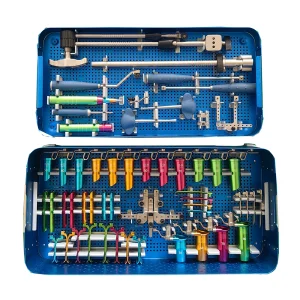
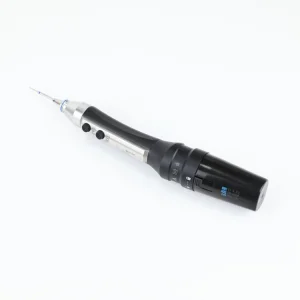
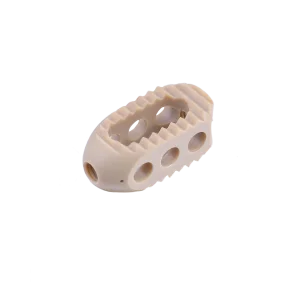
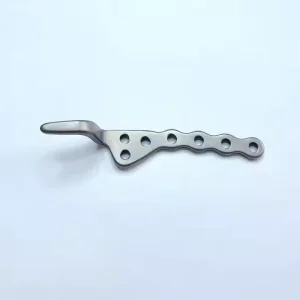
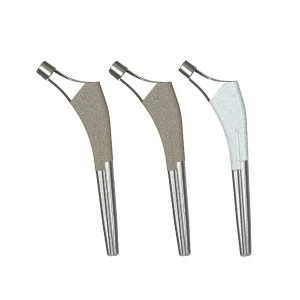
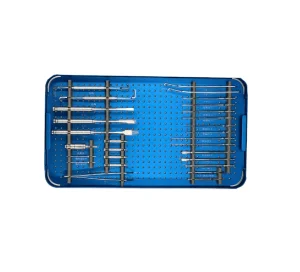
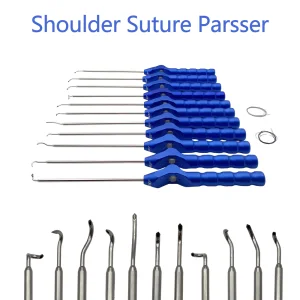
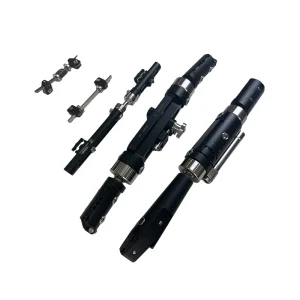
Orthognathic surgery, focusing on correcting structural, developmental, and pathological deformities of the jaw and face, demands an exceptional standard of mechanical reliability and biological compatibility. CMF implants—including bone plates, monocortical/bicortical screws, and customized alignment templates—serve as the foundation for modern corrective osteotomies. As global healthcare infrastructure expands, hospitals, surgeons, and medical distributors face the critical task of balancing surgical safety with procurement efficiency.
Currently, the global market for orthognathic and maxillofacial reconstruction is shifting rapidly toward customized, patient-specific implants (PSIs). While standardized, off-the-shelf titanium plate systems remain essential for routine trauma and stabilization procedures, complex osteotomies—such as Le Fort I, II, or III advancements, bilateral sagittal split osteotomies (BSSO), and genioplasties—increasingly leverage digital virtual surgical planning (VSP). Medispirex Orthopedic Technology Co., Ltd. addresses this dual demand by integrating conventional high-volume Swiss CNC manufacturing with high-precision customization capabilities.
By combining advanced biomechanical simulations with extensive manufacturing footprints, Medispirex offers critical information gain to sourcing teams. We provide transparency in raw material grading, strict adherence to biocompatibility standards, and complete batch traceability from raw titanium stock to the sterile packaging opened in operating theaters globally.
Maxillofacial implants must withstand significant, cyclical dynamic stresses during mastication and speech. Standard orthopedic bone plates require localized ductility to allow intraoperative manual contouring by the surgeon without inducing micro-fractures. In contrast, orthognathic fixations require a high yield strength-to-weight ratio. The implants must remain thin to prevent soft-tissue irritation or palpability through the delicate facial skin, while remaining rigid enough to maintain precise osteotomy stabilization.
Founded in 2016 and leveraging over a decade of industry expertise, Medispirex operates an 18,600㎡ modern manufacturing facility. We specialize in producing spinal, trauma, joint reconstruction, and maxillofacial implant systems. Our facility is designed to bridge the gap between high-volume production and precision custom manufacturing, utilizing advanced machining technology to achieve tight dimensional tolerances.
The manufacturing process is divided into specialized workshops designed to eliminate contamination risks, control surface roughness, and execute precise geometrical cuts. Below is a comprehensive look inside our production workflow:
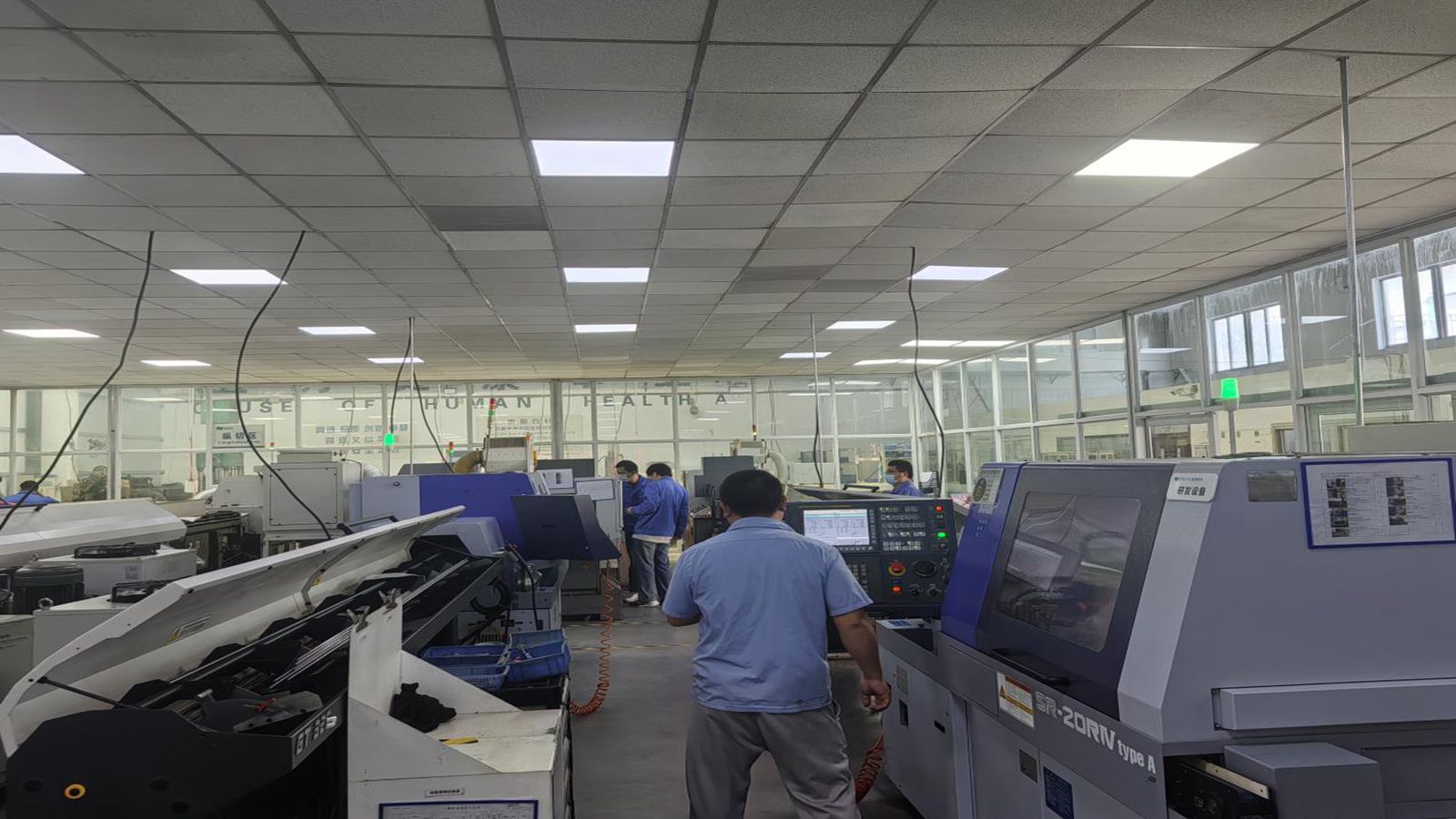
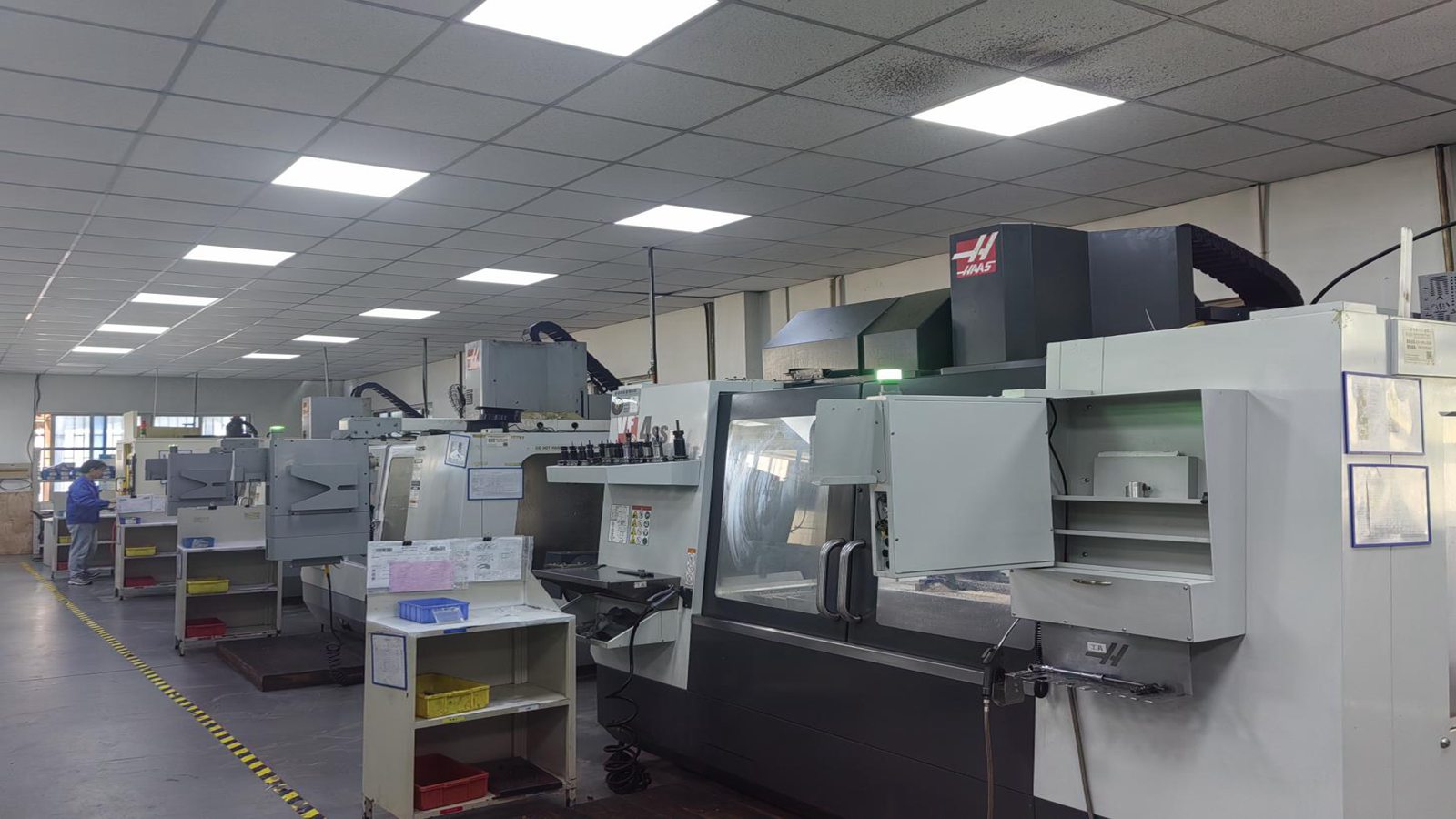
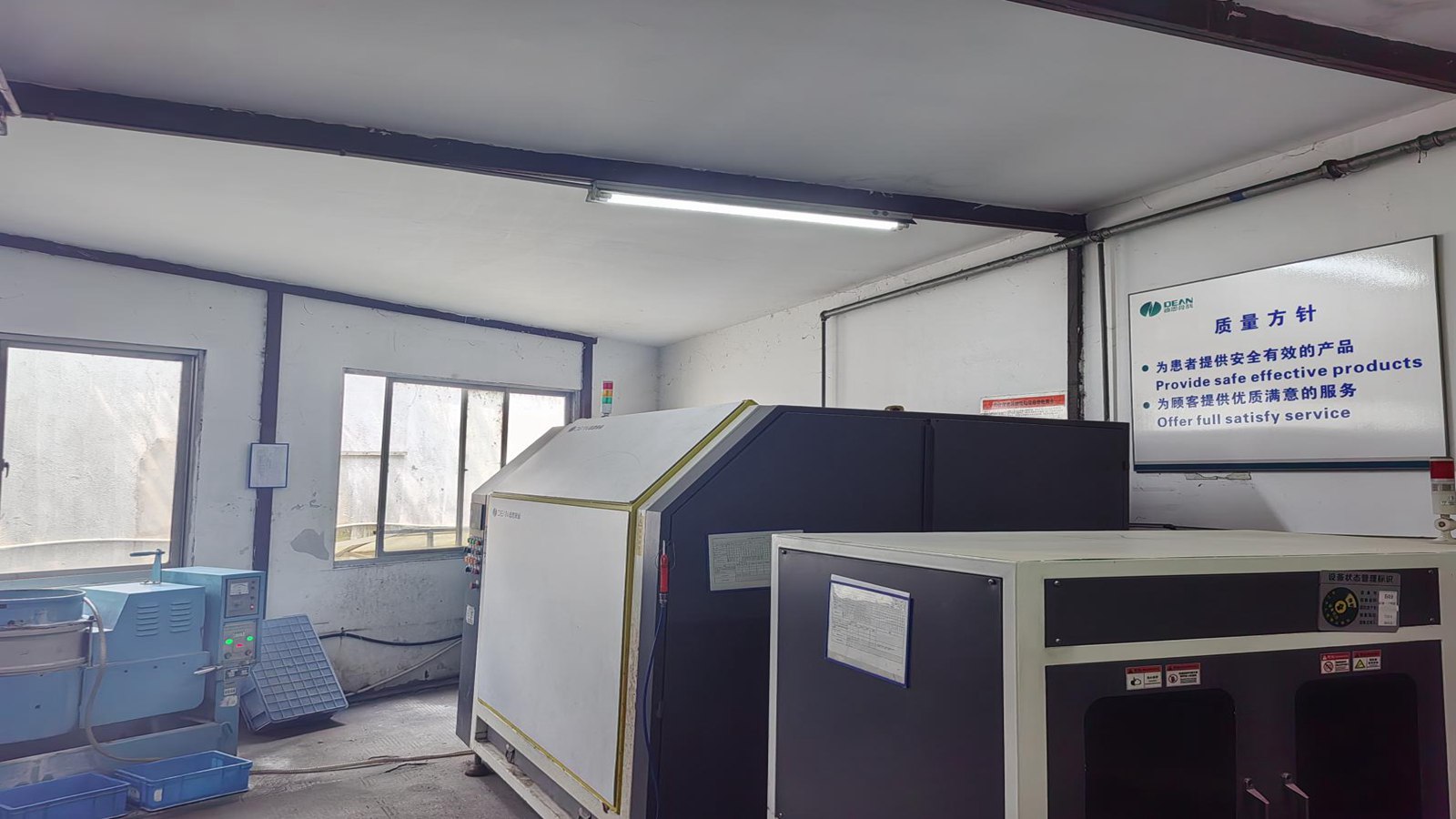
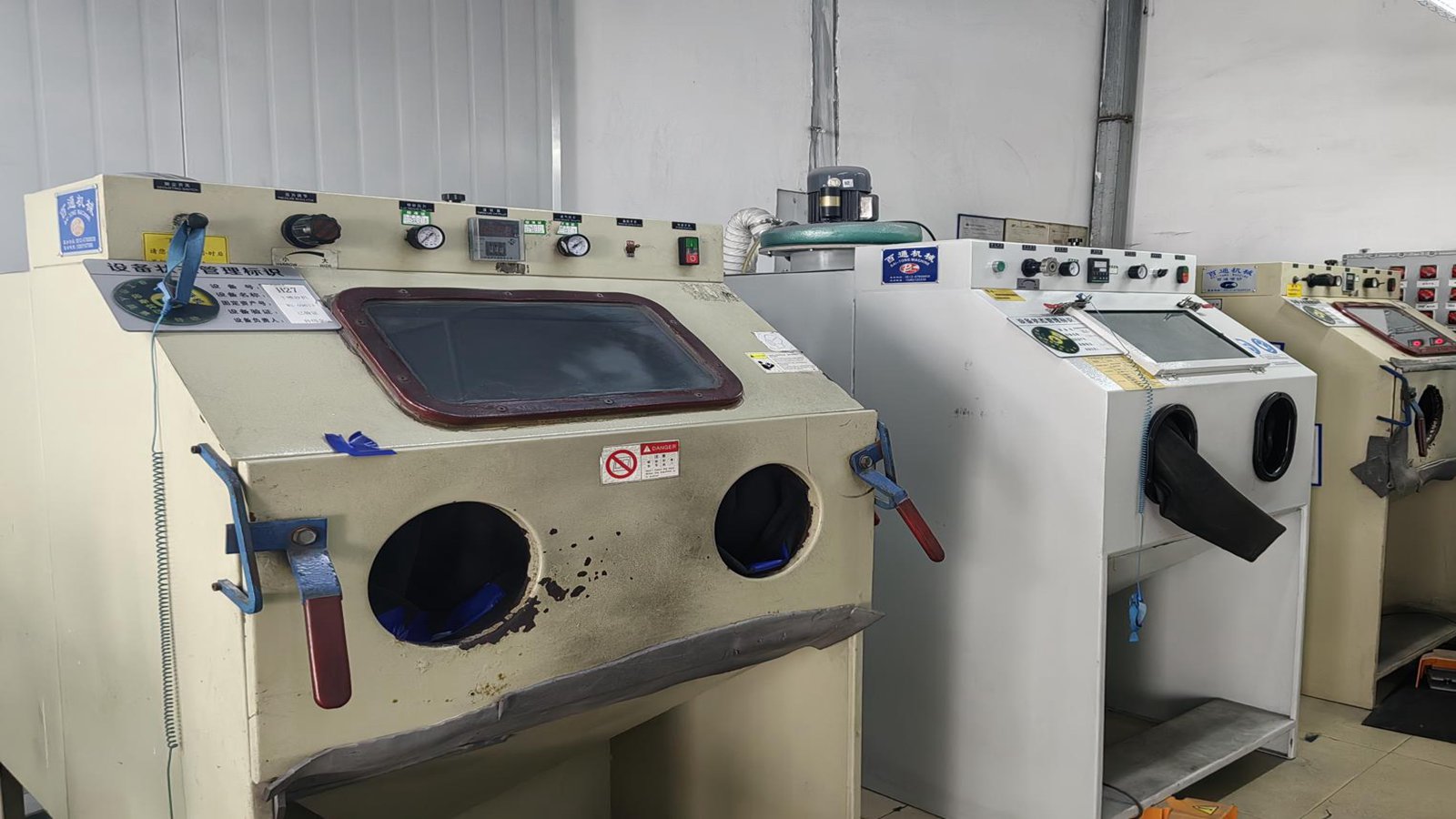
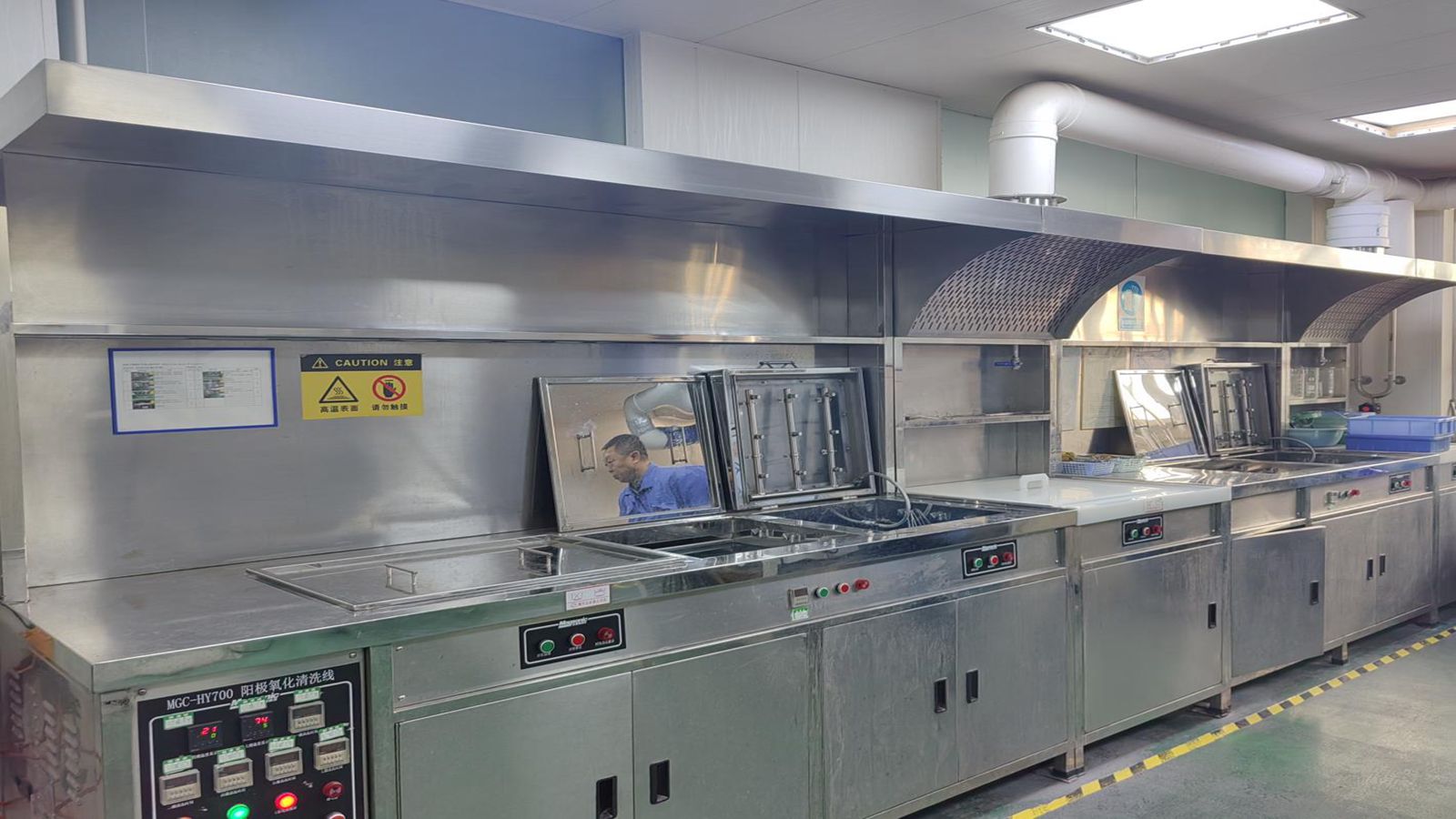
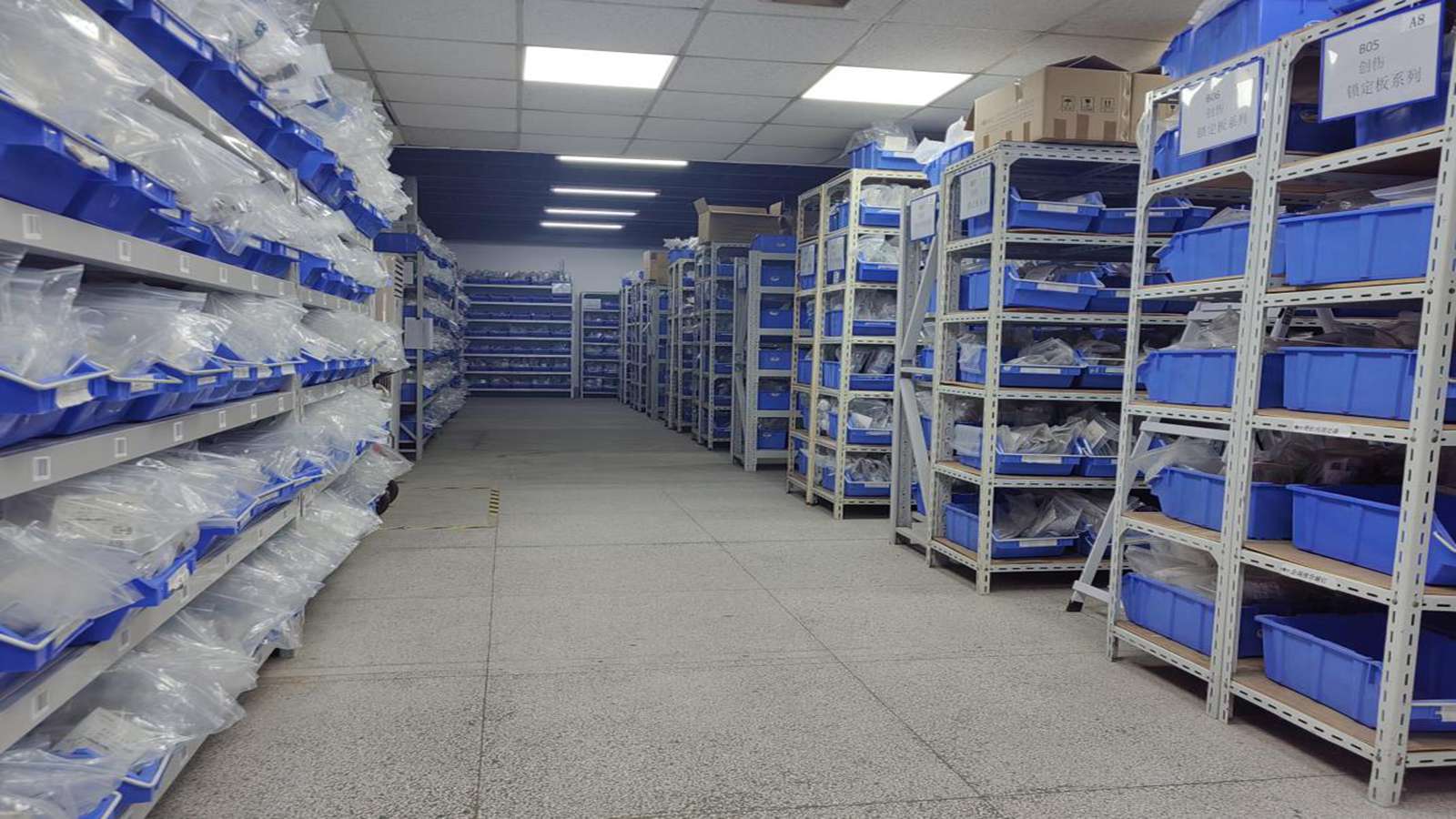
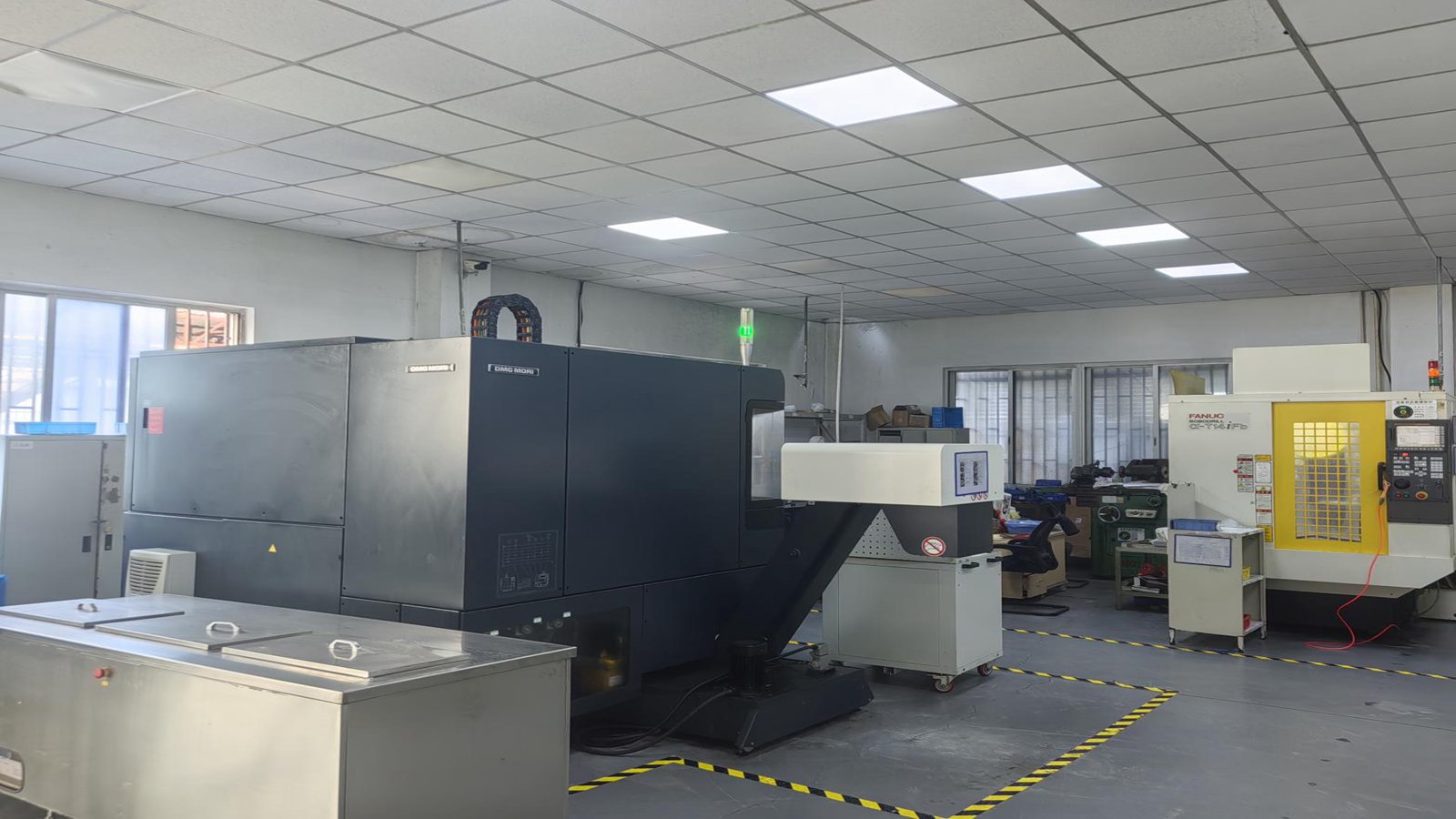
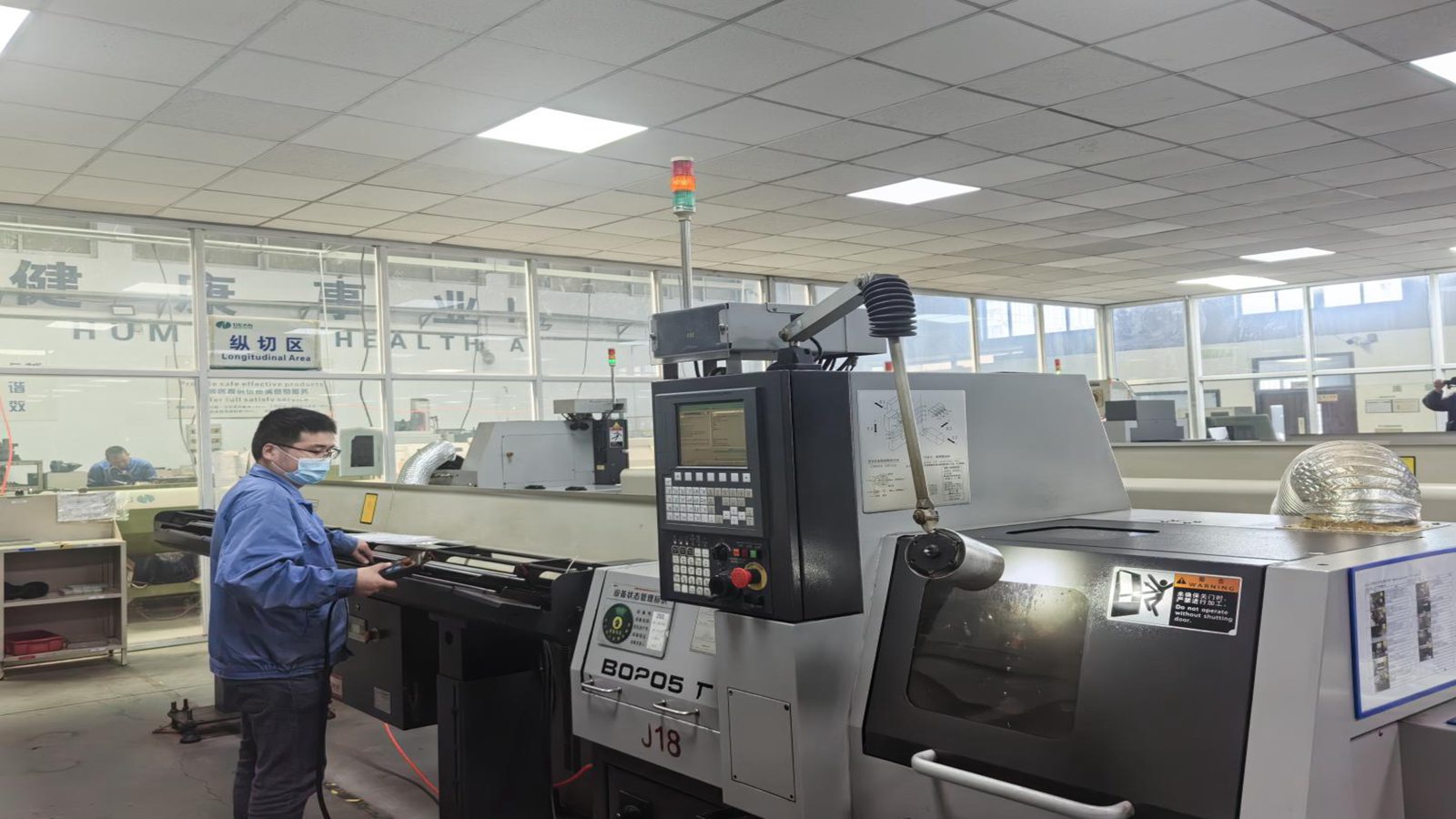
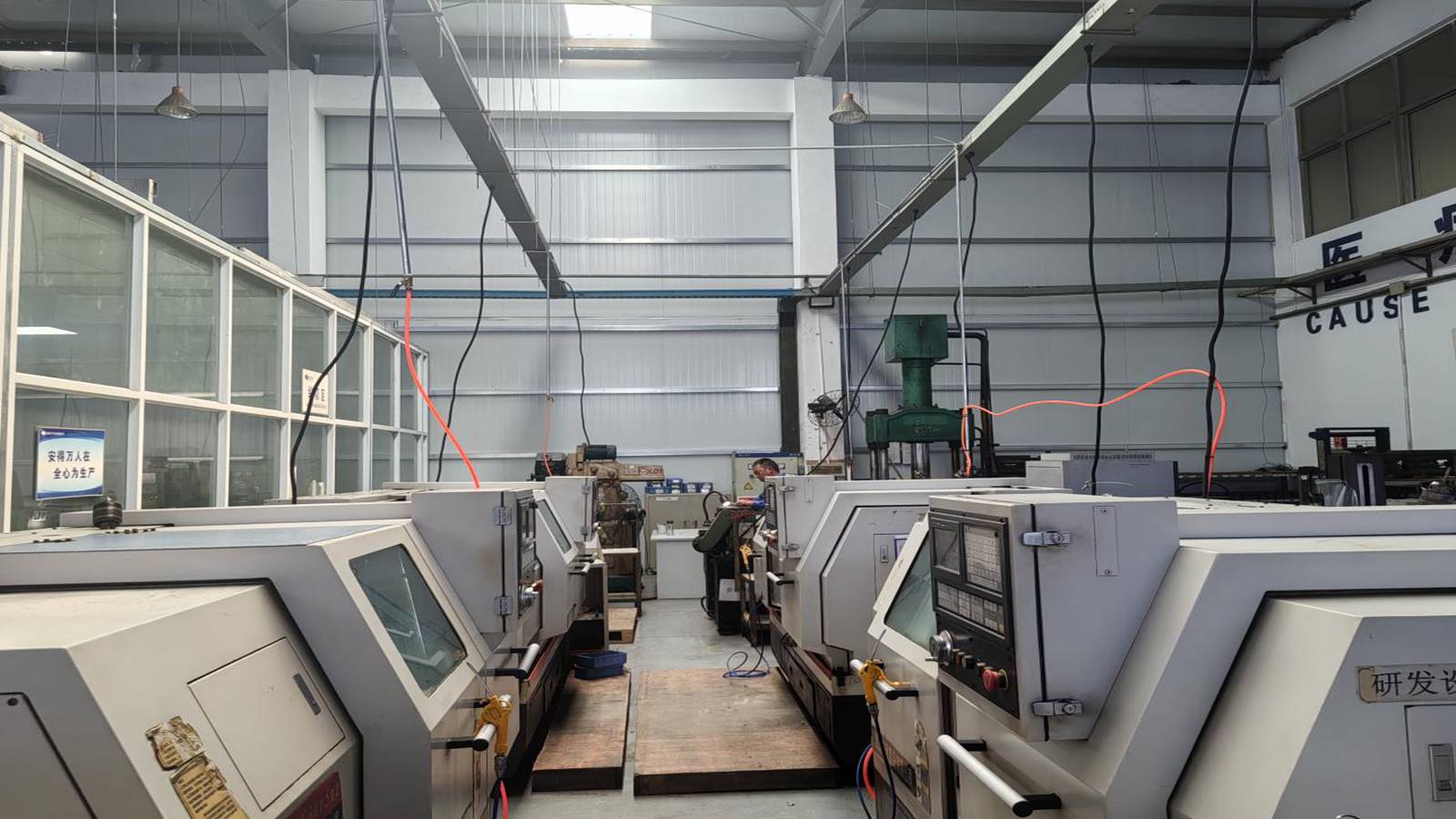
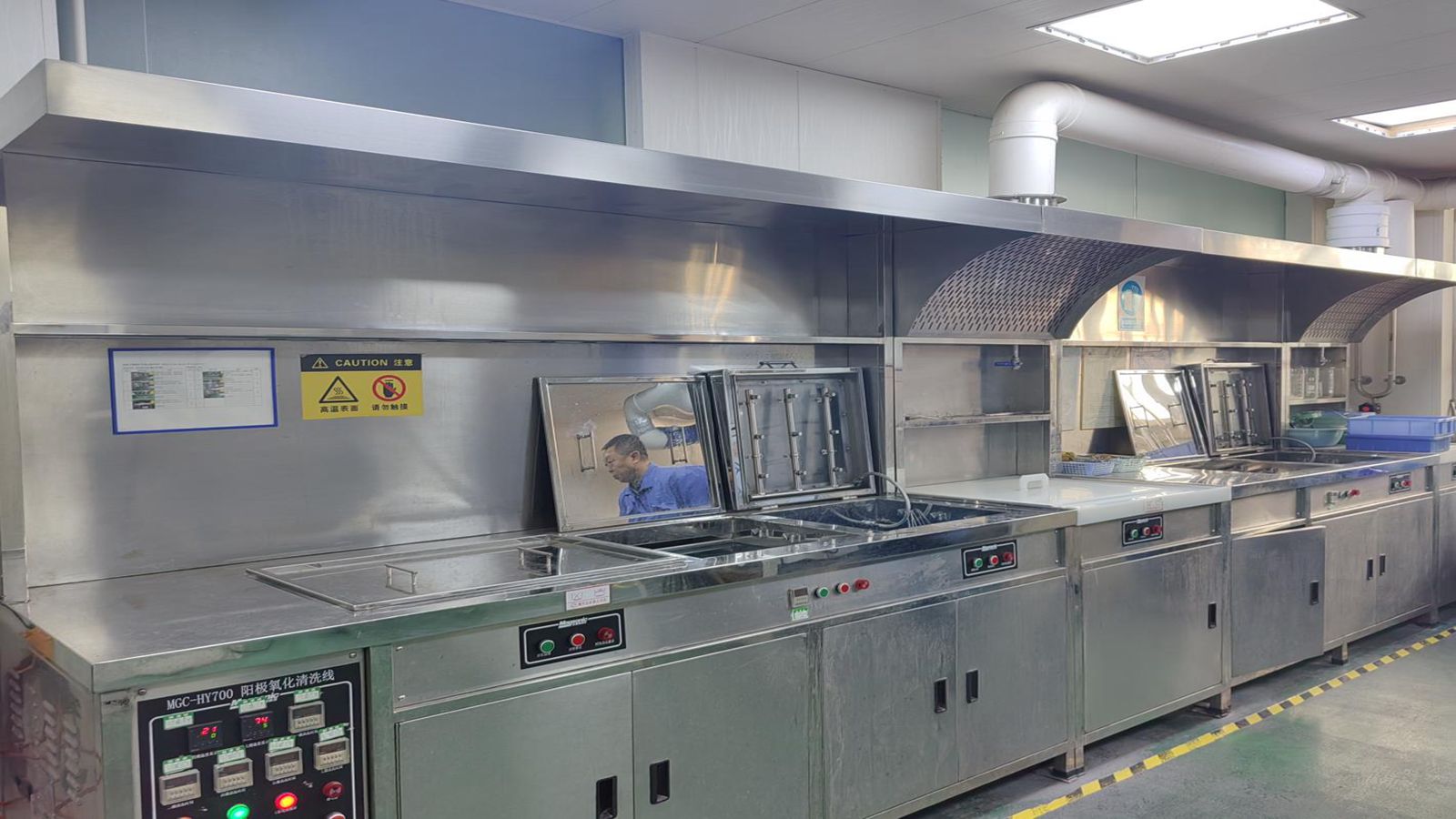
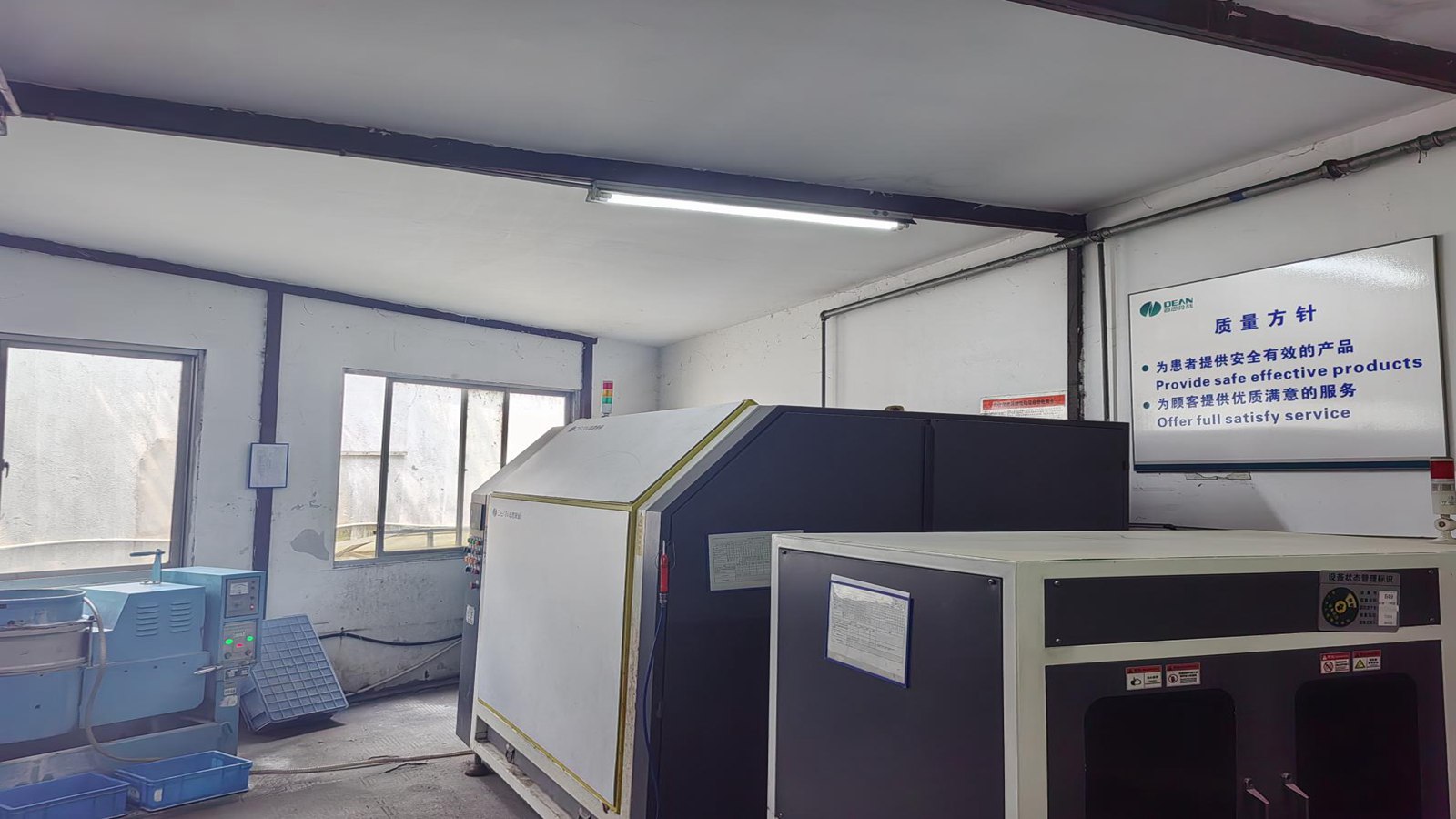
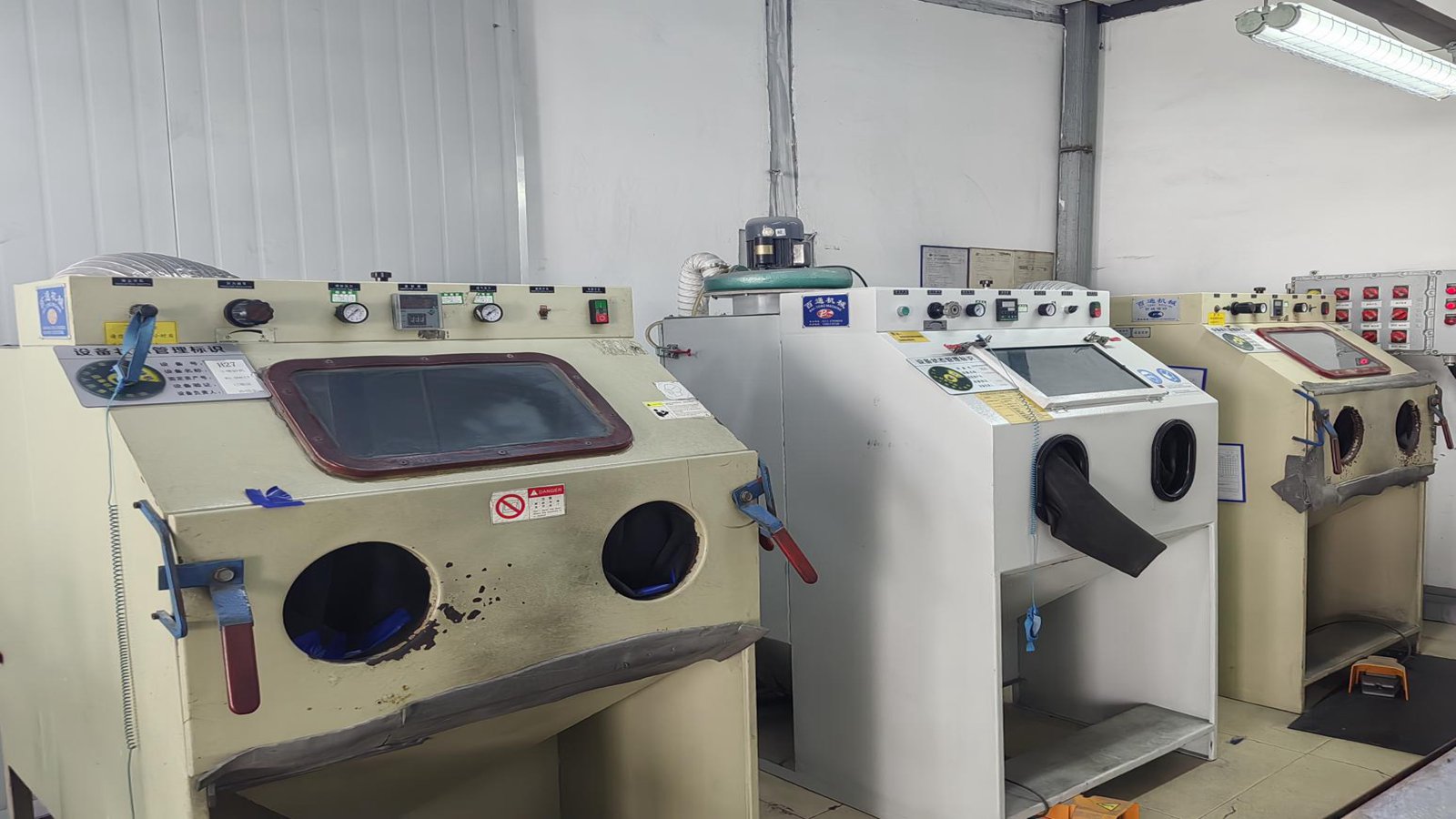
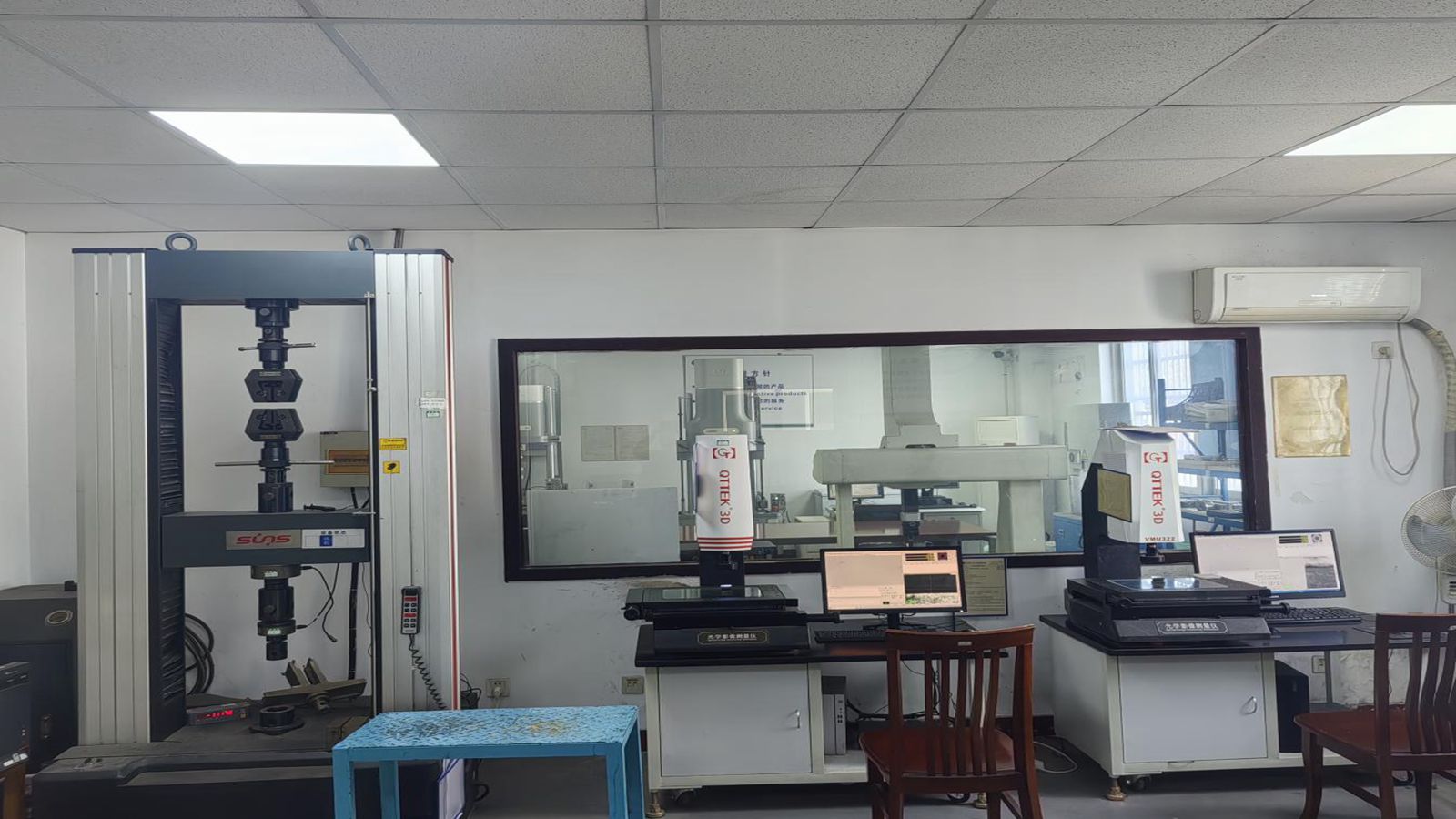
The manufacturing process at Medispirex begins in our raw materials warehouse, where titanium rods and sheets undergo compositional analysis. In our CNC Machining Center, Swiss-type lathe machines and multi-axis cutting stations carve intricate shapes for osteotomy locking plates.
Post-machining, implants undergo sandblasting and grinding to eliminate micro-burrs. Polishing creates a smooth surface to reduce bacterial colonization risk. The final steps involve electrochemical anodization, creating a protective oxide film that enhances corrosion resistance and allows color-coding for surgical identification. Finally, implants are moved to cleanrooms for multi-stage ultrasonic cleaning and final packaging.
Orthognathic and maxillofacial implants are classified as Class III medical devices (high-risk implantable products) in most regulatory jurisdictions. Under Google's Search Quality Rater Guidelines, these products fall into the YMYL (Your Money or Your Life) category. Consequently, Medispirex prioritizes rigorous testing, absolute quality transparency, and strict adherence to international regulatory standards to ensure patient safety.
Medispirex maintains a robust Quality Control department composed of 45 dedicated QC professionals. The department operates across four key quality control phases:
To support hospitals and OEM partners worldwide, our products are manufactured to meet global compliance standards. We actively track the evolving landscape of global medical regulations, including:
Orthognathic osteotomies require specialized configurations of plates and locking screws to address distinct physiological and anatomical requirements:
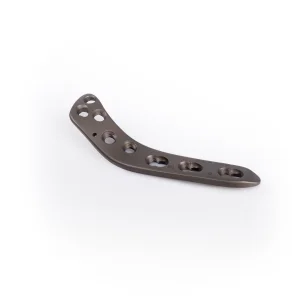
Used to correct midface retrognathism, vertical maxillary excess, and cleft palate deformities. Implants utilized here are typically L-shaped, L-plate, or Y-plate configurations (1.5mm to 2.0mm system) positioned along the nasomaxillary and zygomaticomaxillary buttresses. These plates provide stability against masticatory forces while conforming to thin bone regions.
Executed in the mandibular ramus to advance or set back the mandible. This osteotomy demands high-yield strength linear or step-plates (2.0mm system) capable of resisting strong masticatory forces. Bicortical positioning screws are utilized to hold the overlapping bone segments securely, ensuring bone contact and promoting stable healing.
Specifically applied for correcting chin recession, asymmetry, or vertical projection discrepancies. Specialized pre-bent step chin-plates (1.5mm or 2.0mm system) allow the surgeon to systematically advance or set back the osteotomized mental segment, maintaining structural support with minimal soft-tissue displacement.
Medispirex works closely with hospitals and distributors, leveraging a supply chain of 860 partners. Our network enables us to maintain stable raw material access and deliver products efficiently to Europe, North America, the Middle East, and Southeast Asia.
We support clinical teams with OEM/ODM customization options, private label manufacturing, design modifications, and surgical system configurations.
The field of cranio-maxillofacial surgery is evolving rapidly, driven by the integration of digital tools and material science innovations. Medispirex aligns its R&D initiatives (supported by our 85-engineer team and 120 new products launched yearly) with these emerging clinical demands:
Rather than manual intraoperative plate shaping, digital surgical planning allows for custom titanium implants to be additive-manufactured or CNC-milled based on patient CT scans. This reduces operating room times, improves surgical precision, and yields superior cosmetic outcomes. Medispirex is expanding its CAD/CAM infrastructure to streamline the workflow from CT import to sterile delivery.
Modifying titanium surfaces at the micro and nanoscale is a major focus of our materials team. Through advanced electrochemical anodization and acid etching, we can produce surface textures that encourage bone cell adhesion. This leads to quicker osteointegration and reduces the risk of postoperative infection or screw loosening.
Expert answers to clinical, technical, and regulatory procurement questions.
Explore our wider range of orthopedic, spinal, and veterinary internal fixation devices engineered to meet international clinical standards.