Medispirex
Medispirex
Medispirex
Direct supply line of CE & ISO-certified implants, surgical instruments, and arthroscopy shaver system accessories.
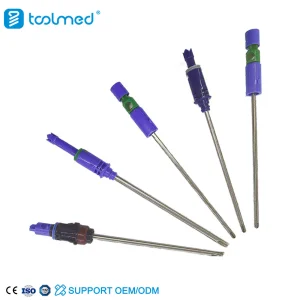
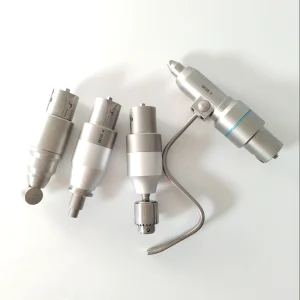
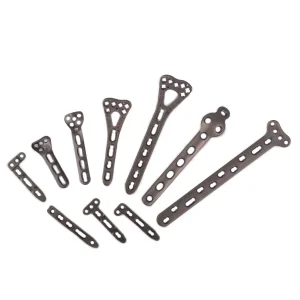
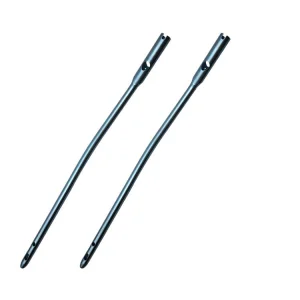
The global orthopedic trauma fixation market is undergoing a significant transition. Humeral intramedullary nails (IMNs) have emerged as the gold standard for treating midshaft humeral fractures and complex pathological fractures. Historically, plating was the preferred surgical method, but biomechanical studies and clinical trials have proven that humeral intramedullary nails offer superior preservation of the soft tissue envelope and periosteal blood supply, leading to significantly lower rates of nonunion and infection.
According to clinical data, intramedullary nailing distributes mechanical loads symmetrically along the humeral axis, reducing stress shielding compared to traditional lateral locking plates. This load-sharing property accelerates secondary bone healing via micro-motion at the fracture gap. As population demographics shift towards an older age profile, the incidence of osteoporotic humeral fractures rises, further driving the global demand for advanced locking configuration intramedullary nail systems that can secure osteoporotic bone without compromising rotational stability.
How advanced material technology, cluster efficiency, and rigorous validation methods define China’s top exporter capabilities.
Utilizing premium Medical-Grade Titanium Alloys (Ti-6Al-4V ELI) to deliver optimized elastic modulus, mimicking human cortical bone. This reduces stress shielding and ensures high biocompatibility and superior fatigue strength under cyclic loading.
Supported by a robust network of 860 upstream and downstream partners. Medispirex coordinates raw material sourcing, multi-axis precision machining, and sterile packaging within highly efficient industrial clusters, drastically lowering lead times.
Our quality verification protocols incorporate rigorous mechanical fatigue testing, dimensional micrometric inspection, and material composition analysis. Supervised by a team of 45 QC professionals to ensure zero-defect product runs.
Your Trusted Global Partner for Trauma, Spine, and Joint Reconstruction Implants
Established in 2016, Medispirex Orthopedic Technology Co., Ltd. has grown to occupy a modern production facility covering approximately 18,600㎡. We specialize in high-precision spine and orthopedic implant solutions. By integrating research & development, state-of-the-art manufacturing, and global export distribution, we provide international markets with surgical components that adhere to strict global standards.
Our trade-oriented operational model caters to hospitals, orthopedic surgeons, medical distributors, and global OEM/ODM partners. Over our 7 years of export history and 12 years of specialized industry experience, we have optimized our design and validation loops, launching approximately 120 new products in the past year alone. This rapid, clinically guided prototyping is enabled by our R&D core of 85 dedicated biomechanical engineers.
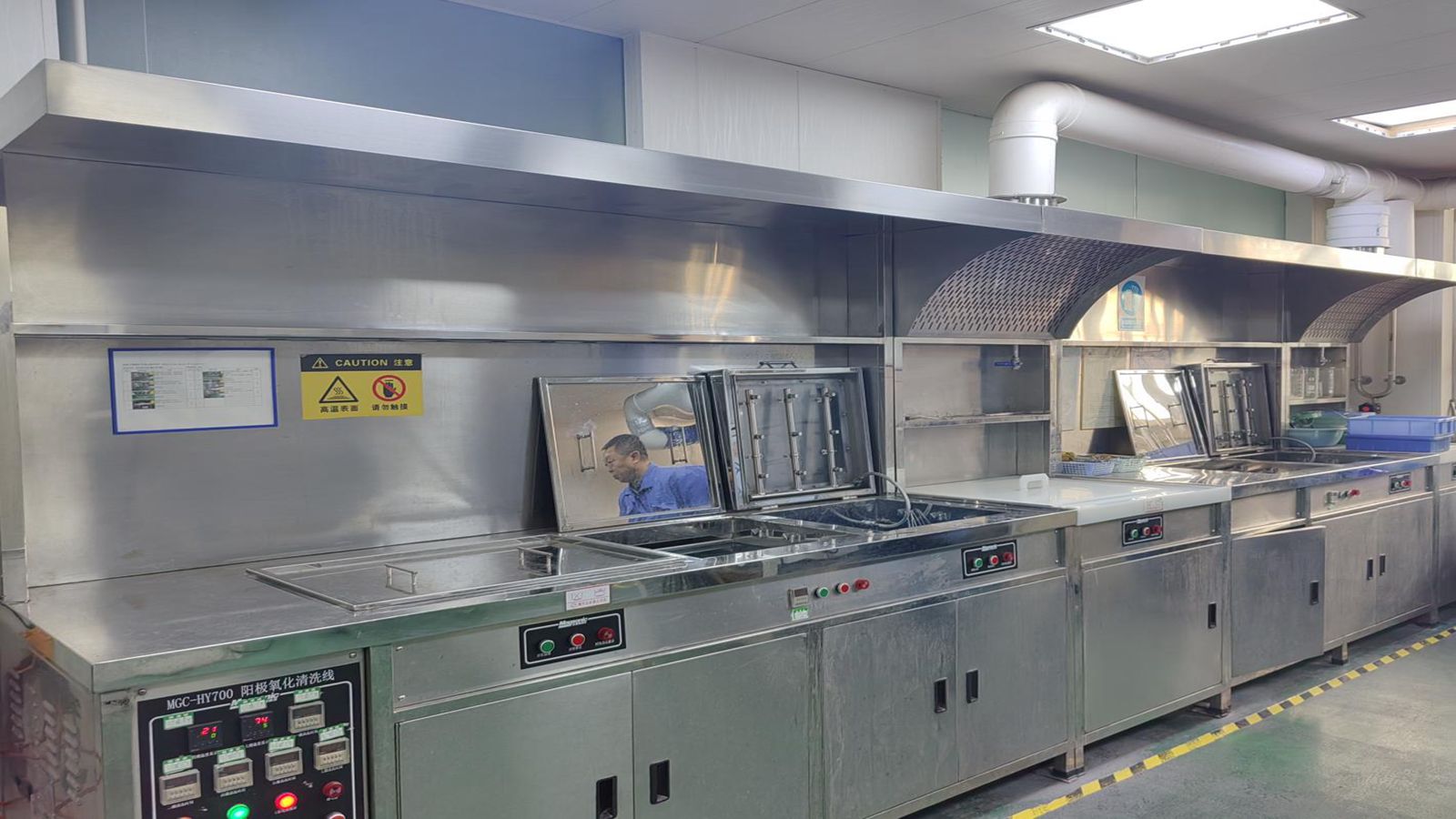
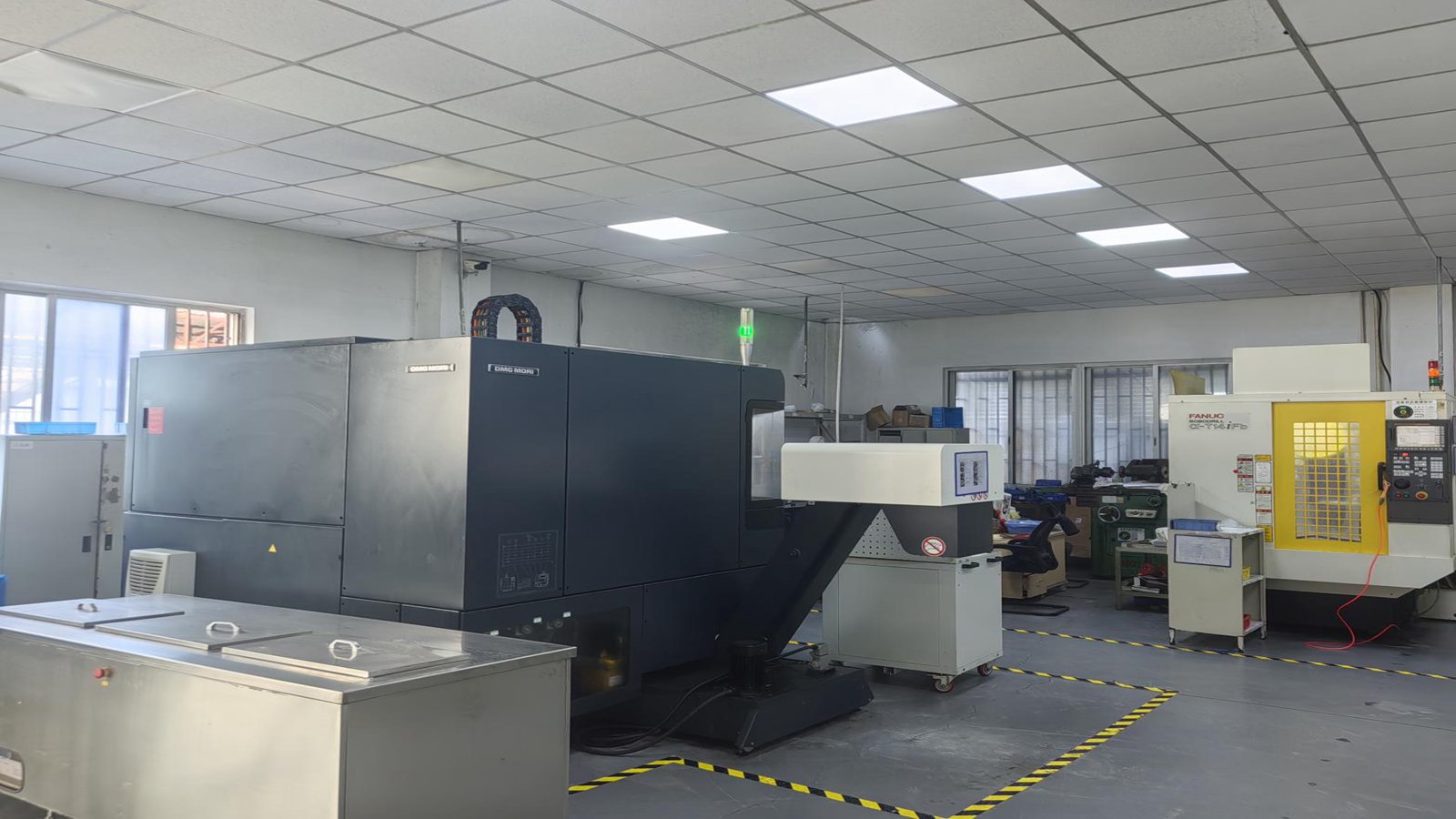
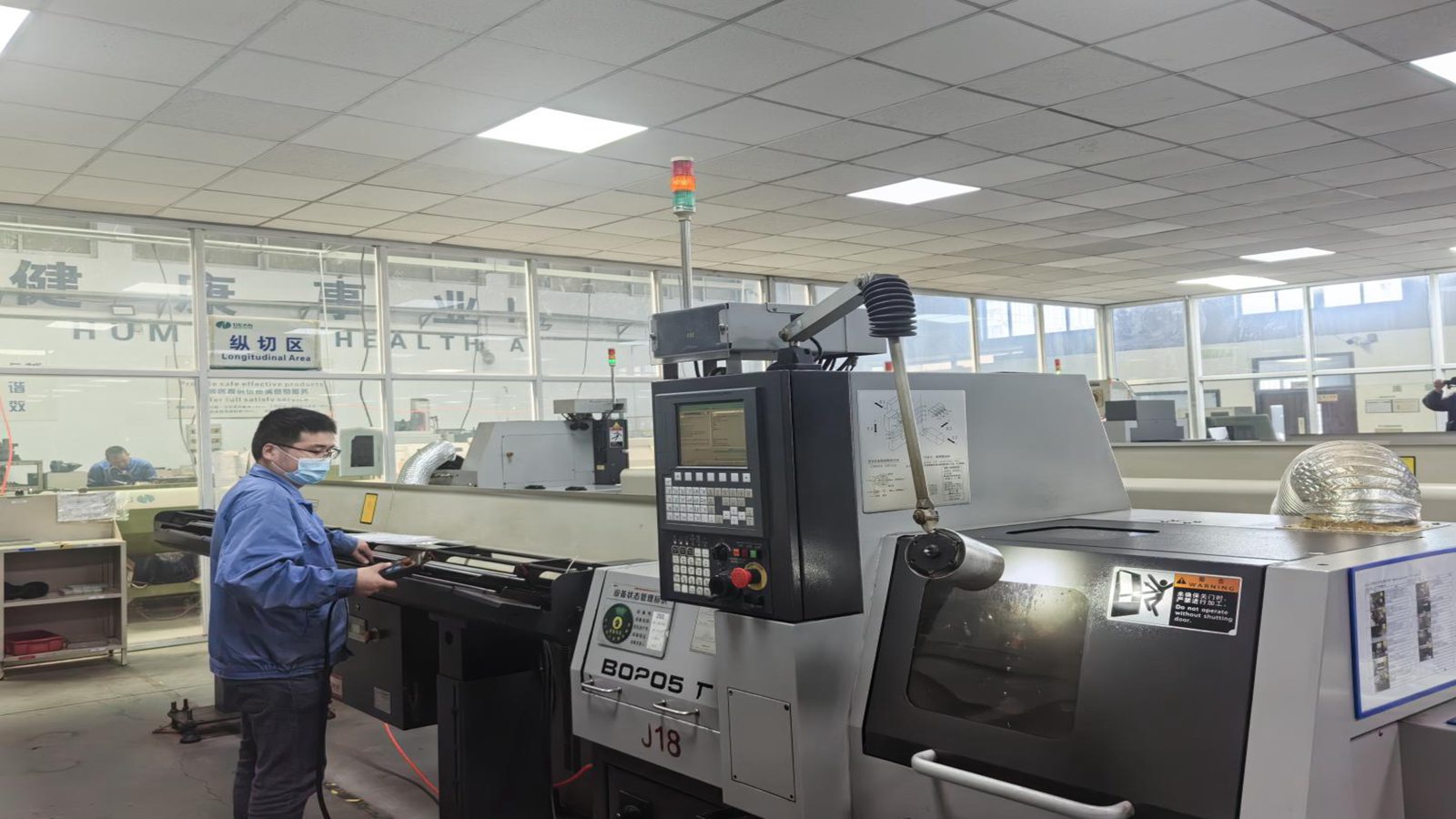
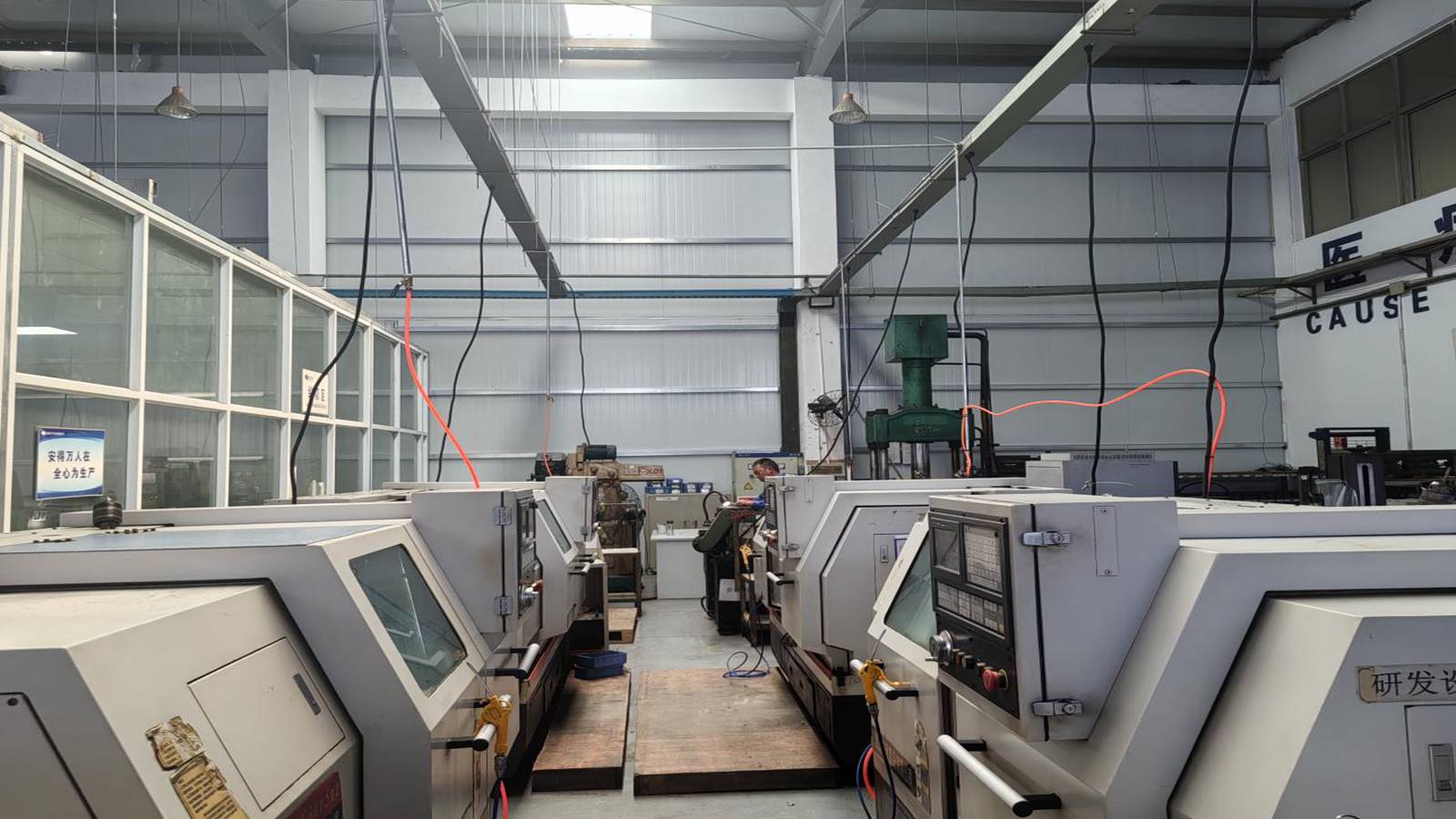
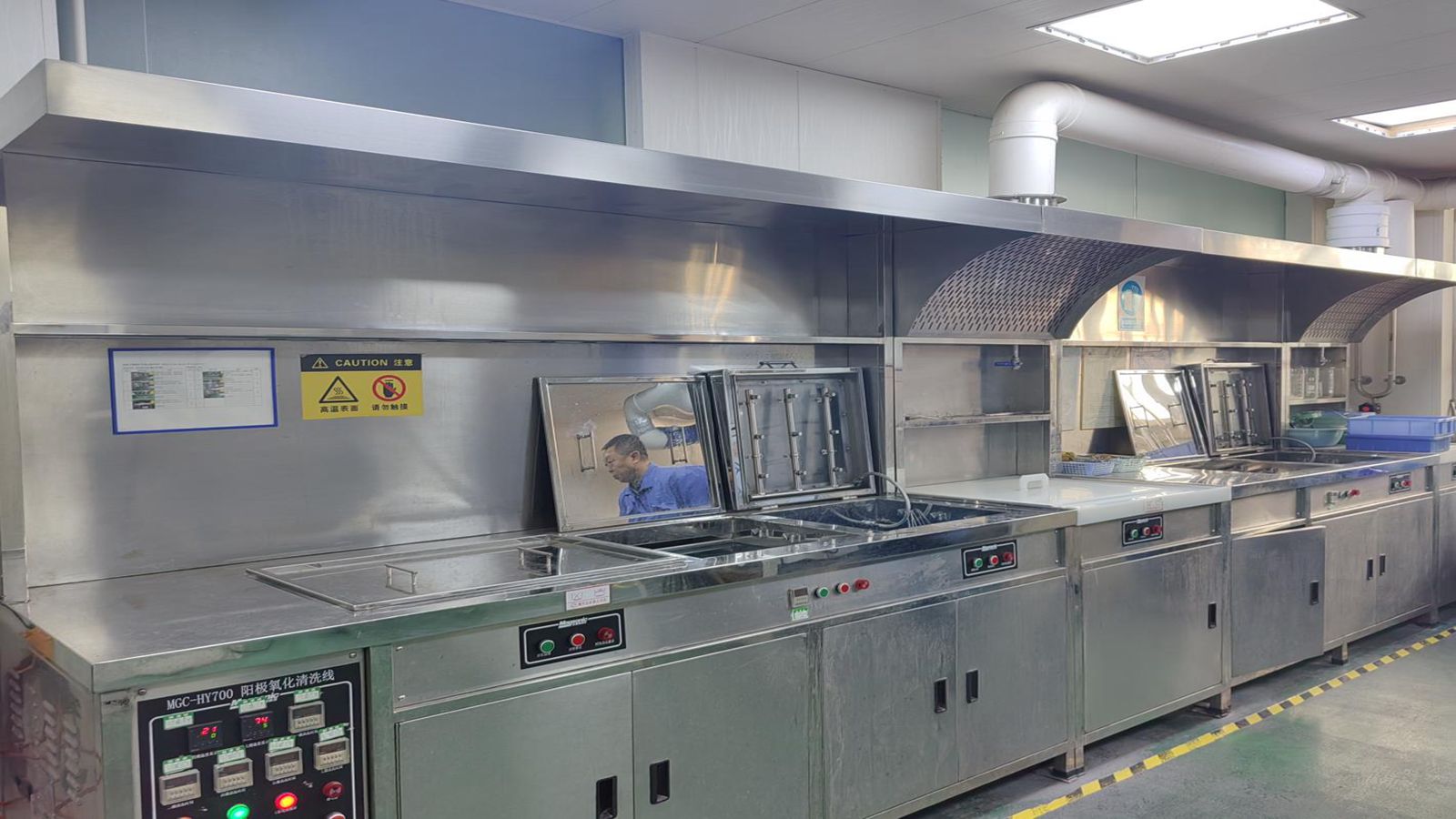
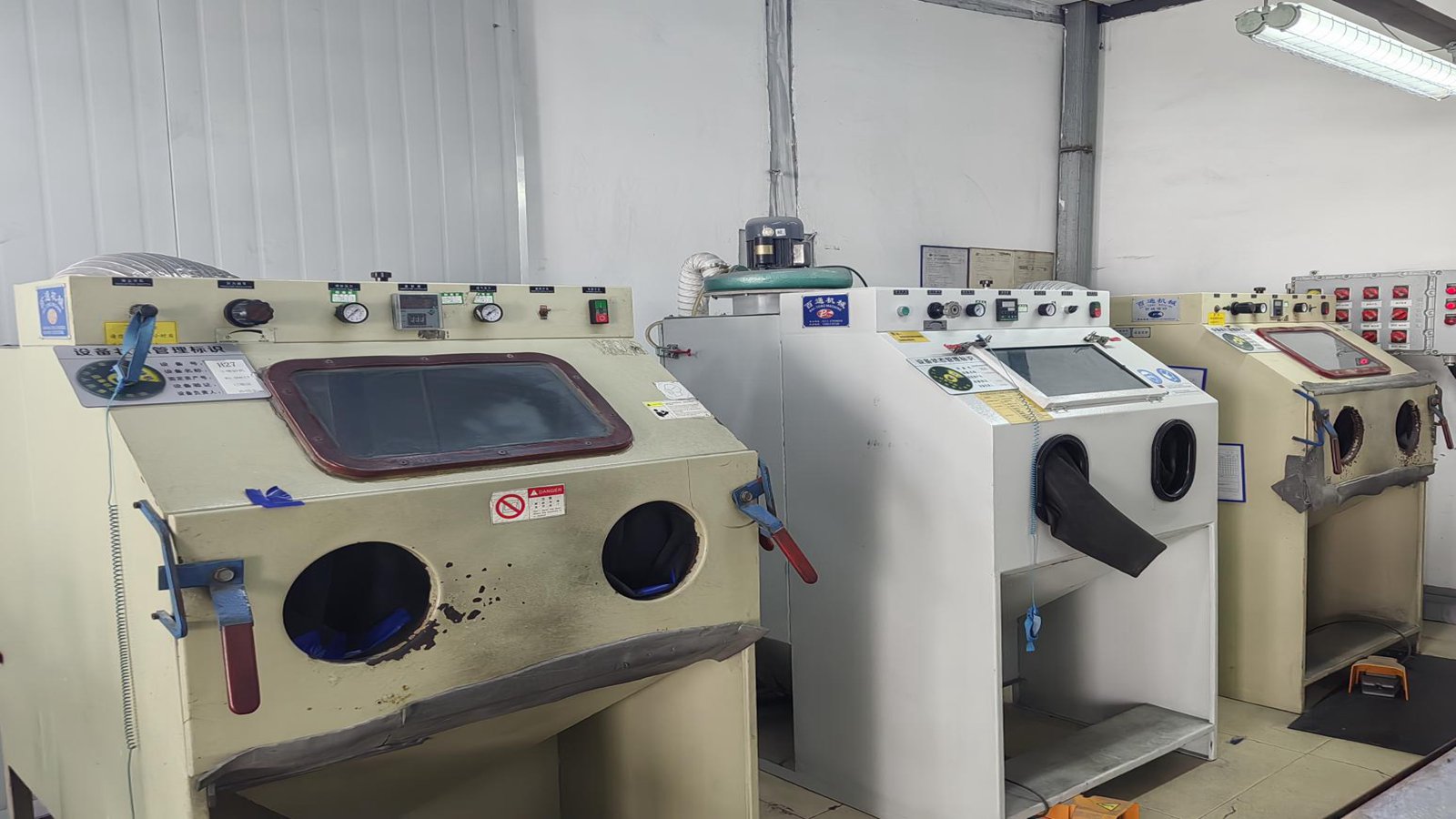
Quality and tracebility are the foundation of our surgical devices. The manufacturing floor features automated CNC machining lines, sandblasting chambers, specialized polishing bays, and anodization facilities. Our strict quality management systems trace every material batch from raw ingot to clinical sterilizable container, offering absolute reliability to surgeons in Europe, North America, the Middle East, and Southeast Asia.
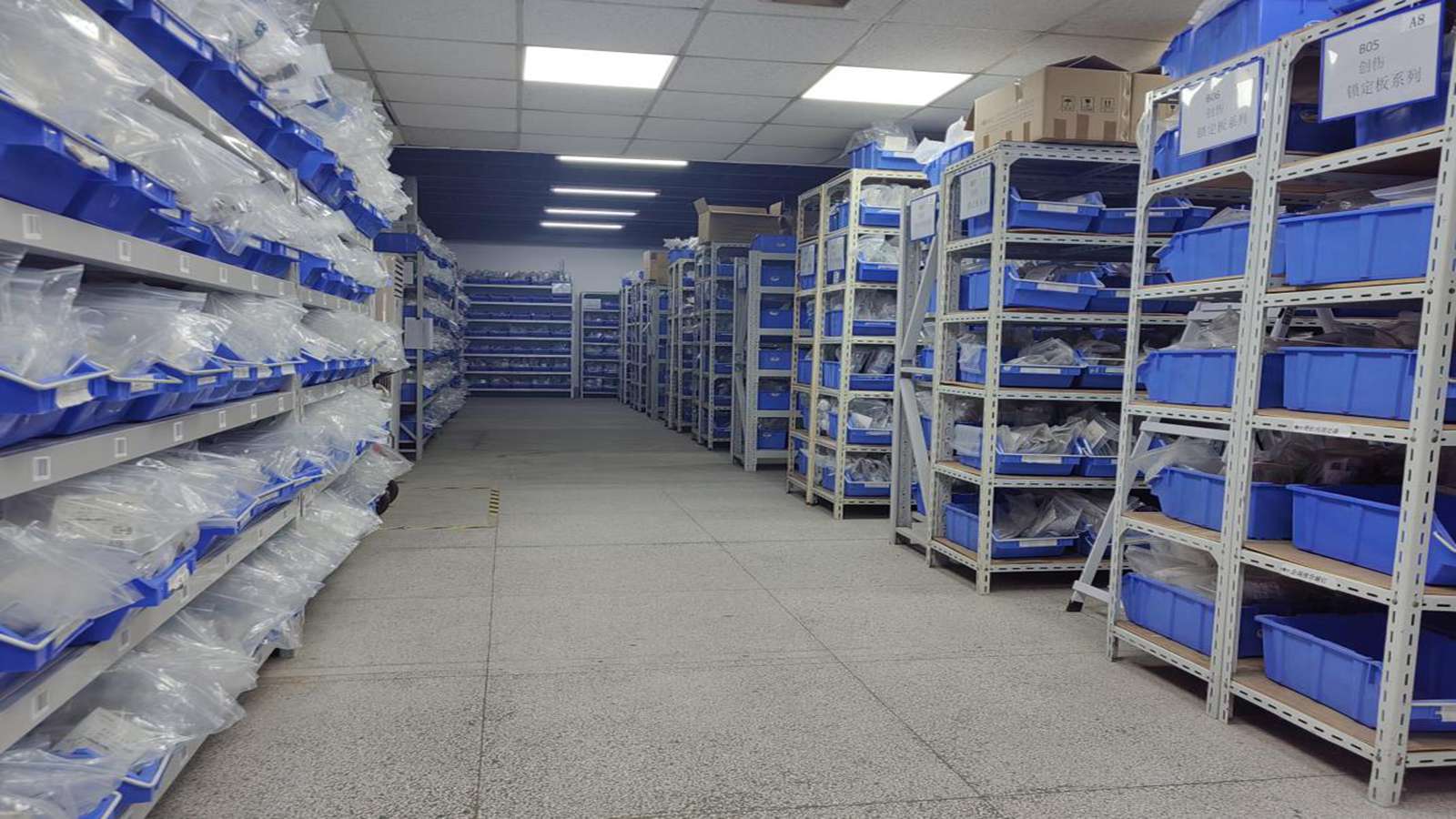
Before any intramedullary nail or surgical instrument leaves our warehouse, it undergoes a multi-layer verification process designed to meet CE and ISO certifications:
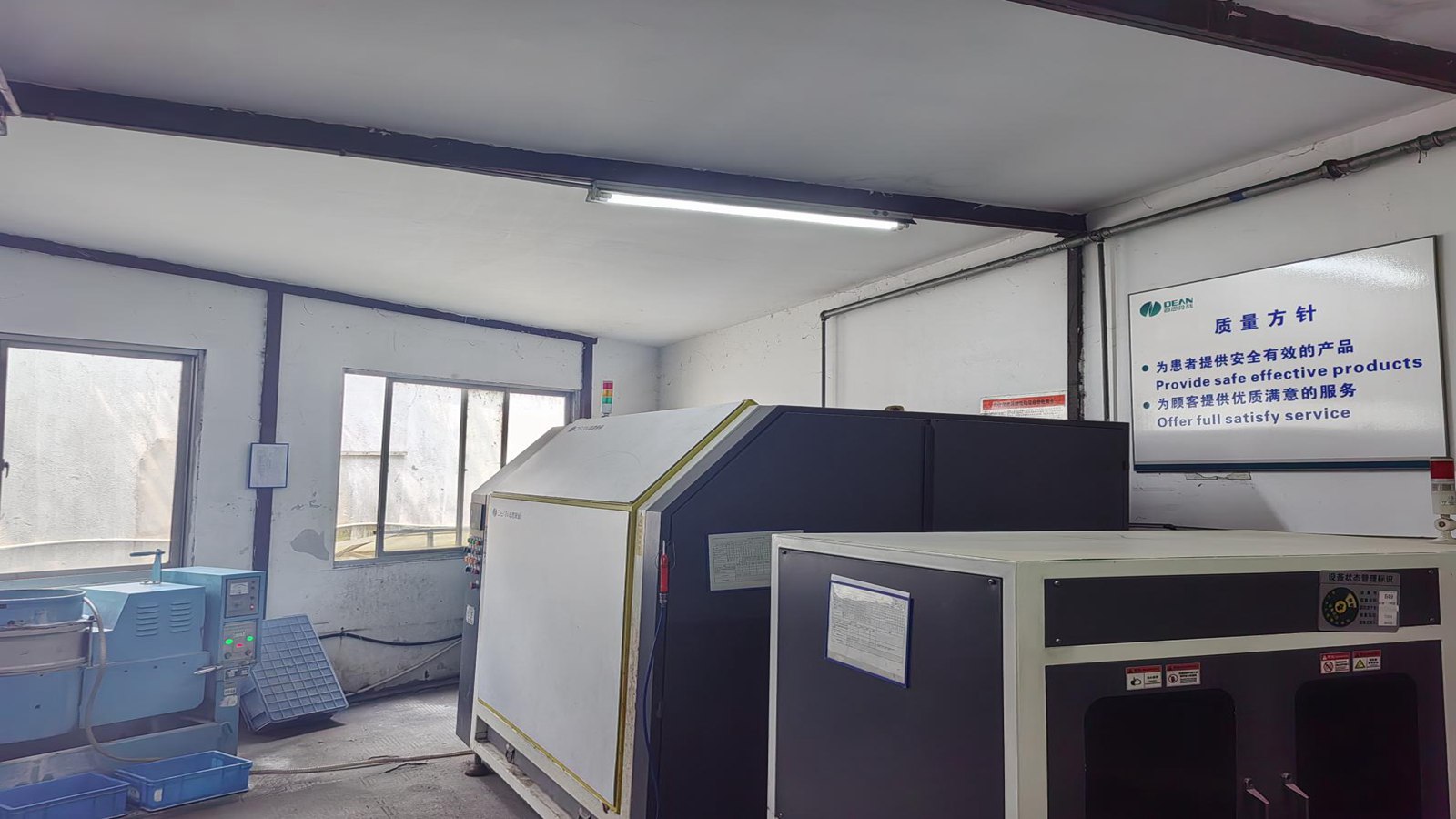
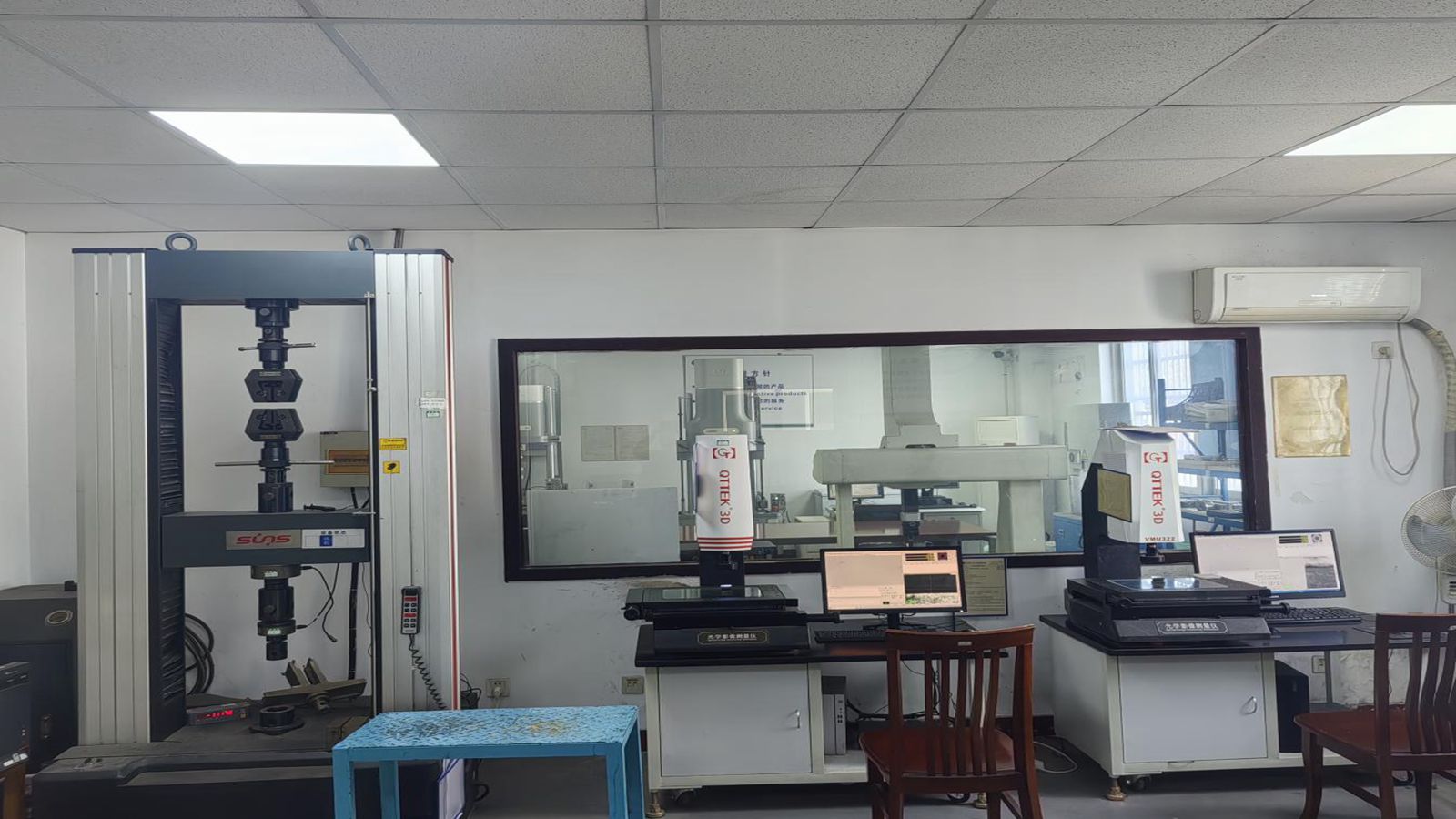
A visual walkthrough of our high-precision CNC machining, surface treatment, quality control, and laboratory facilities.
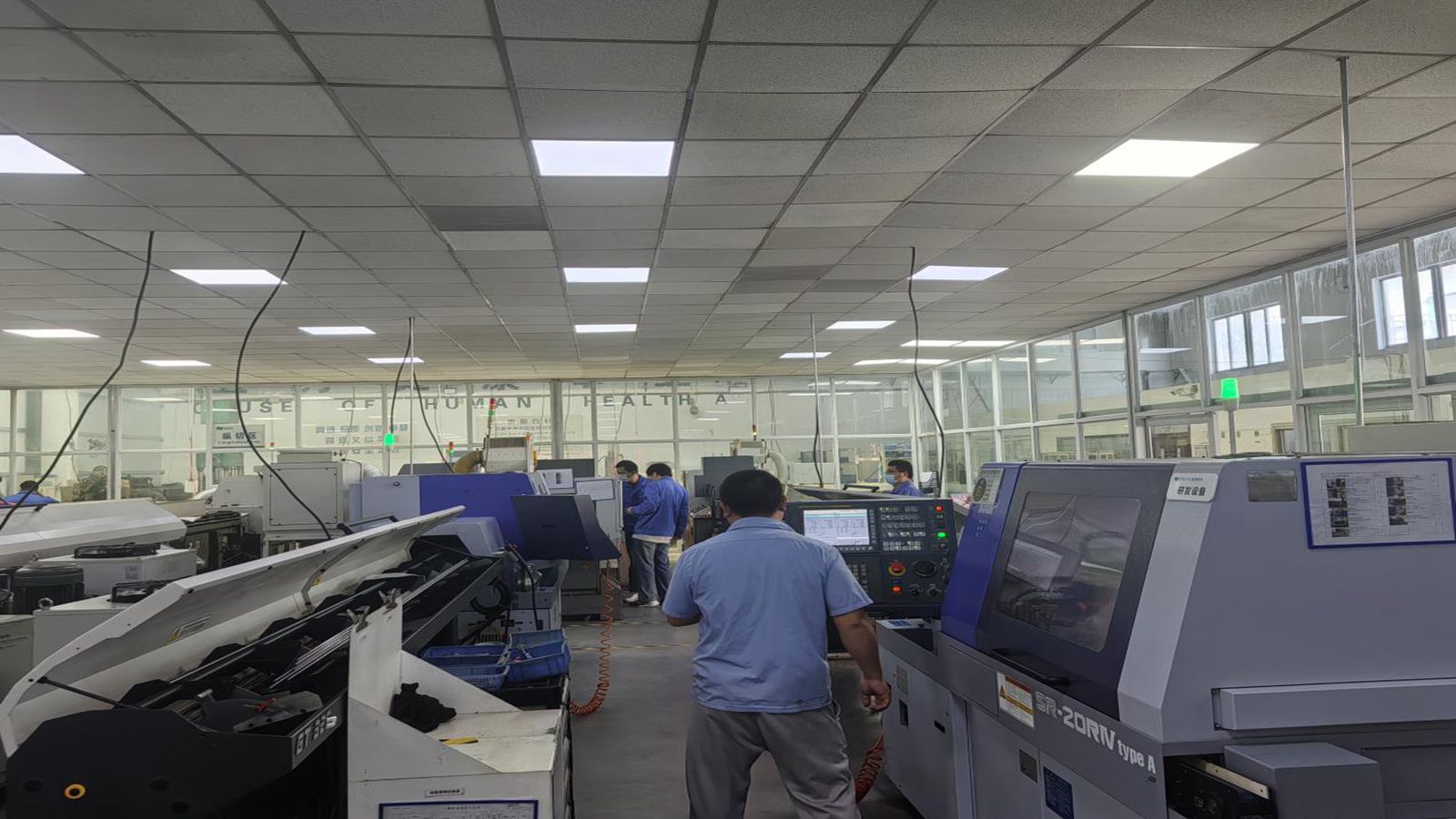
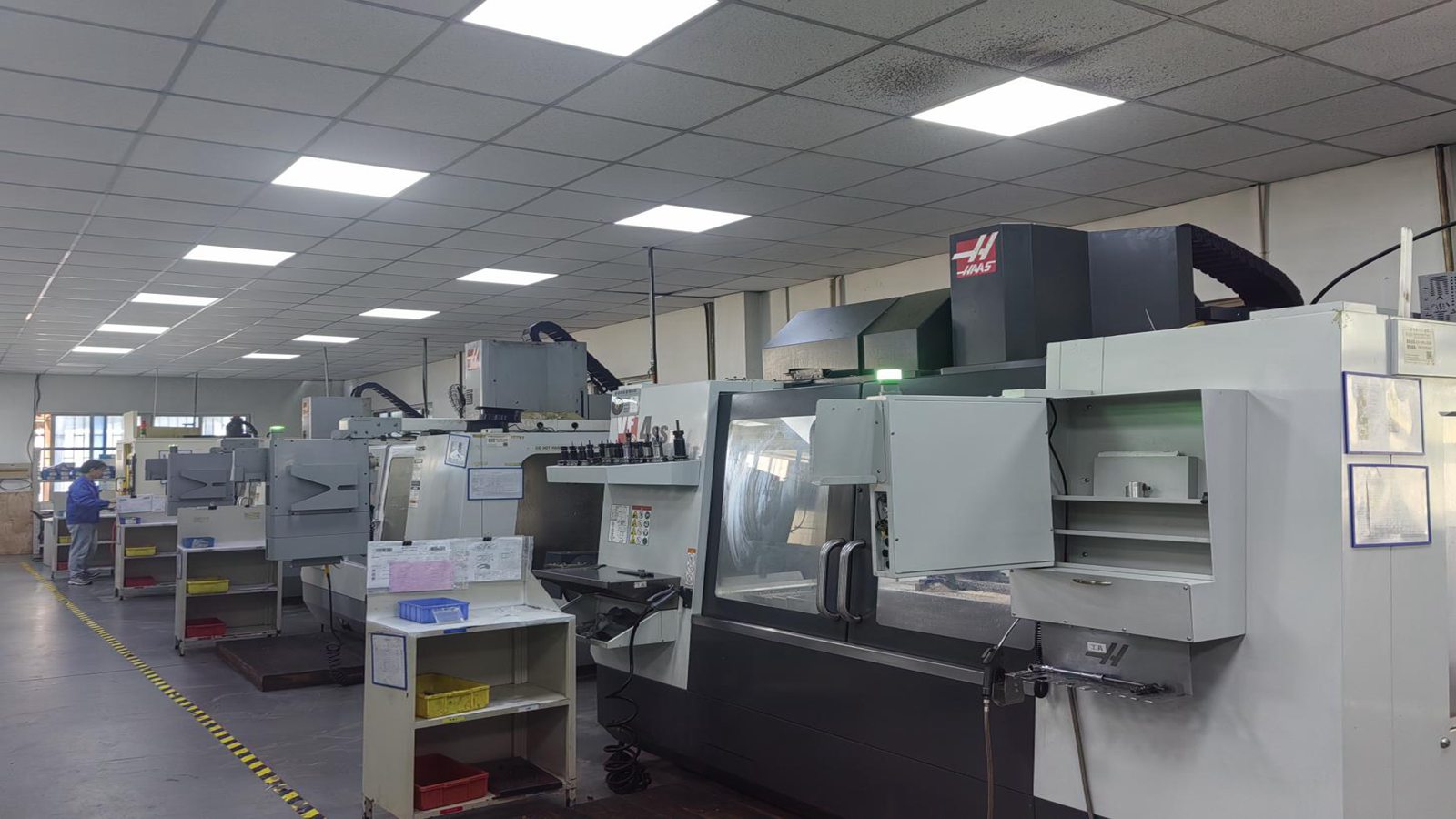
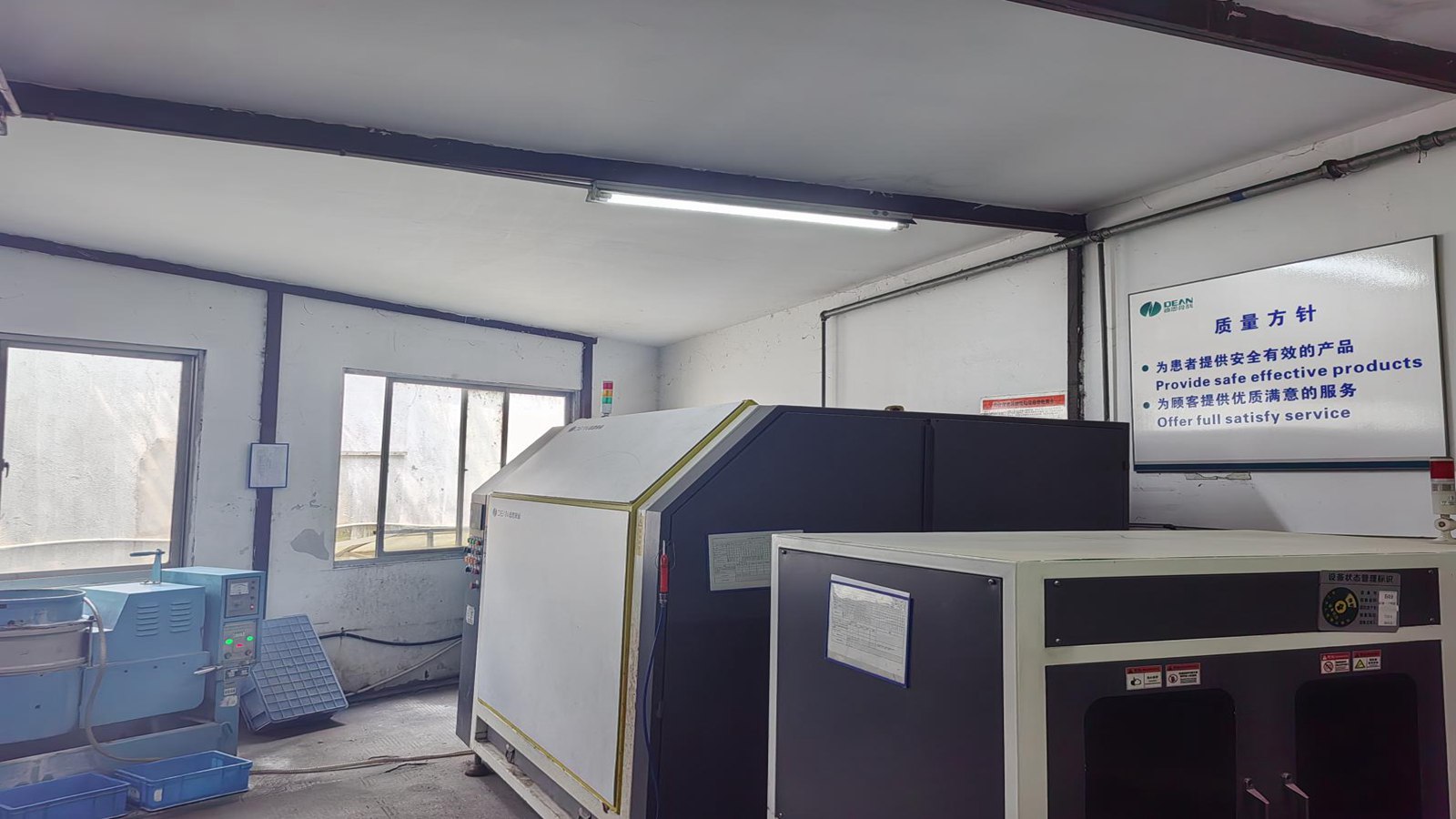
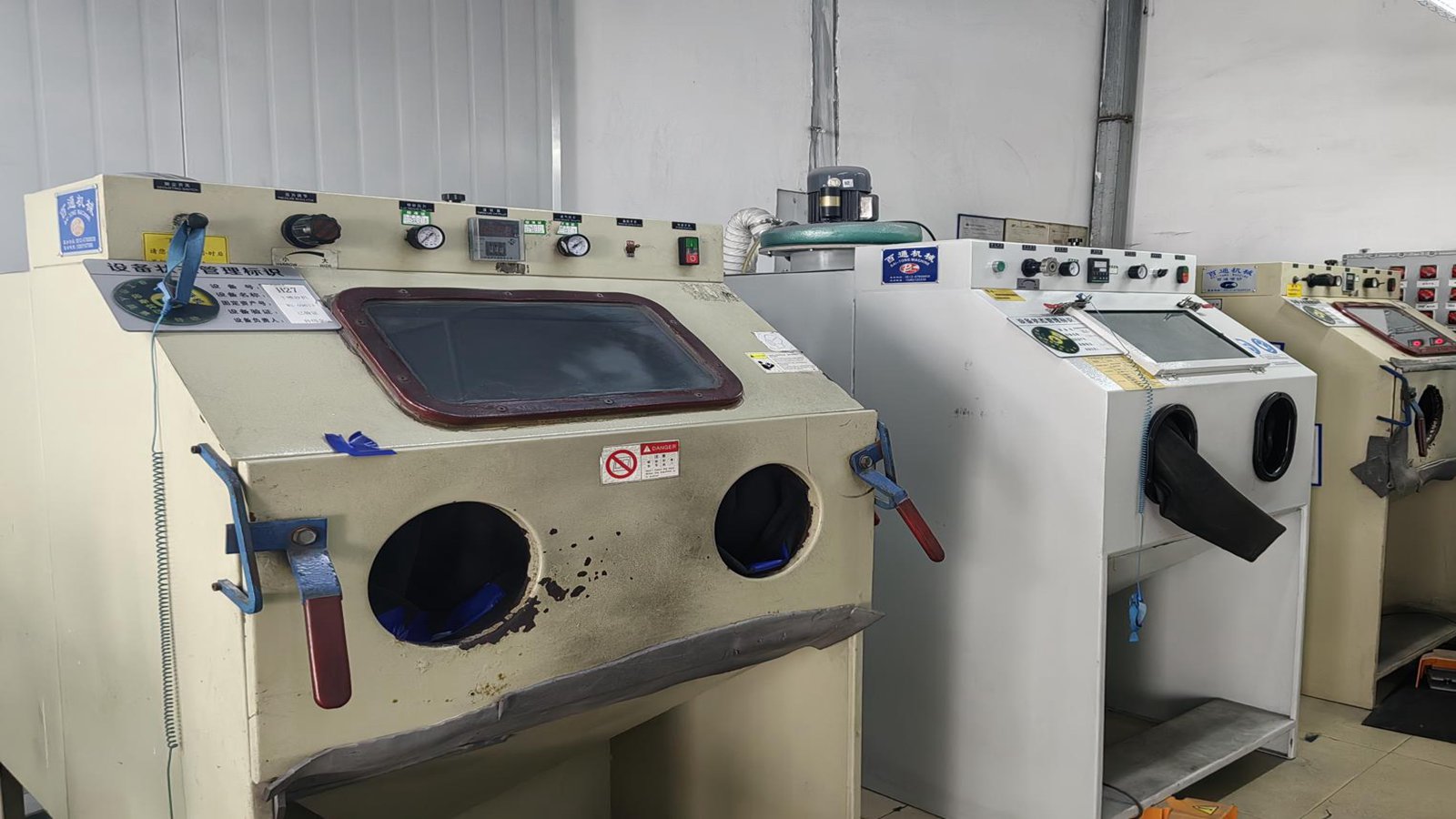
Modern humeral intramedullary nails are designed to treat distinct mechanical demands based on fracture localization. In proximal humeral fractures, locking configurations must address the multi-directional forces acting on the rotator cuff and tuberosities. We provide humeral nails featuring sub-chondral dynamic and static locking patterns, securing critical calcar-support paths to prevent varus collapse in osteoporotic patients.
For midshaft fractures, where rotational shear forces predominate, our distal locking system offers both dynamic and static locking options. Dynamic compression modes allow controlled micro-axial settling, promoting faster consolidation under physiological load-bearing. This makes them highly effective in trauma departments, emergency surgeries, and reconstructive clinics globally.
Global procurement teams in search of stable margins and dependable supply lines look to China's leading manufacturers for key configurations. Understanding the variations in regulatory requirements across different target markets is essential for international logistics:
Expert answers addressing regulatory, metallurgical, design, and supply considerations for distributors and hospital networks.
Explore our complete range of spine fixation systems, arthroscopy shaver blades, and specialized orthopedic tools.