Medispirex
Medispirex
Medispirex
Founded in 2016, Medispirex Orthopedic Technology Co., Ltd. has evolved into a global force in the R&D, manufacturing, and distribution of high-performance spinal and orthopedic implant systems. Operating out of a state-of-the-art 18,600m² facility, we are dedicated to addressing complex clinical demands with engineering precision. With over 12 years of industry expertise and a specialized 7-year export track record, our systems provide the biomechanical reliability demanded by surgeons and healthcare systems worldwide.
Our global footprint is backed by an annual export valuation of approximately USD 18 million, serving critical medical markets across Europe, North America, the Middle East, and Southeast Asia. Through our network of over 860 supply chain partners, we guarantee seamless product availability, high raw material integrity, and streamlined logistics. Whether partnering for custom OEM/ODM solutions, private label programs, or specialized surgical sets, Medispirex stands as a trusted Class III medical device manufacturer.
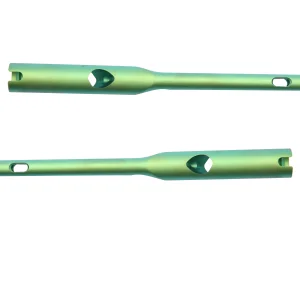
Interlocking intramedullary (IM) nails represent the gold standard for stabilizing long bone fractures of the femur, tibia, and humerus. As a load-sharing device, the IM nail is placed within the medullary canal to carry axial and torsional forces, preventing displacement while promoting controlled micromotion that induces secondary bone healing through callus formation.
Medispirex utilizes high-strength medical-grade Titanium Alloy (Ti-6Al-4V ELI, conforming to ASTM F136 / ISO 5832-3). This material provides an optimal balance between yield strength and biological compatibility. Titanium's elastic modulus is significantly closer to cortical bone than stainless steel, reducing the risk of "stress shielding" and subsequent bone resorption around the implant.
| Feature / Parameter | Technical Specification Details | Clinical & Surgical Benefit |
|---|---|---|
| Raw Material | Ti-6Al-4V ELI (Grade 23 Titanium Alloy) | Exceptional fatigue strength, reduced weight, MRI compatible, low modulus. |
| Anatomical Curvature | Optimized Herzog bends & radius of curvature configurations | Easy insertion, avoids anterior cortical penetration, minimizes insertion torque. |
| Locking Configurations | Static & dynamic interlocking options, multi-planar distal screw holes | Adapts to various fracture patterns; allows controlled weight-bearing dynamization. |
| Cannulation | Precision hollow core for guidewire-assisted placement | Enables both reamed and unreamed surgical techniques. |
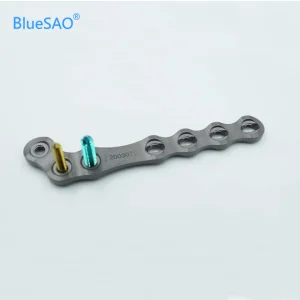
| Surface Finish | Type II Anodic Oxidation Cleaning (Anodized blue/green/gray color coding) | Enhanced wear resistance, reduced tissue adhesion, clear size identification. |
Manufacturing Class III implants requires absolute precision and consistency. Medispirex operates an advanced production facility leveraging specialized CNC machining centers and advanced inspection systems. Below is a visual walkthrough of our verified manufacturing workflow:
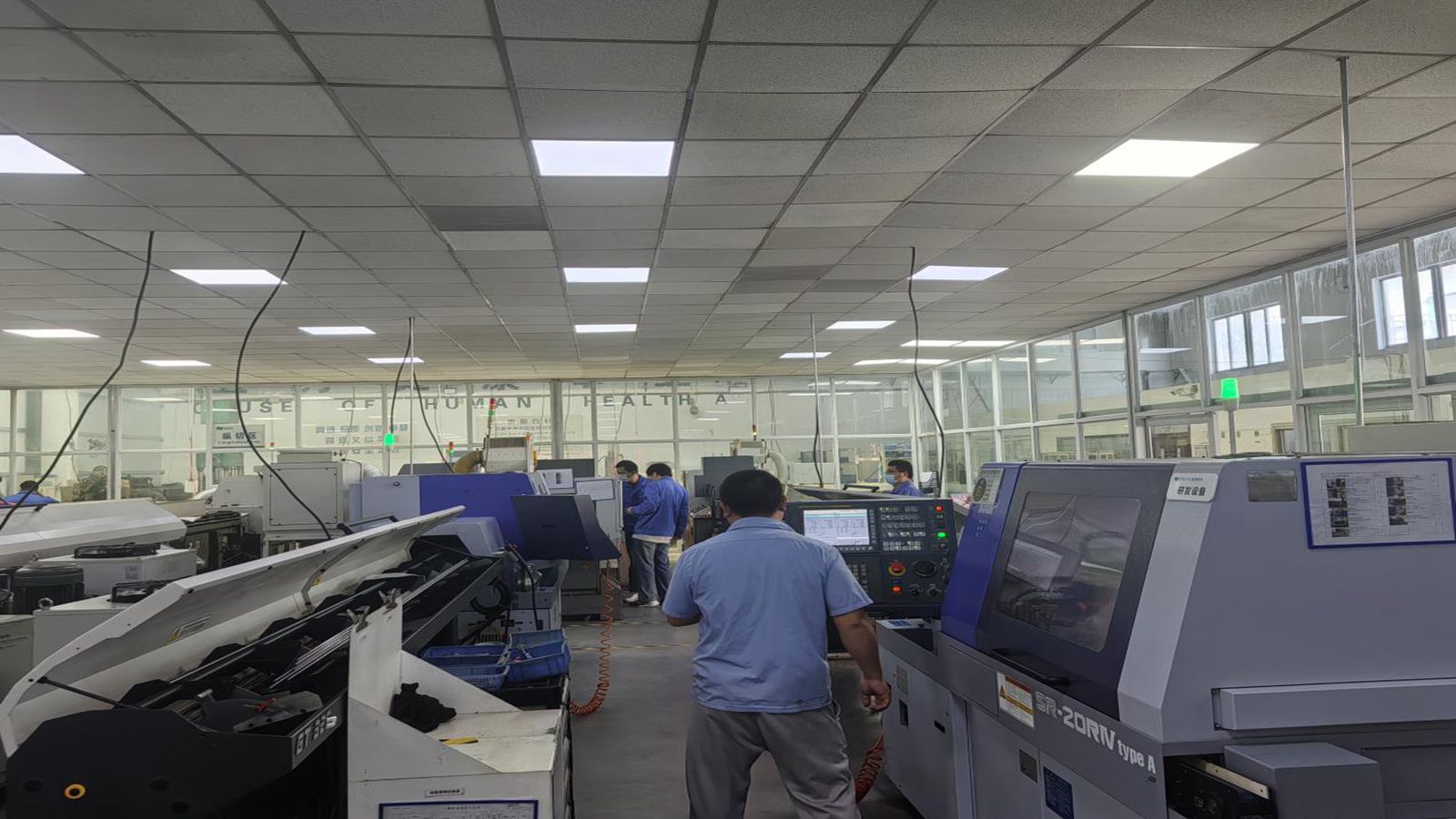
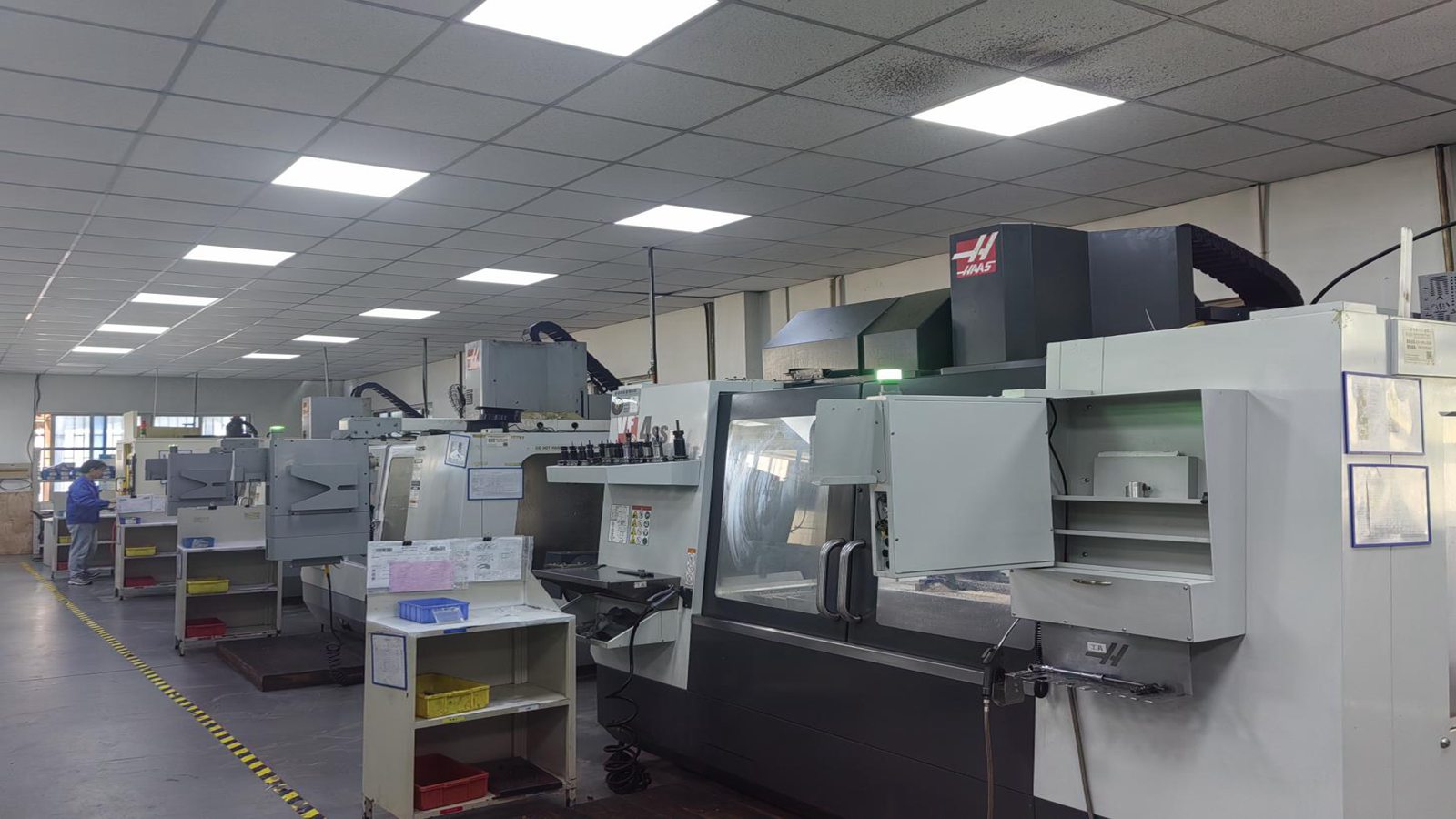
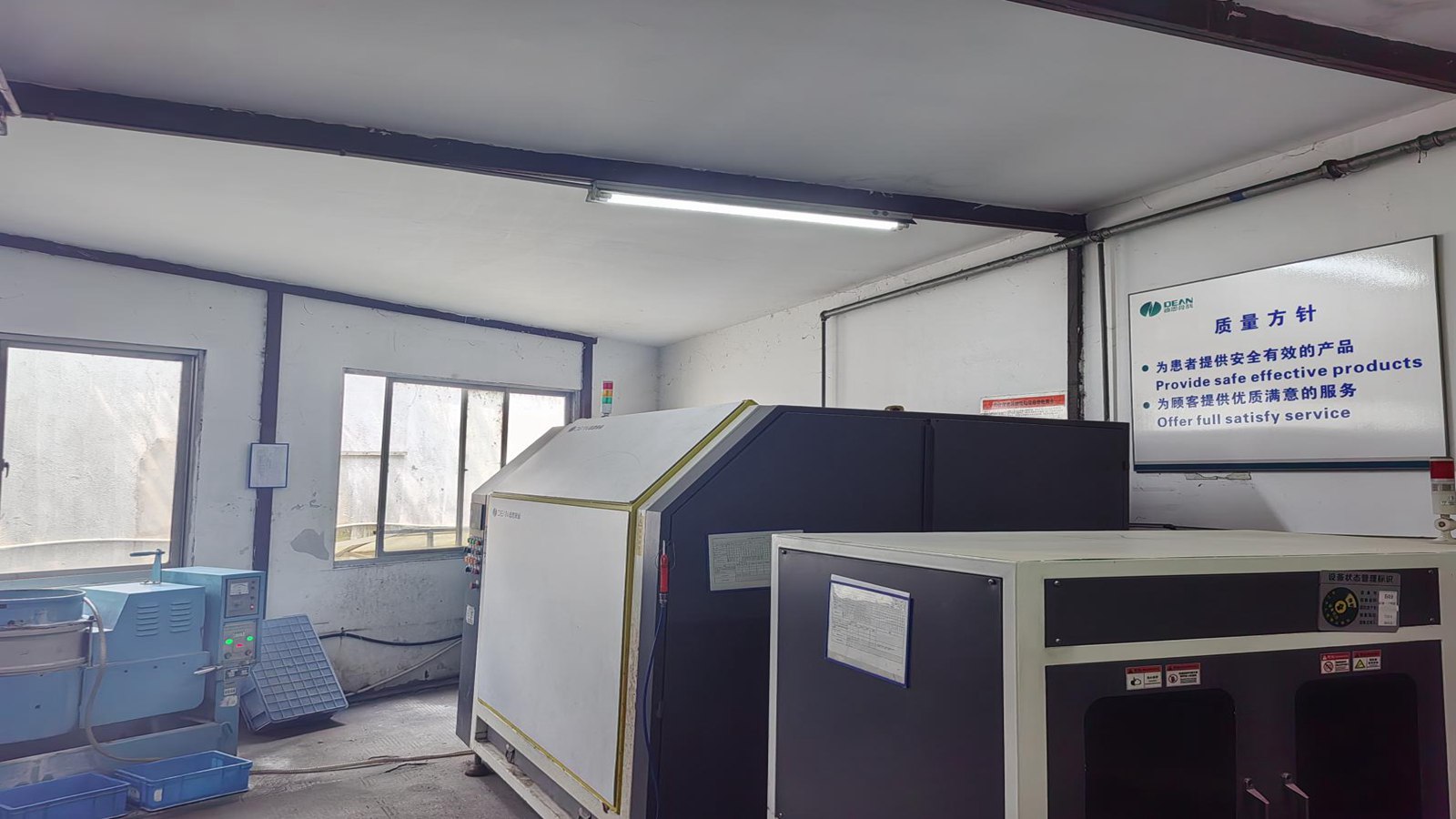
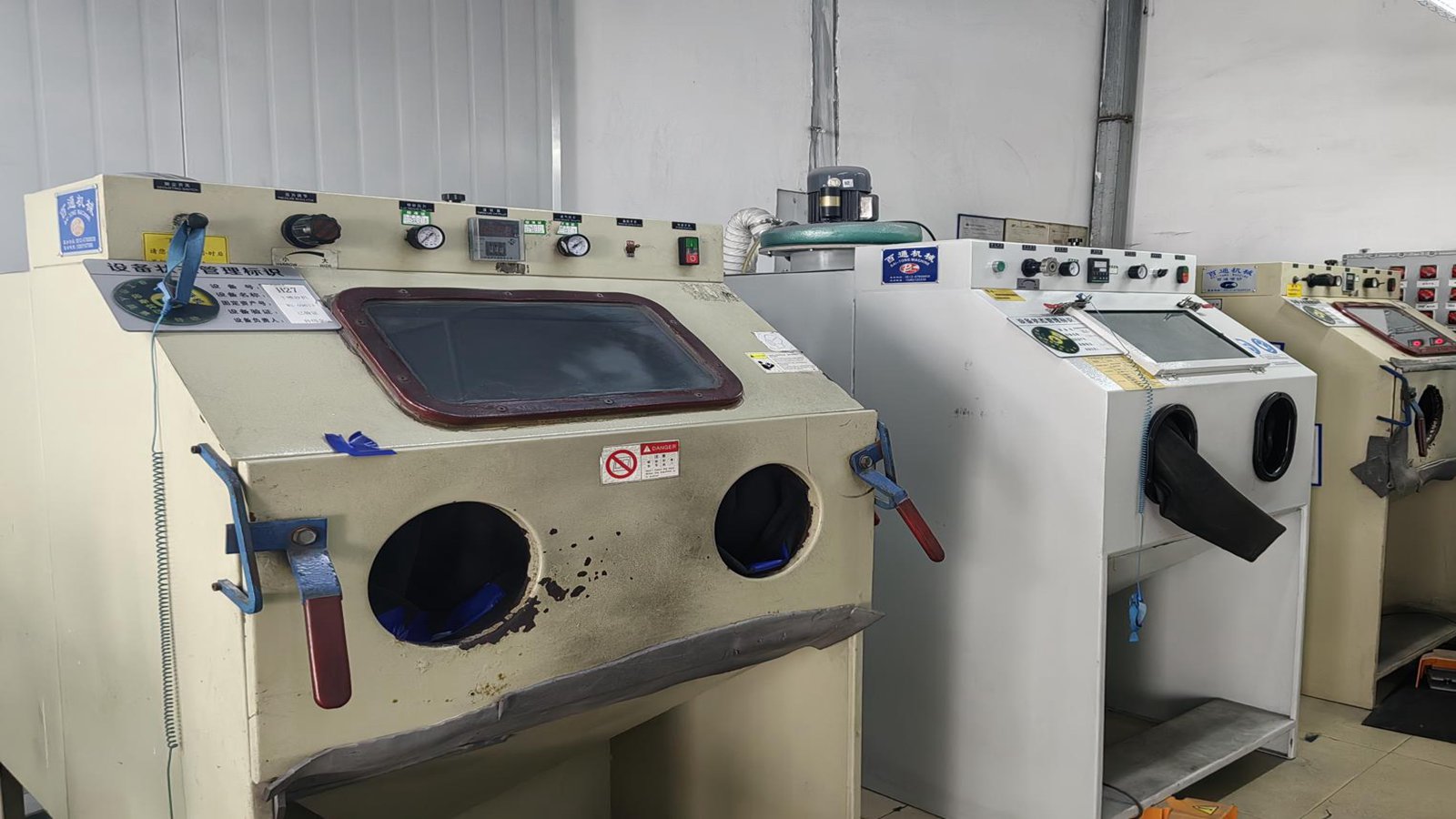
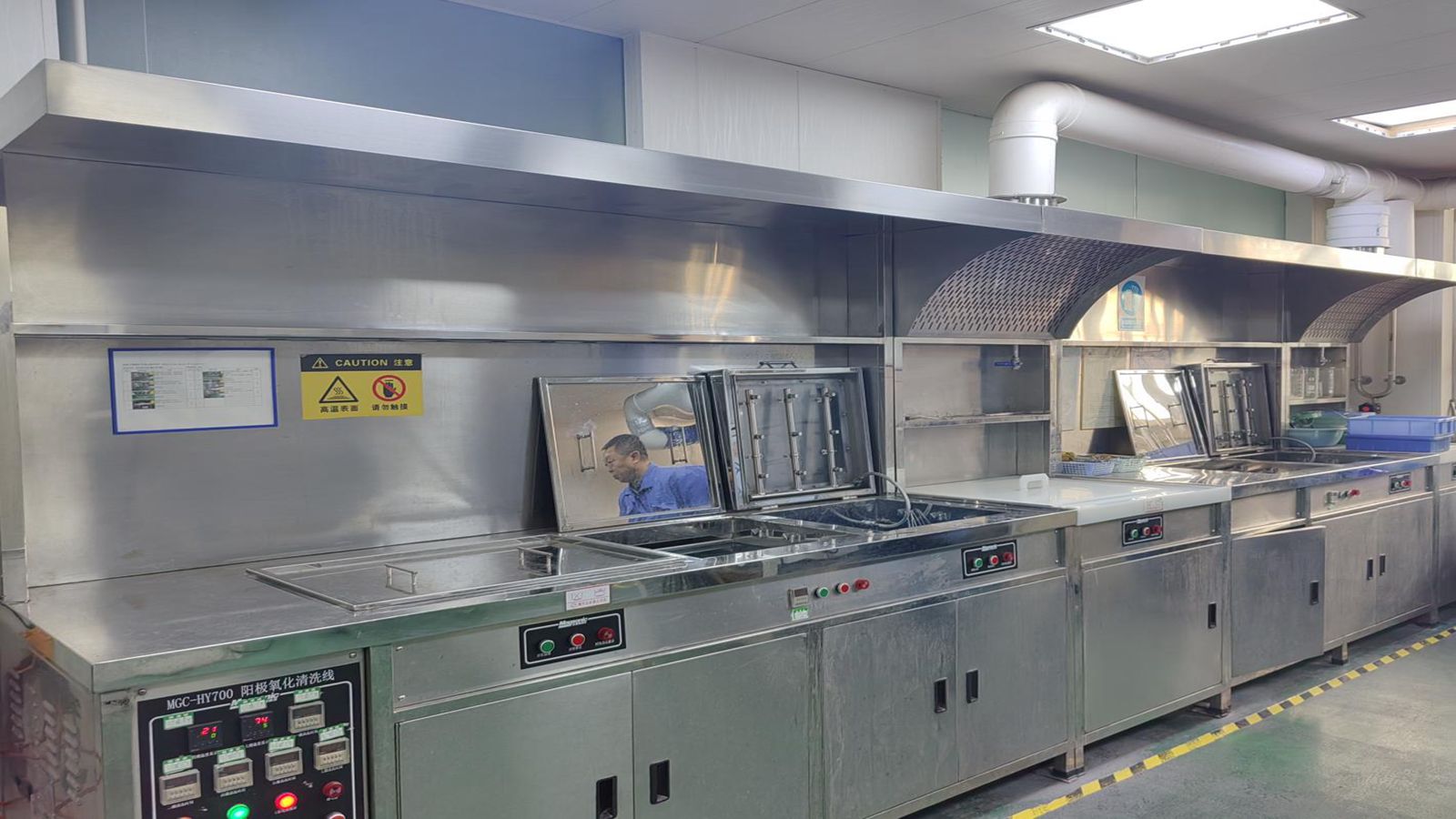
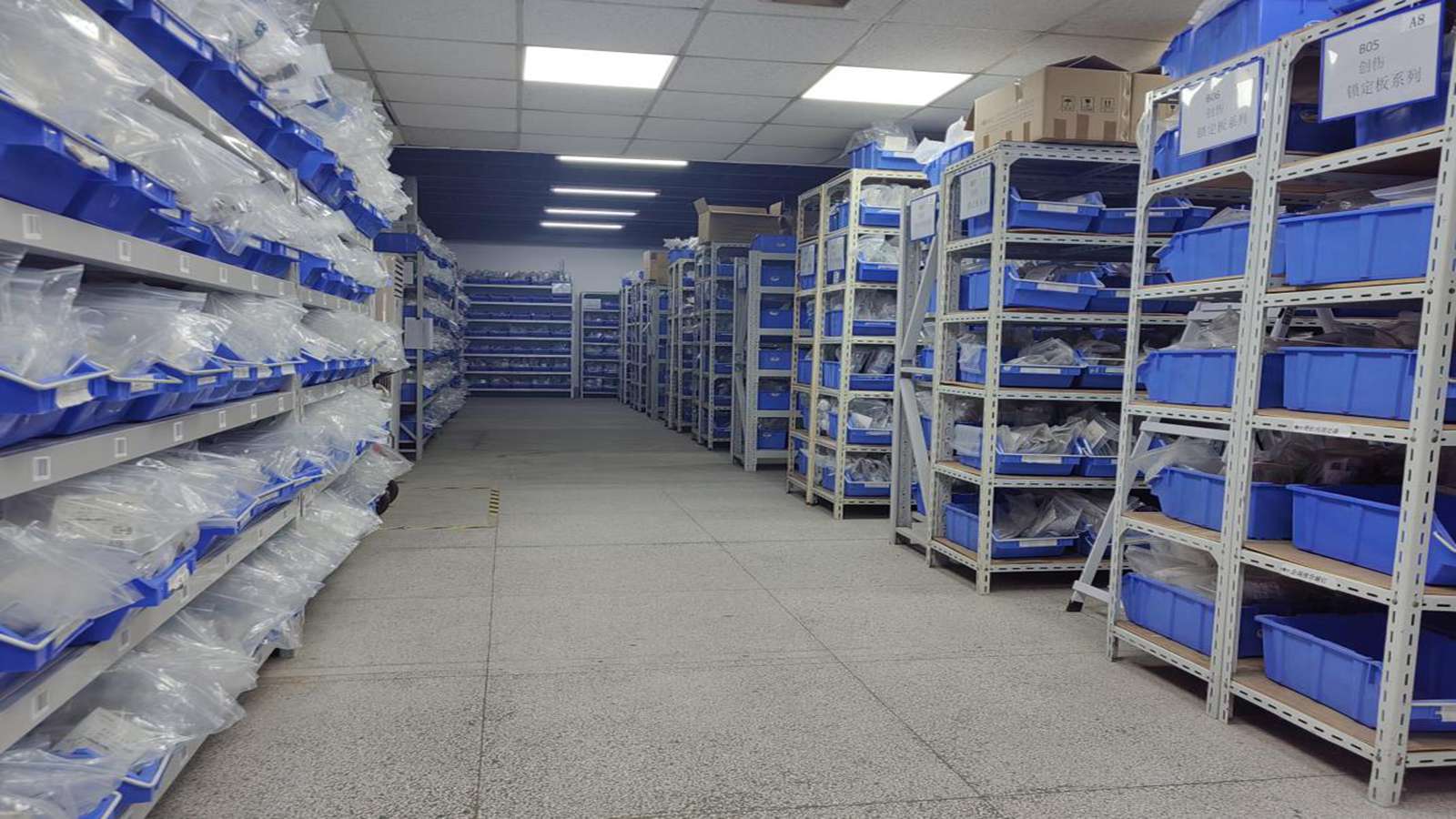
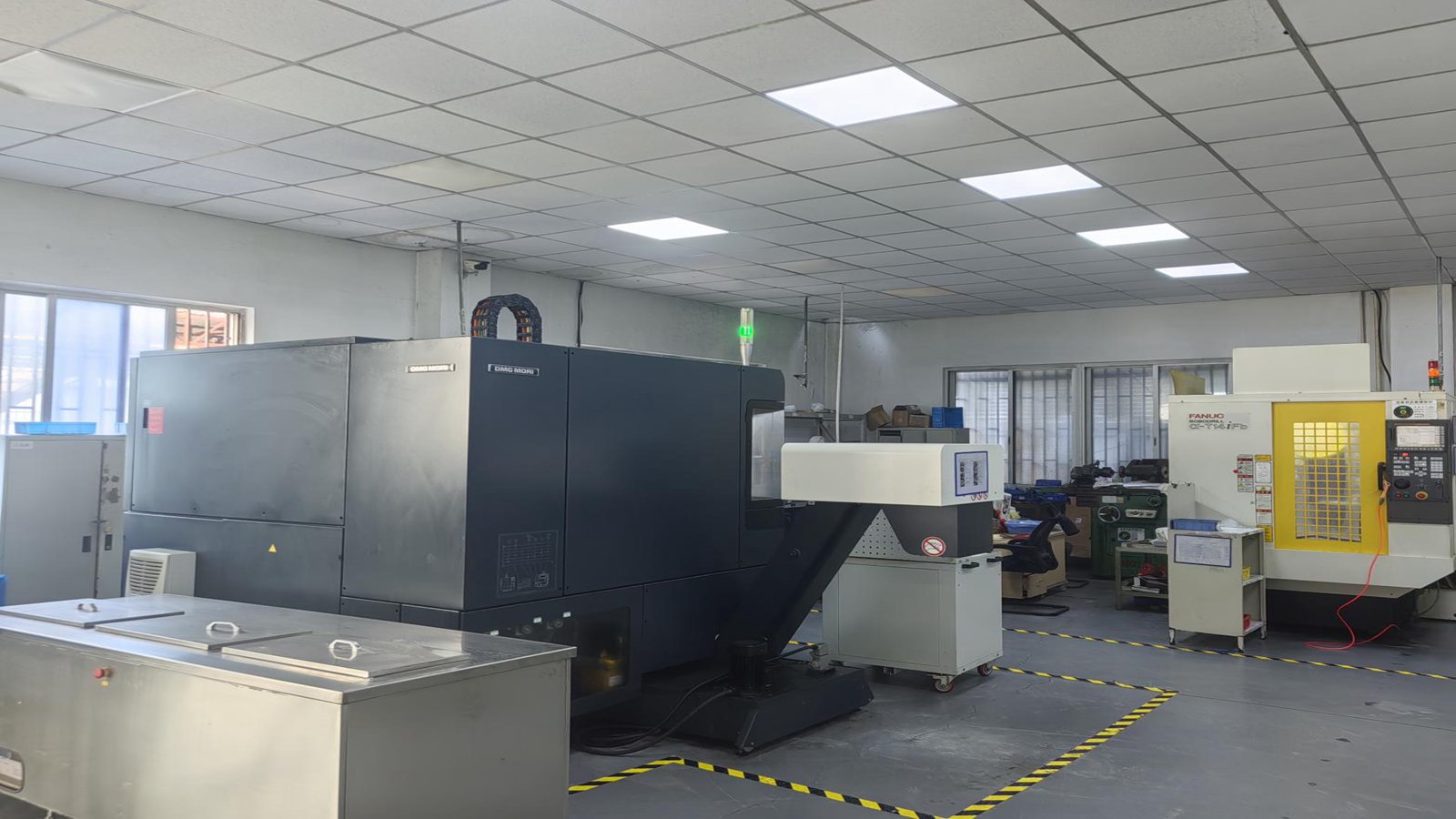
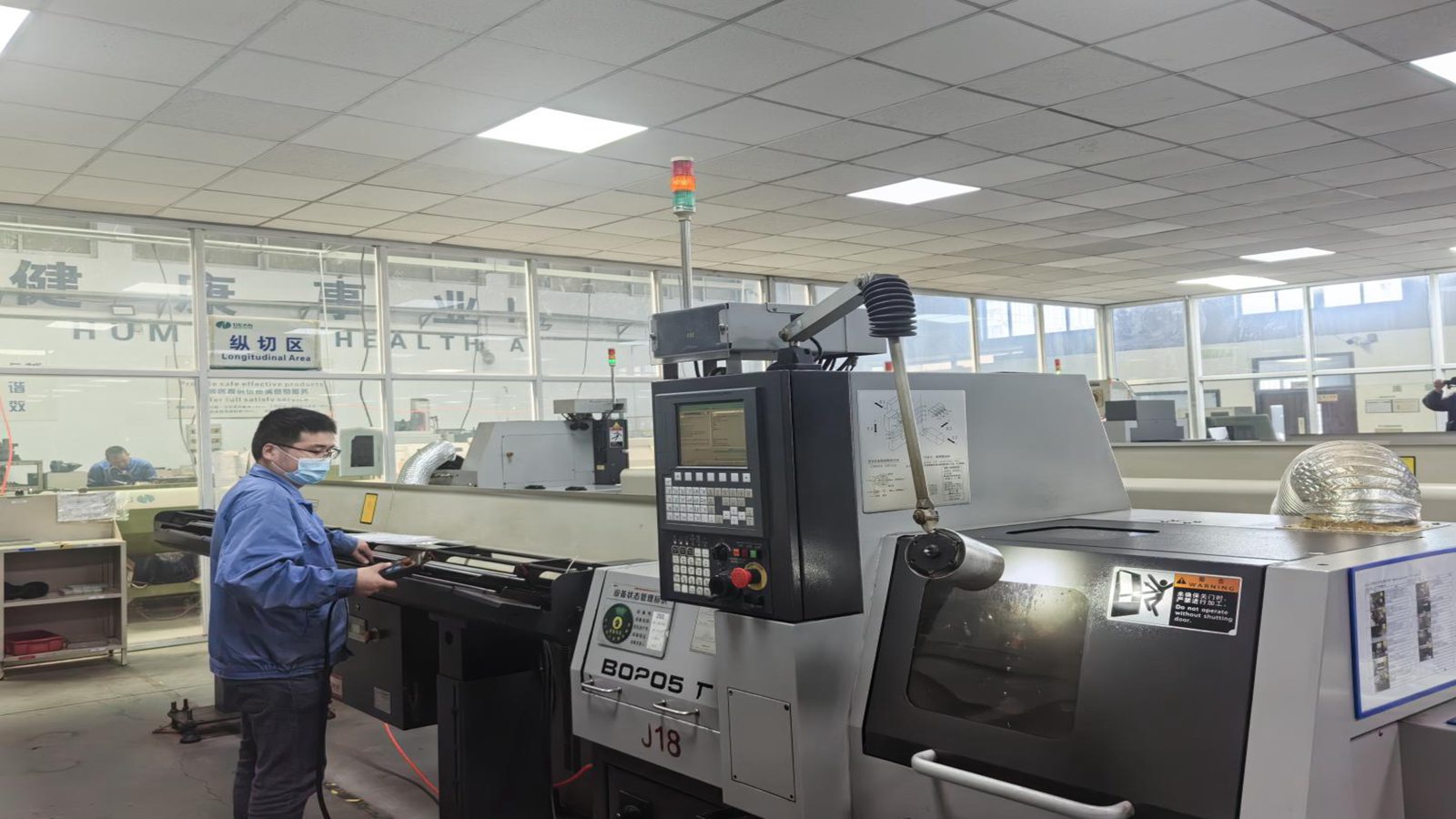
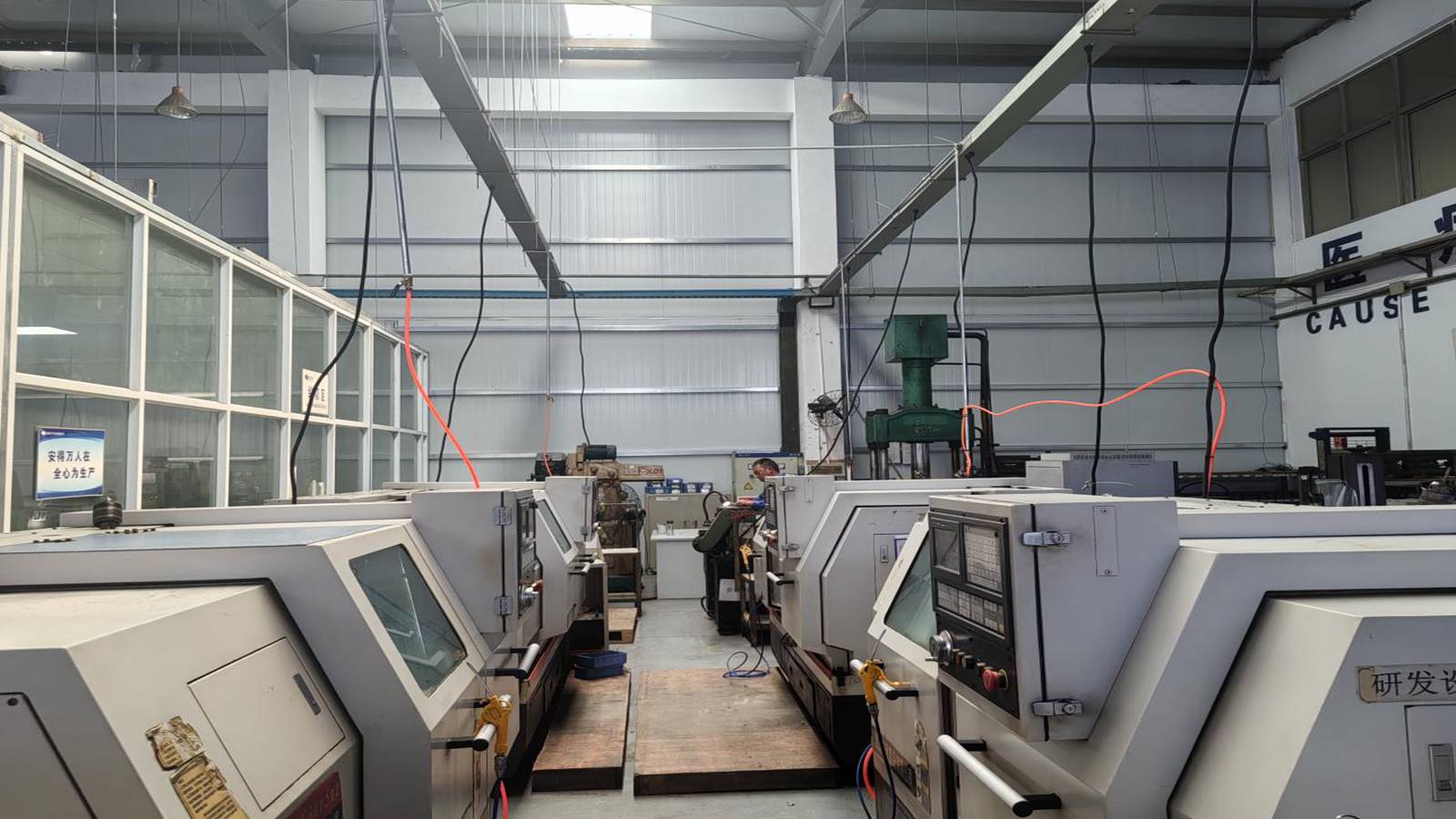
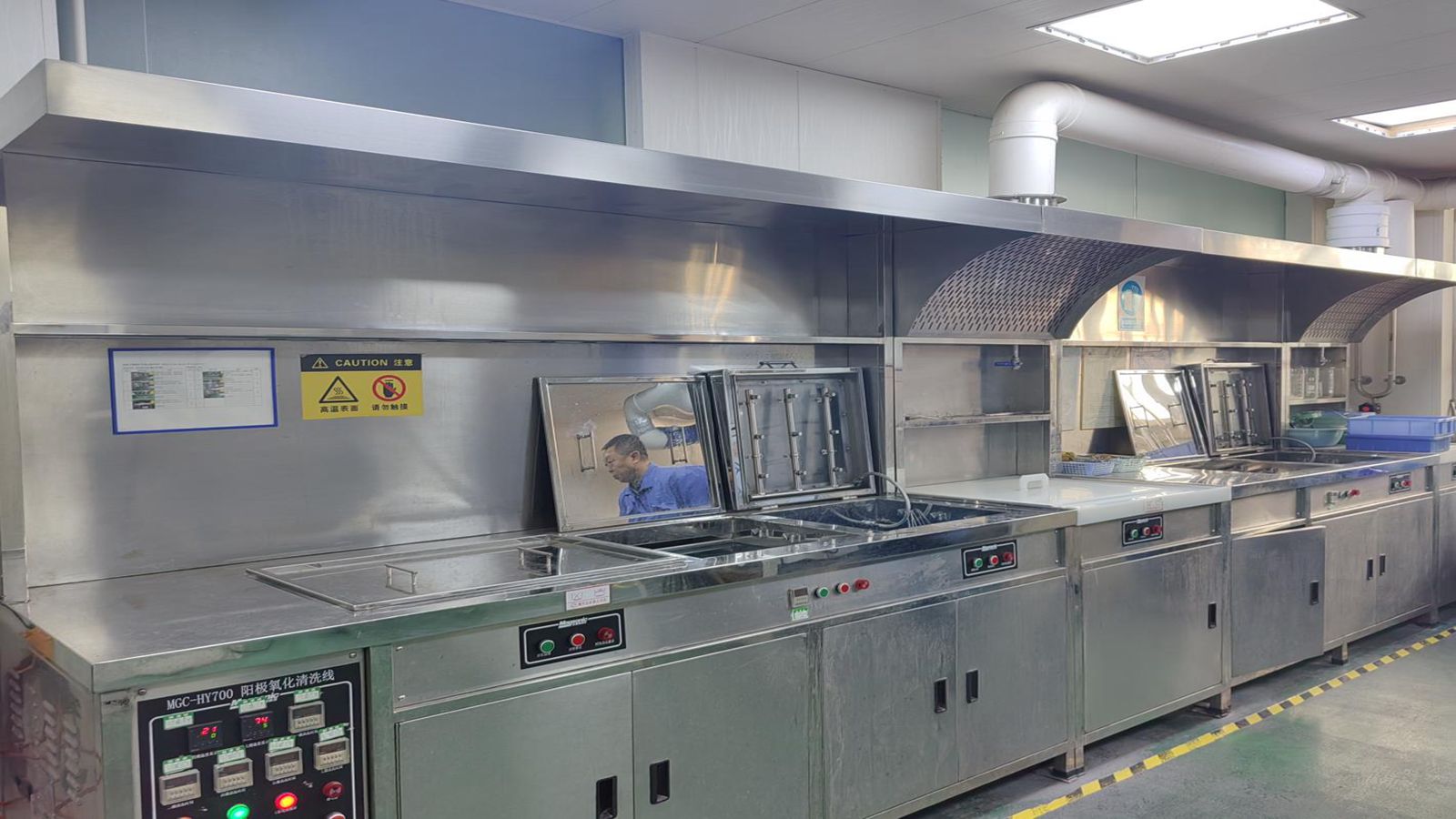
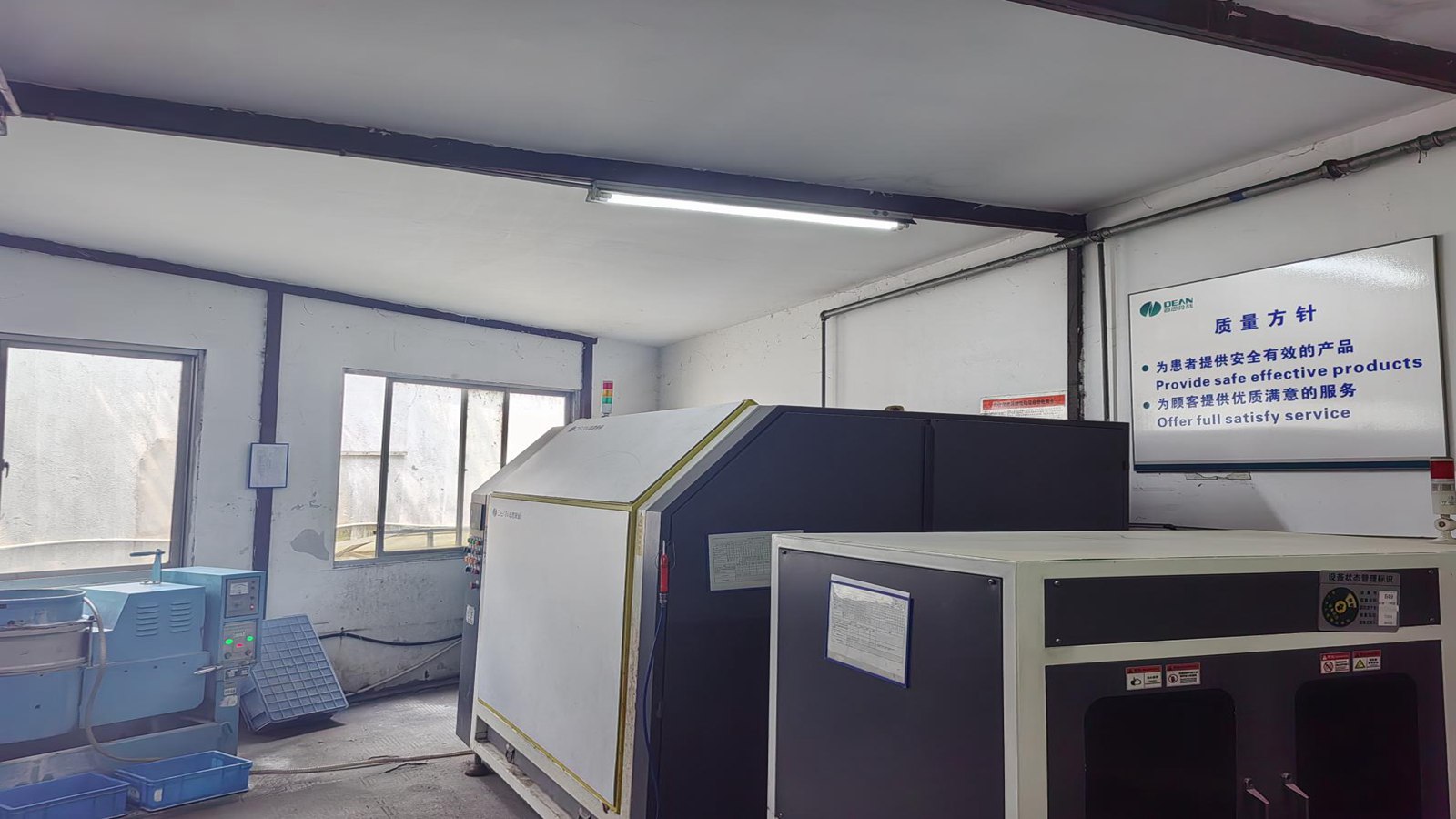
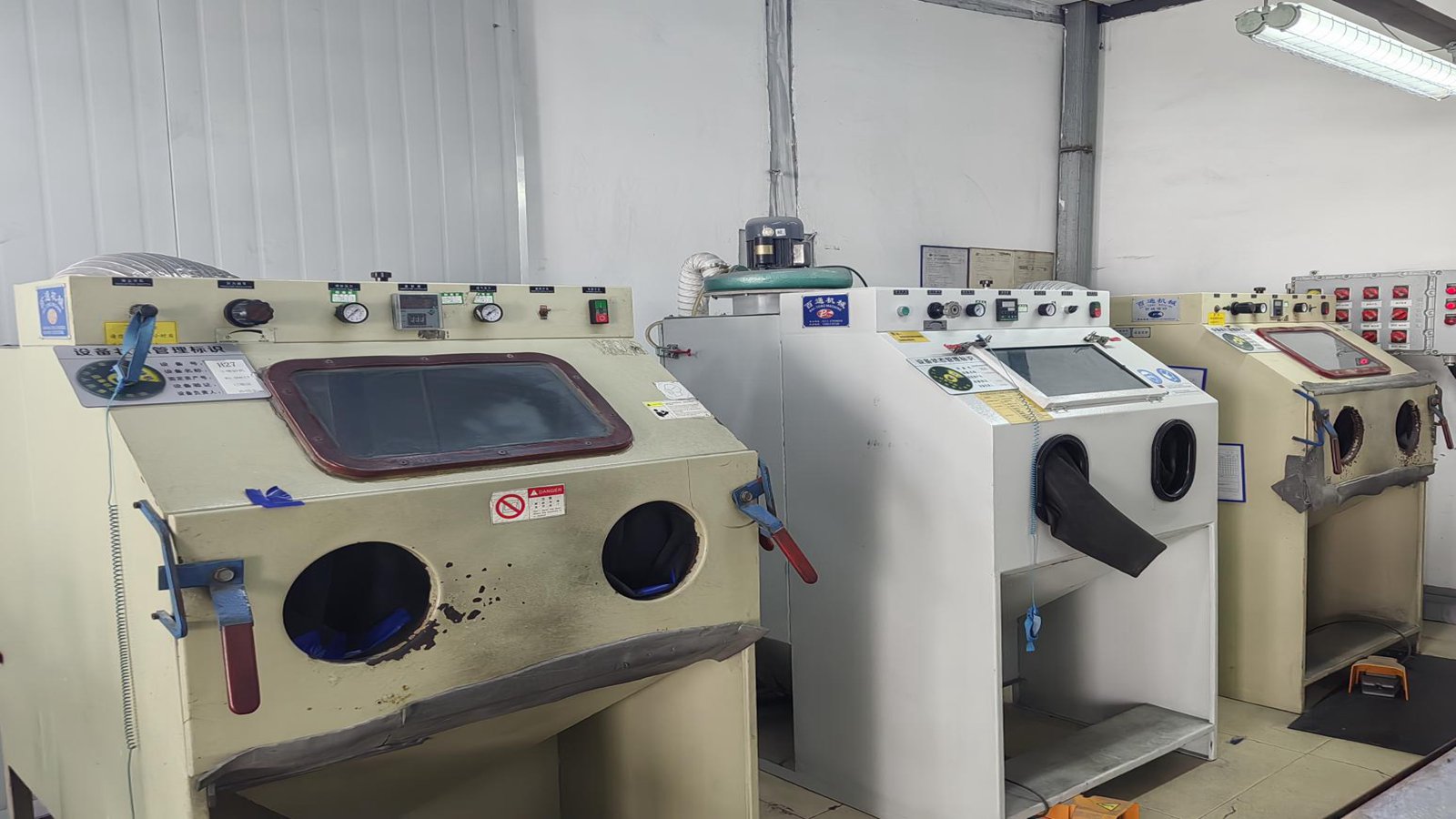
To ensure complete biocompatibility and safety, every batch of titanium intramedullary nails undergoes a validated multi-stage process. From the initial CNC profile cutting and internal diameter drilling, through sandblasting and mechanized polishing, and finally to Class 100,000 cleanroom cleaning and electrochemical anodization. The process finishes in our dedicated testing laboratories, which utilize Coordinate Measuring Machines (CMM) and mechanical fatigue testers to verify micro-tolerances within ±0.01 mm.
Orthopedic implants are strictly monitored globally. Medispirex maintains alignment with international medical device standards. Our regulatory framework is designed to provide full traceability for global distribution:
Our intramedullary nails conform to European Medical Device Directive (MDD 93/42/EEC) / Medical Device Regulation (MDR 2017/745) protocols, verifying safety performance across European markets.
Our quality management system is audited for design, manufacturing, and distribution of bone plates, joint prostheses, and surgical instruments.
Every implant is laser-etched with unique batch codes, linking back to physical/chemical mill test reports for complete accountability.
Our testing protocols incorporate physical, mechanical, and chemical evaluation. We utilize mechanical fatigue testing to simulate millions of load-bearing cycles (under ASTM F1264 guidelines) to help prevent in-vivo implant failure. Dimensional inspections ensure locking screw thread engagement and precise guide-wire positioning, while composition analysis verifies that oxygen, nitrogen, and iron elements remain within standard biocompatibility thresholds.
As clinical trauma practices evolve, Medispirex invests in R&D to design systems that reduce surgical step count, enhance biomechanical stability, and speed recovery:
Developing hydroxyapatite (HA) and silver-ion coated surfaces to promote osseointegration and reduce the risk of implant-associated osteomyelitis.
Investigating radiolucent carbon-fiber-reinforced PEEK composites to facilitate postoperative bone healing evaluations under X-ray without metal artifacts.
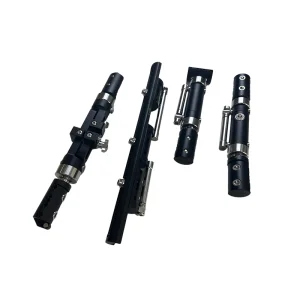
Deploying electromagnetic distal targeting instrumentation to decrease fluoroscopy exposure for surgeons and operating room staff.
Large-scale healthcare procurement networks face the constant challenge of optimizing clinical results while reducing cost. Medispirex addresses these challenges directly through targeted operational solutions:
Our strict tolerance standards help prevent locking screw backout, fracture malunion, and premature implant failure, lowering costly revision surgeries.
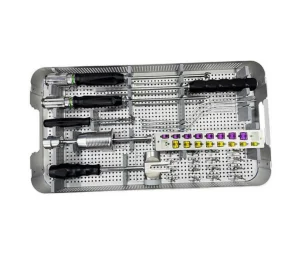
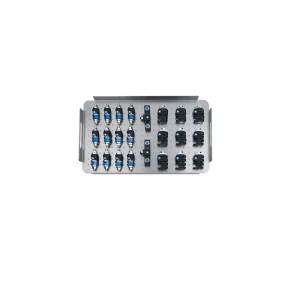
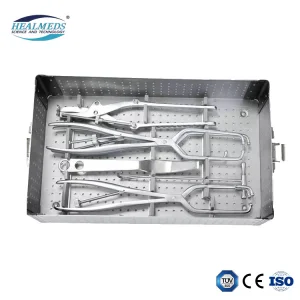
Surgical trays are engineered to work with standard operating room equipment, shortening staff training cycles and easing sterilization setup.
We adapt implant kits and instrument sets to regional anatomical differences or hospital-specific surgical preferences.
With a vast network of 860 partners, we secure high-grade raw materials and ensure consistent delivery during supply chain disruptions.
When evaluating manufacturers of interlocking intramedullary nails, procurement managers should verify the following five indicators to ensure quality, clinical performance, and supply stability: