Medispirex
Medispirex
Medispirex
Explore our elite portfolio of CE and ISO-certified implants and specialized surgical instrumentation systems designed for high-precision trauma operations.
An authoritative analysis of load distribution, structural integrity, and anatomical contouring in modern femoral fracture fixation systems.
The stabilization of femoral fractures—specifically distal, shaft, and proximal segments—poses significant mechanical challenges to orthopedic surgeons. As the primary weight-bearing bone in the human body, the femur is subjected to immense compressive, torsional, and bending forces. Standard non-locking plate systems rely strictly on plate-to-bone friction for stability, which can impair periosteal microcirculation and lead to mechanical failures in osteopenic bone structures.
Modern Femoral Locking Compression Plates (LCP) solve this biomechanical challenge by functioning as internal fixators. In these systems, locking screws engage thread-to-thread with the plate’s threaded holes, converting axial load directly through the plate rather than solely through the bone-plate interface. This design mitigates periosteal compression, preserves blood supply to the bone fragment, and enhances overall construct stability under dynamic loading conditions.
By decoupling plate fixation stability from bone mineral density, femoral locking plates deliver consistent clinical outcomes. This technology is particularly beneficial in:
| Biomechanical Property | Standard Dynamic Compression Plate | Femoral Locking Plate (LCP) |
|---|---|---|
| Stability Mechanism | Friction between plate and bone | Threaded screw-plate construct (Internal Fixator) |
| Periosteal Blood Flow | Often compromised by high compression | Preserved due to limited bone contact |
| Pull-out Resistance | Dependent on bone density | High; determined by plate-screw interface strength |
| Dynamic Loading Behavior | Higher risk of screw loosening | Uniform load distribution; less fatigue failure |
A Premier Global Partner in Trauma, Spine, and Joint Reconstruction Devices.
Established in 2016, Medispirex Orthopedic Technology Co., Ltd. is a clinical-grade manufacturer specializing in advanced orthopedic implants and instrumentation. Integrating R&D, manufacturing, and international distribution, Medispirex manufactures high-performance devices for trauma recovery, spinal fusion, and arthroplasty applications. With a specialized focus on femoral fracture management, we utilize premium biocompatible materials and automated machining processes to ensure optimal osteosynthesis outcomes.
Supported by 7 years of direct export experience and a robust supply chain involving 860 partners, we export premium medical devices to critical healthcare markets in Europe, North America, the Middle East, and Southeast Asia. Medispirex meets the needs of leading hospitals, medical purchase groups, orthopedic surgeons, and OEM/ODM distributors worldwide by delivering high-quality, regulation-compliant implant systems.
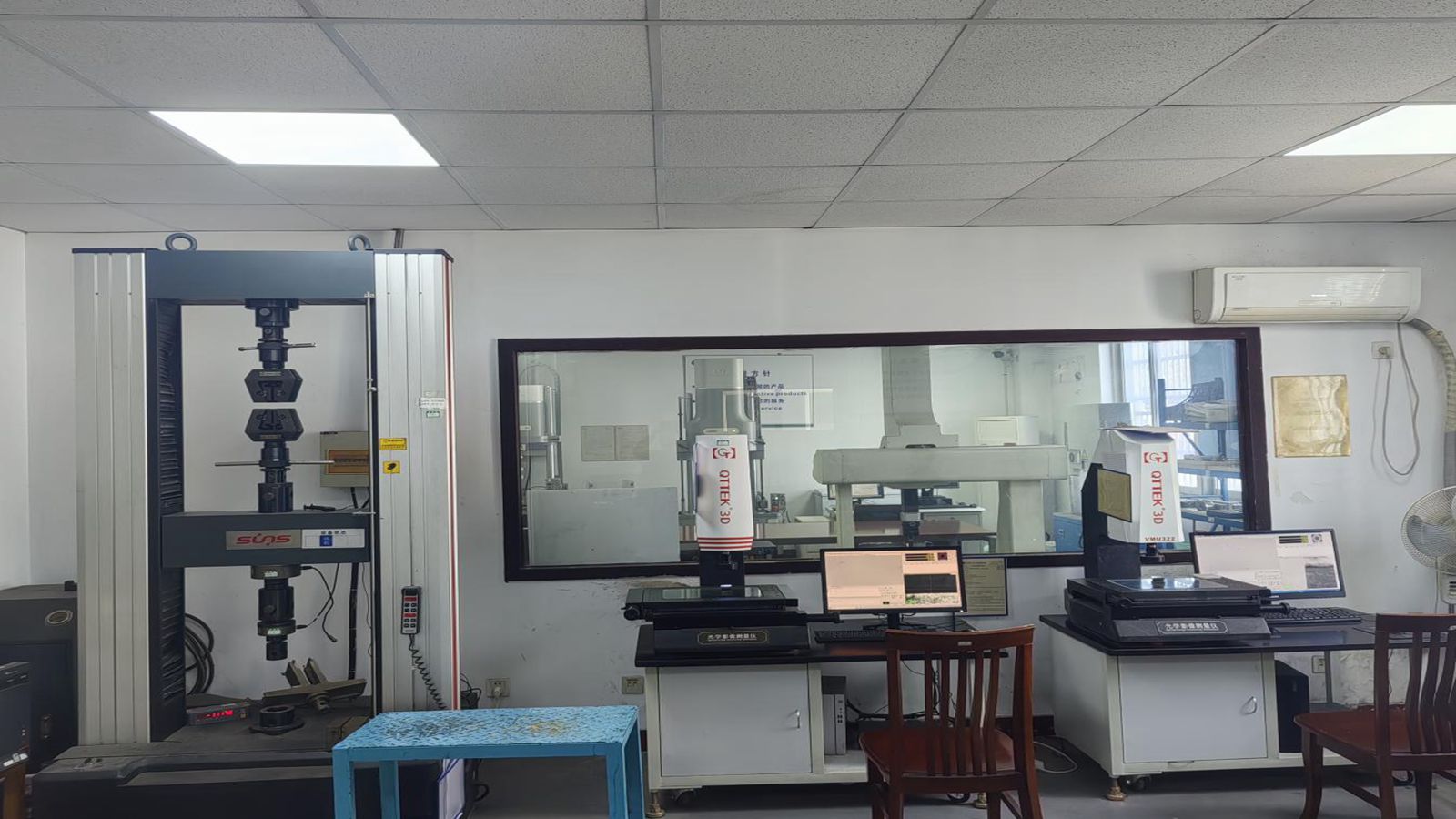
A visual tour of our cleanroom operations, precision CNC hubs, surface processing lines, and metallurgical testing laboratories.
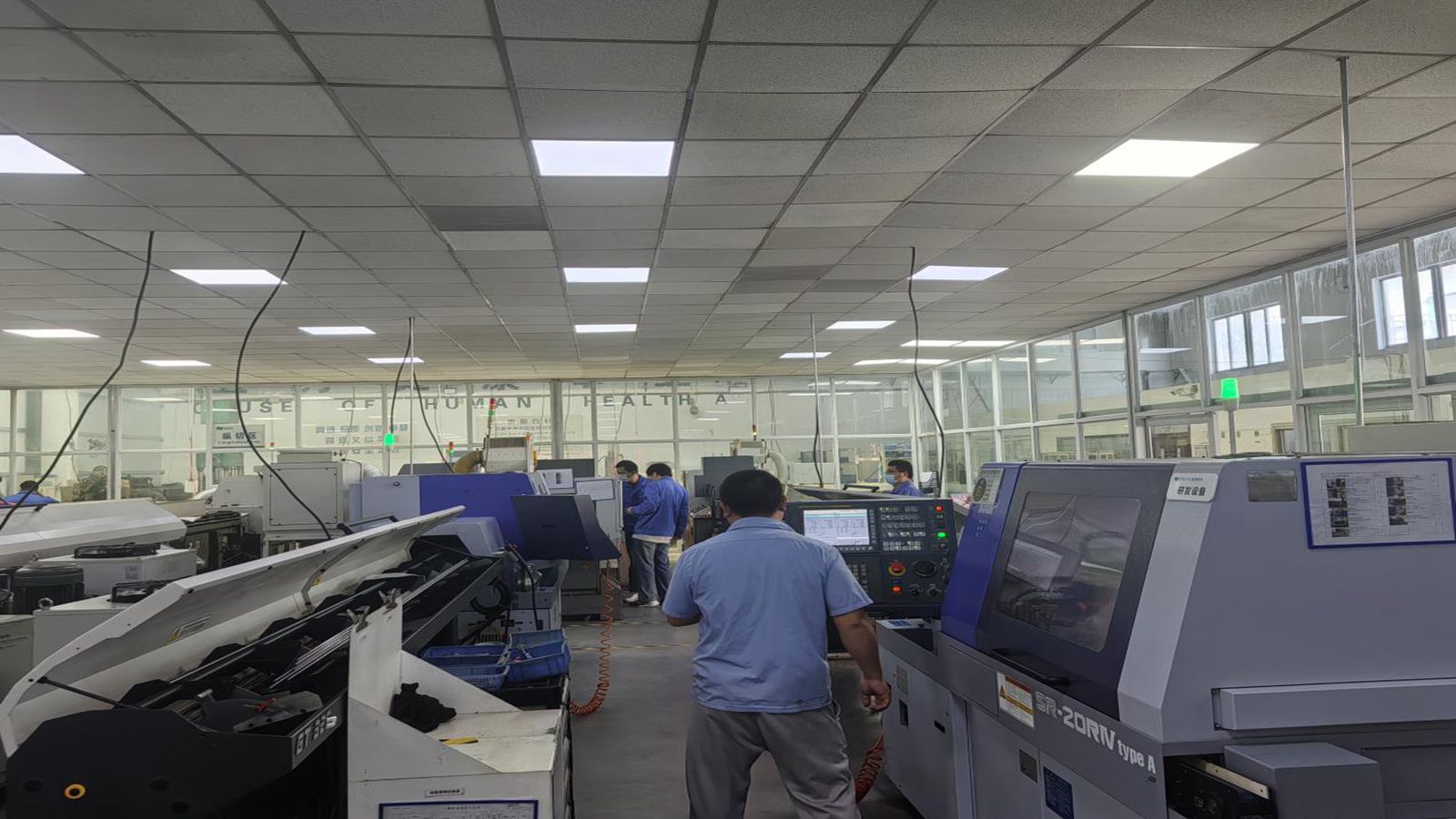
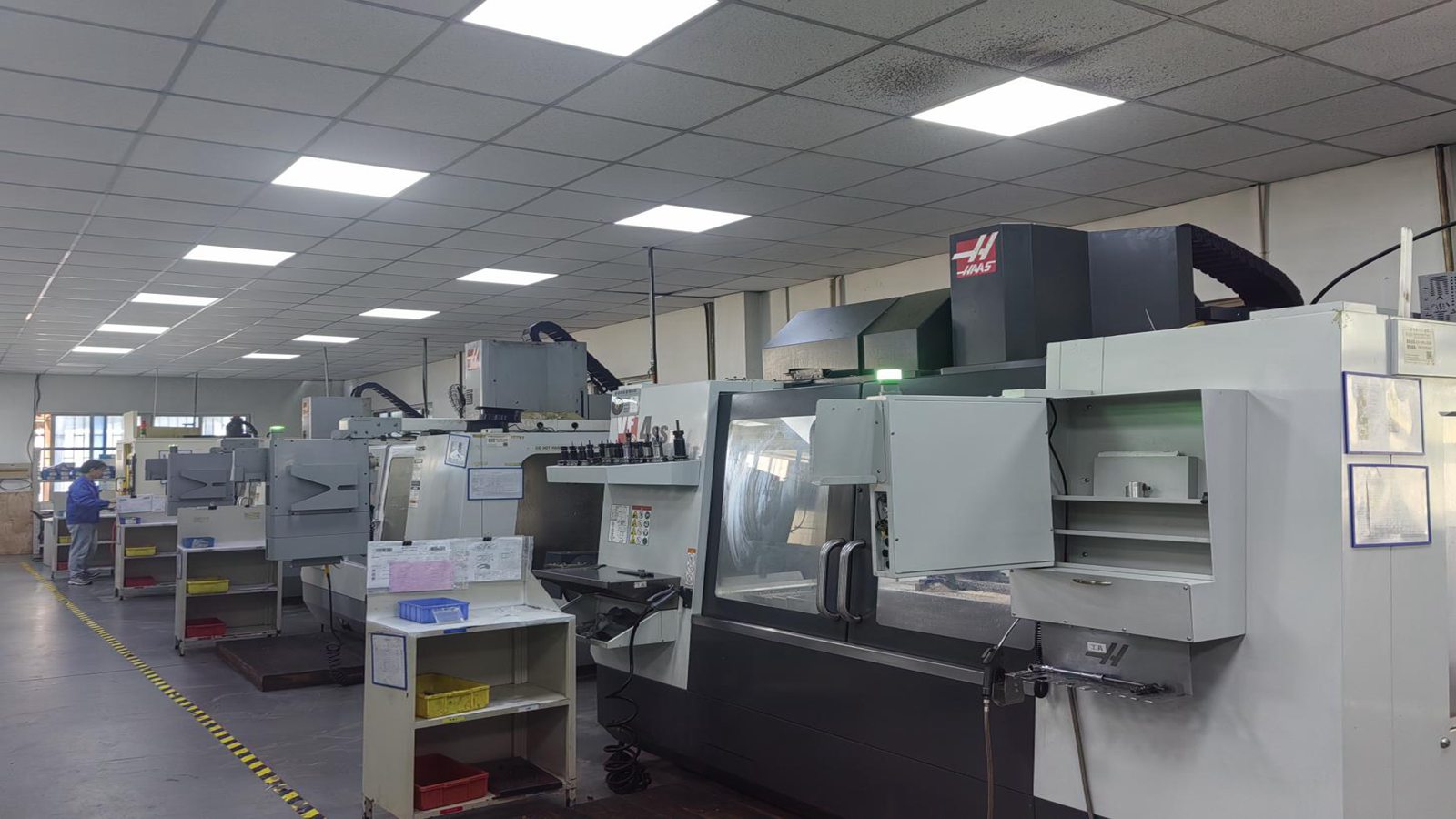
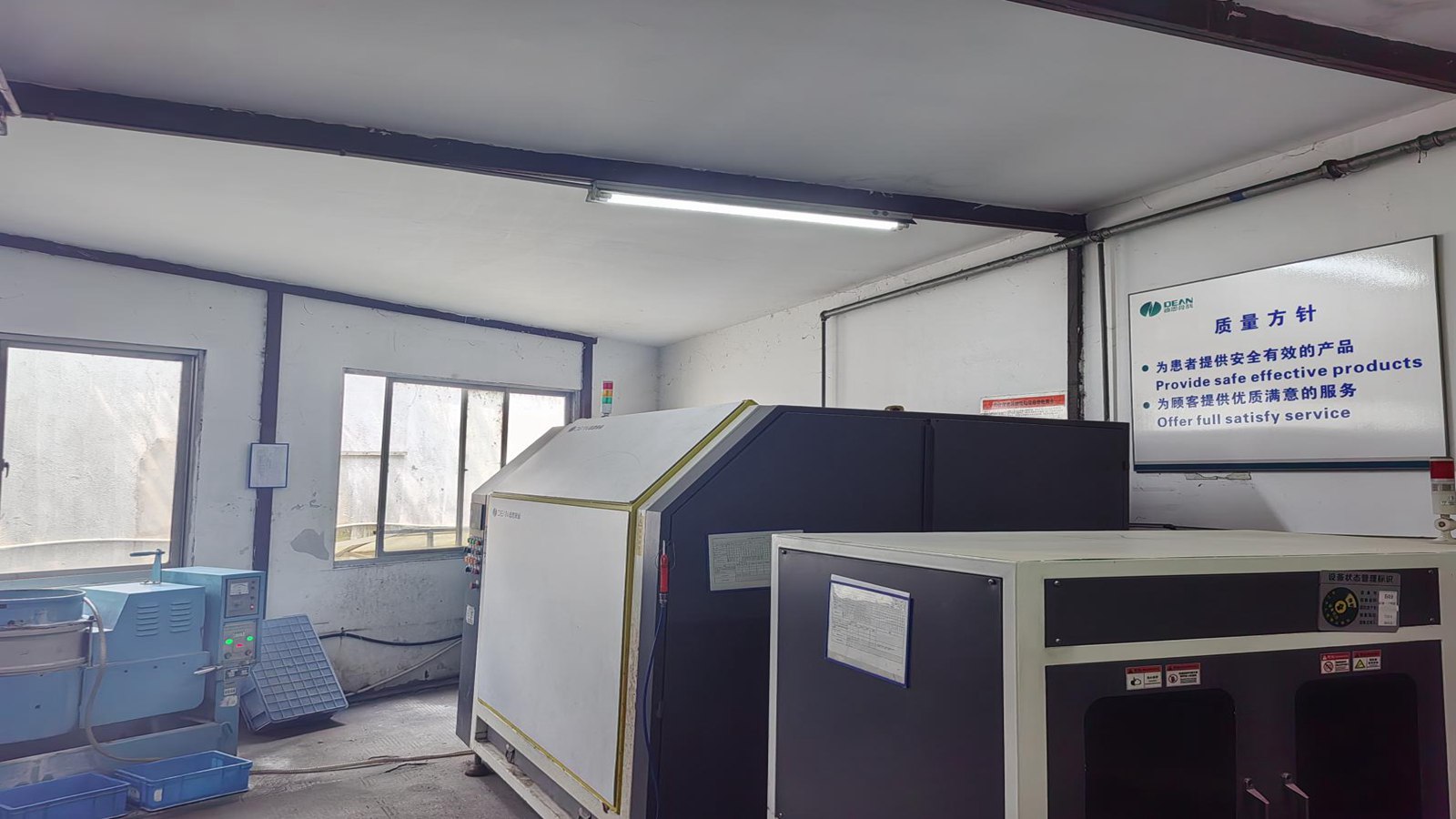
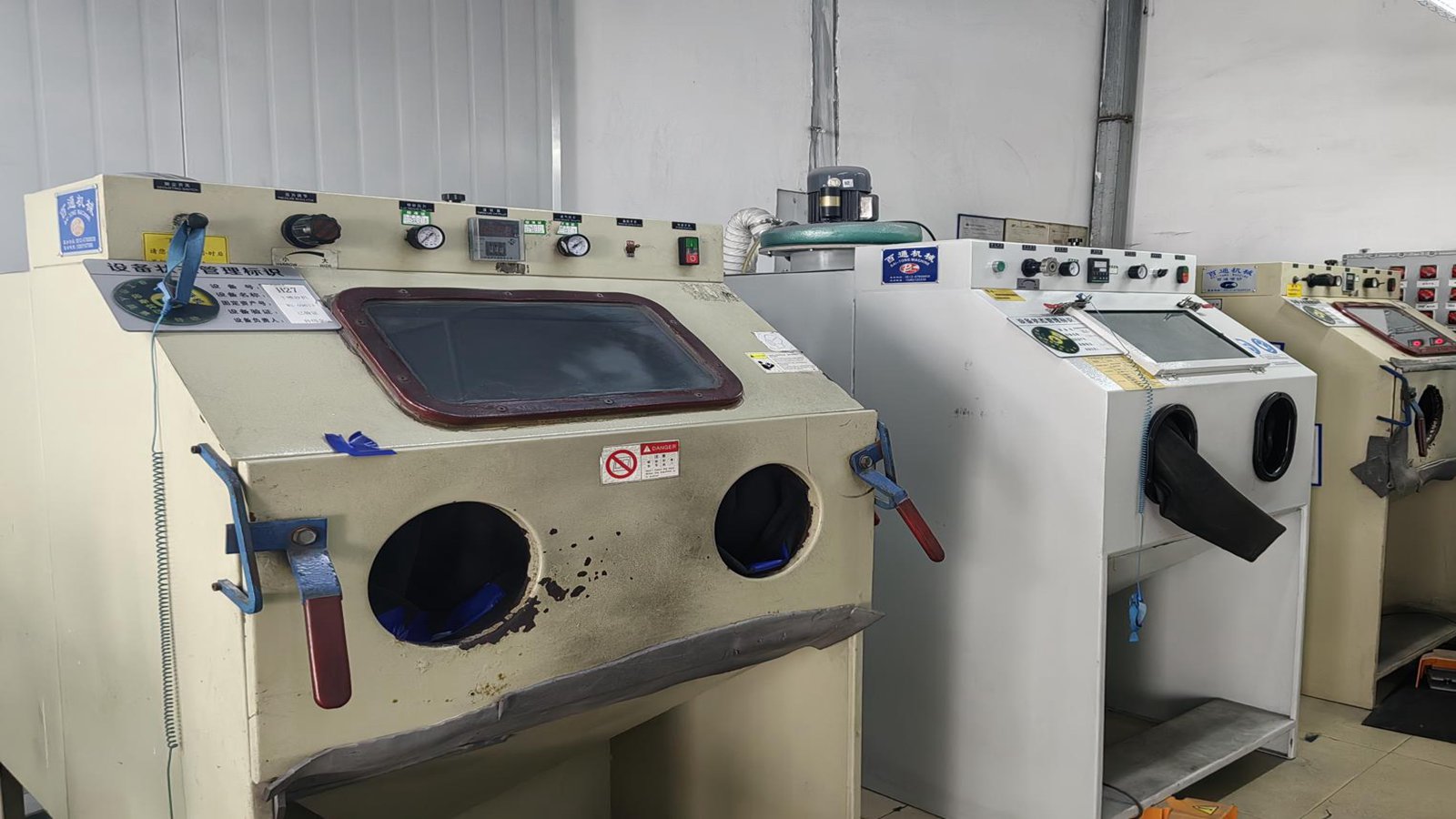
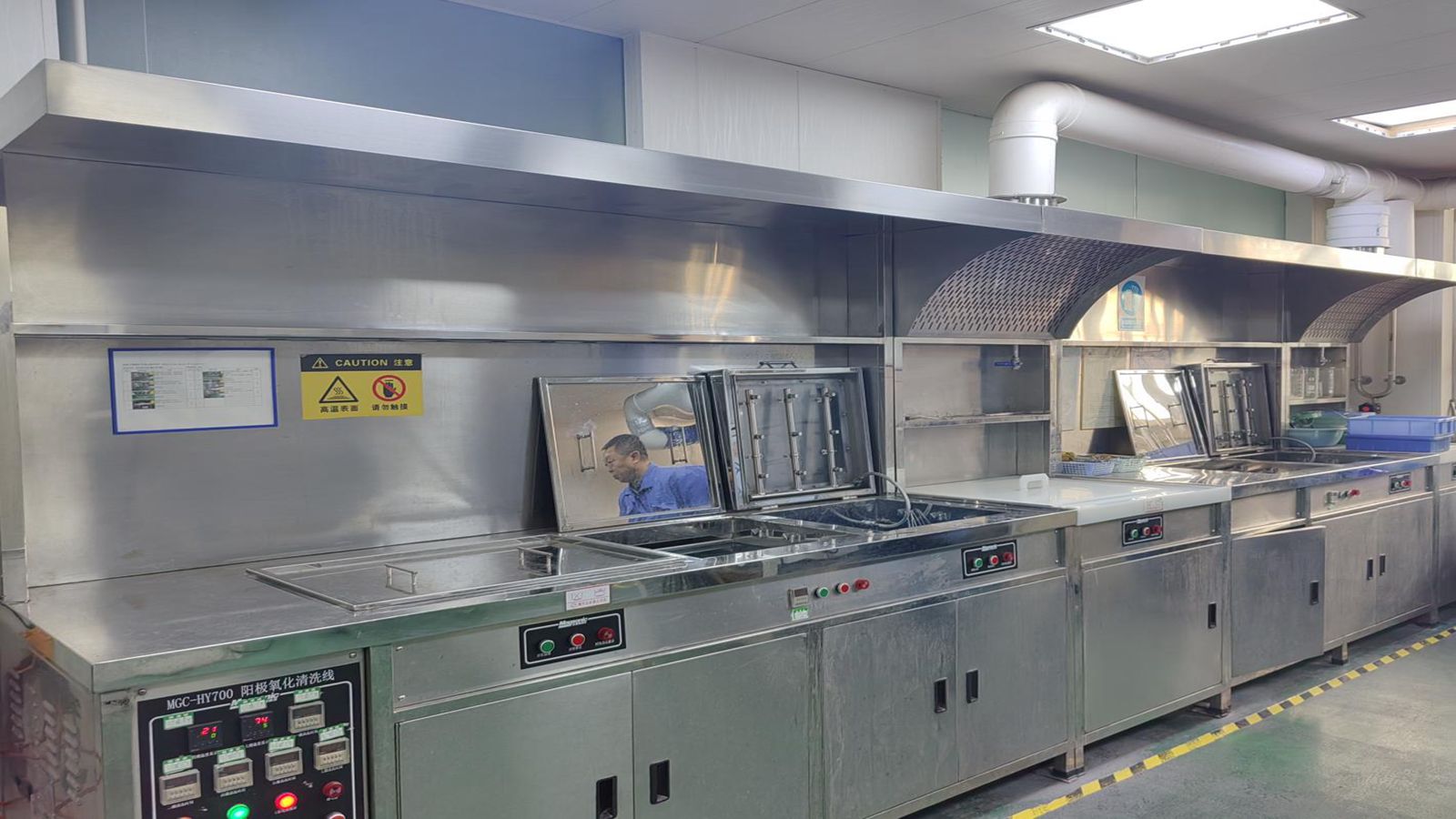
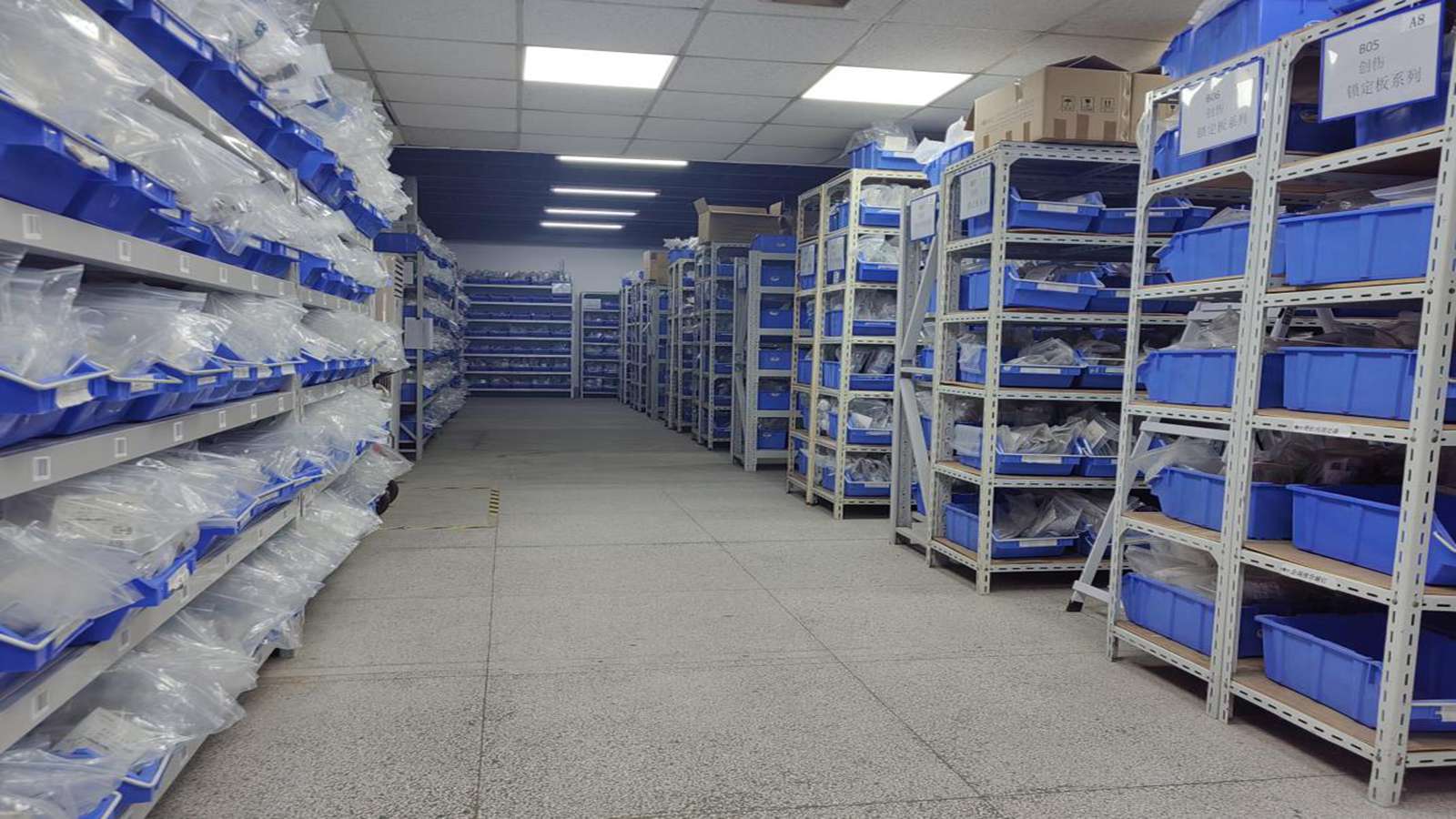
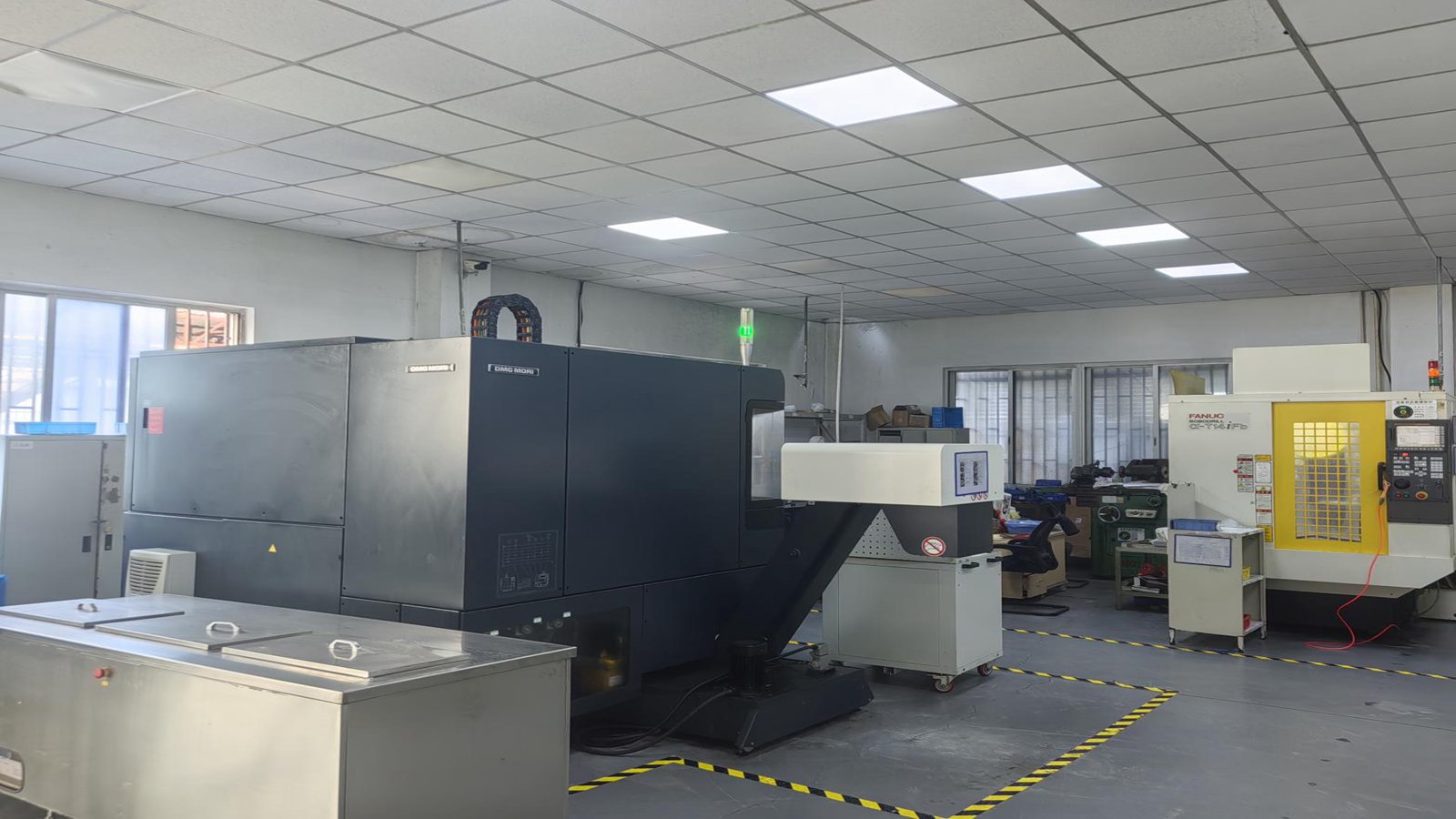
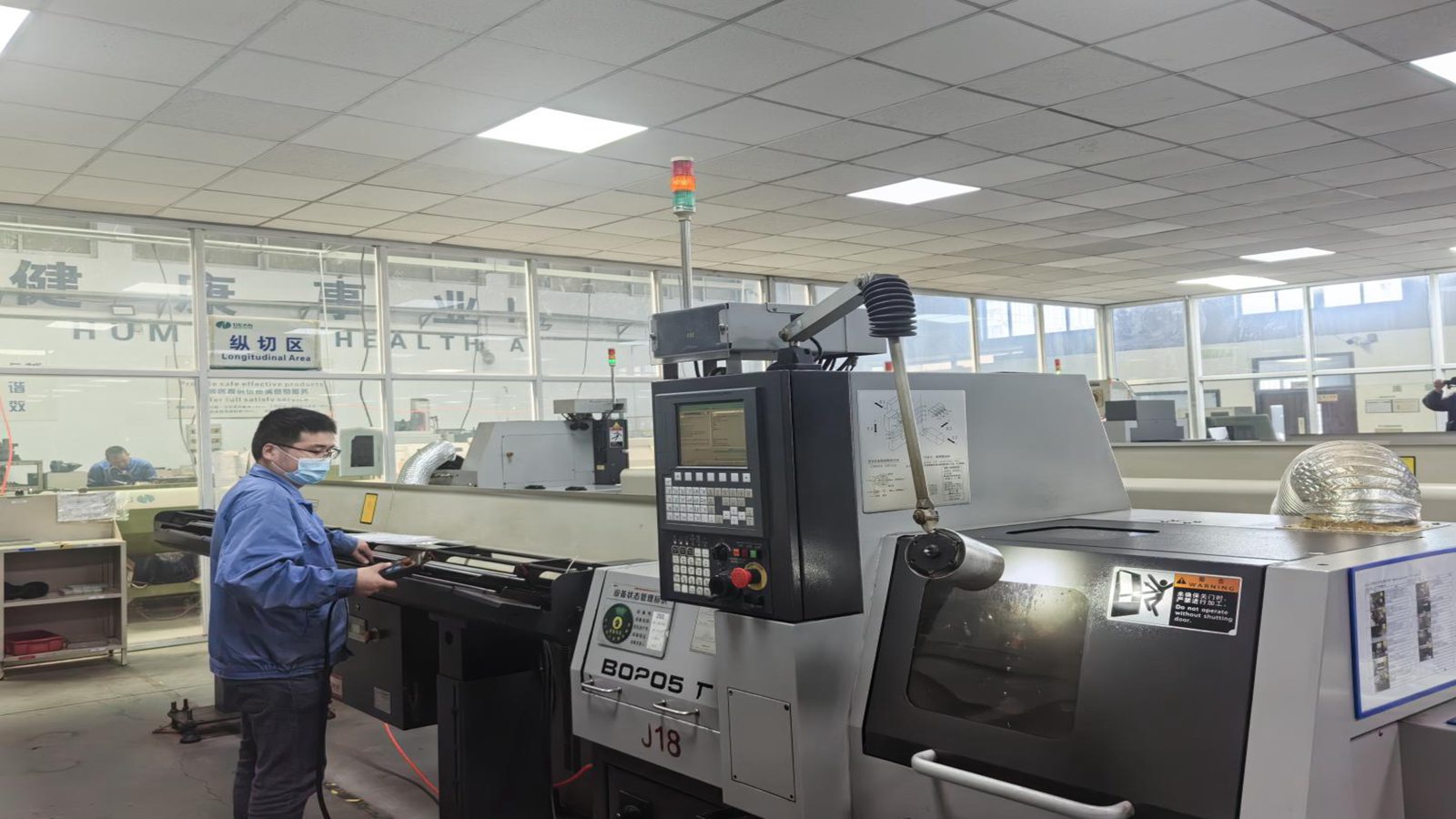
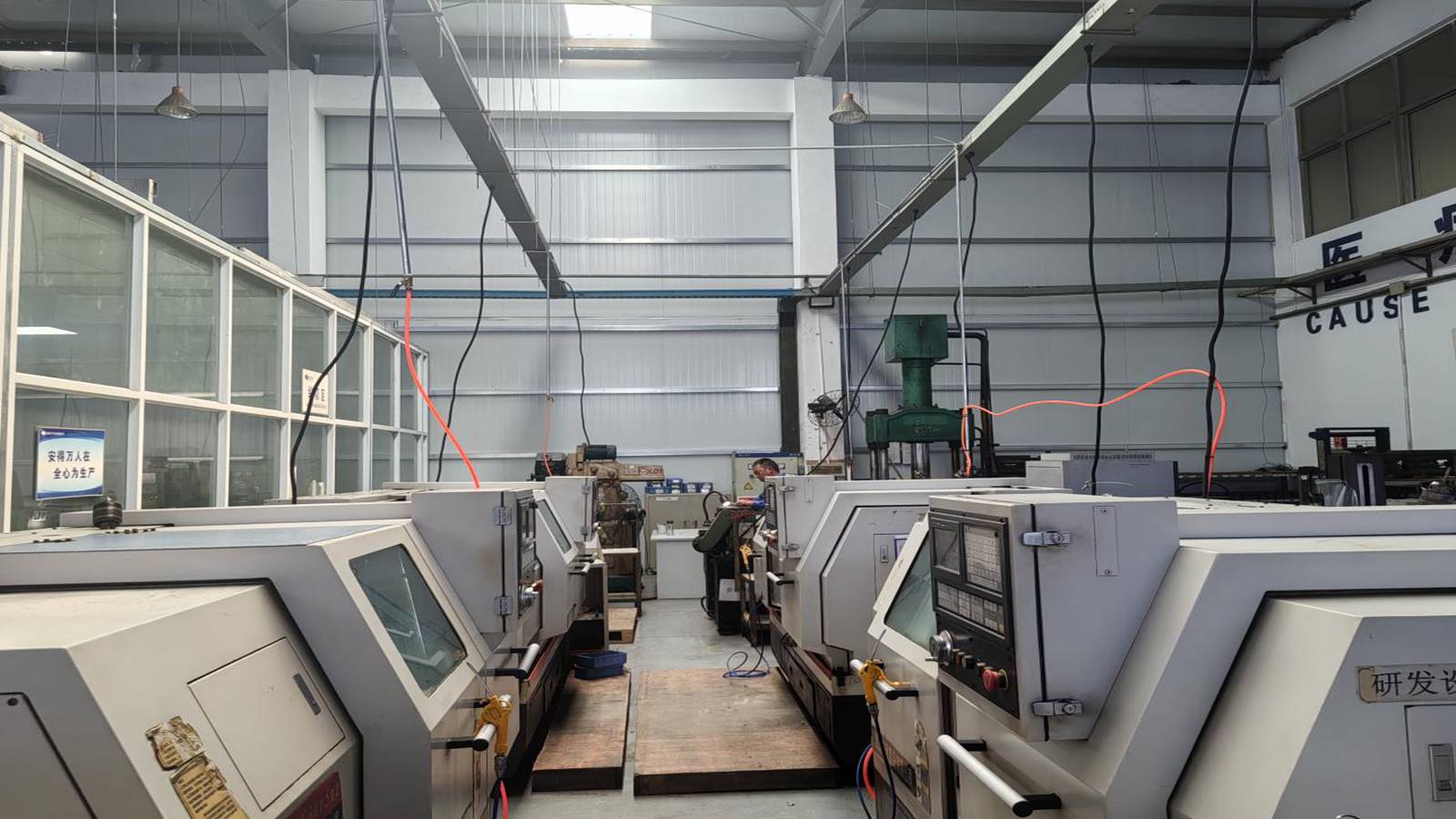
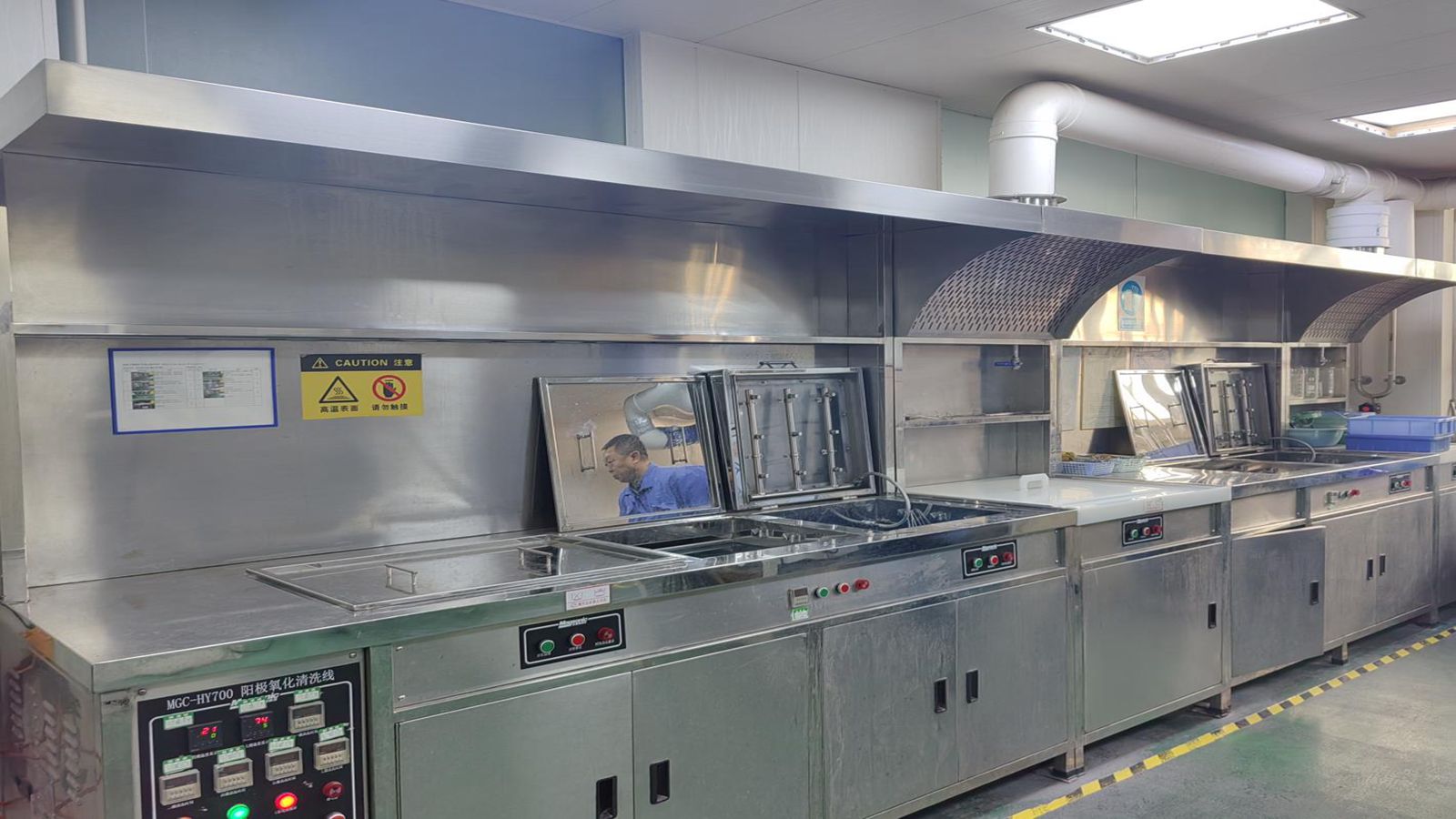
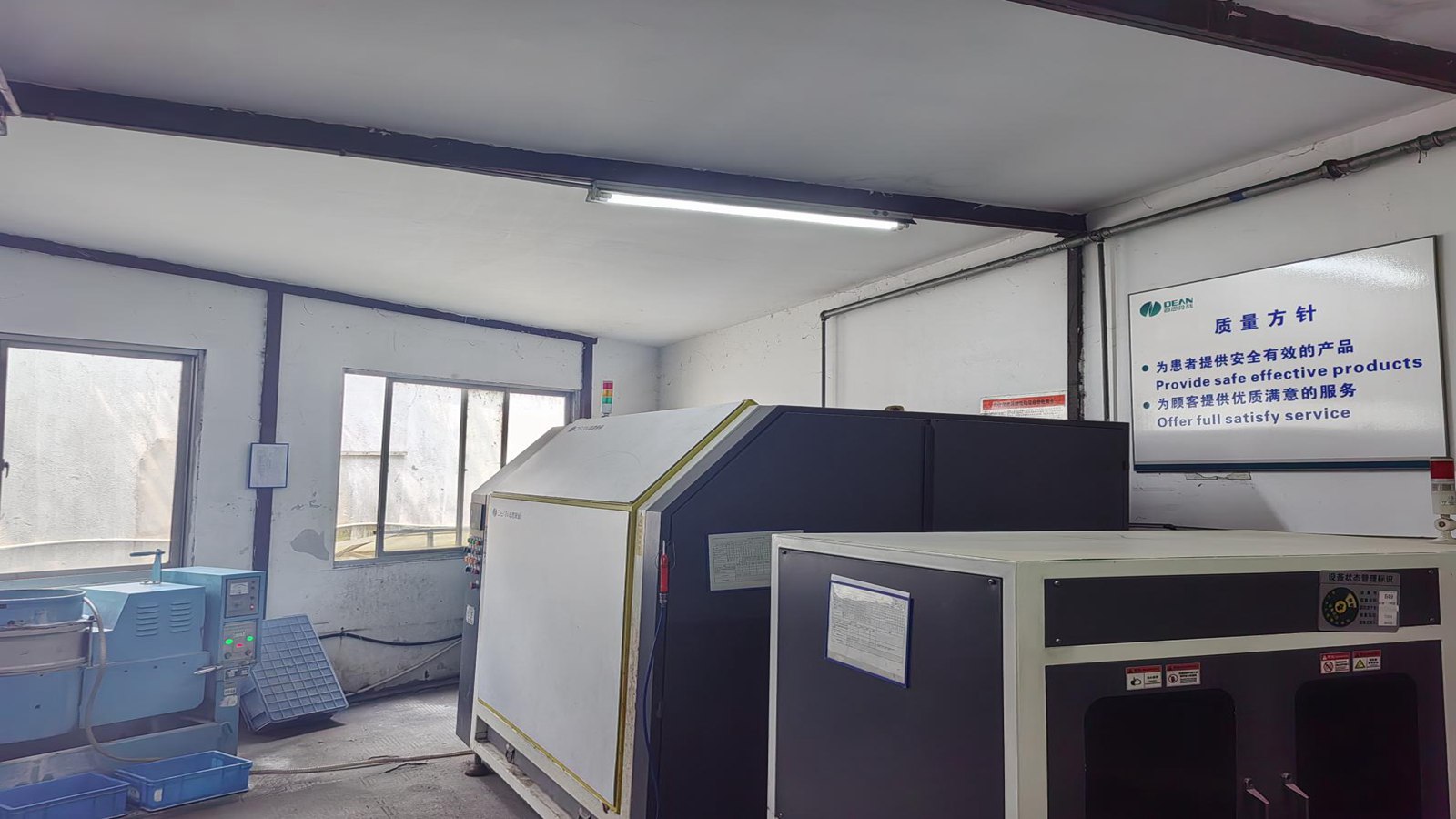
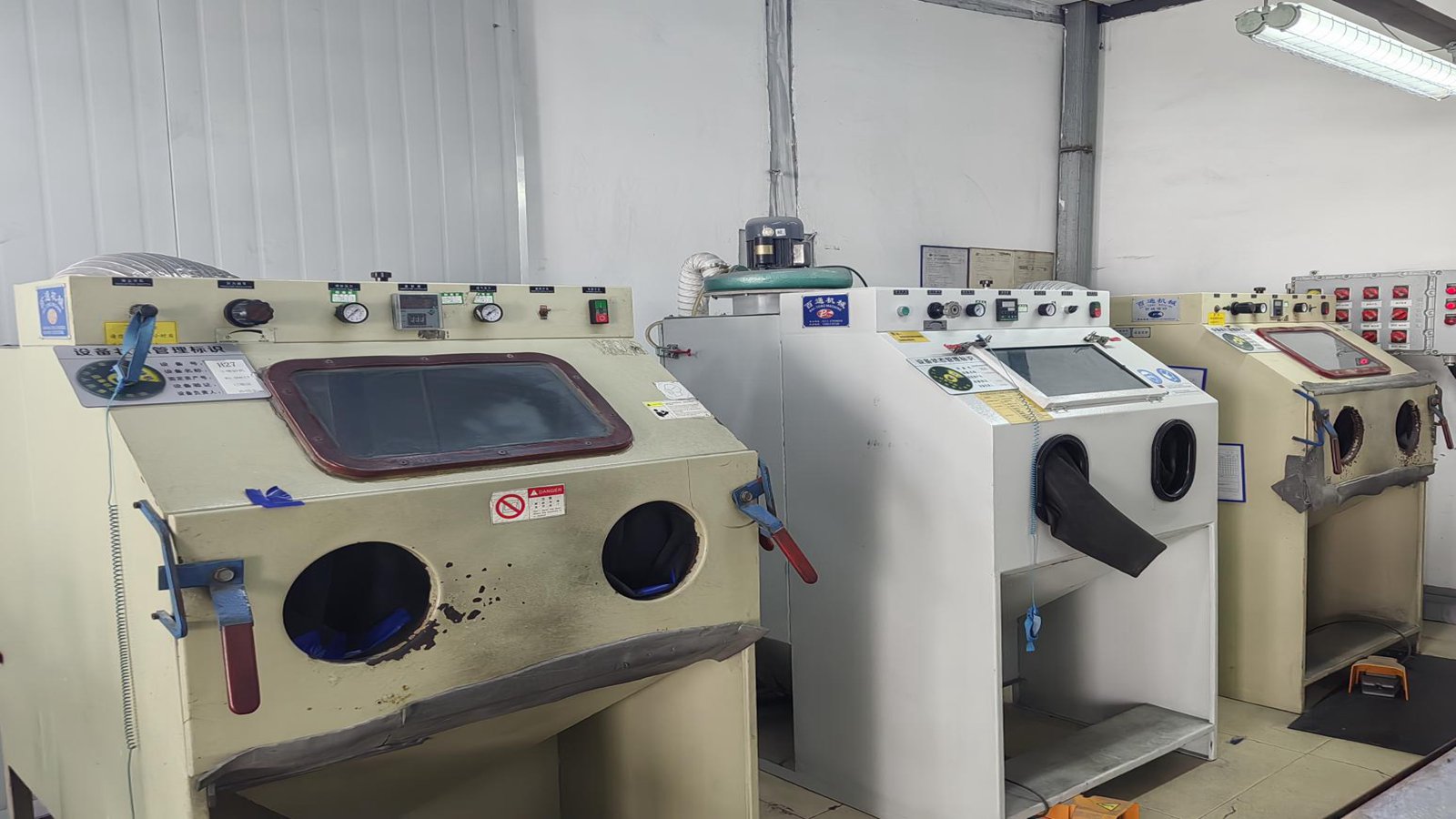
High-grade raw materials are essential for producing implants that can withstand long-term physiological stress without fatiguing.
Medispirex femoral locking plates are fabricated from medical-grade Ti-6Al-4V ELI (Extra Low Interstitial) Titanium Alloy (compliant with ASTM F136 and ISO 5832-3) or ultra-clean 316LVM Stainless Steel (ASTM F138). These alloys are selected for their biocompatibility, corrosion resistance, and low modulus of elasticity, which reduces stress shielding.
Our manufacturing process includes Anodic Oxidation (Type II Anodization). This surface treatment forms a uniform titanium oxide layer that increases surface hardness, reduces friction, prevents cold welding of the locking screws, and provides color coding for quick surgical identification.
To support clinical safety and efficacy, our 45-member Quality Assurance Team oversees a strict validation process:
Analyzing current tender requirements, supply chain resilience, and hospital cost-benefit priorities in the trauma sector.
The global orthopedic trauma market is experiencing steady growth, driven by a rising geriatric population, high-energy trauma incidents, and growing demand for anatomical locking plate solutions. B2B healthcare buyers, regional distributors, and hospital procurement departments require suppliers that provide consistent quality, stable supply, and regulatory compliance.
To navigate changing healthcare policies, procurement teams must balance three key priorities: MDR/CE Compliance, Supply Chain Security, and Adaptable OEM/ODM Services. Medispirex meets these requirements by offering custom packaging, sterile and non-sterile kits, and specialized instruments that streamline surgical workflows.
How our R&D department leverages biomechanical research to design next-generation osteosynthesis solutions.
Medispirex’s engineering team, which launched 120 new products last year, is focused on advancing the clinical utility of trauma implants. Our long-term product roadmap focuses on three main developments:
Standard monoaxial locking plates require precise screw insertion angles. Our upcoming polyaxial locking lines allow screws to be directed up to 15 degrees in any direction. This flexibility is useful for avoiding joint prostheses and targeting key bone fragments in complex fractures.
Our lab is testing nano-textured titanium coatings that promote early osseointegration and possess antibacterial properties. This helps to reduce healing times and the risk of implant-associated infections.
To address the stiffness mismatch between titanium and cortical bone, we are researching carbon fiber-reinforced PEEK implants. These composite plates feature modulus levels that closely match natural bone, reducing stress shielding and encouraging calluses during recovery.
Our upcoming plate configurations feature dual-mode compression slots, allowing surgeons to switch between rigid locking and dynamic axial compression based on intraoperative requirements.
From spinal fusion cages to pediatric trauma implants, Medispirex offers specialized products across major orthopedic categories.
Answers to common technical, material, and regulatory questions from healthcare administrators and distributors.