Medispirex
Medispirex
Medispirex
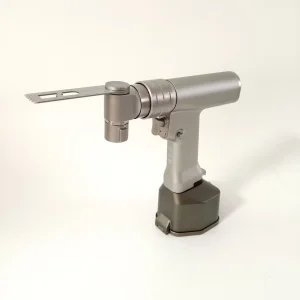
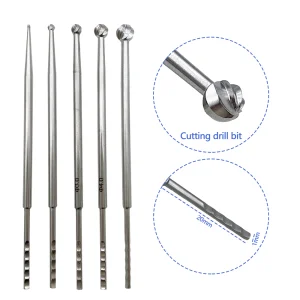
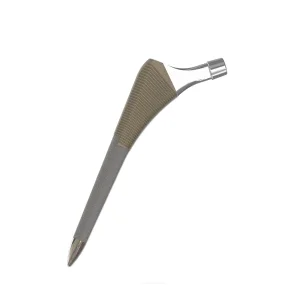
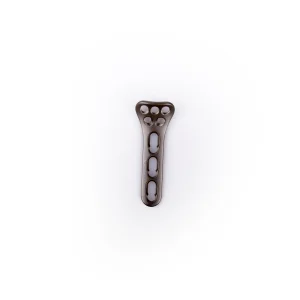
Total Elbow Arthroplasty (TEA) has transitioned from a salvage procedure reserved primarily for end-stage rheumatoid arthritis to a highly sophisticated reconstruction solution for complex distal humeral fractures, post-traumatic osteoarthritis, and acute articular instability. Achieving positive clinical survivorship in elbow reconstruction implants requires an exhaustive understanding of joint kinetics. Unlike the hip or knee, the elbow is a highly constrained, complex ginglymoid joint that subjects prostheses to significant multi-axial torsional stresses. Modern design strategies must balance structural constraint with joint laxity, minimizing the risk of aseptic loosening at the bone-cement interface.
As a leading orthopedic manufacturer, Medispirex Orthopedic Technology Co., Ltd. has established a state-of-the-art infrastructure dedicated to the precision design, metallurgical verification, and sterile manufacturing of advanced joint replacement solutions. Established in 2016, our modern 18,600㎡ production facility is optimized for the cleanroom manufacturing and high-tolerance CNC machining of Class III medical implants. We integrate R&D, manufacturing, and global distribution to deliver high-quality medical devices for trauma, spine, and joint reconstruction applications, providing the global healthcare market with reliable, CE-certified orthopedic implants.
"The survival rate of total elbow implants depends directly on metallurgical fatigue limits, articulating interface tribology, and strict compliance with global regulatory frameworks like the European Union Medical Device Regulation (EU MDR)."
From a biomechanical perspective, elbow replacement implants are broadly categorized into two archetypes: linked (semi-constrained) and unlinked (non-constrained) systems. Unlinked systems rely entirely on the integrity of the patient’s collateral ligaments for stability, making them suitable only for cases with intact soft tissue structures. Conversely, semi-constrained linked implants feature a physical pin or axle coupling that links the humeral and ulnar components, accommodating mild varus-valgus laxity (typically 7 to 10 degrees) and axial rotation to prevent early implant fracture or stem loosening.
Medispirex utilizes high-strength biocompatible alloys to manufacture these components, strictly adhering to international clinical standards. The humeral and ulnar stems are forged from Cobalt-Chromium-Molybdenum (Co-Cr-Mo) alloys (conforming to ISO 5832-4 or ASTM F75) or Titanium-6Aluminum-4Vanadium (Ti-6Al-4V) alloys (ISO 5832-3). Titanium is selected for its superior biocompatibility, lower elastic modulus (which mitigates stress shielding), and excellent osseointegration properties, often enhanced by plasma-sprayed rough titanium or hydroxyapatite (HA) coatings. For the articulating sleeve or bushings, ultra-high-molecular-weight polyethylene (UHMWPE) or highly cross-linked polyethylene (HXPE) is utilized to ensure minimal wear debris generation under repetitive micro-motion.
Utilizing premium medical-grade Titanium and Cobalt-Chromium alloys sourced from verified metallurgical partners to ensure high fatigue resistance and zero structural defects.
Supported by 45 QC professionals, conducting 3D coordinate dimension analysis, mechanical fatigue testing, and complete batch traceability.
Our R&D team of 85 engineers specializes in biomechanics and materials science, designing 120+ new products annually to match OEM/ODM surgical requirements.
In the highly regulated orthopedic medical device sector, clinical safety and regulatory compliance are non-negotiable. Sourcing elbow replacement implants requires deep validation of the manufacturing facility's regulatory credentials. Under the European Union Medical Device Regulation (EU MDR 2017/745), joint replacement implants are classified as Class III (high-risk) devices. This designation demands comprehensive clinical evaluation, post-market clinical follow-up (PMCF), and rigorous third-party audits by European Notified Bodies.
With an annual export revenue of approximately USD 18 million, Medispirex operates under a strict quality management system certified to ISO 13485:2016 standards. The company's CE certification ensures that all implants meet the essential safety and performance requirements of the European Union, facilitating seamless distribution across global healthcare channels. Our regulatory compliance framework is designed to satisfy the strict requirements of health authorities not only in Europe but also in North America, the Middle East, and Southeast Asia. Every shipment of implants is accompanied by a Certificate of Conformity, raw material melt certificates, sterilization validation reports (conforming to ISO 11137 for gamma radiation), and traceability records down to the individual production lot.
The global healthcare supply chain has faced substantial challenges, including rising material costs, shipping delays, and manufacturing bottlenecks. In response, Medispirex has implemented Factory 4.0 automation and digitalization within our 18,600㎡ facility to optimize production efficiency and ensure supply chain resilience. Our manufacturing network is supported by approximately 860 upstream and downstream partners, securing a steady flow of high-purity medical titanium, cobalt-chromium alloys, and advanced polymer materials.
By integrating computerized planning systems, automated multi-axis CNC machining centers, and real-time tool wear compensation, we minimize dimensional variance to the micron scale. The integration of our supply chain allows us to shorten lead times for custom or standard implants while keeping manufacturing costs competitive. We serve hospitals, orthopedic surgeons, medical distributors, and OEM/ODM partners worldwide, offering flexible customization options such as private label manufacturing, product design adaptation, and surgical instrument configuration support.
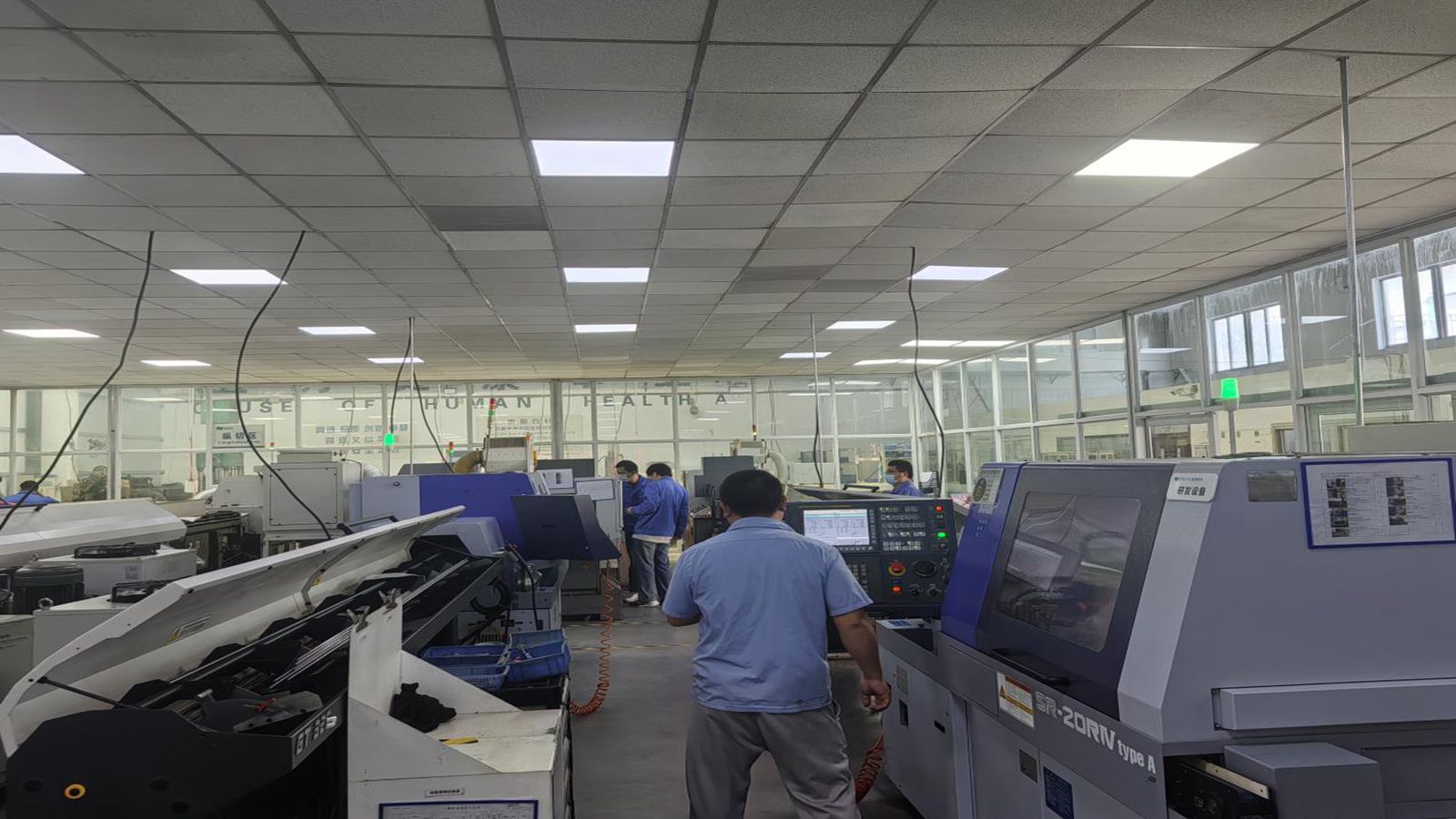
CNC Cutting
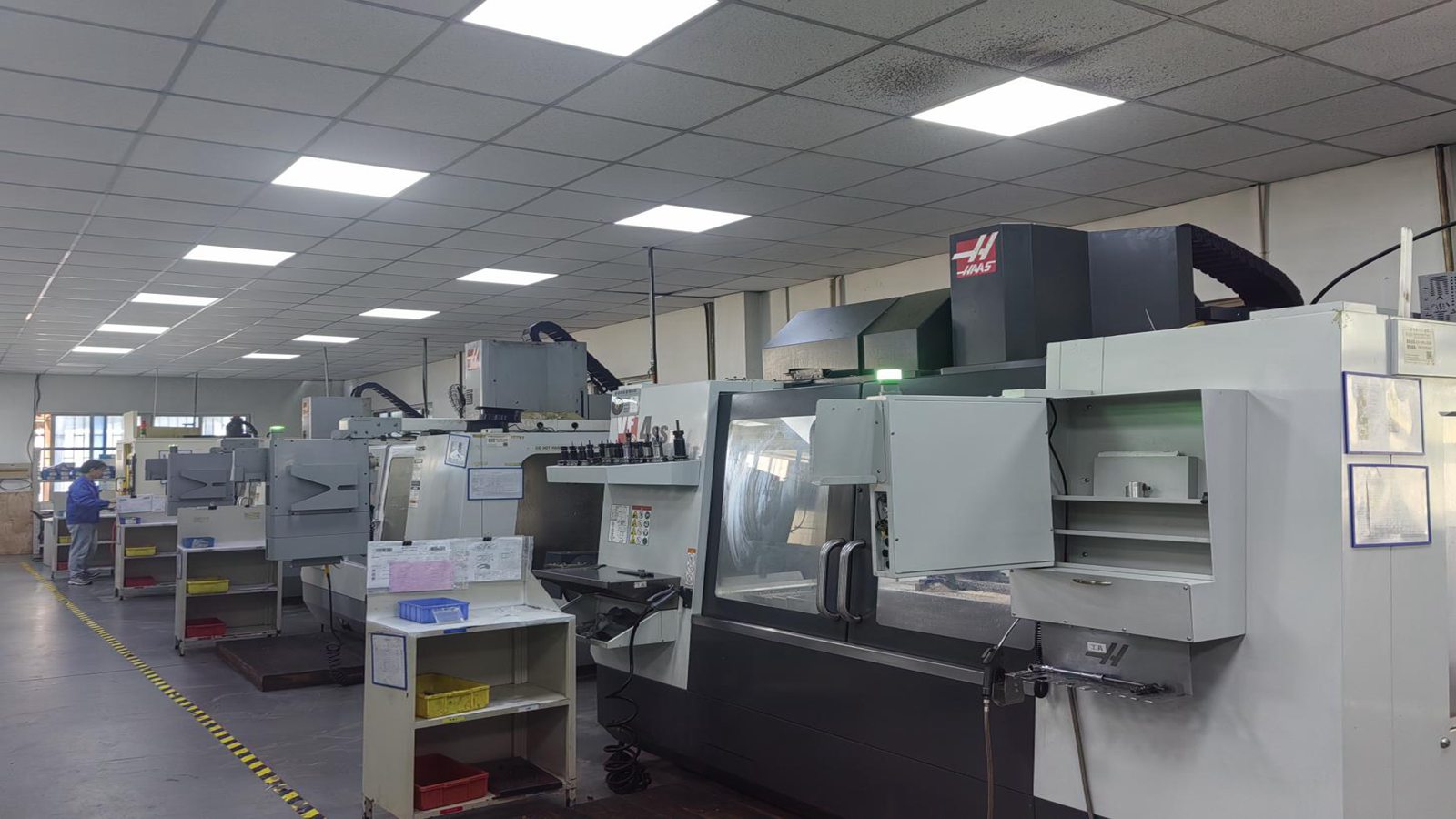
CNC Machining
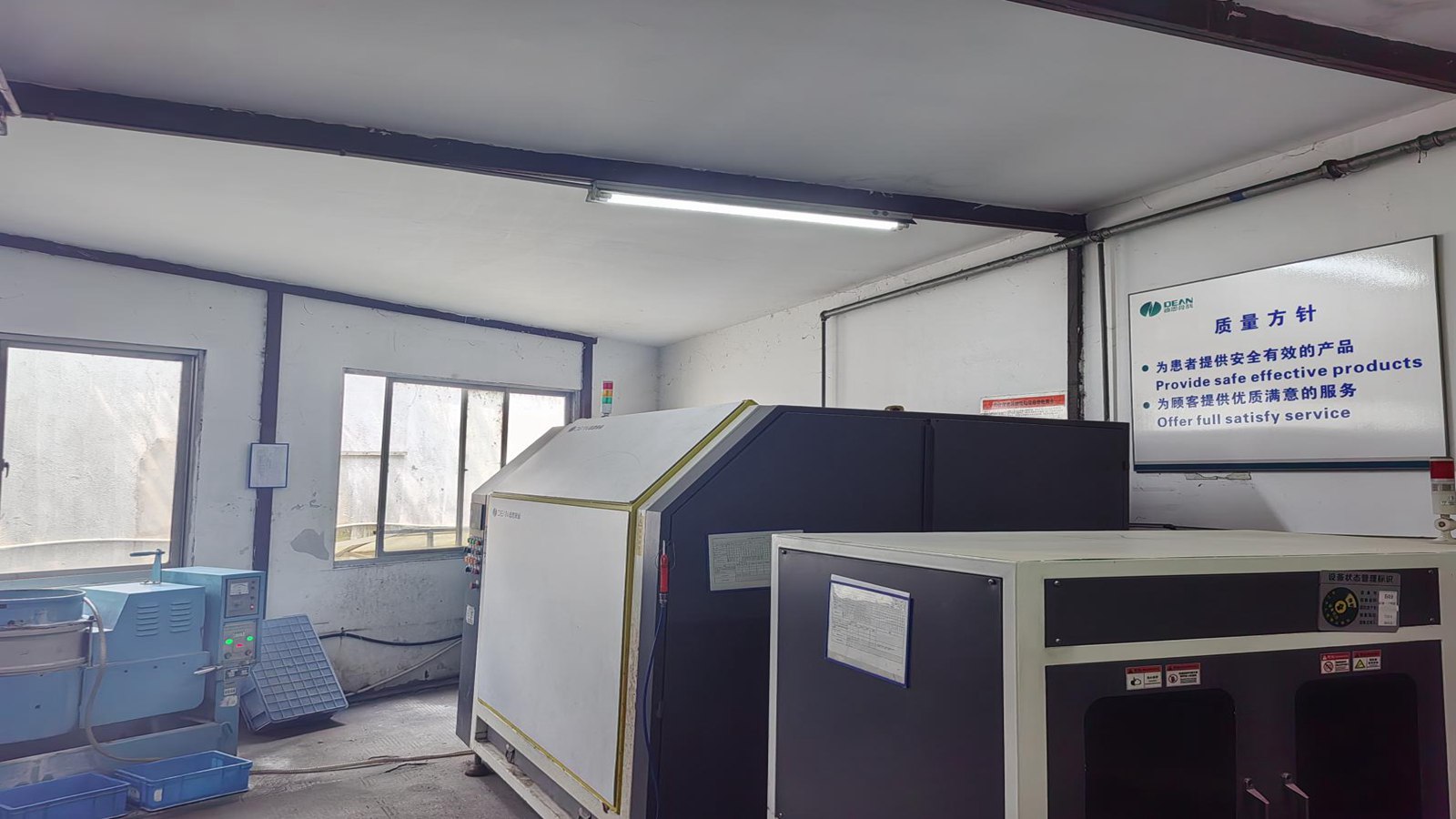
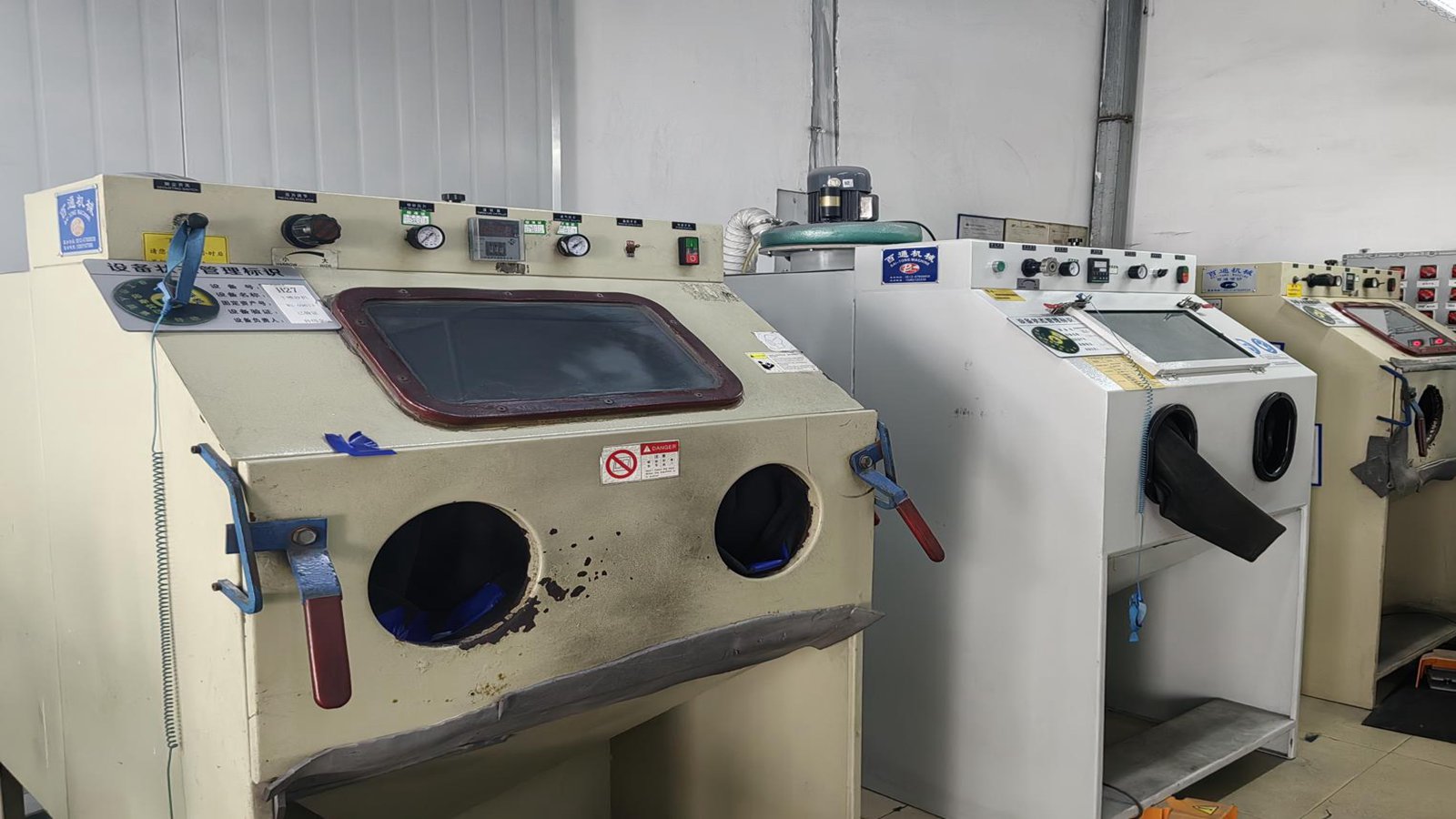
Sand Blasting and Grinding
Polishing
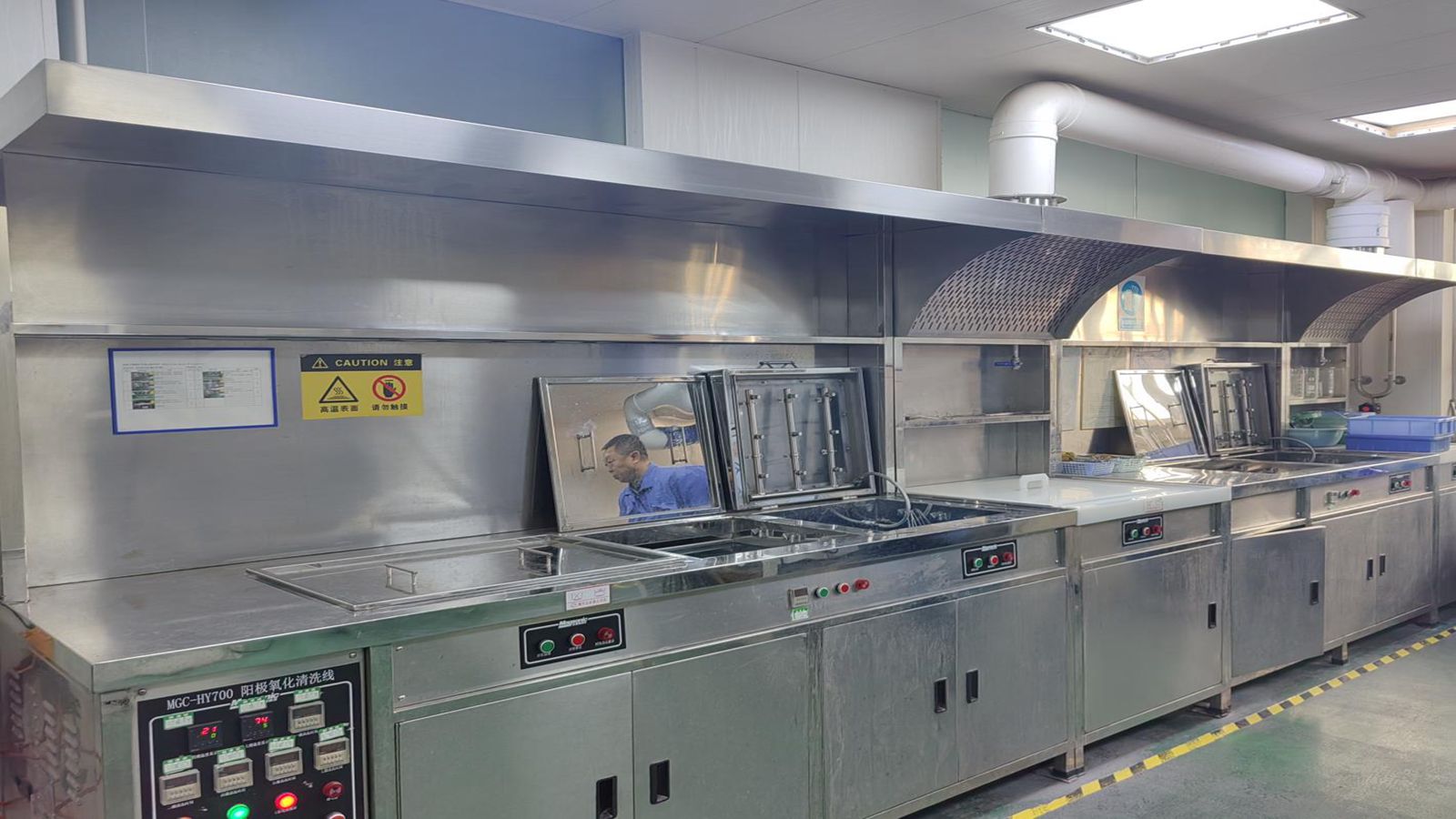
Anode Oxidation Cleaning
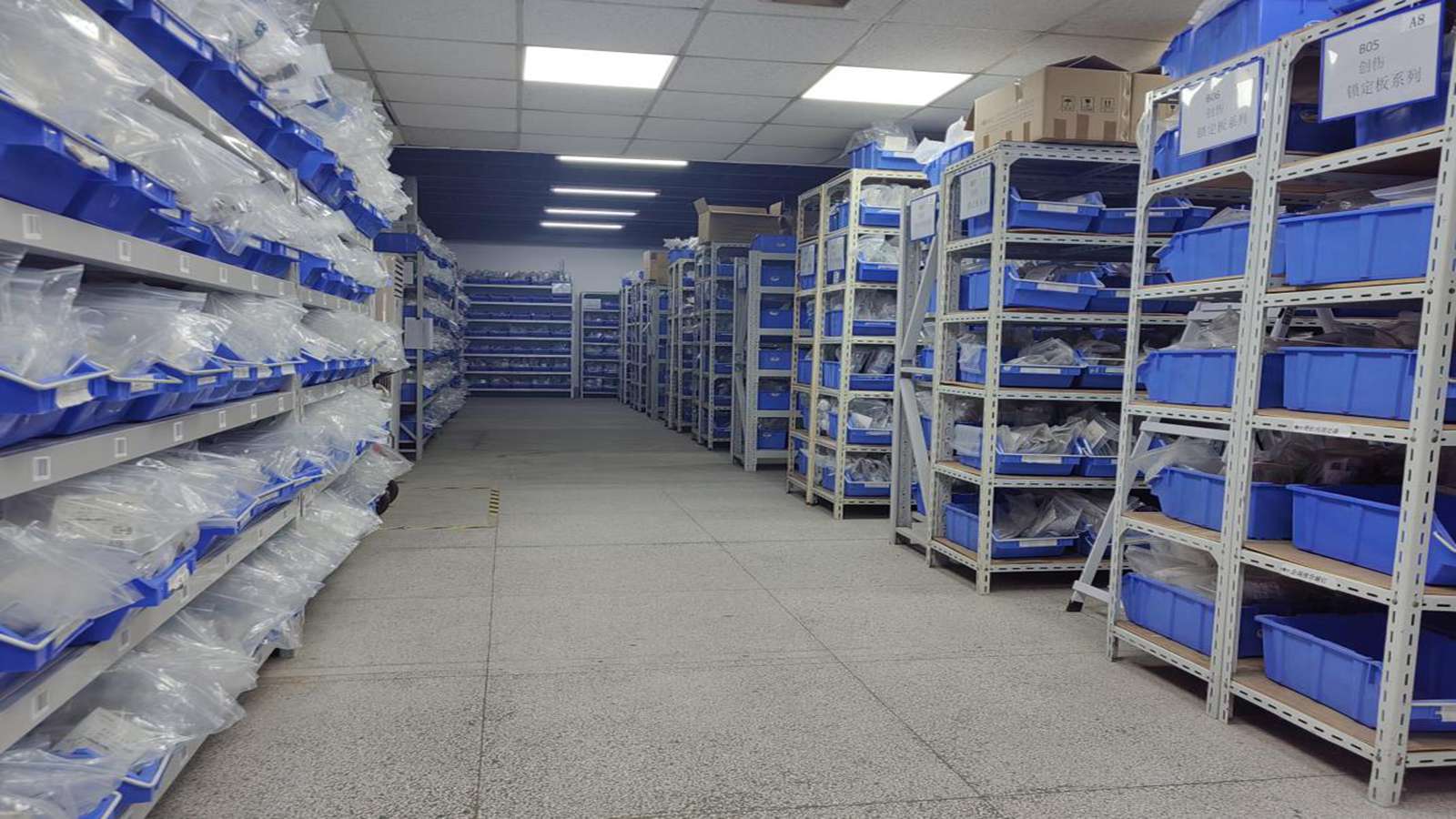
Warehouse
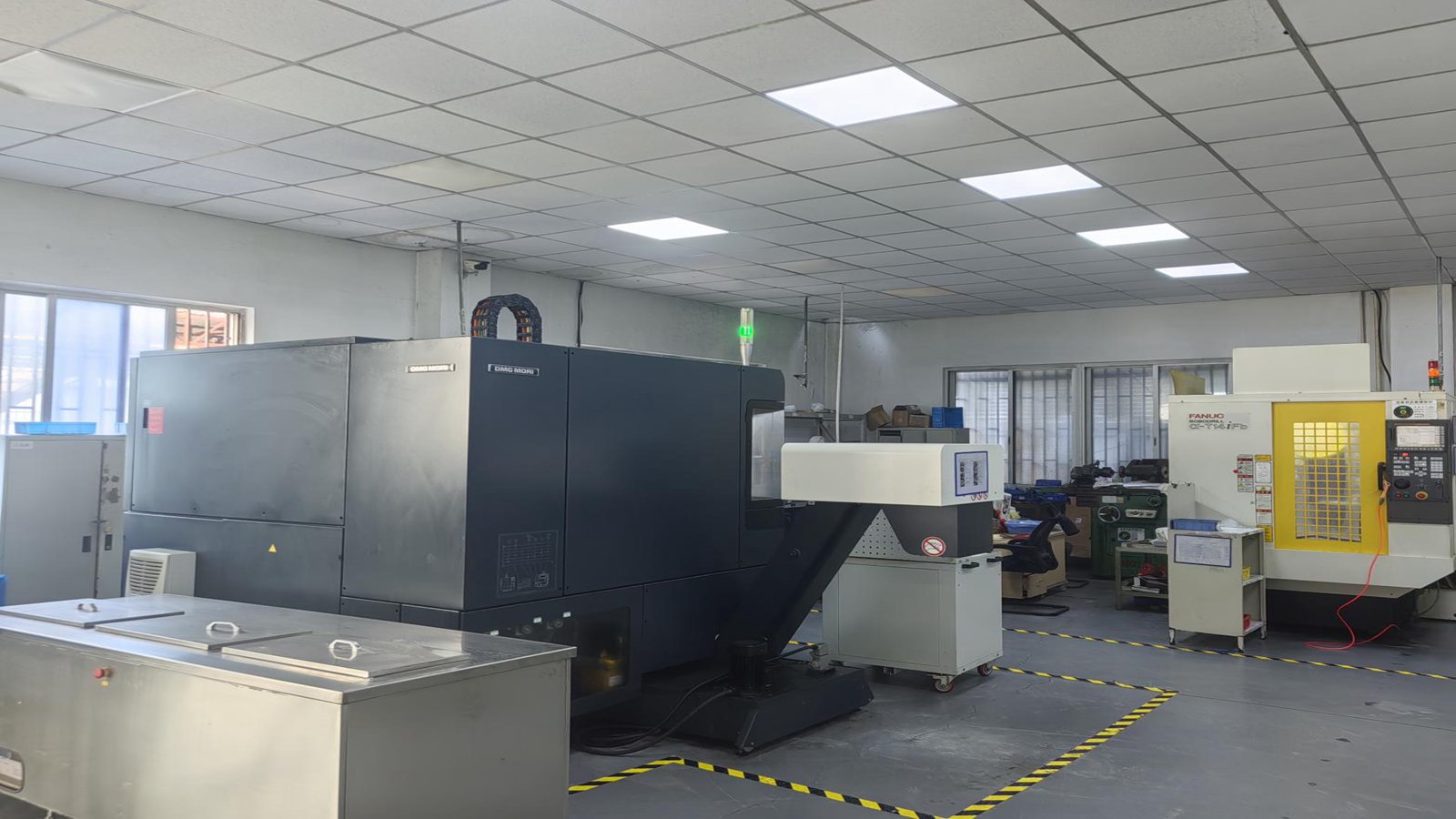
CNC Machining Center
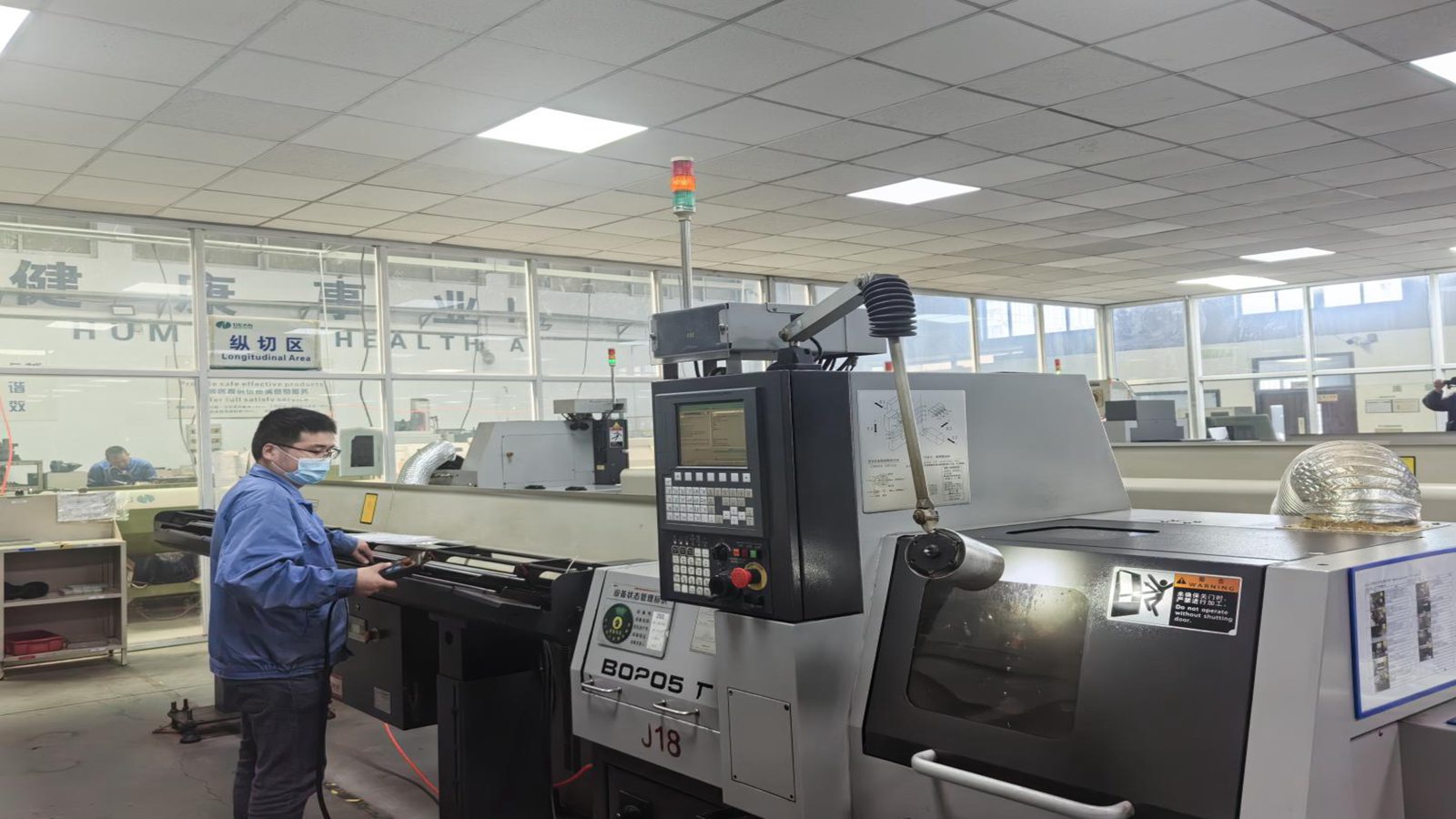
CNC Cutting Machine
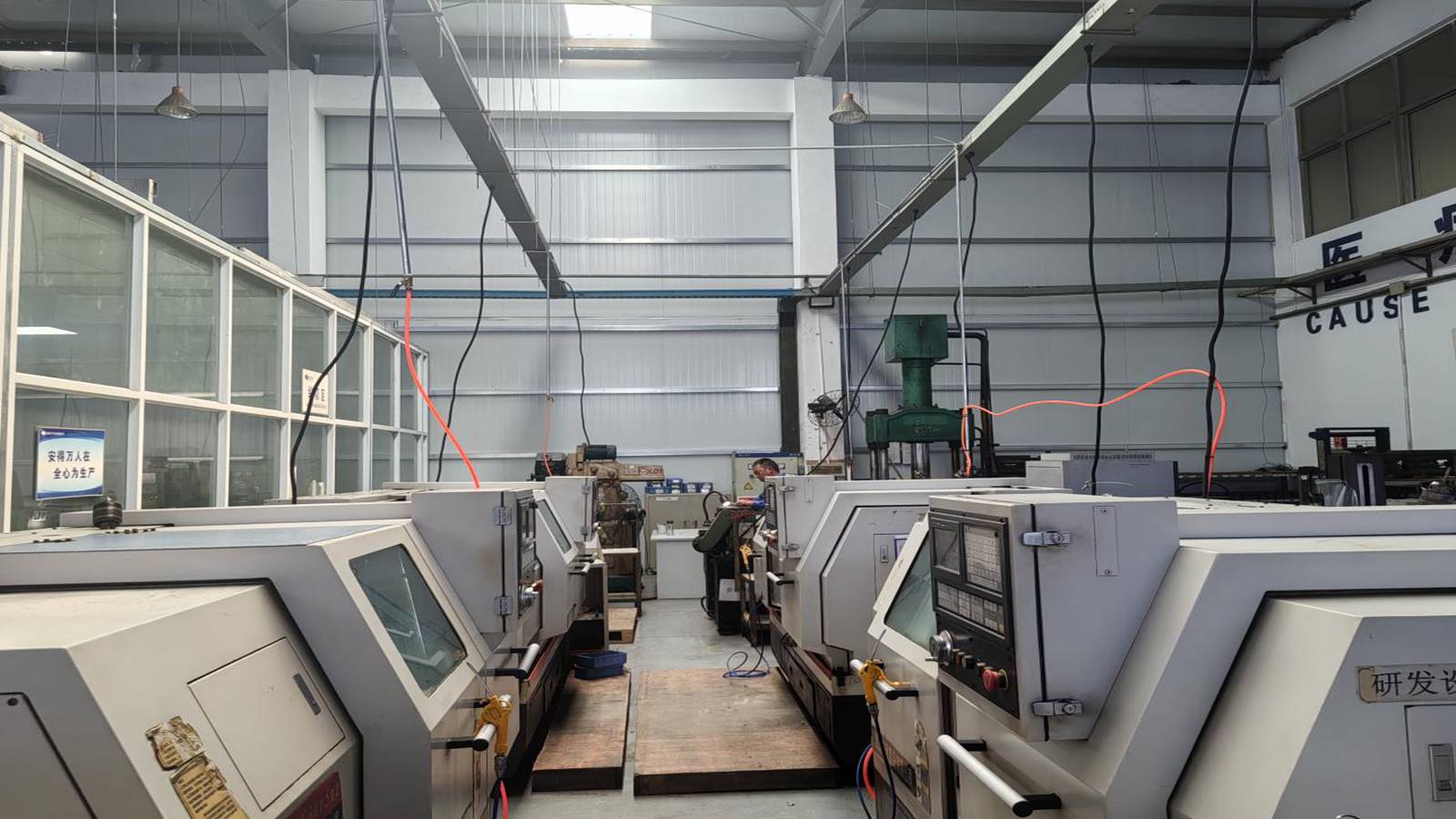
CNC Lathe
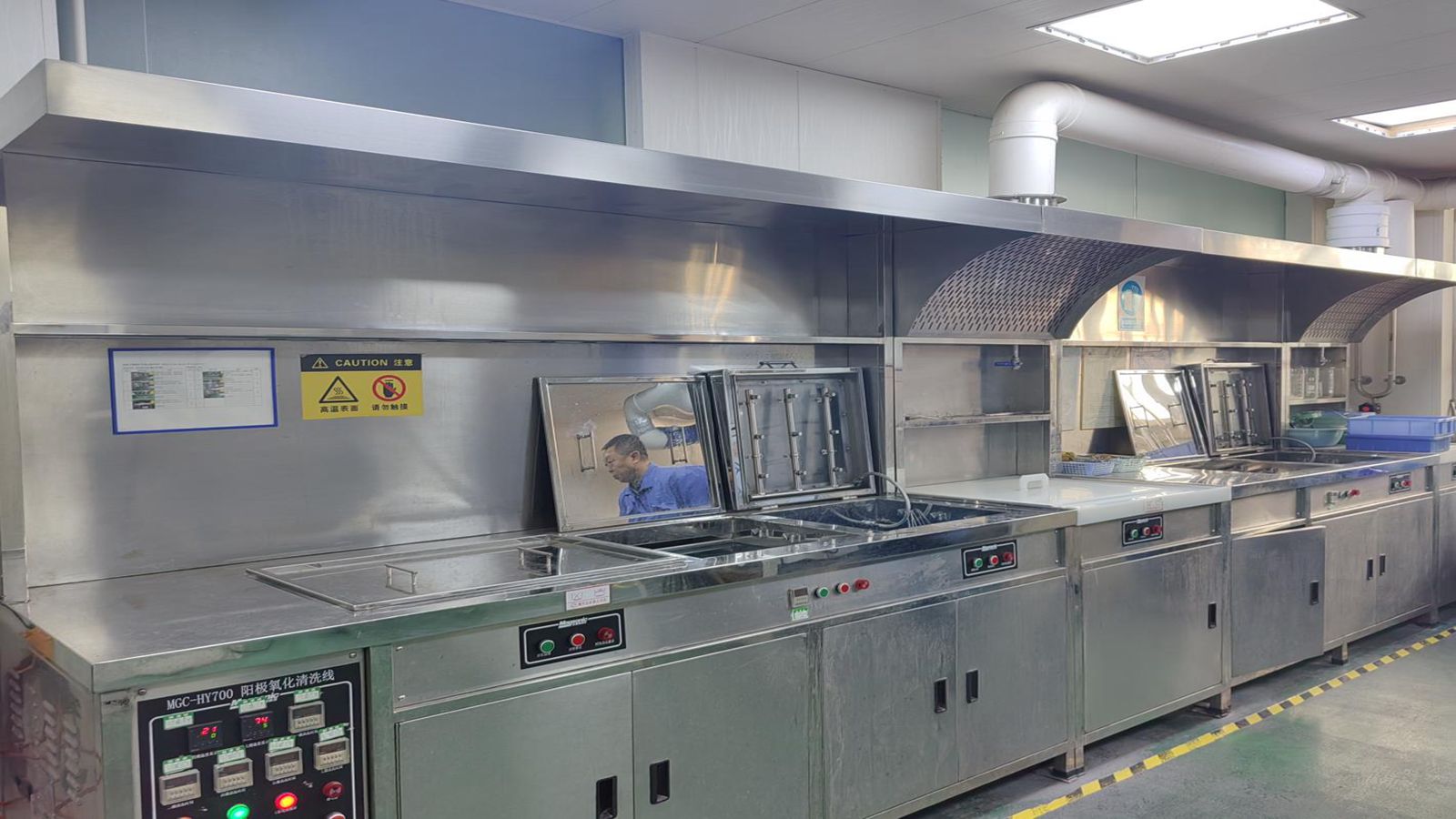
Anode Oxidation Cleaning Line
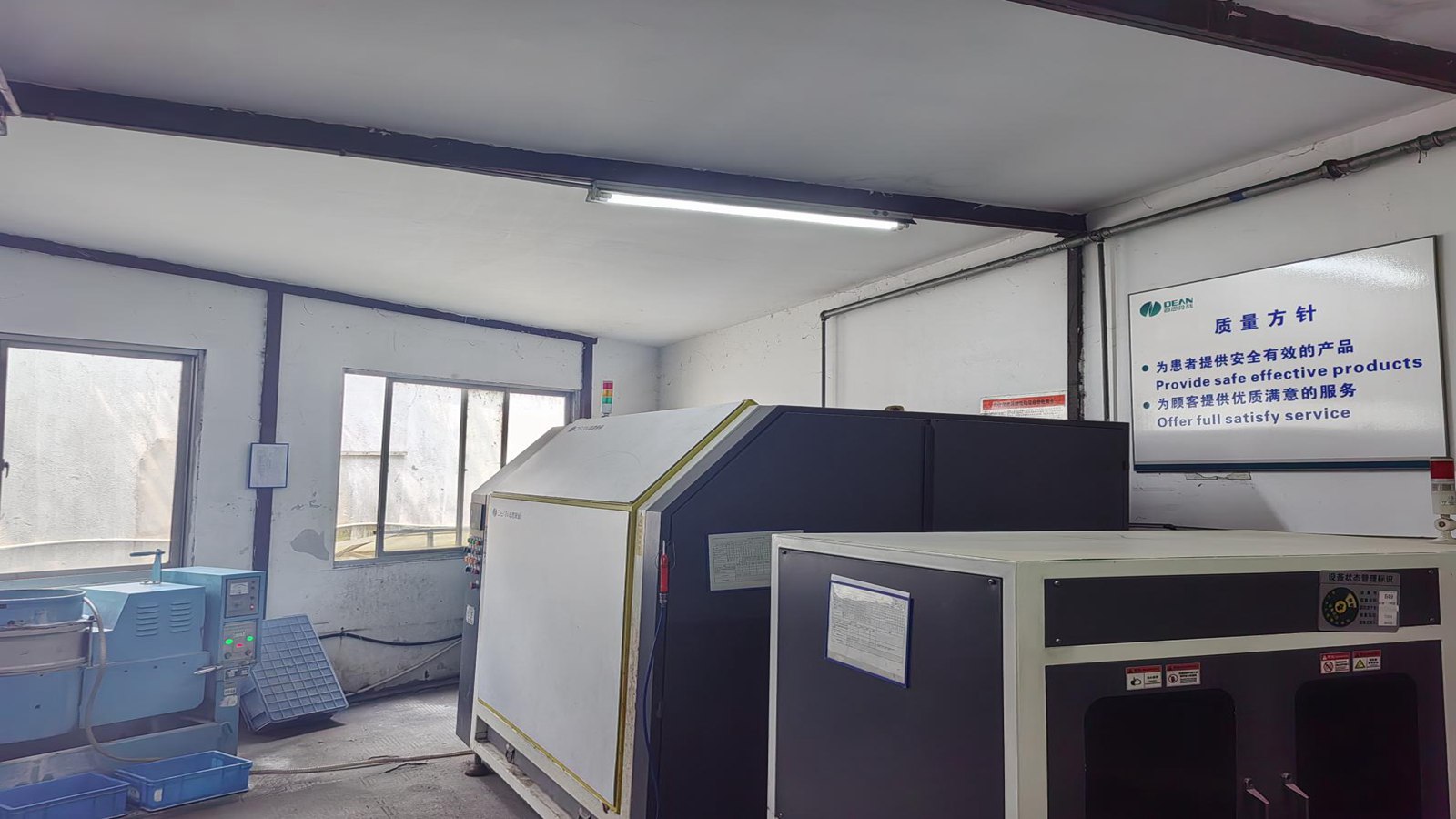
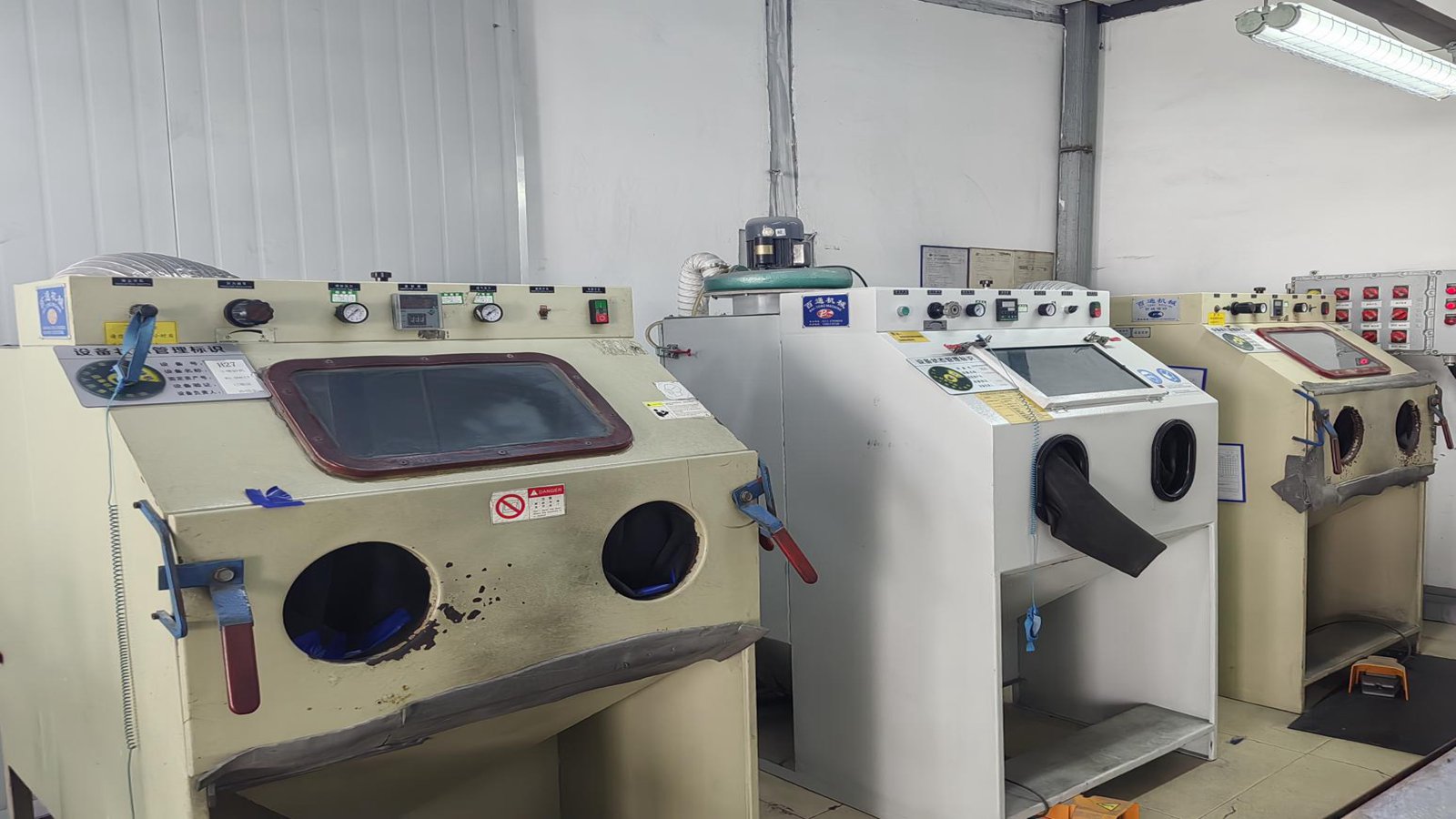
Sand Blasting and Grinding Room
Polishing Workshop
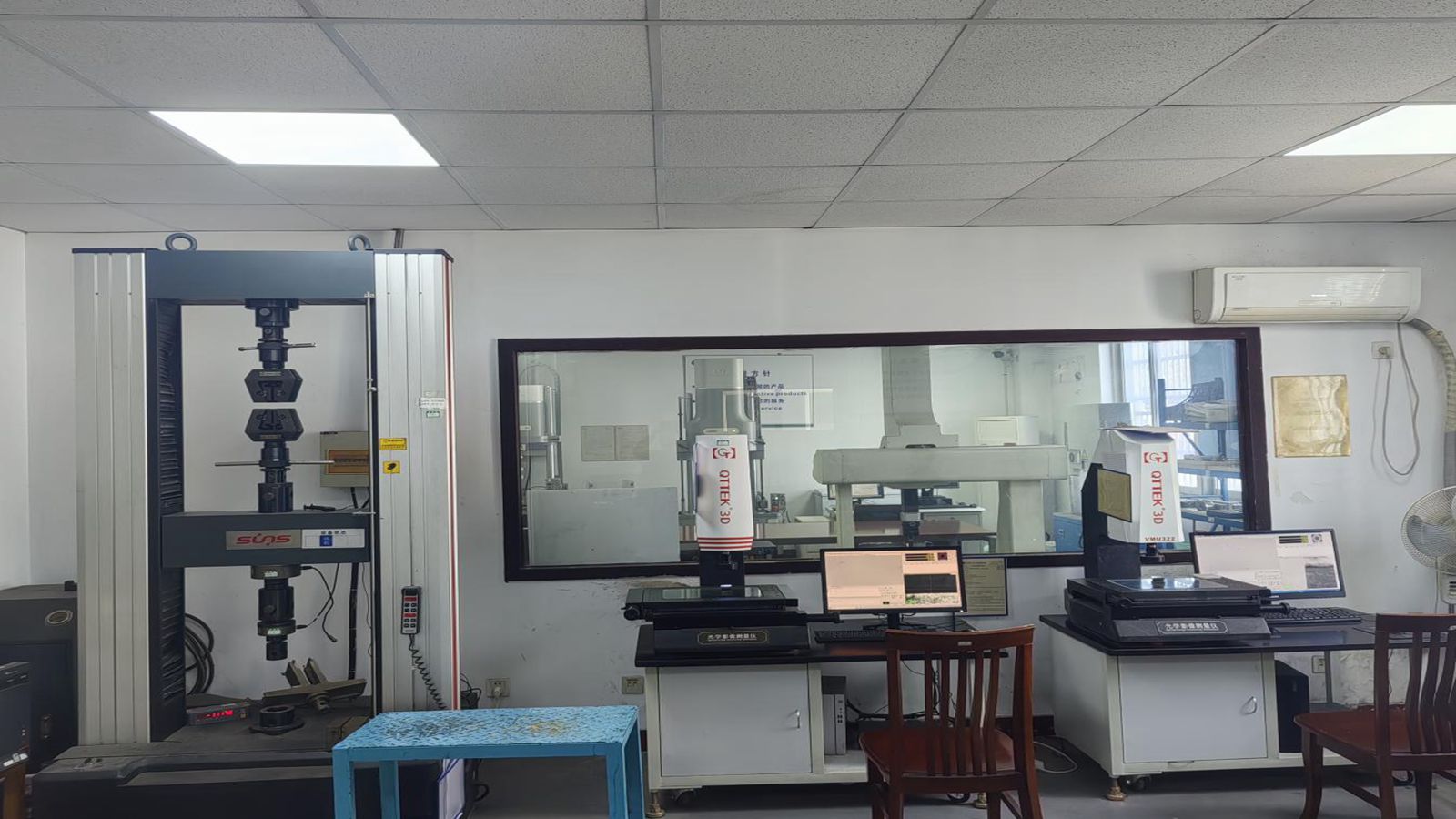
Laboratory
Patient demographics and clinical demands for joint reconstruction vary significantly by region. In Europe and North America, a significant portion of elbow replacements is driven by complications from rheumatoid arthritis, severe primary osteoarthritis, and acute comminuted distal humeral fractures in elderly patients with osteoporotic bone. For these demographics, implants must feature optimized stem geometry, cement spacers, and simplified instrumentation to minimize surgical time and blood loss.
Conversely, in regions with developing healthcare infrastructure, the primary clinical indications are often post-traumatic stiffness, nonunion of the humerus, or neglected complex fracture-dislocations resulting from high-energy occupational or traffic trauma. These patients are often younger and more physically active, demanding implants with high wear resistance and mechanical durability. To address these diverse clinical needs, Medispirex offers modular elbow arthroplasty configurations. Humeral and ulnar stems are available in multiple lengths and diameters, and articulating components are designed for easy conversion between linked and unlinked options, allowing surgeons to make intraoperative adjustments based on joint stability.
Implant failure in total elbow arthroplasty can lead to challenging revision surgeries. Therefore, Medispirex has established an exhaustive quality verification framework. Our quality assurance team consists of 45 dedicated QC professionals who monitor every phase of the manufacturing process—from raw material receipt to final packaging.
Our quality verification processes include:
All Class III devices produced by Medispirex undergo rigorous conformity assessment procedures. Our design dossiers contain extensive clinical data, biocompatibility reports (ISO 10993), and risk assessment files (ISO 14971). We maintain a close partnership with European Notified Bodies, ensuring our technical documentation is up to date and that our quality management system fully complies with the latest MDR requirements.
The articulating bearing components are machined from ultra-high-molecular-weight polyethylene (UHMWPE) or highly cross-linked polyethylene (HXPE). These materials are chosen for their excellent wear resistance and low coefficient of friction when articulating with Co-Cr-Mo components, which helps minimize the risk of osteolysis caused by wear debris.
Yes. Backed by our R&D team of 85 engineers, we offer comprehensive OEM/ODM services. This includes adjusting stem dimensions, designing custom surgical instruments (such as torque limiters and alignment guides), and providing private label manufacturing, allowing distributors to offer proprietary product lines under their own brand names.
Standard product configurations are typically dispatched within 30 to 45 days, depending on order volume. For custom ODM or private label orders requiring mechanical mold adjustments, the timeline ranges from 60 to 90 days, which includes prototype approval and mechanical validation phases.
Our sterile implants are packaged in cleanroom conditions using medical-grade Tyvek blister packs. The sterilization process—typically ethylene oxide (EO) or gamma irradiation—is validated to guarantee a Sterility Assurance Level (SAL) of 10^-6, in compliance with ISO 11137/ISO 11135 standards. Real-time shelf-life testing confirms packaging integrity for up to 5 years.