Medispirex
Medispirex
Medispirex
Premium class-III joint replacements engineered with HA coatings and cobalt-chromium alloys to match direct orthopedic demands in India.
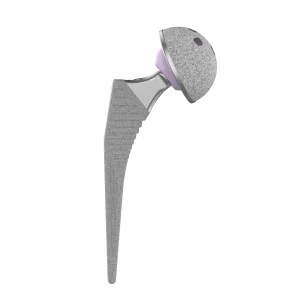
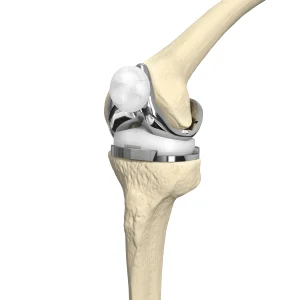
India is undergoing a profound demographic transition. With a population exceeding 1.4 billion, the incidence of degenerative joint diseases—specifically knee osteoarthritis and femoral head avascular necrosis (AVN)—is escalating at an unprecedented rate. According to clinical estimates, over 250,000 joint replacement surgeries are performed in India annually. This volume is projected to grow by 15% year-on-year, driven by increased life expectancy, the rise of lifestyle-related joint degradation, and expanding private medical insurance coverage under national initiatives like PM-JAY (Ayushman Bharat).
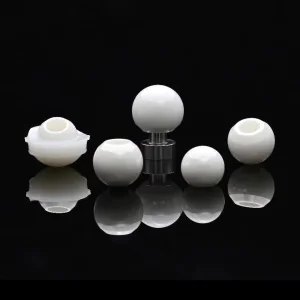
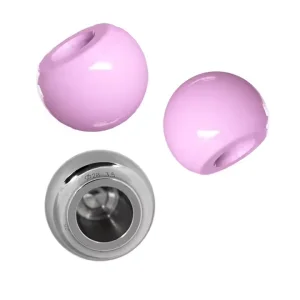
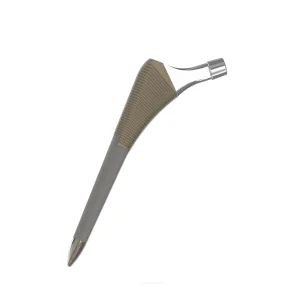
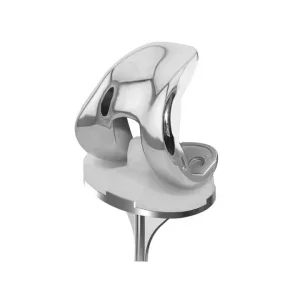
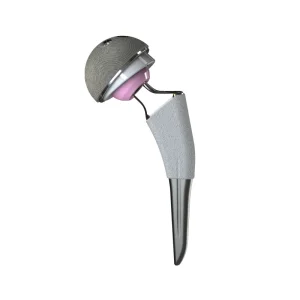
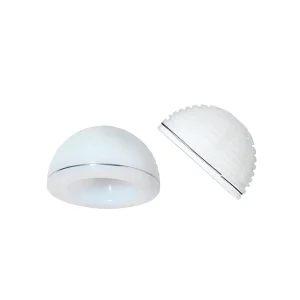
For major corporate hospital chains such as Apollo, Fortis, Max Healthcare, and Shalby Hospitals, maintaining clinical excellence while managing procurement costs is a primary challenge. There is a strong strategic shift toward sourcing high-performance, cost-effective orthopedic implants that comply with global regulatory frameworks. High-quality joint replacements featuring wear-resistant UHMWPE liners, plasma-sprayed titanium surfaces, and modular ceramic femoral heads are crucial to fulfilling this demand.
Dedicated compliance protocols mapping imported products directly to CDSCO, MD-15, and local State Licensing Authorities (SLA).
The Indian regulatory landscape for medical devices is governed by the Central Drugs Standard Control Organisation (CDSCO) under the Ministry of Health and Family Welfare. In alignment with the Medical Devices Rules (MDR) 2017, joint reconstruction implants such as THR and TKR systems are categorized as Class C (medium-high risk) and Class D (high risk) medical devices. Selling these implants in India requires a valid Import License (Form MD-15) obtained through a registered Authorized Indian Agent (AIA).
To support local distributors and hospital purchasing boards, our product lines maintain rigorous technical dossiers. This includes comprehensive biocompatibility testing (ISO 10993 series), chemical composition analysis of implants (ASTM F136 titanium and ASTM F75 Cobalt-Chromium-Molybdenum), and mechanical wear testing (ISO 14242 for hip stems, ISO 14879 for knee components). Our QA teams assist in the step-by-step submission of device master files (DMF) to CDSCO portal, facilitating faster approvals and seamless customs clearance at ports like Mumbai, Chennai, and Delhi.
Combining the clinical precision of China's advanced medical manufacturing infrastructure with the growing healthcare needs of India.
China’s orthopedic manufacturing industry has evolved into a global powerhouse, characterized by massive vertical integration, state-of-the-art multi-axis CNC milling centers, and advanced surface coating capabilities. This structural efficiency offers significant cost and scale benefits for Indian distributors. Rather than paying premium rates for Western implants, sourcing from a dedicated manufacturer like Medispirex allows Indian providers to purchase CE-certified implants at a more sustainable cost structure.
Established in 2016, Medispirex integrates cutting-edge R&D and manufacturing processes. Our supply chain comprises over 860 partners, ensuring access to raw materials and prompt manufacturing lead times. With an export revenue of USD 18 million and 12 years of industry expertise, we design implants that meet strict clinical standards. This enables orthopedic surgeons across India to deliver excellent patient outcomes without compromising the hospital’s financial sustainability.
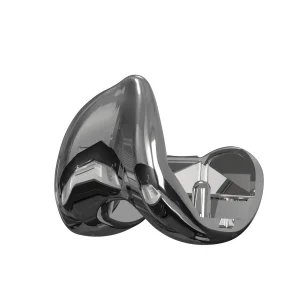
Orthopedic reconstruction demands localized solutions. Indian hospitals often require custom implant sizes, modified surgical instruments, or tailored private label (OEM/ODM) packaging to comply with tender specifications. Medispirex supports this through flexible production systems. We work closely with medical distributors, private hospital networks, and OEM brand owners to customize femoral stem geometries, knee femoral component radii, and bone cement injection accessories.
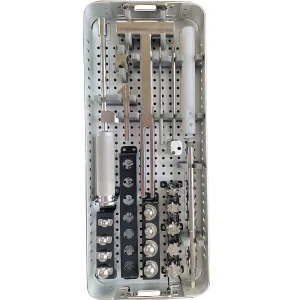
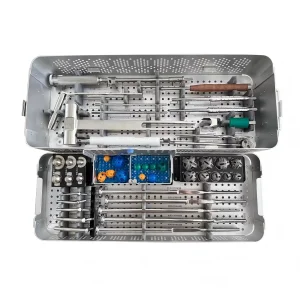
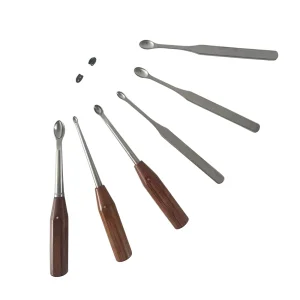
Our specialized R&D team consists of approximately 85 engineers who handle mechanical CAD/CAM designs, biomechanical simulation testing, and packaging configurations. In 2023 alone, we introduced 120 new products to address evolving clinical needs. This capacity allows us to offer custom-manufactured surgical instrument kits (such as PGR system instrument sets and acetabular reamers) configured to the exact preferences of surgical groups in India, simplifying clinical integration.
Keeping Indian orthopedic networks ahead of the curve with cutting-edge biomaterials and manufacturing advancements.
Utilizing additive manufacturing to generate trabecular-like porous structures, promoting rapid and permanent osseointegration for cementless implants.
Deploying Highly Cross-Linked Polyethylene (XLPE) blended with Vitamin E antioxidant protection to prevent oxidation, reduce wear rates, and extend implant lifespan.
Designing implants with precise visual and mechanical markers to support robotic-assisted arthroplasty platforms, which are seeing rapid adoption in major Indian hospital networks.
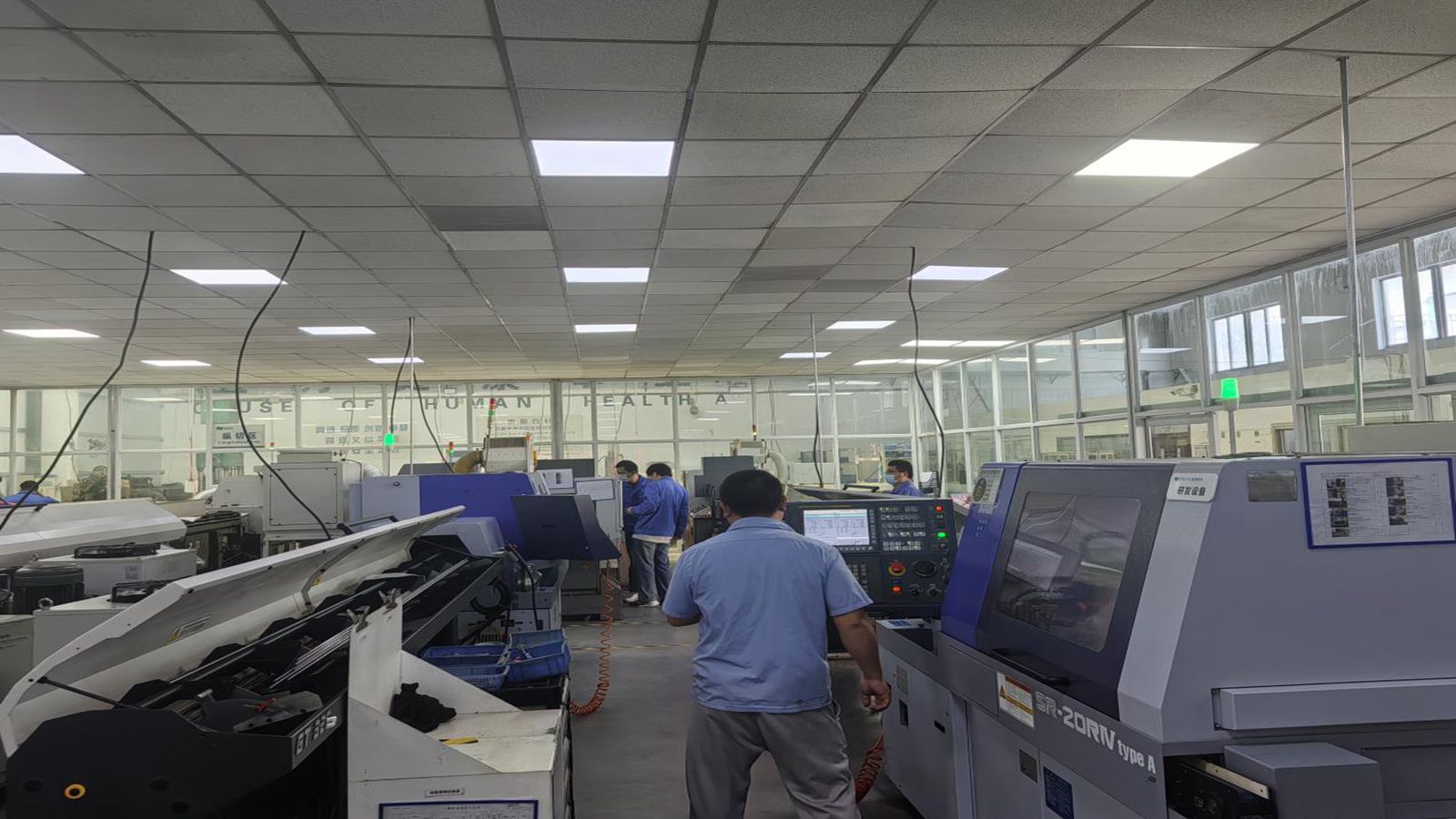
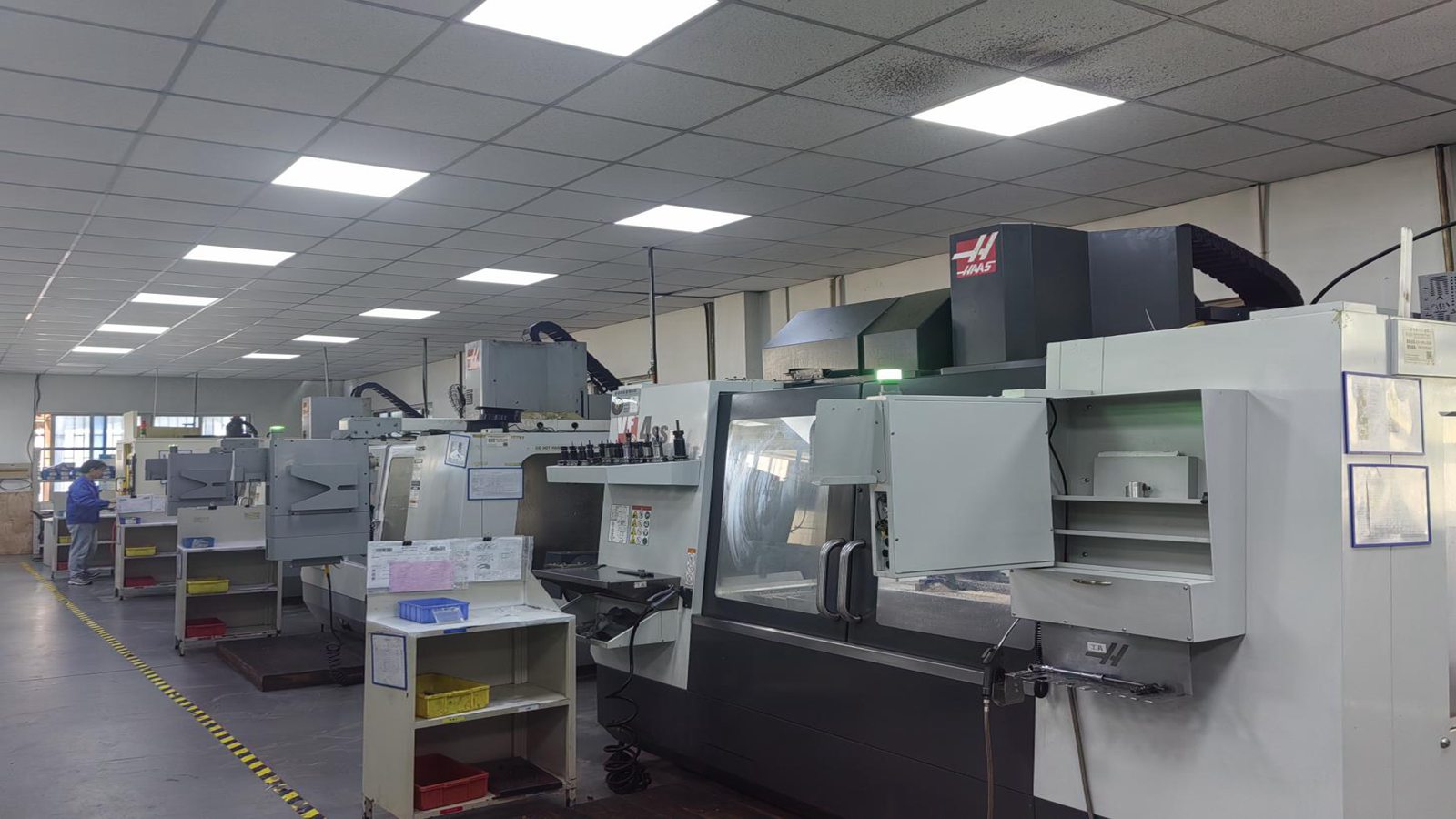
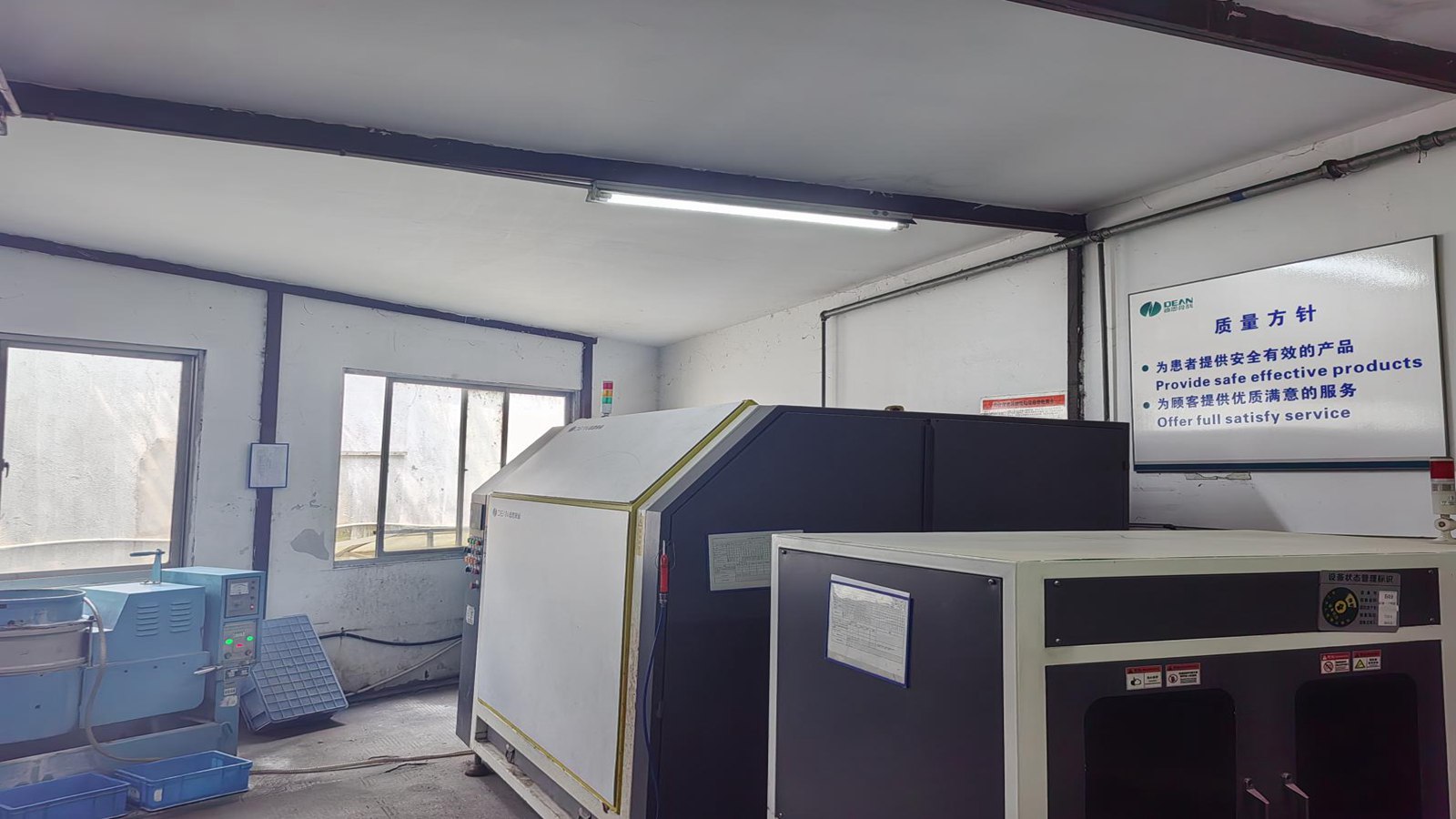
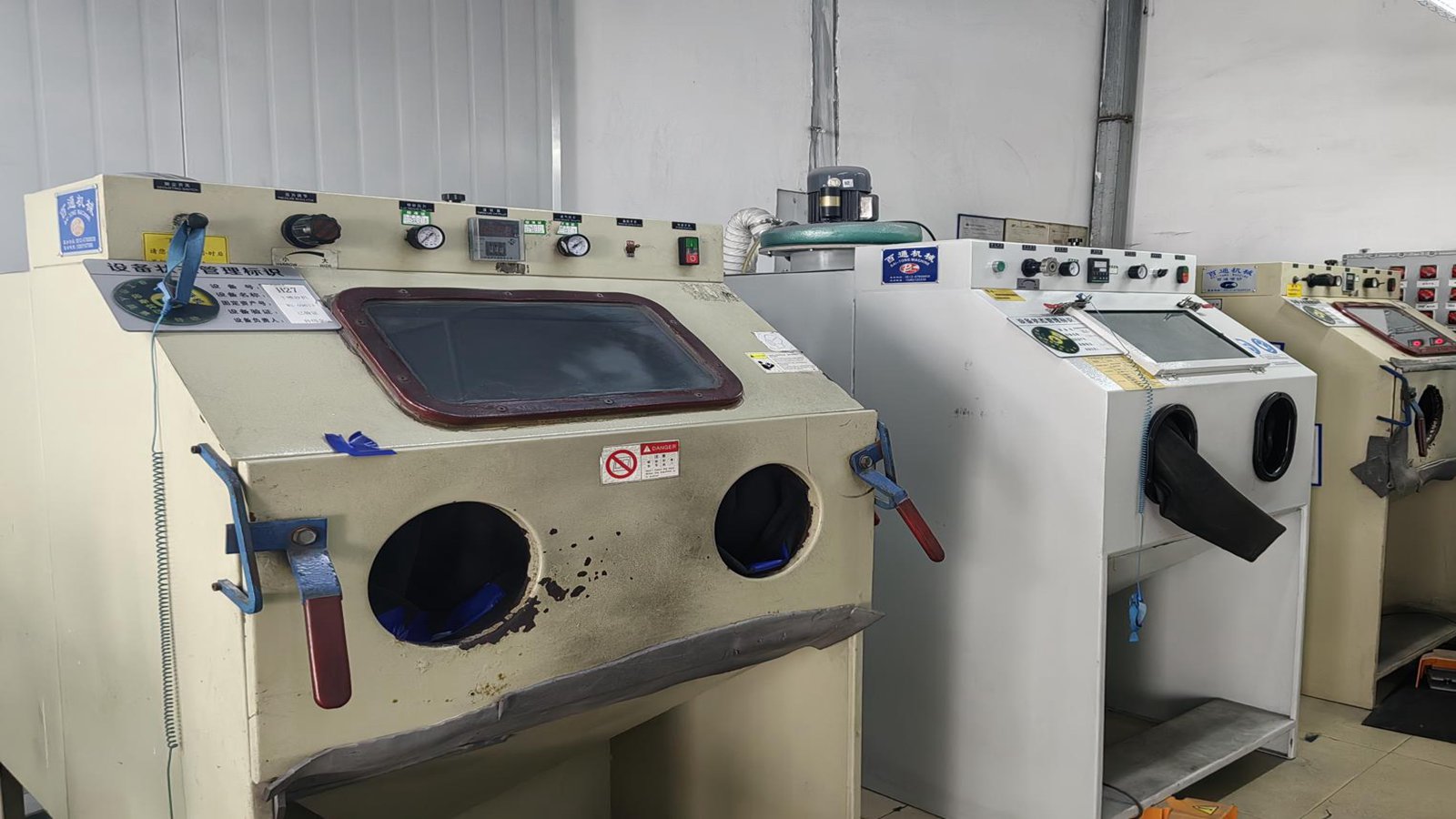
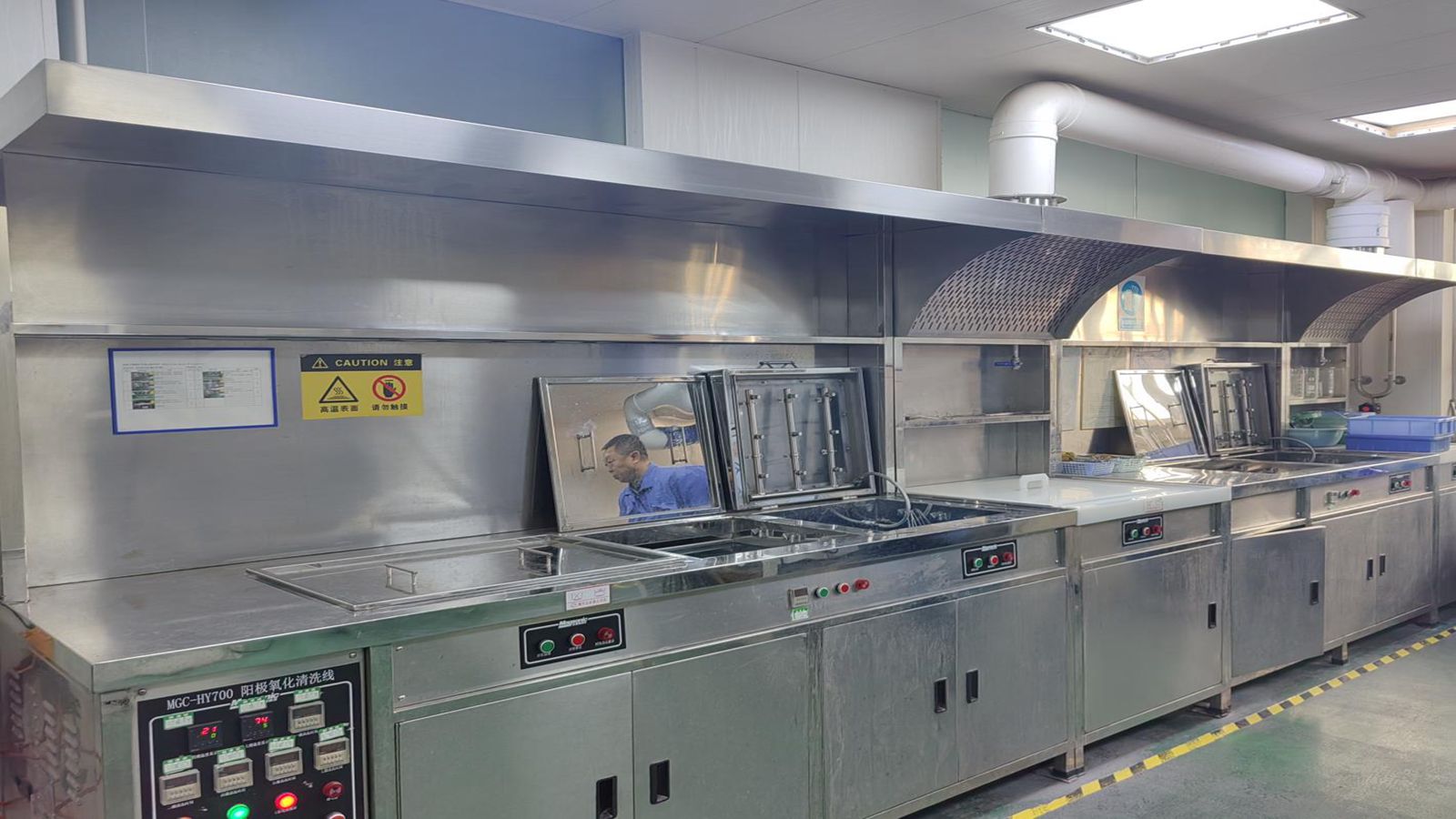
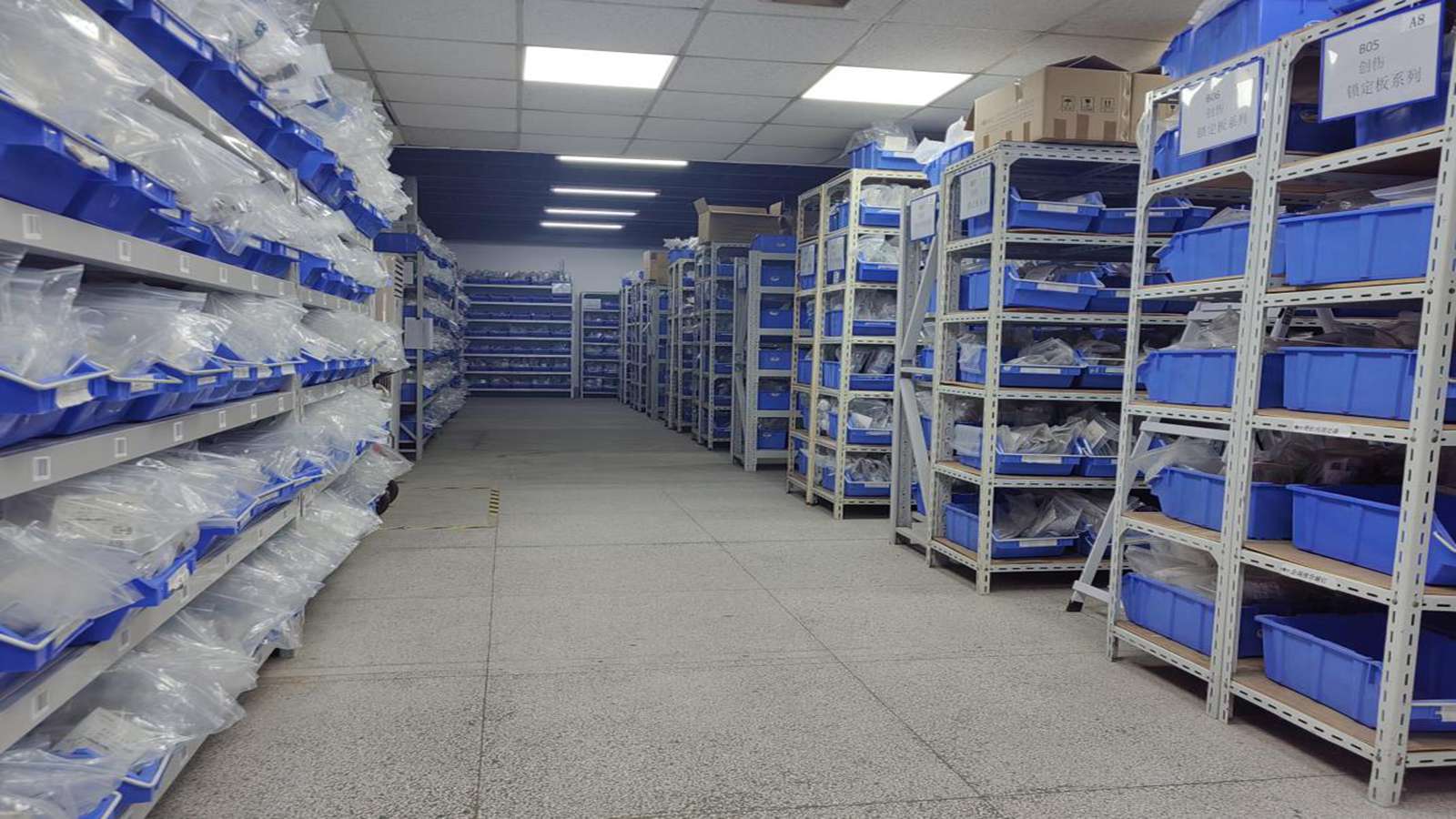
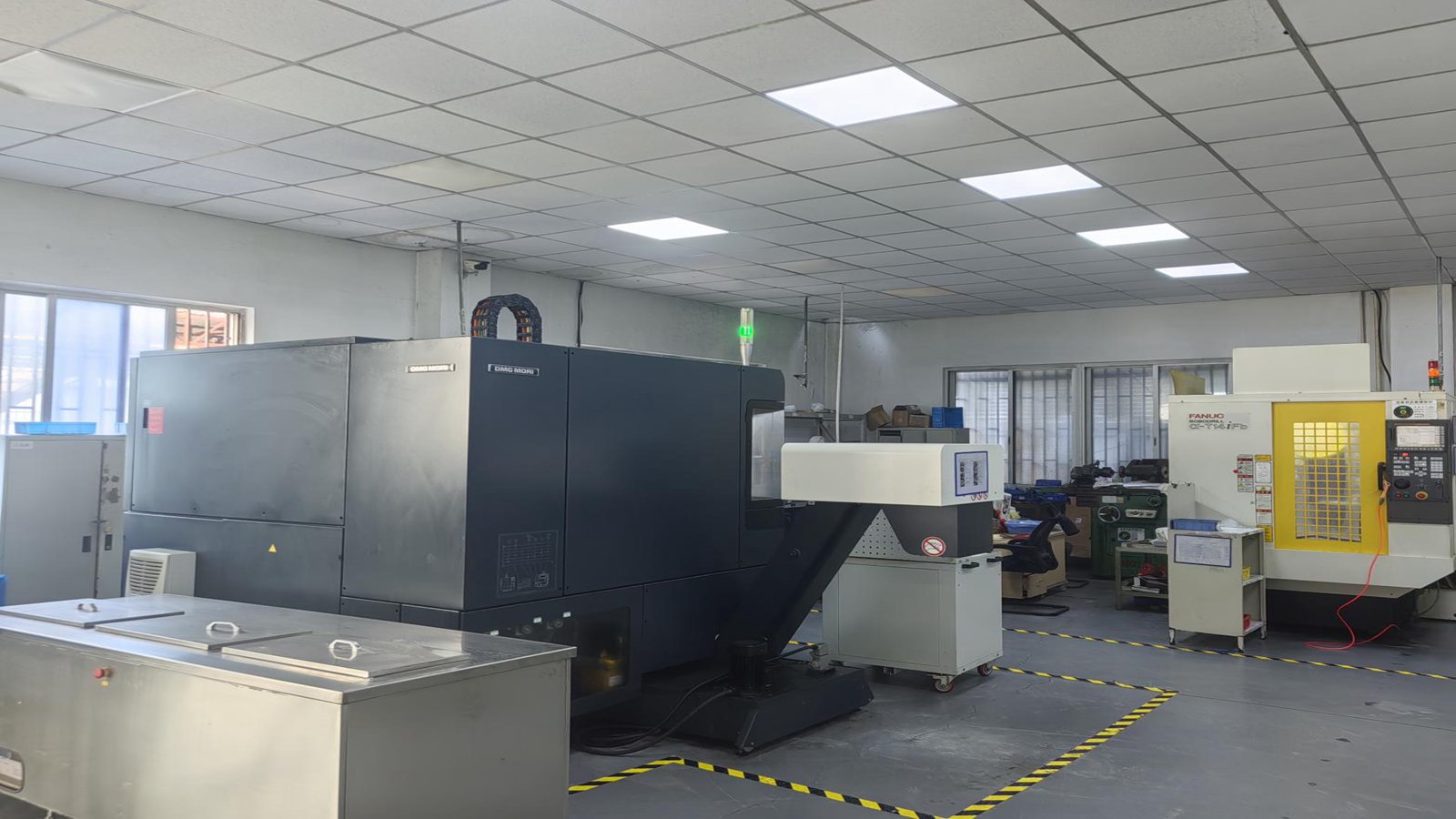
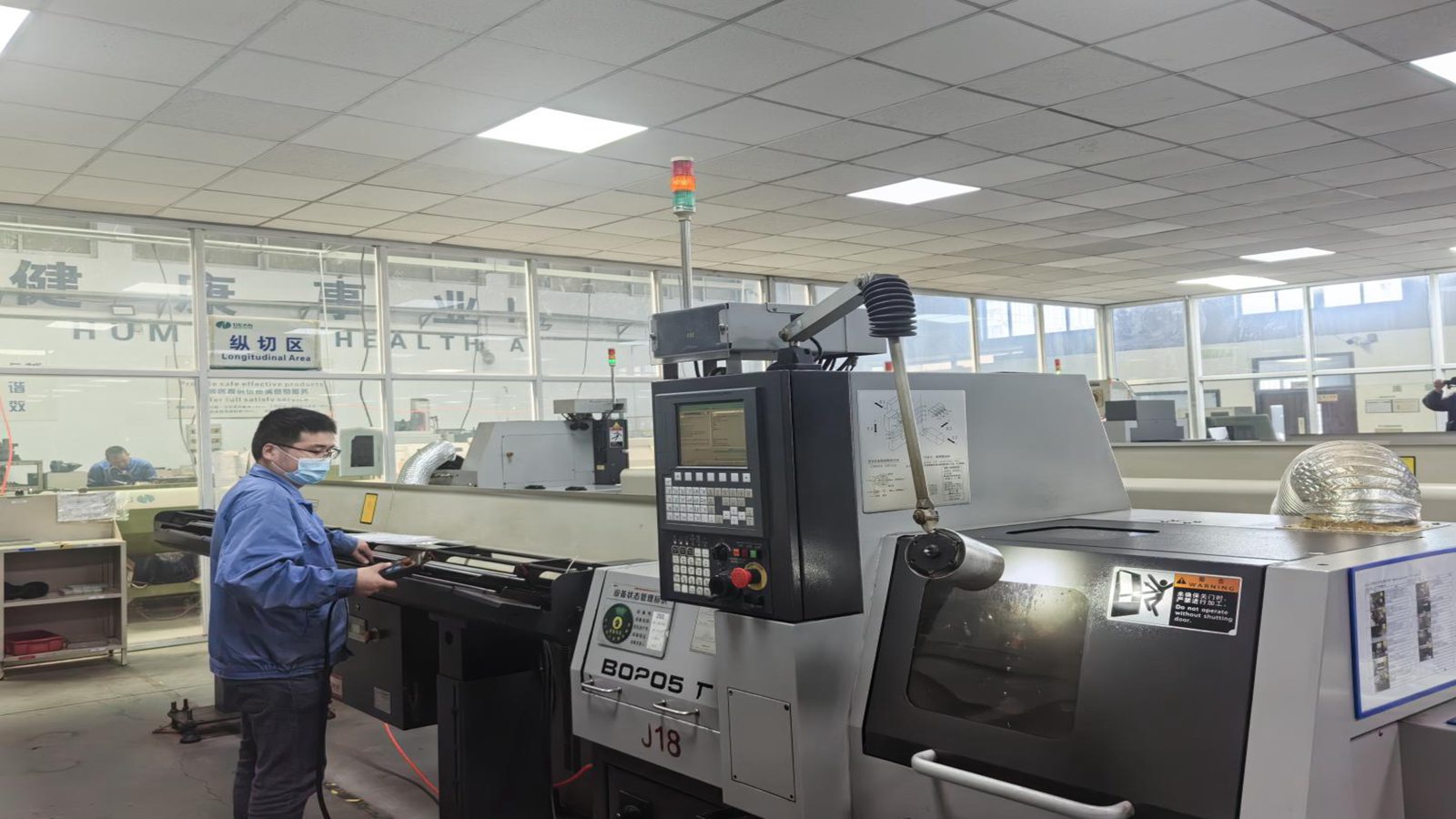
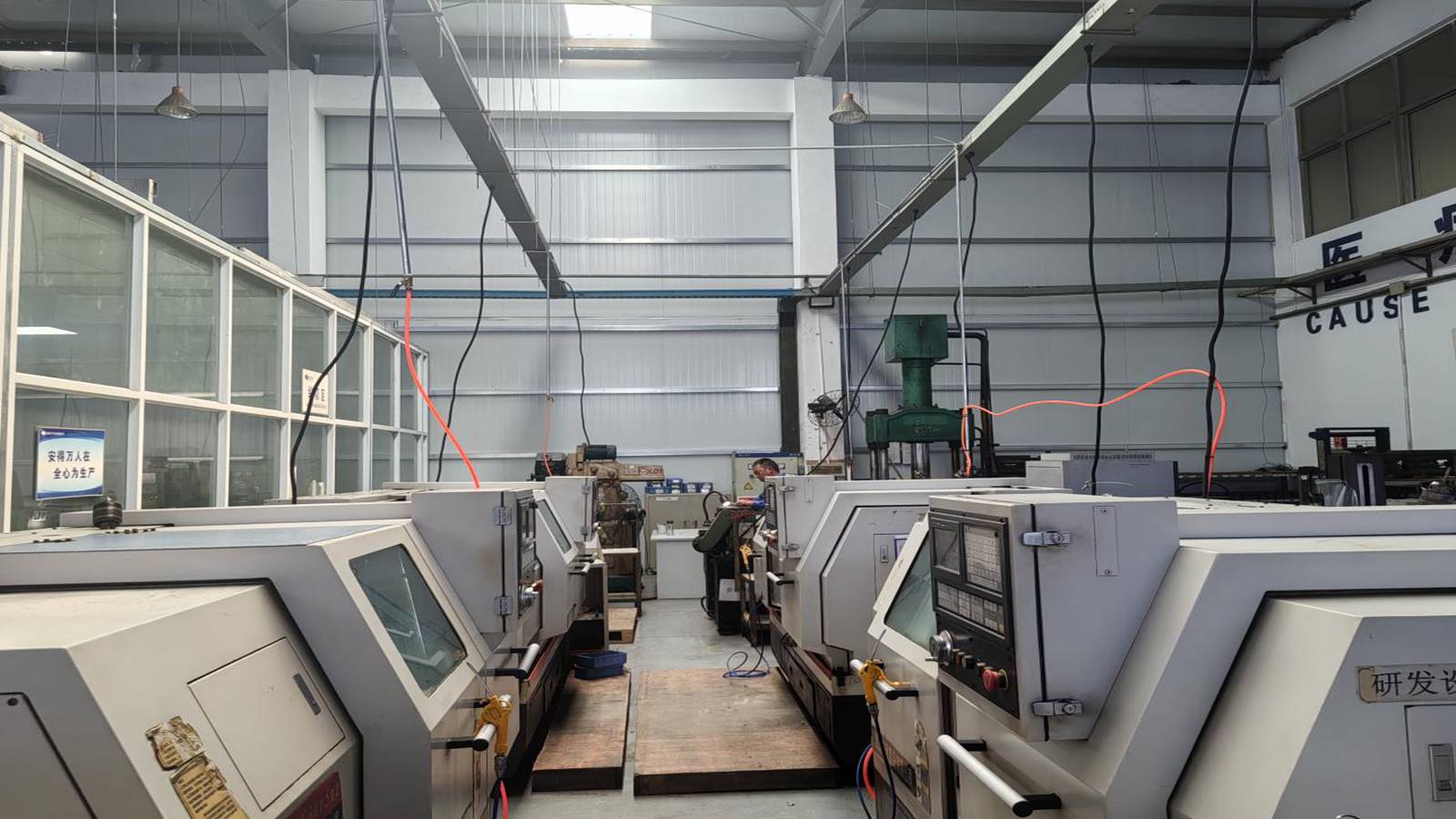
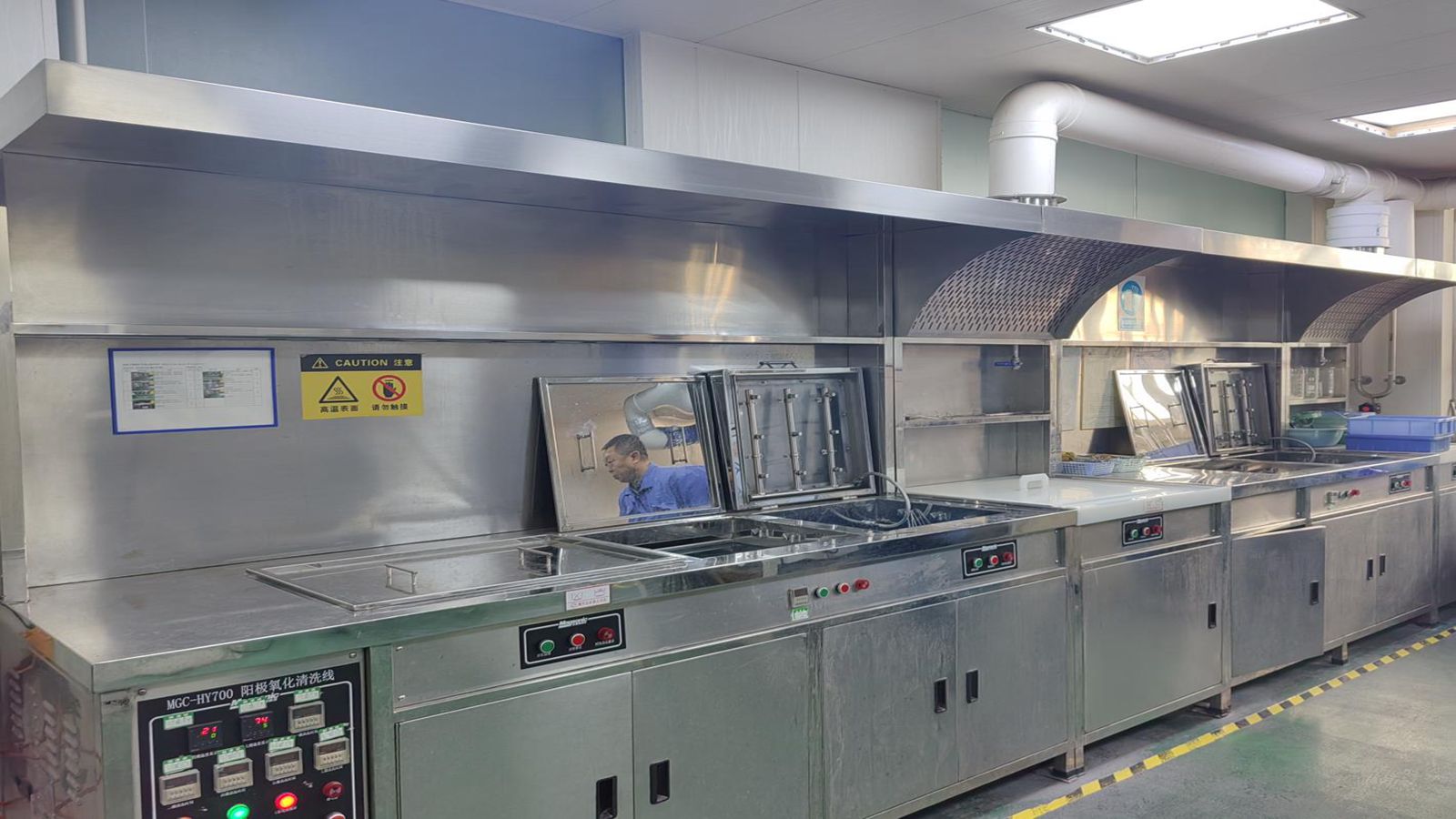
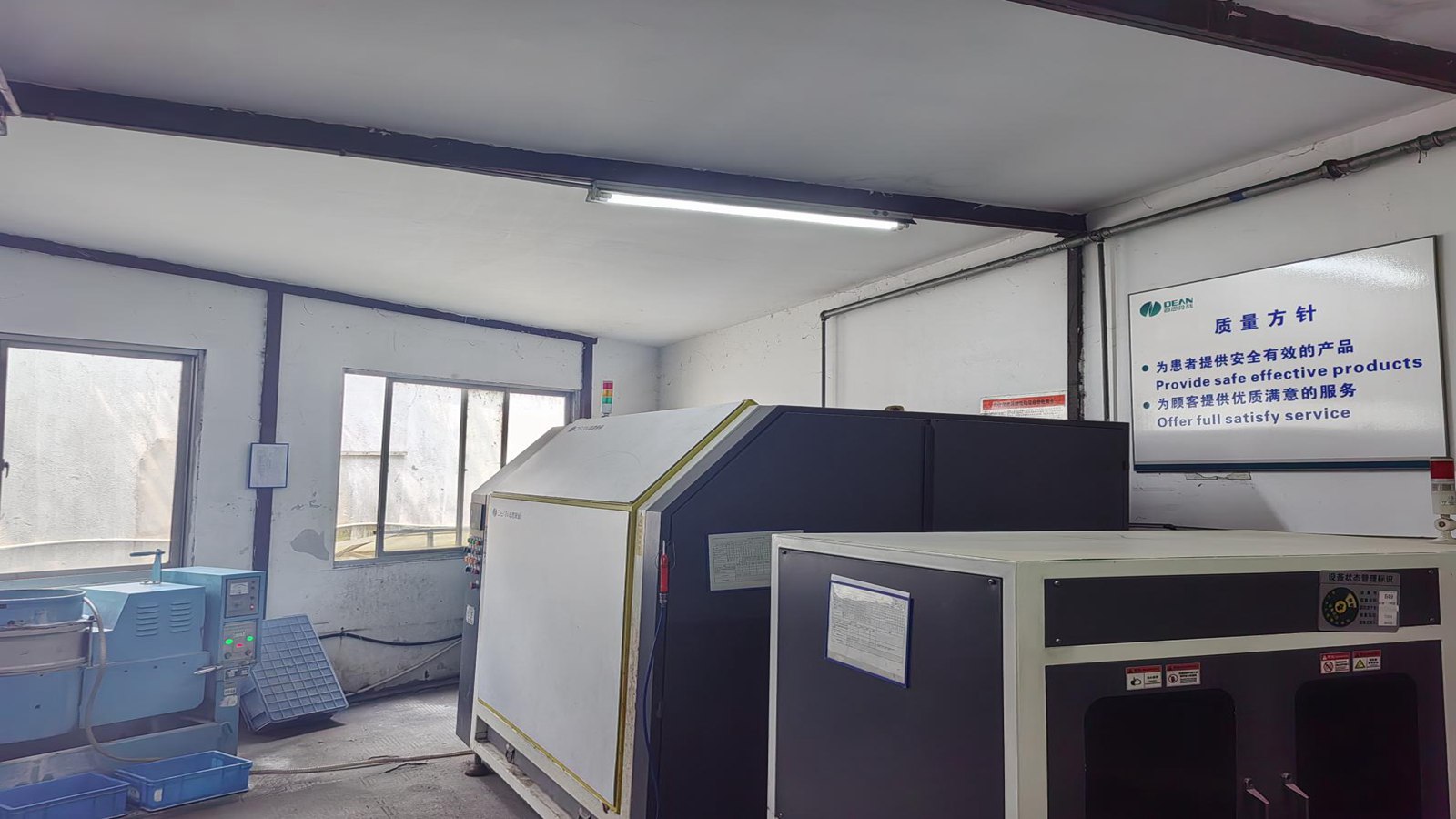
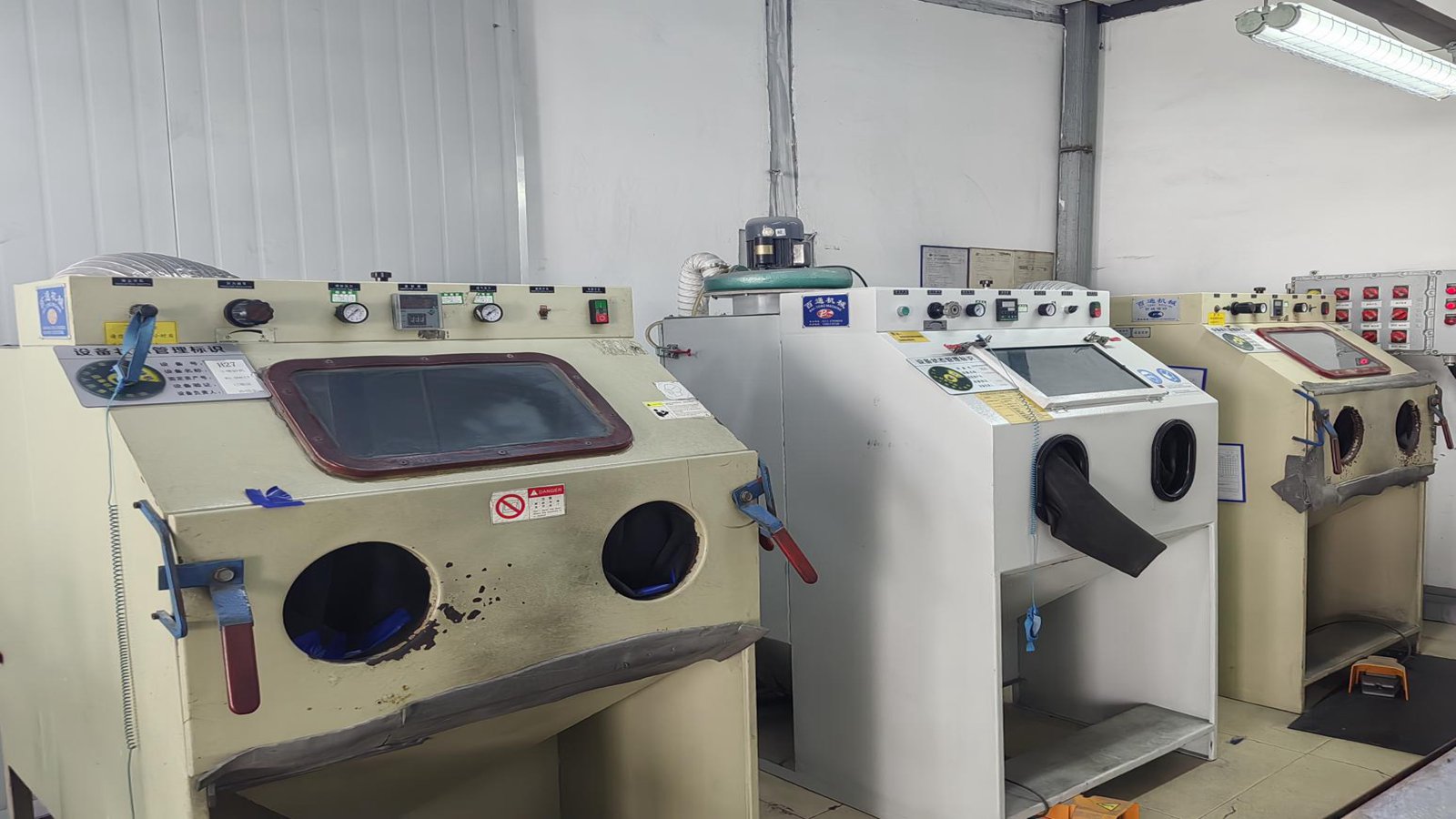
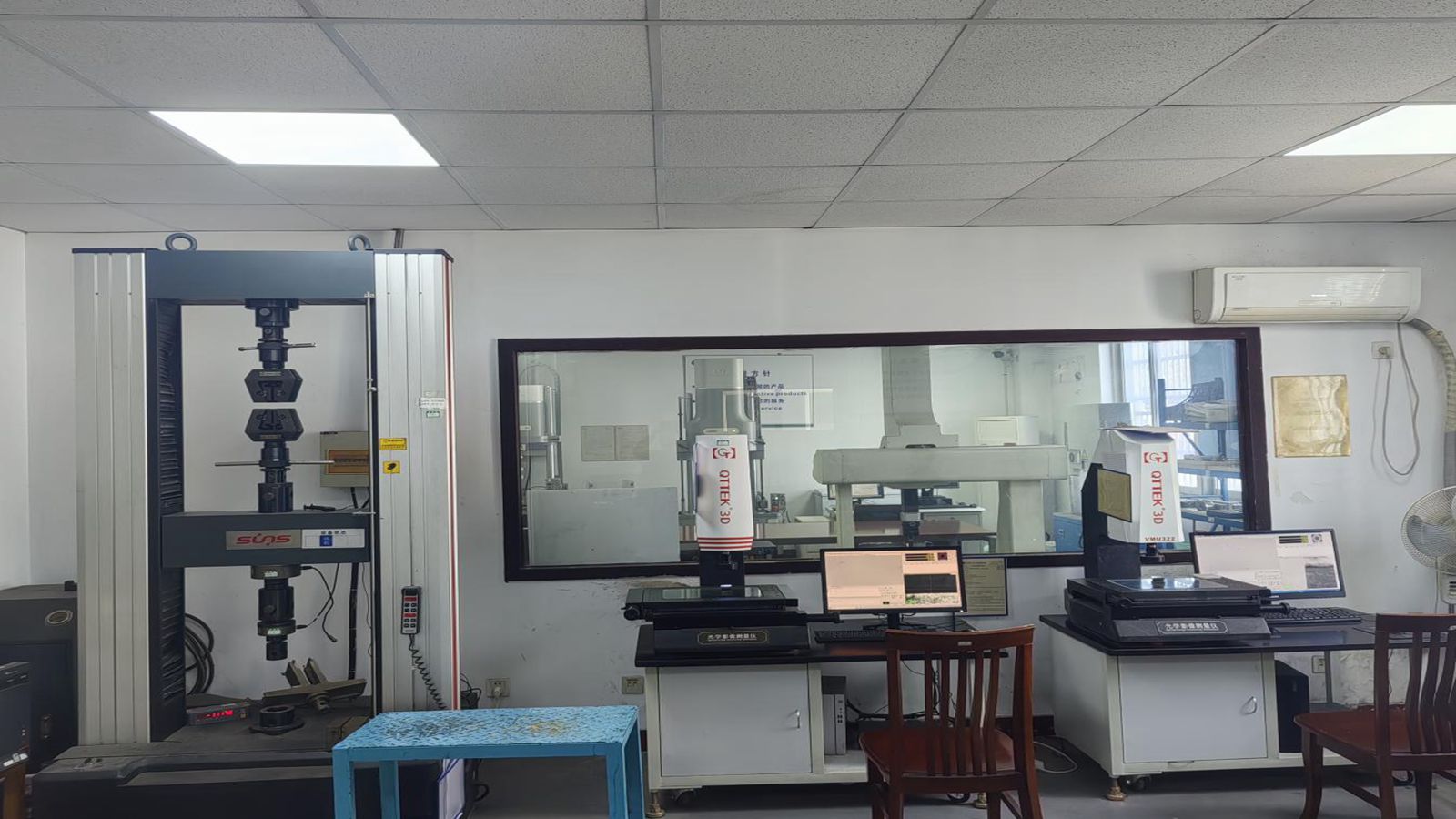
Inside Medispirex's advanced manufacturing workshops. We combine computerized precision with systematic laboratory verification to deliver orthopedic reliability.
Get immediate technical clarity regarding regulatory support, materials chemistry, shipping logistics, and manufacturing processes.
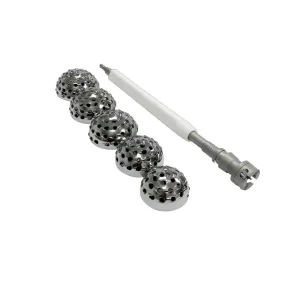
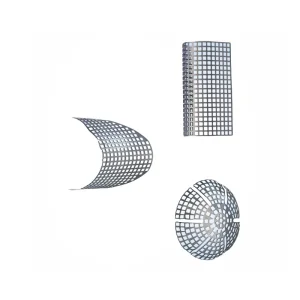
Explore our wider range of orthopedic instruments, ceramic components, mesh plates, and veterinary-specific joint replacements.