Medispirex
Medispirex
Medispirex
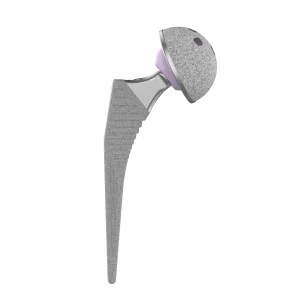
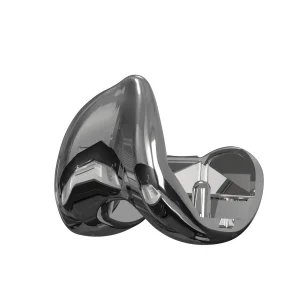
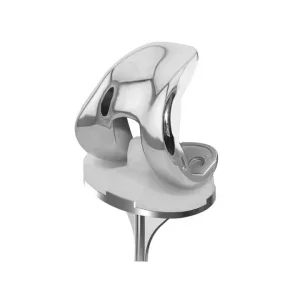
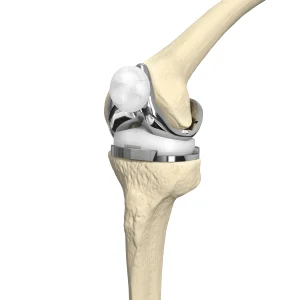
Kiribati, a sovereign Pacific island nation located in Micronesia, faces unique challenges in healthcare delivery due to its vast geographical dispersion across 33 low-lying coral atolls. The management of severe osteoarthritis, traumatic joint damage, and degenerative skeletal conditions is deeply constrained by local infrastructure limitations. While primary care is managed on regional atolls, advanced orthopedic procedures, specifically Total Hip Replacement (THR) and Total Knee Replacement (TKR), are heavily concentrated at Tungaru Central Hospital (TCH) in Tarawa.
Due to the lack of resident reconstructive surgeons, orthopedic care in Kiribati is typically augmented by visiting specialized international surgical teams (NGO-supported and bilateral aid initiatives from Australia, New Zealand, and Taiwan). This seasonal setup means that any prosthetic implant system imported into the Kiribati market must feature absolute mechanical reliability, extreme sterile packing shelf-life, and comprehensive, highly intuitive instrument sets that reduce operation room times.
Medispirex Orthopedic Technology Co., Ltd. is positioned as a strategic supplier to the Kiribati Ministry of Health and Medical Services (MHMS), providing Class III joint replacement implants that are engineered to survive highly corrosive tropical maritime climates and deliver optimal clinical outcomes under remote surgical circumstances.
Implant logistics in the Central Pacific are subject to long transit times via sea and air cargo, routing through major transport hubs like Nadi (Fiji) or Brisbane (Australia). Implants stored in medical warehouses in South Tarawa must withstand high humidity and ambient salinity.
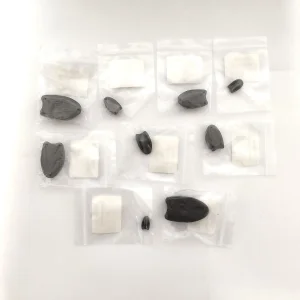
Medispirex utilizes industry-grade, double-barrier sterile packaging (medical paper-plastic bags and protective blister trays conforming to ISO 11607 standards) which ensures a guaranteed sterile shelf-life of 5 years. By utilizing advanced metallurgy, including high-purity Titanium (Ti HA coated) and Cobalt-Chromium-Molybdenum (CoCrMo) alloys, our implants are inherently resistant to ambient corrosion, safeguarding product integrity from our ISO cleanrooms to the surgical theater in Tarawa.
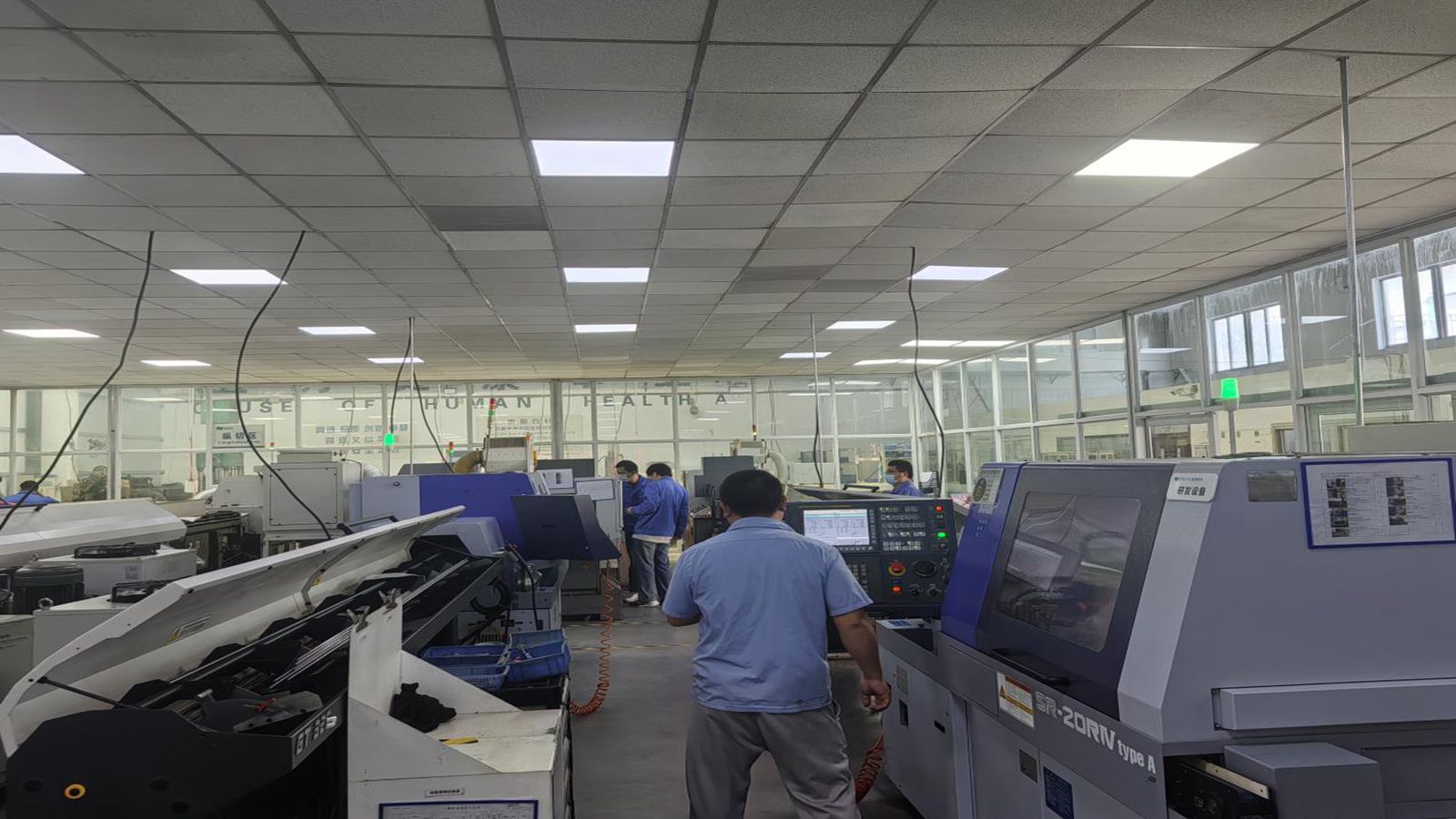
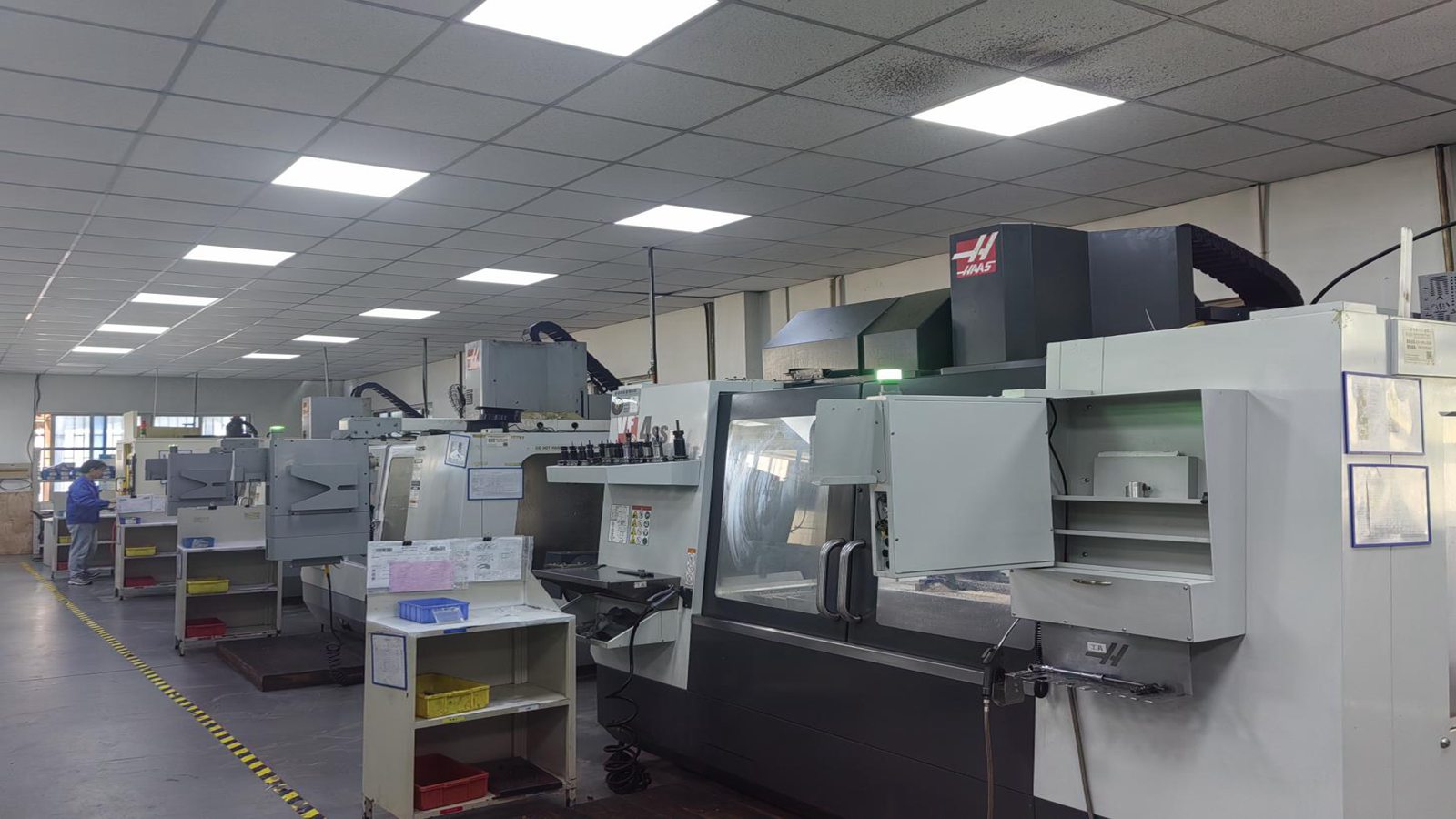
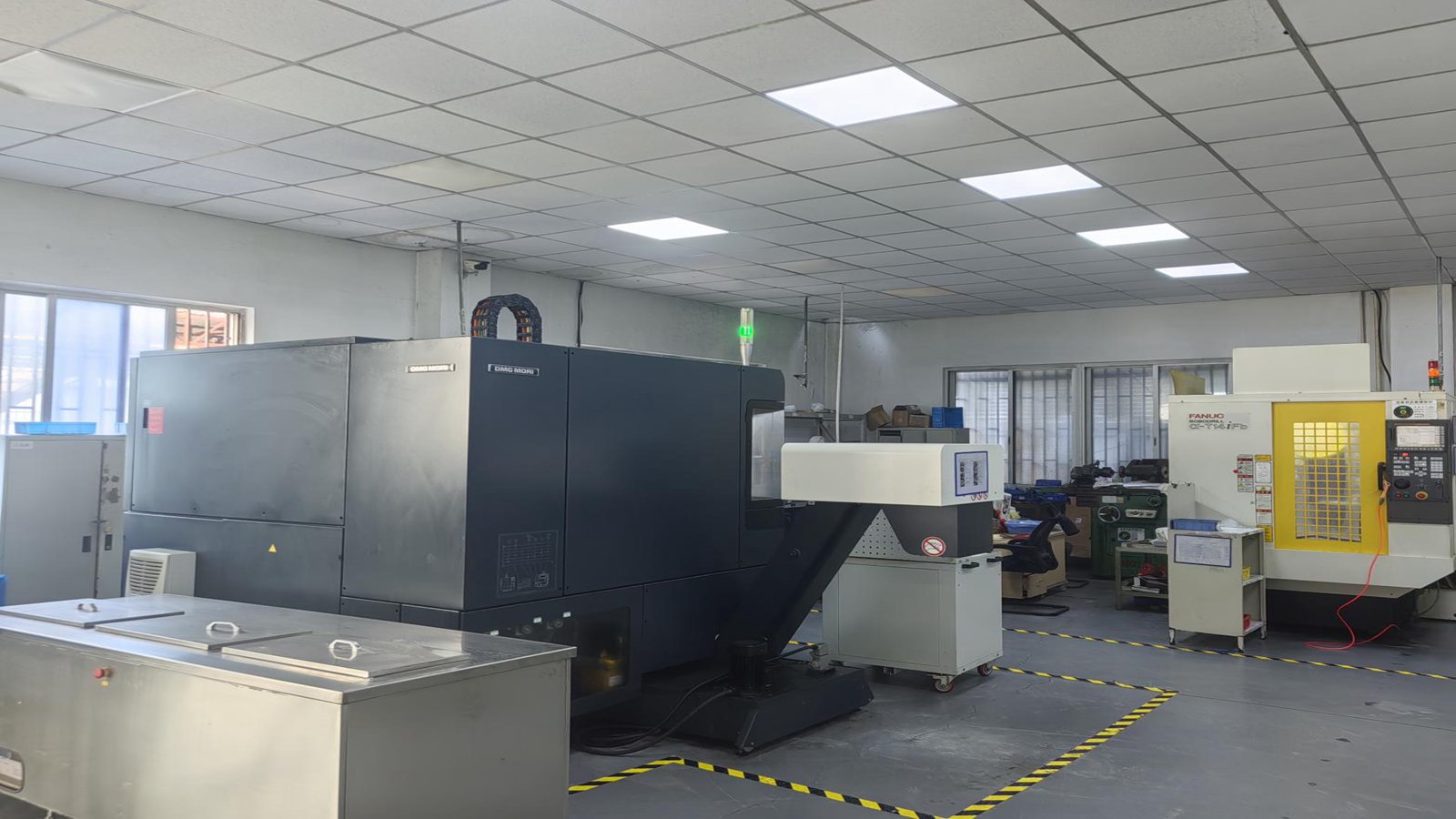
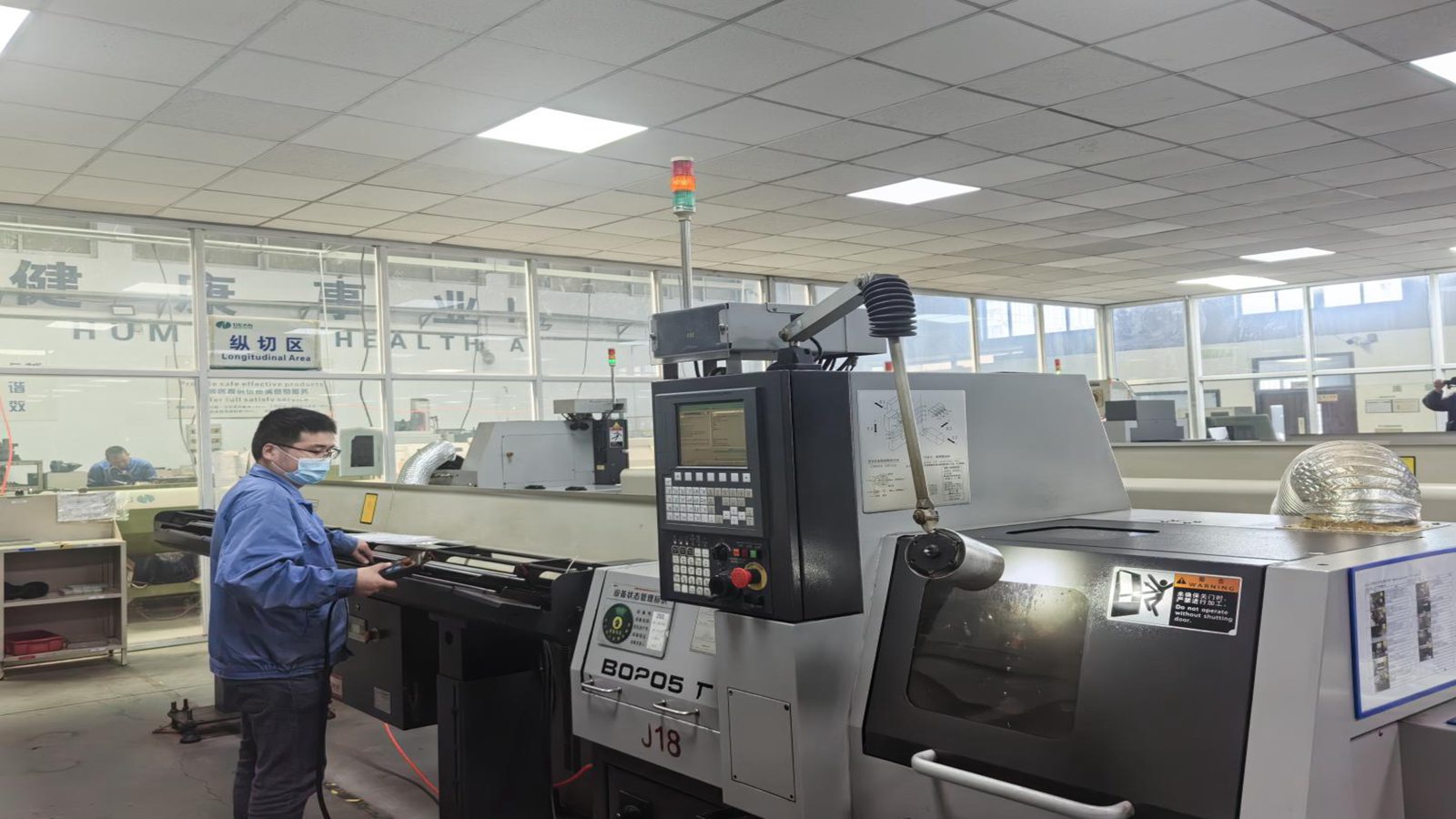
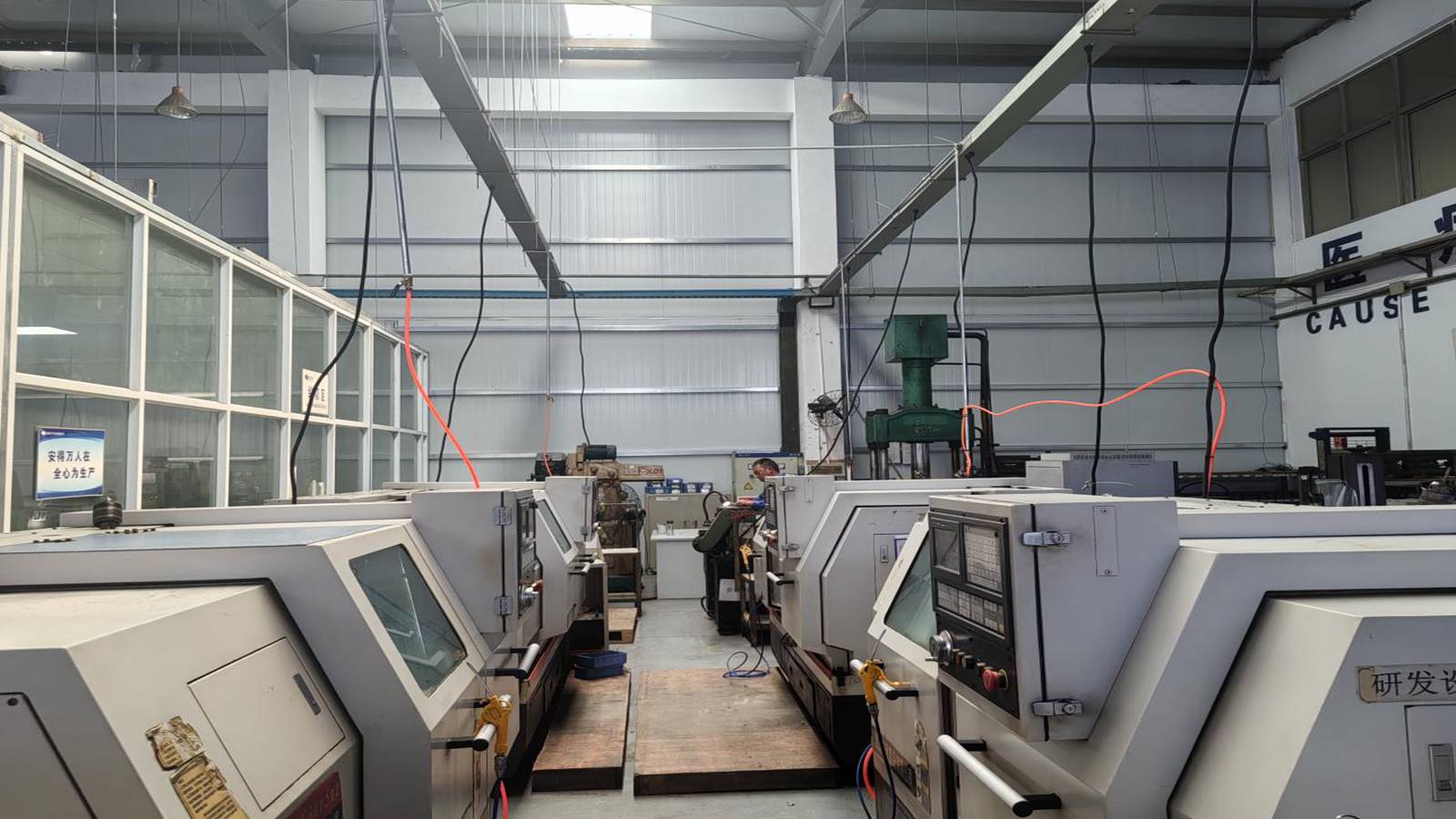
Founded in 2016, Medispirex Orthopedic Technology Co., Ltd. has established a globally recognized orthopedic manufacturing center. Our state-of-the-art production lines feature high-precision multiaxis CNC cutting and machining centers that guarantee micrometer-level conformity to international ASTM and ISO standards for human implants.
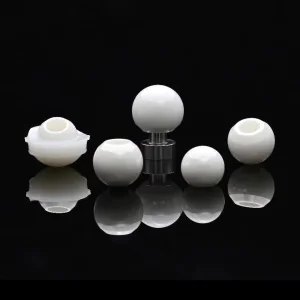
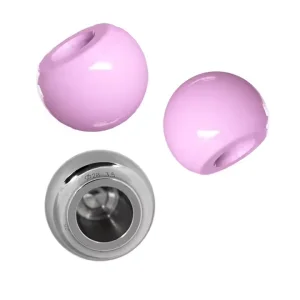
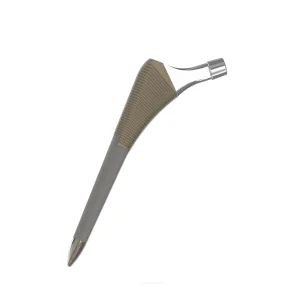
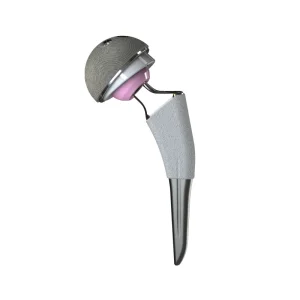
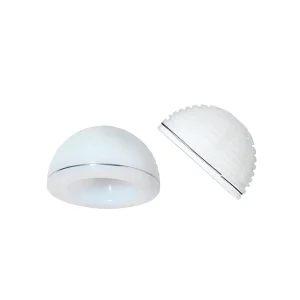
Our dedicated team of 85 R&D engineers designs implants with biomechanics at the forefront. The primary femoral titanium stem features a Hydroxyapatite (HA) coating that mimics human bone mineral chemistry, promoting rapid osseointegration and lowering the rate of aseptic loosening. For articulating surfaces, our ultra-high-molecular-weight polyethylene (UHMWPE) components offer exceptional wear resistance, minimizing debris-induced osteolysis—a critical requirement for preventing revision surgeries in regions like Kiribati where secondary procedures are difficult to organize.
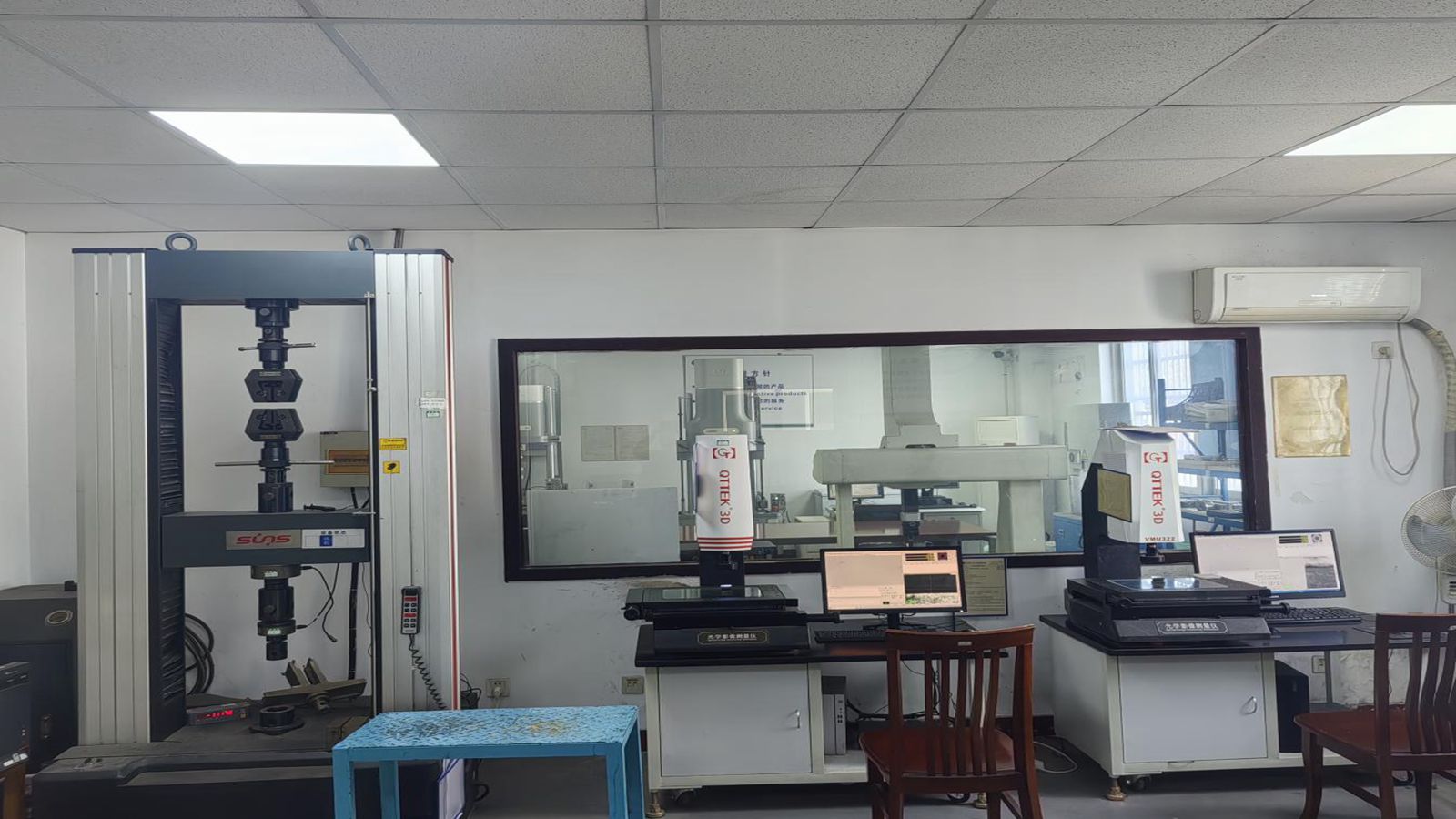
Every step of production, from raw titanium alloy rod cutting to final packaging, is subject to rigorous testing by our 45 QC professionals. This includes material composition verification via chemical spectrum analysis, dimensional inspection using coordinate measuring machines (CMM), and mechanical fatigue testing under severe load simulation pathways.
In the procurement of medical devices, Pacific Island nations must balance stringent quality requirements with real-world fiscal limits. Medispirex addresses this through China's unmatched medical manufacturing supply chain. We maintain stable partnerships with over 860 upstream and downstream suppliers, securing raw materials of the highest grade at highly competitive costs.
Our efficiency in manufacturing, combined with large-scale production volume, enables us to pass substantial cost savings directly to health ministries, NGOs, and medical procurement offices. By working with Medispirex, healthcare programs targeting Kiribati and neighboring Pacific islands can optimize their budgets, enabling a larger volume of life-changing joint replacements to be performed within their allocated funds.
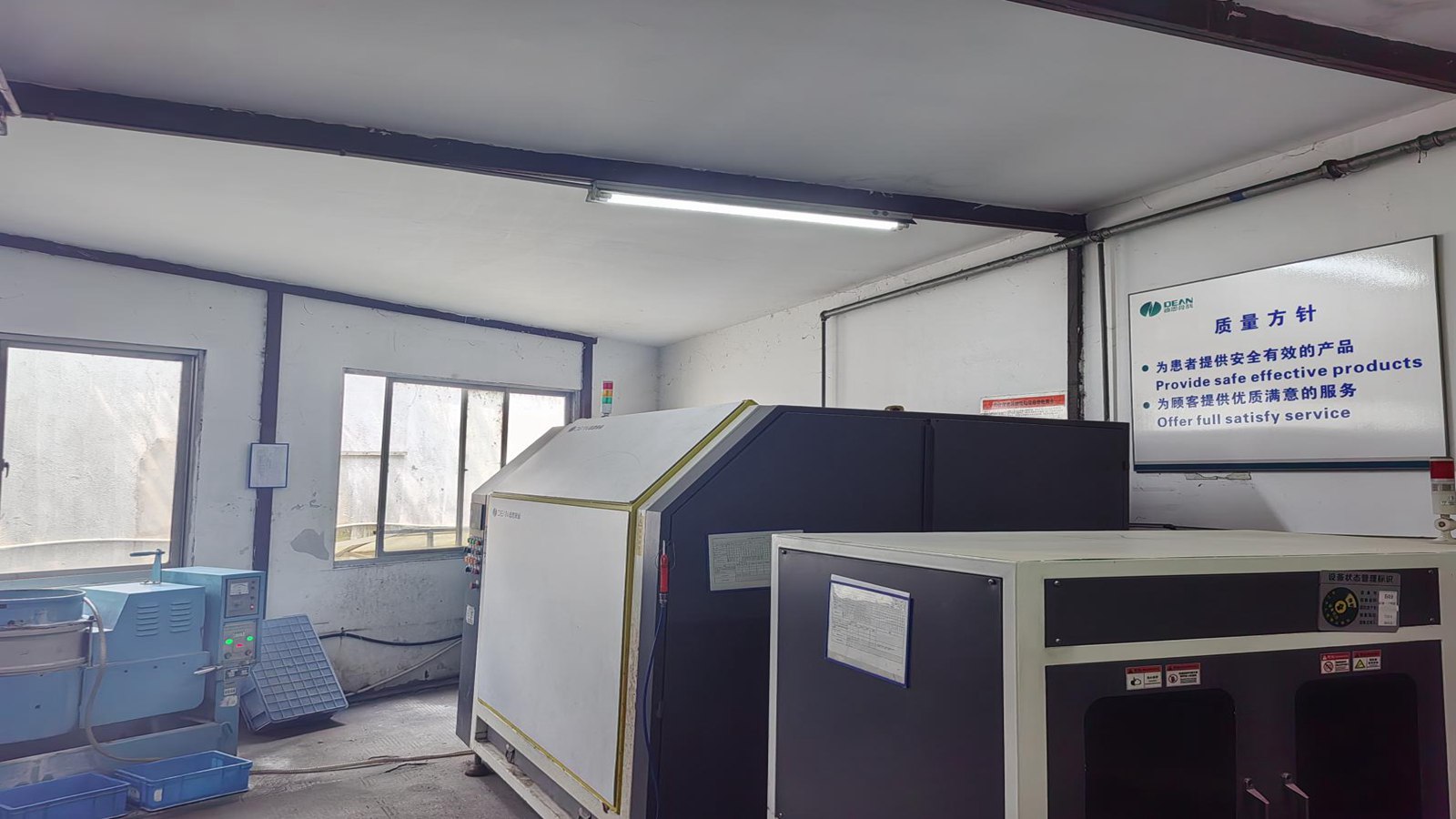
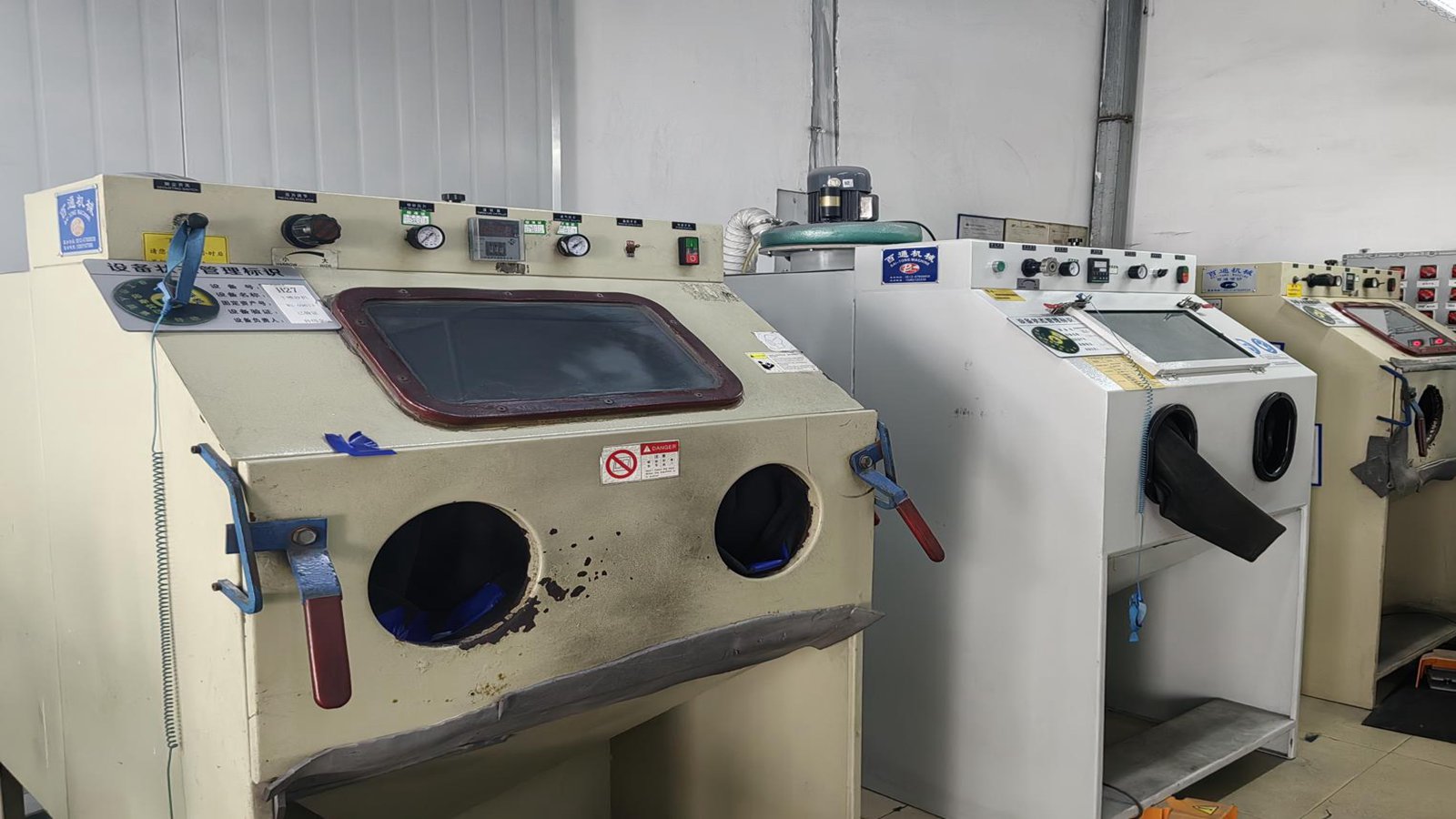
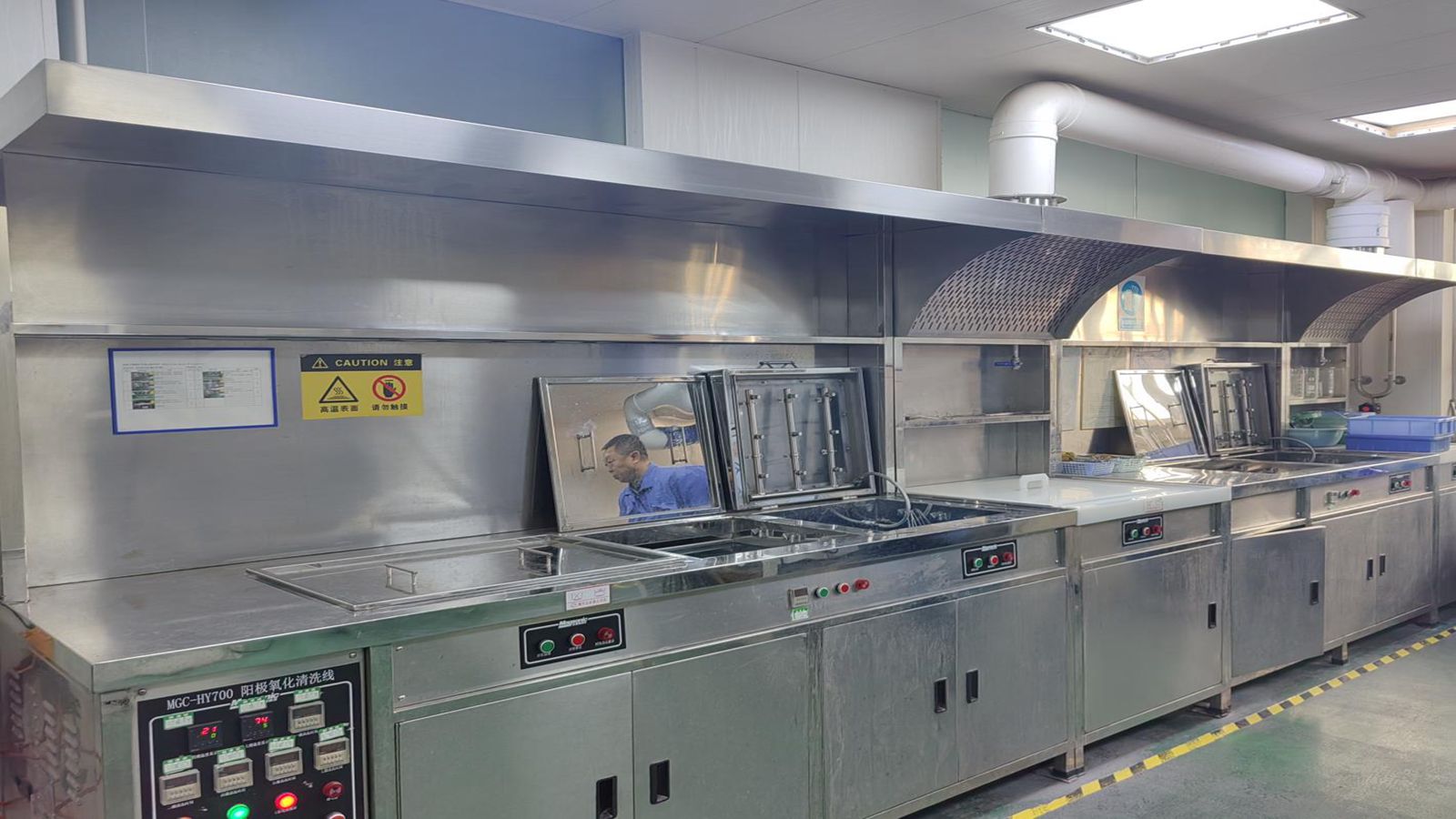
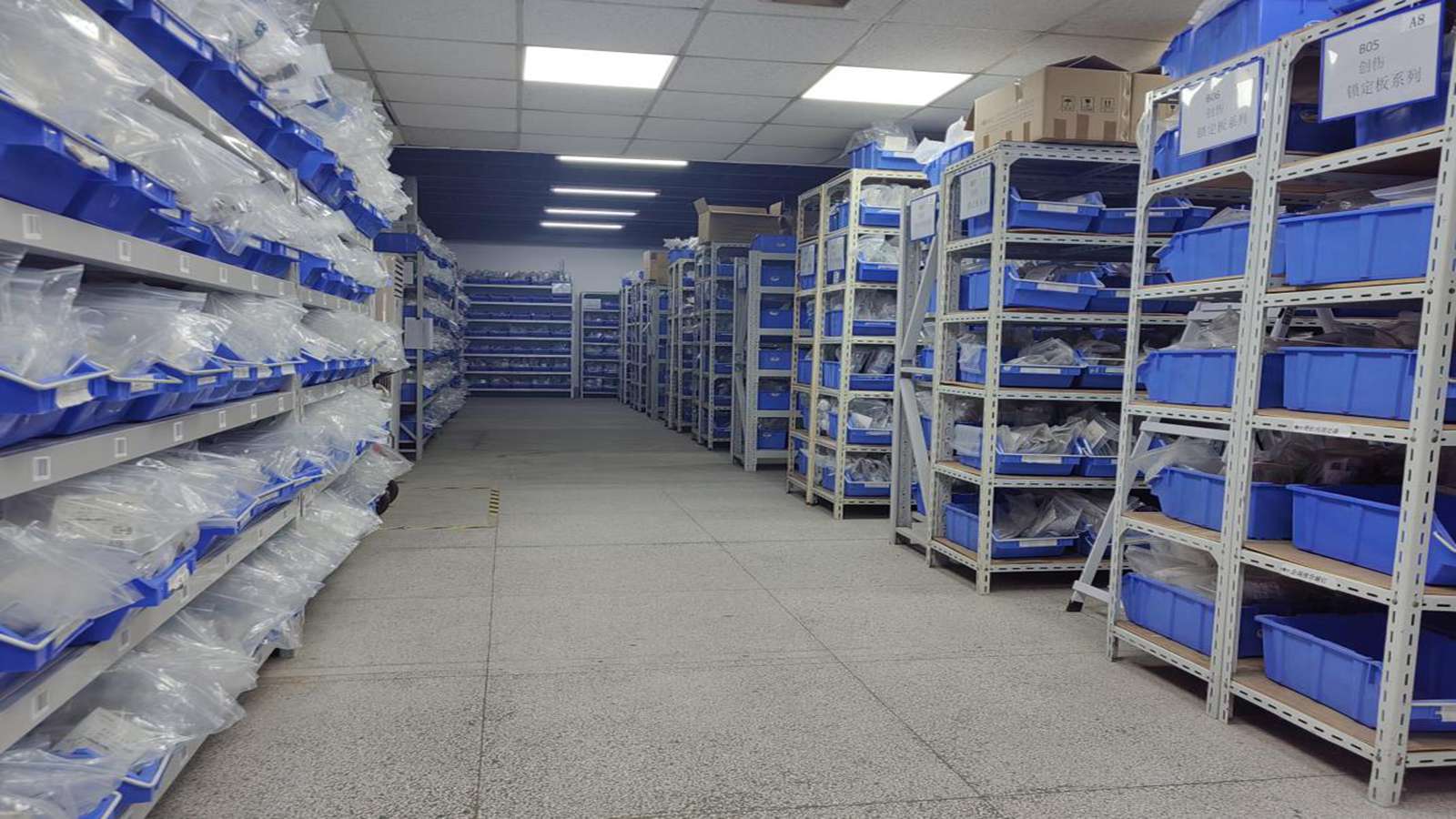
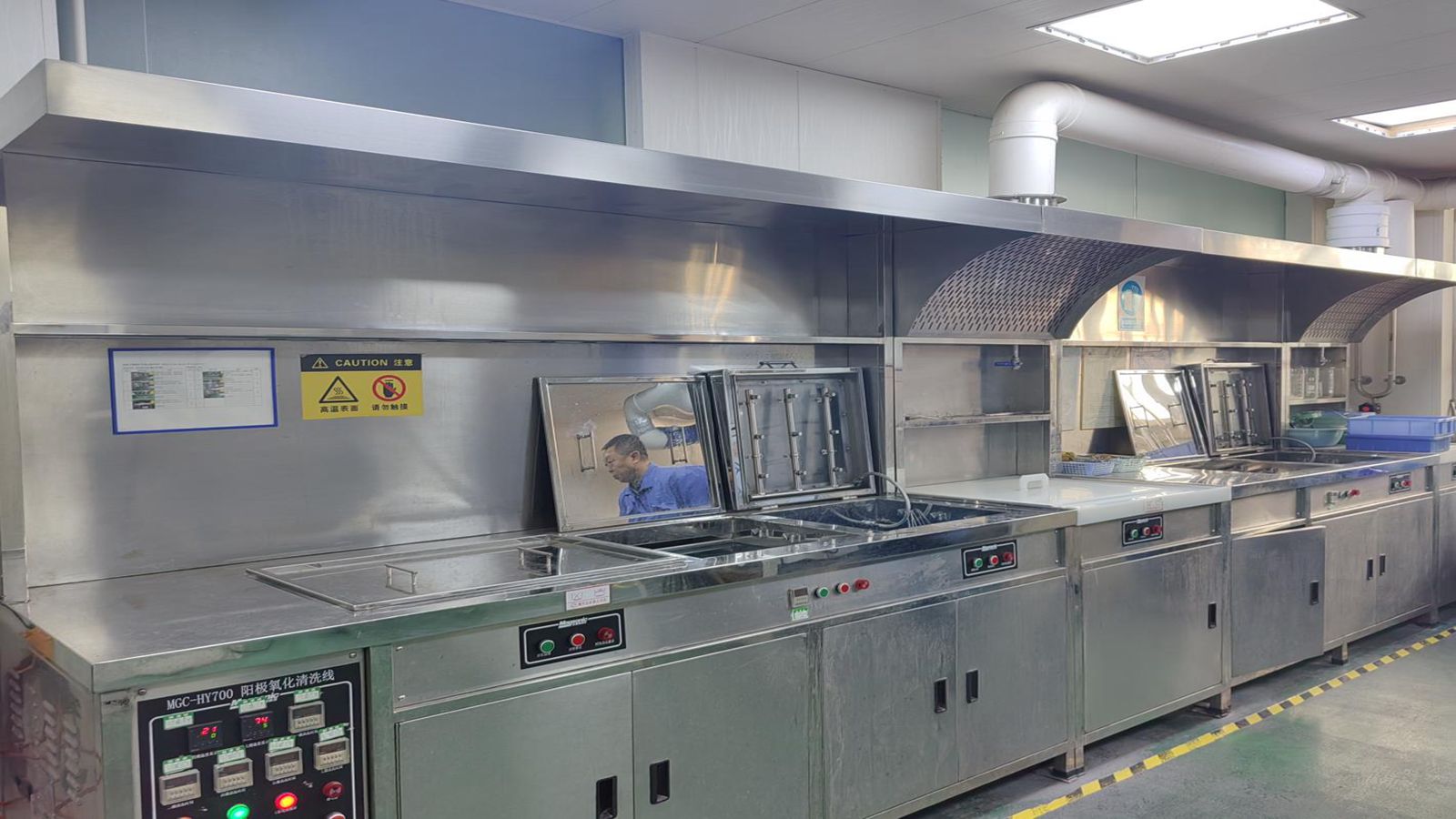
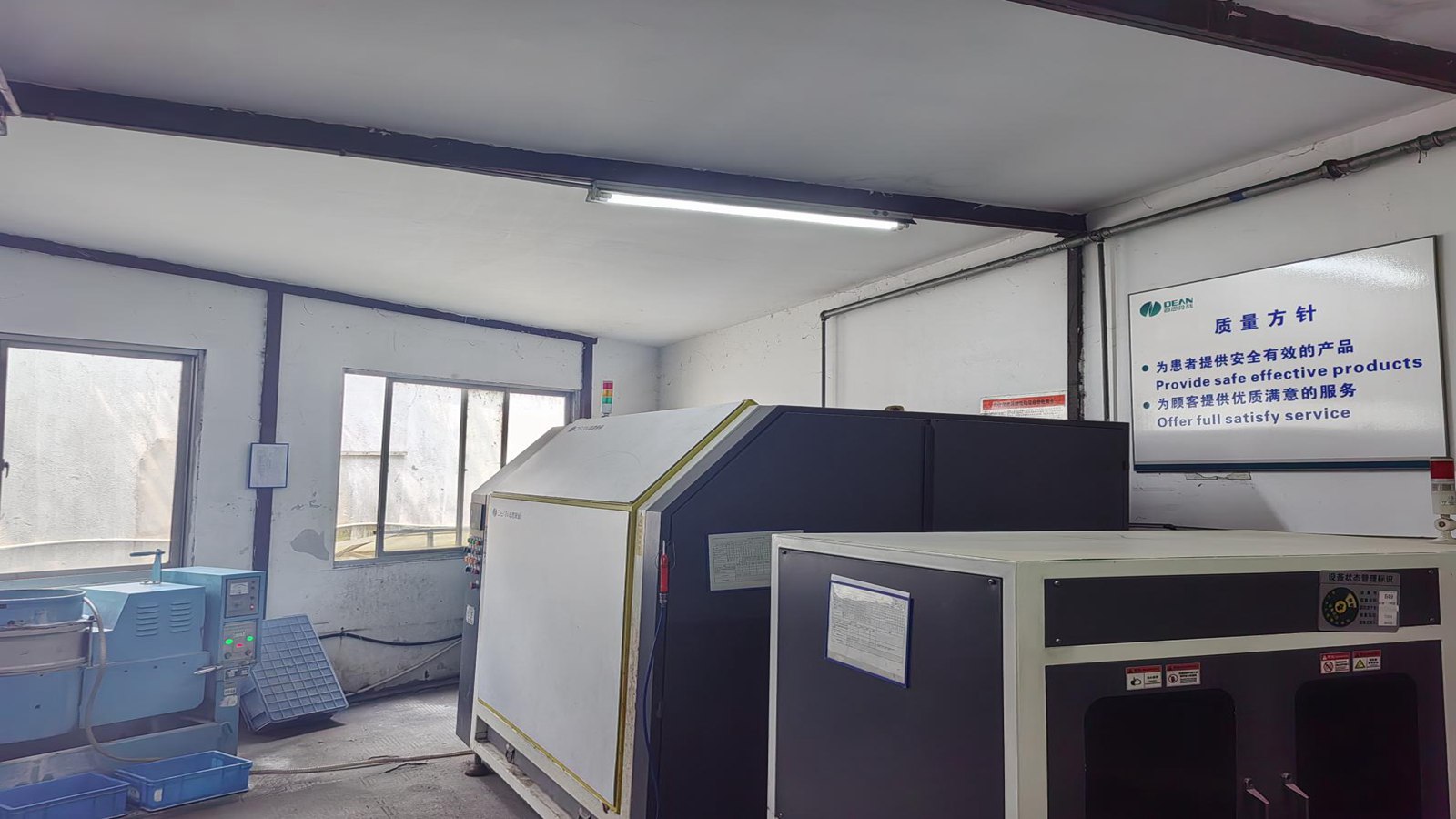
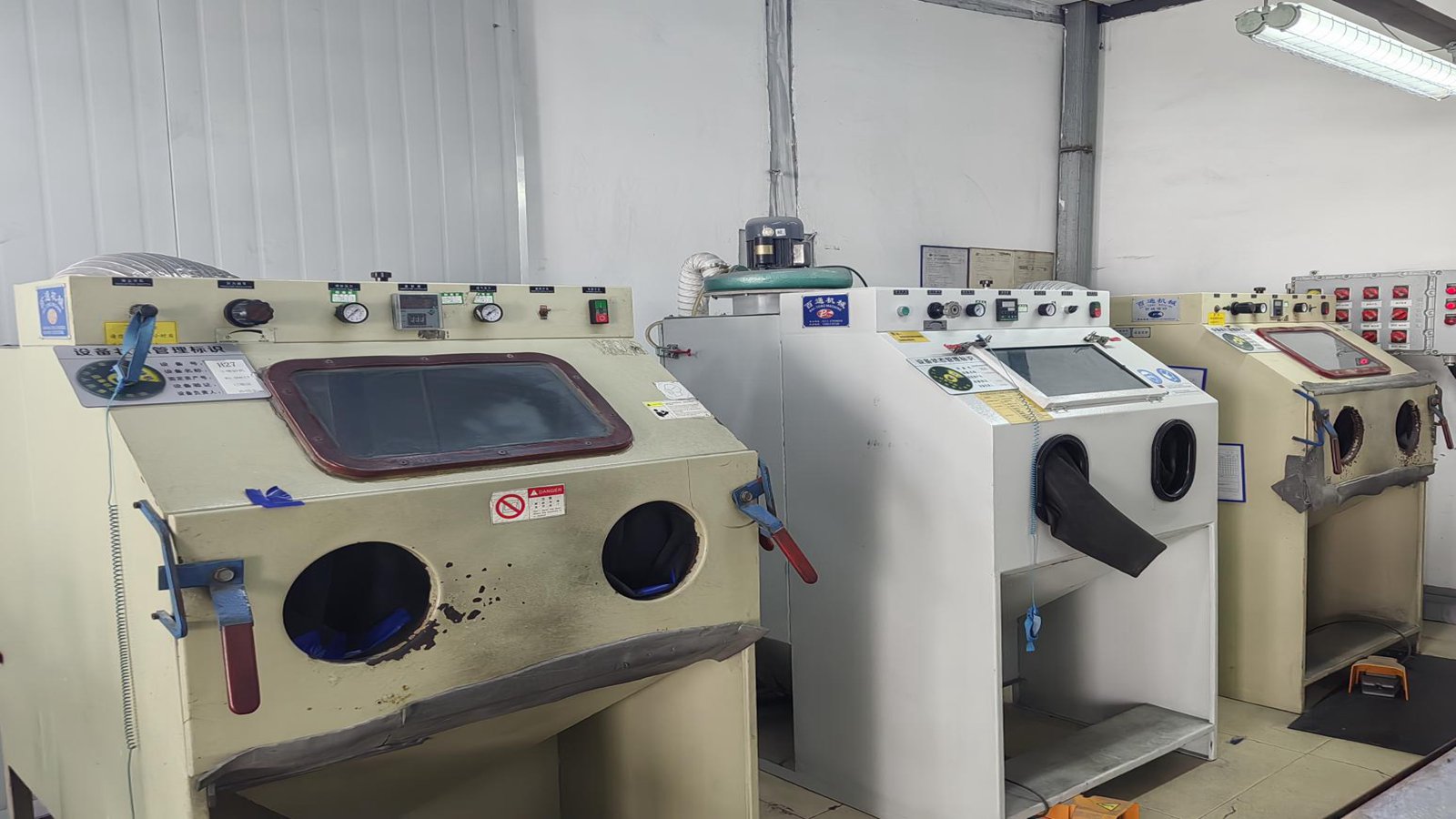
Our production facilities implement state-of-the-art manufacturing steps to deliver zero-defect orthopedic devices globally. Explore our internal process:
Pacific islanders, including the Micronesian populations of Kiribati, frequently present unique anthropometric patterns, often requiring larger implant sizes or adjusted anatomical shapes compared to standard Asian sizing. Our design and engineering team has accounted for this variation.
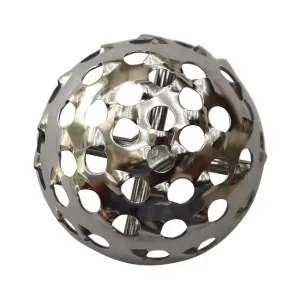
Through our OEM/ODM custom development department, Medispirex provides flexible configuration support. We offer femoral components and acetabular cups in an expanded size spectrum, ensuring surgeons in Tarawa can achieve the perfect fit without compromising bone preservation.
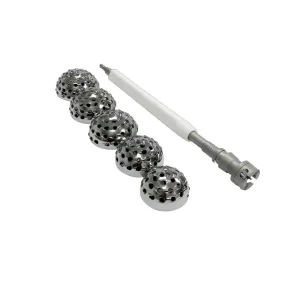
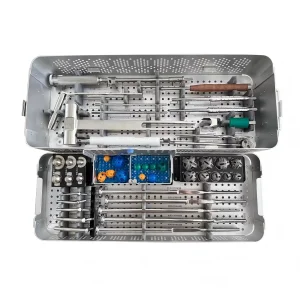
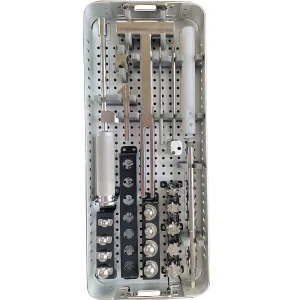
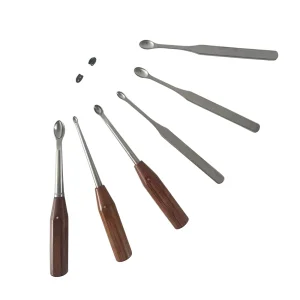
Additionally, we supply comprehensive, color-coded medical instrumentation kits that simplify intraoperative sizing changes. By optimizing the matching mechanism of the implants to the anatomical instruments, we significantly reduce operating room times and limit the risk of surgical complications.
Given Kiribati’s economic configuration, a large portion of medical upgrades are funded through development grants from the Australian Department of Foreign Affairs and Trade (DFAT), the New Zealand Ministry of Foreign Affairs and Trade (MFAT), and the World Health Organization (WHO).
Medispirex is fully prepared to navigate these institutional bid procedures. We offer complete transparency in quality reporting, regulatory documentation, and compliance structures. We support tenders with rapid shipping estimates, customizable logistics paths (such as direct air dispatch to Bonriki International Airport), and localized surgical training materials (video tutorials, detailed instruction manuals, and 3D digital planning templates) to maximize clinical success.