Medispirex
The Rapid Rise of Arthroplasty Requirements in Indonesia
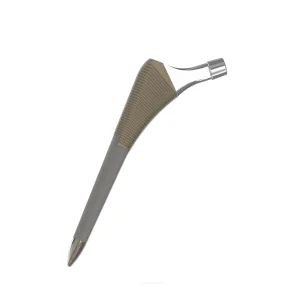
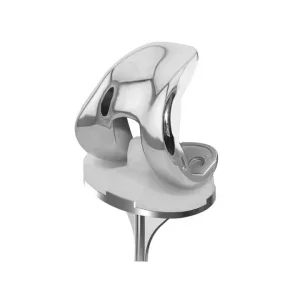
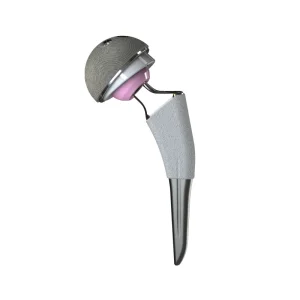
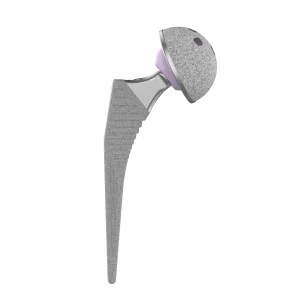
The orthopedic healthcare sector in Indonesia is undergoing a major structural evolution. Driven by the expansion of the national health insurance scheme, BPJS Kesehatan (Badan Penyelenggara Jaminan Sosial), access to joint replacement procedures has expanded rapidly. From large municipal medical centers in Jakarta and Surabaya to provincial hospitals in Sumatra and Kalimantan, the demand for reliable Total Hip Replacement (THR) and Total Knee Replacement (TKR) implants is at an all-time high.
Indonesia faces dual demographic shifts: an aging population vulnerable to osteoarthritis, and rising incidents of joint trauma. However, importing advanced medical implants requires navigating strict regulatory pathways set by the Ministry of Health of the Republic of Indonesia (KEMENKES RI). High-performance implants must meet rigorous standards for clinical safety and bio-compatibility while ensuring cost-effectiveness for local health systems.
- Compliance with Kemenkes AKL (Alat Kesehatan Luar Negeri) registration protocols.
- Cost-efficiency compatible with Indonesian BPJS reimbursement limits.
- Stable local supply chain to mitigate custom clearance and logistic delays.