Medispirex
Medispirex
Medispirex
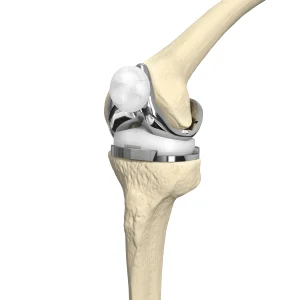
Class III CE-certified implants optimized for primary arthroplasty procedures in major Egyptian healthcare centers, including Cairo, Alexandria, and Giza.
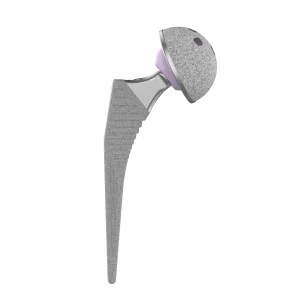
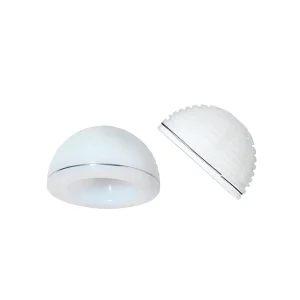
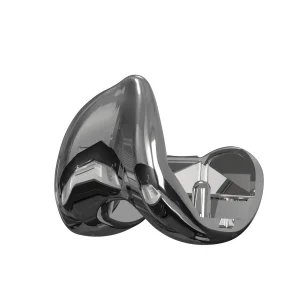
Egypt is currently home to one of the fastest-growing healthcare sectors in the Middle East and North Africa (MENA) region. Driven by a population exceeding 100 million, a rising life expectancy, and national healthcare reforms such as the Universal Health Insurance (UHI) system, the demand for joint reconstructive surgeries—specifically Total Hip Replacement (THR) and Total Knee Replacement (TKR)—is experiencing unprecedented growth.
Egyptian orthopedic surgeons in top-tier medical facilities, such as Kasr Al-Ainy Hospital, Ain Shams University Hospitals, and leading private healthcare groups (e.g., Cleopatra Hospitals Group), demand orthopedic implants that match international benchmarks of biocompatibility, mechanical durability, and morphological fit. The high prevalence of secondary osteoarthritis, coupled with metabolic conditions and traumatic injuries, requires implants with superior fixation mechanisms, such as vacuum plasma-sprayed Hydroxyapatite (HA) coatings and advanced cross-linked polyethylene (XLPE) liners.
Implant products targeting the Egyptian market must successfully navigate the rigorous registration pathways of the Egyptian Drug Authority (EDA). Compliance with CE markings, ISO 13485 quality systems, and raw materials originating from medical-grade source suppliers (such as Ti6Al4V ELI and ASTM F136 titanium standards) is critical for commercial clearance and clinical acceptance.
The domestic manufacture of high-tech load-bearing implants within Egypt remains in its developmental stages, making the country heavily reliant on trusted global exporters and OEM/ODM manufacturing facilities that can customize sizes and design parameters suited to the specific morphological profiles of the Egyptian population. Anatomical variations, such as femoral neck angle variations and proximal tibial dimensions, require a broad range of sizing options to prevent implant-patient mismatch.
As a key partner serving the Egyptian market, Medispirex offers tailored import solutions, ensuring that distributors, hospitals, and surgeons have reliable access to high-fatigue-resistant, sterile-packaged joint implants. By maintaining robust engineering tolerances and offering complete surgical instrument sets, we streamline procurement workflows for Egyptian medical agents, reducing hospital operating theatre down-time and surgical complications.
The intersection of advanced metallurgy, polymer science, and clinical robotics is driving the development of next-generation THR and TKR implant structures.
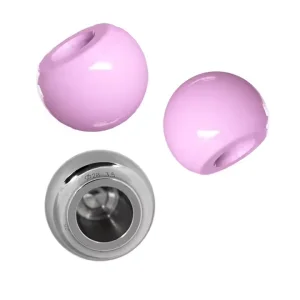
The migration from metal-on-polyethylene to advanced ceramic-on-ceramic (CoC) and ceramic-on-highly cross-linked polyethylene (CoP) wear interfaces. Utilizing ISO 6474-2 grade Zirconia-Toughened Alumina (ZTA) reduces the annual wear rate to less than 0.1 mm/million cycles, drastically minimizing osteolysis and implant loosening.
Bioactive fixation via vacuum plasma spraying of high-purity Hydroxyapatite (HA) with a thickness range of 50–150 μm. This coating promotes rapid osteointegration directly between the patient’s trabecular bone structure and the titanium alloy (Ti6Al4V ELI) stem, bypassing the need for bone cement in active patients.
Developing custom instrument templates and computer-assisted navigation compatibility. Medispirex products are systematically calibrated to align with digital preoperative planning templates, enabling orthopedic surgeons to execute precise bone resections and restore natural joint kinematics.
Established in 2016, Medispirex Orthopedic Technology Co., Ltd. has developed a state-of-the-art 18,600㎡ production complex. Driven by our 85-strong mechanical and materials engineering R&D department, we focus on producing Class III orthopedic implants that stand up to the most demanding mechanical fatigue testing cycles (such as ASTM F2068 for hip stems and ISO 14879 for tibial trays).
Our quality assurance framework utilizes 45 dedicated QC professionals. The production cycle incorporates 4 critical verification phases: Incoming Material Inspection (ensuring raw titanium alloy, CoCrMo, and UHMWPE rods meet rigorous chemical compositions), In-Process Control (using optical and coordinate measuring systems during CNC cutting and machining), Final Product Testing (mechanical load limit testing and surface roughness profiling), and a comprehensive Batch Traceability System which indexes every single implant back to its raw material heat code.
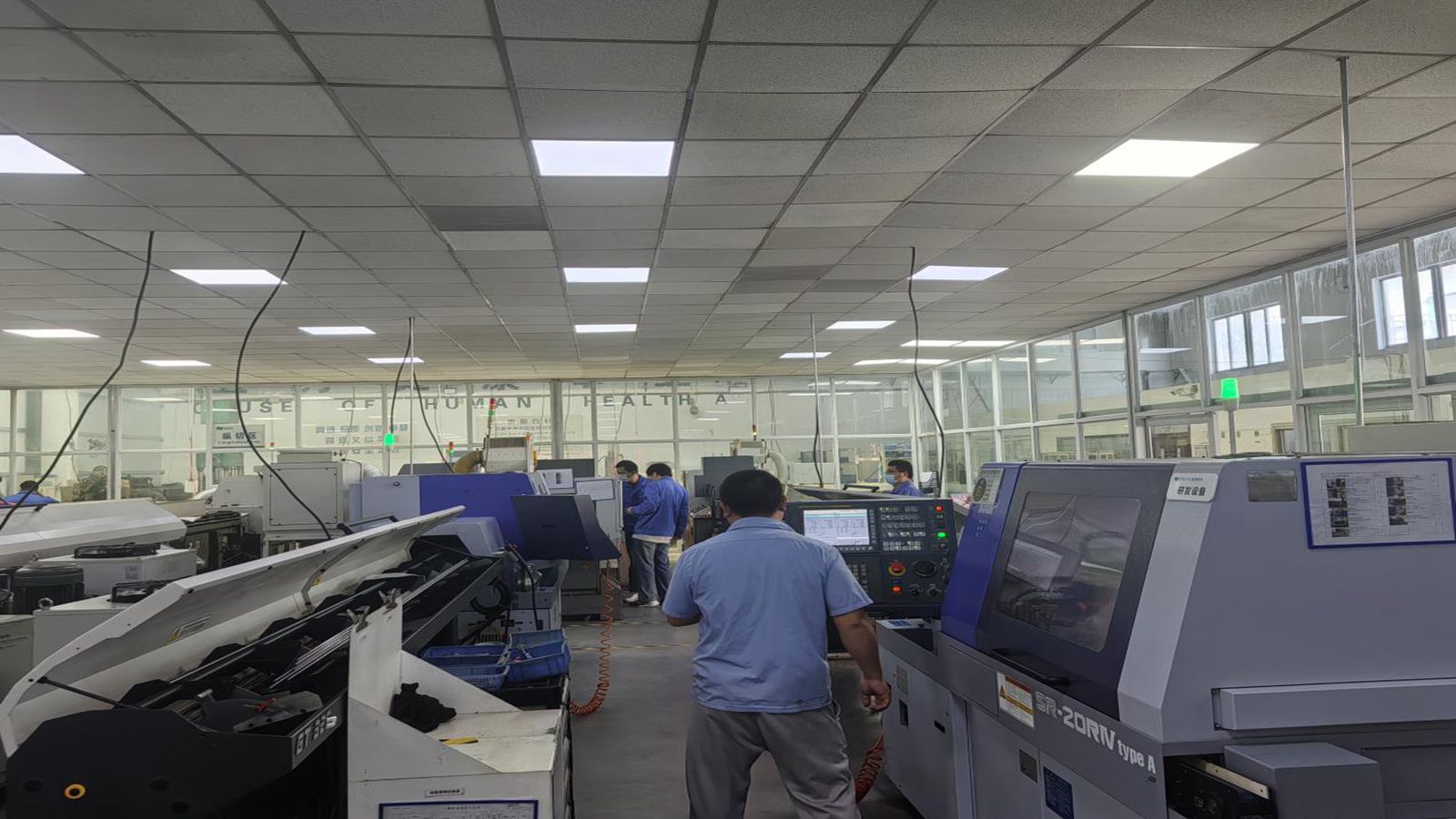
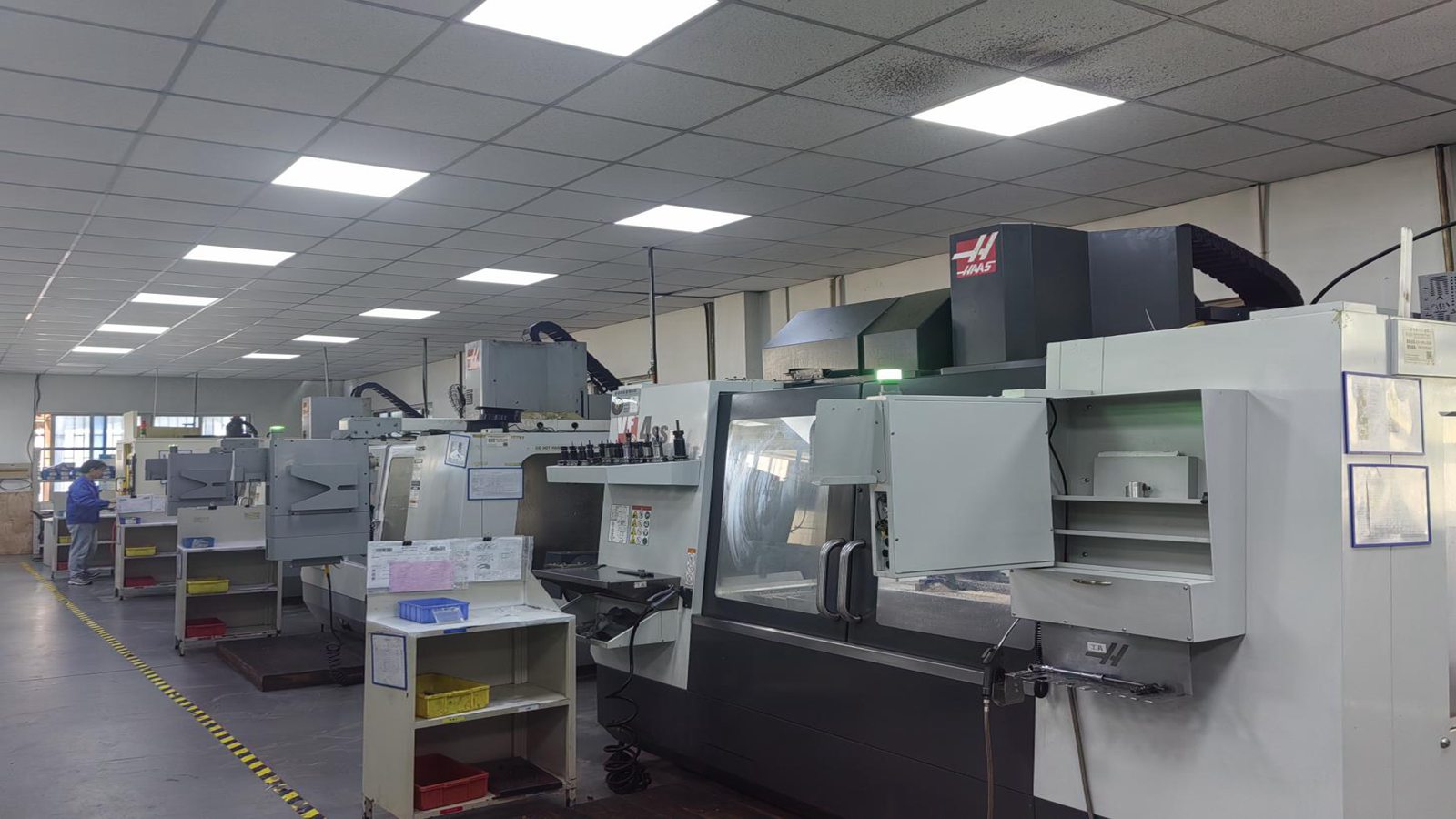
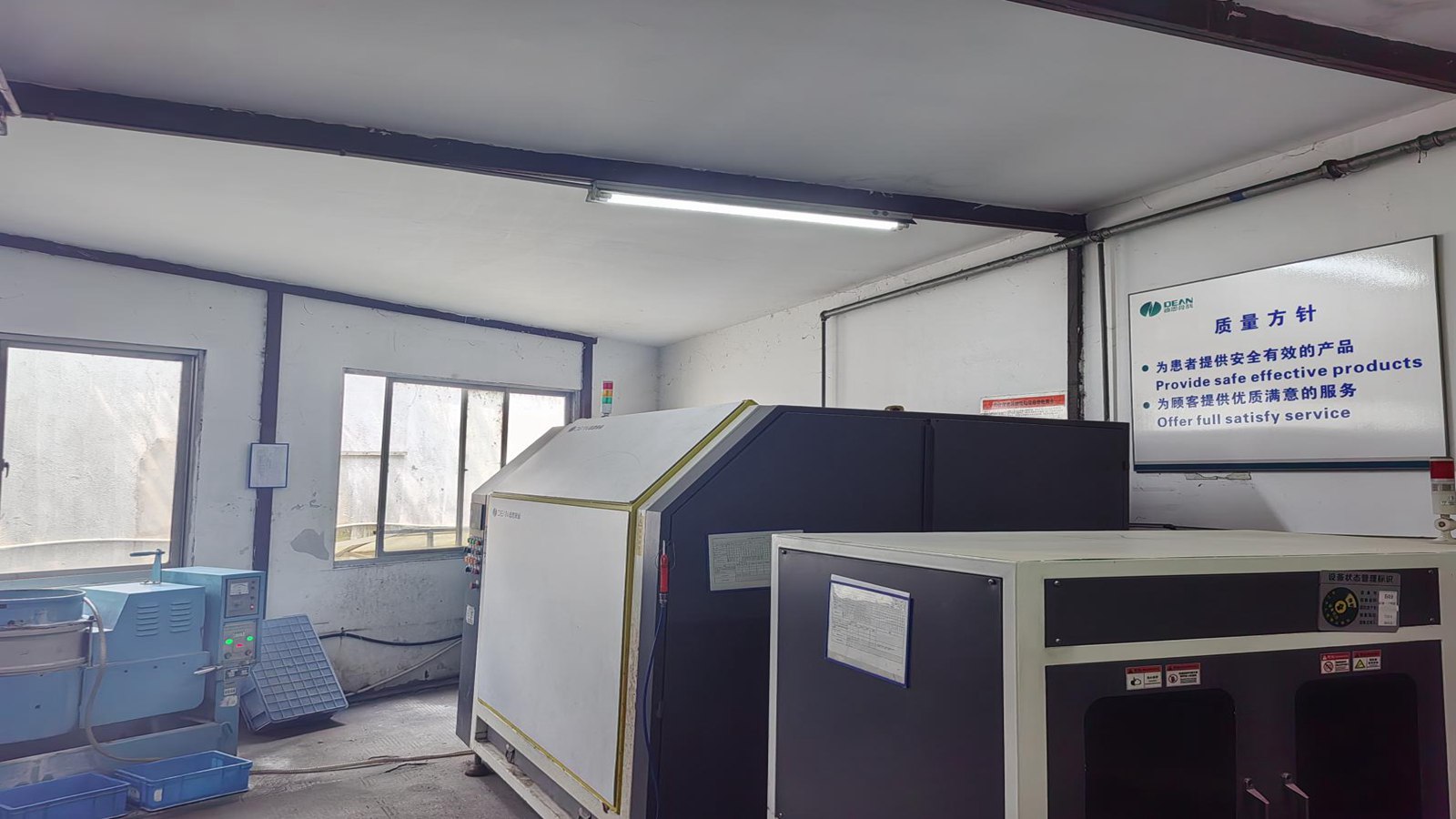
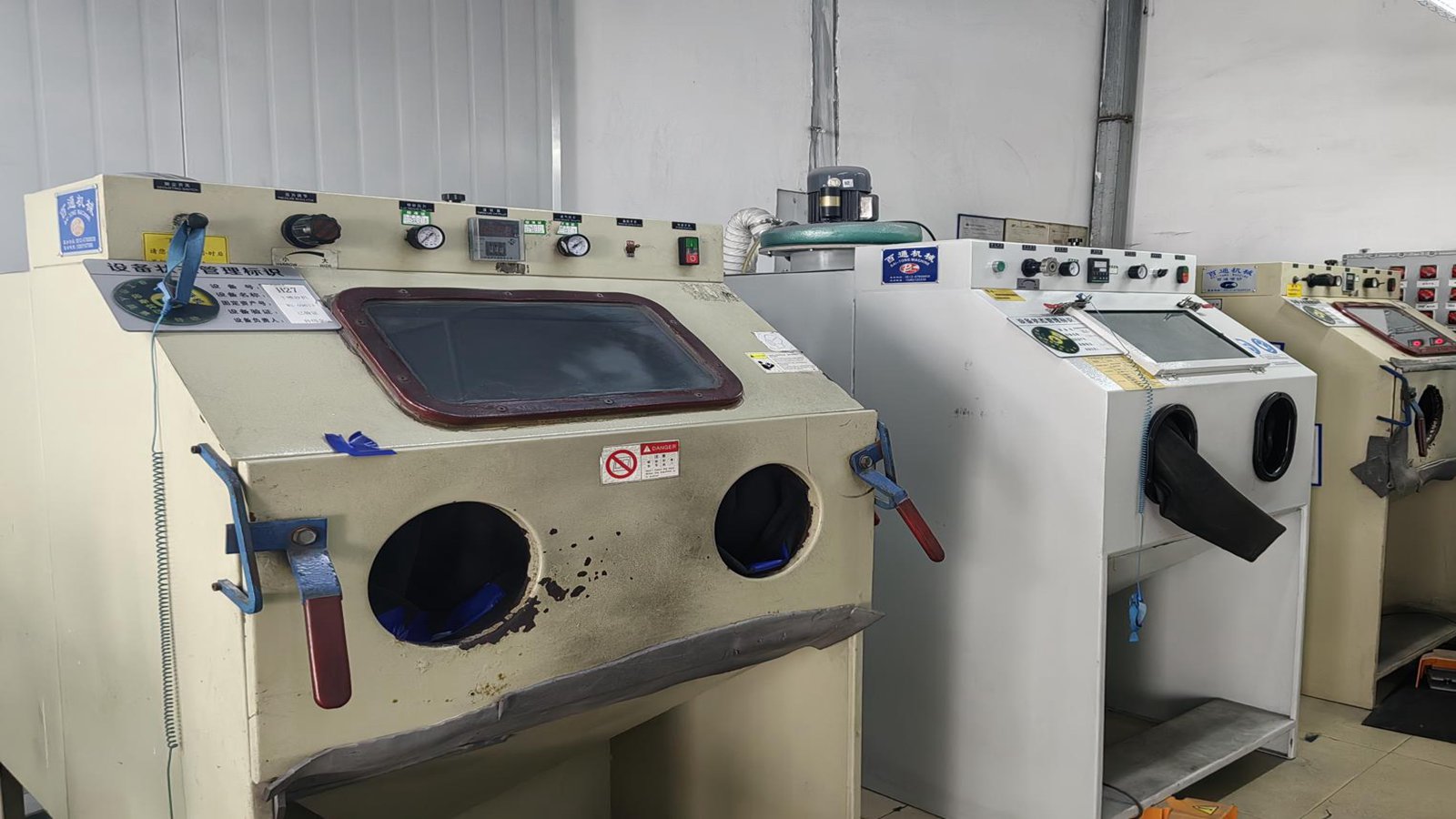
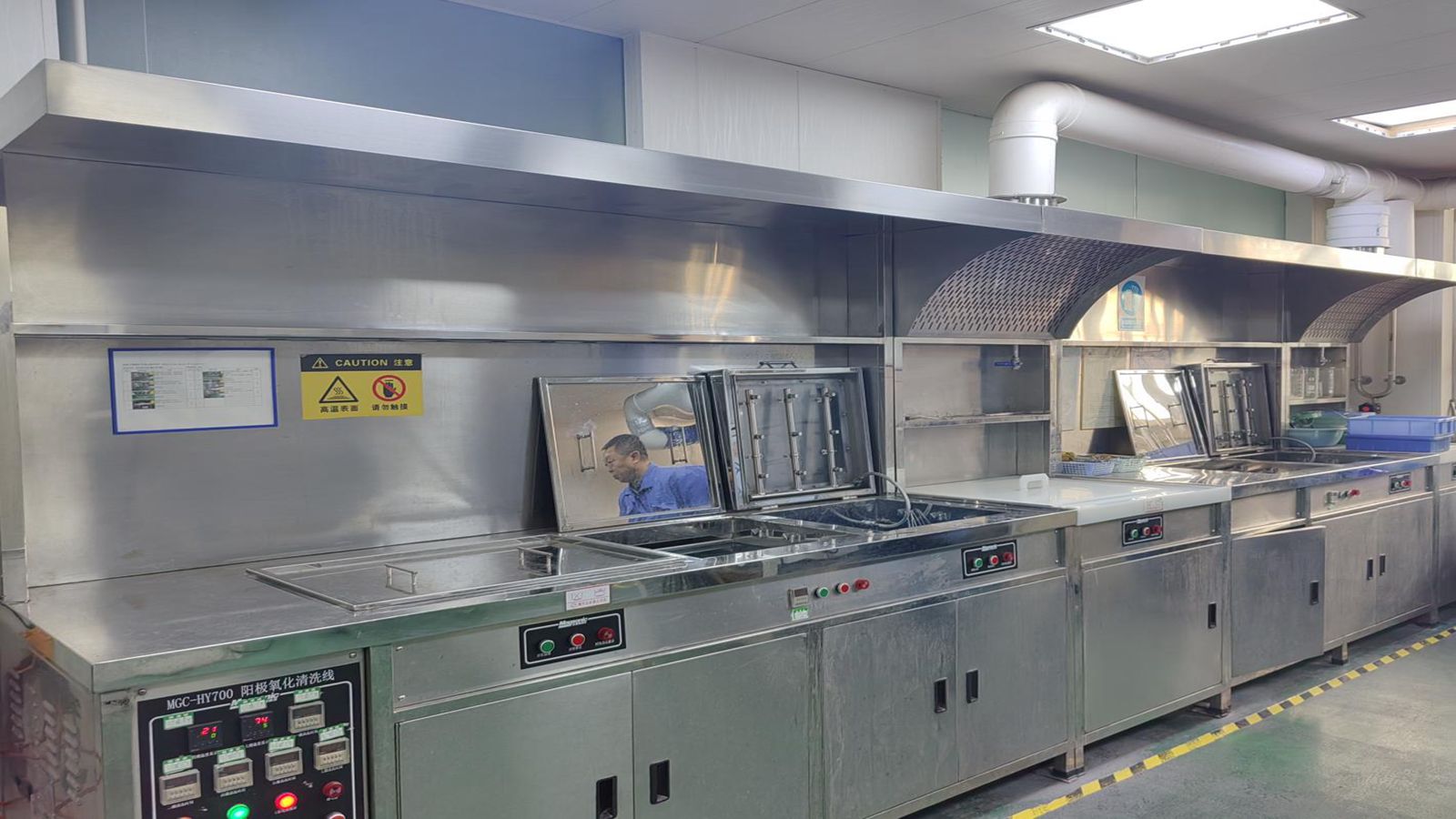
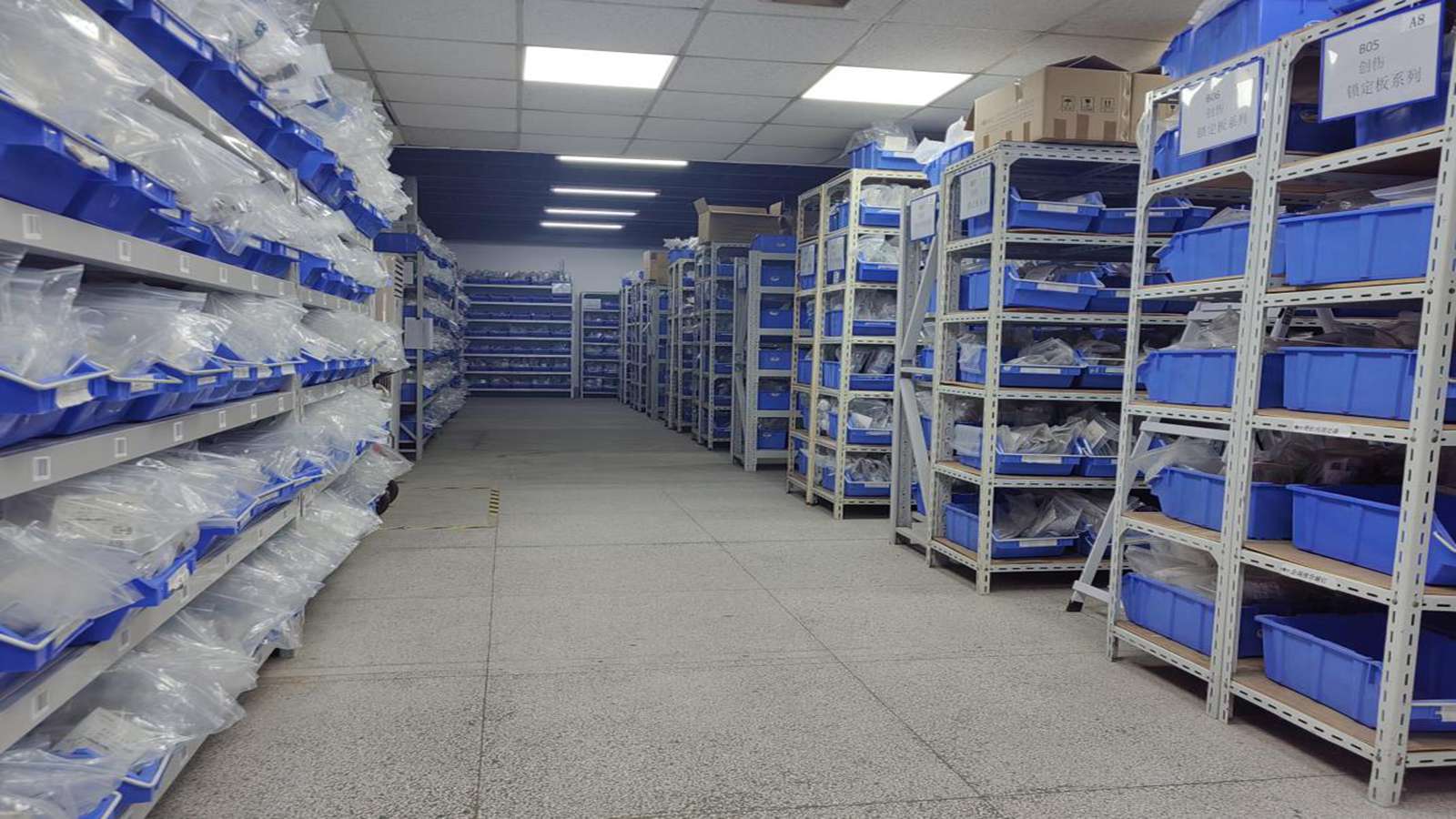
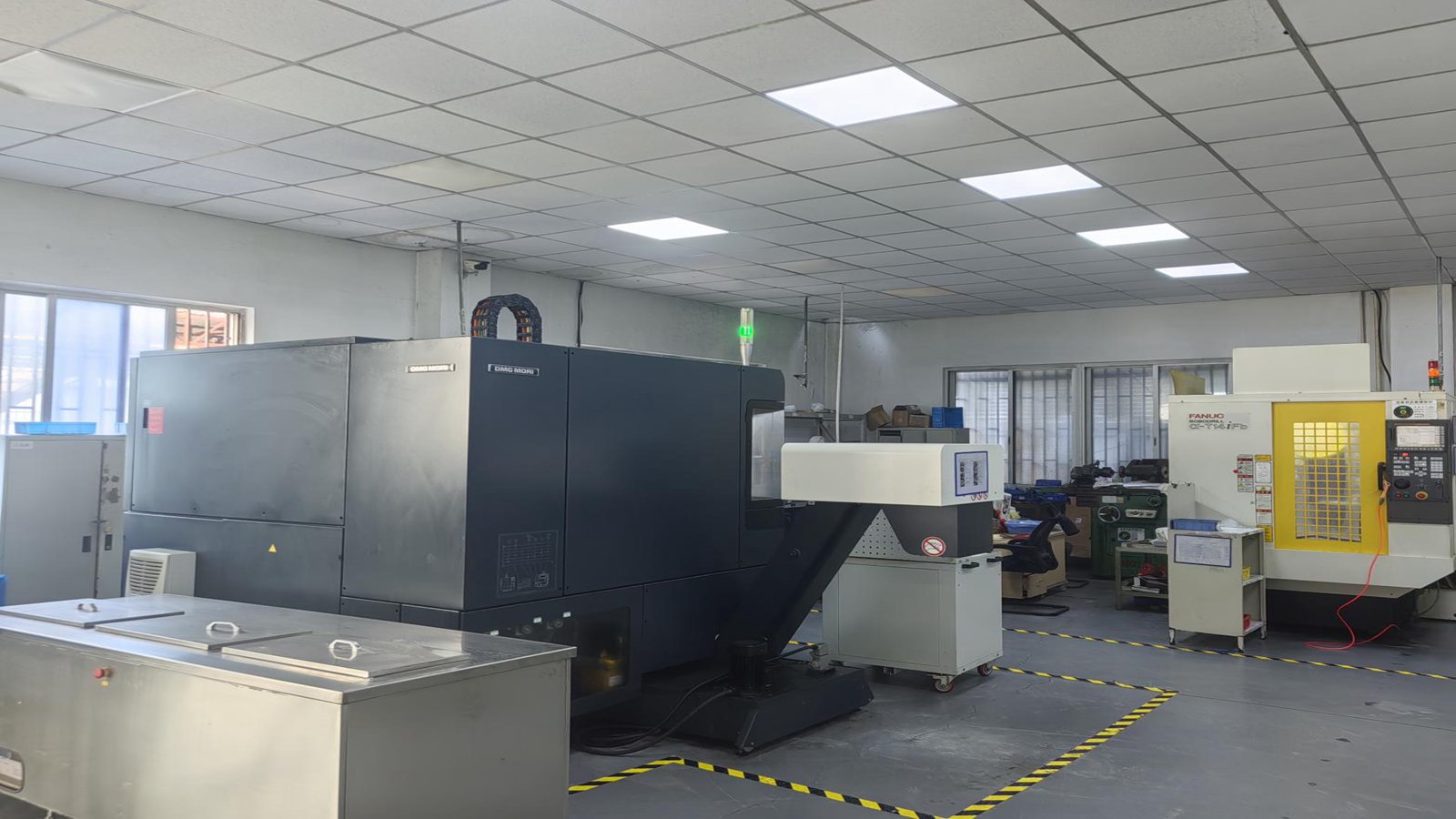
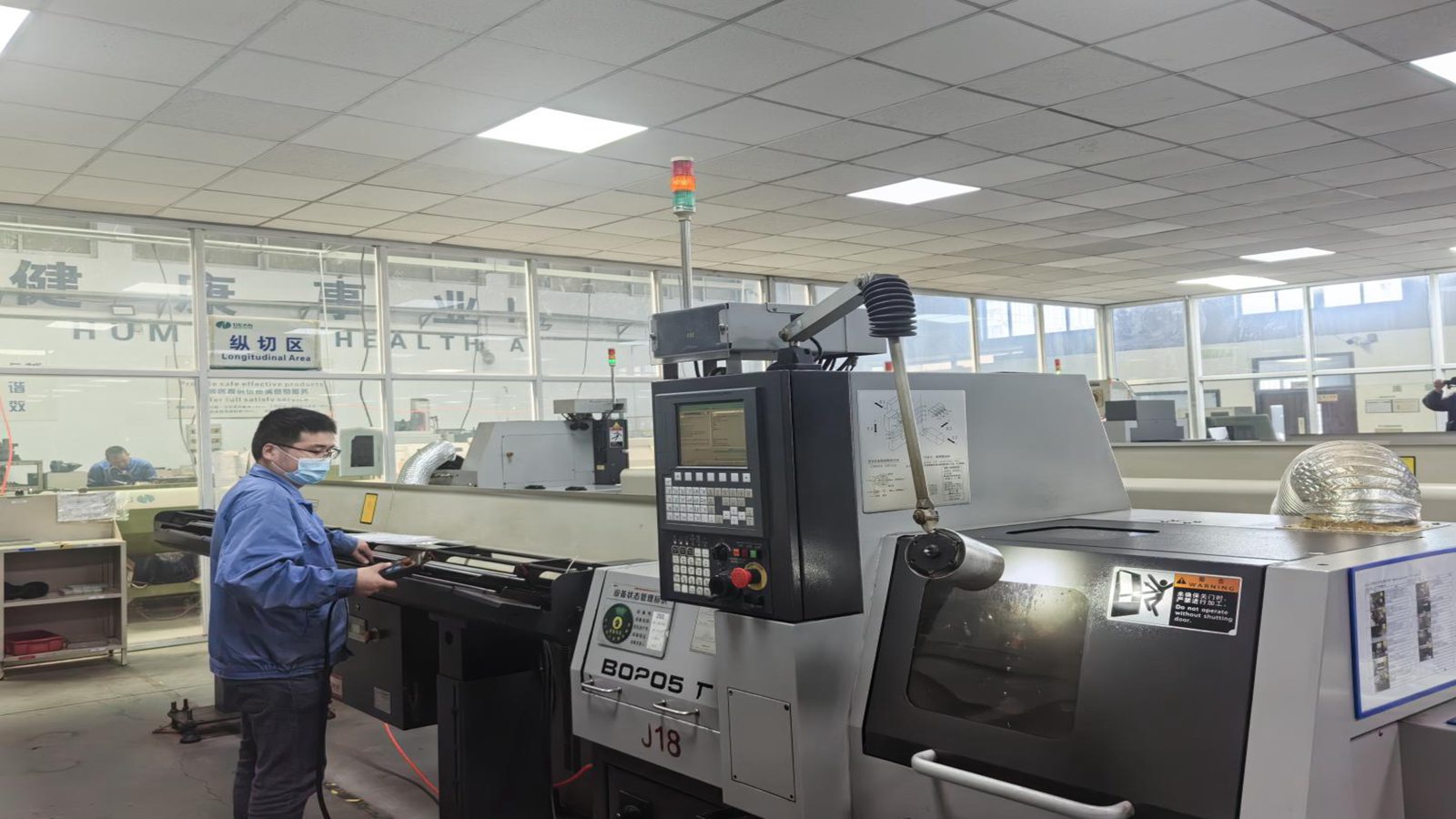
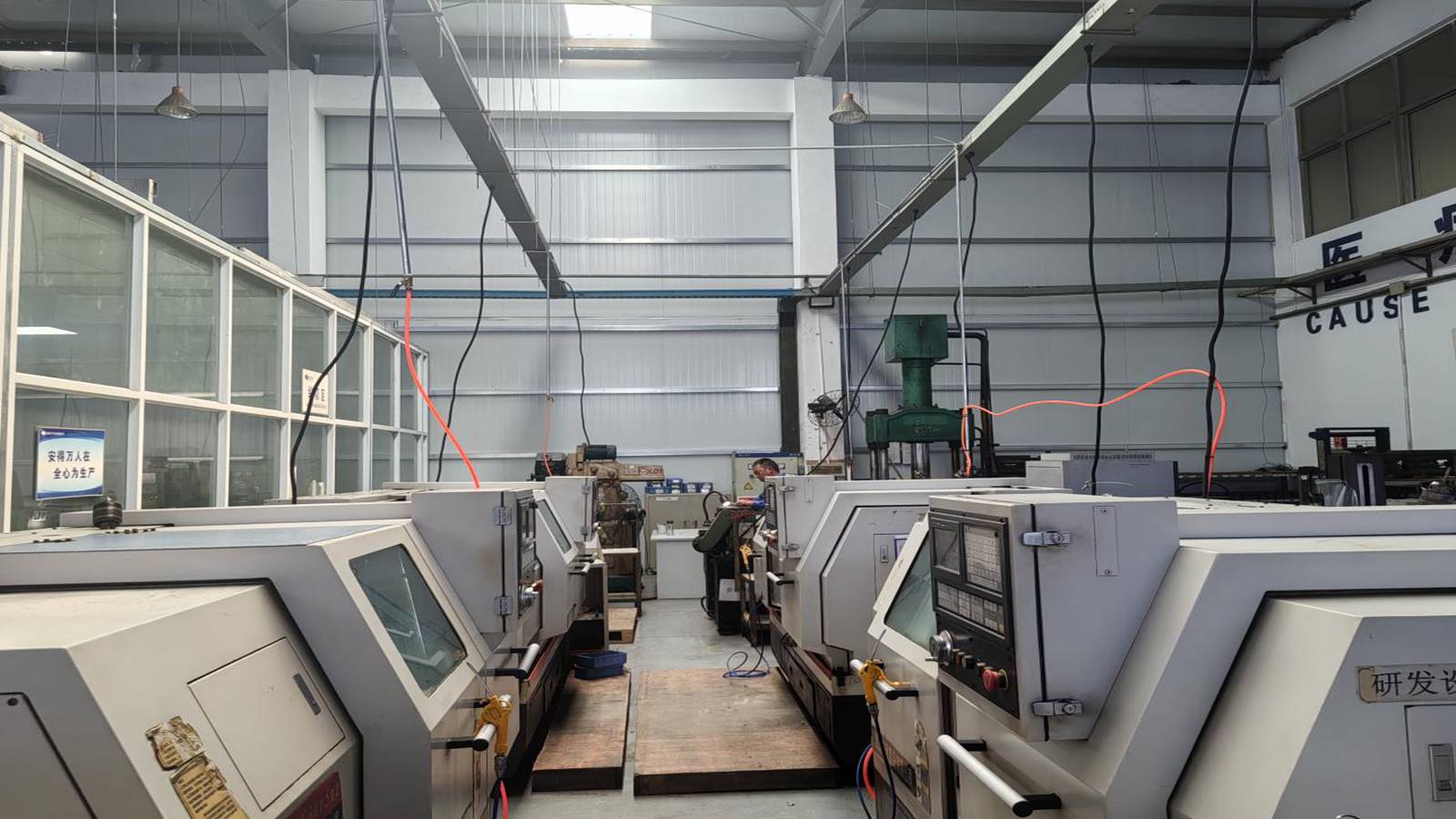
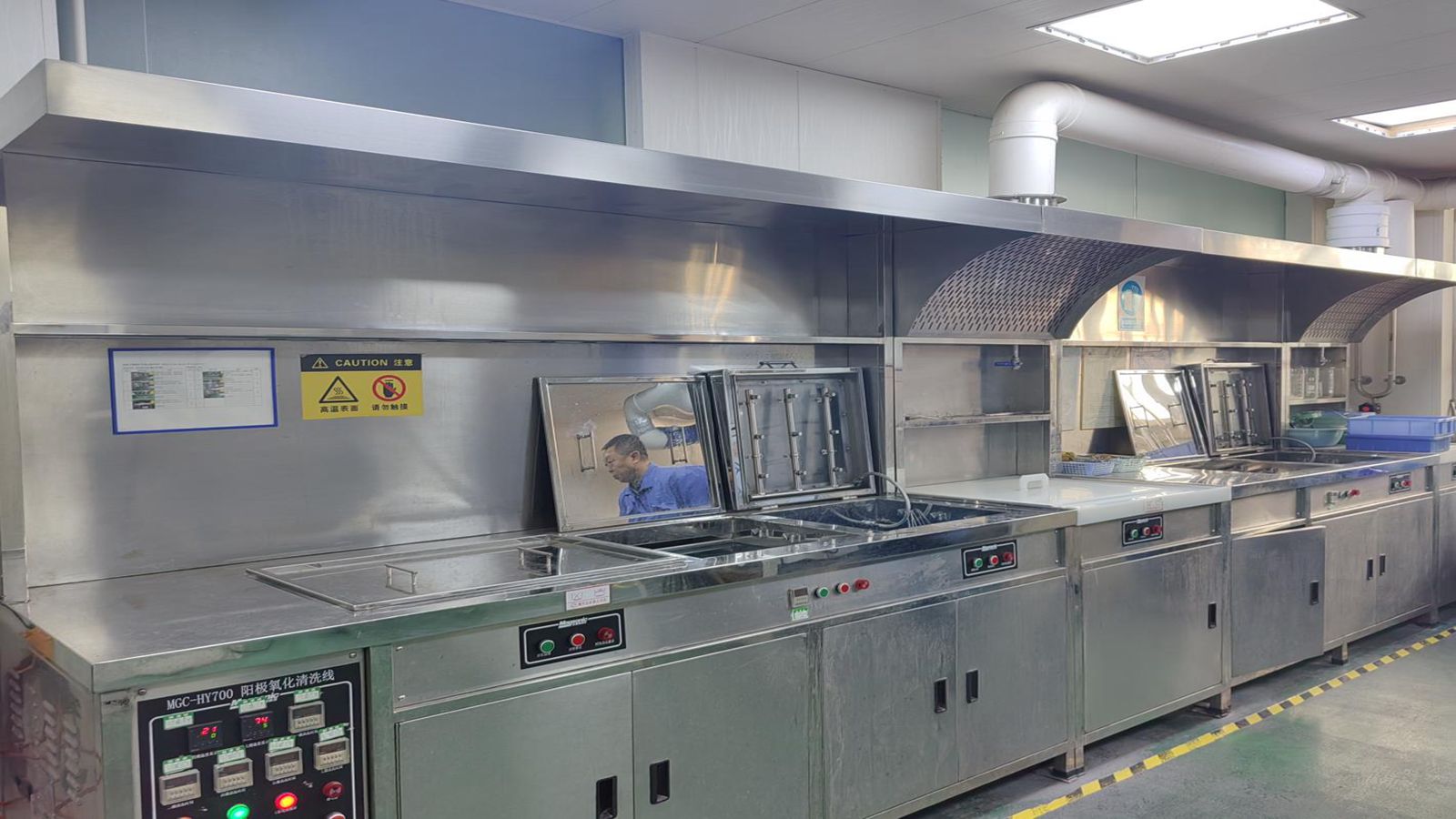
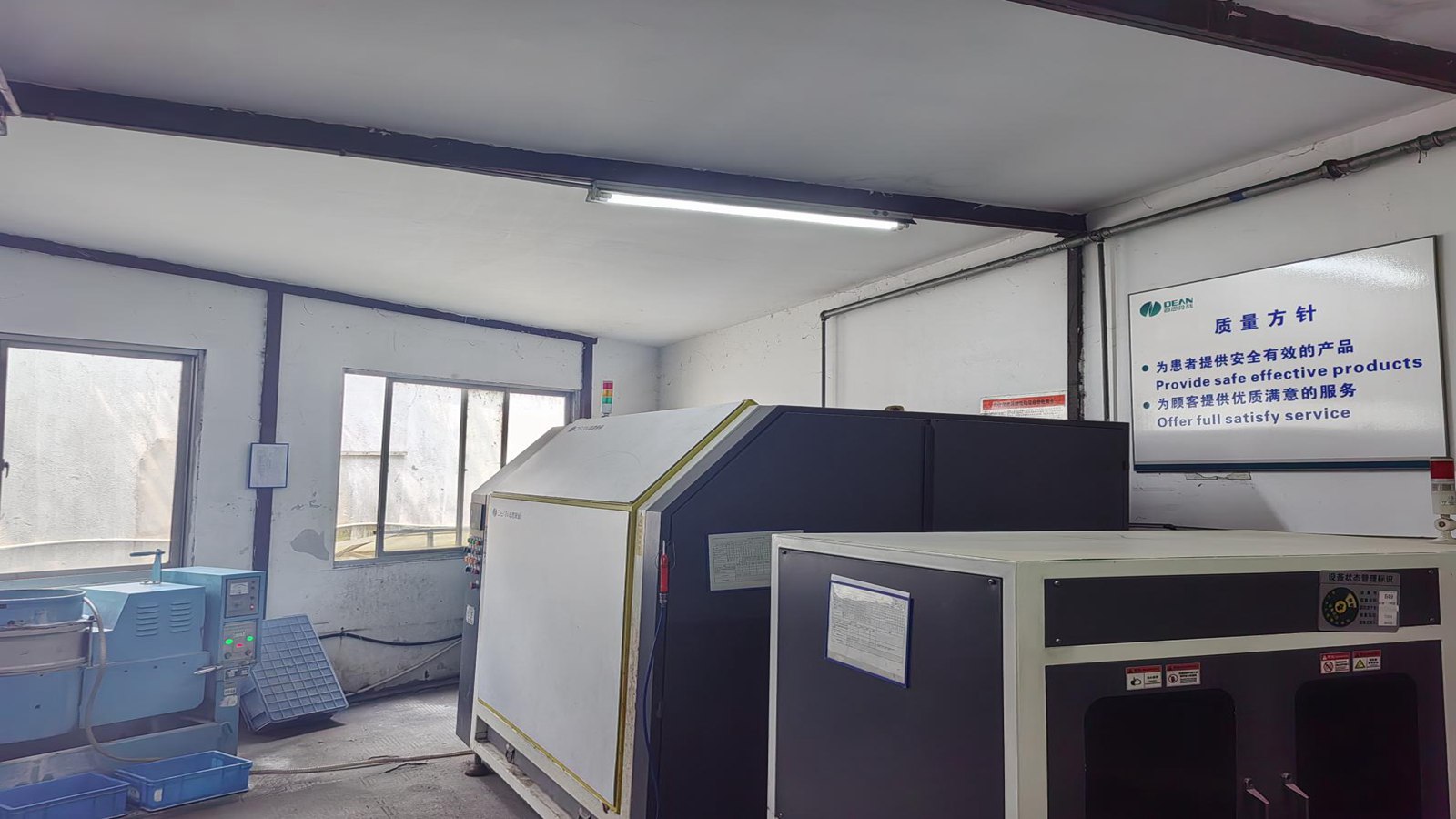
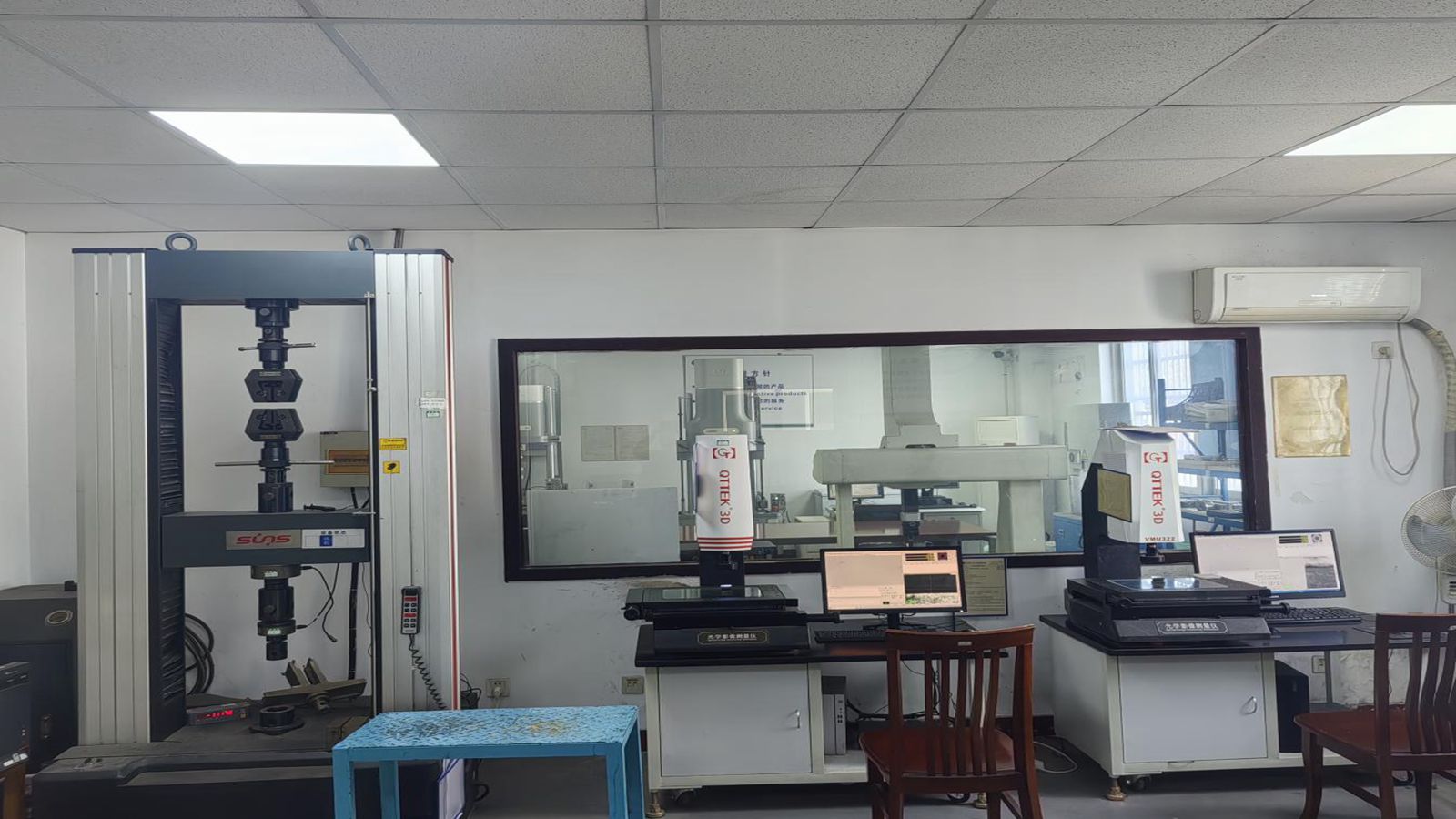
Our production floor integrates specialized high-speed CNC centers, precision milling lathes, vacuum sand-blasting machines, and automated multi-stage anode oxidation cleaning lines that guarantee pristine, contaminant-free surfaces. This structural integration enables Medispirex to successfully export to stringent markets across Europe, North America, the Middle East, and Southeast Asia, supported by a network of over 860 upstream and downstream supply chain partners.
Extending high-performance human implant engineering to veterinary and structural trauma cases across Egypt's specialized surgical clinics.
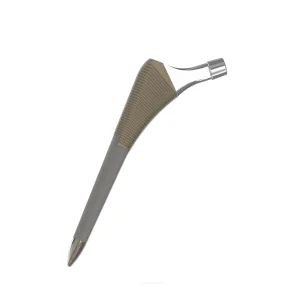
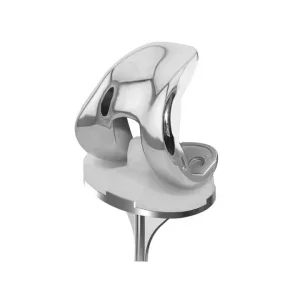
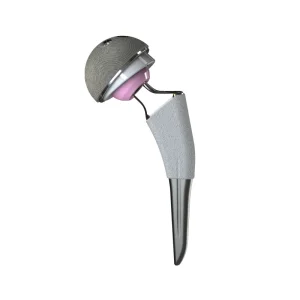
Understanding that hospital procurement and distribution networks face unique challenges in local assembly, sterilization, and storage, Medispirex does not merely supply loose implants. We offer integrated macro solutions that support distributors from initial registration to post-market surveillance. Our services include:
We assist Egyptian distribution partners with laser marking, barcoding, and packaging localized to Egyptian regulatory specifications, including custom language labeling and QR-code tracking integrations.
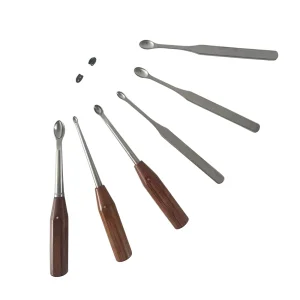
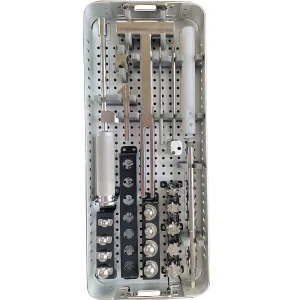
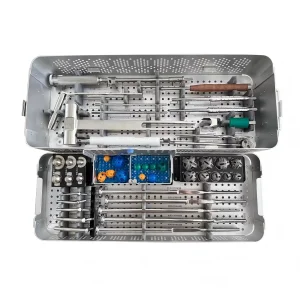
We supply complete surgical instrument boxes (reamers, impactors, trials) paired with our implants. Providing high-performance toolkits ensures a seamless user experience in the OR.
Our regulatory department compiles full technical dossiers (dossier preparation support, ISO 13485 certifications, biocompatibility data) to expedite EDA registration and approval.
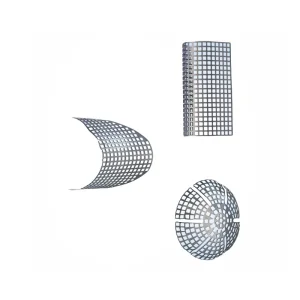
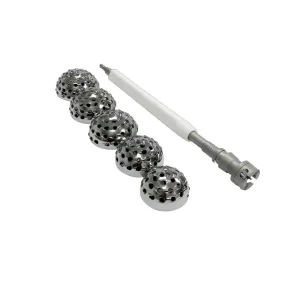
High-precision replacement components and surgical reaming kits engineered to interface with major orthopedic systems in Egypt.
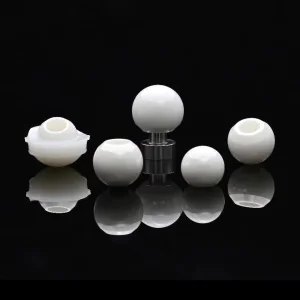
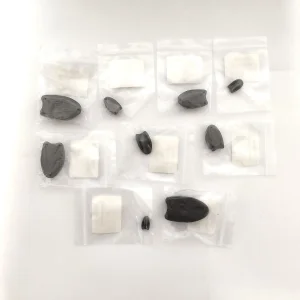
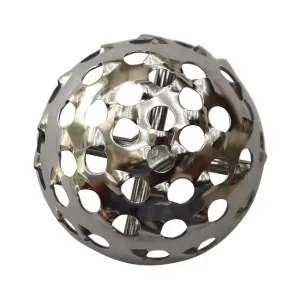
Addressing critical inquiries from orthopedists, procurement managers, and registration offices regarding importing THR and TKR systems into Egypt.