Medispirex
Medispirex
Medispirex
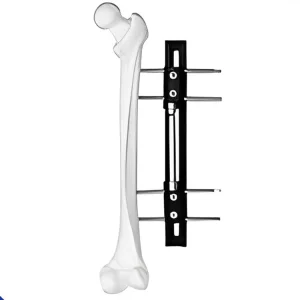
The Russian Federation represents a vast and rapidly advancing market for medical devices, particularly in the field of cardiovascular surgery. Cardiovascular diseases (CVD) remain the leading cause of mortality in Russia, accounting for nearly 47% of all deaths. In response, the Russian Ministry of Health has prioritized high-technology medical care (VMP), prompting a surge in open-heart procedures including coronary artery bypass grafting (CABG), valve replacements, and congenital defect repairs. Central to the success of these major operations is the security of sternal closure.
Median sternotomy remains the standard surgical approach for cardiac operations in Russia. Historically, traditional wire cerclage was the primary method utilized to close the sternum post-surgery. However, clinical studies conducted across major Russian research institutions—such as the Bakulev National Medical Research Center for Cardiovascular Surgery in Moscow and the Almazov National Medical Research Centre in St. Petersburg—highlight a significant shift. Complications like sternal instability, bone dehiscence, and mediastinitis present massive burdens to hospital intensive care units (ICUs) and increase overall patient mortality. Consequently, rigid internal plate fixation systems have experienced an exponential rise in clinical adoption across public and private hospitals throughout the Russian Federation.
The global orthopedic and cardiothoracic implant industry is undergoing a structural transition toward bio-compatible, high-strength titanium alloys and smart, patient-specific implants. Rigid sternal fixation has evolved from simple wire closures to locking plates that distribute mechanical load more evenly across the sternum. Medically, this is vital for patients with high-risk factors such as obesity, advanced age, chronic obstructive pulmonary disease (COPD), diabetes mellitus, or osteoporosis, where traditional wires run a high risk of "cutting through" the sternal bone.
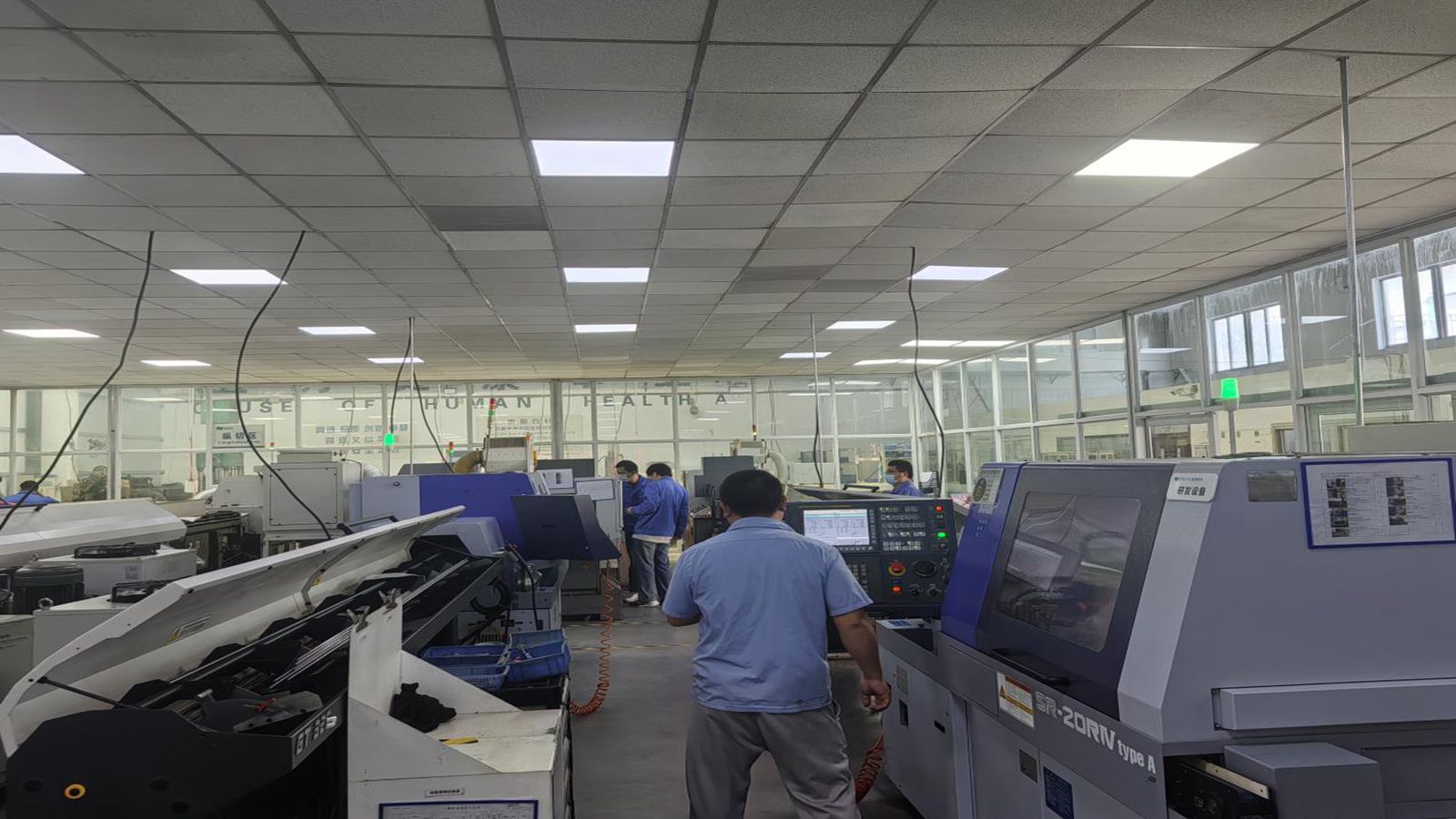
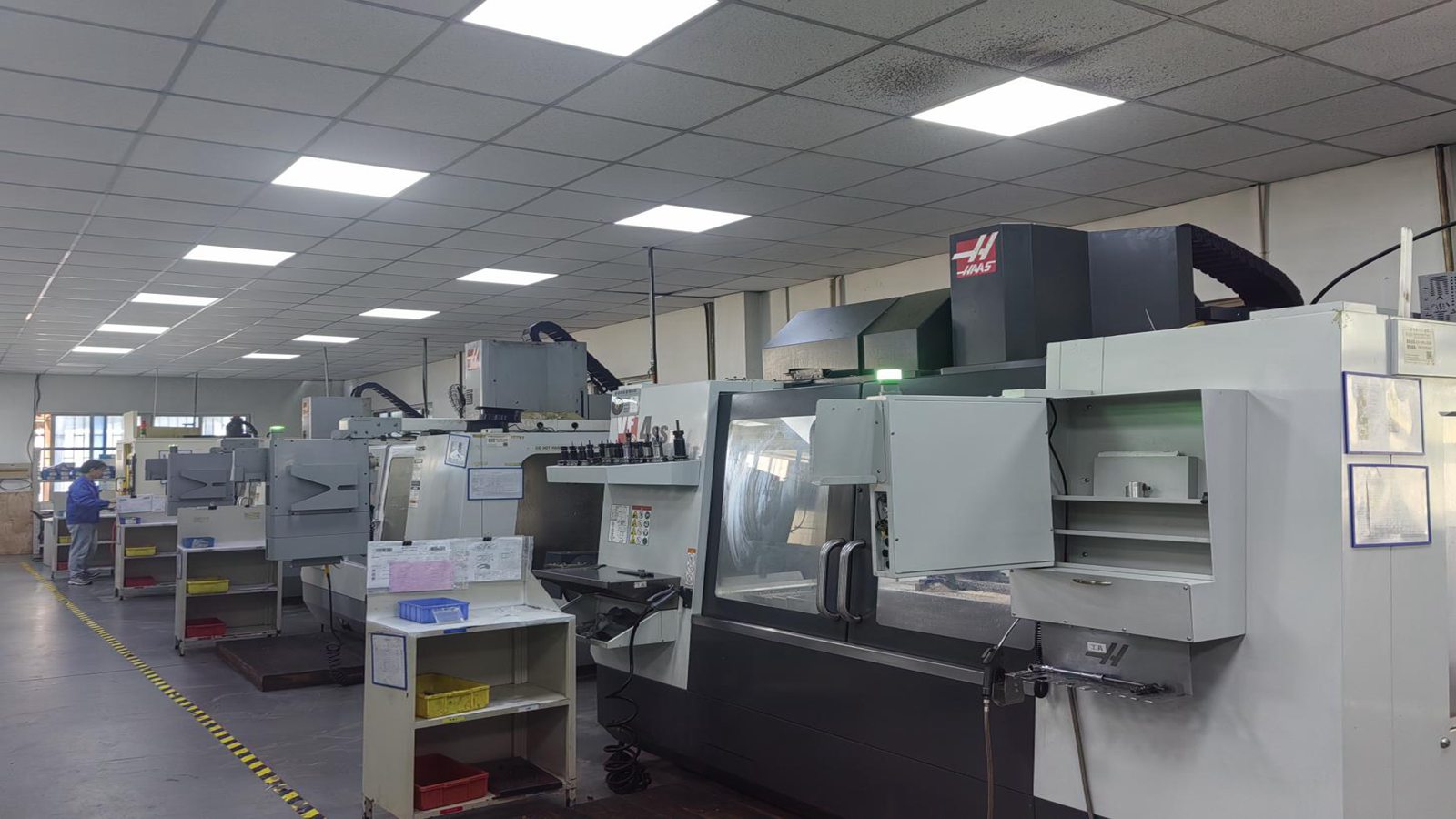
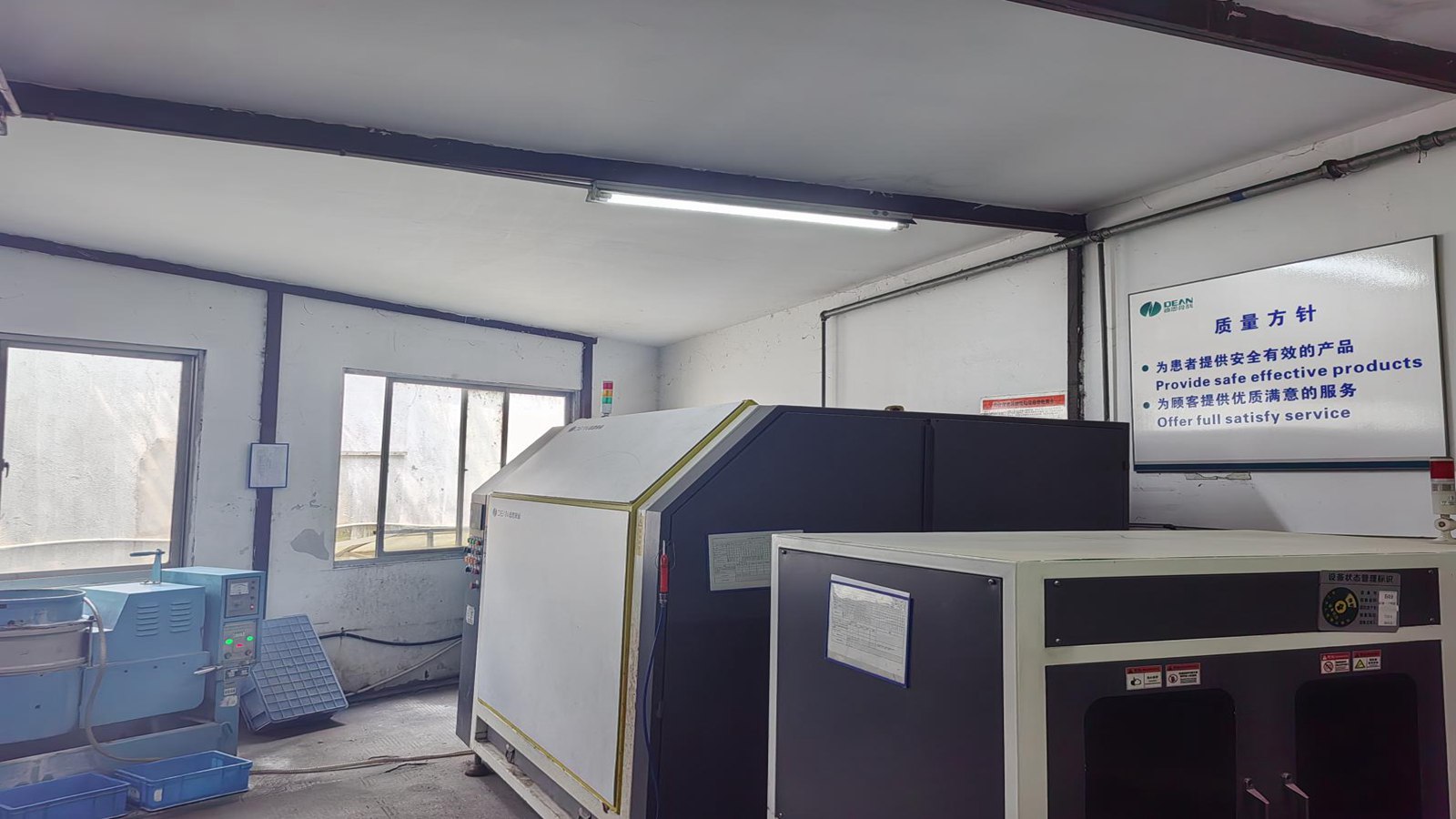
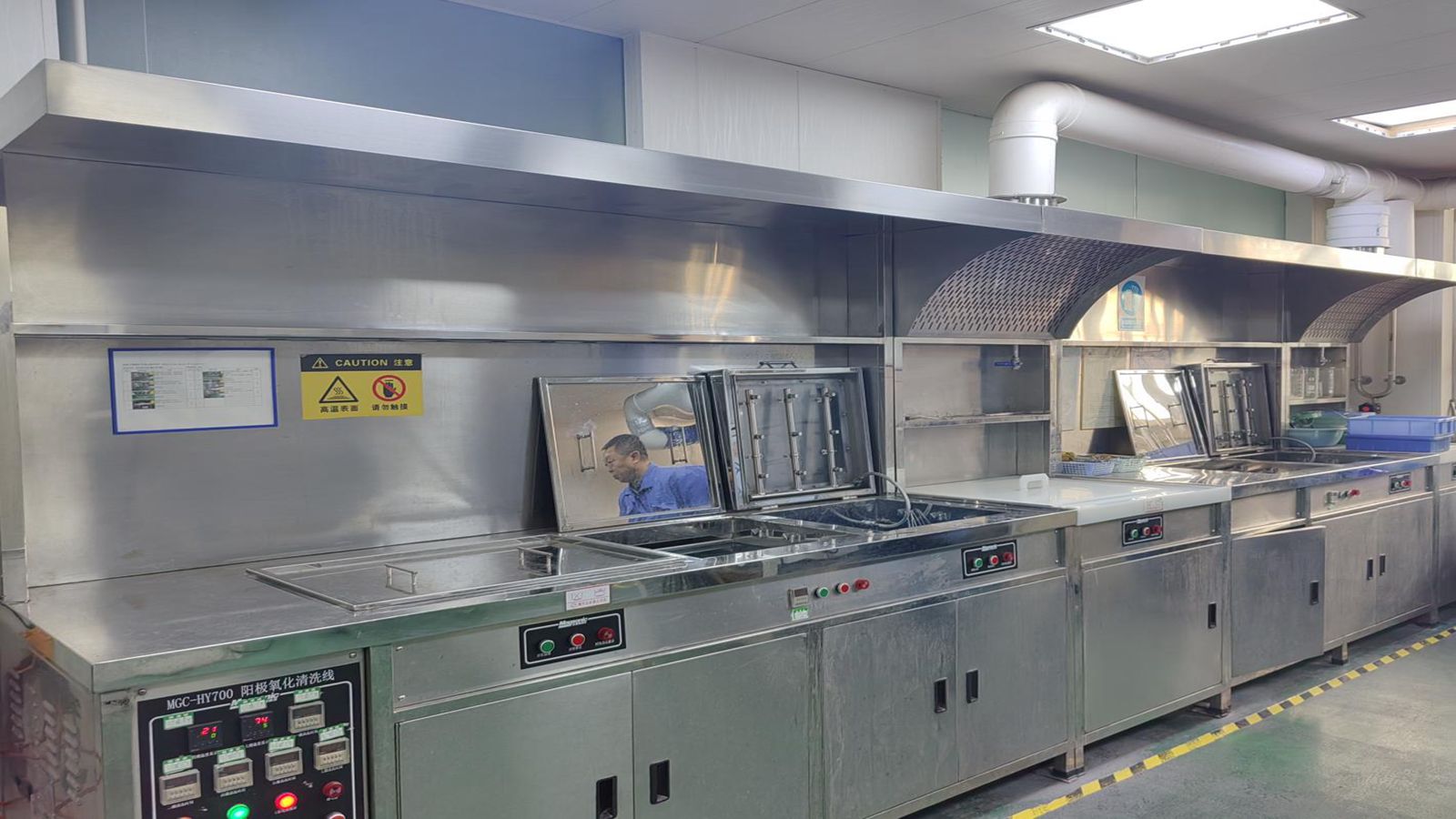
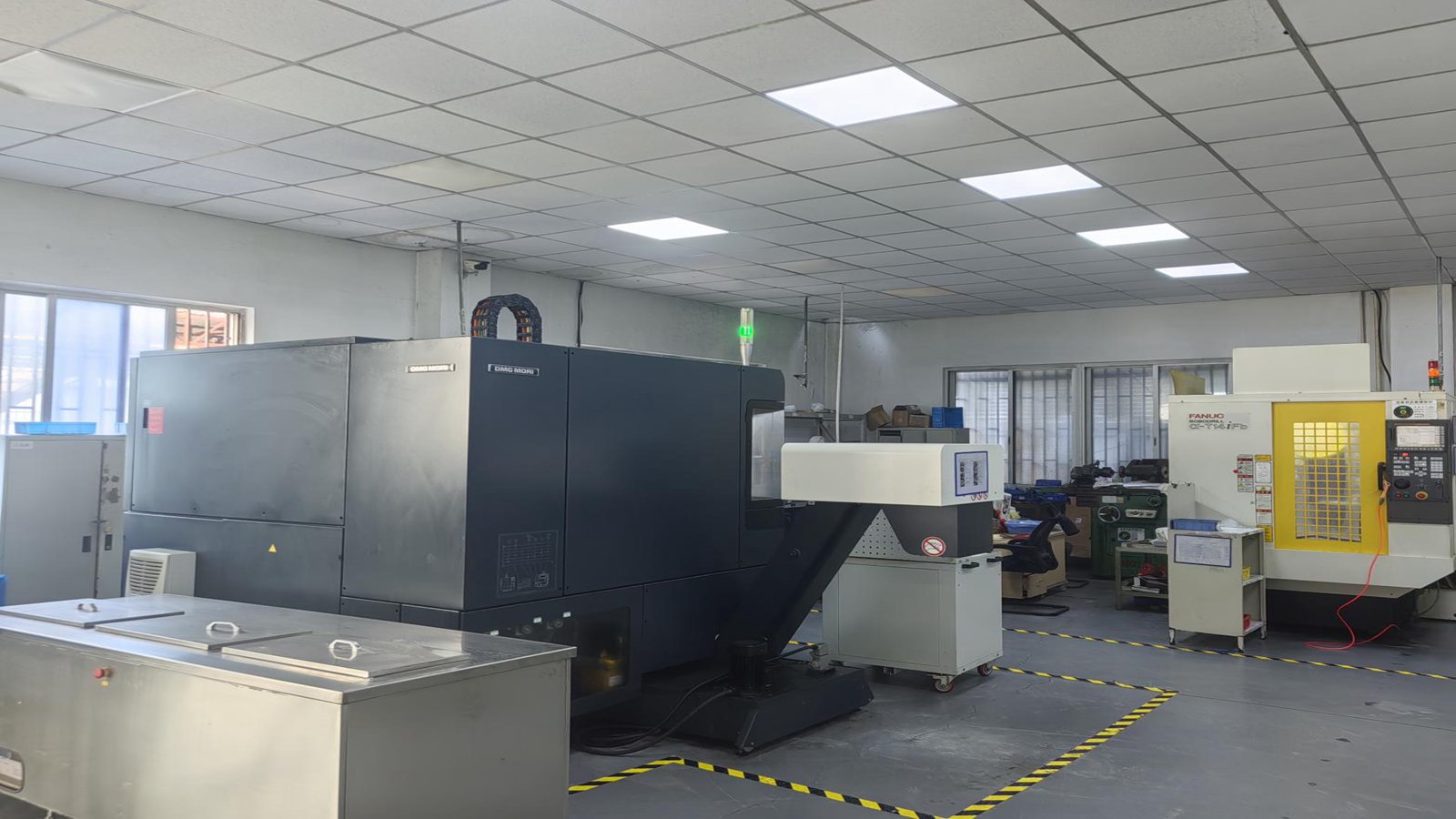
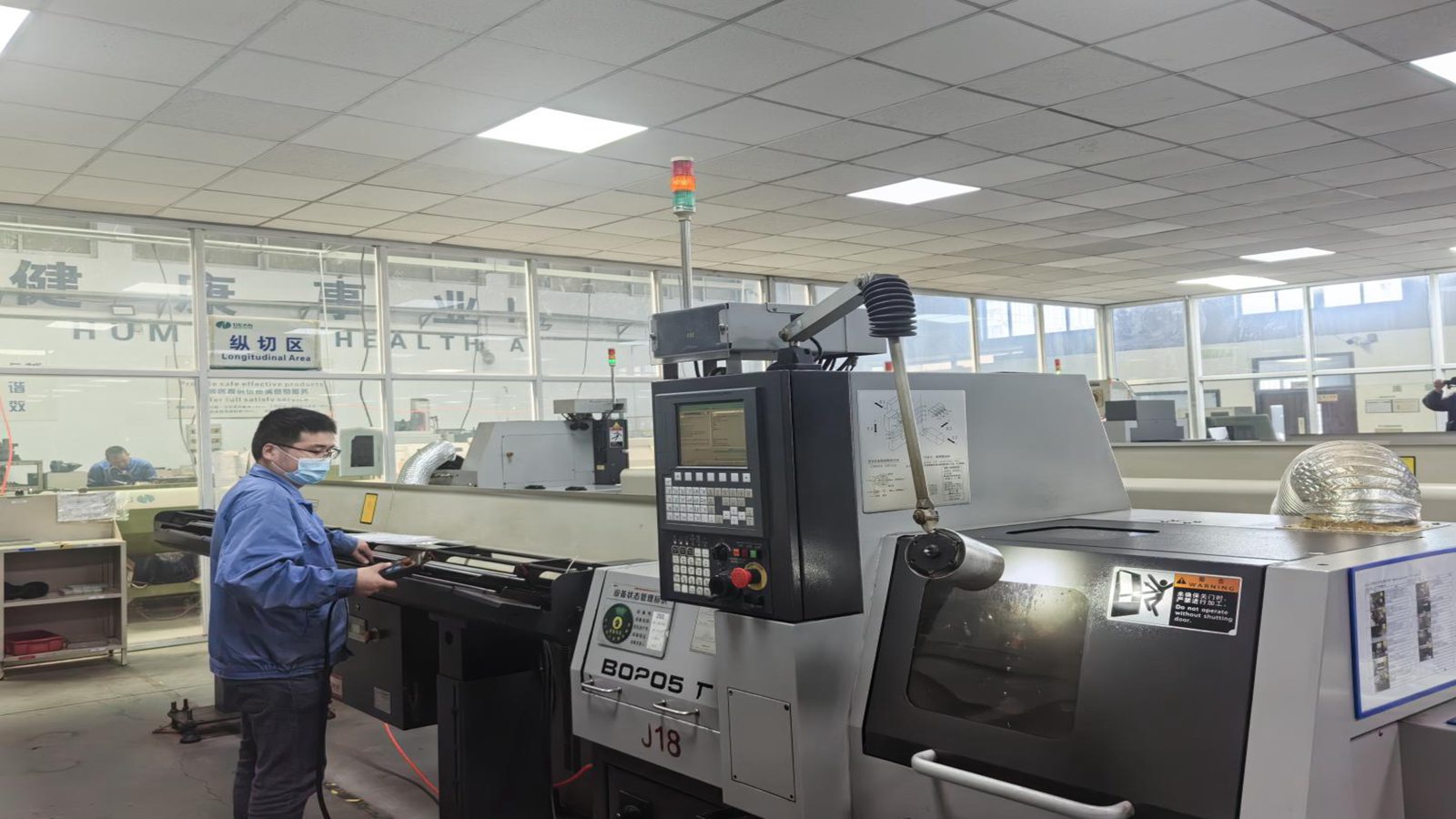
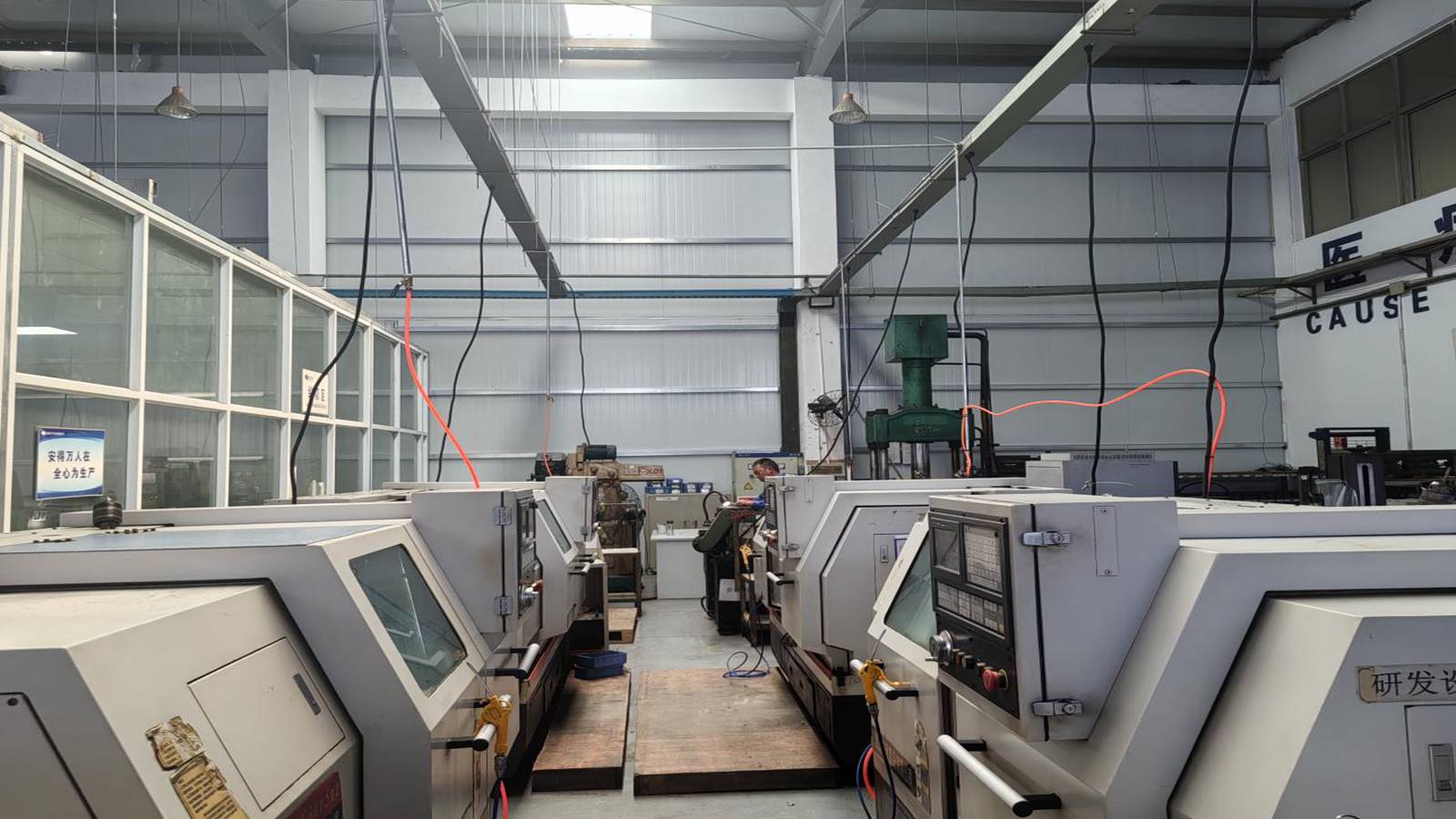
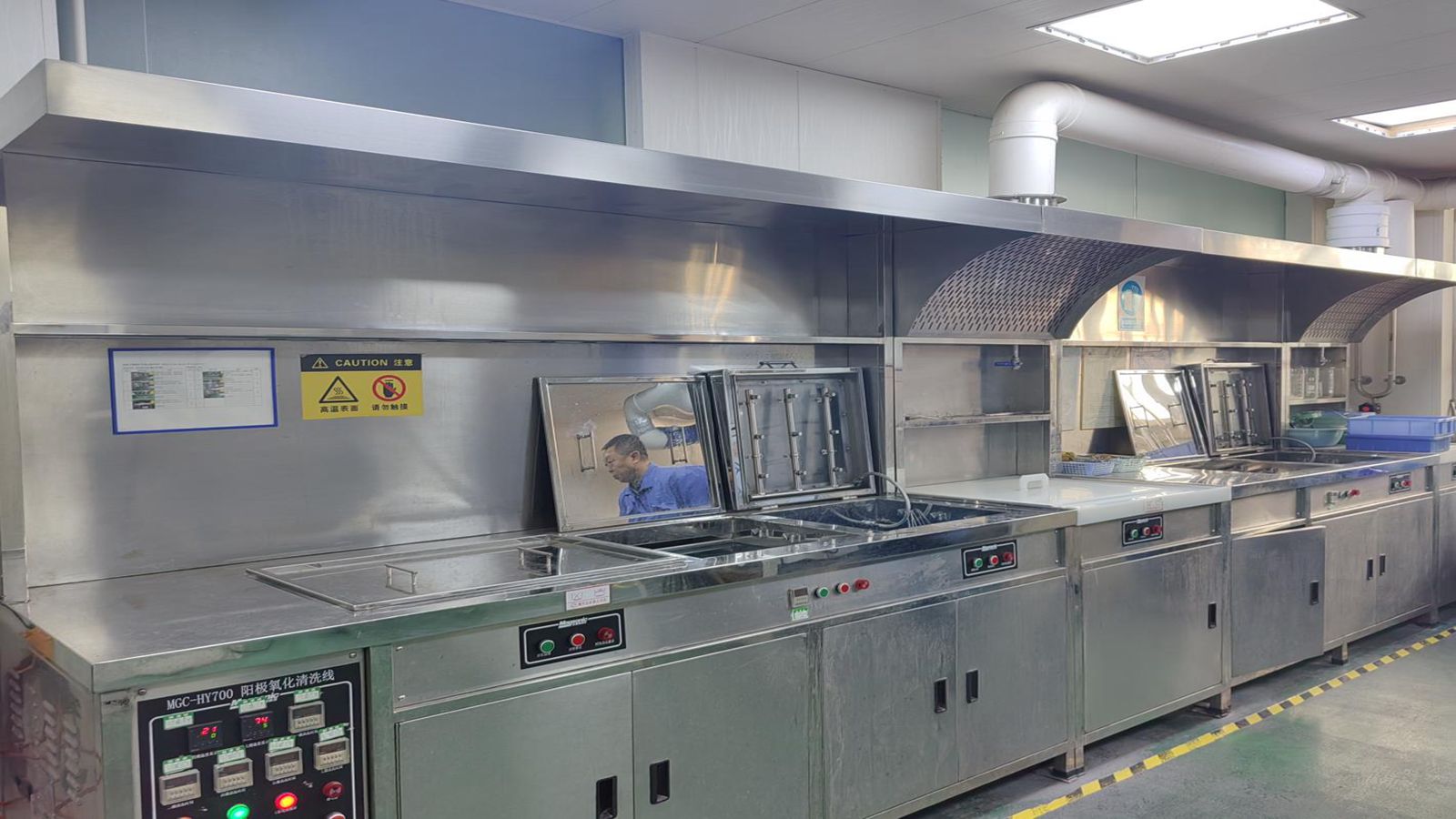
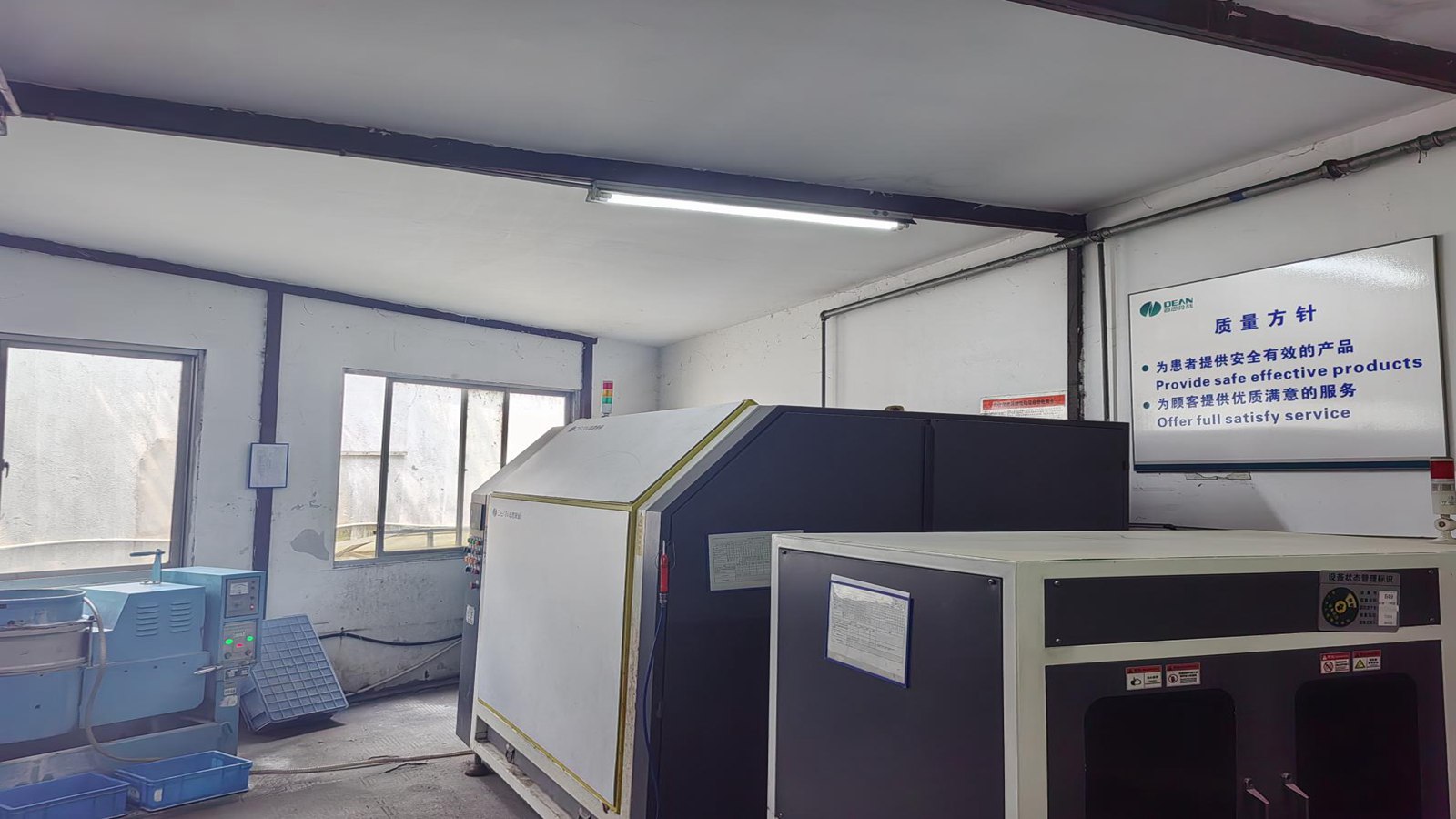
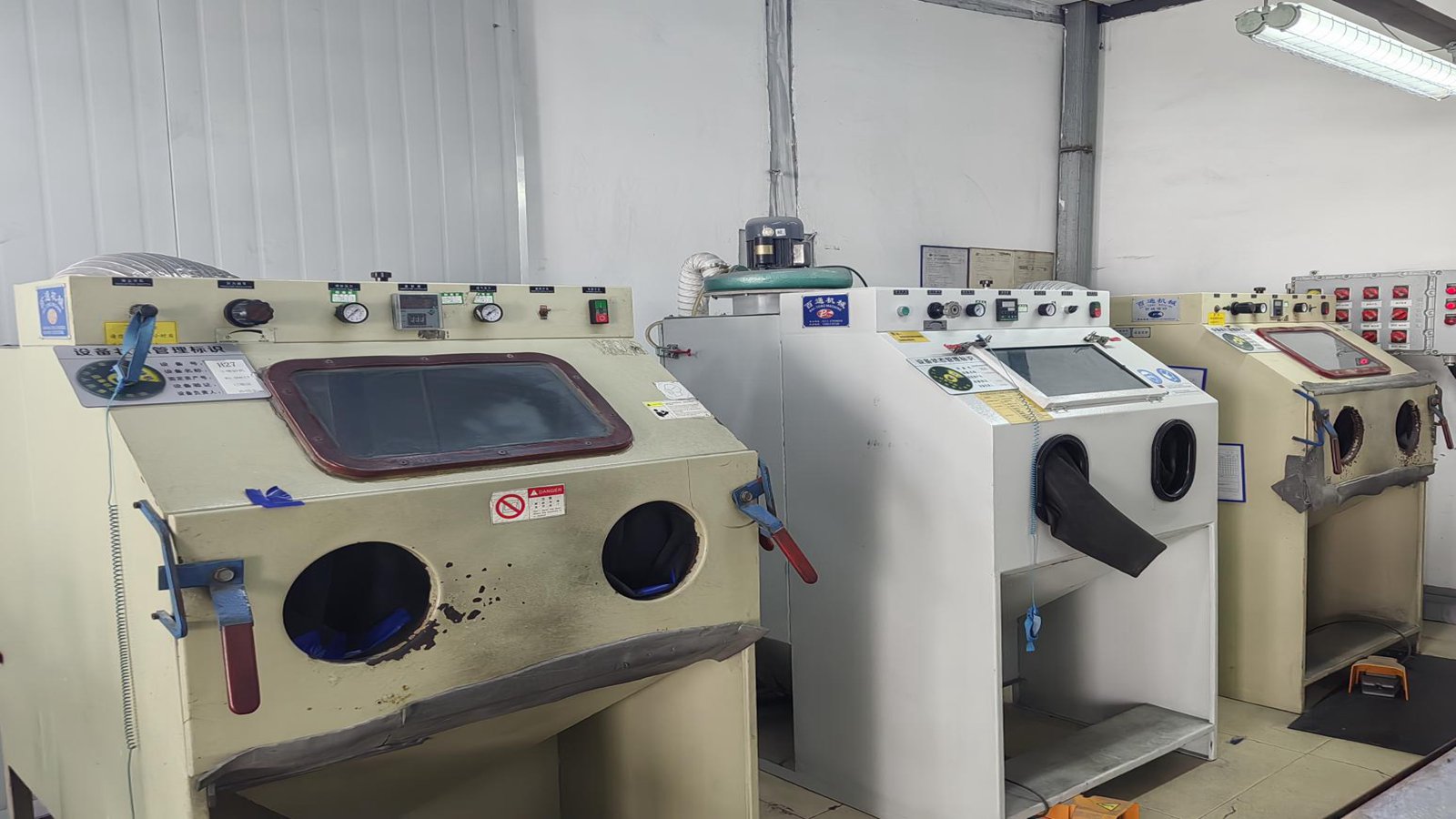
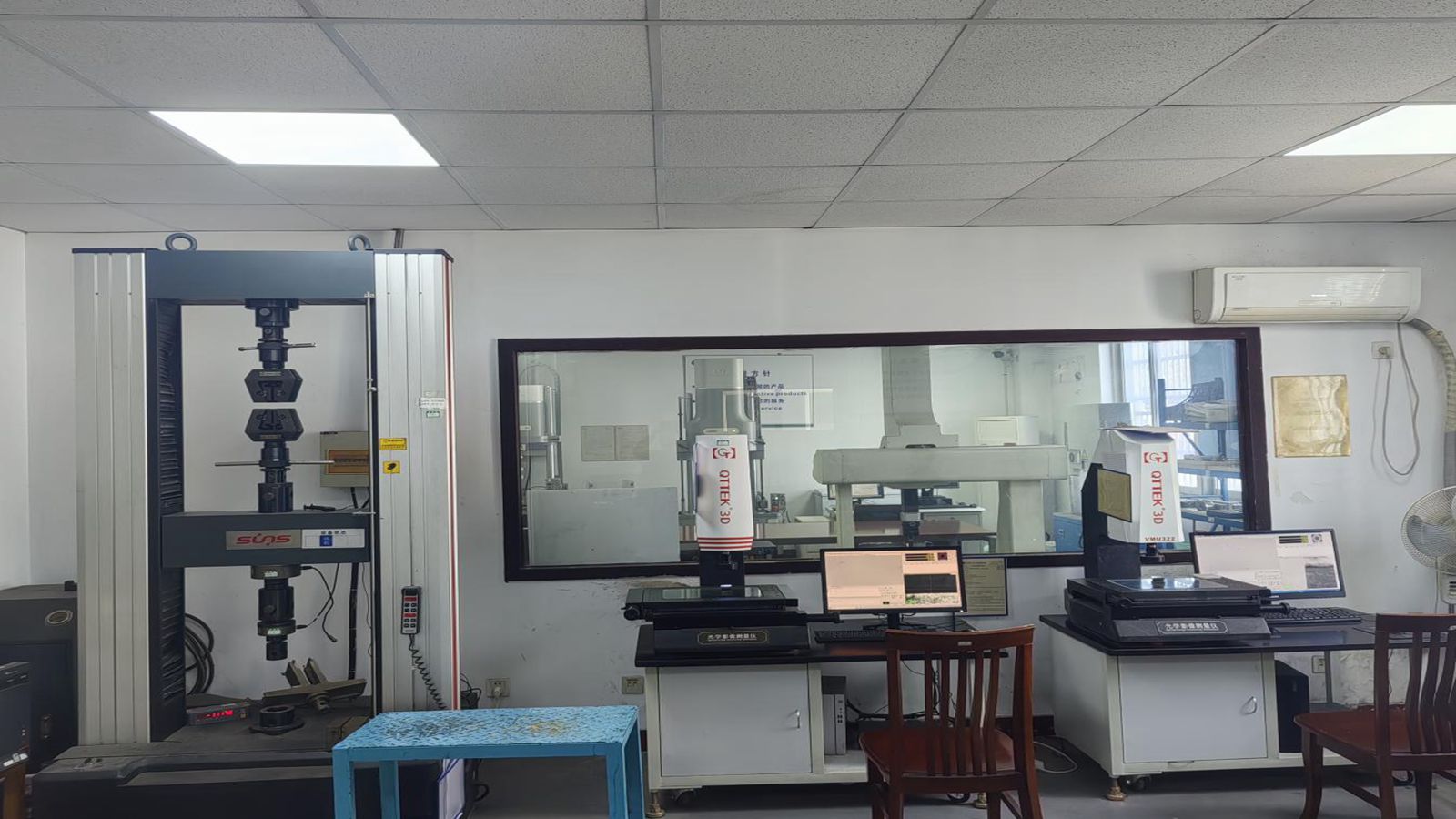
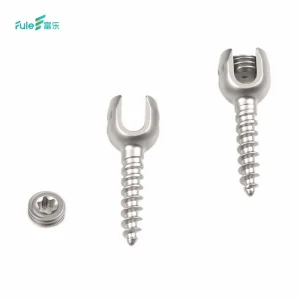
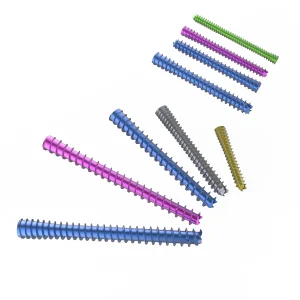
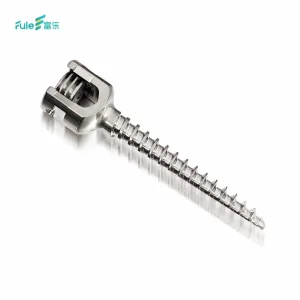
Furthermore, structural innovations are driving the integration of low-profile plate designs that reduce postoperative palpability and irritation under the skin. Current R&D focus areas include dynamic compression plating systems that simulate the natural physiological breathing movements of the rib cage while maintaining stability. Biomechanical fatigue testing is central to verifying that these titanium implants can withstand up to 5 million cycles of respiratory exertion without mechanical failure. High-precision manufacturing using multi-axis CNC machines and automated anode oxidation cleaning guarantees that every single screw and plate exhibits perfect structural integrity and surface purity, minimizing the risk of adverse biological reactions.
Sourcing orthopedic implants and sternal fixation systems for the Russian market requires navigating highly specific regulatory and supply chain criteria. The principal hurdle for overseas manufacturers is obtaining a Registration Certificate (Регистрационное Удостоверение - РУ) issued by Roszdravnadzor (the Russian Federal Service for Surveillance in Healthcare). Without this validation, medical equipment cannot legally enter Russian clinical circulation. This necessitates complete technical testing, biocompatibility verification, clinical evaluations in approved Russian laboratories, and adherence to GOST-R standards.
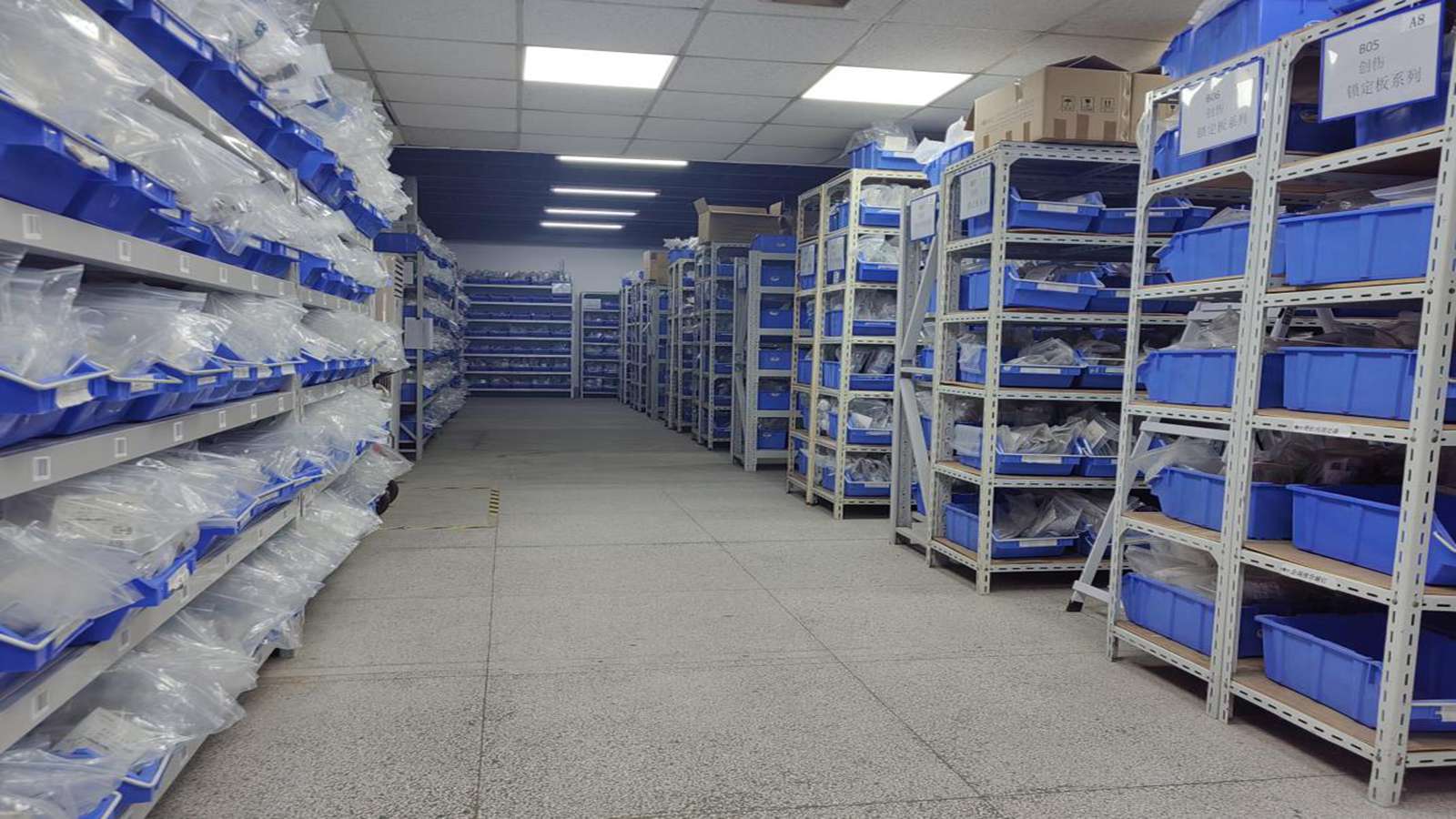
In addition to strict federal registration, procurement teams must align with the Eurasian Economic Union (EAEU) harmonized standards and obtain EAC declarations. Hospital procurement departments, working under 44-FZ and 223-FZ legislation, prioritize manufacturers who offer complete product documentation, reliable clinical tracking, and trace-certified raw materials. Medispirex Orthopedic Technology caters to this precise demand by providing comprehensive batch traceability, material analysis sheets (titanium Grade 5 / Ti-6Al-4V ELI), and sterile packaging compliance, allowing Russian medical distributors and direct healthcare providers to import with confidence and navigate customs smoothly through major logistical corridors like Vladivostok and Moscow.
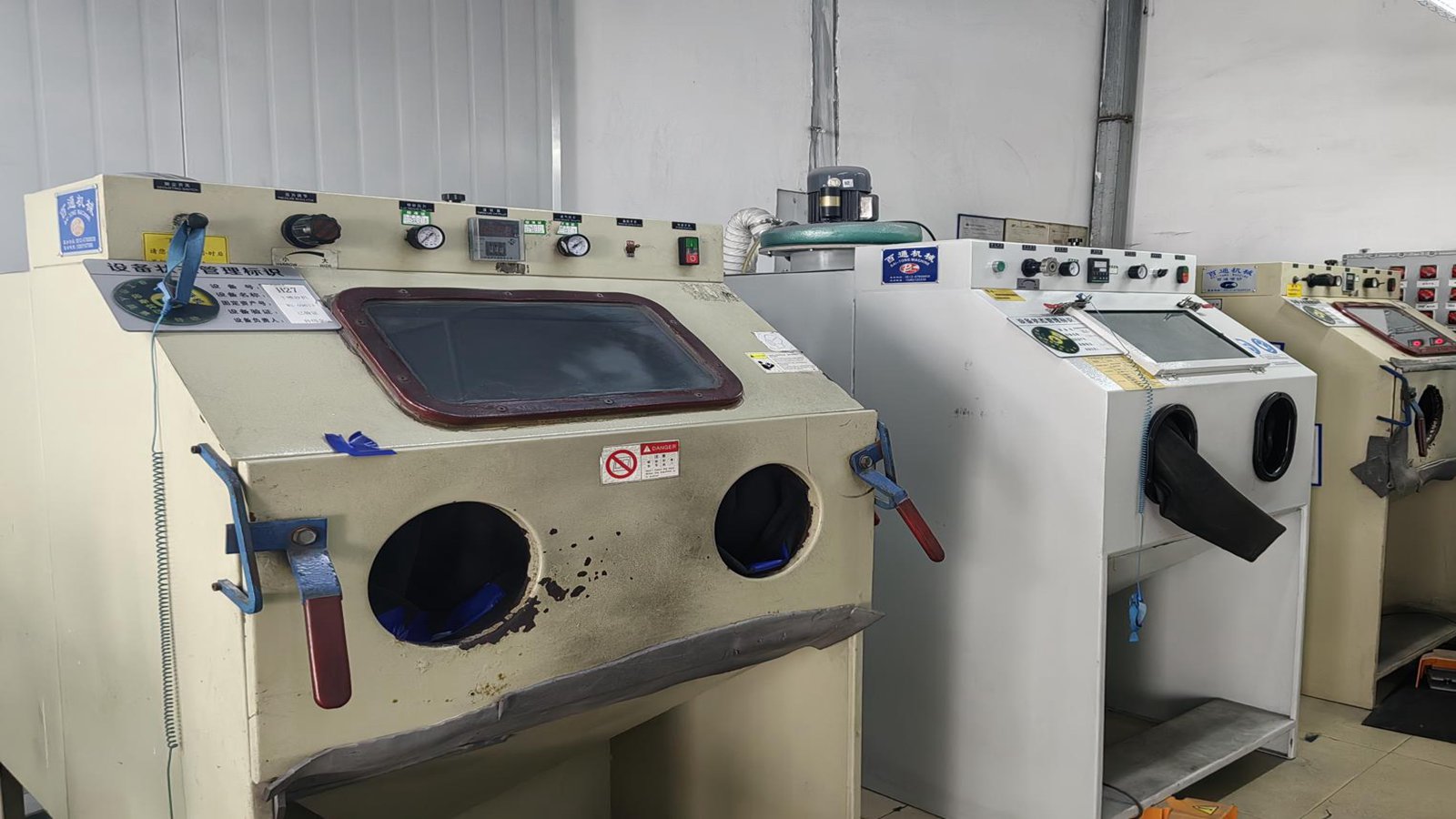
Our advanced manufacturing base utilizes high-precision German and Japanese machining tooling alongside strict quality checkpoints to ensure all implants meet or exceed international regulatory benchmarks.
As we look to the horizon of surgical reconstruction, implants are evolving to play an active biological role rather than acting solely as passive support structures. Our technological roadmap details several breakthroughs designed to meet the future requirements of cardiothoracic surgeons in Moscow, St. Petersburg, and worldwide. First, we are heavily investing in customized 3D-printed titanium implants for complex sternal reconstruction procedures following large tumors or severe trauma. Using the patient's preoperative CT data, implants can be custom-machined or sintered via laser to match individual anatomy, drastically shortening operative times and reducing the risk of implant malpositioning.
Additionally, we are exploring surface-engineered antibacterial coatings. Deep sternal wound infections, though rare, carry high mortality rates. Integrating slow-release silver ion or localized antibiotic coatings on the surface of titanium plates has shown promising results in clinical research. By integrating advanced raw materials—such as carbon-fiber reinforced PEEK (Polyether ether ketone) for high radiolucency and optimal biomechanical flexibility—our next-generation fixation systems will continue to lead the frontier of international and Russian healthcare solutions.
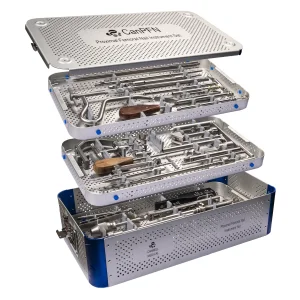
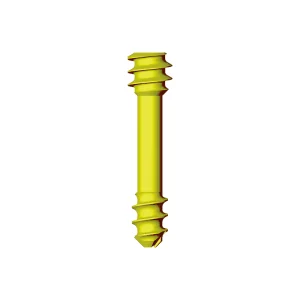
Unlock custom configurations, volume pricing, and regulatory verification documents for our sternal plates and orthopedic implants serving hospitals and surgical clinics across Russia.
Send Inquiry Now